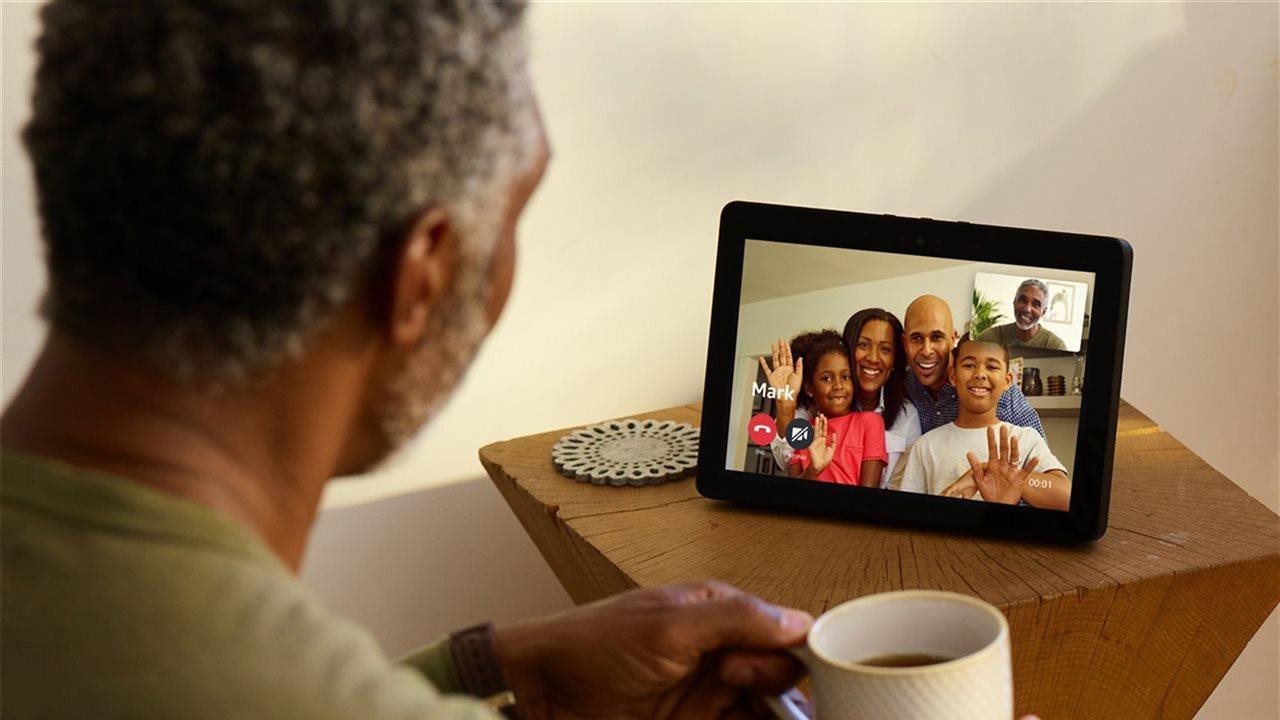
6 ways to save on Amazon this holiday season (and into 2019!)

2018-12-06T06:01:01

(BPT) – This time of year, family and friends gather to celebrate the holiday season. It’s a joyful time, but it can also be stressful — especially if money is tight. Financial expert and author Eva Macias, who specializes in leveling the financial playing field for all families, regardless of income, says that it’s possible for people to de-stress and enjoy the holidays even if their budgets are stretched thin. All it takes is a strategic, bargain-hunter’s mindset.

“The holidays don’t have to be a strain on your family’s budget,” she says. “You just need to spend wisely, look for deals, and realize you don’t have to do it all yourself. The holidays should be a time to enjoy being with family — not stress about money!”

Macias’s top tips and tactics to save money this holiday season include:

1. Sign up for Amazon’s discounted Prime membership. If you’re an EBT cardholder or Medicaid recipient, you can get all the benefits of an Amazon Prime membership for the discounted price of $5.99 per month. The majority of US Prime members have access to free one-day delivery or faster, while all receive the best of entertainment through Prime Video and Prime Music; Prime Reading; Prime Photos and more; with the ability to cancel anytime. I highly recommend signing up — it will save you money and time, not only during the holidays, but also all year long! You can learn more and try out a free 30-day trial at http://amazon.com/qualify.

2. Create a budget for your holiday spending. A budget will be your best friend during the holiday season. Figure out how much you can spend without going into or increasing your debt. Once you get this total, split it up equally among the people you are buying gifts for this holiday. A common pitfall to setting a holiday budget is making it too tight, so give yourself some leeway for unexpected costs that pop up.

3. Shop with Amazon Cash. Making purchases with cash is a savvy way to stick to your holiday budget as it makes you more conscious of what you’re spending. So, try using Amazon Cash instead of your debit or credit card. It’s a simpler way to shop and will help you limit your spending, plus you will still get access to Amazon’s great deals and prices. You can visit more than 30,000 participating stores — including pharmacies like CVS and convenience stores like 7-Eleven — to add cash to your Amazon balance. This method is quick, easy and has no fee. Plus, for a limited time, you can get a $10 Amazon credit when you add $40 to your Amazon Cash balance.

4. Scout out deals. Look to purchase gifts big and small by regularly tracking deal offers from retailers. Amazon’s Lightning Deals offer new deals daily that help you save money and allow you to find the best prices on items you need, want and love, while ‘watch a deal’ alerts ensure you never miss out on a discount!

5. Take advantage of subscriptions. Families can maximize savings this season by enrolling in programs such as Subscribe & Save, which allows you to subscribe to items you frequently buy (such as diapers, baby food and household products), and have them shipped to you for free on a regular basis. You’ll not only save up to 15% on these purchases, but also save time and energy used on trips to the store.

6. Not in a hurry to get your package? Earn rewards with No-Rush shipping. A little-known Prime perk for those who don’t need their order right away is that selecting the No-Rush shipping option earns you rewards and discounts on future purchases. Rewards are automatically added to your Amazon balance so you can start saving without adding anything else to your holiday season to-do list.

With a little planning and preparation, you can stretch your budget through the holidays and lower your stress level in the process. And here’s a bonus tip: You don’t have to stop any of these tactics when the new year begins. It’s great advice for anyone looking to start fresh and save money in 2019 too!


Revealed: The secret to ageless skin

2018-12-06T07:01:00

(BPT) – Psst: Want in on a secret that can put the brakes on wrinkles and other signs of aging skin? 

Who doesn’t? More than 70 percent of us are bothered by fine lines and wrinkles, not to mention the skin texture and discoloration that come with advancing age, according to data from the American Society for Dermatologic Surgery’s Consumer Survey on Cosmetic Dermatologic Procedures1

There are more options today than ever before to delete wrinkles and restore a youthful glow, but some techniques, like microneedling, continue to stand out from the fray. 

Microneedling therapy, also known as collagen induction therapy (CIT), employs small needles to create tiny wounds in the skin. Invisible to the naked eye, these wounds trigger the skin’s natural healing process and stimulate the development of two key structural proteins, collagen and elastin. These proteins are the building blocks of healthy, youthful skin, but as we age our natural supply dwindles. 

Cutera’s Secret RF adds radiofrequency (RF) energy to the mix and dramatically enhances the already impressive results seen with traditional microneedling. The microneedles deliver precisely controlled RF energy deep within the skin to address fine lines, wrinkles and scars from the inside out. The result? Firm, smooth and radiant skin — in as little as one 20-minute treatment. 

“Secret RF has changed the face of nonsurgical cosmetic interventions by way of skin tightening and dermal remodeling simultaneously,” says Mira K. Kaga, MD of the Kaga Institute of Medicine & Aesthetics in Freehold, NJ. “It is a go-to procedure for patients who want to maintain a natural appearance, but need a tool to fight the signs of aging.” 

“It’s also extremely versatile,” she adds. “Safe for all skin types, the Secret RF can reduce fine lines and wrinkles, photoaging, scars (including acne scars) and stretch marks on both the face and body with minimal downtime. Secret RF has definitely changed the playing field and my patients have been thrilled with the immediate sense of tightening they experience as well as the longer-term effects they see two to three months post procedure.” 

Most people report brighter skin in about two weeks after one treatment, while the internal collagen building takes about six months. A series of two to three treatments may be needed for optimal results. 

Dermatologist Adriana K. Holy, MD of THE CENTER for Advanced Dermatology in Phoenix agrees that the technology’s versatility makes Secret RF a true game changer. “The Secret RF has revolutionized skin resurfacing and rejuvenation in my practice,” she says. “It erases etched lines, but in addition to that, it tightens the skin, reduces and often eliminates jowls and dramatically improves the neck — all with minimal and manageable downtime! I also love the tightening in the eye area — it’s my eyelift without surgery!” 

Now that the Secret is out, what are you waiting for? If you are ready to reduce fine lines and wrinkles, photoaging, scars and stretch marks, schedule a consultation with a Cutera Secret RF provider near you today: https://cutera.com/patients/find-a-provider


1. The ASDS Consumer Survey on Cosmetic Dermatologic Procedures indicates the percentage of consumers considering a cosmetic medical procedure has doubled since 2013. https://www.asds.net/portals/0/Images/body-consumer-survey-2017.jpg


Fighting an illness? 4 ways to boost your immune system

2018-12-06T07:07:00

(BPT) – The winter months bring cold and flu season, which can take a toll on your health. While flu shots and rest are common advice for prevention, a strong immune system is critical to keeping you healthy all year long. According to Margaret Martin, RD, MS, LDN, CDE, a Registered Dietitian at The Leukemia & Lymphoma Society, “Your body’s ability to fight infection and disease depends on your immune system.”

Margaret provides one-on-one nutrition consultations for people with cancer who have a weakened immune system due to the effects of treatment, but she says keeping a healthy immune system is important for everyone. “Boosting your immune system during and after cancer treatment can help you feel better, maintain your strength, avoid treatment delays and speed your recovery. This goes for anyone fighting an illness, or preventing one.”

Margaret offers these important tips to help boost your immune system and keep it running smoothly throughout the year.

Keep a plant-based, heart-healthy menu.

Choose foods first as your source of vitamins and nutrients. Unless your healthcare team directs you to take a vitamin or supplement, you likely do not need one. The best way to include these nutrients is by eating whole foods. Make sure your meals incorporate a variety of vegetables and fruits, whole grains, legumes, beans, lean protein and healthy fats.

Eat small, frequent meals throughout the day to stay energized and to ensure your body is getting enough calories, proteins and nutrients. Protein acts as a “builder” and the body uses it to build and repair tissues. Protein is also vital for making hormones and enzymes that promote the body’s daily functions and supports a healthy immune system. In addition, drinking eight to 10 glasses of fluids every day is one of the most effective ways to flush waste from your body and support the health of your immune system.

Power up with phytochemicals.

Fruits, vegetables and other plants contain naturally occurring substances known as phytochemicals. Phytochemicals give fruits and vegetables their color and flavor. Phytochemicals act as soldiers in the immune system to protect the body from damage. Studies show that phytochemicals help support the:

* Immune system

* Creation of healthy cells

* Death of damaged cells (such as cancer cells)

Decrease your risk of malnutrition.

It can be harder for a malnourished body to fight off an illness or infection. Malnutrition results when the body does not receive enough calories and/or nutrients to promote good health and sustain healthy functioning of your body’s systems. When you’re “in the slumps,” it can be easy to avoid eating altogether. Follow these tips to reduce your risk of malnutrition during cancer treatment:

* Choose a variety of foods each week from all the food groups. Talk with your healthcare team before changing your diet. Eat regularly throughout the day, every four to six hours. Even if you do not feel hungry, try to have a snack or mini meal. If you forget to eat, try setting a timer.

* Include a protein source with every meal and most snacks.

Make changes to your lifestyle. And stick to them.

In addition to using nutrition to boost your immune system, you can also make changes to your lifestyle to help support health and immunity. These include:

* Decrease your exposure to bacteria, viruses and germs.

* Aim for 7 hours or more of sleep every night. If your sleep is interrupted, try a 30-minute nap during the day.

* Reduce stress by taking time to do things you enjoy such as spending time with family, spending time outdoors or reading. If your feelings of anxiety or depression make it difficult for you to complete daily tasks, talk to your healthcare team.

The Leukemia & Lymphoma Society offers PearlPoint Nutrition Services to all cancer patients and caregivers, providing free nutrition education and consultations. Visit www.LLS.org/nutrition for more information.


How consumers can make the most of their money, stress less this holiday season

2018-12-05T17:41:00

(BPT) – The arrival of the holidays brings with it a whole host of considerations and things to do. According to a recent survey by Chase, eight in 10 Americans say they have holiday stress. Whether you’re out to find the perfect gift, or just entertain the kids as school winds down, the common denominator is the holiday season sees Americans strapped for time and spending more money than at other times of the year. 

With all the season’s craziness, it can be easy to let important to-do’s slip through the cracks. With proper planning, and a credit card provider that has your back, options abound for making sound decisions even in the face of increased spending. Chase is there to make sure you have one less thing to stress about when holiday crunch time hits. 

Chase offers consumers options for saving money throughout the holiday season. Chase Financial Education Ambassador Farnoosh Torabi says money-conscious consumers can shop smarter, offering tips that consumers can keep in mind while they’re in-store. 

“If you pay with Chase, there is one less thing to worry about when you’re shopping and gifting this holiday season,” Torabi said. “Chase has made it easier and quicker to redeem your points for gifts, keep track of your cards and ensure a safe, secure check-out experience.” 

As many Americans look for deals and coupons after Thanksgiving, Chase provides customers convenient ways to save money right on their phones. 

“Before you even get to the store, gear up for great deals with Chase Offers,” Torabi said. “When you log into your Chase Mobile app, you can select offers from top retailers, add them to your card, and automatically get a credit when you shop in the store — no coupons or vouchers needed!” 

Recent findings also show that more than half of Americans say they are gift card givers when under pressure. In that event, shoppers should keep in mind that there are several opportunities to make the most of your money by redeeming credit card rewards. 

“If you earn points through Ultimate Rewards, you have a lot of flexibility to use them for gifting,” Torabi said. “Through the Ultimate Rewards site, you can get a gift card to popular merchants, use them to purchase Apple products, and even use them at checkout when you use the Chase Pay mobile wallet.” 

Money isn’t the only concern of Americans during the holiday season — there’s time, too. As the holidays wind up and the frenetic pace of family and fun begins to set in, Americans begin looking for ways to save time so they can enjoy the things that mean the most. In fact, one-third of Americans (34 percent) say that the holidays can leave them strapped for time so they use points to get gift cards for family and friends. 

“Shoppers should also keep the Chase Pay app in mind,” Torabi said. “Imagine you’re out shopping for holiday gifts and your hands are full of everything from toys to wrapping paper — and even your kids! Instead of rummaging through your bag to find your wallet, the Chase Pay app allows you to pay with your phone.” 

Between the office parties, family and friend get-togethers and rushing to stores for last-minute gifts, you may wind up forgetting something. If you leave your card behind or misplace it, Chase credit cards now have a lock/unlock feature. From your phone or computer, you can instantly block new purchases, cash advances and balance transfers the moment your card isn’t in your wallet.

Check out chase.com to learn more. And if you want to check out Chase Offers, go to chase.com/chaseoffers.


5 steps to find the perfect financial planner for you

2018-12-05T17:31:00

(BPT) – The economy has changed considerably since the recession. Unemployment is at record lows and the market is flush with opportunities for workers of every level. While it is certainly good to live in the present, it is also important to plan for the future, and research shows that many people are not saving sufficiently to live life at their current standard when they retire.

A recent study finds that 52 percent of American households are at risk of not being able to carry their current lifestyle into retirement. This is an increase from an estimated 45 percent of households in a 2004 study. The estimated retirement savings shortfall amounts to roughly $6.4 trillion.

This dramatic number isn’t solely the result of negligence. In fact, in many cases a lack of financial education is a major contributor. Many adults today actually know little about retirement planning because they weren’t educated on the topic during high school or college. For example, many people don’t realize that an individual retirement account, continuously funded at $3,000 per year — starting at age 20 and based on an estimated rate of return of 8 percent — will yield $1.16 million when they retire at age 65. That same account — started at age 30 instead — will only yield $517,000 at age 65. 

All of this underscores the importance of being smart with your retirement planning and adjusting your strategy based on your age. A good financial planner can help you do all of that. To find the right financial planner to help you prepare for retirement, the National Association of Personal Financial Advisors (NAPFA) offers these tips.

* Look for a planner who is a fiduciary. Planners who are fiduciaries have a duty of loyalty to their clients and a duty of care. The duty of loyalty means they must always consider their clients’ interests above their own, even if that interest negatively impacts their own income. The duty of care means an advisor must care for clients as though they were loved ones and provide them with prudent advice. Look for a planner who is a fiduciary and put that duty of care to work for you. You can learn more about how to find a fiduciary advisor at napfa.org/financial-planning/fiduciary-101.

* Focus on experience. Your retirement future isn’t something you want to leave to someone without the proper credentials. There are more than 100 professional designations in the financial services industry, but only a few of them truly indicate a professional’s ability to do holistic financial planning. Look for planners with the CFP(R) certification. This certification means a financial planner has met rigorous professional standards and has agreed to adhere to the principles of integrity, objectivity, fairness, confidentiality, professionalism and diligence.

* Focus on financial planning. Your financial future will be dependent on a sound financial plan, so look for a professional who focuses on true financial planning. Ask your planner if they have ever written a financial plan and what the plan might look like for you. Holistic financial planning includes tax planning, education planning, estate planning, retirement advice and more.

* Ask how your planner will minimize and disclose conflicts. Your planner is not just a professional entity, but also a person with personal interests and business dealings. This means that no matter which planner you select, there is a chance that your planner’s personal dealings could create a conflict with your financial decisions. That’s OK and normal. The key is to find a planner that will minimize conflicts and disclose any conflicts to you ahead of time. Ask potential planners how they will handle such a situation and don’t take “It won’t happen” for an answer.

* Are they compatible with you? This last quality is certainly one of the most important. How comfortable does the planner make you feel? As you speak, do you feel the planner understands your goals and is a person you could trust long-term? Over the course of your relationship you will share plenty of personal information with your planner, and entrust them with your financial future. Listen to your gut and choose a planner you feel comfortable with.

Start your planner search today

Living the life you want in retirement is possible if you start planning for it now. The right financial planner can help you realize your goals, so don’t delay in finding the right planner for you. Visit NAFPA.org for more consumer resources on how to find the right planner for you today.


Are you recycling your plastic beverage containers?

2018-12-05T13:01:20

(BPT) – When you place a plastic beverage container in a recycling bin, you are an important part of the product’s life cycle, helping that packaging to be used to make something new, over and over again.

An astounding 70 percent of what people toss in the trash is actually recyclable, but very few people recycle as often as they should.

What exactly happens to plastic beverage bottles that you put in a recycling bin?

They are collected, sorted and ground into plastic flakes. Different types of plastic flakes are separated before being washed and dried. Then the processed flakes are used to make things like cups, trays, clothing, carpet fibers and so much more — including new beverage bottles.

Recycling not only reduces waste, it saves energy too. Consider plastic bottled water containers, for example. Making new bottles from old ones uses 84 percent less energy, according to the International Bottled Water Association (IBWA).

Understanding that every person plays a critical role in the recycling process, IBWA launched “Put It In The Bin” — a partner-friendly initiative focused on educating people about the value of always putting recyclables in the bin so they can be made into new and amazing things.

Recycling isn’t always convenient, but it’s worthwhile to do. When life is busy, it can be easy to forget to recycle. Consider these smart, easy-to-do tips that can help you make recycling a part of your daily life:

Location: Place your recycling bin near your trash bin as a visual reminder that recycling can be just as fast and simple as putting something in the garbage.

Caps included: Enjoy convenience drinks, empty them, replace the cap and recycle. It’s important to remember that both the bottle and the cap are made from valuable plastics that are in demand by reclaimers.

Bring recyclables home: Outside of the home it can be difficult to locate recycling bins. Make a conscious decision to bring empty beverage bottles home so they can be recycled properly.

Plan ahead: Make space for empty beverage containers in your bag or car so it’s easy to bring them home and place them in your curbside bin.

Set reminders: More than 90 percent of American homes have access to curbside and drop-off recycling programs, according to IBWA. Set an alert on your phone so you remember to bring out the recycling on the designated day.

Reuse: Think about how you can reuse items, such as transforming empty plastic beverage bottles into a beautiful holiday wreath. Watch the video here for details: https://www.youtube.com/watch?v=P_51YHj_4-o&t=2s.

Buy recycled: Purchase goods made from recycled materials to support the ongoing life cycle of products.

There are many things that can be recycled, but bottled water containers are the most common drink item in curbside recycling programs, recycled at a rate of 53.9 percent, according to the “Put It In The Bin” website.

In fact, recycling just one plastic beverage bottle can conserve enough energy to power a 60-watt bulb for up to six hours, notes IBWA. What’s more, according to Recycle Across America, five recycled plastic bottles provide enough fiber to produce one square foot of carpet.

With recycling, the possibilities are endless — but it all starts with one small personal choice to recycle. To learn more about how recycling makes a difference, visit putitinthebin.org.


A history of cancer breakthroughs 65 years in the making

2018-12-05T08:01:00

(BPT) – When the Cancer Research Institute (CRI) was founded in 1953, little was known about cancer and even less about the immune system. CRI was the first — and for many decades the only — research funding organization that believed that we could one day harness the immune system as a powerful weapon against cancer. Since then, the field of cancer immunology has blossomed and immunotherapy has revolutionized how cancer is treated, thanks in part to work funded by CRI.

This year marks CRI’s 65th anniversary. As part of the celebration, the nonprofit dedicated to cancer immunotherapy research released a list of 30 of the most important CRI-funded scientific breakthroughs. Each milestone can be traced directly back to CRI, which has supported more than 3,200 scientists and doctors at top institutions around the world.

Though distinct, each of these breakthroughs provided crucial pieces to the complex puzzle that CRI has long sought to solve: how the immune system can be used to save the lives of those with cancer.

Foundational discoveries

Many CRI-funded foundational discoveries helped establish immunotherapy as a viable treatment approach for cancer. One particularly important discovery occurred in 1976, when a team led by Lloyd J. Old, M.D., CRI’s founding scientific and medical director, revealed the existence of spontaneously occurring anti-tumor immune responses in cancer patients.

Many of today’s advancements in cancer treatment are a direct of result of these foundational breakthroughs, made possible in part by the $384 million in donor support that CRI has invested in scientists over the last six decades.

Checkpoint immunotherapy

Checkpoint inhibitors that target the PD-1/PD-L-1 pathway have been approved for eleven major cancer types in the United States and around the world, thanks in part to early work funded by CRI. While working in the Emory University lab of Rafi Ahmed, Ph.D., CRI-funded fellows E. John Wherry, Ph.D., and David Masopust, Ph.D., laid the groundwork for these therapies by showing that targeting this pathway could restore the activity of “exhausted” T cells.

These treatments, however, weren’t the first checkpoint immunotherapies approved by the FDA. The first, which targets CTLA-4, was approved in 2011 after a breakthrough in a phase III clinical trial with advanced melanoma patients. CRI-funded postdoctoral fellow Dr. Frank Borriello was part of Dr. Arlene Sharpe’s team at Harvard Medical School that was one of the first to help clarify the role of CTLA4 in immune responses, while James P. Allison, Ph.D., 2018 Nobel Prize recipient, current director of CRI’s Scientific Advisory Council, and chair of the Department of Immunology and the executive director of the Immunotherapy Platform at the University of Texas MD Anderson Cancer Center, is regarded as a pioneer and one of the driving forces behind the clinical development of anti-CTLA-4 immunotherapy.

Expanding immunotherapy’s applications

Beyond checkpoint inhibitors, immunotherapies like vaccines can educate patients’ immune systems about what cancer “looks like,” while others incorporate patients’ immune cells directly. These cell-based immunotherapies continue to show great promise and are improving survival for many patients, including children, living with cancer.

In 2002, Dr. Cassian Yee, a CRI-funded clinical grantee at the Fred Hutchinson Cancer Research Center in Seattle (now at MD Anderson Cancer Center), helped lead groundbreaking work that was among the first to show that cancer patients’ immune cells could be removed, enhanced in the lab, and then used to help fight their tumors. This work launched the development of many adoptive T cell immunotherapy approaches — including chimeric antigen receptor (CAR) T cell therapy, an approach recently approved by the FDA for the treatment of some types of leukemia and lymphoma.

Bacteria and viruses

People often associate bacteria and viruses with the infections that can arise from these organisms. However, because of their ability to stimulate the immune system, bacteria and viruses can also promote immune responses against cancer. In fact, the first use of immunotherapy in the 1890s — by CRI’s “grandfather” Dr. William B. Coley — involved infecting cancer patients with bacteria to help stimulate their bodies to attack the cancer.

Since then, we’ve learned much more about the roles these microorganisms play in the context of cancer immunotherapy. In 2015, CRI postdoctoral fellow Dr. Leticia Corrales, while working in the lab of the University of Chicago’s Dr. Thomas F. Gajewski — a member of CRI’s Scientific Advisory Council — discovered that mice with “good” bacteria were better protected against tumor development and responded much better to checkpoint immunotherapy. Subsequent work by Dr. Gajewski showed that this same connection exists in human cancer patients too, spurring a number of bacteria-based prognostic and therapeutic approaches being evaluated right now.

Looking to the future

Over the past 65 years, CRI has focused on cancer research with one goal in mind: to unleash the immune system’s power to cure all cancers.

“Many people living with cancer today have been able to live longer, healthier lives thanks to the power of immunotherapy and we’re now seeing decades of research come to fruition,” said Dr. Jill O’Donnell-Tormey, chief executive officer and director of scientific affairs at the Cancer Research Institute. “We’re thrilled to have been a major part of the progress made to date, but more research needs to be done and that’s why those of us at the Cancer Research Institute will continue to fund the best, most promising scientists in cancer immunotherapy research until all cancer patients benefit from these treatments.”

For more information on CRI’s impact on some of the most groundbreaking advances in cancer immunotherapy research, visit cancerresearch.org/breakthroughs.


ASMR: The Incredible Impact of Sound and How It Affects Human Emotion

2018-12-05T08:01:00

(BPT) – Maybe it is the rustle of canvas unfurling, or the sharp snipping of the stylist’s shears as they tidy up your bangs. Whatever it is, it resonates down your scalp and spine like a tuning fork. Certain noises can trigger the senses and make us feel a variety of ways. In fact, researchers are just beginning to understand the power of sound, and how it can unlock an array of sensations that enhance the human experience.

The Magic of ASMR

The pleasant and soothing emotional and physiological responses that result from exposure to certain stimuli is called an autonomous sensory meridian response (ASMR). While ASMR is most often triggered by audio and/or visual stimuli, individuals may find that any of the senses can be engaged to elicit the experience of blissful waves of energy coursing through their nervous system. A familiar, comfortable sound can elicit a positive response, just as seeing something specific can help produce a pleasant feeling. A quick search online will result in thousands of videos of people crafting ASMR-inducing scenes — from fluttering their fingers to turning pages in a book and more.

ASMR is a euphoria your brain experiences when it reacts to these sounds or actions of satisfaction. In fact, 68 percent of people say familiar sounds initiate a positive emotional response, according to a recent survey conducted by Toluna QuickSurveys on behalf of Zippo. While the audio or visual stimuli are different for each person, there are some that are widely viewed as triggers for ASMR such as whispering and scratching.

ASMR: A Growing Phenomenon

ASMR is a fairly new concept, but people are taking notice. The psychological benefits have shown that there is more to ASMR than just “brain tingles.” 

Researchers from the University of Sheffield in the United Kingdom conducted a study that found people who experience ASMR benefit emotionally and physiologically. According to the study report, “those who experience ASMR showed significantly greater reductions in their heart rates when watching ASMR videos (an average decrease of 3.14 beats per minute) compared to those who do not. They also showed significant increases in positive emotions including relaxation and feelings of social connection.” 

The Relation of Sounds

While everyone is unique in their experience of ASMR, some sounds are highly recognizable and have a higher ability to trigger an emotional response. One of these classic sounds that almost anyone can relate to is the click of a Zippo lighter, which is identifiable by nearly four out of five adults, according to the Toluna survey. Furthermore, three out of four adults say that its sound is unique and provides positive emotional benefits. 

The click of the Zippo windproof lighter is so iconic that it is officially trademarked in U.S. with other markets soon to follow. For a product that has been around for more than eight decades, seen — and heard — in some of Hollywood’s biggest blockbusters, it’s no surprise that so many people recognize — and positively associate with — the opening and closing of the lighter. The company has made more than 550 million lighters, and each one is tested for the famous Zippo ‘click’ before it leaves the production facility. To celebrate this one-of-a-kind sensory experience, Zippo has curated an exclusive ASMR collection featuring iconic lighter designs that lend well to the ASMR practice.

Creating Your Own ASMR Moment

Think about all the sounds that you find soothing. White noise can help you focus. The rustle of wind through leaves inspires you to pause and breathe deep. The long hums of meditation music help you to relax tense muscles and clear your head. The click of a lighter helps you pass the time and feel comforted. The next time you are looking for that positive emotional response, think about these noises and what items you can interact with to recreate them. You would be surprised at how quickly your mood is elevated.


Rule the holidays using Alexa smart home technology

2018-12-05T06:01:20

(BPT) – (BPT) – The holidays are known to be the most wonderful time of year, but often bring a sense of urgency and stress to many of us. Whether it’s shopping for gifts, traveling to parties, cooking holiday meals or entertaining friends and family, you’re probably thinking you could use an extra set of hands. But your best option may actually be to go hands free. You can cut through the chaos and make your life easier this holiday season by using all the capabilities of an Alexa smart home with Amazon Echo devices and more.

Create a routine

Tackling your holiday to-do list will require careful planning and time management. Thankfully, smart home technology can help you create a routine that keeps you productive during the holiday season. For example, set a “Good Morning” routine that will start your connected electric kettle, play your local forecast and update you on the latest traffic report – getting you ready and out the door on time to hit the stores or the next holiday party. You can even sync your calendar to your smart home device to read or show your daily schedule, and before you know it you’ll be ready to take on the day without even picking up your phone. You can also bring on the holiday lighting by simply asking your smart home to create a “Happy Holidays” routine that turns on the Christmas tree lights and plays holiday music.

Liven up the party

If you’re having people over for a holiday get-together, your smart home device can be the life of the party. Use your voice to play games such as Jeopardy! or Song Quiz, listen to music, sing carols or test everyone’s holiday trivia knowledge. Easily control connected devices such as smart lights to create a holiday lighting display that will be the envy of the neighborhood simply by asking Alexa.

Finish your holiday shopping

Completing holiday shopping is at the top of everyone’s to-do’s, and your smart home device can help create shopping lists for any occasion – just say things like “Alexa, add milk to my cookie party list” or “Alexa, add basketball shoes to Connor’s wish list.” But as you get closer and closer to the holidays, stores get busier and busier, and the time you have to get there seems to all but disappear. Your smart home can save you a trip to the store during the busy holiday season through Alexa shopping – simply ask Alexa to add something from your holiday list to your online cart and purchase from the comfort of your own home.

Keep kids entertained

Keeping little ones from tearing into presents or even tearing down the whole tree can feel like a full-time job. Keep track of Santa and his reindeer as they travel around the world with the NORAD Tracks Santa skill. Plus, families can have some festive fun calling Santa via Alexa just in time for the holidays. Customers with Echo Dot Kids or FreeTime on Alexa can say, “Alexa, call Santa” and they will hear from elves, Jack Frost and even Santa himself. And you can always enjoy some downtime with the whole family by using your voice to stream your favorite holiday movies, discover new shows, listen to music and more. Or have voice technology read a holiday story via Audible for a new spin on a classic tradition.

Cook the perfect meal

There are few things more enjoyable than a holiday meal surrounded by friends and family. But actually cooking that meal can be a hassle. Your smart home makes it easier to get everything out of the oven and onto the table in time for your holiday guests. Ask your smart home device to read you recipes, recommend wine pairings, give unit conversions and walk through recipes step-by-step. You can also set multiple named kitchen timers to make sure everything is cooked to perfection.


5 steps to help improve the value of your prefabricated home

2018-12-04T15:09:00

(BPT) – [Sponsored Ad Content by Vanderbilt Mortgage] 

(BPT) The majority of Americans believe buying a home is a wise financial decision — 84 percent, to be exact, according to a recent survey1 Why is this such a widely held belief? In short, buying a home brings the potential for home equity and appreciation into your financial situation. For some, including first time homebuyers, this can be confusing. 

First, let’s explain home equity. To calculate home equity, take the total value of the home and land and subtract the mortgage loan amount outstanding. For example, if your home is worth $150,000 and the mortgage loan balance is $125,000, you have $25,000 in home equity. Home equity isn’t like cash on hand, but you can realize the money if you sell your home. Home equity can be increased in two ways: paying down the home loan principal balance or improvement in your property value. 

Home appreciation refers to the increase in home value over time. Many believe that prefabricated homes do not appreciate as well as site-built homes. A recent report from the Federal Housing Finance Agency (FHFA) suggested that manufactured home price trends have been broadly similar to those of other homes. While the index is experimental, an industry group commented that, “The FHFA’s important new MH index suggests that prefabricated homes that include the land may actually appreciate at rates similar to site-built properties.” 

While property appreciating is never a sure thing, here are 5 simple steps that may help the value of your prefabricated home. 

1. Affix your prefabricated home to land

Permanently affixing your home to land and converting to real estate may help the property appreciate over time. 

2. Perform routine maintenance

Make a checklist and stay on top of your regular home maintenance tasks. Changing your air filter, clear dead plants from the house and other routine maintenance will keep your home performing well over time. These quick routine checkups can help avoid larger plumbing and appliance issues down the road. 

3. Add curb appeal

Pay attention to both the inside and outside of your home. Maintain your yard and landscaping, pave your driveway, apply a fresh coat of paint, change the color of your front door or add greenery. These are quick ways that may help boost your home’s ability to sell. 

4. Fix the little things

Neglecting a leaky faucet or not cleaning your gutters can cause bigger and more expensive repairs later. Tackle these tasks up front to keep your home in great condition and help prevent larger unexpected issues. 

5. Invest in upgrades

Choosing upgraded materials and features for the kitchen, family room and bathroom will make your home more valuable. Common upgrades could be a stylish kitchen backsplash, new vanity features or energy efficient upgrades. 

Follow these tips to potentially help your home’s value, and if you’re looking to capitalize on your investment in your prefabricated home. Owning a home can change your family’s life for the better. If you are interested in getting started, Vanderbilt Mortgage offers home and land financing options

Henry, Cole. “84 Percent of Americans See Homeownership as Good Investment, Affordability a Growing Concern” National Association of Realtors. Accessed November 16, 2016. https://www.nar.realtor/newsroom/84-percent-of-americans-see-homeownership-as-good-investment-affordability-a-growing-concern  

ALL LOANS SUBJECT TO CREDIT APPROVAL. 

Vanderbilt Mortgage and Finance, Inc., 500 Alcoa Trail, Maryville, TN 37804, 865-380-3000, NMLS #1561, ( http://www.nmlsconsumeraccess.org/), AZ Lic. #BK-0902616, Loans made or arranged pursuant to a California Finance Lenders Law license, GA Residential Mortgage (Lic. #6911),  MT Lic. #1561, Licensed by PA Dept. of Banking.