Happy 250th Birthday, America! Salute to Veterans Series shares the stories of veterans during military/patriotic holidays in 2026

2026-07-02T17:37:00

(BPT) –

Logo Salute to Veterans presented by Navy Federal and Verison


During military and patriotic holidays in 2026, the Salute to Veterans Series shares the stories of veterans who served their country, overcame personal challenges in life and made a positive difference in their communities.

National TV series and year-round program honors veterans spanning several generations, highlights lessons learned when transitioning from the military to civilian life and what it means to serve our nation.

In the 250th year since our nation’s founding, the Salute to Veterans Series will air during military/patriotic holidays in 2026, covering the top issues veterans face daily. Terry Bradshaw, Hall of Famer and co-host of Fox NFL Sunday, serves as host of the Salute to Veterans Series, presented by Navy Federal Credit Union and Verizon. Veterans featured in the Salute to Veterans Series include Rocky Bleier, U.S. Army (Ret.), Col. Gregory D. Gadson, U.S. Army (Ret.), Lt. Joe Cardona, U.S. Navy Reserve Officer, Capt. Alejandro Villanueva, U.S. Army (Ret.) and more.

Salute to Veterans is a national television series and year-round program that honors and pays tribute to our nation’s veterans, active duty service men and women, transitioning military, military families and patriotic supporters. The inspirational and educational series offers insightful discussion, resources and solutions for the ongoing issues our veterans face daily.

The Salute to Veterans Series features a spirited group discussion with veterans about what it means to serve our nation, veteran employment, applying lessons learned from the military into the professional workforce, veteran education, the benefits of the Forever GI Bill for veterans and military families, preparing for the transition from the military to civilian life and much more.

Each of the veterans in the series share their personal stories of military service, and their experience finding success on the football field, both in college and in the pros. The veterans openly discuss their path forward, and offer their insight on important issues facing veterans and military families, and how they have found fulfillment and deep meaning in their lives — following their transition from the military.

null

Several topics and highlights include:

Veteran Employment — examples sharing how veterans’ military experience relates to success in corporate America

Veteran Education — examples of how continuing your education can help continue your personal growth, development and career

The Forever GI Bill — examples of how the Forever GI Bill can help you make the most of the opportunities in front of you and your family

Military Service Dogs — examples of how military service dogs are matched with veterans, and the success stories of how military service dogs have positively impacted veterans and military families

Veterans in the Community — examples of how veterans can continue to advocate for our military service men and women following their service in the military

“We all owe a great debt to our military personnel who have served, and who are continuing to serve around the world in defense of our great country, and the many freedoms we enjoy every day. We hope these stories move, motivate, educate and entertain our 22 million veterans, 89 million direct military family members and patriotic supporters.” Visit Salute to Veterans to learn more about the veterans series.

null
The Salute to Veterans Series is hosted by Terry Bradshaw, Hall of Famer and co-host of Fox NFL Sunday. (Courtesy: Salute to Veterans Series)


Logo for Navy Federal Credit Union.

Financial health is a cornerstone of Navy Federal’s mission of serving and enriching lives within the military community, and a key component of Navy Federal’s Corporate Social Responsibility Strategy is financial wellness. Building wealth takes consistent action over time, and we’re here to support you at every stage of this exciting journey. Continue to educate yourself about financial topics like savings, budgeting and investing with our MakingCents resources at navyfederal.org/makingcents.html.

Established in 1933 with only 7 members, Navy Federal now has the distinct honor of serving over 12.3 million members globally and is the world’s largest credit union. Membership is open to all Department of Defense and Coast Guard Active Duty, veterans, civilian and contractor personnel, and their families. For more information about Navy Federal Credit Union, visit navyfederal.org.

Verizon logo

At Verizon, we’re proud to support our brave men and women and the families who stand beside them. It’s our honor and privilege to keep military families connected, with special discounts for the military community — including active duty service members, veterans and Gold Star families. Get great deals on your mobile, internet or bundle them both for extra savings. For more information, visit verizon.com/military/.

Verizon Simplicity Plan. One plan. One price. Our best network. Just $30/line/month after Auto Pay and switch discount. Simplicity Plan gives you everything you want in a plan — 5G Unlimited Ultra Wideband, unlimited data, talk & text, Verizon Dollars and lots more. For more information, visit verizon.com/plans/unlimited.

null

Veterans Joe Cardona, Greg Gadson, Alejandro Villanueva, Rocky Bleier and host Terry Bradshaw discuss veterans issues. (Courtesy: Salute to Veterans Series)

Adrift after loss, he built a life — and a blueprint — around purpose

2026-07-01T11:01:00

(BPT) – After his life shifted into retirement at 68, John (not his actual name) expected to feel relief.

Instead, after the first few months of feeling open and flexible, his days became harder to navigate. He still exercised, ran errands and kept up with friends. Yet mornings stretched longer, and evenings arrived without much to distinguish one day from the next.

There was no single shift that caused concern. He felt a gradual drifting, and the questions that followed were practical: How do I organize my days now? What is this next chapter for?

‘I could keep going, or I could turn back’

Victor Strecher, PhD and professor at University of Michigan School of Public Health, had grappled with those same questions too, but for entirely different reasons.

In 1990, Vic’s newborn daughter Julia became seriously ill from a heart condition. Doctors told him she might have only a month or two to live. There was a slim chance for a heart transplant, but the odds were daunting. Even if Julia lived only a few years, Vic and his wife asked themselves whether they could still give her a life worth living.

They decided they could. Vic shifted his focus from career milestones to what would make her days full.

Julia survived into young adulthood, but at 19, she died unexpectedly. Vic lost his footing. Grief showed up as a numb routine: hours of television, drinking, a sense of dissolving.

One early morning, he climbed into a kayak on Lake Michigan and paddled out alone in the dark. As the sun rose and the water turned glassy, he sensed a choice. “I could keep going, or I could turn back,” he said. “But if I turned back, I would have to live differently.”

He turned back. “I went home, pulled out a sheet of paper and wrote, ‘Vic, you have to help yourself.’ Then I asked: ‘What are you going to do?'”

He listed what mattered most — family, friends — then asked what mattered at work. His answer came quickly: his students. Vic called his university and asked to return to teaching. He committed to teaching every student as if they were his daughter.

Victor Strecher teaching at the University of Michigan School of Public Health
Victor Strecher teaching at the University of Michigan School of Public Health.


Rebuilding a relationship with purpose

Without realizing it, Vic had begun rebuilding his relationship with purpose. He found having purpose changed not just the course of his life, but also the quality. He found greater clarity, a deeper connection, and more meaningful intentions.

“Purpose helps you organize what matters most. It directs your attention and energy toward that,” Vic said.

When he researched the impact of purpose in other people’s lives, he found the science backed him up.

In one study, participants wore identical 25-pound backpacks and estimated how steep a ramp appeared. One group was told the backpack was “dead weight.” The other was told it carried important scientific equipment. Although both packs weighed the same, those who believed the load had meaning perceived the slope as less steep.

Other research linked a stronger sense of purpose with healthier coping strategies. People with greater purpose were more likely to walk, spend time in nature, engage in meaningful rituals and step back during stress. They were less likely to rely on habits that dulled stress in the moment. Studies following people after large-scale trauma found that those who rebuilt purpose showed greater resilience over time.

“When you have a sense of purpose, you’re more likely to step back, see the bigger picture and remember this won’t last forever.”

An app for positive, lasting change

Surprisingly, Vic found purpose isn’t a heroic vision or single-minded vocation a person is born with. It’s a skill that can be clarified and strengthened, shaping daily behavior.

Always a teacher, Vic began looking for ways to share what he had learned. He wrote the book, “Life On Purpose”, gave TED Talks and lectures including at Harvard School of Public Health, structured two online courses rated 4th best in the world by Inc. Magazine, and conducted pioneering research on life purpose, cited in the Journal of the American Medical Association.

Victor Strecher close up.
Victor Strecher.

In 2015, together with a team of psychologists, behavior designers and data scientists, he launched Kumanu (meaning “nourish” in Maori), a company designed to help people and organizations thrive by connecting deeply to what matters most through its app, Purposeful.

The app is based on decades of research across behavioral science, neuroscience, public health and organizational psychology and more than 1,400 scientific studies. It prompts users to address the aspects of their lives they’d like help with, and guides users through the same steps he took to create positive, lasting change: identifying values, writing a purpose statement and building habits that align with it.

Identifying values, such as family, health, faith, creativity, learning or service, creates direction. Putting those values into words shapes daily choices. From there, small practices create rhythm: a morning intention, a brief reflection, a consistent commitment. The consistency matters more than the scale.

“Users of Purposeful tend to be people who are going through transitions in their lives,” Vic says. “I like to say you usually need to rethink your purpose when you need a Hallmark card.”

What matters most now?

For users like John, it was exactly what they needed.

“Getting on Purposeful is part of my morning routine,” a user said in a recent survey. “I have only missed a couple of days in the last year … it has really helped me stay in the present and be more focused and mindful about my days, relationships and my life.”

For others navigating loss, like Vic, the structure has been equally meaningful. The app “gave me a place to share my grief and trauma of loss and channel it toward a meaningful experience … a helpful reminder to keep me connected and do basic self-care tasks,” another respondent said.

For both, the shift began with the question “what matters most now?”, choosing a direction and returning to it, one day at a time.

To learn more, listen to Vic’s podcast, PurposeCast, where he explores the science and stories behind living with purpose. You can also try the Purposeful app with a free account — no credit card required. For those who choose to upgrade, a limited-time discount is available on Purposeful Premium: 29% off ($4.16 per month, billed annually at $49.99). Cancel anytime.

Photo above: Victor Strecher (R), with his daughter Julia Strecher (L) and wife Jeri Rosenberg.

Don’t Sweat It: A Pharmacist’s Guide to Summer Skin Care and First-Aid Essentials

2026-06-23T15:15:00

(BPT) – Summer is in full swing — bringing longer days, more time outdoors and plenty of fun — along with the occasional scrape, bruise, bug bite and sunburn. The good news? With a little preparation, and the right resources, you can handle those unexpected moments quickly and get back to enjoying the season.

“During the summer months, we help families with everything from soothing sunburns to treating bee stings,” said Julie Caldwell, a Walgreens pharmacist. “My best advice is to be prepared before those unpredictable moments arise. That means keeping sunscreen on hand and a well-stocked first-aid kit ready for life’s everyday bumps, bites and scrapes.”

Even with the best planning, summer doesn’t always go as expected — whether you run out of sunscreen at the pool, need relief from a mosquito bite or want to quickly treat a minor injury, Walgreens can help you solve those in-the-moment needs fast. By following these pharmacist-recommended tips, keeping key essentials on hand and knowing where to turn for quick solutions, you can stay comfortable, protected and ready for whatever summer brings.

Don’t skimp on sunscreen

Think you won’t get a sunburn? Better to be safe than sorry. According to recent findings from the American Academy of Dermatology, 35% of Americans were sunburned in 2024 (up from 25% in 2020). Not only is a sunburn painful, but it can also increase your risk of skin cancer.

When you’re frolicking outdoors at the park, pool or beach, keep your skin protected by applying a broad-spectrum, water-resistant sunscreen with an SPF of 30 or higher, like Walgreens Sport Sunscreen Continuous Spray, which comes in both SPF 30 and SPF 50. Your skin will thank you for it.

Pro tip: Remember that no sunscreen is waterproof or sweatproof. Reapply sunscreen at least every two hours or immediately after swimming, sweating or toweling off.

Soothe a sunburn the right way

A sunburn usually heals on its own, but the process can be painful. If experiencing discomfort, an over-the-counter anti-inflammatory pain reliever, such as ibuprofen, may help. If you don’t have blisters, apply Walgreens Dye-Free After Sun Gel — which contains aloe vera — while your skin is damp. This can help replenish moisture, soften your skin and help prevent peeling.

Take the itch out of insect bites

Humans aren’t the only ones enjoying the warmer weather. Insects like mosquitoes are out in droves, waiting for unsuspecting prey like you.

The best way to handle insect bites is to avoid them by applying a smooth, non-greasy mosquito repellent before heading outdoors, like Off! Mosquito Repellent Smooth & Dry Non-Greasy Spray or OFF! Clean Feel Fragrance Free.

If you do get bitten, resist the urge to scratch. Scratching can break the skin and lead to infection. For immediate relief, clean the skin with soap and water and apply a cool compress. Use an over-the-counter anti-itch cream, like the one from Walgreens, or take an over-the-counter oral antihistamine, such as Zyrtec 24 Hour Allergy Relief Tablets or Walgreens 24 Hour Allergy Relief Cetirizine Hydrochloride, to temporarily relieve itching.

Be prepared for minor injuries

Cuts, scrapes and other minor injuries are common when you’re exploring the outdoors. That’s why it’s important to have a first-aid kit on hand, like the Walgreens On-The-Go First Aid Kit. This kit has exactly what you need to treat minor injuries, including bandages, topical sanitizers and ointments, gloves, a cold pack, tape and wound dressings.

If you don’t know how to properly care for a minor cut, burn or sprain, don’t worry. The kit also comes with a first aid guide to help you.

Prioritize your hydration

Another common summer concern to prepare for is dehydration. When spending long days in the summer heat, you will naturally lose fluids. Staying hydrated is vital to keep the good times going.

For general hydration on beach days, during camping trips or on high-heat days, drink plenty of fluids, especially water. You should also consider an electrolyte drink mix like Walgreens Triple Hydration Electrolyte Drink Mix Stick Packs, which hydrates faster than water alone, includes essential vitamins and helps you stay comfortable while taking in the sunshine.

Outsmart summer allergies

A summer breeze may feel nice on your skin, but the pollen it carries can trigger seasonal allergies. Luckily, symptom-specific over-the-counter allergy medications can help you enjoy your day. Treatments like antihistamine eye drops, nasal corticosteroid sprays and over-the-counter oral medications like Walgreens 24 Hour Allergy Relief Loratadine Tablets can help alleviate multiple symptoms such as sneezing, a runny nose and itchy and watery eyes.

Soothe the sting of summer plants

Even when you are being careful, you may come into contact with an irritating plant like poison ivy.

If this happens, don’t panic. Wash your skin in warm, soapy water or use Walgreens Poison Ivy Wash within an hour to keep urushiol (an oil that causes the extremely bothersome rash) from spreading.

If a rash develops, resist the urge to scratch. Instead, apply a cool compress and use over-the-counter calamine or hydrocortisone cream to ease itching. Avoid topical antihistamine or anesthetic creams, which can actually make the rash worse.

An ounce of prevention is worth a pound of cure

Are you ready to start your summer off on the right foot? Head to your local Walgreens to stock up on all the essentials or stop by before you head to the beach and when you need relief or supplies fast.

From dermatologist-tested sunscreens to soothing after-sun care, as well as allergy relief and first aid solutions, Walgreens is your go-to destination for summer wellness. Plus, with convenient options like 30-minute Pickup or 1-hour Delivery*, getting what you need is fast and easy, even when you’re fighting off a poison ivy rash.

“With the right essentials in place, it’s easier to stay protected and truly make the most of the season,” said Caldwell. “And Walgreens is here to help every step of the way, especially when you need it most.”

To learn more and find a store near you, visit Walgreens.com.

*Delivery in as little as 1 hour and Pickup in as little as 30 minutes based on national averages, actual times may vary. Pickup is available for eligible items when your order is $10 or more (after promo codes and paperless coupons are applied and before taxes). Exclusions, restrictions, and fees may apply. For details, visit Walgreens.com/same-day-delivery and Walgreens.com/Pickup.

Leaving less up in the air: Considerations for severe asthma

2026-06-18T11:01:00

(BPT) – Sponsored by GSK

You do your best to manage severe asthma, often taking multiple therapies to keep asthma attacks at bay.1 Still, life may feel “up in the air” — like your treatments leave your symptoms feeling unpredictable.1,2

If you’re currently on treatment for severe asthma but still dealing with symptoms and attacks, it may be time for a conversation with your doctor — one that explores whether your current regimen is addressing a root cause of severe asthma.2,3

Here are five things to know about severe asthma that may help you reduce severe asthma attacks:

1. Your asthma can be unpredictable

Even if you’re doing your best to manage asthma, you may still be dealing with symptoms.2,3 Many patients accept ongoing frustration with frequent symptoms as the norm, but it doesn’t have to be.4 Continued symptoms and flare-ups could be signs your treatment might not be fully addressing the problem.2,3

2. Chronic inflammation may be a root cause

When it comes to asthma, chronic inflammation in the lungs plays an important role. For 80% of people with severe asthma, the disease is driven by a specific underlying issue called Type 2 inflammation.3,5 Uncontrolled inflammation in your lungs can cause attacks, make your asthma even worse, and can lead to hospitalization or ER visits.1,6 Knowing if you have uncontrolled asthma can help you assess your current treatment and if it’s working for you.

Woman in park with inhaler. Ask your doctor about a different type of asthma control. Learn more at asthma.com.


3. When to consider a more targeted approach

If you’re wondering if a targeted treatment might be an option for you, there are a few questions to ask yourself. If you’ve had at least two asthma attacks in the past year or have been hospitalized for your asthma, it may be time to talk to your doctor.3

Ariel view of woman and her dog on a picnic with a basket and blanket. Learn more about asthma at asthma.com.


4. Biologic treatments offer a different way to treat asthma

Biologic treatments target certain parts of the immune system to help manage inflammation.1,3 Biologic treatments can be added to an existing regimen for some cases of asthma.1,3

Woman wearing a helmet on a bike ride in the park. Learn more about asthma asthma.com.


5. Talk to an asthma specialist about your treatment goals

Opening up about challenges isn’t always easy, but it’s key to meeting your goals and keeping your asthma management on track. There are several types of asthma specialists — pulmonologists, allergists and immunologists — that can help you make informed treatment decisions and explore options you may not have considered.

null

It may be time to ask your doctor about a different type of asthma control. Learn more at asthma.com.


[1] De Graaff, M. B., et al. “‘like a fish on dry land’: An explorative qualitative study into severe asthma and the impact of biologicals on patients’ everyday life.” Journal of Asthma, vol. 59, no. 5, 24 Feb. 2021, pp. 980–988, https://doi.org/10.1080/02770903.2021.1888976.

[2] Busse, William W., et al. “Holy Grail: The journey towards disease modification in asthma.” European Respiratory Review, vol. 31, no. 163, 22 Feb. 2022, p. 210183, https://doi.org/10.1183/16000617.0183-2021.

[3] Venkatesan, Priya. “2025 GINA Report for Asthma.” The Lancet Respiratory Medicine, vol. 13, no. 8, Aug. 2025, https://doi.org/10.1016/s2213-2600(25)00242-5.

[4] Bidad, Natalie, et al. “Understanding patients’ perceptions of asthma control: A qualitative study.” European Respiratory Journal, vol. 51, no. 6, 17 May 2018, p. 1701346, https://doi.org/10.1183/13993003.01346-2017.

[5] Heaney, L, et al. “Eosinophilic and noneosinophilic asthma.” CHEST, vol. 160, no. 3, Sept. 2021, pp. 814–830, https://doi.org/10.1016/j.chest.2021.04.013

[6] Çolak, Yunus, et al. “Type-2 inflammation and lung function decline in chronic airway disease in the general population.” Thorax, vol. 79, no. 4, 9 Jan. 2024, pp. 349–358, https://doi.org/10.1136/thorax-2023-220972.

Sponsored by GSK

Top ways to be more prepared for hurricane season

2026-06-15T09:45:00

(BPT) – Key Takeaways

  • Despite a less severe 2026 hurricane forecast, experiences from 2024 show it only takes one storm to cause prolonged power outages.
  • Taking proactive steps for hurricane season is vital for anyone living in the Mid-Atlantic region, even far from the coast.
  • Preparing for hurricane season means anticipating power outages.
  • Be ready for outages with the modern alternative to gas generators: solar-powered Jackery Essential Home Backup generators.

If you live in a hurricane-prone area, you probably know what it’s like to be without power for days. Food spoils, you can’t use the CPAP machine that helps you breathe better at night, you have no way to safely store bottles of baby formula or breast milk, plus no AC or other appliances and electronics you rely on every day.

The just-released Atlantic Hurricane Season Outlook from the National Oceanic and Atmospheric Administration (NOAA) brings welcome news: 2026 is predicted to be a below-normal season. However, it only takes one storm to cause outages for thousands (or millions) of households for several days, if not longer.

In 2024 alone, Hurricane Helene left 5.9 million customers without power across 10 states, Hurricane Milton left 3.4 million customers in Florida without power, and Hurricane Beryl left 2.6 million customers without power in Texas. In fact, some Houston-area residents were without power for over a week.

For anyone living in areas affected by hurricanes, even further inland, it’s a good idea to take proactive steps to be better prepared for severe weather events.

Jackery generator charging an electric vehicle in a garage.


Top ways to be ready for hurricane season

Exactly how you prep your home depends on whether you live in a house or apartment. But no matter your living situation, these steps are fundamental:

  • Be ready to evacuate: Have “go bags” packed for your household so it won’t take long to evacuate.
  • Prepare to hunker down: As long as it’s safe to stay put, ensure you have enough water, non-perishable food and a first aid kit.
  • Take stock of energy needs: Which appliances, medical devices, etc. could you not do without for more than a day? This will help you make decisions about practical backup power solutions.
  • Get a home generator that meets your needs: Choose the right backup power to keep your household safely running, no matter what Mother Nature throws your way.

The modern home cannot rely on the modern grid during a hurricane, and it doesn’t have to.

How to prepare for a power outage

To ensure your family has the power they need to get through days or even weeks without power, consider the modern alternative to gas generators: Jackery’s Essential Home Backup line. These solar generators are built to run indoors, with no fumes, and no worry about scrambling for fuel during an emergency or local fuel shortage.

Here are solar generator options to consider, depending on how much power your household needs:

Single rooms or apartments:

If you rent an apartment or just want a compact, portable solution for a single room, these two options can cool a room and keep your phone and critical devices running, with no electrician or installation required.

  • HomePower 3000: Portable, apartment/renter-friendly backup solution that keeps essentials running for 1-2 days with 3072 watt hours (Wh) capacity, powering your fridge, Wi-Fi, fans and lights through extended outages.
  • Solar Generator 2000 v2: Compact single-room backup solution with 2042Wh of LiFePO4 (LFP) capacity to keep your fridge, Wi-Fi and lights powered through a full-day outage. The 2200 watt (W) continuous output (4400W surge) easily handles your refrigerator, microwave, coffee maker and everyday essentials without tripping. The switch happens in under 20 milliseconds, so your router and computer stay online during blackouts.

Backup power for homes:

  • Solar Generator 5000 Plus: Modular comprehensive home backup system with 5040Wh capacity and 7200W output. It’s also expandable to 60 kilowatt hours (kWh), which is enough to keep your home running through an extended outage, not just overnight.
  • HomePower 3600 Plus: Modular comprehensive home system for large appliance loads. Its 3584 Wh capacity and 3600W output delivers 15 hours to 9 days of backup power to run essential home appliances with ease, like refrigerators, medical devices, AC units and other essentials through multi-day outages.

Frequently Asked Questions

  • What differentiates solar generators from gas generators?
    Solar generators (also known as power stations) are indoor-safe, as there is no carbon monoxide risk. They are also quiet, involving no noise ordinance issues. No fuel runs are required.
  • How do you recharge a solar generator?
    All Jackery solar backup systems are capable of recharging via solar panels, wall outlet or car port, or even via gas generator. Families can begin recharging as soon as the sun returns, without needing to run to a gas station (which are often out of fuel after major storms).
  • Where can I find Jackery home backup systems?
    Jackery is available through major retailers like Costco, Home Depot, Lowe’s, and Best Buy — and directly through Jackery.com and Jackery’s Amazon page. To check out all buying options, head to: Jackery.com/pages/where-to-buy to view authorized dealers to ensure the product warranty.

The modern home cannot rely on the modern grid during a hurricane, and it doesn’t have to. Learn more about keeping your home’s power on at Jackery.com.

World Blood Donor Day Spotlight: Why Plasma Donation Is a Gift Like No Other

2026-06-14T04:01:00

(BPT) – Each year on June 14, World Blood Donor Day highlights the extraordinary power of human generosity — honoring people whose selfless acts of giving make critical medical care possible for others around the world. While most people are familiar with the profound impact of donating whole blood, this day is also an opportunity to shine a light on an equally vital gift: donating plasma, the liquid portion of blood that remains after red blood cells, white blood cells and platelets are removed.

Plasma Helps Save Lives

Plasma contains millions of antibodies that help the body fight disease. Hundreds of thousands of people rely on medicines made from plasma to treat serious health conditions, such as hemophilia and immunodeficiency disorders. For many of these people, medicines made from plasma are not just an option — they are the only treatment option available.

It takes between 130 and 1,200 plasma donations to treat just one person with medicines made from plasma for one year.1 Plasma cannot be manufactured.2 Without the generosity of plasma donors, these medicines would not exist.

For Walter, a retired veteran, father and plasma donor, the impact of plasma donation is deeply personal. After his late wife Shelly was diagnosed with an advanced liver disease, they didn’t know how much time they had left together. “Medicines made from donated plasma gave us eight more years — of milestones and memories, of watching our sons grow up,” he reflects. “The plasma donors who made that possible will always have my deepest gratitude.”

From Donor to Patient

The journey to developing these essential therapies begins at plasma donation centers, such as BioLife Plasma Services, part of Takeda. Operating more than 235 such centers across the United States, BioLife plays a vital role in carefully collecting essential plasma, which Takeda then develops into the treatments patients depend on. At every BioLife location, rigorous screening and testing protocols help ensure the safety and quality of each donation — and the well-being of every donor.

Several technicians help people donate blood. BioLife Plasma Services, part of Takeda, operates more than 235 blood centers.


A Simple Process

Available studies have shown that donating plasma is as safe as donating whole blood.3 BioLife is committed to making plasma donation as safe and comfortable as possible. Each person undergoes a health screening and medical history review before donating to confirm that they are eligible, and that plasma donation is safe for them.

Plasma donation centers operate under rigorous health standards enforced by regulatory bodies, with strict protocols in place at every step to protect donors and ensure the quality of plasma collected. During the donation, a specialized machine gently separates the plasma from the rest of the blood and returns the red cells back to the donor. All collection equipment is sterile and used only once per donor, handled by trained professionals who monitor the donor throughout the process. The whole first-time plasma donation process at a BioLife center can take up to about two hours, while repeat donations last about an hour.

Make a Difference This World Blood Donor Day

Behind every BioLife center is a team of dedicated individuals driven by a deep understanding of what plasma donation truly means for patients. For Thomas Byres, a BioLife Center Manager in Texas, plasma donation isn’t just a process — it’s a personal commitment.

In his 15 years at BioLife, Thomas has witnessed firsthand how every donation has the potential to be part of someone’s story — a patient managing a chronic condition, a family with more time together. “When I explain what we do at BioLife,” he shares, “I tell people we’re changing lives each and every day.”

This World Blood Donor Day, you can be part of that change. To learn more about the power of plasma donation and read Thomas full story, visit Takeda.com. To find a BioLife center near you, visit BioLifePlasma.com.

Thomas Byres, Center Manager, BioLife in one of the offices.
Thomas Byres, Center Manager, BioLife


1 Plasma Protein Therapeutics Association (PPTA). Plasma Collection and Manufacturing. https://www.pptaglobal.org/resources/plasma-collection-and-manufacturing.

2 Plasma Protein Therapeutics Association (PPTA). What is Plasma? https://www.pptaglobal.org/plasma#what-is-plasma.

3 Cho, J and Hiskey, M. 2021. Plasmavigilance: Source plasma joins the call to arms. Transfusion. Volume 61, Issue 10, 2803-2805. https://onlinelibrary.wiley.com/doi/full/10.1111/trf.16668.

Beyond the diagnosis: Navigating life with pediatric low-grade glioma

2026-05-20T13:19:00

(BPT) – On any given day, Regina Karchner, MSW, LICSW, Social Worker at the Children’s Brain Tumor Foundation, meets with families at very different points in their journey. Some have just heard the words “brain tumor” for the first time. Others have been living with a diagnosis of pediatric low-grade glioma, or pLGG, for years. What connects them is not just the medical condition, but the way it reshapes daily life in ways few people on the outside fully see.

“While the shock of a brain tumor diagnosis is often acknowledged, the practical and emotional support families need in those early days doesn’t always follow,” says Regina. “Many families are left searching for someone who can slow down, answer questions and help them process what this diagnosis means for daily life.”

pLGG is the most common type of brain tumor in children. It is considered slow-growing, but its effects can be significant, depending on where the tumor develops in the brain. Some children experience vision problems, loss of balance or changes in energy levels. Others may face mood disorders or seizures.1

From a clinical standpoint, the course of pLGG varies as well. Some tumors remain stable and are monitored through routine imaging. Others require surgery or targeted treatment.1 But the one constant across all of those impacted is that the experience extends far beyond what happens in a hospital or clinic.

“What many people don’t realize,” Regina explains, “is that this is often a long-term condition. Families aren’t just dealing with a diagnosis. They’re learning how to live with ongoing uncertainty.”

Much of the pLGG experience happens between appointments. There are the waiting periods between scans, when anxiety can quietly build. There are school days missed for appointments, and the challenge of helping teachers and classmates understand what a child is going through. There are shifts at home, as parents balance caregiving with work and siblings adjust to changes in attention and routine.2

For children, the emotional impact can be just as significant as the physical.2

“Even when children are able to return to school or social activities, many continue to struggle to make sense of something that’s hard for even adults to process,” Regina says. “Challenges aren’t always visible, but they can affect friendships, participation in class and how children see themselves.”

This is where support and resources become essential. In addition to needing help to process the emotional weight of diagnosis, families also need practical support. That can include financial resources, coordination with schools or having conversations with children about their condition in an age-appropriate way. These needs constantly change as a child’s journey continues.

null

That’s why it’s critical that patients and families have access to a care team — not just a single point of contact. Social workers, Child Life Specialists and other care team members often collaborate closely with doctors and nurses to provide holistic care for the child and their family. In addition to treatment, the broader team focuses on helping children understand and cope with medical experiences and support the emotional and logistical needs of the entire family.3

Together, this network helps families navigate not just treatment, but the realities of everyday life with pLGG.

One of the most common challenges families face is isolation. Because pLGG can be a long-term condition, families may feel like others don’t fully understand what they are going through.2

Access to resources can help bridge that gap. Educational materials can make it easier for parents to explain the diagnosis in a way their child can understand. Support communities offer a sense of connection with others on a similar path.

Additional tools are designed specifically for children and families, including books that help explain pLGG in age-appropriate ways and provide guidance for navigating uncertainty.

“I’ve seen how much it helps when families feel that they’re not alone,” Regina says. “Even small moments of understanding and connection can ease the burden. I encourage anyone navigating a pLGG diagnosis to seek out trusted resources and support networks that can help them feel informed, supported and less isolated.”

For more information on pLGG and resources for families, visit rethinkplgg.com.

Sources:

  1. What is pediatric low-grade glioma (pLGG)?. rethink pLGG from Day One Biopharmaceuticals. (2026). https://www.rethinkplgg.com/about-plgg
  2. Pediatric Brain Tumor Foundation. (2024, July 17). Voice of the Patient Report. Cure the Kids. https://curethekids.org/wp-content/uploads/2024/08/PBTF-pLGG-Voice-of-the-Patient-Report.pdf
  3. Scialla, M. A., Canter, K. S., Chen, F. F., Kolb, E. A., Sandler, E., Wiener, L., & Kazak, A. E. (2017). Implementing the psychosocial standards in pediatric cancer: Current staffing and services available. Pediatric Blood & Cancer, 64(11). https://doi.org/10.1002/pbc.26634

Champion Your Health Through Everyday Choices

2026-05-20T15:35:00

(BPT) – More Americans than ever are living longer. As of 2024, nearly 24% of the U.S. population is age 60 or older, making healthy aging increasingly important for individuals, families and communities. Everyday habits like eating well, staying active, keeping up with preventive care and staying connected can meaningfully support long-term health, independence and quality of life.

Each May, communities across the country recognize Older Americans Month, an observance led by the Administration for Community Living (ACL) to celebrate the contributions of older adults and promote healthy aging.

“This year’s Older Americans Month theme, ‘Champion Your Health,’ encourages people to take an active role in their health and well-being,” said Mary Lazare, principal deputy administrator at ACL. “Simple habits like staying active, managing stress and keeping up with preventive care can help people stay healthy and independent over time.”

This Older Americans Month, look for simple ways to support health and connection in your daily life and community.

Simple Tips for Healthy Aging

  • Stay up to date on checkups and screenings to help prevent health problems.
  • Spend time with friends, family and community groups to stay socially connected.
  • Eat nutritious foods and stay active to maintain strength and balance.
  • Support your mental health by managing stress and getting enough sleep.

Ways to Support Older Adults in Your Community

  • Check in on older neighbors, friends or family members to help them stay connected.
  • Support caregivers by offering encouragement and help when you can.
  • Support local programs that serve older adults by volunteering or helping raise awareness.

How Communities and Organizations Can Help

  • Share resources and tips that support healthy habits and preventive care.
  • Highlight local programs and events that help older adults stay healthy and connected.
  • Organize volunteer activities or donation drives for older adults.

For more ideas and information, visit acl.gov/oam.

When Birth Becomes Trauma: How One Mother Reclaimed Control

2026-05-06T09:01:00

(BPT) – At 26 weeks pregnant in 2022, Azhia Kirk was rushed into an emergency delivery where everything happened in an instant — without explanation or time for her to process — leaving her scared and alone. Under general anesthesia, she missed the birth of her daughter, Sloane, entirely. When she woke up, her baby was already in the neonatal intensive care unit, where she remained for 113 days.

The experience left Azhia with profound psychological and physiological trauma, including distressing memories and fears. The idea of another pregnancy felt overwhelming. She and her husband, Brent, wanted a second child, but as Sloane approached her first birthday, Azhia realized she needed support to process her delivery experience. She found help through trauma-informed care provided by obstetric anesthesiologist Tracey Vogel, M.D., director of the Perinatal Trauma-informed Care Clinic at Allegheny Health Network, Pittsburgh. Dr. Vogel screened Azhia for anxiety and post-traumatic stress disorder (PTSD), with which she was ultimately diagnosed; helped identify triggers from her experience; and connected her to peer support and a program that supported healing through music therapy called the Lullaby Project. She worked closely with Azhia’s obstetrics team, who understood her past trauma and saw her more frequently in the early stages of her second pregnancy.

“I don’t think I would have gotten pregnant again without Dr. Vogel’s support,” said Azhia, a lawyer and mother to Sloane, who is now 3, and Hayes, 1. “She gave me the tools to face another delivery with confidence instead of fear, and my son’s birth was completely different.”

“Anesthesiologists are physicians who are trained to manage high-risk, high-stress situations, which puts us in a unique position to help patients not just physically, but emotionally, when they’re at their most vulnerable,” said Dr. Vogel. “Trauma-informed care starts with listening to each patient to identify what they’ve been through, what triggers their fear, and then building a plan with them and their care teams so they can move through their medical care feeling supported and in control.”

Trauma-informed care recognizes that past experiences can negatively impact a patient’s response to medical care. These may include childhood abuse, intimate partner violence, military service or prior medical trauma — such as poorly managed pain or feeling a loss of control. Trauma can also stem from difficult or emergency births, complications like excessive bleeding, anesthesia challenges or the loss of a baby. Because these experiences can heighten anxiety and trigger stress responses, trauma-informed care focuses on understanding each patient’s emotional and physical needs and emphasizes clear communication, patient choice and step-by-step guidance, creating a sense of safety and control throughout the medical experience.

Understanding Trauma and Building Care Around the Patient

As an anesthesiologist providing anesthesia and pain management during and after labor, Dr. Vogel noticed how often past traumas affected women’s birth experiences. Many carried emotional scars that influenced their response to pain, stress and medical care. Wanting to better support them, she trained in sexual assault counseling and created a specialized clinic to support patients with a history of trauma.

Dr. Vogel has worked with more than 1,000 patients and trained hundreds of clinicians in trauma-informed care. She also supports patients with a history of trauma who have other types of medical procedures, such as surgery, helping them identify triggers, understand what to expect and feel more in control throughout their care.

A Much Better Birth Experience

For Azhia, trauma-informed care made all the difference. When Hayes was born in April 2025, Azhia felt calm, informed and in control, a stark contrast to her first experience. Getting ready for his birth, she was able to ask questions, share her preferences and feel supported throughout her scheduled delivery.

“During my first delivery, I felt scared and completely alone because no one was explaining what was happening,” said Azhia. “This time, Dr. Vogel walked me through every step, including what I would feel, what was happening and what would come next. I learned that I could ask questions and advocate for myself without interfering with my care. That gave me the confidence to be part of the process.”

To learn more about how anesthesiologists keep patients safe during childbirth and before, during and after surgery, visit the American Society of Anesthesiologists at: https://www.asahq.org/madeforthismoment/.

Photo courtesy of Harley Steed Photography.

May is Mental Health Awareness Month and May 3-9, 2026 is TD Awareness Week

2026-04-27T08:01:00

(BPT) – Tardive Dyskinesia (TD) Awareness Week (May 3-9, 2026) brings attention to TD and aims to reduce stigma and support those affected by the condition. This important week unites the mental health community to recognize the physical, social and emotional effects of TD and the importance of routine screenings by a healthcare provider for earlier identification and discussion of available FDA-approved treatments.

TD is an involuntary movement disorder that is characterized by uncontrolled movements of the face, torso, limbs, fingers and toes. Learn more about TD, living with TD and how to treat TD by visiting TalkAboutTD.com.

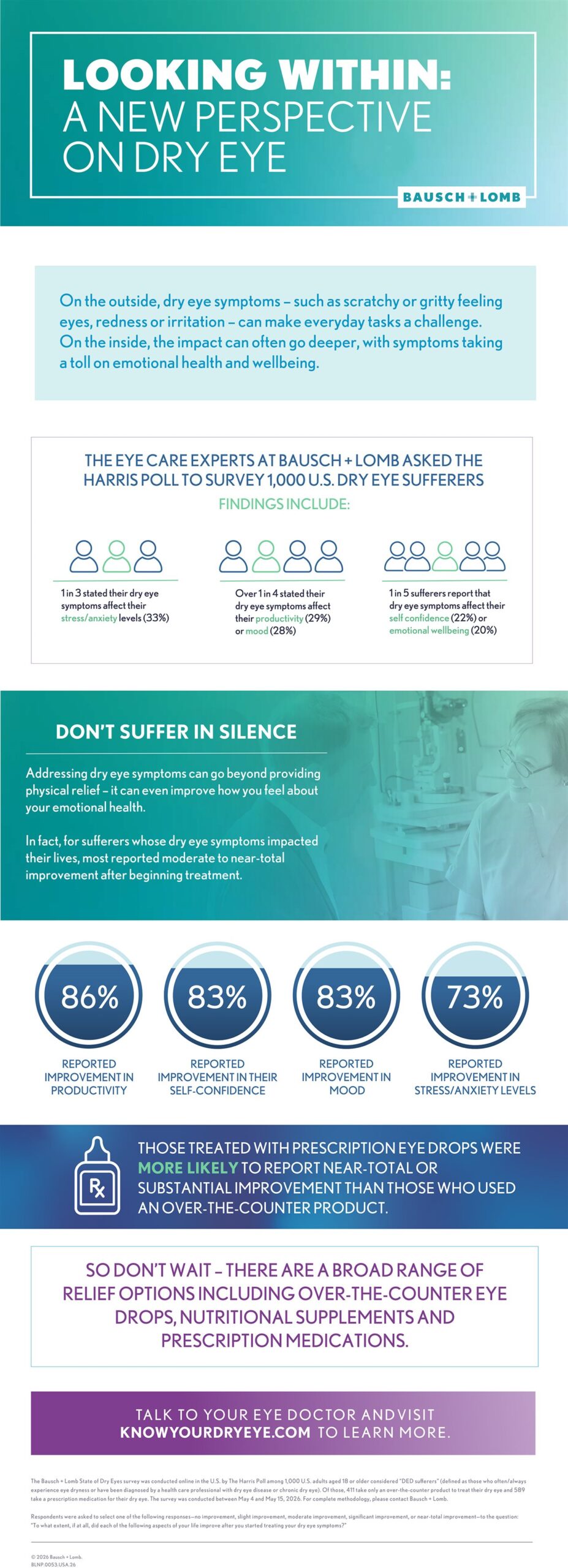
Infographic