
Diabetes news: Updating your family’s low blood sugar rescue plan

2020-03-10T08:01:00

(BPT) – Sponsored by Eli Lilly and Company

As a parent or loved one of a child with diabetes, you know that blood sugar lows can happen, even with the best blood sugar monitoring and management plans. While generally not common, low blood sugar emergencies (severe hypoglycemia) can happen unexpectedly, anytime, anywhere. Having a rescue plan in place, whether at home, school, while visiting friends or on the soccer field, is essential to keeping them safe and healthy, just in case.

With a non-injectable prescription glucagon rescue therapy available, now is a great time to talk to your child’s diabetes care team about treatment options and to update your low blood sugar emergency rescue plan. You should also reconnect with your child’s family members, teachers, friends’ parents and coaches about how they can help in case your child experiences a blood sugar emergency while in their care.

“By speaking with your child’s healthcare provider, taking a few steps to prepare and having a low blood sugar rescue plan in place, parents can feel more secure knowing that they and others caring for their child are ready to help at a moment’s notice,” says Teresa L Pearson*, MS, RN, CDCES, FADCES.

Pearson suggests considering and talking to your child’s diabetes care team about some of the following steps when updating your child’s low blood sugar emergency rescue plan:

Talk to your child about the signs of low blood sugar

Have ongoing conversations with your child about what signs and symptoms they may expect when experiencing low blood sugar. Since symptoms vary from person to person, consider developing a symptom tracker that your child can use to help distinguish and recognize the signs of how they experience a low or very low blood sugar event and can help you better understand how low blood sugar impacts her or him. Also, remember to encourage them to speak up when they begin to notice symptoms.
Put together a “Hypo Box”

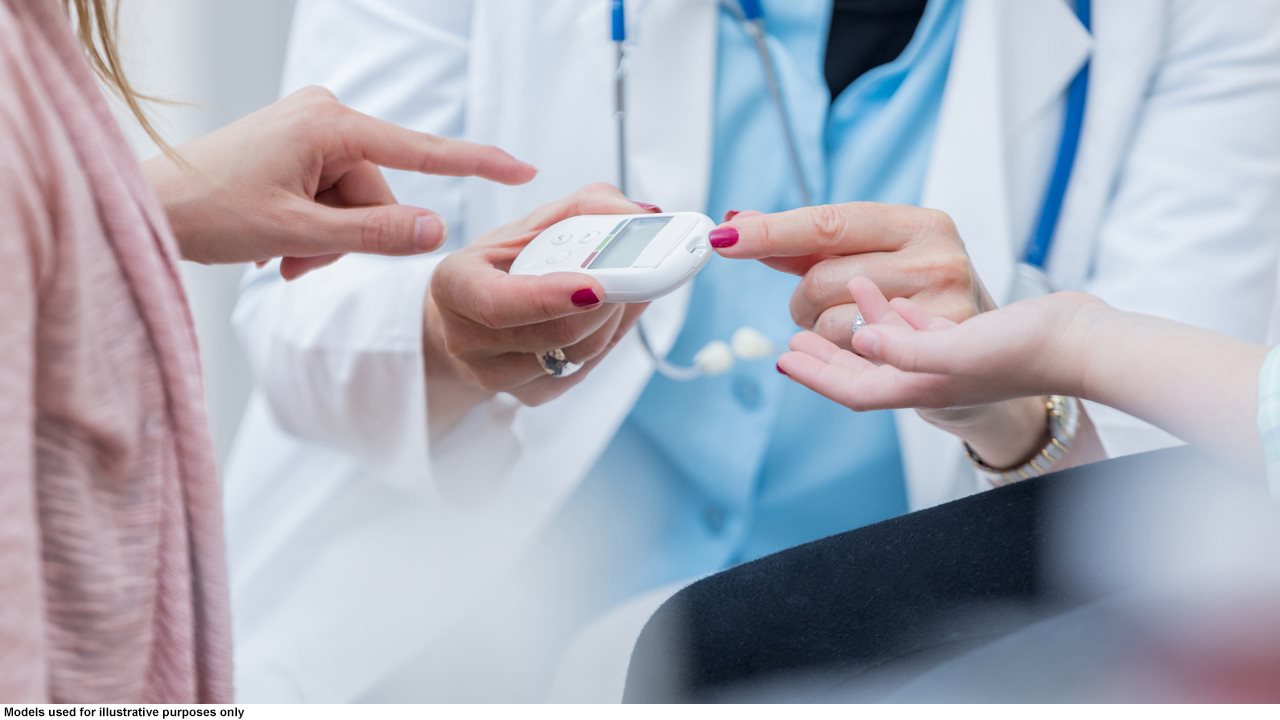
Gather all of the supplies your child may need in case of a low blood sugar event in a “Hypo Box” and share it with your child’s caregivers such as school nurses, coaches and grandparents. Consider doing this for places where your child spends the most time. The Hypo Box could contain prescription glucagon, test strips, lancets, a blood sugar monitor, glucose tablets, juice boxes and crackers, along with instructions on what to do in case of a low blood sugar event or emergency. Don’t forget to keep it stocked and ensure that all contents have not yet expired!

Remind your child’s teachers, coaches, family and friends how to spot low blood sugar

Provide a list and explain the signs of low blood sugar as caregivers may recognize symptoms like dizziness, sweating and irritability before your child does. Remind caregivers that if low blood sugar goes untreated, it can drop even lower very quickly, leading to more serious symptoms including confusion and unconsciousness.

Consider a non-injectable rescue option

For years, injectable glucagon was the only prescription rescue therapy for low blood sugar emergencies. Today, BAQSIMI® (glucagon) nasal powder 3 mg offers a non-injectable option. BAQSIMI is the first and only dry nasal spray that can treat severe hypoglycemia in people with diabetes ages 4 years and above. It is a form of glucagon given as a puff in the nose. It does not need to be inhaled and can be given even if they are passed out or if your child has nasal congestion. It is compact, portable and ready to use (no reconstitution or injection required) in a precise and premeasured dose. It requires no refrigeration and can be stored in temperatures up to 86F and 30C degrees. BAQSIMI is designed to be simple and is meant to be used when someone is having a low blood sugar emergency, which means the person is unable to eat or drink and needs help from another person. Do not use BAQSIMI if: you have a tumor in the gland on top of your kidneys (adrenal gland) called pheochromocytoma; you have a tumor in your pancreas called insulinoma; you are allergic to glucagon, or any other ingredient in BAQSIMI. You can learn more at www.baqsimi.com.

Update your child’s caregivers and support network on how to help
While some people in your child’s support network may be familiar with how to help in the event of a low blood sugar emergency, updating your plan and introducing a non-injectable rescue option is a good way to reconnect with your child’s caregivers about how they can be ready to help. Explaining and showing the differences between insulin and rescue glucagon can be very important to prepare your child’s support network in advance of an emergency.

Talk to your child’s doctor about what rescue medication option and low blood sugar emergency rescue plan are right for your child and their support network.

*Note: Teresa Pearson received compensation from Lilly for her participation in this article.

PURPOSE and SAFETY SUMMARY

Important Facts About BAQSIMI™ (BAK-see-mee). It is also known as glucagon nasal powder.

BAQSIMI is a prescription medicine used to treat very low blood sugar (severe hypoglycemia) in people with diabetes ages 4 years and above.

It is not known if BAQSIMI is safe and effective in children under 4 years of age.

Warnings

Do not use BAQSIMI if:

  • you have a tumor in the gland on top of your kidneys (adrenal gland) called pheochromocytoma.
  • you have a tumor in your pancreas called insulinoma.
  • you are allergic to glucagon, or any other ingredient in BAQSIMI.

BAQSIMI may cause serious side effects, including:

High blood pressure. BAQSIMI can cause high blood pressure in certain people with tumors in their adrenal glands.

Low blood sugar. BAQSIMI can cause certain people with tumors in their pancreas to have low blood sugar.

Serious allergic reaction. Call your doctor or get medical help right away if you have a serious allergic reaction including:

  • rash
  • difficulty breathing
  • low blood pressure

Common side effects

The most common side effects of BAQSIMI include:

  • nausea
  • vomiting
  • headache
  • runny nose
  • discomfort in your nose
  • stuffy nose
  • redness in your eyes
  • itchy nose, throat, and eyes
  • watery eyes

These are not all the possible side effects of BAQSIMI. For more information, ask your doctor.

Call your doctor for medical advice about side effects. You are encouraged to report side effects of prescription drugs to the FDA. Visit www.fda.gov/medwatch, or call 1-800-FDA-1088.

Before using

Before getting BAQSIMI, tell your health care provider about all your medical conditions, including if you:

  • have a tumor in your pancreas.
  • have not had food or water for a long time (prolonged fasting or starvation).
  • are pregnant or plan to become pregnant.
  • are breastfeeding or plan to breastfeed. It is not known if BAQSIMI passes into your breast milk. You and your doctor should decide if you can use BAQSIMI while breastfeeding.

Tell your doctor about all the medicines you take, including prescription and over-the-counter medicines, vitamins, and herbal supplements.

How to use

Read the detailed Instructions for Use that comes with BAQSIMI.

Use BAQSIMI exactly how your doctor tells you to use it.

Make sure your caregiver knows where you keep your BAQSIMI and how to use BAQSIMI the right way before you need their help.

Your doctor will tell you how and when to use BAQSIMI.

BAQSIMI contains only 1 dose of medicine and cannot be reused.

BAQSIMI should be given in one side of your nose (nostril) but does not need to be inhaled.

BAQSIMI will work even if you have a cold or are taking cold medicine.

After giving BAQSIMI, the caregiver should call for emergency medical help right away.

If the person does not respond after 15 minutes, another dose may be given, if available.

Tell your doctor each time you use BAQSIMI.

Store BAQSIMI at temperatures up to 86°F (30°C).

Keep BAQSIMI in the shrink wrapped tube until you are ready to use it.

Keep BAQSIMI and all medicines out of the reach of children.

Learn more

For more information, call 1-800-545-5979 or go to www.baqsimi.com.

Medicines are sometimes prescribed for purposes other than those listed in a Patient Information leaflet. Do not use BAQSIMI for a condition for which it was not prescribed. Do not give BAQSIMI to other people, even if they have the same symptoms that you have. It may harm them.

This summary provides basic information about BAQSIMI but does not include all information known about this medicine. You can ask your pharmacist or doctor for information about BAQSIMI that is written for health professionals. This information does not take the place of talking with your doctor. Be sure to talk to your doctor or other health care provider about BAQSIMI and how to take it. Your doctor is the best person to help you decide if BAQSIMI is right for you.

BAQSIMI™ is a trademark owned or licensed by Eli Lilly and Company, its subsidiaries, or affiliates.

GN CON BS 24JUL19

PP-GN-US-0412 02/2020 © Lilly USA, LLC 2020. All rights reserved.


Fact or fiction: Debunking sleep apnea myths

2020-03-10T14:51:01

(BPT) – While many are familiar with the term, sleep apnea is commonly misunderstood — and largely undiagnosed. An estimated 54 million U.S. adults suffer from sleep apnea, although 80% may not know they have it and remain undiagnosed.

In other words, millions of people have no idea that they’re suffocating each night while they sleep.

With sleep apnea, you stop breathing because the muscles in your throat relax, collapse and restrict airflow for 10 seconds or longer. When this happens, your brain triggers you to “wake” just enough to take a breath, 5, 20 or over 100 times an hour, even though you don’t remember waking at all.

Sleep is one of our three pillars of health, along with diet and exercise. Persistent sleep interruptions can dramatically affect your quality of life. People with sleep apnea may experience low energy levels, dizziness, shortness of breath and chest discomfort. Short term, it can negatively impact your mood, productivity, personal relationships, and safety at work and behind the wheel. It’s also strongly linked to serious health problems such as high blood pressure, heart disease, stroke and type 2 diabetes.

Here are common myths and truths about sleep apnea.

Myth #1: Only people who snore have sleep apnea

While it is true that snoring is the #1 indicator of obstructive sleep apnea in men and women — you can have sleep apnea without snoring, too.

Other symptoms of sleep apnea include:

  • Constant tiredness
  • Poor concentration
  • Morning headaches
  • Depressed mood
  • Night sweats
  • Weight gain
  • Lack of energy
  • Forgetfulness
  • Sexual dysfunction
  • Frequent nighttime urination

Some people with sleep apnea may also hear from a partner that they make gasping or choking sounds while they sleep.

If you experience any of these symptoms, with or without snoring, you should talk with your doctor.

Myth #2: Sleep apnea only affects men, overweight people, or those who snore

Sleep apnea can impact anyone regardless of their weight, age or gender. In fact, 40% of newly diagnosed patients are women. While some people may be more prone to be affected by the disorder than others, sleep apnea does not discriminate.

And it’s worth repeating: You don’t have to snore to have sleep apnea.

Myth #3: Wearing a big, bulky, noisy mask is not worth treating my sleep apnea

Today’s primary treatment for sleep apnea, continuous positive airway pressure, or CPAP, is smaller, quieter and more comfortable than ever. Some people even report that their CPAP machine is so quiet, they didn’t think it was on. ResMed devices also let patients track their sleep on its myAir app (2 million users), helping nearly 9 in 10 people use it as directed.

The masks that you wear to administer CPAP therapy are smaller and much less obtrusive than those you’ve seen in the past, some no bigger than the size of your pinky finger. In the past year alone, ResMed has released four new masks to help users embrace CPAP treatment and to stay on it long term. These include its smallest mask ever, the AirFit N30, with a nasal cradle cushion that sits under the nose, and the “Freedom” category of tube-up masks that help users move and sleep in any position.

If you have concerns about your quality of sleep, discuss them with your doctor. You can also take a short quiz on ResMed.com/FreeSleepQuiz to determine if you may be at risk for sleep apnea.


5 tips for making the most of your Medicare plan this year

2020-03-09T17:15:00

(BPT) – Do you spend your Sunday mornings scouring the newspaper inserts for coupons? Make it a point to confirm discounts when booking hotel reservations? Secretly (or not so secretly!) love the senior discount at the movie theater?

If any of these sound familiar, you probably consider yourself a savvy consumer who likes to make sure you’re getting the most value for your money. But have you stopped to consider whether you’re applying those same prudent practices to your Medicare benefits?

Maximizing those benefits can help with more than just saving money. It could help improve your health as well.

Here are five tips to help ensure you get the most out of your Medicare coverage this year.

Tip 1: Learn the difference between Original Medicare and Medicare Advantage.

More than 66 million Americans made choices about their Medicare coverage last fall. Some opted for Original Medicare, but one in three chose Medicare Advantage, which combines Medicare Parts A and B. Many Medicare Advantage plans also offer prescription drug coverage and valuable extras, like dental, hearing and vision care. Understanding those additional benefits and features can help you make the most of your plan.

Tip 2: Review what your plan covers — and use those benefits.

You can usually find coverage and benefits information on your insurer’s website or in the plan documents your insurer sent in the mail. As noted above, extra benefits and features included in many Medicare Advantage plans cover dental exams and cleanings, hearing and vision exams. Fitness benefits may also be included.

Tip 3: Take advantage of preventive care benefits.

Original Medicare offers all beneficiaries an annual wellness visit. Some preventive screenings, like mammograms and colonoscopies, are also included. These services can help catch health problems early, when they’re usually easier to treat. And your annual wellness visit is a good opportunity to sit down with your doctor and develop a plan to help you achieve your best health in the year ahead.

A Medicare Advantage plan from UnitedHealthcare will even bring preventive care into your own living room through the HouseCalls program. The program helps make it easier for members to get important information about their medications and communicate with health providers about how their care fits with their health needs and budget.

Tip 4: Plan yearly expenses with the out-of-pocket maximum in mind.

Medicare costs can vary widely for individuals based on their situation and the type of coverage they have. Original Medicare generally covers 80% of a person’s Part A and Part B expenses, which include services such as doctor visits, hospital stays and lab tests. The individual is responsible for the other 20%, with no annual limit on out-of-pocket costs.

Medicare Advantage plans offer predictable copays and cap your annual out-of-pocket expenses. Once you reach the out-of-pocket max set by your plan, all additional costs for Medicare-covered services for the rest of the year are covered at 100%. That cap can mean peace of mind if you have an unexpected illness or if you’re planning to undergo a major medical procedure.

Tip 5: Look to save money on prescription drugs.

Prescription drug coverage isn’t included with Original Medicare (Parts A and B). Some people opt to enroll in a stand-alone Part D plan, but many choose a Medicare Advantage plan, which often includes prescription coverage.

Using home delivery pharmacy benefits can be one way to save money — not to mention trips to the pharmacy. With some home delivery pharmacies, you can order a three-month supply of medication for a lower cost than you would pay if you got the same supply at a local drug store.

If you prefer to use a retail pharmacy, check whether your plan has a preferred pharmacy network. This can usually mean a lower copay.

Switching to an alternative drug that’s cheaper than one you’re currently taking can be another way to save money. Ask your doctor if there’s a generic drug or one on a lower tier of your plan’s formulary (the list of covered drugs) that could work just as well for you.

The bottom line

Following these tips to get the most out of your Medicare plan could be doubly rewarding — more money in your wallet and better health to help you live your best life.

To learn more, visit UHCMedicareHealthPlans.com.

———————–

The HouseCalls program is not available with all plans. To check if HouseCalls is available to you or to schedule a HouseCalls visit, call 1-866-686-2504, TTY 711, Monday-Friday 8 a.m. to 8:30 p.m. ET, or visitUHCHouseCalls.com. HouseCalls may not be available in all areas.

Plans are insured through UnitedHealthcare Insurance Company or one of its affiliated companies. For Medicare Advantage and Prescription Drug Plans: A Medicare Advantage organization with a Medicare contract and a Medicare-approved Part D sponsor. Enrollment in these plans depends on the plan’s contract renewal with Medicare.


6 things you should know before your next outpatient procedure

2020-03-08T08:01:00

(BPT) – With nearly 50 million outpatient surgeries performed in the U.S. each year and the increasingly complex nature of the procedures, patients need to know several important details when having surgery without an overnight stay in the hospital. Updated fasting restrictions, removing jewelry to reduce the risk of burns and asking about regional blocks for non-opioid pain control when undergoing anesthesia are a few important factors that could lead to increased satisfaction and safer outcomes.

“Complex procedures like total knee replacement, cardiology procedures and spine surgery used to be done almost exclusively in hospitals, but now we have the ability to do them in an outpatient setting, which can include ambulatory surgery centers or in the hospital,” said Mary Dale Peterson, M.D., MSHCA, FACHE, FASA, president of the American Society of Anesthesiologists (ASA). “These settings are less expensive and now reimbursed by Medicare. As a result, even more elderly patients are able to have outpatient surgery.”

Since outpatient surgery is increasingly popular, it’s more important than ever to ensure patients have safe anesthesia care in all settings.

Here’s what you need to do to ensure a successful procedure and smooth recovery:

  1. Check qualifications. Before you schedule a procedure, be sure your anesthesia care will be led by a physician anesthesiologist, and that the other physicians and providers involved in your outpatient procedure are qualified. If your surgery is being performed in an ambulatory surgery center, it should meet the standards of quality care by a national accrediting organization such as The Joint Commission or Accreditation Association for Ambulatory Health Care. Also be sure to ask what emergency protocols the ambulatory center has in place.
  2. Stop smoking. The healthier you are, the faster you recover. That includes being as active as possible, eating right and getting good sleep. Most importantly, stop smoking before surgery. Even a few days makes a difference and one month is better. Smoking increases the risk of complications after surgery. Decreasing those risks is even more important when recovering at home instead of the hospital, where care is readily available.
  3. Learn about your anesthesia options. Before your procedure, talk with your physician anesthesiologist about some of the newer techniques, including local or regional anesthesia such as nerve blocks — instead of sedation or general anesthesia — to make recovery easier and benefit from the opioid-sparing pain relief they provide. Other alternatives to opioids also help ease pain during and after surgery without being addictive. Some patients go home with pumps that provide small amounts of pain-relieving medication when needed. Others may receive an anesthetic that works on a time-released basis to ease incision pain for several days. Let your physician anesthesiologist know if you have health issues that may affect anesthesia, such as sleep apnea, and if you have had nausea or vomited after previous procedures, or are especially anxious about surgery.
  4. Ask when you should stop eating and drinking. People having outpatient surgery generally assume they must stop eating and drinking the night before surgery, but this is not always the case. Most patients can have clear liquids like water or black coffee up until two hours before their procedure unless they’re pregnant or if they have certain health conditions, such as diabetes or a gastrointestinal issue. Ask what you can eat and drink and how long before surgery you need to stop.
  5. Remove permanent jewelry. Surgeons use electrical tools during procedures, including to make incisions, putting you at risk for burns if you are wearing jewelry — an issue some physician anesthesiologists report seeing during outpatient procedures. Ask whether you will need to remove your ear or nose rings, navel stud or other permanent jewelry.
  6. Don’t go alone. Be sure someone is available to drive you home from the outpatient facility and, ideally, stay with you afterwards.

Every surgery is different because each patient is different. Be sure to discuss these topics, as well as any issues or concerns you have, with your physician anesthesiologist before your outpatient surgery.

To learn more about outpatient surgery, visit https://www.asahq.org/whensecondscount/preparing-for-surgery/procedures/outpatient-surgery/ and review Preparing for Surgery: an Anesthesia Checklist.


5 secrets for landing your next job

2020-03-06T15:01:01

(BPT) – We’ve all been there: You embark on the job hunt and you’re full of excitement for what’s ahead — but you sometimes feel like one name in a sea of candidates, trying to figure out the hacks to break through, get noticed, and land that interview (and job offer!).

If this sounds all-too-familiar, you’re not alone — but the good news is LinkedIn is letting us in on the top 5 secrets to getting noticed and snagging that new job opportunity.

Get ahead of the pack: There are 100 million job applications on LinkedIn every month. This may sound overwhelming as a job seeker, but remember this: getting a head start can make all the difference. In fact, LinkedIn research shows that being one of the first to apply to a job can increase your chances of landing a job by 4x. Tip: Sign up for LinkedIn Job Alerts which will send you a notification within minutes of a relevant job posting.

Spruce up your online presence: A picture might say 1,000 words, but a strong LinkedIn profile can say a million. Refresh your profile photo, relevant skills, experience and summary section so that you show up in hiring managers’ searches. It’s a good idea to put in this work ahead of time because once you capture a recruiter’s interest, you want your profile to showcase why you’re the best for the job. Tip: Check out LinkedIn’s new “Featured” section, which allows you to showcase samples of your work on your profile.

Brush up on your skills — and let the world know: Showcasing your skills can make all the difference when it comes to being considered for a job. Everything you’ve learned from your past experience, education, courses and more make up who you are and how you shine as a professional — including hard skills, soft skills and transferable skills that round out everything you bring to the table. Tip: LinkedIn Learning offers 15,000 courses to help you brush up on or learn new skills, and taking a Skill Assessment validates your skills and displays them on your profile (according to LinkedIn, people who complete Skill Assessments are up to 30% more likely to get hired).

Use your secret weapon (people you know): You never know where reaching out to a connection on LinkedIn might lead. Getting introduced to someone through people you know and are connected to on LinkedIn can increase your chances of getting hired by 9x. And the best part is, you have this invaluable tool right at your fingertips! Tip: Start with your family and friends first (you never know who they’re connected to online) and consider joining LinkedIn Groups, where professionals in the same industry or with similar interests can share their insights and experiences, ask for guidance and build valuable connections.

Put in the practice: According to LinkedIn, 54% of job seekers say the interview phase is “moderately to extremely challenging” due to two reasons: uncertainty and lack of confidence. The trick? It’s all about preparation. Get ahead of the interview jitters by putting in the time, research and practice sessions to be sure you’re on your A-game when you walk through the door. Tip: Sign up for LinkedIn’s Premium Career Subscription and get the most out of it by using Interview Prep tools which offer videos and tips from experts and hiring managers to answer the most common interview questions. And, if you’re interviewing for a sales or finance-related job, LinkedIn has interview preparation tools that you can use for the nearly 2 million jobs in sales and finance on LinkedIn*.

LinkedIn has millions of jobs and the right one for you. And remember all the tools you have right at your fingertips to land the opportunity of your dreams!

*Methodology: research was conducted using LinkedIn Talent Insights that found 1.8 million open jobs on LinkedIn in sales and finance functions as of January 2020.


Boost your home’s curb appeal

2020-03-06T12:17:00

(BPT) – Looks matter and first impressions count! So to pique the interest of potential buyers, refresh your home’s exterior and boost the curb appeal with new siding. In-the-know design pros are choosing cypress siding for the upgrade. It looks great and can last a lifetime, no matter what Mother Nature might have in store.

“Cypress siding offers the complete package,” says Zack Rickman of the Southern Cypress Manufacturers Association, www.CypressInfo.org. “It’s not only beautiful, it offers proven outdoor performance by naturally repelling insects — like termites and carpenter bees — and minimizing decay, chemical corrosion and other damaging elements.”

Be informed

Wood siding offers a timeless look that is often imitated, but never really duplicated. And while there are many siding products to choose from, homebuilder Stephen Ellis, MGB Fine Custom Homes of Sarasota, Florida, chooses cypress. And for good reasons!

“Often we clad our homes entirely in cypress,” he says. “It’s a material we enjoy working with because it’s dimensionally stable and holds up well in our humid, coastal environment. And it’s locally sourced, which is something homeowners are valuing now more than ever. Ultimately, the decision comes down to the architectural style of the home, maintenance and cost. I do my best to help homeowners make an informed decision based on their goals.”

When it comes to picking a siding style, cypress is available in all the popular patterns, like traditional bevel or modern shiplap. Yet in Ellis’ area, he’s seeing a different trend. “These days, we’re putting up a lot of board and batten,” he says. “It’s always been popular for farm houses, but it looks great on beach homes and complements the casual, relaxing vibe.”

Expert advice about finishing options

“If you’re drawn to cypress’ natural honey-like hues and want to enhance the natural richness of its color and grain pattern, focus on semi-transparent, oil-based stains,” Rickman advises. “These products provide superior protection because they penetrate the wood and allow it to breathe, whereas water-based stains sit on the surface and are prone to peeling and cracking.”

If a cleaner, solid color look is more your style, Rickman says 100 percent acrylic latex paint, with a compatible primer, is the way to go to ensure cypress’ best performance.

Architect John Harrison Jones, Memphis, Tennessee, says some of his clients prefer the weathered wood look. “It’s contextual to our region and environment,” he says. “And while cypress is naturally decay and water resistant, I still recommend applying a water-repellent sealer to provide added protection. Some products include an ultraviolet light inhibitor to block the sun’s rays and prevent premature graying. Nevertheless, cypress will weather to a light gray patina over time.

“If you want the weathered look now, consider applying a bleaching stain with a subtle gray tint. But, be careful not to apply too much because it can get too light. Test it out on a piece of scrap wood first.”

Whichever finish you choose, Rickman recommends always applying stain, primer or sealer to all sides and edges of the boards. “This will protect the wood from moisture and prevent problems down the road,” he says. “And perhaps most importantly, make sure to follow the finish manufacturer’s instructions.”

For more ways to boost your home’s curb appeal with cypress siding, visit the Southern Cypress website at www.CypressInfo.org.


Leslie Grace’s 4 Beauty Secrets to Be Camera Ready

2020-03-06T08:01:00

(BPT) – With an active music career and a highly anticipated feature film premiering, Leslie Grace always looks camera ready. What are her secrets to looking and feeling her best? Her daily beauty routine! Here are four beauty secrets that Leslie swears by to get her through even the busiest of days.

Staying hydrated

“Something so easy, but it’s so crucial to overall health and skin glow: water! Drinking water is vital every time, especially on long working days,” said Leslie. She is known for always carrying around her reusable water bottle and eating fruits and vegetables to ensure her body is staying hydrated.

Caring for the skin

“One of my guilty pleasures growing up was making at-home face masks with my sisters,” said Leslie. She now carries the tradition by treating her skin to one the night before a big trip. Her favorites are at-home masks that she makes with sugar or honey. Leslie said that it leaves her skin feeling soft and moisturized, a natural glow for the travels ahead.

Ensuring a bright smile

Growing up in her mother’s salon gave Leslie a firsthand look at how to care for her hair and skin. She has always been grateful to her mother for showing her the importance of finding the right products for her individual needs in terms of glam or her daily routine. One of her favorite must-haves to achieve a dazzling smile is new Colgate Optic White Renewal toothpaste. “Colgate Optic White Renewal toothpaste is my secret to a younger, brighter smile! Its powerful formula contains 3% hydrogen peroxide and removes years of stains while being safe for the enamel,” said Leslie.

Beauty Rest

A secret Leslie learned early on is to know when your body is telling you it’s time to rest. “In order to look and feel radiant, sleep is necessary. Whether it’s a 20-minute nap, or a few minutes of closing your eyes with a guided meditation, knowing when you need to give the body a reset will ensure that you feel and look your best,” said Leslie.


Decoding brain injury

2020-03-06T13:01:00

(BPT) – Sadia Prema, a successful, determined, 37-year-old sales professional from Phoenix, was walking across the street to meet with a client when she was struck by a distracted driver and thrown nearly 40 feet. She sustained multiple injuries, including a traumatic brain injury (TBI).

After being in a coma for two weeks and going through nearly 30 surgeries to repair her injuries, Sadia was transferred to Craig Hospital for inpatient rehabilitation. Still battling amnesia, she worked with physicians and therapists to restore her memory and brain function and was finally able to recognize her family. She continued to work with speech, physical and occupational therapists, and after two and a half months, she returned home to Arizona. Sadia returned to work in an administrative role, and then after just three months, went back to her position in sales and has since worked her way to being named one of the top five sales representatives across the nation among thousands within her company.

Every year, roughly 2.5 million people in the U.S. sustain a TBI, defined by the Centers for Disease Control as an injury that “disrupts the normal function of the brain.”

While the definition of a brain injury (BI) is straightforward, the injury itself is not. There are several different types of BI, as well as different levels of severity — which is why this injury is often very misunderstood. Mild TBIs (or MTBIs) make up about 75% of all brain injuries, but the other 25% are categorized as severe. It’s estimated that 5.3 million Americans live with a long-term disability as the result of a TBI.

Recovery from a BI can take months — even years. Most people require ongoing therapy; however, outcomes are better for those who rehabilitate at a specialty center. For example, 82% of patients at Craig Hospital are discharged to home after their inpatient stay; their patients often have lower long-term costs associated with rehabilitation and have achieved levels of independence that require less at-home attendant care than those who were treated at general rehabilitation centers.

With March being Brain Injury Awareness Month, now is a good opportunity to learn more about BI — what it is, the different types, why some people recover more quickly and why some people require long-term care.

What causes BI?

Damage to the brain can occur in many different ways. It can be caused by something internal, such as a disease or stroke, or by something external, such as a fall or a car accident.

Falls are the leading cause of BI, followed by being struck by or against an object — as often occurs during an auto accident.

Types of BI

There are two main types of BI. A diffuse injury occurs when the brain is shaken or rotated within the skull and causes widespread, microscopic damage throughout the brain. It can impact several brain functions such as movement, sensation, memory, behavior, emotion and more.

A focal injury is more localized, damaging neurons in one or more specific areas of the brain. Focal injuries are most often the result of being struck in the head; however, they can also be caused by non-traumatic conditions, such as strokes and brain tumors.

Brain injuries affect each person differently. Because the brain controls how people think, feel and act, an injury can change many different things about a person, and the effects may vary greatly from person to person.

Treatment and Outcomes

Because each injury impacts different parts of the brain and the level of severity varies from person to person, there is no one, set treatment plan for BI. There are, however, treatment and rehabilitation centers that specialize in BI. Craig Hospital in Denver, Colo., for example, is a specialty, inpatient rehabilitation center for people who have sustained a BI. Patients at specialty centers have access to expertise, resources and therapy programs that aren’t often available at general rehabilitation centers, including a full rehabilitation team made up of physicians, rehabilitation nurses, physical therapists, occupational therapists, psychologists, speech/language pathologists, recreation therapists, nutritionists and social workers — all with the goal of helping people who sustain a BI become as independent as possible.

“Injuries to the brain are incredibly complex, and each person’s recovery is different,” says Dr. Eric Spier, physician at Craig Hospital. “While we need to help patients recover from the injury itself, we also need to rehabilitate each person as a whole — helping them find their way in this new situation from all aspects of life. That’s not something that exists in a lot of rehabilitation centers.”

Prevention

While there are many different causes of BI, the most common are also likely the most preventable.

  • Safe Driving: Auto accidents account for about 20 percent of all TBI-related hospitalizations, and many can be avoided by not driving distracted or under the influence — and simply driving safely.
  • Protect the Head: Helmets are the best way to help prevent head injuries while participating in activities like biking, skateboarding, skiing, snowboarding and many sports. While they don’t prevent all types of brain injuries, they are very effective.
  • Mental Health: Intentional self-harm was the leading cause of TBI-related deaths in 2014. Seeking treatment for mental illness is one of the best ways to prevent self-inflicted TBI.


5 ways to boost your business in your neighborhood

2020-03-06T11:01:00

(BPT) – The beauty of running a local business is you’ve got boots on the ground, ready to capture attention and build your brand in and around your community.

Using simple grassroots marketing tactics, you can shout about your business from the rooftop. (But you may want to start with the sidewalk.) Here are five ways to help grow your business by boosting awareness among the locals:

Sidewalk Signs

Turn the sidewalk into a billboard for your store by creating a PVC sign for display in a highly visible A-Frame that’s sure to attract attention from passersby and fellow business owners in the area.

Business Cards

Even in this digital era, small business is all about relationships. Make it easy for customers to grab a business card that includes your website and contact information. A quick reference for them (and their network!) means future business for you.

If you don’t already have a logo, consider creating one.

“A well-designed visual identifier lends professionalism to business cards and other marketing materials, along with brand recognition,” says Kim Dixon, Executive Vice President and Chief Operating Officer of FedEx Office.

A logo will come in handy if you advertise or support local events, depending on your target audience. Ask your local printer, such as FedEx Office, to connect you with a professional designer if you need creative expertise.

Custom Branded Boxes

The quality of a box reflects the quality of the products inside it. Today’s digital technology makes it possible to print custom packaging in any quantity, large or small. Use a branded box to tell your company’s story and create an emotional connection with customers from the get-go. That is especially important if you conduct business online with limited physical interaction.

“Your customer’s front porch becomes your storefront at the moment of delivery, so make sure the box reflects your brand,” says Dixon.

Flyers

Sending a flyer to your customers directly is still one of the best and most cost-effective ways to advertise offline. Use flyers to promote your business and events. Have them professionally printed to ensure quality and color accuracy. After all, presentation matters — especially when it comes to bringing your brand to life.

Mounted Posters

Your store walls and windows are prime real estate to connect with potential customers and deliver your marketing messages. Create signs on a lightweight material that can be printed on both sides for maximum impact inside and outside your store.

You put a lot of work into carving out a unique niche for your business. Now it’s time to spread the word with an effective brand awareness campaign that calls for a little creativity, a modest budget and color-accurate marketing materials that are of as high a quality as the goods you proudly sell.


Tax preparation services should be transparent to customers

2020-03-05T16:13:00

(BPT) – For many Americans, the tax refund represents the most significant financial event of the year, with 86% of Americans saying their tax outcome impacts their financial confidence for the entire year, according to a recent H&R Block survey.

Customer service is core to our work at H&R Block and understanding the challenges Americans face at tax time is imperative to offering them greater financial confidence. The first thing I do every morning is read customer comments from the past 24 hours, and those comments are clear: Do-it-yourself (DIY) tax filers want the confidence to know they’re getting a good value, that they are filing their taxes correctly and that help is available if needed.

Transparency should be table stakes at tax time

No matter how you file — online, in an office or virtually with a tax professional — you should feel the process was easy, fair and a great value. Most Americans say they deserve to know how much money they’re paying before they agree to pay for a service, but other online tax services fail to provide an explanation of how price changes as you use the product.

At H&R Block, we’re proud to be the first major tax company to offer upfront transparent pricing and give our customers confidence they know exactly what to expect. This is unfortunately not the industry standard as other online tax services like TurboTax fail to provide a clear explanation of how the total price changes as you use the product. With H&R Block, all pricing is quoted upfront, and if something changes along the way, the Price Preview feature will notify you as part of H&R Block No Surprise Guarantee*.

Real experts instill real confidence

Knowing that even the most confident DIY tax filers may need some help along the way, H&R Block offers several ways to ask for assistance, to receive as much or as little help as they need from a tax pro trained for their unique tax filing situation. To ensure a greater feeling of support and instill financial confidence, clients using H&R Block Online AssistSM receive unlimited, on-demand access via chat sessions, screen sharing or phone calls with a tax expert, enrolled agent or CPA with an average of 12 years of experience and hundreds of training hours.

This tax season remove the surprises: Make sure your tax filing process is transparent, delivered at a reasonable price and offers all the care and help you need. For greater financial confidence — and the backing of a trusted partner throughout the filing process — switch to H&R Block in as little as two clicks.

About the author: Heather Watts is Senior Vice President and General Manager of Digital at H&R Block. Heather oversees all the development, design, marketing and end-to-end client experience of all H&R Block online, software and mobile tax products and solutions.

H&R Block is a registered trademark of HRB Innovations, Inc.

TurboTax is a registered trademark of Intuit, Inc.

*Receive 20% off next year’s tax preparation if we fail to provide any of the 4 benefits included in our “No Surprise Guarantee” (Upfront Transparent Pricing, Transparent Process, Free Audit Assistance, and Free Midyear Tax Check-In). Limitations apply. Description of benefits and details at hrblock.com/guarantees.