Children living in poverty are still recovering from the pandemic: 3 impactful ways you can help

2021-05-13T08:01:00

(BPT) – As state and federal guidance from the Centers for Disease Control and Prevention (CDC) begins to ease, there is cautious optimism building across the country. It seems that for many, the “end” is finally in sight as we look to get back to a sense of normalcy.

Though for many, specifically children, the long-term effects and hardships brought on by the pandemic are still a present and ongoing reality of life. The severity of the pandemic-induced recession has increased food insecurity and job loss. Widespread school closures paired with the high costs and demands of childcare have left many children without the reliability of school meals and many parents, mostly moms, having to make the difficult decision to leave their jobs.

The number of children and families living in poverty in America has swelled — in fact, a recent study conducted by the Center on Poverty & Social Policy at Columbia University found that the monthly child poverty rose to an estimated high of 21.4 percent in August 2020 as compared to 18.7 percent before the crisis (“Monthly Poverty Rates in the United States during the COVID-19 Pandemic”).

Three simple, but impactful ways to help end child poverty

The need to support underserved children is great, but there are countless ways that our communities can rally together and create change. Get involved today by checking out one of the following programs.

1. Donate Funds to Red Nose Day at Walgreens (online, in-store or through the retailer app)

For the seventh year in a row, Red Nose Day is back at Walgreens with the iconic Red Nose in digital form. This year, Walgreens is excited to bring back the Digital Red Nose, providing a way to bring people together virtually to spread awareness, raise funds and support children in need amid uncertainty.

Now through May 31, customers can get their Digital Red Nose by donating online at Walgreens.com/RedNoseDay. A donation will unlock a special Digital Red Nose filter that can be shared on Instagram, Facebook or Snapchat. Walgreens encourages everyone who donates to show their Red Nose Day spirit by sharing a selfie wearing their Digital Red Nose, tagging @walgreens, #NosesOn, then challenging friends and family to do the same. Customers may also donate in-store or, new this year, myWalgreens members can donate their Walgreens Cash rewards through their Walgreens app.

Red Nose Day has a goal of ending child poverty — one nose at a time — by funding programs that keep children safe, healthy, educated and empowered. Even a simple donation of $1 can impact a child’s life by providing nutritious meals, educational services, safe shelter and more.

One hundred percent of the donations will go to Red Nose Day, benefiting grantee partner organizations including Boys & Girls Clubs of America, Children’s Health Fund, Covenant House, Start Early, City Year, Feeding America, International Rescue Committee, Brotherhood Sister Sol, Amref and others that are dedicated to helping underserved children.

2. Donation Drop-Off to Local Organizations

Across the country, children living at or below the federal poverty level are in need of basic resources and essentials. To contribute and fight for children in need, consider donating goods to local charities and organizations that collect supplies for all ages.

Supplies may include shoes that no longer fit your children, winter coats or other essential clothing. Around the back-to-school season, consider donating backpacks or school supplies that young children may need in the classroom.

The impacts of poverty at a young age can follow a child well into adulthood — and are linked to a higher incidence of accidents, chronic disease and mental health issues throughout life (National Academy of Science USA). That’s why reaching these children where they are, and connecting them with the essential resources of food, clothing, security and health, is so crucial.

Donations of any kind can help break this cycle of poverty, leveling the playing field for children who have been historically disadvantaged or overlooked.

3. Prepare Food Donations

School closures due to COVID-19 have shone a light on the overwhelming number of children who depend on meals due to a lack of food at home. Nutrition in childhood influences children’s current and future health, yet 13 million children (1 in 6) may experience food insecurity in 2021 (Feeding America).

As summer approaches, the need to provide access to key sources of nutrients for America’s children to keep them moving, playing and active is even greater. Automate your giving by folding it into an activity you’re already doing.

If you order groceries online, consider a second order of shelf-stable pantry items to send directly to your local food pantry. Leave a box of shelf-stable pantry items in your car and the next time you pick up a prescription, drop off pantry items to a local shelter. Connecting with local organizations within your community for socially distanced volunteer opportunities to distribute food to children and families who need it is also a great way to give back.

Although many are beginning to feel the weight of the pandemic slipping away, many others are still suffering through its lingering effects — particularly the children living near and below the poverty line.

While the impacts of this recession are likely to stick with us for years to come, we can all work together to take small actions that will contribute to the solution.

How video games can spark an interest in history

2021-05-13T08:01:00

(BPT) – Summer is almost here! But with the sunny days and warm weather comes another concern for parents in an already challenging year: How their school-age children will be spending their summer days.

But time away from the classroom, virtual or otherwise, doesn’t mean the holidays can’t still be a time of learning, even with a hobby children already enjoy.

For many, that hobby is video games. And while games have been studied for their benefits in critical thinking, problem-solving and reaction times, one advantage is often overlooked — games’ ability to spark an interest in history.

“When game creators have the right intentions in mind, they can create something that is both engaging and educational for kids,” said James Hornfischer, naval historian and author. “Even if it doesn’t give them a full history lesson, getting them engaged in the action can open up their curiosity and get them to ask questions, which is important for a successful education.”

Of course, selecting the right game is crucial and depends on the age of a child and the themes parents are willing to expose them to.

Here are some to consider:

World of Warships

World of Warships is an online naval combat game set in the first half of the 20th century that lets you battle with — you guessed it — historically accurate warships.

Players can choose and customize their vessels in a port and strategize to win against the opposing team. Since its official launch in September 2015, World of Warships has added over 400 historical vessels, including the iconic warships that wrote history during World War II such as:

  • U.S. aircraft carrier, USS Enterprise
  • German battleship, Bismarck
  • Japanese battleship, Yamato
  • UK battleship, HMS Warspite

Besides the ships, the game features notable historical harbors and port cities meticulously recreated to the smallest details. The game also awards players for their achievements through historical Collections, bringing the story about different time periods, technological achievements and famous commanders closer to players.

The game’s creators are dedicated to fans’ love of naval history, and regularly release educational resources including the “Naval Legends” YouTube series, which visits and explores the history of the real-world retired warships. This enables players to develop deep appreciation for the naval heritage. As a result, World of Warships organized a couple of successful charity fundraisers that saw players raising money to save USS Texas and USS Batfish ship museums from decay.

On May 18, World of Warships is livestreaming its own “Night at the Museum,” which will have a live tour of 15 naval museums around the globe. It begins very early to accommodate time zones around the globe — 3:40 a.m. EDT to 9 p.m. EDT with the U.S. museums starting at 10:45 a.m. EDT. There will be fun contests and prizes given away throughout the stream and tons of interesting information about some of the most highly regarded naval ships in the world. You can watch on YouTube and Twitch channels and on Steam.

World of Warships is free to play on PC and World of Warships: Legends is available on Xbox, Xbox Series X, PS4 and PS5.

Valiant Hearts: The Great War

Released in 2014, Valiant Hearts: The Great War is one of the few games to tackle World War I and does so with nuance and an emotional depth uncommon to the genre.

While not shying away from the horrors of war, the game focuses on the stories of those caught up in it, and what it was like trying to survive day to day. The game leans more on puzzle sequences than violent gameplay and has been likened to an interactive cartoon.

It was also reportedly based on real letters written in the trenches in France and has been praised for its historical accuracy and attempt to give context to a period often skipped over in history books.

Valiant Hearts: The Great War is available for download on iOS, Android, PC, PlayStation, Xbox and Nintendo Switch.

Assassin’s Creed

Assassin’s Creed is one of the most popular gaming franchises and has released 12 main games and several more spinoffs that take place during different eras of history.

There’s no getting around the fact that violence plays a major role in the gameplay, but the series is also known for having an engaging storyline and being dedicated to historical accuracy both in its characters and settings.

The series’ games take place during the Crusades, the Industrial Revolution, the American Revolution and in ancient Egypt and Greece.

The franchise’s developer even made Assassin’s Creed: Unity, set during the French Revolution available for free after the near-destruction of Paris’ famous Notre-Dame cathedral, as a way to raise money for restoration and also let players explore the in-game recreation of the landmark. The series of games is available to play on consoles and PC.

As the weather turns warm and kids enjoy summer break, encourage them to explore video games that are not only fun to play, but provide a bit of a real history lesson!

Home product-related injuries: 5 tips for staying safer

2021-05-13T09:01:00

(BPT) – While overall visits to hospital emergency rooms have dropped since the COVID-19 pandemic began, visits to the ER for certain product-related injuries have risen over the past year. According to a new report, some types of risks for injury have actually increased since most Americans started spending more time at home. This new U.S. Consumer Product Safety Commission (CPSC) study details the increases in those home incidents that sent more people to the hospital between March and September 2020:

  • The largest number of increases in ER-treated injuries across all age ranges involved fireworks and flares (56%), followed by skateboards, scooters and hoverboards (39%) and severe injuries with all-terrain vehicles (ATVs), mopeds and minibikes (39%)
  • Injuries related to button batteries rose by 93% among young children (ages 5-9)
  • Injuries involving cleaning agents (84%), or soaps and detergents (60%)
  • Bicycle injuries showed a slight increase (1%) overall, but that figure jumped to 21% for users age 40 and up, and 39% for users over the age of 70

Clearly, spending more time at home, as well as participating in certain recreational activities that may have been new to some participants, led to more injuries, some of them severe.

“These data begin to tell a story of how consumers were injured by products during the pandemic,” notes CPSC acting chairman Robert Adler. “But the ending of the story has yet to be written. With more data and an increased number of available resources, CPSC can help make sure that consumers are safer, whether they are quarantining at home, or back at work and school.”

How can you keep your family safer at home?

The types of injuries sustained by more people over the past year show crucial areas, activities and products where families can take proactive measures to help safeguard against incidents. Follow these top tips from CPSC’s COVID-19 Safety Education Center:

1. Fireworks

Never allow young children the access or opportunity to play with or ignite fireworks, including sparklers.

2. Micro-mobility Devices

When anyone — whether an adult, child or teen — uses a e-scooter, skateboard or hoverboard, gear up with a safety helmet, and stay out of the street while riding.

3. Batteries

Keep all products that use small batteries, such as button batteries, away from kids. This includes TV remotes. Make sure that the battery compartments on all of your children’s toys are secured properly. Dispose of used batteries properly to avoid having children find them in the home.

4. Poisons

While you may not think of soap, detergent, laundry products and other cleaning agents as “poison,” they are harmful and can even be lethal when ingested, especially by young children. Keep all cleaning products in their original bottles. Lock them up and away from younger children; be sure to supervise children while adults are using these products. The same goes for prescription and over-the-counter medications. Put the Poison Control Center’s hotline numbers (800-222-1222) in your cell phone and post for visiting relatives or babysitters.

5. Bicycles

Always wear a safety helmet when riding a bicycle, at any age, to help prevent against brain injury in case of a fall or other accident. Make sure helmets fit snugly and are correctly fastened. When you’re buying a helmet, look for the label that reads: “Complies with U.S. CPSC Safety Standards for Bicycle Helmets.”

Remember, children watch what you do, so following safety practices for yourself helps to ensure they will learn the importance of those safety practices for life — even when you are not around.

For more lifesaving information and tips, visit CPSC.gov.

Have you come across a dangerous product or suffered a product-related injury? Report it on www.SaferProducts.gov or call the CPSC Hotline at 800-638-2772 (TTY 301-595-7054).

The 4 Life Skills Kids Learn from Kundalini Yoga Class

2021-05-12T14:27:00

(BPT) – A growing number of children are practicing yoga. In 2012, 3.1% of American children were taking yoga classes, and that number more than doubled to 8.4% in 2018. With many schools and parents embracing at-home yoga classes to give kids a physical outlet during distance learning, it’s safe to assume that figure has grown substantially in the past year.

This is great for many reasons. The physical benefits are the most obvious, which range from improved flexibility, strength and balance to improved cardio and circulatory health. However, it’s easy to argue that the greatest positive impact for children is found in the mental benefits. A recent study from the Journal of Child and Family Studies highlighted the positive psychological impact of the Kundalini Yoga-based Y.O.G.A. for Youth after-school program on students in North Carolina’s Chapel Hill-Carrboro public school system. Yoga calms young learners, reduces their anxiety and helps them stay focused both on and off the mat. In addition, yoga teaches children important emotional soft skills that will help them become successful teens and adults.

Emotional Regulation

Being able to manage emotions and behavior despite negative circumstances is critical to growing up successfully. Children who understand and self-regulate emotions are better able to control impulses, are flexible when things change unexpectedly, and manage behavior when feeling angry or upset. Emotional regulation has become a huge priority in early education and child development, and many educators are turning to yoga to help grow these skills.

Yoga helps kids have the self-awareness to recognize stressful situations and emotions, and the tools (through breathing and meditation practice) to manage emotional responses that could ordinarily cause them to act out.

Mind-Body Connection

Children also become aware of how their body can impact their mind through yoga. It’s a lesson that many adults struggle with too — how much easier is it to lose your temper when you are tired, hungry or have a headache? Yoga trains all of us to be more mindful of our body state, and it helps kids understand how their physical state influences both their state of mind and ability to think clearly.

Understanding the mind-body connection is just the first step; yoga also teaches kids how taking care of their body can help them fix a bad mood, reduce negative thinking or keep their mind from wandering. The earlier kids learn these skills, the earlier they can be the best version of themselves.

Resilience

Just because a yoga class is a safe and nurturing place doesn’t mean that young learners won’t encounter challenges and failure. Some poses are easy, but others demand a great deal of work and effort. Kids will not succeed at every pose right away — and that’s OK. They will discover that with persistence and dedication, they’ll be able to achieve what they thought they couldn’t. Yoga can help kids push past negative self-talk like “I can’t do it.” They’ll find themselves improving incrementally until they reach their goals, and then can choose new ones to strive towards.

Body Confidence

Whether it’s getting used to an adolescent body, or the pressure to succeed in sports, it’s very easy for the positives of physical activity to be outweighed by the frustrations when growing up. It doesn’t take much for kids to develop a negative relationship with physical activity, an unhealthy dynamic that can cause problems well beyond adolescence.

What’s fascinating is that it’s often these children who thrive most in yoga. There’s no competitive or performative aspect to yoga; the focus is wholly on yourself and on your terms. It is the ideal environment for a child to grow confident in their body, while teaching them to respect body cues and the need to move. As kids physically find themselves, they find comfort and confidence in who they are.

For tips on how to get your child started with Kundalini Yoga, visit 3HO.org or yogaforyouth.org which has several starter videos available on their blog with age-appropriate yoga practices for children and teens.

Check Out Kettle Brand’s Krinkle Cut Pairing Guide for World Cocktail Day

2021-05-12T05:01:00

(BPT) – In honor of World Cocktail Day on May 13th, Kettle Brand® has teamed up with lifestyle expert Maureen Petrosky to curate the Krinkle CutTM Cocktail Pairing Guide, a potato chip and cocktail pairing for the bold at heart!

The guide features the refreshed Kettle Brand Krinkle Cut™ line that is bolder, crunchier and indulgent. By pairing two all-new Kettle Brand flavors, Habanero Lime and Truffle & Sea Salt, and the return of two fan favorites, Dill Pickle and Salt & Fresh Ground Pepper, with refreshing beverages, there is something for even the most extravagant palates to enjoy this summer.

Kettle Brand is also partnering with actress and potato chip lover Madison Bailey to celebrate World Cocktail Day with her favorite chip and cocktail pairing, Kettle Brand Krinkle Cut Salt & Fresh Ground Pepper and a Rum Negroni. This versatile chip, packed with extra flavor and the perfect amount of salt and pepper, is the ultimate pairing for a thirst-quenching summer cocktail.

“What better way to head into summer than with a flavor-filled potato chip + cocktail pairing?” said Bailey. “This World Cocktail Day, I’ll be celebrating with my favorite flavor, Kettle Brand Krinkle Cut Salt & Fresh Ground Pepper, paired with a Rum Negroni.”

1. Truffle & Sea Salt: Palo-Mez

For the bougiest chip in the Kettle Brand Krinkle Cut line up, Maureen recommends pairing Truffle & Sea Salt with a Mezcal Paloma. This drink is a twist on the Paloma but with Mezcal, a funky, earthy and fun way to put a spin on a traditional tequila cocktail.

For a zero-proof option, lose the booze and add some more fruit juice for a Paloma Punch!

2. Habanero Lime: Frozen G&T

The new Habanero Lime flavor is sure to take heat-lovers to their happy place, so a Frozen Gin & Tonic is the perfect balance for this chip. A simple blender drink is perfect for kicking off warmer weather. Don’t have a traditional blender? Substitute your smoothie blender.

For a zero-proof spin on the Frozen Gin & Tonic try a refreshing Lime Rickey!

3. Dill Pickle: Bloody Mary

The iconic Dill Pickle flavor is made even better with a classic Bloody Mary. Garnish this tried and true beverage with a charcuterie stick right from your fridge and pantry. Layer up salami, cheese and pickled veggies for the perfect pairing with this chip.

For an easy enough zero-proof option, lose the booze for a hearty and flavorful Bloody M! Or, swap your Bloody Mary mix with V8 for a veggie-packed twist!

4. Salt & Fresh Ground Pepper: Rum Negroni

The Salt & Fresh Ground Pepper chip is versatile, simple and pairs perfectly with a fun Rum Negroni. You will love enjoying this pairing as the weather warms — it’s the ideal picnic chip and clink.

Looking for a low-ABV option? Opt for an Aperol Spritz instead!

Always remember to celebrate responsibly. The full recipes are available on Instagram (@kettlebrand) and www.kettlebrand.com.

Kettle Brand Krinkle Cut chips are now available at major national retailers, including Whole Foods, Kroger, Publix and Albertsons in 5oz bags for $2.99 (SRP) and 8.5oz bags for $3.89 (SRP).

10 tips on how to take dad fishing

2021-05-12T08:01:00

(BPT) – What are two things that dads all over America would love to do the most this coming summer?

Spend time with their kids … and catch fish.

So, if you’re looking for a unique way to celebrate your love for dear ol’ dad, how about inviting him to go fishing (instead of the other way around).

What should you do to prepare to take dad fishing? Here are some tips from the fishing folks at Rapala, which according to the International Game Fish Association (IGFA) is responsible for more world records than any other fishing lure in the world.

1. Ask dad to go fishing. Dad may be unsure if you or the rest of the family wants to go fishing. That’s where you’ll surprise him — by you asking him to fish. Grab a fishing rod, make a small card, and go up to dad and invite him to go fishing this summer. Get dad to commit to a date, and a back-up date, in case it rains. It’s a great way to bring a smile to his face.

2. Do your homework. You can let dad suggest a favorite lake or river for your day out, or you can go online and find a nearby lake, pond or river to fish. Two sources to try out: FishBrain or Fishidy. Remember, you don’t need a boat to go fishing. There are many places where you can fish from shore, rent a canoe or boat, or kayaks. Some parks even rent fishing rods and reels for those who don’t have them.

3. Go to where the fish are. All dads want to think that catching fish was their idea. So of course, to ensure that you have a great day on the water, you’ll want to go where the fish are biting. If you’re not sure, call up a local fishing tackle shop to find out where to go, or go online to a local fishing magazine website for their latest fishing reports.

4. Give dad a proven fish catcher. You’re going to need fishing lures to catch fish, so make sure to give dad a proven fish catcher — either the Original Floating Rapala and the Shad Rap, or both, if you want to be really kind to dad. These lures are made from balsa and feature a wounded minnow action that is irresistible to fish everywhere. They’re among the most popular-selling fishing lures in the world.

5. Pack dad snacks. Dads love their snacks every bit as much as their kids. So, don’t forget to pack a sandwich, some chips and a soft drink. Meat sticks and homemade chocolate chip cookies will earn you hero status.

6. Don’t forget the sunscreen. Make sure dad practices sun safety (or doesn’t get sunburned) — bring along the sunscreen and have Dad apply ample amounts on his face, ears and nose.

7. Build in some nap time. A day out on the water can wear anyone out. Even dads. So make sure to allow some nap time for your dad after you get back from fishing.

8. Take a great picture. Even when you catch the bigger fish, all will be forgiven if you get a couple of great photos of dad with his fish. If he wants to hold it a little closer to the camera, go ahead and let him.

9. Laugh at his dad jokes. No doubt, you will get an earful of dad jokes during your time on the water. Rather than wince, encourage him to tell you another and enjoy every moment of it. After all, it’s Take-A-Dad Fishing Day!

10. Just have fun. The biggest mistake you could make is focusing just on fishing. Dads want to have fun, too. Maybe work in a stop at a local restaurant for breakfast. Take lots of photos and video — even if the fish aren’t cooperating. Encourage dad to share his favorite fishing stories. Whatever you do, make sure you tell dad that the most important part of this day is just being together.

Want to learn more about how to help dad catch more and bigger fish? Visit Rapala.com.

Despite financial stress, consumers still look ahead [Infographic]

2021-05-12T08:01:00

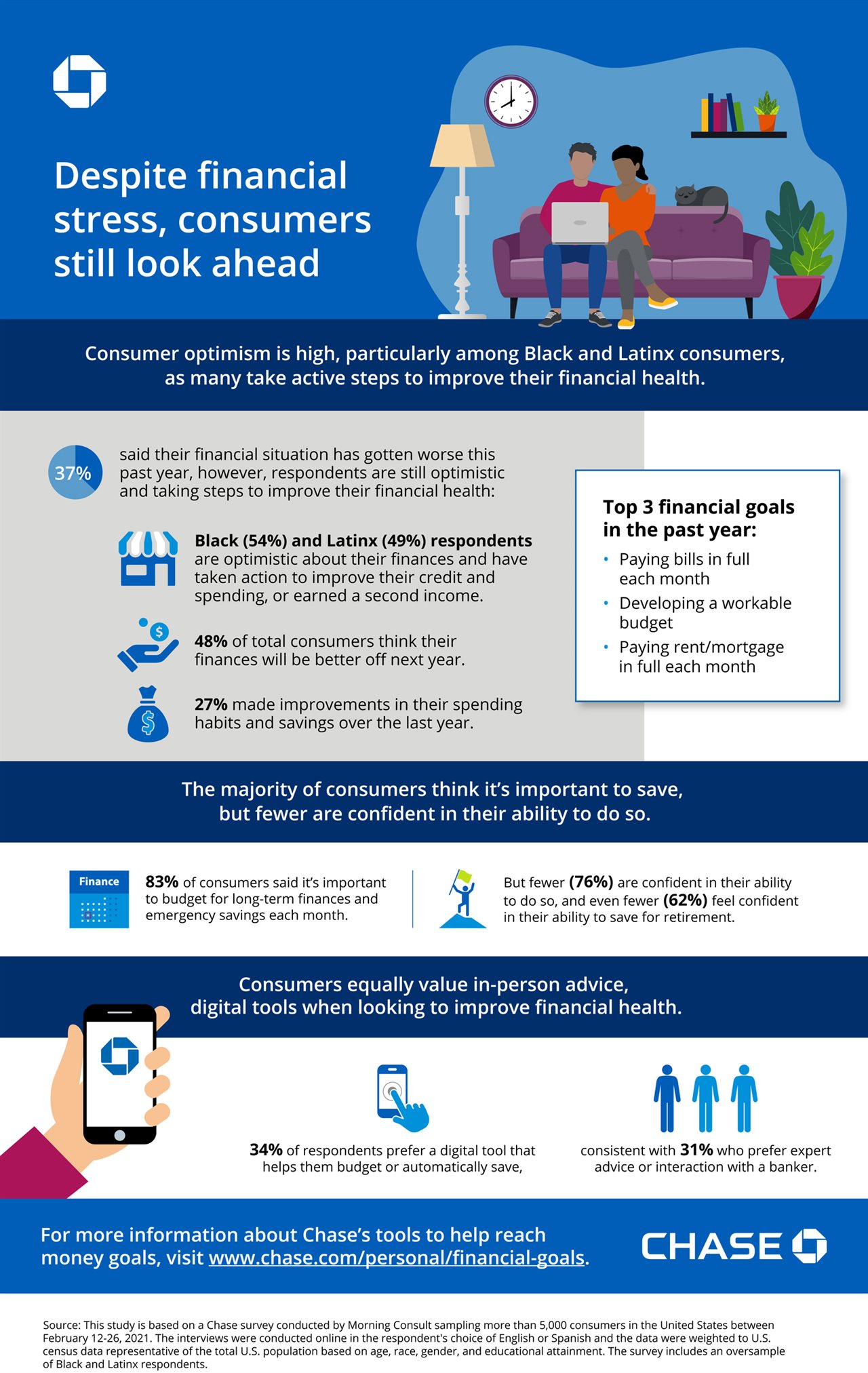
(BPT) – The new Chase Financial Health Consumer Study — conducted in partnership with Morning Consult — surveyed more than 5,000 U.S. consumers on the state of their finances, attitudes towards saving and budgeting, and actions they’ve taken to improve their financial health. Nearly half of U.S. consumers think that their finances will be better off in the next year, as nearly a third saw improvements in their spending habits and savings, according to a new survey from Chase. Optimism is slightly higher among Black (54%) and Latinx (49%) respondents as many have taken action to improve their credit, spending or earn a second income.

4 Creative Ways to Stay Connected with Customers and Employees

2021-05-11T12:01:00

(BPT) – As the country continues to navigate challenges brought on by the pandemic, 2021 has also shown to be a year of optimism. People are looking ahead with hope, parts of the world are starting to open back up and businesses of all types are reimagining the way they will operate in a post-COVID era.

Finding ways to stay connected and maintain relationships with customers and employees has never been more important. Here are four creative ways to help your business stay connected with team members and engaged with clientele.

1. A Healthy Mindset

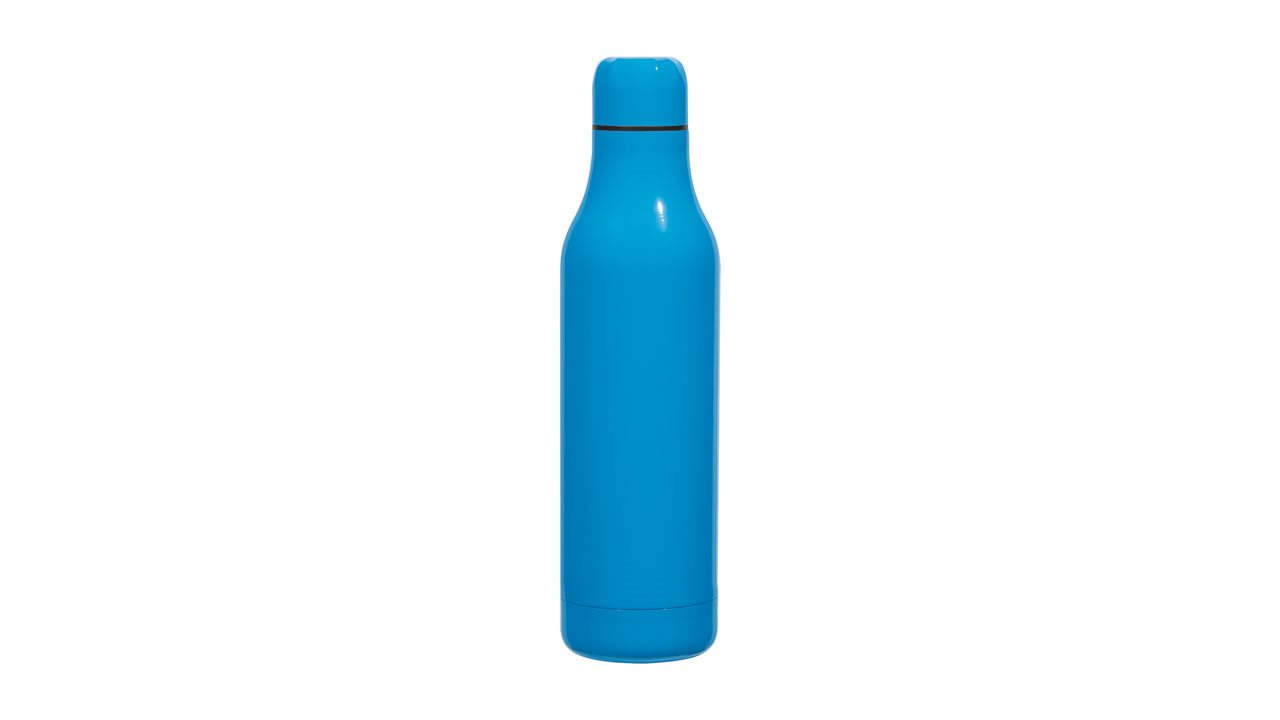
With health and wellness top of mind for so many people, water bottles serve as a great, and convenient, gift to keep your customers and employees hydrated and healthy.

2. A Token of Appreciation

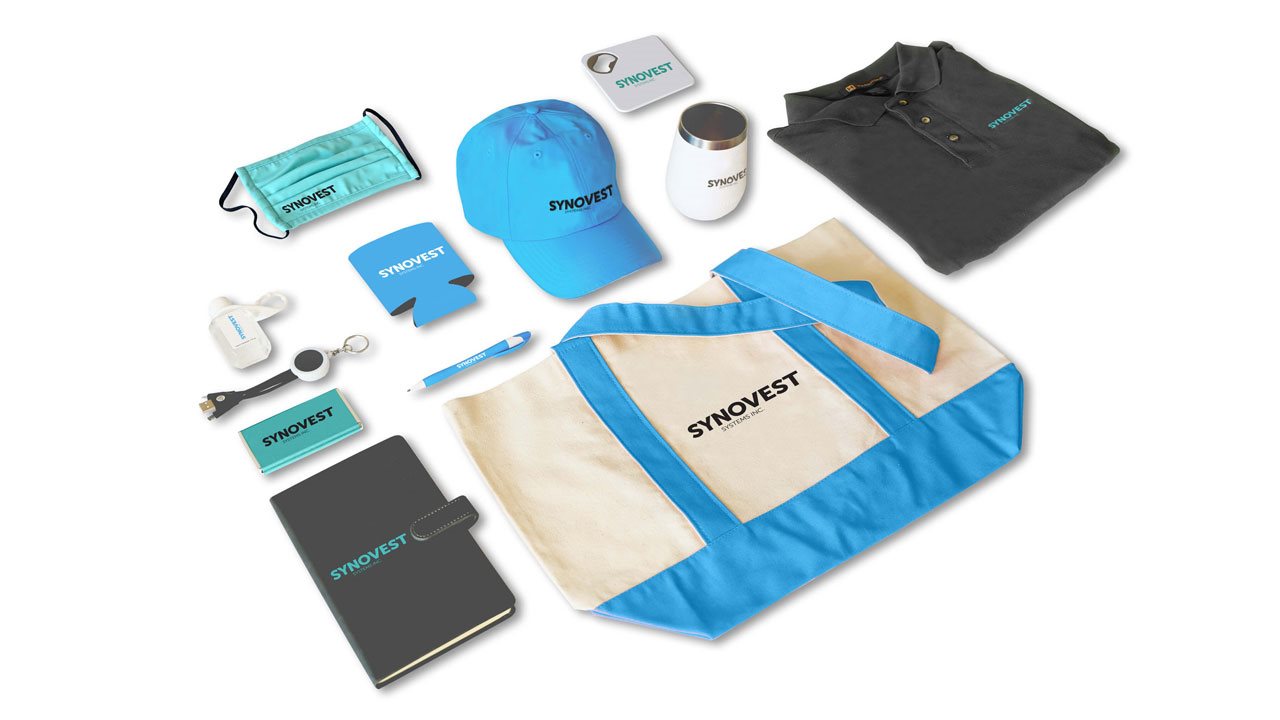
Awarded an RFP? Closed on a house for a client? Small tokens of appreciation, such as a branded tote, backpack or cooler pack, are sure to delight and can go a long way in cementing a meaningful and long-term partnership.

3. Support Your Team

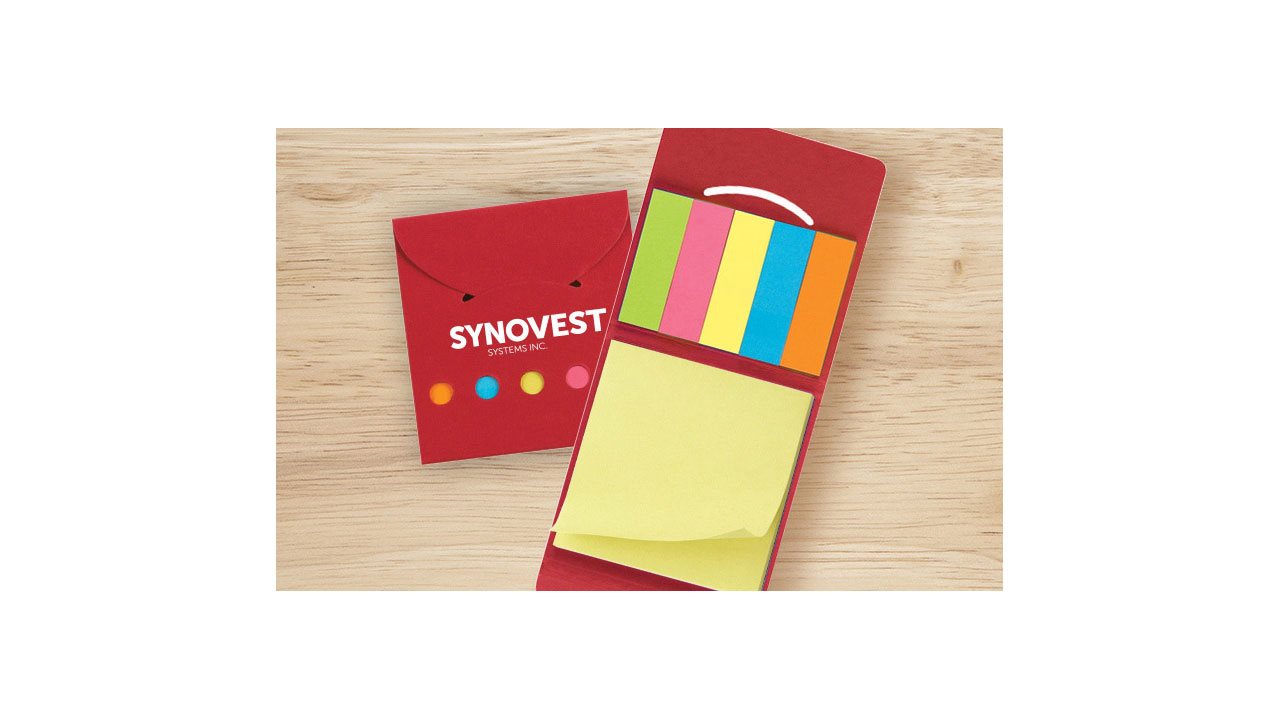
In addition to working full-time jobs, many employees have also had to juggle facilitating remote learning for their kids, caring for elderly or sick family members, or even being isolated from their loved ones for more than a year. Whether back in the office or working from home, office essentials — notepads, desk accessories, stationery — are very much needed, and a great way to show your employees you care and support them.

4. A Gift that Keeps on Giving

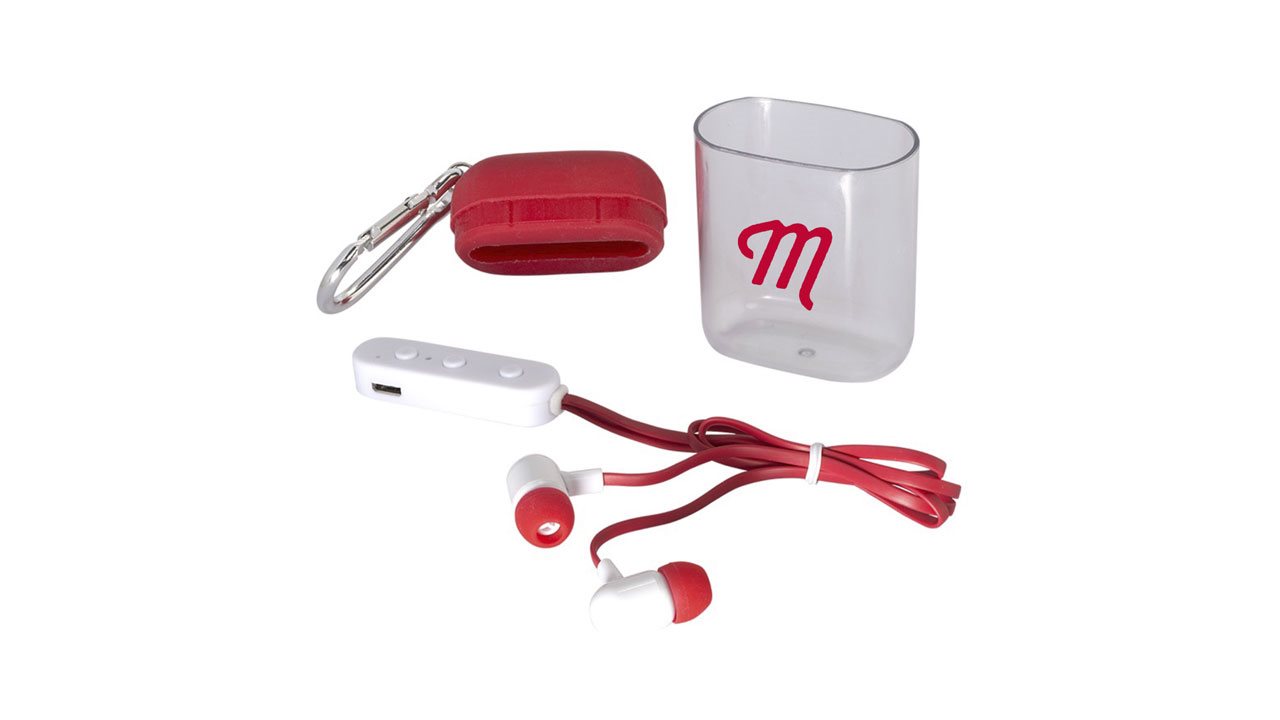
It happens all the time — we grab our phone to make a call or send an email only to find it’s dead. We need earbuds to listen to a podcast or dial into a conference call because there are distracting sounds like barking dogs or yardwork occurring all around you. What better way to keep your business top of mind for your customers and prospects than branded portable phone chargers or earbuds? These items will definitely save the day.

As we adapt to this new world of work, FedEx Office is dedicated to supporting business owners as they pivot operations and overcome challenges driven by COVID. The new online branded marketplace from FedEx Office is powered by Harland Clarke’s leading promotional products offering, one of Vericast’s many solutions designed to help businesses engage with their customers. Businesses can customize high-quality promotional products and use them to reconnect with their most important audiences in a unique and relevant way, whether in person or remote.

With new challenges and continued uncertainty, driving thoughtful connections with customers and employees is critical to a company’s bottom line. Remember — a branded item is seen not just by the person using it but also by every individual who encounters that person that day. So, start designing your promotional products and building brand recognition today!

When It’s More Than Just Your Parkinson’s

2021-05-11T15:01:00

(BPT) – While Parkinson’s Disease (PD) is one of the most common neurodegenerative conditions second only to Alzheimer’s, one might assume that the disease is well understood. Many people recognize the motor symptoms of Parkinson’s, like tremors at rest, loss of balance and difficulty moving, but there is a lesser-known and often less talked about non-motor aspect of the disease.

April is Parkinson’s Awareness Month. In an effort to educate and raise awareness of PD not only this month, but all year, there is a related but manageable condition called neurogenic orthostatic hypotension (nOH), that needs to be talked about. It is a condition where symptoms appear in approximately 20% of patients with PD.

Get to Know nOH

When a person without nOH stands up, gravity naturally pulls the blood to the lower part of the body, lowering blood pressure. When this happens, the nervous system typically releases a chemical called norepinephrine, which signals the blood vessels to tighten, or constrict. This raises blood pressure and makes it easier for the body to pump blood back up to the heart and brain.

For a person living with nOH, the body does not release enough norepinephrine upon standing. As a result, blood vessels are unable to tighten as they should, preventing the blood from being pumped back up to the head and upper torso.

What Symptoms Should One Look For?

Symptoms that nOH patients experience can be nonspecific. Some of these symptoms include:

  • Dizziness
  • Lightheadedness
  • Nausea
  • Feeling of blacking out

It’s important to take steps to capture these symptoms when you feel them. What were you doing? Were you standing or sitting? What time of day was it? A symptoms tracker may be helpful and serve as a tool to use when talking with your doctor.

How is nOH Treated?

There are a variety of lifestyle changes that may help ease the symptoms of nOH, like drinking two glasses of water, increasing your salt intake or wearing abdominal binders. In addition to lifestyle changes, there is also a treatment option available.

NORTHERA® (droxidopa) is a prescription medication that is indicated for the treatment of orthostatic dizziness, lightheadedness and the feeling of blacking out. Please review the full Use for NORTHERA and Important Safety Information below, including a boxed warning for Supine Hypertension. While NORTHERA might not be right for everyone, patients with a neurodegenerative condition can help their doctor determine if it could be the right fit for them by answering a quick online survey at NORTHERA.com and bringing their results to their physician.

This Parkinson’s Awareness Month, whether you’re living with PD or serve as a care partner for someone who is, be on the lookout for any symptoms that may be signs of nOH and speak to your doctor about the right treatment plan for you.

USE OF NORTHERA (droxidopa) CAPSULES (100 mg, 200 mg, 300 mg)

NORTHERA is a prescription medication used to reduce dizziness, lightheadedness, or the “feeling that you are about to black out” in adults who experience a significant drop in blood pressure when changing positions or standing (called symptomatic neurogenic orthostatic hypotension (nOH)) and who have one of the following:

  • Parkinson’s disease (PD), a neurodegenerative disease that causes slowness in muscle movement as well as shaking in the hands
  • Multiple system atrophy (MSA), a Parkinson’s-like disorder with more widespread effects on the brain and body
  • Pure autonomic failure (PAF), a neurodegenerative disease that results in frequent drops in blood pressure upon standing
  • Dopamine beta-hydroxylase deficiency, a condition where the body cannot make enough of the hormones that help regulate blood pressure
  • Non-diabetic autonomic neuropathy, an inability to maintain blood pressure upon standing that can be caused by a number of rare diseases

Effectiveness beyond 2 weeks of treatment has not been established, and your doctor will decide if you should continue taking NORTHERA.

IMPORTANT SAFETY INFORMATION

WARNING: SUPINE HYPERTENSION (this is high blood pressure while lying down)

When lying down, elevating the head and upper body lowers the risk of high blood pressure. Check your blood pressure in this position prior to starting and during NORTHERA treatment. If you experience high blood pressure, talk to your doctor about your NORTHERA treatment.

  • Do not take NORTHERA if you have a known allergy to NORTHERA or its ingredients.
  • NORTHERA may cause high blood pressure when lying down, which could lead to strokes, heart attacks, and death. To reduce this risk of supine hypertension, take your late afternoon dose of NORTHERA at least 3 hours before going to bed.
  • Neuroleptic malignant syndrome (NMS) is a rare but potentially life-threatening side effect reported with NORTHERA. Call your doctor right away and go to the nearest emergency room if you develop these signs and symptoms: high fever, stiff muscles, movements that you cannot control, confusion or problems thinking, very fast or uneven heartbeats, or increased sweating. NORTHERA should be stopped immediately if NMS is diagnosed.
  • If you have coronary artery disease, irregular heartbeat, or heart failure, NORTHERA may worsen the symptoms of these disorders. Call your doctor if your symptoms become worse.
  • NORTHERA may cause allergic reactions. Stop taking NORTHERA and contact your doctor right away, or go to the nearest emergency room if you experience any signs or symptoms of an allergic reaction such as: fast heartbeat, nausea, vomiting, swelling, trouble breathing, hives, or rash. NORTHERA contains tartrazine (FD&C Yellow No. 5), which may also cause an allergic reaction, especially if you have had a reaction to aspirin.
  • The most common side effects with NORTHERA are headache, dizziness, nausea, and high blood pressure.
  • Taking NORTHERA with other medications may cause side effects. Tell your doctor if you take prescription or over-the-counter medicines, vitamins, or herbal supplements.
  • You should not breastfeed during treatment with NORTHERA.
  • If you plan to become or are currently pregnant, talk to your doctor as it is not known if NORTHERA could harm your unborn baby.
  • Take NORTHERA the same way each time, either with or without food.
  • If you miss a dose of NORTHERA, take your next dose at the regularly scheduled time. Do not double the dose.

For more information, please see the full Prescribing Information, including Boxed Warning for supine hypertension or go to www.NORTHERA.com.

You are encouraged to report negative side effects of prescription drugs to the FDA. Visit www.fda.gov/medwatch or call 1-800-FDA-1088.

References

  1. Han Z, Tian R, Ren P, et al. Parkinson’s disease and Alzheimer’s disease: a Mendelian randomization study. BMC Med Genet. 2018;19(Suppl 1):215.
  2. Jankovic J. Parkinson’s disease: clinical features and diagnosis. J Neurol Neurosurg Psychiatry. 2008;79(4):368-376.
  3. Isaacson SH, Skettini J. Neurogenic orthostatic hypotension in Parkinson’s disease: evaluation, management, and emerging role of droxidopa. Vasc Health Risk Manag. 2014;10:169-176.
  4. Freeman R, Wieling W, Axelrod FB, et al. Consensus statement on the definition of orthostatic hypotension, neurally mediated syncope and the postural tachycardia syndrome. Clin Auton Res. 2011;21(2):69-72.
  5. Goldstein DS, Sharabi Y. Neurogenic orthostatic hypotension: a pathophysiological approach. Circulation. 2009;119(1):139-146.
  6. Freeman R. Clinical practice. Neurogenic orthostatic hypotension. N Engl J Med. 2008;358(6):615-624.
  7. Isaacson SH. Managed care approach to the treatment of neurogenic orthostatic hypotension. Am J Manag Care. 2015;21(13 Suppl):s258-s268.
  8. NORTHERA [package insert]. Deerfield, IL: Lundbeck

©2021 Lundbeck. All rights reserved. NORTHERA is a registered trademark of Lundbeck NA Ltd. DRX-B-100432

Light switches and wallplates need cleaning too: 4 tips to try

2021-05-11T15:19:44

(BPT) – To help limit the spread of germs, the Centers for Disease Control and Prevention recommends regular cleaning of high-touch surfaces. Tabletops, desks, vanities, faucets and door handles often make this list, but two things that are touched frequently throughout the day are often forgotten during cleaning: light switches and wallplates.

Hidden dangers such as bacteria and pathogens can build up on these surfaces, transfer to hands when touched and end up redistributed throughout the home. To help keep your home healthy, you can take steps to regularly and properly keep light switches and wallplates clean.

1) Avoid chemicals

Common household disinfectants with chemical agents may cause more harm than good to the switch or wallplate because certain cleaning agents can interfere with the electrical components, leading to safety issues, or cause damage to the surface area of the wallplate. If during cleaning you notice any irregularities on your switches or wallplates, such as cracking or discoloration, replace them immediately.

2) Liquid and electricity don’t mix

Because of the connection to an electrical source, it’s important to clean light switches and wallplates in a safe manner. Liquid and electricity are a bad combination. You should never spray or wipe a detergent or disinfectant solution directly on light switches, outlets, dimmers, USB charger outlets or wallplates. To safely clean these devices, simply use a lightly damp cloth with mild soap.

3) Turn the power off

Be certain to turn the power off to the device prior to cleaning. Due to risk of shock or electrocution, do not use disinfecting products, including foggers, sprays or other types of atomized cleaning agents. Plus, if the liquid seeps into the switch or outlet, it can damage the internal components, resulting in a fire hazard. Cleaning solutions can also damage or discolor the device’s surface or cause it to deteriorate over time, which may include cracking.

“Cleaning your electrical devices is not a big job, but it is one that needs to be handled with care,” said William Randall, director of product management at Leviton. “Taking the proper precautions and cleaning these surfaces regularly can help reduce the spread of harmful bacteria to help keep your family and home healthy.”

4) Consider antimicrobial switches

For extra protection, Leviton offers Antimicrobial switches and wallplates for your home. “Antimicrobial refers to any substance that eradicates or inhibits the growth of bacteria by suppressing bacteria reproduction,” explains Randall. “Our antimicrobial switches and wallplates are engineered to help combat the spread of harmful bacteria and contain an EPA registered additive that protects the surfaces from contamination. When cleaned regularly with a cloth dampened with water and mild soap, that additive works to inhibit 99% of bacterial growth.”

As with cleaning any switch or wallplate, be certain to turn the power off at the circuit breaker or fuse prior to cleaning and to switch back on when you have completed the job.

With proper and regular cleaning of light switches and wallplates, you can feel confident you’re creating a bright, fresh appearance and a healthier home.