10 Easy Steps to Connect & Protect Your Home During Storm Season

2022-09-07T08:01:00

(BPT) – While each season brings different types of extreme weather, it’s important to stay prepared for the unexpected. Having a plan and supplies ready ahead of time could protect you and your family if disaster strikes. In 2021 alone, there were 20 extreme weather disasters causing more than a billion dollars’ worth of damage, bringing the most severe weather in U.S. history. From hurricanes, tornados, heat waves and more, be prepared for extreme weather with these top tips every homeowner should know.

Indoor

1. Stock Up

If you see extreme weather in the forecast, be sure to stock up on plenty of food and water. This can help with the stress of uncertainty while the storm passes.

2. Sign Up for Weather Alerts

Stay up to date on the latest weather by turning on alerts and notifications.

3. Unplug Major Appliances

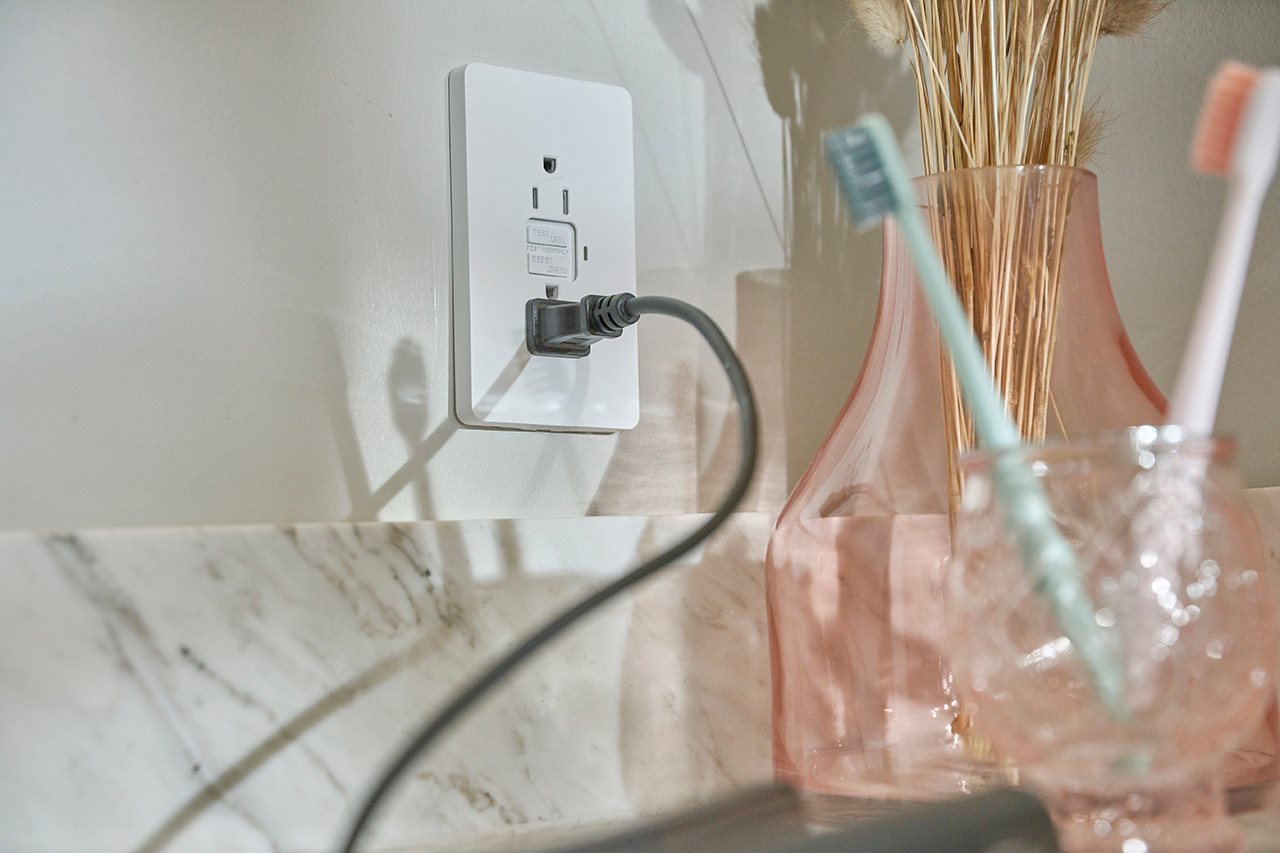
While lightning surges are uncommon, it is safest to unplug major appliances such as air conditioners, microwaves, coffee makers, etc. Be sure to have a surge protector handy to protect your computer and electronics.

4. Check Doors and Windows

Doors and windows can be easily damaged during a storm. To prevent this, close and lock all doors and windows. Inspect to see if any need to be resealed or replaced.

5. Prepare For a Power Outage by Having an Uninterruptible Power Supply

When a power outage occurs, protect your most important home electronics, and stay connected to family, friends and work. Learn how you can weather the storm at APC.

Outdoor

6. Secure Outdoor Furniture

When severe weather is in the forecast, secure outdoor furniture by storing it inside or covering it up and weighing it down.

7. Protect Your Car

During extreme weather, outside objects are vulnerable to being struck by lightning. Protect your car by moving it away from any nearby trees to higher ground, or into a garage.

8. Keep Your Gutters Clear

Cleaning out your gutters and keeping them clear ensures ease of waterflow. This helps to prevent any damage to your roof and home.

9. Preserve Your Home

Preserve your home by cutting any tree branches close by, installing a heavy-duty bolt to your doors and inspecting your roof to ensure all shingles are intact.

10. Purchase Water Barriers

Purchase water barriers such as sandbags, cofferdams, bladder dams or metal flood barriers. Place them around the exterior of your home to prevent flood damage.

One woman’s journey with lymphoma and taking an active role in healthcare decision-making

2022-09-07T11:49:00

(BPT) – Fulfilled by her loving marriage of more than 50 years, her faith and her family, Maggie was living the life she always dreamed of having. Then a car accident changed everything. At the hospital, while the doctors evaluated Maggie’s injuries from the incident, they also discovered enlarged lymph nodes. Then Maggie got the news no one wants to hear: “You have cancer.”

Specifically, Maggie was diagnosed with diffuse large B-cell lymphoma (DLBCL), the most common type of non-Hodgkin lymphoma (NHL). DLBCL is a fast-growing cancer affecting B-lymphocytes, also known as B cells, a type of white blood cell that helps the body fight infections. As they develop, cancerous B cells become larger than normal and multiply uncontrollably.

For most of the approximately 28,000 people diagnosed with DLBCL in the U.S. each year, it is a treatable cancer, and Maggie was eager to beat it in partnership with her healthcare team.

“Shortly after learning of my DLBCL diagnosis, I started chemotherapy at the direction of my doctor, but unfortunately couldn’t tolerate the dose needed and the DLBCL returned,” said Maggie, who was one of up to 50% of patients whose DLBCL relapses (returns) or does not respond to treatment (becomes refractory).

Maggie and her oncologist then worked together to make decisions regarding next steps in her treatment plan. Based on Maggie’s lifestyle and preferences, they believed the best option for her was Monjuvi® (tafasitamab-cxix) – a targeted immunotherapy treatment given with another medicine called lenalidomide – because it did not require in-patient care and hospitalization that would take her away from her family.

Monjuvi is a prescription medicine given with lenalidomide to treat adults with certain types of DLBCL that has come back (relapsed) or that did not respond to previous treatment (refractory) and who cannot receive a stem cell transplant. It is not known if Monjuvi is safe and effective in children. The approval of Monjuvi is based on a type of response rate. There is an ongoing study to confirm the clinical benefit of Monjuvi.

“After my first treatment didn’t work as well as I’d hoped, I was encouraged to educate myself about my condition and available treatment options, including potential benefits and risks,” Maggie said. “Because of this, I felt better prepared to ensure my preferences were taken into account. I relied on the support of my husband, Buck, to get me through that difficult moment. He was with me every step of the way, and I knew I wanted to stay close to him and my family without long stays in the hospital for my next treatment.”

Buck’s involvement showed Maggie firsthand how caregivers and loved ones can play an important role in the shared decision-making process. He helped her process new information about the disease and treatment options that otherwise might have been overwhelming to hear alone. Maggie believes bringing loved ones to appointments can also be helpful for taking notes, recapping the discussion and assisting with navigating any important decisions needed following the appointment. She also says being informed and supported helped her stick with her treatment regimen.

Two years later, Maggie is now in remission. Her story highlights the importance of being proactive and honest with healthcare providers so that personal needs and choices can be considered as part of treatment decisions. This is Maggie’s story. Everyone’s story is different. Individual results may vary.

Treating serious diseases like DLBCL does not take a one-size-fits-all approach. If you or someone you know is dealing with a serious medical condition, consider asking the below questions when choosing your next treatment with your healthcare team:

  • How will this treatment factor into my personal priorities, needs and preferences?
  • How much support (including emotional and logistical) will I need from friends and family?
  • Is this treatment different from the ones I’ve had before?
  • Will I be able to continue treatment with my established healthcare team?
  • How far will I need to travel for treatment? Will I need caregiver support to get there?
  • How quickly can treatment begin?
  • Will treatment be given on an outpatient basis, or will I need to be admitted to a hospital or treatment center?

If you, like Maggie, have DLBCL that came back or didn’t respond to the first treatment (relapsed or refractory DLBCL), start a conversation with your healthcare team about your options. To learn more about Monjuvi, DLBCL and for support and resources, visit www.Monjuvi.com.

IMPORTANT SAFETY INFORMATION

What are the possible side effects of MONJUVI?

MONJUVI may cause serious side effects, including

  • Infusion reactions. Your healthcare provider will monitor you for infusion reactions during your infusion of MONJUVI. Tell your healthcare provider right away if you get fever, chills, flushing, headache, or shortness of breath during an infusion of MONJUVI
  • Low blood cell counts (platelets, red blood cells, and white blood cells). Low blood cell counts are common with MONJUVI, but can also be serious or severe. Your healthcare provider will monitor your blood counts during treatment with MONJUVI. Tell your healthcare provider right away if you get a fever of 100.4 °F (38 °C) or above, or any bruising or bleeding
  • Infections. Serious infections, including infections that can cause death, have happened in people during treatment with MONJUVI and after the last dose. Tell your healthcare provider right away if you get a fever of 100.4 °F (38 °C) or above, or develop any signs or symptoms of an infection

The most common side effects of MONJUVI include

  • Feeling tired or weak
  • Diarrhea
  • Cough
  • Fever
  • Swelling of lower legs or hands
  • Respiratory tract infection
  • Decreased appetite

These are not all the possible side effects of MONJUVI. Your healthcare provider will give you medicines before each infusion to decrease your chance of infusion reactions. If you do not have any reactions, your healthcare provider may decide that you do not need these medicines with later infusions. Your healthcare provider may need to delay or completely stop treatment with MONJUVI if you have severe side effects.

Before you receive MONJUVI, tell your healthcare provider about all your medical conditions, including if you

  • Have an active infection or have had one recently
  • Are pregnant or plan to become pregnant. MONJUVI may harm your unborn baby. You should not become pregnant during treatment with MONJUVI. Do not receive treatment with MONJUVI in combination with lenalidomide if you are pregnant because lenalidomide can cause birth defects and death of your unborn baby
    • You should use an effective method of birth control (contraception) during treatment and for at least 3 months after your last dose of MONJUVI
    • Tell your healthcare provider right away if you become pregnant or think you may be pregnant during treatment with MONJUVI
  • Are breastfeeding or plan to breastfeed. It is not known if MONJUVI passes into your breastmilk. Do not breastfeed during treatment and for at least 3 months after your last dose of MONJUVI

You should also read the lenalidomide Medication Guide for important information about pregnancy, contraception, and blood and sperm donation.

Tell your healthcare provider about all the medications you take, including prescription and over-the-counter medicines, vitamins, and herbal supplements.

Call your doctor for medical advice about side effects. You may report side effects to the FDA at (800) FDA-1088 or www.fda.gov/medwatch. You may also report side effects to MORPHOSYS US INC. at (844) 667-1992.

DIRECTIONALS TO THE PI:

Please see the full Prescribing Information, including Patient Information, for additional Important Safety Information.

RC-US-TAF-01561 July 2022

Sponsored by: MorphoSys US Inc and Incyte

Need an alternate source of income? Consider hosting on Airbnb

2022-09-07T16:49:00

(BPT) – Many Americans are struggling to make ends meet as the cost of living continues to rise. According to the U.S. Bureau of Labor Statistics, the rate of inflation in the U.S. increased by 8.5% in the last 12 months, drastically increasing the price of food, gas, utilities and other household items. While some have tightened their belts, others are looking for alternate sources of income to combat rising inflation.

One popular way to earn extra income is to offer up rooms, homes and apartments as short-term rentals. While offering short-term rentals isn’t new, according to a recent report by Airbnb, the number of new Hosts in the U.S increased by 50% during Q2 of 2022, coinciding with the increasing inflation rate. Also, 41% of U.S. Hosts reported that one reason they host is to earn money to help navigate rising prices.

According to the numbers, hosting short-term rentals seems to be working, with new Hosts earning a combined total of over $1.8 billion globally in 2021, up more than 30% from 2019. For those who have an extra room or property, offering up their space as a short-term rental has given them the opportunity to earn amid a rising cost of living.

Jenny’s story

According to the survey, nearly 40% of Hosts in the U.S. said that the income earned through hosting has helped them stay in their homes in 2021. This was especially true for Jenny Radick a single parent who, in 2016, was overwhelmed by the never-ending cost of day care, rent, car bills and student loans.

“I was working every moment I could to pay my bills, but it meant sacrificing valuable time with my children,” said Jenny. “I knew that my work life wasn’t sustainable, but I didn’t know how I could balance my desire to parent with my need for income.”

Luckily, in September 2017 she decided to start hosting her entire home – a cabin in Saylorsburg, Pennsylvania, on the weekends to earn extra income and took the opportunity to visit family while her home was in use. While every Host’s experience is different — and earnings can vary widely depending on availability, price, listing type, location, and more — in Jenny’s case, the idea eventually paid off: The income she received from her first short-term rental allowed her to pay off her mortgage in the first year and invest her earnings into buying a second home. In the last 12 months alone, Jenny earned $44,496*. “Hosting has removed a huge weight from my shoulders,” said Jenny. “Without the stress of financial uncertainty, I have the freedom to spend quality time with my children that I couldn’t afford before.”

Become a Host

If, like Jenny, you’re looking for a way to alleviate your financial burden, consider becoming a Host. Whether you have a finished basement with a separate entrance, a seldom-used cabin or summer home, even a private room, or if you can visit friends and family for the weekend, you can easily start earning extra income.

If you’re new to short-term rentals, Airbnb can match you with an experienced Superhost to answer all of your questions and provide personal tips and guidance on hosting. To talk to a Superhost, learn more about hosting and list your space for free, visit Airbnb.com/Host.

Disclaimer language:

*The median annual income for an entire place in Saylorsburg, Pennsylvania, is $24,154. Your actual earnings will depend on several factors, including your availability, price, and the demand in your area.

This National Cholesterol Education Month: It’s time to start protecting your heart health

2022-09-07T08:01:00

(BPT) – By JoAnne Foody, M.D., FACC, FAHA, Chief Medical Officer at Esperion

This fall, we recognize National Cholesterol Education Month — a time to reflect upon the importance of heart health and highlight the impact of high cholesterol on cardiovascular disease (CVD). As a cardiologist and physician researcher who feels passionately about diseases of the heart, moments like these present a welcome opportunity to help to educate at-risk individuals around the contributing factors for CVD, which remains the leading cause of death globally. Unfortunately, despite widely available medicines, many are still unaware of the risk factors that can lead to heart disease or stroke, making it difficult to find the right treatment that best meets their needs.

Accordingly, I believe it’s time that men and women of all ages better understand how to manage their CVD risk by monitoring and treating their cholesterol. Here’s a look at how to improve your heart health by getting these critical factors under control.

Understanding cholesterol

For those who are unaware, cholesterol is a fatty molecule that circulates in the blood. There are two main types of cholesterol: HDL cholesterol, which is good for your health, and LDL cholesterol, which is bad for it. As the amount of LDL cholesterol increases, so too does the risk of cholesterol slowly building in your arteries, contributing to an increased likelihood of heart disease and stroke.

Because LDL cholesterol is the main source of this artery-clogging plaque, it’s very important to monitor your cholesterol levels so you can take action to address them. In order to do so, the American Heart Association recommends following the “check, change and control” method to manage your risk:

  • Check your cholesterol levels.
  • Change your diet and lifestyle to help improve your levels.
  • Control your cholesterol, with help from your doctor, if needed.

Finding the right treatment

Once you’ve identified your LDL cholesterol levels, the next step is to find the right treatment that will help you reach your recommended LDL cholesterol levels. Today, the most commonly prescribed medicines to lower LDL cholesterol are called statins and there is substantial evidence that statins can effectively lower LDL cholesterol. Unfortunately, for many patients, statins have side effects that can limit the dose of medicine they can tolerate, and some patients cannot tolerate statins at all.

For at-risk individuals, this means that many people cannot reach their recommended LDL cholesterol levels on statins alone. As such, if you’re having trouble keeping your levels down, it’s important to talk to your doctor about finding a non-statin option that best meets your needs.

Make no mistake: High cholesterol is an elusive and dangerous health condition — usually presenting zero symptoms before complications begin to occur. With this in mind, it’s time to have your doctor check your cholesterol levels and discuss treatment options that can bring your numbers back to a healthy threshold. Don’t wait, your heart health depends on it.

Spouting off tips to avoid water waste

2022-09-07T11:01:00

(BPT) – Drought conditions persist in the Western United States, leading lawmakers to enact measures designed to reduce water consumption by residents. Homeowners are now having to make significant shifts with how they use water and curb waste.

According to the Environmental Protection Agency (EPA), the average person uses up to 82 gallons of water a day in their home. Residential water use such as toilet flushing, showering, faucet use and laundry accounts for the majority of this consumption, costing the average homeowner more than $1,000 a year. This everyday use also causes wear and tear on plumbing systems which can lead to leaks in pipes and drains. Up to 10% of water can be lost to leaks, with some not always easy to detect.

“Homeowners should be vigilant in inspecting and fixing any water leaks found around the home, both indoors and outdoors,” said Bonnie Lee, vice president of property claims at Mercury Insurance. “Updating fixtures is an important first step on stopping water loss, as not repairing or replacing aging pipes could lead to more serious complications.”

Installing a water leak detection device can help curb water waste. These systems can notify you when a leak is detected and can shut off the water system if a major problem is found. Many insurers, including Mercury, offer a water leak detection discount to qualifying homes that are equipped with these systems.

Curbing water waste can also be done by replacing old appliances with newer models that are not only more efficient, but can help save utility costs.

In the kitchen

Upgrade your old dishwasher. A normal cycle in an energy-efficient dishwasher will use approximately 6 gallons of water compared to older models that use around 10 to 15 gallons. Not only do old dishwashers use more water, they use more energy too. If you are looking to replace your dishwasher, look for models with an Energy Star for energy efficiency.

Replace standard sink faucet aerators with low-flow ones. Low-flow faucet aerators save water by mixing air with the water stream, reducing the amount of water that will flow from the faucet. Limiting the amount of water flowing from the tap also lowers the amount of energy used for water heating, which lowers utility costs.

In the laundry room

Update old washers with a front-loading washing machine. Front loading machines are more water efficient. Higher-efficiency washing machines use 25% less energy and 33% less water. They also spin faster than standard ones, meaning clothes need less drying time.

In the bathroom

Replace older-model toilets. While many people may be more conscientious about conserving water in the bathroom by taking shorter showers, they may not be aware that toilets are the main source of water use in the home, and can use up to 30% of the home’s water supply.

According to the EPA, toilets manufactured before 1982 can use up to 7 gallons of water with every flush, compared to modern toilets, which use only 1.6 gallons. Toilet manufacturers stamp the underside or back wall of the tank with a gallons per flush (gpf) rating. This will let you know how many gallons of water are being used per flush. The higher the GPF number, the more water is being used.

Saving water outside the home

Outdoor watering accounts for almost 30% of overall residential water use. While lawns tend to absorb more water than plants, many homeowners may not be aware that irrigation controls may need to be adjusted or of the different water needs for the variety of plants in their gardens.

Consider reducing or eliminating ornamental lawns by incorporating native or drought-resistant plants around your home’s yard. These plants require less maintenance, less water, and will help lower water costs. Consult a local nursery or landscaping professional to ensure that you choose the best plants for your area.

Adjust your automatic sprinkler system. Set watering times for early in the morning, when there is less of a chance for evaporation. Check sprinkler heads to make sure they are not clogged or broken as that can lead to additional water loss.

Preventing unnecessary water loss begins with a thorough inspection of the home. Inspecting plumbing fixtures and properly maintaining and upgrading appliances when needed will not only save water and energy, it could end up saving you more money as well.

Prioritizing the Mind, Body and Spirit During Healthy Aging Month

2022-09-07T14:15:00

(BPT) – Life often changes as we age. We might find ourselves with more free time or in new social circumstances, or that we enjoy different activities than we used to. Whatever we experience, a great way to stay healthy as we age is to focus on all three components of well-being — physical, mental and emotional.

September is Healthy Aging Month, an annual reminder to take time to prioritize health on a holistic level. AARP members have access to information on products, services and resources that can help them do just that.

The Mind

Keeping the brain stimulated can be a great way to stay sharp. Research has indicated the brain continues to evolve in response to learning even at a mature age, making travel — with its exposure to new cultures, sites, languages and history — a great way to strengthen our most important organ. Travel also has many other benefits that can help boost brain health. Getting away from the day-to-day grind can reduce stress and improve resilience, and encountering new people and social opportunities can promote overall happiness and well-being.

AARP members have great travel benefits to make getting away easy, such as the AARP Travel Center Powered by Expedia. Members get 10% off at select hotels, up to 30% off select car rentals, up to $100 in extra onboard credits for select cruises, and a 5% rebate (up to $350) on eligible group hotel bookings. Plus, members get a $50 Visa® Prepaid Card when they book a flight vacation package.

Members can also apply for the AARP® Travel Rewards Mastercard® from Barclays. Upon approval, cardmembers can earn a $100 cash back bonus if they spend $500 on purchases in the first 90 days. Cardmembers also earn unlimited cash back for their travel purchases and more: 3% on airfare, hotel stays and car rentals, 2% on restaurant purchases and 1% on all other purchases.

The Body

Staying active and eating well is often the best prescription for keeping the body in good working order. Freshly makes it easy to get balanced meals with over 50 fresh, never frozen dishes delivered to your door. Members save 20% on subscriptions of 4 to 12 meals per week and have the flexibility to pause, change or cancel their plan at any time.

As the saying goes, prevention is the best medicine, so it’s important to stay up to date on checkups, including regular visits to the dentist, and follow advice from your doctor and dentist. Dental health, for example, can be an early indicator of other health issues. AARP members have access to information on dental coverage for individuals and their families to maintain good oral health.

It is also a good idea to get annual eye checkups to evaluate any vision loss or early signs of disease. If correction is needed, AARP® Vision Discounts Provided by EyeMed offer members and their families exclusive discounts at participating retailers and independent provider locations nationwide, as well as online. Members save 50% on prescription lenses with the purchase of a frame at LensCrafters, 30% on complete pair of glasses (frames and lenses) at Glasses.com, and an additional $10 on a complete pair at Target Optical.

You can stay on top of your prescriptions with AARP® Prescription Discounts Provided by OptumRx® — a free prescription discount card that can be used at over 66,000 pharmacies nationwide for savings on all FDA-approved medications. The program is open to anyone, but AARP members have access to additional benefits, including deeper discounts on medications, home delivery, coverage for dependents and more.

The Spirit

Difficult to define and often dismissed as “new age-y,” spiritual health is frequently overlooked, yet maintaining a sense of purpose as we experience life changes is important. If you derive fulfillment from being closer to loved ones or interacting with neighbors, perhaps it’s time to relocate. AARP® Real Estate Benefits from Realogy provides members with access to real estate agents from Realogy’s trusted real estate brands, including Better Homes and Gardens® Real Estate, Century 21®, Coldwell Banker®, Corcoran Group, and ERA® Real Estate. Plus, members can receive $300-$7,200 in benefits based on the sale or purchase price of their home. There is no fee to sign up, and depending on the location of the home, you will receive your benefits as cash, as a gift card, or as a commission reduction.

Or you might need a little R&R to nourish your spirit. Take a relaxing getaway with a stay at one of Hilton’s properties. AARP members save up to 10% on the best available rate, and get late checkout until 2 p.m., when available. Hilton’s portfolio of hotels includes Waldorf Astoria, Hilton Hotels & Resorts, DoubleTree by Hilton, Embassy Suites by Hilton, Hilton Garden Inn and many others.

Products that help you look and feel your best can boost confidence and fortify your spirit. Stock up on health, wellness, and beauty products like vitamins, skin care products, cosmetics and more, all available at Walgreens. When members link their AARP membership and myWalgreens® account, they can earn 10% Walgreens Cash rewards on Walgreens-branded health and wellness products. AARP members also receive 7% Walgreens Cash rewards on Walgreens-branded beauty products and 3% Walgreens Cash rewards on other eligible beauty purchases.

Aging may be inevitable, but it can also be enjoyable. This Healthy Aging Month, take the time to focus on each aspect of your health or look for activities that benefit mind, body, and spirit together, such as gathering with friends for a healthy meal, going on a sightseeing or hiking trip, or joining a group fitness class. Whatever you do, AARP members have ways to help make it even easier and far more fun.

AARP and its affiliates are not insurers, agents, brokers or producers. AARP member benefits are provided by third parties, not by AARP or its affiliates. AARP receives a royalty fee for the use of its intellectual property. These fees are used for the general purposes of AARP.


Little ears are listening: The importance of using positive self-talk

2022-09-07T06:31:00

(BPT) – Think about how often you say remarks out loud like: “This outfit looks terrible on me,” or “I don’t like the way my hair looks,” or even, “I wish that my nose was straighter.” Beyond appearances, oftentimes we can be hard on our abilities, saying things like, “That was so careless of me,” or “I’m terrible at math.” Comments like these seem innocuous enough, but can have a lasting effect on the little ones who are listening to our every word.

According to an article in Psychology Today, when parents feel good about themselves, they are better able to extend a positive sense of self to their children. That’s why it’s important to practice positive self-talk to teach your kids confidence and train them to see themselves in a good light.

It’s also essential to pay attention to your tone and the way you speak to your children, as that is how they learn to form their own self-talk abilities. A study from the University of Amsterdam found that children whose parents speak warmly to them have higher self-esteem, which means that not only are our children learning from the way we speak to ourselves but the way that we speak to — and about — them as well.

Experts at Kiddie Academy Educational Child Care recommend three ways parents can help their children develop positive self-talk practices.

Say encouraging words and positive mantras

Joy Turner, vice president of education at Kiddie Academy, says it’s important to model daily affirmations, which you can turn into a game. “When you’re sitting down to dinner each night, develop the habit of going around the table to say a positive thing about your day and something you did well. Don’t just have your children do it — make sure to include affirmations about yourself, too,” said Turner.

When you start thinking of things in a positive light or looking on the bright side, it creates less stress and anxiety in your children. Focus on using encouraging words and family mantras that will pop into your children’s minds when they’re feeling down on themselves. Don’t know where to start? A family mantra could be as simple as, “We are Smiths, and Smiths always try their best!”

Set attainable goals and expectations

The same can be said for both parents and their children — setting attainable goals and expectations is essential to higher self-confidence and satisfaction. If you only were to set goals that you could never achieve, you would always feel like you’re coming up short. Your self-esteem would be low, and you would probably not speak very highly of yourself. The same goes for children whose parents place unrealistic expectations on them. Let your children set goals and encourage them to meet them, but always stay positive. Find ways to reframe negative thoughts to help your child develop this skill to carry into adulthood.

Leave room for mistakes

Everyone makes mistakes; it’s how we deal with them that determines the lesson we will learn. Remember that every mistake your kids make is a learning experience and an opportunity for them to grow. “The best way to teach children to love themselves is to let them know they are human and to remind them of this when mistakes are made,” said Turner. “Positively reinforcing that they can do better next time or that they can try again will help them to cope with failures in the future without affecting their self-esteem.”

Children are watching and learning from their parents constantly, which means it’s important to model the behaviors you want your children to develop. Focus on the good in your children and speak nicely about yourself, and you will show your children the importance of treating themselves with kindness and grace. And, you may just get your own confidence boost in the process.

The sustainability of down wins out among the rest [Infographic]

2022-09-06T07:01:00

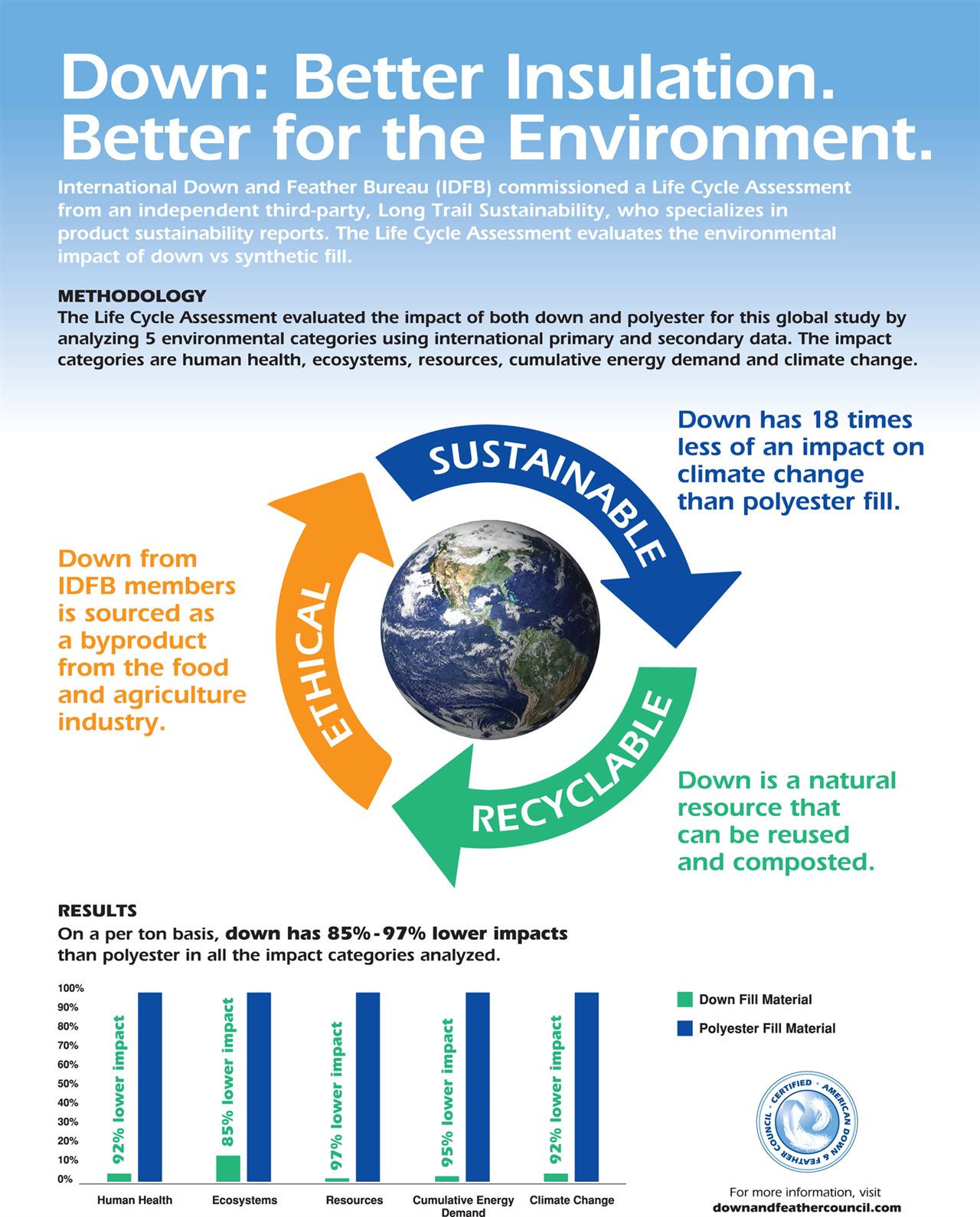
(BPT) – Down is a sustainable, renewable and ethical resource. A recently conducted Life Cycle Assessment found down has 18 times less of an impact on climate change than polyester fill. The LCA also tested the impact of down versus polyester in five environmental categories. Down beat out polyester in ALL categories. Down doesn’t just feel good it is good: https://downandfeathercouncil.com/sustainability/.

5 ways to save big this back-to-school season

2022-09-06T11:31:00

(BPT) – Whether you have kids in grade school, high school or heading off to college, you know how much you can spend on everything from clothes and school supplies to lunch items and dorm essentials. The good news? You’ll save a lot if you know where to shop.

With a BJ’s Wholesale Club membership, you’ll find countless ways to save on all the essentials your family needs, just in time for back-to-school.

Here are 5 ways to make the most of your BJ’s membership during this busy season:

1. Find whatever you need, from groceries and backpacks to school supplies and more

BJ’s helps its members stock up on all the essentials needed for back to school, offering a variety of options for dorm essentials, tech, school supplies, snacks and more.

Members can count on BJ’s to offer a wide variety of their favorite brands, plus new brands to try. From fresh produce, meats and frozen meals, to nonperishable foods and all your favorite beverages, BJ’s Wholesale Club is your one-stop shop for fresh, quality foods at unbeatable prices. BJ’s even has delicious, ready-to-serve options, for quick dinners after a busy day of school and activities. With BJ’s exclusive brands, Berkley Jensen and Wellsley Farms, members can save even more without sacrificing quality.

2. Experience unbeatable savings

You can save up to 25% off grocery store prices every day, whether you’re trying to fill those lunchboxes or get dinner on the table, because BJ’s offers incredibly low prices on everything you need to stock your fridge and pantry.

BJ’s members save even more with BJ’s Smart Saver coupon book, and for even more savings, their Smart Saver coupons can be stacked on top of manufacturers’ coupons, being the only wholesale club to do so. At the front of the club is a flyer including even more coupons on items you may be needing to shop for, and as a member, you’ll get personalized coupons plus ways to earn cash back for your next purchase. Additionally, it’s easy to use the BJ’s mobile app to access exclusive offers. BJ’s runs awards programs throughout the year, allowing members to shop and earn cash back for future purchases. The best part: The award is automatically loaded to your card.

And to see how much your savings really added up, you can click into your savings under “Savings and Awards” page of your account. Members can also click into their savings on their BJ’s mobile app, making it a seamless experience to see just how much they saved!

3. Save time with one-stop shopping

You’ll save both money and time by making fewer trips to the store when you can find everything in one place, from TVs to tonight’s dinner. You can take advantage of online shopping, then choose from one of their convenient shopping options like curbside or in-club pickup, same-day delivery or ship-to-home, making it even easier and more convenient to get everything you need for your family.

BJ’s also offers a wide array of services to help you consolidate multiple errands in a one-stop shop. From BJ’s Optical and BJ’s Tire Center to deli platters and custom cakes for entertaining, BJ’s offers much more than just incredible savings.

4. Spend less at the pump

Whether you’re driving the kids to school or activities — or road-tripping to that college destination — the miles add up to dollars fast! Fortunately, BJ’s Gas has great prices every day, and with BJ’s Fuel Savers Program, it’s easy to save even more on gas every time you shop. When you purchase qualifying items, you’ll get $0.10 off per gallon. For each qualifying item you buy, you’ll save another 10 cents per gallon at BJ’s Gas.

In addition, BJ’s offers two credit card options based on your membership that gives you cash back plus $0.10 off gallon every time you fill up.

5. Try a risk-free membership

If you’re still unsure how much you’ll save, you can try BJ’s risk free with their 100% money-back guaranteed membership. New members receive exclusive mailed offers within the first 90 days of membership, so now is a great time to get started!

BJ’s members save money and time with all the perks of membership. Check out all the exclusive membership benefits at BJs.com.

3 small business trends that are here to stay as consumer behaviors evolve at breakneck speed

2022-09-06T16:01:00

(BPT) – Consumer behaviors are shifting faster than ever before, and businesses that want to succeed in this environment need to stay one step ahead of the game.

For small businesses, there’s more competition than ever. According to recently released data, in 2021, 5.4 million new business applications were filed, surpassing the record set in 2020 of 4.4 million. On top of this, the pandemic forced consumers to reevaluate the way they interact with brands and businesses – according to Nielsen, 67% of consumers changed the way they shop in 2021, and this figure is poised for further growth.

But for businesses thinking one step ahead, this evolution is creating opportunities to innovate, differentiate, build new streams of revenue and grow their businesses. Here are three trends SMBs need to focus on in order to keep up with customer needs in 2022 and beyond.

1. Expanding online to meet customers where they are

Being online is no longer a nice-to-have — it’s table stakes. SMBs that haven’t adopted an online presence, or who have few digital channels (Facebook, Instagram etc.), should consider enhancing their online presence to be more accessible – and visible – to their customers. Customers’ lives are becoming increasingly digital every day, and businesses need to expand their digital touchpoints to meet them where they are – whether that be by adopting new online marketplaces, social commerce, digital marketing tools or new, convenient payment methods for customers.

E-commerce has been increasing year-over-year for decades, and the pandemic only accelerated the move online for small businesses. According to a report by Digital.com, 77% of small retailers now have a business website, but to stay one step ahead, businesses need to be exploring options beyond their own website to generate additional sales avenues online. Commerce developments on social media platforms and new online marketplaces have created opportunities to reach and sell to customers in new ways.

Of course, one reason many small businesses aren’t expanding their online footprint is the upfront expenses it takes to get started.

“Small- and medium-sized businesses are the backbone of the U.S. economy, but too often they are living ‘sale by sale’ without enough cash flow to innovate or evolve their business quickly,” said Bernardo Martinez, Vice President of Global Merchant Lending at PayPal. “SMB owners need access to financing tools that help them quickly jump on opportunities at the earliest possible moment in order to maximize customer interactions and sales.”

Flexible spending solutions are available to help SMB owners capitalize on these opportunities quickly. For example, PayPal’s new Business Cashback Mastercard® credit card can enable purchasing quickly with access to a virtual card that can be used when checking out with PayPal, available immediately upon approval. Additionally, the card’s activity – including employee cards – can be accessed from the business’s PayPal account, making it simple to check available credit and monitor employee spending. Beyond this, the card rewards business owners with unlimited 2% cash back1 on purchases without a purchase category restriction or an annual fee2 helping SMB’s earn cash back on everyday expenses that can then be applied to the card balance as a statement credit or their PayPal balance.

2. Adapting business models to customer behavior

During the pandemic, customers engaged with brands in new ways, making it necessary for SMBs to find innovative sales avenues and unique service models. Even as customers return to pre-pandemic behaviors, SMBs should continue to explore how to evolve their business model and tap into new opportunities. For example, according to DoorDash’s 2022 Restaurant Online Ordering Trends, 86% of customers surveyed said they ordered pickup or takeout as much or more than they did last year. While many restaurants and retail stores established curbside pickup or walk-up window options during the pandemic instead of delivery, even as social distancing guidelines lifted, customers continue to seek out the option to pick up.

SMBs can get strategic about evolving their business model and use the wealth of customer intel at their fingertips to increase communication with customers via websites, online chats and social media channels and truly listen to their feedback. Another way to level up customer engagement and loyalty is to offer discounts on digital platforms or host virtual events and contests to reward existing customers and capture new ones. Thinking more strategically about data and insights can help enrich customer engagement and ultimately increase sales and loyalty.

3. Identifying and filling market gaps quickly

According to the NFIB’s Small Business Problems and Priorities Research, keeping up on business and market developments is one of ten small business challenges that business owners agree upon the most. But when an SMB can quickly identify and fill a market gap, they can stay one step ahead. Take for example the Los Angeles-based restaurant Dog Haus Worldwide. During the pandemic with grocery shelves bare and their in-dining numbers declining, they expanded beyond their restaurant to sell fresh foods customers would normally buy at the grocery store like hot dogs, sausages and burgers.

Small-business owners that stay abreast of industry trends, closely track developments in their competitive landscape and pay attention to pain points in their communities have a leg up in spotting new opportunities, early on. Thinking outside of the box to fill gaps in customer needs can lead to new streams of income.

Of course, the ability to pivot and meet consumers’ needs quickly often requires purchasing power. SMBs should be aware of the different options available to them beyond bank loans that could help with expenses related to new projects.

To learn more about how to pay for business expenses and get rewarded for purchases, visit PayPal.com/businesscreditcard.

The PayPal Business Cashback Mastercard is issued by WebBank pursuant to a license by Mastercard International and serviced by Concerto Card Company. Mastercard is a registered trademark, and the circles design is a trademark of Mastercard International Incorporated.

1Purchases and other transactions subject to credit approval. See the Business Cash Rewards Terms and Conditions for details. To earn Business Cash Rewards on eligible purchases, you must have an open Business account with PayPal to which your Business Card is linked. If your Business account with PayPal is closed for any reason, you will no longer be able to earn Business Cash Rewards and will forfeit any remaining Business Cash Rewards balance.

2Terms and Conditions apply. You must have a PayPal Business account to apply for a PayPal Business Cashback Mastercard.