The One Thing Nobody Tells You About Recovering from Breast Cancer

2022-09-19T06:01:00

(BPT) – For all the education that’s out there on breast cancer and various treatment options, there’s one thing you probably aren’t aware of: Women who undergo a mastectomy can experience anywhere from partial to complete numbness in their chest — sometimes permanently.

“I remember taking my newborn daughter into my arms and putting her on my chest — but I couldn’t feel her skin. I didn’t know that she was there unless I looked at her,” says Jane, a breast cancer survivor who underwent a double mastectomy.

During a mastectomy, the nerves that supply sensation to the breasts are cut so that the breast tissue can be removed. For some people, this results in total or partial loss of feeling in their chest.

This can leave some without the ability to feel touch, pressure, warmth or cold on their chest. Imagine not being able to feel the full embrace of a hug or your child’s head resting on your chest. Moreover, imagine having no awareness that you’re experiencing a wardrobe malfunction or that you’re getting a sunburn. Not being able to feel roughly 10% of your body can be very disorienting, physically and psychologically.

Post-mastectomy numbness and the after-effects come as a surprise for many people. Even if loss of sensation was mentioned or covered in the paperwork leading up to surgery, many still feel like they were ill-informed about what to expect after mastectomy and the impact it may have on their lives day to day.

Numbness greatly affects quality of life for many women and is a source of ongoing grief about what was lost, a constant reminder of the trauma they experienced, and a barrier to fully recovering physically, psychologically and emotionally.

Our connection to loved ones starts with the chest. “It’s part of what we present to the world. It’s our heart space, for women in particular,” says Dr. Carla Marie Manly, a licensed clinical psychologist in Santa Rosa, Calif. “Skin-to-skin contact in the first hour after birth. Breastfeeding. Hugs. The chest is a life-long source of comfort, love, nourishment and connection. Imagine that connection being severed by numbness following mastectomy.”

“Physical touch and sensation are two senses that help us navigate life. So total chest numbness may result in physical, psychosocial, intimacy and self-esteem issues,” says Dr. Kristen Casey, a licensed clinical psychologist in Kansas City, Mo. “Numbness has a significant impact on quality of life for a number of people I’ve counseled. For women, breasts often signify an extra layer of safety that protects them and their heart and lungs. And for those experiencing numbness, that protection can feel non-existent. It’s almost like there’s a blank part of them — one missing puzzle piece they can’t find. And that’s really difficult.”

“Feeling whole and connected to oneself has many layers to it. And because our bodies are our home, if we cannot feel a part of our own body, we can feel disconnected from ourselves as individuals,” adds Dr. Manly. “When we don’t feel fully connected to ourselves, that can affect how we relate with others. If we feel less confident, broken or disoriented, we may be hesitant to let people in. When a woman feels good about herself, she will show up more magnificently in the world.”

The good news is that numbness following mastectomy doesn’t have to be permanent. During breast reconstruction, surgeons can reconnect the nerves that were previously cut using a nerve allograft to potentially restore sensation.

With advancements in surgical techniques and technology, it’s possible for women to not only look — but also feel — like themselves again after breast cancer. But more people need to be aware of post-mastectomy numbness and be educated on options to potentially restore feeling.

So, tell your family members, friends, coworkers and neighbors: breast cancer may take your breasts, but it doesn’t have to take away your power to feel a hug.

Learn about Resensation®, a surgical technique designed to restore sensation, at Resensation.com.

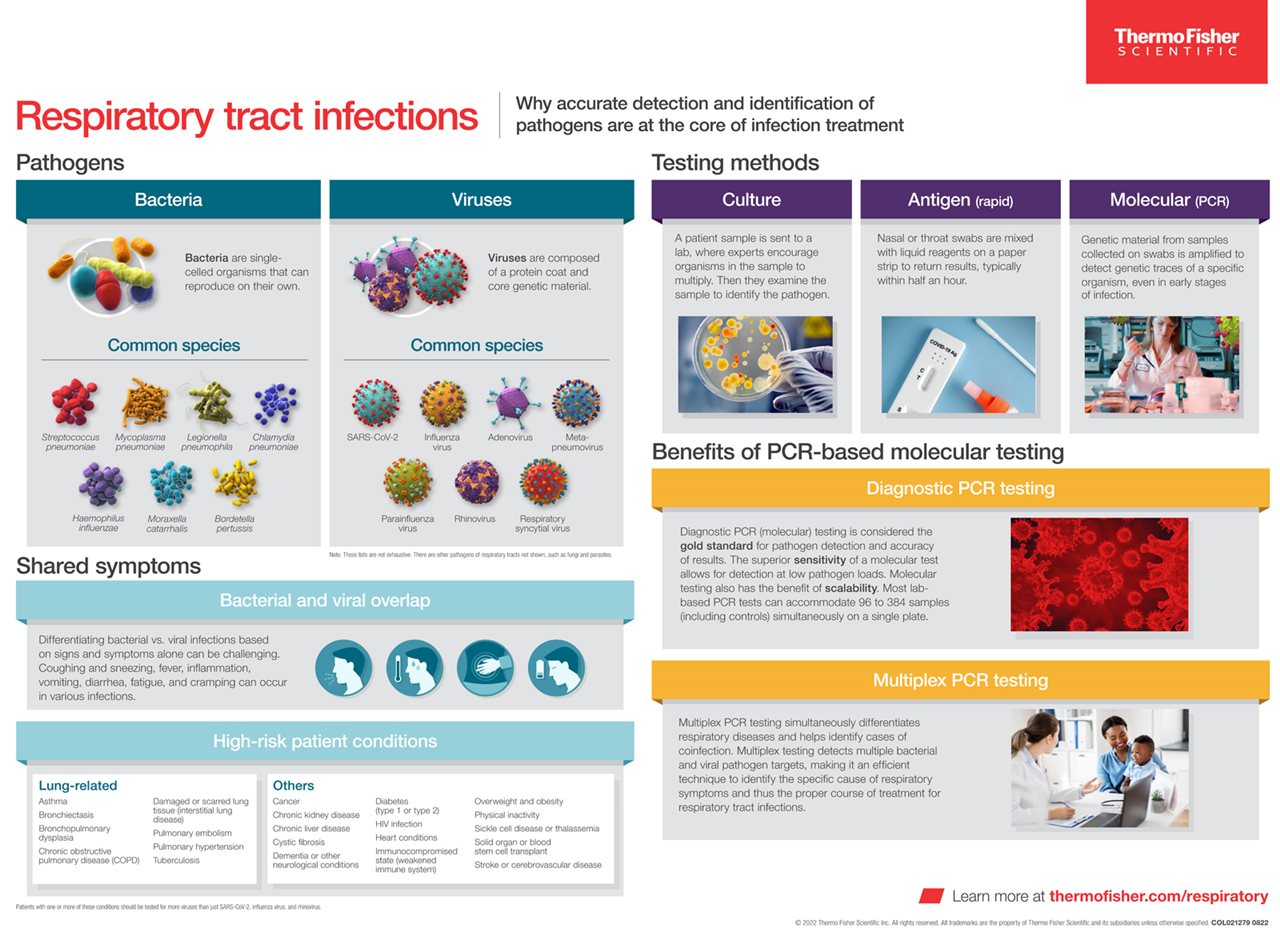
The Importance of Quick, Accurate Detection of Respiratory Tract Infections [Infographic]

2022-09-19T08:01:00

(BPT) – Different pathogens can oftentimes lead to diseases with overlapping symptoms, such as flu, the common cold, COVID-19, and others causing runny noses, scratchy throats, coughing, and other respiratory issues. However, each may need to be treated differently. PCR testing is the gold standard of molecular testing, and multiplex PCR testing enables clinicians and laboratorians to detect several different kinds of pathogens (such as viruses or bacteria) simultaneously, with the same accuracy as an individual test. This gives clinicians the ability to prescribe the right treatment for the right disease quicker, helping to save more lives.

Parenting Hacks: Step-By-Step Guide to Introducing Solids to Your Baby

2022-09-19T08:01:00

(BPT) – As a parent, watching your child reach milestone moments — such as exploring new foods — is exciting yet sometimes anxiety-inducing. Introducing solid foods should be an adventure of new tastes and textures as well as an opportunity to set the foundation for healthy eating habits throughout your baby’s life. The best way to combat the uncertainty and fear associated with starting solids is through education. To help make your family’s transition safe and stress-free as you navigate baby’s first foods, here are 7 easy-to-follow steps:

Step 1: Determine Your Baby’s Readiness

While every baby is different, experts recommend introducing solid foods beginning around 6 months of age, or when your baby is showing signs of readiness. What signs should you keep an eye out for? A few developmental cues include sitting up with and without support, having good head control and seeming interested in foods others are eating.

Step 2: Brush Up on Baby Feeding Safety

For many parents, safety is a top concern when beginning to introduce new foods. To ease anxieties and ensure the safest start to solids, it is important to familiarize yourself with the difference between gagging and choking — and take a baby CPR class to prepare for intervention as needed. Common choking hazards include foods larger than 1/2 inch, uncooked fruits and veggies, whole nuts, chips, popcorn, hot dogs and chunky nut butters.

Step 3: Choose Your Approach

There is no right or wrong method for introducing solids. Spoon-feeding has been the go-to for many years, and more recently, a baby-led weaning approach has risen in popularity. Baby-led weaning emphasizes exploration, self-feeding and different textures. Choosing the option that is best for your baby comes down to personal preference — some parents may even choose a combination of the two!

Step 4: Play with Flavors & Textures

Introducing your baby to a variety of flavors and textures can help prevent picky eating and encourage healthy eating habits from the start. From lumpy or mashed foods to chopped or shredded, new textures can help support oral and motor development as well as acceptance of new foods. Learning how to ingest different textures will also help your baby develop chewing reflexes to reduce their choking risk.

Step 5: Don’t Ditch Breastfeeding or Formula

Beginning at 6 months, babies will need solid foods to supplement their nutrition, but that doesn’t mean you should forgo breast milk or formula. The American Academy of Pediatrics recommends continuing breastfeeding or bottle feeding until your baby is at least 1 year old.

Step 6: Introduce Allergens Early and Often

Early allergen introduction is one of the most important, yet often overlooked, aspects of feeding. Introducing common food allergens early (starting at 4 months) and often can help support a future of food freedom for your child. It can be difficult to find safe, easy and delicious ways to introduce these foods to your baby. Ready, Set, Food! — creator of the only complete, three-stage guided early allergen introduction system — provides products that make introducing the top allergens safe and headache-free. Supported by actress, advocate and mom of four Holly Robinson Peete as their Chief Impact Officer, Ready, Set, Food! offers everything from bottle and food Mix-Ins to a variety of Organic Baby Oatmeals: the perfect solution for introducing the right allergens to your baby at the right time.

Step 7: Be Persistent & Consistent

Transitioning to solids and early allergen introduction is a process and consistency is key — don’t give up! If you’re striking out with a certain food, mix it up — test out different flavors and textures. Don’t forget, when it comes to combating food allergies, allergenic foods need to be introduced to your baby’s system multiple times a week for several months. Incorporate Ready, Set, Food! products — such as the Organic Baby Oatmeal, now available in a variety of tasty new flavors — in your baby’s diet early and often.

You Got This! Starting solids is an exciting time for baby — and can be for parents, too. Take a deep breath, prepare for a lot of practice (and messiness) and most importantly, have fun watching your little one as they embark on new gastronomic adventures!

Recognizing urgent pregnancy-related warning signs

2022-09-20T04:01:00

(BPT) – By Wanda Barfield, MD, MPH, RADM USPHS
Director of the Division of Reproductive Health, Centers for Disease Control and Prevention

Far too often, pregnant and postpartum people in the United States die from complications related to their pregnancy. Recognizing the warning signs and getting the right diagnosis and treatment as soon as possible can save lives.

The Centers for Disease Control and Prevention (CDC) launched the Hear Her campaign to raise awareness of potentially life-threatening warning signs during and after pregnancy and to encourage the people supporting pregnant and postpartum people to really listen when they express concerns. Pregnant people and people up to a year after pregnancy need to seek medical care immediately if they experience any of the following signs or symptoms:

  • Severe headache that won’t go away or gets worse over time
  • Dizziness or fainting
  • Thoughts about harming yourself or your baby
  • Changes in your vision
  • Fever of 100.4º F or higher
  • Extreme swelling of your hands or face
  • Trouble breathing
  • Chest pain or fast-beating heart
  • Severe nausea and throwing up (not like morning sickness)
  • Severe belly pain that doesn’t go away
  • Baby’s movement stopping or slowing down during pregnancy
  • Vaginal bleeding or fluid leaking during pregnancy
  • Heavy vaginal bleeding or leaking fluid that smells bad after pregnancy
  • Swelling, redness or pain of your leg
  • Overwhelming tiredness

Too many people die from pregnancy-related complications each year. Most of these deaths could be prevented. Listening and taking the concerns of pregnant and recently pregnant people seriously is a simple, yet powerful action to prevent serious health complications and death.

Hear Her encourages people who support those who are pregnant or postpartum – including partners, family, and friends – to listen to any concerns and encourage them to seek medical care. Your action could help save a life.

To learn more, visit cdc.gov/HearHer.

4 wellness tips to help you revamp your routine this fall

2022-09-19T23:01:00

(BPT) – Autumn is a busy time for families. Between back-to-school shopping, sneaking in end-of-summer trips, and getting back on track with your routine, you may find that you don’t have time to prioritize your wellness. However, the changing of the seasons is a reminder that you should review and revamp your routine.

To help you build good habits, registered dietitian Kristin Kirkpatrick, M.S. has offered the following four nutritional tips that can help you shape your new routine this fall.

1. Out with the old, in with the new

Before you can even consider what a new routine looks like, you must first determine your goals and set yourself up for success. To start, clean your fridge, freezer and pantry of foods that don’t belong in your new routine. For example, get rid of pre-made salad dressing from the pantry and invest in quality olive oils and vinegar.

Also, replace high-sugar foods that could inhibit your health for options that are satisfying, without the blood sugar roller coaster. If you’re looking for a sweet treat that you can feel good about, pick up a pack of Quest mini Peanut Butter Cups. These mini peanut butter cups offer 8 grams of protein, less than a gram of sugar and 1 gram of net carbs per serving. Keep some in the pantry and take them on the go for a delicious treat to enjoy anytime during your busy schedule.

2. Embrace the season of the new routine

New routines can occur any time of the year, but the beginning of a new season can jump-start the beginning of a new routine. For example, you can change up your daily nutrition by adding nutrient-dense seasonal foods to your plate.

As your kids return to school, consider adding more pumpkin and cruciferous vegetables or apples to your family meals. Or, if arugula was your summer salad, then kale may be your fall option. Eating seasonal fruits and vegetables isn’t just good for you, it can also get you excited about a new routine and help your family celebrate the season ahead.

3. Find your barriers and eliminate them from your new routine

Take some time to uncover what has held you back from healthy habits in the past so you can improve your new routine.

Have you struggled with lack of sleep due to poor sleeping habits? Then your new routine can focus on factors associated with getting better quality sleep. This could be as easy as putting the phone down an hour before bed and creating a bedtime routine to get your mind and body ready to sleep.

4. Take your time to get back in the swing of things

Changing your diet, exercise schedule and sleep habits overnight can be overwhelming and may discourage you from following your new routine. Instead of making drastic changes to your life, start small and take baby steps.

Start by adding one extra vegetable or fruit to your diet every few days or swapping a candy bar for a healthier option such as carrot sticks or nuts instead. If you slip up from time to time, don’t get frustrated or throw in the towel. It took time to develop your old routine, and it will take time to settle into a new one.

Embrace the spirit of fall and start incorporating good habits that will last you a lifetime. Using these four tips, you can create a solid foundation for a new, healthier routine this season.

7 reasons why succession planning should be top of mind with business owners this fall

2022-09-20T06:01:00

(BPT) – Building your business has been your life’s passion. You have dedicated much time, energy and finances to ensure its success, and you want that success to continue even after you are no longer involved in the daily operations. This is why succession planning is essential.

Consider these two scenarios: First, you’re 75 and your son and daughter have been involved in running the business for 20 years, making some management decisions for the last five years. You have all discussed and have agreed on plans for the future of the business. Now imagine you’re 75 and you oversee all operations and make all the decisions without the input of your family. You have had no discussion with your son or daughter on whether they desire or intend to take over the business.

Should something unexpected happen, which scenario gives your business the best chance for survival?

“Most family business owners pride themselves in not just building a business, but rather, creating a family legacy to pass along,” said Jeanne Bernick, ag consultant at Pinion. “It’s important to put a plan on paper as soon as possible for the future of your business.”

Bernick has worked with hundreds of business owners helping them determine the best exit strategies to achieve their goals. She shares the top reasons why prioritizing succession planning now matters.

1. Decisions require time

When it comes to succession, finding the ‘window’ is one of the hardest parts, because unfortunately, most businesses often only find the window when there is a sudden illness or death in the family. As a result of the COVID disruption, now is actually the perfect opportunity to recognize those who have stepped up, and think through the implications of this long term to address what adjustments could be made.

2. Openness matters

Of the 81% of family operations that have no succession or transition plan, 50% think it’s too early to think about it and 29% feel they can’t afford the time. Management decisions, ownership decisions and family decisions require early communication and openness for long-term success.

3. The unexpected happens

No matter when you intend to transition, remember that the business is more valuable — for your personal wealth and the longevity of the business for the family — if it’s running smoothly and you have the right management and successors in place should anything unexpected happen.

4. It’s never too soon

There is no magic number when it comes to age and succession planning. The sooner you start the sooner you can take advantage of the advanced planning techniques that can help build and transfer value to your business for its future and its stability to support your family. If situations change, you can easily adapt your plan.

5. Get relief

By getting started now, you get your ducks in a row and put a plan in place. If you hesitate because the process forces real family conversations that could be uncomfortable or tense, imagine the relief that comes from the identification of back-up leaders and management to be prepared for when the time comes — not just who you think might want to, but actually identify those who have the heart, desire and talent to step up.

6. Coaches provide guidance

There are specially trained family business coaches and advisors that can help you get started. A simple consultation to talk about your business and operations is all it takes. Yes, it can be complex at times because, let’s face it, families can be complex. But it’s never going to be easier to address these important topics than right now.

7. A professional facilitator helps

Uncomfortable at the idea of having difficult conversations with loved ones? A professional facilitator can schedule a time to visit with you and your family, and help you to easily navigate the process and any tough conversations that need to happen.

Strategic succession planning is essential to the future of your business. Learn more at PinionGlobal.com.

3 Current Realities of Latinos in Tech Careers

2022-09-20T08:01:00

(BPT) – Every year during Hispanic Heritage Month, the country honors and celebrates the contributions Latinos have made to this nation. From advancements in science, healthcare, civil and labor rights to leadership in government, military, entrepreneurship and business, the Hispanic community continues to have a profound and positive impact on our schools, our communities, our economy and our country. Nevertheless, they are still vastly underrepresented in many areas, particularly in Science, Tech, Engineering and Mathematics (STEM) sectors.

There are three current realities to consider when it comes to Hispanics, Latinos and Latinx in the fields of STEM:

1. The U.S. Hispanic population is significant but doesn’t have comparable representation in the tech market.

Technology continues to change how we work, live and learn, and it’s an important driver of the world’s economy. However, diversity gaps still exist across the industry, especially among the Latino population. They remain highly underrepresented in the STEM workforce — making up only 8% of STEM workers[1] despite being the country’s second-largest ethnic group. This divide is direr for women, with Latinas only holding 2% of STEM jobs[2] in the U.S. even though women comprise 28.8% of the U.S. tech workforce.[3] Higher education institutions and companies have a tremendous responsibility to support and encourage Hispanics and increase representation in the tech field.

2. Higher education has an opportunity to do more to encourage and support Hispanics.

Hispanic students are often the first in their families to pursue an education and attend college. Often, they face numerous barriers that make a traditional college experience even more difficult, such as trying to balance family and work responsibilities. When educational institutions support and prepare Hispanic learners and others from underrepresented communities to succeed in a world shaped by technological change, they have a better chance to prosper. Increasing diversity in the overall student population, hiring diverse faculty, providing scholarships, implementing tech-influenced offerings and flexible programming are ways that higher education is meeting students where they are.

DeVry University is a prime example of how higher education can nurture student success. With Hispanics accounting for 17% of its total student population, DeVry’s education solutions include flexible programming, career services, and its NextGen Hispanics Scholars Program helps Latino students pursue a college education and advance in the workforce.

“I have experienced firsthand how education changes lives,” said DeVry University’s Chief Inclusion, Belonging, and Equity Officer, Veronica Calderón. “Our goal is to reduce educational disparities, close the gap and build a more diverse workforce. Our NextGen Hispanics Scholars Program provides access to numerous resources aimed to help Latinos thrive in tech careers.”

3. The tech industry has a role to play in fostering success, growth and opportunity for Latinos.

Diversity catalyzes new ways of problem solving and creative thinking — two keys to innovation. However, there’s a misconception that you must have specific college degrees to gain the technical know-how to work in the industry. Oftentimes, all one needs is digital training, a certificate or micro-credentials to gain the skills required to advance in a tech-driven ecosystem.

Organizations in and outside of STEM have an immense opportunity to support Latino employees and drive a more equitable workplace by helping them acquire the education and skills needed for career progression. By investing in upskilling and reskilling programs for underrepresented talent, organizations can help lift a common barrier to their growth, gain access to a large pool of untapped talent and keep up with the pace of innovation.

Santa Clarita’s former mayor and councilmember, Bill Miranda, has been on the leading edge of the high-tech industry for years. He recently spoke to a group of NextGen Hispanic Scholars and underscored the importance to making education accessible, affordable and equitable.

“Despite a projected growth in tech jobs, Latinos remain underrepresented in the tech field, and it’s time to change that,” added Councilmember Bill Miranda. “As a public servant, Air Force veteran and Latino in the tech industry, I know how important access to education, community resources and mentorship opportunities are for our community. We need diversity across the technology industry, and more Hispanics in tech careers that help to solve today’s challenges.”

The more we support the education and careers of the Latino community, particularly in tech, the more innovation and growth we’ll experience as a society. During Hispanic Heritage Month and beyond, think about how you can support the next generation of Hispanics — whether professionally or personally.

Ban all PFAS? A new study shows that not all chemistries are created equal

2022-09-20T08:01:00

(BPT) – By Jay West, Executive Director of the Performance Fluoropolymer Partnership

News stories about per- and polyfluoroalkyl substance (PFAS) in drinking water and consumer products have raised a lot of questions about this diverse group of chemistries. One thing that’s often overlooked in the discussion of PFAS is the fact that all PFAS are not the same.

Take fluoropolymers, for example: highly specialized polymers that play a critical role in American industries, including semiconductors, medical devices, automobiles and renewable energy production. Despite their contribution to vital technologies and American competitiveness, some interests are pushing to ban the use of all PFAS, including fluoropolymers, regardless of whether equally safe and equally performing options are actually available.

A new study by the American Chemistry Council’s Performance Fluoropolymer Partnership (PFP), a trade organization of fluoropolymer manufacturers and users, shows that 14 fluoropolymers meet internationally accepted criteria used to identify polymers of low concern (PLC) to human health and the environment. The study, published in a peer-reviewed scientific journal, examined factors like chemical composition, reactivity, purity and stability. It also considered factors like the size of fluoropolymer molecules and whether they dissolve in water, which can be predictive of potential uptake by the body and movement through the environment.

The study builds on previous work that examined four other fluoropolymers against the PLC criteria. When taken together, the two studies cover the types of fluoropolymers that represent 96% of the global fluoropolymers market. But even more importantly, the study further demonstrates that all PFAS are not the same.

Why is that important? As media coverage of PFAS increases, some voices in Washington and state capitols are proposing overly broad laws and regulations that would ban the use of every PFAS chemistry. But the science simply doesn’t support that kind of approach. Unduly generic policies could threaten fluoropolymer manufacturing and availability, having an enormous impact on numerous industries that are the backbone of our nation’s economy and create the products Americans use and depend on every day.

Regulating all PFAS as a single group is neither scientifically accurate nor appropriate. Fluoropolymers that meet the criteria for polymers of low concern should not be swept up in laws and regulations intended to address other PFAS chemistries with completely different properties and uses.

Efforts to identify and mitigate concern about PFAS must be based on a sound scientific foundation. The PFP’s new study demonstrates clearly that all PFAS are not the same and that fluoropolymers meet criteria for identifying polymers of low concern to human health and the environment. Lumping fluoropolymers into the same laws and regulations as other PFAS with completely different properties could threaten the future availability of vital fluoropolymer technologies and the industries that rely on them.

To learn more about the study, visit FluoropolymerPartnership.com.

A Family’s Journey: Taking Action to Manage a Rare Hereditary Disease

2022-09-19T08:01:00

(BPT) – Olga watched her mother battle unexplainable and debilitating symptoms for years without an answer. It began with a burning sensation in her hands and feet that, over time, progressed to her arms and legs. It wasn’t until a trip to visit relatives in Portugal at age 60 that her mother would receive a diagnosis.

While in Portugal, Olga’s mother learned that her sister, who had been suffering from similar symptoms, was recently diagnosed with a disease called hereditary ATTR (hATTR) amyloidosis. Given the genetic nature of the disease, Olga’s mom met with her sister’s doctor, and was subsequently diagnosed with this rare, rapidly progressive and debilitating condition.

hATTR amyloidosis is caused by one of 120 or more inherited genetic variants in the transthyretin (TTR) gene, which causes the TTR protein to misfold and collect as amyloid deposits throughout parts of the body, including the nerves, heart and digestive system. While someone may inherit the TTR gene variant, it does not necessarily mean that they will develop symptoms of hATTR amyloidosis.

The condition affects an estimated 50,000 people worldwide, but the exact prevalence is not known as it can be difficult to diagnose due to symptoms that mirror those of other more common diseases. People of Portuguese descent have a higher prevalence of the V30M variant. This variant is known to be associated with polyneuropathy and related nerve symptoms, which can include numbness, tingling and burning pain in the hands and feet. These are not all of the symptoms of hATTR amyloidosis, and each patient experiences the disease differently.

When Olga’s mother returned to the U.S., doctors didn’t know much about the disease and there were no treatment options available. Olga explained, “My mom’s symptoms grew worse, and eventually, she became bedridden and passed away when she was only 68.”

A few years later, Olga’s worst nightmare came true when her twin brother, Marco, began to develop symptoms and was subsequently diagnosed with hATTR amyloidosis at 43 years old.

“It was devastating watching my brother’s symptoms progress,” Olga said. “Sometimes, he would burn his fingers while handling hot dishes and not realize until he saw the burns later. The neuropathy, including the pain in his feet, became so severe that he began having difficulty walking. By his early 50s, he was forced to stop working because of his disability.”

Although Olga was initially hesitant, she eventually decided to undergo genetic testing for hATTR amyloidosis as well. While she was not experiencing severe symptoms, Olga had experienced carpal tunnel syndrome and plantar fasciitis and was terrified that those symptoms could be attributed to hATTR amyloidosis.

“When the results came back positive, I felt like the room was caving in. I was overwhelmed with emotion, terrified that the disease would progress as severely as it did in my mother and brother,” reflected Olga. “As a wife, mother of four and teacher, I was eager to understand the options available to me to help manage and potentially slow the progression of my symptoms.”

Olga met with a clinical trial team to discuss the HELIOS-A Phase 3 clinical trial for an RNAi therapeutic, vutrisiran, being studied by Alnylam Pharmaceuticals.

The clinical trial team evaluated her muscle strength and weakness, reflexes and sensory impairments, which revealed signs of neuropathy. They also informed her of potential side effects and educated her about the treatment regimen, which is an injection given under the skin once every three months by a healthcare professional.

Olga decided to enroll in the trial, hopeful that it might help slow the progression of her polyneuropathy symptoms. She also wanted to set a positive example for her children about the importance of being proactive about your health.

Since enrolling in the study, Olga’s neuropathy impairment has improved. Sometimes she feels fatigued after receiving vutrisiran. The most common side effects seen in the study were arthralgia (joint pain), dyspnea (shortness of breath), and low vitamin A levels. With a busy schedule, she is appreciative that the dosing schedule for vutrisiran is once every three months. This is Olga’s experience and may not be reflective of other individuals’ experiences. In June 2022, the U.S. Food and Drug Administration approved AMVUTTRA™ (vutrisiran) for the treatment of the polyneuropathy of hATTR amyloidosis in adults.

“Today, I feel grateful that I am still able to take walks with my husband. Having treatment options available gives me a sense of hope, not only for myself but also for others diagnosed with this disease, like my brother.”

Olga hopes that by sharing her story, those who are newly diagnosed with hATTR amyloidosis or who may be struggling to find a diagnosis, feel empowered to surround themselves with knowledge and support, and know that there are treatment options available to help manage manifestations of this disease.

Be sure to talk to your doctor about questions you may have and visit AMVUTTRA.com for more information.

+++++++++++++++++++++++++

INDICATION

What is AMVUTTRA?

AMVUTTRA is a prescription medicine that treats the polyneuropathy caused by an illness called hereditary transthyretin-mediated amyloidosis (hATTR amyloidosis). AMVUTTRA is used in adults only.

IMPORTANT SAFETY INFORMATION

What are the most important things I should know about AMVUTTRA?

AMVUTTRA can cause:

  • Low Vitamin A Levels

    Treatment with AMVUTTRA lowers the amount of vitamin A in your blood. Your doctor will tell you to take a vitamin A supplement every day. You should not take more than the amount of vitamin A recommended by your doctor.

    Low vitamin A levels can affect vision. If you have problems with your vision (e.g., night blindness) while taking AMVUTTRA, talk to your doctor. Your doctor may refer you to an eye specialist.

What are the common side effects of AMVUTTRA?

The most common side effects of AMVUTTRA are pain in the joints (arthralgia), shortness of breath (dyspnea), and low vitamin A levels.

These are not all the possible side effects of AMVUTTRA. Talk to your doctor about side effects that you experience. You are encouraged to report negative side effects of prescription drugs to the U.S Food and Drug Administration (FDA). Visit www.fda.gov/medwatch, or call 1-800-FDA-1088.

Please see the full Prescribing Information.

Content sponsored and provided by Alnylam Pharmaceuticals. Intended for U.S. Audiences only. AMVUTTRA and its associated logo are trademarks of Alnylam Pharmaceuticals, Inc. © 2022 Alnylam Pharmaceuticals, Inc. All rights reserved. AMV-USA-00344