5 ways to incorporate spontaneous moments of joy into busy fall schedules

2022-09-19T12:17:00

(BPT) – Fall is a busy season for many families, with schedules filled with homework, after-school activities and sports. While the excitement of fall activities may energize your kids, it can be bittersweet to let go of the spontaneous fun of the summer months and easy to feel overscheduled.

This fall, have some unplanned fun with the family to break up the hectic calendar. Check out these five ways you can have spontaneous moments of joy with your kids this autumn.

1. Take a dance break during homework time

Whether your kids do their homework as soon as they get home from school or after dinner, break up the monotony and give them a break by starting a dance party. Put on a playlist of your family’s favorite bops and grab your wooden spoons or soup ladles while you sing and dance along. Whatever you dance to, you’re all sure to have fun, and they’ll go back to doing their homework with a bit of pep in their step.

2. Pack a fun lunchbox surprise

A couple of times a week, include a fun surprise snack in your kids’ lunch boxes. It can be anything your kids like to eat but make it extra special by packing a treat they don’t get every day.

If you want to try something new, consider picking up a box of Hostess® Bouncers™. These bite-sized snack cakes with creamy filling are the perfect lunch box snack and are available in three flavors: Glazed Twinkies®, Glazed Chocolate Ding Dongs® and Cinnamon Donettes®.

“Consumers increasingly are looking for snackable, poppable, shareable treats that offer a sweet reward without the mess, and that’s exactly what Hostess Bouncers deliver,” said Christopher Balach, general manager of Hostess Brands. “That’s why we’re excited to roll out mini variations of some of our most-loved snacks as the perfect sweet surprises in any lunch box.”

Pack one for your child or include a few so they can share with friends!

3. Jump into autumn leaves

As the weather turns cooler and the leaves start to fall, take advantage of the autumn season and turn raking leaves from a boring chore into a fun family activity. Invite your kids after school or during a weekend afternoon to rake piles of leaves so you can all enjoy the fall colors. If you have smaller kids, give them buckets so they can collect leaves while you rake larger piles. Take this pastime to the next level by collecting some of the prettiest leaves and taking them inside for crafts. Create a fall bouquet or leaf wreath.

4. Play an after-school game, snack and chat

After a long day or week at school and work, it can be nice to sit down and connect as a family over a board or card game and a fun snack. Ask your child about the highlights of their day and share your own while you enjoy game time and a tasty treat. Hostess® snacks are the delicious, irresistible choice for helping you find spontaneous moments of joy in everyday occasions.

5. Surprise your kids with a Friday afternoon trip

End the school week and start the weekend on a bright note with a spontaneous Friday afternoon trip. When you pick them up from school or at the bus stop, surprise them with a trip to a pumpkin patch or apple orchard to enjoy some quintessential fall activities. Or gather everyone in the car and go to a local park for a nature hike or calming walk by the lake. Cap the evening off with a home movie night.

No matter what you choose to do as a family, do it together and leave room to surprise and delight with spontaneous activities. Use the five tips above or come up with your own to bond with the family and destress during the busy fall schedule.

Had a safe flight? Innovation in American commercial aerospace drives the way.

2022-09-19T17:03:00

(BPT) – As Labor Day marked the traditional end of summer, it is no secret this year’s travel season was quite the bumpy ride. Travel was up as Americans took to the skies again. In fact, the TSA issued a report in June that “passenger traffic in the United States has been averaging about 89% of the pre-pandemic levels since the Memorial Day holiday.” Hopefully, despite any headaches brought on by weather delays or crew shortages, you were able to finally take a long overdue trip postponed by the pandemic, join the family reunion at the in-laws’ lake house, or have a last hurrah on a sandy beach.

For whatever reason you took a trip this summer, most of the travel headaches airline travelers experienced were due to two main challenges: weather and crew constraints in the face of rising travel. Record demand for plane tickets and staffing issues post-pandemic made operations in the air and on the ground more vulnerable to disruptions. Airlines had significantly fewer crew, especially pilots, available, leading air operators to cancel hundreds of flights. Additionally, air traffic controller shortages created issues in managing the airways.

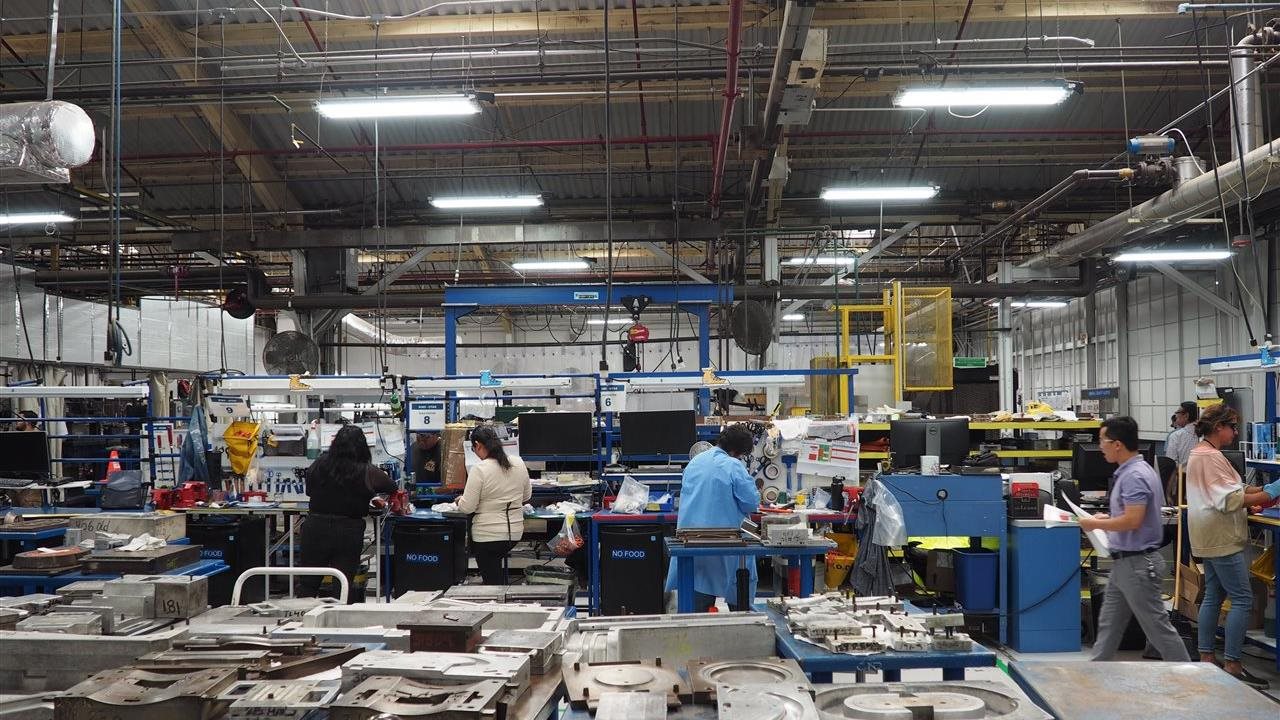
Luckily, the U.S. aerospace industry has been innovating and working at full tilt in anticipation of the return to travel for Americans this summer. Nearly two million employees come to work every day to ensure that airplanes are well equipped, and that supply chain issues don’t impact your travel. In fact, behind every flight is an industry committed to engineering and manufacturing critical parts to ensure your flight is not delayed due to mechanical or electrical issues.

One company, TransDigm, is at the heart of that invaluable aviation supply chain, employing over 7,000 workers across 60 manufacturing facilities in 17 U.S. states, all committed to keeping flights safely moving through the skies. TransDigm’s businesses design, produce and supply airlines and commercial aircraft manufacturers with highly engineered aircraft components that fly on virtually every passenger or cargo aircraft in service today. These innovations are making airline travel safe and more reliable every day.

Starting in the cockpit, where innovations from TransDigm companies like AvtechTyee and Korry Electronics are bringing real-time data to pilots more precisely and quickly than before, ensuring safer landings and better decision-making from the flight deck.

American aerospace workers are also helping keep you safe from airborne particles while you fly through innovations like Pexco Aerospace’s Airshield Cabin-Air Device, which enhances the existing HEPA air available in the aircraft cabin and reduces particle transmission up to 95% between neighboring passengers. Equally notable is the Adams Rite Aerospace Touch Free Aircraft Lavatory Suite that ensure passengers can access a clean airplane restroom with the simple wave of their hand, opening doors, waste bins and activating sanitary controls.

As you begin to make fall and holiday travel plans, take a minute to think about the commercial aerospace industry and the thousands of workers who think every day about your air travel experience and how to get you safely and comfortably to your destination, even if the plane arrived later than planned.

Tackling climate change means leveraging beef’s benefits

2022-09-19T09:01:00

(BPT) – Beef is valued for its flavor and nutrition in cuisines worldwide. However, recently you may have heard that eating beef is bad for the environment, so you’re unsure if you should limit consumption. What you may not have heard about are the benefits that beef cattle provide for the planet.

Beef is such an ingrained part of American culture, it’s hard for most people to imagine their diet without things like hamburger and steak. Rather than limit consumption to effectively tackle climate change, community leaders can leverage the environmental benefits of beef. The experts at the National Cattlemen’s Beef Association, a contractor to the Beef Checkoff, point to three different ways cattle contribute to sustainability and help preserve land.

Efficient land use

In the face of a growing global population and a changing climate, beef cattle provide necessary protein in a uniquely efficient way. In fact, 90% of what cattle eat is forage and plant leftovers that people can’t eat and would otherwise go to waste.1 Thanks to their unique ability to “upcycle” human-inedible plants into beef, cattle contribute more than three times as much high-quality protein to the U.S. food supply than they consume, directly contributing to food security.2

Another important point to remember is cattle can utilize land that may otherwise be unusable for producing food. Approximately 29% of the land in the U.S. is pasture and rangeland that is too rocky, steep or arid for growing food crops, but it’s perfect for cattle.3,4 Cattle graze and roam in these spaces, foraging for food and getting exercise.

Ecosystem support

Beef cattle grazing is a key component of preserving and conserving precious ecosystems, many of which are at risk due to a changing climate and urban development. Cattle grazing provides benefits such as maintaining healthy soil, preventing wildfires and preserving open space for wildlife habitats.5

For example, when beef cattle graze, they fortify the land with moisture and nutrients, making it more resilient to drought, minimizing wasted water runoff, increasing plant growth, reducing the risk of wildfire by removing undergrowth that acts as fuel, and amplifying carbon storage.5,6,7 What’s more, animals and insects like hummingbirds, ducks, butterflies, ladybugs, elk and deer rely on the open land that beef cattle naturally maintain and protect.5

Without cattle grazing the land, habitats would be permanently destroyed by development, and the consequences for cherished ecosystems would be devastating. Research shows many endangered plants and wildlife depend on the land which cattle graze and maintain across the U.S.5

Carbon storage

Carbon is an important part of soil, helping with water retention and overall quality. Plus, sequestering carbon in soil is critical for buffering against the effects of climate change, as it removes it from the atmosphere and instead stores it underground.8 The good news is that beef cattle help store carbon underground naturally when they graze on the land.9

Most people don’t know that between 10% and 30% of the world’s carbon is stored in U.S. soil, protected by the cattle grazing on that land. If that land was developed, the carbon would be released, plus the land would no longer have the ability to capture additional carbon in the future.8,9,10,11 Studies found that beef cattle grazing on U.S. land is the equivalent of taking almost 6 billion cars off the road every year.12,13

Enjoying beef in your favorite dishes doesn’t have to be contradictory to your love of the planet. Understanding the full picture of beef cattle and the environment helps communities across the country and around the world make smarter, greener choices.

Sources:

  1. Broocks et. al. 2017b. Corn as Cattle Feed vs. Human Food. Oklahoma State University. https://extension.okstate.edu/fact-sheets/corn-as-cattle-feed-vs-human-food.html
  2. Baber, J.R. et al., 2018. Estimation of human-edible protein conversion efficiency, net protein contribution, and enteric methane production from beef production in the United States. Trans. Anim. Sci. 2(4): 439-450.
  3. Broocks, Ashley et al. 2017a. Carbon Footprint Comparison between Grass- and Grain-finished beef. OSU Extension, AFS-3292.
  4. USDA-ERS. 2021a. Economic Research Service using data from the Major Land Use data series. Available at: https://www.ers.usda.gov/data-products/major-land-uses.aspx
  5. Brunson, MW and L. Huntsinger. 2008. Ranching as a Conversation Strategy: Can Old Ranchers Save the New West? Rangeland Ecology & Management 61(2): 137-147.)
  6. Davies et al. 2005. Winter grazing can reduce wildfire size, intensity and behaviour in a shrub-grassland. International Journal of Wildland Fire. https://owri.oregonstate.edu/sites/agscid7/files/eoarc/attachments/854_winter_grazing_2015.pdf
  7. Taylor, Charles. 2006. Targeted Grazing to Manage Fire Risk. University of Idaho. Found on: https://www.webpages.uidaho.edu/rx-grazing/Handbook/Chapter_12_Targeted_Grazing.pdf
  8. Smith, P. 2012. Soils and climate change. Current Opinion in Environmental Sustainability 4: 539-544.
  9. Silveira, et al. 2012. Carbon sequestration in grazing land ecosystems. University of Florida Extension. https://edis.ifas.ufl.edu/pdffiles/SS/SS57400.pdf
  10. Schuman, et al. 2002. Soil Carbon dynamics and potential carbon sequestration by rangelands. Environmental Pollution 116: 391-396. https://www.onpasture.com/wp-content/uploads/2017/11/Soil-carbon-dymanics-and-potential-c-seq-by-rangelands.pdf
  11. Sanderson, et al. 2020. Cattle, conservation, and carbon in the western Great Plains. Soil and Water Conservation Society 75(1):5A-12A.
  12. Pendall, E., D. Bachelet, R.T. Conant, B. El Masri, L.B. Flanagan, A.K. Knapp, J. Liu, S. Liu and S.M. Schaeffer, 2018: Chapter 10: Grasslands. In Second State of the Carbon Cycle Report (SOCCR2): A Sustained Assessment Report [Cavallaro, N., G. Shrestha, R. Birdsey, M.A. Mayes, R.G. Najjar,S.C. Reed, P. Romero-Lankao, and Z. Zhu (eds.)]. U.S. Global Change Research Program, Washington, D.C., pp. 399-427. Using EPA’s GHG Equivalency Calculator and this study for the carbon stocks estimates: Total grassland carbon stocks in the conterminous U.S., estimated to be about 7.4 petagrams of carbon (Pg C) in 2005, are projected to increase to about 8.2 Pg C by 2050.
  13. EPA. 2021a. Inventory of U.S. Greenhouse Gas Emissions and Sinks: 1990-2019. U.S. Environmental Protection Agency, Washington, D.C.

Not Investing? No Worries: 5 Simple Tips for Getting Started

2022-09-19T08:01:00

(BPT) – If you’re unsure of how to start planning for your financial future through investing, you’re far from alone.

In fact, it might surprise you to know that 80 million Americans are interested in investing but don’t know where to begin. Yahoo Finance even reports that 54% of millennials have less than $5,000 of their money invested into stocks, bonds, real estate or other holdings. While many feel they lack the funds, others are intimidated or simply don’t know how to initiate solid investments. But that lack of action could hurt their financial standing later in life, according to the report.

At the recent Create & Cultivate 2022 LA Conference, Maya Sudhakaran, Head of Growth and Acquisition of Plynk, noted that, “One of the biggest things I’ve learned is that perfection is the enemy of good. There is so much intimidation and fear associated with dipping your toes into the world of investing, that most people don’t do it.”

Fortunately, investing doesn’t have to be complicated, time-consuming or financially burdensome, and it’s never too late to learn. With that in mind, here are simple suggestions for getting started.

Invest money you won’t need today (or tomorrow). The market has historically trended upward over long periods, but it can be unpredictable in the short term.

That’s why it’s safer to invest money you won’t need for immediate needs like your rent, groceries, car payment or emergency savings. Instead, use the funds available after you’ve paid your monthly bill, whether they amount to $10 or $100. That rule of thumb lets you plan for the future without jeopardizing your everyday financial well-being.

Understand you can start investing with just $1. This allows for you to learn by doing versus feeling like you can’t start investing at all. Until recently, the only way you could buy stock was by having the funds to buy an entire share, plus transaction fees. With new investing app Plynk, you can invest in a stock (or exchange-traded fund or mutual fund) with as little as $1 by buying a “fractional share.” In essence, you’re able to put your money into a portion of a company’s stock rather than having to buy the whole share, helping you learn about investing by actually investing.

Invest manageable amounts on a regular basis. Rather than waiting till you have a sizable amount like $1,000 to invest each year, make the process seem more doable by setting aside $20 a week or $100 a month. That may seem even easier if you arrange for recurring investments; you’ll still have control of what you buy but won’t need to log in every time to place a trade.

Don’t try to time the market. The choice of whether to sell and take a loss is yours, but consider this: Even professional money managers struggle to time the market successfully over short-term periods. That’s why successful investors tend to tune out short-term “noise” and stay focused on their long-term goals.

Rather than trying to time the market, focus on choosing investments you believe in — then stick to your plan.

Be patient with yourself. Try not to get down on yourself if your investing schedule gets off track — that happens to everyone at some point. Just acknowledge it, reflect on it and get ready to regroup tomorrow, next week or next month. What matters isn’t that you missed a milestone or delayed making moves, but that you started in the first place. Understand that any progress adds up over time, no matter how small the increments.

You don’t need to be a financial expert to start on the path toward achieving your future financial goals and to begin investing. Thanks to Plynk, the new, no-experience-required investment app for novices, you can begin with as little as $1. Even better, during the Learn & Earn promotion, available from August 18 through October 20, you can earn up to $50 in bonuses: $10 just for signing up with a brokerage account and linking your bank account, and up to a $40 investment match for learning by doing via the targeted articles in the app. Find more info at plynkinvestcom.

6 ways small and midsize businesses can set working parents up for success

2022-09-16T11:01:00

(BPT) – The pandemic has dramatically altered the workplace, resulting in remote work becoming more fluid and flexible in the small and midsize business (SMB) ecosystem and beyond. Hybrid and work-from-home experiences are evolving into “work-from-anywhere” models for many organizations — with workers and companies alike thinking beyond the office. According to a recent American Opportunity Survey by McKinsey, 58% of Americans are now able to work from home at least one day per week, while 35% can work remotely five days per week. This shift is especially important for parents wanting to spend more time with family rather than using those hours for commuting.

As companies of all sizes consider their roles in supporting employees, they must continue thinking outside the box to better support work/life balance needs that in turn attract and retain top talent. Offering the structure and resources to support parents and other employees who value personal time is crucial, as it empowers employees to create the most realistic and functional conditions for themselves and their team(s). Prioritizing unique offerings for employees not only leads to business stability and continuity, but it ultimately allows employees greater autonomy to manage their time so they can be more impactful and effective.

“Business leaders need to adjust their perception of what employees need to be successful and productive — but also well-rounded human beings. It all starts with open conversations and a creative, solution-oriented approach,” said Lindsey Greathouse, director of Global SMB Marketing, Lenovo.

Here are six crucial ways SMBs can accommodate and support the needs of their working parent employees.

1. Maintain an open dialogue by encouraging transparency

Communication is a two-way street. Provide employees with opportunities to freely express their concerns as well as ideas and goals. Employ the best tech tools available to make communication effortless, from video conferencing and messaging to occasional engagement surveys. Encourage employees to share their thoughts in large and small group settings as well as anonymously, fostering a frequent exchange of ideas to benefit the entire organization. Additionally, receiving timely, thorough and straightforward information from leadership helps employees feel included and part of the business. This is especially crucial for working parents who need advance notice for changes as it relates to scheduling, staffing or any other impactful shifts so they can find a solution to minimize any impact to their work and day-to-day lifestyle. Furthermore, with teams being more dispersed than ever before, clear communication is key to ensure the workforce is aligned and aware of any and all changes that affect individuals as well as the broader team. As everyone has learned over the past few years, change is inevitable — but is more welcome when employees know what to expect. Being fully informed about organizational changes helps alleviate anxiety or concerns.

2. Offer customized or flexible hours

Thanks to today’s advanced technology, employees can truly work from anywhere. Allowing employees to determine their best scheduling solutions helps improve productivity while letting them know your company cares about their well-being. In a 2021 Gartner Digital Worker Experience Survey, 43% of respondents said flex hours helped boost productivity, and nearly one-third (30%) found the reduction in commuting time helped them be more productive at work. To ensure employees remain productive, provide up-to-date smarter technology tools and software, like the best laptops and mobile devices for effective collaboration as well as tools that offer edge computing, secure cloud computing capabilities — and sufficient training to guarantee secure connectivity, wherever they’re working.

3. Build positive practices and a healthy culture

There’s a reason employees (and prospective employees) care about corporate culture at companies of all sizes — it reflects not only how management views employees, but also makes a real difference in employee well-being. Working toward collective goals within a positive work culture and developing proactive policies around diversity, equity and inclusion will promote a feeling of belonging for all employees, whether they are working parents or not.

4. Work with employees to find creative solutions

Rather than thinking of problem-solving as top-down, collaborating with employees to explore creative solutions that can accommodate the schedule of even the busiest working parent not only opens up the possibility for innovation, but also gives your employees more opportunities for personal advocacy and accountability. In fact, those who are more involved in decision-making or discussions related to improving processes and products will often feel more valued by their employer and therefore, more invested in the success of the organization and their role in the company.

5. Be consistent: Ensure new and current employees have the same benefits/opportunities

As business leaders work with working parents to ensure they are set up for success, it’s imperative to ensure the opportunities are consistent between new hires and current employees. If you’re offering a new benefit to attract talent, make sure current employees also have that opportunity. This ensures no one, regardless of if they are a working parent or not, feels excluded from opportunities or options that would be beneficial to their growth, development, well-being or overall success.

6. Lead with empathy

Understanding your employees’ needs and concerns is the first step toward creating an ideal work environment that works for a diverse team of people in various stages of life. Once you’ve allowed employees ample opportunities to discuss their concerns with leadership and work together on identifying a remedy for the challenge, business leaders must take the next step by exploring and implementing creative and practical solutions.

“Today’s employees — whether they are working parents or recent graduates — have many priorities outside their careers, but that doesn’t have to be detrimental to their success,” said Eric Yu, senior vice president, Lenovo SMB and Commercial Product Center. “There’s a lot that businesses small and large can do to make a difference and it starts with communication. Understanding and supporting employee needs for personal and family time shows team members they’re valued not only for the results they produce at work but for the people they are outside of work. Businesses small and large can make an impact by listening to what matters most and implementing creative solutions as we adapt to new needs, challenges and advancements in this fast-changing world.”

Our Climate Future: 5 Ways Geothermal Energy Can Help Us Live More Sustainably

2022-09-16T08:01:00

(BPT) – Transitioning to renewable energy sources is one way that the U.S. and other nations can help to mitigate climate change. This switch to greener energy can also benefit everyday consumers. For more than a century, Iceland has harnessed geothermal — heat from the earth’s core — as a clean, renewable source of energy. Shifting from fossil fuels to geothermal and other forms of clean energy has allowed Iceland to become the world’s largest green energy producer per capita and is key to achieving its goal to become entirely carbon neutral by 2040.

The nature of geothermal energy and the process of harvesting it presents many benefits for Icelanders, from economically heating houses to supporting food production and recreational pastimes like spas heated with geothermal water. It is possible to enjoy these same benefits anywhere that has access to geothermal energy.

Here are five ways that geothermal energy can help everyone live more sustainably to combat the climate crisis.

A Cleaner Source of Heat

Iceland first invested in geothermal energy to heat homes during frigid Nordic winters in the early twentieth century. Today, geothermal energy heats 90 percent of homes and buildings. This long-term energy transition played a huge part in how Iceland was able to lift itself from one of the poorest countries in Europe to one of the world’s wealthiest nations in just 50 years. This transition to self-sustained energy sources also helped to establish Iceland as a global leader in sustainability.

Making Food Production More Sustainable

As global populations grow and the climate warms, farming will need to adapt. Iceland is paving the way for the future of agriculture with greenhouses powered by geothermal energy. The availability of green energy to artificially shine light on crops coupled with geothermal water used to heat greenhouses and disinfect soil extends the natural growing season and makes food production more efficient. One example of this is Vaxa Farm, a vertical farm that produces greens for local restaurants and grocery stores with no sunlight required. Iceland’s geothermal-powered food production extends to sustainable seafood as well, with companies like Matorka using geothermal water to create fish farming habitats.

Supporting Wellness and Relaxation

The potential health benefits of geothermal energy extend beyond necessities like clean air and water. Geothermal is also an integral part of recreation for Icelanders and tourists alike, with outdoor spas and swimming pools powered by geothermal energy — including the world famous Blue Lagoon. These spas and swimming pools offer a place for social connection, relaxation and have direct health and healing properties.

Powering Sustainable Innovation

Geothermal energy provides a clean, renewable source of power for high-energy industries such as technology, data centers and film production. It also powers companies that are developing direct solutions to combat climate change and lower carbon emissions. For example, the Geothermal Park at Hellisheidi Power Station houses Climeworks, which creates carbon removal technology designed to extract carbon dioxide from the air, and Carbfix, which provides a permanent storage solution to carbon emissions by turning carbon dioxide into stone.

Mitigating Climate Change Abroad

The cascading benefits of geothermal energy in Iceland showcase the powerful possibilities of exploring a similar transition in the U.S. and other countries with strong geothermal potential. Leaders from government, business and civil society groups will gather in Washington, D.C., on September 21 to discuss opportunities for collaboration to advance the clean energy transition and achieve ambitious global climate goals at the US-Iceland clean energy summit, hosted by The Atlantic Council Global Energy Center, the Embassy of Iceland and Green by Iceland.

Register here to tune into the conversation live or watch a recording after the event. Learn more about sustainable solutions from Iceland via Green by Iceland.

Want your tools to last longer? Here’s how the pros care for them

2022-09-16T07:31:00

(BPT) – From a simple hammer to the most complex power tools in your garage, it’s vital to practice constant maintenance if you want to use them as long as possible. The good news? It’s not as hard as you think. Following expert advice for storing, cleaning and maintaining your tools will help you use everything safely, for years to come.

Keeping your tools in top shape

Many tools may look indestructible, but they’re not. Exposure to dirt, grease and moisture could lead to rust and corrosion, making them less effective down the road and even leading to damage. Tools with moving parts that collect dust and debris may not only become less effective but could also be a serious safety hazard.

But with a few simple steps implemented into your regular routine, you can add significant time onto the lifespan of your tools.

“Taking proper care of your tools makes a great difference in their overall usefulness,” said Allen Gerling, a service technician at Northern Tool + Equipment. “Clean and well-maintained tools typically last longer as functional tools and are safer to use.”

Follow these tips to keep your tools in great working order.

A place for everything, and everything in its place

Proper tool storage is not just about being able to find things when you need them (which is a definite plus) — it also helps your tools stay in good working order. Tossing tools haphazardly on a workbench or inside a toolbox can damage them, as well as leaving them exposed to dust, dirt and the elements, which may lead to clogging, corrosion and rust. For power tools, wind up cords and air lines carefully, checking belts and cords for fraying or breaks.

  • Keep tools clean, dry and protected from the elements, especially moisture, extreme heat and extreme cold.
  • Make sure toolboxes, carts, shelving or wall racks are neat and clean to keep your tools free of dust, dirt and grease.
  • Organize tools to make them easier to maintain, plus easy to see — so you’ll spot when anything needs repair.

Create a clean routine

Make a habit of cleaning tools immediately after each use before storing them. This prevents dirt, grime or debris from hardening on your tools, potentially damaging or clogging them over time. Keep rags and other cleaning materials near your tool storage to make clean-up easier.

In addition to your regular cleaning routing, doing a deeper clean on a seasonal basis can make a huge difference, especially for tools with moving parts. Beyond wiping tools clean with a cloth, tackle tough-to-clean areas using oiled cotton swabs or soft brushes. You can also use a can of compressed air to remove dirt from areas inside tools that are hard to reach. Especially for power tools, make sure to follow your manufacturer’s instructions for cleaning and maintenance.

Maintain and watch for signs of disrepair

Many tools require regular oiling and/or sharpening of parts to keep them in top shape. Gather useful cleaning and oiling equipment including rags, all-purpose oil, rust remover and linseed oil (for wood), plus files and sharpening stones. Use safety gear like heavy gloves and safety goggles as you work, and make sure you have sufficient space and a sturdy table to complete your maintenance. Try designating a seasonal or semi-annual weekend for tool maintenance.

As you clean and maintain tools, look for signs of damage or wear that could require repair — or any signs that your tool needs to be replaced.

Get help with repairs as needed

Don’t have enough time, energy or know-how to maintain or fix all your tools? Turn to the experts, like the service technicians at Northern Tool + Equipment who can tune up, repair and help maintain your tools and have access to any part you might need.

Start with high-quality tools

Caring for tools and keeping them in great shape is even easier if you start with high-quality tools in the first place. When you’re in the market for new tools, you can find high-quality brands preferred by the professionals at Northern Tool, including Milwaukee, Lincoln and Stihl — plus Northern Tool-exclusive brands such as NorthStar, Powerhorse and Klutch.

“Good quality tools are an important investment,” added Gerling. “So you should care for your tools just like your car or your home.”

Find tools you need and more at NorthernTool.com.

3 smart fall sweets swaps and tips

2022-09-15T23:01:00

(BPT) – As the leaves begin to change color and the temperatures get a little cooler, it can be challenging to stay on track with your nutritional goals. Cooler months often come with less outdoor activity as you begin to hunker down indoors. But the change in seasons doesn’t have to mean giving up on your wellness — or sacrificing a sweet treat you enjoy.

“There are many ways to follow a balanced lifestyle that allow you to live your best healthy life,” said Colette Heimowitz, vice president of Nutrition and Education at Simply Good Foods Company. “All it takes is a little planning, and snack options without a ton of sugar — that still taste delicious and fit into your lifestyle.”

Heimowitz offers a few easy and tasty ways to incorporate healthy habits into your lifestyle this fall.

1. Smart candy bowl swaps

As Halloween approaches, you may be looking for a little sweet indulgence while fighting the urge to eat the entire candy bowl. As an alternative, try swapping out candy with portion-controlled treats like Atkins Endulge Peanut Butter Cups and Milk Chocolate Caramel Squares, which have less carbs and sugar than traditional chocolate candy, serving as a delicious and smart solution that will still satisfy your sweet tooth.

2. Festive outdoor activities

While cooler weather and shorter days may tempt you to stay inside with a book or movie, there are still plenty of fun fall activities to get you moving this autumn. Fall leaves provide a beautiful backdrop to a variety of outings you can enjoy with friends and family, from taking a bike ride or nature walk to enjoying the fruits of the harvest. Stroll through a farmers market or visit a pick-your-own apple orchard or pumpkin patch to enjoy the best of what fall fruits have to offer — while getting plenty of exercise, sunshine and fresh air.

3. Fall-flavored recipes

When those seasonal pumpkin spice–flavored drinks and treats start appearing at every local coffee shop and grocery store, you know that fall has truly arrived. You can enjoy all the deliciousness of your favorite autumn flavors while staying on track with your wellness goals, by switching some of those traditional sugar-heavy drinks with this tasty pumpkin-flavored recipe instead.

Pumpkin-Peanut Butter Cup Icy Treat

This tasty beverage gives you a whopping 13.4 grams of protein and 6.6 grams of fiber, with 4.9 grams net carbs.

Ingredients

1 1/2 Atkins Creamy Cinnamon Swirl Shakes
1/4 cup heavy whipping cream
1/4 cup canned pumpkin, unsalted
2 pieces Atkins Endulge Peanut Butter Cups

Directions

1. Pour one of the shakes (11 fluid ounces) into an ice cube tray and freeze until solid, about 4 hours.
2. Place the shake ice cubes into a high-powered blender along with the remaining 1/2 shake (5.5 fluid ounces), heavy cream and pumpkin, processing until the cubes are broken down and the mixture is at your desired thickness.
3. Pour evenly into two glasses and top each with a chopped peanut butter cup. Makes two servings.

“Don’t let the cooler weather or changes in your routines this fall derail your health and nutrition goals,” said Heimowitz. “Choosing a few healthier swaps can make all the difference, while still allowing you to indulge and enjoy the sweet flavors of fall.”

Check out Atkins.com for more amazing recipes and helpful nutrition tips, and to explore products that you can order online or find at Walmart, Amazon, Target or your local retailer.

Save a life by signing up: The critical role of donors in developing new cancer therapies

2022-09-15T10:01:00

(BPT) – Cancer is poised to become the number one killer in the U.S., and hundreds of thousands of patients need people like you to participate in clinical research trials evaluating new treatment options. But you don’t have to be sick to be part of a clinical trial. In fact, many research trials need healthy participants to act as donors and the process is as safe and simple as getting your blood drawn.

Be the Match and save a life

One area of clinical research with a lot of promise in treating deadly diseases like blood cancer is called cell therapy. Cell therapies are designed to improve a patient’s ability to fight and even cure cancer by using healthy cells to “reset” the patient’s blood and immune system.

But for research to move forward and for these patients to be given another lease on life, it might require something unique — donor participation.

While some patients battling blood cancer can find a donor match among their family members, not everyone is so lucky. However, thanks to the National Marrow Donor Program (NMDP), donor matches can also be found through NMDP’s Be The Match registry.

When you sign up for the registry, which requires only a simple cheek swab, the program will look for a patient who matches your specific genetic characteristics and is in desperate need of a donor. You may be the only person who matches a patient’s characteristics, meaning you may be the key to saving a stranger’s life.

While most examples of cell donations are for current procedures like a stem cell transplant, you can make a difference by donating to a patient participating in a clinical research trial evaluating new and potentially game-changing treatments for serious cancers.

“Understandably, many people may feel uncertain at first about donating to clinical trials because they’re not sure how their cells will be used,” said Dr. Steven Devine, Chief Medical Officer of NMDP. “However, a person who is identified as a match for someone participating in a trial could hold that person’s life in their hands. That’s why we need a diverse pool of donors to sign up and, importantly, to say ‘yes’ when they get the call that they are a match.”

A new way to treat blood cancers

Today, a stem cell transplant, sometimes referred to as a bone marrow transplant, is a patient’s best hope for a cure when facing a terminal blood cancer diagnosis. However, they also carry serious and even life-threatening treatment-related risks to the patient, including graft versus host disease, or GvHD. GvHD occurs when healthy blood cells from the donor attack organs of the recipient including the skin, mouth, eyes, liver, GI tract, and lungs. It is a significant burden on patients, and can keep them ill long after they’ve beaten the cancer.

Fortunately, a promising cell therapy is currently being evaluated in a Phase 3 clinical study called Precision-T for the treatment of deadly blood cancers including acute myeloid leukemia (AML), acute lymphocytic leukemia (ALL) and myelodysplastic syndromes (MDS). The novel investigational cell therapy, called Orca-T, is designed to replace a patient’s cancerous blood and immune system with a healthy one to significantly improve a patient’s chances of survival while dramatically lowering risks.

“The positive results we’ve seen so far in clinical trials are very promising for patients battling deadly blood cancers which are often aggressive and for which standard stem cell treatment carries significant risks,” said Dr. Scott McClellan, former practicing physician and current Chief Medical Officer of Orca Bio, the company developing Orca-T. “Orca-T has the potential to transform treatment options for patients and physicians, and the Precision-T Phase 3 Study is a critical step toward making this cell therapy available to the patients who need it.”

The Precision-T study is now enrolling patients at clinical trial centers across the U.S. To learn more about eligibility criteria and to see if there is a clinical trial site near you, visit the Precision-T Study website.

How you can help

If you want to help save someone’s life or aid in the development of new cell therapies that have the potential to save even more lives, consider becoming a donor. Learn more about the role of a donor and sign up by visiting Be The Match online.

The 3 Ps method that saves seniors on Medicare thousands every year

2022-09-15T16:23:31

(BPT) – Inflation is putting the squeeze on all Americans, but no one is feeling the pinch more than those on Social Security and Medicare who are on a fixed income.

Over 64 million Americans are enrolled in Medicare. Once a year, between October 15 and December 7, Medicare offers all beneficiaries the opportunity to change their coverage during the Annual Enrollment Period. This is the time of year when health insurance TV ads play constantly and your mailbox gets flooded with unwanted solicitations.

More than 300 insurance companies offer a total of over 24,000 Medicare insurance plans nationwide: this maze of options and benefits, dressed in the confusing language of government bureaucrats and the insurance industry itself, results in many beneficiaries purchasing an imperfect plan for their needs.

Personal loss

The Medicare sign-up process can be so intimidating that some choose not to buy health insurance at all. That’s what Jonathan Parker decided to do. Having moved to Israel after raising a family in the suburbs of Chicago, he chose not to enroll in Medicare for his frequent trips back to the U.S. On one of those trips, during the 2020 holiday season, he fell ill. Parker refused to see a doctor in the U.S., hoping to receive more affordable treatment once he traveled back to Israel. He died in-flight, 90 minutes from landing in Israel.

This loss motivated his son, Ari, a Stanford-trained lawyer and Lead Medicare Advisor at Chapter, to write It’s Not That Complicated: The Three Medicare Decisions to Protect Your Health & Money available at askchapter.org/ari.

The goal of the book is to help all Americans make the right Medicare choices to access the affordable, high-quality health care they deserve. The book introduces the “Three Ps method” to shop for the right Medicare plan and avoid costly mistakes, which stands for a person’s providers, prescriptions and priorities.

P for providers

Noting the doctors, pharmacies and hospitals you plan to access in 2023 is the first step toward finding the most comprehensive coverage. Many Medicare Advantage plans have limited networks that restrict your choice of doctors, pharmacies and hospitals. If you choose this type of plan, it is crucial to make sure all your providers are in network; otherwise you might receive a large, unexpected bill in the mail.

P for prescriptions

Prescription drugs are often a considerable household expense. You may be able to save upwards of $1,100 by matching your prescription needs to the right plan and nearby drug store. The best Medicare advisors should help you with this decision. Sadly, most advisors only compare plans from a handful of insurance companies, and they may not compare all the options available to you.

P for priorities

Your health care priorities are probably different than your neighbor’s. An Advantage plan wouldn’t work so well if you see multiple specialists because it has network restrictions. Instead you would want to consider a Medigap (aka Medicare Supplement) plan if you can afford the higher monthly cost of insurance. There are compelling reasons for choosing a Medigap or Advantage plan, but it depends on the factors that are important to you. Namely cost, choice of doctor and quality of care.