Tips for patients and healthcare professionals to help close the ‘insomnia conversation gap’

2022-09-12T08:01:00

(BPT) – For approximately 25 million American adults, insomnia is an unfortunate and ever-present reality, impacting a person’s ability to sleep and creating debilitating repercussions within their daily life.1 While often thought of as only a nighttime problem, insomnia also impacts functioning during the day, affecting concentration, mood, energy levels, relationships, work-life balance — even leading to more serious health consequences such as depression, cardiovascular disease, type 2 diabetes, substance abuse and dementia.2-6

Despite these impacts, roadblocks preventing people from receiving the insomnia care they deserve include a widespread dissatisfaction with treatment options and a belief that insomnia is not a real disorder worthy of medical attention, but rather a personal problem for people to deal with on their own. The problem is further exacerbated by the fact that healthcare professionals (HCPs) do not often ask patients about how their lack of sleep is affecting their day, thus leaving out a critical part of the conversation.7

To start improving the realities for people with insomnia and addressing the unmet need, The Alliance for Sleep, a newly formed committee of HCPs and sleep experts, recently conducted the Wake Up America: The Night & Day Impact of Insomnia Survey — with the goal of understanding how patients and healthcare providers view insomnia and currently available treatments. The survey of 1,001 adults with trouble sleeping, 300 primary care physicians and 152 psychiatrists explored the complexities of insomnia, highlighting several key areas where change is needed.7

The survey found that 70% of people with trouble sleeping (PWTS) are desperate to find a solution that helps them get quality sleep — although many (57%) are not discussing their sleep troubles with their providers.7 You may be wondering, how is this possible? Simply put, they aren’t being asked about it. In fact, when asked about whether their doctor asks explicitly about their sleep health, only 27% of PWTS reported always having these conversations during routine visits.7 This resulting ‘insomnia conversation gap’ makes it difficult for patients to feel comfortable opening up to their providers as it relates to their sleep, leaving many to believe prematurely that there are limited opportunities to receive care.

“The results from the Wake Up America survey pull back the proverbial curtain on a longstanding disconnect that exists in insomnia care,” said Dr. Ruth Benca, co-chair of The Alliance for Sleep. “Equipped with these insights, it’s my hope that we can help initiate critical patient and HCP conversations in order to dispel misconceptions and identify effective and appropriate treatment options.”

To create an atmosphere where patients and HCPs can have more productive conversations, The Alliance for Sleep offers the following advice for patients:

  • Be more open and honest with their HCPs about what they are experiencing in relation to their sleep.
  • Start the conversation with their HCP around sleep, discussing the quality and quantity of sleep.
  • Share experiences not only from the nighttime, but also daytime impacts from trouble sleeping, including:
    • Decreased productivity at work
    • Difficulty focusing
    • Cancelling social plans
    • Trouble completing daily chores or tasks
    • Day-to-day lower energy and fatigue
  • Lean on resources to help facilitate a productive dialogue. Jumpstart the conversation with the help of a discussion guide.

The Alliance for Sleep also lays out suggestions to HCPs, to help initiate productive conversations with patients:

  • Proactively ask about patients’ sleep, even if they do not mention experiencing trouble sleeping
  • Expand the conversation around sleep to also ask about daytime functioning related to sleep
  • Revisit and discuss patients’ insomnia treatment plans

If you are experiencing trouble sleeping, talk to your healthcare professional, and visit www.WakeUpAmericaSurvey.com to learn more about the survey’s findings.

Sponsored by Idorsia U.S.

References

1 Bhaskar S, Hemavathy D, Prasad S. Prevalence of chronic insomnia in adult patients and its correlation with medical comorbidities. J Family Med Prim Care. 2016;5(4):780-784. doi:10.4103/2249-4863.201153.

2 Roth T. Insomnia: Definition, prevalence, etiology, and consequences. J. Clin. Sleep Med. 2007;15((Suppl. S5)):S7–S10. doi: 10.5664/jcsm.26929.

3 Olfson M, Wall M, Liu SM, Morin CM, Blanco C. Insomnia and Impaired Quality of Life in the United States. J Clin Psychiatry. 2018 Sep 11;79(5):17m12020. doi: 10.4088/JCP.17m12020.

4 Doghramji K. The epidemiology and diagnosis of insomnia. Am J Manag Care. 2006 May;12(8 Suppl): S214-20. PMID: 16686591.

5 de Almondes KM, Costa MV, Malloy-Diniz LF, Diniz BS. Insomnia and risk of dementia in older adults: Systematic review and meta-analysis. J Psychiatr Res. 2016 Jun;77:109-15. doi: 10.1016/j.jpsychires.2016.02.021. Epub 2016 Mar 8. PMID: 27017287.

6 Diagnostic and Statistical Manual of Mental Disorders. Washington, DC: American Psychiatric Association Publishing; 2022.

7 Idorsia Data on File

How you can Be the One to save the life of one veteran

2022-09-13T00:01:00

(BPT) – September is National Suicide Prevention Month, and there has never been a more pressing time to discuss the number one issue facing veterans today: suicide. According to the National Veteran Suicide Prevention Annual Report, approximately 17 veterans take their own lives every day — totaling 6,000 each year. In fact, the rate of suicide for veterans is nearly double than that of civilian adults. And unfortunately, it’s not just veterans who are facing this crisis. Active-duty service members struggle, too. Suicide rates among active-duty soldiers in the Army have reached their highest point since 1938.

What’s also apparent is that the stigma around asking for help is the greatest barrier. Far too many service members are suffering in silence. As a nation, it’s vital that we make it OK for veterans to ask for help when they need it.

Despite this harrowing challenge, there is hope. That’s why The American Legion is leading the charge to end veteran suicide and destroy the stigma around asking for help. The organization’s Be the One initiative aims to create generational change by building awareness around the problem of veteran suicide. It also empowers everyone, military and civilian alike, to Be the One who begins thinking, talking and acting to save just one life.

The multi-year campaign will work to normalize asking for mental health care, provide peer-to-peer support and resources in local communities, and create safe spaces for veterans to be open about their struggles.

“The American Legion is asking you to ‘Be the One’. And by you, I include every one of us, military and civilian alike,” said Vincent J. Troiola, national commander for The American Legion. “We all need to ‘Be the One’ to begin thinking, talking and acting to save just one life. Together, we can all make a difference in the lives of veterans.”

As the largest veterans service organization in the world, The American Legion has a history of tackling the most important issues and challenges facing veterans. Veteran suicide may be the biggest challenge yet, but anyone can Be the One to help save just one veteran.

What can you do to help?

Reaching out and making a connection with a veteran you know can make all the difference. Having someone to talk to can help that veteran feel cared for, seen and heard. You can make a difference today by just reaching out to any veteran you know and asking them how they’re doing. Sometimes just knowing there’s someone to listen can make all the difference.

You can also encourage a veteran in your life to be open about their struggles. Think about it: Veterans have been trained as warriors to accept every challenge and still be strong, no matter what. Unfortunately, that training can also lead to avoiding asking anyone for help. Many veterans fear being seen as weak if they’re struggling. And while heroism is usually celebrated within the context of combat, sometimes the most heroic thing a veteran may ever do for themselves or their loved ones is admit they need help. That’s when family, friends, comrades and organizations can step in to connect the veteran with care.

“The stigma of asking for help keeps far too many veterans from accessing the mental health resources they need to thrive,” said David Rudd, Ph.D. and director of the Rudd Institute for Veteran and Military Suicide Prevention. “All it takes is one person reaching out to a veteran in their life to help break down those barriers to treatment and give them the confidence to ask for help.”

If you’re a veteran in crisis, or if you have concerns about someone else, dial 9-8-8. Press 1 to confidentially connect with a real person qualified to support veterans.

Today, and every day, take a moment to learn about the challenges facing our nation’s veterans and do your part to help someone you know. We all have the opportunity to Be the One to save just one life.

Visit BeTheOne.org to sign up for updates and to learn more about how you can help.

Top Tips to Know About Cataracts During Healthy Aging Month

2022-09-13T05:01:00

(BPT) – When did you last have your vision checked? As we age, we become more likely to develop cataracts or other vision issues. While many doctor appointments are top of mind, eye health may be overlooked — but because cataracts affect over 24.4 million Americans aged 40 and older, it’s vital to know the signs and symptoms of cataracts to maintain healthy vision.

Vision problems as people age not only impact their ability to remain independent and continue doing the things they love, but also can create safety issues. Research indicates that vision is a factor in the increased risk of falls in older people. Because cataracts develop and continue to progress over time, people do not always notice the symptoms until their vision has been significantly impacted.

The good news? “Cataract surgery is the most common surgery performed by an ophthalmic surgeon — I do over 1,000 cataract surgeries a year,” says Dr. Neda Shamie, renowned cataract, LASIK and corneal surgeon, and partner of the Maloney-Shamie Vision Institute in Los Angeles. “It’s an incredibly precise and safe surgery, with benefits that far outweigh the risks.”

Here are Dr. Shamie’s top tips for maintaining healthy eyes as you age:

1. Set calendar reminders to get vision checked at least annually. Encourage your parents and other loved ones to set regular visits with an eye doctor — even if they do not wear corrective lenses or glasses. Having a complete eye examination, including checking for issues such as glaucoma and cataracts, is crucial to overall health and well-being.

2. Be aware of top signs of cataracts and proactively ask your parents if they are experiencing vision problems, like having difficulties driving at night. Common signs of cataracts include:

  • Cloudy or blurry vision
  • Seeing faded colors
  • Difficulty seeing street signs
  • Sensitivity to bright light
  • Seeing a halo around lights
  • Seeing double
  • Often changing glasses prescriptions

3. Know about risks for developing cataracts. Although cataracts are extremely common with aging, a number of factors are more likely to increase someone’s risk of developing cataracts. This includes diabetes, smoking, steroid use, alcohol consumption or spending a lot of time in the sun.

4. Learn about cataract surgery. Cataract surgery is a relatively quick surgery and has a short recovery time. A specialized surgeon removes the cloudy lens in the eye that has the cataract and replaces it with a clear lens known as an intraocular lens (IOL). As with any surgical procedure, there may be risks involved. Ask your eye doctor about the risks and benefits of cataract surgery.

5. Correct your vision. A number of IOL options are available, including ones that can provide different vision corrections which may minimize or potentially eliminate the need to wear glasses or contacts after the surgery. IOLs can correct vision for those who are farsighted, nearsighted and have astigmatism. This means glasses may no longer be needed for reading a book, looking at a computer screen or seeing where a golf ball or pickle ball went.

“Cataract surgery comes with many different options to not only correct vision, but also to reduce the need for glasses or contacts — if the appropriate IOL is chosen,” added Dr. Shamie. “It is important to choose a surgeon who can explore these options and help you find the right match for your lifestyle needs. I tell my patients that anyone who is lucky enough to live a long life will likely get cataracts, so it is not something to fear. Treatment is accessible and highly successful.”

Learn more about the latest technologies for cataract surgery at MyCataracts.com.

What’s in your wine glass? How to go organic beyond the produce aisle

2022-09-12T18:01:00

(BPT) – The idea — and reality — of choosing organic has come a long way since the movement’s early days in the U.S. Decades on, a dizzying array of organic products line grocery shelves across the country. But, what about organics beyond the ubiquity of the produce aisle?

Today, eco-conscious consumers are considering the ingredients and environmental impacts behind just about everything we add to the proverbial cart. From clothing and beauty products to home décor and wine, organic practices deliver a one-two punch of health benefits (skip the pesticides, please) and earth advocacy (combat climate change while you’re at it).

Choosing Organic

A change in seasons can be the perfect time to assess your organic game and make small swaps that can have a big impact. Choosing organic doesn’t mean overhauling every corner of your life. It means taking simple steps that matter to you.

For more sustainable fashion, think organic fabrics, natural dies, and brands that reduce their water use. Re-designing an interior space? Opt for furniture made from reclaimed wood and organic textiles. And when it’s time to pick your Tuesday night wine, reach for a bottle made from organically grown grapes.

Spotlight: Organically Farmed Wine

The modern foil to any eco-minded meal is a bottle of organically farmed wine. Producers of organic wine now span the globe, growing grapes in a way that nourishes the soil and keeps pesticides out of your swirl-and-sip ritual. From the rolling hills of California to the edge-of-the-earth terrain of Chile, here are two organic labels that deliver on crafting exceptional flavor and restoring delicate ecosystems:

BONTERRA ORGANIC ESTATES — It’s been 35 years since Bonterra began farming organically in Mendocino County, California, and today this B Corp certified winery is on the leading edge of the regenerative organic farming movement. By nurturing biodiversity and soil health throughout its Regenerative Organic Certified™ estate vineyards, Bonterra is combatting climate change one vine at a time.

Bonterra 2021 Chardonnay, California

Notes of bright citrus and green apple leap from the glass, framed by heady aromas of flower blossom, pear and spice. This well-balanced, organically farmed Chardonnay lingers with a hint of toasted vanilla on the rich and creamy finish.

Bonterra Bubbles Rosé, California

This delightfully fizzy Rosé comes in a recyclable can, has no artificial additives, and is made from 100% organic grapes. Crisp and effervescent, the wine sings with lively aromas of raspberry, strawberry and watermelon, layered over a palate of refreshing rosewater and lime zest.

CONO SUR — The Southern Hemisphere’s answer to a B Corp winery with deep roots in organic farming, Cono Sur has 12 certified sustainable vineyards throughout Chile, including organically farmed sites in the San Antonio and Colchagua valleys. The winery’s Organico collection epitomizes organic practices with certified vegan and organic wine, wrapped in a label made from recycled paper.

Cono Sur Organico 2021 Sauvignon Blanc, Chile

An aromatic burst of grapefruit, lime and white flowers sets the stage for a zesty Sauvignon Blanc with bright acidity and clean minerality. This organically farmed wine was aged in stainless steel tanks to amplify its inherently fresh character.

Cono Sur Organico 2021 Pinot Noir

The organically grown grapes for this bright and lively Pinot Noir were harvested by hand to preserve the varietal’s delicate fruit flavors. An intensely aromatic nose delivers rich notes of cherry and raspberry, underscored by a subtle suggestion of toasted oak.

When it comes to choosing organic, no step is too small — and no glass of organically farmed wine should go un-sipped.

4 key questions to ask when shopping for a vehicle

2022-09-12T09:01:00

(BPT) – From seeking more fuel efficiency or seating capacity to replacing an older or less reliable car, there are many reasons to be in the market for a vehicle today. Whatever the reason may be, when it comes to purchasing, there are a variety of factors to consider to set you up for success. After all, since the average American drives thousands of miles per year, buying a car is a major decision that can be made easier with a thoughtful approach.

To help in your vehicle search, consider asking yourself these questions:

1. Where should I buy?

Determining who to buy from can play an important role in the overall experience. And there is no shortage of options, like traditional dealerships, online retailers, individual sellers or rental car companies that offer pre-owned vehicles for sale. Buying from a seller you trust can pay big dividends when it comes to peace of mind. Consider whether you know the seller. If buying from a retailer versus an individual, consider how long they have been in business and if they have an upstanding reputation, especially when it comes to providing exceptional customer service. Additionally, who you buy from can impact if you’ll need to negotiate on price, which not everyone enjoys doing. Some dealers offer “no haggle” pricing, meaning the price listed is the price you’ll pay, or price transparency, which means the vehicle price, taxes, fees and other costs are clearly labeled and presented upfront.

2. Will I be purchasing a reliable vehicle?

No matter who you buy from, ensuring that you are buying a high-quality vehicle is of the utmost importance. Do your research before signing on the dotted line, and always conduct a test drive if you can. Some dealers also offer additional benefits to help protect a purchase. For example, all vehicles purchased through Enterprise Car Sales are “Enterprise Certified” and pass an inspection by ASE-certified technicians. These vehicles also come with a 12-month/12,000-mile limited powertrain warranty, 12 months of roadside assistance and offer a seven-day return policy.

3. How soon do I need the vehicle?

Today, lead times to obtain vehicles can vary widely. For example, wait times for a “build-to-order” car — that is, a car custom-ordered from a factory — may last up to 12 weeks with some lead times lasting six months to more than a year. On the contrary, many used car sellers feature inventory that is readily available, so you can select from options that you know are in stock, including different makes and models with a wide range of different features. If you need a vehicle now, purchasing a used car could be a faster option.

4. How do I want to purchase the vehicle?

Purchasing a vehicle today can be done in a variety of different ways. Choosing a seller that matches your buying preference is something to consider. Buying a car in person remains a common option, but vehicles today can also be purchased in many states without ever stepping foot inside a dealership. There are hybrid purchasing models as well. For example, Enterprise Car Sales customers have the option to begin their purchase online and finalize it at one of the many Enterprise dealerships across the U.S. if they choose.

“There are several considerations to keep in mind when shopping for a vehicle today, and there is no one-size-fits-all approach,” said Mike Bystrom, vice president at Enterprise Car Sales. “One thing is certain — regardless of how or where you choose to purchase, you shouldn’t have to compromise on receiving great customer service.”

HVAC technicians are in high demand — here’s how to become one

2022-09-12T05:31:00

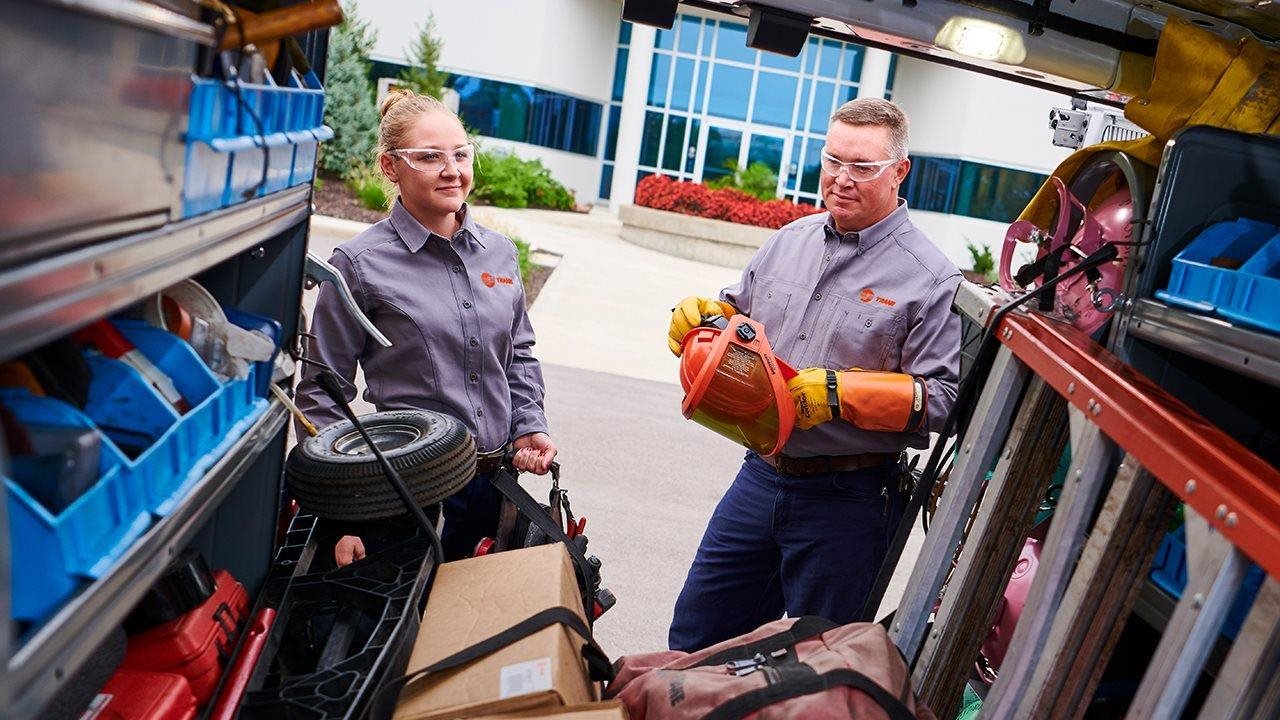
(BPT) – If you’re looking for a new job or a career change, you may worry that you don’t have options for a well-paying job, especially without a degree. The great news is, there are in-demand, well-paying jobs that do not require a college degree or specific experience, while providing opportunities to grow your career over time. What are these jobs? HVAC technicians.

Nationwide, there’s a very high demand for Heating, Cooling and Ventilation (HVAC) technicians. These jobs are vital to creating comfortable, healthy, efficient indoor environments in office buildings, hospitals, restaurants, stadiums, homes — all the places where we live, work and play.

People from all communities and backgrounds can be successful in HVAC. “When we hire technicians, we’re not focused on education credentials as much as we’re looking for an aptitude for technology, strong people skills, a positive attitude and a strong work ethic,” said Tracey Burns, vice president, Human Resources, Commercial HVAC North America, Trane Technologies. “All it takes is a desire to do good work, learn new skills, and make a difference for people and the planet.”

Technicians may work for a contractor or installer, or they may work directly with an HVAC manufacturing company. It’s not uncommon for someone to start as an entry level technician at a company and move up into a supervisory or even a management role. HVAC technicians can thrive at work and at home with a meaningful role that offers great pay and benefits, as well as opportunities for real growth.

There are also those who make a career change into HVAC, like Earnell Newman, who worked as a tile installer and in the kitchen of a company cafeteria before becoming an HVAC technician for Trane Technologies. “HVAC is one of the very few industries that didn’t slow down during the pandemic, and I knew Trane Technologies was the right spot to be in,” Newman said. “I love this work because you rarely do the same thing twice.”

What qualities do you need to be a successful HVAC technician?

If you’re wondering whether you would be good at this type of job, here’s a checklist of qualities and attributes that employers in the field are looking for:

  • Positive attitude
  • Willingness to learn
  • Good people skills
  • Being a team player
  • Strong communication skills
  • Aptitude for technology
  • Dependability

In general, employers want to hire people with a driver’s license and a strong desire to work. If you like working with your hands and helping make a difference, this career could be a great fit for you.

Opportunities to learn new skills

HVAC technician jobs can offer many opportunities for learning and development. Training, learning about safety procedures and becoming certified are often provided as part of the job, and some companies prefer to train their employees themselves, to ensure the quality of training as required by that company and in their state. Because HVAC technicians handle refrigerants, they also receive Environmental Protection Agency (EPA) certification.

As they gain experience, HVAC technicians may get to work with the most advanced technologies in their field. For example, software and connected controls that create “intelligent” or “smart” buildings. These technologies make sure buildings operate efficiently while maintaining comfortable and healthy spaces for the people in them.

“It can be very rewarding work that makes a difference for people and our planet,” said Rod Cook, director, North America Service Operations, Commercial HVAC Americas, Trane Technologies. “HVAC technicians play a very important role in increasing energy efficiency and reducing carbon emissions, because they are the ones who are maintaining and repairing the building systems. It’s such an important job for making sure our communities have healthy, comfortable and environmentally sustainable buildings.”

How can you get started?

If you’re interested in getting started right away, you can learn more and introduce yourself at a company such as Trane Technologies. This company offers scores of training modules through its own learning system, in addition to training offered in partnership with organizations like the National Coalition of Training Centers (NC3).

There are also programs and resources in communities throughout the U.S. that work with HVAC companies to prepare HVAC technicians, such as the Urban League, military veteran organizations, community colleges and training centers.

At some HVAC companies, you may start as an apprentice or in an entry-level role, then move up over time as you get experience, training and necessary certifications.

“There’s really no limit to the potential to learn and grow in an HVAC technician role,” says Burns. “It also can provide job security, because it requires skilled, hands-on work that cannot be easily replaced by automation. Our HVAC technician community are at the heart of our business and our company’s purpose to challenge what’s possible for a more sustainable world.”

Sound intriguing? To learn more about careers in the HVAC field, visit Trane Technologies careers page.

Baby Treated for Rare Disease Shortly After Birth Reaching New Milestones

2022-09-11T23:01:00

(BPT) – When Jessica and Brad first brought their baby, Waylon, home from the hospital after four days in the NICU, they thought they were in the clear.

Unfortunately, just one day after the family’s return home, a geneticist called with devastating news from his newborn screening results: Waylon had spinal muscular atrophy (SMA), and follow-up testing revealed that it would most likely be Type 1. Without treatment, doctors told the new parents that Waylon was unlikely to make it to his second birthday.

SMA is a rare, progressive disease that, left untreated in its most severe forms, robs infants of their ability to walk, swallow and even breathe.1 It is caused by the lack of a functional survival motor neuron 1 (SMN1) gene, which results in the irreversible loss of motor neurons. Diagnosing and treating SMA quickly is crucial to stopping progression of the disease.

Jessica and Brad immediately met with Waylon’s care team to discuss treatment options and see what would be best for him. Fortunately, treatment for SMA has advanced significantly in the past decade, and there are now three FDA approved options available. Patients and caregivers should talk to their doctor about options before deciding what is right for them.

“When we were talking to the neurologists about what to do, they told us we have to go with what treatment option we think is best,” said Jessica. “They went over everything, how each one was administered, treatment regimens, what we could expect and available data. We talked to his team and went with what we thought was the best fit for Waylon.”

Preferring a one-time treatment option, the parents decided to move forward with Zolgensma® (onasemnogene abeparvovec-xioi), a gene therapy delivered through an intravenous infusion.2 Approved in the U.S. in May 2019 for children less than 2 years old with SMA, Zolgensma targets the genetic root cause of the disease by replacing the function of the SMN1 gene, halting disease progression. Clinical data for Zolgensma reinforce the transformational benefit when used early. The SPR1NT study evaluated the efficacy and safety of ZOLGENSMA in presymptomatic patients younger than 6 weeks of age diagnosed with SMA, with 2 or 3 copies of the SMN2 backup gene. All 14 patients with 2 copies of SMN2 could sit independently by 18 months of age, and all 15 patients with 3 copies of SMN2 could stand alone by 24 months of age.3,4

Before and after the Zolgensma infusion, Waylon received an oral corticosteroid. All children treated with Zolgensma need to receive an oral corticosteroid starting the day before infusion, and then after infusion for at least two months or longer depending on their liver function exams and labs.2 In addition, baseline and follow-up tests are required for at least three months post-infusion. Zolgensma has a risk of acute serious liver injury and acute liver failure, and in clinical trials the most common side effects were elevated liver enzymes and vomiting. Please see additional Important Safety Information below and accompanying Full Prescribing Information.

At just 27 days old, Waylon received the one-time gene therapy.

“We were drawn to Zolgensma because it’s a one-time dose that treats the genetic root cause of the disease,” said Jessica. “When we walked out of the hospital after he was treated, it was a relief to know Waylon now had a working copy of the gene he needed.”

Now a year after his Zolgensma treatment, Waylon is reaching milestones that would not have been possible for children with SMA less than a decade ago. He loves rolling towards his toys during playtime, is sitting all on his own, and lately has been learning how to use his walker to get around.

“We find ourselves celebrating the smallest milestones,” explained Jessica. “The fact that he can’t sit still because he wants to be able to move makes me happy. And while I get a little aggravated when he throws food on the ground at restaurants, I’m so thankful that he can do that. The fact that Waylon was diagnosed with SMA so quickly after birth, and that he was treated so soon after that, changed his future.”

For more information about SMA and the importance of early diagnosis and treatment, visit ActOnSMA.org.

Results and outcomes vary among children based on several factors, including how far their SMA symptoms have progressed prior to receiving treatment.

Indication and Important Safety Information for ZOLGENSMA® (onasemnogene abeparvovec-xioi)

What is ZOLGENSMA?
ZOLGENSMA is a prescription gene therapy used to treat children less than 2 years old with spinal muscular atrophy (SMA). ZOLGENSMA is given as a one-time infusion into a vein. ZOLGENSMA was not evaluated in patients with advanced SMA.

What is the most important information I should know about ZOLGENSMA?

  • ZOLGENSMA can increase liver enzyme levels and cause acute serious liver injury or acute liver failure.
  • Patients will receive an oral corticosteroid before and after infusion with ZOLGENSMA and will undergo regular blood tests to monitor liver function.
  • Contact the patient’s doctor immediately if the patient’s skin and/or whites of the eyes appear yellowish, if the patient misses a dose of corticosteroid or vomits it up, or if the patient experiences a decrease in alertness.

What should I watch for before and after infusion with ZOLGENSMA?

  • Infections before or after ZOLGENSMA infusion can lead to more serious complications. Contact the patient’s doctor immediately if you see any signs of a possible infection such as coughing, wheezing, sneezing, runny nose, sore throat, or fever.
  • Decreased platelet counts could occur following infusion with ZOLGENSMA. Seek immediate medical attention if the patient experiences unexpected bleeding or bruising.
  • Thrombotic microangiopathy (TMA) has been reported to occur approximately one week after ZOLGENSMA infusion. Caregivers should seek immediate medical attention if the patient experiences any signs or symptoms of TMA, such as unexpected bruising or bleeding, seizures, or decreased urine output.

What do I need to know about vaccinations and ZOLGENSMA?

  • Talk with the patient’s doctor to decide if adjustments to the vaccination schedule are needed to accommodate treatment with a corticosteroid.
  • Protection against respiratory syncytial virus (RSV) is recommended.

Do I need to take precautions with the patient’s bodily waste?
Temporarily, small amounts of ZOLGENSMA may be found in the patient’s stool. Use good hand hygiene when coming into direct contact with bodily waste for 1 month after infusion with ZOLGENSMA. Disposable diapers should be sealed in disposable trash bags and thrown out with regular trash.

What are the possible or likely side effects of ZOLGENSMA?
The most common side effects that occurred in patients treated with ZOLGENSMA were elevated liver enzymes and vomiting.

The safety information provided here is not comprehensive. Talk to the patient’s doctor about any side effects that bother the patient or that don’t go away.

You are encouraged to report suspected side effects by contacting the FDA at 1-800-FDA-1088 or www.fda.gov/medwatch, or Novartis Gene Therapies, Inc. at 833-828-3947.

Please see the Full Prescribing Information.

References

  1. Sugarman EA, Nagan N, Zhu H, et al. Pan-ethnic carrier screening and prenatal diagnosis for spinal muscular atrophy: clinical laboratory analysis of >72,400 specimens. Eur J Hum Genet. 2012;20(1):27-32. https://doi.org/10.1038/ejhg.2011.134
  2. ZOLGENSMA [prescribing information]. Bannockburn, IL: Novartis Gene Therapies, Inc; 2021.
  3. Strauss KA, Farrar MA, Muntoni F, et al. Onasemnogene abeparvovec for presymptomatic infants with two copies of SMN2 at risk for spinal muscular atrophy type 1: the Phase III SPR1NT trial. Nat Med. 2022;28:1381-1389.
  4. Strauss, KA, Farrar, MA, Muntoni, F. et al. Onasemnogene abeparvovec for presymptomatic infants with three copies of SMN2 at risk for spinal muscular atrophy: the Phase III SPR1NT trial. Nat Med. 2022;28:1390-1397

© 2022 Novartis Gene Therapies, Inc.

Bannockburn, IL 60015

US-ZOL-22-0101 08/2022

Feeling burnt out? 5 self-care tips from an expert that provide therapeutic benefits

2022-09-11T23:01:00

(BPT) – Self-care is such a popular buzzword that it can be hard to understand what the term means, let alone what counts as self-care. Broadly speaking, self-care is anything you do to care for your physical, mental and emotional well-being. However, not all self-care tips can provide therapeutic benefits that promote general well-being.

That’s why Dr. Karen Litzy, a licensed physical therapist and Waterpik® Partner, has shared her top five at-home self-care tips that provide real therapeutic and wellness benefits.

1. Incorporate movement and exercise throughout your day

According to the American Heart Association, adults should get at least 150 minutes of moderate aerobic exercise per week and participate in strength training exercise two times per week. These guidelines can lower risk of heart disease, diabetes, obesity, depression and pain as well as improve overall quality of life.

One option is to join a gym, but there are several other ways to engage in aerobic exercise, like taking a brisk walk around your neighborhood, local park or sports field. As for strength training, you can do bodyweight exercises like pushups and squats or classes like Pilates or yoga.

Also, you don’t even have to do your workout all in one sitting. You can schedule 10- to 15-minute breaks in your day to take a quick walk or get in a few sets of squats. If you are new to exercise, check with your health care provider before starting.

2. Get enough sleep

According to the Centers for Disease Control and Prevention (CDC), adults require seven to eight hours of sleep per night to wake up feeling refreshed, and this may also decrease chances of developing chronic conditions. The CDC also says that lack of sleep has been linked to several chronic conditions, including type 2 diabetes, cardiovascular disease, obesity and depression.

Some ways to improve sleep include:

  • Shutting down all screens at least 30 minutes before bed
  • Avoiding caffeine and fatty or sugary foods before bed
  • Keeping your room at a cooler temperature
  • Reducing the amount of light in your bedroom
  • Taking a warm evening shower

3. Get (or give yourself) a massage

Massages are a great way to increase relaxation and reduce muscle soreness after a workout. Not everyone has the time (or finances) to visit a massage therapist, but you don’t have to go to a spa to reap the therapeutic benefits of a massage. Using a shower head like the Waterpik® PowerPulse Therapeutic Strength Massage shower head is an easy way to give yourself restorative wellness experience and a massage at home.

The PowerPulse Massage spray setting is unique in that it is clinically shown to help soothe muscle tension and increase flexibility. Dr. Litzy suggests hopping in the shower after a workout and using the massaging shower head to help soothe sore muscles. As a bonus, using the Waterpik PowerPulse Therapeutic Strength Massage shower head before bed is clinically shown to promote restful sleep.

The shower head is available in-store and online at The Home Depot.

4. Engage in mindfulness meditation

Taking care of the mind is just as important as taking care of the body. Meditation is a great mindfulness practice that can help you manage stress and can provide a plethora of wellness benefits, according to a 2018 study in the Journal of Psychosomatic Research.

If you’re new to meditation, Dr. Litzy suggests starting with five minutes daily and working up to a consistent 20-minute session daily.

5. Stay hydrated

Water helps to eliminate waste from your body, lubricates your joints, regulates your body temperature, protects your nervous system and other vital tissues in your body, and can help with weight management.

How much water should you get each day? According to the National Academies of Science, Engineering and Medicine, adult women should consume 2.7 liters and men 3.7 liters of water daily from beverages and food to be adequately hydrated. That means in addition to drinking more water, you can increase your water intake by eating fruits and vegetables like watermelon and spinach.

Self-care shouldn’t be complicated. Using Dr. Litzy’s five expert tips, you can create a wellness routine with therapeutic benefits that will have you feeling renewed even during a busy week.

A Delicious Way to Invest in your Family’s Cardiovascular Health this Cholesterol Education Month

2022-09-11T06:01:00

(BPT) – Heart health is an important issue for everyone but is a particular concern for the Hispanic community. According to the American Heart Association, 52% of Hispanic men and 43% of Hispanic women nationwide have a form of heart disease, which can often lead to death.

Celebrity chef, cookbook author and “Despierta América” star Jesus Diaz (AKA Chef Yisus) personally knows that behind these statistics are tragic family stories. Having recently lost his own mother due to related health issues, Chef Yisus is helping to spread awareness on this issue and urge the Hispanic community to think about what they consume in their day-to-day. That’s why in honor of Cholesterol Education Month, he’s teamed up with Mazola® Corn Oil to share easy-to-make recipes anyone can make, like the following Reina Pepiada Arepas, which replaces lard with corn oil.

A simple and effective change you can make this Cholesterol Education Month is to simply replace lard, butter, margarine or other higher saturated fat oils with heart-healthy1 Mazola® Corn Oil, which has natural cholesterol-blocking plant sterols that can help protect you from bad cholesterol2. In fact, Corn Oil has the highest amount of naturally occurring plant sterols per serving compared to any other popular cooking oil, containing three times more cholesterol-blocking plant sterols than olive oil and 40% more than canola oil3, a win-win for the whole family!

Reina Pepiada arepas

Prep time: 10-15 minutes; Cook time: 45 minutes; Servings: 6

INGREDIENTS:

Arepas

  • 2 cups of precooked white cornmeal flour
  • 2 cups of water
  • 1 1/4 teaspoons kosher salt
  • 1/4 cup of Mazola® Corn Oil

Chicken-Avocado Salad (Filling)

  • 1 large ripe avocado, halved, pitted and peeled
  • 2 tablespoons fresh lime juice
  • 1/2 medium white or red onion, finely diced
  • 2 cups of shredded cooked chicken
  • 1/4 cup chopped cilantro
  • Kosher salt and fresh ground black pepper

DIRECTIONS:

Arepas

  1. Preheat the oven to 305°F.
  2. Combine the arepa flour with the salt and the water in a large bowl. Spread your fingers apart and make a claw with one hand and start circling the flour mixture. Make a fist a couple of times to bring the clumps of dough together, then squeeze to break apart any remaining larger dough pebbles.
  3. Poke a couple of holes in the dough and add the 1/4 cup of Mazola® Corn Oil, then knead again. The goal is to get the dough dry enough so it doesn’t stick to your hands or the side of the bowl, but not so dry that it cracks when you squeeze a little chunk of it between your fingers. If necessary, add 2 more tablespoons of water and knead to combine one more time.
  4. Heat a large cast-iron or nonstick skillet over medium heat and lightly spread with a Mazola® oiled paper towel.
  5. Divide the dough into 6 equal pieces — each should weigh about 4 1/2 ounces. Roll each piece into a ball, then flatten into a disk about 3 1/2 inches wide and 1 inch tall.
  6. Working in batches, if necessary, place the disks in a single layer in the skillet and cook until a golden-brown crust has formed on the bottom, about 5 minutes. Flip and repeat on the other side, 5 minutes more. Re-oil the skillet for each additional batch.
  7. Place the arepas directly on the oven racks and bake until crusty all over and the insides feel slightly hollowed out, 20 to 25 minutes.

Chicken-Avocado Salad (Filling)

  1. Combine the avocado and lime juice in a medium bowl and mix, mashing the avocado with a fork as necessary.
  2. Stir in the onion, chicken, cilantro, a sprinkle of pepper and a generous sprinkle of salt.
  3. Taste for seasoning and adjust if necessary.
  4. Serve on top or in the arepas.

To view this recipe (and others), find more inspiration, and learn more about how you can incorporate heart-healthy1 Mazola® Corn Oil into recipes this Cholesterol Education Month, visit www.Mazola.com.

DISCLAIMERS:

1Very limited and preliminary scientific evidence suggests that eating about 1 tablespoon (16 grams) of Corn Oil daily may reduce the risk of heart disease due to the unsaturated fat content in Corn Oil. FDA concludes that there is little scientific evidence supporting this claim. To achieve this possible benefit, Corn Oil is to replace a similar amount of saturated fat and not increase the total number of calories you eat in a day. One serving of this product contains 14 grams of Corn Oil.

2USDA FoodData Central (2019). Corn oil has plant sterols content of 135.6 mg/serving vs. 29.8 mg/serving for olive oil. Based on analysis of corn oil and April 2019 USDA FoodData Central data for olive oil.

3Based on analysis of corn oil and 2013 USDA comparison of other cooking oils: Corn Oil has plant sterols content of 135.6 mg/serving vs. 30.0 mg/serving for Olive Oil, 40.8 mg/serving for Vegetable Oil and 93.9 mg/serving for Canola Oil.

Worried about your loved one? How to help veterans at risk of suicide

2022-09-09T08:07:00

(BPT) – Returning to civilian life can be difficult for veterans, especially if they struggle with mental health. Too often, veterans experiencing mental health challenges are embarrassed to ask for help. This fear of what others will think is a stigma that often prevents them from seeking care.

According to the latest Annual Warrior Survey from Wounded Warrior Project® (WWP), about 1 in 5 WWP warriors report difficulty or delays in receiving or continuing professional mental health care. Of those warriors, 2 in 3 feel embarrassed or ashamed about getting such care.

Stigma is real and can profoundly affect veterans struggling with emotional issues. This is especially concerning given the prevalence of suicide among veterans. According to the most recent data from the U.S. Department of Veterans Affairs, an estimated 17 veterans die each day by suicide. In addition, WWP’s survey found nearly 1 in 4 WWP warriors had suicidal thoughts in the past 12 months. Of the warriors who reported those suicidal thoughts, most (70%) had them in the last two weeks.

While no one can wipe out stigma or defeat suicide overnight, you can help veterans and other loved ones in your life who are struggling. Check out these five tips that you can use to help a veteran in crisis and prevent suicide.

1. Spot the signs

If you’re worried about a loved one, you should watch for words or actions that suggest suicidal thoughts. It can be as direct as a veteran saying they “want to die” or that others “would be better off without them.” Other signs are indirect but equally important to notice.

According to the National Institute of Mental Health, some other signs include:

  • Using substances like drugs and alcohol more often
  • Eating or sleeping less
  • Extreme mood swings
  • Dangerous risk-taking
  • Withdrawing from friends
  • Saying goodbye to loved ones, giving away important items or making a will
  • Researching ways to die and making a plan to take their life

Someone in crisis may not exhibit all these signs, but if your friend or family member displays any of them, there is a good chance they are struggling and need support.

2. Initiate conversation directly

It can be scary, but initiating a direct conversation about suicide is often vital to getting someone the support they need. You may be reluctant to start the conversation for fear that the person may not be contemplating suicide and that you’ve given them the idea by asking about it, but that couldn’t be farther from the truth.

“Asking someone if they want to kill themselves won’t put the idea into their head or make them more likely to die by suicide,” said Erin Fletcher, Psy.D., director of WWP’s Warrior Care Network. “Veterans struggling with suicide are looking for a lifeline, so you directly asking if they’re having suicidal thoughts could be what prevents them from going through with a plan.”

You can ease into the conversation by saying, “I’m concerned about you,” “I’ve noticed you’ve withdrawn,” or “You don’t seem like yourself.” However, make sure to ask them directly if they’re thinking of taking their life.

3. Keep calm and ask questions

If someone confides in you that they’re having suicidal thoughts, keep calm. It can be difficult to not under- or overreact. Staying calm will help create a safe space for veterans to share more about their struggles. It can be hard to know what to say when someone tells you they want to take their life.

To start, thank them for being vulnerable and sharing their experience with you. Next, encourage them to keep talking. You can do this by asking follow-up questions. According to the American Foundation for Suicide Prevention, some helpful things to ask someone contemplating suicide include:

  • “How long have you felt this way?”
  • “When did these suicidal thoughts start?”
  • “How often do you have these thoughts?”
  • “Do you want to go to a hospital?”
  • “What do you need to feel safe?”

If at any point a loved one wants to stop talking about their situation, let them know that you want to support them and that they can talk more later.

4. Let them know they’re not alone

One of the most difficult aspects for veterans thinking of suicide is the feeling of isolation and the burden of dealing with their mental health challenges alone. Remind them that you care about them and that they have support and resources available. Offer to connect them right away with professionals who can help them on their path to recovery.

5. Make the connection

Do your best to connect your loved one right away to a resource that can help with the next step in their recovery. The resource you choose may depend on the severity of the situation. Examples include:

  • If someone is in imminent danger of harming themselves, call 911 or take them to the closest emergency room.
  • If you are in crisis or concerned about a loved one, call the Veterans Crisis line at 988 and press “1” or text 838255 to connect with a crisis counselor 24/7, 365 days a year. They can coach you through the situation or speak directly with your loved one to figure out the next steps and resources in your area. Everyone can play a crucial role in helping a person who’s facing thoughts of suicide connect to this free support and care. You can put them on the path to hope. Help is free, and only a phone call away.
  • If a veteran is not in immediate danger but admits to struggling with suicidal thoughts, WWP has free services that may help. These include peer support groups to connect them with other veterans, rehabilitative workshops, and professional services to help handle issues including post-traumatic stress disorder (PTSD), military sexual trauma (MST), traumatic brain injury (TBI), career or financial struggles, or to simply start feeling like themselves again. Thanks to donors, these services are cost-free for post-9/11 wounded veterans and their families.

By spotting the signs, initiating the conversation directly, and connecting someone quickly to resources, you’re playing a vital role in helping someone get the support they deserve. You are not alone, and neither is your loved one.

Learn more about WWP’s resources and how you can help a veteran in crisis.