A breakthrough for severe depression: MUSC Health delivers relief in days, not months

2026-01-28T13:01:00

(BPT) – For millions of people living with major depressive disorder, finding an effective treatment can feel like a never-ending process of trial and error — with no guarantee of relief. Although depression is one of the leading causes of disability worldwide, the most common first-line approach, talk therapy combined with medication, frequently falls short.

The problem with this approach is that the first medication prescribed works only about 30% of the time, with the likelihood of success dropping with each subsequent attempt — to under 7% by the fourth medication. Meanwhile, patients continue to suffer debilitating symptoms, endure negative side effects from the medications and, in some cases, remain at a heightened risk of suicide.

In the early 1990s, Medical University of South Carolina (MUSC) psychiatrist and neurologist Mark George, M.D., pioneered a more effective, noninvasive approach: transcranial magnetic stimulation, or TMS. Considered the birthplace of clinical TMS for the treatment of neuropsychiatric disorders, he was instrumental in TMS receiving Food and Drug Administration (FDA) approval in 2008. George’s TMS work continues today, now spanning research in obsessive-compulsive disorder (OCD), pain management and smoking cessation.

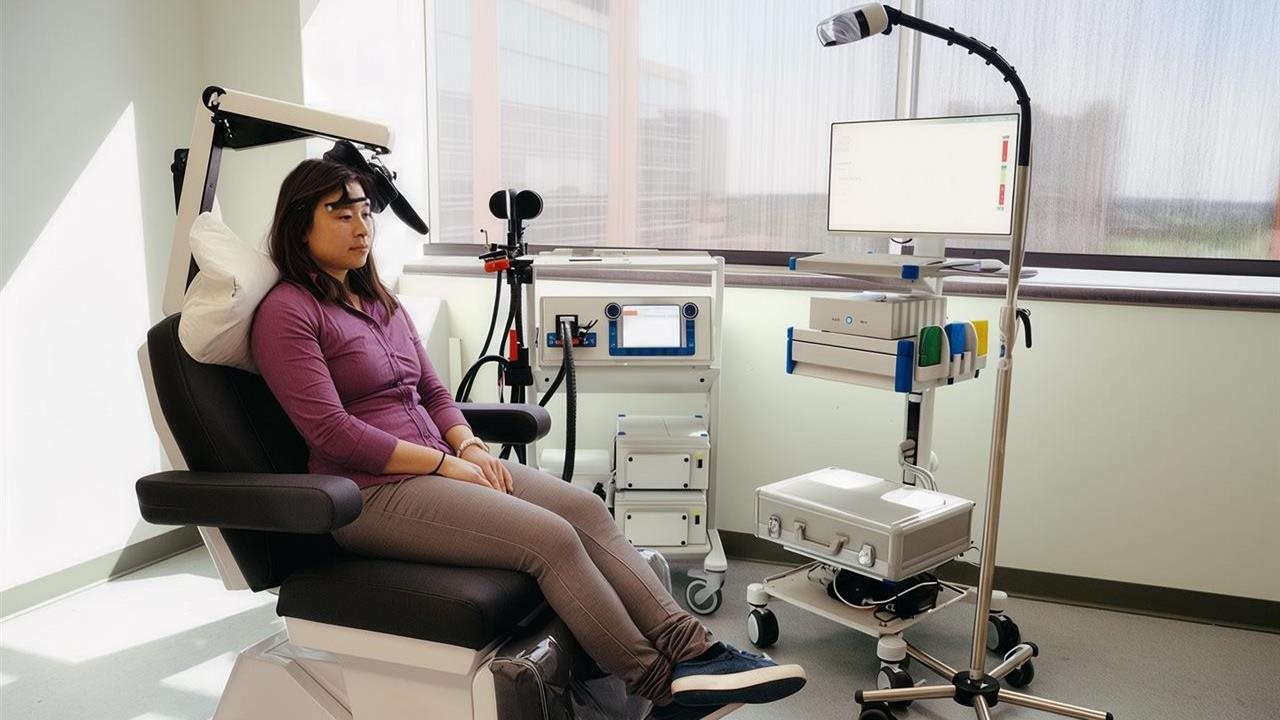
“The brain is an electrochemical organ,” explained Baron Short, M.D., medical director of MUSC Health’s Brain Stimulation Service. “In people with major depressive disorder, there are usually parts of the brain that are underactive. With TMS, we produce an electromagnetic pulse that we apply to the top left part of the head. That pulse reactivates the part of the brain that’s underactive, leading to a resolution of depressive symptoms.”

Typically, TMS treatments are administered in 20-minute sessions over the course of several weeks, for a total of 30 to 36 treatments. Real-world data suggests that TMS leads to complete remission of depression in 62% of patients, with an 83% response rate — defined as at least a 50% reduction in symptoms.

“People tend to start feeling better at about week four, although many people feel better much sooner,” said Short.

An even better approach

In 2024, MUSC Health became the first hospital system to offer a revolutionary new depression treatment to patients, taking a successful innovation a leap further. Stanford Neuromodulation Therapy, or SAINT, is a next-generation approach that is fundamentally changing how severe depression and suicidal tendencies can be treated. This dramatically accelerated form of TMS brings patients out of depression in a matter of days — not months — offering rapid relief for people whose severe depression has gone untouched by drugs or psychotherapy.

Building on decades of TMS research at MUSC and countless late-night conversations about how to move the frustratingly slow needle on the treatment of depression, two neuropsychiatrists who trained under Short and George at MUSC, Nolan Williams, M.D., and Brandon Bentzley, M.D., Ph.D., developed SAINT while at Stanford, and it is fundamentally changing how severe depression can be treated.

Rather than delivering treatment over several weeks, the SAINT protocol condenses therapy into five days, with patients undergoing 10 sessions per day. By taking “a video of the brain” using a functional MRI (fMRI) scan and analyzing the data through eight hours of machine learning, physicians can pinpoint the area of the dorsolateral prefrontal cortex that requires stimulation for each patient, personalizing the treatment with precision targeting by sending an electrochemical signal to the exact location.

The results have been striking: remission rates of 80% by day five, with an average time to remission of only 2.6 days and an overall 80% to 90% remission rate for treatment-resistant depression. With treatments of 10 minutes each hour, patients feel a tapping sensation on their heads. They then rest for the remaining 50 minutes before the next round. Generally mild and short-lived, side effects include minor discomfort at the treatment site and muscle twitching.

“Think of it like an exercise,” said Short. “If you were going to build your biceps, you wouldn’t do 50 curls at once. You would do a set of 10 and then rest. SAINT is like that, but it’s very targeted.”

Untold potential

Short is encouraged by the results seen with SAINT as well as its future potential. Expanding access to this accelerated approach to depression treatment has become a key focus of his work.

“We see people recover extremely quickly, thanks to SAINT, which has a dramatically higher remission rate for depression than previous treatment options. People wake up out of that mask of depression so they can reengage the world with new vigor and life,” he said.

“I have been involved in well over 18,000 TMS and SAINT treatment sessions. It’s really rewarding to be a part of that. Why would we make people try inferior treatments and spend months of their lives in agony when you can get them out of depression in a matter of days?”

One challenge he is working to address is limited insurance coverage, which is currently available primarily through Medicare and select insurers.

Why the urgency?

Baron explained that major depressive disorder remains one of the few serious medical conditions that is still not treated with the urgency of illnesses such as cancer or heart disease. He stressed that it’s not simply “feeling down.” Rather, the condition is characterized by persistent and debilitating symptoms that include insomnia, difficulty concentrating, appetite changes, a decrease in energy and loss of interest in life that last not days or weeks – but months or even years. It can escalate, he warned, to thoughts of suicide.

A relaxed approach to its treatment, he said, is not acceptable.

“We know 25% of people with major depression will try to commit suicide, and somebody commits suicide every 40 seconds,” he said. “We now have more tools than talk therapy, medications that may not work and electroconvulsive therapy, which can be an intimidating procedure for patients. It’s critical that we start treating depression as the emergency it is so we can actually do something about it. SAINT enables us to do that. It’s like we’ve been given the keys to the kingdom.”

Short explained that SAINT also has the potential to treat other mood disorders, as many of them also find their roots in underactive or overactive areas of the brain.

“SAINT TMS offers intelligent, individualized treatment with unparalleled, fast recovery for patients,” he said. “I believe this will change the trajectory of how we treat the depression epidemic.”

Learn more about MUSC’s trailblazing work on TMS at MUSCHealth.org/medical-services/behavioral-health/brain-stimulation. People interested in a consultation for outpatient treatment using TMS and SAINT can call 843-792-5716.

Pass on the peroxide: A surgeon’s guide to cleaning wounds at home

2026-01-28T09:01:00

(BPT) – By Kyla P. Terhune, MD, MBA, FACS

Every year, countless minor injuries occur in homes, garages and backyards across the country. The immediate instinct for many is to reach for a familiar brown bottle of hydrogen peroxide or a swab of rubbing alcohol to “clean” the wound. As a leader of education at the American College of Surgeons, I want to share a resource developed by experienced surgeons that may lead you to pass on the peroxide.

For decades, these antiseptics were considered a cornerstone of wound care. Medical understanding, however, reveals they often do more harm than good when used inside an open cut or scrape. While effective at killing bacteria, solutions like peroxide, alcohol and iodine can’t target “bad” cells. They also attack the delicate new cells your body sends to repair the damage. Harming this fragile tissue can delay healing, increase inflammation and lead to more noticeable scarring. In short, you may be sabotaging your body’s attempts to heal.

What should you do when a superficial cut or abrasion occurs?

  1. Wash your hands. Scrub your hands for 20 seconds with soap then rinse with water. Use a hand sanitizer with at least 60% alcohol if soap and water are not available.
  2. Then, gently clean the wound with mild soap and lots of clean, running water. This method effectively flushes out debris and bacteria without harming the wound.
  3. After patting the area dry, you can apply a thin layer of antibiotic ointment (if there are signs of infection) or plain petroleum jelly. Follow this process and keep the wound covered with a clean bandage for the first week to ensure it remains moist. A moist environment is proven to heal faster with less scarring than a dry, scabbed one. If it’s not healing, call your healthcare provider.

Effective home care of a wound requires more than just proper cleaning. Knowing how to apply the right dressing, when a wound needs stitches and how to spot the early signs of infection are critical skills that can prevent minor injuries from becoming major problems. Some wounds should not be handled at home. Learn when you should call a doctor or go to your nearest emergency room or immediate care center.

If you’ve had a recent operation, you are likely to have a surgical incision. These also require careful attention to reduce the risk of infection, speed the healing process and enhance your recovery.

The American College of Surgeons has a free Wound Management Home Skills resource that provides comprehensive information and videos to manage everything from simple scrapes to post-surgical incisions. They detail how to stop bleeding, pack a wound, care for stitches and recognize when it’s time to call your doctor.

True preparedness is more than having a first-aid kit in your closet; it’s about having the correct knowledge to use it. By retiring outdated practices and embracing proven, gentle care, we can all ensure that your wounds heal quickly, safely and properly.

Kyla P. Terhune, MD, MBA, FACS, is Senior Vice President for Education at the American College of Surgeons and an acute care surgeon.

How portable energy has become a necessity indoors and out

2026-01-28T12:01:00

(BPT) – Power isn’t a luxury anymore. It’s the thread that holds modern life together. This reality becomes especially clear during extreme weather events, like the severe snowstorms currently impacting Texas and large parts of the U.S., where millions of households face sudden and prolonged power outages. Battery-based power stations and solar generators have fundamentally changed the way people access electricity, especially when the grid isn’t available. From keeping food fresh and medical devices running to staying connected for work and safety, reliable power now is nearly at the heart of everything we do.

As technology advanced, independent power sources became smaller and lighter, evolving into modern battery-based power stations, which have become necessary equipment for outdoor adventurers in demanding environments. Now, the capabilities and applications of independent, portable power have made them an essential part of home infrastructure, outdoor gear and “office” supply for digital nomads. Today, portable power has become a critical part of home preparedness — especially during winter storm season — while still serving outdoor adventurers and digital nomads alike.

What connects all these uses of portable power is preparedness. In a world where power runs nearly every part of daily life, preparedness means never having a gap in what you need. It’s about the confidence to keep moving forward when conditions change, or plans don’t go as expected. Below are just a few cases that highlight how reliable, on-demand energy has become the cornerstone of resilience, creativity and independence in modern life.

Storm preparedness

The most obvious use for portable power stations is home emergencies, especially during snow, wind and rainstorms. For homeowners in areas prone to blizzards, hurricanes and flooding, losing power isn’t a matter of if, but when. Depending on the severity of a storm, residents may be facing days — if not weeks — without power.

As the U.S. experiences increasingly severe winter storms, a rugged, indoor-safe portable power station can make a meaningful difference when families are sheltering at home. Demand for reliable backup power solutions surged in states such as Texas, Georgia, North Carolina, Virginia and Tennessee, where residents faced unexpected power outages.

In these situations, being able to keep lighting and appliances on, heating and cooling systems running, medical equipment powered and electronic communications open is paramount. In these emergency situations, it’s not enough to have portable power. A solution that can power multiple devices at once and run for an indeterminate amount of time can mean the difference between life and death.

Having a power station on hand that can withstand these real-world emergencies is well worth the investment. In cases where you need to keep appliances and equipment running, you’ll need a backup option that can handle the job. For example, the Explorer 1500 Ultra from Jackery is capable of delivering 1,800W of continuous AC output, with extended peak capacity to support household appliances, heavy-duty tools, pumps and other household essentials, helping to maintain comfort, safety and communication when the grid goes down. Built with extreme weather resilience in mind, its dustproof, waterproof and shock-resistant design ensures dependable indoor and backup performance.

Cold-weather adventures

Cold is one of the main enemies of battery-powered technology. You’ve probably experienced this when using your phone outdoors during the winter. One minute you’re taking a series of gorgeous snow-filled landscapes or filming your friend conquer the slopes, and the next minute your phone powers off without warning.

If you’re skiing, snowmobiling, ice fishing, or winter camping and roadtripping, you don’t want to be in a position where you can’t stay connected, track your position or be unable to use essential equipment to stay safe in frigid conditions. In these demanding conditions, having a reliable portable power source is a must.

That said, one of the challenges of portable power stations is that they’re often too heavy to haul when you want to pack light. Modern users need equipment that’s not only portable, but rugged enough to survive extreme cold, moisture and physical impact. Luckily, portable power design continues to evolve, offering lighter, stronger solutions that don’t compromise on performance.

For example, the Jackery Explorer 1500 Ultra is a professional-grade portable power station made of titanium alloy to balance strength and lightness, coming in at just under 39 pounds — almost half the weight of comparable models. Engineered for extreme environments, it features IP65-rated dustproof and waterproof protection, a 9-level seismic shockproof design, and the ability to deliver up to 10 times longer peak power discharge than standard systems. Its stable EV-grade LiFePO4 battery chemistry performs reliably in temperatures as low as 5°F, helping ensure dependable power even in harsh winter conditions.

Overlanding expeditions

Overlanding expeditions are some of the most demanding trips a person can take, because they’re truly not about the destination. The whole point of overlanding is to journey through unforgiving conditions like windy deserts, towering mountains and rainy forests in remote areas where opportunities to refuel and recharge — literally and physically — are few and far between. It’s a true test of self-reliance that requires rigorous planning and thoughtful preparation, with no guarantee that the road ahead will cooperate.

In situations where you can’t count on finding power along your route, having a power station that packs a punch and can recharge without an electric hookup is crucial, doubly so for filmmakers and other creatives documenting their overlanding journey.

A portable power solution like the Explorer 1500 Ultra can be just as resilient and reliable in overlanding expeditions as it is in more casual adventures. It delivers up to 3,600W of peak power — up to 10 times longer than comparable systems — and can sustain 2,000W output for up to 15 minutes, providing the muscle needed for high-demand gear in remote locations. Using solar power, the unit can reach a full charge in 2.5 hours under optimal conditions, allowing overlanders to travel with peace of mind.

The Explorer 1500 Ultra’s dust- and waterproof construction and one-meter drop resistance reflect the kind of purposeful engineering required for overlanding, an approach that recently earned the power station a Red Dot Design Award. After all, gear has to survive the journey, not just look good doing it.

Living and working off the grid

Off-grid living isn’t just for hermits and survivalists. Van-lifers, off-grid travelers and digital nomads rely on portable power stations to live, work and stay connected as they seek an independent and itinerant lifestyle. It’s not about escaping modern life. It’s redefining where it happens.

For living and working off-grid, having reliable power isn’t just for emergency situations or a temporary journey. These types of travelers require a power source that can withstand daily use to efficiently power appliances, as well as laptops and internet connections.

Not all power stations are made for regular, daily use. Those living an off-grid life will need portable power that offers long-term reliability for years to come. A model like the Explorer 1500 Ultra is the type of equipment to power a nomadic lifestyle. Its EV-grade LiFePO4 battery cells retain up to 70% capacity after 4,000 cycles, supporting up to a decade of dependable use. Plus, multiple output options offer versatile power for modern needs, including supporting Starlink® connectivity in off-grid locations. It’s built not just to supply power, but to keep up with lives that don’t stand still.

Stay ready for real-world challenges

Preparedness isn’t about expecting the worst, it’s about refusing to be stopped by it. From powering through a winter snowstorm at home to navigating remote backcountry terrain, today’s portable power solutions are designed to meet real-world challenges head-on. Explore the quiet confidence that comes from being prepared. To learn more about how portable power stations offer you freedom, security and resilience in parts unknown and at home, visit Jackery.com.

Maximize your time: 5 tips to improve work efficiency

2026-01-27T08:01:01

(BPT) – Is boosting your career one of your New Year’s resolutions? If you’re seeking ways to stand out and improve your productivity on the job, there are several effective strategies and tools that can help you work better, making the best use of your time and energy so you can succeed at your goals.

Try some of these tactics to optimize your efforts in 2026.

1. Learn to prioritize

It’s easy to be overwhelmed by multiple demands, especially when you’ve got a lot on your plate. To help you track tasks and flag those needing immediate attention, keep a running list in the way that’s easiest for you — whether that’s a simple document on your computer, such as on a spreadsheet, or in a notebook. Each task then needs to be clearly coded both by importance and urgency. For each item, ask: How vital is this task? How soon is the deadline? Make sure the most time-sensitive items that are of the highest importance are addressed first.

If prioritizing is difficult for you, consider using software or a system like the Eisenhower Matrix that’s specifically designed for prioritization.

2. Make meetings work for you

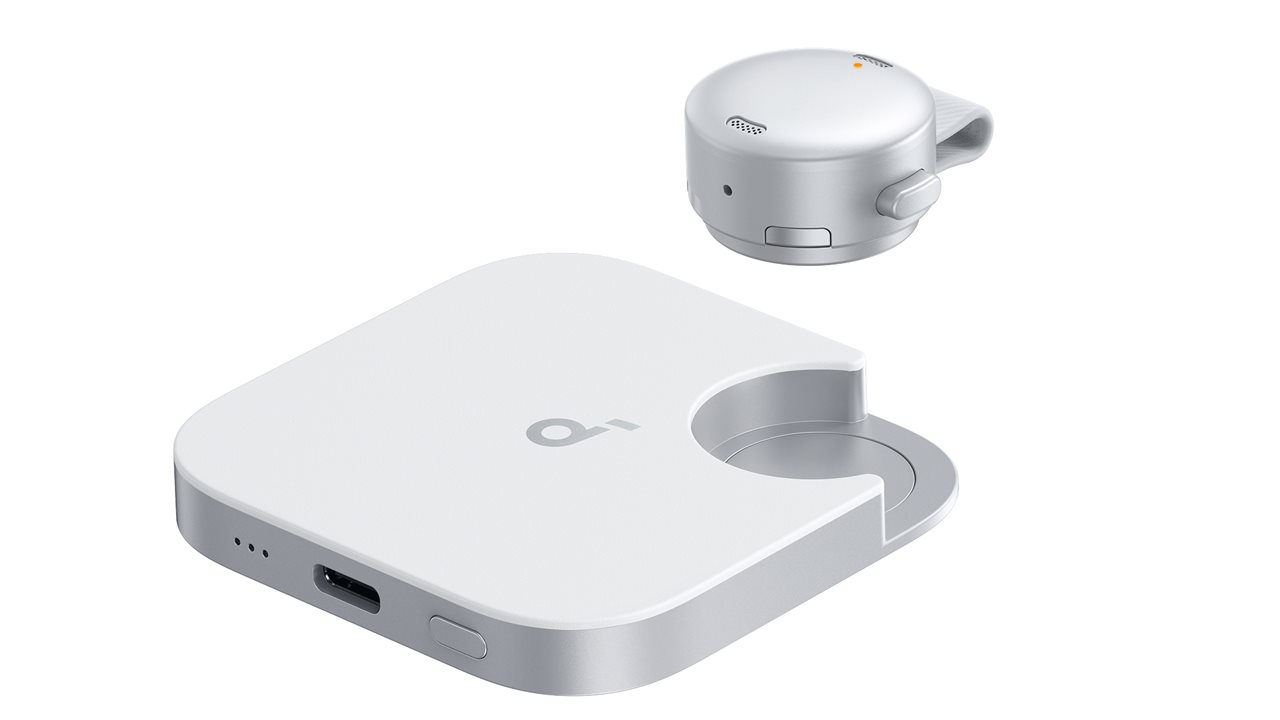
Attending meetings can seem like wasted opportunities that use up a lot of your time. You may try taking notes, but find it difficult to understand them later — or discover you can’t focus on what’s happening in the meeting at the time because you’re so busy taking notes. With the soundcore Work AI Note Taker, you can focus and be fully present during meetings, letting the soundcore Work take accurate notes for you. It also saves time by transcribing and summarizing your notes using AI in a number of formats to meet your needs. Powered by an advanced speech-to-text model, the note taker provides a quick content review, streamlines workflows and delivers an AI-driven data summarization.

null

The soundcore Work is the first coin-sized AI note taker you can clip onto clothing, a necklace or attach to the back of your iPhone or Android phone through magnetic connection. It lets you capture voice recordings in a medium to large conference room (within 16 feet), and you can transcribe and share a summary of the meeting from the soundcore App.

It’s easy to use; just push a button to turn it on and double tap to highlight content you find important. You’ll enjoy eight hours of non-stop recording on a single charge and up to 32 hours with the charging case, and you can keep recording even while it’s in the case.

Your privacy is secured with encryption at all stages. By default, recordings and transcription content are stored locally on your device, and your audio will only be temporarily uploaded to the cloud when you choose to transcribe it. Once transcription is complete, your audio and transcription data will be promptly deleted from the cloud.

Then, by downloading the soundcore app, you’ll access powerful features that transform soundcore Work into your personal assistant. You can activate your soundcore Work to claim free AI transcription minutes for the whole year. With this tool, meetings will be clearly captured and summarized for you, so you can be fully engaged as you participate in the meeting without fear of missing or forgetting important points, and later note items requiring action or follow-up.

Learn more about the soundcore Work AI Note Taker at soundcore.com.

3. Know your daily rhythms

Schedule your time as best you can around your unique daily cycle. Are you a morning person who can tackle complex tasks more easily early in the day? Reserve that time to address those types of duties so you can make the most of that peak energy. And if your energy flags at certain times of day, see if you can build in activities that boost your energy, like a working walk with a colleague, a quick protein snack and chance to hydrate, or checking off items that are easier to accomplish, like responding to emails or organizing the next day’s calendar.

4. Practice time blocking

Getting to know your personal rhythms also helps you create a more workable schedule. Block your time and minimize distractions like calls, messages and emails when you need to focus, instead reserving certain times for responding to them to avoid constant interruptions.

It’s also key to build in regular small breaks for a chance to stretch, move and clear your head, so you can refocus on your next task. If either procrastination or burnout are getting in your way, you may want to try the Pomodoro Technique, which divides work into specific timed intervals of focus and rest.

5. Break up larger projects

Facing a big presentation or project that seems daunting? Divide the work into smaller steps, so you can tackle one thing at a time. Create realistic deadlines for each small task so you’ll be able to complete the whole project by the due date. One trick is to work backwards from your deadline — making sure not to underestimate the time you’ll need for each step.

Using these tips and tools, you’ll be better equipped to be more efficient, productive and successful at work, making 2026 your best year ever.

3 tips for having real conversations with your teen before spring break

2026-01-27T07:01:00

(BPT) – Spring break is a time when many teens look forward to fun and relaxation. It can also be a time for experimenting with substances and other risky behaviors. As a parent or caregiver, make time to have meaningful conversations with your teen about substance use and their mental health before they head out for spring break.

From social media to the pressures of school and social life, there’s a lot on your teen’s plate. In a recent survey, 40% of teens reported feeling sad or hopeless in 2023.1 And teens who’ve had a major depressive episode were more likely to use illegal drugs, alcohol, tobacco and vapes.2 As a parent or caregiver, talking openly and frequently with your teen in a non-judgmental tone about mental health and substance use can ultimately help prevent overdose deaths by encouraging more young people to seek the help they may need.3

Whether it’s at the dinner table, in the living room, in the car, on the phone or video chat, or whatever setting fits your family, taking the time to talk intentionally with your teen in the weeks leading up to their spring break can make an impact on their life.

Follow these three tips to spark open and honest conversations.

Tip 1: Know what to bring to the table

As a parent or caregiver, it’s important to understand how teens can be affected by substance use and mental health issues — and how these two issues may be connected. Although the issues you faced as a teen may be different from today (think social media and AI), your teen’s struggles with substances and societal pressures may be the same. The Centers for Disease Control and Prevention’s (CDC) Free Mind campaign includes resources to help teens and parents understand the current drug landscape and provides information for parents and caregivers that will prepare you for questions that may arise.

Tip 2: Create a safe space

Be sure to create a safe space for both adults and teens. Make sure all adults are on the same page and prepared to be honest and lead with compassion and create a judgment-free zone. You can use tools such as CDC’s Free Mind conversation starters, which are geared to help teens talk with each other, or the digital card game “Facts and Feels” that has questions and answers to help break the ice.

Tip 3: Reflect and act

Now that you’ve started the conversation, encourage additional discussions and allow your teen time to reflect on some of the hard questions. Be sure to remind them that the door is always open to continue having a meaningful conversation.

If you need more help getting started, Free Mind has resources made for teens, parents and caregivers at www.cdc.gov/freemind. Created through research and real conversations with teens and families, these resources can help adults and teens:

  • understand the link between mental health and substance use,
  • know they have the power to act, and
  • empower them to deal with challenges in a healthy way.

Remember, conversations like these can take place year-round, not just around spring break. Make a difference in your teen’s life by taking the first step.

Sources:

  1. Centers for Disease Control and Prevention. Youth Risk Behavior Survey data summary & trends report: 2013–2023. Published August 6, 2024. Accessed February 25, 2025 www.cdc.gov/yrbs/dstr/index.html
  2. Substance Abuse and Mental Health Services Administration. Key substance use and mental health indicators in the United States: Results from the 2023 National Survey on Drug Use and Health. Published July 2024. Accessed January 14, 2025.
  3. Centers for Disease Control and Prevention. Stigma reduction. Accessed March 24, 2025. https://www.cdc.gov/stop-overdose/stigma-reduction/index.html.

Your guide to preventing, testing and treating respiratory illnesses

2026-01-27T08:01:01

(BPT) – Winter can mean cozy moments and festive cheer, but it can mean respiratory illnesses, like flu, RSV and COVID-19, are circulating, too. If you’re feeling sick, especially if you’re at higher risk for serious illness, getting health care promptly is important, since timely treatment can reduce your risk of complications. Here’s a practical guide to help you navigate prevention, testing and treatment.

Know your risk

While anyone can get sick, some people are at higher risk of having complications or getting very sick, including:

  • Adults 65 years and older
  • People with underlying health conditions, like heart disease, diabetes or lung disease
  • People with weakened immune systems
  • Pregnant women
  • Children younger than 2

If you’re at higher risk and start to feel sick, getting care quickly can help reduce your chances of potentially serious complications.

Watch for symptoms and get treatment early

Watch for symptoms like fever, cough, runny nose, fatigue or sore throat. Get emergency care right away if you experience any warning signs, like trouble breathing or chest pain.

If you feel sick and are at a higher risk for serious illness, don’t wait — get timely treatment to help feel better sooner and protect those around you. Here’s what to know:

  • Testing: At-home tests and community-based testing are available. Tests may be available for free or for low-cost. Some tests check for multiple viruses at once, like for flu and COVID-19.
  • Treatment: Antiviral medications may be prescribed by your doctor but work best if taken early — within 2 days of symptoms for flu and 5-7 days for COVID-19.

Prevent the spread

If you’re feeling under the weather, take steps to stop the spread:

  • Stay home and away from others until you’re fever-free for at least 24 hours (without using fever-reducing medicines) and your other symptoms have improved.
  • Then take added precautions for the next five days, like covering your coughs and sneezes and washing your hands often with soap and water. Additional precautions, like avoiding crowded spaces or visiting people who are at higher risk, can be important, too.

Breathe easier all season long. Visit cdc.gov/respiratory-viruses or talk to your healthcare provider to learn more.

5 Ways to Enhance Your Insurance in the New Year

2026-01-27T11:59:00

(BPT) – When it comes to healthcare, a new year often means a clean slate. The to-do list of annual appointments and check-ups starts afresh, prescriptions may need to be renewed and the insurance deductible resets. If you made changes to your health plan during the open enrollment period, those changes now take effect as well.

In some cases, starting over might mean an increase in health care spending or discovering certain aspects of routine care aren’t covered with your new plan. Fortunately, AARP member benefits are a great resource for health-related discounts and insurance options to help fill any gaps in coverage you might now face.

“Unanticipated gaps in coverage are challenging at any time, but they can hit especially hard at the start of a new year when you’re adjusting to a new plan while managing deductible and copay expenses,” said Doug Armstrong, Vice President, Health Products at AARP Services Inc. “AARP member benefits provide several different ways to reinforce your insurance coverage, helping members maintain proper care without facing unanticipated costs.”

1. Make a Last-Minute Change

Since the insurance open enrollment period takes place one to two months before your new health insurance kicks in, there is always a possibility that your circumstances may change in the interim. Perhaps you are now confronting a new health issue or, conversely, no longer need as much care as you might have previously. Perhaps your new plan has an exclusion you hadn’t anticipated. Whatever the case may be, people might find themselves needing to adjust their coverage once the new year begins.

If you’re on Medicare and aren’t quite satisfied with your coverage, the good news is that you’re not locked in just yet. Some Medicare-Related Options can be changed until March 31. Just be sure to confirm the details on your specific plan, though, to avoid any penalties.

2. Focus on Your Vision

Proper vision is important to maintaining independence as you age, but even if you see clearly, it’s a good idea to make sure your eyes are healthy as well. An eye exam can help diagnose many chronic diseases and help ensure early treatment.

While a critical part of overall health, routine vision care is often not covered by health insurance plans. To make sure you can continue with regular vision checks, you can take advantage of your AARP member benefits to learn more about vision insurance options with plans that offer a large, nationwide network of eye doctors, generous allowance for glasses or contacts, savings on lens enhancements (like progressives and anti-reflective coatings) and more.

3. Get Help with Your Hearing

The chance of experiencing hearing loss increases with age. According to the National Institute on Aging, one-third of older adults experience it, which impacts their ability to socialize, heed warnings, sustain proper balance and maintain their quality of life.

Hearing aids can be transformative for those who do face hearing loss, but many insurance plans do not cover them. With AARP® Hearing Solutions™ provided by UnitedHealthcare® Hearing you have access to savings on hearing aids and hearing care. Members may save up to $2,000 per pair on prescription hearing aids and 15% on accessories. Plus, they receive a hearing exam and consultation at no cost and personalized support through a large nationwide network of hearing providers.

4. Maintain a Healthy Smile

Increasingly, researchers are finding a link between oral health and chronic disease, including diabetes, cardiovascular diseases and even dementia. Regular dental visits every six months can help monitor for and treat issues, such as cavities or gum disease. With health plans that do not include dental insurance, you might end up paying out of pocket for your cleaning and X-rays.

To avoid that, take a look at your coverage. If needed, explore information on dental insurance options for AARP members that offer access to individual or family coverage for the most common dental procedures, with the option to enroll at any time during the year. Dental insurance encourages and generally pays for regular check-ups, so many people who purchase protection start to benefit immediately.

5. Discover Additional Insurance Options

Health insurance can be a great resource for medical expenses, but sometimes there are circumstances where coverage is less straightforward. Fortunately, there are insurance options that can provide additional support. One coverage option to consider is long-term care insurance, which helps pay for expenses that you might incur if age, illness, disability or cognitive impairment affect your ability to manage some daily activities, such as housework, meal preparation, pet care, in-home medical care, personal hygiene and more. Many Americans will need some form of long-term care at some point in their lifetimes. Learn about how personalized Long-Term Care Options can help AARP members identify and prepare for the care that’s best for them — both personally and financially.

In addition to these healthcare resources, AARP members can find other ways to save with discount information on prescriptions, eyewear, medication dispenser subscriptions and more. Visit aarp.org/benefits for details.

###

AARP and its affiliates are not insurers, agents, brokers or producers. AARP member benefits are provided by third parties, not by AARP or its affiliates. Providers pay a royalty fee to AARP for the use of its intellectual property. These fees are used for the general purposes of AARP. Some provider offers are subject to change and may have restrictions. Please contact the provider directly for details.

Listening first: How patient insights transform Ehlers-Danlos research at MUSC

2026-01-26T13:01:00

(BPT) – Imagine seeing multiple doctors for multiple symptoms — from joint instability, debilitating fatigue and chronic pain to digestive issues, migraines, even heart problems — only to be told your blood tests came back normal, or your symptoms are unrelated. Many patients are then referred to psychiatry or dismissed altogether, marking the beginning of a patient’s years-long search for answers.

This is the lived experience of many people with a condition called Ehlers-Danlos syndrome (EDS), a complex connective tissue disorder in which symptoms that appear unrelated are, in fact, directly connected. Too often, the lack of an explicit diagnosis leaves patients without clear answers, coordinated care or validation.

Researchers at the Medical University of South Carolina (MUSC) are working to change that.

Under the leadership of Russell “Chip” Norris, Ph.D., scientists are using groundbreaking approaches to redefine how EDS is understood. To translate these discoveries into real-world impact, MUSC is in the process of launching a world-class EDS Center, a comprehensive hub for expert care, research and education, led by internationally recognized EDS specialist Anne Maitland, M.D., Ph.D.

Two defining features set MUSC’s trailblazing EDS research apart. First, scientists who themselves live with EDS are actively involved in every stage of the research process, ensuring that studies reflect real patient experience. Second, the team’s unbiased, systems-level approach has revealed a previously unrecognized immunologic component of the condition, opening new avenues for diagnosis, treatment and long-overdue validation for patients.

The most common disease you’ve never heard of

Determining exactly how many people have EDS is difficult. The condition includes 13 different subtypes — most of them extremely rare. However, the most common subtype, hypermobile EDS (hEDS), is greatly underdiagnosed and may affect as many as 1 in 500 people in the U.S., disproportionately affecting women. It often first presents during adolescence, a factor Norris Lab researchers assert has contributed to the disease not being taken seriously by many physicians.

Most types of EDS are caused by defects in the body’s collagen, a critical structural protein. While many people with EDS share a common trait — hypermobile or “bendy” joints — each subtype is genetically distinct, and symptoms can vary widely from person to person. The disease can affect multiple systems, including the heart, gastrointestinal tract, joints, skin and nervous system, making diagnosis especially difficult.

Because EDS has long been classified as a rare disease, it receives limited attention in medical education. As a result, people with EDS often wait as long as 20 years before receiving an accurate diagnosis — a delay that leaves many feeling unheard and unsupported while their health worsens.

The power of listening

The idea for MUSC’s EDS Center began with a conversation. As a professor in the Department of Regenerative Medicine and Cell Biology, Norris regularly opened his office to doctoral students seeking guidance. One of them was Cortney Gensemer, now a Ph.D., who lives with EDS.

“Studying my own disease wasn’t something I thought was feasible,” said Gensemer. “There was no one studying it.”

As Norris listened to her describe how much remained unknown about EDS, including its underlying genetics, the seed was planted for a new way of thinking. Focusing on a large family with multiple individuals affected by hEDS, the team saw a rare opportunity to pursue genetic sequencing on an unprecedented scale. That work ultimately laid the foundation for a genetic registry that now includes more than 15,000 EDS patients.

“Thanks to this work, we were able to seek support from MUSC leadership to develop an innovative EDS Center,” said Molly Griggs, program coordinator for the Norris Lab. For Griggs — an EDS patient and mother of teenagers living with EDS — the work is deeply personal. “It’s the only center in the world that integrates broad clinical care and comprehensive research for EDS.”

From the start, it was vital to Norris, Gensemer and their colleagues that EDS patients be involved at every stage of research.

“The best way to learn is to listen to patients. The central component of everything we do is taking a truly honest approach to patient-centered research,” explained Norris. “That means not just having a patient sitting on an advisory board but fully integrating patients into study design, research, publishing and presentations — everything.”

Building on that philosophy, the Norris Lab established patient-scientist internship programs that invite individuals living with EDS who are interested in scientific and health care careers to participate directly in research. The programs provide hands-on experience for those exploring paths in graduate education, medicine, nursing and related fields.

“It’s crucial for participants to see other patient-scientists at work to understand this is something they can do,” said Gensemer, for whom the internship is named. “They see us actively living through the experience of the disease while doing the work. It’s incredibly empowering.”

The patient-scientist programs include:

Gensmer Hypermobile Ehlers-Danlos Syndrome Intern Program An eight-week summer internship for students with a personal connection to EDS who are passionate about advancing EDS research and patient care. Participants gain hands-on experience in genetic and molecular research, receive one-on-one mentorship and join a growing network of patient-scientists.

Visiting Scholars ProgramA three-day immersive experience that brings small cohorts of four to six individuals living with EDS to the lab. Participants engage directly with researchers, learn about ongoing studies and connect with a community of peers who share lived experience and a commitment to advancing understanding of EDS.

“We’ve already trained more than 100 students from high school through graduate school to pursue careers as physicians and scientists,” Norris said. “While our discoveries in genetics and biomarkers have reshaped how hEDS is understood, our long-term impact will come from training the hundreds of people who will carry this work forward.”

The immunology connection

In addition to an ongoing biomarker study aimed at identifying genetic and blood markers for hEDS — work that could lead to definitive diagnostic tests — researchers uncovered something potentially game-changing. By analyzing registry data alongside patients’ stories, the team identified a possible connection between hEDS and immune disorders.

“Part of our biomarker study revealed involvement of immune responses, including allergies and mast cell activation syndrome,” Norris said. “Our clinical registry also showed that approximately 70% of patients reported triggering events that worsened symptoms or revealed new ones, including Epstein-Barr virus and COVID — indicating this is likely an immunological problem.”

By grounding discovery in patient experience, MUSC’s approach is already transforming how EDS is studied. With the full clinical implementation of the EDS Center, MUSC will uniquely unite patient-scientists, comprehensive care and translational research — a unique and essential convergence that has the potential to change the future of EDS diagnosis and treatment fundamentally.

Learn more about EDS

Discover the pioneering EDS research at MUSC by visiting TheNorrisLab.com or on social media @thenorrislab.

The complex realities of EDS take center stage in “Complicated,” a riveting documentary that features several MUSC EDS experts, streaming on Apple TV beginning March 20.

5 things to know about AMD that could save your vision

2026-01-22T08:01:00

(BPT) – Age-related macular degeneration (AMD) once meant a slow, irreversible loss of vision, and many people still believe that’s true. But the AMD of today isn’t the AMD of a generation ago. Advances in early detection and new treatments have transformed what was once an inevitable march toward blindness into a more manageable condition for many, especially when detected early and treated by a retina specialist. During February’s AMD Awareness Month, the American Society of Retina Specialists (ASRS) encourages the public to learn more about AMD to safeguard their vision.

“An AMD diagnosis can be frightening,” ASRS President Geoffrey G. Emerson, MD, PhD, FASRS, said. “The key is detecting AMD before irreversible damage occurs. Once you’ve lost vision from AMD, we can’t always restore it. But catching AMD early and working closely with a retina specialist gives patients the best chance to preserve their sight and their quality of life.”

Nearly 20 million Americans are living with AMD, a condition that damages the macula — the part of the retina responsible for sharp, central vision. AMD occurs in two primary forms: dry and wet. Most people are diagnosed with early or intermediate dry AMD, which may remain stable for many years or gradually affect vision over time. However, about 1 in 10 people with intermediate AMD will progress to wet AMD, an advanced form marked by abnormal blood vessel growth beneath the macula that can lead to sudden and significant vision loss.

The American Society of Retina Specialists is sharing five essential facts about today’s AMD that could help protect your sight.

1. AMD is the leading cause of blindness in people over 55

When people think about vision loss and aging, cataracts and glaucoma often come to mind. But AMD is the leading cause of blindness in individuals over the age of 55 in developed countries. Unlike cataracts, which can be surgically corrected, vision loss and blindness from AMD can be permanent when not caught early enough. The strongest risk factor for AMD is older age, yet AMD is a disease that can strike earlier than expected, so prioritizing healthy vision should be a lifelong endeavor. Adopting habits that support healthy vision, such as engaging in regular exercise, avoiding smoking, eating nutritious foods including dark, leafy greens and fish, and controlling cholesterol and blood pressure, is critical for safeguarding sight at any age.

2. Regular dilated eye exams are your best defense against AMD vision loss

AMD’s early stages are silent, with most people experiencing no symptoms. But a dilated eye exam can detect warning signs like drusen deposits, pigment changes or fluid accumulation years before vision changes occur.

Dilated eye exams and advanced retinal imaging technologies allow retina specialists to diagnose the specific type and stage of AMD and create personalized monitoring or treatment plans. The National Eye Institute recommends dilated eye exams at least every 1 to 2 years for people over 60, and more frequently for those with AMD risk factors such as family history, smoking or cardiovascular disease.

3. Treatment for wet AMD can prevent vision loss, and even improve vision

Wet AMD can progress rapidly without treatment, but today’s therapies have transformed outcomes. Anti-VEGF medications that control the leakage and growth of abnormal blood vessels in the eye can often slow or stop the progression of wet AMD. Retina specialists administer these medications through intravitreal injections, or eye injections, in which the drug is placed directly into the back of the eye.

Anti-VEGF treatments improve vision in about 1 in 3 patients and help stabilize vision in nearly 9 out of 10. Newer treatment options may also allow some patients to maintain vision with fewer injections and office visits.

4. Advanced dry AMD can now be slowed with new treatment options

New advances have also been made benefitting people with geographic atrophy (GA), the late stage of dry AMD. No current treatment can prevent vision loss for patients with GA, but two newer drugs can help to slow GA progression. Both drugs are eye injections that patients receive every one to two months, helping patients preserve functional vision longer.

5. Not all eye doctors specialize in AMD: Expert care matters

Retina specialists are medical doctors who complete up to 10 years of advanced medical training to specialize in ophthalmology and sub-specialize in diseases and surgery of the retina. Their extensive education and training make them the most qualified experts to diagnose AMD and develop a personalized treatment plan for patients with the condition.

If you experience symptoms of AMD such as blurred central vision, wavy or distorted lines, or a decrease in color intensity, see a retina specialist as soon as possible. Find a retina specialist near you at FindYourRetinaSpecialist.org.

Two boys with fascinating hobbies: How travel made their wishes possible

2026-01-23T08:01:00

(BPT) – Although they live in different states and have never met, Michael and Andrew have a lot in common. Both boys love to immerse themselves in their favorite subjects — trains for Michael and penguins for Andrew — and they are both dealing with critical illnesses. And thanks to Make-A-Wish® and corporate partner Chase, both boys were able to see their long-cherished wishes come true.

For Michael, that meant traveling from his home near Fresno, California, to Cheyenne, Wyoming, to see Big Boy 4014, the world’s largest operating steam locomotive and one of his favorite trains! Animal lover Andrew and his family were able to travel across the world, from their home town of Draper, Utah, to Dunedin, New Zealand, to see the country’s unique yellow-eyed hoiho penguins up close and personal.

According to Make-A-Wish, which has granted over 390,000 wishes for children with critical illnesses in the U.S. since 1980, approximately 75% of children’s wishes involve some form of travel. To help meet this need, Chase has donated more than $4 million in Chase Ultimate Rewards® points, allowing Make-A-Wish to have more resources to grant even more wishes, and helping to ensure that a child’s wish is granted at the best time to support their journey to fight their critical illness. Since their partnership began in 2024, Chase has helped grant over 800 wishes.

“Airfare costs are often the largest expense for granting wishes,” said Leslie Motter, president and CEO of Make-A-Wish America. “And for every wish we grant, two more children with critical illnesses are still waiting. With Chase’s ongoing support, Make-A-Wish can continue to create lasting memories for children and families, bringing them hope and joy during their most challenging times.”

Life-changing journeys

Make-A-Wish strives to bring the power of wishing to every child with a critical illness, because wish experiences can help improve their emotional and physical health.*

null

For eight-year-old Michael, learning about trains and wishing to see one of his favorite locomotives in person brought him hope, uplifted his spirits and gave him strength to continue his fight against cancer. Michael and his family were able to fly from Fresno, California, to Denver, Colorado, where they picked up a rental car to drive to Cheyenne. Michael experienced memorable visits to the High Plains Railroad Preservation Association and Cheyenne Depot Museum, but the trip’s highlight was his afternoon at the Union Pacific Steam Shop and private tour of Big Boy No. 4014. Michael’s wish uplifted his spirits and brought him hope.

null

Twelve-year-old Andrew, who has a critical genetic disorder, is an avid reader who has always loved animals — especially penguins — and enjoys swimming. Thanks to the partnership with Chase, Andrew and his family were able to travel halfway around the world to New Zealand, where they spent time at the Dunedin Wildlife Hospital to witness hoiho chicks being fed and cared for, as well as seeing these distinctive penguins in the wild. The family also enjoyed a trip to the beach at Otago peninsula and a visit with some alpacas, completing a once-in-a-lifetime trip that Andrew will never forget.

null

Most wish kids go on to overcome their illness and lead healthy lives, often crediting their wish as a turning point in their emotional and physical health. By helping grant these travel wishes, Chase’s donation enables children to replace fear with confidence, sadness with joy, and anxiety with hope. Research shows that a wish can have significant physical and emotional benefits, increasing the chances of survival for children facing critical illnesses.*

How you can help

Would you like to make a difference in the life of a child with a critical illness? Chase cardmembers can support Make-A-Wish by donating at Wish.org/Chase, then redeem Ultimate Rewards for the value of the donation by using Pay Yourself Back® through the Ultimate Rewards portal. You can also learn more about children who have been granted wishes at Wish.org.

*Source: Make-A-Wish 2022 Wish Impact Study, wish.org/impactstudy