2026-06-14T04:01:00
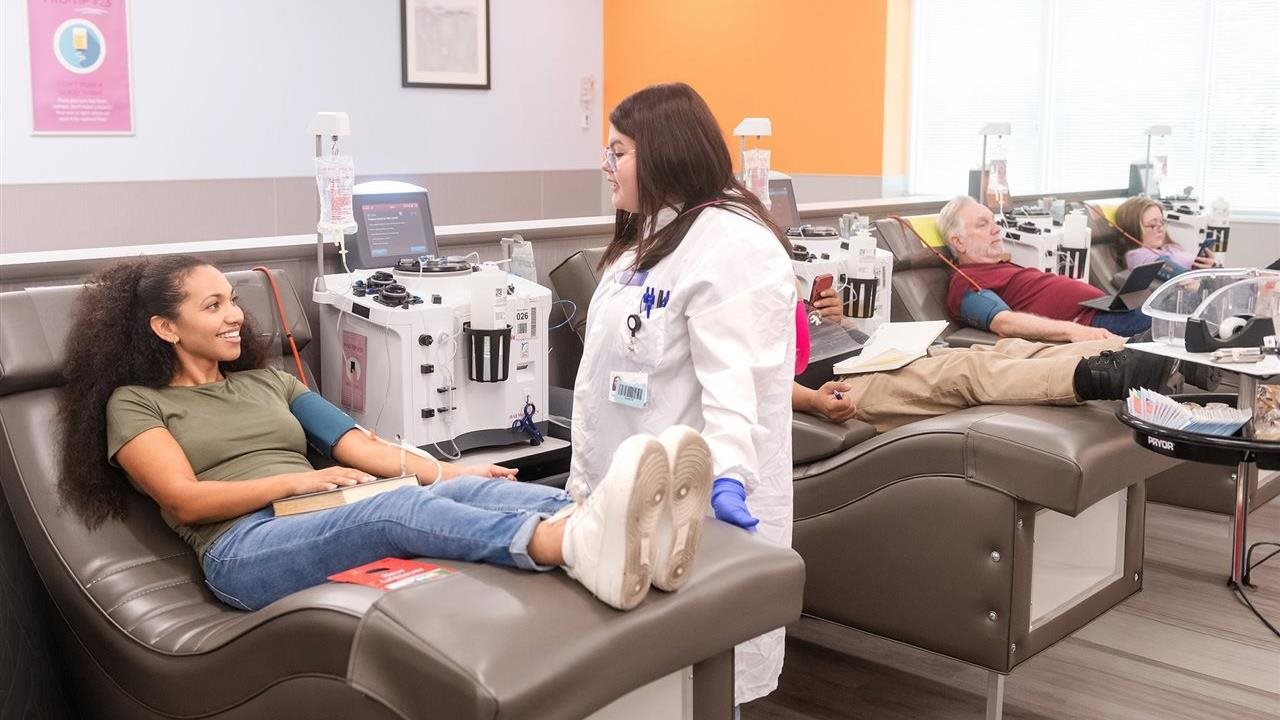
(BPT) – Each year on June 14, World Blood Donor Day highlights the extraordinary power of human generosity — honoring people whose selfless acts of giving make critical medical care possible for others around the world. While most people are familiar with the profound impact of donating whole blood, this day is also an opportunity to shine a light on an equally vital gift: donating plasma, the liquid portion of blood that remains after red blood cells, white blood cells and platelets are removed.
Plasma Helps Save Lives
Plasma contains millions of antibodies that help the body fight disease. Hundreds of thousands of people rely on medicines made from plasma to treat serious health conditions, such as hemophilia and immunodeficiency disorders. For many of these people, medicines made from plasma are not just an option — they are the only treatment option available.
It takes between 130 and 1,200 plasma donations to treat just one person with medicines made from plasma for one year.1 Plasma cannot be manufactured.2 Without the generosity of plasma donors, these medicines would not exist.
For Walter, a retired veteran, father and plasma donor, the impact of plasma donation is deeply personal. After his late wife Shelly was diagnosed with an advanced liver disease, they didn’t know how much time they had left together. “Medicines made from donated plasma gave us eight more years — of milestones and memories, of watching our sons grow up,” he reflects. “The plasma donors who made that possible will always have my deepest gratitude.”
From Donor to Patient
The journey to developing these essential therapies begins at plasma donation centers, such as BioLife Plasma Services, part of Takeda. Operating more than 235 such centers across the United States, BioLife plays a vital role in carefully collecting essential plasma, which Takeda then develops into the treatments patients depend on. At every BioLife location, rigorous screening and testing protocols help ensure the safety and quality of each donation — and the well-being of every donor.
A Simple Process
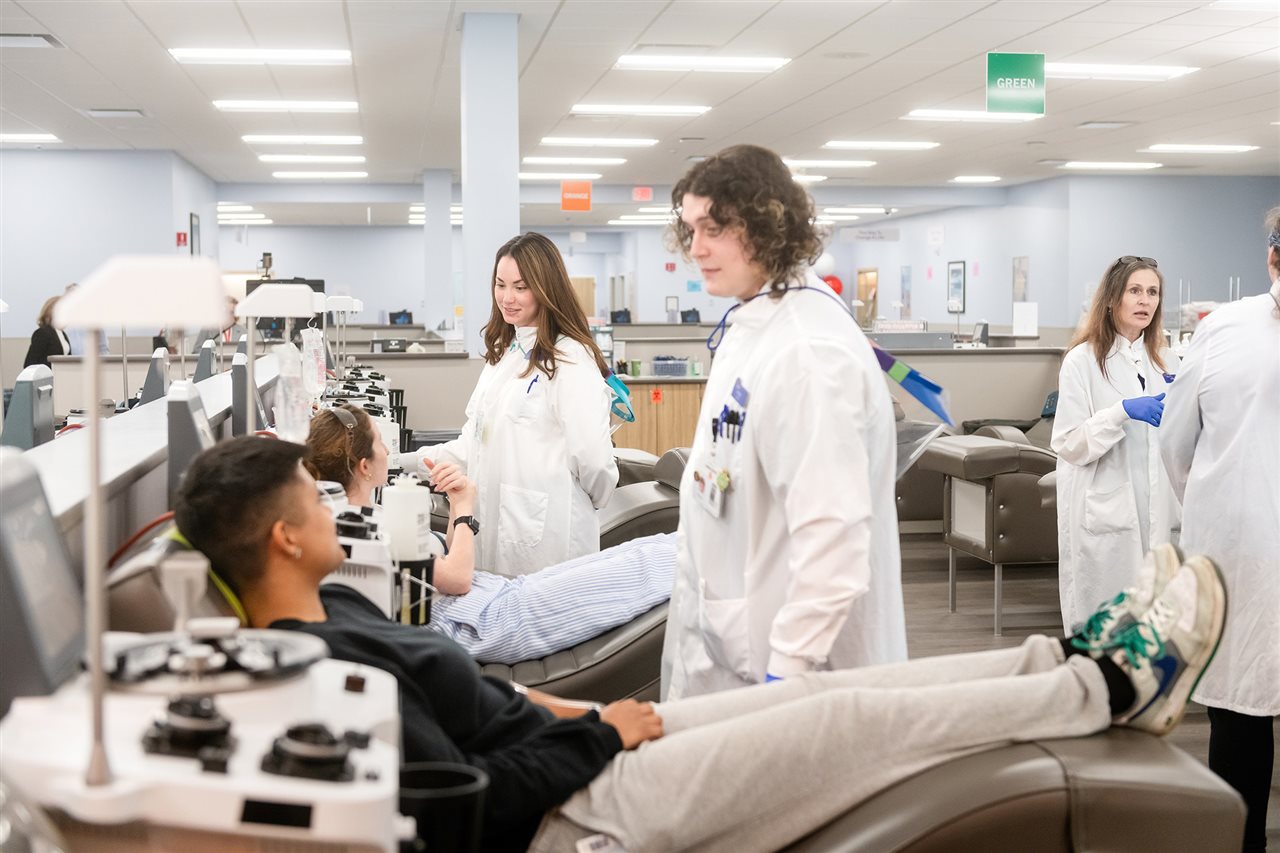
Available studies have shown that donating plasma is as safe as donating whole blood.3 BioLife is committed to making plasma donation as safe and comfortable as possible. Each person undergoes a health screening and medical history review before donating to confirm that they are eligible, and that plasma donation is safe for them.
Plasma donation centers operate under rigorous health standards enforced by regulatory bodies, with strict protocols in place at every step to protect donors and ensure the quality of plasma collected. During the donation, a specialized machine gently separates the plasma from the rest of the blood and returns the red cells back to the donor. All collection equipment is sterile and used only once per donor, handled by trained professionals who monitor the donor throughout the process. The whole first-time plasma donation process at a BioLife center can take up to about two hours, while repeat donations last about an hour.
Make a Difference This World Blood Donor Day
Behind every BioLife center is a team of dedicated individuals driven by a deep understanding of what plasma donation truly means for patients. For Thomas Byres, a BioLife Center Manager in Texas, plasma donation isn’t just a process — it’s a personal commitment.
In his 15 years at BioLife, Thomas has witnessed firsthand how every donation has the potential to be part of someone’s story — a patient managing a chronic condition, a family with more time together. “When I explain what we do at BioLife,” he shares, “I tell people we’re changing lives each and every day.”
This World Blood Donor Day, you can be part of that change. To learn more about the power of plasma donation and read Thomas‘ full story, visit Takeda.com. To find a BioLife center near you, visit BioLifePlasma.com.

1 Plasma Protein Therapeutics Association (PPTA). Plasma Collection and Manufacturing. https://www.pptaglobal.org/resources/plasma-collection-and-manufacturing.
2 Plasma Protein Therapeutics Association (PPTA). What is Plasma? https://www.pptaglobal.org/plasma#what-is-plasma.
3 Cho, J and Hiskey, M. 2021. Plasmavigilance: Source plasma joins the call to arms. Transfusion. Volume 61, Issue 10, 2803-2805. https://onlinelibrary.wiley.com/doi/full/10.1111/trf.16668.