February is AMD Awareness Month. Here’s What You Need to Know.

2025-02-03T07:25:00

(BPT) – Your vision is a vital part of how you experience the world, like seeing vibrant colors and the details of daily life, and protecting it is of the utmost importance.

Age-related Macular Degeneration (AMD) can potentially lead to vision loss or blindness. While an AMD diagnosis can be a scary thought, there are ways to help reduce the risk of progression of the condition. Here’s what you need to know this AMD Awareness Month.

What is AMD?

AMD is a leading cause of vision loss in adults over 50, affecting approximately 16 million Americans. AMD affects the macula, the part of the eye responsible for sharp, central vision needed for activities like reading, driving and recognizing faces. As a progressive condition, AMD can impair central vision over time.

Steps to Help Reduce AMD Progression

While there is not a cure for AMD or a way to reverse its damage, people can take steps to help reduce their risk of progression:

  1. Get an Annual Eye Exam (Including Eye Dilation)
    AMD often has no early symptoms, making annual eye exams important for early detection. A comprehensive dilated eye exam allows doctors to see the back of the eye where AMD occurs. If diagnosed, work with your eye care professional to monitor changes and create a plan to help preserve your sight.
  2. Live a Healthy Lifestyle
    Although some factors are beyond our control, maintaining a healthy lifestyle can help. This includes:
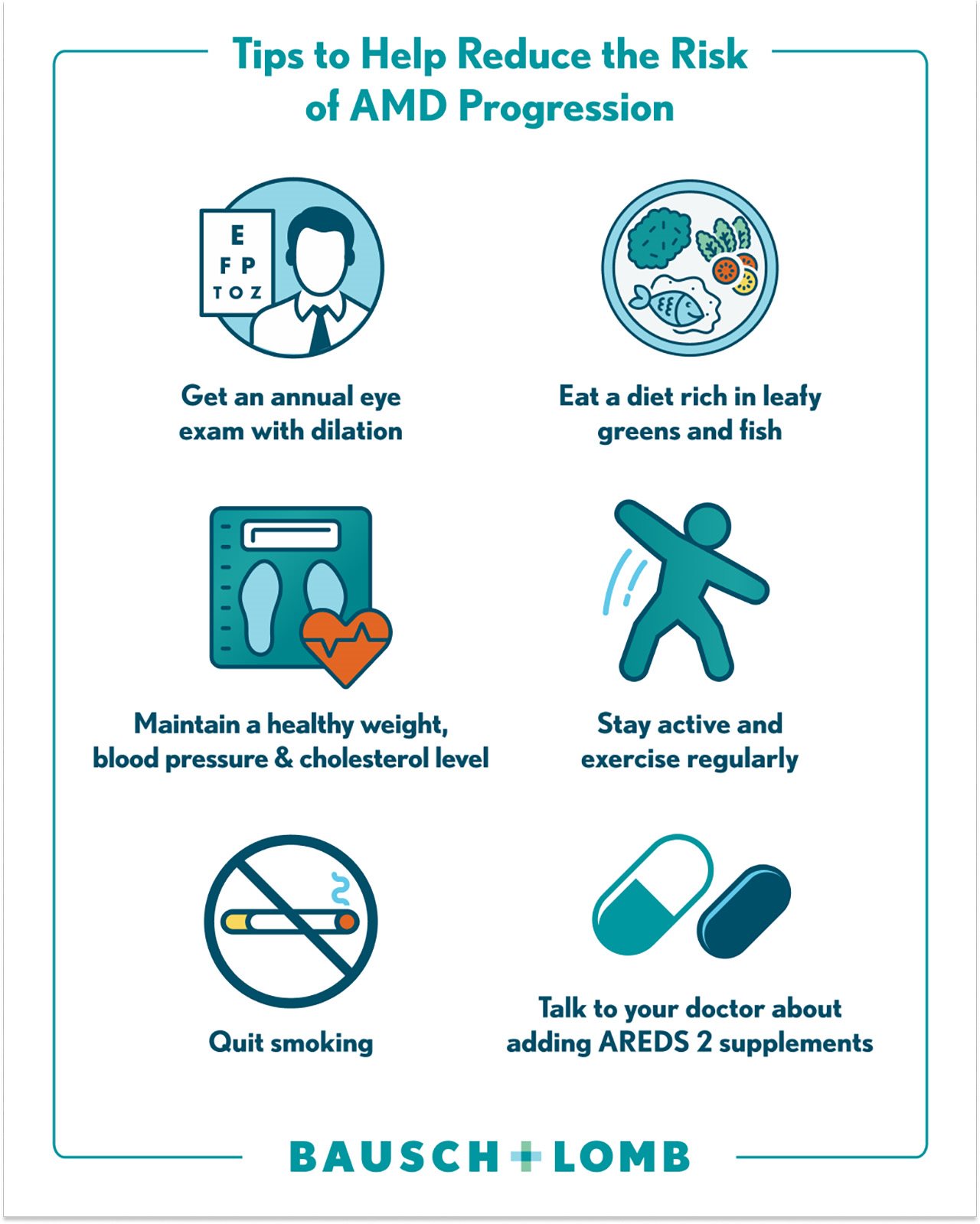
    • Eating a diet rich in leafy greens and fish
    • Maintaining a healthy weight, blood pressure, and cholesterol levels
    • Staying active and exercising regularly
    • Quitting smoking
  1. Consider Nutritional Supplements
    Your eye doctor may recommend a nutritional supplement to help reduce the risk of AMD progression. Clinical studies spanning over two decades from the National Eye Institute (NEI) found that a specific combination of vitamins and minerals can reduce the risk of progression and vision loss in people with intermediate to advanced AMD. The AREDS 2 supplement is based on this NEI-recommended clinically proven formula.

Be sure to talk to your doctor before making any changes to your lifestyle or diet.

Infographic with Tips to Help Reduce the Risk of AMD Progression

Support and Resources

Learning about AMD for the first time can be overwhelming. While the internet offers a wealth of information, medical literature can be dense and hard to follow. Bausch + Lomb developed SightMatters.com to provide information, personalized tips, tools, cost savings on AREDS 2 formula eye vitamins, and a support network to help people understand and manage AMD. It also allows patients to create a personalized action plan to discuss with their doctor, helping them take charge of the condition and continue to see what they love each day.

Take Action Today

Taking proactive steps to protect your vision is important, especially when it comes to managing AMD. Remember, early detection through annual eye exams, maintaining a healthy lifestyle, and considering nutritional AREDS 2 supplements can make a difference.

Don’t wait — schedule an appointment with your eye doctor today to discuss your eye health and create a plan to help preserve your vision. For more information and support, visit www.SightMatters.com.

© 2025 Bausch + Lomb.
BLNP.0002.USA.25

Five Ways to Love Your Heart During American Heart Month

2025-02-01T07:01:00

(BPT) – February is all about matters of the heart. Of course, there’s Valentine’s Day, a time to express affection for those we love, but it’s also American Heart Month, a time to raise awareness about the leading cause of death in the U.S. — heart disease. Understanding the risks, as well as steps for prevention, is especially important for older adults, as the risk of heart disease increases after age 65. Lifestyle improvements like regular exercise, a balanced diet, reduced stress, and a greater focus on health can have a significant impact, not only on heart disease but on general well-being. AARP members have access to tools and benefits that make it easy to give your heart some love.

“When you take care of your heart, you take care of your whole self,” said Doug Armstrong, Vice President, Health Products at AARP Services Inc. “AARP members have access to benefits that make it easy to prioritize your own health and overall well-being, from simplifying the process of finding a physician to discovering new ways to manage and save on medications.”

1. Reduce Stress

There are many things in life that can cause us to feel stressed — finances, work, family, and even health concerns. While it may be difficult to remove stressors in your life, one thing you can easily do is adjust how you react to them. Doing so can greatly benefit your heart. Research has shown that ongoing stress increases your heart rate and can narrow blood vessels, increasing your risk of heart attack.

Finding ways to relax and calm your nerves can lower your blood pressure. For some, it may be as simple as taking a walk or trying some deep breathing techniques. For others, apps or professional help might be more effective in reducing stress.

2. Know Your Risk

Age and lifestyle are known risk factors for heart disease, but family history is as well. The best way to identify your risk and develop a plan is with a physician. Additionally, it’s a good idea to consult your physician before beginning any exercise or fitness regimen.

If you have not yet established care with a primary care physician or are searching for a new one, Oak Street Health, the only primary care provider to carry the AARP name, provides primary care for adults on Medicare and focuses on prevention with personalized care to help keep you healthy — physically, mentally, and socially. Benefits include same-day/next-day appointments where available, convenient locations, a dedicated care team, and a 24/7 patient support line. AARP membership is not required to visit an Oak Street Health location.

3. Stay Active

Physical activity has so many benefits, especially as you get older. It can help build stronger bones, muscles and joints, boost your mental health, help you maintain a healthy weight, and reduce your risk of chronic diseases like heart disease. If you’re not regularly active, why not try something new this February? Sign up for a fitness class you’ve been considering or give pickleball a try. Join a walking group or download a fitness app. It’s recommended to get 30 minutes of aerobic exercise at least five times a week, which is great motivation to find some activities you enjoy. Oak Street Health offers a variety of events to help patients stay active and connected, like Zumba classes, line dancing lessons and game nights.

4. Stay on Track

Some people take medication to treat heart disease by lowering cholesterol or reducing high blood pressure. If your physician prescribes a treatment plan, it’s important to stay on track to ensure effectiveness.

But sometimes, high prescription prices make it difficult to adhere to a regimen. Luckily, AARP members have access to tools to help with savings, such as AARP® Prescription Discounts Provided by Optum RX®. This program offers a free prescription discount card that can be used at over 66,000 pharmacies nationwide for savings on FDA-approved medications. Additional benefits for AARP members include home delivery, deeper discounts on medications, coverage for dependents and more.

If your regimen requires multiple medications taken at specific times, it’s a good idea to get assistance with tracking them. Hero Smart Pill Dispenser stores, sorts and dispenses up to a 90-day supply of 10 different medications. The connected medication management app helps you manage medication routines, track your supply and understand your adherence. AARP members get exclusive savings on a Hero subscription.

5. Eat Well

A healthy, well-balanced diet is key to preventing heart disease. According to the American Heart Association, a diet rich in fruits and vegetables, whole grains, lean proteins, and minimally processed foods can be beneficial to your overall heart health. A healthy diet also reduces your risk of developing type 2 diabetes, high blood pressure, kidney disease and certain kinds of cancer. Plus, you might find that you have even more energy as you go about your day.

Simply put, heart-healthy habits are good lifestyle habits. So, this February, give your heart some love and be well. To learn more about AARP benefits that can help you achieve your heart health goals, visit aarp.org/benefits.

AARP and its affiliates are not insurers, agents, brokers or producers. AARP member benefits are provided by third parties, not by AARP or its affiliates. Providers pay a royalty fee to AARP for the use of its intellectual property. These fees are used for the general purposes of AARP. Some provider offers are subject to change and may have restrictions. Please contact the provider directly for details.

How going homemade preserves time, money and health

2025-02-01T04:01:00

(BPT) – With the cost of food on everyone’s minds (from social media to campaign promises), we’re all searching for ways to ease the hit to our wallets while still doing our best to provide wholesome food to our families. Maybe you want to reduce your intake of processed, packaged, pricey items by making yummy food yourself, but you worry that it will cost more in time and money. Here are a few reasons why being sustainable pays off.

1. Homemade Saves

“There’s always a trade-off when we lean on packaged foods to keep our pantry full,” says Kris Bordessa, author of National Geographic’s Attainable Sustainable Pantry. When you can make multiple loaves of homemade bread from one $4 bag of flour instead of spending $3 or more on a single loaf of sliced bread, the cost of shortcuts becomes evident. Learn to make some things on your own, and the savings add up when you consider your entire pantry.

2. Move Away From Processed Foods

Not only do pre-prepared or packaged foods cost more, but they are also engineered to make us eat more. Packed with sugar, salt, and fats, they add calories as well as preservatives, artificial flavorings, and food coloring to our daily meals. When you fill your kitchen with homemade staples, you control the ingredients: less sugar, less salt, healthier fats (like olive oil instead of shortening). You can source local produce, select organic ingredients, and generate less plastic waste, all at the same time.

3. Learn to Save for Later

Processed foods are designed for quick cooking and consumption, but there’s value for your health and pocketbook in learning how to preserve the food you make. As we’ve all seen over the last several years, we never know what will come along and interrupt the usual flow of life. In short, stocking up makes good sense. From rising food costs to another global pandemic, when you know how to prepare homemade basics and freeze, can, pickle, and dry your goodies for later, you will be prepared for whatever comes.

4. Up-Front Effort Pays

Sure, making your own bread or yogurt takes time. No one can deny that ready-made is quick and easy. Each time you set aside an afternoon to make a recipe or two for the pantry, you’re giving yourself several easier days in the future. A pantry and freezer well stocked with homemade goodness nearly matches processed food for ease — and way outshines it for the health of your family.

5. Take It Slow and Steady

Bordessa’s most important piece of advice is to ease into these changes gradually. Determine just one convenience item you’d like to replace with a homemade version. When that feels easy enough, add another. You’re not going to unlearn a lifetime of habits in a few short weeks, but you can create new habits over time.

Bonus Suggestion: Start With Salad Dressing

Ready to get started? Here’s an easy first step: salad dressing. The expense of prepared dressings coupled with the waste of the plastic bottle convinced Bordessa to embrace homemade. Here’s her tried-and-true vinaigrette, which can be enhanced with the addition of lemon juice, crushed garlic, or crumbled blue cheese:

Creamy Vinaigrette

Yield: 1 cup

3/4 cup olive oil

1/4 cup red or white wine vinegar

2 teaspoons Dijon mustard

1/4 teaspoon salt

1/4 teaspoon pepper

Combine all ingredients in an airtight jar, and shake until combined. Store in the refrigerator for up to a week.

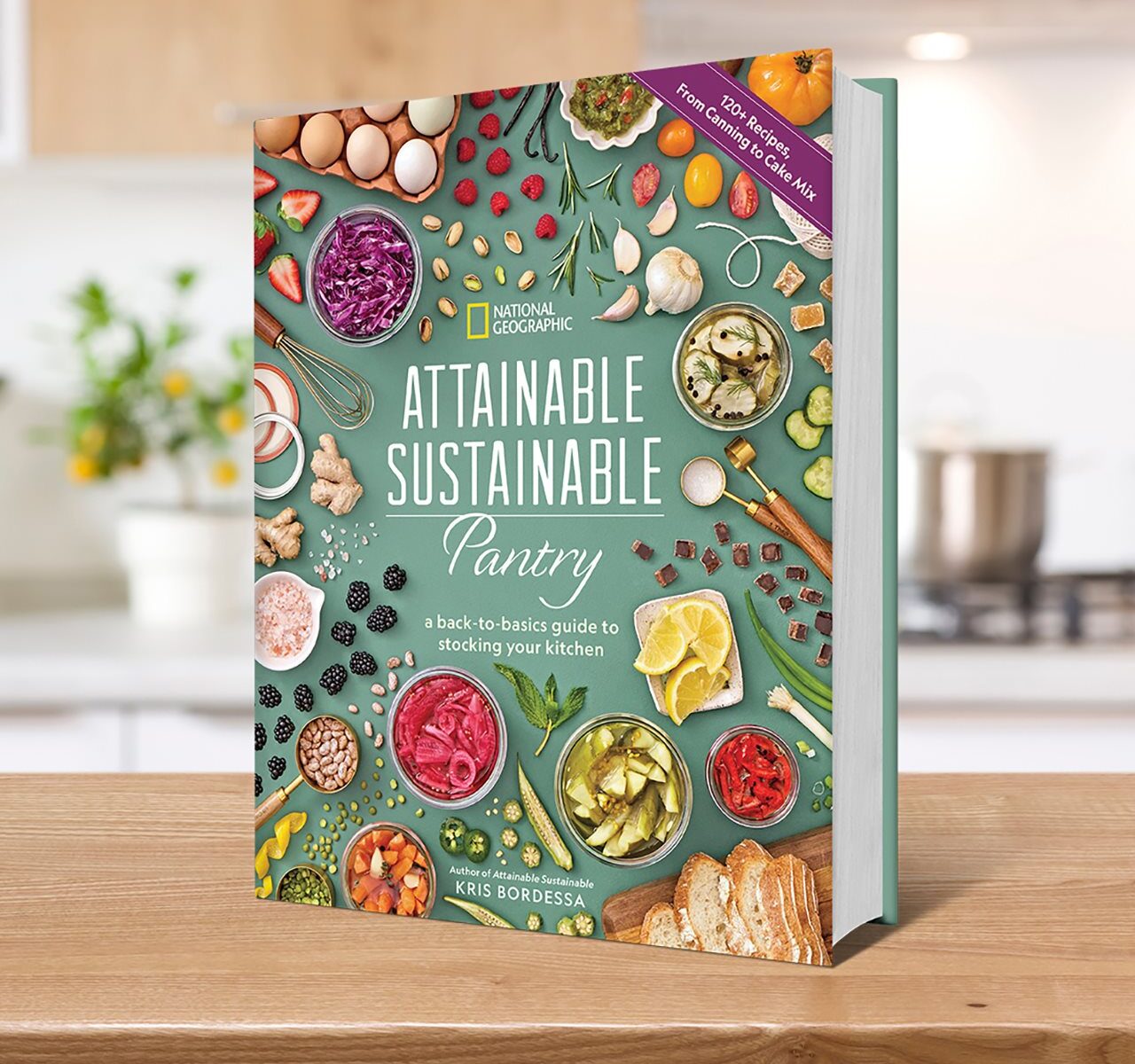
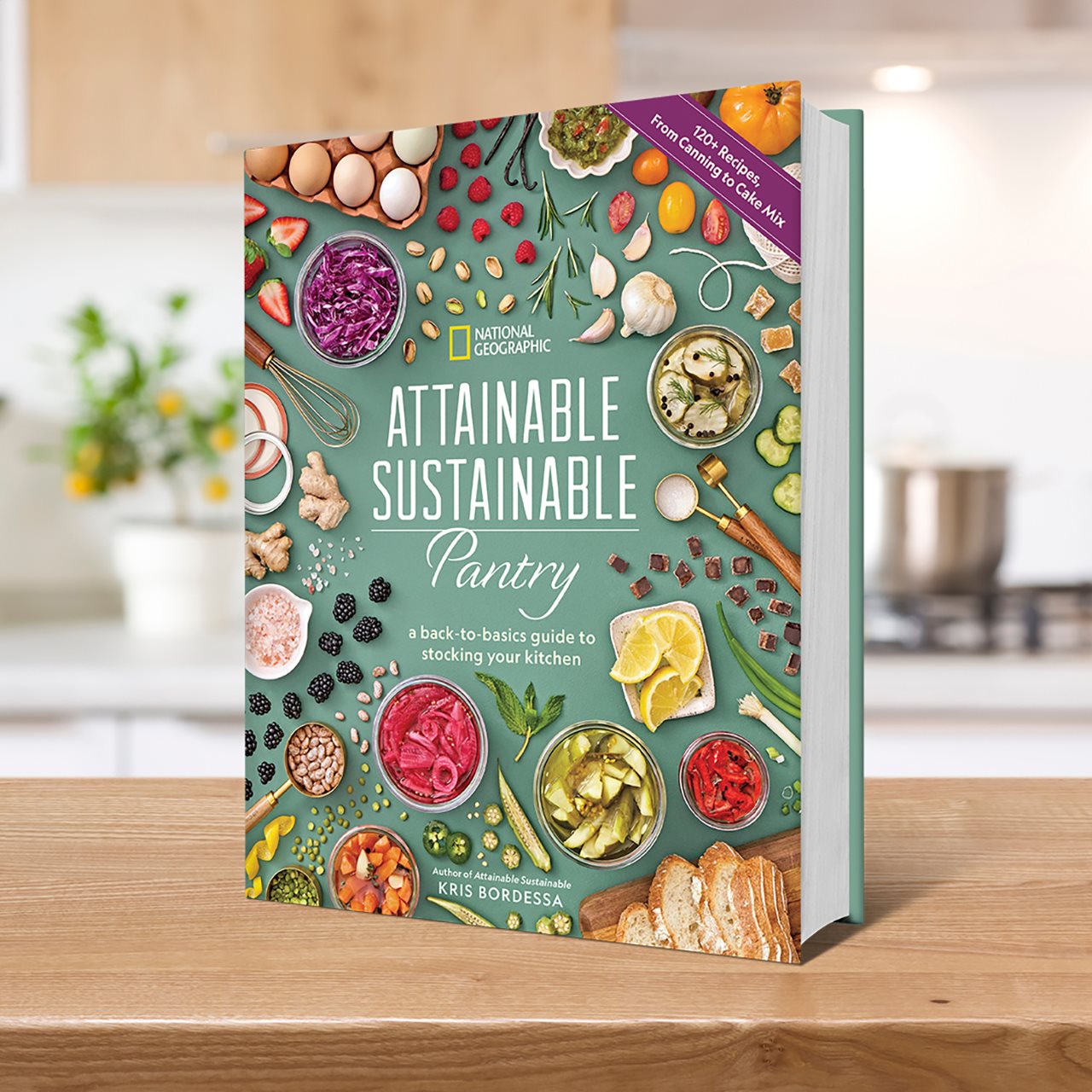
For a complete guide to stocking a homemade pantry, check out National Geographic author Kris Bordessa’s easy-to-follow steps in Attainable Sustainable Pantry: A Back-to-Basics Guide to Stocking Your Kitchen, publishing March 4. Pre-order now wherever books are sold.

A copy of the book titled

Addressing hypoparathyroidism: New treatment now available

2025-01-31T14:31:00

(BPT) – For patients like Michele Rayes, life with hypoparathyroidism (hypopara) had been a constant uphill battle. Reflecting on her initial diagnosis, Rayes described it as a profound turning point in her life: “Little did I know, this was just the beginning of a tumultuous journey that would ultimately change the course — and the purpose — of my life forever.”

For years, managing this rare disease meant navigating a maze of challenges with limited treatment options. Now, there’s an FDA-approved treatment option available to the estimated 77,000 to 115,000 people in the United States affected by this rare disease.

Understanding hypoparathyroidism

Hypoparathyroidism is a rare endocrine disease caused by insufficient levels of parathyroid hormone (PTH). This deficiency disrupts the body’s calcium balance, leading to a range of severe and potentially life-threatening symptoms and health complications.

Most cases — around 75% — occur due to accidental damage to or removal of the parathyroid glands during neck surgery, such as a total thyroidectomy, while other causes stem from genetic conditions or associated medical disorders.

Until recently, hypoparathyroidism was one of the last hormone deficiency diseases in the United States without a treatment that directly targeted its underlying cause, leaving patients with limited options for managing their disease effectively.

The daily impact on patients’ lives

Living with hypoparathyroidism can be a daily struggle, impacting multiple aspects of physical and emotional well-being. Common challenges include chronic fatigue, muscle cramps and cognitive impairment often described as “brain fog”.

“When I was first diagnosed with this rare disease, nobody within my care team could explain it to me or prepare me for the crippling symptoms I was about to experience or the number of terrifying hospitalizations I would require because of those symptoms,” Rayes shared.

Hypoparathyroidism is also associated with a range of serious multi-organ complications, including kidney disease, cardiovascular issues and cognitive impairment. Conventional therapy, which consists of active vitamin D and calcium, may result in a high pill burden and does not address insufficient PTH.

Treatment now available

YORVIPATH® is the first and only FDA-approved treatment for hypoparathyroidism in adults in the United States. YORVIPATH is a prescription medicine used to treat adults with low parathyroid hormone (PTH). This ready-to-use, once-daily injection provides continuous exposure to active PTH throughout the 24-hour dosing period.

The safety and effectiveness of YORVIPATH have not been established in individuals recently diagnosed with hypoparathyroidism following surgery or those with low calcium levels at the start of treatment. Additionally, its use is not recommended in children or young adults with developing bones. YORVIPATH may lead to high or low calcium levels in the blood or possible bone cancer. For more detailed safety information, please refer to the end of this article.

Unlike conventional therapy that relies on high doses of calcium and active vitamin D, YORVIPATH directly addresses the root cause of the disease. The goal of treatment with YORVIPATH is to maintain serum calcium levels in the normal range without the need for active vitamin D or therapeutic calcium doses. However, patients can continue taking calcium supplements as needed to meet their daily dietary requirements.

To assist patients in starting and continuing treatment, the Ascendis Signature Access Program® (A•S•A•P) offers patient support with treatment initiation, insurance issues, and ongoing adherence. This program provides services to eligible patients prescribed YORVIPATH for its approved indication.

IMPORTANT SAFETY INFORMATION AND USE

What is the most important information I should know about YORVIPATH®?

YORVIPATH may cause serious side effects, including:

  • High levels of calcium in the blood (hypercalcemia). YORVIPATH can cause some people to have higher blood calcium levels than normal. Your healthcare provider should check your blood calcium before you start and during your treatment with YORVIPATH. Tell your healthcare provider right away if you have nausea, vomiting, dizziness, feeling thirsty, confusion, muscle weakness, or irregular heartbeat. Hypercalcemia is more likely to occur within the first 3 months of starting YORVIPATH, but it may occur at any time.
  • Low levels of calcium in the blood (hypocalcemia). People who stop using, miss, or change a dose of YORVIPATH may have an increased risk of low blood calcium levels, but hypocalcemia may occur at any time. Tell your healthcare provider right away if you have tingling in your fingertips, toes, lips or tongue, muscle spasms or cramps, oral numbness, depression, have problems thinking or remembering, abnormal heart rhythms, or seizures.
  • Possible bone cancer (osteosarcoma). Tell your healthcare provider right away if you have pain in any areas of your body that does not go away or any new or unusual lumps or swelling under your skin that is tender to touch. These are some of the signs and symptoms of osteosarcoma and your healthcare provider may need to do further tests.

Who should not take YORVIPATH?

Do not use YORVIPATH if you are allergic to palopegteriparatide or any of the other ingredients in YORVIPATH.

What should I tell my healthcare provider before taking YORVIPATH?

Before using YORVIPATH, tell your healthcare provider about all of your medical conditions, including if you:

  • are at higher risk of a type of bone cancer called osteosarcoma. This is especially important:
    • if you have a bone disease that increases your risk of developing osteosarcoma (including if you have Paget’s disease).
    • if a blood test shows that you have unexplained increases in bone alkaline phosphatase.
    • if you have cancer of the bones or other cancer that has spread to your bones.
    • if you are having or have had radiation therapy to the skeleton.
    • if you are affected with a condition that runs in your family that can increase your chance of getting cancer in your bones.
  • take medicines that contain digoxin, are used to treat osteoporosis, or can affect calcium levels in your blood.
  • are pregnant or plan to become pregnant. It is not known if YORVIPATH will harm your unborn baby. Tell your healthcare provider if you become pregnant during treatment with YORVIPATH.
  • are breastfeeding or plan to breastfeed. It is not known if YORVIPATH passes into your breast milk. Talk to your healthcare provider about the best way to feed your baby during treatment with YORVIPATH.

Tell your healthcare provider about all the medicines you take, including prescription and over-the-counter medicines, vitamins, and herbal supplements. YORVIPATH and other medicines may affect each other causing side effects.

What are the possible side effects of YORVIPATH?

YORVIPATH may cause serious side effects:

  • Allergic (hypersensitivity) reaction, including anaphylaxis. Stop taking YORVIPATH and tell your healthcare provider or get emergency medical help right away if you have swelling of your face, lips, mouth, or tongue, breathing problems, fainting, dizziness, feeling lightheaded (low blood pressure), fast heartbeat, itching, rash, or hives.
  • Decrease in blood pressure when you change positions (orthostatic hypotension). Some people may feel dizzy, get a fast heartbeat, or feel light-headed right after injecting YORVIPATH. For the first few doses, give your injection of YORVIPATH in a place where you can sit or lie down right away if you get these symptoms. If your symptoms get worse or do not go away, contact your healthcare provider before you continue using YORVIPATH.
  • Digoxin toxicity if you are using digoxin and YORVIPATH at the same time. Tell your healthcare provider if you experience irregular heart rhythm, heart palpitations, confusion, loss of appetite, nausea, vomiting, diarrhea, or vision problems.

The most common side effects of YORVIPATH include injection site reactions, vasodilatory signs or symptoms such as a drop in blood pressure or lightheadedness when standing up, headache, diarrhea, back pain, high calcium levels, and sore throat.

These are not all of the possible side effects of YORVIPATH. Call your doctor for medical advice about side effects. You are encouraged to report side effects to FDA www.fda.gov/medwatch. You may also report side effects to Ascendis Pharma at 1-844-442-7236.

What is YORVIPATH used for?

YORVIPATH is a prescription medicine used to treat adults with low parathyroid hormone (PTH) (hypoparathyroidism).

  • It is not known if YORVIPATH is safe and effective in people who have been recently diagnosed with hypoparathyroidism after surgery, or if it is started in people with low levels of calcium in the blood.
  • It is not known if YORVIPATH is safe and effective in children.
  • YORVIPATH should not be used in children and young adults whose bones are still growing.

Please click here for full Prescribing Information for YORVIPATH and Medication Guide.

For more information about YORVIPATH, please visit www.yorvipath.com or call +1 844-442-7236.

5 ways to implement Omega-3s in your diet this American Heart Month

2025-01-31T09:03:00

(BPT) – February is American Heart Month, making it the perfect time to reflect on heart-healthy habits and incorporate positive changes into your daily routine. One of the easiest ways to support your heart health is by adding more Omega-3 fatty acids to your diet. Omega-3 fatty acids are essential nutrients that support brain health, heart function and overall well-being. They help reduce inflammation in the body, lower the risk of chronic diseases — and even play a role in maintaining healthy skin. Omega-3s are also known to help improve mood and reduce stress, making them a powerful addition to a balanced diet.

To get you started, Registered Dietitian and Nutritionist Dawn Jackson Blatner shares simple and practical tips for including more Omega-3s in your daily routine.

1. Put Omega-3s on the menu

Omega-3s are found in fish and certain types of plant-based foods. When it comes to fish, Omega-3s are found primarily in fatty fish like salmon, mackerel, anchovies, sardines, herring and tuna. So, consider planning a fish night once or twice a week where you experiment with heart-healthy recipes like baked salmon bites on a Caesar salad or mackerel & avocado tacos. For an even quicker option, add canned tuna or sardines to salads or pasta dishes for an effortless way to boost your Omega-3 intake.

2. Harness the power of smarter snacking

Need a mid-day boost or evening pick-me-up? Snacks can be an easy way to incorporate Omega-3-rich foods into your day. Add snacks such as hard-boiled eggs (especially Eggland’s Best Eggs, which have double the Omega-3’s compared to ordinary eggs), walnuts, edamame and even seaweed. Dried seaweed snacks, which are often conveniently packaged, can be eaten straight from the pack or sprinkled over popcorn for a fun twist on a classic movie night treat.

3. Do an oil change

Switching up your kitchen oils is another simple way to add more Omega-3s to your meals. Replace your usual salad dressing with an easy vinaigrette made with lemon juice and flaxseed oil or walnut oil to incorporate more Omega-3s into your diet. You can also drizzle these oils over cooked vegetables or use them as a dip for fresh bread for an added nutritional boost.

4. Sneak it in

Incorporating Omega-3s doesn’t have to disrupt your favorite recipes. Ground flaxseed or chia seeds can be easily added to smoothies, pancake batter or baked goods like muffins without altering their taste or texture. Try mixing a tablespoon of either seed into recipes you already love to give your meals a subtle but powerful Omega-3 upgrade that even picky eaters won’t notice.

5. Make every morning count

Breakfast is the most important meal of the day, and it’s the perfect time to start incorporating Omega-3s. Trying a new recipe like these Breakfast Cookies from Eggland’s Best, which include heart-friendly ingredients like chia seeds, nuts and Eggland’s Best eggs, is an easy way to kickstart your day with essential nutrients.

Compared to ordinary eggs, Eggland’s Best eggs contain more than double the Omega-3s, which help maintain healthy blood pressure, support blood vessel function, and promote a healthy heart, along with 25% less saturated fat to support healthy blood cholesterol levels.

By implementing these tips into your day-to-day life, you can make heart health a priority this February and beyond. Small changes can have a big impact, and adding Omega-3s to your diet is a simple yet effective way to support your overall well-being.

Breakfast Cookies

Prep time: 20 minutes; Cook time: 10 minutes; Yield: 18

Busy mornings are about to get a whole lot easier with these Breakfast Cookies. They’re full of nutrient-dense ingredients like oats, nuts, dried fruit and eggs. The best part? You can make them ahead and grab them on your way out the door in the morning!

Ingredients

  • 2 Eggland’s Best eggs, large
  • 1/2 cup coconut oil, melted
  • 3/4 cup light brown sugar, lightly packed
  • 1 1/4 teaspoons vanilla extract
  • 1/4 teaspoon almond extract
  • 1 1/2 cups old-fashioned rolled oats
  • 1 cup all-purpose flour
  • 1/2 cup almond flour
  • 1/4 cup chia seeds
  • 1/4 teaspoon baking soda
  • 1/4 teaspoon salt
  • 1/2 cup coarsely chopped nuts, such as almonds, pecans, walnuts, etc.
  • 1/2 cup unsweetened shredded coconut
  • 1/4 cup dried fruit, such as raisins, blueberries, cranberries, etc.

Preparation

1. Preheat oven to 350F and line two cookie trays with parchment paper or silicone baking mats.

2. Whisk together coconut oil, brown sugar, eggs, vanilla extract and almond extract in large bowl. Stir oats, all-purpose flour, almond flour, chia seeds, baking soda and salt into the wet ingredients. Stir in nuts, shredded coconut and fruit.

3. Use a 1.5 tablespoon scoop to measure dough into balls. Place the balls about 2 inches apart on prepared cookie trays.

4. Bake until cookies are set on the bottom and outside, but still look a little doughy in the middle, about 9-11 minutes, rotating the trays once halfway through.

5. Let cookies cool on the trays for 10 minutes before removing.

Using these tips, you’ll be sure to benefit from including a lot more heart-healthy Omega-3s into your diet, every day.

Eggland’s Best is a national supporter of the American Heart Association’s Healthy for Good Eat Smart initiative. To learn more, visit EgglandsBest.com.

Unlocking business growth: Lessons from inspiring leaders

2025-01-30T14:01:00

(BPT) – By Sarah Acton, Chief Customer Officer, BILL

One of the most exciting aspects of my role as Chief Customer Officer at BILL is learning from our customers every day. There are always new lessons, especially in today’s world of rapid change in consumer behavior, business practices and technology.

We recently hosted a group of customers to network and share their experiences regarding unlocking business growth with others. This topic proved compelling for our panelists and attendees alike, with many businesses facing some of the same challenges.

Entrepreneurs and leaders are powering through — finding ways to attract and retain customers and developing growth strategies that are working. I was particularly inspired by four pieces of advice that any organization can implement to win.

Understanding your customer

SFJAZZ reminded me that knowing what your customers want, expect and are willing to pay for is music to any organization’s ears.

Based in San Francisco and now in its 41st year, SFJAZZ is the largest non-profit jazz presenter in the world. Originally founded in 1983 as a two-day festival, SFJAZZ serves over a quarter of a million fans and students every year through its year-round concert, commissioning and education programs.

SFJAZZ CEO Greg Stern has built the nonprofit’s success on understanding his audience of jazz fans and artists, connecting with local communities in San Francisco, and finding ways as a nonprofit to build a revenue stream from patrons and donations.

Greg knows that San Franciscans want more jazz, more often. SFJAZZ produces 400 shows a year between two state-of-the-art venues tailored for jazz appreciation. Fans are busy — so shows are generally 90 minutes long, giving people time to enjoy a break and still make it home to go to school or work the next day. He knows his audience wants to feel connected to the community, so outreach through education and artist development are integral to the SFJAZZ mission.

SFJAZZ now has one of the highest rates of audience-sponsored revenue in the artistic nonprofit arena. Donations and sponsors are still important, but knowing what customers want has given SFJAZZ a unique advantage in being self-funding (through ticket sales) for a large part of its operation.

Creating product-marketing fit

Second, create product-market fit. Not every organization nails this. Some try to create a fit over time or believe so much in their own innovation that they power forward, unsure why revenue is slow to keep pace. Sasha Orloff, co-founder and CEO of Puzzle, has been hyper-focused on product-market fit since before the company even shipped.

Sasha knew he wanted to upend the status quo in bookkeeping and accounting. Artificial intelligence (AI) and rapid technological change were creating opportunities for new ways to handle finance, but accounting software wasn’t keeping pace with the rest of the tech world. While Sasha understood some of the frustrations, he explored deeply what customers would want by tackling product development from a variety of perspectives.

He leaned hard into the Sean Ellis methodology, a fast and effective way to evaluate the consistency of a particular product in the market, by taking best practices from the methodology and applying them effectively. He surveyed and had deep conversations with business entrepreneurs and founders to understand what they were missing from legacy accounting technologies. Then he talked with the people who would use any accounting technology on a daily basis and got close to accountants and bookkeepers.

His efforts have paid off tremendously. Puzzle is now positioned as the modern accounting platform for the AI era, enabling its customers to get financials and insights every day. Importantly, Puzzle is trusted by the industry and thousands of start-ups and has auto-categorized $30B+ of transactions.

Remaining flexible

Third, remain flexible. Business is going to change every day — twists and turns are normal. Christine Tedstrom, Senior Director of Finance at apparel powerhouse Marine Layer, tells other business leaders and colleagues to look at long-term value creation and not just short-term gains. The only way to achieve those goals is to acknowledge that flexibility is essential to great outcomes — and while plans are super, they will have to adapt.

A well-known host of a fashion reality show used to say that in fashion, “one day you’re in and the next you’re out.” As an innovative, California-inspired retailer focused on sustainability and recycled materials, Marine Layer’s leadership makes sure they stay absolutely “in” by committing to great products, keen market tracking and business understanding delivered with financial data. They know when to stay the course with a decision and they know when to pivot or change direction.

Marine Layer has created massive success with “absurdly soft shirts that are perfect for a 7-day weekend kinda lifestyle.” The company started when the founder’s girlfriend threw away his favorite shirt and grew with the help of friends and a ’69 VW bus. What was once a shirt company now spans almost every type of apparel.

Flexibility can take you to successes and growth you didn’t anticipate.

Making decisions in real-time

Fourth, make decisions in real-time. This is the counsel of Kate Hultin-Schott, Director, Consulting at Armanino LLP. Armanino is one of the top 25 largest independent accounting and business consulting firms in the United States. They are a nationwide leader serving privately held companies and private individuals, as well as nonprofit organizations and public entities. Kate is a fan of historical trend analysis and looking at trends over quarters. But she is justifiably frustrated when companies make decisions based on old data. She questions why we demand real-time data from every other aspect of our lives — sports scores, weather, traffic — but are fine waiting days, weeks or even months for business data.

To Kate, real-time is the time that matters most. Yes, it is important to combine real-time with historical data and context (no one wants to mistake a blip for a trend), but not having fast, reliable data that presents the “now” is a miss.

With more than 12,000 customers, over 2,500 valued employees, and 21 offices in the U.S., keeping up with what is happening in the moment has obviously paid off.

I hope these lessons for unlocking business growth inspire you as they’ve inspired me. And I hope they unlock your own organization’s success.

When SMBs thrive, so do their communities. At BILL we are dedicated to serving the needs of SMBs and accountants so they can focus more on running their businesses and serving customers. To learn more, visit Bill.com.


4 realistic resolutions for working parents to consider in 2025

2025-01-30T10:33:00

(BPT) – The 2024 U.S. Surgeon General’s Advisory shed light on the immense amount of stress parents are under. Part of this is due to the pressure that comes with raising children, working and wanting to be a high performer in every aspect of life. With the new year in full swing, now is a great time to make small, attainable resolutions that have the power to lower stress levels, enhance well-being and improve family dynamics.

“Letting your child see you relax, play and take things a little less seriously is a great way to model behavior that they can emulate someday,” said Joy Turner, vice president of education at Kiddie Academy®.

Here are a few realistic resolutions to help you get started:

1. Find out what your child is learning in school and connect it to your life at home.

A conversation with your child care provider is an easy way to extend what your child is learning beyond the walls of the classroom. For example, if you know the curriculum is highlighting bears one week in school, you can base your home activities around that same learning. Make a “bear snack” of apples dipped in honey, build a “bear cave” out of blankets or simply crawl around on the floor growling like bears. Transferring learning greatly benefits your child and takes the guesswork out of at-home playtime while supporting continued development.

2. Spend more time playing.

According to research from Kiddie Academy, 56% of parents indicate that they feel guilty for not spending enough time with their children, while 26% struggle to teach things like critical thinking skills, helping their little ones create connections with others (25%) and building confidence (23%). All of these skills can be learned through child-led play where your child’s imagination is left to wander and create. Instead of feeling the need to schedule structured activities, take this as an opportunity to enjoy the learning-through-play process with your little one.

3. Read one book a day with your child at home.

One of the most beneficial things you can do at home for your child’s education is to read at least one book together every day. According to research from The Ohio State University, children whose parents read to them on a daily basis hear nearly 300,000 words by the time they turn five years old. By reading more with your child this year, you’ll not only contribute to their healthy development, but you’ll also get to spend extra quality time together.

Setting a quiet family reading time each day is another beneficial practice — for both children and parents. During this time, bring out developmentally appropriate books, like “I Spy” for children who can’t read independently yet and early reader books for older children, and grab a book for yourself as well.

4. Give yourself a break.

Including your child in more tasks around the house that you would typically complete alone can help teach responsibility and independence that can eventually alleviate some of the parental workload. While it might take a little time at the start, your little ones can help with small tasks like putting laundry in the hamper and cleaning up toys.

Don’t forget to take a break from parenting — both physically and mentally. Schedule time to step away — even if it’s just taking an hour to do something for yourself before you pick up your child for the day — and remind yourself that you’re doing a good job.

“Working parents face unique challenges in managing their time and resources to take care of their families,” said Turner. “Leaning on their village, whether that’s family, friends or a child care provider, can help them balance the emotional and physical demands of parenting while freeing up time for them to enjoy being with their children.”

When searching for a surgeon, look for the letters F-A-C-S

2025-01-30T14:01:00

(BPT) – By Patricia L. Turner, MD, MBA, FACS

Executive Director & CEO, American College of Surgeons

When you or a loved one is scheduled to undergo a surgical procedure, you desire confidence that your surgeon is highly skilled, well-trained and prepared to deliver the highest quality care.

Surgery may feel overwhelming, regardless of age or health status. With so many factors to consider, one reliable method to inspire confidence is to select a surgeon with the letters F-A-C-S after their name. This designation means that the surgeon is a Fellow of the American College of Surgeons, the largest surgical organization in the world. The ACS has, for more than one hundred years, set the standards for high-quality surgical care.

What does FACS mean?

Earning the FACS designation involves a rigorous application process, verification of credentials, review of a surgical case log, recommendations by colleagues, and interviews conducted by a panel of experts. These steps ensure that surgeons meet and uphold the highest standards of surgical care and ethics.

By choosing a Fellow of the ACS, you are selecting a surgeon who meets and exceeds standard qualifications, such as board certification. The FACS designation is a higher bar.

Who are the Fellows of the ACS?

The ACS currently has more than 93,000 members worldwide. Fellows provide care in settings ranging from small rural clinics to large academic medical centers. Fellows of the ACS are also represented throughout all of the surgical specialties.

Fellows have reached many milestones in surgery, both past and present, and been at the forefront of medical breakthroughs for more than 100 years. In 1935, Columbia University surgeon Allen Whipple, MD, FACS, was the first American to perform a complex operation for treating pancreatic cancer — a procedure that bears his name today. Alton Ochsner, MD, FACS, made the first link between tobacco and lung cancer — in 1939. Cardiac surgeon Bartley P. Griffith, MD, FACS, performed the first successful pig-to-human heart transplant in the world in 2022. The bottom line is that Fellows of the College make it a point to stay at the head of the class so that they can provide their patients with the best possible care.

Why does the FACS designation matter?

Providing high-quality surgical care for our patients has been the focus of the American College of Surgeons since our founding in 1913, and this prioritization continues today. From surgical education and research to patient access, hospital standardization and clinical care, the ACS has remained a global leader in advancing the field of surgery.

When you see FACS after a surgeon’s name, those four letters represent the gold standard in surgical quality. FACS indicates that the surgeon’s education and training, professional qualifications, surgical competence and ethical conduct meet the high standards established by the American College of Surgeons.

When you prepare for surgery, one of your questions should be “Is my surgeon a Fellow of the American College of Surgeons?”

Visit www.facs.org to find a Fellow the next time you need surgical care.

Patricia L. Turner is the Executive Director & CEO of the American College of Surgeons, the largest professional association of surgeons in the world, founded in 1913.

Transform Your Garden in 2025 with These 10 Award-Winning Plants and Products

2025-01-30T08:01:00

(BPT) – As winter turns into spring, it’s time for gardeners to consider which plants they’ll cultivate in planters, pots and gardens. If you’re in the midst of planning your garden and need inspiration, Green Thumb Award-winning products are a great place to get inspiration.

The Green Thumb Award is an annual competition recognizing outstanding and innovative new plants and garden products. Winners are selected through two categories: the People’s Choice Award, voted on by the public, and the Professional Choice Award, determined by a panel of expert horticulturists from the National Garden Bureau (NGB).

Whether you’re a novice or an old pro, check out these 10 remarkable plants and tools that can help you take your gardening to the next level in 2025.

1. Calibrachoa LIA™ Abstract Lemon Cherry

The LIA™ Abstract Lemon Cherry Calibrachoa is the newest addition to the LIA™ series. It dazzles with vibrant golden-yellow blooms accented by a bold cherry-red splash, making it an irresistible choice for any garden. Designed with a controlled, semi-trailing growth habit, this lovely annual variety is perfectly suited for hanging baskets and combinations.

Calibrachoa, with its bright yellow and red flowers, planted in a terra cotta pot.

2. Broccoli Purple Magic F1

Purple Magic is the first purple-stem, purple-headed broccoli in the world! These nutritious large, dome-shaped heads weigh about 1 pound each and are very high in anthocyanin — a plant-based chemical called a flavonoid thought to be useful in preventing cancer and inflammation. This annual grows well in all regions of the U.S. and matures about 90 days after harvest from transplant.

Sakata Broccoli Purple Magic with its deep purple stems and greenish purple flowerettes.

3. Crescent Too® Circular Positive Planter Collection

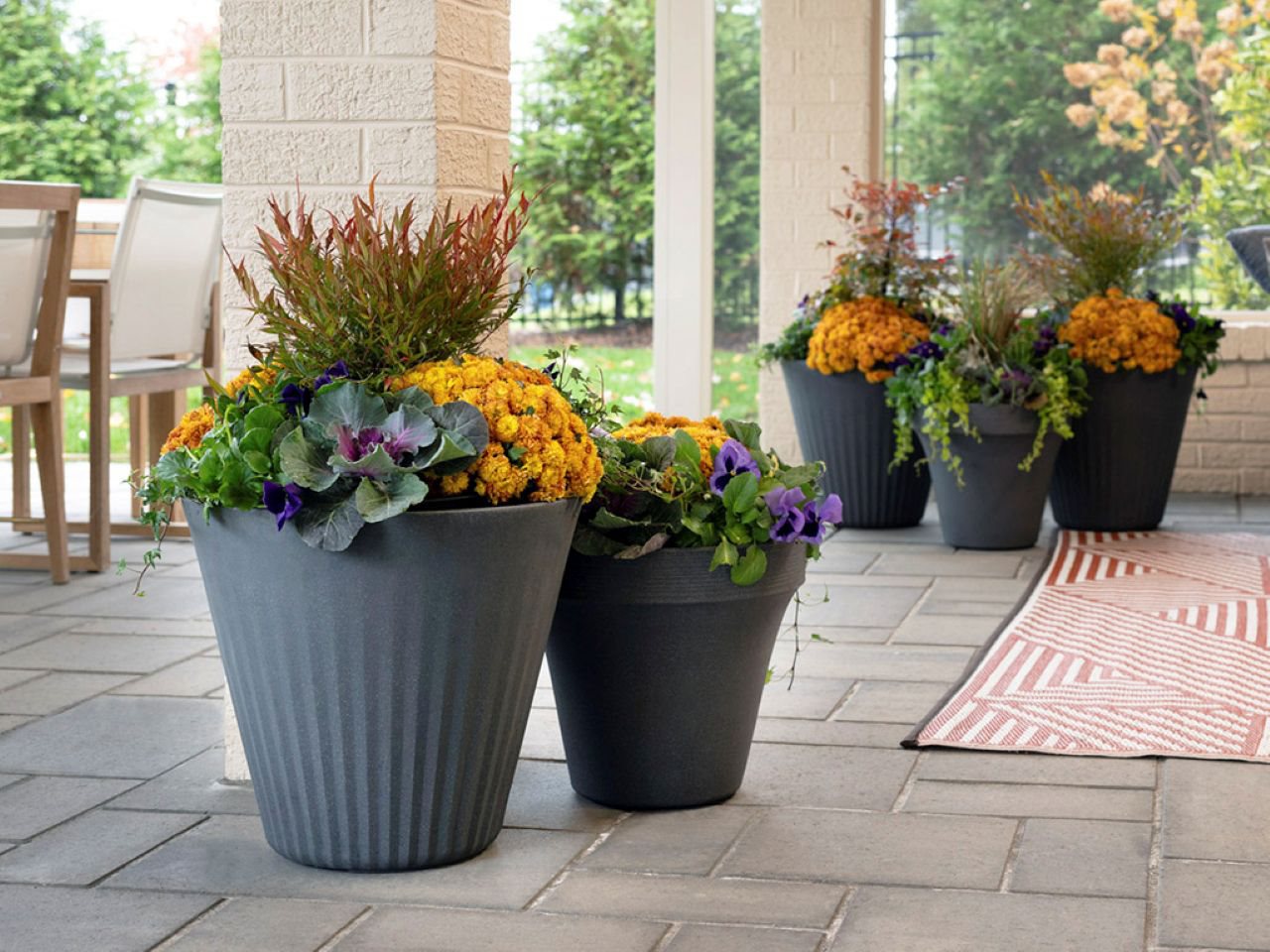
Winner of both the People’s Choice and Professional’s Choice awards in the garden product category, the Crescent Too® Circular Positive™ planter collection is revolutionary. Each planter is made with UBQ™, a climate-positive material upcycled from landfill waste, helping gardeners of all levels minimize waste. With TruDrop Flex Self-Watering Containers and Emma Planters, these products promote a circular economy and sustainable consumption.

An arrangement of five planted pots with various colors and textures of flora on a lovely stone patio.

4. Philodendron Prismacolor™ Orange You Gorgeous™

Winner of both the People’s Choice and Professional’s Choice awards in the houseplant category, this tropical philodendron is a living kaleidoscope of citrus-inspired colors with a warm orangey glow reminiscent of a sunrise over a tropical grove. Its elongated, spade-shaped leaves emerge with a mottled bright orange color, then slowly fade to a marbled tapestry of gold and green, brightening your space even in the dim days of winter.

A Prismacolor Orange-you-Gorgeous Philodendron in a small pot.

5. Butterfly Bush Little Rockstars Red

Check out the Butterfly Bush Little Rockstars Red, a People’s Choice-winning perennial that is part of a new compact series of Buddleia. Its beautiful, large, cone-shaped inflorescences are perfect for small pot production, offering a complete color assortment and all-season flowering.

Dummen Orange Butterfly Bush Little Rockstars Red planted in a garden with other flowers.

6. Hydrangea FlowerFull® Smooth

The FlowerFull® Smooth Hydrangea stands out with bold blooms and sturdy upright stems that won’t flop in the wind and rain. With two to three times more blooms per season than other smooth hydrangeas, this perennial shrub makes an outstanding focal point plant for your garden. Disease-resistant, low-maintenance, and maturing at just 3 to 4 feet tall, it’s the perfect choice for small and big landscapes.

Bailey Hydrangea FlowerFull Smooth, with its while puffy flowers, planted in a garden.

7. Cosmos Sea Shells Red

Cosmos Sea Shells Red is a charming and unique flower that brings a delightful touch to any garden. This Professional’s Choice winner is known for its distinctive, tubular petals that resemble seashells. Its beautiful palette of soft pinks and whites adds a romantic flair to flower beds and arrangements. The blooms also make excellent cut flowers and offer a long vase life (7-10 days) that ensures that you can enjoy their beauty indoors as well.

Sahin Cosmos Sea Shell Red with its cylandrical petals and bright yellow center planted in a garden.

8. Basil Everleaf Lemon

Basil Everleaf Lemon is the first lemon basil bred for this collection, which features basil plants that are tall, upright and highly branched, offering plenty of harvest potential. This particular annual is very late to flower — up to eight weeks later than standard basil — so you can enjoy its tasty leaves all season long. Its bright lemon flavor is a perfect addition to dressings, marinades and fresh salads. This versatile plant performs well in ground and in patio containers.

PanAmerican Basil Everleaf planted in a garden.

9. Hellebore JWLS Endless

Hellebores are a must-have plant for gardeners wishing to join in on this year’s Garden of Nostalgia and Romance design trend. This plant was selected as a Professional’s Choice winner for its abundant and long-lasting blooms and features glossy, dark green foliage topped with upward-facing flowers that start out green and transition to a beautiful white. Best of all? This perennial variety offers an extended bloom season in zones 5-9.

Close-up of Monrovia-Hellebore-Endless and its pretty white flowers.

10. Burning Bush Fire Ball Seedless™

Burning Bush Fire Ball Seedless is the only seedless, sterile, non-invasive burning bush (Euonymus alatus) on the market! Developed by Dr. Tom Ranney and his crew at the Mountain Horticultural Crops Research Station in North Carolina, this shrub has won the Professional’s Choice award for being truly innovative. It has all the durability and inferno-red color that you expect from burning bush but no risk of spreading into wild areas like its conventional counterparts.

Spring Meadow Burning Bush planted in a landscaped area.

Whether you choose one (or all) of these extraordinary plants and products, your indoor and outdoor green spaces will be sure to please and impress. To learn more, visit NGB.org.

Want a luxury bathroom? Opt for modular designs

2025-01-29T06:01:02

(BPT) – Bathrooms are more than just a necessity of modern living. It’s true that they’re practical spaces, but practicality doesn’t mean you have to sacrifice luxury.

Creating a bathroom that combines functionality and luxury isn’t difficult if you use the right design principles. George Wahlgren, Director of Product Development of Robern — a manufacturer of bespoke bathroom furnishings and fixtures — has answered a few questions to shed some light on how incorporating modular designs and products into your bathroom can enhance the space.

What are the benefits of modular design for bathrooms?

Modular design can enhance the look and feel of any bathroom especially when creating personalized spaces. Robern was the first in developing and commercializing modular storage and styling systems. So, it will come as no surprise that our designers and engineers know a thing or two about the benefits of modular design for customers.

There are many advantages to using modular designs in building or renovating a bathroom. For example, modular bathroom features can help seamlessly integrate various design components — such as different textures, finishes, materials and colors — while maintaining a cohesive and polished look.

Modular designs also offer the flexibility to maximize space in a bathroom, creating a sense of openness and elegance, giving people a chance to enjoy the benefits of functionality and personal expression. That includes customizable lighting and integrated technology.

Robern is a leader in modular design and the luxury bathroom space. How would you describe the company’s modular design ethos?

Robern’s modular design ethos is rooted in a long history of delivering a sophisticated blend of luxury, functionality and personalization. We design, engineer and manufacture all modular products in-house, ensuring a meticulous level of quality and seamless integration across our lines.

It’s these elements of our design ethos that allow Robern to stand apart and deliver exceptional products and services for our customers. With a legacy of innovation and craftsmanship, every product we offer can help transform a bathroom into a refined sanctuary that inspires and elevates everyday life.

We’re also committed to a holistic approach by combining cohesive design elements with a suite of complementary products. Robern ensures that every bathroom feels thoughtfully unified, functional and luxurious.

What luxury bathroom trends or features do you expect to see in 2025?

This year, we’re going to see bathrooms go beyond the basics and become more dynamic, multifunctional retreats. Whether they incorporate saunas, dressing rooms, beauty stations or home fitness areas, these versatile spaces will focus on offering a holistic experience.

Along the same lines, wellness and relaxation will take center stage in bathroom design in 2025. The idea of the bathroom as a sanctuary is stronger than ever, with spa-like atmospheres creating an escape from the stresses of daily life.

A major part of the spa-ification of bathrooms relies on providing an immersive sensory experience. You’ll see more bathrooms with dimmable lighting systems, allowing users to adjust the color and intensity of light based on their mood or activity.

As part of the sensory experience, designers lean toward a mix of natural materials and finishes, offering clients textural variation. Whether that’s achieved through contrasting textures or carefully curated patterns, bathroom designs will trend toward richness and luxury.

In terms of colors, you’ll see more deep hues and gold accents. Statement hardware, like pieces from the Robern Islamorada collection, add a distinctive, artistic flair, giving the space a unique, customized identity.

What are some modular bathroom products you’re excited for customers to try?

There are plenty of products I could suggest, but I’ll stick to our bread and butter: cabinets. The Modular Cabinets M Series Reserve collection includes products that are sophisticated and versatile, raising the bar for bathroom storage and blending advanced technology with thoughtful design.

Customers should also take a look at our InLine 2.0 Lighting collection. Lighting can make a huge difference in the practicality and ambiance of a bathroom. Robern offers beautiful vertical and sconce lighting options to complement any design and flawlessly pair with our medicine cabinets and mirrors for exceptional design flexibility.

No bathroom would be complete without a vanity. Our Cartesian and Profiles modular vanities offer luxurious personalization that is specially made for your space.

The Cartesian line features wall-mounted, floating vanities with clean lines that are an ideal centerpiece for your bathroom. If you’re looking to add a little drama to your space, opt for statement pieces like the Profiles modular vanities.

I would encourage every customer looking at our products to use our 3D Visualizer tool. This intuitive design tool empowers users to envision and create their ideal bathroom sanctuary with precision and ease. The online tool can streamline your product selection, enhance your decision making and allow you to share your designs with contractors, designers or family members, ensuring everyone involved is aligned on the project vision for a truly luxurious bathroom.