Two questions you need to answer when filing taxes as a gig worker

2021-02-24T07:55:00

(BPT) – The idea of making “extra” money is nothing new, but the ways to make money in the gig economy have evolved. For example, a recent increase in demand for restaurant delivery drivers, grocery shoppers, delivery services and other service positions allows some people to stay at home due to COVID-19. With the tax deadline approaching, those who picked up new gig economy work or took on multiple jobs in 2020 now face questions about how to file their taxes, including deciding which filing option to use.

“The pandemic brought changes to many people’s work. We know they have questions about filing with 1099s, many for the first time,” said Kathy Pickering, chief tax officer at H&R Block. “Knowing that the income reporting paperwork they receive might be different than what they are familiar with is an important component to managing this year’s tax filing. Working with a qualified tax professional can help them understand the new documents and how to navigate filing with their gig income.”

For those filing their own taxes, H&R Block’s DIY options are infused with human expertise. For more help, H&R Block Online Assist provides unlimited, on-demand chat sessions and screen share. Plus, after they complete their return it can be sent to a tax expert for a full review.

Who are gig workers, or what qualifies as gig work?

To put it very simply, the gig economy category also includes selling or reselling products and providing professional services. The work is typically done on a freelance or on-demand basis. Gig work isn’t limited to delivery and ride-share employment, which tends to be facilitated by digital platforms (apps). Gig workers may not realize, but when it comes to taxes, they’re self-employed.

What paperwork do gig workers need to file?

If the work is being done as a company employee, gig workers will receive a W-2 detailing how much they were paid, how much was withheld for taxes and any benefits they received. For these gig workers, this could be the only additional paperwork they need to file an accurate return.

If the gig worker is considered an independent contractor, they will receive a Form 1099 listing how much they earned, but not how much was withheld for taxes. Instead, these workers are responsible for paying their taxes directly to the IRS and their state revenue department. They should also make quarterly tax payments during the year to avoid a penalty. When they file their tax return, they may be eligible to deduct some business expenses, including advertising, internet service and mileage. To determine how much they can deduct, they will need to gather their receipts for eligible expenses.

In some instances, no paperwork detailing how much was earned is given to the gig worker. In that case, they are responsible for accurately calculating how much they earned, filing a tax return and paying self-employment tax if they have earnings of $400 or more.

No matter how the income is reported, myBlock app users can upload their receipts and other paperwork year-round for convenient, electronic storage, which can make filing go more smoothly. To get started on your tax return today, explore these H&R Block tax filing options.

How the pandemic has changed rush hour

2021-02-23T08:07:55

(BPT) – It is an indisputable fact that the COVID-19 pandemic changed a lot about Americans’ daily lives, including relationships with vehicles.

While Hankook Tire’s latest Gauge Index found that 60% of Americans are driving every day, as opposed to only 19% in April 2020, many habits behind the wheel have shifted in light of the pandemic, too.

1) Americans are spending less money at the gas pump.

The COVID-19 pandemic quickly closed many regular driving destinations, including office buildings, schools, restaurants and retail, which in turn gave drivers fewer places to go. While the amount of driving expected over the next few months is still uncertain, the positive impact on wallets is still there: 70% of Americans say that they have spent less money on gas since the start of the pandemic.

And when they do need to fill up the tank, drivers are strategic about it. Since the pandemic, over three-fourths (77%) make a plan to get gas while running errands to limit their time out of the house.

2) There are designated errand runs — and designated runners.

Americans are also strategic with how and when they leave the house for essentials. Many are not comfortable making a quick run to the store to pick up something they forgot for dinner. Nearly two-thirds (64%) say they now save all their errands for one day or do curbside orders to limit potential exposure to the virus. Another half (53%) have a designated errand runner, so only one person must leave the house.

3) Rush hour is less rushed.

With more Americans continuing to work from home and students taking classes online, rush hour is proving less intense. Nearly two-thirds (63%) of drivers recognize that normal traffic patterns have shifted since the start of 2020. Another 65% confirm there is less traffic on their regular routes — though that largely depends on where you live. Hankook found that drivers in the Northeast saw the most significant impact on their regular traffic flow, where 71% of drivers say their daily routes have fewer cars on the road.

4) Comfort levels are shifting gears.

As a result of the pandemic, 75% of Americans are not comfortable using public transportation. However, confidence behind the wheel is down, too — just over a third (36%) say they are less confident driving since the start of the pandemic, perhaps because they aren’t doing so as often. Interestingly enough, men are almost twice as likely to say they’re less confident behind the wheel as women … 44% vs. 28%.

Additionally, people are careful about who they drive with. Two-thirds (66%) are not comfortable getting into a car that belongs to someone outside their household. Another two-thirds (63%) are not comfortable having passengers from outside their household in their own vehicle.

5) Face masks are the new sunglasses.

2020 has not just changed when and where people use their cars, it is also changing what they keep in them. Most Americans (81%) keep a face mask in their car, the Gauge found. More than half (55%) have a designated spot for it in their vehicles — be it in the glove compartment, center console, rearview mirror or the gear shift. And 72% say they have hand sanitizer in their vehicle, too.

Which of these trends will stick around and which are more temporary reactions to a tumultuous year remains to be seen. However, one thing is for certain: The COVID-19 pandemic significantly impacted how Americans view, use and depend on their vehicles.

5 eye-opening ways a strong credit score can help build wealth

2021-02-19T10:31:00

(BPT) – You may check your bank balance daily, your savings accounts regularly and you probably know roughly how much cash is in your wallet. But if someone asked you what your credit score is, would you be able to answer? Your credit score is an important tool in building wealth in ways you may not even realize, so it’s important to not only know what it is, but take proactive steps to maintain it.

“A credit score is more than just a number; it’s one of the main keys to financial success,” says Barrett Burns, president and CEO at VantageScore Solutions, a credit score model developer used across auto, banking and credit card industries. “Benefits of a good score go far beyond qualifying for a loan to really help build wealth now and in the future.”

Burns shares five ways a strong credit score can help you transform your finances and position yourself for success throughout life:

Qualify for a mortgage

Many financial experts agree that a mortgage is a key strategy to build wealth long term. With a strong credit score, you can qualify for a mortgage, which helps you get the home you want and start building equity. You’ll also qualify at a lower rate with a rich credit history of on-time payments and positive debt management.

Access premium credit cards

Some credit cards are selective on who qualifies. This is because they may have a special program with exclusive offers, cash-back and other rewards that can add up fast. When you have a good credit report you are more likely to qualify for the best credit cards for your personal needs so you can optimize your personal finances.

Receive better interest rates

Shop around, different lenders could give you different rates. When you have a good credit score, you may qualify for much better terms on loans. That lowers interest rates on things like car loans. Depending on the size and length of the loan, a low interest rate can save you hundreds or even thousands of dollars over the life of the loan.

Get negotiating power

Don’t like the loan terms offered to you? When your credit score is high and you have a good credit history, you have leverage to try to negotiate better loan terms, including lower interest rates. Ask for better terms noting your great credit score and let the lenders make you a deal.

Have options during emergencies

Sometimes the unexpected happens and can throw your finances off track. Having a good credit score can help you leverage financial options that you may not have access to otherwise. This can relieve stress and help you avoid losing any more money than necessary.

VantageScore credit scoring models provide lenders and consumers with highly predictive credit scores that are easier to understand and score more people. You can access yours for free through the providers at vantagescore.com.

Workplace reopening? 5 ways to put employee safety first

2021-02-18T14:55:26

(BPT) – Of all the milestones in our nation’s COVID-19 recovery, workplaces reopening is one of the biggest. As millions of people start returning to offices, classrooms and more, the hope of progress is tempered by concerns for safety. Everyone deserves to feel safe at work. How can employers help make that happen?

The key is planning ahead, says Christopher Gill, vice president of EnviroPro Solutions. “Having enough supplies, the right equipment and clear information — all of these are important. They do more than just keep the workplace safe and sanitized. They help employees feel confident about returning.”

Here are 5 easy steps employers can take to help build trust and stay safe.

Pick up plenty of PPE. The bare minimum should include disposable masks and hand sanitizer. Depending on the sanitizing steps your business is taking, gloves and goggles may also be necessary. Designate a clear responsible party who will be in charge of tracking supplies and re-ordering.

Post or share information on the supplies available, where employees can access them and who to report any shortages or concerns to.

Re-assess restrooms. Restrooms should always be well-stocked with soap, hot water and paper towels. Increase the frequency at which restrooms are checked for supplies and sanitized. This is even more important if your facility’s restrooms are open to the public.

For large restrooms, consider closing off some stalls and sinks to limit the areas that require frequent sanitizing. Placing out-of-order signs can help deter use. Post clear instructions for handwashing — it should be done for at least 30 seconds with hot water and soap.

Scale back shared spaces. Shared spaces may mean break rooms, employee kitchens, copy rooms, lobbies, supply closets or more. If any of these spaces aren’t strictly necessary, consider closing them off. This will discourage congregating and limit the areas that need frequent sanitization. For shared spaces that stay open, limit furniture and supplies to the absolute essentials. This may mean reducing seating and tables, or removing communal dishware.

It’s also vital to establish clear expectations for sanitizing shared spaces before and after every use. Prominently post and share sanitizing guidelines with all staff. Include information on where sanitizing equipment will be stored and how it can be accessed and used. To help ensure everyone follows guidelines, look for a sanitizing solution that’s fast and easy-to-use, like electrostatic sprayers from enviroprosolutions.com, made by Victory or Graco.

Sick? Stay home. Wherever possible, encourage employees to stay home or work from home if:

  • They are experiencing any symptoms of illness.
  • They suspect they may have been exposed to someone with COVID-19.
  • They have just returned from traveling.
  • There have been any changes to their household, such as a child returning from college.

The Centers for Disease Control (CDC) provides guidelines for length of self-quarantines and more in their Guidance for Businesses & Employees page.

Provide proper equipment. Empowering employees is the best strategy for building trust. When it comes to sanitization, providing individual sanitizing tools is a terrific way to empower. Some companies offer kits to keep multiple employees in-stock at once, such as the Millennium Q Viral Disinfecting Kit. When every employee has their own set of supplies, they can take full responsibility for the safety of their workspace.

Even with shared workstations, having dedicated sets of sanitizing tools is highly effective. Post or share clear instructions on how to sanitize and the necessary frequency. Particularly for shared workstations, it’s advisable for employees to sanitize before and after every shift.

After more than a year at home for some workers, returning to the workplace is an enormous step. Emotions may be running high, and it’s up to employers to set a positive example and tone. Making your dedication to safety clear and tangible will boost employee confidence, all while keeping your workforce healthy.

Millions Face Uncertainty in Navigating Unemployment Benefits and Tax Filing

2021-02-18T12:01:00

(BPT) – With 2021 underway, Americans are still coping with the monumental impact the COVID-19 pandemic had on the economy last year. According to a study from the Pew Research Center, more than 40% of Americans lost their jobs or faced reduced wages in 2020. Many of them may have received unemployment benefits for the first time, not realizing those benefits are taxable as federal income and, in many states, also taxable income.

For the majority of Americans, their financial confidence for the year is tied to their tax outcomes, and surprises at tax time can shake that confidence. Now, those experiencing unemployment or dealing with the stress of making ends meet are facing new financial complexities and uncertainties in filing their 2020 taxes and, potentially, an unexpected outcome. A recent study by H&R Block uncovered 56% of Americans have more tax questions than last year due to the pandemic, with unemployment topping the list. To help with the increased confusion, H&R Block is offering many ways to navigate pandemic-induced tax complexities with help that blends digital services with human expertise and care.

The experts at H&R Block are ready to answer any questions tax filers have. In fact, here are the top questions people had in the survey, along with answers.

Q: Do I need to file taxes if I’ve been unemployed?

A: It depends on your specific situation. Even if you don’t have an income over the $12,400 single filing threshold, you may still need to file a return. The state sends a copy of your 1099-G to the IRS, meaning they have a record of your unemployment income. If you receive a 1099-G and don’t file a return, you are likely to get a letter from the IRS. Filing can allow you to recover any federal taxes withheld over the amount you owed. Filing also helps you determine if you are eligible for credits like the earned income credit, or additional child tax credit, and for people with educational expenses, the American opportunity credit. These credits can increase your refund even if you aren’t required to file.

You can get help navigating the impacts of unemployment benefits on your tax situation by working with an H&R Block tax pro virtually, in an office, or online. Understanding your situation and the next steps is easier when you have experts who know the impacts on your situation.

Q: Do I have to pay taxes on unemployment income?

A: Many people don’t realize unemployment benefits are taxable. You might not have known taxes can be withheld when you signed up for benefits or you may have opted not to withhold taxes. Either way, make sure you understand your current situation — evaluate income from earlier in the year and any taxes withheld — and use that knowledge to create a plan for your new outcome. Tax calculators can help you understand how much you owed in taxes for 2020, allowing you to make a plan for 2021 taxes.

Q: How does unemployment impact my refund?

A: Without withholding taxes from unemployment benefits, it is possible to be surprised by a tax bill or a significantly reduced refund. However, a reduced income or unemployment during 2020 may also mean you can receive stimulus payments you didn’t receive because your income was too high in the form of a recovery rebate credit on your tax return. Depending on your situation, the credit could increase your refund or reduce your taxes owed.

Another important thing to know is that a reduction in income may mean you are now eligible for the Earned Income Tax Credit for the first time. For those who qualify, it can be a substantial credit. H&R Block has the expertise you need to get all the credits and deductions you deserve, whether you want to file with the help of a tax pro or on your own through online with H&R Block Free Online which includes unemployment tax forms.

For help understanding the tax implications of unemployment benefits, visit H&R Block’s unemployment and taxes resource center.

Navigate the tax impacts of small business stimulus relief in 3 easy steps

2021-02-17T17:05:00

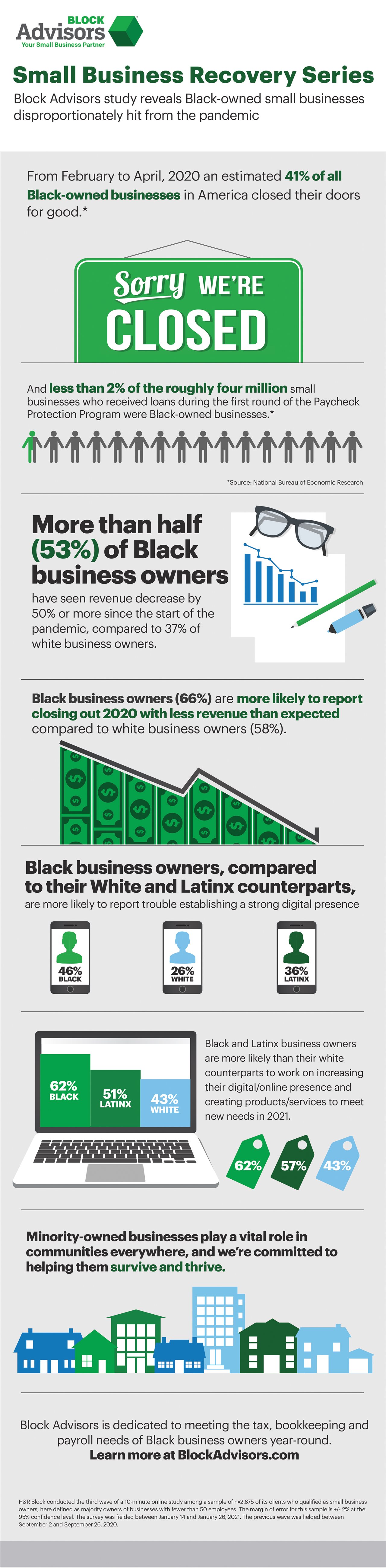
(BPT) – Even during the best of times, managing a small business is a daunting undertaking, let alone doing so during a pandemic. If your business has survived COVID-19, it’s likely you’re still struggling just to make ends meet and don’t need the added stress of figuring out complicated taxes. You started your business to pursue a passion, not to think through the tax implications of PPP, EIDL and myriad other confusing programs (and acronyms) surrounding stimulus-related relief. However, in three easy steps, you can set yourself up for tax-time success.

Step 1: Get organized

To avoid unwelcome surprises, it’s important to get organized ahead of the April 15 tax-filing deadline. But during a pandemic — when so much is uncertain — it’s even more critical.

If you took a PPP loan in 2020 and you have not already done so, now’s the time to gather the necessary paperwork to apply for PPP loan forgiveness. This may include bank account statements, payroll documents, proof of paying employment taxes, mortgage statements (or rent/lease agreements), utility bills and any other documentation that shows you meet the requirements for loan forgiveness. See the next section for additional expenses that qualify for forgiveness.

Next, you’ll need to contact your lender and complete the correct loan forgiveness application. Your lender can help you identify and provide you the correct form to use.

Step 2: Get smart about your taxes

If taxes intimidate you, there are still a few key things to know heading into this tax season. First, money received from your forgivable PPP loan will not be included in your gross income at the federal level (but check with your state to see if the loan is taxable on your state return).

Also, expenses covered by your PPP loan are still tax deductible, so it’s a “double-dip” tax benefit. Qualifying expenses include payroll, rent or lease payments, mortgage interest and utilities, and have recently been expanded to include:

  • Personal Protective Equipment (PPE) and costs for adapting your business for health and safety compliance
  • Essential supplier costs to keep your business open
  • Property damage due to public disturbances, provided it wasn’t covered by insurance
  • Operational expenses for payments on software and other accounting or HR services

You may also be eligible for other small business tax breaks, including the Employee Retention Tax Credit (ERTC), which is a refundable tax credit aimed at helping small business owners keep employees on their payroll, even if business has slowed down considerably or your finances took a significant hit from the pandemic. Recent legislation extended the ERTC through June 30, 2021. Unlike loans, you don’t have to apply for the ERTC — it’s a credit on a business’ employment tax returns (Form 941 or 944 for most employers).

Without becoming a tax expert overnight, how can you be sure you’re getting all the tax credits, deductions and deferrals you’re entitled to?

Step 3: Get help

Complicated times can make for complicated taxes. When your finances are involved, it’s generally a good idea to get expert help. Connect with a Block Advisors small business certified tax pro to help you make sense of the tax impacts of COVID-19.

“H&R Block has helped millions of small business owners do more of what they love by doing what we do best,” said Ian Hardman, General Manager and Vice President of small business at H&R Block. “We know small business owners are confused about how stimulus-related aid will impact their taxes this year, but they don’t have to go it alone. Our tax pros have an average 12 years of experience and can help small business owners get every credit, deduction and deferral they deserve.”

Block Advisors, a team within H&R Block, is dedicated to meeting the tax, bookkeeping and payroll needs of small business owners year-round. To start working with the tax experts at Block Advisors, visit blockadvisors.com.

How digital tools can help you manage your money

2021-02-17T08:01:00

(BPT) – Since the start of the pandemic, many consumers have opted to bank digitally to manage their finances safely and conveniently from anywhere. In fact, a recent survey by Chase found that 54% of consumers said that they have been banking more digitally due to the pandemic.

Among the many features available today, fraud alerts, electronic bill payments and mobile check deposits have become leading consumer favorites when banking online or by phone. If you thought that this trend was only limited to younger generations, you’d be wrong. Since March 2020, over half of Chase’s new digitally active customers are over the age of 50.

“The pandemic has demonstrated that digital banking is essential for consumers of all ages to confidently manage their finances,” said Allison Beer, head of Digital at Chase. “This new research reaffirms our commitment to creating features that make it easier and faster for customers to bank digitally.”

Here are a few ways you can make the most of your bank’s mobile app.

Keep a close eye on your spending

Curious to know how you’re spending your money each month? Do you know what you spend on food delivery, groceries, subscriptions? You can take advantage of features within mobile banking apps to help you easily track your expenses.

While there are many apps out there that can do this, it’s likely your bank offers a free and easy-to-use app as well. You can also set up account alerts to know when you get paid or make a transaction with your debit or credit card.

Some banks, like Chase, even include personalized dashboards in their apps to give customers an easy-to-digest overview of their transactions and financial trends. This can help you better understand how you are doing financially and help you with your spending and savings goals.

Prep for a rainy day

Setting money aside in your savings account can be important for your overall financial health, and may help you recover from any emergency expenses. If your bank offers it, set-up automatic transfers to your savings account each time you get a paycheck. All you have to do is set it and forget it to get started on your savings goals.

For example, Chase Autosave allows you to choose an amount that both makes sense for your monthly budget and helps you accumulate a “rainy day fund” over time. According to Chase’s survey, 84% of their customers who use Autosave plan to continue doing so as part of their savings approach this year. Additionally, 77% of Autosave users said that the feature helps them feel like they are staying on track to meet their savings goals, and 83% said it holds them accountable to reaching them.

Make contactless payments safely and securely

This year, more consumers and businesses will be using digital payments as their popularity continues to grow.

COVID-19 has changed people’s attitudes toward cash. In fact, Chase found that 13% of consumers said that they use cash less as a result of the pandemic. Digital payments have become even more popular as they are contactless and make it easier to track finances and send money to friends and family quickly and safely.

For example, peer-to-peer (P2P) payments, like Zelle, are increasingly being used to send money or to split the cost of bills. The survey revealed almost half (45%) of longer-term users are using P2P payments more often than they did a year ago.

To explore digital tools that can help you manage your money from anywhere, visit www.chase.com/mobile.

How Borrower Education Can Make Housing More Attainable

2021-02-15T23:01:00

(BPT) – Today’s U.S. housing market is leaving many prospective homebuyers priced out. Homes, on average, have become less affordable, and the ones that are affordable are in short supply. As a result, 55% of future homebuyers believe that homeownership is out of reach for them financially, according to recent Fannie Mae research.

However, while affordability and supply constraints have weighed on many prospective homebuyers, homeownership education has the power to help people prepare for the homebuying process and successful homeownership. As an industry, we have an opportunity to dispel mortgage qualification misconceptions that prospective homebuyers have and, at the same time, educate housing professionals about ways to better meet their needs.

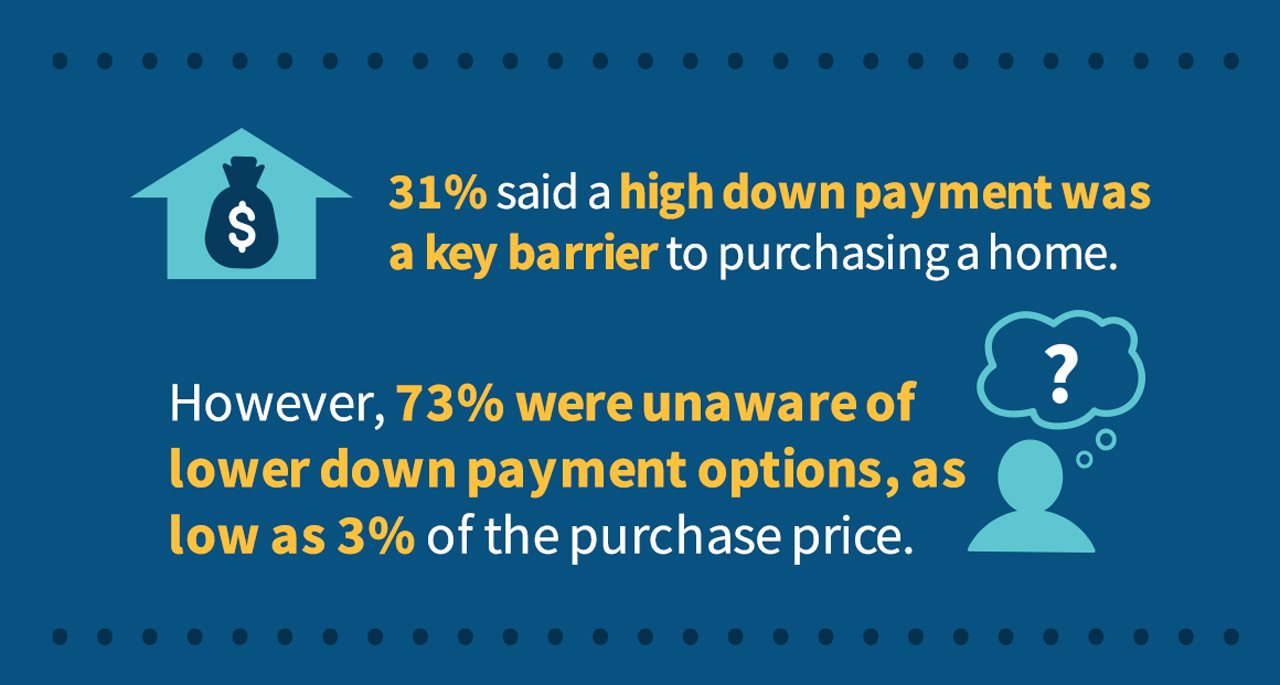
In the same study, future homebuyers were asked to demonstrate their knowledge of the mortgage process and the affordable options available. Among respondents, 73% were unaware of lower down payment options that range from 3% to 5% of a home’s purchase price. This is an important realization, considering that 31% cited not being able to come up with a down payment as one of the key challenges holding them back from homeownership. These findings align with a 2018 Fannie Mae survey in which many of the 3,000 respondents overestimated the minimum credit score and down payment necessary to qualify for a mortgage, and remained unfamiliar with low down payment programs.

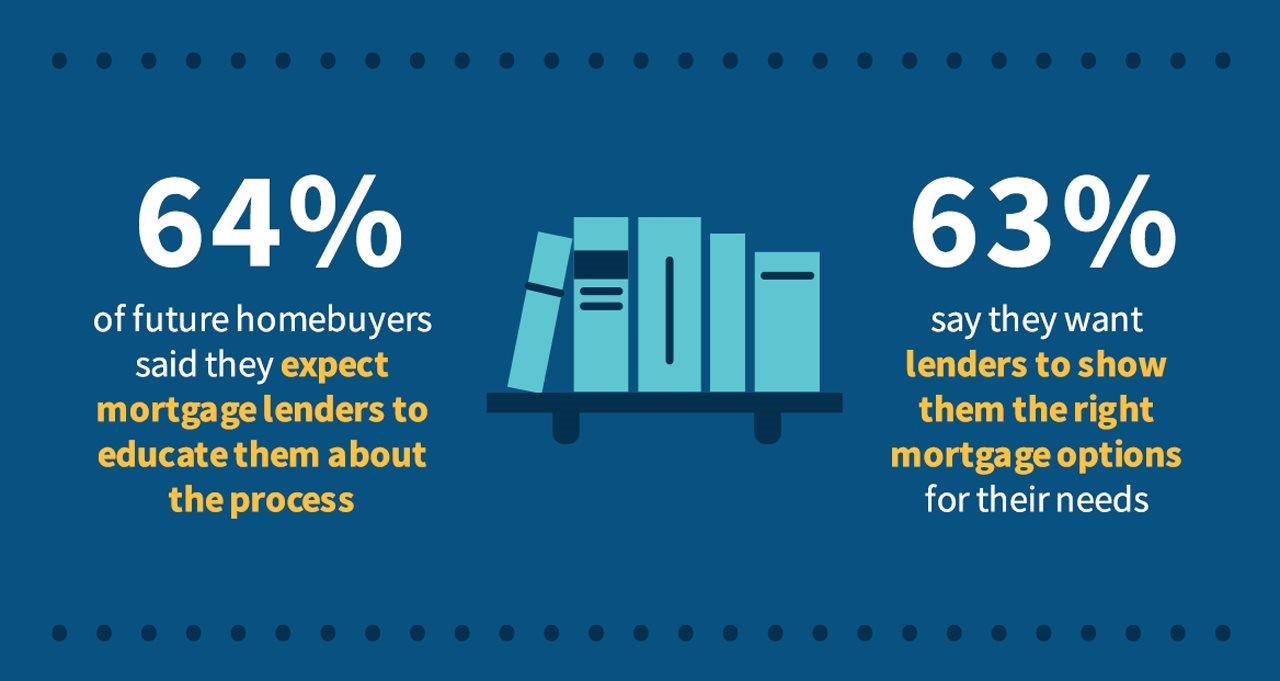
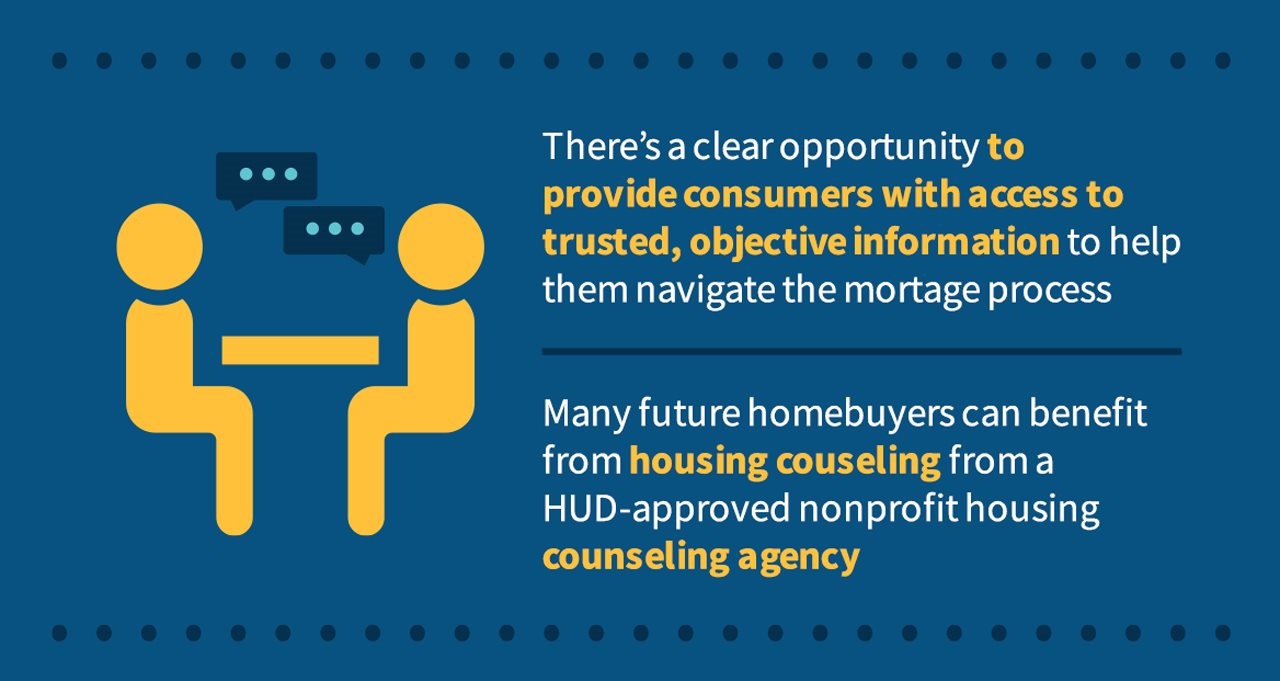
This lack of mortgage knowledge and understanding might seem bleak, but it is actually a great opportunity for our industry to provide educational resources. Fannie Mae research found that 64% of future homebuyers said that they expect mortgage lenders to educate them on the process, and 63% said they want mortgage lenders to show them the right mortgage options for their needs. This demonstrates that many of the barriers preventing more homeownership can be overcome with more outreach and deeper engagement.

Fannie Mae offers many resources to help educate homebuyers about their options to purchase a home and show them how to stay in that home if they experience financial hardship. Educational resources available through KnowYourOptions.com, the Framework® homeownership education course, and HomePath.com can help homebuyers better understand the mortgage process and what’s possible within their budget.

Fanniemae.com also offers a wide range of materials for lenders and real estate professionals that can help them serve more prospective homebuyers who may need help preparing for long-term homeownership. This can help to ensure that borrowers are not only ready to purchase a home, but that they understand and are prepared to manage the responsibilities of homeownership.

The obstacles to homeownership are very real for many people. However, education is a powerful tool in helping prospective homebuyers better understand their buying power, know what options are available to them, and prepare for sustainable homeownership. Fannie Mae, along with lenders, real estate professionals, housing counselors, and others can all play a role in helping prospective homebuyers become successful homeowners.

Visit FannieMae.com/Affordable and read more about our approach to making housing more affordable

See our Infographic to learn more about the power of borrower education

RESEARCH SOURCES:

Fannie Mae, “Future Homebuyers,” Single-Family Strategy & Insights unpublished research (November 2019). | Fannie Mae, “Manufactured Housing,” Single-Family Strategy & Insights unpublished research (December 2019). | Fannie Mae, “Builders,” Single-Family Strategy & Insights unpublished research (December 2019). | Fannie Mae, “Consumers Continue to Overestimate Mortgage Requirements,” Economic and Strategic Research (June 2019). | Hickey, “2019 State of the Nation’s Housing Report: Lack of Affordable Housing,” Habitat For Humanity (2019).