Professionals today are enrolling in law school to further their careers … not to become lawyers

2019-03-25T08:01:00

(BPT) – A broad range of working professionals today are enrolling in online law schools while simultaneously holding their current positions. They’re pursuing law degrees — in addition to other degrees they’ve already earned — to widen their skills and better understand legal issues impacting their companies.

This recent trend mostly includes professionals who do not want to practice law but want to gain insight into the legal complexities involved in business transactions, regulated industries such as health care or education or in the public sector. They want to broaden perspectives in their own professional lives and benefit the companies where they work.

The American Bar Association reported that in 2018 more than 14 percent of all law students in the U.S. were pursuing master’s degrees or certificate programs in law, rather than the J.D., which means they want to gain legal expertise without practicing law.

For instance, Alex Bauer, an experienced CPA and CFO at Sansum Clinic in Santa Barbara, California, found that the high volume of regulatory and contract issues he faced every day often required legal input that was not readily available. Because legal decisions are essential to his work, waiting for advice from outside counsel slowed down his progress and hampered his efficiency. Bauer considered the option of traditional brick-and-mortar law schools near where he worked but realized he would have to attend classes on a full-time basis. Ultimately, he decided to obtain an online Executive Juris Doctor (EJD) from Concord Law School, part of Purdue University Global, because it offered him the flexibility and accessibility to continue his full-time work along with the legal expertise he was seeking.*

While Bauer doesn’t want to practice law, he did see the value in earning an EJD from Concord to build a solid legal foundation. “Now I know how attorneys think,” said Bauer. By understanding the fundamentals of law, Bauer could speak the same language as attorneys when negotiating with vendors or dealing with regulatory problems and save the company time, he said. “If I encounter some bizarre clause in our negotiations, now I know what that clause means.”

Chris Wojtowicz is another professional who recognized the value of an online EJD. Wojtowicz, who manages international trade compliance at Rice Lake Weighing Systems in Rice Lake, Wisconsin, said that the degree he earned from Concord allows him “to anticipate legal problems before they become problems.”

“I speak attorney,” said Wojtowicz, a licensed customs broker who deals with complex trade and regulatory issues and meets regularly with attorneys representing clients, business partners and government agencies.

These two executives said they could not have attended law school while working full time without the convenience and flexibility of an online option. In fact, they were able to take live courses online, speak with law professors and complete exams online — often at home — while they continued their demanding professions. If they missed a live class, they were able to access a recording. Both professionals feel their legal training clearly enhanced their own efficiency and value to their companies.

For Kevin Marshall, manager of Logistics and Wojtowicz’s supervisor at Rice Lake, Wojtowicz’s legal training has augmented his value as a key professional at the company. “In large part due to his legal training, Chris has been able to expand on his original role to become a very helpful resource for several groups within the company,” Marshall said. “With increasing frequency, we are running into complicated regulations and laws within our global trade and marketing efforts and have found Chris to be an excellent colleague to help us understand and interpret legal language.”

Marshall noted that, over the last year or two, Wojtowicz has helped Rice Lake’s marketing department understand the legal language contained in new data privacy laws such as Canada’s Anti-Spam Legislation and the European General Data Protection Regulation. The company is looking forward to using Wojtowicz’s legal skills in additional areas as opportunities arise, Marshall said.

Concord Law School at Purdue University Global

For those considering pursuit of an executive juris doctor degree, go to www.concordlawschool.edu for more information on their online law degree programs.

For comprehensive consumer information, visit www.ConcordLawSchool.edu/About-Concord-Law-School/Accreditation. Concord Law School cannot guarantee employment or career advancement. These testimonials were obtained by Concord Law School. The views and opinions expressed are those of the individual; student experiences may vary.

* Note that EJD graduates do not qualify to take the bar exam or to be admitted to practice law in any jurisdiction without additional experience, education or petition.


4 tax tips for online filers in 2019

2019-03-19T08:01:00

(BPT) – As time continues to tick, millions of tax filers are beginning to feel the pressure to file a tax return. But big questions still remain, and for those filing online, those questions are compounded by the myriad options for submitting a return.

Fortunately for those online filers, there is such a thing as sound advice. With help from some of America’s renowned tax experts, we’ve compiled a list of the top four tips for filing online in 2019.

1. Organization is important — especially if you’re filing online

Organizing necessary documents is one of the most important steps to make tax preparation smoother. Start with gathering last year’s tax return. Online filers will need information from this document. From there, secure income documents, receipts, etc. Checking the documents against a checklist can help taxpayers be sure they’ve got everything they need. Missing tax documents can mean missing out on entitled tax benefits. Taxpayers can find ready-to-use checklists or customize their own online, at places like hrblock.com/checklist.

2. Digitize documents

Taxpayers can avoid the paper chase of finding tax and financial documents by downloading online copies whenever possible or snapping pictures of hard copies. These files can then be placed in an online storage tool like MyBlock.

3. Life is FULL of distractions, so limit yours when filing a return

A recent survey from H&R Block asked consumers what sort of things they do when filing their taxes, and the answers were interesting. People browse social media, watch TV, cook dinner, yell at their kids, and so on. More distractions can mean a higher likelihood of mistakes or missed credits and deductions. Limit those distractions and focus on the task at hand.

4. Take advantage of help options

Fortunately, taxpayers don’t have to make a choice between doing their taxes themselves or completely turning over the preparation to a tax professional. Before committing to any specific online tax filing product, taxpayers should be sure to investigate what assistance options are available in case they get stuck or have concerns. Most online tax filing products offer some sort of assistance, whether it’s going to an in-product help center or even having a tax pro review their completed return before it is submitted to the IRS.

Taxpayers looking for a middle ground may want to select something like H&R Block’s new Ask a Tax Pro service that gives them unlimited, on-demand chat sessions with a tax expert, so they can get the help they need as they are working on their tax returns.

“This tax season may be a time when even the most confident do-it-yourself filer could use a little help along the way,” said Heather Watts, senior vice president and general manager of digital at H&R Block. “Taxpayers filing online have more support options that let them decide how much or how little help they want with their tax preparation.”

Filing taxes isn’t optional for most Americans, but following these four tips can help make the do-it-yourself path a lot smoother. For a full lineup of online and software tax filing products and to get started, visit hrblock.com.


Life happens: Tax tips for the busiest Americans

2019-03-12T08:01:01

(BPT) – As tax season pushes on, millions of Americans have yet to file their taxes. While reasons for waiting to do so range from a fear of owing money, to not having the proper paperwork, take solace in the fact that if you still haven’t filed your taxes, you’re not alone.

In fact, previous research from H&R Block shows that 57 percent of Americans say they’ve lost sleep or sacrificed free time on the weekends just so they could deal with tax preparation.

Regardless of individual reasons for waiting to file, there are ways to ensure the process goes smoothly, whether you choose to go it alone, or seek out expert help. And because 2019 represents the first tax season under reform, it pays to be especially diligent this year.

So, what are the options for the busy Americans who want help with their taxes, but don’t have the time or flexibility to get into a tax office?

The nation’s tax professionals often begin with a seemingly simple piece of advice, which can pay dividends over time: Get organized now.

Organizing the necessary information is going to make tax time so much smoother, no matter how you choose to undertake it. Get all your important tax documents together in one place as they come in. Missing tax documents can lead to missing out on tax benefits you’re entitled to claim. If you need a little extra help with documents, hop online. The internet is full of free resources, like the tax prep checklist on hrblock.com.

For those who don’t want to see the inside of a tax office, but want the comfort of expert help, technology again stands as a strong option.

Karen Orosco is a senior vice president at H&R Block, and she said technology can be one of the greatest helps for time-crunched Americans this tax season.

H&R Block Tax Pro Go is designed for clients who want help from a tax expert, but also want the convenience of not having to visit a tax office,” Orosco said. “If you or your tax pro have a question, you can connect and share additional information using our secure online portal, email or even talk on the phone if you prefer. There’s no office visit, no preparing your own return, just upload your documents, sit back and we’ll take care of the rest.”

Another concern often raised by time-conscious Americans regards the size of their tax refund, especially under reform. The biggest piece of advice being given by the nation’s tax professionals this year is in reference to the W-4.

If you don’t like what happened with your refund this year, you can take steps to help see it doesn’t happen next year — one way is by updating your withholding with your employer. Tax season presents a great time to make that update, because it requires a lot of the same information that goes on your W-4. It’s also good to make these updates at the start of the year so the changes are stretched out over your paychecks for a longer period.

Orosco also presented another point for seeing a change in one’s refund: Individuals may see refund benefits by contributing to a traditional IRA.

“Individuals may potentially increase their refund or decrease the amount they owe by contributing to a traditional IRA,” Orosco said. “You have up until the April 15 deadline to contribute and reap the potential benefits. H&R Block tax professionals can provide expert guidance for clients when they file their 2018 tax returns.”

The final piece of important advice may seem obvious, or even simple, but bears repeating year over year. Americans need to keep their life in mind, especially as large changes like having a child, purchasing a home or starting a new job can truly alter one’s tax situation.

Life changes typically mean tax changes, so when something significant changes, it may be a good idea to consider getting expert help.

If you want to be matched up with your own tax professional this year, it’s easy, it’ll save you time and it just might make your refund even better. You can go to hrblock.com/taxprogo to get matched with an expert tax pro and see your price.


3 tips to help your adult children establish strong credit

2019-03-08T08:35:00

(BPT) – Today’s millennials and Generation Z face starkly different financial realities than their parents did at their age. As a parent of a young adult, how can you help your children understand their financial options to build a foundation for their futures? The first step may be to appreciate where they’re coming from and how their attitudes may differ from yours. Your assumptions about finances based on your experience at their age may no longer hold true. Once you understand your millennial children’s situation, you may better be equipped to help them make sound financial decisions.

Consider these recent findings about millennials and credit from VantageScore Solutions before advising your adult children.

1. Millennials and Gen Z young adults face hurdles when judged by traditional credit scoring methods

Now more than ever, credit scores impact everything from getting an apartment or home, acquiring loans with decent interest rates and more. A poor credit score makes it harder for young adults to get ahead. Because standard credit scoring models assess the length of time credit accounts are maintained and the number of accounts, millennials and their younger siblings are at an immediate disadvantage. It takes longer for them to build a credit history worthy of decent interest rates and large loans such as a home mortgage.

What you can do: Explain that establishing good credit now will increase their ability to borrow later, though it may take a couple of years to establish that history before they’re considered creditworthy of assuming substantial debt such as a mortgage. Help them find a good revolving credit account by checking out sites that assess credit cards in terms of interest rates, annual fee (if any), rewards programs and more.

2. Millennials are averse to debt

Most millennials carry higher amounts of student loan debt than their parents did. As a result, they are reluctant to acquire more debt. For this reason, they may have fewer revolving credit accounts. This behavior is actually smarter and less financially risky on their part, but it results in them having a “thin file,” the term for a history with three or fewer credit accounts. In fact, many thin-file millennials have average income levels and assets similar to their thicker-file counterparts. And because they do have the income, they actually have the capacity to handle new accounts. Fortunately, VantageScore Solutions, a rival to the FICO score, includes trended credit data. According to their recent online article, Millennial Credit Habits: A Major Shift, trended data attributions “change the focus of credit scoring models to better understand actual credit management behaviors over time versus static snapshots.” In other words, it takes into account the typical millennial’s prudent behavior when it comes to acquiring new debt. Lenders with this understanding of the bigger picture will be more likely to give your millennials the opportunity to borrow.

What you can do: Tell your adult children to utilize credit in a safe and sound manner, and to apply for new credit carefully in order to build a more robust credit history. Stress that they should never spend more on the card than they can afford. Setting up automatic minimum payments on cards can help them avoid late payments, but also advise that they can — and should — pay more than the minimum each month, and in full whenever possible.

3. Millennials are likely to put off major milestones

Because of millennials’ reluctance to assume debt, they may put off major life events such as buying a home until their student loans are paid off. Recent data from VantageScore “shows (millennials) are writing their own story when it comes to using credit,” says the company’s president, Barrett Burns. Some lenders won’t loan to would-be borrowers with thin credit histories, while others offer them more expensive subprime-like products. But the research found that millennials “are anything but conventional.” VantageScore credit scores, which take these behavioral differences into account, are used by lenders, landlords, utility companies, telecom companies and many others to determine creditworthiness. However, many mortgage lenders may be missing out on thousands of potential clients by relying solely on traditional scoring models.

What you can do: Reassure your adult children that, while some larger life goals may seem out of reach now, their responsible actions such as paying down their student loans will pay off, sooner than they might expect. Encourage them to make more than minimum payments on their student loans to save on interest and eradicate that debt sooner.

So what’s the upshot? While you may be eager to see your adult children settling down in a home filled with grandchildren, they are actually trying hard to put their financial ducks in a row. You can help by advising them on smart tactics to manage their money and improve their credit scores.


How to get promoted: 3 secret skills for success

2019-03-05T07:01:00

(BPT) – Regardless of your career path, getting a promotion is often a professional goal. Being recognized and landing a promotion can provide a variety of perks such as more money, increased influence and more control over your daily routine.

So how do you land that promotion? It comes down to building key skills such as self-development, listening and communication. Fortunately, online learning platforms like LinkedIn Learning can help you develop these skills to get to the next level in your career.

Here are a few secrets to taking the reins and getting noticed — and promoted — in your career.

1. Prove that you’re capable of self-development

The difference between being a “high-potential employee” versus a “high-performing employee” means everything to your advancement, and to the company where you work. While a high-performing employee does their job well, their performance review will look similar from year to year, revealing little about their potential for moving up. A high-potential employee, on the other hand, shows a willingness to push themselves to learn new skills, take on more responsibilities and be open to lateral moves — especially if that means mastering new abilities.

How do you become a high-potential employee? Demonstrate your capacity for self-development by actively soliciting feedback from others to learn how you can grow and improve, and proactively take on opportunities to increase your skill set.

2. Be a strong listener

In today’s world, there’s a misconception that dominating the conversation means you’re a leader, but the opposite is actually true. Being a good listener is vital to being a strong leader, and a crucial component to earning that promotion.

By taking the time to understand others’ perspectives, needs and concerns, you’ll be better prepared to communicate your ideas and solutions, and to persuade others to come on board. This is essential to leading, whether it means a small group or an entire corporation.

Active listening is an art — it is underrated and takes significant practice to master. Identify a leader in your organization who is a strong active listener and watch how they lead. You can also master this skill by taking a course on active listening as part of your own career development.

3. Communicate with purpose

Boosting your communication skills is critical to being both a leader and a team player. Demonstrate to your manager and your team that you know how to address the bigger picture, and show how your work ties to the overall company strategy. Express your vision of the larger mission or goals of the organization, as opposed to getting caught up in the details.

How you express yourself also makes a huge difference. Be concise, purposeful and confident in your statements. This will help you build a strong executive presence and build trust among you and your colleagues.

Don’t wait for a promotion to come to you. Now’s the time to be proactive and focus on growing your skill set. Show what you’re learning by actively taking on new challenges and communicating with purpose and confidence. To learn more about mastering the skills you need to advance in your career and get that promotion, visit www.linkedin.com/learning.


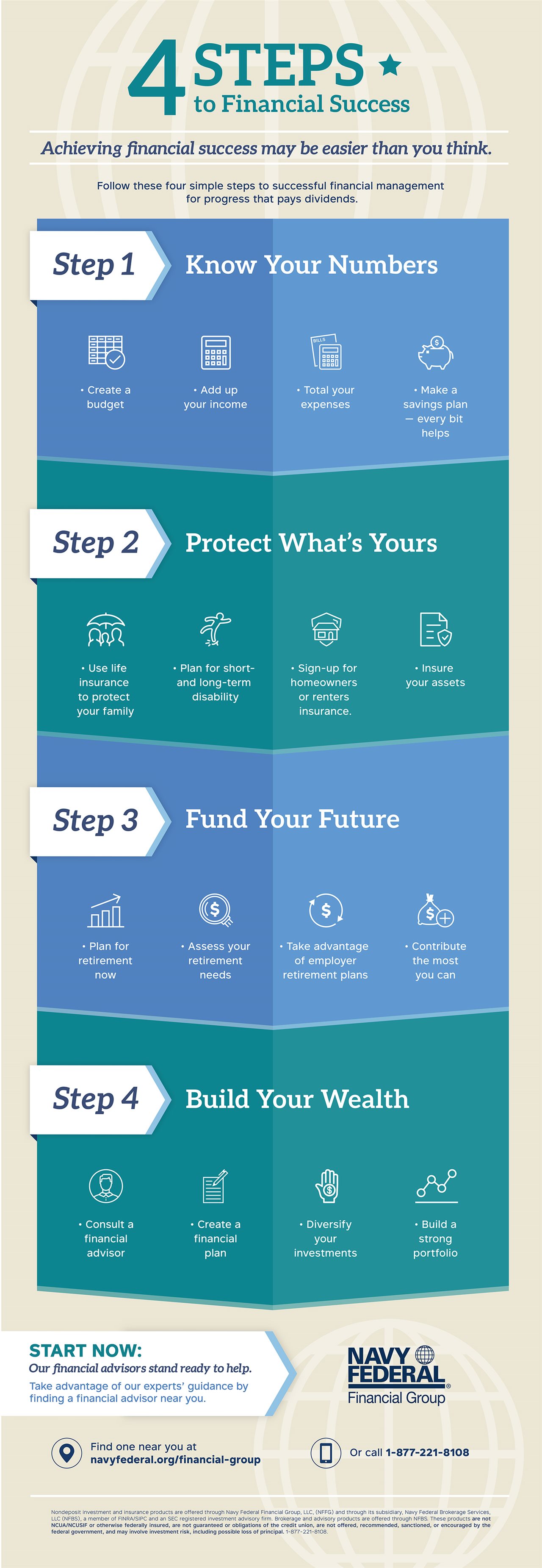
Auto insight: Smart guidelines for buying a used car

2019-03-04T07:01:00

(BPT) – Buying a used car can be a great decision. Oftentimes, that’s where you’ll find a deal. On the other hand, you’ve got to make sure there won’t be any surprises.

Before you hit the car lot, take some time to prepare for the purchase. These guidelines will help you make a wise decision on a used vehicle that works for you.

Set a budget — and stick to it!

Think about what you’re willing to pay for a car. Have a budget and stick to it. If you plan to finance it through your bank or credit union, figure out what you would be comfortable paying every month.

“When it comes to the cost of owning a vehicle, in addition to the car payment, think about other related monthly expenses, such as gas, maintenance and insurance,” says Joe Pendergast, vice president of consumer lending at Navy Federal Credit Union.

Get pre-approved for a loan.

By getting pre-approved for a loan, you can be confident in your budget and set your financing limits from the start.

“Getting pre-approved may even increase your purchasing power. Oftentimes, the dealer may be more willing to bargain on the car price if the amount you’re willing to pay has already been set,” says Pendergast.

Financial institutions, such as Navy Federal for example, offer auto loans nationwide at low fixed rates, discounts on insurance and asset protection, as well as a calculator to help determine how much financing your car will cost.

Create a must-have list.

It’s important to separate the must-haves from the nice-to-haves when looking at vehicle features. If you have kids, a four-door vehicle might be essential, and you’ll want to ensure there’s enough seating for your entire family. You might want leather, but cloth seats will do. Know your needs versus your wants and make a list of non-negotiables.

You probably also have a few types of vehicles in mind. Do some research and read reviews so you can narrow your focus when you’re shopping. This helps save time when searching online or navigating the car lots.

Understand the history.

At least one person owned the vehicle before you, so it’s important to know the car’s history. When you get approved for a used car loan through Navy Federal, you get free access to a CARFAX(R) Vehicle History Report, which helps you identify cars with potential problems and purchase safe, reliable ones.

Pay attention to mileage.

For used cars, the lower the mileage, the better. Fewer miles often means there’s less wear and tear — a higher value for you. A good average to target for cars is about 15,000 miles a year.

Check the tires.

One important thing to consider when buying a used car is the condition of the tires. If the tires don’t have enough tread, you’ll need to invest in new ones.

Test drive.

Never consider buying a vehicle before taking it for a test drive. By getting behind the wheel, you can ensure it feels good to you, find out if anything seems off, such as strange noises or smells, and see how it handles.

“Don’t rush the process. If you’re not satisfied after a test drive, keep searching, there’s plenty of inventory out there,” says Pendergast.

Get an inspection.

It will cost you, but if you want peace of mind, consider investing in an inspection by a certified mechanic. You’ll have to request borrowing the car for the inspection, which may not always be possible, but it’s worth exploring if you’re having second thoughts.

Certifications.

If you’re shopping for a used car that is five years old or less, you may want to explore certified used vehicles. Some dealerships offer certifications for the used cars they are reselling under their brand. This could include valuable bonuses, such as vehicle inspections and warranties, not to mention peace of mind.

Shopping for a used car can be an enjoyable experience with these guidelines in hand.


The workplace is changing. Is your office keeping up with the newest trends?

2019-02-25T08:01:01

(BPT) – A product or service can undoubtedly define a brand and drive its popularity with consumers. However, most successful employers would acknowledge that their employees are the most important asset and a critical element — the backbone — that shapes and gives a company purpose.

Given the role that employees play in defining a company and its culture, employers looking to strengthen the workforce, bolster brand reputation and attract and retain top talent would be wise to consider the importance of work-life integration. Simply put, that’s employees’ happiness at work. According to Staples’ 2019 Workplace Survey, employees, more than anything, want to feel heard: They crave choice, support and connectivity.

Looking to support work-life integration in your own organization? Here are a few ways companies can use connectivity, design and wellness to elevate the workplace from transactional to transformational.

Flexibility. Ninety percent of employees Staples surveyed agreed that allowing for more flexible work arrangements increases employee morale, but oddly enough, only 24 percent said their employers actually have formal work-from-home policies. At the end of the day, employees want to feel empowered to choose where they can get their best work done, and a dedicated work-from-home policy is one of the most effective ways employers can introduce the flexibility employees crave. A flexible workplace breeds happier, more loyal employees who are inspired to support their organization as much as their organization supports them.

Connectivity. As the remote workforce gains traction across industries, connectivity is more important than ever before. When thinking through ways to improve your office’s connectivity, consider what kind of technology your employees need to be able to work wherever they are, such as instant messaging services, collaboration apps and cloud-based file management. You can find these kinds of tools at every price point, including free and subscription-based services — so all organizations can find options that fit their budget.

Wellness. While 78 percent of employees surveyed feel their employers have a responsibility to keep them mentally and physically well, only 42 percent said their employers actually offer wellness programs. Be an industry leader and make it a point to foster a happy and healthy workforce. A wellness program need not be expensive, either; you can always start small by providing healthier snacks and sharing information about local health resources. If your company can support it, consider offering incentives for healthy behaviors or look into a gym reimbursement program. Wellness programs are scalable to fit your resources and employees’ needs.

Design. The workplace should go beyond just encouraging productivity; it should inspire employees to do their best work. One way to inspire employees is through color and light. By conducting some research on how certain color schemes or light elements affect performance, there may be small changes you can make that will have a substantial impact on employee morale. For example, studies have shown that employees thrive in well-lit environments with an abundance of natural light and organic elements — so think about procuring some plants for your office space. If you’re thinking that an open floor plan is the right move for your office, you might want to reconsider — 52 percent of the workers Staples surveyed found their open office to be distracting. Instead, consider a modular office layout that is neither fully open nor fully closed, but rather a combination of both collaborative and private spaces, giving employees the option to choose what workspaces work best for them each day.

Whether you implement all or just one of the tips above, by leading the charge in work-life integration, you are reinforcing your company’s investment in its people and helping to build a more inspiring, productive and happy workplace.

For more information about the state of the workplace, visit http://www.staples.com/workplace-survey.


5 things to know about college financial aid award letters

2019-02-25T07:03:00

(BPT) – High school students across the country will soon be eagerly awaiting financial aid award letters from colleges. For many aspiring college students and their parents, this is when things can start to get complicated.

College is a big expense and it’s important to have a clear understanding of the financing options to ensure students and their parents make wise decisions. According to a recent survey from College Ave Students Loans by Barnes & Noble College Insights, more than twice as many parents (69 percent) found this time — figuring out how to pay for college — more stressful than the college selection process (30 percent).

Joe DePaulo, CEO and Co-Founder of College Ave Student Loans, is here to help by decoding one of the most important documents on the road to college: the financial aid award letter.

1. Financial aid award letters can be confusing.

Financial aid letters vary from school to school. There is no uniform format they must follow, so each letter can vary in how they use symbols (such as L or LN for loans) and even how they calculate the cost of college. Make sure to compare how items such as scholarships, loans and work-study are applied to the bottom line.

2. Know the ‘net price’ of college.

Your letter may include the cost of attendance (COA), which is an estimate of what you can expect to pay for one year of school. Typically the COA includes tuition, fees, and room and board. To find the ‘net price’ at the college, subtract the ‘free aid,’ or scholarships and grants, from the COA. This net price — which sometimes can be significantly lower than the ‘sticker’ price of a college — is the amount the family is expected to pay.

3. Expect to pay more.

Though financial aid award letters typically call out the “expected family contribution” (EFC), expect to pay more over the course of the year. According to the College Ave survey, 59 percent of parents said college was more expensive than they had anticipated. Parking, transportation home, club and organization fees, even dining out, can add to the bottom line.

4. You can petition your award letter.

If you felt the financial aid award letter did not accurately represent your family’s needs, you can ask the school to re-evaluate your financial aid offer (especially if your circumstances have changed). Contact the financial aid office and request they review your cost of attendance to ensure it includes other expenses (such as childcare) or changes in your ability to pay (job loss or medical costs), which may help you secure more money in grants, work-study or loans.

5. Keep applying for scholarships.

While some scholarship applications have many applicants, others have little competition. Be sure to apply for specialty scholarships unique to your area of educational study or even local area. Every amount helps and reduces the amount your family has to pay. One easy scholarship to apply for is the College Ave $1,000 Scholarship Monthly Sweepstakes.

If you find you still fall short after scholarships and grants and federal loans in the student’s name, one option to consider is a private student loan. Look for a private loan with good interest rates and flexible terms that meet your family’s unique needs. Check out the College Ave Student Loans calculator to find out how different repayment plans save you money over the total cost of the loan.


Talking money: 10 financial tips for relationships

2019-02-13T08:01:00

(BPT) – In a recent survey, one in five Americans reported they have never had a serious conversation about money with their significant other, and less than half said they’re comfortable discussing finances with their partner.

It isn’t always easy to talk about money, but it’s essential since a clear majority of individuals surveyed say they are likely to split from someone who isn’t financially responsible. Whether you’re just beginning a relationship, considering moving in together, getting married, or are working toward financial goals with your spouse, each step of a relationship calls for a different approach to money and handling potentially thorny issues.

What’s your relationship status … and how do finances fit in?

Dating

You’re in a new relationship, everything is exciting, and you look forward just to being together. Asking financial questions may be unnecessary, yet it still pays to make some observations.

  • What types of activities does your partner suggest — going out for fancy dinners or making a home-cooked meal?
  • Are splurges a regular occurrence, or are they saved for a special occasion?
  • A question such as, “How should we divvy up date night costs?” can suggest how your partner views spending habits.

Casual dating isn’t the time to deal with complex financial questions, but it can be a time to explore how your partner feels about basic financial issues.

Moving in

When moving in together, the money questions become more practical because cohabitation usually involves sharing expenses. This is the time to learn more about each other’s finances and views on money as your finances become more entwined.

  • Ask about a partner’s debt situation, student loans, savings habits, credit score and, perhaps, skeletons in each other’s financial past.
  • Share income materials including credit reports, particularly if you’re renting a new apartment or buying a home together.

Cohabitation can have financial implications depending on where you live, and a financial professional can help you understand any potential benefits or costs. If neither partner has a trusted financial professional, it may be time to consider finding one.

Tying the knot

When the conversation turns to marriage, talks about money must get serious. A strong link exists between disagreements about finances in a marriage and divorce. And should tough times hit, such as a job loss, how will you handle it as a couple?

  • It’s important to find common ground about major lifestyle decisions and purchases, including a house, cars, credit and savings objectives.
  • Married couples also need to determine whether a prenuptial agreement is a good idea, and if accounts are going to be separate or managed jointly.
  • This can also be a good time to talk to a financial professional about financial planning and taking steps toward realizing future goals.

There are no “right” or “wrong” answers to these questions, and each couple can determine what is the best situation for them based on honest communication.

Planning your future together

It pays to establish structure or guidelines for your financial lives that each of you agree on. These can include when to check with each other on big-ticket purchases or when to spend from one or the other’s personal funds.

  • Don’t forget about important issues that can get overlooked, such as establishing an emergency fund or assessing retirement fund/401(k) allocations.
  • It’s possible you’ll face “sandwich generation” pressures related to caring for and supporting both young children and aging parents. Millennials and Gen-Xers increasingly find themselves squeezed by such generational issues, surveys find, including one by North American Company for Life and Health Insurance, a Sammons Financial Group company. This survey also looked at planning for retirement and revealed that most couples don’t discuss this important aspect of their future, and then find they’re unprepared.

Even if you haven’t done so earlier, any time is a good time to seek out a legal and financial advisory team. A lawyer can help with wills, and a financial and insurance agent and counselor can help decide on health, life, disability and property insurance coverage; discuss annuities; and explore college funds/529 plans.

Love may be blind, but it knows how to count

“Talking money” and addressing issues related to finances are essential in every stage of your relationship. And arguments about money are all too common — in fact, 70 percent of married couples fight about money. That’s why it’s vital to talk about investment strategy and risk-taking, and to reach decisions together about investment goals and time frames.

Couples often credit a third party for helping them with financial matters including insurance-, investment-, tax- and legal-related financial issues. One survey found that 40 percent of couples who disagree about money said an adviser helped them make decisions about financial concerns that otherwise might have triggered tension in their relationship.

If you and your partner are interested in speaking with a financial professional, Midland National Life Insurance Company and its independent agents are ready to help, specifically with life insurance and other related financial matters, including annuities and retirement planning. To find an agent, click here.


The juggle is real: Online students’ tips to balance family, school

2019-02-13T06:01:00

(BPT) – Balancing work, school and family can be a challenge. Some days might feel like more of a struggle than a juggle, but that doesn’t mean it’s impossible to have it all. In fact, one in four of the 17 million Americans enrolled as an undergraduate in a higher education institution is caring for a child, according to the National Center for Education. Many people in this position turn to online education to help make it possible to manage work, life, family and earning their degree.

Learning how to successfully integrate coursework into an already-packed schedule comes with practice (and patience!). It never hurts to receive advice from those who’ve been in similar shoes. Here are three tips from juggling connoisseurs who have experience completing their degrees online while raising a family:

1) Have patience and think about the big picture

Brian Hood juggled earning a bachelor’s degree in software engineering online with Arizona State University (ASU) while parenting young triplets. His road to graduation wasn’t without its fair share of challenges.

“My desk is in the middle of my house and opens to a room that doubles as my kids’ playroom. To say that I had challenges while trying to listen to lectures is an understatement,” Hood said.

Several times throughout his academic journey, he hit roadblocks trying to balance it all. “It was so frustrating, and at times, deflating. But then you take a step back, look at the situation, and ask yourself, ‘How do I do this?’ When you tell yourself that failure isn’t an option, it becomes much easier to focus on finding a solution, rather than being consumed by the problem,” Hood said.

Hood’s expert tip: With young kids around, invest in a good pair of headphones, and be flexible, patient and willing to pause and re-watch your lectures.

2) Communication is key

For Cherise Shockley, the key to finding balance was opening a dialogue with her family and ensuring everyone was on the same page about her online degree program. “If you are married or have kids, you have to tell your family what’s going on. Explain to them that this will require a time commitment but, in the end, it will be worth it,” Shockley said.

Openness and honesty go a long way, according to Shockley, who earned her mass communication and media studies degree online with ASU. “You have to be organized and know that there are no shortcuts. If a problem comes up, make sure to speak up and ask when you need help.”

Shockley’s expert tip: When challenges arise — as they inevitably do — remind yourself and your family that anything is possible with sacrifice, hard work, faith and determination.

3) Make your family a priority

Robert Rutledge, an online student with ASU, earned a bachelor’s degree in business with a concentration in global leadership while juggling a full-time job and parenthood.

Often, while he worked on his studies, his two younger children would come into his office and ask, “Daddy, are you done yet?” In these instances, Rutledge would take time to explain to his children what he was doing and why he was doing it.

His biggest piece of advice? Make your kids a priority. “It’s difficult for [children] to grasp the importance of the time you’re spending on your education instead of with them — especially with younger children.”

Rutledge’s expert tip: Use study breaks as bonding time with your loved ones. Go for a walk or play a game with your children and come back to your studies refreshed and ready!

Managing everything can be overwhelming at times, but remember: completing your education can open doors to so many new possibilities for you and your family, such as the opportunity to advance your career, increase your overall earning potential and even pursue a personal passion.

With nearly 4.8 million parents pursuing degrees, remember that you’re in good company and are now armed with some expert advice on how to successfully juggle life, learning and family. With the right support and resources, earning your degree is possible and there is no better time than now to get started on pursuing your educational dreams.