5 common holiday myths debunked

2018-11-12T07:01:00

(BPT) – Holiday fantasies aren’t just for children. Grownups also live by their own set of holiday myths, which were uncovered by a recent Coinstar survey. Let’s take a look at some of these holiday misconceptions and get to the real truth.

Myth No. 1: Regifting is in poor taste

Many of us have a secret stash of gifts from the past that we just don’t want. If you think regifting these items is a tacky solution, here’s a secret you should know. Nearly two-thirds of us (65 percent) practice regifting, according to the survey. So if you’re sure your aunt would love that garish holiday sweater, go ahead and get out the gift wrap!

Myth No. 2: Sticking to a holiday budget is just too hard

The holidays come with so many extra costs — replacement lights, holiday attire and food — you’ve decided it’s easier to dive into a credit coma now and deal with the bills later. Here’s a reality check: Some 68 percent of people say they can stick to a holiday budget. Maybe you just need a better plan. In addition to spending limits on gifts, a good budget should also factor in surprise costs.

Myth No. 3: Adding spare change to your budget doesn’t add up
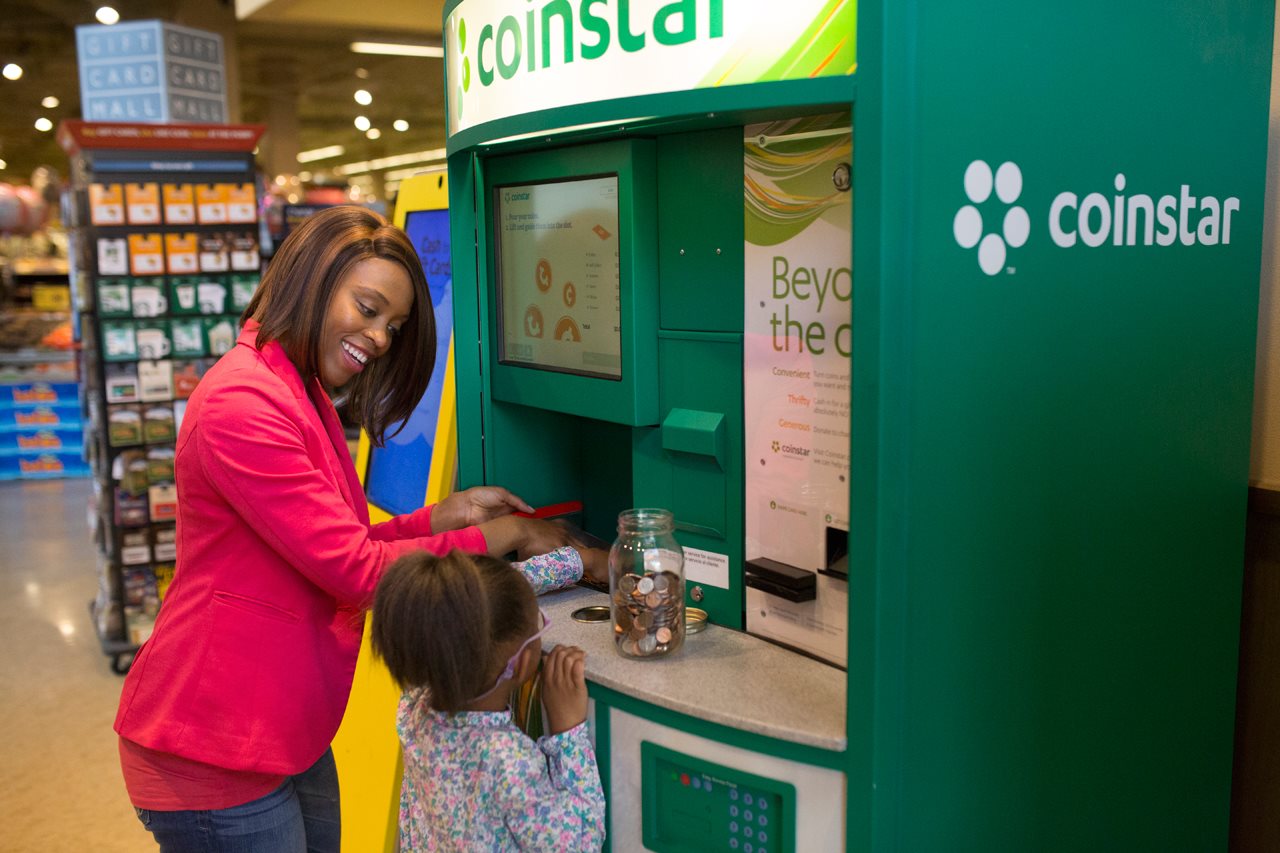
Pocket change won’t even buy you a cup of coffee … or so you think. That’s why it may not occur to you to count on your change to fill out your holiday budget. But based on the Coinstar survey, people expect to find about $78 in change around their homes — and that’s plenty to pay for an item or two on your list. So grab a container and start checking dresser drawers, sofa cushions and other nooks and crannies.

Myth No. 4: Spending time with family is what the holidays are all about

When you envision the ideal holiday, what comes to mind? If family is absent from the picture, you’re not alone. One in five people say they’d rather bow out of the family celebration. In fact, they’d prefer to spend time with friends, be alone or go to work. But for those who enjoy family time, holidays are perfect for making new memories.

Myth No. 5: Gift-giving comes from the heart

Ideally, every single gift is a pure expression of love and generosity from the giver, right? Wrong. One-quarter of Americans have quite the competitive streak, wanting to give the most talked-about, flashiest gift at the gathering. Whatever the motivation is behind the gift, keep on giving.

Now that you know the truth behind some common holiday myths, give your holiday spending power a boost by visiting the nearest Coinstar kiosk. Cash in your extra change for cash or a no-fee eGift card for well-known retailers and get more gifts crossed off your holiday list.

The stats are in: Credit card fraud is down 75 percent because of chip technology

2018-11-04T08:01:01

(BPT) – The whole idea behind integrating EMV® chips into credit and debit cards was to make transactions safer and more secure for consumers and merchants. A recent report by Visa shows that it has hit the mark. Visa took a look at the numbers, comparing chip card use by consumers and adoption by merchants from the initial rollout of chip cards in 2015 to now.

What they found is pretty staggering. Counterfeit fraud, where a criminal steals your payment card number and imprints it onto another card to use in-person at their favorite store, is down 75 percent from September 2015 to March 2018 at U.S. merchants that are chip-enabled.[i] The sharp drop illustrates that the chip technology is doing its job as intended. That’s important, because criminals are always on the prowl searching for an easy way to get money.

Data that travels through a payment network when you insert your chip card is different than the data that is sent when you swipe your payment card using its magnetic stripe. The chip generates a one-time code that can only be used for one transaction. If cybercriminals steal your card number from the merchant’s system or from a data breach, it is essentially impossible to commit counterfeit payment card fraud because the one-time code cannot be re-used and the card number alone is not enough to complete a transaction at a point-of-sale (POS) machine.

So chip cards and terminals protect the customer from his or her stolen payment card number being counterfeited and protect the merchant from having to refund the money while losing their merchandise. In the end, everyone wins except for the fraudster.

Some other findings from the Visa study include:

  • More than 3.1 million U.S. merchant locations or 67 percent of U.S. storefronts are now fully chip-enabled and accepting chip cards. As recently as September 2015, only 392,000 merchants were accepting chip transactions. That’s a 680 percent increase since chip technology debuted in the U.S.[ii]
  • 97 percent of overall U.S. payment volume in June 2018 was on chip-enabled cards.[iii]
  • In September 2015, $4.8 billion was spent on chip transactions. In June 2018, that figure had jumped to $76.7 billion.[iv]

Reasons for merchants to switch to the chip

More and more merchants are accepting chip card transactions, but some, especially smaller merchants, have been slow to adopt the technology. But there are good reasons for updating to accept chip card payments, not the least of which is customer expectation. People who have chip cards expect the payment security they provide, and not accepting chip payments might be seen as a negative with consumers.

 Other reasons for adopting chip technology include:

  • Implementing chip-based POS terminals is easier than ever before. It has become standard technology among many merchants and their technology suppliers.
  • Transactions involving chip-based payment cards at many merchants are faster than when EMV chip cards first became available thanks to Visa Quick Chip technology.
  • Implementing and investing in chip-based POS systems in many cases can also support new payment technologies like contactless payments.

For more information about the study, or to read the findings, visit Visa, Inc. at https://usa.visa.com/visa-everywhere/security/visa-chip-card-stats.html.

EMV® is a registered trademark in the U.S. and other countries and an unregistered trademark elsewhere. The EMV trademark is owned by EMVCo, LLC.


[i] Counterfeit fraud reduction at fully chip-enabled U.S. merchants for the quarter ended March 2018 compared to the quarter ended September 2015.

[ii] Fully chip-enabled merchants defined as locations where 75% of card present payment volume is chip-on-chip for the quarter ended June 2018.

[iii] Overall U.S. payment volume on EMV cards includes transactions made on all terminals (chip-enabled and non-chip) for the quarter ended June 2018.

[iv] Transaction volume based on VisaNet data for U.S. locations with chip transactions as of quarter ended June 2018.


Small businesses are getting it right [Infographic]

2018-11-01T08:01:00

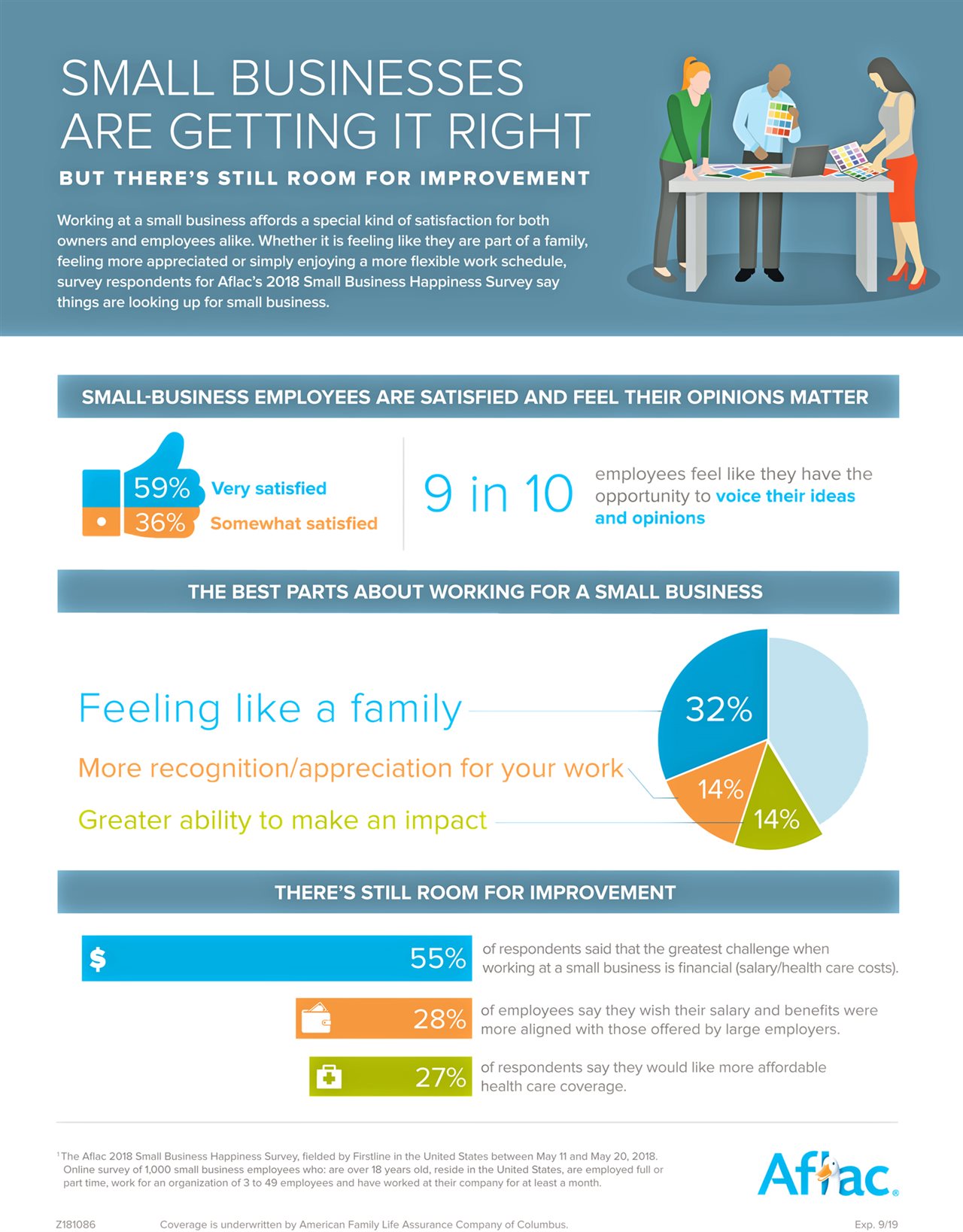
(BPT) – While some may say owning your own business is achieving the American Dream, for many others, working for a small business is an equally fulfilling career choice. In fact, the Aflac 2018 Small Business Happiness Report revealed most small-business employees feel satisfied at their workplace. Although things are looking bright for small businesses, a few areas where these employees would like to see additional improvements include salaries, health care benefits, greater flexibility in the workplace and more robust benefits options. To learn more, visit www.aflac.com/happinessreport.


Access to Safe and Affordable Drugs is a Right, Not a Privilege

2018-10-29T08:01:00

(BPT) – The exorbitantly high cost of prescription medications is an ongoing, serious health crisis for millions of Americans who are desperate for relief and desperately need the government to act.

These high prices often force people to choose between buying their medications and paying for gas, food or even their mortgage. Many people are either skipping doses, splitting pills or forgoing medications completely, which creates a potentially dangerous situation as these medications are used to control everything from asthma to high cholesterol to arthritis.

Despite years of public debate and empty promises from lawmakers to take action, little has been done to lower pharmaceutical costs in the U.S.

In fact, the U.S. government has repeatedly shown it is incapable of fixing this country’s prescription drug pricing problem. Lawmakers face intense resistance from pharmaceutical manufacturers who regularly contribute to political campaigns and who aim to maintain their high profits at the expense of patients. Congress and state legislatures have put forth options to address our country’s absurdly high drug prices, but most proposals will take years to implement … if they move forward at all.

In fact, the U.S. doesn’t have any laws or regulations in place to prevent or control the amount of money a pharmaceutical company can charge for its medications. This is shocking because Americans already pay more for prescription medications compared to patients in any other country in the world, despite the global market nature of the pharmaceutical industry.

Many “American-made” brand name prescription drugs are manufactured in other countries and then imported into the U.S. Even when drugs are produced in America, most of their active ingredients come from factories in other countries.

Regardless of where and when a medication is manufactured, safe and affordable access to that medication is a right, not a privilege.

For years, the Internet has made it possible for Americans to fill their prescription medications at significantly lower cost through licensed, legitimate Canadian pharmacies. These online pharmacies prioritize both safety and affordability, and millions of Americans have successfully turned to Canada to buy their daily medications. In fact, the Food and Drug Administration and its Canadian counterpart, Health Canada, have equivalent standards when it comes to prescription medications.

As with all industries, there are “rogue” players and other bad actors on the Internet. For this reason, it is critical that consumers find a licensed, legitimate online pharmacy that can be trusted. Licensed, legitimate pharmacies have safety protocols in place, including requiring a signed prescription from a patient’s doctor, and they don’t sell opioids or other controlled substances via the Internet.

To learn more on this topic and find an online pharmacy that you can trust, visit https://personalimportation.org.


The changing face of the American student: The growth of online learning

2018-10-29T08:01:00

(BPT) – Today’s college students are just as likely to be moms and dads themselves, full-time and part-time employees or members of the U.S. armed forces. Many students juggle work and family, according to the National Center for Education Statistics, which found that 62 percent of students work full- or part-time, and 29 percent have at least one dependent. Needing flexibility and variety in course offerings, more students are turning to online learning to design a path that fits their lifestyle.

As a result, online learning is seeing significant growth. A recent study found more than 6 million students take online courses across the U.S., and that number continues to rise. At ASU Online, programs have grown significantly, with a 60 percent increase in freshman enrollment since fall 2016 to more than 35,000 students in over 175 undergraduate and graduate degree programs. As part of ASU EdPlus, created to advance inclusion, efficiency and innovation, the online program implements technologies students need to succeed, paired with committed coaches and academic advisors.

“At ASU, we work diligently to lay the right groundwork for each student at a personal and individual level because we know there is no silver bullet to student success,” said Leah Lommel, chief operating officer of ASU Online. “Each learner is unique — what works for one may not work for another. This reality requires a tireless commitment to innovation on the part of higher education.”

Career success

Access to higher education remains the best pathway to career success, directly impacting employment opportunities and wages. The Center on Education and the Workforce found that bachelor’s degree holders earn 31 percent more than workers with an associate’s degree and 74 percent more than those with a high school diploma. Further, emerging technologies and the changing nature of industries have created a demand for new types of skilled workers.

Higher ed programs need to be flexible and adaptable, allowing students to study during the hours — or minutes — that fit their schedules. With online programs, students can gain practical knowledge throughout their program that can be immediately applied on the job, making them even more valuable in their current roles. As online programs continue to expand, students are more closely able to map coursework to their desired field of work.

Support structure is key to success

Adoption of online learning is fueled by the fact that universities are discovering that it can be just as effective as face-to-face learning. However, support and guidance are essential to success. From strong faculty support to success coaches and career advisors, universities providing high-touch student services throughout a student’s journey see the best outcomes.

For students stepping back into school after many years, support and encouragement are key. The ASU Online Student Success Center, which pairs each student with a personal success coach, has seen enrollment scale five-fold. Coaches are a lifeline as students juggle life with studying and coursework. Facilitating conversations with students related to academic and personal goals, and career aspirations, coaches offer support, help students overcome obstacles and connect them to other campus resources.

Online learning allows universities to meet students where they are, academically and personally. Today’s student is approaching education from a new standpoint, with different requirements and needs. The power of innovation in online learning means that each student can complete a degree in a way that was simply not possible before.

Interested in learning more about ASU Online’s programs? Check out https://asuonline.asu.edu/online-degree-programs to explore the range of options ASU Online offers.


6 tips to protect yourself from an immigration scam

2018-10-24T14:15:00

(BPT) – Navigating the United States’ immigration process is not without its challenges, especially for those who are learning to speak English. From the anxiety of trying to decide whether you qualify for a green card or another visa, to navigating the various information sources and the lingering fear that something was missed, there’s always something to consider.

If any of this sounds familiar to you, you’re not alone, and while you’re doing your best to make sure your immigration materials are handled effectively, you must also watch out for would-be scammers.

Spotting the scams

An immigration scam can take many forms. In some cases you may receive a phone call from an individual who claims to be an immigration official. This person will then notify you that there is a problem with your immigration record — and expect you to pay to solve the issue. In another case a scam artist may arrive at your door purporting to be from Immigration and Customs Enforcement (ICE). They will tell you they are here to serve you a warrant and threaten to deport you. Scams can be found on the web as well. In one case you may receive an email notifying you that you have won a diversity visa lottery and asking you to pay a fee to collect your winnings. In another you may mistakenly try to file your immigration paperwork through a scam website that has been set up to look like a legitimate resource but is in fact a fraud.

While the scam can look very different, the goal is always to play on the fear of losing your immigration status and use that fear to steal your money or personal information. To protect yourself and your family, Western Union offers the following tips to help you spot a scam.

Always question cash

While cash remains a viable payment option for many transactions, you should always be wary of any individual that states you must pay cash. A legitimate government agency will accept other forms of payment as well and you should always remember that the U.S. Citizenship and Immigration Services (USCIS) never accepts cash.

Don’t wait to double-check

Whether you encounter a person on the phone or at your door, you should always verify the things they say. Don’t be afraid to ask for credentials and to double-check them. Contacting the Better Business Bureau (if the scammer was posing as a lawyer or another private service) or the government agency itself can help you verify if the individual who contacted you really is who they say they are.

Never pay for immigration forms

Any scenario that states you must pay for such forms is a scam. The real forms you need can be found for free on the U.S. Citizenship and Immigration Services website.

Keep everything

Sure, it can be difficult sometimes to manage all of the paperwork, but you should make a habit of keeping copies of every single document you have related to your immigration status, especially copies of documents that have been filed or show correspondence with the government. These copies could be invaluable if a question arises later, and having them will give you peace of mind.

Extra fees do not exist

If a proposed fee seems questionable to you, it’s because it probably is. ICE will never offer to look the other way on supposed immigration violations if you pay a hefty fee. Likewise, the U.S. Department of State will not ask you for lottery fees via email.

Always alert authorities

If you feel you’ve been the victim of an immigration scam, or you’re afraid you sent money to a scam via Western Union, call the company’s hotline at 800-448-1492 to report it. Western Union may be able to stop the transaction, if the transfer has not been paid, and refund your money.

Learn more about immigration and other common scams and find ways to protect yourself by visiting the Western Union Consumer Protection Center at www.wu.com/fraudawareness.


Simple ways to get your budget on track this holiday season

2018-10-24T08:30:00

(BPT) – Americans will have lots to celebrate this holiday season, with unemployment rates at an all-time low and consumer confidence on the rise. According to The Annual Retail Sales Forecast for the Holiday Season from Deloitte, retailers have their sights on sales of more than $1.1 trillion.

We all get caught up in the spirit of giving, yet the most wonderful time of year is also one of the most stressful financially. But holiday spending doesn’t have to break the bank — a little planning can let you enjoy and be merry.

Here’s a checklist to get started:

Budget for big purchases

* Credit cards: Divide up the big-ticket items. Buy them across several off-season months and pay your balance in full.

* Free shipping: Some online retailers offer free shipping with orders over a certain amount. In late December, some retailers have been known to offer free shipping days with guaranteed delivery by Christmas.

* Delayed financing: Look for store credit card promotions that offer low interest rates or delayed financing on large purchases. Pay it down over time without incurring interest.

* Online tools: Struggling to budget alone? Explore online services like Nummo, which can help you consolidate your accounts and keep track of your finances.

Save with coupons and deals

* Save: There’s always the old-fashioned way of saving a little money each month throughout the year, and then spending what you’ve saved. Or save in advance for the more expensive items.

* Credit cards: Redeem credit card points for gift cards you can use for your holiday shopping; alternatively, offer up specific store gift cards as a present.

* Delayed offers: Retailers are tracking what you do online, and often if you leave something in your shopping cart, the retailer will come back with a reminder followed by a discounted offer.

* In-store shopping days: Black Friday has always been a big shopping day, so you might want to ask your favorite retailers what they have planned ahead of time. Some big-box retailers begin their Black Friday promotions on the Wednesday before, with extended store hours, and might even be open on Thanksgiving. Also, don’t forget to shop local on Small Business Saturday — your favorites stores may have the best bargains yet.

* Online shopping days: Online retailers offer significant discounts on days like Cyber Monday and Small Business Saturday.

Buy now, pay later

* Credit card rates: If you are going to apply for a new card, check introductory offers for rates, balance transfer opportunities and delayed financing options.

* Store credit cards: Often when you open a card at checkout, you receive a discount on your entire purchase. Store cards also offer coupons and deals throughout the holiday season if you use your store credit card. That said, make sure not to keep a balance for long, as store credit cards can have higher interest rates.

Holiday spending still causing you stress? The experts at Nummo can help you manage, maintain and improve your financial health for the holidays and beyond.


Inside the mind of a renter [Infographic]

2018-10-11T13:01:01

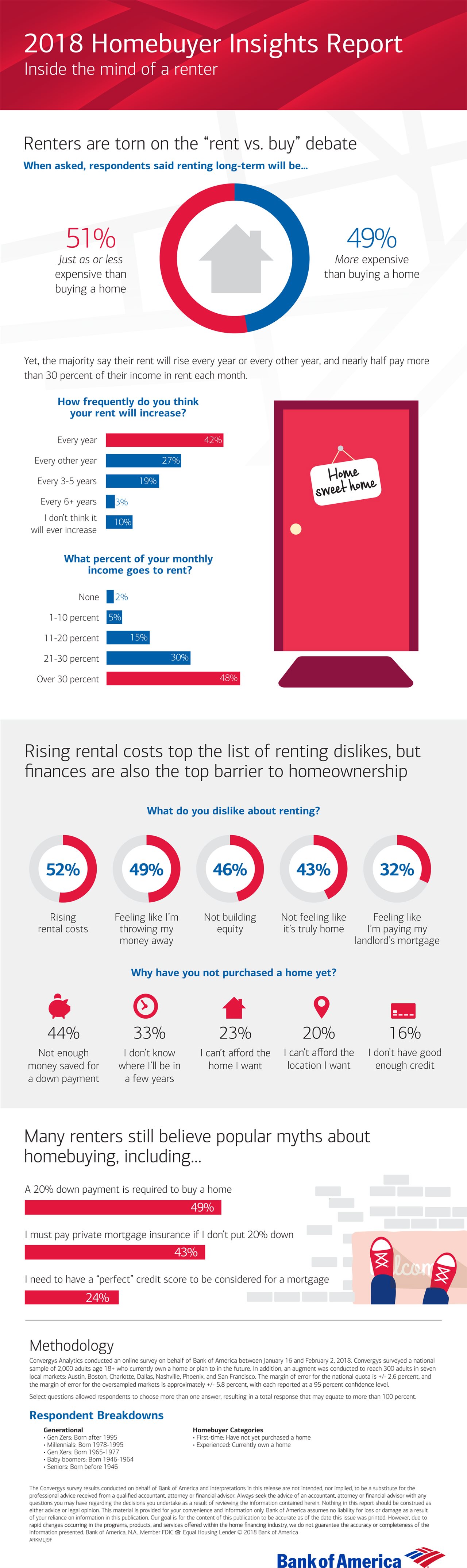
(BPT) – The age-old question — to own or to rent — still looms for many, and renters acknowledge that finances remain one of the top barriers to homeownership. Common homebuying myths about down payments, private mortgage insurance and credit scores are also holding renters back. Learn more about current trends among renters in this infographic.


The best way to buy beauty products without stepping in a store

2018-10-11T08:01:00

(BPT) – Mobile, social and e-commerce platforms as well as augmented reality have infinitely changed the way consumers research and shop for the things they need. Even with all of that information, buying beauty products online can be tricky.

Whether you are shopping for something you haven’t tried before or attempting to get the best bang for your buck, it’s easy to get overwhelmed by the number of options. And unlike less personalized items, beauty products need to look and feel right for your own skin, hair and nails.

So how can you efficiently dig through the clutter to identify the products that will work best for you? Here are five tips to consider when shopping for beauty products online:

See what it looks like out of the tube: Lower prices and loyalty points are great but finding the right product online can seem intimidating when you can’t see or feel it in real life. If you can’t test a color in-store, try to find the swatch online or identify third-party tutorials showcasing application to get a more realistic view of how the product will look and perform on your skin. Some of the best tips can also be found on Pinterest or private Facebook groups specifically for beauty lovers.

Test it out (virtually): Brands using the latest technology have made it possible to try out looks without having to navigate beauty aisles. Amway’s Artistry Virtual Beauty App uses smart facial detection to guide true-to-life makeup application in real-time or on selfie photos. Android and iOS app users can test, discover and purchase products like the new Artistry Studio NYC Edition that channels inspiration from cities around the globe. The first edition captures the hustle, heart and unapologetic style of NYC with six products, from all-in-one palettes to double-duty sticks for eyes and lips, that make glam-on-the-go effortless.

Raise your hand for updates: Sign up with your favorite beauty brands and their reps to receive information and alerts on new products, sales and limited-edition collections. This way, you won’t have to worry about missing out on the latest launches or having to deal with the disappointment of finding the perfect product only to realize it’s no longer available!

Steer clear of unauthorized e-tailers: When buying beauty products, make sure to shop only from official brand channels — like brand reps, websites and apps. This will guarantee that the product you receive is new, undamaged and in good quality.

Do your research: Compare e-shops and brand sites so that you can identify a standard price. Once you determine the value, it becomes possible to eliminate stores that are unreasonably expensive. The key to finding the best deals? Purchase products you trust, and spend extra time sourcing the best price.

The options may seem limitless when it comes to searching for the ultimate beauty products online. These tips will help to make your next experience more seamless and successful.


Simplicity and savings trigger flip phone comeback

2018-10-10T08:01:00

(BPT) – The good old-fashioned flip phone is enjoying a quiet resurgence, with sales having increased by 5 percent in 2017. While they’re not exactly poised to overtake the popularity of the iPhone, these venerable devices retain a timeless appeal for those who prefer the simple convenience of using a cellphone primarily for making and receiving calls, and with older users who find smartphones unnecessarily complex for their needs.

In fact, in a “Back to the Future” twist, most of the major smartphone makers are now working on foldable devices as the next big thing in cellphone design evolution. Having seemingly reached the limits when it comes to expanding the traditional rectangular smartphone handset, a device using two or more bendable panels to form a large touchscreen when unfolded is reportedly on the drawing boards of several tech giants, and could be on the market as soon as next year.

A practical choice

While fancy, foldable smartphones may be the future, the rugged and classic 12-key flip phone soldiers on in the present, gaining new fans for more than just its compact clamshell design. After more than a decade of smartphones integrating themselves into every aspect of our daily lives, many users are making a conscious decision to dial back their screen time and let their cellphone be what it was meant to be in the first place: a simple phone.

Then there’s the affordability. In addition to a full range of smartphones, Consumer Cellular, a leading no-contract wireless provider with a special focus on the needs of users over 50, offers flip phones for as little as $30, and wireless plans to go with them starting as low as $15 per month. If you’re on a limited budget, the savings of using a flip phone are huge, especially when compared to the cost of connecting with a flagship smartphone where the latest top-of-the-line releases come with price tags around $1,000 for the device alone.

An easy way to stay connected

As an added benefit, most flip phones today offer important features that make them surprisingly versatile. Some models can connect to the internet, though usually with limited functionality. Most include photo and video capabilities. And you can’t beat the battery life: a fully charged Doro PhoneEasy 626 from Consumer Cellular provides 16 days of power. By contrast, heavily used smartphone batteries will be drained after just 10-16 hours.

For seniors, or those with limited vision, the benefits are even greater. The flip phone’s tactile keys make it easy to find the right buttons when dialing. Many include an emergency alert button, an added safety feature which allows a user to connect with emergency contacts at the push of a single button. Flip phones even work with Bluetooth functionality, so calls can be made hands-free.

Fewer frills, fewer worries

A flip phone won’t fit the bill for everyone, especially if you’re a fan of using your phone for things like streaming movies, playing games or posting to social media. Photo resolution is less sharp on flip phone cameras than on most smartphones, and while you can send text messages, the typing process can be slow and cumbersome.

But viewed through another lens, many of these perceived shortcomings are precisely the charm for those who no longer feel the need to be plugged into their phone 24 hours a day, or have limited mobility or technical savvy. Add in the fact that flip phones are a great choice for anyone who likes having extra money in their pocket, and you can understand why they remain a popular and viable choice, even in today’s smartphone-dominated wireless world.