Boomer bonanza: 5 ways to stay in style on a fixed income

2018-06-25T09:01:00

(BPT) – As American baby boomers begin to exit their careers and opt for more leisurely lifestyles, some 10,000 are expected to retire every day through 2029.

While many are scaling back their incomes in retirement, however, most have no intention of becoming out-of-touch with modern trends and innovations. Fortunately, keeping up-to-date and attuned to fashion doesn’t have to cost big bucks.

“We boomers have every bit as much to offer as the millennials or the Gen-X’s or the Gen-Y’s,” writes Forrest Brakeman in the Huffington Post. “Hell, we invented the world as they know it. But to bridge the generation gap, or chasm, we need to stay relevant.”

The following suggestions can help you stay current as you age, even when you’re dealing with a conservative budget.

* Shop secondhand. If you’ve never shopped in thrift and consignment stores, you may be surprised at the up-to-date clothes, shoes and accessories that are often available at very attractive price points. Enjoy the thrill of the hunt and the possibility of scoring big on recently released goods, some with the tags still attached. And forget about any stigma; you’ll be shopping among people of all ages, from all walks of life.

* Consider vision insurance. Now that eyewear is such a fashion statement, eyeglass styles tend to change fairly frequently. Fortunately, when investing in the comprehensive coverage offered by VSP Individual Vision Plans, you can regularly replace your glasses without dating yourself by wearing outdated frames. Regular eye exams are also covered at prices well below walk-in rates; the average VSP customer saves more than $200 annually on eye care expenses. And VSP offers the largest network of independent eye doctors in the nation.

* Scout out daily deals. Online coupon sources such as Groupon and LivingSocial frequently offer excellent bargains on personal services such as haircuts, manicures, pedicures, massages and skin treatments so you can look relaxed and well-groomed — without breaking the bank.

* Rent for special occasions. These days, many high-end luxury products are available for short-term rental. Instead of paying full price for glamorous formalwear, jewelry or upscale sports cars, rent them out to enjoy to the max when you have a special event to attend — or when you simply want to treat yourself.

* Buy online. If you’re not already well-versed in online shopping, now is a good time to learn the ropes. Resist paying full retail in stores until you check sites like Amazon, Etsy, eBay or Overstock to see if you can find your merchandise of choice at lower prices. Often, it’s ridiculously inexpensive (or free) to have such goods delivered straight to your doorstep, or to the doorstep of a loved one. You can also use tools like PriceGrabber to compare online prices on your behalf, then peruse the additional retailer coupons frequently available on sites such as RetailMeNot or Coupons.com.

In short, there’s no need to deny your sense of fashion just because you’re entering the so-called golden years. Form your strategy now for finding the best deals on the trending fashion that keeps life fun — and keeps you from falling into a style rut.


Small businesses and the benefits of conscious capitalism

2018-06-22T07:01:01

(BPT) – What drives someone to take the risk and start their own business?

In many cases, it’s the knowledge that they can offer a great product or introduce new solutions to old problems. Passion and determination put entrepreneurs at the forefront of innovation.

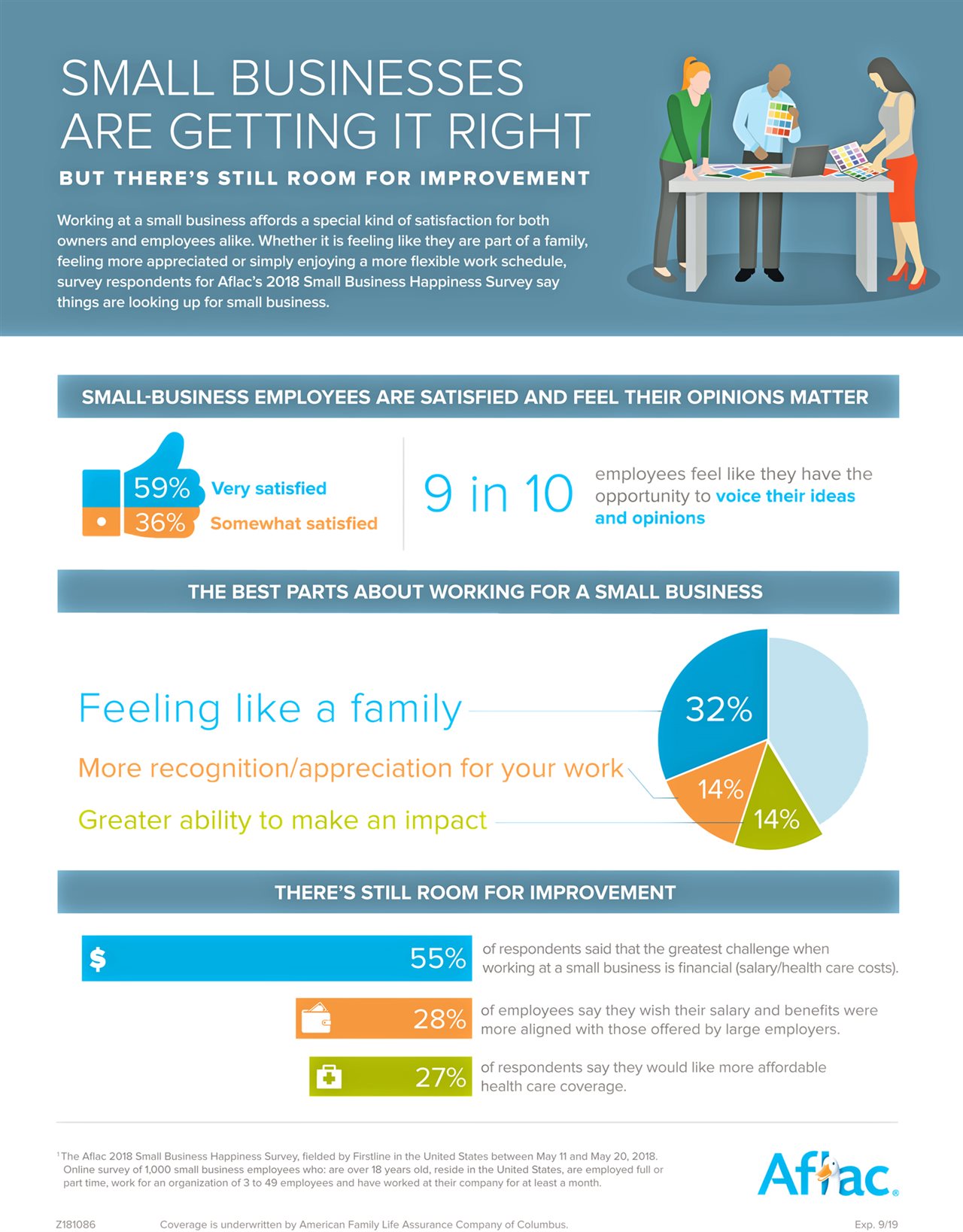
What’s remarkable about so many small and medium-sized businesses today is that it’s not just the bottom line they’re after. Businesses are more focused than ever on socially and environmentally conscious causes.

Take, for example, small business Bayou with Love, who partnered with Dell to create a jewelry line using recycled gold from old computer motherboards. The jewelry line is just one example of a small business prioritizing doing good for the planet.

Cuvee Coffee practices direct trade, a model that considers environmental, financial and social sustainability as well as personal relationships. It builds partnerships with farmers who are good stewards of the land, pay fair wages to their workers and are often leaders in their communities. Cuvee then pays well above market prices for their coffee and in return, the company gets the very best coffee and the farmers make substantial profits.

By using ethical and altruistic principles to guide business practices, these entrepreneurs practice what many call “conscious capitalism,” and investors are taking notice.

Investments from angel investors and venture capitalists have helped these businesses play their part in a national and global trend toward social betterment in business.

Here are a few ways small businesses can benefit from conscious capitalism.

It opens the door to more capital from investors

When a company launches a humanitarian initiative or implements an ethical program, people pay attention.

According to Fundivo, angel investments in altruistic businesses have been steadily growing since 2002 and roughly four jobs are created per investment. Moreover, a recent study from The Forum for Sustainable and Responsible Investing reported that under sustainable and responsible investing guidelines, a total of $8.72 trillion was made in 2016, showing a 33 percent increase since 2014.

Increased networking opportunities through crowdsourcing

By helping businesses reach like-minded changemakers, the tech industry has made it easier for small businesses to maintain a conscious mission statement along with a profitable bottom line.

In particular, funding for socially-conscious businesses has become more easily achievable through crowdfunding campaigns on Kickstarter and Indiegogo. Even Kickstarter owners Yancey Strickler and Perry Chen insisted that their crowdfunding platform become a Benefit Corporation, ensuring they remain focused on their mission to bring creative projects to life rather than simply increasing the size of their own profits.

These crowdsourcing platforms are an efficient way for companies to find investors, but also to network and get their message out to a broader public.

A boost from tech

At the center of many altruistic businesses is the robust use of technology, which has allowed many highly successful small businesses to support social and environmental causes.

It’s not only that having dependable and easy-to-use technology is critical for these businesses, but many tech giants have implemented programs to support conscious capitalism in small businesses.

For instance, as one of the world’s leading IT suppliers, Dell has been particularly passionate about helping businesses with an eye for social change and environmental consciousness. Through its 2020 Legacy of Good plan, which outlines its own sustainability goals, it has helped small businesses use technology in a way that drives progress and social change.

Dependable and affordable technology is essential to promoting social change, and that’s why so many entrepreneurs and investors are realizing that when paired with technology, ethical business practices can do a lot of good and turn a profit.


3 things your small business should be leasing

2018-06-21T07:01:24

(BPT) – Should I lease or should I buy?

It’s a question everyone eventually stumbles upon. Most of the time there is no one-size-fits-all answer.

With the pace of technology moving faster than ever, and leasing options becoming more available, the prevailing wisdom is changing. The sharing economy makes leasing (or renting) easy and affordable.

Beyond considering leasing options for your personal car, residence and more, entrepreneurs and small business owners are taking advantage of leasing’s newfound prevalence for their business needs.

Hotel and accommodation

Technology has made the world feel small. You can do business with people across the world in real-time. More and more, small businesses are exporting their offerings around the globe. The US Small Business Administration even encourages doing so and provides counseling to start exporting.

But sometimes, you’ve got to go in person. For small businesses on a shoestring budget, the cost of traditional hotel rooms for you and your employees is a bill many would like to avoid.

Companies like Airbnb are now offering “business options” for business travelers. This can save money over a traditional hotel room.

Furthermore, for small businesses that may operate in two or more cities with employees frequently traveling between the two, startups can lease corporate apartments, permanent accommodations available to employees who are in town from another business location.

For many small businesses, corporate apartments make sense financially. They alleviate the hassle of booking hotels, minimize costs and allow employees to feel more at home when they are on the road.

Offices, conference rooms, meetings rooms and more

The word “co-working” has made its way into the startup community and taken a permanent place there. Co-working is leasing an office from a co-working group where many other businesses operate sharing the same facilities and community areas.

“Co-working just makes sense for entrepreneurs. It’s collaborative, it improves productivity. For me, starting the Lemon Collective was a natural extension of my work as an entrepreneur. I knew myself and others like me would work better and succeed more in the environment we envisioned and created,” said Kate Zaremba, co-founder of The Lemon Collective.

Organizations like WeWork, the world’s fastest-growing co-working space, provide small businesses a host of benefits from more affordable office space options to professional meeting rooms in locations all over the world, to the opportunity to work and collaborate next to like-minded innovative thinkers.

The icing on the co-working cake? Ninety percent of those surveyed in a co-working space said they felt more confident when co-working.

Technology for freelancers and small business owners

Whether you’re a freelancer, work as part of the gig economy, own a small business or have a side hustle that makes your laptop your office, leasing a computer might be an option you never considered.

Technology keeps changing and improving, and an outdated computer can put you at a disadvantage.

Software as a service, or SaaS, is a software delivery model where software is a subscription charge rather than one-time fees and is then centrally hosted. This is especially advantageous for small businesses that aren’t ready for an IT department.

The same holds true for hardware, as leasing laptops and other vital technology is an increasingly popular option for small businesses.

A study by Techaisle showed 36 percent of SMBs had PCs four years old or older. Many use old PCs as a cost-saving measure, not recognizing that outdated PCs lead to additional bottom line costs and significant productivity loss — outdated PCs result in an average of 42 lost productive work hours per year.

The big advantage: Costs remain consistent in a lease contract and your business can always afford to use up-to-the-minute technology. It also leaves capital available to invest elsewhere.

Small business breaks for leasing

“Each small business should check with their tax accountant right away to determine how leasing can be a benefit,” recommends Rick Stipe, VP of Dell’s Financial Services.

The IRS’ Section 179 permits a business to deduct the full price of either purchased or leased equipment in the current tax year — up to $1 million in 2018. And though both leased and purchased tech can offer tax benefits, remember to weigh the costs of depreciation on purchased goods.

The IRS considers a laptop an information system, with a reasonable lifespan of five years. Hardware retains its value, by IRS standards, for the length of its life. The latter includes monitors, scanners and computers. Leveraging these categories can help small businesses optimize their yearly taxes.

If you want to know more about how technology leasing can help your company or lifestyle, contact Dell’s Small Business advisor team and discover new possibilities for your bottom line.


Protecting your peace of mind, and your bottom line

2018-06-19T09:09:00

(BPT) – How big is your retirement nest egg? Is there a chance you could outlive it? Even if you’re socking money into your 401(k) every paycheck like clockwork, that’s a question worth pondering. Americans are living longer, more active, younger lives. They say that 60 is the new 40, and if you look around at who we used to call “senior citizens,” you’ll see people in their prime. That’s the good news.

It also presents a problem. We’re all facing a silent, growing crisis. Study after study, including financial research organization LIMRA’s 2016 Secure Retirement Study, shows that many Americans underestimate their retirement expenses. Today, retirement isn’t the end of your life, it’s a transition point. It’s about enjoying the fruits of your labors without the stress of your 9-to-5. Will you have enough money to do that for the rest of your life?

Kent Sluyter, president of Prudential Annuities, says the first step toward achieving that goal is to change your mindset. We’re all programmed to think about retirement savings, contributing to that 401(k) and accumulating wealth month after month and year after year. That’s important, no doubt, but it’s only one part of the retirement puzzle. It’s also about generating regular income during retirement, so you’re not simply depleting your accumulated retirement savings with nothing coming in to replenish the pot.

One way to get a regular “paycheck” during retirement, Sluyter says, is with annuities. But they’re not top of mind for many people, and misinformation and confusion is floating around out there, even in financial advisors’ offices.

“The annuities market is at an inflection point,” says Sluyter. “Annuities are passed over by many consumers and investors because they are often perceived as expensive and unnecessary.”

Annuity sales fell 8 percent in 2017, according to LIMRA data. Observers attribute much of the drop to the Department of Labor’s Fiduciary Rule that governs the way financial professionals sell and market annuities. The rule made it less attractive for many to sell annuities and created a great deal of media coverage that amplified existing negative perceptions of them. Annuities have a reputation of being complex, which only increases the risk of their being misunderstood. However, annuities can serve a critical purpose within a retirement portfolio among a combination of strategies, investments and products.

That’s why several companies, including Prudential, recently established the Alliance for Lifetime Income with the goal of promoting greater understanding of how annuities can protect retirement income and help grow retirement savings.

“Through the Alliance, we’re fostering clarity and simplicity, so consumers have confidence in lifetime income solutions such as annuities,” says Sluyter.

Annuity 101

What are annuities, exactly, and how do they differ from other retirement savings? Here’s a short course in Annuity 101.

An annuity is an insurance product that guarantees income. Just like an insurance policy, you pay into it, often in a lump sum, and it guarantees you monthly, quarterly or yearly payouts for the rest of your life. There are three different types:

Fixed annuity. These allow you to lock in a rate of earning that, even over lengthy periods of time, remain unaffected by market ups and downs.

Indexed annuity. This is tied to a stock index, giving the annuity the potential to grow if the index goes up. If it goes down, you still get any minimum rate of return you agreed to when you bought it.

Variable annuity. If you’ve got high risk tolerance, this may be the best choice for you. Your lump sum is invested, there’s no minimum interest rate guarantee and you may lose money.

Why are more consumers investing in annuities? Sluyter explains:

  • Recent equity market volatility is making consumers nervous. Combine that with better clarity from the U.S. Department of Labor about the Fiduciary Rule, and annuities are once again becoming more attractive. Current industry expectations are for a slight uptick in sales this year.
  • The 2017 Language of Retirement study found most Americans favor financial strategies that offer guaranteed lifetime income. Ninety percent of all consumers who responded to the survey are very or somewhat interested in receiving lifetime income, which is what an annuity can provide.
  • The industry has evolved beyond traditional variable annuities, offering new, more flexible options such as fixed indexed annuities, which can provide protection and are tied to one or more indexes, rather than direct equity performance.

The bottom line is that protected retirement income can help provide much-needed peace of mind for many Americans.

Annuities are issued by The Prudential Insurance Company of America, Pruco Life Insurance Company (in New York, by Pruco Life Insurance Company of New Jersey), located in Newark, NJ (main office), or by Prudential Annuities Life Assurance Corporation located in Shelton, CT. (main office). Variable annuities are distributed by Prudential Annuities Distributors, Inc., Shelton, CT. All are Prudential Financial companies and each is solely responsible for its own financial condition and contractual obligations.


Simple ways to earn extra money without owning a car

2018-06-18T07:01:00

(BPT) – Whether you’re new to a city and are getting on your feet, or you don’t want the commitment of a longtime lease or loan, there are countless ways to put some dough in your pocket without the need to purchase a car. Working with a flexible schedule doesn’t necessarily mean that you need to be tied to traditional car ownership. Here are five simple ways to make money on your own time.

Pet sitter

If you love animals, consider offering your services to people in your area. Depending on your schedule, you could become a dog walker or pet sitter, where you visit the animal during the day while the owner is at work. Another option is pet boarding out of your home. This can be particularly great for dogs. Kennels are expensive, and many dog owners will consider qualified and trustworthy home boarding options as an alternative to kennels when they are out of town. Advertise and build up your own clientele or use a site like Rover.com to network.

Driver

Want to try out ridesharing but don’t own a car? Or maybe you don’t want the commitment of a longtime lease or loan? Car ownership and contracts can be expensive, but you can curb or even eliminate the cost and earn money by participating in the Lyft Express Drive. The program provides affordable access to rental cars through partners like Hertz and Flexdrive. Drivers have access to a Lyft-exclusive starting weekly rental rate of $209 per week (plus taxes and fees). However, this cost can drop with Express Drive Rental Rewards, a program designed to make each rental more affordable. If a renter gives a certain number of Lyft rides each week, some or all of the rental costs can be covered by Lyft’s Rental Rewards bonus. Learn more at www.lyft.com/expressdrive.

Tutor/coach

What skills do you have that others could benefit from? Do you speak another language? Have a degree in mathematics? Play an instrument? Did you go to college on a gymnastics scholarship? Whatever your specialty, your skills could be in high demand. Many parents pay top dollar for their kids to get private tutoring or coaching lessons. Create a resume that stresses your specialty and begin advertising on neighborhood websites and other local places. Once you start successfully tutoring one or two students, create a referral program to encourage word-of-mouth recommendations and grow your business.

Freelance

The gig economy refers to the labor market of short-term or freelance workers, and it’s growing quickly in the United States. Some people find so much success with freelancing that they quit their full-time work and do contracts as their schedule allows. You may not be ready to do that, but you can make extra money using your professional skills for short-term telecommuting gigs. Upwork and Indeed.com are just two websites where you can find short-term employment that fits into your spare time. You could also consider advertising your skills on your own by creating a professional portfolio online and reaching out to potential clients.

House cleaner/handyman

Everyone loves a clean house, but not everyone loves to clean. If you enjoy getting down and dirty in order to make rooms shine, consider housecleaning as your side gig. Whether you’re sprucing up a kitchen or tackling a pile of laundry, this can be incredibly lucrative and easy to flex around your schedule. If your skills are more with a hammer or screwdriver, you might consider becoming a part-time handyman. As America’s baby boomer generation ages, the need for help around the house like this will grow. Start building your clientele list now.


Simple ways to earn extra money without owning a car

2018-06-18T07:01:00

(BPT) – Whether you’re new to a city and are getting on your feet, or you don’t want the commitment of a longtime lease or loan, there are countless ways to put some dough in your pocket without the need to purchase a car. Working with a flexible schedule doesn’t necessarily mean that you need to be tied to traditional car ownership. Here are five simple ways to make money on your own time.

Pet sitter

If you love animals, consider offering your services to people in your area. Depending on your schedule, you could become a dog walker or pet sitter, where you visit the animal during the day while the owner is at work. Another option is pet boarding out of your home. This can be particularly great for dogs. Kennels are expensive, and many dog owners will consider qualified and trustworthy home boarding options as an alternative to kennels when they are out of town. Advertise and build up your own clientele or use a site like Rover.com to network.

Driver

Want to try out ridesharing but don’t own a car? Or maybe you don’t want the commitment of a longtime lease or loan? Car ownership and contracts can be expensive, but you can curb or even eliminate the cost and earn money by participating in the Lyft Express Drive. The program provides affordable access to rental cars through partners like Hertz and Flexdrive. Drivers have access to a Lyft-exclusive starting weekly rental rate of $209 per week (plus taxes and fees). However, this cost can drop with Express Drive Rental Rewards, a program designed to make each rental more affordable. If a renter gives a certain number of Lyft rides each week, some or all of the rental costs can be covered by Lyft’s Rental Rewards bonus. Learn more at www.lyft.com/expressdrive.

Tutor/coach

What skills do you have that others could benefit from? Do you speak another language? Have a degree in mathematics? Play an instrument? Did you go to college on a gymnastics scholarship? Whatever your specialty, your skills could be in high demand. Many parents pay top dollar for their kids to get private tutoring or coaching lessons. Create a resume that stresses your specialty and begin advertising on neighborhood websites and other local places. Once you start successfully tutoring one or two students, create a referral program to encourage word-of-mouth recommendations and grow your business.

Freelance

The gig economy refers to the labor market of short-term or freelance workers, and it’s growing quickly in the United States. Some people find so much success with freelancing that they quit their full-time work and do contracts as their schedule allows. You may not be ready to do that, but you can make extra money using your professional skills for short-term telecommuting gigs. Upwork and Indeed.com are just two websites where you can find short-term employment that fits into your spare time. You could also consider advertising your skills on your own by creating a professional portfolio online and reaching out to potential clients.

House cleaner/handyman

Everyone loves a clean house, but not everyone loves to clean. If you enjoy getting down and dirty in order to make rooms shine, consider housecleaning as your side gig. Whether you’re sprucing up a kitchen or tackling a pile of laundry, this can be incredibly lucrative and easy to flex around your schedule. If your skills are more with a hammer or screwdriver, you might consider becoming a part-time handyman. As America’s baby boomer generation ages, the need for help around the house like this will grow. Start building your clientele list now.


5 important tips to recruit and retain millennials

2018-06-12T08:01:01

(BPT) – As millennials continue to expand their share of the workforce in this country, they’re using their influence to change the workplace to their advantage.

The generation of workers ages 22 to 37 is an important segment for employers as baby boomers retire in huge numbers to create what’s slated to become a 15-year labor shortage. To stay competitive, employers are increasingly stepping up to appeal to young, tech-savvy workers by digitizing their most important employee communications and interactions — including their benefits administration.

“Being an innovative company where millennials want to work means employers need to digitize not only for their customers, but for their employees,” says Wendy Carberg, customer experience and digital lead at Guardian. “Companies seeking to engage and enhance the employee experience are using pulse survey and feedback tools, check-ins, employee-curated learning platforms and many other tools that help us get a total understanding of what makes employees happy and productive.”

If you’re an employer wishing to recruit and retain younger workers moving forward, you may wish to move forward with the following millennial-friendly digital tactics.

1. Teleworking opportunities. As employers and employees increasingly recognize the advantages of at-home work, about half of all U.S. workers now hold jobs that offer at least part-time telework. Proponents say such opportunities decrease employee stress levels while boosting productivity and reducing employer overhead.

2. Integrate digital benefits. A recent study by Guardian Life Insurance Company of America found millennials prefer a more intuitive, personalized and engaging benefits experience from their companies. The study finds employers are beginning to improve the end-to-end user experience, with 75 percent now focused on improving effectiveness of self-service platforms compared to 61 percent in 2014. Eighty-one percent of employers surveyed are satisfied with the highly digital benefits administration platforms they’ve used; 67 percent say such platforms work well for enrolling workers and 58 percent particularly praise their record-keeping ability.

3. Social media for recruiting and screening. If you’re not using tools such as Facebook and Twitter as supplementary tools for finding and vetting candidates, you’re missing out on the ability to spread and/or gather information that transcends the limitations of resumes and cover letters. Ninety percent of Americans 19 to 30 are now on social media, and many expect their employers to be equally on board.

4. Professional development. Millennials place great importance on being given opportunities to learn and grow on the job, and employers can make that happen through company-funded webinars, podcasts, online college classes and other curricula. Many such courses are tax-deductible, and such investments also pay off for employers as their workers gain news skills and abilities.

5. Multiple communication and storage tools. Savvy employers set up their communications systems to allow for interactions and collaboration anywhere, any time via a choice of channels. That kind of flexibility often calls for cloud-based storage platforms and content management systems.

Keeping up with the latest digital tools is important for any company wishing to find quality millennial workers in today’s competitive environment. To learn more about how integrating digital employee benefits can help create a more satisfied workforce, contact Guardian.


Consumers need to be on guard against common rental scams

2018-06-11T13:15:00

(BPT) – You know the old saying, that if it’s too good to be true, it probably is?

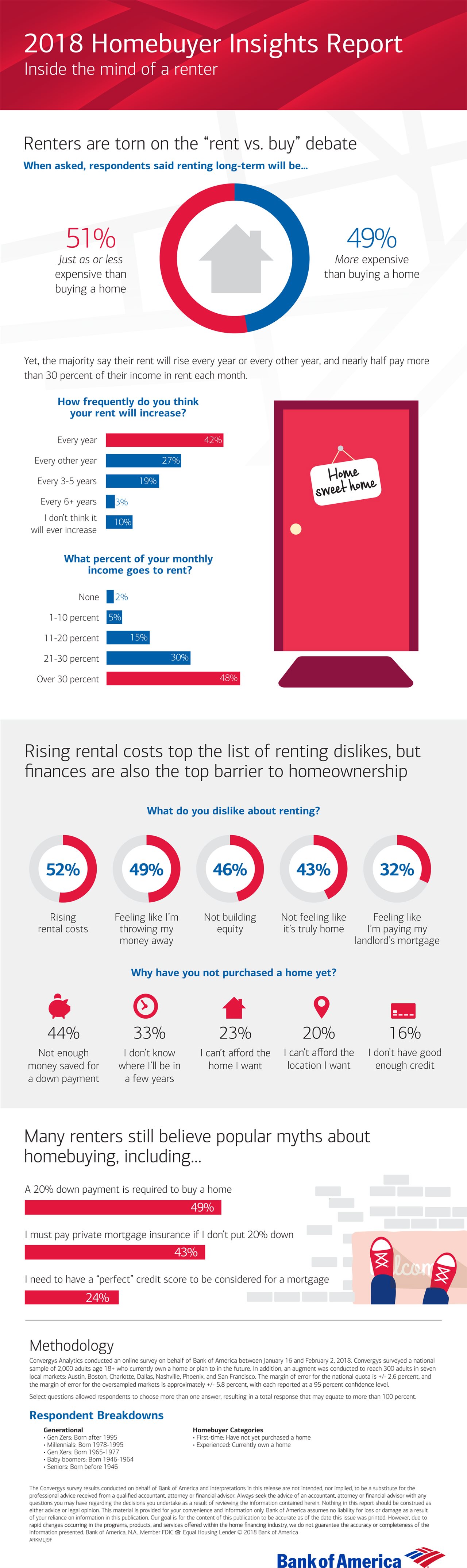
Whether you’re searching for your first rental or are a seasoned renter seeking a new place in a new city, be aware that rental scams are more common than you think.

Here’s how the scam plays out

A scam artist finds a vacant real estate property which is often bank-owned, a vacant vacation home or maybe even a property rented by the scammer, who plans to pull off the scheme several times over. The scam artist advertises the rental property — an apartment, house or room — online, often on a free classified website.

What really stands out about the property is that it is often offered at a lower price point. It’s substantially cheaper than comparable properties in the area, which may not seem entirely unreasonable if you’re in a competitive market. The pictures look great and the listing might even include an image of the floor plan to give you a better sense of what the home is like.

Everything appears legitimate — no misspellings, grammatical errors or anything else that would make you pause or second-guess the ad.

Naturally, you’re interested in the property, so you reach out to the person or “company” posting the ad and say you’d like to see the home. You might get a friendly response that says something along the lines of “I’d love to show you the space; however, I’m a businessman working out of the country and can’t show it to you in person.” That is a red flag, as a legitimate landlord or property manager will be willing to arrange for someone to meet you and show you the inside of the property.

Another red flag is that before they can show you the property, they say that they need to verify whether you have the funds available for the rent. If the landlord wants a higher security deposit than what’s normal, or if upfront fees seem excessive, it could be a sign they want to take your money and run.

Most often, legitimate landlords want to know your credit score or do a criminal background check and employment verification. If a landlord doesn’t seem interested in any form of tenant screening or appears too eager to negotiate the rent and other lease terms with you, think twice.

Scam artists also target travelers researching vacation rentals, students looking for off-campus housing or a roommate and even service members who frequently relocate.

What you can do

Do your research. Investigate the company that has the property listed for rent. If dealing with an individual, make sure he is truly the property owner and you’re not dealing with someone who has no legitimate ties to the property. Scammers often take information from real estate listings to produce phony rental listings. There is never a reason to send money without viewing the rental or meeting in person, especially if the request is for a money transfer.

Whatever situation you’re in, keep these tips in mind:

  • Never pay for a property you found online using a money transfer.
  • Avoid any listing that pressures you or requires you to act immediately.
  • Watch for poorly written correspondence or advertisements that contain misspellings, improper use of language or unusual formatting.
  • Never provide personal identifying information to an unknown individual or entity, especially to persons who respond solely through email.
  • Never send a money transfer to someone you haven’t met in person.

If you send a Western Union Money Transfer and believe you may be a victim of fraud, call our Fraud Hotline at 1-800-448-1492.

More information on scams and how to protect yourself is available at the Western Union Consumer Protection Center: www.wu.com/fraudawareness.

You know the old saying, that if it’s too good to be true, it probably is?

Whether you’re searching for your first rental or are a seasoned renter seeking a new place in a new city, be aware that rental scams are more common than you think.

Here’s how the scam plays out

A scam artist finds a vacant real estate property which is often bank-owned, a vacant vacation home, or maybe even rented by the scammer who plans to pull off this scheme several times over. The scam artist advertises the rental property — an apartment, house or room — online, often on a free classified website.

What really stands out about the property is that it is often offered at a lower price point. It’s substantially cheaper than comparable properties in the area and which may not seem entirely unreasonable if you’re in a competitive market. The pictures look great and the listing might even include an image of the floor plan to give you a better sense of what the home is like.

Everything appears legitimate – no misspellings, grammatical errors, or anything else that would make you pause or second-guess the ad.

Naturally, you’re interested in the property, so you reach out to the person or “company” who posted the ad saying you’d like to see the home. You might get a friendly response that says something along the lines of “I’d love to show you the space; however, I’m a business man working out of the country and can’t show it to you in person.” This is a red flag as a legitimate landlord or property manager will be willing to arrange for someone to meet you and show you the inside of the property.

Another red flag is that before they can show you the property, they need to verify you have the funds available for the rent. If the landlord wants a higher security deposit than what’s normal, or if upfront fees seem excessive, it could be a sign that the they want to take your money and run.

Most often, legitimate landlords want to know your credit score, or do a criminal background check and employment verification. If a landlord doesn’t seem interested in any form of tenant screening or appears too eager to negotiate the rent and other lease terms with you, think twice.

Scam artists also target travelers researching vacation rentals, students looking for off-campus housing or a roommate, and even service members who frequently relocate.

What you can do

Do your research. Investigate the company that has the property listed for rent. If dealing with an individual, make sure they are truly the property owner and you’re not dealing with someone that has no legitimate ties to the property. Scammers often take information from real estate listings to produce phony rental listings. There is never a reason to send money without viewing the rental or meeting in person especially if the request is for a money transfer.

Whatever situation you’re in, keep these tips in mind:

  • Never pay for a property you found online using a money transfer
  • Avoid any listing that pressures you or requires you to act immediately
  • Watch for poorly written correspondence or advertisements that contain misspellings, improper use of language, or unusual formatting
  • Never provide personal identifying information to an unknown individual or entity, especially to persons which respond solely through email
  • Never send a money transfer to someone you haven’t met in person

If you sent a Western Union Money Transfer and believe you may be a victim of fraud, call our Fraud Hotline number at 1-800-448-1492.

More information on scams and how to protect yourself is available at the Western Union Consumer Protection Center: www.wu.com/fraudawareness.


Ready to switch wireless carriers? Answer these 6 important questions first

2018-06-08T07:01:00

(BPT) – Changing your wireless carrier is an important (and potentially expensive) decision. Before you make the switch, answer these simple questions to make sure you make the move that’s right for you.

1. Are you free to go?

While carrier contracts in the U.S. are quickly becoming things of the past, you still have to make sure you’re free and clear of obligations to start up somewhere new without getting hit with penalty fees. If you’ve bought a phone from another carrier, double-check to make sure you’ve paid it off in full, or else you may need to pay the rest of what you owe before you can cancel your service.

2. Will you need to buy a new phone, or do you have one already?

Unless you’re bringing your own existing cellphone to your new network, you’ll need to buy one, which means you’ll be paying for the whole thing up front, or via monthly installments. These are payments you’ll need to factor in as you calculate how much you want to pay your new carrier each month.

If you plan to bring your own phone, make sure it’s unlocked and works on your new carrier’s network (GSM, such as AT&T and T-Mobile versus CDMA, like Sprint and Verizon). When in doubt, give their customer service departments a call.

3. Individual or family plan?

Are you looking for yourself or for a group? A shared plan or family plan, which splits a monthly allotment of data among multiple phone lines, usually winds up being cheaper per month than going solo. The downsides? You get a smaller amount of data for yourself, and you can’t predict how much everyone else on your plan will use. Carriers can also vary widely on how much they charge for adding extra lines to your account, so be sure to compare to find the best price.

4. Is low price something or everything?

How important is price to you? If you simply need the lowest rate, look for seasonal sales or promotional offers. Some carriers will cut you a better deal if you bring your number over from a previous carrier or trade in your old phone. Occasionally, you’ll find a deal that pairs a specific phone model with a particular rate plan. And sometimes you’ll flat out find a great overall deal: Consumer Cellular, for instance, regularly receives top recognition in independent consumer surveys for its low-priced, no-contract service, as well as its outstanding customer support.

5. How flexible do you need to be?

Carriers have largely done away with two-year contract pricing, but you can still get it if you want, which often comes with a free or reduced-price device. You can also buy your phone outright in a lump sum, or through monthly installment pricing. As a benefit of this, the dreaded early termination fees of yesterday are gone, though you’re still on the hook for paying off the hardware before you switch (see number one above).

It’s also a good idea to find out if the new carrier offers a grace period, just in case things don’t work out. Many provide a 14- to 30-day trial, so if it turns out the service doesn’t meet your needs, you can cancel without penalties.

6. How good is carrier coverage in your area?

The fanciest phone on the market won’t get you anywhere if you can’t get data or voice service. Ask your friends, colleagues and neighbors how good their reception and signal strength are where you work and live.

There’s no shortage of competition for your cellphone dollars these days. By finding the right answer to these questions, you’re sure to find a carrier that fits your needs, and at a price you’re satisfied with.


Take control of your social media experience in 3 easy steps

2018-06-05T08:01:00

(BPT) – Does all this talk about data and sharing on social media have you confused? Is your feed too noisy and you’re not seeing posts from the people and brands you care about? Social media should be a fun place for you to have meaningful interactions with friends and family. Here are three simple steps to block the distractions and have more control over your social media experience.

See what you want, hide what you don’t

On Facebook, take a peek at Pages, Groups and friends that you follow. Do you still need to follow the TV show that was cancelled in 2011, or your freshmen-year college roommate who is in a punk rock band now? If the answer is no, you can:

* Unfollow: When you unfollow a person, Page or Group, you won’t see their posts in your News Feed, but in the case of your friends, you’ll still be friends with them.

* Hide Post: Hiding a single post gives you the option to see fewer posts from a specific person, Page or Group.

* Snooze: When you temporarily snooze a person, Page, or Group, you won’t see their posts in your News Feed for the amount of time you select.

* See First: When you select a person or Page to see first, their posts appear at the top of your News Feed. The entity won’t know you selected them.

* Unfriend: If you unfriend someone, you’ll be removed from that person’s friends list as well. If you want to be friends with this person again, you’ll need to add them as a friend again. The person you unfriended won’t be notified.

Make your settings do the work

Want more information on the ads you see? Want to make your profile more private? Here are a few security and privacy control tips for Facebook:

Security settings:

* Click the menu button on the bottom right-hand corner and scroll down to Privacy Shortcut.

* From there make all the decisions yourself! See who is able to send you friend requests and view photos you’re tagged in, and adjust any of those settings.

* Do a Privacy Checkup and review all the third-party apps you’ve used Facebook to log into, and choose to disconnect if you like.

* Privacy Checkup also has tutorials on how to use all major privacy controls.

Ad preferences:

* Click the menu button on the bottom right-hand corner and scroll down to Settings. Click Account Settings and then scroll down to Ads. This helps you manage ads you see to make them more relevant to you.

* You’re able to see what advertisers you’ve interacted with, view your interests and discover new ones that you’d like to receive ads around such as “beauty” or “arts and music,” and hide any topics you do not wish to interact with.

* On Instagram, click the top right-hand button on an ad to hide it, which will help determine which ads you see in the future.

Final touch-up

Make sure your social media is the best representation of you.

Make yourself recognizable and say goodbye to outdated pics. Click on Edit Profile under your Profile picture — did you recently go through a major life change? Move to a new city? Relationship status switch to “taken?” Make sure the information you want to share is up-to-date.