Dual Special Needs Plans help those on Medicare get benefits when money is tight

2018-10-02T07:01:01

(BPT) – The fall season brings cooler temperatures, colorful foliage and Medicare’s Annual Enrollment Period. Held each year from Oct. 15 through Dec. 7, this is the ideal time to explore health care plans so you can choose the right one to help you maintain your benefits for better health all year long.

By combining Medicare benefits for people with financial need (or on Medicaid), some applicants may be eligible to enroll in a Dual Special Needs Plan — or dual plan for short — that offers additional benefits and features such as dental, hearing and vision coverage. With a dual plan, beneficiaries may also receive transportation to health care appointments and help to purchase approved health items. Most importantly, they will have someone to help them manage and coordinate their care. All of these additional benefits and features may be available at no additional cost.

However, about 80 percent of people who qualify for dual plans are unaware of this option, according to Karyne Jones, president and CEO of the National Caucus and Center on Black Aging. “It’s important that everyone knows what they qualify for so they can maximize benefits to help save money and improve their health, which can help for a more secure and active future as a person ages,” she said.

DSNP basics

A Dual Special Needs Plan is a type of Medicare Advantage plan that provides health benefits for people with income limitations who may need extra help because of disabilities, health conditions or age. Dual plans encourage everyone involved in caring for a patient — including primary care doctors, specialists, hospitals and care managers — to work together. This can help improve the patient’s health as well as their experience with the health care system.

It’s important that people who qualify know that they may be missing out on additional benefits that a dual plan can offer. Navigating health plan offerings can be challenging, so it’s important for people to understand their choices and whether they qualify for more benefits. Although requirements vary from state to state and by circumstances, an individual making less than $16,000 a year or a family of two making less than $21,000 a year may qualify.

How are DSNPs unique?

In addition to helping manage and coordinate care, dual plans offer additional benefits including:

* dental care, such as exams, X-rays, cleanings, fillings, crowns and extractions;

* credits to purchase over-the-counter health products such as vitamins and first-aid supplies;

* hearing exams and access to hearing aids at a reduced cost;

* an annual eye exam and a credit for eye wear; and

* transportation to health care visits and the pharmacy.

Beyond the benefits, dual plans are designed to be budget-friendly. People who are eligible for a dual plan can usually enroll for no monthly premium.

When to enroll?

The Medicare Annual Enrollment Period is a great time for people to consider their health plan options and see if they qualify for a dual plan. However, people who qualify for a dual plan can enroll or switch to a new plan at certain times throughout the year, not just during the Annual Enrollment Period.

To learn more about UnitedHealthcare’s dual health plans, call 1-855-799-3199, TTY 711, or visit www.getdual.com. UnitedHealthcare is the largest provider of Medicare Advantage plans, including DSNPs.

“More than 2 million people were enrolled in a dual plan in 2017, which represents 3 percent of all people enrolled in Medicare,” said Jones. “By spreading the word about these plans the hope is more people will enroll and take advantage of important health care benefits in 2018 and beyond.”

Plans are insured through UnitedHealthcare Insurance Company or one of its affiliated companies, a Medicare Advantage organization with a Medicare contract and a contract with the State Medicaid Program. Enrollment in the plan depends on the plan’s contract renewal with Medicare.


Safe and effective: Choose physical therapy for your back pain

2018-10-01T07:01:01

(BPT) – If you’re living with low back pain (LBP), you’re not alone. The condition is the leading cause of disability in the U.S. Studies show 80 percent of American adults will experience LBP at some point in their lives. If LBP turns from short-­term to chronic (lasting three months or longer), it can impact your overall quality of life.

Modern society craves quick-­fix solutions to even complex problems, but this mindset can be particularly counterproductive when it comes to LBP. Studies show that LBP is often overtreated, particularly when it comes to the use of opioids, imaging scans (such as MRIs and X­-rays), and surgery. Guidelines recommend first trying exercise and other conservative approaches instead.

“When it comes to low back pain, the best advice is to move,” said APTA spokesperson Colleen Louw, PT, MEd. “Most low back pain will resolve on its own and responds positively to increased movement and regular exercise.”

As America seeks solutions to its ongoing opioid epidemic, patients and prescribers should be especially cautious about treating LBP with opioids. Opioids come with a list of serious potential side effects, and every day more than 1,000 people are treated in emergency departments for opioid misuse. Meanwhile, long­-term use of opioids might not be particularly helpful for LBP, which is why the Centers for Disease Control and Prevention (CDC) released guidelines urging the use of safer alternatives, including physical therapy, for most non-cancer-related chronic pain conditions.

“Given the substantial evidence gaps on opioids, uncertain benefits of long­-term use and potential for serious harm, patient education and discussion before starting opioid therapy are critical so that patient preferences and values can be understood and used to inform clinical decisions,” the CDC states.

Physical therapists can play a valuable role in the patient education process, including setting realistic expectations for recovery with or without opioids.

Physical therapists are movement experts who optimize quality of life through prescribed exercise, hands-on care and patient education.

A physical therapist will perform a thorough evaluation that includes:

* A review of your health history.

* Questions about your specific symptoms.

* A thorough examination that includes assessing the quality and quantity of your movements, and any movement behaviors that might put you at risk for delayed recovery.

* Tests to identify signs or symptoms that could indicate a serious health problem, such as broken bones or cancer.

* Assessment of how you use your body at work, home, during sports and at leisure.

An active treatment plan from a physical therapist can help you improve your mobility while managing your pain, whereas opioids only mask the sensation of pain.

Here are four reasons to choose physical therapy for your back pain:

Physical therapy is a safe and effective alternative to opioids. While doctor-­prescribed opioids are appropriate in some cases, choosing a safer alternative, like physical therapy, eliminates the risk of misuse and avoids the potential negative side effects. Your physical therapist will set realistic expectations for recovery, with or without opioids.

Physical therapists help you help yourself. Physical therapists empower you to be an active participant in your own treatment. Depending on the severity of your pain, your therapist may work collaboratively with other health professionals to ensure a comprehensive course of treatment.

Physical therapy is cost effective. A recent study shows patients with LBP who consult physical therapists early in their treatment processes incur lower out-­of-pocket medical costs, with less probability of accruing expenses associated with opioid prescriptions, advanced imaging services or emergency room visits.

Physical therapy is accessible. You do not need a physician referral to access physical therapists’ services in the U.S.

When it comes to your health, you have a choice. Choose more movement and better health — choose physical therapy. To find more information and a physical therapist in your area, visit MoveForwardPT.com.


Low-salt diets may cause serious problems for seniors

2018-09-27T07:01:01

(BPT) – Loss of balance, along with dehydration, attention deficits and loss of cognition are symptoms of a condition known as hyponatremia, characterized by low salt levels in the blood. The symptoms can occur even with just slight hyponatremia and can have particularly harmful effects for the elderly as the condition is difficult to diagnose. A study presented at an American Society of Nephrology meeting suggests that low-salt diets may be a contributing factor.

Falls are one of the most serious problems for the elderly and about a third of people over 65 fall at least once every year. Fall-related injuries in the elderly are associated with numerous psychological and physical consequences and are a leading cause of bone breakage and hip fractures, which can lead to complications and permanent disability or death. Falls account for nearly half of all injury-related deaths for senior citizens.

The study, Mild Hyponatremia as a Risk Factor for Fractures: The Rotterdam Study, followed more 5,000 Dutch adults over the age of 55 for a six-year period. The researchers found that 8 percent of the participants were in assisted living facilities and all the people in this group were suffering from mild hyponatremia. Follow-up visits revealed that they had higher rates of diabetes and falls than those with normal levels of salt in their system.

Seniors in assisted living centers are routinely placed on low-salt diets, often without an individual assessment, according to a report published by the Pioneer Network titled “New Dining Practice Standards.” This report was the product of a task force of 12 professional medical, nursing and nutritional organizations. They concluded that low-salt diets were contributing to malnutrition and weight loss among a significant percentage of seniors in assisted living facilities.

According to Dr. Ewout J. Hoorn, PhD, Erasmus Medical Center, Rotterdam, the Netherlands, “Although the complications of hyponatremia are well-recognized in hospitalized patients, this is one of the first studies to show that mild hyponatremia also has important complications in the general population.” He added, “Screening for a low sodium concentration in the blood, and treating it when present, may be a new strategy to prevent fractures.”

Americans are now living longer than ever before. In fact, one of the fastest-growing segments is people over the age of 85 who will represent 20 percent of the population by the year 2040. These elderly Americans deserve to be able to enjoy a high quality of life, and while some seniors do need a low-salt diet, many others may not. Without an individual medical assessment it should not be assumed that all seniors will benefit from this intervention when in fact the opposite may be the case.


Beyond Calcium: 5 Proven Supplements for Women over 40

2018-09-27T07:01:01

(BPT) – Aging is one of life’s inevitabilities. We don’t have a choice in the matter; it happens to everyone. But how we age is a choice people make every day. While it’s true that there is no fountain of youth, the choices we make in diet, exercise, and lifestyle can and do affect the quality of our health and ultimately, the quality of our lives.

Women over a certain age know they should be eating right, exercising, getting enough sleep, and doing all they can to reduce stress. Calcium and vitamin D supplements? Those are a given. But there are a whole host of other supplements women should think about taking after age 40.

Here are five supplements that can enhance and improve women’s health at age 40 and beyond.

* Optimized Resveratrol: Resveratrol is a plant compound that is associated with slowing down aspects of the aging process. You’ve heard about it in red wine, but to get the full benefits of the compound, you’d have to drink a lot of wine. Enter the Optimized Resveratrol supplement from Life Extension®, which also contains quercetin, fisetin, and a grape and wild blueberry fruit blend. This nutrient combination promotes youthful gene expression, similar to calorie-restricted diets, helps with healthy insulin sensitivity and mitochondrial function, and provides powerful antioxidant benefits. Other side benefits include greater endurance while exercising and enhanced mental sharpness and vision.

* Menopause 731: This new supplement by Life Extension, fresh off four clinical trials, is made from a Siberian rhubarb root and has been shown to provide significant relief for 11 menopausal discomforts, including hot flashes, depression, night sweats, mood swings, sleep disturbances, and vaginal dryness. This unique extract selectively activates ER-β, a specific estrogen receptor, which is why scientists believe it provides such comprehensive relief. Menopause 731 is designed for perimenopausal and postmenopausal women who are experiencing discomfort and who want relief, but do not want to take hormones. It’s the first plant supplement proven to help with the many menopausal discomforts that can plague women throughout the rest of their lives.

* Curcumin: Found in turmeric root, a culinary spice, curcumin gives curry its unique flavor and yellow color. A member of the ginger family, turmeric’s Ayurvedic medicinal use dates back over 6,000 years in the Middle and Far East. It is a powerful inhibitor of inflammatory factors and a strong antioxidant that supports heart, brain, joint, immune, and digestive health. Most of us don’t eat much turmeric, however, so supplementation is a great way to experience curcumin’s numerous health benefits.

* Pomegranate: The pomegranate tree is native throughout the Mediterranean, Asia, Africa, and Europe and has been cultivated since ancient times. Pomegranates are a powerful antioxidant and support whole body health, including breast, heart, kidney, and liver health. It also helps promote already-healthy blood pressure by regulating LDL oxidation. Until now, the vast majority of research has focused on extracts from the fruit juice alone. But scientists have recently identified the synergistic action of compounds specific to other parts of the pomegranate — notably its seeds and flowers.

* Milk Thistle: Used medicinally for more than 2,000 years, milk thistle is a plant native to the Mediterranean region and is related to sunflowers and daisies. It powerfully supports liver health and the body’s detoxification pathways. Milk thistle also fights free radical damage.

For more information about these supplements, including new Menopause 731, visit lifeextension.com/meno731.

These statements have not been evaluated by the Food and Drug Administration. These products are not intended to diagnose, treat, cure, or prevent any disease.


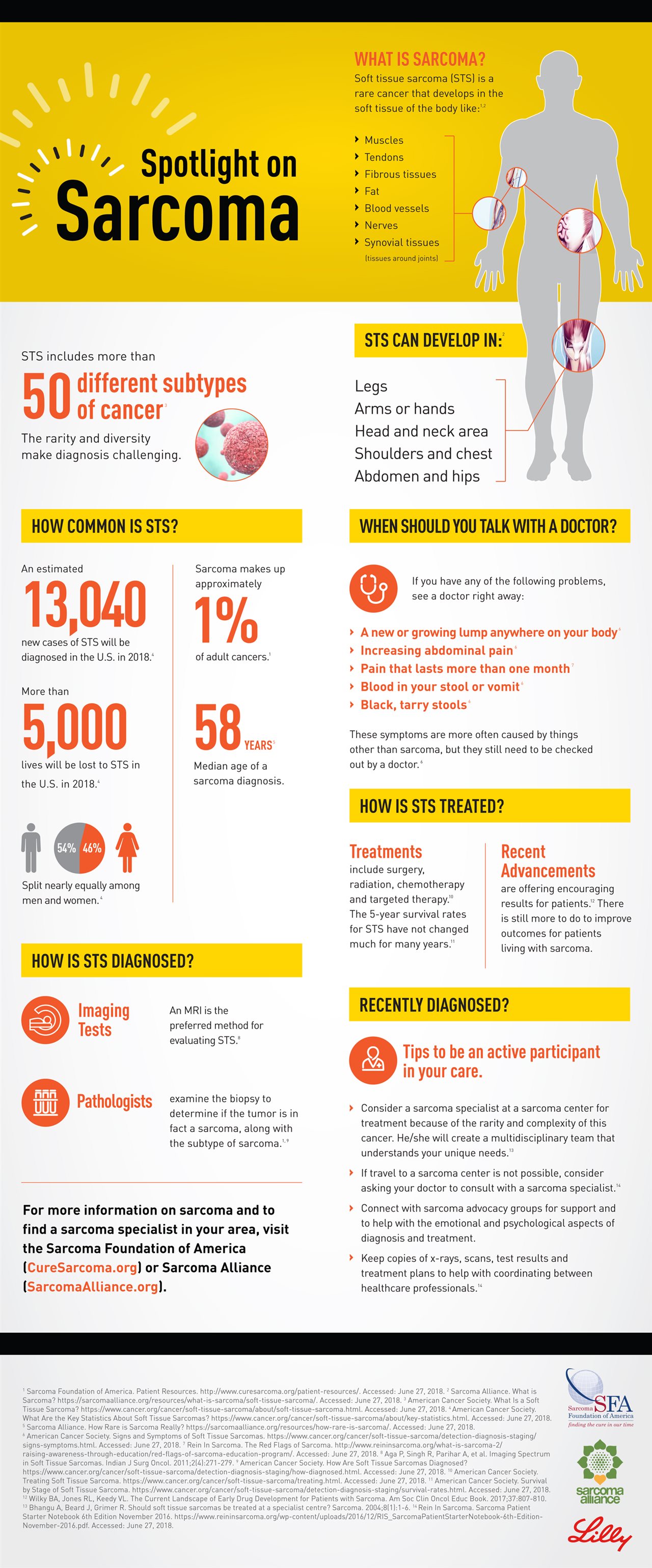
Spotlight on sarcoma [Infographic]

2018-09-25T13:01:00

(BPT) – Soft tissue sarcoma is a rare cancer that forms in the soft tissue of the body and includes more than 50 different subtypes. Learn more about this rare and complex cancer, when to see your doctor and tips to be an active participant in your care.


One woman’s struggle with sickle cell disease and 3 things she wishes you knew

2018-09-24T07:01:00

(BPT) – When Tosin Ola was a baby, she cried a lot. It wasn’t because she was hungry or cold. Tosin cried a lot because of something much worse, and her parents had no idea what it was. They thought she was simply a cranky toddler.

But Tosin was not a cranky toddler. Instead she was a child with sickle cell disease (SCD).

A grim diagnosis

Tosin was born in Nigeria, a country without infant screening for the disease at the time. SCD, a lifelong, inherited blood disorder, impacts the flow of blood and oxygen to the body due to a genetic mutation that leads to the damage and destruction of red blood cells. This causes chronic anemia, leading to fatigue, and inflammation, leading to severe pain. Over time, the cumulative effects of living with this chronic disease can cause organ and tissue damage, stroke and premature death. People with SCD typically live until their mid-forties.

Tosin learned this early on. She was not diagnosed with SCD until the age of 4 when her parents took her to a military hospital. The prognosis was grim, with the doctors telling her parents that she would likely die in childhood.

Tosin was in the room during this conversation and the rage she felt at hearing her own predetermined fate motivated her to fight to live. With her family, she moved to the United States a few years later, where she was hospitalized once or twice a year for bouts of severe pain during her childhood.

Finding a voice

It was a hospitalization in 2005 that changed Tosin’s life. She had been in the hospital for two weeks, and as the only person in her family with SCD, felt very isolated. As she looked for resources online about self-management of SCD, she found nothing. Tosin knew that had to change, and from her hospital bed she started Sickle Cell Warriors, the largest online patient-run community for SCD in the world.

With the support of her family, and in particular her mother, what started as a simple blog now has more than 22,000 members around the globe, and it all started with a woman who followed her voice.

Continuing to teach

These days Sickle Cell Warriors is larger than ever, but Tosin, a registered nurse and mother of twins, never passes up the opportunity to share information about SCD with anyone who will listen, including rideshare drivers. For those who know very little about the disease, Tosin says these are the three most important things to know.

1. You can help eradicate the disease just by finding out if you have the trait. An SCD test is not run on adults unless you ask for it, but you can request it as part of your annual blood work. While it’s most common among people of African descent, SCD can also affect people with Latin American, Mediterranean or Middle Eastern heritage, no matter how distant the genetic link. If you do have the trait, educate yourself on how you can avoid passing the trait or the disease on to the next generation.

2. SCD patients are not pain medication seekers. Tosin likens the pain to prolonged episodes of throbbing, deep pain, similar to when you break a bone or have a severe migraine. Tosin was in labor to give birth for 12 hours before she realized it, as it paled in comparison to an SCD pain episode. There is no approved treatment for the underlying cause of SCD so many patients end up in the emergency room during pain episodes. As an “invisible” disease, the lack of objective methods to measure pain means that emergency room staff are often skeptical and assume SCD patients are addicts. Tosin has faced disbelief and judgment while trying to get help, to the point where she sometimes avoids the emergency room. At these times, she prefers to suffer at home than deal with the staff which can worsen the long-term damage of the disease.

3. SCD is more than just pain. While pain is commonly associated with SCD, pain is just one of many symptoms of the disease. In addition to the pain, the ongoing shortage of red blood cells leads to chronic hemolytic anemia which causes a cascade of symptoms including hypoxia, vascular injury, progressive end-organ damage and premature mortality. Tosin suffered strokes as a child, is prone to jaundice and infection, and has necrosis in her hip due to ischemia, which will require the replacement of both hips in her late thirties.

Moving forward

Tosin’s SCD is a part of who she is, but she is quick to point out it isn’t all of who she is, nor should anyone with SCD be judged based on their condition. “We are regular people just living our lives,” she said. “We aren’t always the patient in the bed.”

Instead, they are warriors with a mission.

To learn more about the Sickle Cell Warriors, visit www.sicklecellwarriors.com.

Sponsored by Global Blood Therapeutics, Inc.


Understanding CLL – A Common, Chronic Blood Cancer

2018-09-20T11:01:01

(BPT) – Imagine you’ve just been given the news that you have blood cancer, but you are told, “not to worry, it’s the good kind.” A cancer diagnosis can be shocking, and you have just heard that you should be relieved — even grateful?

In one survey, nearly half of people (48%) reported hearing this type of language from their healthcare provider when diagnosed with chronic lymphocytic leukemia, or CLL. CLL is the most common type of adult leukemia.[1] This year alone, nearly 21,000 adults in the U.S. will be diagnosed with this slow-growing, chronic blood cancer.[2]

Most people with CLL do not show any initial symptoms, and doctors may delay treatment until the disease progresses — which is known as “watch and wait”. However, some people with CLL may require treatment as soon as they are diagnosed. That’s why it’s so important for people diagnosed with CLL to be their own advocates, seek out second opinions and work closely with their healthcare team to discuss their specific needs and concerns.

“Finding out you have a chronic blood cancer like CLL can feel isolating, and we’ve found that more than one-third of patients do not receive the education they need from their doctor at the time of diagnosis,” said Dr. Brian Koffman, founder and medical director, CLL Society. “It’s important for people to learn more about CLL through the many credible resources available, connect with others in their patient community, and become active partners in their own care.”

Key Questions to Ask a Doctor:

Feeling empowered to advocate for one’s own care when navigating CLL involves asking the right questions. A few key questions to raise with a physician may be:

  • Is there anything else I may need to know about my CLL? It’s important for people with CLL to feel confident about asking their doctor for more information and next steps for their diagnosis. Sometimes, doctors will conduct tests to determine the stage of the disease, or certain genetic factors that may inform the disease management plan.
  • Will I need treatment and what are my options? Every person’s CLL may take a different course. People diagnosed with CLL should visit their doctor regularly to check for any health changes or potential disease progression. A doctor will monitor test results and their symptoms to decide when it may be time to begin treatment, and to discuss possible options.
  • Should I seek out a second opinion? People who receive a diagnosis of CLL or any type of blood cancer should feel comfortable reaching out to receive a second opinion to make sure they understand and feel armed with full information about their specific disease.

Staying Informed and Getting Connected:

It’s important for people with CLL to know that they are not alone on this journey and that there are resources and a community of support within reach. Some ways for people with CLL to connect with others, create a strong support team and stay engaged include:

  • Developing strong relationships with medical teams. In addition to primary care physicians and medical oncologists, people with CLL can look for support from physician assistants, nurse practitioners and social workers.
  • Asking about the latest information on clinical trials. Most people first learn about clinical trials from their doctors, but information on all ongoing clinical trials is available online at ClinicalTrials.gov. If interested, it is important to discuss potential options with a care team and review the potential risks or benefits in the process.
  • Connecting with others living with blood cancer. Online and in-person support groups and local patient and caregiver events are a great way for people with CLL to share advice, discuss concerns and find added support for managing life with blood cancer.

Learn More

More information about CLL and other common types of blood cancers can be found in this short educational video (www.gene.com/stories/the-diversity-of-blood-cancers) from Genentech. People living with CLL or their caregivers can find additional resources for support at www.CLLSociety.org.


[1] Koffman et al. A US-Based Survey: The Experiences of 1147 CLL Patients. CLL Society; 2017.

[2] American Cancer Society. Cancer Facts & Figures 2018. Atlanta, Ga: American Cancer Society; 2018.


4 fall wellness tips for the whole family

2018-09-19T08:01:00

(BPT) – With school in full swing, the fun and wholesome summer activities everyone enjoyed feel like they happened a long time ago.

Gone are the fresh summer produce, evening bike rides and long lazy days in the sun. Taking their place is less sunshine and more rushing around: commute, dinner, homework, activities, rinse, repeat. Take heart. You can boost that sense of wellness and well-being in your family by following a few of these simple tips.

Bring mindfulness to the moment

When schedules fill up, it’s easy to get overwhelmed. That’s why it’s important to slow down, take a breath and use the time to appreciate small moments. When you’re with your family, whether making dinner, eating a meal or driving somewhere in the car, actively encourage engagement. Get the conversation rolling by sharing something from your day. On the flip side of that, it’s also important to take time for yourself. Take 20 minutes for a stroll through the park during your lunch break, feel free to pause and sit in silence in the car before it’s time to pick up the kids or do some simple yoga stretching to wind down before you sleep.

Integrate a new daily habit

During a hectic school week, good nutrition can fall to the wayside. That’s why it’s more important than ever to make sure everyone’s getting what they need to stay healthy. An easy and effective habit to work into the day is taking a premium multivitamin like the Swisse Ultivite from Australia’s No. 1 vitamin and supplement brand, Swisse Wellness. With a daily dose formulated for each family member (men, women and children) plus a healthy diet, you can feel good knowing that everyone is getting the vitamins, minerals and nutrients they need to stay healthy and keep going.

Meal prep like you mean it

Meal prep is the key to getting healthy meals on the table (while making this daily chore a breeze). On Sunday evening or even a quiet weeknight, set aside an hour or two preparing proteins, cooking grains and peeling and slicing veggies. Then, on busy weeknights, you can have a healthy home-cooked meal cooking on the stove or in the oven in a matter of minutes. Never underestimate the importance of a whole foods diet for all ages, especially when school’s in full swing.

Build outside time into your routine

Even with the early sunset times and cooler temperatures, it’s still important to make time to get outside. Fresh air, making connections with nature and getting exercise provide many benefits to both body and mind. Leave for the bus a few minutes early, and take after-dinner walks as a family. “The shorter days and busier schedules in fall can elevate stress levels, which can cause a decline in mood and increase the risk of sleep disturbances,” explains Swisse Wellness consultant Erin Palinski-Wade, RD, CDE who adds, “research has shown that by just taking a short, brisk walk you can improve mood, boost energy, and lower stress levels.” To make sure you stay on track, schedule your evening walk just like you would any other activity. Add it to your calendar and make the time to make your wellness a priority. Start by aiming to walk for just five or ten minutes and build onto it over time.


Important facts about rabies worldwide

2018-09-13T12:01:01

(BPT) – In the US, laws pertaining to rabies vaccinations in dogs and cats vary considerably between states (and even between counties in certain states). These laws may drive pet owners to visit their veterinarian to have their dogs and cats vaccinated against rabies.

According to the World Health Organization, dogs are the main source of human rabies deaths around the world, contributing up to 99 percent[1] of all rabies transmissions to humans. Additionally, more than 95 percent[1] of these global human deaths from rabies take place in Asia and Africa.

Merial, now part of Boehringer Ingelheim (BI), a leading manufacturer of vaccines for dogs and cats, is donating 75,000 doses of rabies vaccine to the Global Alliance for Rabies Control (GARC) to help reduce the incidence of rabies in dogs on the African island nation of Madagascar.

RABIES: A THREAT TO PEOPLE AND DOGS

The need for rabies control is illustrated in the case of Maro, a 45-year-old farmer who was bitten, along with four other people, by an unknown dog in his village. Tragically for Maro, he didn’t have the means to get to a clinic for critical medical care following the bite. Two months later, Maro developed symptoms consistent with the onset of rabies and died.[2]

“Like most African countries, Madagascar is rabies endemic. GARC estimates that there are nearly 200 human deaths[3] and countless more animal rabies cases each year,” explained Professor Louis Nel, chief executive officer of GARC. “We are grateful for this generous donation, which will save canine lives.”

“We are pleased to join with the Global Alliance for Rabies Control to help make a positive difference in Madagascar by vaccinating dogs against this deadly disease,” stated Zach Mills, DVM, executive director of Boehringer Ingelheim’s U.S. Pet Veterinary Professional Services. “This is also a good opportunity to remind pet owners here at home to consult their veterinarians to make sure their dogs’ and cats’ vaccines are current.”

WORLD RABIES DAY BRINGS ATTENTION TO DISEASE PREVENTION

Each year on September 28, the Global Alliance for Rabies Control and partner organizations worldwide mark World Rabies Day, a time to raise awareness of this preventable disease and underscore GARC’s commitment to eliminate deaths from canine rabies worldwide by 2030.

More information on GARC and World Rabies Day is available at https://rabiesalliance.org/world-rabies-day.

©2018 Merial Inc., Duluth, GA. All rights reserved. PET-0713-BIO0818


[1] World Health Organization. (2018). Rabies. [Fact sheet]. http://www.who.int/en/news-room/fact-sheets/detail/rabies. Accessed May 1, 2018.

[2] Information provided by Global Alliance for Rabies Control, 2018.

[3] Hampson K, Coudeville L, Lembo T, Sambo M, Kieffer A, Attlan M, et al. (2015) Estimating the Global Burden of Endemic Canine Rabies. PLoS Negl Trop Dis 9(4): e0003709. Doi:10.1371/journal. pntd.