This item on your table has been eliminating illnesses for years

2018-08-17T13:30:00

(BPT) – Haiti has among the highest rates of elephantiasis (lymphatic filariasis), which attacks the lymphatic system, leading to abnormal enlargement of body parts, disfigurement, pain, disability and social ostracism. The World Health Organization estimates that 856.4 million people in 53 countries remain threatened by the condition.

The Haitian population also suffers from widespread iodine deficiency. The Haitian Ministry of Health has established a goal to completely eradicate elephantiasis and iodine deficiency disorders in Haiti by 2020. Fortunately, there is a simple cure for these conditions: salt fortified with iodine and diethylcarbamazine citrate (DEC).

Iodine is an essential element for healthy human life, enabling the function of thyroid glands to produce needed hormones for proper metabolism. When children in the womb don’t get enough iodine from their mother, fetal brain development is impaired. During pregnancy, iodine deficiency can cause a child to develop learning and intellectual disabilities as well as developmental problems affecting speech, hearing and growth.

“Iodine deficiency disorder (IDD) is the single greatest cause of preventable mental retardation,” says Kul Gautam, the former deputy executive director of UNICEF. “Severe deficiencies cause cretinism, stillbirth and miscarriage. But even mild deficiency can significantly affect the learning ability of populations. Scientific evidence shows alarming effects of IDD. Even a moderate deficiency, especially in pregnant women and infants, lowers their intelligence by 10-15 IQ points.”

Kiwanis International, a worldwide service organization in more than 82 nations and geographic areas, partnered with UNICEF in a global effort to eliminate iodine deficiency disorders (IDD). In just 10 years, starting in 1990, the percentage of the world population consuming iodized salt went from 20 percent to 70 percent. Kiwanis ultimately provided nearly $105 million to protect children from preventable mental and physical disabilities.

“There is no reward greater in life than helping children, and seeing them live healthy, vibrant lives. Our clubs and members understand the importance of helping children in their communities, and in communities around the world, and have proudly contributed to protecting more than 80 million children from the devastating effects of iodine deficiency,” said Stan D. Soderstrom, executive director of Kiwanis International, during a Kiwanis sponsored presentation at the 2018 World Salt Symposium in Park City, Utah.

Iodine deficiency was a problem in the U.S. as well, until American salt producers started adding iodine to table salt more than a century ago. Today, about 70 percent of the table salt sold in the U.S. is iodized. In fact, salt has been and remains the primary source for iodine in the American diet. The effect of this public health initiative has been to virtually eliminate the incidence of thyroid related illness, including goiters. “Iodized salt has been one of the greatest and most economical public health successes and it continues to help raise healthy, smart children,” said Lori Roman, President of the Salt Institute, which hosted the 2018 World Salt Symposium.


Looking great, not done: Facial plastic surgeons report shift toward natural beauty

2018-08-16T09:31:00

(BPT) – Gone are the days of plumped-up puckers, ski-sloped noses, overfilled cheeks and wind-tunnel faces that were obviously “done.” Today, facial plastic surgery is about looking like the best version of yourself — refreshed, relaxed and natural.

Celebrities are driving this trend. Reality-star-turned-make-up-mogul Kylie Jenner recently announced that she had fillers dissolved from her signature pout, according to Allure, revealing natural, shapely lips. But this new trend is not just about reversing overly done procedures. It’s also about avoiding the over-done look in the first place.

As many as one-third of facial plastic surgeons report that the “fear of looking unnatural” is a top concern among cosmetic surgery patients today, according to the latest annual survey by the American Academy of Facial Plastic and Reconstructive Surgery (AAFPRS). The good news is that subtle improvements are increasingly possible, due to advances in techniques and technologies perfected by specially trained facial plastic surgeons.

“The priority to look natural continues to gain popularity, especially as more treatment options, both surgical and non-surgical, are available to patients,” says facial plastic surgeon and AAFPRS Board Member Dr. Patrick Byrne, director of the Division of Facial Plastic and Reconstructive Surgery at Johns Hopkins University.

Topping the list of facial plastic surgery procedures that restore natural beauty are eyelid lifts that rejuvenate tired-looking eyes. Facelifts have also come a long way. It’s no longer about pulling back tissue — instead, facial plastic surgeons lift and reposition underlying facial muscles to avoid a tight, pulled, wind tunnel look, and are able to minimize scarring and downtime in the process.

Even minimally invasive facial procedures such as neuromodulators and fillers are now injected in ways and amounts that create natural youthful-looking results and contours, avoiding a frozen or puffy look.

“When used correctly, injectables, such a BOTOX® Cosmetic and hyaluronic acid fillers, can deliver a very natural result. Patients should be careful to choose an experienced injector and a board-certified facial plastic surgeon who specializes in the face, head and neck to ensure the most successful, natural-looking outcomes,” shares AAFPRS president and facial plastic surgeon Dr. William H. Truswell. “The result is not permanent and aging continues over time, as it does with any rejuvenation procedure.”

Pre-juvenation, or getting a head start on the aging process by stopping wrinkles and other signs of facial aging in their tracks, can forestall the need for more invasive facial plastic surgeries. In fact, more than half of AAFPRS members saw an increase in cosmetic procedures in those under age 30 last year.

Choosing a board-certified facial plastic surgeon is the best way to assure natural-looking results and avoid an overly done look or the need for reversal procedures. The AAFPRS is the world’s largest specialty association for facial plastic surgery, and all 2,500 members are board certified by a specialty board recognized by the American Board of Medical Specialties.

Start your search for a facial plastic surgeon at https://www.aafprs.org/patient/finder/finder.cfm.


Struggling to find an epinephrine auto-injector before school starts?

2018-08-14T10:19:00

(BPT) – AUVI-Q® (epinephrine injection, USP) is still available by prescription for children with life-threatening allergies.

Most kids spend the final weeks of summer amassing school supplies and cramming through summer reading lists. For children with life-threatening allergies and their parents, this time is also spent preparing for the challenge of navigating school cafeterias, packed classrooms and after-school programs.

An important part of that preparation often involves securing a prescription for an epinephrine auto-injector (EAI) before the first day of school. EAIs are used to treat life-threatening allergic reactions, including anaphylaxis. They do not take the place of emergency medical care, but are critical and potentially life-saving in an allergic emergency, so many parents and children prefer to keep a set at school.

However, some families are having trouble filling their EAI prescriptions this back-to-school season. In May, the U.S. Food and Drug Administration (FDA) reported that manufacturing delays caused an ongoing supply constraint for several EAI manufacturers, including authorized generic versions of the medication.

One EAI not experiencing any supply issues is AUVI-Q® (epinephrine injection, USP). It is developed by kaléo using a high-tech, 100% automated robotic production line and is FDA-approved in three doses: AUVI-q 0.1 mg for infants and toddlers weighing 16.5 lbs to 33 lbs, AUVI-Q 0.15 mg for children weighing 33 lbs to 66 lbs, and AUVI-Q 0.3 mg for anyone weighing 66 lbs or more.

AUVI-Q is the only EAI with an innovative electronic voice instruction system and visual cues that guide users step-by-step through the administration process. It’s been voted the number one prescribed branded EAI by allergists.1

AUVI-Q is not always available at local pharmacies, but kaléo is able to fill, and is filling, all order requests through their Direct Delivery service at www.auvi-q.com. So if a doctor prescribes you AUVI-Q, it can be shipped directly to your doorstep quickly. If you have commercial insurance and use the Direct Delivery service, you can get AUVI-Q for $0 out-of-pocket. Please see full terms and conditions: https://www.auvi-q.com/getting-auvi-q/. It’s important to note that patients must obtain AUVI-Q through the Direct Delivery service to ensure delivery to their home or healthcare provider’s office and the best expiration dating for AUVI-Q.

Not all pharmacies are experiencing a shortage of the more common EAIs, but knowing the alternatives before the school year begins is more important now than ever. A study published in 2017 determined that children are increasingly being treated for anaphylaxis, with an estimated 130 percent increase in emergency room visits for anaphylaxis among children four years old and younger between 2005 and 2014.2

A recent survey of 289 parents with children who have food allergies found that >87% of parents find policies about epinephrine in the schools to be helpful. Similarly, in this same study, a majority of parents who reported that epinephrine policies were not in place felt that such policies were needed.3 Food allergies (the most common cause of anaphylaxis) affect 1 in every 13 children in the U.S.,4 or roughly two in every classroom.5

As parents and children with life-threatening allergies gear up for the challenges of another school year, finding an epinephrine auto-injector should not be one of them.

Indication

AUVI-Q® (epinephrine injection, USP) is a prescription medicine used to treat life-threatening allergic reactions, including anaphylaxis, in people who are at risk for or have a history of serious allergic reactions.

Important Safety Information

AUVI-Q is for immediate self (or caregiver) administration and does not take the place of emergency medical care. Seek immediate medical treatment after using AUVI-Q. Each AUVI-Q contains a single dose of epinephrine. AUVI-Q should only be injected into your outer thigh, through clothing if necessary. If you inject a young child or infant with AUVI-Q, hold their leg firmly in place before and during the injection to prevent injuries. Do not inject AUVI-Q into any other part of your body, such as into veins, buttocks, fingers, toes, hands, or feet. If this occurs, seek immediate medical treatment and make sure to inform the healthcare provider of the location of the accidental injection. Only a healthcare provider should give additional doses of epinephrine if more than two doses are necessary for a single allergic emergency.

Rarely, patients who use AUVI-Q may develop infections at the injection site within a few days of an injection. Some of these infections can be serious. Call your healthcare provider right away if you have any of the following symptoms at an injection site: redness that does not go away, swelling, tenderness, or the area feels warm to the touch.

If you have certain medical conditions, or take certain medicines, your condition may get worse or you may have more or longer lasting side effects when you use AUVI-Q. Be sure to tell your healthcare provider about all the medicines you take, especially medicines for asthma. Also tell your healthcare provider about all of your medical conditions, especially if you have asthma, a history of depression, thyroid problems, Parkinson’s disease, diabetes, heart problems or high blood pressure, have any other medical conditions, are pregnant or plan to become pregnant, or are breastfeeding or plan to breastfeed. Epinephrine should be used with caution if you have heart disease or are taking certain medicines that can cause heart-related (cardiac) symptoms.

Common side effects include fast, irregular or ‘pounding’ heartbeat, sweating, shakiness, headache, paleness, feelings of over excitement, nervousness, or anxiety, weakness, dizziness, nausea and vomiting, or breathing problems. These side effects usually go away quickly, especially if you rest. Tell your healthcare provider if you have any side effect that bothers you or that does not go away.

Please see the full Prescribing Information and the Patient Information at www.auvi-q.com.

You are encouraged to report negative side effects of prescription drugs to the FDA. Visit www.fda.gov/medwatch or call 1-800-FDA-1088.

1 Based on IMS prescription data September 2017 – May 2018 (AUVI-Q 0.15 mg and 0.3 mg).

2 Motosue, M. et al. Increasing ED visits for anaphylaxis 2005-2014 The Journal of Allergy and Clinical Immunology: In Practice (2017) 5:1, 171-175.

3 Mustafa SS, Russell AF, Kagan O, et al. Parent perspectives on school food allergy policy. BMC Pediatrics. 2018. 18:164.

4 United States Census Bureau Quick Facts (2016 estimates).

5 FARE. Food Allergy Facts and Statistics for the U.S. https://www.foodallergy.org/life-with-food-allergies/food-allergy-101/facts-and-statistics [Accessed July 2018].


2014-2016 Data Shows Risk of Meningitis Higher Among College Students

2018-08-14T07:01:00

(BPT) – Nicolis “Nico” Williams was a junior at Texas A&M University when one day in February 2011, he had a bad headache after a night out with friends.

“It was bad enough for him to want to go to a clinic. They treated him for flu-like symptoms, and he went home to rest,” remembers Nico’s older sister Tiffany. “Later, his roommates found him disoriented and rushed him to the hospital.”

That was when Nico was diagnosed with meningitis B — costing him his life at only 20 years old.

Meningococcal meningitis, often referred to as meningitis or bacterial meningitis, is an inflammation of the protective membranes, or meninges, covering the brain and spinal cord. It is an uncommon but serious disease that can be deadly.[1]

Serogroups A, C, W, Y and B historically account for most of the meningitis cases in the United States.[2]

Although meningitis B is uncommon, US Centers for Disease Control and Prevention (CDC) surveillance data from 2014-16 showed the risk of contracting meningitis B was approximately 3.5 times higher in college students compared with persons not attending college of the same age.[3]

Nico had not received the vaccine that helps protect against meningitis A, C, W or Y, and meningitis B vaccines were not available in 2011. In 2014, new vaccines were approved to help prevent meningitis B. Now there are two different types of vaccines and both are needed to help protect against all of the five vaccine-preventable groups of meningitis.[4]

Shortly after Nico passed away, Tiffany’s family began working with the J.A.M.I.E. (Joint Advocacy of Meningococcal Information & Education) Group, founded by meningitis survivor Jamie Schanbaum and her family, to change meningitis vaccination law in the state of Texas. In May 2011, the Jamie Schanbaum and Nicolis Williams Act was passed, making Texas the first state in the US to require all first-time college students to be vaccinated against meningitis A, C, W and Y.[*]

In 2012, Tiffany and her family founded The NICO Williams Foundation (Neglecting Immunizations Compromising Opportunity), a nonprofit which works to educate about meningococcal disease and its vaccinations, with a current focus on meningitis B.

Today, Tiffany works as a spokesperson for GSK, sharing her brother’s story to educate parents and young adults about the dangers of meningitis and the types of vaccines available to help prevent it.

“By the time my brother made it to the hospital, it was too late,” Tiffany says. “So now I do this — I advocate and I educate. I don’t want anyone else to lose a sibling, I don’t want parents to lose a child, and I don’t want friends to lose friends.”

Did You Know:

  • About one in 10 people infected with meningitis will die[5], while approximately one in five survivors will suffer long-term disability, such as loss of limbs, brain damage, deafness and nervous system problems.[6]
  • Early symptoms may be similar to those of a cold or the flu but can progress quickly and can be fatal or cause disability, sometimes within 24 hours.[7]
  • Vaccines are the best defense against acquiring bacterial meningitis[8], although vaccines may not result in protection in all recipients.
  • According to the CDC:
    • All 11- to 12-year-olds should be vaccinated against serogroups A, C, W and Y with a booster dose given at 16 years old[4]
    • Teens and young adults who are 16 through 23 years old may also be vaccinated against serogroup B, preferably at 16 through 18 years old[4]

Vaccine-preventable diseases, such as bacterial meningitis, are continuing to impact our communities, including in our schools and on college campuses. With many young adults heading off to college this fall, now is an ideal time to set up medical appointments to talk to their doctors about the vaccinations they may need.

Visit http://www.meningitis.com for more information.


[*] The Texas law applies to the vaccine that helps protect against meningitis A, C, W & Y, as the B vaccines were not available at the time.


[1] Centers for Disease Control and Prevention. Meningitis. March 28, 2018. Available at https://www.cdc.gov/meningitis/index.html. Page 1, Paragraph 1.

[2] Centers for Disease Control and Prevention. Vaccine Information Statements (VISs): Meningococcal ACWY Vaccines (MenACWY and MPSV4) VIS. March 2016. Available at: https://www.cdc.gov/vaccines/hcp/vis/vis-statements/mening.html. Page 1, Paragraph 3.

[3] Meyer S. Epidemiology of meningococcal disease among college students—United States, 2014-2016. www.cdc.gov/vaccines/acip/meetings/downloads/slides-2018-02/Mening-02-Meyer-508.pdf. Presented at the Advisory Committee on Immunization Practices; February 22, 2018

[4] Centers for Disease Control and Prevention. Meningococcal Vaccination for Preteens and Teens: Information for Parents. May 2017. Page 1, Paragraph 4. https://www.cdc.gov/vaccines/vpd/mening/public/adolescent-vaccine.html. Page 1, Paragraph 1.

[5] Centers for Disease Control and Prevention. Meningococcal Disease. Available at https://www.cdc.gov/meningococcal/downloads/17-275138A-MeningococcalDis-FS.pdf. April 2017.

[6] Centers for Disease Control and Prevention. Meningococcal Disease: Technical and Clinical Information. June 2016. Available at http://www.cdc.gov/meningococcal/clinical-info.html. Page 1, Paragraph 4.

[7] Centers for Disease Control and Prevention. Manual for the Surveillance of Vaccine-Preventable Diseases: Chapter 8: Meningococcal Disease. April 2014. Available at: https://www.cdc.gov/vaccines/pubs/surv-manual/chpt08-mening.html. Page 1, Paragraphs 10-12.

[8] Centers for Disease Control and Prevention. Meningococcal Vaccines for Preteens and Teens. December 2015. https://www.cdc.gov/vaccines/parents/diseases/teen/mening.html. Page 1, Paragraph 6.


Summer Survival Guide: Venomous Snakebite Edition

2018-08-13T09:45:00

(BPT) – Summer welcomes a return to favorite outdoor activities. Yet, along with fun in the sun comes some not-so-friendly creatures to be mindful of, namely venomous snakes. Just like us, snakes become more active when the temperatures rise, and with most snakebites taking place during the summer months,[i] it is especially important to know how to avoid and treat a snakebite before heading outdoors.

How to Handle a Snake Encounter

From rural hiking trails to even your own backyard, many people likely will come across a snake this summer. Of the different types of venomous snakes across the U.S., the most common venomous ones are North American Pit Vipers like rattlesnakes, water moccasins and copperheads.[ii] Since it may not be easy to tell if a snake is venomous or not, assume it is and continue to be careful, not stopping to touch or play with the snake, even if it appears dead. Take two giant steps backward to get out of its striking range. Snakes are wild animals — show the snake respect, and let it be.

Seeking Immediate Treatment for a Snakebite

If someone is bitten by a snake, act quickly and take it seriously, regardless of the type of snake or how symptoms initially present. Envenomation, the process through which venom is injected from the bite, is unpredictable. Symptoms can vary widely from patient to patient,[iii],iv with the impact felt in minutes for some cases and in hours for others.iii,[iv] Early and aggressive intervention is critical to gaining initial control over the spread of the venom — the longer the patient is exposed to venom, the greater the potential for long-term, potentially irreversible damage.

The DO’s and DON’Ts of Snakebite First Aid

To ensure the victim is treated as soon as possible, dial 911 immediately and transport them to the emergency department. At the hospital, a physician can quickly assess the situation and decide whether to administer a drug called CroFab®, the only FDA-approved treatment to treat all North American pit viper envenomations in adult and pediatric patients.

In addition to seeking medical attention, people can help the victim by keeping the bite area raised, as well as removing the victim’s jewelry and tight-fighting clothes. Another important reminder: Stay calm, both as the victim and their support! Ensuring the victim remains as still as possible will prevent their heart rate from increasing and speeding up the rate at which the venom spreads.

Surprisingly, commonly sought home remedies for bites — applying tourniquets, ice packs, incisions or suction to the site of the bite — end up causing more harm than good.[v] Capturing and killing the snake to bring to the hospital will only lead to potentially more dangerous interaction with the snake.

“There are no particularly game-changing first aid measures like in the old cowboy movies,” says Dr. William Banner, MD, PhD, Medical Director of the Oklahoma Poison Control Center and Clinical Professor of Pharmacy, at the Oklahoma University College of Pharmacy in Oklahoma City. “The cornerstone of venomous snakebite treatment is antivenom and supportive care. CroFab® has been shown to halt the local effects of the bite, including the immediate source of the pain, while resolving other systemic and hematologic effects, like nausea, dizziness and bleeding.[vi],[vii] Seek medical attention as soon as possible, as a snakebite can have serious consequences, which could include life-threatening conditions.”

To remember these tips as you are on the move this summer, the SnakeBite911 App (for iPhone and Android devices) provides access to useful information, from snake safety and basic pit-viper-bite first aid, to bite management and treatment in the emergency room.

What is the most important information I should know about CROFAB?

CROFAB is an antivenom used in an emergency situation to reverse the effects of the venom from a pit viper snake bite.

  • Contact your healthcare provider immediately if you experience unusual bruising or bleeding (such as nosebleeds, excessive bleeding after brushing teeth, the appearance of blood in stools or urine, excessive menstrual bleeding, any small purple or red spots on your skin, excessive bruising or persistent oozing from superficial injuries) after hospital discharge. Such bruising or bleeding may occur for up to 1 week or longer following initial treatment.
  • Allergic reactions can happen upon use of the drug and can be severe (anaphylaxis).
  • Contact your healthcare provider immediately if you experience any signs and symptoms of delayed allergic reactions or serum sickness (such as rash, itching, hives after hospital discharge).
  • Patients allergic to papain, chymopapain, papaya extracts, or bromelain (pineapple enzyme), may react to CROFAB.

What is CROFAB?

  • CROFAB is a prescription medicine used for the emergency treatment of a pit viper snake bite. This includes rattlesnakes, copperheads and cottonmouths/water moccasins.
  • CROFAB is given into the vein as an infusion. The dose is based on the physician’s evaluation of the severity of the patient’s reaction to the snake bite.

Who should not receive CROFAB?

CROFAB should not be administered to patients with a known history of allergic reaction (hypersensitivity) to any of its components, or to papaya or papain unless the benefits outweigh the risks and appropriate management for severe allergic reactions (anaphylactic reactions) is readily available.

What should I tell my healthcare provider before receiving CROFAB?

Before receiving CROFAB, tell your healthcare provider about all of your medical conditions, including if you:

  • Are allergic to papain, chymopapain, papaya extracts, or bromelain (pineapple enzyme). People who are allergic to these may react to CROFAB.
  • Are pregnant or planning to become pregnant. It is not known if CROFAB can cause fetal harm when administered to a pregnant woman or can affect reproduction capacity. It should be given to a pregnant woman only if clearly needed. CROFAB contains a small amount of mercury in the form of ethyl mercury from thimerosal. While there are limited data on administration of ethyl mercury to pregnant women, high and acute doses of methyl mercury have been associated with nervous system and kidney toxicities.
  • Are breastfeeding or plan to breastfeed. It is not known if CROFAB passes into human breast milk.

Tell your healthcare provider about the medicines you take, including prescription and over-the-counter medicines, vitamins and herbal supplements.

What are the possible side effects of CROFAB?

CROFAB can cause serious side effects.

  • The most common side effects are hives, rash, nausea, itching and back pain
  • Allergic reaction (severe hives and a severe rash and itching) has occurred following treatment
  • Recurrent bleeding due to the snake venom requiring additional treatment may occur after discharge from the hospital

These are not all of the possible side effects of CROFAB. Call your doctor for medical advice about side effects. You may report side effects to FDA at 1-800-FDA-1088.


[i] Seifert SA, Boyer LV, Benson BE, Rogers J. AAPCC-database characterization of native U.S. venomous snake exposures, 2001 – 2005. Clinical Toxicology (Phila), 2009;47(4):327 – 335

[ii] Seifert, S. A., White, J., & Currie, B. J. (2011, December). Commentary: Pressure Bandaging for North American Snake Bite? No! The Journal of Medical Toxicology, 324-326.

[iii] Dart RC, Hurlbut KM, Garcia R, Boren J. Validation of a severity score for the assessment of crotalid snakebite. Ann Emerg Med. 1996;27(3):321-326.

[iv] Gold BS, Barish RA, Dart RC. North American snake envenomation: diagnosis, treatment and management. Emerg Med Clin North Am. 2004;22(2):423-443.

[v] “Snakes.” American College of Medical Toxicology, www.acmt.net/Snakes.html#Snakes8.

[vi] CroFab® [prescribing information]. BTG International Inc; May 2017. 2. Data on file. Conshohocken, PA; BTG International Inc. 2015.

[vii] Dart RC, Seifert SA, Boyer LV, et al. A randomized multicenter trial of crotalinae polyvalent immune Fab (ovine) antivenom for the treatment for crotaline snakebite in the United States. Arch Intern Med. 2001;161(16):2030-2036.


TV Host, Reality Star, but First a Mom: Sharon Osbourne’s Emotional Caregiver Journey

2018-08-13T09:25:00

(BPT) – “I’m living proof that you can become an expert on something you never even wanted to learn about – and it can be devastating,” explains Sharon Osbourne.

She is an incredibly successful television host, rock ‘n’ roll mogul and a star of one of the most memorable reality TV shows ever created. She is the matriarch of a well-loved, well-known and buzzed about celebrity family. But first and foremost, Sharon Osbourne is a wife and mother, whose strength, perseverance and enduring love has helped her family navigate a journey of incredible achievements as well as frightening health challenges.

Like so many others across the nation, multiple members of Sharon’s family have long been fighting a battle with opioid addiction. “After watching their father struggle through years of addiction, I never thought my adult children, Jack and Kelly, would end up on the same dark path,” says Sharon. “It was devastating to see that they each developed an addiction to opioids, and there were times when the fear of what would become of them was almost unbearable. As a mother, you never want to see your adult children suffer, and it’s easy to feel helpless in that situation.”

With the opioid crisis climbing to record levels across the country, Sharon emphasizes it is critical for families to remember that opioid addiction is a relapsing brain disease, not a choice. “It can be heartbreaking to see a loved one go through the cycle of addiction, sometimes over and over again.”

And while her husband Ozzy, as well as Jack and Kelly, are now in their own respective opioid recovery journeys, Sharon is sharing her personal caregiver experiences in the hopes of helping others.

She has teamed up with Let’s Change the Conversation, an initiative aimed at providing caregivers with resources and information about opioid addiction.

“Unfortunately, there is no ‘right way’ to help a loved one struggling with opioid addiction. There have been times when I was trying to be supportive, and then realized I could have done some things differently. Of course my heart was always in the right place. But through my experiences, I learned to use my head more in deciding what my loved ones with opioid addiction really needed from me.”

The more knowledgeable Sharon became about the disease of opioid addiction, the more effective she was at helping her family members get the kind of help they needed. She researched detox and rehab centers, spoke with healthcare providers about different treatment options, and reached out to trusted friends for advice and support. One treatment option she did not learn about at the time was VIVITROL® (naltrexone for extended-release injectable suspension), a prescription medication to prevent relapse to opioid dependence used with counseling and following detoxification.

“Being a caregiver is a journey in its own right. We have to stay strong for the people we’re helping. And as caregivers, we must band together so that we don’t lose ourselves in this crisis. Now more than ever, you can take real steps to help someone you love on their journey to recovery.”

Sharon’s Tips for Caregivers

“Even though I didn’t want to believe it, I had to pull myself out of denial, acknowledge the problem, and think about how to address it – no matter how difficult it was to face.” Sharon recommends the following tips to have an effective conversation with a loved one about opioid addiction.

  • Asking your loved one to “quit” their opioid addiction is not enough. “I urge caregivers to do more than just ask their loved ones to stop taking opioids – remember, addiction is a disease, not a choice.[1] Caregivers should consider developing a recovery action plan that is tailored to what’s best for their loved one by researching available treatment options.”
  • Unwavering support is key. “I know all too well about the excuses that people with opioid addiction can make when it comes to seeking treatment. It’s important for caregivers to provide support through thick and thin, no matter how hard it gets.”
  • Don’t forget the “love” in “tough love.” “Your loved one’s opioid addiction may be hurting people they care about, and it’s okay to point that out. You can also remind them that they are not their addiction – you support one, and reject the other. I’ve always made it clear that I’m determined to support my family members’ recovery processes and that I’m not going anywhere, even when it’s most difficult.”
  • Be honest, but not judgmental. “It’s important to let your loved one know that they can no longer hide their addiction to opioids from you, but that you’re there to help them on their road to recovery, not judge them. Make sure you are both listening to each other about how best to approach their opioid addiction treatment.”
  • Research treatment options. “As a caregiver, one of the most important things you can do is research ALL available treatment options for opioid addiction. After many years of helping my family fight opioid addiction, I’ve learned that knowing all the treatment options is imperative.”
  • Speak with a healthcare professional. “Many caregivers are searching for ways to help their loved ones, so don’t be afraid to speak to your healthcare provider about all treatment options. VIVITROL is not right for everyone. Discuss all benefits and risks with a healthcare provider. Please see below for a brief summary of important facts about VIVITROL.”

Sharon Osbourne has long been a caregiver of loved ones suffering from opioid or alcohol dependence. Ms. Osbourne does not have opioid or alcohol dependence and neither she nor her loved ones have had treatment with Alkermes’ medication.

VIVITROL®
(naltrexone for extended-release injectable suspension)

BRIEF SUMMARY OF IMPORTANT FACTS ABOUT VIVITROL

What is the most important information I should know about VIVITROL?

VIVITROL can cause serious side effects, including:

1. Risk of opioid overdose. You can accidentally overdose in two ways.

  • VIVITROL blocks the effects of opioids, such as heroin or opioid pain medicines. Do not try to overcome this blocking effect by taking large amounts of opioids—this can lead to serious injury, coma, or death.
  • After you receive a dose of VIVITROL, its blocking effect slowly decreases and completely goes away over time. If you have used opioid street drugs or opioid-containing medicines in the past, using opioids in amounts that you used before treatment with VIVITROL can lead to overdose and death. You may also be more sensitive to the effects of lower amounts of opioids:
    – after you have gone through detoxification
    – when your next VIVITROL dose is due
    – if you miss a dose of VIVITROL
    – after you stop VIVITROL treatment

Tell your family and the people closest to you of this increased sensitivity to opioids and the risk of overdose.

2. Severe reactions at the site of injection. Some people on VIVITROL have had severe injection site reactions, including tissue death. Some of these reactions have required surgery. Call your healthcare provider right away if you notice any of the following at any of your injection sites:

  • intense pain
  • the area feels hard
  • large area of swelling
  • lumps
  • blisters
  • an open wound
  • a dark scab

Tell your healthcare provider about any reaction at an injection site that concerns you, gets worse over time, or does not get better within two weeks.

3. Sudden opioid withdrawal. To avoid sudden opioid withdrawal, you must stop taking any type of opioid, including street drugs; prescription pain medicines; cough, cold, or diarrhea medicines that contain opioids; or opioid-dependence treatments, including buprenorphine or methadone, for at least 7 to 14 days before starting VIVITROL. If your healthcare provider decides that you don’t need to complete detox first, he or she may give you VIVITROL in a medical facility that can treat sudden opioid withdrawal. Sudden opioid withdrawal can be severe and may require hospitalization.

4. Liver damage or hepatitis. Naltrexone, the active ingredient in VIVITROL, can cause liver damage or hepatitis. Tell your healthcare provider if you have any of these symptoms during treatment with VIVITROL:

  • stomach area pain lasting more than a few days
  • dark urine
  • yellowing of the whites of your eyes
  • tiredness

Your healthcare provider may need to stop treating you with VIVITROL if you get signs or symptoms of a serious liver problem.

What is VIVITROL?

VIVITROL is a prescription injectable medicine used to:

  • treat alcohol dependence. You should stop drinking before starting VIVITROL.
  • prevent relapse to opioid dependence, after opioid detoxification.

You must stop taking opioids before you start receiving VIVITROL. To be effective, VIVITROL must be used with other alcohol or drug recovery programs such as counseling. VIVITROL may not work for everyone. It is not known if VIVITROL is safe and effective in children.

Who should not receive VIVITROL?

Do not receive VIVITROL if you:

  • are using or have a physical dependence on opioid-containing medicines or opioid street drugs, such as heroin. To test for a physical dependence on opioid-containing medicines or street drugs, your healthcare provider may give you a small injection of a medicine called naloxone. This is called a naloxone challenge test. If you get symptoms of opioid withdrawal after the naloxone challenge test, do not start treatment with VIVITROL at that time. Your healthcare provider may repeat the test after you have stopped using opioids to see whether it is safe to start VIVITROL.
  • are having opioid withdrawal symptoms. Opioid withdrawal symptoms may happen when you have been taking opioid containing medicines or opioid street drugs regularly and then stop. Symptoms of opioid withdrawal may include: anxiety, sleeplessness, yawning, fever, sweating, teary eyes, runny nose, goose bumps, shakiness, hot or cold flushes, muscle aches, muscle twitches, restlessness, nausea and vomiting, diarrhea, or stomach cramps.
  • are allergic to naltrexone or any of the ingredients in VIVITROL or the liquid used to mix VIVITROL (diluent). See the medication guide for the full list of ingredients.

What should I tell my healthcare provider before receiving VIVITROL?

Before you receive VIVITROL, tell your healthcare provider if you:

  • have liver problems, use or abuse street (illegal) drugs, have hemophilia or other bleeding problems, have kidney problems, or have any other medical conditions.
  • are pregnant or plan to become pregnant. It is not known if VIVITROL will harm your unborn baby.
  • are breastfeeding. It is not known if VIVITROL passes into your milk, and if it can harm your baby. Naltrexone, the active ingredient in VIVITROL, is the same active ingredient in tablets taken by mouth that contain naltrexone. Naltrexone from tablets passes into breast milk. Talk to your healthcare provider about whether you will breastfeed or take VIVITROL. You should not do both.

Tell your healthcare provider about all the medicines you take, including prescription and non-prescription medicines, vitamins, and herbal supplements. Especially tell your healthcare provider if you take any opioid-containing medicines for pain, cough or colds, or diarrhea.

If you are being treated for alcohol dependence but also use or are addicted to opioid-containing medicines or opioid street drugs, it is important that you tell your healthcare provider before starting VIVITROL to avoid having sudden opioid withdrawal symptoms when you start VIVITROL treatment.

What are other possible serious side effects of VIVITROL?

VIVITROL can cause serious side effects, including:

Depressed mood. Sometimes this leads to suicide, or suicidal thoughts, and suicidal behavior. Tell your family members and people closest to you that you are taking VIVITROL.

Pneumonia. Some people receiving VIVITROL treatment have had a type of pneumonia that is caused by an allergic reaction. If this happens to you, you may need to be treated in the hospital.

Serious allergic reactions. Serious allergic reactions can happen during or soon after an injection of VIVITROL. Tell your healthcare provider or get medical help right away if you have any of these symptoms:

  • skin rash
  • swelling of your face, eyes, mouth, or tongue
  • trouble breathing or wheezing
  • chest pain
  • feeling dizzy or faint

Common side effects of VIVITROL may include:

  • nausea
  • sleepiness
  • headache
  • dizziness
  • vomiting
  • painful joints
  • decreased appetite
  • muscle cramps
  • cold symptoms
  • trouble sleeping
  • toothache

These are not all the side effects of VIVITROL. Tell your healthcare
provider if you have any side effect that bothers you or that does not
go away. You are encouraged to report all side effects to the FDA.
Visit www.fda.gov/medwatch, or call 1-800-FDA-1088.

This is only a summary of the most important information about VIVITROL.

Need more information?

  • Ask your healthcare provider or pharmacist.

Read the Medication Guide, which is available at vivitrol.com and by calling 1-800-848-4876, option #1.

This Brief Summary is based on the VIVITROL Medication Guide

(Rev. July 2013).

ALKERMES and VIVITROL are registered trademarks of Alkermes, Inc.

©2018 Alkermes, Inc. All rights reserved.

VIV-003926 Printed in the U.S.A.

Vivitrol.com


What’s worse than a migraine? 5 things to know about cluster headache

2018-08-13T09:01:00

(BPT) – Cluster headache (CH) is an extremely painful primary headache disorder, which affects one to two people in every 1,000.[1] CH is known as being one of the worst pains known to man and is even more debilitating than migraine. Listed below are five important things to know about this condition.

1. Recognize signs and symptoms

The most common sign is sharp, excruciating pain, usually centered at the eye, temple, or forehead that attacks one side of the head.[1] CH typically occurs in bouts (or “clusters”) for 6 to 12 weeks, often at the same time each year or day.[2] Each bout lasts from 15 minutes to several hours, and can strike up to 8 times a day.[3]

2. Determine risk factors

Pay extra attention if you’re a male, smoker or have a family history of CH. It predominantly occurs in males, with symptoms typically manifesting by the age of 30. Those at greater risk of CH include heavy smokers and individuals with a family history of the condition.[4]

3. Speak to a doctor

CH is nicknamed “suicide headache” as patients diagnosed with CH take their lives twenty times more often than the national average due to the excruciating pain.[5] If you or someone you care about is suffering from any or all of these symptoms, it is important to speak with a physician, such as a neurologist or headache specialist.

4. Develop a treatment plan

There are treatment options for CH. A physician can help develop a treatment plan to manage CH. Historically, prevention and treatment strategies have been a challenge, but advances in the area — including new technologies — are offering patients innovative, non-invasive solutions.

5. Explore novel non-drug treatment options

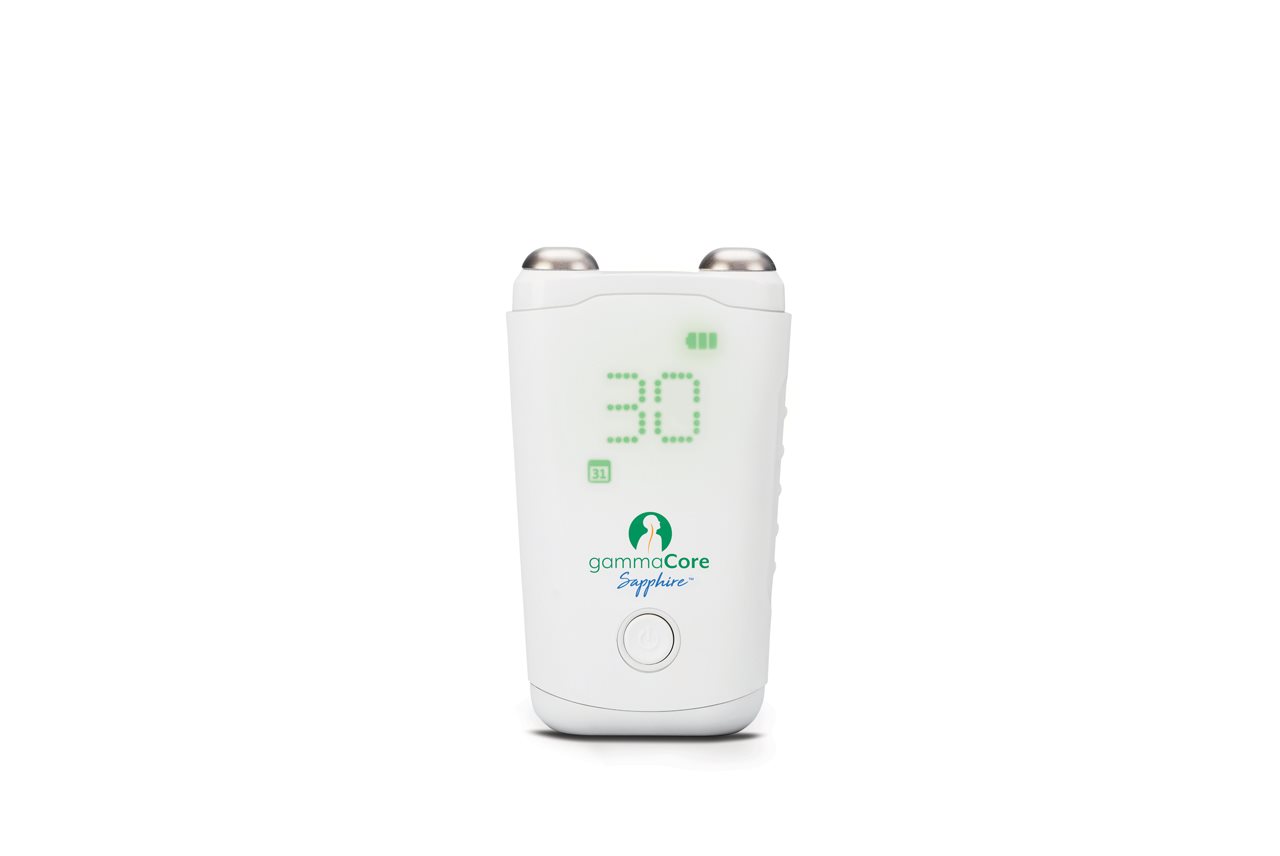
gammaCore®(nVNS) is the first non-invasive vagus nerve stimulation therapy applied at the neck for the acute treatment of pain associated with episodic CH and migraine in adult patients. For more information, visit http://gammacore.com/.

Important Safety Information regarding gammaCore

gammaCore (non-invasive vagus nerve stimulator) is indicated for the acute treatment of pain associated with episodic cluster headache and migraine in adult patients.

  • The safety and effectiveness of the gammaCore non-invasive vagus nerve stimulator (nVNS) has not been established in the acute treatment of chronic cluster headache.
  • gammaCore has not been shown to be effective for the prophylactic treatment of migraine headache, chronic cluster headache, or episodic cluster headache.
  • The long-term effects of the chronic use of the device have not been evaluated.
  • Safety and efficacy of gammaCore has not been evaluated in the following patients, and therefore is NOT indicated for:
    • Patients with an active implantable medical device, such as a pacemaker, hearing aid implant, or any implanted electronic device
    • Patients diagnosed with narrowing of the arteries (carotid atherosclerosis)
    • Patients who have had surgery to cut the vagus nerve in the neck (cervical vagotomy)
    • Pediatric patients
    • Pregnant women
    • Patients with clinically significant hypertension, hypotension, bradycardia, or tachycardia
  • Patients should not use gammaCore if they:
    • Have a metallic device such as a stent, bone plate, or bone screw implanted at or near their neck
    • Are using another device at the same time (e.g., TENS Unit, muscle stimulator) or any portable electronic device (e.g., mobile phone)

Note: This list is not all inclusive. Please refer to the gammaCore Instructions for Use for all of the important warnings and precautions before using or prescribing this product.

gammaCore is available by prescription only. U.S. Federal Law restricts this device to sale by or on the order of a licensed healthcare provider.


[1] Rossi P, et al. Funct Neurol. 2016;31(3):181-183.

[2] Cluster Headache. American Migraine Foundation. https://americanmigrainefoundation.org/understanding-migraine/cluster-headache/. Accessed January 3, 2018.

[3] Headache Classification Committee of the International Headache Society. The International Classification of Headache Disorders, 3rd edition (beta version). Cephalalgia. 2013;33:629-808.

[5] Fletcher J (2015) Why Cluster Headaches Are Called “Suicide Headaches”. J Neurol Stroke 3(3): 00092. DOI: 10.15406/jnsk.2015.02.00092.


4 natural ways to support your child this school year

2018-08-12T07:01:01

(BPT) – Busy school nights can make your house feel like a zoo. Between commutes, sports practices and dinner plans, it feels like everyone is always either on the go or hustling to get there.

Your child may not be aware of it, but you can see it: They’re feeling the pressures of school. Whatever their age, they are juggling multiple things to get through their school day, from keeping up with classroom lessons to navigating playground politics.

The school year can certainly inspire its share of frantic feelings. At home, you can try some of these simple, nature-inspired approaches to make your child feel more grounded, centered and ready to learn.

Spend more time in nature: The more time spent outdoors, the better, whether it’s in the backyard or at the neighborhood park. Time spent outdoors reduces stress in children, plus it promotes more exercise and movement, according to the Child Mind Institute. Where you can, try to work in extra minutes of fresh air time. In the morning, leave a few minutes early for the bus stop or, even better, try walking or biking to school on nice days. After school, send them outdoors to play in the yard and take evening walks as a family.

Practice mindful parenting: After a busy day, you have a long to-do list, from getting dinner on the table, to juggling sports practices with homework time. In the midst of these crazy evenings, remember when it comes right down to it, kids crave attention from and interaction with their parents. Make sure you hit pause and take time for face-to-face conversations. When they have something on their minds and you show that you care and want to listen, they’ll feel supported. Plus, one-on-one time is just a great way to improve the parent-child bond.

Protect their sleep schedule: No doubt about it, kids need to get their rest. Sleep is essential for their mental and physical development, but it also lets them start the day with fresh minds that are ready to focus on school. For kids who are between the ages of 6 and 13, the National Sleep Foundation says a good range is 9 to 11 hours a night. To make sure they’re getting enough, have them go to bed at the same time each night, and make it a rule to power down all devices and screens an hour before.

Inspire a balanced mindset with essential oils: To help your kids incorporate balance and calm in the middle of the school day, pack some personal care items that incorporate essential oils. Aura Cacia’s Chill Pill Roll-On has a special blend of pure lavender and sweet orange essential oils in an apricot kernel base to inspire balance and calm. All they have to do is roll a bit on their temples or wrists, take a moment to breathe deeply, and they’ll feel ready to take on the next task.

Or, create a boosting study space by diffusing rosemary in the room. The herbal, camphorous aroma of rosemary is traditionally associated with memory, recollections and nostalgia, so is a great adjunct to reading and studying.

A quick tip is to dispense 10 to 18 drops of rosemary essential oil on a cotton ball set in a dish.

For more ideas and inspiration, look for community recipes on auracacia.com/community/recipes.


Nothing to Hide: Overcoming Plaque Psoriasis

2018-08-10T11:55:00

(BPT) – Like many psoriasis patients, Kim Knight has tried numerous treatment options over the years to help reduce the red, flaky patches covering the skin on her elbows, hands, knees and scalp. Unlike many people with psoriasis, however, she is lucky enough to work in a dermatology office as a Superficial Radiation Technology Specialist, where she is able to receive the direct advice and support of her office’s healthcare providers.

“I’ve had psoriasis for more than two decades, and growing up in the south near the beach meant I always had to cover up to avoid people staring at me or asking questions,” Kim said. “But working in the dermatology industry and alongside my doctor allows me to get first-hand knowledge on innovative research and access to new treatment options to help my psoriasis.”

Plaque psoriasis is the most common type of psoriasis, a chronic, non-contagious skin disease that alters the life cycle of skin cells, causing them to build up rapidly on the surface of the skin.1,2,3 Depending on the severity of the psoriasis and type, the condition can be treated with a topical treatment, oral drug, or injectable.4 August is Psoriasis Awareness Month, helping to bring attention to the 7.5 million Americans that have psoriasis.5

“We’ve used a range of treatments through the years for Kim’s psoriasis, but found their effects wore off over time,” said Douglas DiRuggiero, physician assistant, in Rome and Cartersville, GA. “During Kim’s most recent flare up, I recommended she try SILIQ, since it works differently than other treatments by blocking a specific group of proteins at the site of inflammation.”6

SILIQ™ (brodalumab) injection is a prescription medicine used to treat adults with moderate-to-severe plaque psoriasis who may benefit from injections or pills (systemic therapy) or phototherapy (treatment using ultraviolet light treatment), and who have tried other systemic therapies that didn’t work or stopped working.6 It is not known whether SILIQ is safe and effective in children.

Since being treated with SILIQ, Kim’s psoriasis is under control, and she feels less itching and burning. Individual results may vary.

“It’s been so nice to be able to take trips to the beach with my husband and son without having to cover up. I’m so happy to be able to wear short-sleeves and tank tops this summer!” said Kim.

If you have psoriasis, talk to your health care provider about potential treatment options. For more information about SILIQ, visit www.siliq.com.

Important Safety Information

What is SILIQ?

SILIQTM injection is a prescription medicine used to treat adults with moderate to severe plaque psoriasis:

  • who may benefit from injections or pills (systemic therapy) or phototherapy (treatment using ultraviolet light treatment)

and

  • who have tried another systemic therapy that didn’t work or stopped working

It is not known if SILIQ is safe and effective in children.

What is the most important information I should know about SILIQ?

Suicidal thoughts or behavior: Some patients taking SILIQ have had suicidal thoughts or ended their own lives. This risk is higher if you have a history of suicidal thoughts or depression. It is not known if SILIQ causes these thoughts or actions.

Get medical help right away if you or a family member notices that you have any of the following symptoms:

  • new or worsening depression, anxiety, or mood problems
  • thoughts of suicide, dying, or hurting yourself
  • attempt to commit suicide, or acting on dangerous impulses
  • other unusual changes in your behavior or mood

Your healthcare provider will give you a SILIQ patient/wallet card about symptoms that need medical attention right away. Carry the card with you during treatment with SILIQ and show it to all of your healthcare providers.

Serious Infections: SILIQ may lower the ability of your immune system to fight infections and may increase your risk of infections.

  • Your healthcare provider should check you for tuberculosis (TB) before starting treatment with SILIQ and may treat you for TB before starting SILIQ if you have TB or a history of it
  • You and your healthcare provider need to watch closely for signs and symptoms of infection during treatment with SILIQ, including fever, sweats, chills, shortness of breath, stomach issues, muscle aches, cough, sore throat or trouble swallowing, warm/red/painful skin sores, burning while urinating or more frequent urination

Who should not use SILIQ?

Do not use SILIQ if you have Crohn’s disease. Tell your healthcare provider if you develop diarrhea, bloody stools, stomach pain or cramping, sudden or uncontrollable bowel movements, loss of appetite, constipation, weight loss, fever or tiredness as these may be symptoms of Crohn’s disease.

Before starting SILIQ, tell your healthcare provider if you:

  • have a history of mental health problems, including suicidal thoughts, depression, anxiety, or mood problems
  • have an infection that does not go away or keeps coming back
  • have TB or have been in close contact with someone with TB
  • have recently received or are scheduled to receive an immunization (vaccine). You should avoid getting live vaccines while being treated with SILIQ
  • are or plan to become pregnant, or are breastfeeding or plan to do so. It is unknown if SILIQ can harm your unborn or newborn baby

Tell your healthcare provider about all the medicines you take, including prescription and over-the-counter medicines, vitamins, and herbal supplements.

How should I use SILIQ?

See the detailed “Instructions for Use” that come with your SILIQ for information on the right way to store, prepare, and give your SILIQ injections at home, and how to properly throw away (dispose of) used SILIQ prefilled syringes. Use SILIQ exactly as your healthcare provider tells you to use it.

What are possible side effects of SILIQ?

SILIQ may cause serious side effects. See “What is the most important information I should know about SILIQ?” and “Who should not take SILIQ?”

The most common side effects of SILIQ include: joint pain, muscle pain, headache, injection site reactions, tiredness, flu, diarrhea, low white blood cell count (neutropenia), mouth or throat pain, fungal infections of the skin, nausea.

Call your doctor for medical advice on side effects. You are encouraged to report negative side effects of prescription drugs to FDA at www.fda.gov/MedWatch or call 1-800-FDA-1088. Please click here for accompanying full Prescribing Information, including Boxed Warning about suicidal ideation and behavior, and Medication Guide.

Please click here for full Prescribing Information, including Medication Guide.

SILIQ is a trademark of Ortho Dermatologics’ affiliated entities.

References

  1. National Psoriasis Foundation. (2014). About Psoriasis. Retrieved from https://www.psoriasis.org/about-psoriasis. Accessed February 6, 2018.
  2. World Health Organization. (2016). Psoriasis. Retrieved from http://www.who.int/ncds/management/psoriasis/en/. Accessed February 6, 2018.
  3. Mayo Clinic. (2017). Psoriasis. Retrieved from https://www.mayoclinic.org/diseases-conditions/psoriasis/symptoms-causes/syc-20355840. Accessed February 6, 2018.
  4. Informed Health Online. Cologne, Germany: Institute for Quality and Efficiency in Health Care (IQWiG); 2006-. Psoriasis: Oral medications and injections. 2017 May 18. Retrieved from https://www.ncbi.nlm.nih.gov/books/NBK435704/. Accessed March 29, 2018.
  5. American Academy of Dermatology. Psoriasis: Who Gets and Causes. Retrieved from https://www.aad.org/public/diseases/scaly-skin/psoriasis#causes. Accessed March 30, 2018.
  6. SILIQ [prescribing information]. Bridgewater, NJ: Valeant Pharmaceuticals North America LLC.

SLQ.0210.USA.18