Often misdiagnosed, it’s time to raise awareness of the rare disease amyloidosis

2024-02-29T09:01:00

(BPT) – What started as a dream trip to Hawaii became a medical turning point for Sally Cox. While snorkeling in the crystal-clear waters, she suddenly found it difficult to breathe and nearly drowned. Shocked, scared and confused, she immediately went to a local doctor to get answers.

The doctor in Hawaii said she had pulmonary edema and should be assessed further. She met with a cardiologist as quickly as possible, and ultimately received a diagnosis she had never heard of before: amyloidosis.

What is amyloidosis?

Amyloidosis is a group of rare diseases caused by abnormal proteins that misfold and clump together to form toxic amyloids that deposit in tissues or organs. When amyloid builds up in certain body parts such as the heart, kidneys, liver, nervous system and digestive tract, it can result in significant organ damage or organ failure that can severely impact quality of life and can be fatal.

The symptoms of amyloidosis

Sally began to learn more about her amyloidosis and, in hindsight, realized there were signs of the disease that had started three years before, including carpal tunnel syndrome in both hands, skin bruising, hair loss, lack of appetite and an abnormal EKG. Many symptoms are frequently overlooked or misdiagnosed.

While Sally was diagnosed with amyloidosis relatively quickly, that is not generally the case. This was the experience for Michael Lane, whose amyloidosis diagnosis journey took 10 years and was riddled with misdiagnoses.*

Michael’s symptoms started as tingling in the legs and numbness in his hands. He would also lose his breath easily. Looking for answers, he went to a neurologist, orthopedic specialist and a cardiologist — just to name a few. It wasn’t until he was in the hospital for a heart procedure that the doctor on rounds stopped and ultimately refused to continue until more was understood about his condition.

Michael switched to this new doctor who gave him a battery of tests and ultimately the correct diagnosis of amyloidosis.

*A transthyretin-mediated amyloidosis diagnosis can be delayed by 3-4 years on average.

Diagnosing amyloidosis

There are different types of amyloidosis with varying severities, including amyloid light chain (AL) amyloidosis and transthyretin-mediated amyloidosis (ATTR), such as ATTR-CM, which can cause heart failure (cardiomyopathy) and ATTR-PN, which affects the function of peripheral nerves (polyneuropathy). Without treatment, these diseases can lead to impairment, disability and even death. Regardless of the type, there is no cure for amyloidosis.

Identifying amyloidosis diseases can be difficult because signs and symptoms may manifest similarly to other diseases. Once suspected, blood and urine tests may be conducted, in addition to a tissue biopsy to confirm the type of amyloidosis. Imaging, such as a CT scan, of the impacted organs may determine the severity of the condition. Genetic testing may also aid in the diagnosis for those with hereditary forms of ATTR amyloidosis.

Treatments and therapies

When Sally was diagnosed with AL amyloidosis in 2019, she was told she had six months to live. She joined a clinical trial hoping to receive the new medicine that was being tested. Although she was disheartened when she was selected to receive the current standard of care instead, she showed a positive response to the treatment and that response continues today.

“When I was diagnosed, there were about three options for treatment. Today there are many more,” said Sally, who is trying to raise awareness about the disease.

Michael, living with transthyretin-mediated amyloid cardiomyopathy

When Michael was diagnosed with ATTR-CM in 2018, he was told he had about two years to live. Desperate for options, he thoroughly searched for clinical trials where he might be able to receive an investigational treatment, but only found one that was taking place overseas, which made him ineligible to participate. After more research, he learned he qualified to receive an investigational therapy, which helped his condition.

Like Sally, Michael recognizes the expansion of treatment options in the US over the last five years and has benefited from some of them. However, most existing amyloidosis treatment options focus on preventing or suppressing the formation of new amyloid deposits rather than addressing the amyloids that have existing deposits that drive organ dysfunction. Given the progressive nature of amyloidosis and the significant impact on quality of life, there is a need for additional treatment options to halt and reduce organ damage across all stages of disease.

AstraZeneca and its Rare Disease Unit, Alexion are committed to raising awareness of the disease and the need for additional treatment options. Learn more at Alexion.com and Astrazeneca-us.com.

Advice to others with amyloidosis

Learning you or a loved one has amyloidosis can be a complex and emotional time. Michael’s advice to others: “Be your own best advocate. Fight for yourself. Make sure you have a doctor that specializes in amyloidosis. If not around you, go to a center that does. A lot of doctors don’t know about this disease. It’s not on their radar.”

Sally agrees that it’s important to ask questions, educate yourself and make the best choices for you. She continues to spread hope for people with amyloidosis. Her advice to others is, “You can get better. Stay positive — it makes a difference.”

This article is sponsored by Alexion, AstraZeneca Rare Disease.

US/NP/0036 V1 11/2023

Maximize your protein intake with these 3 expert tips!

2024-02-27T12:53:00

(BPT) – Are you eating enough protein? If you feel hungry after a meal, are often fatigued or have brittle hair and nails, chances are you are protein deficient.

Why protein?

Protein is essential to maintaining your overall well-being. When you eat protein, your body breaks it down into amino acids and uses them to form your muscles, bones, skin, tissues and organs. Without enough protein, your body will be forced to break down your muscles for amino acids to continue functioning.

According to the U.S. Food and Drug Administration (FDA), the recommended daily protein intake is 50 grams. However, this amount is merely a guideline.

“How much protein you need depends on a few factors,” said Michelle Ricker, registered dietitian, nutritionist and director of Worldwide Health Education and Training at Herbalife. “Your age, body size, gender and activity level are just a few aspects that determine how much protein you should eat every day.”

In honor of National Protein Day, take stock of your eating habits and see how you can make sure you get enough of this critical nutrient. If you think you’re not eating enough, check out these three expert tips that will put you on the right track to a protein-packed diet.

1. Choose a variety of protein sources

When you think of eating protein, you probably picture a plate filled with beef, chicken or fish. But protein comes from many sources. Also, eating various protein-rich foods doesn’t just keep you from getting bored with your meal plan. It also ensures you get all the minerals and other nutrients your body needs to function at its best.

The next time you’re at the store, make sure to pick up Greek yogurt, cottage cheese, milk and eggs. These are all great sources of protein that you can easily use to make breakfast or as snacks between meals.

2. Play around with plant-based protein

Animal products aren’t the only way to get protein. You can also power up with protein by eating plant-based meals.

“For many people, a large portion of protein intake comes from meat and dairy,” said Ricker. “But there are many plant-based foods you should eat, even if you’re not vegetarian or vegan.”

Ricker recommends the following plant-based protein sources:

  • Buckwheat
  • Hummus plus pita
  • Soy products (tofu, tempeh, edamame beans)
  • Peanut butter
  • Beans and rice
  • Quinoa
  • Hemp and chia seeds
  • Spirulina

3. Keep easy protein on hand

When you’re constantly on the go, sitting down for a meal can be difficult. However, to keep you fueled all day, whether at work or school, you need to prioritize protein.

If you have a busy schedule, make sure to keep easy protein foods on hand. Protein snack packs with nuts, cheese or jerky can be helpful in a pinch.

A simple way to ensure you get a protein meal on the go is to add protein shakes to your routine. A product like Herbalife® Formula 1 Healthy Meal Nutritional Shake Mix is a delicious and easy way to treat your body to a nutritious and balanced meal in no time!

Available in a variety of flavors, this shake mix, when prepared according to label, provides 25 grams of protein in just one serving to help satisfy hunger, build muscle tissue, maintain lean muscle mass and give you energy. For vegan, vegetarian and flexitarian folks, you can opt for Herbalife’s V Plant-Based Protein Shake for 20 grams of plant-based protein. To learn more, visit Herbalife.com or to connect with an Herbalife independent distributor, call 866-866-4744.

Are you ready to power up with protein? Use these three tips to get started on a more protein-fueled meal plan so you can feel and do your best every day.

Listen to Your Heart: One Woman’s Experience Overcoming AFib

2024-02-22T19:27:00

(BPT) – Many of us have likely already broken our New Year’s resolutions. Even so, now is still a good time to focus on our health. Whether it’s an annual exam or a new fitness plan, taking care of ourselves should always be top priority. Maintaining a healthy heart, one of our most vital organs, is especially important. With heart disease being the leading cause of death in the United States, it’s critical for everyone to take a pause and listen to their heart.[1] Thankfully for one woman, she did just that.

Ann and her husband live in Virginia and together run a small business. Working side-by-side, their career path has been rewarding, but it also comes with a fair share of stress. On more than one occasion, Ann experienced heart flutter, mixed with nausea and discomfort. She regularly ignored her symptoms and attributed them to long hours working, or just another symptom of her diabetes.

“One morning I woke up in bed with the same heart flutter I’d experienced during the day at work,” Ann explained. “It was at that moment I knew I couldn’t ignore my symptoms any longer, so I admitted myself to the emergency room. Lucky for me, that’s where I met Dr. Ayinde, an electrophysiologist (EP) who assessed my symptoms and diagnosed me with AFib.”

Atrial fibrillation, also known as AFib, is the most common type of cardiac arrhythmia affecting more than 6 million people in the United States and nearly 38 million people worldwide.[2],[3] Approximately 1 in 4 adults over 40 are at risk for AFib.[4] Despite these projections, many people are unfamiliar with the signs and symptoms of AFib which include feelings of a fast, fluttering or pounding heartbeat (palpitations), fatigue, shortness of breath, difficulty exercising, anxiety, chest pain, and dizziness.[5] Similarly, many are unaware of available treatment options and the importance of early treatment to avoid disease progression.[6]

“Most people don’t recognize the symptoms of AFib, which makes it difficult to get proper treatment,” stated Dr. Hakeem Ayinde, Cardiac Electrophysiologist at Cardiology Associates of Fredericksburg in Virginia. “If left untreated, AFib can progress or lead to other cardiovascular diseases. Therefore, the best way to avoid further complications is to see a cardiac electrophysiologist, a doctor who treats abnormal heart rhythm, right away to determine the best treatment plan.”

After discussions with Dr. Ayinde, Ann began oral medication to treat her AFib but did not tolerate it well. After discussing the risks of catheter ablation* together, they determined the best option would be for Ann to receive a catheter ablation – a safe and effective, minimally invasive procedure to restore the heart’s incorrect electrical signals, which causes an abnormal heart rhythm.[7] Three months after her diagnosis, Ann received the ablation treatment and has remained AFib free.

“I am very grateful I didn’t ignore my symptoms,” said Ann. “By going to the ER and having Dr. Ayinde as part of my care team, we were able to create a plan so I could be treated and make a full recovery.”

AFib is responsible for more than 450,000 hospitalizations annually and yet less than 5% of patients undergo a cardiac ablation.[8],[9] Dr. Ayinde’s recommendation for an ablation was critical for Ann before her condition progressed. Patients who have an ablation early to treat their AFib are likely to have better survival and less likely to revisit the ER or be hospitalized.[10] In addition, it’s reported that 50% of AFib patients do not respond to or cannot tolerate drug therapy10 so catheter ablation is an important treatment option to consider.

Today, Ann feels healthier and her quality of life has improved. She no longer experiences heart flutter and feels at ease. Post-cardiac ablation, Ann has the energy to engage in everyday activities.

Ann’s message to everyone is to listen to your heart. Do not wait for symptoms to worsen. As AFib becomes more common, it’s important to know there are effective treatments that offer long-term solutions.

If you or someone you know is experiencing symptoms of AFib, speak to a doctor right away. To learn more about AFib and treatment options, visit getsmartaboutafib.com.

*As with any medical treatment, individual results may vary. Only a cardiologist or electrophysiologist can determine whether ablation is an appropriate course of treatment. There are potential risks including bleeding, swelling or bruising at the catheter insertion site, and infection. More serious complications are rare, which can include damage to the heart or blood vessels; blood clots (which may lead to stroke); heart attack, or death. These risks need to be discussed with your doctor and recovery takes time. The success of this procedure depends on many factors, including your physical condition and your body’s ability to tolerate the procedure. Use care in the selection of your doctors and hospital, based on their skill and experience.

© Biosense Webster, Inc. 2024 US_BWI_NAVI_305371


[2] Lippi G, Sanchis-Gomar F, Cervellin G. Global epidemiology of atrial fibrillation: An increasing epidemic and public health challenge. Int J Stroke. 2021 Feb;16(2):217-221. doi: 10.1177/1747493019897870. Epub 2020 Jan 19. Erratum in: Int J Stroke. 2020 Jan 28;1747493020905964. PMID: 31955707.

[3] Kornej J, Börschel CS, Emelia J. Benjamin EJ, Schnabel RB. Epidemiology of Atrial Fibrillation in the 21st Century. Circulation Research. 2020 June;127(1):4-20. doi: 10.1161/CIRCRESAHA.120.316340

[4] Staerk, et al. 2018 Lifetime risk of atrial fibrillation according to optimal, borderline, or elevated levels of risk factors: cohort study based on longitudinal data from the Framingham Heart Study. BMJ 2018;361:k1453 doi: 10.1136/bmj.k1453

[6] Kuck KH, Lebedev DS, Mikhaylov EN, et al. Catheter ablation or medical therapy to delay progression of atrial fibrillation: the randomized controlled atrial fibrillation progression trial (ATTEST). Europace 2021;23(3)362-369. doi: 10.1093/europace/euaa298.

[7] Natale, A. Reddy VY, Monir G, et al. Paroxysmal AF catheter ablation with a contact force sensing catheter: results of the prospective, multicenter SMART-AF trial. J Am Coll Cardiol, 2014;64(7),647–656. doi: 10.1016/j.jacc.2014.04.072

[8] Benjamin, E. J., Virani, S. S., Callaway, C. W., Chamberlain, A. M., Chang, A. R., Cheng, S., Chiuve, S. E., Cushman, M., Delling, F. N., Deo, R., de Ferranti, S. D., Ferguson, J. F., Fornage, M., Gillespie, C., Isasi, C. R., Jiménez, M. C., Jordan, L. C., Judd, S. E., Lackland, D., Lichtman, J. H., … American Heart Association Council on Epidemiology and Prevention Statistics Committee and Stroke Statistics Subcommittee (2018). Heart Disease and Stroke Statistics-2018 Update: A Report From the American Heart Association. Circulation, 137(12), e67–e492. https://doi.org/10.1161/CIR.0000000000000558

[9] Internal Epidemiological Analysis.

[10] Calkins H, Reynolds MR, Spector P, et al. Treatment of atrial fibrillation with antiarrhythmic drugs or radiofrequency ablation: two systematic literature reviews and meta-analyses. Circ Arrhythm Electrophysiol. 2(4):349-61. doi: 10.1161/CIRCEP.108.824789.

5 Tips to Manage Heart Health After a Heart Attack

2024-02-23T09:01:00

(BPT) – By Dr. Norman Lepor

Sponsored by Novartis Pharmaceuticals Corporation
Dr. Lepor was not compensated for his contributions to this article.

If you or a loved one has ever had a cardiovascular event like a heart attack, you know the devastating impact these events can have on a person’s physical and emotional health. And rightfully so – these traumatizing events leave many people feeling anxious and uncertain of the future.

I see this impact nearly every day when patients share their stories, expressing their hope to never experience anything like these events ever again. But my 35 years in cardiology have unfortunately taught me that for a significant percentage of these patients, it will happen again.1

Thankfully, there’s hope for people who have experienced a cardiovascular event. Working with your health care provider can help you better manage your risk factors and look after your heart post-event. Here are a few considerations to guide your care journey.

1. Explore additional treatment options

Lowering your low-density lipoprotein cholesterol (LDL-C) is one of the simplest and most effective ways to improve your heart health. Known as “bad” cholesterol, LDL-C builds up in the arteries, placing your heart at increased risk of harmful blockages.2

While statins and changes to your diet and exercise regimen can help lower bad cholesterol, these improvements don’t always get your cholesterol where it needs to be.3,4 You need a treatment plan that you can stick with long term. That’s why I recommend Leqvio (inclisiran) to my patients for lowering their bad cholesterol. This prescription injectable is a lipid-lowering medication shown to help lower bad cholesterol by approximately 50% on average when combined with taking a statin and dietary changes.5,6

Leqvio is designed with the patient in mind, requiring only two doses a year.* Since this medicine is administered in a health care setting, you and your health care provider can feel confident that you are receiving your dose. Leqvio works with the liver’s natural processes to reduce bad cholesterol in your blood. The therapy provides cholesterol lowering through each six-month dosing interval. Leqvio can help you reach your target bad cholesterol level and, importantly, help you maintain that level. It is not known if LEQVIO can decrease problems related to high levels of bad cholesterol, such as heart attacks or stroke. The most common side effects of LEQVIO were: injection site reaction (including pain, redness, and rash), joint pain, and chest cold.

2. Limit alcohol and tobacco

Tobacco and heavy alcohol use can heighten your risk of a recurring cardiovascular event by increasing levels of triglycerides, a fatty deposit that can build up and create a blockage within blood vessels.7,8 You can take action to protect your heart by limiting alcohol and tobacco consumption. If either of those is challenging, consult your health care provider.

3. Partner with your health care provider

The road to managing your heart health following a cardiovascular event isn’t always linear. That’s why having an open and consistent dialogue with your health care provider is really important. Your health care provider will understand your unique risk factors and can help you build a realistic treatment plan. Don’t be afraid to proactively ask questions and speak up.

4. Switch it up in the kitchen & get your body moving

Proper nutrition is essential for lowering your bad cholesterol after you’ve had a cardiovascular event. Eating foods rich in fiber and low in saturated or trans fats, such as fruits, vegetables, whole grains, nuts, poultry, or fish can result in better heart health.9,10 I recommend my patients to limit their consumption of red meats, processed foods, and food and beverages with added sugar or salt.11 Your health care provider can work with you on creating a diet plan that best fits your nutritional needs.

In addition to dietary changes, it’s important to add physical activity to your daily routine – it could be as simple as walking around the neighborhood for thirty minutes several times a week.12 Your health care provider can help you determine what types of physical activity are safe for you.12

5. Consistency is key

Heart health is a lifelong investment. After a cardiovascular event, it’s important to take aggressive and consistent steps toward managing your heart health.13,14 This means prioritizing regular management of cholesterol levels and risk factors such as tobacco and heavy alcohol use, incorporating physical activity, proper nutrition, and keeping follow-up appointments with your health care team to monitor your condition and recovery.13,15

Your health care provider can be a valuable resource in prescribing a treatment plan that fits your lifestyle.

Much like the tortoise and the hare taught many of us as children, slow and steady wins the race; the same goes for managing your heart health. But this cherished fable fails to teach us that there’s help along the way.

To learn more about Leqvio, visit www.Leqvio.com.

*After an initial dose and another at three months.

What is LEQVIO?

LEQVIO (inclisiran) is an injectable prescription medicine used along with diet and other cholesterol-lowering medicines in adults with high blood cholesterol levels called primary hyperlipidemia (including a type of high cholesterol called heterozygous familial hypercholesterolemia [HeFH]) to reduce low-density lipoprotein (LDL-C) or “bad” cholesterol.

IMPORTANT SAFETY INFORMATION

The most common side effects of LEQVIO were: injection site reaction (including pain, redness, and rash), joint pain, and chest cold.

These are not all the possible side effects of LEQVIO. Ask your health care provider for medical advice about side effects. You are encouraged to report negative side effects of prescription drugs to the FDA. Visit www.fda.gov/medwatch, or call 1-800-FDA-1088.

Please click here for Leqvio full Prescribing Information.

References

  1. Peters SAE, Colantonio LD, Dai, Y, et al. Trends in Recurrent Coronary Heart Disease After Myocardial Infarction Among US Women and Men Between 2008 and 2017. Circulation. 2021;143:650-660.
  2. Mayo Clinic. Arteriosclerosis / atherosclerosis. Accessed January 21, 2024. https://www.mayoclinic.org/diseases-conditions/arteriosclerosis-atherosclerosis/symptoms-causes/syc-20350569?p=1
  3. Kirkpatrick CF, Sikand G, Petersen KS, et al. Nutrition interventions for adults with dyslipidemia: A Clinical Perspective from the National Lipid Association. J Clin Lipidol. 2023;17:428-451.
  4. Scirica BM and Cannon CP. Treatment of Elevated Cholesterol. Circulation. 2005;111:e360-e363.
  5. Ray KK, Wright RS, Kallend D, et al. Two phase 3 trials of inclisiran in patients with elevated LDL cholesterol. N Engl J Med. 2020;382(16):1507-1519.
  6. Raal FJ, Kallend D, Ray KK, et al. Inclisiran for the treatment of heterozygous familial hypercholesterolemia. N Engl J Med. 2020;382(16):1520-1530.
  7. Mukamal KJ. The Effects of Smoking and Drinking on Cardiovascular Disease and Risk Factors. Alcohol Res Health. 2006;29(3):199–202.
  8. Schwartz GG, Abt M, Bao W, et al. Fasting triglycerides predict recurrent ischemic events in patients with acute coronary syndrome treated with statins. J Am Coll Cardiol. 2015;65(21):2267-75.
  9. Diab A, Dastmalchi LN, Gulati M, et al. A Heart-Healthy Diet for Cardiovascular Disease Prevention: Where Are We Now?, Vascular Health and Risk Management. Vasc. Health and Risk Mgmt. 2023;19:237-253.
  10. de Lorgeril M, Salen P, Martin JL, et al. Mediterranean diet, traditional risk factors, and the rate of cardiovascular complications after myocardial infarction: final report of the Lyon Diet Heart Study. Circulation. 1999;99(6):779-85.
  11. Delgado-Lista J, Alcala-Diaz JF, Torres-Peña JD, et al. Long-term secondary prevention of cardiovascular disease with a Mediterranean diet and a low-fat diet (CORDIOPREV): a randomised controlled trial. The Lancet. 2022;399(10338):1876-1885.
  12. Smith SC Jr, Benjamin EJ, Bonow RO, et al. AHA/ACCF Secondary Prevention and Risk Reduction Therapy for Patients with Coronary and other Atherosclerotic Vascular Disease: 2011 update. Circulation. 2011;124:2458-2473.
  13. Grundy SM, Stone NJ, Bailey AL, et al. 2018 ACC/AHA Guideline on the Primary Prevention of Cardiovascular Disease: A Report of the American College of Cardiology/American Heart Association Task Force on Clinical Practice Guidelines. Circulation. 2019;140:e596-e646.
  14. Authors/Task Force Members, ESC Committee for Practice Guidelines (CPG), ESC National Cardiac Societies. 2019 ESC/EAS guidelines for the management of dyslipidaemias: Lipid modification to reduce cardiovascular risk. European Heart Journal. 2019;140-205.
  15. American Heart Association. Life After a Heart Attack. Accessed February 9, 2024. https://www.heart.org/en/health-topics/heart-attack/life-after-a-heart-attack

Novartis Pharmaceuticals Corporation

East Hanover, New Jersey 07936-1080 © 2024 Novartis 2/24 399516

4 Ways to Transform Your Morning Routine for a Healthier Start

2024-02-20T09:01:00

(BPT) – The way you start your morning can significantly impact your entire day. Incorporating healthy habits into your morning routine not only sets a positive tone but also promotes overall well-being. “A healthy self-care routine in the morning can help improve your mood, mindset and energy to name a few,” explains Dr. Kimbra Runyan, who is a chiropractor in St. Charles, Illinois. “I recommend four simple, yet effective, ways to set yourself up for a successful day every morning.”

1. Drink a Full Glass of Water:

After a night of sleep, your body is naturally dehydrated. Starting your day with a full glass of water is a crucial step to rehydrate, improve circulation and kickstart various bodily functions. Hydration is essential for overall health, and it also helps flush out toxins and jumpstarts your metabolism.

2. SP Power Mix from Standard Process:

Start your day strong with a nutritious blend of 22 superfoods in SP Power Mix, from Standard Process, a leading whole food-based nutritional supplement company. It’s a convenient way to provide a whole food, plant-based blend of phytonutrient-rich fruits, vegetables, oats and algae. Incorporating SP Power Mix into your morning routine is a delicious and hassle-free way to ensure you kick off the day with optimal nutrition.

3. Breakfast Before Coffee:

A nutritious and balanced breakfast provides sustained energy throughout the morning, preventing energy crashes that can result from relying solely on caffeine. It’s important to note that cortisol levels are highest in the morning, and consuming coffee on an empty stomach continues to increase cortisol levels. Therefore, having breakfast before coffee will help to decrease cortisol and balance blood sugar levels. Incorporate a mix of protein, healthy fats and carbohydrates for a well-rounded start to your day.

4. 5 Minutes of Mobility:

Adding a short mobility routine to your morning can contribute to improved flexibility, joint health, and overall mental and physical well-being. Gentle stretches, dynamic movements or yoga flows increase circulation, reduce stiffness, increase endorphins and enhance overall mobility. This practice not only prepares your body for the day ahead but also promotes a positive mindset.

Enhancing your morning routine doesn’t have to be complicated. By incorporating these simple yet impactful habits, you can set the stage for a healthier, more productive day. Remember, small changes can lead to significant improvements in your overall well-being. So, start tomorrow morning with a glass of water, a balanced breakfast, a quick mobility routine and a serving of SP Power Mix to transform your mornings and, ultimately, your life.

Did you know heart palpitations can tell the story of your heart? Sometimes these flutters can be a sign of changes to your heart health

2024-02-13T14:49:00

(BPT) – Read on to learn the power of heart rhythms to tell your heart health story …

Heart rhythms can tell a story with the power to help change a life.

You may have heard of heart palpitations because they are common[1], accounting for 16% of visits to primary care physicians and are the second leading cause of visits to cardiologists[2]. Often perceived as mere inconveniences, heart palpitations can be important cues from our bodies. While they are sometimes caused by temporary stressors, they may also signify deeper health concerns like arrhythmias that require medical attention.

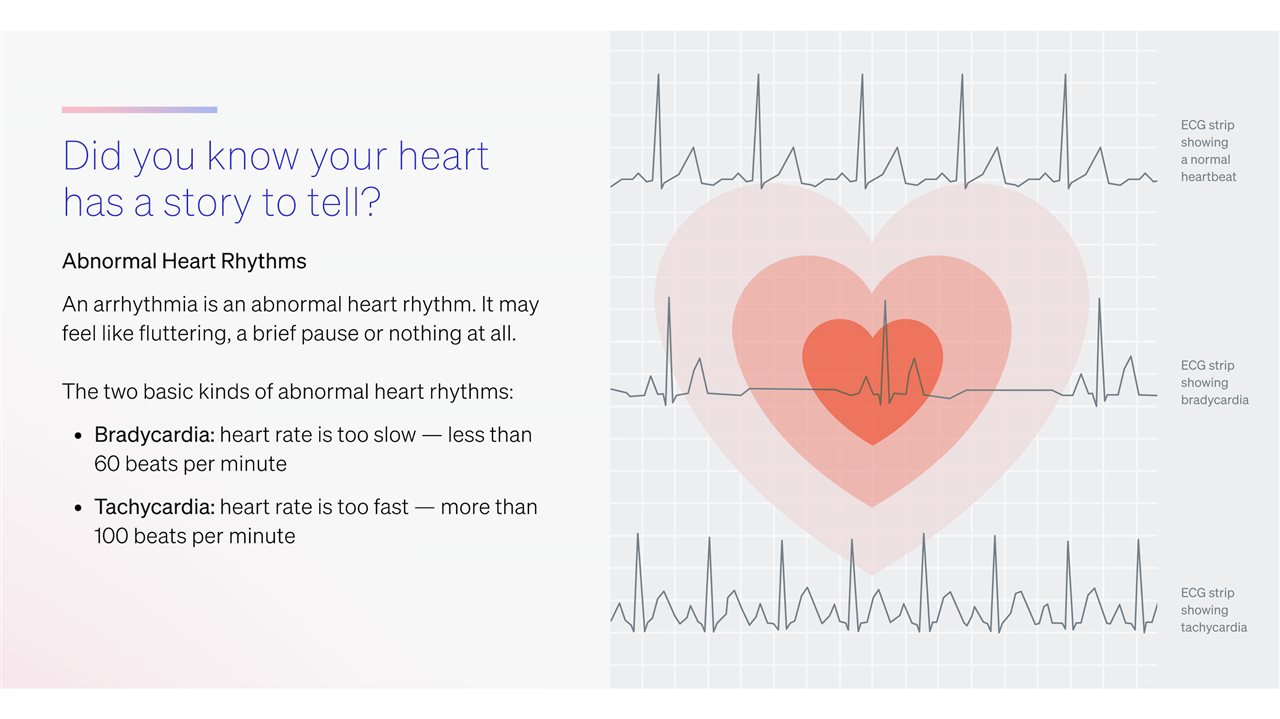
An arrhythmia is an irregular heartbeat where your heart may beat too quickly, too slowly or irregularly. One study shows that up to 5% of the general population — or 16 million people[3] — experience arrhythmias. Some arrhythmias, if not treated, can damage the heart, brain or other organs.[4] Other arrhythmias may even lead to an increased risk of stroke or death.[5] And for the person experiencing one, arrhythmias can feel scary.

Causes and Risk Factors

How can you do better by your heart? First and foremost, you can reduce risk factors for arrhythmias. Risk factors that may affect an individual’s risk of arrhythmia include heart disease, high blood pressure, high alcohol use, obesity and family history.[6] Arrhythmias and related conditions are more common in those over 60 years of age,[7] and can be particularly dangerous if undetected.

And, for early detection, it is worthwhile talking with your healthcare provider as there are advancements in heart monitoring technologies that offer lightweight, wearable electrocardiogram (ECG) patches that seamlessly integrate into your daily life and record important heart rhythms and help tell your individualized story of cardiac health.

Types of Arrhythmias

In general, heart arrhythmias are grouped by the speed of the heart rate. For example, tachycardia is a fast heartbeat, while bradycardia is a slow heartbeat[8].

Atrial fibrillation, or Afib, is a common arrhythmia, with an irregular and often very rapid heart rhythm (tachycardia). There are 5-8 million people with Afib in the U.S., with up to 1.5 million adults living with Afib who don’t even know they have it.[9] In fact, Afib causes one out of seven strokes[10], and 160,000 deaths per year.[11]

Early Detection is Vital

Being proactive about your heart health is critical. And that includes early detection and treatment of arrhythmias to reduce the burden of cardiac disease.[12]

While arrhythmias are treatable, your path may depend on the specific type of arrhythmia. Evaluating your unique treatment journey requires a diagnosis from a doctor.

A Path Forward

The path to getting a diagnosis and understanding your specific arrhythmia hasn’t always been easy. Not so long ago, finding out if you had an arrhythmia required a hospital or clinic visit to get an ECG. But as arrhythmia symptoms often come and go, and an ECG can capture the exact time your heartbeat is irregular. An in-clinic ECG scan sometimes meant that getting a diagnosis required repeat ECGs or the condition was missed altogether.

Today, while doctors still widely use Holter monitors to detect arrhythmias — wired, clunky devices introduced in the 1960s that are worn for only 24 to 48 hours — clinical studies have shown that longer ECG recording periods are more effective[13] because some people could go days or weeks without an episode. In fact, three out of four patients who use a Holter monitor do not get a diagnosis on the first test.[14]

Nowadays, even a smartwatch can tell you that you might have atrial fibrillation, by tracking your pulse to see if it becomes irregular, though the accuracy is not always perfect. If you have any symptoms or get a smartwatch alert, take heed — but know that you will likely still need an ECG to get a diagnosis from your doctor.

The good news is that modern ECG monitors can be worn at home and continuously record your heart’s electrical signal for longer than 24 to 48 hours if your doctor prescribes it. iRhythm has been creating these types of ECG monitors since 2008 and has recently launched its next generation monitoring device, the Zio monitor. The device is a discreet adhesive patch and a sensor the size of a quarter, weighing less than a pencil[15], with no clunky wires and no need to change batteries during the wear period.

Recordings from these Zio ECG monitoring devices continuously record your heart for up to 14 days — capturing up to 1.5 million heart beats[16] — and can help doctors accurately diagnose heart arrhythmias.

“Palpitations, skipped beats, and other heart-rhythm symptoms can be a nuisance and affect quality of life. However, sometimes they tell a greater story and may signal a more serious condition like atrial fibrillation, which can cause stroke and heart failure,” said Mintu Turakhia, MD, MAS, a cardiologist and the chief medical and scientific officer at iRhythm. “Because these rhythms can be treated and complications prevented, early detection is key. The good news is there are heart monitoring technologies that can help get to a diagnosis quickly — or give you peace of mind.”

In a world where our health is paramount, understanding and responding to our heart’s rhythms is a powerful step toward longevity and well-being. So, listen to your heart, embrace the technological strides in cardiac monitoring, and take proactive steps towards heart health. Your heart’s story is worth knowing, and with the right tools and care, you can help ensure it’s a long and healthy one.


Newer heart monitoring technology is helping in the shift to more preventative and proactive treatment and care, providing an effective way to diagnose arrhythmias and protect your health. If you or your loved one has symptoms of arrhythmias, talk to your physician or care team to learn more if heart monitoring is right for you and the best option for your situation.

[1] Raviele A, Giada F, Bergfeldt L, et al. Management of patients with palpitations: a position paper from the European Heart Rhythm Association. Europace. 2011;13(7):920-934.

[2] Wexler, et al. Palpitations: Evaluation in the Primary Care Setting. Am Fam Physician, 2017.

[3] Desai et al. Arrhythmias. StatPearls [Internet], 2022. https://www.ncbi.nlm.nih.gov/books/NBK558923/ [accessed October 2022]

[4] What is an arrhythmia? National Heart Lung and Blood Institute, 2022. https://www.nhlbi.nih.gov/health/arrhythmias Accessed November 18, 2022

[5] Ataklte et al. Meta-analysis of ventricular premature complexes and their relation to cardiac mortality in general populations. The American Journal of Cardiology, 2013.

Lin et al. Long-Term Outcome of Non-Sustained Ventricular Tachycardia in Structurally Normal Hearts. PLOS ONE, 2016.

Wolf et al. Atrial fibrillation as an independent risk factor for stroke: the Framingham Study. Stroke, 1991.

[6] Arrhythmias: causes and triggers. National Heart Lung and Blood Institute (NHLBI), 2022

[7] Mirza, M. et al,. Mechanisms of arrhythmias and conduction disorders in older adults. Clin Geriatr Med., 2012

[8] https://www.heart.org/-/media/Files/Health-Topics/Answers-by-Heart/What-is-Arrhythmia.pdf

[9] Turakhia MP, et al., Contemporary prevalence estimates of undiagnosed and diagnosed atrial fibrillation in the United States. Clin Cardiol, 2023.

[10] Heart Rhythm Society. (2019). Complications from Atrial Fibrillation.

[11] Atrial Fibrillation. Centers for Disease Control and Prevention (CDC), 2022. https://www.cdc.gov/heartdisease/atrial_fibrillation.htm [accessed September 2023]

[12] Rilig et al. Early Rhythm Control in Patients With Atrial Fibrillation and High Comorbidity Burden. Circulation, 2022.

[13] Reynolds et al. Comparative effectiveness of ambulatory monitors for arrhythmia diagnosis: A retrospective analysis of Medicare beneficiaries managed with ambulatory cardiac monitors between 2017 and 2019. Accepted for ACC.23 presentation, presented at New Orleans, LA.

[14] Tsang, et al., Benefits of monitoring patients with mobile cardiac telemetry (MCT) compared with the Event or Holter monitors. Medical Devices: Evidence and Research, 2013.

[15] 10g

[16] Data on file. iRhythm Technologies, 2019.

Modern Schizophrenia Treatment Plans Should Include Less-Frequent Dosing Options for Adult Patients

2024-02-12T23:01:00

(BPT) – Talking about and acknowledging mental health challenges have evolved, with more acceptance and mainstream conversation in recent years from both patients and their loved ones, as well as healthcare providers (HCPs). Yet with schizophrenia, many patients are not aware of all the different treatment and dosing options that are now available.1 Whether due to low awareness, stigma and outdated stereotypes, or social or geographical issues that make accessing treatment options difficult, there are countless barriers that exist for many adult patients living with schizophrenia.1-4 However, by equipping HCPs with information on the latest treatments and less-frequent dosing options, they can help their patients make more-informed treatment decisions when they are aware of available treatment options.

Understanding Behaviors and Fighting Stigma

Millions of adults in the United States live with schizophrenia, a complex and chronic brain disorder that can impact all aspects of day-to-day life. People with schizophrenia often experience distortions in thinking, perceptions, emotions, language, and behavior that interrupt everything from personal relationships to managing a career.2,5 Without consistent treatment, schizophrenia symptoms can often create challenges for patients that impact even simple tasks in their lives.2,3 There can be many factors for why someone wouldn’t take medicine, from stigma to forgetting, which can happen to anyone, but adults living with schizophrenia are often nonadherent due to the nature of the condition or a lack of social support.2,6,7

Daily oral schizophrenia medications are the most prescribed treatment despite the adherence challenges that might result from patients forgetting to take their medication as prescribed.6-8 Within emergency room and hospital settings, many HCPs must rely on injectable antipsychotics that act quickly to minimize psychosis symptoms with patients in crises and in cases where there is no health history or known diagnosis.9 Understandably, the administration of an injection in a crisis setting can be associated with negative experiences for patients, which can result in a sense of fear and distrust in injectable treatments.10 Yet for day-to-day symptom management in adults diagnosed with schizophrenia, there are other options, known as long-acting injectables (LAIs).

A Different Kind of Injection for Symptom Management

LAIs are not the same injections that patients receive in emergency situations. Instead, LAIs offer less-frequent dosing options that can help patients stay on track with their medication management over time. Additionally, among other benefits, LAIs are professionally administered by a trained HCP, which can help patients avoid medication nonadherence because their HCP will be aware if they miss an injection appointment and can help them get back on track with their treatment.

A recent survey also showed there is a gap between what some patients desire as a treatment option and what HCPs typically prescribe. In the survey, 90% (44 of 49) of adult schizophrenia patients currently on an LAI agree that after knowing what living with schizophrenia is like, they wish they would have started an LAI treatment sooner after diagnosis.4 Additionally, 90% (172 of 192) of adult schizophrenia patients want their HCPs to recommend an LAI if they feel it is the right treatment option, even if the patient is stable on a current treatment.4 Because LAIs are administered by healthcare professionals, treatment teams have greater insight into when a patient has missed a dose and can therefore provide additional support to get that patient back on therapy.

Patrick’s Story of Hope and His Treatment Plan

Take it from patients like Patrick, who initially struggled with finding the right treatment to help address the symptoms he experienced with schizophrenia and challenges he faced with his oral medication. After Patrick’s loved ones helped connect him to a care team that embraced a different treatment approach with LAIs, Patrick was able to experience symptom relief. With his symptoms under control, Patrick was able to regain his sense of stability and independence by managing his condition with fewer schizophrenia medication doses per year.

Johnson & Johnson schizophrenia LAIs (J&J LAIs) are among the latest treatment options for adults living with schizophrenia. They offer a consistent and effective approach to symptom management, with dosing options of 1, 3, or 6 months, the longest dosing interval available.
INVEGA HAFYERA® (paliperidone palmitate 6-month) was approved for the treatment of adults with schizophrenia based on a pivotal, phase 3, randomized, double-blind, global study in which it demonstrated noninferiority to INVEGA TRINZA® (paliperidone palmitate 3-month) in delaying time to relapse.11

A total of 702 stabilized patients were randomized in a 2:1 ratio to receive INVEGA HAFYERA® (paliperidone palmitate 6-month) (n=478) or INVEGA TRINZA® (paliperidone palmitate 3-month) (n=224) over the 12-month, double-blind study.11 178 patients who were relapse-free on INVEGA HAFYERA® (n=121) or INVEGA TRINZA® (n=57) in the double-blind phase chose to continue treatment with INVEGA HAFYERA® in the 2-year, Real-world, Open-label Extension Safety and Tolerability Study.12 This open-label study of INVEGA HAFYERA® found that approximately 96% (171 of 178) of adult patients who chose to enter the study remained relapse-free on INVEGA HAFYERA® and nearly 9 out of 10 (154 of 178) adult patients completed 2 years of treatment with INVEGA HAFYERA®.12 In the pivotal study, the most common side effects of INVEGA HAFYERA® included injection site reactions, weight gain, headache, upper respiratory tract infections, feeling restlessness or difficulty sitting still, slow movements, tremors, stiffness and shuffling walk.13 In the open-label extension study, the most common adverse reactions were headache, blood prolactin increased, hyperprolactinemia, diarrhea, weight increased, and nasopharyngitis.12

For patients like Patrick, who is currently treated with INVEGA HAFYERA®, the ability to receive a long-term treatment that is professionally administered rather than a daily dose of schizophrenia medication frees up time so that he doesn’t have to remember to take it every day. This gives him the freedom to spend more time on the activities he enjoys while his schizophrenia symptoms are controlled.

Advocating for LAIs with Your Treatment Team

“I have seen the benefits of LAIs firsthand while helping Patrick and other adult patients living with schizophrenia,” says Dr. Gus Alva, board-certified psychiatrist and Patrick’s doctor. “As a healthcare provider, I always aim to create holistic treatment plans that factor in the important social, emotional, and physical aspects of a patient’s life. LAIs have been a key tool for me in creating a path forward for patients following diagnosis.”

With his symptoms under control, Patrick has been able to focus on the things that matter most to him, like his education and hobbies. “After some time on my first LAI—and finding music as a means for meditation—alongside support from my psychiatrist, family, and friends, I started to regain a sense of independence and noticed I was spending less time thinking about my next dose,” Patrick says. “I felt that my physical and mental health was improving. And day-by-day, I had a greater sense of stability, which I hadn’t experienced for a while.”

For adult patients who are recently diagnosed with schizophrenia or who have tried various treatments, consider speaking with a psychiatric nurse practitioner or other HCP about J&J LAIs and the pathway to fewer doses per year with INVEGA HAFYERA®. Before starting INVEGA HAFYERA®, patients must first be adequately treated with INVEGA SUSTENNA® (paliperidone palmitate 1-month) for at least 4 months or for one 3-month injection cycle with INVEGA TRINZA®, at an appropriate dose.13 With the support of family and treatment teams, living a full life with schizophrenia is possible. For more information about J&J LAIs, please visit JanssenLAIs.com.

INDICATIONS

INVEGA HAFYERA (6-month paliperidone palmitate) is a prescription medicine given by injection every 6 months by a healthcare professional and used to treat schizophrenia. INVEGA HAFYERA is used in adults who have been treated with either:

  • INVEGA SUSTENNA® (paliperidone palmitate) a 1-time-each-month paliperidone palmitate extended-release injectable suspension for at least 4 months
  • INVEGA TRINZA® (paliperidone palmitate) a 1-time-every-3-months paliperidone palmitate extended-release injectable suspension for at least 3 months

INVEGA TRINZA® is a prescription medicine given by injection every 3 months by a healthcare professional and used to treat schizophrenia. INVEGA TRINZA® is used in people who have been adequately treated with INVEGA SUSTENNA® for at least 4 months.

INVEGA SUSTENNA® is a prescription medicine given by injection by a healthcare professional.
INVEGA SUSTENNA® is used to treat schizophrenia in adults.

IMPORTANT SAFETY INFORMATION

What is the most important information I should know about INVEGA HAFYERA™, INVEGA TRINZA® and INVEGA SUSTENNA®?

INVEGA HAFYERA™, INVEGA TRINZA® and INVEGA SUSTENNA® may cause serious side effects, including:

  • Increased risk of death in elderly people with dementia-related psychosis.
    INVEGA HAFYERA™, INVEGA TRINZA® and INVEGA SUSTENNA® increase the risk of death in elderly people who have lost touch with reality (psychosis) due to confusion and memory loss (dementia). INVEGA HAFYERA™, INVEGA TRINZA® and INVEGA SUSTENNA® are not for the treatment of people with dementia-related psychosis.

Do not receive INVEGA HAFYERA™, INVEGA TRINZA® or INVEGA SUSTENNA® if you are allergic to paliperidone, paliperidone palmitate, risperidone, or any of the ingredients in INVEGA HAFYERA™, INVEGA TRINZA® or INVEGA SUSTENNA®. See the end of the Patient Information leaflet in the full Prescribing Information for a complete list of INVEGA HAFYERA™, INVEGA TRINZA® and INVEGA SUSTENNA® ingredients.

Before you receive INVEGA HAFYERA™, INVEGA TRINZA® or INVEGA SUSTENNA®, tell your healthcare professional about all your medical conditions, including if you:

  • have had Neuroleptic Malignant Syndrome (NMS)
  • have or have had heart problems, including a heart attack, heart failure, abnormal heart rhythm, or long QT syndrome
  • have or have had low levels of potassium or magnesium in your blood
  • have or have had uncontrolled movements of your tongue, face, mouth, or jaw (tardive dyskinesia)
  • have or have had kidney or liver problems
  • have diabetes or have a family history of diabetes
  • have Parkinson’s disease or a type of dementia called Lewy Body Dementia
  • have had a low white blood cell count
  • have had problems with dizziness or fainting or are being treated for high blood pressure
  • have or have had seizures or epilepsy
  • have any other medical conditions
  • are pregnant or plan to become pregnant. It is not known if INVEGA HAFYERA™, INVEGA TRINZA® or INVEGA SUSTENNA® will harm your unborn baby
    • If you become pregnant while taking INVEGA HAFYERA™, INVEGA TRINZA® or INVEGA SUSTENNA®, talk to your healthcare professional about registering with the National Pregnancy Registry for Atypical Antipsychotics. You can register by calling 1-866-961-2388 or visit http://womensmentalhealth.org/clinical-and-research-programs/pregnancyregistry.
    • Infants born to women who are treated with INVEGA HAFYERA™, INVEGA TRINZA® or INVEGA SUSTENNA® may experience symptoms such as tremors, irritability, excessive sleepiness, eye twitching, muscle spasms, decreased appetite, difficulty breathing, or abnormal movement of arms and legs. Let your healthcare professional know if these symptoms occur.
  • are breastfeeding or plan to breastfeed. INVEGA HAFYERA™, INVEGA TRINZA® or INVEGA SUSTENNA® can pass into your breast milk. Talk to your healthcare professional about the best way to feed your baby if you receive INVEGA HAFYERA™, INVEGA TRINZA® or
    INVEGA SUSTENNA®.

Tell your healthcare professional about all the medicines you take, including prescription and over-the-counter medicines, vitamins, and herbal supplements. INVEGA HAFYERA™, INVEGA TRINZA® and INVEGA SUSTENNA® may affect the way other medicines work, and other medicines may affect how INVEGA HAFYERA™, INVEGA TRINZA® and INVEGA SUSTENNA® works.

Your healthcare provider can tell you if it is safe to receive INVEGA HAFYERA™, INVEGA TRINZA® or INVEGA SUSTENNA® with your other medicines. Do not start or stop any medicines during treatment with INVEGA HAFYERA™, INVEGA TRINZA® or INVEGA SUSTENNA® without talking to your healthcare provider first. Know the medicines you take. Keep a list of them to show to your healthcare professional or pharmacist when you get a new medicine.

Patients (particularly the elderly) taking antipsychotics with certain health conditions or those on long-term therapy should be evaluated by their healthcare professional for the potential risk of falls.

How will I receive INVEGA HAFYERA™, INVEGA TRINZA® or INVEGA SUSTENNA®?

  • Follow your treatment schedule exactly as your healthcare provider tells you to.
  • Your healthcare provider will tell you how much you will receive and when you will receive it.

What should I avoid while receiving INVEGA HAFYERA™, INVEGA TRINZA® or INVEGA SUSTENNA®?

  • INVEGA HAFYERA™, INVEGA TRINZA® and INVEGA SUSTENNA® may affect your ability to make decisions, think clearly, or react quickly. Do not drive, operate heavy machinery, or do other dangerous activities until you know how INVEGA HAFYERA™, INVEGA TRINZA® or
    INVEGA SUSTENNA® affects you.
  • Avoid getting overheated or dehydrated.

INVEGA HAFYERA™, INVEGA TRINZA® and INVEGA SUSTENNA® may cause serious side effects, including:

  • See “What is the most important information I should know about INVEGA HAFYERA™, INVEGA TRINZA® and
    INVEGA SUSTENNA®?”
  • stroke in elderly people (cerebrovascular problems) that can lead to death
  • Neuroleptic Malignant Syndrome (NMS). NMS is a rare but very serious problem that can happen in people who receive
    INVEGA HAFYERA™, INVEGA TRINZA® or INVEGA SUSTENNA®. NMS can cause death and must be treated in a hospital. Call your healthcare professional right away if you become severely ill and have any of these symptoms: high fever; severe muscle stiffness; confusion; loss of consciousness; changes in your breathing, heartbeat, and blood pressure.
  • problems with your heartbeat. These heart problems can cause death. Call your healthcare professional right away if you have any of these symptoms: passing out or feeling like you will pass out, dizziness, or feeling as if your heart is pounding or missing beats.
  • uncontrolled movements of your tongue, face, mouth, or jaw (tardive dyskinesia)
  • metabolic changes. Metabolic changes may include high blood sugar (hyperglycemia), diabetes mellitus and changes in the fat levels in your blood (dyslipidemia), and weight gain.
  • low blood pressure and fainting
  • changes in your blood cell counts
  • high level of prolactin in your blood (hyperprolactinemia). INVEGA HAFYERA™,
    INVEGA TRINZA® or INVEGA SUSTENNA® may cause a rise in the blood levels of a hormone called prolactin (hyperprolactinemia) that may cause side effects including missed menstrual periods, leakage of milk from the breasts, development of breasts in men, or problems with erection.
  • problems thinking clearly and moving your body
  • seizures
  • difficulty swallowing that can cause food or liquid to get into your lungs
  • prolonged or painful erection lasting more than 4 hours. Call your healthcare professional or go to your nearest emergency room right away if you have an erection that lasts more than 4 hours.
  • problems with control of your body temperature, especially when you exercise a lot or spend time doing things that make you warm. It is important for you to drink water to avoid dehydration.

The most common side effects of INVEGA HAFYERA™ include: injection site reactions, weight gain, headache, upper respiratory tract infections, feeling restlessness or difficulty sitting still, slow movements, tremors, stiffness and shuffling walk.

The most common side effects of INVEGA TRINZA® include: injection site reactions, weight gain, headache, upper respiratory tract infections, feeling restlessness or difficulty sitting still, slow movements, tremors, stiffness and shuffling walk.

The most common side effects of INVEGA SUSTENNA® include: injection site reactions; sleepiness or drowsiness; dizziness; feeling of inner restlessness or needing to be constantly moving; abnormal muscle movements, including tremor (shaking), shuffling, uncontrolled involuntary movements, and abnormal movements of your eyes.

Tell your healthcare professional if you have any side effect that bothers you or does not go away. These are not all the possible side effects of INVEGA HAFYERA™, INVEGA TRINZA® or INVEGA SUSTENNA®. For more information, ask your healthcare professional or pharmacist.

Call your healthcare professional for medical advice about side effects. You may report side effects of prescription drugs to the FDA at 1-800-FDA-1088.

General information about the safe and effective use of INVEGA HAFYERA™, INVEGA TRINZA® or INVEGA SUSTENNA®

Medicines are sometimes prescribed for purposes other than those listed in a Patient Information leaflet. Do not use INVEGA HAFYERA™,
INVEGA TRINZA® or INVEGA SUSTENNA® for a condition for which it was not prescribed. You can ask your pharmacist or healthcare professional for information about INVEGA HAFYERA™, INVEGA TRINZA® or INVEGA SUSTENNA® that is written for healthcare professionals.

For more information, go to www.invegahafyera.com, www.invegatrinza.com or www.invegasustenna.com or call 1-800-526-7736.

Please click to read the full Prescribing Information, including Boxed WARNING, for

INVEGA HAFYERA™, INVEGA TRINZA® and INVEGA SUSTENNA® and discuss any questions you have with your healthcare professional.

References

  1. Cahling L, Berntsson A, Bröms G, Öhrmalm L, BJPsych Bull. 2017 Oct; 41(5): 254–259. doi:10.1192/pb.bp.116.055483
  2. Goldstone LW. Am J Manag Care. 2020;26(3):S48-S54. doi:10.37765/ajmc.2020.43011
  3. Parellada E, Bioque M. CNS Drugs. 2016;30(8):689-701. doi:10.1007/s40263-016-0350-7
  4. Data on file. Janssen Pharmaceuticals, Inc.
  5. Correll CU, Schooler NR. Neuropsychiatr Dis Treat. 2020;16:519-534. doi:10.2147/NDT.S225643
  6. Ostuzzi G, Bertolini F, Tedeschi F, et al. World Psychiatry. 2022;21(2):295-307. doi:10.1002/wps.20972
  7. Acosta FJ, Hernández JL, Pereira J, Herrera J, Rodríguez CJ. World Journal of Psychiatry. 2012;2(5):74-82. doi:10.5498/wjp.v2.i5.74
  8. Data on file. Janssen Pharmaceuticals, Inc.
  9. Furiato AJ, Ruffalo ML. Psychiatr Times. 2021;38(11):42-43.
  10. Bosanac P, Castle DJ. BJPsych Advances. 2015;21(2):98-105. doi:10.1192/apt.bp.114.013565
  11. Najarian D, Sanga P, Wang S, et al. Int J of Neuropsychopharmacol. 2022;25(3):238-251. doi:10.1093/ijnp/pyab071
  12. Najarian D, Turkoz I, Knight R, et al. Int J of Neuropsychopharmacol. 2023;26(8):537-544. doi:10.1093/ijnp/pyad028
  13. INVEGA HAFYERA® [Prescribing Information]. Titusville, NJ: Janssen Pharmaceuticals, Inc.

© Janssen Pharmaceuticals, Inc. 2024 01/24 cp-426188v1

Heart to Heart With a Leading Cardiologist: What You Need to Know About Coronary Artery Disease

2024-02-12T11:01:00

(BPT) – Did you know that the heart beats about 70 times per minute?1 Despite this muscle only being about the size of your fist, it is responsible for pumping oxygen-rich blood throughout your entire body 24/7 using arteries or blood vessels.1

When there is a narrowing or blockage of the coronary arteries due to a build-up of plaque, it can threaten the supply of oxygen and blood to the heart.1 This can result in a condition known as coronary artery disease (CAD), which is the most common type of heart disease in the United States.1

To help people, especially those over 65, stay heart healthy, Dr. Manesh Patel,* a Cardiologist at the Duke Heart Center in Durham, North Carolina, answers the most common questions about CAD.2

Q&A with Dr. Manesh Patel

Q: What is coronary artery disease – CAD – and how could it impact someone’s life?

A: In simple terms, CAD is the narrowing of blood vessels, also known as coronary arteries, that supply oxygen and blood to the heart.1 This is the most common type of heart disease and its complications are the leading cause of death for males and females in the U.S.1 CAD is very serious because patients with the condition are at a higher risk for health issues caused by blood clots such as stroke, heart attack, and cardiovascular-related death.1,3 That is why it’s so important for people to talk to their doctor or cardiologist about CAD and develop a treatment plan, if necessary.

CAD affects about 20.5 million Americans.4

Q: How does someone know if they have CAD?

A: Many patients come into my office with chest pain or discomfort, weakness, light-headedness, nausea, and shortness of breath, which are common symptoms of CAD.1 Pain or discomfort in the arms, neck, back, or shoulders can also be signs of CAD.1

I also consider other factors such as age, sex (men are generally at a higher risk of CAD), family history, smoking, high blood pressure, high blood cholesterol levels, diabetes, obesity, physical inactivity, stress, and eating an unhealthy diet because they can make someone have a higher risk for CAD.1 It’s always important to discuss any symptoms you have with your doctor or cardiologist because these are only some of the symptoms associated with CAD.1 Sometimes CAD can develop without any risk factors, or if you have multiple risk factors, you may be at even higher risk of developing CAD.5

After I evaluate my patients’ symptoms and discuss their medical history, I typically order lab tests to confirm a diagnosis.1 Other doctors and cardiologists may take a similar approach.

Q: Are there treatments to prevent the effects of CAD?

A: Yes, there are different ways to treat CAD. One medicine approved to prevent blood clots that are associated with CAD and other cardiovascular conditions is rivaroxaban (XARELTO®). When taken with aspirin, it can reduce the risk of major cardiovascular events, which is defined as cardiovascular death, heart attack, and stroke.6 XARELTO® may cause serious side effects including bleeding, which can be serious. It is important to talk to your doctor before beginning or stopping XARELTO®. Please see Important Safety Information below.

When considering the best treatment option for my patients, I often look at the latest clinical practice guidelines issued by reputable cardiology organizations. Guideline updates are important milestones that help keep healthcare providers up to date on the latest medicines and research to provide guidance on how to treat patients.

In July 2023, the American College of Cardiology (ACC) and the American Heart Association (AHA) updated their clinical practice guidelines for the management of chronic coronary disease, including CAD. The updated guidelines state that it is reasonable to use rivaroxaban (XARELTO®) plus an aspirin treatment regimen for patients at high ischemic risk and low bleeding risk to help reduce the risk of major cardiovascular events in patients with chronic coronary disease, otherwise known as CAD.7

XARELTO® (2.5 mg twice daily plus aspirin 75 mg-100 mg once daily) is the only approved direct oral anticoagulant drug in its class for the treatment of CAD.6 That said, it’s important to talk with your doctor or cardiologist to find the most appropriate treatment plan for you, as XARELTO® is not right for everyone.

Q: What should I ask my doctor about treating CAD?

A: If you think you or a loved one may have CAD, are experiencing any of the common signs and symptoms, or have any of the risk factors for the disease, it’s important to talk with your doctor or cardiologist. They will evaluate your symptoms and risk factors, and if you are diagnosed with CAD, develop a treatment plan that could include medication, exercise, and lifestyle changes.

It is important that CAD is diagnosed as soon as possible to help reduce the risk of serious outcomes such as heart attack and stroke.3

Questions to consider asking at your next doctor’s visit:

  • My family has a history of heart disease. Does this increase my risk of CAD?
  • I often feel short of breath. Could this be a sign that I have CAD?
  • I have other health conditions. Might they be linked to CAD?
  • I have CAD, what are my treatment options to help me manage my condition?

Finding the right CAD care is key to your overall heart health. If you or a loved one are experiencing symptoms of the disease, it is important to talk to your doctor. CAD is a serious condition but there is hope for people who may be at risk. You can learn more about CAD and how XARELTO® can help manage your condition by visiting Xarelto.com

Sponsored by Janssen Pharmaceutical companies of Johnson & Johnson

* Manesh Patel, M.D. is a paid consultant for the Janssen Pharmaceutical companies of Johnson & Johnson.

References:

  1. “All About Coronary Artery Disease.” Pacific Heart, Lung & Blood Institute, 2020.
  2. Xia, T. L., Huang, F. Y., Li, Y. M., Chai, H., Huang, B. T., Ou, Y. W., Li, Q., Pu, X. B., Zuo, Z. L., Peng, Y., Chen, M., & Huang, D. J. (2018). The impact of age on the implementation of evidence-based medications in patients with coronary artery disease and its prognostic significance: a retrospective cohort study. BMC public health, 18(1), 150. https://doi.org/10.1186/s12889-018-5049-x.
  3. “Symptoms of Coronary Artery Disease.” VeryWell Health, 2021.
  4. “Heart Disease and Stroke Statistics—2023 Update: A Report From the American Heart Association.” AHA Journals, 2023. Accessed June 24, 2023. https://www.ahajournals.org/doi/10.1161/CIR.0000000000001123#d1e727
  5. “Coronary Artery Disease.” MayoClinic, 2019.
  6. XARELTO® (rivaroxaban) [Prescribing Information]. Titusville, NJ: Janssen Pharmaceuticals, Inc.
  7. Virani, S. Salim et al. 2023 AHA/ACC/ACCP/ASPC/NLA/PCNA Guideline for the Management of Patients with Chronic Coronary Disease. Journal of the American College of Cardiology 2023.

Important Safety Information

WHAT IS XARELTO® (rivaroxaban)?

XARELTO® is a prescription medicine used to:

  • reduce the risk of stroke and blood clots in adults who have a medical condition called atrial fibrillation that is not caused by a heart valve problem. With atrial fibrillation, part of the heart does not beat the way it should. This can lead to the formation of blood clots, which can travel to the brain, causing a stroke, or to other parts of the body
  • treat blood clots in the veins of your legs (deep vein thrombosis or DVT) or lungs (pulmonary embolism or PE)
  • reduce the risk of blood clots from happening again in adults who continue to be at risk for DVT or PE after receiving treatment for blood clots for at least 6 months
  • help prevent a blood clot in the legs and lungs of adults who have just had hip or knee replacement surgery
  • help prevent blood clots in certain adults hospitalized for an acute illness and after discharge, who are at risk of getting blood clots because of the loss of or decreased ability to move around (mobility) and other risks for getting blood clots, and who do not have a high risk of bleeding

XARELTO® is used with low dose aspirin to:

  • reduce the risk of serious heart problems, heart attack and stroke in adults with coronary artery disease (a condition where the blood supply to the heart is reduced or blocked)
  • reduce the risk of a sudden decrease in blood flow to the legs, major amputation, serious heart problems or stroke in adults with peripheral artery disease (a condition where the blood flow to the legs is reduced) and includes adults who have recently had a procedure to improve blood flow to the legs

XARELTO® is used in children to:

  • treat blood clots or reduce the risk of blood clots from happening again in children from birth to less than 18 years, after receiving at least 5 days of treatment with injectable or intravenous medicines used to treat blood clots
  • help prevent blood clots in children 2 years and older with congenital heart disease after the Fontan procedure

XARELTO® was not studied and is not recommended in children less than 6 months of age who:

  • were less than 37 weeks of growth (gestation) at birth
  • had less than 10 days of oral feeding, or
  • had a body weight of less than 5.7 pounds (2.6 kg)

WHAT IS THE MOST IMPORTANT INFORMATION I SHOULD KNOW ABOUT XARELTO®?

XARELTO® may cause serious side effects, including:

  • Increased risk of blood clots if you stop taking XARELTO®. People with atrial fibrillation (an irregular heart beat) that is not caused by a heart valve problem (nonvalvular) are at an increased risk of forming a blood clot in the heart, which can travel to the brain, causing a stroke, or to other parts of the body. XARELTO® lowers your chance of having a stroke by helping to prevent clots from forming. If you stop taking XARELTO®, you may have increased risk of forming a clot in your blood.

Do not stop taking XARELTO® without talking to the doctor who prescribes it for you. Stopping XARELTO® increases your risk of having a stroke. If you have to stop taking XARELTO®, your doctor may prescribe another blood thinner medicine to prevent a blood clot from forming.

  • Increased risk of bleeding. XARELTO® can cause bleeding which can be serious and may lead to death. This is because XARELTO® is a blood thinner medicine (anticoagulant) that lowers blood clotting. During treatment with XARELTO® you are likely to bruise more easily, and it may take longer for bleeding to stop. You may be at higher risk of bleeding if you take XARELTO® and have certain other medical problems.

You may have a higher risk of bleeding if you take XARELTO® and take other medicines that increase your risk of bleeding, including:

    • Aspirin or aspirin-containing products
    • Long-term (chronic) use of non-steroidal anti-inflammatory drugs (NSAIDs)
    • Warfarin sodium (Coumadin®, Jantoven®)
    • Any medicine that contains heparin
    • Clopidogrel (Plavix®)
    • Selective serotonin reuptake inhibitors (SSRIs) or serotonin norepinephrine reuptake inhibitors (SNRIs)
    • Other medicines to prevent or treat blood clots

Tell your doctor if you take any of these medicines. Ask your doctor or pharmacist if you are not sure if your medicine is one listed above.

Call your doctor or get medical help right away if you or your child develop any of these signs or symptoms of bleeding:

    • Unexpected bleeding or bleeding that lasts a long time, such as:
      • Nosebleeds that happen often
      • Unusual bleeding from gums
      • Menstrual bleeding that is heavier than normal, or vaginal bleeding
    • Bleeding that is severe or you cannot control
    • Red, pink, or brown urine
    • Bright red or black stools (looks like tar)
    • Cough up blood or blood clots
    • Vomit blood or your vomit looks like “coffee grounds”
    • Headaches, feeling dizzy or weak
    • Pain, swelling, or new drainage at wound sites
  • Spinal or epidural blood clots (hematoma). People who take a blood thinner medicine (anticoagulant) like XARELTO®, and have medicine injected into their spinal and epidural area, or have a spinal puncture, have a risk of forming a blood clot that can cause long-term or permanent loss of the ability to move (paralysis). Your risk of developing a spinal or epidural blood clot is higher if:
    • A thin tube called an epidural catheter is placed in your back to give you certain medicine
    • You take NSAIDs or a medicine to prevent blood from clotting
    • You have a history of difficult or repeated epidural or spinal punctures
    • You have a history of problems with your spine or have had surgery on your spine

If you take XARELTO® and receive spinal anesthesia or have a spinal puncture, your doctor should watch you closely for symptoms of spinal or epidural blood clots.

Tell your doctor right away if you have:

    • back pain
    • tingling
    • numbness
    • muscle weakness (especially in your legs and feet)
    • or loss of control of the bowels or bladder (incontinence)

XARELTO® is not for use in people with artificial heart valves.

XARELTO® is not for use in people with antiphospholipid syndrome (APS), especially with positive triple antibody testing.

Do not take XARELTO® if you or your child:

  • Currently have certain types of abnormal bleeding. Talk to your doctor before taking XARELTO® if you currently have unusual bleeding.
  • Are allergic to rivaroxaban or any of the ingredients of XARELTO®.

Before taking XARELTO®, tell your doctor about all your medical conditions, including if you or your child:

  • Have ever had bleeding problems
  • Have liver or kidney problems
  • Have antiphospholipid syndrome (APS)
  • Are pregnant or plan to become pregnant. It is not known if XARELTO® will harm your unborn baby.
    • Tell your doctor right away if you become pregnant during treatment with XARELTO®. Taking XARELTO® while you are pregnant may increase the risk of bleeding in you or in your unborn baby.
    • Females who are able to become pregnant: Talk with your doctor about pregnancy planning during treatment with XARELTO®. Talk with your doctor about your risk for severe uterine bleeding if you are treated with blood thinner medicines, including XARELTO®.
    • If you take XARELTO® during pregnancy, tell your doctor right away if you have any signs or symptoms of bleeding or blood loss. See “What is the most important information I should know about XARELTO®?” for signs and symptoms of bleeding.
  • Are breastfeeding or plan to breastfeed. XARELTO® may pass into your breast milk. Talk to your doctor about the best way to feed your baby during treatment with XARELTO®.

Tell all of your doctors and dentists that you or your child are taking XARELTO®. They should talk to the doctor who prescribed XARELTO® for you before you have any surgery, medical or dental procedure.

Tell your doctor about all the medicines you or your child take, including prescription and over-the-counter medicines, vitamins, and herbal supplements.

Some of your other medicines may affect the way XARELTO® works, causing side effects. Certain medicines may increase your risk of bleeding. See “What is the most important information I should know about XARELTO®?”

HOW SHOULD I TAKE XARELTO®?

  • Take XARELTO® exactly as prescribed by your doctor.
  • Do not change your dose or stop taking XARELTO® unless your doctor tells you to. Your doctor may change your dose if needed.
  • Your doctor will decide how long you should take XARELTO®.
  • XARELTO® may need to be stopped for one or more days before any surgery or medical or dental procedure. Your doctor will tell you when to stop taking XARELTO® and when to start taking XARELTO® again after your surgery or procedure.
  • If you need to stop taking XARELTO® for any reason, talk to the doctor who prescribed XARELTO® to you to find out when you should stop taking it. Do not stop taking XARELTO® without first talking to the doctor who prescribes it to you.
  • If you have difficulty swallowing XARELTO® tablets whole, talk to your doctor about other ways to take XARELTO®.
  • Do not run out of XARELTO®. Refill your prescription of XARELTO® before you run out. When leaving the hospital following a hip or knee replacement, be sure that you will have XARELTO® available to avoid missing any doses.
  • If you take too much XARELTO®, go to the nearest hospital emergency room or call your doctor right away.

If you take XARELTO® for:

  • Atrial Fibrillation that is not caused by a heart valve problem:
    • Take XARELTO® 1 time a day with your evening meal.
    • If you miss a dose of XARELTO®, take it as soon as you remember on the same day. Take your next dose at your regularly scheduled time.
  • Blood clots in the veins of your legs or lungs:
    • Take XARELTO® 1 or 2 times a day as prescribed by your doctor.
    • For the 10-mg dose, XARELTO® may be taken with or without food.
    • For the 15-mg and 20-mg doses, take XARELTO® with food at the same time each day.
    • If you miss a dose:
      • If you take the 15-mg dose of XARELTO® 2 times a day (a total of 30 mg of XARELTO® in 1 day): Take XARELTO® as soon as you remember on the same day. You may take 2 doses at the same time to make up for the missed dose. Take your next dose at your regularly scheduled time.
      • If you take XARELTO® 1 time a day: Take XARELTO® as soon as you remember on the same day. Take your next dose at your regularly scheduled time.
  • Hip or knee replacement surgery:
    • Take XARELTO® 1 time a day with or without food.
    • If you miss a dose of XARELTO®, take it as soon as you remember on the same day. Take your next dose at your regularly scheduled time.
  • Blood clots in people hospitalized for an acute illness:
    • Take XARELTO® 1 time a day, with or without food, while you are in the hospital and after you are discharged as prescribed by your doctor.
    • If you miss a dose of XARELTO®, take it as soon as you remember on the same day. Take your next dose at your regularly scheduled time.
  • Reducing the risk of serious heart problems, heart attack and stroke in coronary artery disease:
    • Take XARELTO® 2.5 mg 2 times a day with or without food.
    • If you miss a dose of XARELTO®, take your next dose at your regularly scheduled time.
    • Take aspirin 75 to 100 mg once daily as instructed by your doctor.
  • Reducing the risk of a sudden decrease in blood flow to the legs, major amputation, serious heart problems or stroke in people with peripheral artery disease, including those who have recently had a procedure to improve blood flow to the legs:
    • Take XARELTO® 2.5 mg 2 times a day with or without food.
    • If you miss a dose of XARELTO®, take your next dose at your regularly scheduled time.
    • Take aspirin 75 to 100 mg once daily as instructed by your doctor.

For children who take XARELTO®:

  • The dose of XARELTO® depends on your child’s body weight and will be calculated by your child’s doctor. Your child’s doctor will tell you if XARELTO® can be given to your child with or without food.
  • The adult caregiver should give the dose.
  • If your child is taking the tablet, the tablet should be taken whole and should not be split in an attempt to provide a lower dose of XARELTO®.
  • If your child is taking the oral suspension, use the syringes provided in the original carton. The suspension will be prepared by the pharmacy. See the Instructions for Use included in the carton on how to properly give a dose of XARELTO® oral suspension to your child.
  • Do not switch between the XARELTO® oral suspension or tablet without first talking to your doctor.
  • If your child vomits or spits up:
    • right after or within 30 minutes of taking the oral suspension, give a new full dose.
    • more than 30 minutes after taking the oral suspension, do not give the dose again. Give the next dose at the regularly scheduled time.
    • if vomiting or spitting up persists, contact your child’s doctor right away.
  • If your child misses a dose:
    • If your child is taking XARELTO® 1 time a day, give the dose as soon as you remember on the same day. If this is not possible, skip this dose and give the next dose at the regularly scheduled time.
    • If your child is taking XARELTO® 2 times a day, give the missed morning dose as soon as you remember. You may give the missed morning dose together with the evening dose. However, a missed evening dose can only be taken in the same evening.
    • If your child is taking XARELTO® 3 times a day, skip the missed dose and give the next dose at the regularly scheduled time.

WHAT ARE THE POSSIBLE SIDE EFFECTS OF XARELTO®?

XARELTO® may cause serious side effects:

  • See “What is the most important information I should know about XARELTO®?”

The most common side effect of XARELTO® in adults was bleeding.

The most common side effects of XARELTO® in children include:

  • bleeding
  • vomiting
  • cough
  • inflamed stomach and gut

Call your doctor for medical advice about side effects. You may report side effects to FDA at 1-800-FDA-1088. You may also report side effects to Janssen Pharmaceuticals, Inc., at 1-800-JANSSEN (1-800-526-7736).

Please read full Prescribing Information, including Boxed Warnings, and Medication Guide for XARELTO®.

Trademarks are those of their respective owners.

cp-53637v8

cp-400546v1 01/24

Addressing Misinformation

2024-02-12T09:01:00

(BPT) – Frequently asked questions about Ozempic (semaglutide)

Novo Nordisk is a healthcare company with a 100­-year history of driving change to improve the lives of people living with serious, chronic diseases. As broader conversations about diabetes medicines are ongoing in both mainstream and social media, we believe it is important to continue to raise awareness and to reinforce our commitment to responsible use of Novo Nordisk medicines. These efforts are intended to support the safety of all people for one of our medicines that is well known in the diabetes community, Ozempic®.

See Medication Guide: bit.ly/OzempicPI & Safety Info: bit.ly/OzempicISI for Ozempic (semaglutide) injection 0.5 mg, 1 mg, or 2 mg.

How to get motivated to start your fitness routine anytime

2024-02-07T23:01:00

(BPT) – If you find it hard to get yourself into the fitness mindset — and fear that the resolution season ended in January — keep in mind it’s never too late to begin a routine focused on your health and wellness. But if you need the motivation to re-commit, here are some reasons why it can be even easier to get yourself moving again.

You can exercise at an affordable cost

While many gym memberships have skyrocketed in recent years, the good news is that some gyms are incredibly affordable and flexible. For example, at Planet Fitness, you can access high-quality fitness equipment at an affordable monthly cost. Plus with the PF Black Card®, you can get access to additional amenities such as the ability to bring a guest every day at no additional charge, and access to all 2,500+ Planet Fitness locations.

Starting small is STILL starting

For many people, it’s easy to fall into the all-or-nothing trap: If you can’t work out for at least an hour every single day of the year, why do anything at all?

If this sounds familiar to you, it’s important to re-evaluate and learn that any amount of activity can help boost your mood and support your overall well-being. Starting small, without imposing goals that are impossible to attain, is the best way to build your exercise habits — and your confidence.

Beginning with a simple goal like moving for 10-20 minutes every other day, and gradually increasing every few weeks, can be a great place to start. Taking it slow and steady will help build the foundation and help mitigate burnout.

Non-intimidating fitness exists

While it’s understandable to feel a little self-conscious at first, you can overcome your worries by exercising at a gym that has a non-intimidating atmosphere to help calm any nerves.

For example, Planet Fitness offers a Judgement Free Zone® so members feel comfortable working out, no matter their fitness level. In addition, all memberships come with free fitness training with PE@PF, where certified fitness trainers can show you around the gym and provide instruction on their huge selection of cardio and strength machines to help build your confidence.

Keep it fun and social

Another way to help you stay motivated in keeping up your fitness routine is by amping up the fun — and realizing that you don’t have to do it alone. By making friends at your gym — or encouraging a friend to join you — you can use the workout time to get active together.

Bringing a guest or finding other gym-goers with the same goals can help increase the fun factor so that staying fit no longer feels like a chore, but something you look forward to every week.

Switch it up

Another recognizable motivation killer for fitness is monotony. Instead of doing the same exact routine every time, at the same time of day, keep things lively by varying your workout or trying new equipment, and experiment with working out at different times of day. What is fun or convenient for you may be different than you expected — and it may vary from one week to another.

Keep physical activity fun through variety like listening to a different artist or playlist, working on a different muscle group, or exploring that section of the gym you’ve never ventured to.

Feeling motivated to start your new fitness routine? Start by finding a convenient gym location near you — and joining online at PlanetFitness.com.