3 Important Things to Think About During Open Enrollment Season — and Beyond

2023-12-07T15:01:00

(BPT) – It’s that time of year again — time to assess some important life maintenance duties to prepare for the year ahead, starting with your annual health care benefits review for both you and your family. Whether you have an employer-sponsored plan or individual coverage for medical, dental and vision, the end of one year and the beginning of another is a great time to evaluate your health care options and assess your insurance needs. And while you’re at it, it’s also the perfect time to set an annual reminder to check a few other life duties off your busy to-do list.

1. Take time to fully take stock

Consider dedicating a day to take stock of your family’s health and financial situation, then make a list of any tasks you may need to complete to accommodate these changes. Getting your ideas on paper can be immensely helpful for tackling and prioritizing to-do lists while avoiding feeling overwhelmed.

For starters, as you review your employer’s health insurance plans (or Medicare plans, if you’re now eligible), it’s important to ensure that your current health care plans cover your needs in terms of level of coverage, prescriptions, wellness visits, etc. — all at a cost that’s affordable for you and your family.

Next, consider what other crucial life administration tasks can contribute to your overall security and peace of mind. For example, when was the last time you reviewed your homeowners or auto insurance? If you’ve had changes to your circumstances over the past few years, it’s recommended that you review your needs, benefits and costs to make sure your current plans make sense, and that you’re sufficiently covered in case of emergencies or unforeseen events.

This is also the perfect time of year to think about estate planning or review whether you have other important documents in place, such as a will. Families and situations change over time, so it’s important to be sure your estate plan is up to date.

2. Make time for your eye health

While eye care is critical to your overall well-being, it is often overlooked when considering health insurance coverage. It’s important to know that a VSP® Individual Vision Plan can supplement your health care coverage to fill in gaps that may exist in other plans. And best yet, you can purchase a VSP Individual Vision Plan any time — not just during open enrollment season.

VSP plans start as low as $13 per month and can help you save up to $300 per year, while also giving you access to the largest independent eye doctor network. Plans include 30% savings on lens enhancements, like progressives from the VSP network of eye doctors, plus members get access to benefits like 20% savings on additional glasses or sunglasses within 12 months of your last exam.

Because you can enroll in a VSP Individual Vision Plan at any time, you’re even covered if you miss the open enrollment period. You can sign up for new vision care coverage 24/7/365, with coverage starting the same day you apply. Find out which vision plan is best for you at VSPDirect.com.

3. Schedule annual appointments and household maintenance

The end of the year is a great time to prioritize vital tasks such as getting your routine health care appointments completed (especially if you haven’t utilized your benefits for the year); winterizing your car; and completing (or hiring experts for) household maintenance jobs like gutter cleaning, pest control/inspections, energy audits and routine HVAC servicing.

Many also put reminders on their calendars for this time of year to tackle annual or semi-annual tasks such as swapping out batteries in household smoke and carbon monoxide detectors. The colder weather and the holiday season also provide a great excuse to clean out your closets, then donate old clothes and other items in good condition to local charities.

By taking care of these essential matters on a regular annual schedule, you can rest assured that your household tasks and health care plans are in place as the new year gets underway.

Searching for Answers: One Woman’s Bladder Cancer Treatment Journey

2023-12-07T10:03:00

(BPT) – In August 2017, Sarah and her family had plans to join relatives in Arizona for a fun-filled few days of off-roading and watching the solar eclipse. The Monday before she left, Sarah woke up in the middle of the night with nearly uncontrollable rigors (also known as shaking chills) and was barely able to walk. She felt better – although fatigued – the next day, but after two more similar episodes, Sarah went to urgent care, hoping for answers to what was going on. Sarah was diagnosed with a urinary tract infection, and, after receiving an ultrasound and a prescription for antibiotics, Sarah and her family drove to Arizona for their vacation, completely unaware that there may be a more serious problem with her health.

“The doctor started calling just as we crossed over the border into Arizona, leaving messages and repeatedly calling back,” Sarah recalled. “When we got to our destination, we called with my entire family in the room. The doctor said I needed to get to the hospital immediately. We asked if we could go after we saw the eclipse, and the doctor said, ‘No – she won’t live that long.’”

Rushing back to the hospital, the doctor told Sarah that her ureter, the duct connecting the bladder and kidneys, had collapsed, she had sepsis (an infection of the bloodstream that may occur as a complication of an infection) and she needed emergency surgery to have a stent put in immediately. Sarah underwent surgery and over the next several months, she continued to receive antibiotics. That December, Sarah met with the head of the hospital’s urology department and an oncologist who informed her that she had transitional cell carcinoma, also known as urothelial cancer – the most common type of bladder cancer.

ABOUT BLADDER CANCER

Bladder cancer primarily affects older people. In fact, approximately nine out of 10 people with this type of cancer are over the age of 55, and the average age of diagnosis is 73 years.[1] In 2023, there were approximately 82,290 new cases of bladder cancer and approximately 16,710 deaths estimated to be reported in the U.S.[2] It is the fourth most common cancer among men in the U.S. and for men, the likelihood for developing bladder cancer during their life is about 1 in 27.[1] For women, the probability of developing bladder cancer during their life is lower at about 1 in 89.[1] Urothelial cancer, or cancer that occurs within the urothelial cells, which line the urethra, bladder, ureters, and renal pelvis, accounts for about 90% of bladder cancers.[3] In addition to its cell type, bladder cancer may be described as non-muscle-invasive or muscle-invasive.[3] If bladder cancer has spread to surrounding organs or tissues, it is called locally advanced disease. If the cancer has spread to other parts of the body, it is called metastatic disease.[3]

BLADDER CANCER SYMPTOMS

Bladder cancer is a disease in which cells within the bladder begin to grow out of control, form a tumor and, with time, may spread to other parts of the body.[4] It is often associated with urinary symptoms and other symptoms that can negatively impact a person’s quality of life.[5] Oftentimes, bladder cancer can be diagnosed early because symptoms like blood in the urine, changes in bladder habits or symptoms of irritation may prompt a person to consult their healthcare provider.[5] In some cases though, the symptoms may mirror other conditions – such as the urinary tract infection Sarah was originally diagnosed with – which can delay a bladder cancer diagnosis.[5]

Many people living with bladder cancer experience symptoms that include:[5]

  • blood in the urine
  • changes in bladder habits, such as having to urinate more often than usual
  • pain or burning during urination
  • feeling as if you need to urinate right away, even when your bladder isn’t full
  • having trouble urinating or having a weak urine stream
  • or having to get up to urinate many times during the night

Other people experience symptoms such as pain, tiredness, loss of appetite or weight loss.[5]

SARAH’S TREATMENT JOURNEY

Sarah was initially treated with chemotherapy. By June 2018, the cancer had spread, and surgeons eventually needed to remove her ureter, one kidney and 17 lymph nodes.

“After the surgery, I thought I was doing great. I really thought I was getting a lot better, but I started noticing that I was a little short of breath and still had some fatigue,” Sarah noted.

Through routine follow up, her doctors discovered that Sarah had a small nodule on her lung. A biopsy revealed that the nodule was malignant and that the cancer had continued to spread.

Leaning on her husband, a minister, and her faith, as well as adopting “Fight On!” – the official fight song of her favorite football team, the University of Southern California Trojans – as her mantra, Sarah decided that she “was going to choose life, and I was going to fight on.”

Following her doctor’s recommendation, Sarah joined a clinical study investigating the safety and effectiveness of a treatment called PADCEV® (enfortumab vedotin-ejfv) in combination with an immunotherapy drug. PADCEV is a medication known as an antibody-drug conjugate or ADC that works by delivering cell-killing medicine directly to certain cancer cells.[6] PADCEV may be used with pembrolizumab (Keytruda®) for adults with advanced bladder cancer who are not able to receive a chemotherapy that contains the medicine cisplatin. PADCEV with pembrolizumab was FDA approved based on a clinical study that measured how many people had a tumor response. There is another study of PADCEV with pembrolizumab to confirm this clinical benefit. PADCEV may also be used as monotherapy for adults with advanced bladder cancer who have received an immunotherapy medicine and chemotherapy that contains platinum, or who are not able to receive a chemotherapy that contains the medicine cisplatin and have received one or more prior therapies.[7]

PADCEV may cause serious side effects including skin reactions. Severe skin reactions have happened in people treated with PADCEV, and in some cases, severe skin reactions have caused death. Most severe skin reactions occurred during the first cycle of treatment but may happen later. People who are treated with PADCEV will be monitored during treatment by their healthcare providers who may stop their treatment with PADCEV completely or for a period of time (temporarily), or may change their dose, or prescribe medicines if they get skin reactions. Please see Important Safety Information below and read the Patient Information for more information, including risk of Serious Side Effects.

After Sarah enrolled in the clinical trial and began treatment with PADCEV and pembrolizumab, she was often fatigued and developed a severe rash, particularly on her legs and feet. She was on the treatment for a total of 14 months.

In a clinical trial of 121 adults treated with PADCEV in combination with pembrolizumab, who were previously untreated and could not receive cisplatin-containing chemotherapy, 55% of patients had a partial response, meaning that their tumors shrank, and 12% of patients had a complete response, meaning their tumors disappeared.[7] Individual results may vary.

Now, more than a year after completing treatment with PADCEV in combination with pembrolizumab, Sarah’s cancer is in remission. Her fatigue has resolved, however, she still deals with skin issues, and experiences weakness, numbness, pain and muscle loss in her hands and feet. Despite it all, Sarah remains grateful for the support of her church, her family and her entire community who have rallied around her during this difficult time.

“My message to other people going through a similar experience is ‘don’t let cancer define you, and don’t be afraid of it,’” Sarah says. “I really believe you can face cancer – don’t see yourself as a victim. All you have is today. I want to end each day saying, I have no regrets for this day that I’ve lived today.”

Cancer has impacted Sarah’s life in many ways, including limiting her ability to participate in some activities she previously enjoyed. She still loves to go off-roading, but these days she and her husband opt for the gentler roads. Sarah recalls, “Before I had cancer, our kids told us that I was more active than they were. After the cancer, I’m happy to say that I don’t think I’ve slowed down a whole lot.”

Sarah was compensated by Astellas and Seagen to share her story. This was her experience at the time of publication. Please see Important Safety Information below and read the Patient Information for more information, including risk of Serious Side Effects.

If you or someone you love has bladder cancer, visit https://padcev.com/ for more information, resources and support.

IMPORTANT SAFETY INFORMATION

What is the most important information I should know about PADCEV?

PADCEV may cause serious side effects, including:

Skin reactions. Skin reactions including severe skin reactions have happened in people treated with PADCEV and may be more common when PADCEV is given with pembrolizumab. In some cases, these severe skin reactions have caused death. Most severe skin reactions occurred during the first cycle of treatment but may happen later. Your healthcare provider will monitor you, may stop your treatment with PADCEV completely or for a period of time (temporarily), may change your dose, and may prescribe medicines if you get skin reactions. Tell your healthcare provider right away if you develop any of these signs of a new or worsening skin reaction:

  • target lesions (skin reactions that look like rings)
  • rash or itching that continues to get worse
  • blistering or peeling of the skin
  • painful sores or ulcers in mouth or nose, throat, or genital area
  • fever or flu-like symptoms
  • swollen lymph nodes

See “What are the possible side effects of PADCEV?” for more information about side effects.

Before receiving PADCEV, tell your healthcare provider about all of your medical conditions, including if you:

  • are currently experiencing numbness or tingling in your hands or feet.
  • have a history of high blood sugar or diabetes.
  • have liver problems.
  • are pregnant or plan to become pregnant. PADCEV can harm your unborn baby. Tell your healthcare provider right away if you become pregnant or think you may be pregnant during treatment with PADCEV.
  • are breastfeeding or plan to breastfeed. It is not known if PADCEV passes into your breast milk. Do not breastfeed during treatment and for at least 3 weeks after the last dose of PADCEV.

Females who are able to become pregnant:

  • Your healthcare provider should do a pregnancy test before you start treatment with PADCEV.
  • You should use an effective method of birth control during your treatment and for at least 2 months after the last dose of PADCEV.

Males with a female sexual partner who is able to become pregnant:

  • If your female partner is pregnant, PADCEV can harm the unborn baby.
  • You should use an effective method of birth control during your treatment and for at least 4 months after the last dose of PADCEV.

Tell your healthcare provider about all the medicines you take, including prescription and over-the-counter medicines, vitamins, and herbal supplements. Taking PADCEV with certain other medicines may cause side effects.

What are the possible side effects of PADCEV?

PADCEV may cause serious side effects, including:

  • Skin Reactions. See “What is the most important information I should know about PADCEV?”
  • High blood sugar (hyperglycemia). An increase in blood sugar is common during treatment with PADCEV. Severe high blood sugar, a serious condition called diabetic ketoacidosis (DKA), and death have happened in people with and without diabetes treated with PADCEV. Tell your healthcare provider right away if you have any symptoms of high blood sugar, including: frequent urination, increased thirst, blurred vision, confusion, it becomes harder to control your blood sugar, drowsiness, loss of appetite, fruity smell on your breath, nausea, vomiting, or stomach pain.
  • Lung problems. PADCEV may cause severe or life-threatening inflammation of the lungs that can lead to death. These severe problems may happen more often when PADCEV is given in combination with pembrolizumab. Tell your healthcare provider right away if you get new or worsening symptoms, including trouble breathing, shortness of breath, or cough.
  • Nerve problems. Nerve problems called peripheral neuropathy are common during treatment with PADCEV and can sometimes be severe. Nerve problems may happen more often when PADCEV is given in combination with pembrolizumab. Tell your healthcare provider right away if you get new or worsening numbness or tingling in your hands or feet or muscle weakness.
  • Eye problems. Certain eye problems are common during treatment with PADCEV. Tell your healthcare provider right away if you have dry eyes, increased tearing, blurred vision, or any vision changes. You may use artificial tear substitutes to help prevent or treat dry eyes.
  • Leakage of PADCEV out of your vein into the tissues around your infusion site (extravasation). If PADCEV leaks from the injection site or the vein into the nearby skin and tissues, it could cause an infusion site reaction. These reactions can happen right after you receive an infusion, but sometimes may happen days after your infusion. Tell your healthcare provider or get medical help right away if you notice any redness, swelling, itching, blister, peeling skin or discomfort at the infusion site.

Your healthcare provider may decrease your dose of PADCEV, or temporarily or completely stop your treatment with PADCEV if you have severe side effects.

The most common side effects of PADCEV when used alone include:

  • rash. See “What is the most important information I should know about PADCEV?”
  • changes in liver and kidney function tests
  • increased sugar (glucose) in the blood. See “High blood sugar (hyperglycemia)”
  • tiredness
  • decreased white blood cell, red blood cell, and platelet counts
  • hair loss
  • decreased appetite
  • diarrhea
  • decreased sodium, phosphate and protein (albumin) in the blood
  • nausea
  • itching
  • change in sense of taste
  • increased uric acid in the blood
  • increased lipase (a blood test done to check your pancreas)
  • decreased weight
  • dry skin

If your healthcare provider prescribes PADCEV in combination with pembrolizumab for you, also read the Medication Guide that comes with pembrolizumab for important information about pembrolizumab.

The most common side effects of PADCEV when used in combination with pembrolizumab include:

  • increased sugar (glucose) in the blood. See “High blood sugar (hyperglycemia)”
  • changes in liver function and kidney function tests
  • rash. See “What is the most important information I should know about PADCEV?”
  • decreased red blood cell and white blood cell counts
  • tiredness
  • decreased sodium, phosphate and protein (albumin) in the blood
  • increased lipase (a test done to check your pancreas)
  • hair loss
  • decreased weight
  • diarrhea
  • itching
  • decreased appetite
  • nausea
  • change in sense of taste
  • urinary tract infection
  • constipation
  • increased or decreased potassium
  • increased calcium in the blood
  • swelling of the arms, hands, legs and feet
  • dry eye. See “Eye problems”
  • dizziness
  • joint aches
  • dry skin

PADCEV may cause fertility problems in females and males, which may affect the ability to have children. Talk to your healthcare provider if you have concerns about fertility.

These are not all the possible side effects of PADCEV.

Call your doctor for medical advice about side effects. You may report side effects to the FDA at 1-800-FDA-1088 or www.fda.gov/medwatch.

WHAT IS PADCEV®?

PADCEV is a prescription medicine used to treat adults with bladder cancer and cancers of the urinary tract (renal pelvis, ureter or urethra) that has spread or cannot be removed by surgery. PADCEV may be used alone if you:

  • have received an immunotherapy medicine and chemotherapy that contains platinum, or
  • are not able to receive a chemotherapy that contains the medicine cisplatin and you have received 1 or more prior therapy.

PADCEV may be used with pembrolizumab (also known as Keytruda®) if you:

  • are not able to receive a chemotherapy that contains the medicine cisplatin.

PADCEV with pembrolizumab was FDA-approved based on a clinical study that measured how many people had a tumor response. There is another study of PADCEV with pembrolizumab ongoing to confirm the clinical benefit.

It is not known if PADCEV is safe and effective in children.

© 2023 Astellas Pharma US, Inc. and Seagen Inc. All rights reserved. 081-2074-PM 11/23

PADCEV and the PADCEV device are registered trademarks jointly owned by Agensys, Inc., and Seagen Inc.

Keytruda® is a registered trademark of Merck Sharp & Dohme Corp., a subsidiary of Merck & Co., Inc., Rahway, NJ, USA.

  1. American Cancer Society. Key Statistics for Bladder Cancer (01-13-2023). https://www.cancer.org/cancer/types/bladder-cancer/about/key-statistics.html. Accessed 6-27-2023.
  2. Siegel RL, Miller KD, Wagle NS, Jemal A. Cancer statistics, 2023. CA Cancer J Clin 2023;73(1):17-48
  3. American Society of Clinical Oncology. Bladder Cancer: Introduction (12-21). https://www.cancer.net/cancer types/bladdercancer/introduction. Accessed 7-14-2023.
  4. American Cancer Society. What Is Bladder Cancer? (12-19-2019). https://www.cancer.org/cancer/bladder cancer/about/whatisbladdercancer.html. Accessed 9-27-2023.
  5. American Cancer Society. Bladder Cancer Signs and Symptoms (01-30-2019). https://www.cancer.org/cancer/types/bladder-cancer/detection-diagnosis-staging/signs-and-symptoms.html Accessed 10-20-2022.
  6. National Cancer Institute. NCI dictionary of cancer terms: antibody-drug conjugate. https://www.cancer.gov/publications/dictionaries/cancer-terms/def/antibody-drug-conjugate. Accessed 6-27-2023.
  7. PADCEV [package insert]. Northbrook, IL: Astellas Pharma US, Inc.

Living with migraine: One woman’s journey to create space for a powerful mind/body connection

2023-12-07T07:01:00

(BPT) – Stephanie, 38, was on the phone with her grandmother as she sat in traffic making her way from her day job as an administrative assistant to her evening waitressing shift. Suddenly, she felt the urge to drive to the side of the highway and throw up all over the road. She was experiencing symptoms of yet another migraine attack — symptoms she has suffered with since the age of 7.

Her grandmother, still on the phone, begged Stephanie to turn her car around and go home to rest, but Stephanie couldn’t afford to miss work.

Migraine is a disabling neurological disease that affects more than 39 million Americans and can cause debilitating symptoms including throbbing and pulsating pain, blurred vision, sensitivity to light and sound, as well as nausea and vomiting.

“There was a time when my migraine attacks were so bad that I vomited constantly because of the excruciating pain. I had a grayish hue to my skin and a grayish hue to my life,” said Stephanie. “But I work two jobs to help support my family, so I had to push through it as best I could.”

She also often missed family events, going out with friends and was no longer able to attend her yoga classes because of her migraine attacks.

Life got remarkably better for Stephanie once she had more certainty about what she was dealing with — migraine. Diagnosis in hand, she partnered with her neurologist to find a treatment and lifestyle program that has helped her experience more migraine-free days.

“Once I received my diagnosis, I realized how essential it was for me to take care of my body and relieve the stress and anxiety I felt because of migraine,” said Stephanie. “But first, I needed to find a treatment that would work for me.”

After not feeling satisfied in her treatment journey, Stephanie decided to look for a new option to help manage her migraine disease more effectively. She asked her neurologist about VYEPTI® (eptinezumab-jjmr), a prescription medicine used for the preventive treatment of migraine in adults.

“My neurologist was very supportive and had seen success with other patients trying it,” said Stephanie.

Since her first infusion with VYEPTI, Stephanie has had a decrease in monthly migraine days. In patients with 4 or more migraine days a month, VYEPTI has been proven to reduce monthly migraine days over months 1-3 compared to placebo. Individual results may vary.

Do not receive VYEPTI if you are allergic to eptinezumab-jjmr or any of the ingredients in VYEPTI. See additional Important Safety Information for VYEPTI below.

With more migraine-free days, Stephanie has reconnected with her love of yoga and exercise. With her doctor’s approval, she now practices yoga more regularly. This consistent practice has allowed her to ease back into her other favorite workouts in a sustainable way, despite the unpredictability of migraine. She also has learned what poses tend to help when she feels the onset of a migraine attack. For her, poses like the tree pose have been invaluable tools she can use to reconnect her body and mind to help navigate the pain. Please note, individual experiences may vary. Consult with your healthcare provider before starting any new exercise routine.

These days, Stephanie is enjoying her physical and mental strength through her traditional and aerial yoga practice and participation in a friend’s dance class. “There was a time when I wouldn’t have been able to take her class. With more migraine-free days, I can be more active, which has made it easier for me to navigate the tough days and enjoy the good days.”

For more VYEPTI patient stories and to watch expert-led mind and body practices for people with migraine, including yoga, sound bath and supportive self-care, visit VYEPTI.com.

APPROVED USE
VYEPTI is a prescription medicine used for the preventive treatment of migraine in adults.

IMPORTANT SAFETY INFORMATION

Do not receive VYEPTI if you have a known allergy to eptinezumab-jjmr or its ingredients.

VYEPTI may cause allergic reactions. Call your healthcare provider or get emergency medical help right away if you have any symptoms of an allergic reaction: rash; swelling of your face, lips, tongue, or throat; if you have trouble breathing; hives; or redness in your face.

Before starting VYEPTI, tell your healthcare provider about all your medical conditions, including if you are pregnant or plan to become pregnant, or you are breastfeeding or plan to breastfeed.

Tell your healthcare provider about all the medicines you take, including any prescription and over-the-counter medicines, vitamins, or herbal supplements.

The most common side effects of VYEPTI include stuffy nose and scratchy throat, and allergic reactions.

These are not all the possible side effects of VYEPTI. Tell your healthcare provider if you have any side effect that bothers you or that does not go away.

You are encouraged to report negative side effects of prescription drugs to the FDA. Visit www.fda.gov/medwatch or call 1-800-FDA-1088.

For more information, please see the Prescribing Information and Patient Information or go to vyepti.com.

You Can Work from Home, You Can See a Doctor from Home…and Now You Can Participate in a Clinical Trial from Home

2023-12-05T23:01:00

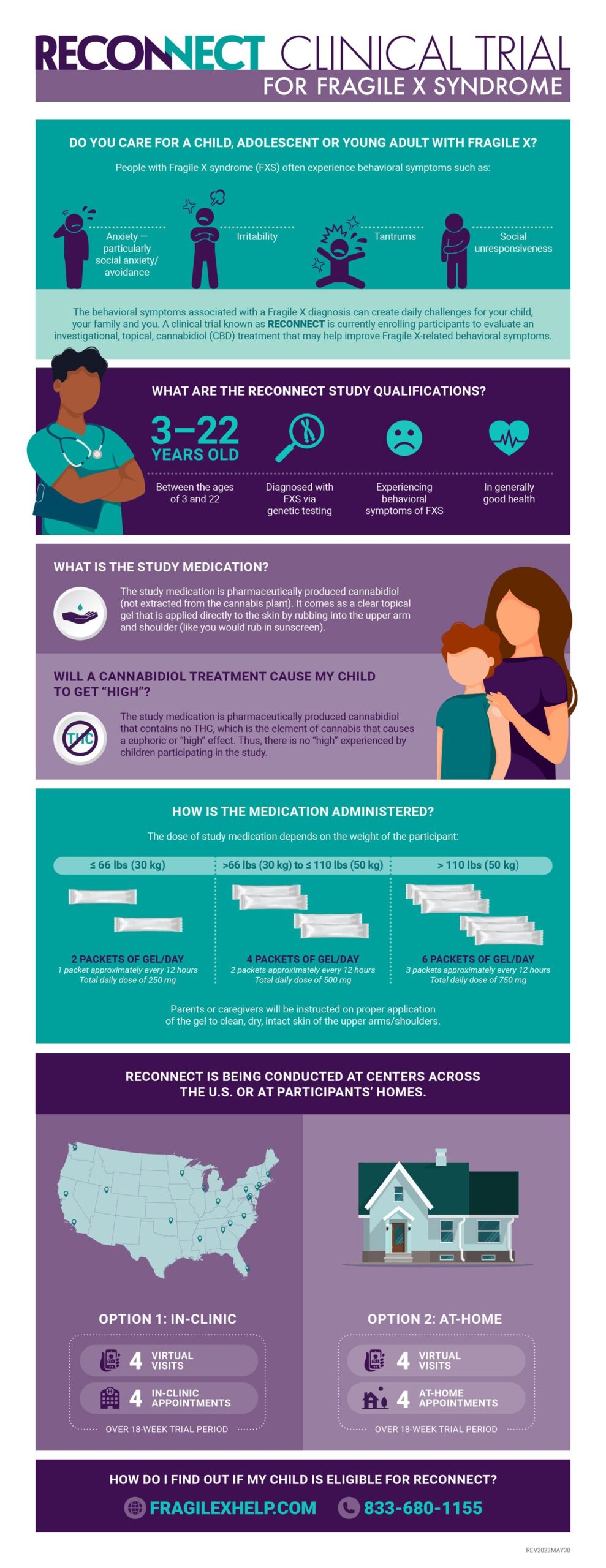
(BPT) – Former U.S. Congressman Gregg Harper’s son, Livingston, has Fragile X Syndrome (FXS), a rare neurological disease often misdiagnosed as autism or attention deficit/hyperactivity disorder (ADHD). FXS affects 1 in 4,000 boys and 1 in 8,000 girls worldwide1 and is the most common inherited cause of autism and intellectual disability. At 34 years old, Livingston continues to wait for an FDA-approved therapy to treat his FXS symptoms.

Gregg laments the lack of clinical research when Livingston was first diagnosed at just four years old, “Thirty years ago, I don’t think many pediatricians knew what Fragile X Syndrome was, let alone how to test for it and diagnosis it. There were no clinical trials to even consider.”

He continues, “Today, pediatricians can conduct a simple genetic test for FXS and there are multiple clinical trials underway in hopes of introducing new, effective treatments for this genetic disorder. It’s so important for families to participate in these trials because they may open doors that help our entire FXS community.”

Gregg is also realistic about potential barriers to participation in clinical research for FXS families. Many people with FXS have behavioral symptoms and anxiety that can make trial visits challenging for their caregivers and the individual.

Gregg shares that when his son was young, his wife would take Livingston to speech and occupational therapy and other medical appointments, with his younger sister in tow. “The numerous doctors’ appointments and tests can disrupt the whole family.”

When Gregg learned about a new approach to clinical trials that has emerged allowing for at-home participation, he noted, “that would have been a game changer for our family!”

Science 37, a company that supports at-home clinical trials, keeps the patient at the center of its work by bringing clinical trials directly to them no matter where they live. This helps increase the diversity of trial participants and promotes inclusivity – so important to advancing scientific discovery.

Dr. David Kudrow is the medical director of neurology for the company. “With the Science 37 approach, we can reach patients across the US and not be limited in any way by geographic constraints,” he said. “With our model, you don’t need to sit in the same room as the patient. If an investigator is licensed in the state where the patient lives, we can conduct a study visit.”

Once a patient is screened and enrolled for a clinical trial using telemedicine – appointments by computer, tablet or smartphone – patients and families continue to participate via “virtual” visits.” Additionally, mobile nurses, who are trained and employed by Science 37, visit patients to check vital signs, collect bloodwork and perform other medical evaluations and tests, such as electrocardiograms (ECGs).

As Dr. Kudrow explains, “Children and young adults with FXS don’t have to live near a trial center and caregivers don’t have to miss work or travel with their child to various appointments. On top of that, they still have their entire care team outside of the clinical trial, whom they continue to see for regularly scheduled check-ups. The Science 37 team keeps their care team informed of the trial involvement and progress.”

Dr. Kudrow noted, “With Science 37’s approach and at-home clinical trials like the RECONNECT study, which is currently enrolling, we can reach into any community, support diversity, and go beyond geographic, conventional boundaries to deliver reliable data.”

He concluded: “This is a very special population – not just the kids, but the families. Some families have multiple children with FXS and would otherwise have to travel to a clinical trial site. With respect to convenience, what Science 37 has been able to provide is invaluable. We can go where the patients are.”

Added Gregg: “People should avail themselves of this unique opportunity. I’m excited about it and hope that families who are dealing with FXS realize that we must have participants in these trials to discover new treatments. I urge families to take this opportunity. It’s free, it’s easy and, at the end of the road, it may change lives.”

To learn more about FXS and the ongoing RECONNECT clinical trial of an investigational treatment, visit FragileXHelp.com for more information.

Content sponsored and provided by Harmony Biosciences/Zynerba Pharmaceuticals, Inc. Gregg Harper has partnered with Zynerba to increase awareness of FXS and highlight the vital role of clinical trials in discovering and studying new investigational treatments for rare diseases.

+++

  1. https://fragilex.org/understanding-fragile-x/fragile-x-101/

Tips to keep your cat happy and healthy this holiday season and beyond

2023-11-30T17:01:00

(BPT) – In the company of loved ones, the holidays transform into a meaningful celebration marked by decadent foods, delightful presents and joyous gatherings. As a pet parent, you want to share in this joy with your feline family members. This means enjoying the holiday season with your pets but also keeping them safe and comfortable so all can be merry.

Extra house guests, new foods and even innocent-looking ribbons decorating presents can be tempting to cats. The best way to keep your feline happy and healthy this holiday season is to take a proactive approach and follow these tips.

1. Understand litterbox habits

Your cat’s litterbox habits provide important insight into their overall wellness, including if they got into some holiday fun they shouldn’t have. However, inspecting a litterbox is not a cheery chore. Fortunately, this is the golden age of pet tech, and keeping an eye on your cat’s litterbox habits is now as simple as opening an app.

Solutions like the Petivity™ Smart Litterbox System help pet parents better understand their cat’s health by monitoring litterbox habits. Developed by a team of Purina behaviorists, veterinarians and data scientists, the system’s artificial intelligence is able to learn each cat’s unique litterbox patterns and identify subtle changes that can have big implications. Even small fluctuations in weight, frequency in litterbox visits and the types of elimination can be early signs of health concerns.

Like with all good, smart tech, setup is simple. Monitors are placed under a litterbox to track each cat’s data and habits. Then, if anything requires the owner’s attention, an alert is sent automatically to their phone. It’s a slick process, good to have all year round, and provides excellent insights during the hectic winter holidays.

2. Be mindful while being merry

The holidays are a prime time to pique a cat’s curiosity. From decadent scents and festive foods to sparkling ribbons and jingling bells — there’s a lot to attract their attention. While sharing the holidays with your feline is fun, it’s important to be cautious.

Some potential toxic temptations, like chocolate, are already well known. But some sneakier ones also pop up this time of year. For example, lilies, amaryllis and poinsettias are popular cut flowers in festive decor, but they are toxic to cats who can be tempted to chew on them.

When possible, keep food and plants up high or away where cats can’t reach them. If a cat does eat something and you don’t see it, the litterbox monitoring system can help detect any changes and alert them to you. Then you can determine next steps to keep your feline feeling well and have important information to share if a call to the veterinarian is in order.

Another healthy step pet parents can take during the holidays is to monitor stress. If you’re hosting a holiday event, consider a quiet room where cats can always retreat away from guests. This gives them a safe space to use as needed so they can rest, relax and recharge.

Keep in mind, stress alone from holiday gatherings can potentially cause digestive issues for cats. If the duration and frequency of litterbox visits change, it’s a solid sign that kitty could use some calm. In addition to quiet spaces, some love from their favorite human — you — is often welcome during the hectic holiday season.

3. Gift proactive cat health

Remember, the best holiday gift you can give your cat or the cat lover in your life is the chance to be proactive about their health. Leverage smart tech, like the Petivity™ Smart Litterbox System, to monitor your cat’s litterbox habits. Also, make sure to schedule your annual checkup for the new year to keep your veterinarian in the loop about your pet’s health.

A Lot of Compassion, A Bit of Realism: Living With an Adult Son Who Has Schizophrenia

2023-11-30T14:39:00

(BPT) – Sponsored by Alkermes, Inc.

By Pam, mother of a 31-year-old son living with schizophrenia

This sponsored story you are about to read may not be representative of all people living with schizophrenia. The opinions expressed here are those of Pam, a mother of a person living with schizophrenia, and are not a substitute for medical advice or judgement. Individual results may vary. Always talk to your doctor.

November is Caregiver Awareness Month and I’ve been reflecting on my role as a caregiver to my adult son. Of course, most mothers are caregivers; even when our children reach adulthood, we still care, we still want the best for them, and we still offer guidance when we can. In that way, my role is no different than that of millions of mothers around the world.

However, my caregiver role evolved when my son, now 31, was diagnosed with schizophrenia in 2013. I think most parents expect challenges—rebellious teenage years, disagreements about schoolwork, curfews, and dating. But few expect a diagnosis of schizophrenia, a chronic brain disorder that affects about 1.1% of the US population with symptoms that may include, but are not limited to, delusions, hallucinations, disorganized speech, trouble with thinking, and lack of motivation.1,2

Like everything else about parenthood, helping a child with schizophrenia came with a learning curve, and we’ve had easier days and hard days. So, I wanted to share some of the lessons, tools, and realizations that have helped our family along the way.

5 Lessons I’ve Learned in My Role as a Caregiver

1) It’s not personal. My son has a diagnosis, which is different than saying he is his diagnosis. I had to learn that the things he says and does are a result of his mental health condition, not who he is. Sometimes, he’s just having a bad day or a bad moment. Realizing that his behaviors are not aimed at me and that I don’t need to take them personally helps me choose compassion over frustration.

2) Take care of your own needs. I seek support regularly. I make time for things I enjoy, such as a massage, a manicure, or shopping for a cute pair of shoes. I go for a walk every day. I also find it important to set boundaries—with my job, my family, and myself. You give more or less of yourself to the parts of your life that need you and serve you, day by day.

3) Seek out information. Do research to help support loved ones through the journey. Meet other caregivers. It seems like when families face diagnoses in other disease states, we know what to do next. However, sometimes with a mental health diagnosis, we may not know how to proceed or where to turn for help. I believe as caregivers we may consider approaching mental and physical illnesses similarly, by asking questions, learning as much as possible, and taking action in partnership with healthcare providers.

4) Caregiving is a team sport. My son, his doctors, nurses, and I are in this together. I go to learning sessions from the National Alliance of Mental Illness. I write down everything at doctor visits. I can look back at notes from when he was first diagnosed and see some of the details I noted through our journey. I talk to his nurses about what symptoms I’m observing and what our treatment goals are, because they may see him during visits, but I’m with him all the time.

5) Find what works for you and your family. My son and I have learned together what works for us. From me helping with his meal prep, to him taking responsibility for chores around the house, to working through the good and bad days together. Every family is going to be different. It’s all a continual learning process.

And we’ve worked closely with his healthcare providers to find a treatment that’s working to help reduce his symptoms. For him, it is ARISTADA® (aripiprazole lauroxil), a prescription medicine given by injection into the muscle (intramuscular) by a healthcare professional and used to treat schizophrenia in adults.3 It is not known if ARISTADA is safe and effective in children under 18 years of age.3 This medication is available in five dosing regimens, including monthly (441 mg, 662 mg, 882 mg), every 6 weeks (882 mg), and every 2 months (1064 mg).3

Here is some important safety information about ARISTADA: ARISTADA may cause serious side effects, including an increased risk of death in elderly people with dementia-related psychosis.3 ARISTADA increases the risk of death in elderly people who have lost touch with reality (psychosis) due to confusion and memory loss (dementia).3 ARISTADA is not for the treatment of people with dementia-related psychosis.3 The most common side effects of ARISTADA include restlessness or feeling like you need to move (akathisia). These are not all of the side effects associated with ARISTADA.3 For additional Important Safety Information, please continue reading below.

Overall, I’ve learned to approach each moment with compassion and support. Schizophrenia is not something my son or I can control. As caregivers, we can help, but we can’t “fix” it. Through all the hills and valleys, I’ve learned not to give my energy to everything; I devote my energy to myself, my family, and my son.

This is intended as informational only and not a substitute for professional medical advice, diagnosis, or treatment. Always seek the advice of your physician or other qualified health provider with any questions you may have regarding a medical and/or mental health condition.

Please read the Important Safety Information for ARISTADA INITIO® (aripiprazole lauroxil) and ARISTADA below.

INDICATION and IMPORTANT SAFETY INFORMATION for ARISTADA INITIO® (aripiprazole lauroxil) and ARISTADA® (aripiprazole lauroxil) extended-release injectable suspension, for intramuscular use

INDICATION

ARISTADA INITIO is a prescription medicine given as a one-time injection and is used in combination with oral aripiprazole to start ARISTADA treatment, or re-start ARISTADA treatment after a missed dose, when ARISTADA is used for the treatment of schizophrenia in adults.

ARISTADA is a prescription medicine given by injection by a healthcare professional and used to treat schizophrenia in adults.

It is not known if ARISTADA INITIO and/or ARISTADA are safe and effective in children under 18 years of age.

IMPORTANT SAFETY INFORMATION

Elderly people with dementia-related psychosis are at increased risk of death when treated with antipsychotic medicines including ARISTADA INITIO and ARISTADA. ARISTADA INITIO and ARISTADA are not for the treatment of people who have lost touch with reality (psychosis) due to confusion and memory loss (dementia).

Contraindication: Do not receive ARISTADA INITIO or ARISTADA if you are allergic to aripiprazole or any of the ingredients in ARISTADA. Allergic reactions to aripiprazole have ranged from rash, hives and itching to anaphylaxis, which may include difficulty breathing, tightness in the chest, and swelling of the mouth, face, lips, or tongue.

ARISTADA INITIO and/or ARISTADA may cause serious side effects including:

  • Cerebrovascular problems (including stroke) in elderly people with dementia-related psychosis that can lead to death.
  • Neuroleptic malignant syndrome (NMS), a serious condition that can lead to death. Call your healthcare provider or go to the nearest hospital emergency room right away if you have some or all of the following signs and symptoms of NMS:
    • high fever
    • stiff muscles
    • confusion
    • sweating
    • changes in pulse, heart rate, and blood pressure
  • Uncontrolled body movements (tardive dyskinesia). ARISTADA INITIO and ARISTADA may cause movements that you cannot control in your face, tongue, or other body parts. Tardive dyskinesia may not go away, even if you stop receiving ARISTADA. Tardive dyskinesia may also start after you stop receiving ARISTADA.
  • Problems with your metabolism such as:
    • High blood sugar (hyperglycemia). Increases in blood sugar can happen in some people who receive ARISTADA INITIO and/or ARISTADA. Extremely high blood sugar can lead to coma or death. If you have diabetes or risk factors for diabetes (such as being overweight or a family history of diabetes), your healthcare provider should check your blood sugar before you receive ARISTADA INITIO and/or ARISTADA and during your treatment with ARISTADA.
      • Call your healthcare provider if you have any of these symptoms of high blood sugar:
        • feel very thirsty
        • need to urinate more than usual
        • feel very hungry
        • feel weak or tired
        • feel sick to your stomach
        • feel confused, or your breath smells fruity
    • Increased fat levels (cholesterol and triglycerides) in your blood
    • Weight gain. You and your healthcare provider should check your weight regularly.
  • Unusual and uncontrollable (compulsive) urges. Some people taking aripiprazole have had strong unusual urges such as gambling that cannot be controlled (compulsive gambling). Other compulsive urges include sexual urges, shopping, and eating or binge eating. If you or your family members notice that you are having unusual strong urges, talk to your healthcare provider.
  • Decreased blood pressure (orthostatic hypotension). You may feel lightheaded or faint when you rise too quickly from a sitting or lying position.
  • Falls. ARISTADA INITIO and ARISTADA may make you sleepy or dizzy when standing which may make you at risk for falls and related injuries
  • Low white blood cell count
  • Seizures (convulsions)
  • Problems controlling your body temperature. Avoid becoming too hot or dehydrated. Do not exercise too much. In hot weather, stay inside in a cool place if possible. Stay out of the sun. Do not wear too much clothing or heavy clothing. Drink plenty of water.
  • Difficulty swallowing

The most common side effects of ARISTADA INITIO and ARISTADA include restlessness or feeling like you need to move (akathisia). These are not all the possible side effects of ARISTADA INITIO and ARISTADA. You should tell your HCP about any side-effects you have.

Do not drive, operate hazardous machinery, or do other dangerous activities until you know how ARISTADA INITIO and ARISTADA affect you. ARISTADA INITIO and ARISTADA may affect your judgment, thinking or motor skills.

Before receiving ARISTADA INITIO and ARISTADA tell your healthcare provider about all of your medical conditions, including if you:

  • have not taken Abilify®, Abilify Maintena®, or any aripiprazole product before
  • have or had heart problems or a stroke
  • have diabetes or high blood sugar or a family history of diabetes or high blood sugar. Your healthcare provider should check your blood sugar before you receive ARISTADA INITIO and/or ARISTADA or during your treatment with ARISTADA
  • have or had low or high blood pressure
  • have or had seizures (convulsions)
  • have or had a low white blood cell count
  • have problems that may affect you receiving an injection in your buttocks or your arm
  • are pregnant or plan to become pregnant. It is not known if ARISTADA INITIO and/or ARISTADA will harm your unborn baby. If you become pregnant while taking ARISTADA INITIO and/or ARISTADA, talk to your healthcare provider about registering with the National Pregnancy Registry for Atypical Antipsychotics. You can register by calling 1-866-961-2388, or visit http://womensmentalhealth.org/clinical-and-research-programs/pregnancyregistry/
  • are breastfeeding or plan to breastfeed. ARISTADA INITIO and/or ARISTADA can pass into your breast milk. It is not known if it may harm your baby. Talk to your healthcare provider about the best way to feed your baby if you receive ARISTADA INITIO and/or ARISTADA.

Tell your healthcare provider about all the medicines you take, including prescription and over-the-counter medicines, vitamins, and herbal supplements. ARISTADA INITIO and ARISTADA and other medicines may affect each other causing possible serious side effects. Do not start or stop any medicines after you receive ARISTADA INITIO and ARISTADA without talking to your healthcare provider first.

If you have any questions about your health or medicines, talk to your healthcare provider. You are encouraged to report all side effects of prescription drugs to the FDA. Visit www.fda.gov/medwatch, or call 1-800-FDA-1088.

Please see full Prescribing Information for ARISTADA INITIO and ARISTADA, including Boxed Warning, and Medication Guides for ARISTADA INITIO and ARISTADA.

References:

1 Cloutier M, Aigbogun MS, Guerin A, et al. The economic burden of schizophrenia in the United States in 2013. J Clin Psychiatry. 2016;77(6):764-771.

2 What is schizophrenia? American Psychiatric Association. Accessed October 1, 2023. https://www.psychiatry.org/patients-families/schizophrenia/what-is-schizophrenia

3 ARISTADA. Prescribing Information. Alkermes, Inc.; 2021.

ALKERMES® is a registered trademark of Alkermes, Inc. and ARISTADA® and ARISTADA INITIO® are registered trademarks of Alkermes Pharma Ireland Limited, used by Alkermes, Inc., under license.

Abilify® and Abilify Maintena® are registered trademarks of Otsuka Pharmaceutical Co. Ltd.

©2023. Alkermes, Inc. All rights reserved. ARI-005129

New survey found majority of U.S. adults aged 45+ wanted a range of COVID vaccine options

2023-11-29T13:01:00

(BPT) – Novavax, a global company advancing vaccines with its Matrix-M™ adjuvant, joined forces with HealthyWomen and actor, mother and business owner Nicole Ari Parker to launch Choose to Protect™, a campaign to educate the public about the importance of COVID vaccination and the different types of COVID vaccines.

Novavax, in partnership with HealthyWomen, commissioned a survey, conducted by The Harris Poll, among 1,005 vaccinated U.S. adults aged 45+ who play a key role in household healthcare decisions to better understand perceptions about and attitudes toward COVID vaccines. While COVID vaccine fatigue has been widely reported1, surveyed adults aged 45+ still recognized the value of vaccines.2 In addition, 85% of respondents said it’s important to have a range of options for themselves and their family for COVID vaccines.2

For more information, visit www.ChoosetoProtect.com.


1 Stamm TA, Partheymüller J, Mosor E, et al. Determinants of COVID-19 vaccine fatigue. Nat Med. 2023;29(5):1164-1171. doi:10.1038/s41591-023-02282-y.

2 Novavax and The Harris Poll Survey Findings. Initial Survey Highlights. Field Period: September 7-14, 2023.

Lost your job? Don’t lose your coverage: 5 tips for securing health insurance

2023-11-29T02:01:00

(BPT) – No one wants to lose their job. Not only does it impact your income, but losing your job often means losing access to your health insurance.

Maintaining medical, dental and vision insurance is critical for your health and well-being. If your employer-provided health insurance also includes coverage for your family, it’s doubly important to find out how to continue to access your health insurance coverage. Check out these five tips to help you along your health insurance journey post-job loss.

1. Talk with an expert

Insurance terminology and options are complex and can be confusing. That’s why it’s important to find an insurance expert or adviser who can guide you through the process. They’ll be able to look at your specific situation and provide guidance on the most cost-effective solution for your medical, dental and vision insurance needs.

2. Sign up for COBRA extended insurance coverage

You may be able to sign up for COBRA (Consolidated Omnibus Budget Reconciliation Act) extended insurance coverage after you lose your job so you can maintain your current health insurance plan. It will allow you to keep the same coverage provided by your former employer for up to 18 months.

A drawback to COBRA is that the premiums tend to be higher than what you paid during your employment. However, it is a great option and a safety net during your transition. The window for enrollment is typically 60 days, so don’t put off signing up for COBRA so you can continue to access your essential coverage.

3. Hit the marketplace

If you can’t afford COBRA or your former employer didn’t offer health insurance, it’s time to hit the Health Insurance Marketplace. As you shop, you’ll find many comprehensive health insurance plans that typically also include dental and vision options. Depending on your situation, you may be eligible for a subsidized plan with reduced premium costs. Take your time, compare plans and talk with an expert to find a plan that fits your needs and finances.

4. Apply for Medicaid or Medicare

Your job loss may significantly reduce your income. If that’s the case, Medicaid may be a free or low-cost health insurance option for you and your family. Eligibility varies from state to state, so make sure to look at your state’s criteria to see if you qualify.

If you’re over 65, have qualifying disabilities or are currently receiving dialysis, you’re likely eligible for Medicare. This federal health insurance offers a few plan options. However, some don’t include dental and vision insurance, so you may need to purchase additional coverage.

5. Find standalone dental and vision insurance options

In cases where your health insurance options don’t offer dental and vision insurance, it’s a good idea to research and purchase standalone insurance for these needs. For example, a standalone option for vision care is VSP Vision Insurance, which provides a variety of vision insurance options to help complete your coverage.

VSP doesn’t have open enrollment or waiting periods, so you can purchase a vision insurance plan anytime after your job loss. VSP has the largest doctor network, so you can easily find an eye doctor near you and set up an eye exam. To find ways to save on your next eye exam with VSP vision insurance, visit VSP vision insurance.

Job loss can be challenging, but it doesn’t mean you have to go without essential health insurance coverage. Using these five tips, you’ll be able to navigate the unknown to protect your health and the health of your loved ones.

Shattering Stereotypes: The Top 7 Myths About Black Fertility Uncovered

2023-11-27T08:15:00

(BPT) – Alexandra, a resilient single woman of color, defied societal norms and faced family stigma when she decided to seek fertility assistance through CCRM Fertility to have her first child. Confronted with the deeply ingrained misconception that “Black women don’t ask for fertility help,” she courageously chose to navigate a path that many in her family and community viewed with skepticism. Not only was she challenging the taboos surrounding fertility assistance, but she was also doing so as a single woman — a decision that carried its own set of stigmas. Recognizing that discussions about infertility are often swept under the rug in the Black community, Alexandra resolved to shatter the silence.

She publicly shared her experience by launching a vlog series titled “Single Mother by Choice,” empowering others to seek the help they need without shame. Today, she is the proud mother of a beautiful daughter named Sloan and is joyfully awaiting the arrival of her second child.

We’re setting the record straight by debunking seven common myths about Black fertility. Our mission is not only to enlighten but also to eliminate the stigma that often prevents individuals from seeking necessary care and support. Let’s work together to build a more informed and empowered community.

1. Black People Don’t Use Fertility Treatments

Contrary to popular belief, Black individuals and couples do make use of fertility treatments such as IVF and IUI. The myth that they don’t only serves to perpetuate harmful stigmas, inhibiting timely and effective medical consultations. Dispelling this misconception is essential to fostering a culture of equitable healthcare access.

2. IVF and IUI Use Race-Specific Treatments

IVF and IUI are medical procedures designed to assist with fertility issues, and they are universally applicable regardless of race or ethnicity. While individual treatment plans might be tailored based on a person’s specific medical history, needs, or circumstances, there’s no inherent design of these treatments that is specific to one race over another.

However, it’s essential to note that there may be health disparities in access, quality of care, or outcomes based on race due to systemic issues in healthcare, but this is separate from the inherent design or efficacy of the treatments themselves.

3. Infertility is a Sign of Weakness or Punishment

The notion that infertility could be a personal failing, or a form of divine retribution, does nothing but add emotional anguish to an already difficult process. Infertility is a medical issue that requires professional attention, not moral judgment.

4. Adopting Traditional Practices Overrules the Need for IVF/IUI

Traditional or herbal remedies, while valued in some communities, are not scientifically proven replacements for medically endorsed treatments like IVF or IUI. This myth can deter people from seeking effective, evidence-based solutions.

5. IVF and IUI Are Only for Married Couples

Marital status is irrelevant when it comes to the efficacy of fertility treatments. The stereotype that these options are only for married couples limits access for a variety of family structures, including single individuals and unmarried couples.

6. IVF and IUI Are Too Expensive for Black Families

While it’s true that IVF and IUI can be costly, the notion that they are categorically unaffordable for Black families perpetuates a harmful stereotype. Financial assistance, insurance coverage, and sliding scale fees can make these treatments more accessible. This myth discourages individuals from even exploring these options and perpetuates healthcare disparities.

7. You’re Guaranteed a Baby with IVF or IUI

While these treatments do increase the chances of conception, there’s no absolute guarantee of success. Unrealistic expectations can lead to emotional and financial setbacks, which is why it’s important to have a balanced understanding of potential outcomes.

Together, we have the power to break down the lingering stigmas and misconceptions surrounding Black fertility. At CCRM Fertility, we’re committed to providing not only the best physical care but also the emotional and psychological support you need on your fertility journey. We strive for equality and inclusivity, ensuring that everyone who walks into our clinics feels welcome and empowered. Our goal is for you to leave armed with accurate information and enveloped in a sense of positivity, as we guide you through every step toward achieving your family-building dreams.

4 important safety tips to keep in mind this holiday season

2023-11-22T10:01:00

(BPT) – The holidays are here and it’s time to celebrate! No matter how you mark the winter holidays, chances are you’ll be purchasing gifts, cooking and decking the halls with friends and family.

When making your list and checking it twice, make sure to put safety at the very top of the page. Nothing ruins the holiday spirit like an accident or injury. As part of its Holiday Safety Campaign, the U.S. Consumer Product Safety Commission (CPSC) offers four important tips to help you and your loved ones stay safe this season.

1. Online products: Review product descriptions and check for recalls

E-commerce retailing has grown year-over-year during the holidays. However, not all retailers are created equal. When purchasing products online this holiday season, keep these tips in mind.

When buying online, you could be purchasing from the manufacturer, a retailer or a third-party seller. If you have a problem with a product or want to return or exchange it, where you purchased the product matters. Remember to look for “sold by” information when purchasing from an online marketplace.

Don’t skim product descriptions. Always read to the bottom of the listing or check drop-down menus for additional safety information. This is especially important when shopping for kids. Also, read customer reviews to see other consumers’ product experiences.

If you’re purchasing second-hand products from an online marketplace, check to see whether products have been recalled before you buy by going to CPSC.gov/Recalls.

Also, always buy from reputable dealers, and if the price seems too good to be true, this can be a sign that the product is not authentic or original and may be unsafe.

2. Toys: Think of safety testing and gear

There’s nothing quite as special as a child’s reaction to opening a gift. To keep the season jolly for kids of all ages, look for a certification mark on the manufacturer’s label from an independent testing organization. This ensures that the item has been tested for safety. Also be sure to follow age guidance and other safety information on the toy and product packaging. Choose toys that match each child’s interests and abilities, and consider the ages of other children in the household who may have access to the toy.

If you are purchasing a bike or other riding toy, purchase safety gear like helmets to accompany the gift. If purchasing for your own child or family member, ensure that they use them every time they ride.

After opening gifts, immediately discard plastic wrappings or other toy packaging. These can become dangerous playthings if not disposed of quickly.

3. When cooking holiday meals, don’t take your eyes off the turkey!

Everyone loves gathering with loved ones to share a delicious holiday dinner. To keep your holiday feasts safe and fire-free, never leave cooking food unattended on the stove or in the oven. The holidays are the most common time for cooking-related fires. If you’re frying a turkey, only fry it outside and away from your home or other flammable materials. Never use turkey fryers in an enclosed area like the garage or on the porch.

4. When holiday decorating, consider flame risks

It wouldn’t feel like the holidays without festive decorations! To keep holiday decorating merry, bright and safe, consider the fire risks in your home.

If you purchase a live tree, make sure it has plenty of water. Dry trees can go up in flames quickly from a malfunctioning string light. Look for the “Fire Resistant” label when buying an artificial tree.

Also, never leave candles unattended. Place burning candles in sight, away from flammable items, and blow or snuff them out before leaving the room. Whenever possible, use flameless candles for your holiday displays.

When hanging lights, never string together more than three sets of incandescent lights and never overload electrical outlets.

Follow these steps to help keep you and your loved ones safe so you can fully enjoy the spirit of the season. Visit CPSC’s Holiday Safety Information Center for more holiday safety tips and CPSC.gov for year-round safety information.