6 ways to spark your child’s curiosity and passion for science

2023-08-30T13:01:01

(BPT) – Kids and teenagers nationwide are starting a new school year, which offers parents a chance to evaluate the ways they can support and encourage their children to help them succeed. Parents play an active role in their child’s education, especially as it pertains to subjects that have increased importance within a student’s curriculum.

In recent years, there has been an emphasis among science, technology, engineering and math (STEM) education, as it provides students with hands-on learning that can nurture their problem-solving skills. Moreover, science specifically offers opportunities for children to explore the world around them, and it’s important for parents to know how to drive passion and curiosity for science in this next generation.

For easy ways to inspire your children’s curiosity and enthusiasm for science and nature, educator and international STEM advocate Saki Milton is offering tips for parents to consider as the new school year starts — whether they’re out-and-about or at home.

1. Let kids explore nature: Stimulating interest in science at an early age is key to encouraging their exploration and curiosity, and the natural world is a perfect starting point to engage kids in conversations about science.

“The next time your family is hanging out in the backyard, at the park or walking around the block, encourage kids to take in the vibrant ecosystem around them — which is full of living organisms that depend on each other for survival,” said Milton. “Nurture their interest by encouraging hands-on examination, fostering questions and showing how science connects to the real world.”

2. Elevate science outings: Take advantage of the wonder and exploration found in science centers, planetariums and natural history museums. Many venues offer interactive displays that can spark your child’s curiosity in science-related fields in a fun, hands-on and engaging way. Consider spending time at one of them for your next family outing. Some host birthday parties or other events for children that offer an unforgettable experience.

3. Connect curiosity to future careers in science: Science is a perfect outlet for naturally curious children, as there are so many things to experience and explore. Considering how much STEM-related careers are expected to grow in the next decade, their childhood curiosity for science and nature may lead to a career that could last a lifetime.

Is your child interested in space? Experience endless exploration through astronomy. Obsessed with animals? Maybe zoology is for them. How about insects? Believe it or not, there’s a perfect job out there for them, too. Expert entomologists study insects and use their research and knowledge to develop products that help protect families and their homes from insects and the diseases they may carry. The STEM™ line of products are scientifically engineered bug-killing insecticides and mosquito repellents that mix science with nature to help all of us keep those pesky bugs at bay. Their products, such as STEM™ Multi-Insect Killer Spray (Ants, Roaches, Flies) and STEM™ Mosquito Repellent Spray, are powered by plant-based active ingredients, such as lemongrass, geraniol or peppermint. With no added dye, fragrance or harsh chemical odors, they help fight bugs safely and effectively around people and pets, when used as directed.

4. Transform your kitchen into a science lab: Sparking love for science begins at home by transforming everyday moments into scientific adventures. One of the easiest ways is to run simple at-home experiments that can spark curiosity. You can become one of your child’s science teachers this year by finding a few experiments to do together.

“Start with mixing baking soda and white vinegar to introduce chemical reactions in a powerful way. Or show them how plants and trees ‘breathe’ through their leaves by submerging a leaf in water and watching bubbles appear,” Milton recommended. “Whichever experiment you choose, the point is that students love science when they actually do science.”

5. Show versus tell: It’s easiest for kids to learn and grasp new concepts when there’s a tangible outcome of their work. For instance, absorbing information about chemistry from a textbook is much harder than seeing chemistry happen in front of their eyes.

“I always encourage parents and their kids to try household chemistry projects, such as making homemade soap or lip balm, which are great ways to learn about how substances interact with one another, as well as math by mixing substances proportionately,” advised Milton.

6. Emphasize that science is for everyone: Last but most vital, remind your child that science is not a club for a select few. It’s for everyone! Using positive and reaffirming language around your child can help foster a sense of belongingness in science.

“Remind them that science is for everyone, and everyone is a scientist,” Milton added.

Are you due for a vaccination? This calendar will help you keep track

2023-08-22T07:01:00

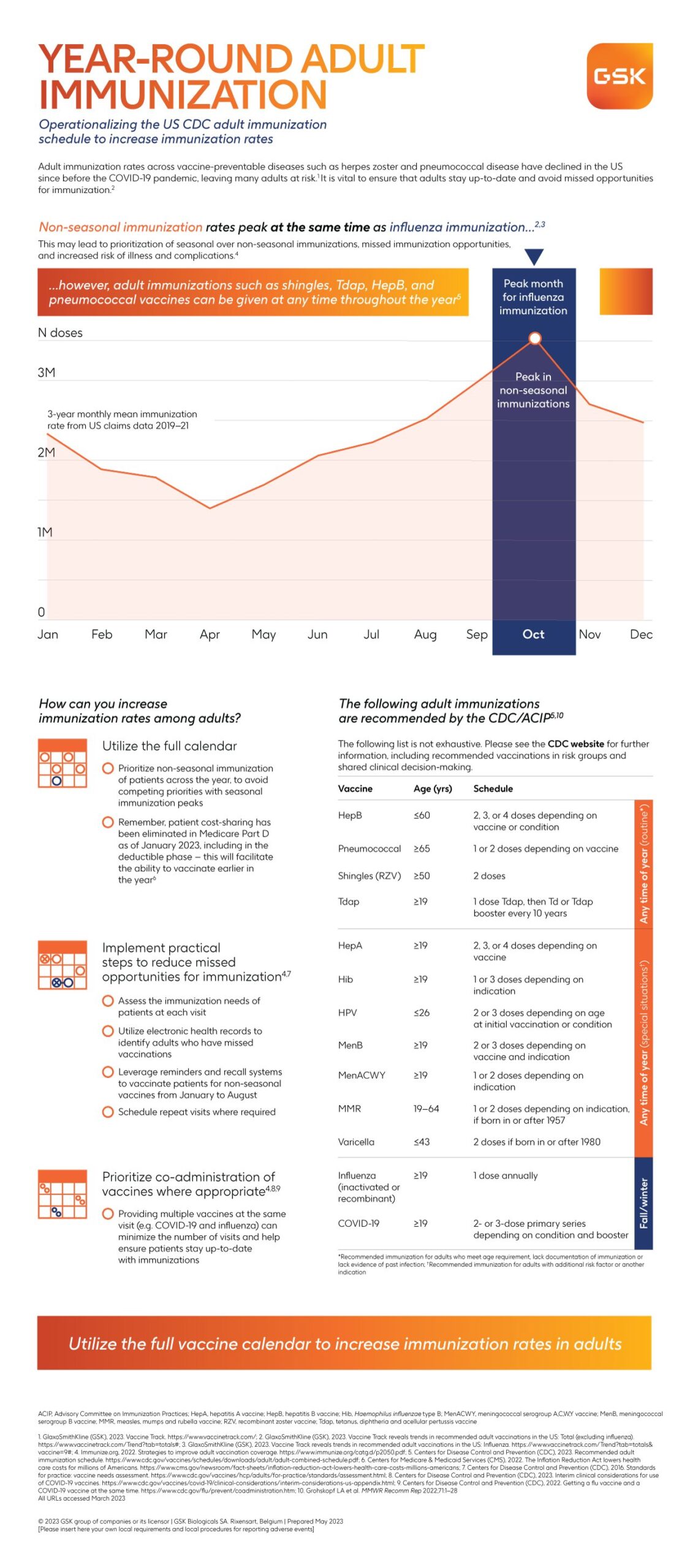
(BPT) – The U.S. is at a critical point for public health. Vaccines have demonstrated value in maintaining the health of individuals and communities and are among the most effective and cost-effective preventive health interventions available.[1][2][3] But, too often, adults miss the opportunity for vaccination, despite being increasingly susceptible to immune decline and infectious diseases, and at greater risk of chronic conditions.[4]

The good news is that the latest Vaccine Track data suggest immunization rates are slowly starting to increase towards pre-pandemic levels. It’s a welcome improvement, but we can’t stop now. It’s important for adults in the U.S. to continue to prioritize vaccination to stay ahead of vaccine-preventable diseases.

This August, in honor of National Immunization Awareness Month, GSK is reinforcing the importance of staying on top of routine vaccinations all year long. While certain vaccines such as flu are administered during the fall and winter months when there’s a higher incidence of disease, other vaccines can be given year-round. Check out the Adult Immunization Calendar below to understand which “non-seasonal” recommended vaccines you can — and should — receive at different points throughout the year to help protect yourself against vaccine-preventable diseases. Stop in at your local pharmacy or make an appointment with your healthcare provider to keep yourself protected.


[1] Whitney CG, et al., Benefits from Immunization during the Vaccines for Children Program Era — United States, 1994–2013. MMWR Weekly 2014;63(16);352–355. www.cdc.gov/mmwr/preview/mmwrhtml/mm6316a4.htm.

[2] Dabestani NM, et al., A Review of the Cost-Effectiveness of Adult Influenza Vaccination and Other Preventive Services. Prev Med. 2019 Sep;126:105734. https://doi.org/10.1016/j.ypmed.2019.05.022

[3] CDC. Ten Great Public Health Achievements—United States, 2001–2010 MMWR Weekly 2011:60(19);619–623. www.cdc.gov/mmwr/preview/mmwrhtml/mm6019a5.htm.

How a Startup Chair Company Promises to Fix Your Sit

2023-08-21T10:01:01

(BPT) – Whether you work from home, in the office or spend a lot of time sitting while gaming, you know that the right chair can make all the difference in how you feel. The need for proper posture isn’t new, and many solutions have emerged over the years in an effort to address this need.

One solution that has gained a lot of traction in the last few years has been the standing desk. However, could it be that this and other solutions have come about because — to put it bluntly — office chairs as we know them aren’t working to help us sit correctly?

Not only can office chairs encourage poor posture, but they can also have long-term consequences. According to the Centers for Disease Control and Prevention, it costs over $2,100 per person/per year to treat and manage chronic pain.

In addition to chronic pain, poor posture has also been linked to fatigue, injury, depression, poor vision, poor digestion, poor circulation, dysfunctional breathing and even shortened life expectancy. That’s why one startup company, Anthros, set out to design a chair that is not only comfortable, but also acts as a tool to support lifelong health and wellness.

The surprising origin of “the world’s most comfortable chair”

The Anthros team knows the importance of sitting properly and comfortably because they know that, for some, the wrong chair could have deadly consequences. The core members have spent decades working with wheelchair users — the most complex sitters on the planet — who either thrive or suffer according to the slightest modifications in their seating.

Using this, Anthros spent four years collaborating with world-class designers and engineers to develop a science-backed, evidence-based, research-focused design for an office chair. What started as an industry-changing concept is now a reality and one that the company believes has the power to improve users’ overall health and well-being.

“Existing chair manufacturers weren’t required to design products for people in which sitting can be a life-or-death issue,” said Steven Dufresne, Anthros founder and CEO.

A chair built for your shape

The Anthros chair was designed to fit the human body. For people in pain, this chair provides relief and also actively works to prevent pain before it starts. For office workers or gamers, the chair’s comfort and support make it ideal for maximum work productivity and gaming performance. And for those who value their health and wellness, this chair is an investment in their posture, performance and long-term well-being.

But what makes this chair different from other office chairs? It comes down to modifications that can meet each user’s unique needs.

First, the patented two-part back system is built to adapt to each individual’s body shape. The lower back is not lumbar support, which — despite the hype — is not the most effective way to support proper posture over long periods. Instead, learning from research in wheelchair seating, the lower back system supports the pelvis to prevent slouching and reduce lower back strain. The upper back system allows users to pull their shoulders back, preventing and alleviating neck and shoulder pain.

Next is the most important part of any chair: The seat. The company’s patented pressure-relief cutouts give the seat a cloud-like feel, providing sitting comfort with the lowest pressure cushion on the planet.

Finally, the chair does not recline. Instead, it tilts to reduce fatigue and provide a relaxed, resting position without compromising posture.

“We are selling improved health and performance, disguised as an office chair,” said Eric Murphy, Anthros founder and CMO. “Most chair companies say they do something. We aim to ‘prove’ we do it.”

Giving back to disabled community, the world’s most complex sitters

The Anthros Foundation is committed to giving back to the worldwide disabled community. There are countless countries where children and adults can’t access basic mobility equipment that would allow them to participate in fundamental activities of daily living. That’s why 100% of every dollar raised is used to host fundraising events and given to organizations that serve the global wheelchair community.

The foundation’s work doesn’t end with monetary donations. Anthros uses its expertise to help train others how to properly fit and provide this life-changing equipment and make a global impact.

Investing in your future

While the Anthros chair is an investment, it is built to be your last chair. Whether you’re an office worker, a gamer, a health-minded individual or seeking pain relief, investing in your chair is investing in yourself. To learn more, visit Anthros.com.

Warning: Not All Dangers Come with Warning Labels

2023-08-21T10:01:01

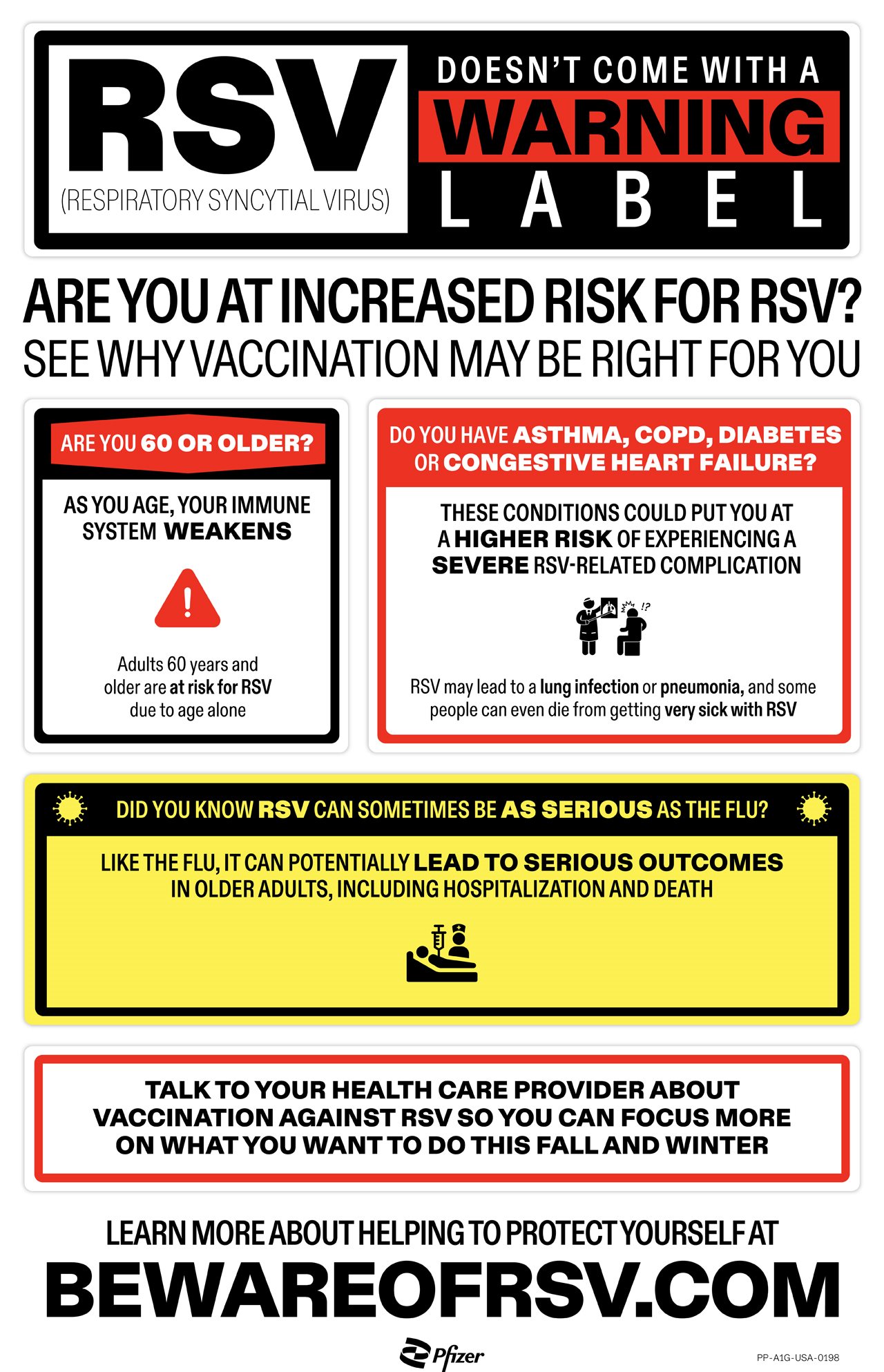
(BPT) – Warning labels seem to be all around us — from hot drinks to hairdryers. But not all dangers come with them — like Respiratory Syncytial Virus, or RSV. It’s a respiratory virus that can cause cold-like symptoms in some cases and potentially serious complications like hospitalization or death. Ask your healthcare provider about getting vaccinated.

No Longer Afraid to Hide Her Skin, Jillian’s Story Living with Psoriasis

2023-08-14T07:01:00

Photo provided courtesy of Jillian

(BPT) – By Arcutis Biotherapeutics

Psoriasis Action Month is about raising awareness of psoriasis and its impact, and encouraging individuals with this common skin disease to get the support and care that they need.

About 80 to 90 percent of people with psoriasis have plaque psoriasis, which often appears as raised, red and scaly plaques. However, in people with darker skin tones, plaques sometimes may appear more grayish, purplish or brownish. Plaque psoriasis can occur anywhere − yes, anywhere − on the body, including the knees, elbows, torso, and sensitive places like the face, genitals, and areas where skin touches skin. In these areas, psoriasis may appear as smooth and non-scaly lesions. Symptoms of plaque psoriasis can include pain, cracking skin and itching.

Diagnosing and treating plaque psoriasis can be complex and challenging − something Jillian knows firsthand. Jillian dealt with symptoms of plaque psoriasis on the back of her neck for 12 years before getting an accurate diagnosis and a treatment that worked for her.

“My symptoms first started in high school, when I had an irritated patch of skin develop on my hairline. As time went on, this turned into full-on scaly plaques along my hairline on the back of my neck. Throughout the last 10 years, those plaques started to grow and spread like tree branches down the side of my neck,” said Jillian. “I had a ton of tests done over the years, but only got a diagnosis of plaque psoriasis late last year.”

As a personal trainer and dietitian, Jillian spends most of her days teaching others about healthy habits and how to love the skin they’re in. Because of her profession, she spends most of the time with her hair up, which made her plaque psoriasis more visible, and made her feel self-conscious.

“In my profession, it’s hard to have a condition like this because, unfortunately, people view your own health as a direct reflection of the quality of your professional knowledge. It also takes a toll on your mental health when you feel like you have to explain to everyone − from people at work to your hairdresser − that what they’re seeing isn’t contagious or anything to worry about,” she said.

Recently, Jillian tried a steroid-free cream, ZORYVE® (roflumilast) cream 0.3%, that is a prescription medicine used on the skin (topical), including in areas with skin folds, to treat plaque psoriasis in people 12 years of age and older. It is not known if ZORYVE is safe and effective in children under 12 years of age.

“Over the years I’ve tried almost everything out there − from various prescriptions to over-the-counter options and natural remedies. But they didn’t work for me and were really complicated to use, and my plaque psoriasis just kept coming back,” she explains. “I started applying ZORYVE daily, and it began working within weeks to manage both the visible symptoms of my plaque psoriasis by clearing my skin, and even the itch, too. Now, I can use ZORYVE when my psoriasis flares, and since it is steroid free, I feel comfortable using it wherever I have psoriasis. I also like that the cream is not greasy or messy, it spreads easily, and I just need to apply a small amount.”

In clinical trials, approximately 40% of 576 people treated with ZORYVE had significantly clearer skin, compared to approximately 6% of 305 people treated with a cream not containing the active ingredient at 8 weeks. Additionally, approximately 68% of the 447 people treated with ZORYVE had significant itch reduction, compared to approximately 30% of the 231 people treated with a cream not containing the active ingredient.

Prior to being treated, Jillian was hyper aware of the clothing she would wear and how she’d style her hair to try and cover the back of her neck as much as possible. Now that her condition is under control, it’s one less thing she has to worry about.

“I used to be really embarrassed about my plaque psoriasis, but since I’ve found the right treatment that works for me, I no longer am,” said Jillian. “I’m also getting married in January and feel confident that my psoriasis will remain under control, so I don’t have to worry about clothing I wear during the events leading up to my wedding or how I wear my hair on my wedding day.”

If you’re struggling with psoriasis or any other skin concerns, be sure to make an appointment with a dermatology professional. They will work with you to get the care you need and help you find the right treatment plan.

ZORYVE is for use on the skin (topical only). Do not use ZORYVE in or on your eyes, mouth, or vagina. Do not use ZORYVE if you have certain liver problems.

Before using ZORYVE, tell your healthcare provider about all of your medical conditions, including if you have liver problems, are pregnant or plan to become pregnant. It is not known if ZORYVE will harm your unborn baby. Tell your healthcare provider if you are breastfeeding or plan to breastfeed. It is not known if ZORYVE passes into your breast milk. Talk to your healthcare provider about the best way to feed your baby during treatment with ZORYVE. Breastfeeding women using ZORYVE should use ZORYVE on the smallest area of the skin and for the shortest time needed. Do not apply ZORYVE directly to the nipple and areola to avoid contact with your baby.

Tell your healthcare provider about the medicines you take, including prescription and over-the-counter medicines, vitamins, and herbal supplements.

The most common side effects of ZORYVE include diarrhea, headache, trouble sleeping, nausea, application site pain, upper respiratory tract infections, and urinary tract infections (UTIs).

These are not all of the possible side effects of ZORYVE. Call your healthcare provider for medical advice about side effects. You are encouraged to report side effects to FDA at 1-800-FDA-1088.

For more information about plaque psoriasis and product information for ZORYVE, a steroid-free topical that works across affected body areas, talk to your healthcare provider or visit www.zoryve.com.

Jillian lives with plaque psoriasis and is being compensated for her time contributing to this article. This is just one patient’s experience. Results may vary.

SPONSORED BY Arcutis Biotherapeutics

© 2023 Arcutis Biotherapeutics, Inc. All rights reserved.

US-CRP-151-00007 08/23

Back-to-School Success Starts with an Eye Exam

2023-08-10T16:01:00

Models used for illustrative purposes only

(BPT) – Getting your kids ready for back-to-school season may feel like putting together a jigsaw puzzle. With so much to do, it is important not to miss one of the most critical pieces of the puzzle: an eye exam. From buying pencils and notebooks to new shoes and backpacks, a visit to the eye doctor is often forgotten on the back-to-school check list. Eye health is critical to academic success. In fact, 80% of classroom learning is done visually.[1]

When Alexander was in fifth grade, his parents Estephanie and Argenis became concerned when he started having difficulty reading the board in class and complaining of headaches. Their concern for their son continued to grow, so they sought professional help.

“Our first thought was to call the pediatrician,” said Estephanie of Addison, Illinois. “We were able to quickly get Alexander in for an appointment to do a checkup, and he did a quick eye exam. We were surprised when the pediatrician recommended we visit an eye doctor, and we’re so thankful for that recommendation because visiting an eye doctor hadn’t even occurred to us.”

After a comprehensive eye exam with Dr. Caroline Cho, O.D., DuPage Optical, Alexander was prescribed ACUVUE® Abiliti™ Overnight Therapeutic Lenses to manage his myopia, or nearsightedness, which is a chronic and progressive disease in which the eye grows too long.[2],[3],[4]

“Alexander’s story isn’t uncommon. I have a lot of children and young adults come to my office who experience similar symptoms,” said Dr. Cho. “Fortunately, if they come in early, we can help manage their myopia through treatments like ACUVUE® Abiliti™ Overnight Therapeutic Lenses. They’re worn overnight and temporarily reshape the cornea, typically eliminating the need to wear glasses or contacts during the day.”[5],[6],[*]

Back-to-school season is a great time to take your child to an optometrist for a comprehensive eye exam. These exams help supplement a quick vision screening at school or a pediatrician’s office and are important because they can detect the early signs of myopia, as well as more than 270 common and chronic diseases.[7] Myopia is often diagnosed in children between the ages of 8 and 12.[8] It can develop in earlier years, which is why it’s recommended that children have an annual comprehensive eye exam starting at age 5.[9],[10]

Myopia impacts an average of one in three kids in the United States and that number is growing.[11],[12] Altered lifestyle factors like increased near work and decreased outdoor time are likely to be contributors to myopia, which has nearly doubled over the past 20 years.[13],[14],[15] But now there are new treatments for kids like Alexander.

“I’m so happy with my Abiliti™ lenses! I’m able to play all my favorite sports like soccer and boxing without having to wear glasses,” said Alexander. “I’m able to see the board in school again and my headaches have gone away.”

Abiliti™ Overnight lenses provide a significant improvement in vision-related quality of life and wearers report better rates of overall vision, far distance vision, symptoms, appearance, satisfaction, activities, academic performance, handling and peer perceptions than those wearing single-vision spectacles.5

“Since Dr. Cho prescribed Alexander with ACUVUE® Abiliti™, we have seen so much improvement in his overall health and happiness,” said Estephanie. “It gives my husband and me peace of mind knowing he can go all day without needing to wear glasses and that his myopia is being managed. I strongly encourage all parents to schedule a yearly eye exam even if they don’t suspect their child is having vision issues.”

To learn more about ACUVUE® Abiliti™ Overnight Therapeutic Lenses and find an eye doctor that manages myopia near you to schedule an eye exam, visit seeyourabiliti.com.

Models used for illustrative purposes only

Important Safety Information for Contact Lens Wearers
ACUVUE® Abiliti™ Overnight Therapeutic Contact Lenses are available by prescription only for the management of myopia. An eye care professional will determine whether these contact lenses are right for you. Although rare, serious eye problems including vision loss and blindness can develop while wearing contact lenses. To help avoid these symptoms, follow the wear and replacement schedule and the lens care disinfection instructions provided by your eye care professional. Do not wear these contact lenses if you have an eye infection, or experience eye discomfort, excessive tearing, vision changes, redness or other eye problems. If one of these conditions occurs, remove the lens and contact your eye doctor immediately. For more information on proper wear, care and safety, talk to your eye care professional and review the Patient Instruction Guide, call 1-877-334-3937, or visit www.seeyourabiliti.com.


[*] The lenses are indicated for reducing refractive error up to 6.00D of myopia and up to 1.50D of astigmatism. Results may vary by patient and prescription level.


[1] Vision to Learn. UCLA Study: Impact Analysis of Vision to Learn. https://visiontolearn.org/impact/ucla-study-impact-analysis-of-vision-to-learn/

[2] Flitcroft DI. The complex interactions of retinal, optical and environmental factors in myopia aetiology. Prog Retin Eye Res. 2012;31(6):622-660.

[3] Donovan L, Sankaridurg P, Ho A et al Myopia progression rates in urban children wearing single-vision spectacles. OVS 2012;89(1):27-32.

[4] Pärssinen O, Kauppinen M. Risk factors for high myopia: a 22-year follow-up study from childhood to adulthood. Acta Ophthalmologica. 2019;97(5):510-518.

[5] JJV Data on File 2023. ACUVUE® Abiliti™ Overnight Therapeutic Lenses for Myopia Management – Consolidated, Approved Claims List; U.S. Only Claims

[6] Data on File 2023. Instruction For Use (FDA)

[7] American Optometric Association. Systemic Conditions with Ocular and Visual Manifestations. December 2014.

[8] American Academy of Ophthalmology. Nearsightedness: What Is Myopia? 2022 September. https://www.aao.org/eye-health/diseases/myopia-nearsightedness

[9] American Optometric Association. Annual Comprehensive Eye Exam. https://www.aoa.org/healthy-eyes/caring-for-your-eyes/eye-exams?sso=y

[10] Morgan IG, French AN, Ashby RS, Guo X, Ding X, He M, Rose KA. The epidemics of myopia: Aetiology and prevention. Prog Retin Eye Res. 2018 Jan;62:134-149.

[11] Vitale S et al. Increased prevalence of myopia in the US, 1971-1972, 1999-2004. Arch Ophthalmol. 2009;127(12)1632-1639.

[12] Theophanous C, Modjtahedi BS, Batech M, Marlin DS, Luong TQ, Fong DS. Myopia prevalence and risk factors in children. Clin Ophthalmol. 2018 Aug 29;12:1581-1587

[13] Huang HM, Chang DS, Wu PC. The Association between Near Work Activities and Myopia in Children-A Systematic Review and Meta-Analysis. PLoS One. 2015 Oct 20;10(10): e0140419.

[14] Wen L, Cao Y, Cheng Q, Li X, Pan L, Li L, Zhu H, Lan W, Yang Z. Objectively measured near work, outdoor exposure and myopia in children. Br J Ophthalmol. 2020 Nov;104(11):1542-1547.

[15] Holden BA, Fricke TR, Wilson DA, et al. Global Prevalence of Myopia and High Myopia and Temporal Trends from 2000 through 2050. Ophthalmology 2016; 123:1036-42.

Activating Hope: Immunotherapy May Change the Fight Against Colorectal Cancer

2023-08-10T08:01:00

(BPT) – Colorectal cancer (CRC) has become an epidemic that demands our attention.

Every day, Americans of all ages and walks of life receive a diagnosis of CRC. Unfortunately, this reality upends every aspect of life for both patients and their loved ones, sending them on an urgent quest for answers and for effective treatment options.

CRC is the second leading cause of cancer deaths in the United States in men and women combined. Diagnoses of CRC are on the rise in younger Americans, and it is now the leading cause of cancer death in men under 50. By 2023, it’s projected to be the leading cause of cancer deaths in all people under 50. Without early screening, CRC can remain undetected until the disease is advanced, leaving patients with limited to no curative treatment options. People living with CRC face numerous challenges throughout their journey, navigating the complex healthcare system, managing the financial burden of treatment, and overcoming the physical and emotional toll.

The oncology community has been listening — and working to bring hope to this crisis. Decades of research have revealed that the most potent tools to fight cancer are within our own bodies, waiting to be unleashed. This approach is called immunotherapy. Immunotherapy drugs are designed to harness the body’s natural immune system to attack and eliminate cancer cells. These therapies activate the body to win the battle against cancer.

Since the U.S. Food and Drug Administration (FDA)’s approval of the first immunotherapy for use in melanoma in 2011, this approach has successfully expanded into a wide range of cancers and opened the door to a new generation of cancer therapies.

Dr. Steven O’Day, Chief Medical Officer at Agenus, was part of the team of melanoma researchers that pioneered the immuno-oncology revolution.

“I have witnessed firsthand the transformative impact of immunotherapy in cancer treatment,” Dr. O’Day says. “Currently, there is a concerning rise in colorectal cancer among young adults, highlighting the urgent need for improved treatment options. I firmly believe that novel immunotherapies have the potential to address this pressing issue.”

This revolutionary approach is changing the way many cancers are treated — a breakthrough that is desperately needed, particularly in advanced-stage CRC.

Clinical trials play a crucial role in the development of new treatments, including novel immunotherapies. These studies provide patients the opportunity to access innovative treatments and high-quality care, while contributing to the advancement of medical science. Clinical trials are designed to improve patient care and establish more effective therapeutic options.

Agenus is committed to patients and understands the urgent need in the CRC community. Together with physicians, patients, caregivers and advocates across the globe, Agenus has activated a mission to improve the lives of those affected by this disease. The company has launched an ongoing clinical trial of its novel immunotherapy for eligible patients with advanced CRC.

To learn more about Agenus’ clinical trial visit: www.Activate-study.com.

Agenus believes that together we can harness the extraordinary power of the immune system to conquer cancer.

This baseball player wants you to understand your risk for pneumococcal pneumonia

2023-08-10T06:01:00

(BPT) – Professional baseball player J.D. Martinez is prioritizing his lung health this baseball season. He has asthma, an underlying medical condition that puts him at increased risk for pneumococcal pneumonia. It’s a potentially serious bacterial lung disease that can disrupt your life for weeks and can even put you in the hospital or be life-threatening. J.D. doesn’t want pneumococcal pneumonia to get in his way of doing what he loves on the field.

Read tips from J.D. on how he’s helping protect his health this baseball season.

Q: You’re prioritizing your lung health, why should others?

J.D.: Because I’m an adult with asthma, I’m at increased risk for certain illnesses like pneumococcal pneumonia.

That’s why I’m partnering with Pfizer to help other adults 19 or older at increased risk understand the importance of getting vaccinated. I don’t want to let pneumococcal pneumonia strike me out.

Q: Are there any other factors that put people at increased risk for pneumococcal pneumonia?

J.D.: Yes. Adults aged 19 or older with certain underlying medical conditions like diabetes, chronic heart disease, or chronic lung disease—in addition to asthma—are at increased risk. Same goes for those 65 or older: even if they are healthy, their age puts them at increased risk. It’s important to me that they know there are steps they can take to help protect themselves—like asking their doctor or pharmacist about vaccination.

Q: Even if someone’s had a pneumococcal pneumonia vaccine in the past, should they still ask about pneumococcal pneumonia vaccination?

J.D.: Yes! Even if you’ve been vaccinated against pneumococcal pneumonia before, your doctor or pharmacist may still recommend another vaccination for additional protection. Everyone’s situation is different, so it’s important to talk to a healthcare provider who can give their professional advice.

Q: Do I need to wait for flu season to get vaccinated against PP?

J.D.: Pneumococcal pneumonia can strike any time of year, and vaccination is available all year round. Don’t wait for flu season to strike, stay ahead of the game and ask your doctor or pharmacist about vaccination at any time.

Q: Thanks so much for the information, J.D. Where can people find out more?

J.D.: To learn more about the disease, risks, vaccination, and more, visit KnowPneumonia.com.

Sponsored by Pfizer.

Understanding symptoms of bipolar I and bipolar II disorder

2023-08-08T11:01:00

(BPT) – From the outside, Teresa’s life looked great. She had a healthy family and lasting friendships. However, she didn’t feel great. She had periods of panic attacks, trouble sleeping, constant fidgeting, difficulty concentrating, and the inability to feel joy.2

Teresa figured these symptoms were due to extreme depression. Even though she worked with her doctor through various treatment and management options, her symptoms continued to get worse. She started having thoughts that scared her, like, “What if I hurt myself?”

Teresa decided it was time to see a new doctor and get another opinion. Dr. Ann Groover reviewed Teresa’s symptoms and medical history over several sessions before diagnosing her with bipolar II depression.

“It turns out that the antidepressant I was taking could have actually exacerbated my bipolar disorder,” recalled Teresa. Unfortunately, Teresa’s story is not unusual. Studies have shown that 3 in 4 patients with bipolar disorder are misdiagnosed, most often with major depressive disorder (MDD) (like, persistent feelings of sadness, loss of interest, and lethargy) are one of the key diagnostic features in both conditions.

Understanding bipolar depression

Bipolar disorder is a mental health condition which causes extreme changes in mood and behavior. These changes in mood, known as mood episodes, can cause patients to experience lows (bipolar depression) and highs (mania).1,3 Mood episodes can affect a person’s sleep, energy, activity levels, judgement, behavior and the ability to think clearly.

The lows of bipolar, also known as depressive episodes, can make people feel sad or hopeless. They may lose interest or pleasure in most activities, even those they once enjoyed. These depressive episodes may be present throughout their lives and some episodes may even last several months.4

The highs of bipolar, also known as manic or hypomanic episodes, can cause people to feel intense excitement, impulsive, unusually irritable or have an abnormal amount of increased energy.4

“I see a lot of patients who are suffering from bipolar II disorder. People with bipolar II disorder, like Teresa, may experience longer depressive episodes that can be more severe than some patients with bipolar I while not experiencing debilitating bouts of mania or needing to go to the hospital. This can make bipolar II hard to diagnose, as it can be frequently confused with major depressive disorder,” said Dr. Groover.

Treating Teresa’s bipolar II depression

“Even though the diagnosis wasn’t what I expected, it was a relief learning that I might be able to work with my health care provider toward a treatment and management plan that might work for me,” said Teresa. “At a follow-up appointment with my doctor, she told me about a medication called CAPLYTA® (lumateperone).”

CAPLYTA is a prescription medication used to treat depressive episodes associated with bipolar I or bipolar II disorder in adults. CAPLYTA is a once-daily capsule that’s believed to work by affecting chemicals in the brain that are involved in mood, including dopamine and serotonin. The exact way CAPLYTA works is not fully understood.

Studies have also shown CAPLYTA is proven to provide significant relief from depressive symptoms of bipolar disorder and can reduce the overall severity of bipolar depression. Unlike some medications that only treat bipolar I depression, CAPLYTA treats both bipolar I and bipolar II depression and can be taken alone or with lithium or valproate.

“For patients experiencing bipolar I or II depression, I often prescribe CAPLYTA. I feel that the combined efficacy and safety data along with the convenient once-a-day dosing makes CAPLYTA an excellent choice for some adult patients like Teresa with bipolar depression. Every patient’s experience will be unique,” said Dr. Groover.

Medicines like CAPLYTA can raise the risk of death in elderly people who have lost touch with reality (psychosis) due to confusion and memory loss (dementia). CAPLYTA is not approved for treating people with dementia-related psychosis.

CAPLYTA and antidepressant medicines may increase suicidal thoughts and actions in some children, adolescents, and young adults especially within the first few months of treatment or when the dose is changed. Depression and other serious mental illnesses are the most important causes of suicidal thoughts and actions. Patients and their families or caregivers should watch for new or worsening depression symptoms, especially sudden changes in mood, behaviors, thoughts, or feelings. This is very important when CAPLYTA or an antidepressant medicine is started or when the dose is changed. Report any change in these symptoms to your healthcare provider immediately. See additional important safety information below.

Finding the LYTE and breaking the stigma

“CAPLYTA has helped me light up the darkness. And I’m happy with the success I’ve had,” said Teresa. “I’m grateful for my work with my doctor to talk through options that could work for me. I hope others can find the same success I did, and together we can fight the stigma of bipolar II depression.” At first, Teresa was worried about weight gain with CAPLYTA. But her healthcare provider reassured her that most people who took CAPLYTA did not gain weight or have changes in their blood sugar or cholesterol in the short- or long-term clinical trials. At 6 months, the average weight change for people on CAPLYTA was -0.02 lbs.

CAPLYTA may cause problems with your metabolism including high blood sugar, diabetes, increased fat (cholesterol and triglyceride) levels in your blood and weight gain. Your healthcare provider should check your blood sugar, fat levels and weight before you start and periodically during treatment with CAPLYTA.

Teresa and her healthcare provider have been happy with the results. Over time, the depressive symptoms decreased with CAPLYTA. Teresa said, “I can laugh again and feel more like myself.”

The most common side effects experienced by people with bipolar depression taking CAPLYTA were sleepiness, dizziness, nausea, and dry mouth. CAPLYTA can cause sleepiness and difficulty thinking. Until a patient is aware of how CAPLYTA may affect them, they should not drive, operate heavy machinery, or do other dangerous activities.

If you or a loved one is struggling with the lows of bipolar depression, CAPLYTA may be able to help. Talk to your health care provider and ask if CAPLYTA is right for you. To learn more, visit Caplyta.com.

Important Safety Information

Medicines like CAPLYTA can raise the risk of death in elderly people who have lost touch with reality (psychosis) due to confusion and memory loss (dementia). CAPLYTA is not approved for treating people with dementia-related psychosis.

CAPLYTA and antidepressant medicines may increase suicidal thoughts and actions in some children, adolescents, and young adults especially within the first few months of treatment or when the dose is changed. Depression and other serious mental illnesses are the most important causes of suicidal thoughts and actions. Patients and their families or caregivers should watch for new or worsening depression symptoms, especially sudden changes in mood, behaviors, thoughts, or feelings. This is very important when CAPLYTA or an antidepressant medicine is started or when the dose is changed. Report any change in these symptoms to your healthcare provider immediately.

Do not take CAPLYTA if you are allergic to any of its ingredients. Get emergency medical help if you are having an allergic reaction (e.g., rash, itching, hives, swelling of the tongue, lip, face, or throat).

CAPLYTA may cause serious side effects, including:
Stroke (cerebrovascular problems) in elderly people with dementia-related psychosis that can lead to death.
Neuroleptic malignant syndrome (NMS): high fever, confusion, changes in your breathing, heart rate, and blood pressure, stiff muscles, and increased sweating; these may be symptoms of a rare but potentially fatal condition. Contact your healthcare provider or go to the emergency room if you experience signs and symptoms of NMS.
Uncontrolled body movements (tardive dyskinesia, TD) in your face, tongue, or other body parts. TD may not go away, even if you stop taking CAPLYTA. It may also occur after you stop taking CAPLYTA.
Problems with your metabolism including high blood sugar, diabetes, increased fat (cholesterol and triglyceride) levels in your blood and weight gain. Your healthcare provider should check your blood sugar, fat levels and weight before you start and during your treatment with CAPLYTA. Extremely high blood sugar levels can lead to coma or death. Call your healthcare provider if you have any of the following symptoms of high blood sugar: feeling very thirsty, hungry, sick to your stomach, needing to urinate more than usual, weak/tired, or confused, or your breath smells fruity.
Low white blood cell count. Your healthcare provider may do blood tests during the first few months of treatment with CAPLYTA.
Decreased blood pressure (orthostatic hypotension). You may feel lightheaded, dizzy, or faint when you rise too quickly from a sitting or lying position.
Falls. CAPLYTA may make you sleepy or dizzy, may cause a decrease in your blood pressure when changing position (orthostatic hypotension), and can slow your thinking and motor skills which may lead to falls that can cause broken bones or other injuries.
Seizures (convulsions).
Sleepiness, drowsiness, feeling tired, difficulty thinking and doing normal activities. Until you know how CAPLYTA affects you, do not drive, operate heavy machinery, or do other dangerous activities.
Problems controlling your body temperature so that you feel too warm. Avoid getting overheated or dehydrated while taking CAPLYTA.
Difficulty swallowing that can cause food or liquid to get into the lungs.

The most common side effects of CAPLYTA include sleepiness, dizziness, nausea, and dry mouth.

These are not all the possible side effects of CAPLYTA. Tell your healthcare provider if you have or have had heart problems or a stroke, high or low blood pressure, diabetes, or high blood sugar, problems with cholesterol, have or have had seizures (convulsions), kidney or liver problems, or a low white blood cell count. CAPLYTA may cause fertility problems in females and males. You should notify your healthcare provider if you become pregnant or intend to become pregnant while taking CAPLYTA. CAPLYTA may cause abnormal involuntary movements and/or withdrawal symptoms in newborn babies exposed to CAPLYTA during the third trimester. CAPLYTA passes into your breast milk. Talk to your healthcare provider about the risks and benefits of breastfeeding and the best way to feed your baby during treatment with CAPLYTA. Tell your healthcare provider about all the medicines you’re taking. CAPLYTA may affect the way other medicines work, and other medicines may affect how CAPLYTA works, causing possible serious side effects. Do not start or stop any medicines while taking CAPLYTA without talking to your healthcare provider. You are encouraged to report negative side effects of prescription drugs. Contact Intra-Cellular Therapies, Inc. at 1-888-611-4824 or FDA at 1-800-FDA-1088 or www.fda.gov/medwatch.

CAPLYTA is available in 10.5 mg, 21 mg, and 42 mg capsules.

Please see Medication Guide, including Boxed Warnings.

1. National Institute of Mental Health. https://www.nimh.nih.gov/health/topics/bipolar-disorder. Accessed April 21, 2023.
2. Bipolar disorder. Mayo Clinic. https://www.mayoclinic.org/diseases-conditions/bipolar-disorders/symptoms-causes/syc-20355955. February 16, 2021. Accessed April 20, 2023.
3. Miller S, Dell’Ossa B, Kettera TA. The prevalence and burden of bipolar depression. J Affect Disorder. 2014; 169(1): S3-S11. Accessed April 19, 2023.
4. National Institute of Mental Health. https://www.nimh.nih.gov/health/statistics/bipolar-disorder. Accessed April 21, 2023.

©2023 Intra-Cellular Therapies, Inc. All rights reserved. CAPLYTA is a registered trademark of Intra-Cellular Therapies, Inc. All other trademarks and registered trademarks are the property of their respective owners.

US-CAP-2300251 7/2023

3 Ways to Enhance Your Day with the Power of a Nutritious Breakfast

2023-08-07T23:01:00

(BPT) – We have all heard the saying, “Breakfast is the most important meal of the day,” but have you ever wondered why? A nutritious breakfast can make a huge impact on your morning and the rest of your day.

To share insight on the importance of a balanced breakfast, Colette Heimowitz, vice president of Nutrition and Education at Simply Good Foods Company, delivers three facts about how a morning meal helps with starting the day on the right note.

Breakfast kick-starts the metabolism

Ever think of what “breakfast” means? It essentially means to “break” your fast from the night before. When fasting, the body responds to prolonged periods of not eating by slowing down, decreasing its metabolic rate and burning fewer calories to conserve energy.

However, having breakfast helps wake up the metabolism and gets your engine humming for the day ahead. According to Michigan State University, studies show that eating breakfast jump-starts the metabolism, which can help burn more calories between 8 a.m. and noon.

Breakfast is good for the brain

Breakfast helps wake up the brain so you can be your best. This is especially important for school-aged children.

According to the International Food Information Council, several studies suggest that eating breakfast may improve children’s memory, alertness, concentration, problem-solving skills and test scores. Adults who skip breakfast should take note, as they can gain the same brain-boosting benefits that may improve their job performance.

Of course, it can be easy to skip a morning meal when crunched for time. That’s why it’s important to keep breakfast bars like the new Atkins Vanilla Macadamia Nut Soft Baked Bar on hand. It packs 15 grams of protein, 4 grams of net carbs and less than 2 grams of sugar to help keep the brain alert. Simply grab one on the way out the door for a successful morning.

Breakfast boosts your mood

Don’t start the day off hangry. Skipping breakfast can make you grouchy and irritable, which can throw off your whole day. However, you can improve your mood with a good quality breakfast.

Studies show that eating first thing in the morning balances your blood sugar levels and keeps them steady throughout the day. Starting the day with a balanced breakfast sets the mood for the rest of the day and increases the likelihood of making better eating decisions for lunch and dinner.

If you find time to make a balanced breakfast, Heimowitz suggests making an Atkins Low Carb Berry Delicious Yogurt Parfait, as it takes less than five minutes to make, leaving more time for yourself each morning. If you need to head out the door quickly, you can store the parfait in a Mason jar and take it with you.

Keep these facts and tips in mind when you plan your morning meals. To find more breakfast recipes or meals for every occasion, visit Atkins.com.