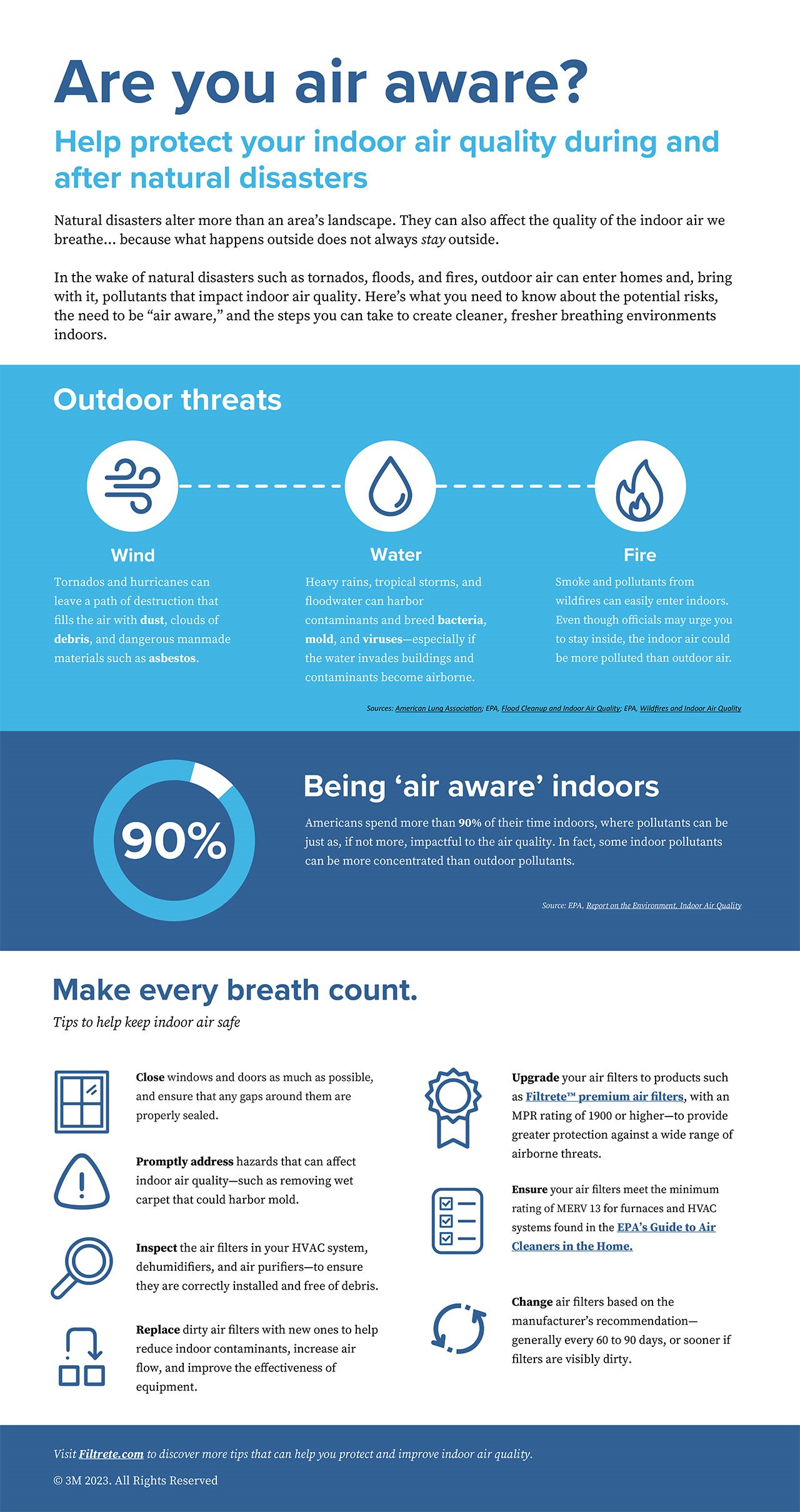
Are You Air Aware? Help Protect Your Indoor Air Quality During And After Natural Disasters

2023-07-20T15:31:00

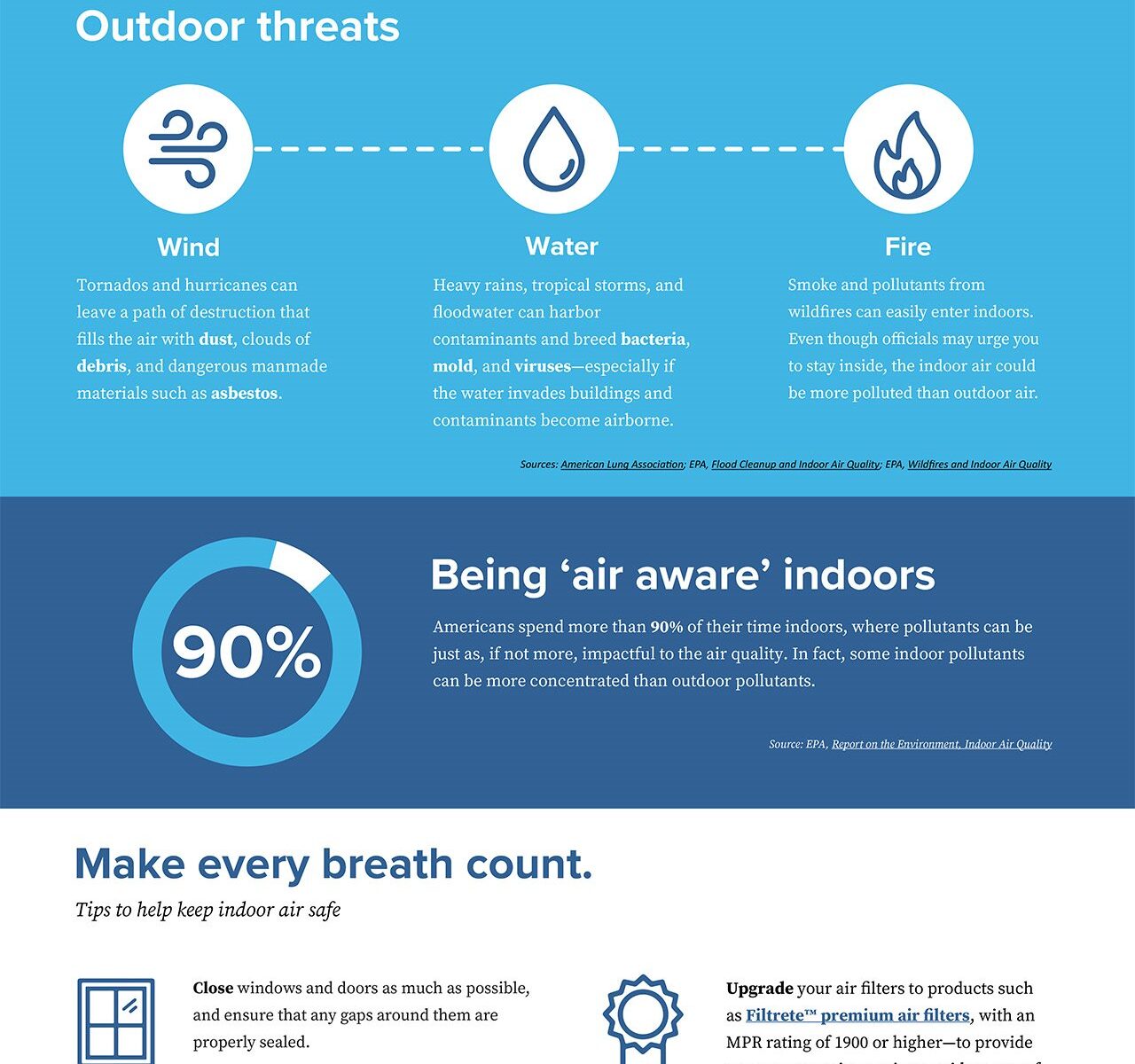
(BPT) – Natural disasters alter more than an area’s landscape. They can also affect the quality of indoor air we breathe … because what happens outside does not always stay outside. In the wake of natural disasters such as tornados, floods, and fires, outdoor air can enter homes, and bring with it pollutants that impact indoor air quality. Here’s what you need to know about the potential risks, the need to be “air aware,” and the steps you can take to create cleaner, fresher breathing environments indoors.

Gene therapy offers people with rare bleeding disorder a new level of freedom

2023-07-20T06:01:00

(BPT) – –

Hemophilia B by the Numbers

  • Hemophilia B affects ~6,000 people in the U.S., and up to two-thirds have a moderate to severe version of the condition.
  • Some people with hemophilia B may require up to 156 intravenous infusions per year.
  • 43% of people living with hemophilia B experience depression, anxiety or other psychological disorders.
  • 95% report the condition negatively impacts their employment.
  • Overall total annual healthcare costs for people with hemophilia can be 25x higher compared to individuals who do not have a bleeding disorder.

Imagine you have a rare bleeding disorder and have spent much of your life knowing you are at greater risk of uncontrollable bleeding. You self-infuse treatment on a strict, regular schedule to make sure your blood will clot. This restrictive infusion schedule can impact work, education, lifestyle, and even where you vacation.

Now, imagine a treatment option that can offer consistent bleed protection for years after a one-time infusion, lowering the risk of bleeds and reducing the burden you’ve experienced as a person with a rare bleeding disorder. This is now a reality for some people with hemophilia B after the U.S. Food and Drug Administration (FDA) approved HEMGENIX® (etranacogene dezaparvovec-drlb), the first and only gene therapy for adults with hemophilia B who currently use factor IX prophylaxis therapy, or have current or historical life-threatening bleeding, or have repeated, serious spontaneous bleeding episodes.

The future of hemophilia B treatment is now

Hemophilia B is a rare bleeding disorder that affects around 6,000 people in the U.S. For people with the condition, their blood does not clot in the typical way because they lack sufficient factor IX, a protein primarily produced by the liver that helps blood clots form.

The more severe the condition, the less able a person is to form blood clots, making them more vulnerable to bleeding. If not adequately controlled, people with the condition are more vulnerable to trauma and spontaneous bleeding into their joints. Sometimes these bleeds can be life-threatening and can lead to permanent physical damage. The most common treatment for people with moderate to severe hemophilia B is lifelong prophylactic infusions to temporarily replace or supplement low levels of blood-clotting factor.

But with HEMGENIX, people with the condition can produce their own elevated and sustained levels of factor IX for years following a one-time single intravenous infusion. Now, people with hemophilia B are beginning to receive this innovative treatment at hemophilia treatment centers across the U.S.

How—and why—HEMGENIX breaks new ground for people with hemophilia B

HEMGENIX uses a gene therapy approach called gene transfer. This approach aims to introduce a working gene into the body to produce functional factor IX and support natural blood-clotting ability.

The working gene is loaded into an inactive viral shell, known as a vector. HEMGENIX uses an adeno-associated viral vector serotype 5, an AAV5 vector. Administered as a one-time IV infusion, HEMGENIX heads toward the liver with the working gene. Once it arrives in the liver, the working gene’s instructions are unloaded and the AAV vector shell is broken down and eliminated. The genetic instructions remain, however, so that the liver can produce elevated and protective factor IX on its own. Following administration of HEMGENIX, overall health, liver health, and factor IX activity levels should be tracked weekly for the first three months so the doctor can monitor the response to HEMGENIX.

Results from clinical trials of HEMGENIX showed people treated with the one-time infusion produced a mean factor IX activity of 37% and had a significant reduction in annual bleed rates. Encouragingly, 94% of people (51 out of 54) discontinued routine factor IX prophylaxis. The most common side effects reported in more than 5% of patients were liver enzyme elevations, headache, elevated levels of a certain blood enzyme, flu-like symptoms, infusion-related reactions, fatigue, nausea, and feeling unwell.

“I am proud to have been involved in a clinical trial program that had such good results and offers so much hope to the hemophilia B community,” said Dr. Steven Pipe, professor at the University of Michigan, Ann Arbor, and medical director of the Pediatric Hemophilia and Coagulation Disorders Program. “As I follow those who have gone through this treatment and see their lives blossom, I continue to be excited. I have a clinical trial participant who says he celebrates two birthdays—the day of his official birth and the date he received treatment.”

In addition to the potential long-term health benefits from greater bleed protection and liberation from infusion schedules, HEMGENIX could also generate significant cost savings for the healthcare system at-large. Healthcare costs can be 25 times higher for a person living with hemophilia B compared to individuals who do not have a bleeding disorder—amounting to a total adult lifetime cost of more than $20 million per person.

Talk with your doctor

People living with hemophilia B who are interested in HEMGENIX should talk to their doctor about the potential benefits and eligibility screening.

Those who decide with their doctor to move forward with treatment can enroll in HEMGENIX ConnectSM where they will be assigned a dedicated support team, including a Patient Resource Navigator and CSL Case Manager, who can:

  • Provide education on gene therapy and how it works
  • Provide support and guidance on the HEMGENIX treatment journey
  • Assist with insurance questions and review, explaining benefits and determining eligibility for financial assistance programs

Get support

Having a rare disease can feel isolating and trying a new treatment can cause a mix of emotions, from excitement to anxiety. The B SupportTM app was designed specifically to help people with hemophilia B as they explore whether gene therapy is right for them.

The app allows people with hemophilia B to:

  • Record bleeds, factor IX activity and how they are feeling to better track their current treatment and progress over time. Having this information at their fingertips, either on their phone or tablets, allows people with hemophilia B to have robust conversations with their healthcare professional about whether they are meeting their treatment goals, and if needed, other therapeutic options.
  • Get valuable resources, reminders and support to enhance their experience managing hemophilia B.
  • Access education on gene therapy, including information on eligibility.

The app is available in the Apple and Google Play stores in the U.S.

With advanced research and new treatments, people with hemophilia B may have more freedom from their treatment schedule. To learn more, visit HEMGENIX.com.

Important Safety Information?

What is HEMGENIX?

HEMGENIX®, etranacogene dezaparvovec-drlb, is a one-time gene therapy for the treatment of adults with hemophilia B who:

  • Currently use Factor IX prophylaxis therapy, or
  • Have current or historical life-threatening bleeding, or
  • Have repeated, serious spontaneous bleeding episodes.

HEMGENIX is administered as a single intravenous infusion and can be administered only once.

What medical testing can I expect to be given before and after administration of HEMGENIX?

To determine your eligibility to receive HEMGENIX, you will be tested for Factor IX inhibitors. If this test result is positive, a retest will be performed 2 weeks later. If both tests are positive for Factor IX inhibitors, your doctor will not administer HEMGENIX to you. If, after administration of HEMGENIX, increased Factor IX activity is not achieved, or bleeding is not controlled, a post-dose test for Factor IX inhibitors will be performed.

HEMGENIX may lead to elevations of liver enzymes in the blood; therefore, ultrasound and other testing will be performed to check on liver health before HEMGENIX can be administered. Following administration of HEMGENIX, your doctor will monitor your liver enzyme levels weekly for at least 3 months. If you have preexisting risk factors for liver cancer, regular liver health testing will continue for 5 years post-administration. Treatment for elevated liver enzymes could include corticosteroids.

What were the most common side effects of HEMGENIX in clinical trials?

In clinical trials for HEMGENIX, the most common side effects reported in more than 5% of patients were liver enzyme elevations, headache, elevated levels of a certain blood enzyme, flu-like symptoms, infusion-related reactions, fatigue, nausea, and feeling unwell. These are not the only side effects possible. Tell your healthcare provider about any side effect you may experience.

What should I watch for during infusion with HEMGENIX?

Your doctor will monitor you for infusion-related reactions during administration of HEMGENIX, as well as for at least 3 hours after the infusion is complete. Symptoms may include chest tightness, headaches, abdominal pain, lightheadedness, flu-like symptoms, shivering, flushing, rash, and elevated blood pressure. If an infusion-related reaction occurs, the doctor may slow or stop the HEMGENIX infusion, resuming at a lower infusion rate once symptoms resolve.

What should I avoid after receiving HEMGENIX?

Small amounts of HEMGENIX may be present in your blood, semen, and other excreted/secreted materials, and it is not known how long this continues. You should not donate blood, organs, tissues, or cells for transplantation after receiving HEMGENIX.

Please see full prescribing information for HEMGENIX.

You are encouraged to report negative side effects of prescription drugs to the FDA. Visit www.fda.gov/medwatch, or call 1-800-FDA-1088.

You can also report side effects to CSL Behring’s Pharmacovigilance Department at 1-866-915-6958.?

HEMGENIX is manufactured by uniQure Inc. and distributed by CSL Behring LLC.

HEMGENIX® is a registered trademark and B SupportTM is a trademark of CSL Behring LLC.

HEMGENIX ConnectSM is a service mark of CSL Behring LLC.

©2023 CSL Behring LLC 1020 First Avenue, PO Box 61501, King of Prussia, PA 19406-0901 USA

USA-HGX-0456-JUL23

Spotlight on Progress: CDC Shares Community Drug Overdose Prevention Successes in New Resources

2023-07-18T08:01:00

(BPT) – Putting Data into Action

Drug overdoses are preventable, yet more than one million people died from a drug overdose between 1999 and 2021. Every day, almost 300 people lose their lives due to drug overdose. Public health professionals, policymakers and communities all play a role in preventing overdose deaths. Overdose Data to Action (OD2A) is a CDC-funded program that helps state and local health departments, and the communities they serve, to get high-quality, timelier data on nonfatal and fatal drug overdoses and use those data to inform prevention and response efforts. CDC supports OD2A-funded communities in their ability to address drug overdoses by providing access to subject matter experts and tailored technical assistance, and overdose prevention resources. “The impact of this crisis is far-reaching, touching the lives of our families, friends and neighbors in deeply personal and profound ways. By prioritizing successful prevention and response efforts and providing tailored tools and resources, we can help ensure everyone has access to the care and support they need to live healthy, fulfilling lives — building stronger, more resilient communities,” says Christopher M. Jones, PharmD, DrPH, MPH (CAPT U.S. Public Health Service), Director of CDC’s National Center for Injury Prevention and Control.

Sharing state and local overdose prevention and response strategies

CDC developed the OD2A Case Studies to capture in-depth information from funded jurisdictions about current and emerging practices related to overdose prevention and response. Designed for public health practitioners, these case studies share examples that can be adapted at the state and local levels. Partners on the ground asked for more relevant and applicable strategies, so CDC identified six key topic areas for interviews, analysis and write-ups in these case studies.

  • Adverse childhood experiences (ACEs) are preventable, potentially traumatic events that occur in childhood (0-17 years). Recognizing the lasting negative effects ACEs can have and focusing on their intersection with substance use disorders, this case study highlights OD2A-funded initiatives addressing ACEs in Louisiana and South Carolina.
  • Harm reduction is a public health approach that focuses on reducing the harmful consequences of drug use. It can include syringe services programs, naloxone distribution, fentanyl test strip distribution, and community overdose prevention and education. Focusing on the Illinois Harm Reduction Community Linkage Project, this case study describes a novel harm reduction program that funds local organizations.
  • Linkage to care is the process of connecting people at risk of overdose to evidence-based treatment, services and support. Access to care and services is critical to addressing the overdose epidemic. Using an example from Massachusetts, CDC shares practices specific to improving linkage to care in non-public safety settings.
  • Public safety-led post-overdose outreach can help identify people at higher risk of overdose by linking them to care and other overdose prevention and harm reduction efforts. Two case studies describe successful public safety-led post-overdose outreach initiatives in West Virginia and Franklin County, Ohio.
  • State and local health departments are uniquely positioned to respond to the drug overdose crisis, with the authority to enact policies, deploy resources and coordinate various partners. State and local integration activities engage health departments, community organizations, coalitions and community members in working together on prevention. The case studies presented on this topic illustrate what successful state and local integration looks like in Rhode Island and California.
  • Reducing stigma at multiple levels and creating a culture of change is important to helping people at risk of overdose. Stigma occurs when people with certain social identities are labeled, stereotyped and devalued, leading to discriminatory behavior and internalized shame that can negatively affect access to health care and other support services. CDC shared two examples of state programs addressing stigma related to people who use drugs, from Vermont, Motivational Interviewing and Compassion Training, and Stigma/Harm Reduction Training.

Helping communities put effective practices to work

When people’s lives are on the line, integrated data and effective programs help communities take action to protect people from drug overdose and related harms. The overdose crisis requires prevention, treatment, recovery and harm reduction efforts that are tailored to promote optimal health for all.

Communities are demonstrating innovation in reducing overdose and are sharing compelling examples of collaboration and teamwork. CDC is showcasing these so that communities can learn from each other. Beyond promoting the critical work that continues nationwide, tools and resources like the OD2A Case Studies encourage applying solutions that work to help communities that need it most.

For additional OD2A resources or to learn more about how CDC is working to prevent overdoses and substance use-related harms visit: https://www.cdc.gov/drugoverdose/od2a/index.html/.

Empowering the Rare Disease Community for 20 Years: The Fabry Patient

2023-07-17T10:57:00

(BPT) – Living with a rare disease may not be as rare as you would think: Affecting one in 10 Americans, there are more than 10,000 known rare diseases in the U.S.1 While significant strides to develop treatments have been made in recent decades, broadscale awareness of disease remains a challenge. The path to diagnosis and proper care can be long and frustrating.

For example, Fabry disease is a rare genetic disease. Classic Fabry disease affects approximately 1 in 40,000 males and 1 in 20,000 females in the U.S.2 Fabry disease can affect multiple organs and tissues, including the heart, kidney and central nervous system in both males and females. Symptoms can include pain, gastrointestinal difficulties, fatigue, and skin lesions called angiokeratomas.3 Undiagnosed and untreated, Fabry disease can reduce life expectancy by 5-14 years in women and 16 years in men. Fabry disease is progressive and challenging to diagnose.4

Understanding a rare disease diagnosis can be cumbersome and stressful; for this reason, the power of community is exceptionally critical for these individuals. Through the collective sharing of Fabry journeys, hurdles and victories, valuable insights into the long-term impact of the disease can fuel ongoing research. These learnings have and continue to help the research and development of Fabry disease treatment — including Fabrazyme (agalsidase beta), which is approved in adults and pediatric patients two years of age and older with a confirmed Fabry diagnosis. Fabrazyme was approved in the United States 20 years ago and is currently used by more than 6,000 adult and pediatric patients worldwide and continues to serve as a safe and efficacious option for those living with Fabry.

“The path to receiving a Fabry diagnosis can be both time-consuming and overwhelming,” said Jennifer Ibrahim, Head of North America Medical Affairs, Rare Disease at Sanofi. “Since its approval in 2003, Sanofi has been proud to continue to offer hope to this important rare disease community.”

In the world of rare diseases, knowledge is power. Making the effort to familiarize oneself with rare diseases, symptoms and resources could be the key to a diagnosis and proper treatment.

“Sanofi wants those living with Fabry to know they’re not alone,” said Duane Clark, General Manager, Rare Disease at Sanofi. “We see you, we hear you and we will continue to put our science toward supporting you.”

For more information about Fabry disease, visit www.fabrazyme.com.

IMPORTANT SAFETY INFORMATION

Fabrazyme can cause serious side effects, including:

Severe Allergic (anaphylaxis) and Hypersensitivity Reactions

Approximately 1% of patients who have received Fabrazyme either during a clinical study or after Fabrazyme was approved have experienced anaphylactic (allergic) or severe hypersensitivity reactions during their infusion. Life-threatening severe anaphylactic (allergic) or severe hypersensitivity reactions have been seen in patients during Fabrazyme infusions.

  • These reactions included: swelling of the face, mouth and throat, narrowing of breathing airways, low blood pressure, hives, difficulty swallowing, rash, trouble breathing, flushing, chest discomfort, itching and nasal congestion.
  • People who have experienced these reactions have required treatment including heart/lung resuscitation, oxygen, fluids given through a vein, hospitalization, and treatment with inhaled drugs called beta-adrenergic agonists to help open the breathing airways, antihistamines, epinephrine (also known as adrenaline), and a medication given through the vein called a corticosteroid (or steroid) which helps to decrease the body’s allergic reaction by decreasing inflammation.
  • If you experience a severe allergic or anaphylactic reaction, your healthcare professional will immediately stop the infusion of Fabrazyme and provide you the necessary emergency medical treatment. Because of the possibility that severe hypersensitivity reactions may occur, appropriate medical support should be available during your Fabrazyme infusion.

In the clinical studies, some patients developed IgE antibodies or a reaction to an allergy skin test specific to Fabrazyme. IgE antibodies are a specific kind of antibody that can sometimes be produced by the body’s immune system during an allergic reaction.

  • Higher amounts of hypersensitivity reactions were seen in adult patients whose immune systems repeatedly made anti-Fabrazyme antibodies and in patients who had high antibody titers (units used to measure how much anti-drug-antibody your immune system is making) compared to adult patients with negative antibody titers.
  • Your doctor should consider testing for IgE antibodies if you experience suspected allergic reactions. Providing Fabrazyme to patients who have experienced severe or serious allergic reactions to Fabrazyme should only be done after carefully considering the risks and benefits of continuing the treatment, and only under the direct supervision of a qualified healthcare professional and with appropriate medical support readily available.

Infusion-Associated Reactions

In clinical studies with Fabrazyme, 59% of patients experienced infusion-associated reactions during Fabrazyme administration, some of which were severe. Infusion-associated reactions are defined as adverse reactions occurring on the same day as your infusion. During the clinical trials, infusion-associated reactions occurred more frequently in patients who were positive for anti-Fabrazyme antibodies than in patients who did not have anti-Fabrazyme antibodies.

  • For patients who have had reactions to their infusions, it is recommended that they be given anti-fever and antihistamine medications right before their next infusions. Infusion-associated reactions have happened in some patients even after taking these medications before their infusions.
  • If an infusion-associated reaction occurs, slowing the infusion rate, stopping the infusion for a short time and/or giving more anti-fever and antihistamine medications and or steroids may improve the symptoms.
  • If severe infusion-associated reactions happen, your healthcare professional should consider stopping the Fabrazyme infusion right away and should provide medical care for your condition. Severe reactions are generally managed by giving antihistamine medications, corticosteroids, fluids through the vein, and/or oxygen when needed. Because severe infusion-associated reactions may happen, medical treatment should be readily available during your Fabrazyme infusion.
  • People with advanced Fabry disease may have heart problems which could put them at a higher risk for severe complications from infusion-associated reactions. These patients should be watched closely during their infusion if the decision is made to give them Fabrazyme.

Common and Other Possible Side Effects: Common side effects reported in 20% or more of Fabrazyme treated patients in clinical studies compared to placebo were upper respiratory tract infection, chills, fever, headache, cough, burning and/or tingling sensation, fatigue, swelling in the legs, dizziness and rash.

INDICATION AND USAGE

Fabrazyme® is used to treat adults and children 2 years of age and older with confirmed Fabry disease.

Please see full Prescribing Information for Fabrazyme.

_____________________________

[1] Genetic and Rare Diseases Information Center. What is a Rare Disease. Available at https://rarediseases.info.nih.gov/about. Accessed on May 16, 2023

[2] Fabry Institute. Epidemiology of Fabry Disease. Available at https://fabry-institute.com/burden-of-disease/epidemiology-of-fabry-disease. Accessed on May 16, 2023

[3] Genetic and Rare Diseases Information Center. Fabry disease. Available at https://rarediseases.info.nih.gov/diseases/6400/fabry-disease. Accessed on May 16, 2023

[4] Waldek S, Patel M, Banikazemi M, et al., American College of Medical Genetics. Life expectancy and cause of death in males and females with Fabry disease: Findings from Fabry. Accessed on May 16, 2023

MAT-US-2304200-v1.0-07/2023

Empowering the Rare Disease Community for 20 Years: The Fabry Patient
(BPT) – Living with a rare disease may not be as rare as you would think: Affecting one in 10 Americans, there are more than 10,000 known rare diseases in the U.S.1 While significant strides to develop treatments have been made in recent decades, broadscale awareness of disease remains a challenge. The path to diagnosis and proper care can be long and frustrating.
For example, Fabry disease is a rare genetic disease. Classic Fabry disease affects approximately 1 in 40,000 males and 1 in 20,000 females in the U.S.2 Fabry disease can affect multiple organs and tissues, including the heart, kidney and central nervous system in both males and females. Symptoms can include pain, gastrointestinal difficulties, fatigue, and skin lesions called angiokeratomas.3 Undiagnosed and untreated, Fabry disease can reduce life expectancy by 5-14 years in women and 16 years in men. Fabry disease is progressive and challenging to diagnose.4
Understanding a rare disease diagnosis can be cumbersome and stressful; for this reason, the power of community is exceptionally critical for these individuals. Through the collective sharing of Fabry journeys, hurdles and victories, valuable insights into the long-term impact of the disease can fuel ongoing research. These learnings have and continue to help the research and development of Fabry disease treatment — including Fabrazyme (agalsidase beta), which is approved in adults and pediatric patients two years of age and older with a confirmed Fabry diagnosis. Fabrazyme was approved in the United States 20 years ago and is currently used by more than 6,000 adult and pediatric patients worldwide and continues to serve as a safe and efficacious option for those living with Fabry.
“The path to receiving a Fabry diagnosis can be both time-consuming and overwhelming,” said Jennifer Ibrahim, Head of North America Medical Affairs, Rare Disease at Sanofi. “Since its approval in 2003, Sanofi has been proud to continue to offer hope to this important rare disease community.”
In the world of rare diseases, knowledge is power. Making the effort to familiarize oneself with rare diseases, symptoms and resources could be the key to a diagnosis and proper treatment.
“Sanofi wants those living with Fabry to know they’re not alone,” said Duane Clark, General Manager, Rare Disease at Sanofi. “We see you, we hear you and we will continue to put our science toward supporting you.”
For more information about Fabry disease, visit www.fabrazyme.com.
###
IMPORTANT SAFETY INFORMATION
Fabrazyme can cause serious side effects, including:
Severe Allergic (anaphylaxis) and Hypersensitivity Reactions
Approximately 1% of patients who have received Fabrazyme either during a clinical study or after Fabrazyme was approved have experienced anaphylactic (allergic) or severe hypersensitivity reactions during their infusion. Life-threatening severe anaphylactic (allergic) or severe hypersensitivity reactions have been seen in patients during Fabrazyme infusions.
These reactions included: swelling of the face, mouth and throat, narrowing of breathing airways, low blood pressure, hives, difficulty swallowing, rash, trouble breathing, flushing, chest discomfort, itching and nasal congestion.
People who have experienced these reactions have required treatment including heart/lung resuscitation, oxygen, fluids given through a vein, hospitalization, and treatment with inhaled drugs called beta-adrenergic agonists to help open the breathing airways, antihistamines, epinephrine (also known as adrenaline), and a medication given through the vein called a corticosteroid (or steroid) which helps to decrease the body’s allergic reaction by decreasing inflammation.
If you experience a severe allergic or anaphylactic reaction, your healthcare professional will immediately stop the infusion of Fabrazyme and provide you the necessary emergency medical treatment. Because of the possibility that severe hypersensitivity reactions may occur, appropriate medical support should be available during your Fabrazyme infusion.
In the clinical studies, some patients developed IgE antibodies or a reaction to an allergy skin test specific to Fabrazyme. IgE antibodies are a specific kind of antibody that can sometimes be produced by the body’s immune system during an allergic reaction.
Higher amounts of hypersensitivity reactions were seen in adult patients whose immune systems repeatedly made anti-Fabrazyme antibodies and in patients who had high antibody titers (units used to measure how much anti-drug-antibody your immune system is making) compared to adult patients with negative antibody titers.
Your doctor should consider testing for IgE antibodies if you experience suspected allergic reactions. Providing Fabrazyme to patients who have experienced severe or serious allergic reactions to Fabrazyme should only be done after carefully considering the risks and benefits of continuing the treatment, and only under the direct supervision of a qualified healthcare professional and with appropriate medical support readily available.
Infusion-Associated Reactions
In clinical studies with Fabrazyme, 59% of patients experienced infusion-associated reactions during Fabrazyme administration, some of which were severe. Infusion-associated reactions are defined as adverse reactions occurring on the same day as your infusion. During the clinical trials, infusion-associated reactions occurred more frequently in patients who were positive for anti-Fabrazyme antibodies than in patients who did not have anti-Fabrazyme antibodies.
For patients who have had reactions to their infusions, it is recommended that they be given anti-fever and antihistamine medications right before their next infusions. Infusion-associated reactions have happened in some patients even after taking these medications before their infusions.
If an infusion-associated reaction occurs, slowing the infusion rate, stopping the infusion for a short time and/or giving more anti-fever and antihistamine medications and or steroids may improve the symptoms.
If severe infusion-associated reactions happen, your healthcare professional should consider stopping the Fabrazyme infusion right away and should provide medical care for your condition. Severe reactions are generally managed by giving antihistamine medications, corticosteroids, fluids through the vein, and/or oxygen when needed. Because severe infusion-associated reactions may happen, medical treatment should be readily available during your Fabrazyme infusion.
People with advanced Fabry disease may have heart problems which could put them at a higher risk for severe complications from infusion-associated reactions. These patients should be watched closely during their infusion if the decision is made to give them Fabrazyme.
Common and Other Possible Side Effects: Common side effects reported in 20% or more of Fabrazyme treated patients in clinical studies compared to placebo were upper respiratory tract infection, chills, fever, headache, cough, burning and/or tingling sensation, fatigue, swelling in the legs, dizziness and rash.
INDICATION AND USAGE
Fabrazyme® is used to treat adults and children 2 years of age and older with confirmed Fabry disease.
Please see full Prescribing Information for Fabrazyme.
_____________________________
[1] Genetic and Rare Diseases Information Center. What is a Rare Disease. Available at https://rarediseases.info.nih.gov/about. Accessed on May 16, 2023
[2] Fabry Institute. Epidemiology of Fabry Disease. Available at https://fabry-institute.com/burden-of-disease/epidemiology-of-fabry-disease. Accessed on May 16, 2023
[3] Genetic and Rare Diseases Information Center. Fabry disease. Available at https://rarediseases.info.nih.gov/diseases/6400/fabry-disease. Accessed on May 16, 2023
[4] Waldek S, Patel M, Banikazemi M, et al., American College of Medical Genetics. Life expectancy and cause of death in males and females with Fabry disease: Findings from Fabry. Accessed on May 16, 2023
MAT-US-2304200-v1.0-07/2023


Help a good cause and be part of history by uploading a photo of your smile today

2023-07-17T07:01:00

(BPT) – A smile is universal. No matter your age or geography, the act of smiling is positive, uplifting and unifying. Now, when you submit a photo of your smile, you can help an important nonprofit achieve a world record of the largest online photo album of smiling mouths.

Smile Train, the world’s largest cleft-focused organization, is looking to make history by setting a GUINNESS WORLD RECORDS™ title for the largest online photo album of smiling mouths. Once the record is set, Dentsply Sirona, the world’s largest manufacturer of dental products and technologies, and a Smile Train partner, will make a cash donation to Smile Train on World Smile Day®.

Why is this effort so important?

Cleft lip and cleft palate are common birth conditions that occur when a baby’s lip or mouth do not form properly during pregnancy. Cleft-affected children have difficulty with eating, breathing, hearing and speaking. Clefts can even lead to malnutrition and death. Children with clefts are regularly harassed and bullied so much for the way they look and speak that they are often forced to drop out of school for their own safety.

Fortunately, there is a solution. Smile Train partners with local health care professionals around the world to provide free surgery and comprehensive cleft care, including nutrition, speech therapy, psychosocial support, dental services and more. Since its inception in 1999, Smile Train has supported more than 1.5 million free cleft surgeries worldwide.

“We’re passionate about smiles because we know what a serious business they are. As an organization that supports free cleft surgeries and comprehensive cleft care, including oral health care, we are embarking on a global effort to honor all smiles by setting a world record,” said Susannah Schaefer, president and CEO of Smile Train.

Your smile can make a difference

The GUINNESS WORLD RECORDS™ title attempt is currently running until World Smile Day® on October 6, 2023. In all, 20,000 images of smiling mouths need to be uploaded to the online photo album.

Samantha Hanratty, star of Showtime’s Yellowjackets and Smile Train Celebrity Ambassador, is sharing her smile in support of the campaign. “I’m proud to partner with Smile Train on this global, and hopefully record-setting, effort,” she said.

Anyone over the age of 13 can participate, and it’s simple to do by following these three easy steps:

  1. Go to EverySmile.org.
  2. Click on “I want to make history”
  3. Take and upload a clear and well-lit photo of yourself smiling (just follow the guide provided)

The campaign launch coincides with National Cleft and Craniofacial Awareness and Prevention Month in July.

“This is another opportunity to raise awareness, support and celebrate people born with a facial difference. We strive to give every child with a cleft the opportunity to smile and lead a full and happy life by empowering medical professionals with training, funding and resources to provide free cleft surgery and comprehensive cleft care to children globally,” Schaefer added.

Will you help them reach their goal so they can help even more kids? The cash donation from Dentsply Sirona will support Smile Train’s vision of a world where every person has access to high-quality comprehensive cleft care and is able to live a full and healthy life.

“We are proud to help shine a light on the important work that Smile Train does to help children and all people with clefts around the world,” said Erania Brackett, senior vice president, Orthodontic Aligner Solutions & Customer Experience and head of Sustainability at Dentsply Sirona.

5 ways to refresh your scalp care routine

2023-07-17T06:01:00

(BPT) – A healthy head of hair starts with your scalp, so there’s nothing better for your beauty and wellness routine than focusing on good scalp care. When your scalp isn’t healthy, you may be just as likely to notice issues with your hair as your skin.

If you experience issues including itching, dandruff or irritation, dullness or breakage, you may want to talk to an expert. In the meantime, there are simple things you can do at home to refresh your routine and boost the condition of your scalp.

Here are five easy ways to help promote better scalp health.

1. Watch how you wash

Over-washing your hair can upset the balance of your scalp’s natural oils. Not everyone needs to wash their hair every day for the best results and appearance. Consider washing less frequently and try a clarifying shampoo. The Centers for Disease Control and Prevention (CDC) also recommends using a scalp exfoliant to help remove product buildup. While shampooing, don’t scrub or scratch your scalp — a gentle scalp massage can help loosen dirt without causing irritation.

Especially if you have sensitive skin, choose hair products without potential irritants like sulfates, allergens or silicones. The National Institutes of Health advises against products containing parabens or fragrances. Today’s options for hair products are numerous, so check the ingredients before buying. If any new product irritates your skin or scalp, stop using it.

2. Rinse thoroughly

Scalp care is the new self-care, and that can start with changing your shower head. To help rinse your hair and scalp better, the Waterpik® HairWand Pulse Spa System provides a luxurious way to nurture your hair and body. Clinically shown to provide fast, effective rinsing, its pulsating comb-shape spray delivers a relaxing scalp massage that reaches down to the roots and is shown to help remove visible flakes, rejuvenate the scalp, and leave it feeling clean.

For a two-for-one scalp care and relaxing massage experience, the Waterpik HairWand Pulse Spa System has multiple spray settings and goes beyond helping you care for your scalp. Its PowerPulse Therapeutic Strength Massage also helps to soothe muscle tension, increase flexibility, and promote restful sleep. You can find the Waterpik HairWand Pulse Spa System in Chrome or Brushed Nickel online, at HomeDepot.com.

3. Protect from the sun

Don’t forget — your scalp is skin, too. Avoid pain and skin peeling from sunburn by wearing a hat when outside in the sun. The Cleveland Clinic also recommends using sunscreen to help protect your scalp from UV rays. Sunburn on your scalp is not only painful and irritating, but over time could even develop into something serious, like skin cancer. Fortunately, you can find sunscreen in a lightweight spray for use on your scalp.

4. Nourish hair and scalp from the inside

Just like the rest of your body, your scalp needs the right nutrients to be at its best. You may want to consider your skin and hair health when doing your meal planning to ensure that you get sufficient nutrition. According to the Mayo Clinic, the best nutrients for hair and skin health include proteins, omega 3s, vitamins A, E and D, plus healthy plant-based fats such as those found in olive oil, nuts and avocadoes.

5. Take steps to reduce your stress

Anytime you’re feeling stressed, this can affect any of your body’s systems, including your scalp and hair. Stress you experience can take the form of scalp acne, dandruff, oily or damaged hair and other conditions.

Explore ways to help reduce your stress levels for well-being that’s not just skin deep. Try mindfulness practices like deep breathing or meditation, yoga, walking, spending time in nature or taking breaks from electronic devices. Do something relaxing, like getting a massage, or consider a meditation app or class that teaches stress reduction techniques.

Your scalp is a crucial part of your body, and when it’s not healthy, you can quickly see it in how your skin and hair look and feel. Following these tips can help you create a new routine to help you maintain your best scalp health.

Do You Have High Cholesterol? What You Need to Know to Lower Your Risk of Heart Disease

2023-07-14T08:01:00

(BPT) – By JoAnne Foody, MD, FACC, FAHA, Chief Medical Officer, Esperion

While most people are likely familiar with and know someone impacted by cardiovascular (heart) disease, many don’t know that it is the leading killer of men and women in this country.

Many so-called “risk factors” increase the chance that someone will have cardiovascular disease, which includes heart attacks and strokes and affects hundreds of millions of people, but one of the most common is high cholesterol — specifically the type known as low-density lipoprotein (LDL), or “bad,” cholesterol. This type of cholesterol is dangerous because it collects inside blood vessels and hardens as plaque, making it difficult for blood to flow through arteries. When the plaque is irritated or inflamed, a blood clot can form in the blood vessel, depriving the brain and heart of oxygen, causing a heart attack or stroke.

An estimated 93 million American adults have a cholesterol level above the recommended limit. People most likely to have high cholesterol are those who smoke, drink excess alcohol, have obesity, diabetes or a family history of high cholesterol, or aren’t active.

The most commonly prescribed cholesterol-lowering medicines are statins. Approved by the U.S. Food and Drug Administration, or FDA, statins are very effective in lowering cholesterol and have been proven to significantly reduce the risk of having a cardiovascular event and even dying from a cardiovascular event. In fact, statins have been considered the standard of care for treating high cholesterol for many years.

Challenges associated with taking statins

Unfortunately, statins are not appropriate for all people with high cholesterol. As many as 30% of patients do not tolerate statins because of serious side effects, particularly muscle pain or weakness. Other patients don’t have side effects from statins but can’t get their cholesterol level down low enough to reduce their risk of a cardiovascular event.

Lowering cholesterol is important both for primary and secondary prevention of cardiovascular disease. Primary prevention means preventing heart disease in people who have not had a prior heart attack, stroke or other cardiovascular event but are at high risk of having one. Secondary prevention means preventing a cardiovascular event in someone who already has existing heart disease.

However, in the United States, primary prevention patients are currently under-treated when it comes to cholesterol lowering. Research shows that half of people at high risk of having a cardiovascular event are not currently receiving cholesterol-lowering drugs.

Statins remain the gold standard when it comes to the first medicine doctors prescribe both for patients who have already had and those who have not yet had a cardiovascular event. But for those patients who can’t tolerate statins or can’t get their cholesterol low enough to meet their goal, it is important to know about other treatment options.

A recent analysis from a Cleveland Clinic-led clinical trial of nearly 14,000 patients showed the use of another cholesterol-lowering treatment in statin-intolerant patients who had not had a cardiovascular event but who had risk factors, such as diabetes, significantly reduced the chance of major adverse cardiovascular events, including:

  • heart attacks
  • strokes
  • a procedure to put a stent in a blocked coronary artery
  • death from cardiovascular disease

If you have high cholesterol and could benefit from lowering your cholesterol but can’t take a statin, talk to your doctor about treatment options for managing your high cholesterol and reducing your cardiovascular risk.

From adversity to advocacy: The remarkable story of one chronic Graft-Versus-Host Disease patient

2023-07-13T23:01:00

(BPT) – Michael Cramer was just an active teenager, enjoying recreational pursuits such as surfing and sailing. Then one day he was diagnosed with a rare form of cancer. After several different treatment attempts, he was matched with a bone marrow donor and both Cramer and his mother Ashlee hoped that would mean the end of his battle with cancer.

At the time they did not know he would develop chronic Graft-Versus-Host Disease (cGVHD), a rare disease that can impact allogeneic (meaning cells come from a donor) blood and marrow transplant recipients. Depending on the severity of symptoms and number of organs affected, cGVHD can impair a person’s ability to engage in daily activities — and in severe cases may be life-threatening. Symptoms can occur at any time after a transplant when donor cells (the graft) attack the patient’s (the host’s) organs and/or tissues.

While cGVHD can affect people in many different ways, Cramer has experienced fatigue, elevated liver enzymes, jaundice, skin dryness, rashes, mouth dryness and sensitivity, and very fragile skin. His liver symptoms became severe, leading to an extended hospitalization.

Exploring treatment options

With his mother Ashlee by his side, Cramer’s doctors began to treat his cGVHD with various medications, including steroids, without success. Cramer was driven to learn about his condition and scoured the internet to become more informed. That search, along with a long talk with his doctors, led him to Rezurock® (belumosudil), a prescription medicine used to treat adults and children 12 years of age and older with cGVHD after a patient has received at least two prior treatments (systemic therapy) and they did not work.

Given his prior failures on other medications, Cramer worked closely with his care team and was prescribed Rezurock.

“My experience on Rezurock so far has been very good,” Cramer said. “I’m living my new life now, getting back into a rhythm, and I appreciate each and every single moment of it.”

The most common side effects of Rezurock include infections, tiredness or weakness, nausea, diarrhea, shortness of breath, cough, swelling, bleeding, stomach (abdominal) pain, muscle or bone pain, headache, and high blood pressure. Patient experiences on Rezurock may vary so please talk to your doctor when making treatment decisions. Please see additional Important Safety Information in this article.

Turning adversity into advocacy

Wanting to help people who have similar cGVHD stories, Cramer decided to share his experiences through TikTok, where he now has more than 100,000 followers.

“As an advocate, you can explain what it’s like and speak out to help others,” Cramer explained. “Having cGVHD is very lonely, since not everybody knows about it. It’s very important to advocate for yourself and tell your doctors and nurses what you’re experiencing.”

Throughout Cramer’s experience, his mother and caregiver, Ashlee, continues to support him. “Not everyone will get cGVHD, just like each person is different, and each case of cGVHD is different. Being positive or optimistic won’t prevent it, but it does impact how you live your life,” said Ashlee. “You have to adapt because you won’t be able to go back to your ‘previous life.’ Michael won’t be the surfer or sailor he was before cancer and cGVHD, but now we can enjoy walking on the beach after sunset. He can still enjoy things by adapting and staying positive.”

Twenty-one-year-old Cramer is now working towards his undergraduate degree. He exercises indoors on his stationary bike and tries new hobbies like building elaborate Lego sets and is learning to play guitar.

Cramer also continues speaking to patients by hosting a podcast with his mom called “Michael and Mom Talk Cancer” to spread awareness and information about his cancer and cGVHD journey, as well as his mom’s caregiver journey. Together, they know their advocacy will have a positive impact, especially for those experiencing cGVHD who need a community around them. He wants others to know there’s a medication out there that can work, and that there’s hope, even with this diagnosis. “It’s going to be difficult. But because you’re living with cGVHD, that means you’re still alive,” Cramer said. “Be as present as possible and be grateful for your friends, family, and the small moments that remind you that you can get through it.”

Every patient’s experience is unique and results may vary. Remember, your doctor is your best source of information and be sure to ask your doctor any questions you may have. Learn more about cGVHD and a treatment option at www.REZUROCK.com.

USE

REZUROCK® (belumosudil) is a prescription medicine used to treat adults and children 12 years of age and older with chronic graft-versus-host disease (chronic GVHD) after you have received at least 2 prior treatments (systemic therapy) and they did not work. It is not known if REZUROCK is safe and effective in children less than 12 years old.

IMPORTANT SAFETY INFORMATION

Before taking REZUROCK, tell your healthcare provider about all of your medical conditions, including if you:

  • have kidney or liver problems.
  • are pregnant or plan to become pregnant. REZUROCK can harm your unborn baby. If you are able to become pregnant, your healthcare provider will do a pregnancy test before starting treatment with REZUROCK. Tell your healthcare provider if you become pregnant or think you may be pregnant during treatment with REZUROCK.
  • Females who can become pregnant should use effective birth control during treatment with REZUROCK and for at least 1 week after the last dose.
  • Males with female partners who can become pregnant should use effective birth control during treatment with REZUROCK and for at least 1 week after the last dose.
  • are breastfeeding or plan to breastfeed. It is not known if REZUROCK passes into breast milk. Do not breastfeed during treatment with REZUROCK and for at least 1 week after the last dose.

Tell your healthcare provider about all the medicines you take, including prescription and over-the-counter medicines, vitamins, and herbal supplements. REZUROCK may affect the way other medicines work, and other medicines may affect the way REZUROCK works.

Know the medicines you take. Keep a list of them to show your healthcare provider and pharmacist when you get a new medicine.

How should I take REZUROCK?

  • Take REZUROCK exactly as your healthcare provider tells you to take it.
  • Do not change your dose or stop taking REZUROCK without first talking to your healthcare provider.
  • Take REZUROCK 1 time a day with a meal.
  • Take REZUROCK at about the same time each day.
  • Swallow REZUROCK tablets whole with a glass of water.
  • Do not cut, crush, or chew REZUROCK tablets.
  • Your healthcare provider will do blood tests to check your liver at least 1 time a month during treatment with REZUROCK.
  • If you miss a dose of REZUROCK, take it as soon as you remember on the same day. Take your next dose of REZUROCK at your regular time on the next day. Do not take extra doses of REZUROCK to make up for a missed dose.
  • If you take too much REZUROCK, call your healthcare provider or go to the nearest hospital emergency room right away.


What are the possible side effects of REZUROCK?

The most common side effects of REZUROCK include:

  • infections
  • tiredness or weakness
  • nausea
  • diarrhea
  • shortness of breath
  • cough
  • swelling
  • bleeding
  • stomach (abdominal) pain
  • muscle or bone pain
  • headache
  • high blood pressure

Your healthcare provider may change your dose of REZUROCK, temporarily stop, or permanently stop treatment with REZUROCK if you have certain side effects.

REZUROCK may affect fertility in males and females. Talk to your healthcare provider if this is a concern for you.

These are not all the possible side effects of REZUROCK. Call your doctor for medical advice about side effects.

Please see accompanying full Prescribing Information.

You are encouraged to report side effects of prescription drugs to the FDA. Visit www.FDA.gov/medwatch or call 1-800-FDA-1088. You may also contact Kadmon Pharmaceuticals, LLC, at 1-877-377-7862 to report side effects.

Get into the “Safe Zone” to Prevent a Heart Attack

2023-07-10T12:01:00

(BPT) – Heart disease is the leading cause of death for men and women in the U.S. While it’s often seen as a result of aging, this is a dangerous misconception. Research shows one of the most effective ways to lower the risk of heart attacks or strokes is to reduce your low-density lipoprotein (LDL) cholesterol — also known as “bad” cholesterol — for as long as possible.

Ora Williams, who is in her late 60s, learned she had elevated LDL cholesterol when she was in her 20s, but treatments were limited at that time. Ora knew her family had a long history of heart disease, so she did all she could with what was available to her. Over the years, she lost her father and her 44-year-old brother to heart attacks.

Then, Williams’ son tragically passed from a sudden heart attack. He was just 38 years old.

Soon after Williams discovered she had heart disease and had to have her own heart bypass surgery.

“I knew my family had heart disease,” Williams shared. “I always asked myself — why didn’t I ask more questions or do more before it happened to me?”

According to research from the Family Heart Foundation, a research and advocacy organization helping families navigate their heart health, 7 out of 10 Americans at high risk for cardiovascular disease are not reaching recommended LDL cholesterol levels. This leaves them in danger of a heart attack or stroke.

“Elevated LDL cholesterol is often caused by both genetics and lifestyle,” said Dr. Mary McGowan, chief medical officer at the Family Heart Foundation. “Regardless of its cause, the health risks are severe and consequences can literally be deadly. Our research shows that people at high risk for cardiovascular disease who don’t keep their LDL cholesterol at the recommended level are nearly 50 percent more likely to suffer a cardiac event than those who do.”

The Family Heart Foundation calls the recommended LDL cholesterol level the “Safe Zone.” Today, Williams has finally found the right treatment combination to get to her LDL Safe Zone. As an advocate for the Family Heart Foundation, she helps others make positive changes in their lives.

“I can’t do anything about what happened. But what I can do is take the steps to control my LDL cholesterol. I can tell my story with the hope of saving others from the challenges I faced, and encourage them to get in their Safe Zone.”

While many can lower their LDL cholesterol with a heart-healthy diet, some, like Williams, will need medication to reach their Safe Zone. Some will require more than one medication, known as “combination therapy.” However, only 20% of doctors in the U.S. are using combination therapy for people at high risk for cardiovascular disease. There are many effective therapies available today, and your journey to the LDL Safe Zone might begin with a conversation with your healthcare provider about what will work for you.

Take action now to get to your Safe Zone:

1. Get your cholesterol tested, and ask to see the results before you meet with your healthcare provider.

2. Talk with your healthcare provider about what your results mean, and ask what your recommended LDL cholesterol level is based on your risk.

3. Get to your Safe Zone with effective LDL-lowering treatments and stay there, don’t wait.

4. Make sure you get the correct diagnosis, especially if high cholesterol and heart disease run in your family. You may be at risk for a genetic cholesterol disorder.

To learn more about how to get into the safe zone, visit LDLSafeZone.org.