Toxic exposure during your deployment? New law expands benefits for post-9/11 veterans

2023-06-02T07:01:00

(BPT) – Are you or a loved one a post-9/11 combat veteran? Were you exposed to burn pits or other toxins while in service? If so, there’s important information you should know regarding your veterans’ health care and disability benefits, including two fast-approaching deadlines.

Veterans who were exposed to burn pits or other toxic substances may experience various health issues. Veterans who think their diagnosed medical conditions are connected to toxic exposure during service should file a claim with the Department of Veterans Affairs (VA).

Veterans not currently experiencing any health problems may have some in the future. Even if they feel fine, eligible veterans should get a toxic exposure screening. Toxic exposure screenings are available at VA health facilities across the country.

Thankfully, new legislation called the PACT Act will help veterans get the treatment and benefits they deserve.

Army veteran Andrew Myatt, who deployed to Iraq in 2004-05, said, “On paper, I did everything I was supposed to. I don’t drink soda or eat fast food. I have a very healthy lifestyle and diet. And yet, I’ve come down with two cancers in the last three years.”

What is the PACT Act?

The Sergeant First Class Heath Robinson Honoring Our PACT Act became law on Aug. 10, 2022. This bill addresses one of the most urgent issues for post-9/11 veterans — health problems related to exposure to burn pits and other toxic substances.

The PACT Act grants permanent VA health care eligibility to 3.5 million post-9/11 veterans who may have been exposed to toxic substances during service. The Act adds more than 20 new presumptive service-connected illnesses related to exposure to burn pits and other toxic substances for veterans who served in Iraq, Afghanistan, and surrounding areas.

Veterans nonprofit Wounded Warrior Project strongly advocated for this bill and is working hard to spread the word about expanded access to health care and disability benefits for impacted veterans.

Act now to maximize benefits

Time is running out for exposed veterans to maximize these benefits. Veterans must file a claim with the VA by Aug. 9, 2023, to be eligible for retroactive disability compensation dated back to Aug. 10, 2022 (when the bill was signed into law), if they were diagnosed with a qualifying condition at that time.

Post-9/11 combat veterans discharged over 10 years ago and not enrolled in VA health care have a deadline of Oct. 1, 2023, to take advantage of the open enrollment period. If they miss it, they could be subject to a phased-in enrollment period, based on their discharge from service.

Get started today at VA.gov/PACT.

“Even if they aren’t sick now, I would urge all post-9/11 veterans to register for VA health care,” said WWP CEO Lt. Gen. (Ret.) Mike Linnington. “For combat veterans exposed to burn pits and other toxic substances while serving our nation, the PACT Act helps alleviate the burden of proof needed to make a service connection for VA benefits. Veterans who qualify under the PACT Act and are diagnosed with cancer have priority when it comes to VA health care and other benefits.”

Veterans are strongly advised to work with an accredited VA representative to advocate for their needs. One option is Wounded Warrior Project, which has accredited representatives that work with the VA to advocate for veterans.

Find pills tough to swallow? 5 benefits of taking a multivitamin powder

2023-06-01T09:41:00

(BPT) – If one of your goals is to take better care of your health, you likely take vitamins every day — or at least a multivitamin pill — to ensure that your body is getting the nutrients it needs. Ideally, people should get enough of their essential nutrition from food, but when you’re busy, it’s all too easy to skip meals or grab convenience food, so you don’t get a balanced diet throughout the day.

Whether you’re taking capsules, pills or soft gels to help supplement the vital nutrients you take in each day, chances are some may be large or tough to swallow — or all too easy to forget about taking each day. But did you know that beyond being easier to swallow, multivitamin powders can also provide other health benefits?

What is a multivitamin powder?

As the name suggests, a multivitamin powder is essentially a multivitamin in powder form. Multivitamin powders offer the perfect solution for anyone who finds pills difficult to take, or for those who are tired of taking multiple supplements to try to provide their body the nutrients it needs.

If you’re looking for a well-rounded multivitamin powder, CardioFitMD® Cardiovascular and Whole Body Health delivers 29% of the recommended daily serving of fiber — which about 95% of Americans don’t get enough of — plus powerful probiotics, prebiotics and a potent dose of beetroot powder to support your healthy digestive and heart function. It also contains 20 essential vitamins and minerals to promote whole-body health and proper energy for an active lifestyle, including 100% (or more) of the Recommended Dietary Intake of the most prevalent vitamin and mineral deficiencies facing Americans today: vitamin A, vitamin C, vitamin D3, vitamin E, vitamin K, thiamin, riboflavin, niacin, vitamin B6, folate, vitamin B12, biotin, selenium and manganese.

Here’s the scoop on why a multivitamin powder may be just what you need to enhance your well-being.

1. Better taste

Pills and capsules don’t usually have any taste, but most multivitamin powders come in a variety of flavors, so you can get your daily nutrients and give your water a flavorful boost at the same time. If it tastes good, you’re more likely to be consistent in taking it — so your multivitamins quickly become a tasty part of each day.

2. Encourages more hydration

Because you’ll be mixing your vitamin powder with water or another liquid, you will also be drinking more every day, which is important for optimal health.

3. Easier to take

Taking capsules or pills every day can be inconvenient or unpleasant for many who just don’t like taking pills. A powder-based multivitamin is a convenient way to ensure that you’re getting your vital nutrients each morning. A flavored powder can be mixed into your morning juice, smoothie or water. You can even take it along in your favorite water bottle on-the-go for busy mornings.

4. Powders are more potent

Pills and capsules need to be small for easy swallowing, but there’s only so much you can cram into a small pill. In addition, a number of fillers are required to form a pill, which makes it more difficult to provide a higher level of nutrients in this form. Depending on your individual needs, a vitamin powder mix may actually contain a greater amount of vitamins and minerals than the average pill.

5. Quicker absorption

Capsules and pills are not designed to achieve instant results — they need to work their way through your gut for absorption before the nutrients can get to work. On the other hand, drinking your nutrients allows them to absorb more quickly, so they get to work in your body sooner.

Comprehensive, convenient nutrition

With all of the essential daily nutrients of CardioFitMD® in one scoop, taking control of your health has never been easier. It’s a great-tasting, nutrient-rich drink with a broad-spectrum insoluble and soluble fiber and prebiotic blend, Bacillus coagulans probiotic, beetroot powder and essential vitamins and minerals that promote circulatory, digestive, immune and heart health to help you maintain a healthy, active lifestyle as you age.

For more information about multivitamin powders, visit 1MD.org.

7 things men should know about genetic testing and cancer

2023-06-01T04:01:00

(BPT) – Cancer is the second-leading cause of death for men in the United States. While the cause of most cancers is unknown, about one in 10 cancers are caused by changes in genes that can be passed down in families. In recognition of Men’s Health Month, here are seven things every man should know about hereditary cancer and genetic testing.

1. Mutations in dozens of different genes can increase your odds of getting cancer.

News stories about celebrities like Angelina Jolie have made people aware that mutations in the BRCA genes can cause breast and ovarian cancer, but that’s not the whole story. There are dozens of genes with mutations linked to a variety of cancers — including colorectal, pancreatic, prostate and skin cancer — that can affect people regardless of their gender. Genetic testing on blood or saliva can help people learn if they are at high risk for these cancers.

2. Up to 90% of people are unaware they have a genetic mutation that increases their cancer risk. Men are less likely than women to know about or undergo genetic testing.

Most people have no idea they are predisposed to cancer until they — or a close family member — receive a cancer diagnosis that leads to genetic testing. Men are less likely than women to be told about or offered cancer genetic testing.

3. Inherited BRCA mutations pose serious cancer risks to men.

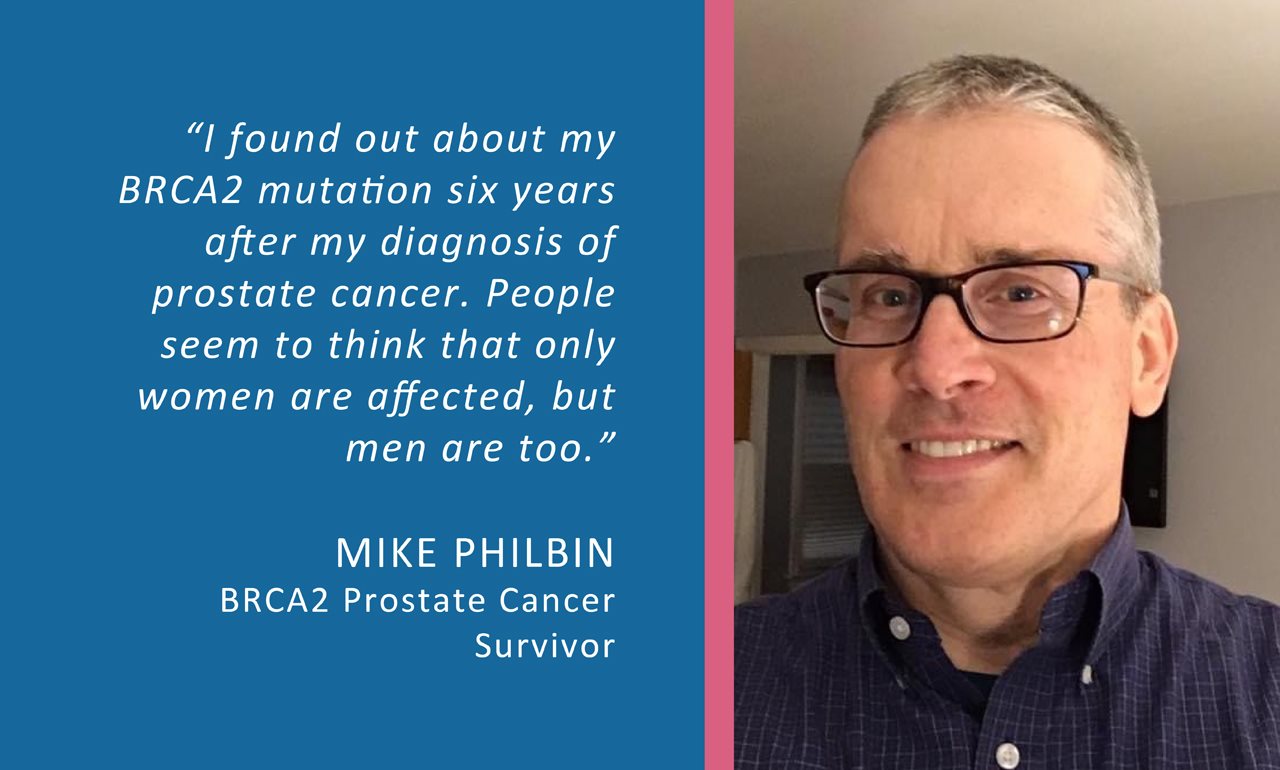
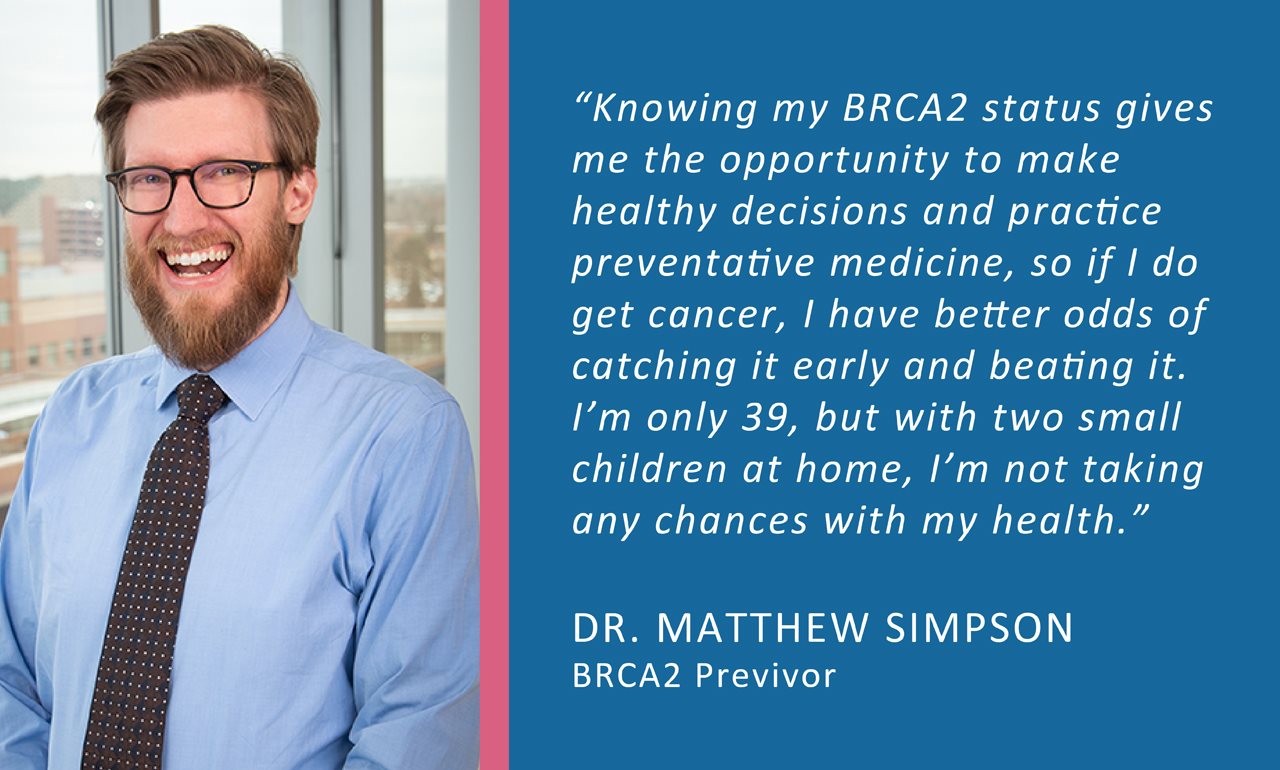
Men who test positive for a BRCA1 or BRCA2 mutation have an increased risk for a variety of cancers. Men with mutations in their BRCA2 gene have a 20 to 60% lifetime risk for prostate cancer, compared to 13% for the general population. These men are also more likely to develop an aggressive form of prostate cancer at a younger age. BRCA2 mutations raise the lifetime risk of male breast cancer from 0.1% to as high as 5-10%. Regardless of gender, BRCA2 mutations increase the lifetime risk of getting pancreatic cancer from 1.5% to as much as 10%. BRCA1 mutations also increase the risk for male breast cancer, pancreatic and prostate cancer, although these risks are lower than in people with a BRCA2 mutation.

4. Other genetic mutations can put people at high risk for colorectal cancer.

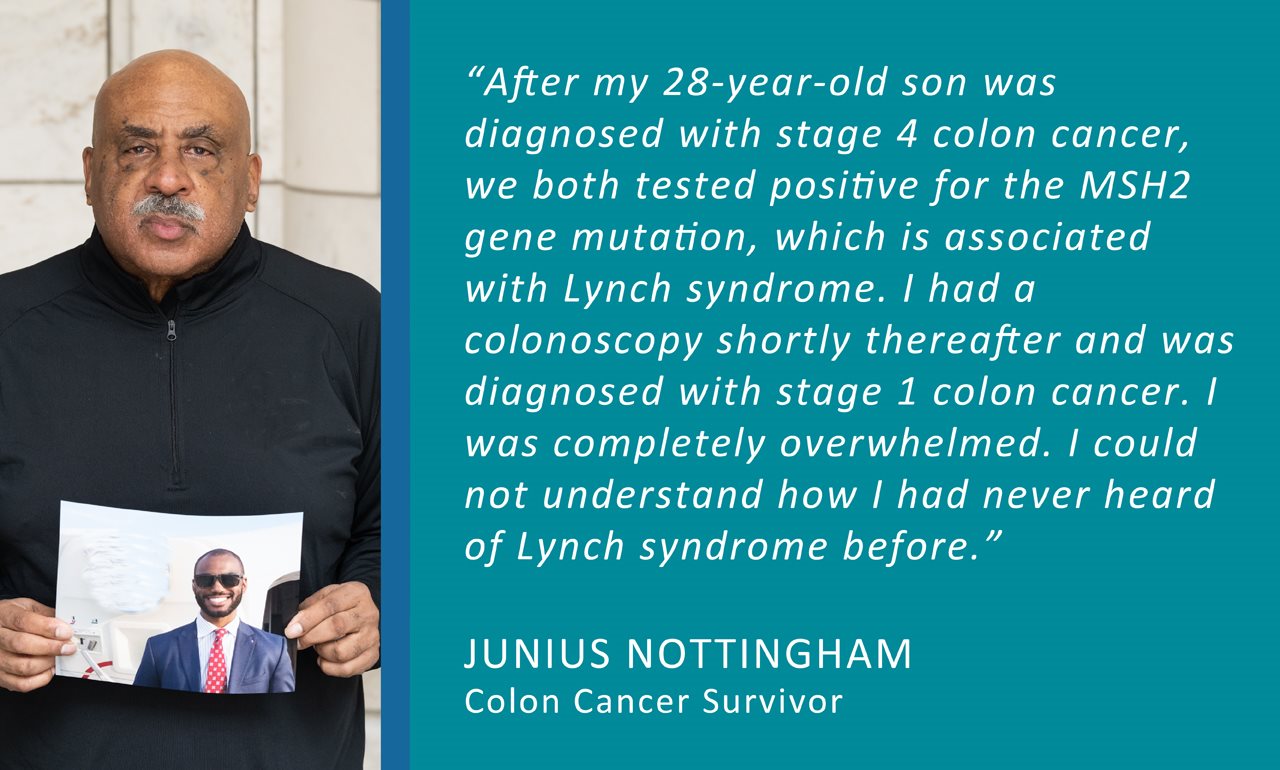
The lifetime risk of developing colorectal cancer is up to 52% for people with a gene mutation associated with a lesser-known condition called Lynch syndrome, compared to about 4% for the general population. These people also tend to get cancer at an earlier-than-average age. It’s estimated that over 1 million people have Lynch syndrome in the United States, yet less than 10% are aware of their status.

5. Men and women can pass cancer-causing genetic mutations on to their children.

A man with an inherited mutation linked to cancer has a 50% chance of passing it on to each of his children. Children inherit their genes from both parents, and men are just as likely as women to inherit or pass on mutations linked to cancer.

6. Being aware of your cancer risk can save your life.

Some people shrug off the idea of genetic testing because they believe there’s nothing that they can do to prevent cancer — but that thinking is flawed. Men who know they’re at high risk can schedule more frequent cancer screenings, which increases the odds of catching cancer early, before it spreads. Fathers who know their genetic status can also protect the health of their children, who may have inherited the same mutation.

7. Support is out there.

FORCE (Facing Our Risk of Cancer Empowered) is dedicated to providing up-to-date, expert-reviewed information and resources that help people make informed medical decisions regarding hereditary cancer. The organization also offers a peer support network, up-to-date medical information and support groups specifically for men.

One man’s inspiring journey navigating bipolar 1: A story of hope, strength and support

2023-05-31T13:01:00

(BPT) – The story you are about to read is that of Ben, a person living with bipolar 1. The experiences and opinions expressed here may not be representative of all people living with bipolar 1 and are not a substitute for medical advice or judgment. Always talk to your healthcare provider about available and appropriate treatment options. Individual results may vary.

Staying in all day and going out all night. Spending money and drinking to excess. Episodes of frustration and anger that didn’t make sense. I didn’t know it at the time, but my behaviors were associated with some of the changes in mood and energy that are symptoms of bipolar I disorder.1 It took finding the right healthcare provider, who diagnosed me, to begin my journey towards finding a treatment option that works for me.

My mental health journey started in my late teen years when I would cycle through feelings of being “low,” also known as depressive symptoms, and then I would experience “highs,” or manic symptoms. My manic episodes could be really frightening — I’d become irrationally and extremely angry, sometimes falling into a blind rage and lashing out.

I knew that what I was experiencing and how I was feeling weren’t normal. I was hospitalized multiple times and I wanted answers and help.

When I was 19, I started seeing a new healthcare provider and I found in him someone I thought would be a good partner. He was young and approachable, and I knew he really wanted to help me reach my treatment goals. Ultimately, my healthcare provider diagnosed me with bipolar 1 and while it was difficult to hear, having the diagnosis was a big relief because then we could work together on a treatment plan.

From the outset, I trusted and felt supported by my healthcare provider. He always listened to my concerns, which were typical of anyone starting a treatment journey. We worked together to consider different medications and he took the time to explain how each one worked, as well as the potential benefits and side effects and how I might feel when taking the medication.

Following my diagnosis, I began treatment with medication, but it was hard to find one that worked for me. One medicine helped reduce my bipolar 1 symptoms; but, unfortunately, it came with side effects I couldn’t tolerate. I tried several other medications, but for me, they didn’t help to manage my condition and my symptoms as much as I wanted them to, so I stopped taking them and my symptoms returned. My wife, who has been by my side every step of the way before and after my diagnosis, could tell when I stopped taking medication. When my symptoms weren’t managed, I’d become more easily frustrated and agitated, which would make her worry.

Then my healthcare provider told me about LYBALVI® (olanzapine and samidorphan) and together we decided I should try it. In 2021, LYBALVI was approved as an oral medication used in adults to treat manic or mixed episodes that happen with bipolar 1 disorder, either alone for short-term (acute) or maintenance treatment or in conjunction with valproate or lithium.2

My healthcare provider shared with me some important safety information about LYBALVI, including that LYBALVI has a boxed warning. More specifically, LYBALVI may cause serious side effects, including increased risk of death in elderly people with dementia-related psychosis. LYBALVI increases the risk of death in elderly people who have lost touch with reality (psychosis) due to confusion and memory loss (dementia). LYBALVI is not approved for the treatment of people with dementia-related psychosis.2

Since starting LYBALVI, I have noticed improvement in my bipolar 1 symptoms, which my wife and family have also noticed. I take LYBALVI every day as prescribed because I see that it works for me and the side effects have been manageable. However, this is just my experience, so it is important to talk with your healthcare provider about what may work for you.

My bipolar 1 journey hasn’t been easy and I still have good and bad days, but I try to focus on the people who support me and things in my life that are fulfilling to me. I enjoy spending time with my family and helping them with their restaurant. I’m also focused on developing my skills in my career as a software engineer. When I’m not working, I like going to the gym for exercise and when I want to relax and unplug, I enjoy playing video games.

With the support of my loved ones and a strong relationship with my healthcare provider, I feel hopeful about my path forward.

I believe mental health is just as important as physical health and should be taken as seriously. Unfortunately, the stigma around mental illness persists and can prevent people from getting the help they need. By sharing my story, I hope to do my part to help raise awareness and encourage others to get the help they may need.

For anyone experiencing symptoms of mental illness, including bipolar 1, I encourage you to reach out for help. Be your own best advocate, or advocate for a loved one. Talk with a medical professional about concerns and symptoms, ask questions and be honest – so they can help determine the treatment option that may work for you.

To learn more about LYBALVI, visit www.LYBALVI.com and talk with your doctor.

INDICATIONS AND IMPORTANT SAFETY INFORMATION

Important Safety Information

LYBALVI may cause serious side effects, including increased risk of death in elderly people with dementia-related psychosis. LYBALVI increases the risk of death in elderly people who have lost touch with reality (psychosis) due to confusion and memory loss (dementia). LYBALVI is not approved for the treatment of people with dementia-related psychosis.

Do not take LYBALVI if you are taking opioids or are experiencing acute opioid withdrawal.

LYBALVI may cause serious side effects, including:

  • Stroke (cerebrovascular problems) in elderly people with dementia-related psychosis that can lead to death.
  • Opioid withdrawal. Do not take LYBALVI for at least 7 days after you stopped taking short-acting opioids and for at least 14 days after you stopped taking long-acting opioids. One of the medicines in LYBALVI (samidorphan) can cause opioid withdrawal that may be severe and cause hospitalization in people who are physically dependent on opioids. Talk to your healthcare provider if you have questions about the type of opioid you take.
  • Risk of life-threatening opioid overdose. You should not start taking opioids for at least 5 days after you stop treatment with LYBALVI. One of the medicines in LYBALVI (samidorphan) can increase your chance of having an opioid overdose that can cause death if you take opioids during treatment or within 5 days after stopping treatment with LYBALVI.

    You can accidentally overdose in 2 ways:

    • LYBALVI blocks the effects of opioids, such as heroin, methadone, or opioid pain medicines. Do not take large amounts of opioids to try to overcome the opioid-blocking effects of LYBALVI. This can lead to serious injury, coma, or death.
    • After you take LYBALVI, its blocking effect slowly decreases and completely goes away over time. You may be more sensitive to the effects of opioids. If you have used opioid street drugs or opioid-containing medicines in the past, using opioids in amounts that you used before treatment with LYBALVI can lead to overdose or death.

    It is important that you tell your family and the people closest to you of this increased sensitivity to opioids and the risk of overdose.

    You or someone close to you should get emergency medical help right away if you:

    • have trouble breathing
    • become very drowsy with slowed breathing
    • have slow, shallow breathing (little chest movement with breathing)
    • feel faint, very dizzy, confused, or have unusual symptoms


    Tell your healthcare provider if you are taking LYBALVI before a medical procedure or surgery.

  • Neuroleptic malignant syndrome (NMS), a serious condition that can lead to death. Call your healthcare provider or go to the nearest hospital emergency room right away if you have some or all of the following signs and symptoms of NMS:
    • high fever
    • stiff muscles
    • confusion
    • sweating
    • changes in your breathing, pulse, heart rate, and blood pressure
  • Drug Reaction with Eosinophilia and Systemic Symptoms (DRESS): One of the medicines in LYBALVI (olanzapine) can cause DRESS which can cause death. Tell your healthcare provider right away if you develop any of the following symptoms of DRESS, including:
    • rash
    • swollen glands
    • liver problems
    • heart problems
    • fever
    • kidney problems
    • lung problems
  • Problems with your metabolism such as:
    • high blood sugar (hyperglycemia) and diabetes. Increases in blood sugar can happen in some people who take LYBALVI. Extremely high blood sugar can lead to coma or death. Your healthcare provider should check your blood sugar before you start and regularly during treatment with LYBALVI.

      Call your healthcare provider if you have any of these symptoms of high blood sugar during treatment with LYBALVI:

      • feel very thirsty
      • feel very hungry
      • feel sick to your stomach
      • need to urinate more than usual
      • feel weak or tired
      • feel confused, or your breath smells fruity
    • increased fat levels (cholesterol and triglycerides) in your blood. Your healthcare provider should check the fat levels in your blood before you start and regularly during treatment with LYBALVI.
    • weight gain. You and your healthcare provider should check your weight before you start and often during treatment with LYBALVI.
  • Uncontrolled body movements (tardive dyskinesia). LYBALVI may cause movements that you cannot control in your face, tongue, or other body parts. Tardive dyskinesia may not go away, even if you stop taking LYBALVI. Tardive dyskinesia may also start after you stop taking LYBALVI.
  • Decreased blood pressure (orthostatic hypotension) and fainting. You may feel lightheaded or faint when you rise too quickly from a sitting or lying position.
  • Falls. LYBALVI may make you sleepy or dizzy, may cause a decrease in your blood pressure when changing position (orthostatic hypotension), and can slow your thinking and motor skills which may lead to falls that can cause fractures or other injuries.
  • Low white blood cell count. Your healthcare provider may do blood tests during the first few months of treatment with LYBALVI.
  • Difficulty swallowing that can cause food or liquid to get into your lungs.
  • Seizures (convulsions).
  • Problems controlling your body temperature so that you feel too warm.
  • Increased prolactin levels in your blood. Your healthcare provider may do blood tests to check your prolactin levels during treatment with LYBALVI.

The most common side effects of LYBALVI when used to treat people with schizophrenia include:

  • weight gain
  • dry mouth
  • sleepiness
  • headache

The most common side effects of LYBALVI when used alone to treat people with mixed or manic episodes that happen with bipolar I disorder include:

  • weakness
  • constipation
  • sleepiness
  • shaking
  • dry mouth
  • increased appetite
  • dizziness

The most common side effects of LYBALVI when used in combination with lithium or valproate to treat people with mixed or manic episodes that happen with bipolar I disorder include:

  • dry mouth
  • increased appetite
  • back pain
  • problems speaking
  • memory problems
  • weight gain
  • dizziness
  • constipation
  • mouth watering
  • numbness and tingling in your arm and legs

Do not drive a car, operate machinery, or do other dangerous activities until you know how LYBALVI affects you. LYBALVI may make you feel drowsy.

Avoid drinking alcohol during treatment with LYBALVI.

Avoid getting over-heated or dehydrated.

    • Do not exercise too much.
    • In hot weather, stay inside in a cool place if possible.
    • Stay out of the sun. Do not wear too much clothing or heavy clothing.
    • Drink plenty of water.

Before taking LYBALVI, tell your healthcare provider about all of your medical conditions, including if you:

  • have or had heart problems or a stroke
  • use or abuse street (illegal) drugs
  • have or had low or high blood pressure
  • have kidney problems
  • have diabetes or high blood sugar or a family history of diabetes or high blood sugar
  • have or have had high levels of total cholesterol, LDL cholesterol, or triglycerides or low levels of HDL cholesterol
  • have or had a low white blood cell count
  • have problems swallowing
  • have or had seizures (convulsions)
  • have or had problems with urination or prostate problems
  • have or had breast cancer
  • have or had constipation or a bowel obstruction
  • have or had high prolactin levels
  • are pregnant or plan to become pregnant. Talk to your healthcare provider about the risks to you and your unborn or newborn baby if you take LYBALVI during pregnancy.
    • Tell your healthcare provider right away if you become pregnant or think you are pregnant during treatment with LYBALVI.
    • If you become pregnant during treatment with LYBALVI, talk to your healthcare provider about registering with the National Pregnancy Registry for Atypical Antipsychotics. You can register by calling 1-866-961-2388 or visit
      https://womensmentalhealth.org/clinical-and-research-programs/pregancyregistry/
  • are breastfeeding or plan to breastfeed. LYBALVI passes into your breast milk. Talk to your healthcare provider about the best way to feed your baby during treatment with LYBALVI.

Tell your healthcare provider about all the medicines you take, including prescription and over-the-counter medicines, vitamins, and herbal supplements.

LYBALVI and other medicines may affect each other causing possible serious side effects.

LYBALVI may affect the way other medicines work, and other medicines may affect how LYBALVI works.

Especially tell your healthcare provider if you:

  • take opioids or have stopped taking opioids in the past 14 days
  • take or plan to take other olanzapine containing medicines

Your healthcare provider can tell you if it is safe to take LYBALVI with your other medicines. Do not start or stop any medicines while taking LYBALVI without first talking to your healthcare provider.

These are not all the possible side effects of LYBALVI.

Call your healthcare provider for medical advice about side effects. You may report side effects to
FDA at 1-800-FDA-1088.

Indications

LYBALVI is a prescription medicine which contains 2 medicines (olanzapine and samidorphan) used in adults:

  • to treat schizophrenia
  • alone for short­ term (acute) or maintenance treatment of manic or mixed episodes that happen with bipolar I disorder
  • in combination with valproate or lithium to treat manic or mixed episodes that happen with bipolar I disorder

It is not known if LYBALVI is safe or effective in children.

Please see full Prescribing Information, including Boxed Warning, and Medication Guide.

References

1 American Psychiatric Association. What is Bipolar disorder? Accessed March 29, 2023. https://www.psychiatry.org/patients-families/bipolar-disorders/what-are-bipolar-disorders

2 LYBALVI® [Prescribing Information]. Alkermes, Inc. Waltham, MA:2021

ALKERMES® is a registered trademark of Alkermes, Inc. LYBALVI® and logo are registered trademarks of Alkermes Pharma Ireland Limited, used by Alkermes, Inc., under license. ©2023 Alkermes, Inc. All rights reserved. LYB-002472


World Hypoparathyroidism Awareness Day: How an advocacy organization is encouraging change to improve the lives of patients and caregivers

2023-05-30T16:45:00

(BPT) – This June, the HypoPARAthyroidism Association, Inc. (HPA) is intent on making its mark within the rare disease community. In honor of World Hypoparathyroidism Awareness Day, an annual global awareness and education event observed on June 1, the nonprofit patient advocacy organization invites patients, caregivers and advocates to participate in a series of online events to raise awareness of a rare disorder that affects an estimated 77,000 to 115,000 people in the U.S. alone.

Hypoparathyroidism is a rare endocrine disorder characterized by deficient or absent parathyroid hormone (PTH) that causes lower than normal levels of calcium in the blood. PTH, which is produced by the parathyroid glands located in the neck, helps to regulate serum calcium levels in the body. It most commonly results from damage to or accidental removal of the parathyroid glands during thyroid surgery but may also be inherited or associated with other disorders.

Hypoparathyroidism can lead to a range of serious physical health complications, such as seizures, heart arrhythmias and kidney damage, and can also cause anxiety, depression and other mental health problems. As a result of these complications, patients living with hypoparathyroidism often experience a decreased quality of life.

For this year’s World Hypoparathyroidism Awareness Day, the HypoPARAthyroidism Association is hosting a Facebook Live on June 1 at 7 p.m. EST to touch on the disease prevalence, common patient diagnosis symptoms and experiences, and the need for treatment options.

The discussion will feature two leading endocrinologists in the hypoparathyroidism field, along with a patient who has been living with the disorder for over 20 years. The HPA hopes that audiences will take away an understanding of the quality-of-life impacts and emotional burden this disorder has on patients, and the urgent demand for new treatment care pathways.

As current available treatments for hypoparathyroidism — which include calcium and vitamin D supplements — only address the symptoms and not the underlying cause of the disease itself, the need for a shift to medications in the treatment paradigm is crucial.

Fortunately, there are hormone replacement medication therapies currently in development to restore normal PTH levels, with one being reviewed by the FDA. Approval of these treatments is essential to provide a safety net of options so that patients can better manage their disease and improve their quality of life.

To further broaden awareness beyond June 1, the HypoPARAthyroidism Association is excited to continue to host a series of webinars throughout June in recognition of their own hypoparathyroidism awareness month — featuring key health care professionals and company representatives to speak on a variety of relevant topics and therapy options on the horizon.

Reaching audiences through these online platforms helps the HPA to serve their mission to educate patients, physicians and the public about hypoparathyroidism, so that more research into finding new treatment options may be possible.

To learn more, visit https://hypopara.org/ or https://www.facebook.com/hypoPARAassociation/.

Cleaner Indoor Air: 5 Ways To Reduce Asthma and Allergy Triggers in Your Home

2023-05-30T12:01:00

(BPT) – If you or a family member experiences allergies or asthma, you know how challenging it is to avoid triggers. When pollen is high, its effects show up immediately through irritation of your eyes, nose and throat. Plus, headaches, dizziness and fatigue may occur. The first thought may be to reduce exposure by staying indoors.

Your home should be a sanctuary, but indoor pollutants and irritants can also be triggering. Fortunately, there are proactive steps to improve your home’s indoor air quality and ensure everyone feels more comfortable. These steps can make a significant difference, especially when seasons change.

“People with allergies or asthma are often sensitive to many allergens, so tackling the problem needs a multi-pronged approach,” said Dr. John McKeon, CEO of Allergy Standards Ltd. and Principal Researcher at the iAIR Institute, “Reducing in-home allergens creates a healthier indoor environment, even during high-trigger seasons.”

In honor of National Asthma and Allergy Awareness Month, here are steps you can take to improve your indoor air quality.

1. Reduce airborne pollutants

Common sources of indoor irritants include gas stoves, cleaning supplies, paints, and wood-burning fireplaces. Some people may also have sensitivities to items like scented candles, perfumes and air freshening products. It’s wise to reduce the use of products known to cause symptoms for you or a family member.

2. Let fresh air in — not allergens

When indoor air pollutants can’t be fully eliminated, it’s a good idea to bring in fresh air while exhausting polluted air to the outside. Simply opening windows allows for air exchange but will not filter air or block allergens. Turning on fans can help circulate the air in a space but also may throw up dust into the air. An excellent way to bring cleaner air into a home is through a ventilation system paired with high efficiency filtration.

3. Change filters frequently

A dirty HVAC air filter won’t catch as many airborne particles as a clean one. A clogged filter also restricts air flow to your system, making it work harder, which adds to your energy bill and reduces the system’s life span. Improve filtration and extend the life of your machine by replacing disposable filters or cleaning reusable ones every 30-90 days in furnaces, air handlers, and air cleaners. Schedule a reminder more frequently if you have pets or suffer from asthma or allergies.

4. Add a whole-home air cleaning device

To remove harmful fine particulates, odors, allergens, mold and viruses from indoor air, consider adding a CleanEffects® Whole Home Air Cleaner from Trane, which can remove up to 99.98% of unwanted airborne pollutants as small as .3 microns.

“No matter how clean your home is, it’s impossible to eliminate all potential allergens by vacuuming and dusting alone,” said Jennie Bergman, senior product manager of Indoor Environmental Air Quality, Trane Residential. “The CleanEffects Whole Home Air Cleaner is eight times more effective than even the best HEPA room filters, and up to 100 times more effective than a standard one-inch filter.”

The CleanEffects Whole Home Air Cleaner is also asthma & allergy friendly® certified by the Asthma and Allergy Foundation of America (AAFA) and Allergy Standards Limited (ASL), a designation given only to products scientifically proven to reduce exposure to asthma and allergy triggers.

5. Balance humidity

It is vital to maintain a balanced humidity level between 35-60%. Humid air helps mold, dust mites and other pollutants thrive. On the other hand, eyes and nasal passages can become red and irritated when the air is too dry. Monitor humidity levels through a reliable HVAC thermostat and manage those levels with a whole-home dehumidifier and/or humidifier.

If you or a family member are having allergy or asthma symptoms, first talk to your health care provider. Then, if you have concerns about your home’s indoor air quality, speak to a trusted local HVAC dealer such as a Trane Comfort Specialist, who can perform a whole-home IAQ assessment. This can help you make educated decisions based on your family’s needs and air quality concerns.

Visit Trane.com to learn more ways to improve your home’s indoor air quality.

One man’s journey with advanced prostate cancer

2023-05-30T09:01:00

(BPT) – This content is sponsored and provided by Myovant Sciences and Pfizer Inc.

After retiring, Mike settled into Arlington, Virginia, right outside of Washington, D.C., where he was a teacher for many years. He spends most of his days exercising, watching baseball, spending summers in Maine and enjoying adventures with his partner of 33 years, Cindy. But in October 2020, in the midst of the pandemic, Mike found himself embarking on an unexpected journey.

During a routine physical, Mike shared with his doctor that he was experiencing frequent urination, which he deduced was part of getting older. Further examination found nodules on his prostate, and the doctor ordered a prostate-specific antigen (PSA) test in which Mike’s result was higher than the normal range. While he tried to stay calm, he could not help but think about his family history with cancer and whether he was about to be impacted. He was referred to a urologist and then an oncologist, who confirmed that not only did he have prostate cancer, it was advanced.

Approximately one in eight men will be diagnosed with prostate cancer in their lifetime. Prostate cancer is the most common form of cancer in American men, other than skin cancer, and is the second leading cause of cancer death for men in the U.S. Prostate cancer is considered advanced if it is recurrent (meaning it has returned after initial treatment), locally advanced (meaning it has spread to tissues near the prostate) or metastatic (meaning it has spread to other parts of the body).

After his diagnosis, Mike began treatment, which included the use of androgen deprivation therapy, or ADT, which can lower levels of testosterone — a hormone that most prostate cancers need to grow. He also began his own research on advanced prostate cancer and came upon a presentation by an oncologist discussing a prescription medicine used in adults for the treatment of advanced prostate cancer called ORGOVYX® (relugolix), a different kind of ADT that is a pill, not an injection. After weighing the potential risks and benefits with Cindy, Mike talked to his oncologist about the therapy and, together, they decided to begin his treatment with ORGOVYX. Side effects differ from patient to patient, but among those Mike experienced, the most noticeable was fatigue. Please see Important Safety Information below.

Despite the setback of his diagnosis and the added challenges of receiving treatment during a pandemic, his support system kept him going, particularly Cindy and his children. He joined support groups, which offered perspectives from those in various stages of their journey, but most of all, provided community. What was also important is the partnership with his oncologist that has allowed him to take an active role in his treatment.

Mike continues to maintain a positive outlook. He states, “There is nothing in this life that you should leave unsaid or undone, especially for those you love and care about. There is always hope — whether unlikely or expected.”

IMPORTANT SAFETY INFORMATION AND USE

Do not take ORGOVYX if you have had a severe allergic reaction to relugolix or any of the ingredients in ORGOVYX.

What should I tell my healthcare provider before taking ORGOVYX?

Tell your healthcare provider about all of your medical conditions, including if you:

  • Have any heart problems, including a condition called long QT syndrome.
  • Are pregnant or plan to become pregnant. ORGOVYX can harm your unborn baby and cause loss of pregnancy (miscarriage).
  • Have a partner who is pregnant or may become pregnant.
  • Males who have female partners who are able to become pregnant should use effective birth control (contraception) during treatment with ORGOVYX and for 2 weeks after the last dose of ORGOVYX.
  • Are breastfeeding or plan to breastfeed. It is not known if ORGOVYX passes into your breast milk.

Tell your healthcare provider about all the medicines or treatments you receive, including: prescription and over-the-counter medicines, vitamins, and herbal supplements. Taking ORGOVYX with certain other medicines can affect how ORGOVYX works or may cause side effects.

You should not start or stop any medicine before you talk with your healthcare provider who prescribed ORGOVYX.

What are the possible side effects of ORGOVYX?

Serious side effects of ORGOVYX include:

  • Changes in the electrical activity of your heart (QT prolongation). Your healthcare provider may check your body salts (electrolytes) and the electrical activity of your heart during treatment with ORGOVYX. Tell your healthcare provider right away if you get any signs or symptoms of QT prolongation, including:
  • dizziness
  • fainting
  • feeling that your heart is pounding or racing (palpitations)
  • chest pain
  • Allergic reactions. Stop taking ORGOVYX and tell your healthcare provider or get emergency medical help right away if you get any signs or symptoms of an allergic reaction, including:
    • swelling of your face, lips, tongue, throat, or trouble swallowing
    • trouble breathing
    • hives (raised bumps), rash, or redness all over your body

Most common side effects of ORGOVYX include:

  • hot flushes
  • increased blood sugar levels
  • increased blood fat (triglyceride) levels
  • muscle and joint pain
  • decreased blood hemoglobin levels
  • increased liver enzymes
  • tiredness
  • constipation
  • diarrhea

ORGOVYX may cause other side effects including weight gain, decreased sex drive, and erectile function problems.

ORGOVYX may cause fertility problems in males, which may affect your ability to father children. Talk to your healthcare provider if this is a concern for you.

These are not all the possible side effects of ORGOVYX. Call your doctor for medical advice about side effects or if you have a side effect that bothers you or does not go away.

You may report side effects of prescription drugs to the FDA. Visit www.fda.gov/medwatch or call 1-800-FDA-1088.

What is ORGOVYX® (relugolix)?

ORGOVYX is a prescription medicine used in adults for the treatment of advanced prostate cancer.

It is not known if ORGOVYX is safe or effective in females or children.

Please see full Prescribing Information and Patient Product Information for ORGOVYX (relugolix). For more information about ORGOVYX, visit www.ORGOVYX.com.

PP-US-REL-2300140 05/23

Professional Basketball Player Faces Relapsing Multiple Sclerosis Diagnosis with Resilience

2023-05-30T08:01:00

(BPT) – Meet Chris Wright, a professional basketball player and father of three who has played for teams across the world. Chris never imagined relapsing multiple sclerosis (RMS), a chronic and unpredictable disease where the immune system attacks healthy tissues in the central nervous system (CNS), would be part of his story. He was completely shocked when he was diagnosed with this lifelong condition while playing in Turkey in 2012.

One day after practice, Chris noticed a tingling in his right foot, but he quickly chalked it up to overuse. However, within a day, the sensation spread to his right arm, hand, and leg. Suddenly, Chris couldn’t get out of bed or walk and fell to the floor. After being taken to the hospital and confined to a wheelchair, he was diagnosed with RMS by a specialist in Istanbul, Turkey.

“I was heartbroken when I was diagnosed with RMS,” Chris said. “I didn’t know much about RMS and was completely overwhelmed. I was just trying to learn as much as possible about it and knew I had to go home and figure this out the best I could with my family,” he said.

Chris was suddenly faced with the uncertainty that many in the RMS community know too well. His hard work, well-being, and identity had changed overnight.

The Support of His Family, Friends, Coaches, and Doctor

Immediately after receiving his diagnosis, Chris returned home to the United States to be surrounded by his support network. While several doctors told him to retire, his current neurologist, MS specialist Heidi Crayton, MD, was more positive about Chris’s future.

“Your relationship with your neurologist is extremely vital,” Chris said. “When I met Dr. Crayton, I was really down, but she was extremely optimistic. You have to find a doctor who will be supportive and honest with you. Dr. Crayton helped me develop a game plan that has led me to where I am now,” he said.

Dr. Crayton encouraged Chris to express his feelings and concerns, which in turn, helped her recommend treatment options to help manage his RMS symptoms throughout his disease journey. “I encourage my patients to feel empowered to express themselves during an appointment so we can talk through their concerns and make sure they are on a treatment plan that is right for them,” Dr. Crayton said.

“In addition to what testing reveals, there are other factors to consider when deciding what RMS medication to recommend, including lifestyle, which is why it’s so important to get to know the patient,” she added.

Choosing the Right RMS Treatment

After almost a decade on therapy, Chris’s treatment was no longer working well for him, and he voiced to his neurologist that he wanted a change. As a result, Dr. Crayton suggested MAVENCLAD® (cladribine tablets), which consisted of 10 days of treatment per year for a two-year period.

MAVENCLAD is a prescription medicine used to treat relapsing forms of RMS, to include relapsing-remitting disease and active secondary progressive disease, in adults. Because of its safety profile, MAVENCLAD is generally used in people who have tried another RMS medicine that they could not tolerate or that has not worked well enough. MAVENCLAD is not recommended for use in people with clinically isolated syndrome.

MAVENCLAD can cause serious side effects including the risk of cancer (malignancies) and risk of birth defects if used during pregnancy. Females must not be pregnant when they start treatment with MAVENCLAD or become pregnant during MAVENCLAD dosing and within six months after the last dose of each yearly treatment course. For males with female partners who are able to become pregnant, effective birth control should be used during the days on which MAVENCLAD is taken and for at least 6 months after the last dose of each yearly treatment course. Additional serious side effects can include low blood cell counts, serious infections such as TB, hepatitis B or C, shingles, or progressive multifocal leukoencephalopathy, liver problems, allergic reactions, and heart failure. The most common side effects of MAVENCLAD include upper respiratory infection, headache, and low white blood cell count.

Before starting treatment, Dr. Crayton explained the serious side effects of MAVENCLAD, including the risk of cancer and birth defects. Other side effects include low white blood cell counts, serious infections, and liver problems. Following discussion of the treatment’s dosing and safety information with Dr. Crayton, Chris was ready to try MAVENCLAD. After completing initial screening and education, including using effective contraception and the need for ongoing monitoring and doctor visits, Chris began treatment with MAVENCLAD.

Chris finished his second year of treatment with MAVENCLAD, and so far, the treatment has worked well for him. Several factors, including, a healthy lifestyle, MAVENCLAD, and strong communication with Dr. Crayton have thus far allowed Chris to continue playing the sport he loves.

However, each individual is different, and results may vary. It’s important for patients to talk thoroughly with their healthcare provider about their symptoms and treatment plan for the best possible outcome.

Express4MS and the Importance of Expressing Yourself

In 2022, Chris joined forces with EMD Serono to take part in their Express4MS initiative, where he shared his story about living with RMS. Express4MS gives visibility to the journeys of people living with RMS and encourages them to express themselves, not only within their community but also with their healthcare providers. This allows for their voices to be heard when it comes to managing their condition.

Chris admitted that it took him some time to realize that RMS doesn’t define him after receiving the diagnosis. He emphasized that the support of family, friends, and his doctor was the “lifeline” that helped him continue to express himself.

“As someone who has been living with RMS for ten years, I know first-hand the impact it can have on all aspects of a person’s life,” Chris said. “I hope by sharing my experience, I can help empower others living with RMS to express themselves too, with their friends, family, and even their healthcare providers,” he added.

To hear stories from a diverse group of people about their experiences living with RMS and how they’ve learned to express themselves with their loved ones, the RMS community, their healthcare providers, and the world, visit Express4MS.com.

What is MAVENCLAD?

MAVENCLAD is a prescription medicine used to treat relapsing forms of multiple sclerosis (MS), to include relapsing-remitting disease and active secondary progressive disease, in adults. Because of its safety profile, MAVENCLAD is generally used in people who have tried another MS medicine that they could not tolerate or that has not worked well enough.

MAVENCLAD is not recommended for use in people with clinically isolated syndrome (CIS).

It is not known if MAVENCLAD is safe and effective in children under 18 years of age and is therefore not recommended.

MAVENCLAD may cause serious side effects, including:

  • Risk of cancer (malignancies). You should follow healthcare provider instructions about screening for cancer.
  • MAVENCLAD may cause birth defects if used during pregnancy. Females must not be pregnant when they start treatment with MAVENCLAD or become pregnant during MAVENCLAD dosing and within 6 months after the last dose of each yearly treatment course. You should stop treatment with MAVENCLAD and contact your healthcare provider right away if you become pregnant during treatment with MAVENCLAD.
  • For females who are able to become pregnant:
    • Your healthcare provider should order a pregnancy test before you begin your first and second yearly treatment course of MAVENCLAD to make sure that you are not pregnant.
    • Use effective birth control (contraception) on the days on which you take MAVENCLAD and for at least 6 months after the last dose of each yearly treatment course.
      • Talk to your healthcare provider if you use oral contraceptives (the “pill”).
      • You should use a second method of birth control on the days on which you take MAVENCLAD and for at least 4 weeks after your last dose of each yearly treatment course.
  • For males with female partners who are able to become pregnant:
    • Use effective birth control (contraception) during the days on which you take MAVENCLAD and for at least 6 months after the last dose of each yearly treatment course.

Do not take MAVENCLAD if you:

  • have cancer (malignancy).
  • are pregnant, plan to become pregnant, or are a woman of childbearing age or a man able to father a child and you are not using birth control.
  • are breastfeeding.
  • are human immunodeficiency virus (HIV) positive.
  • have active infections, including tuberculosis (TB), hepatitis B or C.
  • are allergic to cladribine.

Before you take MAVENCLAD, tell your healthcare provider about all of your medical conditions, including if you:

  • think you have an infection.
  • have taken, take, or plan to take medicines that affect your immune system or blood cells, or other treatments for MS. Certain medicines can increase your risk of getting an infection.
  • have had a recent vaccination or are scheduled to receive any vaccinations. You should not receive live or live-attenuated vaccines within the 4 to 6 weeks preceding treatment with MAVENCLAD or receive these types of vaccines during your treatment with MAVENCLAD and unless directed by your healthcare provider.
  • have heart failure.
  • have or have had cancer.
  • have liver or kidney problems.
  • are breastfeeding or plan to breastfeed. It is not known if MAVENCLAD passes into your breast milk. Do not breastfeed on the days on which you take MAVENCLAD, and for 10 days after the last dose.

How should I take MAVENCLAD?

  • MAVENCLAD is given as two yearly treatment courses.
  • Each yearly treatment course consists of 2 treatment weeks (also called cycles) that will be about a month apart.
  • Take MAVENCLAD with water and swallow whole without chewing. MAVENCLAD can be taken with or without food.
  • Swallow MAVENCLAD right away after opening the blister pack.
  • Your hands must be dry when handling MAVENCLAD and washed well with water afterwards.
  • Limit contact with your skin. Avoid touching your nose, eyes and other parts of the body. If you get MAVENCLAD on your skin or on any surface, wash it right away with water.
  • Take MAVENCLAD at least 3 hours apart from other medicines taken by mouth during the 4- to 5-day MAVENCLAD treatment week.
  • If you miss a dose, take it as soon as you remember on the same day. If the whole day passes before you remember, take your missed dose the next day. Do not take 2 doses at the same time. Instead, you will extend the number of days in that treatment week.

Your healthcare provider will continue to monitor your health during the 2 yearly treatment courses, and for at least another 2 years during which you do not need to take MAVENCLAD. It is not known if MAVENCLAD is safe and effective in people who restart MAVENCLAD treatment more than 2 years after completing 2 yearly treatment courses.

MAVENCLAD can cause serious side effects. If you have any of these symptoms listed below, call your healthcare provider right away:

  • low blood cell counts have happened and can increase your risk of infections during treatment with MAVENCLAD. Blood tests are needed before you start treatment with MAVENCLAD, during your treatment with MAVENCLAD, and afterward, as needed.
  • serious infections such as:
    • TB, hepatitis B or C, and shingles (herpes zoster). Fatal cases of TB and hepatitis have happened with cladribine during clinical studies. Tell your healthcare provider right away if you get any symptoms of the following infection related problems or if any of the symptoms get worse, including: fever, aching painful muscles, headache, feeling of being generally unwell, loss of appetite, burning, tingling, numbness or itchiness of the skin in the affected area, skin blotches, blistered rash, or severe pain.
    • progressive multifocal leukoencephalopathy (PML). PML is a rare brain infection that usually leads to death or severe disability. Although PML has not been seen in MS patients taking MAVENCLAD, it may happen in people with weakened immune systems. Tell your healthcare provider right away if you have any new or worsening neurologic signs or symptoms. These may include: weakness on 1 side of your body, loss of coordination in your arms and legs, decreased strength, problems with balance, changes in your vision, changes in your thinking or memory, confusion, or changes in your personality.
  • liver problems. Blood tests should be performed to check your liver before you start taking MAVENCLAD. Symptoms of liver problems may include: nausea, vomiting, stomach pain, tiredness, loss of appetite, dark urine, or your skin or the whites of your eyes turn yellow.
  • allergic reactions (hypersensitivities). You should stop treatment and seek immediate medical attention if any signs or symptoms of allergic reactions occur. Symptoms of an allergic reaction may include: skin rash, swelling or itching of the face, lips, tongue or throat, or trouble breathing.
  • heart failure. MAVENCLAD may cause heart failure, which means your heart may not pump as well as it should. Call your healthcare provider or go to the closest emergency room for medical help right away if you have any signs or symptoms such as shortness of breath, a fast or irregular heart beat, or unusual swelling in your body.

The most common side effects of MAVENCLAD include: upper respiratory infection, headache, and low white blood cell counts.

These are not all the possible side effects of MAVENCLAD. Call your doctor for medical advice about side effects. You may report side effects to FDA at 1-800-FDA-1088.

Please see the full Prescribing Information/Medication Guide, including serious side effects, for additional Important Safety Information.

Chris and Dr. Crayton are sponsored by EMD Serono, Inc.

EMD Serono is the Healthcare business of Merck KGaA, Darmstadt, Germany in the U.S. and Canada.

MAVENCLAD is a registered trademark of Merck KGaA, Darmstadt, Germany or its affiliates.

US-MAV-02045 May 2023 Intended for US only

4 simple steps to ensure cleaner, safer drinking water at home

2023-05-26T13:01:00

(BPT) – With the World Health Organization estimating that more than 2 billion people globally lack access to safely managed drinking water at home, the topic of access to cleaner, safer drinking water has never been more important. Culligan International, a leader in water treatment solutions, is offering individuals helpful recommendations on how to ensure the water in their home is cleaner and safer to drink.

Here are a few important steps you can take:

1. Know where water contamination can occur.

Water impurities are not just limited to the water source. Contamination can also happen in the distribution system after treatment from the local municipality or private well has already occurred. While many naturally occurring chemicals and impurities are treated at municipal water treatment facilities, contamination can occur in service pipes. The best place to filter drinking water is at the point of use or your home’s tap. Those homes that utilize well water have higher risk, and homeowners should be diligent about monitoring water quality.

2. Notice any issues that may be caused by water impurities.

Some signs of problem water include corroded plumbing fixtures, unpleasant odors, disagreeable taste, discolored water and even shortened appliance lifespan. It is important to note that some water contaminants cannot be detected by taste, odor or color. In these cases, only a water test can identify an issue.

3. Schedule a test to identify impurities in your water.

Because water contamination can happen at any time and/or through a local municipality, an underground well or a homeowner’s own pipes, it is important to have your water tested by an expert who can determine the necessary steps to eliminate any harmful impurities that may be present. While testing can be done at any time, Culligan recommends scheduling a water test, especially after moving into a new house, if appliances that use water are collecting residue or burning out, and as soon as you notice a change in your water’s taste, odor or appearance. Well water should also be tested whenever any changes in your water such as color, taste, odor or cloudiness are noticed.

4. Find a filtration system that meets the needs of your home.

Water treatment solutions such as water softeners, reverse osmosis systems and specialty filters reduce specific impurities that may be found in your water. While there are many options, Culligan offers a groundbreaking system, the Aquasential® Smart Reverse Osmosis (RO) Drinking Water System. With up to seven stages of filtration and 14 different filter options, it is certified to reduce 59 contaminants including lead, arsenic, pharmaceuticals, volatile organic compounds (VOCs) and PFOA/PFOS. The system’s modern design features a drinking water faucet with instant performance feedback in brushed nickel, chrome, matte black and bronze finishes. It also offers a smart device app that gives users intuitive control over the RO system with water alerts, maintenance needs and tools that put tracking water consumption at the tips of homeowners’ fingers.

For more information about water treatment solutions or to schedule a free in-home water test, visit www.culligan.com.

Mental Health Awareness Month: What to Know About Schizophrenia

2023-05-24T08:01:00

(BPT) – This article was sponsored and developed by Neurocrine Biosciences, Inc.

Mental health issues impact many families in the country. One in five adults in the U.S. experiences a mental health event every year, and more than half of all Americans will be diagnosed with a mental health condition at some point in their lives.1,2 In May, Mental Health Awareness Month focuses our attention on those affected by mental health challenges.

Mental Health Awareness Month was established in 1949 to increase awareness of the importance of mental health and to support those living with mental illness. The month is also a time to highlight the need for new treatment options that are critical to lessen the personal, social and economic toll of these disorders.

May 24 is World Schizophrenia Day, when we recognize a mental health condition that impacts 24 million people globally.3 Schizophrenia is a serious and complex disorder that affects how a person thinks, feels and behaves. The symptoms of schizophrenia fall into three categories: positive symptoms such as delusions and hallucinations; negative symptoms such as social withdrawal and an absence of emotions; and cognitive symptoms characterized by difficulties paying attention, processing information and making decisions.4 As one of the leading causes of disability worldwide, schizophrenia often results in significant emotional burden for those who experience symptoms, as well as their family and friends.3,5

One young man recalled that his “friends and family suddenly realized my behavior was off, but I wasn’t fully aware of what was happening.” After he was diagnosed with adult-onset schizophrenia and had begun taking medication, “I started to see for myself that what I was experiencing, the television talking to me or the radio referring to me by name, was not normal. For me, it had become normalized because I had been in psychosis for several months or years, if not longer.” Such situations are not uncommon, with only about 31 percent of people with psychosis receiving specialist mental health care.6

World Schizophrenia Day is dedicated to raising awareness about this serious disorder and the need for new treatments.

Traditional treatment options for schizophrenia include the use of antipsychotic medications that have been associated with metabolic syndrome as well as neurologic symptoms.7 However, approximately 30 percent of patients living with schizophrenia in the U.S. fail to respond to currently available antipsychotic therapies.8 Additionally, at least 40 percent of patients report bothersome side effects with their current antipsychotic medications.9,10

The young man went on to say, “I’m optimistic and hopeful that better treatments for schizophrenia are in the pipeline. My hope is that we have treatments that treat a broader swath of the population more safely and more effectively, and that treat the more difficult-to-alleviate symptoms such as the cognitive or negative symptoms.”

Neurocrine Biosciences is dedicated to developing potentially life-changing treatments for patients with unmet medical needs, including schizophrenia. It has multiple compounds that employ novel mechanisms that are in development targeting various aspects of this disorder. These include compounds currently in Phase 3 and Phase 2 clinical studies.

Neurocrine Biosciences is a leading neuroscience company that is dedicated to supporting people impacted by schizophrenia — on World Schizophrenia Day and every day. The company is investigating potential treatments to address the unmet needs of those living with schizophrenia and other mental health conditions.

Learn more about schizophrenia, including advocacy resources, here.

REFERENCES

  1. Mental health by the numbers. National Alliance on Mental Illness. Updated June 2022. Accessed March 3, 2023. https://www.nami.org/mhstats
  2. Kessler RC, Angermeyer M, Anthony JC, et al. Lifetime prevalence and age-of-onset distributions of mental disorders in the World Health Organization’s World Mental Health Survey Initiative. World Psychiatry. 2007;6(3):168-176.
  3. Schizophrenia. World Health Organization. Accessed March 3, 2023. https://www.who.int/news-room/fact-sheets/detail/schizophrenia
  4. What is Schizophrenia? American Psychiatric Association. Accessed March 3, 2023. https://www.psychiatry.org/patients-families/schizophrenia/what-is-schizophrenia
  5. Schizophrenia. National Institute of Mental Health. Accessed March 3, 2023. https://www.nimh.nih.gov/health/statistics/schizophrenia
  6. Jaeschke K et al. Global estimates of service coverage for severe mental disorders: findings from the WHO Mental Health Atlas 2017 Glob Ment Health (Camb) 2021;8:e27. doi:10.1017/gmh.2021.19
  7. Schizophrenia: Diagnosis & treatment. Mayo Clinic. Accessed March 3, 2023. https://www.mayoclinic.org/diseases-conditions/schizophrenia/diagnosis-treatment/drc-20354449
  8. Quarantelli M, Palladino O, Prinster A, et al. Patients with poor response to antipsychotics have a more severe pattern of frontal atrophy: a voxel-based morphometry study of treatment resistance in schizophrenia. Biomed Res Int. 2014; 2014:325052. doi:10.1155/2014/325052
  9. Cascade E, Kalali AH, Mehra S, Meyer JM. Real-world data on atypical antipsychotic medication side effects. Psychiatry (Edgmont). 2010;7(7):9-12.
  10. Conley RR, Kelly DL. Management of treatment resistance in schizophrenia. Biol Psychiatry. 2001;50(11):898-911. doi:10.1016/S0006-3223(01)01271-9

This article was sponsored and developed by Neurocrine Biosciences, Inc.

©2023 Neurocrine Biosciences, Inc. All Rights Reserved. CAP-PIP-US-0052 04/2023