The hidden threat after heart bypass — and the new treatment that could save thousands

2025-10-06T05:01:00

(BPT) – For the hundreds of thousands of Americans who undergo heart bypass surgery each year, the relief of surviving such a major procedure is often shadowed by one sobering fact: The risk of another heart attack or stroke still lingers.

Bypass surgery reroutes blood flow around blocked arteries, but it doesn’t stop the underlying disease; atherosclerosis, the buildup of plaque and inflammation inside artery walls. This process continues even after surgery, keeping the danger alive. Now, groundbreaking new research shows that adding a small daily pill — low-dose colchicine, 0.5 mg — can make a life-saving difference.

A breakthrough in post-bypass care

In a newly published study, researchers found that patients who added low-dose colchicine to their standard therapy after bypass surgery experienced significantly fewer serious cardiovascular events. The findings are striking: if all 150,000 Americans who undergo bypass each year were treated with low-dose colchicine, it could prevent more than 8,000 heart attacks, 16,000 strokes and nearly 10,000 repeat procedures over five years.

That’s not just statistics — that’s tens of thousands of families spared the trauma of watching a loved one rushed back to the hospital for another life-threatening event.

The study’s authors also noted that bypass patients remain at risk for long-term plaque buildup. Early evidence suggests this ongoing process of atherosclerosis may also be reduced by low-dose colchicine, 0.5 mg — offering patients protection well beyond the immediate recovery period.

Why inflammation matters

Most people know high cholesterol can increase the risk of heart disease. But what’s less understood is the role of inflammation in fueling atherosclerosis.

According to Johns Hopkins Medicine, plaque buildup (atherosclerosis) in arteries can trigger inflammation, creating a dangerous cycle of more plaque and increased risk of heart attacks or strokes. If left untreated, this chronic inflammation can damage healthy tissue like arteries and the heart itself. Doctors sometimes describe it as a “slow-burning fire” inside the arteries — invisible but steadily damaging the heart.

Expert insight

“The research makes it clear that post-bypass treatment must address inflammation in addition to cholesterol,” said Jimmy Kerrigan, M.D., FSCAI, FACC, assistant professor of Medicine at the University of Tennessee Health Science Center and interventional cardiologist at Saint Thomas Heart at Ascension Saint Thomas West in Nashville, Tennessee. “For patients already taking a statin, adding low-dose colchicine, 0.5 mg daily, has been proven to significantly reduce the risk of life-threatening events like stroke and heart attack.”

Three tests that reveal hidden risk

Even if you’ve never had a heart attack or bypass, there are three simple blood tests that can give you and your doctor a clearer picture of your heart health:

  • LDL cholesterol: the “bad” cholesterol most patients already track.
  • Lipoprotein(a): a genetic risk factor not usually measured in routine checkups.
  • High-sensitivity C-reactive protein (hs-CRP): a marker of inflammation that many patients don’t even know exists.

For bypass patients in particular, hs-CRP can reveal whether dangerous inflammation, the very process driving atherosclerosis, is still smoldering inside the arteries. If your hs-CRP levels show ongoing inflammation, your doctor may recommend adding low-dose colchicine, 0.5 mg — currently the only anti-inflammatory treatment approved to reduce cardiovascular risk — to better protect against future events.

A call to action

If you or someone you love has had a heart bypass, don’t wait for another crisis to strike. Talk to your doctor about whether adding low-dose colchicine, 0.5 mg daily, could help protect against the hidden threat of atherosclerosis and inflammation.

To learn more about cardiovascular inflammation and to check your risk using a quick online quiz, visit CVDInflammation.com.

Indication:

Low-dose colchicine, 0.5 mg is indicated to reduce the risk of myocardial infarction (heart attack), stroke, coronary revascularization, and cardiovascular death in adult patients with established atherosclerotic disease or with multiple risk factors for cardiovascular disease.

LODOCO-PM-DP-092325-01-01

What does eczema look like in skin of color?

2025-09-30T13:15:00

(BPT) – People with eczema understand that the dry, itchy rashes and inflamed skin are not just irritating, but can have serious negative effects on your daily life. Nearly 32 million people in the U.S. are affected by eczema, including people of all skin colors and ethnic backgrounds.

An online search for eczema symptoms will likely yield descriptions and photos highlighting bright red, bumpy patches on light skin. However, in people of color, the appearance of eczema varies a great deal. Eczema can be hard to identify in people of color, even by healthcare professionals, because inflammation may not appear red in darker skin. Instead, eczema can look dark brown, purple or ashen gray.

These differences can cause challenges for patients and healthcare providers in recognizing eczema, leading to a misdiagnosis or delayed diagnosis.

Not diagnosing the condition promptly means people who need treatment aren’t getting it when they need it most, as eczema treatment is more effective when it begins as early as possible.

Resources to identify eczema in skin of color

To help people with eczema and healthcare providers better understand and recognize eczema in people with skin of color, Allergy & Asthma Network partnered with the American College of Allergy, Asthma & Immunology (ACAAI) to update and relaunch their website, EczemaInSkinofColor.org.

The website — an in-depth resource for patients and providers alike — offers tips on identifying eczema and understanding treatment for the condition. Visual resources can assist doctors and patients in telling the difference between eczema and other diseases in skin of color.

View the Image Gallery for a closer look at eczema in skin of color. Watch Videos featuring informational webinars and “Ask the Allergist” segments. You’ll find additional Patient Resources and Eczema Resources for Doctors and HCPs. The website is available in Spanish as well.

“Allergists recognize that familiarity with how eczema appears in skin of color is essential in making a correct diagnosis and developing a treatment plan,” says allergist James Tracy, DO, ACAAI President. Says Allergy & Asthma Network CEO Lynda Mitchell, “Together with ACAAI, we created EczemaInSkinofColor.org to help doctors and patients better recognize eczema on skin of color and distinguish it from other skin diseases. The website emphasizes a key message: healthy skin is possible for people of every skin tone.”

What is eczema?

Eczema is a chronic, non-contagious skin condition that occurs due to skin inflammation. It causes a dry, inflamed and itchy rash. Studies show that people with skin of color are at a higher risk of getting eczema. They are also at risk for more severe symptoms.

Beyond discoloration, common symptoms across all skin colors include:

  • Itchy rash (often intense)
  • Swelling or inflammation of skin
  • Dry skin
  • Cracked or scaly patches
  • Skin that feels warm when touched
  • Open, oozing, weeping or crusty sores

More severe impacts, especially for children

Because symptoms are often more severe among people with skin of color, especially children, quick and correct diagnosis is vital. They may have more itchiness and inflammation and require higher doses of medications to get relief.

When eczema is persistent or uncontrolled, it can also lead to skin color changes or scarring. Skin discoloration may be more bothersome to people of color than the itch and inflammation, as it can cause severe anxiety and distress.

Black and Hispanic/Latino children tend to develop more intense cases compared to white children, and are more likely to miss school due to severe eczema. It’s important to know that eczema in infants and young children often begins in the first months of life, and symptoms can look different on darker skin tones.

Diagnosing eczema early and identifying triggers can help parents find the right treatment for their baby or child.

Barriers to care

It’s unclear what causes eczema, though experts believe genetic, environmental and socioeconomic factors are involved. For people with skin of color, social and economic factors can influence how and when they receive an eczema diagnosis and can also impact eczema treatment. Ongoing challenges for people with skin of color include:

  • fewer healthcare providers knowing how eczema appears on darker skin
  • healthcare providers underestimating eczema’s severity for people of color
  • limited access to quality healthcare

Diagnosis and treatment

Symptoms on dark skin can be overlooked or misdiagnosed. For an accurate diagnosis of skin conditions like eczema, it’s best to see a board-certified allergist or dermatologist. They are trained to diagnose and treat eczema in all skin tones.

Treatment includes using moisturizers to calm itchy and inflamed skin. If symptoms persist or worsen, topical ointments and creams are available, followed by more advanced medications if needed.

Learn more about recognizing and treating eczema for all skin colors at EczemaInSkinofColor.org.

Dry eyes? Discover the science-backed solution that brings lasting relief

2025-09-25T05:01:00

(BPT) – Do your eyes feel dry, irritated or just plain tired? You’re not alone. Nearly 16.4 million Americans struggle with dry eye, a condition that’s more than just a nuisance — it can sting, blur your vision, and make everyday moments like reading, working or enjoying a sunset feel like a challenge, according to the National Eye Institute.

The culprit? Dehydration of the eyes. But the solution isn’t just any eye drop — it’s a breakthrough rooted in decades of scientific research. Meet TheraTears®, a doctor-created eye drop that restores eyes’ natural balance and delivers immediate dry eye symptom relief.

The role of electrolytes: Your eyes’ secret to comfort

You might associate electrolytes with sports drinks, but they’re also the unsung heroes of your natural tears. These vital minerals — sodium, potassium, calcium, magnesium, and bicarbonate — work together to support hydrated and balanced eyes, leaving them feeling nourished and comfortable. Without them, your eyes can’t produce enough tears, or the tears evaporate too quickly, leaving behind a salt imbalance that fuels irritation and dryness.

Think of your tear film as a delicate ecosystem. When it’s out of balance and your eyes lose water, you feel the burn — literally. Restoring balance in your eyes is key to feeling relief.

A visionary discovery by a Harvard-trained pioneer

In the late 1970s, Dr. Jeffrey P. Gilbard, a Harvard-trained ophthalmologist, set out to revolutionize dry eye care. As the youngest scientist to receive a National Eye Institute grant at that time, he spent decades at the prestigious Schepens Eye Research Institute uncovering a game-changing truth: To truly relieve dry eyes, you need to mimic the exact electrolyte balance of healthy human tears.

This discovery led to the development of TheraTears® Dry Eye Therapy, a one-of-a-kind eye drop formulated with OxyLytes™, a proprietary blend of the five vital electrolytes found in natural tears. The formula hydrates and soothes dry eyes, and provides them with long-lasting relief.

Eye drops that stand out

Not all eye drops are created equal. Only TheraTears® delivers all five critical electrolytes in a science-backed formula that mirrors your natural tears. Whether you’re battling screen-induced discomfort, dry environments, or the effects of aging, the brand offers tailored solutions:

Available in preservative-free vials for sensitive eyes or multi-dose bottles, TheraTears® fits seamlessly into your routine. Plus, the brand’s Therapy System — which restores, cleanses, and nourishes with drops, an eyelid cleanser, and an omega-3 supplement — offers a holistic approach to reduce the signs and symptoms of dry eyes and restore eyes’ natural balance.

See the world clearly again

Dry eye relief isn’t just about comfort — it’s about reclaiming the moments that matter. Imagine reading a book, driving at night, or enjoying a crisp fall day without the sting of dry eyes holding you back. With TheraTears® that’s not just a possibility — it’s a science.

You can find these over-the-counter eye drops at major retailers or online at TheraTears.com. Ready to see the difference? Your eyes will thank you.

Do Americans want to eat their way to better health?

2025-09-22T11:01:01

(BPT) – Across the country, Americans may be thinking about what it means to be healthy — and it can start at the dinner table. Seventy-six percent of U.S. adults say they would prefer to improve their health through food according to the results of a survey conducted by Deloitte’s Center for Health Solutions. This preference spans across ages, incomes, insurance types, and even those living with chronic conditions.

Food as medicine: A growing movement

While prescription drugs remain essential for many, food can also be an everyday tool for health and wellness. Among individuals with chronic illnesses, nearly half (45%) still prefer to manage their health through diet, and 73% prefer to rely on nutrition “as much as possible.” For those without chronic conditions, the number jumps to 82%.

Challenges — and opportunities — for change

Despite the strong desire to use food to help improve or maintain health, many Americans face real obstacles when it comes to incorporating health foods, including:

  • Limited access to nutritious foods
  • Higher costs for healthy options
  • Confusion about which foods are truly healthy
  • Convenience and habits that steer choices elsewhere

According to Deloitte’s research, there appears to be an opportunity for grocery stores, health care providers, employers and innovators to support healthier eating. By making healthy eating more accessible, affordable and appealing — through clearer guidance, better options and even “food prescriptions” — these stakeholders can help Americans turn intention into action. The potential payoff? Lower risk of chronic disease (potentially reversing chronic conditions like high blood pressure and diabetes), improved quality of life, increased productivity and fewer missed work days due to illness or medical appointments, and stronger communities. However, consumers likely won’t achieve better health outcomes if food isn’t fresh, affordable, tasty or culturally appropriate.

“Our research shows that many Americans want to eat their way to better health,” says Jay Bhatt, D.O., MPH, MPA, director of the Center for Health Solutions and Health Institute at Deloitte. “A challenge is making healthy choices as easy and convenient as taking medication. Smart grocery layouts, trusted nutrition guidance and workplace wellness programs can help bridge the gap — one small, healthy shift at a time.”

Quick tips for consumers:

Begin with what’s on your plate — and ask your doctor, grocery store or employer how they’re supporting healthier food choices.

  • Keep it simple: Swap processed snacks for whole fruits or veggies at work.
  • Plan: Batch-prep meals on weekends to help avoid last-minute, unhealthy decisions.
  • Get support: Use in-store nutrition guides or ask grocers for healthy picks.
  • Talk with your physician: Learn more about which foods can best support your health needs.
  • Leverage technology: Apps and product image scans can help you choose healthier items with confidence.

Bottom Line:

Consumers are indicating that they want nutrition to play a central role in managing their well-being. Yet, real-life obstacles — like limited access and confusing nutritional information — may be stalling progress.

Whether you’re a health-conscious parent, a busy commuter or managing a chronic condition, small, everyday food choices can add up to big health gains. With appropriate support, eating for wellness has the potential to help more Americans live longer and healthier lives.*

Deloitte’s 2024 US Health Care Consumer Survey, conducted by the Deloitte Center for Health Solutions, polled 2,014 adults in July 2024 to better understand how Americans view nutrition and its role in health management.

*: Consumers Want to Eat Their Way to Better Health – WSJ

How to choose products that actually make pregnancy easier

2025-09-22T09:01:00

(BPT) – If you are pregnant, you already know how quickly joy can mix with physical strain. Sleepless nights, aching hips, swelling and postpartum soreness affect how you sleep, sit, stand and feed your baby. Many women turn to pregnancy pillows, supportive wraps or recovery garments hoping for relief — yet not all products deliver on their promises.

At the core of Momcozy’s philosophy is a simple but powerful principle: Mom First. As the global No. 1 wearable breast pump brand, Momcozy ensures every product originates from a deep understanding of mothers’ real needs. The brand’s cozy tech approach combines these insights with scientific rigor and expert collaboration, ensuring that innovations like the revolutionary Air 1 breast pump are designed with genuine care and precision.

Here’s what to consider when selecting products that truly support you throughout pregnancy and postpartum recovery.

Choose products inspired by real mothers’ experiences

During the third trimester, many women are advised to sleep on their side. However, the weight of the fetus often places pressure on the hips, back and bladder, leading to discomfort and frequent nighttime trips to the bathroom.

Research published this year by the National Library of Medicine indicates that more than half of pregnant women experience poor sleep quality in the final stages of pregnancy.

Guided by its Mom First ethos, Momcozy developed the PP110 Pregnancy Pillow to address these challenges. Launched in March 2025, its G-shape design and adjustable leg support help redistribute weight, relieve bladder pressure and improve sleep quality. Mothers who tested the pillow reported fewer interruptions and less morning stiffness.

Tip: Choose products shaped by authentic maternal feedback — not assumptions.

Select science-backed designs

Feeding and pumping equipment requires frequent cleaning. Because damp bottles and pump parts can harbor bacteria, many mothers find themselves caught in a relentless cycle of washing, boiling and doubting whether items are fully sanitized.

Momcozy’s Bottle Sterilizer was created to simplify this process. Anchored in the Cozy Tech philosophy, it uses high-temperature steam to eliminate 99.9% of common bacteria. A medical-grade HEPA filter also blocks dust, spores and other airborne contaminants from settling during the drying phase. It’s another example of how the brand transforms daily challenges into reliable solutions.

Tip: Look for products validated by research and testing — not just claims.

Trust expert-verified comfort

While many products promise comfort, independent expert validation helps distinguish truly effective designs from the rest.

Momcozy’s new Air 1 breast pump — the brand’s first fully transparent and lightest model to date — exemplifies the Mom First commitment. Developed through extensive engagement with mothers, its transparent chamber allows users to monitor nipple placement and milk collection, reducing common issues like improper flange fit and suction discomfort. International Board Certified Lactation Consultants (IBCLCs) have endorsed its ergonomic and efficient design.

This expert approval extends beyond breastfeeding products. This year, Momcozy’s Ergonest Maternity Support Belt was awarded the Innovation Award at Kind+Jugend 2025 for excellence in safety, design and functionality — a recognition that underscores the brand’s dedication to trusted quality.

Tip: Choose products endorsed by independent professionals — not just packaging promises.

Make choices that support you

Pregnancy and the postpartum period bring enough challenges without the added stress of product trial and error.

By choosing items inspired by real-world needs, grounded in science and endorsed by experts, you can devote more energy to what truly matters: recovering well and bonding with your baby.

Mom looking at an app of her phone while child is hugging her. There is type over the image that says

Experience the Mom First difference at Momcozy’s Brand Day, where the brand honors its Cozy by You community. Discover how maternal insights drive meaningful innovations like the Air 1, and explore comfort-certified essentials designed for real motherhood at momcozy.com.

Family matters: Why genetic cancer testing is important

2025-09-10T09:01:00

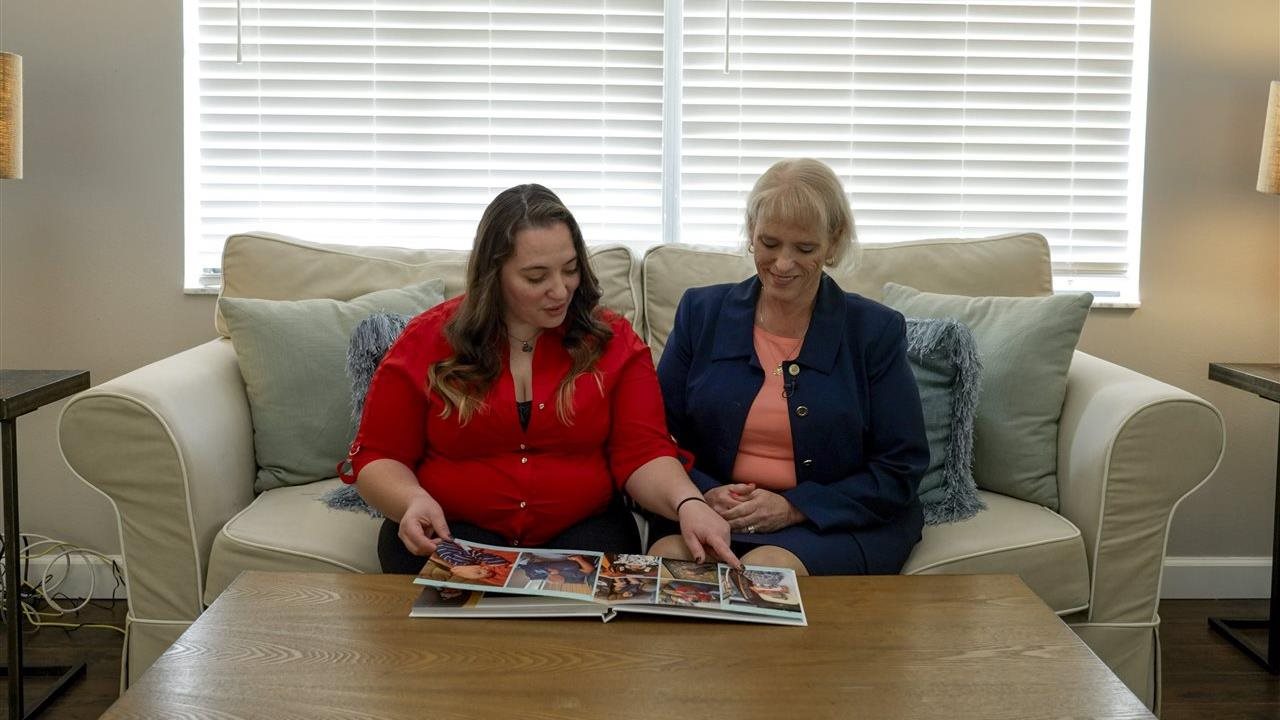
(BPT) – When someone in your family is diagnosed with cancer, it can raise questions. Is it a coincidence, or is there something that runs in the family that makes others more likely to get it too? For Jodi, whose mother was diagnosed with cancer at the age of 51, and whose maternal grandfather was diagnosed with the same disease at 55, those questions were top of mind from a young age. Her family history instilled a fear of the unknown — was she at elevated risk too?

For women like Jodi who have a family history of cancer, the possibility of what genetic testing might reveal can be scary, yet having answers can be empowering.

“You know, I had always been very afraid of cancer because of my family history,” Jodi shared. “And not just breast cancer. I’ve also wondered if I’m predisposed to developing other types, too.”

According to the latest Cancer Risk Survey by Myriad Genetics, 80% of women report being afraid to get screened for cancer, primarily due to fear of the results. That said, 75% say they would actually find screenings like genetic testing reassuring if they were facing a potential health concern.

Getting tested: Jodi’s decision

When Jodi’s healthcare provider, Linda New, PA-C, learned about Jodi’s extensive family cancer history, which includes types of cancer that raise red flags, she was surprised Jodi had not been offered hereditary cancer testing before. She immediately let her know that she meets guideline criteria for genetic testing.

Linda recommended the MyRisk® Hereditary Cancer Test with RiskScore® to determine if she had an inherited genetic mutation that increased her risk for hereditary cancers.

Though Jodi was nervous about the results, she knew that if she carried an inherited gene mutation, the test would help ease her fear of the unknown, and her results would likely give her the power to act early. She moved forward, for herself and for her daughter.

“It was a hard decision, but I did it knowing I’ve always been afraid of cancer,” said Jodi. “I decided to get tested with my daughter Kaila in mind because she could have the same genetic mutation.”

A simple test that gives you options

The MyRisk Hereditary Cancer Test with RiskScore evaluates a patient’s risk of developing 11 different types of hereditary cancer and provides a 5-year and remaining lifetime personalized risk for breast cancer. The testing process is straightforward — a quick blood draw at the clinician’s office.

If Jodi was found to be at high risk, she and her healthcare provider would have multiple options available, including changes in medical management, earlier screenings or increased screening frequency.

For Jodi, the most difficult part of the process was the waiting, but in just a few weeks, the results confirmed what she suspected. She tested positive for the BRCA2 gene mutation that could increase her risk of developing breast, ovarian and other cancers.

Instead of letting this piece of information weigh her down, Jodi saw a path forward. Linda guided Jodi through a plan for early detection and prevention, which included breast MRIs, pelvic ultrasounds and a referral to a breast specialist — steps that ultimately led her to remove her ovaries and undergo a double mastectomy. These were big decisions, but they gave her a sense of control and the confidence that she was doing everything she could for her health and her future.

Inspiring others, saving lives

Jodi also encouraged her daughter Kaila to take the MyRisk Hereditary Cancer Test with RiskScore. Knowing she had a 50/50 chance of sharing her mother’s gene mutation, and with Jodi’s encouragement, Kaila decided to get tested, too. The result: She was also positive for the BRCA2 mutation.

Given her risk, Kaila immediately discussed risk-reducing measures with her healthcare provider, which included breast and uterine ultrasounds and potential ovary and breast removal down the line.

“I’m 33 and haven’t had kids yet,” said Kaila. “I want to, and I want to be able to breastfeed. So, I’m trying to keep everything intact until that happens. But once I’ve had children, I’ll be considering other preventative options.”

Know your risk and plan for the future.

Knowing your family history (both maternal and paternal) as part of a comprehensive cancer risk assessment can provide you and your provider with clear information to make informed decisions about managing cancer risk. If you’re on the fence about getting tested for BRCA1, BRCA2 or other hereditary cancer mutations, consider if you have the following risk factors:

  • A family history of cancer that is diagnosed at a young age (50 or younger), like breast cancer diagnosed at age 45
  • Multiples of the same type of cancers on the same side of the family, like three colorectal cancers on the paternal side
  • Rare cancers like ovarian or pancreatic cancer

Jodi hopes her story will empower those who may be hesitant to get additional screenings if they qualify.

“I would say just get tested. If you have a family history of cancer and the slightest doubt that you could carry a gene mutation associated with cancer, get this simple blood test. It’s better to know whatever decision you make, you will have the tools and information you need to make it with confidence.”

Talk with your health care provider to see if you meet guidelines for a hereditary cancer risk assessment, like the MyRisk Hereditary Cancer Test with RiskScore. Understanding your results can empower you and your care team to create a personalized plan to manage your risk and take proactive steps for your health. To learn more, visit GetMyRisk.com.

Understanding the Unique Needs of Children Living with Hereditary Angioedema

2025-09-08T08:01:00

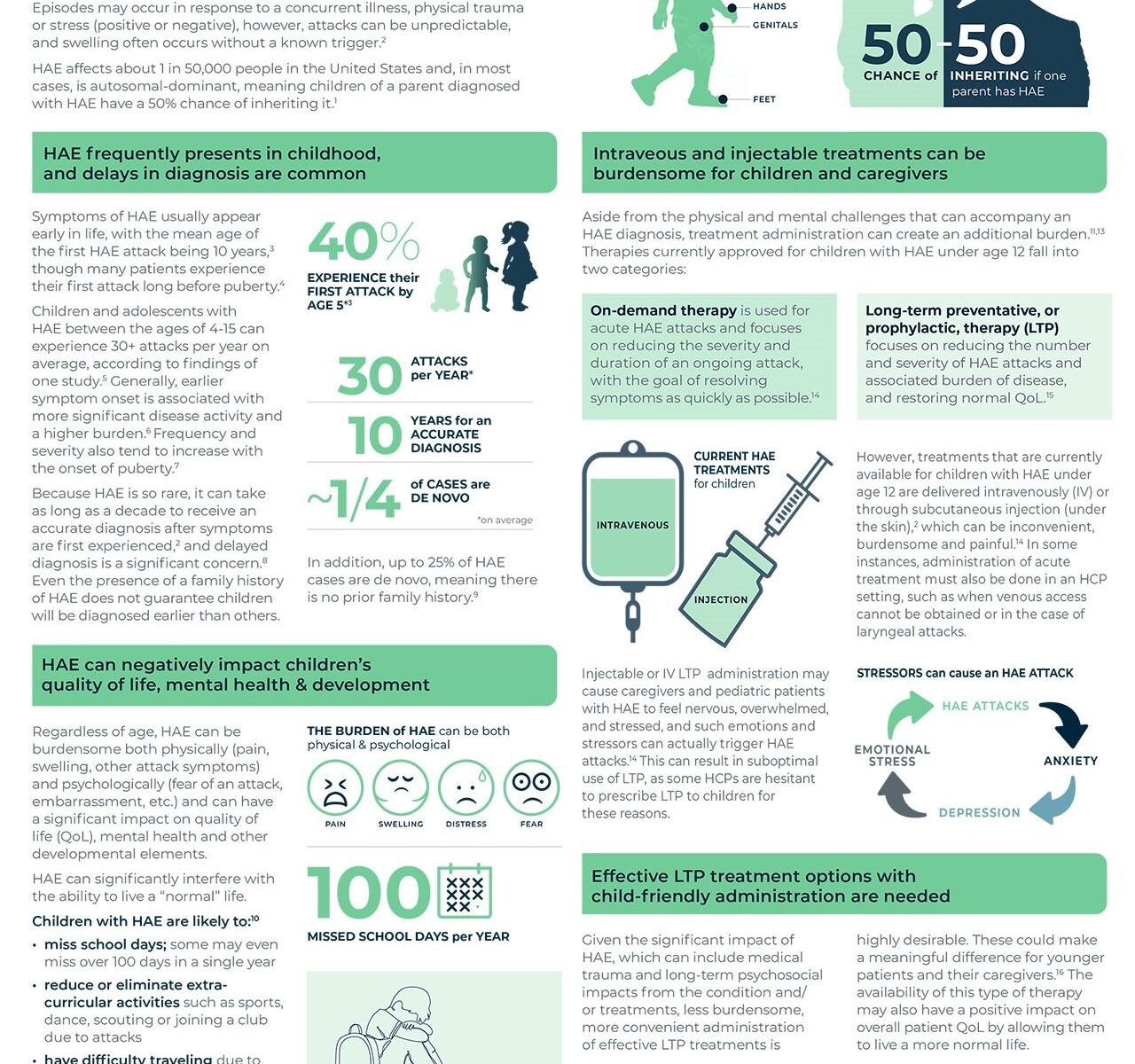
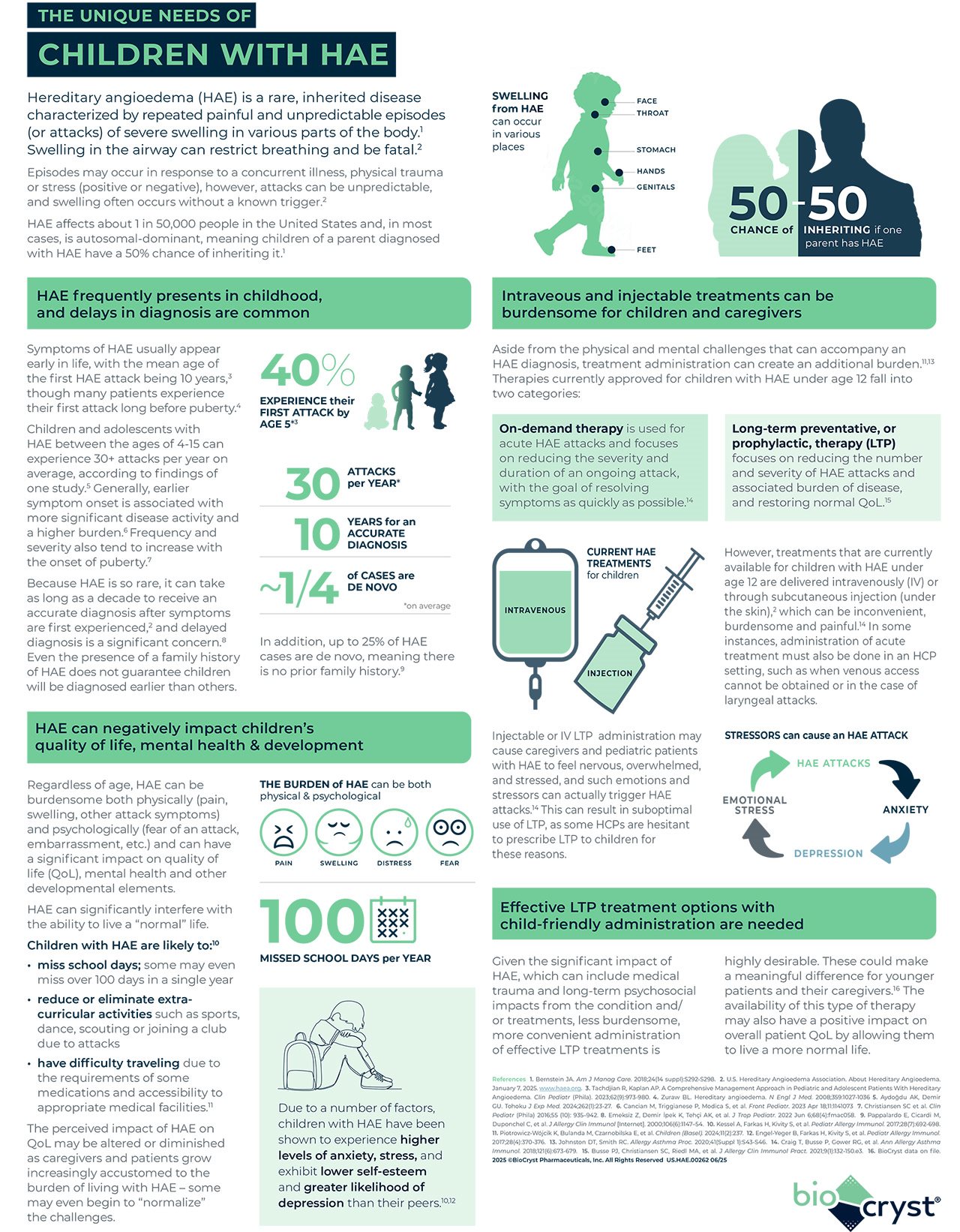
(BPT) – Hereditary angioedema (HAE) is a rare, inherited disease characterized by repeated painful and unpredictable episodes (or attacks) of severe swelling in various parts of the body. Swelling attacks may first begin to occur during childhood, and it is important to understand the unique needs of children living with HAE. For more information, visit www.HAEA.org.

An infographic titled

Reclaiming the truth about alopecia areata as an autoimmune disease

2025-09-07T23:01:00

(BPT) – When a teenager starts losing their hair, the world often rushes to offer reassurances: “It’s just hair.” But for the nearly 7 million people in the U.S. living with alopecia areata, many of whom are adolescents, that phrase couldn’t be further from the truth and actually can cause unintended harm.

The truth is: Alopecia areata is not a cosmetic concern. It’s a chronic, unpredictable autoimmune disease that causes the immune system to mistakenly attack hair follicles, resulting in partial or complete hair loss on the scalp, face or body. While it may seem like a surface-level issue, its impact runs far deeper. It can affect mental health, social well-being and access to care in ways that too often go unseen, especially for young people.

“Getting treatment changed everything — not just my hair regrowth, but myself,” says Sarah Greene, 16, who was diagnosed at 8 years old despite showing symptoms since the age of 2. Sarah is now on an FDA-approved treatment for patients that helped regrow their hair and restore confidence.

Sarah wearing a whie and blue gown walking next to a stone and brick building.

A serious autoimmune disease, misunderstood

Alopecia areata can appear suddenly, at any age, and progress unpredictably. One day, it might be a coin-sized bald spot on the scalp; the next, it could mean total hair loss across the entire body. Some cases go into remission, others recur and some progress to more severe forms like alopecia totalis or alopecia universalis. The severity and emotional toll vary, but one thing remains constant: It is not simply cosmetic.

Still, unlike other autoimmune conditions like rheumatoid arthritis or lupus, alopecia areata is frequently miscategorized as a superficial or aesthetic issue. This mis-categorization isn’t just frustrating. It can be devastating.

When ‘cosmetic’ becomes a barrier to care

Many insurance companies still classify alopecia areata as a cosmetic condition. As a result, even when FDA-approved treatments are available, patients, especially adolescents, face unnecessary roadblocks to the treatment they need: denial of coverage or administrative hoops to “prove medical necessity” while creating wasteful healthcare spending.

Parents often find themselves in lengthy battles with insurers or face challenging decisions, while their children experience worsening symptoms, bullying and declining self-esteem.

Alopecia doesn’t just steal hair. For students, it can mean unwanted attention, questions they’re not ready to answer, and feeling different at a time when they just want to belong. Too often, the right treatment is just out of reach.

Access and equity: Not everyone gets the same chance

For some communities, the barriers are even steeper. Black and brown adolescents often experience longer delays in diagnosis and face systemic inequities in care. In rural areas or under-resourced schools, there may be few dermatologists, little awareness and no peer support. These disparities mean that access to care is not just about medicine; it’s about justice.

Newer therapies, like JAK inhibitors, are often made harder to access for families due to the misclassification of the disease. This deepens health inequities and limits opportunities for those who need help most.

More than hair: Why holistic support matters

Treating alopecia areata effectively means more than writing a prescription. It requires a whole-person approach that addresses the mental, emotional and social effects of the disease. An approach that many insurers are starting to embrace in theory, but in practice, still have more work to do.

Teens living with alopecia often report feeling withdrawn from sports or social activities, avoid photos or endure bullying at school. That’s why effective insurance policies that break down barriers to treatment, along with support groups, school accommodations, peer mentorship and mental health care, are critical parts of the care journey.

Organizations like the National Alopecia Areata Foundation (NAAF) offer essential resources for young people and their families, connecting them with community, educational tools and advocacy efforts that can help them reclaim control over their health and their story.

It’s not just hair — It’s so much more

It’s time to reclaim the truth about alopecia areata and rewrite the narrative. Alopecia areata is a legitimate medical condition that deserves serious attention, adequate insurance coverage and respect. Children living with this disease should not be left behind simply because their symptoms are misunderstood.

What can you do?

  • Refer to alopecia areata as an autoimmune disease, not a cosmetic issue, to help correct the way the disease is discussed.
  • Advocate for fair insurance coverage including the reclassification of alopecia areata as a medical condition so all patients, especially young people, can access FDA-approved treatments they need, when they need them.
  • Share mental health and social resources for teens navigating the stigma and emotional toll of hair loss.
  • Visit NAAF.org to access resources, connect with others and join the movement for equity in care.

For adolescents living with alopecia areata, it’s never just hair. It’s everything that comes with losing it, and everything they deserve in getting it back.

How camaraderie helps bring veterans home

2025-09-04T10:31:00

(BPT) – Sept. 11, 2001, left a huge mark on the U.S. and changed the life trajectories of many people, including Army National Guard veteran Antoinette Wallace. Before 9/11, she had never considered joining the military. Antoinette was applying to colleges, narrowing her options and considering a legal career. That all changed.

“I was in high school when 9/11 happened,” Antoinette said. “I was a senior at Curtis High School in Staten Island, so I witnessed everything that morning. I saw the first plane hit and thought it was an accident, but when I saw the second plane hit, I wondered what was going on. Then I watched the towers collapse. This all gave me the resolve to join the military.”

While only in eighth grade on Sept. 11, Gabriel Vasquez was already moved to respond.

“I saw smoke coming from the towers from my classroom,” said Gabriel. “In the coming months, New York City was the most patriotic I had ever seen, with flags everywhere. I knew I had to do something to serve my nation.”

From service members to civilians

About 4 million men and women served on active-duty in the first 10 years following 9/11. Like many, Antoinette and Gabriel enjoyed the natural camaraderie they built with other service members.

Recapturing that sense of belonging and friendship, on top of managing physical and mental health challenges, made transitioning back to civilian lives difficult.

“You’ve been completely changed, and you will never be the same again,” Antoinette said. “I wanted things to return to ‘normal’ and be a typical early 20-something with a social life. But trying to connect with new people, especially civilians, is tough.”

When Gabriel left the military after the birth of his son, he also missed the built-in social life and found making authentic connections difficult.

“When I left the Marines, I lost that brotherhood and camaraderie,” he said. “Finding it again felt impossible.”

Luckily, Antoinette and Gabriel found a place where they belonged and resources that made a return to civilian life more manageable through Wounded Warrior Project® (WWP).

Committed to veterans

WWP started in 2003 to provide comfort items to injured service members coming home from conflicts in Afghanistan and Iraq. Since then, the nonprofit has evolved to provide programs and services that help post-9/11 veterans by bringing them together, helping them find the right civilian career and establishing programs to empower veterans to address their mental health so they can thrive for a lifetime.

“I was at the Veterans Affairs hospital when I heard about Wounded Warrior Project from fellow female veterans,” Antoinette said. “The organization really caught my attention, so I signed up. I wanted to connect with other veterans so much and Wounded Warrior Project made that possible. Everyone embraced me at my first event, and I felt so comfortable.”

During his time in college, Gabriel also heard about WWP through word of mouth, but initially didn’t know he could join.

“I didn’t know I was eligible because I thought you had to be severely disabled,” Gabriel said. “I have physical injuries, but I still have all my limbs.”

Gabriel, a member of Wounded Warrior Project, riding a bike.

WWP serves veterans with visible and invisible wounds. Once he realized that, Gabriel joined WWP and found the camaraderie he had missed during his time as a Marine.

Beyond the opportunity for social connections with like-minded people, Antoinette and Gabriel found other avenues of support through WWP.

“The Physical Health and Wellness program has been very helpful for me,” said Gabriel. “Having access to dietary information and learning things like how to stretch and work out properly have made my life easier.”

Never alone

One thing that Antoinette and Gabriel have learned from their experiences with WWP is that they don’t have to walk their journey alone.

“There is help out there,” Antoinette said. “If you are a veteran or know one, there are organizations like Wounded Warrior Project that can help in your recovery. While you might doubt your eligibility, take the first step toward healing by reaching out.”

Wounded Warrior Project Resource Center in Jacksonville, Florida

To learn more about how WWP services and programs can help you or veterans in your life, visit WoundedWarriorProject.org.

Check please! Early detection saves lives

2025-09-03T08:01:00

(BPT) – According to the American Cancer Society, 1 in 3 people will experience a cancer diagnosis in their lifetime.1 That’s the bad news. The good news is that due to advancements in treatment, along with preventive actions, cancer is becoming increasingly treatable. In fact, while cancer continues to be the second most common cause of death in the U.S., the cancer death rate fell 32% from 1991 to 2019.2

The reminders are everywhere: Early detection saves lives. But not only that — it can help protect families after diagnosis and into survivorship. According to a recent study from the Journal of the American Medical Association (JAMA), the cost of a cancer diagnosis is on the rise, with an average monthly out-of-pocket health care cost that is $592.53 higher than those who have not been diagnosed. And for those whose diagnosis came early, stage 0, for example, average monthly costs are roughly 36% less than those diagnosed at stage 4.3

A graphic with a blue heart shape and type that says

Aflac wants to turn the everyday checkered pattern into a constant reminder to get checked for cancer.

So, how can we use these statistics to our advantage? Well, in addition to seeing the data everywhere, there are reminders all around us, part of the scenery, but often overlooked. Aflac recently initiated a multimedia campaign, including a video that ran on ESPN during the Aflac Kickoff Game on Aug. 31, to turn one of these images, a simple checkered pattern, into a valuable prompt. If you see a check, think about getting checked for cancer.

There is some urgency here. With all of the information that can help people help themselves, many Americans still aren’t checking the box when it comes to checking for cancer. In fact, according to Prevent Cancer Foundation, 65% of American adults report not being up to date on at least one routine cancer screening,4 meaning that they are often flying blind, rather than having priceless knowledge that could help save their lives, or more often provide the peace of mind of knowing they are healthy and safe.

The Check for Cancer message isn’t just for those typically associated with such a diagnosis. While it is true that cancer is still a disease of age, new guidelines recommending screenings for cancers like colorectal cancer at younger ages are having an impact. More adults aged 45-49 are getting screened, leading to a surge in early-stage diagnoses.5 That is a good thing, because this can lead to better outcomes and less expensive treatments.

Aflac’s powerful reminder for Americans to get checked for cancer comes from the heart, but its origins come from decades of experience and data that show that while treatments may be improving and more people are surviving, cancer remains a leading health concern. You have the power to help change that. Know your risks and get checked for cancer. For resources and information on screening guidelines and risk factors, visit Aflac.com/CheckForCancer. And please help us share the message. Post on social media using #CheckForCancer and Aflac will donate $5 to support childhood cancer care and research, up to $1 million.

1American Cancer Society, Lifetime Risk of Developing or Dying From Cancer, https://www.cancer.org/cancer/risk-prevention/understanding-cancer-risk/lifetime-probability-of-developing-or-dying-from-cancer.html

2American Cancer Society, Risk of Dying from Cancer Continues to Drop at Accelerated Pace, https://www.cancer.org/research/acs-research-news/facts-and-figures-2022.html

3JAMA Network, Estimated out-of-pocket costs for patients with common cancers and private insurance, page 1, https://jamanetwork.com/journals/jamanetworkopen/fullarticle/2836518?resultClick=1

4Prevent Cancer Foundation, https://preventcancer.org/news/65-of-americans-21-years-of-age-and-older-report-not-being-up-to-date-on-at-least-one-routine-cancer-screening/

5Wall Street Journal, A turning point in colon cancer: Young people are finding it earlier, https://www.wsj.com/health/healthcare/colon-cancer-screening-young-adults-5900a8a6?mod=Searchresults_pos1&page=1

C4C2522