Friendship, Trust and Support on My Schizophrenia Journey

2023-03-30T12:05:00

(BPT) – The story you are about to read may not be representative of all people living with schizophrenia. The opinions expressed here are those of Robert, a person living with schizophrenia, and are not a substitute for medical advice or judgment. Always talk to your doctor/healthcare provider (HCP) about available and appropriate treatment options. Individual results may vary.

My life for three decades had been a struggle. I was living on the streets, found it hard to hold a job, and had symptoms—like hearing voices—that I didn’t understand. What I didn’t know until I was diagnosed by a healthcare provider is that I was living with schizophrenia, a serious mental health condition that affects about one percent of the U.S. population.1

When I first met Scott, I was carrying all my possessions around on my bike. Scott often reminds me that despite my tough situation, he was amazed at the big smile on my face. That chance meeting turned into a lifelong friendship that would set me on a new path.

At the time we met, Scott was on an extended trip to California visiting his son in college. Later that week, Scott offered to buy me a croissant and a cup of coffee, and I accepted.

Life for me at that time was difficult. I had a hard time staying in one place for too long and struggled making decisions, but I was convinced that this was just a result of being “unhoused.” It never occurred to me that I could be struggling from a serious mental illness.

As time went on, it was sometimes challenging for me to tell the difference between real and imaginary dangers, and there were times when I would hear voices that weren’t there. I thought that my mental health may be a problem, but I had no connections or resources to ask for help. I thought I could use a friend, and Scott became that for me. The more time he spent getting to know me, the more I trusted him. Over many coffees and croissants, we shared stories about our lives and learned that we had some important things in common.

Over the next several months, Scott travelled back and forth between Rhode Island and California and we continued to build our friendship. He even spent a night sleeping in a parking garage with me—he wanted me to know that I had an ally in him. I did not know this at the time, but Scott had done some of his own research about support options that could be available to me. So when he eventually offered to help me find an HCP for a potential evaluation, I was ready.

My acceptance of Scott’s offer of help was influenced by his compassion and support for my well-being. Scott went with me to a mental health center where, after a full evaluation, an HCP formally diagnosed me with schizophrenia. Some of the symptoms of schizophrenia may include, but are not limited to, hallucinations, delusions, difficulty functioning normally, trouble focusing and behaviors associated with psychosis.2 Most people living with schizophrenia will require an integrated approach to treatment that includes medication, therapy, and psychosocial support to manage their condition.3

After talking to my doctor about my treatment options, we decided that ARISTADA® (aripiprozole lauroxil) may be a good choice for my schizophrenia treatment journey. ARISTADA is a prescription medicine used to treat schizophrenia in adults and is given via injection by a healthcare professional. After establishing tolerability to aripiprozole and completing treatment initiation, I began taking the 2-month (1064 mg) dose of ARISTADA.4,5

Here is some important safety information about ARISTADA: It is not known if ARISTADA is safe and effective in patients under 18. It’s also important to know that elderly people with dementia-related psychosis are at increased risk of death when treated with antipsychotic medicines including ARISTADA. ARISTADA is not for the treatment of people who have lost touch with reality (psychosis) due to confusion and memory loss (dementia). The most common side effects of ARISTADA include restlessness or feeling like you need to move (akathisia).5 These are not all of the side effects associated with ARISTADA. For additional Important Safety Information, please see below.

Since starting on ARISTADA, I have noticed an improvement in my schizophrenia symptoms. This has just been my experience and yours may be different. Talk to your healthcare team about what may be best for you.

After helping me seek treatment, Scott went back to Rhode Island, but we talked every day. On one occasion, I expressed wanting to move to New England and Scott was supportive of the idea—it was one of the biggest decisions on my journey.

In our search for my permanent home, Scott found a cabin about 45 minutes away from his house. I packed a bag and moved across the country. It was the first time in many years that I had a place of my own. When I woke up the next morning in my bed, I knew I was finally home.

No matter what the future holds, I maintain a dialogue with my care team and stick with my treatment plan with the support of Scott and my healthcare providers.

This is intended as informational only and not a substitute for professional medical advice, diagnosis, or treatment. Always seek the advice of your physician or other qualified health provider with any questions you may have regarding a medical and/or mental health condition.

Please read the Important Safety Information for ARISTADA INITIO® and ARISTADA below. Discuss all benefits and risks with a healthcare provider. See Prescribing Information for ARISTADA INITIO and ARISTADA, including Boxed Warning, and Medication Guides for ARISTADA INITIO and ARISTADA.

INDICATION and IMPORTANT SAFETY INFORMATION for ARISTADA INITIO® (aripiprazole lauroxil) and ARISTADA® (aripiprazole lauroxil) extended-release injectable suspension, for intramuscular use

INDICATION

ARISTADA INITIO is a prescription medicine given as a one-time injection and is used in combination with oral aripiprazole to start ARISTADA treatment, or re-start ARISTADA treatment after a missed dose, when ARISTADA is used for the treatment of schizophrenia in adults.

ARISTADA is a prescription medicine given by injection by a healthcare professional and used to treat schizophrenia in adults.

It is not known if ARISTADA INITIO and/or ARISTADA are safe and effective in children under 18 years of age.

IMPORTANT SAFETY INFORMATION

Elderly people with dementia-related psychosis are at increased risk of death when treated with antipsychotic medicines including ARISTADA INITIO and ARISTADA. ARISTADA INITIO and ARISTADA are not for the treatment of people who have lost touch with reality (psychosis) due to confusion and memory loss (dementia).

Contraindication: Do not receive ARISTADA INITIO or ARISTADA if you are allergic to aripiprazole or any of the ingredients in ARISTADA. Allergic reactions to aripiprazole have ranged from rash, hives and itching to anaphylaxis, which may include difficulty breathing, tightness in the chest, and swelling of the mouth, face, lips, or tongue.

ARISTADA INITIO and/or ARISTADA may cause serious side effects including:

  • Cerebrovascular problems (including stroke) in elderly people with dementia-related psychosis that can lead to death.
  • Neuroleptic malignant syndrome (NMS), a serious condition that can lead to death. Call your healthcare provider or go to the nearest hospital emergency room right away if you have some or all of the following signs and symptoms of NMS:
    • high fever
    • stiff muscles
    • confusion
    • sweating
    • changes in pulse, heart rate, and blood pressure
  • Uncontrolled body movements (tardive dyskinesia). ARISTADA INITIO and ARISTADA may cause movements that you cannot control in your face, tongue, or other body parts. Tardive dyskinesia may not go away, even if you stop receiving ARISTADA. Tardive dyskinesia may also start after you stop receiving ARISTADA.
  • Problems with your metabolism such as:
    • High blood sugar (hyperglycemia). Increases in blood sugar can happen in some people who receive ARISTADA INITIO and/or ARISTADA. Extremely high blood sugar can lead to coma or death. If you have diabetes or risk factors for diabetes (such as being overweight or a family history of diabetes), your healthcare provider should check your blood sugar before you receive ARISTADA INITIO and/or ARISTADA and during your treatment with ARISTADA.
      • Call your healthcare provider if you have any of these symptoms of high blood sugar:
        • feel very thirsty
        • need to urinate more than usual
        • feel very hungry
        • feel weak or tired
        • feel sick to your stomach
        • feel confused, or your breath smells fruity
    • Increased fat levels (cholesterol and triglycerides) in your blood
    • Weight gain. You and your healthcare provider should check your weight regularly.
  • Unusual and uncontrollable (compulsive) urges. Some people taking aripiprazole have had strong unusual urges such as gambling that cannot be controlled (compulsive gambling). Other compulsive urges include sexual urges, shopping, and eating or binge eating. If you or your family members notice that you are having unusual strong urges, talk to your healthcare provider.
  • Decreased blood pressure (orthostatic hypotension). You may feel lightheaded or faint when you rise too quickly from a sitting or lying position.
  • Falls. ARISTADA INITIO and ARISTADA may make you sleepy or dizzy when standing which may make you at risk for falls and related injuries
  • Low white blood cell count
  • Seizures (convulsions)
  • Problems controlling your body temperature. Avoid becoming too hot or dehydrated. Do not exercise too much. In hot weather, stay inside in a cool place if possible. Stay out of the sun. Do not wear too much clothing or heavy clothing. Drink plenty of water.
  • Difficulty swallowing

The most common side effects of ARISTADA INITIO and ARISTADA include restlessness or feeling like you need to move (akathisia). These are not all the possible side effects of ARISTADA INITIO and ARISTADA. You should tell your healthcare provider about any side-effects you have.

Do not drive, operate hazardous machinery, or do other dangerous activities until you know how ARISTADA INITIO and ARISTADA affect you. ARISTADA INITIO and ARISTADA may affect your judgment, thinking or motor skills.

Before receiving ARISTADA INITIO and ARISTADA tell your healthcare provider about all of your medical conditions, including if you:

  • have not taken Abilify®, Abilify Maintena®, or any aripiprazole product before
  • have or had heart problems or a stroke
  • have diabetes or high blood sugar or a family history of diabetes or high blood sugar. Your healthcare provider should check your blood sugar before you receive ARISTADA INITIO and/or ARISTADA and during your treatment with ARISTADA
  • have or had low or high blood pressure
  • have or had seizures (convulsions)
  • have or had a low white blood cell count
  • have problems that may affect you receiving an injection in your buttocks or your arm
  • are pregnant or plan to become pregnant. It is not known if ARISTADA INITIO and/or ARISTADA will harm your unborn baby. If you become pregnant while taking ARISTADA INITIO and/or ARISTADA, talk to your healthcare provider about registering with the National Pregnancy Registry for Atypical Antipsychotics. You can register by calling
    1-866-961-2388, or visit http://womensmentalhealth.org/clinical-and-research-programs/pregnancyregistry/
  • are breastfeeding or plan to breastfeed. ARISTADA INITIO and/or ARISTADA can pass into your breast milk. It is not known if it may harm your baby. Talk to your healthcare provider about the best way to feed your baby if you receive ARISTADA INITIO and/or ARISTADA.

Tell your healthcare provider about all the medicines you take, including prescription and over-the-counter medicines, vitamins, and herbal supplements. ARISTADA INITIO and ARISTADA and other medicines may affect each other causing possible serious side effects. Do not start or stop any medicines after you receive ARISTADA INITIO and ARISTADA without talking to your healthcare provider first.

If you have any questions about your health or medicines, talk to your healthcare provider. You are encouraged to report all side effects of prescription drugs to the FDA. Visit www.fda.gov/medwatch, or call 1-800-FDA-1088.

References:

1 Cloutier M, Aigbogun MS, Guerin A, et al. The Economic Burden of Schizophrenia in the United States in 2013. J Clin Psychiatry. 2016;77(6):764-771. doi:10.4088/JCP.15m10278

2 American Psychiatric Association. Schizophrenia Spectrum and Other Psychiatric Disorders. Diagnostic and Statistical Manual of Mental Disorders. 5th ed. Washington, DC: American Psychiatric Publishing; 2013.

3 Schizophrenia Fact Sheet. National Alliance on Mental Illness (NAMI). Accessed January 26, 2023. https://www.nami.org/NAMI/media/NAMI-Media/Images/FactSheets/Schizophrenia-FS.pdf

4 ARISTADA [Medication Guide]. Waltham, MA: Alkermes, Inc.; 2021.

5 ARISTADA [Prescribing Information]. Waltham, MA: Alkermes, Inc.; 2021.

ALKERMES® is a registered trademark of Alkermes, Inc. ARISTADA® and logo, and ARISTADA INITIO®, are registered trademarks of Alkermes Pharma Ireland Limited, used by Alkermes, Inc., under license. Abilify® is a trademark of Otsuka Pharmaceutical Company and Abilify Maintena® is a trademark of Otsuka Pharmaceutical Co., Ltd. ©2023 Alkermes, Inc. All rights reserved. ARI-004930.


From struggle to success: One woman’s weight loss journey

2023-03-27T08:01:00

Real patient taking CONTRAVE at the time of her interview in January 2023 and compensated for sharing her inspiring story. Individual results may vary.

(BPT) – If you’ve had difficulty managing your weight throughout your life, you’re certainly not alone. Like project manager Janet, many people search for positive solutions to reach and maintain a healthier weight, but often find themselves in a spiral of self-defeating thoughts that can be hard to overcome.

I’ve struggled with managing my weight my entire life,” recalled Janet. “My eating behavior led to decades of weight gain, accompanied by physical and emotional pain.”

Seeking to improve her situation, Janet hoped that her healthcare providers could be a helpful resource, but found herself disappointed by their responses. “For years, I sought help from my doctors, only to be regularly shut down with my concerns. I felt embarrassed that my struggles were being dismissed by someone who was supposed to be helping me, yet couldn’t even look me in the eye when discussing weight,” Janet said. “They never took the time to help me; it was always ‘just eat right and exercise.’”

Because she was unable to find specific direction and help from her doctors, Janet often felt worse about herself. “Stress was a main trigger for my eating as there was so much to juggle between working full-time, raising children and family obligations. When I felt disappointed because something wasn’t going right for me, I would spiral into a negative mindset. I would start to think that nobody cared if I took care of myself or not, or that I deserved snacks because of a situation, and that eating would make me feel better,” Janet explained. “These thought patterns only prompted me to eat more. I could easily power through bags of cookies and chips with no stop button in sight.”

Fortunately, she found a healthcare provider who took her concerns seriously and helped her come up with concrete solutions. I felt like I was being given up on until I finally found a nurse practitioner who listened to me and who was truly on my side,” said Janet. “She was the one who finally told me there is something else I can do alongside diet and exercise. That’s when I found out about the medication CONTRAVE® (naltrexone HCI/bupropion HCl).”

What is CONTRAVE?

CONTRAVE is a prescription weight-loss medicine that may help some adults with a body mass index (BMI) of 30 kg/m2 or greater (obese), or adults with a BMI of 27 kg/m2 or greater (overweight) with at least one weight-related medical problem such as high blood pressure, high cholesterol, or type 2 diabetes, lose weight and keep the weight off. CONTRAVE should be used with a reduced-calorie diet and increased physical activity. It is not known if CONTRAVE changes your risk of heart problems or stroke or of death due to heart problems or stroke. It is not known if CONTRAVE is safe and effective when taken with other prescription, over-the-counter, or herbal weight-loss products. CONTRAVE is not approved to treat depression or other mental illnesses, or to help people quit smoking (smoking cessation).

CONTRAVE can cause serious side effects including:
Suicidal thoughts or actions: One of the ingredients in CONTRAVE is bupropion. Bupropion has caused some people to have suicidal thoughts or actions or unusual changes in behavior, whether or not they are taking medicines used to treat depression. Bupropion may increase the risk of suicidal thoughts or actions in some children, teenagers, and young adults within the first few months of treatment. If you already have depression or other mental illnesses, taking bupropion may cause it to get worse, especially within the first few months of treatment.

Continue reading for additional Important Safety Information.

The weight-loss journey

“My journey wasn’t easy. Alongside the physical part of losing weight, I had to confront my lifelong relationship issues with food,” explained Janet. “I spent the first year of my journey directly evaluating my relationship with food to figure out how and why I used food as a coping mechanism. I needed to heal a lot of hurt and lingering self-negativity to make room for healthier changes in my life.”

CONTRAVE helped Janet get to a point where she no longer needed to reach for food as a comfort. “I know now that I can manage those triggers and cravings in healthier ways,” she added.

As part of her journey, Janet began walking, then added spinning, running and fitness classes to her regular exercise routine — and grew to love moving again. “Working out had been so important to me in my 20s and 30s, and it was something that I loved,” Janet said. “Fitness has once again become a passion and a priority in my self-care.”

Today, Janet enjoys taking walks with her daughter, and embraces the internal peace and self-acceptance that have become her biggest weight-loss victories.

“I have now been on CONTRAVE for over two years, and it has been such a phenomenal experience,” Janet described. “I worked really hard, but CONTRAVE gave me the foundation I needed to lose weight. Success continues to build and further change my life. I learned that not only am I capable of positive change, but I’m worthy of it.”

If you’re struggling with your own weight-loss journey, learn more at CONTRAVE.com.

IMPORTANT SAFETY INFORMATION (continued)

While taking CONTRAVE, you or your family members should pay close attention to any changes, especially sudden changes, in mood, behaviors, thoughts, or feelings. This is very important when you start taking CONTRAVE or when your dose changes.

Stop taking CONTRAVE and call a healthcare provider right away if you or your family members notice any of the following symptoms, especially if they are new, worse, or worry you: thoughts about suicide or dying; attempts to commit suicide; depression; anxiety; feeling agitated or restless; panic attacks; irritability; aggression, anger, or violence; acting on dangerous impulses; an extreme increase in activity and talking; other unusual changes in behavior or mood; trouble sleeping.

CONTRAVE is not approved for use in children under the age of 18.

Do not take CONTRAVE if you have uncontrolled high blood pressure; have or have had seizures; use other medicines that contain bupropion such as WELLBUTRIN, WELLBUTRIN SR, WELLBUTRIN XL, APLENZIN and ZYBAN; have or have had an eating disorder called anorexia or bulimia; are dependent on opioid pain medicines or use medicines to help stop taking opioids, or are in opiate withdrawal; drink a lot of alcohol and abruptly stop drinking, or use medicines called sedatives (these make you sleepy), benzodiazepines, or anti-seizure medicines and stop using them all of a sudden; are taking or have taken medicines called monoamine oxidase inhibitors (MAOIs) in the past 14 days; or are allergic to any of the ingredients in CONTRAVE. Tell your healthcare provider about all of your medical conditions including if you have: depression or other mental illnesses; attempted suicide; seizures; head injury; tumor or infection of brain or spine; low blood sugar or low sodium; liver or kidney problems; high blood pressure; heart attack, heart problems, or stroke; eating disorder; drinking a lot of alcohol; prescription medicine or street drug abuse; are 65 or older; diabetes; pregnant or planning to become pregnant; or breastfeeding.

Tell your healthcare provider about all the medicines you take, including prescription and over-the-counter medicines, vitamins, and herbal supplements.

CONTRAVE may cause serious side effects, including:

  • Seizures. There is a risk of having a seizure when you take CONTRAVE. The risk of seizure is higher in people who take higher doses of CONTRAVE, have certain medical conditions, or take CONTRAVE with certain other medicines. Do not take any other medicines while you are taking CONTRAVE unless your healthcare provider has said it is okay to take them. If you have a seizure while taking CONTRAVE, stop taking CONTRAVE and call your healthcare provider right away.

  • Risk of opioid overdose. Do not take large amounts of opioids, including opioid-containing medicines, such as heroin or prescription pain pills, to try to overcome the opioid-blocking effects of naltrexone. This can lead to serious injury, coma, or death.

    Get emergency medical help right away if you take opioids and you:

    • have trouble breathing
    • become very drowsy with slowed breathing
    • have slow, shallow breathing
    • feel faint, very dizzy, confused, or have unusual symptoms
  • Sudden opioid withdrawal. People who take CONTRAVE must not use any type of opioid including street drugs, prescription pain medicines, cough, cold, or diarrhea medicines that contain opioids, or opioid dependence treatments, for at least 7 to 10 days before starting CONTRAVE. Using opioids in the 7 to 10 days before you start taking CONTRAVE may cause you to suddenly have symptoms of opioid withdrawal when you take it. Sudden opioid withdrawal can be severe, and you may need to go to the hospital. Tell your healthcare provider you are taking CONTRAVE before a medical procedure or surgery.
  • Severe allergic reactions. Stop taking CONTRAVE and call your healthcare provider or go to the nearest hospital emergency room right away if you have any of the following signs and symptoms of an allergic reaction: rash, itching, hives, fever, swollen lymph glands, painful sores in your mouth or around your eyes, swelling of your lips or tongue, chest pain, or trouble breathing.
  • Increases in blood pressure or heart rate. Some people may get high blood pressure or have a higher heart rate when taking CONTRAVE. Your healthcare provider should check your blood pressure and heart rate before you start taking, and while you take CONTRAVE.
  • Liver damage or hepatitis. Stop taking CONTRAVE and tell your healthcare provider if you have any of the following symptoms of liver problems: stomach area pain lasting more than a few days, dark urine, yellowing of the whites of your eyes, or tiredness. Your healthcare provider may need to stop treating you with CONTRAVE if you get signs or symptoms of a serious liver problem.
  • Manic episodes. Bupropion can cause some people who were manic or depressed in the past to become manic or depressed again.
  • Visual problems (angle-closure glaucoma). Signs and symptoms may include: eye pain, changes in vision, swelling or redness in or around the eye. Talk with your healthcare provider to find out if you are at risk for angle-closure glaucoma and to get treatment to prevent it if you are at risk.
  • Increased risk of low blood sugar in people with type 2 diabetes mellitus who also take medicines to treat their diabetes (such as insulin or sulfonylureas). You should check your blood sugar before you start taking CONTRAVE and while you take CONTRAVE.

The most common side effects of CONTRAVE include nausea, constipation, headache, vomiting, dizziness, trouble sleeping, dry mouth, and diarrhea. These are not all of the possible side effects of CONTRAVE.

You are encouraged to report negative side effects of prescription drugs to the FDA. Visit www.fda.gov/medwatch or call 1-800-FDA-1088.

Please see Full Prescribing Information, including Medication Guide, for CONTRAVE.

CONTRAVE® is a registered trademark of Currax Pharmaceuticals LLC. All other trademarks are the property of their respective owners.

© 2023 Currax Pharmaceuticals LLC. CON 1572-001 03/23

Are you living with type 2 diabetes? You might need emergency glucagon, too

2023-03-24T08:01:00

(BPT) – Pale skin, shakiness and sweating are just a few symptoms you might associate with hypoglycemia, which is known to be common in people with type 1 diabetes. But type doesn’t matter: People with type 2 diabetes that use insulin or sulfonylureas are at just as much risk.

Because there is a misconception that those living with type 2 diabetes are not prone to experience hypoglycemia, you may not have been provided all the facts about what it is, its symptoms, and how and when to treat it. It’s important to know that:

  • 1 in 5 people with type 2 diabetes experience one or more severe hypoglycemia events per year.
    • Hypoglycemia happens when blood glucose level falls below 70mg/dL and/or you begin to feel a range of physical and neurological symptoms, such as dizziness, shakiness, confusion, combative behavior or trouble answering questions. Things can progress quickly to severe hypoglycemia, which is potentially life-threatening.
  • Hypoglycemia requires immediate attention.
    • Untreated hypoglycemia can lead to loss of consciousness, seizure, coma, and death. You should work with your doctor to create a plan for managing it just in case it happens. Your plan should be equipped with things like glucose tabs, juice, and glucagon.
  • If you take insulin or sulfonylureas, you should have ready-to-use glucagon in your diabetes toolkit for low blood sugar emergencies.
    • Thought leaders in the diabetes space, the American Diabetes Association and the Endocrine Society acknowledge that
      • Anyone taking insulin or sulfonylureas is at high risk for hypoglycemia
      • Anyone taking insulin or sulfonylureas should have a prescription for ready-to-use glucagon
    • You need a safety net if you:
      • tried correcting with food or drink and it’s not working
      • are unable or unwilling to eat or drink
      • feel like passing out
      • have a seizure
  • The type of ready-to-use glucagon that you carry is important!
    • Emergency glucagon is typically administered by a third party — who might not be trained in its use — in a moment that may be stressful and cause anxiety. An intuitive, simple-to-administer tool is ideal.

Gvoke HypoPen® is ready-to-use rescue glucagon that can be used by anyone the moment it is needed, similar to rescue pens used for severe allergic reactions. It’s so simple to administer that in a study designed to simulate an emergency, 99 percent of people used it correctly. It can even be self-administered in certain situations.

If you are living with type 2 diabetes and take insulin or sulfonylureas, talk to your healthcare provider about your risk and adding Gvoke HypoPen® to your hypoglycemia treatment plan.

INDICATION AND SAFETY SUMMARY
GVOKE is a prescription medicine used to treat very low blood sugar (severe hypoglycemia) in adults and kids with diabetes ages 2 years and above. It is not known if GVOKE is safe and effective in children under 2 years of age.

WARNINGS

Do not use GVOKE if:

  • you have a tumor in the gland on top of your kidneys (adrenal gland), called a pheochromocytoma.
  • you have a tumor in your pancreas called an insulinoma.
  • you are allergic to glucagon or any other inactive ingredient in GVOKE.

GVOKE MAY CAUSE SERIOUS SIDE EFFECTS, INCLUDING:

High blood pressure. GVOKE can cause high blood pressure in certain people with tumors in their adrenal glands.

Low blood sugar. GVOKE can cause low blood sugar in certain people with tumors in their pancreas called insulinomas by making too much insulin in their bodies.

Serious allergic reaction. Call your doctor or get medical help right away if you have a serious allergic reaction including:

  • rash
  • difficulty breathing
  • low blood pressure

COMMON SIDE EFFECTS

The most common side effects of GVOKE in adults include:

  • nausea
  • vomiting
  • swelling at the injection site
  • headache

The most common side effects of GVOKE in children include:

  • nausea
  • low blood sugar
  • high blood sugar
  • vomiting
  • abdominal pain
  • headache
  • pain or redness at the injection site
  • itching

These are not all the possible side effects of GVOKE. For more information, ask your doctor. Call your doctor for medical advice about side effects. You are encouraged to report side effects of prescription drugs to the FDA. Visit www.fda.gov/medwatch, or call 1-800-FDA-1088.

BEFORE USING

Before using GVOKE, tell your doctor about all your medical conditions, including if you:

  • have adrenal gland problems
  • have a tumor in your pancreas
  • have not had food or water for a long time (prolonged fasting or starvation)
  • have low blood sugar that does not go away (chronic hypoglycemia)
  • are pregnant or plan to become pregnant
  • are breastfeeding or plan to breastfeed

Tell your doctor about all the medicines you take, including prescription and over-the-counter medicines, vitamins, and herbal supplements.

HOW TO USE

  • Read the detailed Instructions for Use that come with GVOKE.
  • Use GVOKE exactly how your healthcare provider tells you to use it
  • Make sure your relatives, close friends, and caregivers know where you store GVOKE and how to use it the right way before you need their help.
  • Act quickly. Having very low blood sugar for a period of time may be harmful.
  • Your healthcare provider will tell you how and when to use GVOKE.
  • After giving GVOKE, your caregiver should call for emergency medical help right away.
  • If you do not respond after 15 minutes, your caregiver may give you another dose, if available. Tell your healthcare provider each time you use GVOKE. Low blood sugar may happen again after receiving an injection of GVOKE. Your diabetes medicine may need to be changed.

HOW TO STORE

  • Keep GVOKE in the foil pouch until you are ready to use it.
  • Store GVOKE at temperatures between 68°F and 77°F.
  • Do not keep it in the refrigerator or let it freeze.

Keep GVOKE and all medicines out of the reach of children.

For more information, call 1-877-937-4737 or go to www.gvokeglucagon.com

Please see the Full Prescribing Information for Gvoke.

· The type of ready-to-use glucagon that you carry is important!

Emergency glucagon is typically administered by a third party — who might not be trained in its use — in a moment that may be stressful and cause anxiety. An intuitive, simple-to-administer tool is ideal.

A Life Without Limits Despite a Rare Disease Diagnosis

2023-03-23T14:01:00

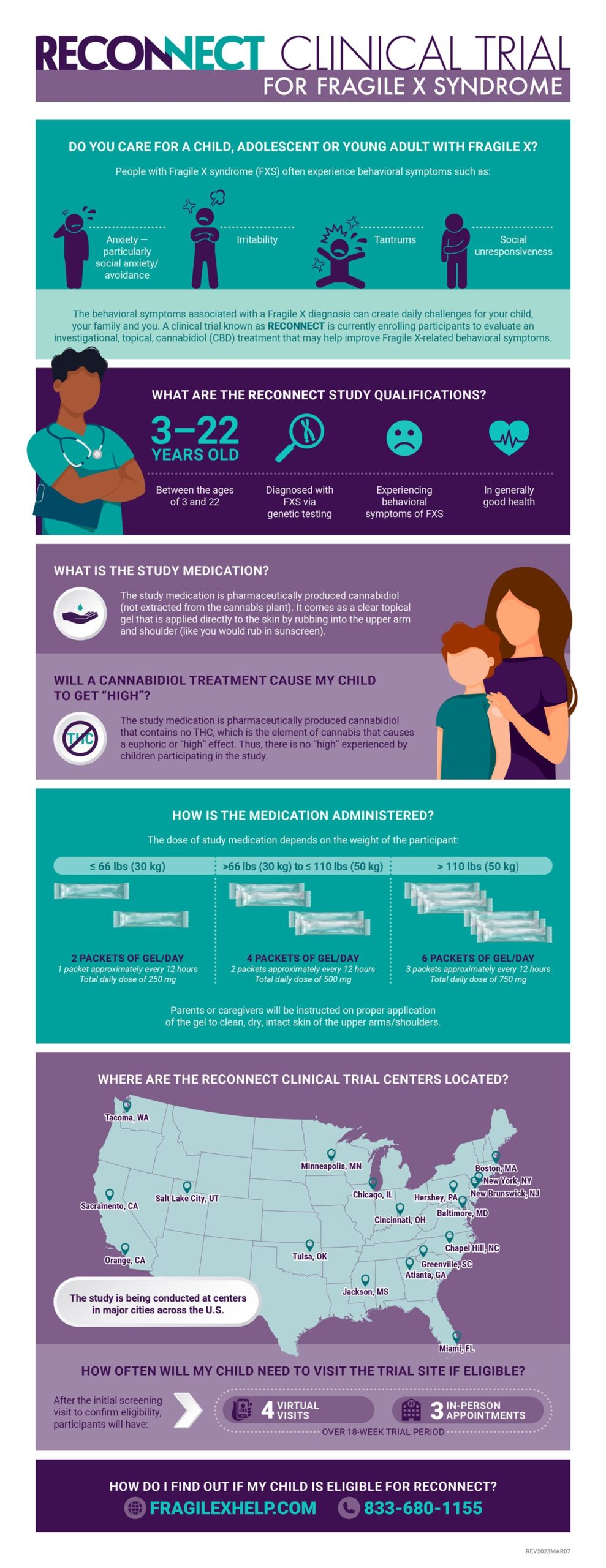
(BPT) – Patient Advocate and Former U.S. Congressman Gregg Harper Shares his Family’s Journey with Fragile X Syndrome and Discusses the Importance of Clinical Trials to Advance Treatment Options

It is said that as parents, we try to teach our children all about life. But ultimately children are the ones that teach their parents what life is all about. For former Congressman Gregg Harper that sentiment has become the driving force behind his political and patient advocacy platforms and his life’s work. For Gregg and his wife, Sidney, parenting their son, Livingston, and daughter, Maggie, has always been their number one priority. So, when they noticed Livingston’s milestone delays as an infant and toddler and then other signs of development delays, they began what would become one of the most challenging yet rewarding experiences of their lives — learning from Livingston along the way.

Over the course of four years, Gregg and Sidney ran from appointment to appointment, consulting countless experts and having Livingston tested and evaluated by pediatricians, neurologists, psychologists and every specialist in between. They were determined to find out what was happening with their son and there was no amount of time or energy that would stop them.

It was ultimately a stroke of luck that led to Livingston’s diagnosis with a rare neurological condition known as Fragile X syndrome. The Harpers’ neighbor was the head of special education for an area school district and had attended a seminar about developmental delays and special education. There she learned about a disorder known as Fragile X. When she returned home, she immediately shared what she learned with Gregg and Sidney thinking it could be the elusive diagnosis they were seeking for Livingston. Ultimately, genetic testing revealed that Livingston did indeed have Fragile X syndrome.

“When someone in your family is faced with a rare disease diagnosis such as Fragile X, and especially when it is your child, at first your world can seem like it’s collapsing,” said Gregg. “But after grieving what you thought ‘might have been,’ it is so important to remind yourself that a diagnosis does not have to define or limit your child’s life. As parents we chose to pour our energy into doing everything we could to ensure that Livingston could live the most fulfilling life possible.”

Fragile X is a genetic disorder that causes symptoms including, but not limited to, developmental delays, intellectual disabilities, learning and behavioral issues, physical abnormalities and anxiety. It is estimated that Fragile X affects 1 in 8,000–11,000 females and 1 in 4,000–7,000 males worldwide.1

During his younger years, Livingston tried many different medications based on what was available at the time. But unfortunately, their side effects created frustrations for Livingston and his parents. Over the years, he also received occupational therapy and speech therapy. While these interventions helped, Livingston continued to experience sensory overload issues and was prone to self-stimulatory behavior such as flapping his arms and hands when he was overstimulated.

“When Livingston was diagnosed and as he grew, there weren’t many treatment options available and we were committed to trying everything we could while also ensuring our child was still able to be who he was born to be,” said Gregg. “While Livingston never had the opportunity to participate in clinical trials studying investigational treatment options, we strongly encourage individuals to support research of investigational new therapies by participating in clinical trials.”

For Gregg, taking control started in early 2009, when he issued a public service announcement, as part of his political advocacy platform, declaring his commitment to ensuring increased awareness and funding to help families who are blessed with a child with Fragile X. Since then, he has worked with higher education institutions like Mississippi State University (MSU) to create inclusive programs within the higher education system that guide students with disabilities through a college career. Livingston benefitted from his father’s commitment and graduated from Mississippi State University in 2013 from the ACCESS Program. Then, in 2010, Gregg’s work with George Mason University (GMU) expanded to include the launch of an internship program with MASON LIFE students and six U.S. House of Representative offices in Washington, D.C.

“After Livingston’s diagnosis and watching him face the challenges of his disorder, my platform in Congress became an opportunity to help educate others about Fragile X and other intellectual disabilities,” said Gregg. “My son’s perseverance and our family’s commitment to providing him with every opportunity possible inspired me to advocate for the thousands of children and families struggling with the same or similar experiences.”

Over eight years, the special needs students in the Mason Life program at GMU and within Congress grew to work as interns across more than 300 congressional offices from both the U.S. House of Representatives and Senate. In December 2018, Gregg and Livingston were honored at a reception along with other student interns and learned the program was being renamed to “The Gregg and Livingston Harper Congressional Internship Program for Individuals with Intellectual Disabilities.”

Today, Livingston is 33 years old and doing well, despite continued social avoidance behaviors which he manages to the best of his ability. He has a job and regularly spends time with lifelong friends.

Gregg notes, “If my wife and I could give one piece of advice to parents of children with Fragile X or any intellectual disability it would be to never stop fighting for your child’s right to live a life without limits. After the devastation and disappointment, look for the opportunities to learn from your child’s journey and the community it can bring your child and family into.”

He concludes, “Livingston is an example of a child who has never given up despite his diagnosis and associated challenges. We’ve learned so much from him!”

To learn more about Fragile X syndrome and an ongoing clinical trial of an investigational treatment, visit FragileXHelp.com for more information.

Content sponsored and provided by Zynerba Pharmaceuticals, Inc. Gregg Harper has partnered with Zynerba to increase awareness of Fragile X syndrome and highlight the vital role of clinical trials in discovering and studying new investigational treatments for rare diseases.

1. https://fragilex.org/understanding-fragile-x/fragile-x-101/

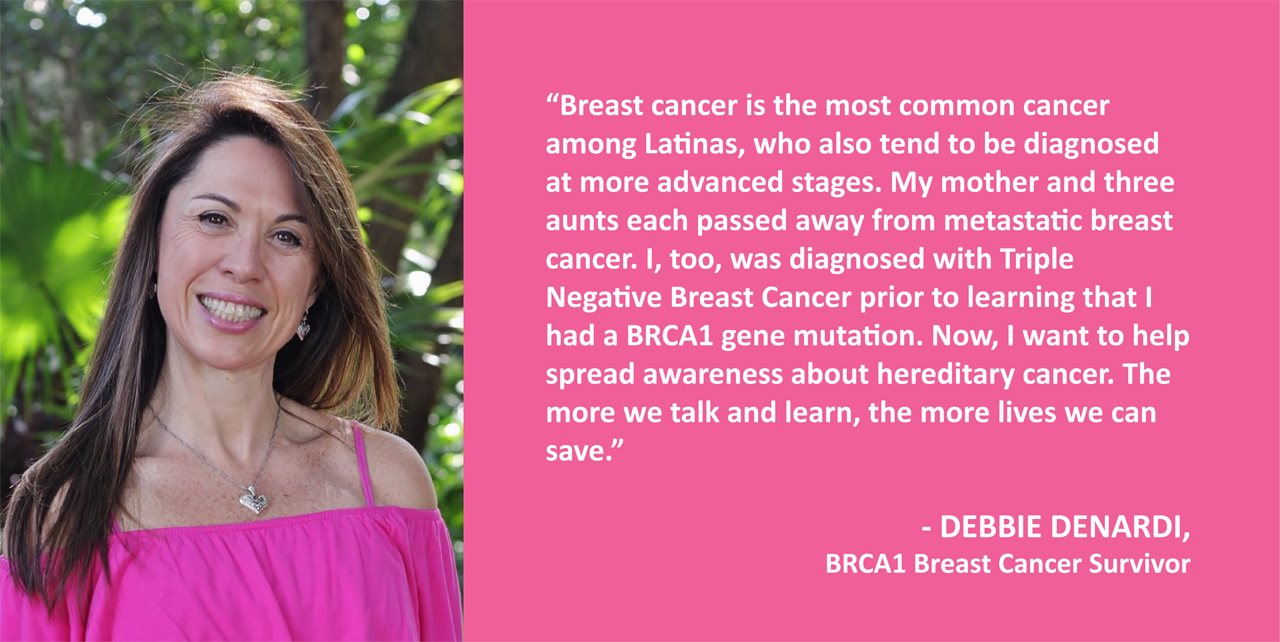
Why Every Woman Should Learn About Triple-Negative Breast Cancer (TNBC)

2023-03-23T13:01:00

(BPT) – We often talk about breast cancer as if it is one disease. “Yeah, she had breast cancer,” or “she had a lump removed.” Even, “she has breast cancer. She’s going through chemo.”

But all breast cancers may not be the same. And chances are good that unless you or someone you are close to has been impacted directly, you may not know that.

Most breast cancers are defined by the presence of certain cancer cell receptors – specifically, hormone receptors called estrogen and progesterone receptors and a protein called human epidermal growth factor 2 (HER2). Knowing which receptors are present helps a doctor choose a treatment that a cancer type is most likely to respond to.

About 10-15% of all breast cancers, however, have little to no presence of any of these three receptors. In fact, they’re so named: “triple-negative” (TNBC), for the absence of all three.

Triple-negative breast cancers tend to spread faster than other breast cancers, and because they don’t have the hormone receptors or HER2 protein, there are fewer medicines that work against them. This makes TNBC more aggressive than other invasive breast cancers.

“It’s triple-negative breast cancer” is often a much different diagnosis than “it’s breast cancer.”

Younger Women and People of Color Are Most Likely to Receive a TNBC Diagnosis

TNBC can take an especially hard toll. It affects younger women, before many have even started thinking seriously about mammograms or screenings. It is more likely to be diagnosed in women under 40 than most other types of breast cancer, and it is more common in Black and Hispanic women. To add to this, because it’s aggressive, it can become very serious very quickly. Once it spreads, only about 12% of women with metastatic disease survive 5 years.

Treatment Options For TNBC Are Expanding

For women who are facing an advanced TNBC diagnosis, it’s important to talk to the doctor about treatment options. Most patients with advanced or metastatic disease (TNBC that has spread) will receive chemotherapy, but many will progress at some point – even if the chemotherapy works initially. Until recently, there have been no other options after chemotherapy stops working. That is changing.

Trodelvy® (sacituzumab govitecan-hziy) is a different kind of medicine, called an antibody-drug conjugate (ADC), that is approved for adults with second-line and later metastatic TNBC (after two or more prior treatments, including one for metastatic disease). Trodelvy is indicated for TNBC (negative for estrogen and progesterone hormone receptors and HER2) that has spread to other parts of the body (metastatic) or cannot be removed by surgery, and who have received two or more prior treatments, including at least one treatment for metastatic disease. That means when chemotherapy stops working, people with metastatic TNBC have another option.

Please click to see Important Facts about Trodelvy, including Important Warning for low white blood cell count and diarrhea.

If you or someone you know has metastatic TNBC, speak with a doctor about potential therapies, including Trodelvy. For more information, please visit https://www.trodelvy.com/.

IMPORTANT SAFETY INFORMATION

TRODELVY can cause serious side effects, including low white blood cell count and diarrhea:

  • Low white blood cell count (neutropenia) which is common and can sometimes be severe and lead to infections that can be life-threatening or cause death. Your healthcare provider should check your blood cell counts during treatment. If your white blood cell count is too low, your healthcare provider may need to lower your dose, give you a medicine to help prevent low blood cell count with future doses of TRODELVY, or in some cases may stop TRODELVY. Your healthcare provider may need to give you antibiotic medicines if you develop fever while your white blood cell count is low. Call your healthcare provider right away if you develop any of the following signs of infection: fever, chills, cough, shortness of breath, or burning or pain when you urinate.
  • Severe diarrhea. Diarrhea is common and can be severe. Severe diarrhea can lead to loss of too much body fluid (dehydration) and kidney problems. Your healthcare provider should monitor you for diarrhea and give you medicine as needed to help control it. If you lose too much body fluid, your healthcare provider may need to give you fluids and electrolytes to replace body salts. If you develop diarrhea during your treatment with TRODELVY, your healthcare provider should check to see if it may be caused by an infection. Your healthcare provider may decrease your dose or stop TRODELVY if your diarrhea is severe and cannot be controlled with anti-diarrheal medicines.
    • Call your healthcare provider right away the first time that you get diarrhea during treatment with TRODELVY; if you have black or bloody stools; if you have symptoms of dehydration, such as lightheadedness, dizziness, or faintness; if you are unable to take fluids by mouth due to nausea or vomiting; or if you are not able to get your diarrhea under control within 24 hours.

Do not receive TRODELVY if you have had a severe allergic reaction to TRODELVY. Ask your healthcare provider if you are not sure.

Allergic and infusion-related reactions which can be serious and life-threatening. Tell your healthcare provider or nurse right away if you get any of the following symptoms during your infusion of TRODELVY or within 24 hours after: swelling of your face, lips, tongue, or throat; hives; skin rash, itching, or flushing of your skin; fever; difficulty breathing or wheezing; lightheadedness, dizziness, feeling faint, or pass out; or chills or shaking chills (rigors).

Nausea and vomiting are common with TRODELVY and can sometimes be severe. Before each dose of TRODELVY, you will receive medicines to help prevent nausea and vomiting along with medicines to take home with instructions about how to take them. Call your healthcare provider right away if you have nausea or vomiting that is not controlled with the medicines prescribed for you. Your healthcare provider may decide to decrease your dose or stop TRODELVY if your nausea and vomiting is severe and cannot be controlled with anti-nausea medicines.

Before receiving TRODELVY, tell your healthcare provider about all of your medical conditions, including if you:

  • have been told that you carry a gene for UGT1A1*28, which can increase your risk of getting side effects with TRODELVY, especially low white blood cell counts, with or without a fever, and low red blood cell counts.
  • have liver problems.
  • are pregnant or plan to become pregnant. TRODELVY can harm your unborn baby. Your healthcare provider should check to see if you are pregnant before you start receiving TRODELVY. TRODELVY may cause fertility problems in females, which could affect your ability to have a baby. Talk to your healthcare provider if fertility is a concern for you.
    • Females who can become pregnant should use effective birth control during treatment and for 6 months after your last dose of TRODELVY. Talk to your healthcare provider about birth control choices that may be right for you during this time. Tell your healthcare provider right away if you become pregnant during treatment with TRODELVY.
    • Males with a female partner who can become pregnant should use effective birth control during treatment and for 3 months after your last dose of TRODELVY.
  • are breastfeeding or plan to breastfeed. It is not known if TRODELVY passes into your breastmilk and can harm your baby. Do not breastfeed during treatment and for 1 month after your last dose of TRODELVY.

Tell your healthcare provider about all the medicines you take, including prescription and over-the-counter medicines, vitamins, and herbal supplements. Certain medicines may affect the way TRODELVY works.

The most common side effects of TRODELVY include decreased white blood cell (leukocyte and lymphocyte) and red blood cell counts, feeling tired or weak, hair loss, constipation, increased sugar levels in the blood, decreased protein levels (albumin) in the blood, decreased appetite, changes in kidney function test, increased levels of enzyme called alkaline phosphatase in the blood (test for liver or bone problems), and decreased levels of magnesium, potassium, and sodium in the blood.

These are not all of the possible side effects of TRODELVY. Call your doctor for medical advice about side effects. You may report side effects to FDA at 1-800-FDA-1088.

WHAT IS TRODELVY?

TRODELVY® (sacituzumab govitecan-hziy) is a prescription medicine used to treat adults with triple-negative breast cancer (negative for estrogen and progesterone hormone receptors and HER2) that has spread to other parts of the body (metastatic) or cannot be removed by surgery, and who have received two or more prior treatments, including at least one treatment for metastatic disease.

It is not known if TRODELVY is safe and effective in people with moderate or severe liver problems or in children.

Please click to see Important Facts about Trodelvy, including Important Warning.

A message from Gilead Sciences, Inc.

TRODELVY and GILEAD are trademarks of Gilead Sciences, Inc., or its related companies. All other marks are the property of their respective owners.

© 2023 Gilead Sciences, Inc. All rights reserved. US-TROC-0263 02/23

Game On: A Former Professional Soccer Player Shares Her Perspective on Living with Ulcerative Colitis

2023-03-22T11:01:00

(BPT) – “It’s the stuff fans can’t see that’s hard to deal with.”

Pushing through challenges is something professional soccer player, coach, and avid runner Rosie White* knows well. In a career that has spanned over a decade, she’s competed at the university-level to the world’s biggest athletic stage. But at a major international tournament, Rosie faced her biggest challenge yet: ulcerative colitis.

Ulcerative colitis (UC) is a disease of the large intestine and rectum in which the lining of the colon becomes inflamed and can develop sores, which are also called ulcers. UC is a chronic, lifelong condition that can be diagnosed at any age; however, many are diagnosed between the ages of 15 and 30. It is estimated that about 600,000 to 900,000 people in the United States have been diagnosed with UC.

For White, her challenges with UC began while playing at an international game with the New Zealand National Team. White started to feel unwell, experiencing abnormal bowel function, pain, and blood in her stool, and decided to step off the field because she didn’t understand what was happening with her body.

White sought the opinion of a gastroenterologist in the U.S., who suspected she had UC and confirmed her diagnosis after a series of tests and was put on an initial treatment.

For White, her diagnosis was difficult to process: “It was a relief to know that there was something real happening and there was a way to help manage symptoms, but it also felt like a burden to be facing a lifelong disease.”

The symptoms of UC can vary from person to person, but often includes urgent and frequent bowel movements, bloody stool, abdominal cramps and pain, and diarrhea. While patients can find it difficult or embarrassing to discuss these symptoms, it is important to talk to a healthcare provider and be as open as possible.

Creating the Playbook

For patients with chronic conditions, such as UC, managing their disease and finding the right treatment plan for them may take years. For White, managing her UC while playing soccer professionally brought its own set of obstacles.

“I tend to internalize stress and I don’t always recognize emotional stress until it affects me physically,” said White.

She experienced multiple flares over several years, many of which coincided with important tournaments and competitions. The constant travel and not having control over her schedule or when or what she ate impacted her ability to manage her condition.

“Preparing for tournaments was an especially stressful time as we were supposed to be at our very best, but I was, in fact, at my worst,” explained White. “As an athlete, it’s your job to be in control of your body and your performance. Playing soccer on the world stage, I experienced a lot of worry over having a flare while I needed to perform at a major soccer tournament.”

Over several years, White was prescribed a variety of treatments for her UC, but whenever she started to feel better, she would stop taking her treatment as prescribed, thinking she would no longer need it. But then, her symptoms continued to come back.

White was determined to take back control of her condition and find an option that helped her symptoms. After moving to Seattle, her new physician explained her options and helped her find a treatment that worked best for her new diagnosis of moderate to severe UC and her lifestyle.

Today, progress in research has led to the development of additional treatment choices for UC, including those outside of biologics and injectables, like the once-daily pill Zeposia.

Zeposia™ (ozanimod) is the first and only FDA-approved treatment of its kind for adults with moderate to severely active UC. As an S1P receptor modulator, Zeposia targets a specific part of immune cells called an S1P receptor. The S1P receptor plays a role in the UC inflammation process. The exact way Zeposia works is not known.

Zeposia has been shown to help patients achieve and maintain remission, while reducing symptoms such as rectal bleeding and stool frequency in as early as two weeks.

For White, Zeposia offered a treatment option that fit with her schedule: “It made sense for the way I wanted to live my life and the fact that it is a pill makes it a lot less daunting to me.”

White’s doctor helped her understand the serious side effects that are possible with Zeposia, including an increased risk of serious infections, PML—a rare brain infection, slow heart rate, liver problems, increased blood pressure, breathing problems, a vision problem called macular edema, and swelling and narrowing of blood vessels in the brain. See additional Important Safety Information below.

Settling The Score

It is important for patients experiencing UC symptoms to seek medical attention and advocate for themselves to find the right diagnosis and treatment plan that works for them. For White, the turning point in her UC journey was being able to communicate with her physician who helped find her a treatment plan that worked for her lifestyle.

With a treatment plan that works well for her, White is able to continue doing the things she loves, such as coaching soccer and advocating the importance of physical activities for children.

Zeposia may not work for everyone. Individual results may vary. Patients should speak with their health care provider to learn more.

Her advice for others? Always advocate for yourself, have an open conversation with your healthcare professional, and most importantly, never give up.

*Rosie White is an actual Zeposia patient who was compensated by Bristol Myers Squibb for her time

Source: Bristol Myers Squibb

INDICATION

ZEPOSIA® (ozanimod) is a prescription medicine used to treat moderately to severely active ulcerative colitis (UC) in adults.

It is not known if ZEPOSIA is safe and effective in children.

IMPORTANT SAFETY INFORMATION

Do not take ZEPOSIA if you:

• have had a heart attack, chest pain (unstable angina), stroke or mini-stroke (transient ischemic attack or TIA), or certain types of heart failure in the last 6 months

• have or have had a history of certain types of an irregular or abnormal heartbeat (arrhythmia) that is not corrected by a pacemaker

• have untreated, severe breathing problems during your sleep (sleep apnea)

• take certain medicines called monoamine oxidase (MAO) inhibitors (such as selegiline, phenelzine, linezolid)

Talk to your healthcare provider before taking ZEPOSIA if you have any of these conditions or do not know if you have any of these conditions.

ZEPOSIA may cause serious side effects, including:

• Infections. ZEPOSIA can increase your risk of serious infections that can be life-threatening and cause death. ZEPOSIA lowers the number of white blood cells (lymphocytes) in your blood. This will usually go back to normal within 3 months of stopping treatment. Your healthcare provider may do a blood test of your white blood cells before you start taking ZEPOSIA.

Call your healthcare provider right away if you have any of these symptoms of an infection during treatment with ZEPOSIA and for 3 months after your last dose of ZEPOSIA:

• fever

• feeling very tired

• flu-like symptoms

• cough

• painful and frequent urination (signs of a urinary tract infection)

• rash

• headache with fever, neck stiffness, sensitivity to light, nausea, or confusion (these may be symptoms of meningitis, an infection of the lining around your brain and spine)

Your healthcare provider may delay starting or may stop your ZEPOSIA treatment if you have an infection.

•Progressive multifocal leukoencephalopathy (PML). ZEPOSIA can increase your risk for PML, which is a rare brain infection that usually leads to death or severe disability. If PML happens, it usually happens in people with weakened immune systems but has happened in people who do not have weakened immune systems. Symptoms of PML get worse over days to weeks. Call your doctor right away if you have any new or worsening symptoms of PML that have lasted several days, including: weakness on one (1) side of your body, changes in your vision, changes in your thinking or memory, confusion, changes in your personality, loss of coordination in your arms or legs, decreased strength, and/or problems with balance.

• Slow heart rate (also known as bradyarrhythmia) when you start taking ZEPOSIA. ZEPOSIA may cause your heart rate to temporarily slow down, especially during the first 8 days. You will have a test to check the electrical activity of your heart called an electrocardiogram (ECG) before you take your first dose of ZEPOSIA.

Call your healthcare provider if you experience the following symptoms of slow heart rate:

• dizziness

• lightheadedness

• feeling like your heart is beating slowly or skipping beats

• shortness of breath

• confusion

• chest pain

• tiredness

Follow directions from your healthcare provider when starting ZEPOSIA and when you miss a dose.

Continue reading for additional possible serious side effects of ZEPOSIA.

Before taking ZEPOSIA, tell your healthcare provider about all of your medical conditions, including if you:

• have a fever or infection, or are unable to fight infections due to a disease, or take or have taken medicines that lower your immune system

• received a vaccine in the past 30 days or are scheduled to receive a vaccine. ZEPOSIA may cause vaccines to be less effective

• before you start ZEPOSIA, your healthcare provider may give you a chickenpox (Varicella Zoster Virus) vaccine if you have not had one before

• have had chickenpox or have received the vaccine for chickenpox. Your healthcare provider may do a blood test for the chickenpox virus. You may need to get the full course of the vaccine and wait 1 month before taking ZEPOSIA

• have a slow heart rate

• have an irregular or abnormal heartbeat (arrhythmia)

• have a history of stroke

• have or have had heart problems, including a heart attack or chest pain

• have high blood pressure

• have liver problems

• have breathing problems, including during your sleep

• have eye problems, especially an inflammation of the eye called uveitis

• have diabetes

• are or plan to become pregnant or if you become pregnant within 3 months after you stop taking ZEPOSIA. ZEPOSIA may harm your unborn baby. If you are a female who can become pregnant, talk to your healthcare provider about what birth control method is right for you during your treatment with ZEPOSIA and for 3 months after you stop taking ZEPOSIA.

• are breastfeeding or plan to breastfeed. It is not known if ZEPOSIA passes into your breast milk. Talk to your healthcare provider about the best way to feed your baby if you take ZEPOSIA

Tell your healthcare provider about all the medicines you take or have recently taken, including

prescription and over-the-counter medicines, vitamins, and herbal supplements. Using ZEPOSIA with other medicines can cause serious side effects. Especially tell your healthcare provider if you take or have taken:

• medicines that affect your immune system, such as alemtuzumab

• medicines to control your heart rhythm (antiarrhythmics), or heartbeat

• CYP2C8 inducers such as rifampin

• CYP2C8 inhibitors such as gemfibrozil (medicine to treat high fat in your blood)

• opioids (pain medicine), medicines to treat depression, and medicines to treat Parkinson’s disease

• medicines to control your heart rate and blood pressure (beta blocker medicines and calcium channel blocker medicines)

You should not receive live vaccines during treatment with ZEPOSIA, for at least 1 month before taking ZEPOSIA and for 3 months after you stop taking ZEPOSIA. Vaccines may not work as well when given during treatment with ZEPOSIA.

ZEPOSIA can cause serious side effects, including:

• liver problems. Your healthcare provider will do blood tests to check your liver before you start taking ZEPOSIA. Call your healthcare provider right away if you have any of the following symptoms:

• unexplained nausea

• vomiting

• stomach area (abdominal) pain

• tiredness

• loss of appetite

• yellowing of the whites of your eyes or skin

• dark colored urine

• increased blood pressure. Your healthcare provider should check your blood pressure during treatment with ZEPOSIA. A sudden, severe increase in blood pressure (hypertensive crisis) can happen when you eat certain foods that contain high levels of tyramine.

• breathing problems. Some people who take ZEPOSIA have shortness of breath. Call your healthcare provider right away if you have new or worsening breathing problems.

• a problem with your vision called macular edema. Your risk of macular edema is higher if you have diabetes or have had an inflammation of your eye called uveitis. Your healthcare provider should test your vision before you start taking ZEPOSIA if you are at higher risk for macular edema or any time you notice vision changes during treatment with ZEPOSIA. Call your healthcare provider right away if you have any of the following symptoms:

• blurriness or shadows in the center of your vision

• sensitivity to light

• a blind spot in the center of your vision

• unusually colored vision

• swelling and narrowing of the blood vessels in your brain. Posterior Reversible Encephalopathy Syndrome (PRES) is a rare condition that has happened with ZEPOSIA and with drugs in the same class. Symptoms of PRES usually get better when you stop taking ZEPOSIA. If left untreated, it may lead to stroke. Your healthcare provider will do a test if you have any symptoms of PRES. Call your healthcare provider right away if you have any of the following symptoms:

• sudden severe headache

• sudden confusion

• sudden loss of vision or other changes in your vision

• seizure

The most common side effects of ZEPOSIA can include:

• upper respiratory tract infections

• elevated liver enzymes

• low blood pressure when you stand up (orthostatic hypotension)

• painful and frequent urination (signs of urinary tract infection)

• back pain

• high blood pressure

• headache

These are not all of the possible side effects of ZEPOSIA. For more information, ask your healthcare provider or pharmacist.

Call your healthcare provider for medical advice about side effects. You may report side effects to FDA at 1- 800-FDA-1088.

Please see full Prescribing Information, including Medication Guide.

To learn more, visit Zeposia.com.

2084-US-2201520 03/23

A marathon, not a sprint: Life with chronic myeloid leukemia

2023-03-21T17:29:00

(BPT) – On a Friday night in 1999, Al saw a TV commercial about a new cancer treatment that was enrolling patients in a clinical trial — a novel, targeted therapy that scientists were investigating for the treatment of chronic myeloid leukemia (CML), a cancer that develops in the blood-forming cells of the bone marrow.

Two years prior, Al had been diagnosed with CML. At that time, his treatment options were limited. Most people with this diagnosis faced a five-year survival rate below 40%.

Al called his doctor the following Monday to find out if the new treatment — a tyrosine kinase inhibitor (TKI) — might be right for him. He was accepted into the trial a few months later — an impactful step that is indicative of the future of Al’s treatment journey, and the bravery he continually displayed through every high and low.

A Long and Winding Road

The clinical trial Al enrolled in led to the FDA approval of the first TKI for the treatment of CML, and the first-ever targeted therapy acting on specific cancer cells while causing less damage to normal cells.

With the introduction of TKIs, the five-year survival rate for patients diagnosed with CML improved, increasing to over 70%, bringing the lifespan of a patient with CML closer to the lifespan of a person without cancer.

However, despite the significant positive impact on the treatment of CML, it is not uncommon for some patients to not respond to certain TKIs, or struggle with side effects, or find that their response or tolerability to a specific TKI changes over time.

After the clinical trial was complete, Al decided to stay on the treatment. However, while the treatment was easy to tolerate — giving him few side effects — Al’s doctors told him that his CML was not responding as well as it should have been and there was a risk that his CML would progress and become more severe.

Al participated in more clinical trials before finding a treatment that was right for him in his fourth trial. This treatment was for a different type of TKI known as Scemblix® (asciminib) tablets. Scemblix is approved by the FDA for adults with Philadelphia chromosome-positive CML in chronic phase (Ph+ CML-CP) who have previously been treated with two or more TKIs1. More information about Scemblix can be found at us.scemblix.com.

Scemblix targets CML differently than other TKIs. Because cancer can mutate when it gets accustomed to how a treatment works, approaching it in a new way can outsmart the mutations. Scemblix may help patients overcome the resistance and side effects patients with CML may experience with other TKIs.

In a clinical trial, Scemblix showed how well it works to counteract cancer compared with Bosulif® (bosutinib), another TKI, in patients who had previously tried two or more TKIs1. Nearly twice as many patients on Scemblix achieved major molecular response, or MMR (25% for Scemblix [40 of 157] vs. 13% for Bosulif [10 of 75]) at 24 weeks, which is an important treatment milestone in CML, meaning that there is a low amount of the BCR::ABL in blood cells1.

This efficacy trend continued at 96 weeks, almost two years after the trial started, when more patients on Scemblix achieved MMR compared to those on Bosulif (38% [59 of 157] vs. 16% [12 of 76])1.

Additionally, in this trial [one study for 3L CML], three times fewer patients treated with Scemblix needed to stop treatment due to side effects compared to those taking Bosulif (8% for Scemblix vs. 26% for Bosulif) at the Week 96 analysis1. The most common adverse reactions in patients who received Scemblix in this trial were upper respiratory tract infections, musculoskeletal pain, headache, and fatigue1.

Al’s journey to the right treatment was made possible not only by his bravery in trying new treatment options, but also by good communication with his doctor. While Scemblix may not be right for everybody, it helped Al achieve his milestones.

Want to learn more about Al’s story and Scemblix? Visit us.scemblix.com.

APPROVED USES for SCEMBLIX® (asciminib) Tablets

SCEMBLIX is a prescription medicine used to treat adults with:

  • Philadelphia chromosome-positive chronic myeloid leukemia (Ph+ CML) in chronic phase (CP), previously treated with 2 or more tyrosine kinase inhibitors (TKIs)
  • Ph+ CML in CP with the T315I mutation

It is not known if SCEMBLIX is safe and effective in children.

IMPORTANT SAFETY INFORMATION for SCEMBLIX® (asciminib) Tablets

Before taking SCEMBLIX, tell your doctor about all your medical conditions, including if you:

  • have a history of inflammation of your pancreas (pancreatitis)
  • have a history of heart problems or blood clots in your arteries and veins (types of blood vessels)
  • are pregnant or plan to become pregnant. SCEMBLIX can harm your unborn baby
    • Your doctor will do a pregnancy test before you start treatment with SCEMBLIX
    • Females who are able to become pregnant should use effective birth control during treatment and for 1 week after your last dose of SCEMBLIX. Talk to your doctor about birth control methods that may be right for you
    • Tell your doctor right away if you become pregnant or think you may be pregnant during treatment with SCEMBLIX
  • are breastfeeding or plan to breastfeed. It is not known if SCEMBLIX passes into your breast milk. Do not breastfeed during treatment and for 1 week after your last dose of SCEMBLIX

Tell your doctor about all the medicines you take, including prescription medicines, over-the-counter medicines, vitamins, and herbal supplements. SCEMBLIX and other medicines may affect each other and cause side effects.

SCEMBLIX may cause serious side effects, including:

  • Low blood cell counts: SCEMBLIX may cause low platelet counts (thrombocytopenia), low white blood cell counts (neutropenia), and low red blood cell counts (anemia). Your doctor will do blood tests to check your blood cell counts every 2 weeks for the first 3 months of treatment and then monthly or as needed during treatment with SCEMBLIX. Tell your doctor right away if you have unexpected bleeding or easy bruising, blood in your urine or stools, fever, or any signs of an infection
  • Pancreas problems: SCEMBLIX may increase enzymes in your blood called amylase and lipase, which may be a sign of pancreatitis. Your doctor may do blood tests monthly or as needed during treatment with SCEMBLIX to check for problems with your pancreas. Tell your doctor right away if you have sudden stomach-area pain or discomfort, nausea, or vomiting
  • High blood pressure: Your doctor may check your blood pressure and treat any high blood pressure during treatment with SCEMBLIX as needed. Tell your doctor if you develop elevated blood pressure or symptoms of high blood pressure including confusion, headaches, dizziness, chest pain, or shortness of breath
  • Allergic reaction: Stop taking SCEMBLIX and get medical help right away if you get any signs or symptoms of an allergic reaction, including:
    • trouble breathing or swallowing
    • swelling of the face, lips, or tongue
    • skin rash or flushing of your skin
    • feeling dizzy or faint
    • fever
    • fast heartbeat
  • Heart and blood vessel (cardiovascular) problems: SCEMBLIX may cause heart and blood vessel problems, including heart attack, stroke, blood clots, blockage of your arteries, heart failure, and abnormal heartbeat, which can be serious and may sometimes lead to death. These heart and blood vessel problems can happen in people with risk factors or a history of these problems, and/or previously treated with other TKI medicines. Your doctor may monitor you for heart and blood vessel problems and treat you as needed during treatment with SCEMBLIX. Tell your doctor or get medical help right away if you get:
    • shortness of breath
    • chest pain or pressure
    • a feeling like your heart is beating too fast or you feel abnormal heartbeats
    • swelling in your ankles or feet
    • dizziness
    • weight gain
    • numbness or weakness on one side of your body
    • decreased vision or loss of vision
    • trouble talking
    • pain in your arms, legs, back, neck, or jaw
    • headache
    • severe stomach-area pain

The most common side effects of SCEMBLIX include:

  • nose, throat, or sinus (upper respiratory tract) infections
  • muscle, bone, or joint pain
  • headache
  • tiredness
  • nausea
  • rash
  • diarrhea
  • decreased blood platelet counts, white blood cell counts, and red blood cell counts
  • increased blood fat (triglycerides) levels
  • increased blood creatine kinase levels
  • increased blood liver enzyme levels
  • increased blood pancreas enzyme (amylase and lipase) levels
  • increased blood uric acid levels

Your doctor may change your dose, temporarily stop, or permanently stop treatment with SCEMBLIX if you have certain side effects.

SCEMBLIX may cause fertility problems in females. This may affect your ability to have a child. Talk to your doctor if this is a concern for you.

These are not all the possible side effects of SCEMBLIX. For more information, ask your doctor or pharmacist. Call your doctor for medical advice about side effects.

You are encouraged to report negative side effects of prescription drugs to the FDA. Visit www.fda.gov/medwatch, or call 1-800-FDA-1088.

Please see accompanying full Prescribing Information, including Patient Information.

Reference

1. Scemblix [prescribing information]. East Hanover, NJ: Novartis Pharmaceuticals Corp.

12/22 254284

Tobacco continues to play a starring role on screen – fueling youth e-cigarette public health crisis in the process

2023-03-17T07:01:00

(BPT) – Tobacco’s Starring Role,Truth Initiative’s fifth annual “While You Were Streaming” study of the most popular 2021 onscreen entertainment among 15- to 24-year-olds released on March 7 has found that this content continued to normalize and glamorize tobacco usage which research shows drives youth vaping initiation. The report identified that 25 million young people were exposed to tobacco imagery by top streaming shows, with a separate 25 million through box office movies. The report also analyzed chart-topping music videos featuring tobacco depictions, which were collectively viewed over 2 billion times on YouTube.

As youth vaping persists with over 2.5 million middle and high school students using e-cigarettes, research shows on-screen exposure to smoking imagery makes young people three times more likely to start vaping nicotine. Even more concerning is that tobacco is often depicted as a stress reliever, which sends a particularly harmful message in the wake of youth depression and anxiety rates spiking in recent years resulting in the Surgeon General issuing a youth mental health crisis advisory. Nicotine can amplify feelings of anxiety and depression while increasing stress, establishing a worrisome link to the growing youth mental health crisis.

“Images have influence, and by giving highly addictive nicotine products a starring role, entertainment platforms and celebrities alike are serving as unpaid spokespeople for the tobacco industry whether they realize it or not, with tremendous consequences for young audiences nationwide,” said Robin Koval, CEO and President of Truth Initiative. “With youth tobacco use on the rise, and the youth e-cigarette crisis continuing to be a serious public health threat, the entertainment industry can play a major role in changing this picture to protect our nation’s youth and not be complicit with the tobacco industry in addicting a new generation to nicotine.”

Tobacco Imagery is Pervasive

Across the 15 shows most popular with young people in 2021, 60% contained depictions of tobacco, a persistently high and unchanged number from 2020. Showtime ousted Netflix as the top offender, becoming the platform with the most tobacco imagery, largely due to “Shameless” characters. Netflix stayed on the list in second place, however, despite their 2019 pledge to eliminate depictions in youth-rated shows.

Animated cartoon shows, even those created for the youth audience, continued to feature tobacco imagery. Netflix cartoon comedy “Big Mouth,” Fox’s “Simpsons” and “Family Guy” and Adult Swim’s “Rick and Morty” were repeat tobacco offenders in this year’s list.

Onscreen tobacco use was also common among the year’s top movies. According to an analysis by NORC at the University of Chicago, nearly half (47%) of top 2021 films contained tobacco imagery, exposing an estimated 25 million youth and young adults. Youth-rated movies contained, on average, 30 tobacco depictions per film. The PG-rated “The Girl Who Believes in Miracles” and 17 films rated PG-13 or under contained depictions of tobacco, with several nominated for major industry awards. And while the report focuses on 2021 movies, this year’s Academy Award nominees make clear the issue continues to persist. Nine out of 10 Best Picture nominees contain tobacco imagery, including the PG-13 rated “Elvis,” “The Fabelmans,” “Top Gun: Maverick,” and “Women Talking.”

Music videos were another platform for youth exposure to tobacco and often portrayed tobacco use as edgy, glamorous and cool. Although there was a decrease in the total number of tobacco depictions in Billboard songs, 2021 music videos still exposed many to tobacco imagery as they were viewed on YouTube more than 2 billion times. Top 2021 Billboard songs with accompanying music videos featuring tobacco were headlined by major recording artists such as Silk Sonic, Farruko, Elle King and Miranda Lambert, and The Weeknd.

Tobacco Imagery Harms Adolescent Mental Health

Nicotine can harm adolescent mental health. As the true scale of youth mental health needs comes into focus, celebrities and other public figures have a responsibility to model healthy behaviors. Instead, watching celebrities smoke and vape in influential movies, shows and music videos normalizes these unhealthy behaviors and creates unwitting tobacco spokespeople out of public figures.

“The proliferation of tobacco imagery in entertainment content is particularly alarming when you consider how frequently smoking and vaping are portrayed as a stress reliever when we know the exact opposite is true,” said Koval. “Years of scientific research show that nicotine can amplify feelings of anxiety and depression while increasing stress, but so many young people are seeing tobacco depictions and turn to e-cigarettes to cope with stress. As the entertainment industry claims to be concerned with the very real youth mental health crisis facing our nation, we encourage content creators and distributors to partner with us to tackle the portrayal of tobacco use on their platforms, especially given the established connection between nicotine use and mental health.”

Truth Initiative provides support and resources for young people to quit e-cigarettes with This is Quitting, a free and anonymous text message quit vaping program for teens and young adults from truth that now serves more than 550,000 young people. A randomized clinical trial found that young adults aged 18-24 who used This is Quitting had nearly 40% higher odds of quitting compared to a control group. Teens and young adults can text “DITCHVAPE” to 88709 to get immediate help to quit. Resources for parents of young people who vape are available for free at BecomeAnEX.org.

The pervasiveness of onscreen tobacco imagery is a symptom of a larger issue with the normalization and glamorization of smoking and vaping in entertainment media and pop culture. The entertainment industry should not be complicit with the tobacco industry in helping addict a new generation of young people to nicotine. They have the power, and the facts about the impact of smoking and vaping imagery on youth, to change the picture for good.

Springing into Your Health

2023-03-17T06:01:00

(BPT) – Of all the things to love about spring — coming out of winter blues, seeing trees start to bud and flowers begin to bloom — another one is how it can help us re-focus on our health.

Between the ability to spend stretches of time outside again, and a renewed sense of purpose as the days start to get longer, spring is the perfect time to reassess our health goals and take stock of how we’ve been doing since the start of the new year.

One of the ways you can reprioritize your health is getting vaccinated against pneumococcal pneumonia. To help you understand your risk, Pfizer is sharing important information about pneumococcal pneumonia and the importance of vaccination.

Pneumococcal pneumonia is a potentially serious bacterial lung disease that can disrupt your life for weeks and can even put you in the hospital or be life-threatening. If you’re 65 or older, or 19 or older with certain underlying medical conditions, like asthma, diabetes or chronic heart disease, you’re at increased risk and vaccination is one of the ways to help protect your health.

People often think that pneumococcal pneumonia can only be caught in the winter or during flu season, but it can strike any time of year. However, vaccination is available all year round, so spring is the perfect time to get vaccinated as you refocus on your health.

Even if you’ve already been vaccinated against pneumococcal pneumonia previously, your healthcare provider may recommend another pneumococcal vaccine for additional protection.

Pneumococcal pneumonia can strike at any time of year, so don’t wait to ask your doctor or pharmacist about pneumococcal pneumonia vaccination and visit knowpneumonia.com to learn more.

Brought to you by Pfizer.

Just a click away: 5 benefits of online shopping

2023-03-16T16:51:00

(BPT) – Shopping online has radically changed since the early days of the internet. Nowadays, because of the rise of global e-commerce, you can find hundreds of thousands of products from around the world in seconds. Currently, about 75% of Americans shop for items online, according to Statista, and it’s easy to see why. Online shopping is more affordable and convenient than shopping in person. Check out five ways you can benefit by shopping more online.

1. Selection

One of the most significant benefits of shopping online is the sheer number of products available to consumers. Instead of settling for whatever brands your local shops carry, you can browse thousands of brands online before picking the ones you love the most or trying new ones. Online marketplaces like AliExpress give you access to hundreds of thousands of products and retailers from around the world.

2. One-stop shop

If you wanted to shop travel products and accessories, wellness items and clothing, more likely than not, you’d have to go to several stores to find all you need. However, e-commerce platforms allow you to search several categories all on one site. Whether you’re looking for a carry-on bag for your long weekend trip, supplements, skin care products or jeans, you can find it all in one convenient place.

3. Save on quality items

Shopping online isn’t just convenient; it can also help you save money. According to Adobe’s Digital Price Index, online prices in all categories dropped by 1.6% last year. You can save even more on certain items like electronics, which dropped by as much as 12% in price online.

One thing to keep in mind with shopping online is that cheaper items don’t always translate to bigger savings. Quality products generally last longer than cheaper products, because cheaper items tend to break more easily. You may find that you spend more money replacing a cheap product than you would have purchasing a better quality one.

Finding quality products at affordable prices can be challenging. Luckily, the new AliExpress CHOICE program can make it easier for you. This program offers shoppers more than 50,000 curated products such as fashion, tech, kitchen accessories, home décor and fitness equipment. These products are handpicked by specialists because of their quality and price, so you can get great items at a value.

4. Cut out the middleman

When you buy from a store, you’re buying from a distributor, not the source. By buying online, you can cut out the middleman and buy directly from a retailer. Purchasing from a retailer means there are fewer intermediate steps between you and the product. This means you’ll likely experience fewer problems with supply chain issues, customer service and quality oversight.

5. Shipping and returns

Products you normally would not be able to find near you are right at your fingertips online. However, the logistics of shipping and returns can turn off some consumers from the online shopping experience. However, many online retailers now offer free shipping and returns. That means you can buy the latest fashion trend, and if it’s not for you or doesn’t fit, you can package it up and return it without having to schedule a trip to the store.

To get the most out of your online shopping experience, you’ll want to buy from a reputable source. AliExpress has been in the online retail game for more than 13 years and is dedicated to bringing you a selection of quality products at unbeatable prices that you can access from the comfort of your own home. To learn more and start shopping today, visit AliExpress.us.