Duffy’s CAD Comeback: How One Patient Got Back to Where She Belonged After a Rare Blood Disorder Diagnosis

2022-11-17T08:01:00

(BPT) – Article is sponsored and developed by Sanofi

Navigating a rare blood disorder is not easy, but for those with cold agglutinin disease (CAD), there is hope to take back control. Hear about Duffy’s comeback from CAD. The information conveyed in this article is not medical advice.

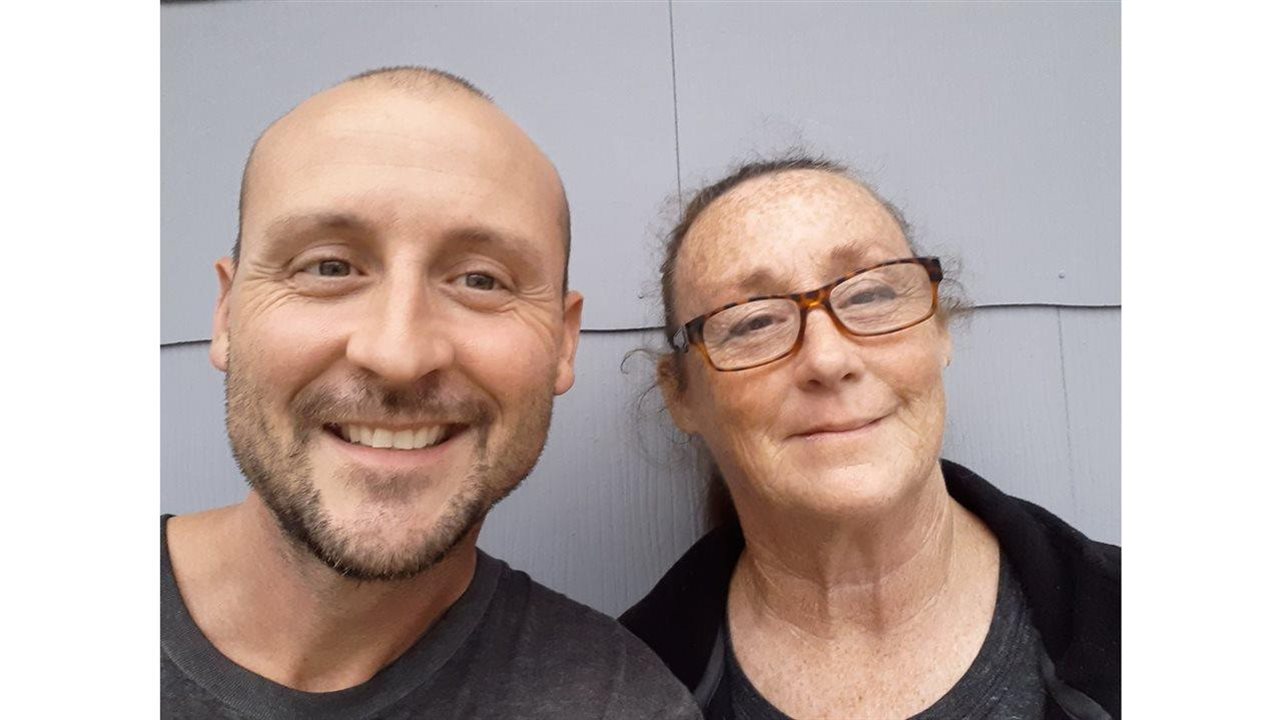
Throughout her entire life, Duffy has remained very active. Whether it was participating in half marathons, volunteering at her local hospital, or baking for her grandchildren, Duffy was always on the move. One day in November 2017, she began walking up a flight of stairs and started to feel breathless – this is when she knew there was something seriously wrong.

Charting Unknown Territory

Based on her blood tests, her physician thought she may have lymphoma or liver cancer and immediately ordered a battery of tests to try and diagnose the problem. Duffy was concerned and afraid. “I thought doctors had all the answers, so it frightened me that we were in the unknown,” she said.

While waiting for blood test results and hopefully answers, Duffy and her family went on vacation to Utah, where the altitude was 11,000 feet above sea level. To her surprise, she was so cold, and couldn’t breathe and was gasping for air, which was terrifying to her.

Understanding Cold Agglutinin Disease (CAD)

Shortly after that trip, she was diagnosed with cold agglutinin disease (CAD), a rare autoimmune disease in which the body attacks and destroys its own red blood cells (the destruction of red blood cells is called hemolysis).1,2 Initially, Duffy’s reaction to her diagnosis was one of deep fear. At the time there was little information about this condition available online. She quickly learned that in addition to fatigue and irregular heartbeat, CAD can also cause other symptoms including weakness, shortness of breath, light-headedness, chest pain, and a bluish color or discomfort in the hands and feet.3,4

Given that CAD is a rare disorder,1 sometimes hematologists and other physicians may not be aware of this disease and how to treat it. After finding a hematologist who specialized in treating people with CAD, Duffy learned about ENJAYMO® (sutimlimab-jome), a breakthrough treatment that has been proven to decrease the need for red blood cell transfusion due to hemolysis in adults with CAD.5

The doctor told Duffy that the most common side effects of ENJAYMO are respiratory tract infection, viral infection, diarrhea, indigestion, cough, joint pain, joint inflammation (arthritis), and swelling of the lower legs, ankles, and feet.5 The doctor also explained that she would need at least two hours of monitoring after her first infusion and then at least one hour for subsequent treatments, and that vaccinations against infections caused by certain types of bacteria may be needed before beginning treatment.5

At first, Duffy was hesitant to begin the treatment, but after discussing options with her doctor and family members, she realized that for her, the benefits outweighed the cost by trying ENJAYMO. It seemed to her like a viable option that showed real promise. ENJAYMO works by targeting C1s, a component of the first protein in the classical complement pathway, where Duffy’s immune system was going haywire from this disease, and it has shown improvement in hemoglobin levels in clinical trials for some people living with CAD.5 Duffy and her doctor filled out an enrollment form to be connected to ENJAYMO Patient Solutions, to access education and support for patients. Her case manager helped her navigate the necessary insurance approvals so she could start taking ENJAYMO.

ENJAYMO’s Role in a CAD Comeback

The CARDINAL clinical study evaluated the safety and efficacy of ENJAYMO in 24 patients with CAD with a history of transfusion during the 6 months prior to starting the study. 54% of the patients taking ENJAYMO (13/24) met all three of the following criteria: increases in levels of hemoglobin (the protein in red blood cells that carries oxygen) from the start of the study (an increase of ≥ 2 g/dL or hemoglobin ≥ 12 g/dL at treatment assessment, from a baseline hemoglobin level of 8.6g/dL), did not receive transfusions from Week 5 until the end of the 6-month study (Average transfusions at baseline: 2 within the last 6 months; 2 within the last 12 months), and had no additional treatment for CAD beyond what was permitted in the study from Week 5 until the end of the study. Of the 54% of patients who met all three criteria, looking at each criteria separately, 63% of patients (15/24) had increases in hemoglobin levels from the start of the study (an increase of ≥ 2 g/dL or hemoglobin ≥ 12 g/dL at treatment assessment), 71% (17/24) did not receive transfusions from Week 5 until the end of the 6-month study, and 92% (22/24) had no additional treatment for CAD beyond what was permitted in the study. Patient experiences on ENJAYMO may vary so please talk to your doctor when making treatment decisions. To learn more about ENJAYMO and clinical trial data results, please visit ENJAYMO.com.

Charting Duffy’s CAD Comeback

Duffy considers the day she made the decision to begin ENJAYMO as one of great celebration and the beginning of her comeback from CAD. She started receiving ENJAYMO infusions at her doctor’s office, and now Duffy is able to receive infusions at home from a visiting nurse to make her treatment more convenient.

With ongoing ENJAYMO treatment every two weeks, she is now able to continue being active with her hemolysis better managed.5 Since starting ENJAYMO, Duffy’s hemoglobin numbers increased within a few weeks,5 which has positively impacted her anemia. She can focus more on her family, volunteering, and hobbies she had previously paused due to her diagnosis. She is now an advocate for the CAD patient community and encourages others to be their own advocates when it comes to managing CAD.

INDICATION

ENJAYMO is a prescription medicine used to decrease the need for red blood cell transfusion due to the breakdown of red blood cells (hemolysis) in adults with cold agglutinin disease (CAD).

It is not known if ENJAYMO is safe and effective in children.

IMPORTANT SAFETY INFORMATION

Do not receive ENJAYMO if you are allergic to sutimlimab-jome or any of the ingredients in ENJAYMO.

ENJAYMO can cause serious side effects, including:

  • Serious Infections: ENJAYMO is a prescription medicine that affects a part of your immune system. ENJAYMO can lower the ability of your immune system to fight infections. People who take ENJAYMO may have an increased risk of getting infections caused by certain kinds of bacteria such as Neisseria meningitides, Streptococcus pneumoniae, and Haemophilus influenzae. These infections may be serious or life-threatening. Some infections may quickly become life-threatening or cause death if not recognized and treated early.
    • You need to receive vaccinations against infections caused by certain kinds of bacteria at least 2 weeks before your first dose of ENJAYMO. You may need to have additional vaccinations during treatment
    • If your healthcare provider decides that urgent treatment with ENJAYMO is needed, you should receive vaccinations as soon as possible.
    • Vaccinations may reduce the risk of these infections, but do not prevent all infections. Call your healthcare provider or get medical help right away if you get any new signs and symptoms of an infection, including:
      • fever
      • severe headache with stiff
        neck or back
      • pain during urination or urinating
        more often than usual
      • cough or difficulty breathing
      • flu-like symptoms
      • pain, redness or
        swelling of the skin
  • Infusion-related reactions: Treatment with ENJAYMO may cause infusion-related reactions, including allergic reactions that may be serious or life-threatening. Your healthcare provider may slow down or stop your ENJAYMO infusion if you have an infusion-related reaction, and will treat your symptoms if needed. Tell your healthcare provider right away if you develop symptoms during your ENJAYMO infusion that may mean you are having an infusion-related reaction, including:
    • shortness of breath
    • rapid heartbeat
    • nausea
    • flushing
    • headache
  • Risk of autoimmune disease: ENJAYMO may increase your risk for developing an autoimmune disease such as systemic lupus erythematosus (SLE). Tell your healthcare provider and get medical help if you develop any symptoms of SLE, including:
    • joint pain or swelling
    • rash on the cheeks and nose
    • unexplained fever
  • If you have CAD and you stop receiving ENJAYMO, your healthcare provider should monitor you closely for return of your symptoms after you stop ENJAYMO. Stopping ENJAYMO may cause the breakdown of your red blood cells due to CAD to return. Symptoms or problems that can happen due to red blood cell breakdown include:
    • tiredness
    • shortness of breath
    • rapid heart rate
    • blood in your urine or dark urine

The most common side effects of ENJAYMO include:

  • respiratory tract infection
  • viral infection
  • diarrhea
  • indigestion
  • cough
  • joint pain
  • joint inflammation (arthritis)
  • swelling of the lower legs, ankles, and feet

These are not all the possible side effects of ENJAYMO. Call your doctor for medical advice about side effects.

Before receiving ENJAYMO, tell your healthcare provider about all of your medical conditions, including if you:

  • have a fever or infection, including a history of human immunodeficiency virus (HIV), hepatitis B, or hepatitis C.
  • have an autoimmune disease such as systemic lupus erythematosus (SLE), also known as lupus.
  • are pregnant or plan to become pregnant. It is not known if ENJAYMO will harm your unborn baby.
  • are breastfeeding or plan to breastfeed. It is not known if ENJAYMO passes into your breast milk.

Tell your healthcare provider about all the medicines you take, including prescription and over-the-counter medicines, vitamins, and herbal supplements.

Please see Full Prescribing Information, including Medication Guide.

References

  1. Collie J C. Cold agglutinin disease. Practice Essentials, Pathophysiology, Etiology. Medscape. February 7, 2022. Accessed September 20, 2022. https://emedicine.medscape.com/article/135327-overview
  2. Mullins M, Jiang X, Bylsma LC, et al. Cold agglutinin disease burden: a longitudinal analysis of anemia, medications, transfusions, and health care utilization. Blood Adv. 2017;1(13):839-848. Published 2017 May 19. doi:10.1182/bloodadvances.2017004390
  3. Badireddy M, Baradhi KM. Chronic Anemia. StatPearls. StatPearls Publishing; 2022.
  4. Das S, Maiti A. Acrocyanosis: an overview. Indian J Dermatol. 2013;58(6):417-420. doi:10.4103/0019-5154.119946
  5. Enjamyo (sutimlimab-jome) [package insert]. Sanofi; 2022.

MAT-US-2207482-v1.0-10/2022

© 2022 Genzyme Corporation. All rights reserved.

ENJAYMO and Sanofi are trademarks of Sanofi or an affiliate.

Cough won’t go away? Smart tech app can help you keep track of a persistent cough

2022-11-16T08:01:00

(BPT) – Did you know coughing is one of the most common reasons to visit a doctor? For those who have a persistent cough, including the estimated 12 million adults in the U.S. who live with chronic cough (a cough lasting longer than eight weeks), it can be difficult to explain to your health care provider how often you cough and how it may affect your daily life. Fortunately, there is an app powered by artificial intelligence (AI) to help people monitor their cough trends.

Merck has partnered with Hyfe, the global leader in AI-powered cough detection, to launch CoughTracker as part of The Cough Chronicles, an educational resource for people living with chronic cough sponsored by Merck in collaboration with the American Lung Association, the Asthma and Allergy Foundation of America and the Allergy & Asthma Network.

CoughTracker is a free, easy-to-use, healthy living app that can help track and visualize the number of times you cough over a certain time period. When used daily, it can provide you with details about your cough patterns and help uncover triggers of your cough that you might not have noticed before. You can use this information to talk with your health care provider about how often you cough or how it’s affecting your life.

“We often hear from people with a persistent cough that it can be challenging to manage their condition on their own. We are excited that CoughTracker may help provide information about one’s cough frequency and facilitate a conversation between patients and their health care providers,” said Bev Stewart, National Senior Director of Health Promotions at the American Lung Association.

Using CoughTracker is easy. You can choose when the app listens for your cough, capturing the sound of each cough and allowing you to review them. CoughTracker identifies the sounds that might be coughs. These sounds are then analyzed and once confirmed as coughs through AI technology, they are recorded on your own dashboard. You can see how many times you cough and when your cough is occurring.

When the app is running, every time there is a cough-like sound the app records a very short sample — only half a second to determine if the sound is a cough. You can pause or stop CoughTracker from recording your cough at any time. CoughTracker also allows you to set a reminder to turn the app on at certain times of the day, like at your usual bedtime, so you can track your cough while sleeping.

If you have a persistent cough, download CoughTracker by visiting TheCoughChronicles.com, so you can start collecting more information about your cough. CoughTracker, powered by Hyfe with funding and support by Merck & Co., Inc., should not be used to diagnose or treat any health conditions.

Narcolepsy, Heart Health and Salt: The Connection You Might Not Know About

2022-11-15T08:01:00

(BPT) – Narcolepsy is often dismissed as a minor sleep issue, but in reality, it’s a serious, chronic sleep disorder that can negatively impact overall health and increases odds of having heart disease, diabetes, obesity, high blood pressure and a stroke. What’s more, a study that compared 9,312 adults with narcolepsy to 46,559 similar adults who do not live with the sleep disorder showed that people with narcolepsy have 1.6x greater odds of having a heart attack.

Since studies show narcolepsy is associated with higher rates of heart diseases, people with narcolepsy should work with their doctor to establish an overall health plan, which may include strategies to limit the impact of cardiovascular risk factors.

“Making heart-healthy choices is critical for people with narcolepsy due to their increased risk for cardiovascular problems,” said Rick Bogan, MD, FCCP, FAASM, founder of Bogan Sleep Consultants and associate clinical professor at University of South Carolina School of Medicine. “Lifestyle adjustments like watching salt intake, not smoking and exercising can play an important role in helping people with narcolepsy better manage their cardiovascular health.”

Narcolepsy is a debilitating neurological disorder characterized by the inability to regulate sleep-wake cycles normally, affecting an estimated one in 2,000 people in the U.S. Everyone with narcolepsy has excessive daytime sleepiness symptoms, meaning they are overly tired during the day, regardless of how much they slept the night before. Of those affected by narcolepsy, about 70% are believed to have cataplexy, which is a sudden, brief loss of muscle control triggered by strong emotions like embarrassment, laughter, surprise or anger.

When it comes to risk factors for cardiovascular issues among patients with narcolepsy, Dr. Bogan emphasizes the importance of lifestyle changes, such as watching salt consumption. Many people know that sodium intake is important but may not be aware of its connection to heart health. For the general population, the American Heart Association recommends an ideal limit of 1,500 mg of sodium a day for most adults, but a study from the Centers for Disease Control and Prevention found Americans 2 and older consume an average of 3,409 mg of sodium a day. For most adults, lowering sodium intake by 1,000 mg per day can help reduce the risk for high blood pressure, heart disease and stroke. For patients with narcolepsy, healthy eating and food preparation can help them consume less salt, but many patients don’t realize that some medications may also contain significant amounts of sodium.

Xyrem (sodium oxybate) oral solution is approved to treat people 7 years or older with narcolepsy who have excessive daytime sleepiness and cataplexy; however, this high-sodium oxybate can contain more than the recommended daily amount of sodium. This high-sodium oxybate can contain as much as 1,640 mg of sodium per day at the maximum recommended nightly dose of 9 grams. At the recommended maximum dose, that’s more sodium than four orders of large fries (based on an average of 380 mg of sodium per one large serving), which can contain approximately 1,520 mg of sodium according to a 2012 USDA analysis of three fast food chains.

With 92% less sodium than high-sodium oxybate, XYWAV (calcium, magnesium, potassium, and sodium oxybates) oral solution is the first and only lower-sodium oxybate treatment approved by the U.S. Food and Drug Administration for people seven years or older to treat excessive daytime sleepiness and cataplexy in narcolepsy. Collaborate with your doctor to determine a customized plan to help manage your narcolepsy symptoms and overall health.

XYWAV may cause serious side effects including Central Nervous System (CNS) depression, abuse and misuse, breathing problems, mental health problems and sleepwalking. Because of the risk of CNS depression, abuse and misuse, XYWAV is available only by prescription, and filled through the central pharmacy in the XYWAV and XYREM REMS. Please see below for more Important Safety Information on XYWAV.

To learn more about XYWAV, a lower-sodium oxybate, as a treatment for narcolepsy symptoms of excessive daytime sleepiness and cataplexy, visit XYWAV.com/narcolepsy.

About Xywav® (calcium, magnesium, potassium, and sodium oxybates) oral solution
Xywav is a lower-sodium oxybate approved by the U.S. Food and Drug Administration (FDA) for the treatment of cataplexy or excessive daytime sleepiness in patients 7 years of age and older with narcolepsy. FDA recognized seven years of Orphan Drug Exclusivity for Xywav in June 2021 for the treatment of cataplexy or excessive daytime sleepiness in patients 7 years of age and older with narcolepsy. The Office of Orphan Product Development (OOPD) at FDA found Xywav to be clinically superior to Xyrem by means of greater cardiovascular safety because Xywav provides a greatly reduced chronic sodium burden compared to Xyrem. According to FDA, these differences in sodium content will be clinically meaningful in reducing cardiovascular disease for many people with narcolepsy who suffer from EDS and/or cataplexy. There are no head-to-head data for Xywav and Xyrem. Xywav is comprised of a unique composition of cations resulting in 92% less sodium. At the recommended dosage range of 6 to 9 grams, that is a reduction of approximately 1,000 to 1,500 mg of sodium per night. While the exact mechanism of action of Xywav is unknown, it is hypothesized that the therapeutic effects of Xywav on cataplexy and excessive daytime sleepiness are thought to work during sleep to help with symptoms during the day. Because of the risks of CNS depression and abuse and misuse, Xywav is available only through a restricted program under a Risk Evaluation and Mitigation Strategy (REMS) called the XYWAV and XYREM REMS.

Important Safety Information

WARNING: Taking XYWAV with other central nervous system (CNS) depressants such as medicines used to make you or your child fall asleep, including opioid analgesics, benzodiazepines, sedating antidepressants, antipsychotics, sedating anti-epileptic medicines, general anesthetics, muscle relaxants, alcohol, or street drugs, may cause serious medical problems, including trouble breathing (respiratory depression), low blood pressure (hypotension), changes in alertness (drowsiness), fainting (syncope), and death.

The active ingredient of XYWAV is a form of gamma hydroxybutyrate (GHB). Abuse or misuse of illegal GHB alone or with other drugs that cause changes in alertness (or consciousness) has caused serious side effects. These effects include seizures, trouble breathing (respiratory depression), changes in alertness (drowsiness), coma, and death. Call your doctor right away if you or your child has any of these serious side effects.

Because of these risks, you have to go through the XYWAV and XYREM REMS to have your or your child’s prescription for XYWAV filled.

Do not take XYWAV if you take or your child takes other sleep medicines or sedatives (medicines that cause sleepiness), drinks alcohol, or has a rare problem called succinic semialdehyde dehydrogenase deficiency.

Keep XYWAV in a safe place to prevent abuse and misuse. Selling or giving away XYWAV may harm others and is against the law. Tell your doctor if you have ever abused or been dependent on alcohol, prescription medicines, or street drugs.

Anyone who takes XYWAV should not do anything that requires them to be fully awake or is dangerous, including driving a car, using heavy machinery, or flying an airplane, for at least 6 hours after taking XYWAV. Those activities should not be done until you know how XYWAV affects you or your child.

XYWAV can cause serious side effects, including the following:

  • Breathing problems, including slower breathing, trouble breathing, and/or short periods of not breathing while sleeping (sleep apnea). People who already have breathing or lung problems have a higher chance of having breathing problems when they use XYWAV.
  • Mental health problems, including confusion, seeing or hearing things that are not real (hallucinations), unusual or disturbing thoughts (abnormal thinking), feeling anxious or upset, depression, thoughts of killing yourself or trying to kill yourself, increased tiredness, feelings of guilt or worthlessness, or difficulty concentrating. Tell your doctor if you or your child have or had depression or have tried to harm yourself or themselves. Call your doctor right away if you have or your child has symptoms of mental health problems or a change in weight or appetite.
  • Sleepwalking. Sleepwalking can cause injuries. Call your doctor if this occurs.

The most common side effects of XYWAV in adults include nausea, headache, dizziness, anxiety, insomnia, decreased appetite, excessive sweating (hyperhidrosis), vomiting, diarrhea, dry mouth, parasomnia (a sleep disorder that can include abnormal dreams, abnormal rapid eye movement (REM) sleep, sleep paralysis, sleep talking, sleep terror, sleep-related eating disorder, sleep walking, and other abnormal sleep-related events), somnolence, fatigue, and tremor.

The most common side effects of XYREM (which also contains oxybate like XYWAV) in children include nausea, bedwetting, vomiting, headache, weight decrease, decreased appetite, dizziness, and sleepwalking.

XYWAV can cause physical dependence and craving for the medicine when it is not taken as directed. These are not all the possible side effects of XYWAV.

You are encouraged to report negative side effects of prescription drugs to the FDA. Visit www.fda.gov/medwatch, or call 1-800-FDA-1088.

Please see full Prescribing Information, including BOXED Warning, and Medication Guide here: https://pp.jazzpharma.com/pi/xywav.en.USPI.pdf.


What makes GI issues worse for children during the holiday season?

2022-11-15T08:01:00

(BPT) – The holidays are fast approaching. From Thanksgiving turkey to other holiday comfort foods, this time of year is synonymous with eating, which can present challenges for some children living with chronic GI issues. While festive treats can upset all tummies, children with conditions such as celiac disease, gastroesophageal reflux disease, eosinophilic esophagitis (EoE), and food allergies may be particularly vulnerable. Not to mention, the stress and changes to a routine during the holidays can sometimes make GI symptoms much worse. At-risk children and young adults may also be due for their routine endoscopic monitoring at this time of year, which can add to their worry, as well as their parents’.

What can parents do to help their children’s GI issues during the holiday season?

This is the time of year when you most want your child’s GI system healthy, so there are steps you can take to enjoy a fun and comfortable holiday season.

  • Be aware of trigger foods – Certain foods can exacerbate GI issues, and it’s no secret that the holidays tend to focus on particularly rich, high-fat foods that can make symptoms worse for children with GI issues. Do your best to keep your kids away from the worst offenders: the foods that you know have made them sick in the past. You can also think about ways of making your children’s favorite foods more gut-friendly. For example, if your child is living with celiac disease, look up a few gluten-free recipes that incorporate cinnamon, peppermint, and nutmeg, so your child can continue to taste the flavors of the season.
  • Fiber, fiber, fiber – Holiday cookies and cakes lack fiber and are high in sugar and fats. Fiber is an essential nutrient to keep your child’s gut healthy and their system regular. While you can’t expect kids to eat bran flakes in place of desserts, it’s important to make sure they get enough fiber throughout the day in anticipation of holiday gatherings. Pancakes made from ingredients like buckwheat and muffins that contain bran are great options. Even sprinkling their favorite granola over yogurt and fruit can help them add more fiber to their diet. Remember to increase your child’s water intake when you increase fiber to avoid constipation.
  • Encourage children to pace themselves – Eating fast can slow down digestion and lead to constipation and stomach pain. Try to encourage your kids to pace themselves; tell them to try to set their forks down in between bites and courses at the holiday table. This will also help them with portion control.
  • Talk to your provider about the option of endoscopy of the upper GI tract without sedation – For children with chronic GI issues, more frequent endoscopies may be the standard of care to monitor specific conditions. If your child has a chronic GI condition that requires routine monitoring via endoscopy, you know it is often inconvenient and stressful. Moreover, anesthesia for children may be associated with additional fear and potential risks. It is important for parents to talk to their child’s healthcare team because there are other options.

Some providers now have the option to offer the use of the EvoEndo Single-Use Endoscopy System as an alternative for patients five and older to undergo a transnasal endoscopy (TNE) upper gastrointestinal exam with biopsies. TNE avoids the need for any needles, sedation, or anesthesia, and the provider may choose to offer virtual reality distraction to enhance the patient experience. This may be more convenient and less stressful during this hectic time of year. Compared to traditional endoscopy, studies have shown children prefer TNE over their prior sedated endoscopy (Scherer et al.). Further, unsedated TNE of the upper gastrointestinal tract is associated with less time in the hospital and shorter recovery time (Nguyen et al.). Without general anesthesia or sedation, patients can return to school, work, or other fun holiday activities on the same day as their unsedated TNE.

To learn more about how to manage your children’s GI issues during the holidays and all year round, remember to speak with their healthcare providers. To learn more about the EvoEndo System, visit https://www.evoendo.com/patients. US: RX only. For use by trained physicians only.

5 Tips for Traveling with a Chronic Disease from a Patient with Psoriatic Arthritis

2022-11-15T06:01:00

(BPT) – Sponsored by Lilly USA, LLC

Vacations present an opportunity for relaxation, spending time with loved ones and indulging in new activities. While vacation is enjoyable, many find traveling stressful and uncomfortable, especially when living with a chronic disease such as psoriatic arthritis (PsA), a condition that causes swelling, stiffness and pain in and around the joints.

Kirk is a husband, father and avid cross-country skier who has a love for year-round outdoor activities and traveling with friends and family. In addition to living with psoriasis for nearly his whole life, the last seven years have been impacted by his PsA symptoms. According to Creaky Joints, an advocacy organization providing education, support, and patient-centric research for those living with rheumatic diseases, “traveling can be a lot harder when you have chronic pain [such as PsA]”.

The joint pain caused Kirk to struggle with everyday tasks. He notes, “[The joint pain] got progressively worse to the point where I couldn’t even put my socks on in the morning without help. Something wasn’t right. I was really worried about not being able to do the things I love with my family.” With his joint pain, Kirk found it difficult to be on his feet or sit in a car for extended periods of time, which made traveling difficult.

Once he was diagnosed with PsA, Kirk tried various treatments with little success. Fortunately, with support from his rheumatologist, Kirk was able to find symptom relief with Taltz® (ixekizumab) injection 80 mg/mL, helping him continue traveling with his loved ones without as much joint pain. “Taltz is the only medication that has quickly and effectively helped me with my joint pain and my skin.”* Learn more about Kirk’s story and his experience with Taltz.

Taltz is approved for adult patients with active psoriatic arthritis. Taltz affects the immune system. It may increase your risk of infections, which can be serious. Do not use Taltz if you have any symptoms of infection, unless your doctor tells you to. If you have a symptom after starting Taltz, call your doctor right away.

*This article represents Kirk’s personal experiences. While Kirk saw improvement with Taltz, individual results may vary. In clinical trials more than half of people with active psoriatic arthritis taking Taltz experienced joint symptom improvement at 24 weeks. Some patients felt joint symptom relief as early as 1 week. In clinical trials up to 75% of psoriatic arthritis patients who also have plaque psoriasis saw a significant improvement of their psoriasis plaques as early as 12 weeks.

“Check List” for Traveling with Psoriatic Arthritis

The burden of traveling with a chronic disease like PsA can be lessened with a plan of action. When planning a trip, talk to your doctor about travel tips that might be best for you. Kirk recommends you consider these five tips:

1. Understand travel expectations and communicate the need for potential accommodations

Prior to traveling, discuss with family, friends and other travel companions how PsA could affect plans and activities. When managing a chronic disease, accommodations, such as blocking off extra time in the day to rest or take breaks, may be necessary. Don’t hesitate to effectively communicate these needs with your group in the beginning and as needed throughout the day.

2. Try to not over-indulge

Although vacations are typically an opportunity to enjoy plenty of food and drinks, Kirk suggests avoiding inflammatory foods such as sugar and alcohol. His biggest recommendation is to eat healthy and stay hydrated.

3. Move around when possible

On long flights or car rides, Kirk suggests getting out of your seat to walk around as much as possible to avoid feeling stiff. Whenever he can, Kirk enjoys “big reaching for the sky stretches” to loosen up his body throughout the day.

4. Pack accordingly

It is important to consider what items from home may be necessary throughout a trip. For Kirk, a lacrosse ball for self-massage and a yoga mat for his stretches are essential items on his packing list.

Individuals with PsA who are traveling may consider the following:

  • Medication, such as your monthly Taltz injection if it falls during your vacation
  • Neck and knee pillows to reduce stress on joints in the hips, knees, spine and back, especially when traveling long distances or flying
  • A heating pack to loosen joints and relax stiff muscles
  • A cooling pack to reduce swelling
  • At least one pair of comfortable, fit-for-purpose shoes to relieve joint pain in the feet, toes and back

Consult with your doctor about traveling with your injection and proper storage. Be sure to review the storage instructions, as well as instructions for use, prior to packing.

5. Take care of yourself and listen to your body

When traveling, it is important to give your body all the care it needs and to honor your limits. In addition to eating well throughout your trip and giving your body plenty of rest, it is important to check in with yourself emotionally, as battling a chronic condition can also be difficult mentally.

Ask your doctor about treatment options like Taltz

Kirk recommends talking to your doctor about available treatment options, including Taltz, if you are seeking relief from chronic joint pain due to PsA.

If you have active psoriatic arthritis, talk to your doctor about Taltz to see if it could be the right treatment for you.

Kirk was compensated for his time to discuss his condition.

INDICATIONS AND SAFETY SUMMARY

Taltz® (tol-ts) is an injectable medicine used to treat:

  • People 6 years of age and older with moderate to severe plaque psoriasis who may benefit from taking injections or pills (systemic therapy) or treatment using ultraviolet or UV light (phototherapy).
  • Adults with active psoriatic arthritis.
  • Adults with active ankylosing spondylitis.
  • Adults with active non-radiographic axial spondyloarthritis with objective signs of inflammation.

It is not known if Taltz is safe and effective in children for conditions other than plaque psoriasis or in children under 6 years of age.

Warnings – Taltz affects the immune system. It may increase your risk of infections, which can be serious. Do not use Taltz if you have any symptoms of infection, unless your doctor tells you to. If you have a symptom after starting Taltz, call your doctor right away.

Your doctor should check you for tuberculosis (TB) before you start Taltz, and watch you closely for signs of TB during and after treatment with Taltz. If you have TB, or had it in the past, your doctor may treat you for it before you start Taltz.

Do not use Taltz if you have had a serious allergic reaction to ixekizumab or any other ingredient in Taltz, such as: swelling of your eyelids, lips, mouth, tongue or throat, trouble breathing, feeling faint, throat or chest tightness, or skin rash. Get emergency help right away if you have any of these reactions. See the Medication Guide that comes with Taltz for a list of ingredients.

Crohn’s disease or ulcerative colitis (inflammatory bowel disease) can start or get worse with Taltz use. Tell your doctor if you have any of these symptoms or if they get worse: stomach pain, diarrhea, and weight loss.

You should not get live vaccines while taking Taltz. You should get the vaccines you need before you start Taltz.

Common side effects

The most common side effects of Taltz include:

  • Injection site reactions
  • Nausea
  • Upper respiratory infections
  • Fungal skin infections

Tell your doctor if you have any side effects. You can report side effects at 1-800-FDA-1088 or www.fda.gov/medwatch.

Before using

Before you use Taltz, review these questions with your doctor:

  • Are you being treated for an infection?
  • Do you have an infection that does not go away or keeps coming back?
  • Do you have TB or have you been in close contact with someone with TB?
  • Do you have possible symptoms of an infection such as fever, cough, sores, diarrhea, or other symptoms? Ask your doctor about other possible symptoms.
  • Do you have Crohn’s disease or ulcerative colitis?

Tell your doctor if:

  • You need any vaccines or have had one recently.
  • You take prescription or over-the-counter medicines, vitamins, or herbal supplements.
  • You are pregnant or planning to become pregnant. It is not known if Taltz can harm an unborn baby. Pregnancy Exposure Registry: There is a pregnancy registry to collect information about women who are exposed to Taltz during pregnancy. The purpose of this registry is to collect information about the health of you and your baby. If you become pregnant while taking Taltz, you are encouraged to enroll in the pregnancy registry by calling 1-800-284-1695 or by visiting online at https://www.taltz.com.
  • You are breastfeeding or planning to breastfeed. It is not known if Taltz passes into breastmilk.

How to take

See the instructions for use that come with Taltz. There you will find information about how to store, prepare, and inject Taltz. Adults may self-inject after receiving training from a healthcare provider.

For people under 18 years of age:

  • Weighing less than 50 kg (i.e., 110 lb): Taltz must be given by a healthcare provider.
  • Weighing more than 50 kg (i.e., 110 lb): If your healthcare provider decides that your caregiver may give your injections of Taltz at home, your caregiver should ask and receive training from a healthcare provider on the right way to prepare and inject Taltz.

Learn more

Taltz is a prescription medicine. For more information, call 1-800-545-5979 or go to taltz.com.

This summary provides basic information about Taltz but does not include all information known about this medicine. Read the information that comes with your prescription each time your prescription is filled. This information does not take the place of talking with your doctor. Be sure to talk to your doctor or other healthcare provider about Taltz and how to take it. Your doctor is the best person to help you decide if Taltz is right for you.

IX CON BS 05OCT2022

Taltz® and its delivery device base are trademarks owned or licensed by Eli Lilly and Company, its subsidiaries, or affiliates.

PP-IX-US-5717 10/2022 ©Lilly USA, LLC 2022. All rights reserved.

Ten dermatology professionals share their personal and professional experiences with acne

2022-11-14T23:01:00

(BPT) – Acne is the most prevalent skin disease in the U.S., affecting up to 50 million Americans. Most common among teenagers, acne can affect people at any age. A common misconception is that acne is due solely to one’s diet or skincare routine, but in fact the causes of acne are complex. While certain foods and even stress may exacerbate the condition, acne is often caused by hormonal changes in the body. For example, androgens, hormones that increase in boys and girls during puberty, cause sebaceous glands to enlarge and produce more sebum (oil), leading to acne breakouts. Other hormonal changes and their associated breakouts can occur throughout a person’s lifetime.

Many dermatology professionals were inspired to enter the field due to their own experiences with acne. See what 10 physicians, physician assistants and nurses who work in dermatology have to say in a new, dynamic video called My Life With Acne, which you can watch by clicking here.

More than just a skin condition

The healthcare professionals in the My Life With Acne video discuss how acne is much more than a physical disease. Its effect on one’s appearance can negatively impact a person’s self-view and mental health, regardless of their age.

“I had pretty active acne through my teenage years, even into my twenties and thirties,” says Vincent Smith, a dermatology nurse practitioner. “It was really distressing, because we all want to put our best face forward. It’s hard to do that when you’re looking in the mirror and all you see are pimples. You feel like other people aren’t looking at you — they’re just looking at your pimples.”

Acne’s potential impact on a person’s self-esteem and self-confidence means the benefits of an effective treatment are not limited to improving one’s outward appearance. “When we treat acne, we’re not just impacting their skin, we really are impacting their life,” comments board-certified dermatologist Julie Harper, MD.

Not just for teenagers

Because acne is so strongly associated with one’s teen years, adults who experience acne can have an even more difficult time coping with the condition. “I was always thinking in my mind when I was a teenager, ‘I can’t wait to get older and not get pimples anymore,’ but it’s not true,” says physician assistant Renata Block, who has been dealing with acne her entire life.

No matter your age, it’s best to consult a dermatology professional who understands acne’s causes and who can help to treat your acne successfully.

Treatment is not one-size-fits-all

Acne’s causes and exacerbating conditions are complex, and not all patients will benefit from the same treatment regimen. Approaches to acne treatment include topical prescription medications such as retinoids and retinoid-like drugs, antibiotics, azelaic acid and salicylic acid, benzoyl peroxide, and androgen receptor inhibition. Some acne medications are administered orally. Because treatments may have side effects, it’s best to consult a dermatology professional to find the best treatment options for your condition.

Treat acne early to increase your chances of success

Dr. Corey Hartman, a board-certified dermatologist who also appears in the video, highlights the importance of being treated for acne as soon as you can, for the best results. “Acne wears on your self-esteem,” he says, “and to be honest, can even interfere with your ability to excel professionally.”

If you or a loved one are experiencing acne, contact a dermatology professional to find the treatment plan that will work best for you. And don’t forget to watch the My Life With Acne video!

©2022 Sun Pharmaceutical Industries, Inc. All rights reserved.

Epilepsy: One Student’s Journey to More Seizure-free Moments

2022-11-14T07:31:00

(BPT) – November is recognized as National Epilepsy Awareness Month in the US. Epilepsy is a brain disorder involving recurrent, unprovoked seizures. The CDC reports that about 3.4 million Americans live with epilepsy today [1].

For anyone living with epilepsy, coping with the challenges of the disease involves more than just physical health. Many living with the neurological condition may experience emotional challenges, like worrying about when their next seizure will occur or feeling overwhelmed when it comes to choosing the right treatment options.

One student’s journey

Isla Ritchie, a university student from Texas, began having seizures at age 11. Isla experienced multiple seizures weekly, which affected her entire body and left her feeling sore and fatigued for days. At first, doctors prescribed her a variety of anti-seizure medications, but nothing controlled her seizures until she was introduced to VNS Therapy™ when she was 12.

Isla has drug-resistant epilepsy (DRE) – a diagnosis given to patients after two anti-seizure medications fail to control seizures when used for an adequate period of time as determined by a patient’s physician. According to the Epilepsy Foundation, about one-third of adults with epilepsy and 20-25 percent of kids with epilepsy have DRE [2].

VNS Therapy™ has been FDA approved since 1997 [3] and is indicated for use as an adjunctive therapy in reducing the frequency of seizures in patients four and older with drug-resistant epilepsy who have partial onset seizures. It is a unique, implantable medical device that works by delivering mild pulses of stimulation through the left vagus nerve to areas of the brain known to be associated with seizures. It’s placed under the skin of the chest and connects to the vagus nerve in a short, outpatient procedure that takes one to two hours.

Through a combination of one medication and a VNS Therapy™ device, Ritchie has been able to keep her seizures under control. Now 19, she has more seizure-free moments and recently started studying entrepreneurship and international business at a university.

Understanding treatment options beyond medication

A new survey of 200 VNS Therapy™ patients and caregivers, conducted by Wakefield Research on behalf of LivaNova, highlights the importance of considering VNS Therapy™ as an alternative option if anti-seizure medications alone are not effectively controlling seizures. In the survey [4], 94% of patients and caregivers reported they wish they had known about VNS Therapy™ sooner, and 86% say they worry less about seizures because of their VNS Therapy™ device.

“Advocacy allows those touched by epilepsy to receive the best possible care and achieve the highest quality of life and independence,” said Angus Wilfong, MD, Pediatric Neurologist practicing in Phoenix, AZ. “Understanding all the latest epilepsy treatment options is important and surveys such as this highlight how these treatments affect overall well-being, beyond simply reducing seizures. Treatment options like VNS Therapy™ that may reduce the frequency and severity of seizures can make huge quality of life improvements for those living with drug-resistant epilepsy, and their families.”

VNS Therapy™

More than 125,000 patients, including over 35,000 children, have been treated with VNS Therapy™ worldwide. VNS Therapy™ can lead to fewer seizures, shorter seizures and better recovery after seizures.

Common side effects include hoarseness or change in voice tone, shortness of breath, sore throat, and coughing. These side effects generally only occur during stimulation and usually decrease over time. Implant site infection is the most common side effect of the procedure and can often be resolved with medication.

While individual results may vary, VNS Therapy™ can help patients like Isla manage seizures and thrive.

“VNS Therapy™ has given me the seizure control I need. I can now confidently talk to friends, be social, stay alert in class, and network,” said Ritchie. “It’s a part of me that I’m grateful I have. I can study, achieve my goals, and chase my dreams again.”

When a patient has epilepsy, they should be seen by an epilepsy specialist who can help them get control of their seizures.

Find out more about VNS Therapy™ at www.VNSTherapy.com.

References:

1. https://www.cdc.gov/epilepsy/about/fast-facts.htm

2. https://www.epilepsy.com/treatment/medicines/drug-resistant-epilepsy

3. https://www.ncbi.nlm.nih.gov/pmc/articles/PMC5961632/

4. A survey of 500 U.S. epilepsy patients and caregivers, 100 U.S. respondents using VNS Therapy and 100 parents or caregivers of a child (defined as over the age of four and under the age of 18) with epilepsy using VNS Therapy was conducted by Wakefield Research on behalf of LivaNova and Red Havas.

Isla Ritchie is a Patient Ambassador for LivaNova’s VNS Therapy™ system, for which she receives modest compensation.

About VNS Therapy for Epilepsy

1. INDICATIONS

The VNS Therapy System is indicated for use as an adjunctive therapy in reducing the frequency of seizures in patients 4 years of age and older with partial onset seizures that are refractory to antiepileptic medications.

2. CONTRAINDICATIONS

Vagotomy The VNS Therapy System should not be used (is contraindicated) in people who have had the left vagus nerve cut to treat another disorder (a left vagotomy).

Diathermy Inform anyone treating you that you CANNOT have any short-wave diathermy, microwave diathermy, or therapeutic ultrasound diathermy (hereafter referred to as “diathermy”) anywhere on your body because you have an implanted VNS Therapy System (sometimes referred to as a “Vagus Nerve Stimulator” or “Vagus Nerve Stimulation”). Injury or damage can occur during diathermy treatment whether your VNS Therapy System is turned “ON” or “OFF.” Diagnostic ultrasound is not included in this contraindication.

3. WARNINGS

Avoid excessive vagus nerve stimulation Excessive stimulation of the vagus nerve can be produced by frequent magnet activation or more than 4 hours of continuous stimulation due to repeated magnet activations.

Unapproved uses The safety and efficacy of the VNS Therapy System have not been established for uses outside its approved indications for use. The safety and efficacy of VNS Therapy have not been shown for people with these conditions: history of previous therapeutic brain surgery or brain injury, dysautonomias, lung diseases or disorders, including shortness of breath and asthma, ulcers (gastric, duodenal, or other), fainting (vasovagal syncope); irregular heartbeats (heart arrhythmias) or other heart abnormalities; other concurrent forms of brain stimulation; pre-existing hoarseness; under 4 years of age; progressive neurological diseases other than epilepsy.

Swallowing difficulties Difficulty swallowing may occur with active stimulation, and aspiration may result from the increased swallowing difficulties. Use of the magnet to temporarily stop stimulation while eating may mitigate the risk of aspiration.

Shortness of breath Shortness of breath may occur with active VNS Therapy, especially if you have chronic obstructive pulmonary disease or asthma.

Obstructive sleep apnea Use of the VNS Therapy device can cause or worsen pre- existing obstructive sleep apnea (episodes where breathing stops for short periods of time while sleeping). You should see your physician if you show any signs or symptoms of obstructive sleep apnea or worsening obstructive sleep apnea.

Device malfunction Device malfunction could cause painful stimulation or direct current stimulation. Either event could cause nerve damage and other associated problems.

Device removal Removal of the VNS Therapy System requires an additional surgical procedure. When a device is removed, the surgeon may leave part of the lead behind. This may pose certain risks.

Device manipulation Do not manipulate the generator and lead through the skin, as this may damage or disconnect the lead from the generator and/or possibly cause damage to the vagus nerve.

Device trauma Blunt trauma to the neck and/or any area of the body beneath which the lead is implanted could possibly cause damage to the lead.

Not a cure The VNS Therapy System does not stop all seizures. Continue to avoid activities that can be hazardous to you and others, such as driving and swimming alone.

Before having any MRI performed Call your doctor, so your VNS Therapy System can be discussed with the MRI personnel. In many cases, an MRI can be performed safely under certain conditions. However, for a few other cases, surgery may be required to remove the VNS Therapy System prior to an MRI. Before undergoing an MRI scan with your VNS Therapy System, the VNS system diagnostic information will be collected and the current turned off. The current will be turned on again after the scan is completed. Your doctor has access to detailed MRI-related information in the physician’s manual.

Patient Magnet is MR Unsafe Do not carry the patient magnet into the MR scanner room. The magnet could become a dangerous flying object if attracted by the strong magnetic field of the MRI scanner.

Pain or other sensation during MRI scan If, during an MRI scan, you have any pain, discomfort, heating, or other unusual sensations, notify the MRI operator, so the MR procedure can be stopped.

Cardiac Arrhythmia (Model 106 or 1000 only) If you have a cardiac arrhythmia, the Automatic Stimulation feature of the Model 106 is not suitable for you. This includes heart conditions or treatments that do not allow necessary changes in your heart rate, such as atrial fibrillation, pacemaker dependency, implantable defibrillator, or cardiac medications such as beta blockers.

4. PRECAUTIONS — IMPLANTABLE DEVICE: GENERAL

Use during pregnancy The safety and effectiveness of the VNS Therapy System have not been established for use during pregnancy.

Laryngeal irritation may result from stimulation Patients who smoke may have an increased risk of laryngeal (commonly called the “voice box”) irritation.

AutoStim Devices (Model 106 and 1000)

Use during exercise Exercise or physical activity may trigger Automatic Stimulation if the feature is ON due to heart rate changes detected by the device.

Heart Rate Changes Not Associated with Seizures Situations, including but not limited to exercise or physical activity, that cause rapid increases in heart rate may trigger Automatic Stimulation if the feature is ON. If this is a concern, talk to your doctor about ways to stop stimulation during these situations. This could include using your magnet or having your doctor turn the AutoStim feature OFF.

Battery Drain If your doctor has turned on the AutoStim feature, there will be a greater impact on battery life than if the feature is turned off, which may require more frequent generator replacements.

AutoStim follow-up visits — Use of the AutoStim feature will reduce battery life. Once the AutoStim feature has been activated, your doctor will work with you to determine a treatment plan to get to the most benefit.

Time-based Features (Models 1000 only) Optional time-based features (e.g., Day-Night Programming, Scheduled Programming) do not automatically adjust for Day Light Savings Time or time zone changes. If you are using one of these features, you will need to go back to your doctor for reprogramming of the generator for any time changes.

5. PRECAUTIONS — IMPLANTABLE DEVICE: ENVIRONMENTAL & MEDICAL HAZARDS

Being close to certain types of equipment can affect the generator. Move away from or avoid equipment such as transmitting antennas.

Pacemaker Warning signs Talk to your doctor before going into places with Pacemaker Warning signs.

Small appliances Properly operating microwave ovens and other small electrical appliances, such as toasters, hair dryers, and electric shavers, should not affect the generator.

Cellular phones Cellular phones can affect some implanted cardiac defibrillators and pacemakers, but tests to date show that they do not affect the generator.

Transmitting devices Properly operating electrical ignition systems and power transmission lines should not affect the generator. Sources with high energy levels, such as transmitting antennas, may interfere with the device. Move at least 1.8 meters (6 feet) away from any equipment that interferes with your device.

Antitheft devices, airport security systems, and other metal detectors Antitheft devices and metal detectors should not affect the generator or be affected by it. As a precaution, however, move through them at a steady pace; do not linger in the area and stay at least 40 centimeters (16 inches) away from such equipment.

Electronic Article Surveillance (EAS) System tag deactivators The tag deactivators found in many retail stores can interfere with VNS Therapy when it is used near the generator. It can cause accidental activations or stop pulses. Stay at least 60 centimeters (2 feet) away from tag deactivators to avoid potential interference.

Devices with strong electromagnetic fields Electrical or electromechanical devices with a strong static or pulsing magnetic field can cause the generator to start suddenly. Such devices may include strong magnets, tablet computers and their covers, hair clippers, vibrators, antitheft tag deactivators, and loudspeakers. Keep this type of equipment at least 20 centimeters (8 inches) away from your chest. If your generator stops while you are in a strong electromagnetic field, move away from the source so the device may return to regular operation.

Medical equipment, procedures, and surgery using certain electrical instruments can affect the VNS Therapy System’s operation and sometimes damage the generator or lead.

Make sure that medical personnel know you have a device implanted in your chest.

Always call your doctor before you have any medical tests that may affect, or be affected by, the VNS Therapy System as described in this section. Precautions may be needed.

Routine diagnostic procedures Most routine diagnostic procedures, such as diagnostic ultrasound and radiography (x-rays), should not affect the VNS Therapy System.

Mammography Because the generator is in your chest, you may need to be specially positioned for a mammogram. Otherwise, the device may be seen as a shadow on the mammogram. It could make a lesion or lump in that area hard or even impossible to detect. Make sure that your doctor and the mammography technician are aware of the implanted device.

Radiation treatment Treatment with radiation, cobalt machines, and linear accelerators may damage the generator. No testing has been done to date. The effect of radiation on the device is not known. Talk with your doctor if you plan to have radiation treatment.

Other procedures External cardiac defibrillation and other procedures for heart problems, as well as extracorporeal shockwave lithotripsy, diathermy, and electrocautery, may damage the generator. If you had any of these procedures and your doctor did not know about it, have the generator checked. While diagnostic ultrasound should not affect the VNS Therapy System, therapeutic ultrasound therapy could damage the generator or inadvertently harm you.

While the generator is stimulating or being set or tested, it may briefly interfere with nearby equipment. If this happens, move at least 1.8 meters (6 feet) away from such equipment.

Radios and hearing aids The generator can interfere with devices that operate in the 30 kHz to 100 kHz range. Hearing aids and transistor radios operate in this range. In theory, the generator could affect them, but no effects have yet been reported. No detailed testing has been done, so the effects are unknown.

Other Implanted devices The generator may affect other implanted medical devices, such as cardiac pacemakers and implantable defibrillators. Possible effects include sensing problems. These could lead to inappropriate responses from the generator.

6. PRECAUTIONS — MAGNETS

After your operation, your doctor will give you two magnets and accessories. The magnets contain a high-power magnet that is surrounded by a plastic casing in the shape of a watch. With normal use, they should remain powerful for approximately 3 years

Keep magnet with you Always carry the magnet with you. Show your family members or caregivers how to use it.

Other implanted devices Do not place the magnet over a pacemaker since it may affect pacemaker function and could change the pacing rate. Do not place the magnet over a defibrillator (sometimes called ICD) since it could turn the device OFF

Damage from magnet Never put or store the magnets near credit cards, televisions, computers, computer disks, microwave ovens, watches, other magnets or items affected by strong magnetic fields. Keep them at least 25 centimeters (10 inches) away.

If you are not sure how to use the magnet or have questions, ask your doctor to show you how.

7. SIDE EFFECTS

Adverse events reported during clinical studies as statistically significant are listed below in alphabetical order: ataxia (loss of the ability to coordinate muscular movement); dyspepsia (indigestion); dyspnea (difficulty breathing, shortness of breath); hypoesthesia (impaired sense of touch); increased coughing; infection; insomnia (inability to sleep); laryngismus (throat, larynx spasms); nausea; pain; paresthesia (prickling of the skin); pharyngitis (inflammation of the pharynx, throat); voice alteration (hoarseness); vomiting. Adverse events reported in clinical investigation of the AutoStim feature were comparable.

Someone to Lean On: Caring for a Partner with Psoriasis

2022-11-14T06:01:00

(BPT) – Sponsored by Lilly USA, LLC

Friends and family in our lives play a significant role in shaping who we are. They are the people we trust, love most and find comfort in when times grow challenging. With a chronic disease, a reliable support network becomes more important than ever. Many lean on their partners for support throughout their diagnosis and treatment journey.

Psoriasis, a common chronic autoimmune disease that affects the skin, impacts more than 125 million people globally. The most common form of psoriasis, plaque psoriasis, presents as red and inflamed patches covered by white scales.

Eddie, a born-and-raised New Yorker, is one of many people impacted by moderate-to-severe plaque psoriasis, and he understands the impact his disease has on his partner, Nick. Having a support system plays an integral part in staying positive. “Nick heard me talk about how the plaques looked and felt, but he could never really know what it was like to go through what I was going through.”

According to the National Psoriasis Foundation, having a chronic disease such as psoriasis can make it challenging for both care partners and the person who has the disease. It may be difficult to talk to your partner, friends and family about your psoriasis and how it affects your life, but the organization recommends not avoiding these conversations.

Eddie has a long history of physical symptoms from his psoriasis. His partner, Nick, recounts days when Eddie’s plaques were flaky, which made Eddie feel embarrassed enough to want to cover his skin.

After trying many over-the-counter creams and steroids, Eddie found a dermatologist who recommended Taltz® (ixekizumab) injection 80 mg/mL, which resulted in rapid relief from his bothersome symptoms and total clearance of the plaques on his skin.* Thanks to Taltz, Eddie’s skin is clearer and he’s focusing on what matters: friends, family and Nick.

Taltz is a prescription medicine for people six years of age and older with moderate-to-severe plaque psoriasis who may benefit from taking injections or pills (systemic therapy) or treatment using ultraviolet or UV light (phototherapy). Taltz affects the immune system. It may increase your risk of infections, which can be serious. Do not use Taltz if you have any symptoms of infection, unless your doctor tells you to. If you have a symptom after starting Taltz, call your doctor right away. Learn more about patients like Eddie and their experiences with Taltz.

*This article represents Eddie’s personal experiences. While Eddie saw complete clearance with Taltz, individual results may vary. In clinical trials, at 12 weeks, up to 90 percent of people saw a significant improvement of their psoriasis plaques, and four out of ten people achieved completely clear skin.

Do’s and Don’ts For Psoriasis Caretakers From Eddie and Nick’s Perspective

From the perspective of a partner and caretaker, here are some suggestions to consider when caring for someone with a chronic disease:

  • DO have an understanding of the disease

Having a strong understanding of your partner’s chronic condition is invaluable to support your loved one. For helpful resources and to learn more about psoriasis, visit The National Psoriasis Foundation and Taltz.com.

  • DON’T push too hard for information or give unwanted advice

It’s important to respect your partner’s feelings and decisions regarding their disease journey. Eddie shares, “Until you deal with it, you don’t know what it’s like.” Be sure to honor boundaries and keep your distance when asked.

  • DO listen to what they are telling you

As a caretaker, Nick notes, “It’s important to understand why your loved one is feeling the way they are and to comfort them as much as you can, even knowing that there’s nothing you can do physically to remedy the disease.” However, listening entails more than hearing their words. It also involves picking up on their behavioral changes and paying attention to their actions so you can best support them.

  • DO check in to see if you are giving the support they need

Being a caretaker is not one-size-fits-all. Communicate with your partner to ensure you are providing the type of support they desire.

  • DON’T forget to take care of yourself

Taking care of your own mental and physical wellbeing is just as important as caring for your partner. Focusing on yourself on a consistent basis puts you in the best position to be a helpful and productive caretaker for your loved one.

Ask your doctor about treatment options like Taltz

Eddie recommends talking to your doctor about available treatment options, including Taltz, if you are living with psoriasis and hoping for complete skin clearance.

If you have moderate-to-severe plaque psoriasis, talk to your doctor about Taltz to see if it could be the right treatment for you.

Eddie and Nick were compensated for their time to provide insights on this topic.

INDICATIONS AND SAFETY SUMMARY

Taltz® (tol-ts) is an injectable medicine used to treat:

  • People 6 years of age and older with moderate to severe plaque psoriasis who may benefit from taking injections or pills (systemic therapy) or treatment using ultraviolet or UV light (phototherapy).
  • Adults with active psoriatic arthritis.
  • Adults with active ankylosing spondylitis.
  • Adults with active non-radiographic axial spondyloarthritis with objective signs of inflammation.

It is not known if Taltz is safe and effective in children for conditions other than plaque psoriasis or in children under 6 years of age.

Warnings – Taltz affects the immune system. It may increase your risk of infections, which can be serious. Do not use Taltz if you have any symptoms of infection, unless your doctor tells you to. If you have a symptom after starting Taltz, call your doctor right away.

Your doctor should check you for tuberculosis (TB) before you start Taltz, and watch you closely for signs of TB during and after treatment with Taltz. If you have TB, or had it in the past, your doctor may treat you for it before you start Taltz.

Do not use Taltz if you have had a serious allergic reaction to ixekizumab or any other ingredient in Taltz, such as: swelling of your eyelids, lips, mouth, tongue or throat, trouble breathing, feeling faint, throat or chest tightness, or skin rash. Get emergency help right away if you have any of these reactions. See the Medication Guide that comes with Taltz for a list of ingredients.

Crohn’s disease or ulcerative colitis (inflammatory bowel disease) can start or get worse with Taltz use. Tell your doctor if you have any of these symptoms or if they get worse: stomach pain, diarrhea, and weight loss.

You should not get live vaccines while taking Taltz. You should get the vaccines you need before you start Taltz.

Common side effects

The most common side effects of Taltz include:

  • Injection site reactions
  • Nausea
  • Upper respiratory infections
  • Fungal skin infections

Tell your doctor if you have any side effects. You can report side effects at 1-800-FDA-1088 or www.fda.gov/medwatch.

Before using

Before you use Taltz, review these questions with your doctor:

  • Are you being treated for an infection?
  • Do you have an infection that does not go away or keeps coming back?
  • Do you have TB or have you been in close contact with someone with TB?
  • Do you have possible symptoms of an infection such as fever, cough, sores, diarrhea, or other symptoms? Ask your doctor about other possible symptoms.
  • Do you have Crohn’s disease or ulcerative colitis?

Tell your doctor if:

  • You need any vaccines or have had one recently.
  • You take prescription or over-the-counter medicines, vitamins, or herbal supplements.
  • You are pregnant or planning to become pregnant. It is not known if Taltz can harm an unborn baby. Pregnancy Exposure Registry: There is a pregnancy registry to collect information about women who are exposed to Taltz during pregnancy. The purpose of this registry is to collect information about the health of you and your baby. If you become pregnant while taking Taltz, you are encouraged to enroll in the pregnancy registry by calling 1-800-284-1695 or by visiting online at https://www.taltz.com.
  • You are breastfeeding or planning to breastfeed. It is not known if Taltz passes into breastmilk.

How to take

See the instructions for use that come with Taltz. There you will find information about how to store, prepare, and inject Taltz. Adults may self-inject after receiving training from a healthcare provider.

For people under 18 years of age:

  • Weighing less than 50 kg (i.e., 110 lb): Taltz must be given by a healthcare provider.
  • Weighing more than 50 kg (i.e., 110 lb): If your healthcare provider decides that your caregiver may give your injections of Taltz at home, your caregiver should ask and receive training from a healthcare provider on the right way to prepare and inject Taltz.

Learn more

Taltz is a prescription medicine. For more information, call 1-800-545-5979 or go to taltz.com.

This summary provides basic information about Taltz but does not include all information known about this medicine. Read the information that comes with your prescription each time your prescription is filled. This information does not take the place of talking with your doctor. Be sure to talk to your doctor or other healthcare provider about Taltz and how to take it. Your doctor is the best person to help you decide if Taltz is right for you.

IX CON BS 05OCT2022

Taltz® and its delivery device base are trademarks owned or licensed by Eli Lilly and Company, its subsidiaries, or affiliates.

PP-IX-US-5716 10/2022 ©Lilly USA, LLC 2022. All rights reserved.

Find a routine: Working with your doctor to create an Ulcerative Colitis management plan

2022-11-11T09:29:00

(BPT) – Content sponsored and provided by Pfizer. Samantha partnered with Pfizer to share her experience living with moderate to severe ulcerative colitis (UC).

Samantha, an e-commerce marketer from California, was excited to celebrate a new chapter in her life as a mother. But soon after giving birth to her son she noticed blood in her stool. At the time, she thought it may have been a result of childbirth recovery. However, as Samantha began to use the bathroom more frequently and see blood in her stool each time, she realized something was not right.

She discussed these recurring symptoms with her doctor, who then referred her to a gastroenterologist for further testing and a colonoscopy. Her gastroenterologist diagnosed Samantha with moderate to severe ulcerative colitis (UC), a chronic inflammatory disease of the large intestine (also called the colon) that affects the lining and causes sores or ulcers to form. Medicines can help manage UC symptoms, but do not cure UC.[i]

Samantha had never heard of the disease before her diagnosis and had no family history with the condition. It took her a while to fully come to terms with the fact that she would be living with UC for the rest of her life. “There were moments when I was very overwhelmed,” she says. “I wasn’t sure if things were going to get better or if I was doing everything I needed to do to help improve my symptoms.”

Samantha worked with her gastroenterologist on a treatment plan and was prescribed several different medications over the years to help manage her symptoms of moderate to severe UC, including a tumor necrosis factor (TNF) blocker that eventually did not work well enough to manage her UC symptoms. Continuing to experience UC symptoms, Samantha often felt she needed to be close to a bathroom, and the thought of driving to work or attending her son’s sporting events worried her.

“I was a single mom at the time, and I didn’t want to disappoint my son,” she says. “It was really difficult for me to feel like I couldn’t take him to the park or play outside without looking for the closest bathroom.”

One day, Samantha was researching UC treatment options online and read about XELJANZ® (tofacitinib), an oral medication for adults with moderate to severe UC who have used 1 or more medicines called TNF blockers that did not work well or cannot be tolerated. She was interested in learning more about XELJANZ since it was an option available as a pill and asked her gastroenterologist about it as a potential treatment option.

Samantha’s gastroenterologist reviewed the possible serious side effects of XELJANZ with her and explained that it has a BOXED WARNING. They also discussed the type of monitoring and lab work that would be needed before and during treatment.

XELJANZ or XELJANZ XR can cause serious side effects and can lower your ability to fight infections; don’t start Xeljanz if you have an infection. Before and during treatment, your doctor should check for infections like tuberculosis, and do blood tests. Serious, sometimes fatal infections, cancers including lymphoma, and lung cancer, blood clots and serious heart-related events have happened. People 50 or older with heart disease risk factors had an increased risk of death. Tell your doctor if you had a heart attack, other heart problems, stroke or a history of blood clots.

Read more Important Safety Information and Indication below.

After Samantha was prescribed XELJANZ, she went online to learn more about XELSOURCE and potential savings options for which she may qualify. “I like how easy the information is to navigate online,” she said.

Samantha began seeing improvements in her symptoms about a month after starting treatment on XELJANZ for her moderate to severe UC. She was going to the bathroom less frequently and had less blood in her stool. Samantha discussed her symptom improvement with her gastroenterologist at a follow-up appointment, expressing how happy she was to be feeling better.

“I look forward to cheering on my son at his sporting events, taking him to our favorite botanical garden, and going on walks with my dog and family,” she says.

With a busy life as a working mother, Samantha finds it helpful to create a predictable routine so she remembers to take XELJANZ every day as prescribed. She appreciates that XELJANZ is a pill and finds that keeping it next to her bed with a glass of water is a helpful reminder to take it first thing every morning before helping her son get ready for school.

By working with her gastroenterologist, Samantha was able to find a treatment option that works for her. She hopes that sharing her story will inspire others with moderate to severe UC to discuss their disease management plan with their doctors if they feel it is not working well enough for them.

“It’s important to listen to your body, write down questions you may have to ask your doctor, and advocate for yourself.”

To learn more about XELJANZ, visit XELJANZ.com/UC.

IMPORTANT SAFETY INFORMATION AND INDICATION

The safety information below applies to all marketed formulations of XELJANZ. Specific risks associated with certain dosing are noted.

Serious infections. XELJANZ can lower the ability of your immune system to fight infections. Do not start taking XELJANZ if you have any kind of infection unless your healthcare provider tells you it is okay. Serious infections have happened in people taking XELJANZ. These serious infections include tuberculosis (TB) and infections caused by bacteria, fungi, or viruses that can spread throughout the body. Some people have died from these infections. Your healthcare provider should test you for TB before starting and during treatment with XELJANZ. You should not start taking XELJANZ if you have any kind of infection unless your healthcare professional tells you it is okay.

Before and after starting XELJANZ, tell your doctor if you are being treated for an infection, have infections that keep coming back, or have symptoms of an infection, including:

  • fever, sweating, or chills
  • cough
  • blood in phlegm
  • warm, red, or painful skin or sores on your body
  • burning when you urinate
  • urinating more often than normal
  • muscle aches
  • shortness of breath
  • weight loss
  • diarrhea or stomach pain
  • feeling very tired

Increased risk of death in people 50 years of age and older who have at least 1 heart disease (cardiovascular) risk factor and are taking XELJANZ 5 mg twice daily or XELJANZ 10 mg twice daily.

Cancer. XELJANZ may increase your risk of certain cancers by changing the way your immune system works. Lymphoma and other cancers, including skin cancers, can happen. People taking XELJANZ 5 mg twice daily or XELJANZ 10 mg twice daily have a higher risk of certain cancers including lymphoma and lung cancer, especially if you are a current or past smoker. Tell your healthcare provider if you have ever had any type of cancer.

Higher dose. People with ulcerative colitis taking the higher dose of XELJANZ (10 mg twice daily) or XELJANZ XR (22 mg one time each day) have a higher risk of serious infections, shingles, or skin cancers.

Immune system problem. Some people who have taken XELJANZ with certain other medicines to prevent kidney transplant rejection have had a problem with certain white blood cells growing out of control (Epstein Barr Virus–associated post-transplant lymphoproliferative disorder).

Increased risk of major cardiovascular events such as heart attack, stroke or death in people 50 years of age and older who have at least 1 heart disease (cardiovascular) risk factor and are taking XELJANZ 5 mg twice daily or XELJANZ 10 mg twice daily, especially if you are a current or past smoker.

Get emergency help right away if you have any symptoms of a heart attack or stroke while taking XELJANZ, including:

  • discomfort in the center of your chest that lasts for more than a few minutes, or that goes away and comes back
  • severe tightness, pain, pressure, or heaviness in your chest, throat, neck, or jaw
  • pain or discomfort in your arms, back, neck, jaw, or stomach
  • shortness of breath with or without chest discomfort
  • breaking out in a cold sweat
  • nausea or vomiting
  • feeling lightheaded
  • weakness in one part or on one side of your body
  • slurred speech

Blood clots in the lungs (pulmonary embolism, PE), veins of the legs (deep vein thrombosis, DVT), and arteries (arterial thrombosis) have happened more often in people who are 50 years of age and older and with at least 1 heart disease (cardiovascular) risk factor taking XELJANZ 5 mg twice daily or XELJANZ 10 mg twice daily. Blood clots in the lungs have also happened in people with ulcerative colitis. Some people have died from these blood clots.

  • Stop taking XELJANZ and tell your healthcare provider right away if you have any signs and symptoms of blood clots such as sudden shortness of breath, difficulty breathing, chest pain, swelling of a leg or arm, leg pain or tenderness, or red or discolored skin in the leg or arm.

Tears (perforation) in the stomach or intestines. Tell your healthcare provider if you have had diverticulitis (inflammation in parts of the large intestine) or ulcers in your stomach or intestines. Some people taking XELJANZ can get tears in their stomach or intestine. This happens most often in people who also take nonsteroidal anti-inflammatory drugs (NSAIDs), corticosteroids, or methotrexate. Tell your healthcare provider right away if you have fever, stomach-area pain that does not go away, and a change in your bowel habits.

Serious allergic reactions can occur. Stop using XELJANZ and call your healthcare provider right away if you have swelling of your lips, tongue, throat, or get hives.

Changes in certain lab test results. Your doctor should do blood tests to check your white and red blood cells before starting and while you are taking XELJANZ. Your doctor should also check certain liver tests. You should not take XELJANZ if your lymphocyte count, neutrophil count, or red blood cell count is too low or your liver function test levels are too high. Changes in lab test results may cause your healthcare provider to stop your XELJANZ treatment for a time. Your cholesterol levels should be checked 4 to 8 weeks after you start receiving XELJANZ.

Before you use XELJANZ, tell your healthcare provider if you:

  • Are being treated for an infection, have an infection that won’t go away or keeps coming back, or think you have symptoms of an infection
  • Have TB, or have been in close contact with someone with TB, or were born in, lived in, or traveled where there is more risk for getting TB
  • Have diabetes, chronic lung disease, HIV, or a weak immune system. People with these conditions have a higher chance for infections
  • Live or have lived in certain areas (such as Ohio and Mississippi River Valleys and the Southwest) where there is an increased chance for getting certain kinds of fungal infections
  • Have or have had Hepatitis B or C
  • Are a current or past smoker
  • Have had any type of cancer
  • Have had a heart attack, other heart problems or stroke
  • Have had blood clots
  • Have liver or kidney problems
  • Have any stomach area (abdominal) pain or been diagnosed with diverticulitis or ulcers in your stomach or intestines
  • Have recently received or plan to receive a vaccine. People taking XELJANZ should not receive live vaccines but can receive non-live vaccines
  • Are pregnant, planning to become pregnant, breastfeeding, or planning to breastfeed. You should not take XELJANZ and breastfeed
  • Have had a reaction to tofacitinib or any of the ingredients
  • Are taking other medicines, including prescription and over-the-counter medicines, vitamins, and herbal supplements. Especially tell your healthcare provider if you take any of the following medicines while taking XELJANZ since this may increase your risk of infection:
    • tocilizumab (Actemra®)
    • etanercept (Enbrel®)
    • adalimumab (Humira®)
    • infliximab (Remicade®)
    • rituximab (Rituxan®)
    • abatacept (Orencia®)
    • anakinra (Kineret®)
    • certolizumab (Cimzia®)
    • golimumab (Simponi®)
    • ustekinumab (Stelara®)
    • secukinumab (Cosentyx®)
    • vedolizumab (Entyvio®)
    • ixekizumab (Taltz®)
    • sarilumab (Kevzara®)
    • azathioprine, cyclosporine, or other immunosuppressive drugs
  • Tell your healthcare provider if you are taking medicines that affect the way certain liver enzymes work. Ask your healthcare provider if you are not sure if your medicine is one of these.

What are other possible side effects of XELJANZ/XELJANZ XR?

If you are a carrier of the Hepatitis B or C virus (viruses that affect the liver), the virus may become active while you use XELJANZ. Your healthcare provider may do blood tests before starting and while using treatment with XELJANZ. Tell your healthcare provider if you have any signs of these symptoms: feel very tired, little or no appetite, clay-colored bowel movements, chills, muscle aches, skin rash, skin or eyes look yellow, vomiting, fevers, stomach discomfort, or dark urine.

Common side effects in people with ulcerative colitis include nasal congestion, sore throat, runny nose (nasopharyngitis), increased cholesterol levels, headache, upper respiratory tract infections (common cold, sinus infections), increased muscle enzyme levels, rash, diarrhea, and shingles (herpes zoster).

XELJANZ & Pregnancy

XELJANZ may affect the ability of females to get pregnant. It is not known if this will change after stopping XELJANZ. It is not known if XELJANZ will harm an unborn baby.

  • Pregnancy Registry: Pfizer has a registry for pregnant women who take XELJANZ. The purpose of this registry is to check the health of the pregnant mother and her baby. If you are pregnant or become pregnant while taking XELJANZ, talk to your healthcare provider about how you can join this pregnancy registry or you may contact the registry at 1-877-311-8972 to enroll.

You and your healthcare provider should decide if you will take XELJANZ or breastfeed. You should not do both. After you stop your treatment with XELJANZ do not start breastfeeding again until 18 hours after your last dose of XELJANZ or 36 hours after your last dose of XELJANZ XR.

What is XELJANZ/XELJANZ XR?

XELJANZ/XELJANZ XR (tofacitinib) is used to treat adults with:

  • Moderately to severely active ulcerative colitis when 1 or more tumor necrosis factor (TNF) blocker medicines have been used, and did not work well or cannot be tolerated

It is not known if XELJANZ/XELJANZ XR is safe and effective in people with Hepatitis B or C.

XELJANZ/XELJANZ XR/XELJANZ Oral Solution is not recommended for people with severe liver problems.

It is not known if XELJANZ/XELJANZ Oral Solution is safe and effective in children for treatment other than active polyarticular course juvenile arthritis.

It is not known if XELJANZ XR is safe and effective in children.

Please see full Prescribing Information, including BOXED WARNING and Medication Guide.


[i] Crohn’s & Colitis Foundation. What is Ulcerative Colitis? https://www.crohnscolitisfoundation.org/what-is-ulcerative-colitis/overview

PP-XUC-USA-2030 August 2022

4 myths and misconceptions of living with moderate-to-severe eczema

2022-11-09T09:39:00

(BPT) – Sponsored by Pfizer

Living with moderate-to-severe atopic dermatitis – also known as eczema – can be challenging.[1] In addition to having the physical burden that includes flare-ups of red, itchy, painful skin, there can also be a significant emotional and social impact.[2],[3],[4],[5] But those living with eczema aren’t alone. Eczema is one of the most common chronic inflammatory skin diseases, impacting people of all genders, races, ethnicities and ages.[2],[6],[7],[8] There’s no time like the present to learn more about moderate-to-severe eczema, and to myth bust four common misconceptions about this condition.

Myth: Most people grow out of their eczema

Eczema most often occurs in babies and children. While childhood eczema may go away or get better with age, about 50% of pediatric patients may have recurrent symptoms into adolescence and adulthood.[9],[10] In fact, there are about 6.6 million adults living with moderate-to-severe eczema in the U.S.

Myth: Eczema is “just a rash”

While eczema is often defined by itchy, dry, scaly or red skin, its reach extends beyond the surface of the skin.[8] The physical burden of eczema can be relentless and demanding with a constant cycle of itching and scratching.[2],[5]

A study of over 1,000 people showed that about 6 in 10 people struggle to control their moderate-to-severe eczema. It’s important to tell your doctor about your eczema signs and symptoms. This can help them suggest a treatment plan that’s right for you.[11]

Myth: The cause of eczema is the same for everyone

Eczema occurs when inflammation of the skin and skin barrier defects change your skin’s ability to hold moisture. This can make your skin dry and easily irritated.[2],[8] There are a number of things that can trigger eczema flares, including genetic, environmental and emotional factors.[2]

For example, a child may be more likely to develop eczema if their parent has eczema, allergic rhinitis, asthma or food allergy.[12] Some fabrics, food, sweat or even stress can also cause flares.[2] Some research suggests that stress makes it harder for your skin to recover from damage caused by eczema.[13] This extended healing time can then cause more stress — adding to a continuous cycle of stress and eczema.[13]

Myth: Topical creams and ointments are the only options available to treat moderate-to-severe eczema

Although there is no cure for eczema, there are different treatment options available. Appropriate options depend on different factors, such as age, eczema severity and previous treatment history.[14],[15] While current therapeutic approaches do include applying over-the-counter moisturizers and emollients, or prescription topicals, there are also oral and injectable medications, and phototherapy.[12] One option may be CIBINQO (abrocitinib) – a once-daily prescription pill to treat adults with moderate-to-severe eczema (atopic dermatitis) that did not respond to other treatment and is not well controlled with prescription medicines, including biologics, or when they cannot be tolerated.[16] Learn more at www.CIBINQO.com.

If you’ve had success with CIBINQO, consider sharing your story to help inspire others at www.CIBINQO.com/share-your-experience. It can feel great to make a positive impact for others, especially those who may be struggling.

IMPORTANT SAFETY INFORMATION AND INDICATION FOR CIBINQO

CIBINQO may cause serious side effects, including:

Serious infections. CIBINQO can lower your immune system’s ability to fight infections. Do not start CIBINQO if you have any kind of infection unless your healthcare provider tells you it is okay. Serious infections, including tuberculosis (TB) and infections caused by bacteria, fungi, or viruses that can spread throughout the body, have occurred in people taking CIBINQO or other similar medicines. Some people have died from these infections. Your risk of developing shingles may increase while taking CIBINQO.

Your healthcare provider should test you for TB before treatment with CIBINQO and monitor you closely for signs and symptoms of TB infection during treatment.

Before and after starting CIBINQO, tell your doctor right away if you have an infection, are being treated for one, or have symptoms of an infection, including:

  • fever, sweating, or chills
  • muscle aches
  • cough or shortness of breath
  • blood in your phlegm
  • weight loss
  • warm, red, or painful skin or sores on your body
  • diarrhea or stomach pain
  • burning when you urinate or urinating more often than usual
  • feeling very tired

CIBINQO can make you more likely to get infections or worsen infections you have.

There is an increased risk of death in people 50 years and older who have at least one heart disease (cardiovascular) risk factor and are taking a Janus kinase (JAK) inhibitor (such as CIBINQO).

Cancer and immune system problems. CIBINQO may increase your risk of certain cancers by changing the way your immune system works. Lymphoma and other cancers, including skin cancers, can happen. People, especially current or past smokers, have a higher risk of certain cancers, including lymphoma and lung cancers, while taking a JAK inhibitor. Follow your healthcare provider’s advice about having your skin checked for skin cancer during treatment. Limit the amount of time you spend in sunlight and avoid using tanning beds or sunlamps. When in the sun, wear protective clothing and use SPF 30+ sunscreen. This is especially important if you have very fair skin or a family history of skin cancer. Tell your healthcare provider if you have ever had any type of cancer.

There is an increased risk of major cardiovascular (CV) events such as heart attack, stroke or death in people 50 years and older who have at least one heart disease (CV) risk factor and are taking a JAK inhibitor, especially for current or past smokers.

Some people taking CIBINQO have had major cardiovascular events.

Get emergency help right away if you develop any symptoms of a heart attack or stroke while taking CIBINQO, including:

  • discomfort in the center of your chest that lasts for more than a few minutes, or that goes away and comes back
  • severe tightness, pain, pressure, or heaviness in your chest, throat, neck, or jaw
  • pain or discomfort in your arms, back, neck, jaw, or stomach
  • weakness in one part or on one side of your body
  • slurred speech
  • shortness of breath with or without chest discomfort
  • breaking out in a cold sweat
  • nausea or vomiting
  • feeling lightheaded

Blood clots. Blood clots in the veins of your legs (deep vein thrombosis, DVT) or lungs (pulmonary embolism, PE) can happen in some people taking CIBINQO. This may be life-threatening. Blood clots in the veins of the legs and lungs have happened more often in people 50 years and older, with at least one heart disease (CV) risk factor, taking a JAK inhibitor. Tell your healthcare provider if you have had blood clots in the veins of your legs or lungs in the past.

Get medical help right away if you have any signs and symptoms of blood clots including swelling, pain, or tenderness in one or both legs; sudden, unexplained chest or upper back pain; shortness of breath or difficulty breathing.

Changes in certain laboratory test results. Your doctor should do blood tests before and during treatment with CIBINQO to check your lymphocyte, neutrophil, red blood cell, and platelet counts. You should not take CIBINQO if these counts are too low. Your healthcare provider may stop treatment for a period of time if there are changes in these blood test results. You may also have changes in other laboratory tests, such as your blood cholesterol levels. Your doctor should do blood tests about 4 weeks after you start treatment and 4 weeks after any increase in dose to check blood cell counts and as often as needed for other laboratory tests.

During the first 3 months of treatment with CIBINQO, do not take medicines that prevent blood clots except low-dose aspirin (≤81 mg daily), if prescribed.

Before taking CIBINQO, tell your healthcare provider if you:

  • have an infection, are being treated for one, or have one that won’t go away or keeps returning
  • have diabetes, chronic lung disease, HIV, or a weak immune system
  • have TB or have been in close contact with someone with TB
  • have had shingles (herpes zoster)
  • have had hepatitis B or hepatitis C
  • live, have lived, or traveled to certain areas (such as Ohio & Mississippi River Valleys and the Southwest) where there is an increased chance for getting certain kinds of fungal infections. These infections may happen or worsen when taking CIBINQO. Ask your healthcare provider if you’re unsure if you have lived in an area where these infections are common
  • have had any type of cancer
  • have had blood clots in the veins of your legs or lungs
  • are a current or past smoker
  • have had a heart attack, other heart problems, or stroke
  • have kidney or liver problems
  • have abnormal blood tests (low platelet count or white blood cell count)
  • have any eye problems, including cataracts or retinal detachment
  • have recently received or are scheduled to receive any vaccinations. People who take CIBINQO should not receive live vaccines
  • are or plan to become pregnant. It is not known if CIBINQO will harm your unborn baby. Pfizer has a Pregnancy Exposure Registry for pregnant women who take CIBINQO to check your health and the health of your baby. If you are pregnant or become pregnant while taking CIBINQO, ask your healthcare provider how you can join this pregnancy registry or call 1-877-311-3770 to enroll
  • are breastfeeding or plan to breastfeed. It is not known if CIBINQO passes into your breast milk. You should not take CIBINQO while breastfeeding
  • are taking other medications, including prescription and over-the-counter medicines, vitamins, and herbal supplements. CIBINQO and other medicines may affect each other, causing side effects. Especially tell your healthcare provider if you take aspirin or any antiplatelet therapies. Ask your healthcare provider if you are unsure

The most common side effects of CIBINQO include common cold, nausea, headache, herpes simplex including cold sores, increased blood level of creatinine phosphokinase, dizziness, urinary tract infection, tiredness, acne, vomiting, mouth and throat pain, flu, stomach flu, bacterial skin infection, high blood pressure, allergic skin rash to something you contacted, stomach pain, shingles, and low platelet count.

CIBINQO may cause fertility problems in females, which may affect the ability of females to get pregnant. Talk to your healthcare provider if you have concerns about fertility.

Separation or tear to the lining of the back part of the eye (retinal detachment) has happened in people treated with CIBINQO. Call your healthcare provider right away if you have any sudden changes in your vision.

These are not all of the possible side effects of CIBINQO.

What is CIBINQO (si-BINK-oh)?
CIBINQO (abrocitinib) is a prescription medicine to treat adults with moderate-to-severe eczema (atopic dermatitis) that did not respond to other treatment and is not well controlled with prescription medicines, including biologics, or when they cannot be tolerated.

It is not known if CIBINQO is safe and effective in children.

You are encouraged to report adverse events related to Pfizer products by calling 1-800-438-1985 (U.S. only). If you prefer, you may contact the U.S. Food and Drug Administration (FDA) directly. Visit www.fda.gov/MedWatch or call 1-800-FDA-1088.

CIBINQO is available in 50 mg, 100 mg, and 200 mg pills.

Please click for full Prescribing Information, including BOXED WARNING, and Medication Guide or visit CIBINQO.com

This article is sponsored by Pfizer Inc.

PP-CIB-USA-0230

###


[1] Hanifin JM, Reed ML. A population-based survey of eczema in the United States. Dermatitis.2007;18(2):82-91.

[2] Bieber T. Atopic dermatitis. Dermatology. 2012;1(3):203-217.

[3] Lifschitz C. The impact of atopic dermatitis on quality of life. Ann Nutr Metab. 2015;66(suppl 1):24-40.

[4] Zuberbier T, Orlow SJ, Paller AS, et al. Patient perspectives on the management of atopic dermatitis. J Allergy Clin Immunol. 2006;118(1):226-232.

[5] Anderson RT, Rajagopalan R. Effects of allergic dermatosis on health-related quality of life. Curr Allergy Asthma Rep. 2001;1:309-315.

[6] Kaufman BP, Guttman-Yassky E, Alexis AF. Atopic dermatitis in diverse racial and ethnic groups-Variations in epidemiology, genetics, clinical presentation and treatment. Exp Dermatol. 2018;27:340-357.

[7] Atar-Snir V. Gender and Dermatology. In: Tur E., Maibach H. (eds). Atopic Dermatitis. Springer. 2018;243-248.

[8] Akdis CA, Akdis M, Bieber T, et al. Diagnosis and treatment of atopic dermatitis in children and adults: European Academy of Allergology and Clinical Immunology/American Academy of Allergy, Asthma and Immunology/PRACTALL consensus report. J Allergy Clin Immunol. 2006;118:115-169.

[9] Leung DYM. New insights into atopic dermatitis: role of skin barrier and immune dysregulation. Allergol Intl. 2013;62(2):151-161.

[10] Williams HC. Clinical practice. Atopic dermatitis. N Engl J Med. 2005;352(22):2314-2324.

[11] Wei, W., Anderson, P., Gadkari, A., Blackburn, S., Moon, R., Piercy, J., Shinde, S., Gomez, J., & Ghorayeb, E. (2018). Extent and consequences of inadequate disease control among adults with a history of moderate to severe atopic dermatitis. The Journal of dermatology, 45(2), 150–157. https://doi.org/10.1111/1346-8138.14116

[12] Eichenfield LF, Wynnis TL, Chamlin SL, et al. Guidelines of care for the management of atopic dermatitis: part 1: diagnosis and assessment of atopic dermatitis. J Am Acad Dermatol. 2014;70(2):338-351.

[13] Bekić S, Martinek V, Talapko J, Majnarić L, Vasilj Mihaljević M, Škrlec I. Atopic Dermatitis and Comorbidity. Healthcare. 2020;8(2):70. doi:10.3390/healthcare8020070

[14] Ellis C, Luger T, Abeck D, et al. International consensus conference on atopic dermatitis II (ICCAD II*): clinical update and current treatment strategies. Br J Dermatol. 2003;148(Suppl. 63):3-10.

[15] Boguniewicz M, Fonacier L, Guttman-Yassky E, Ong PY, Silverberg J, Farrar JR. Atopic dermatitis yardstick: practical recommendations for an evolving therapeutic landscape. Ann Allergy Asthma Immunol. 2018;120(1):10-22.

[16] CIBINQO (abrocitinib). Full Prescribing Information. January 2022.