Considering anesthesia for a tattoo? What anesthesiologists say you need to know

2025-07-10T13:01:00

(BPT) – Tattoos have gone mainstream — about one in three U.S. adults has at least one. Some people consider the pain of getting a tattoo part of the experience or a rite of passage. Others may look for relief via numbing creams, sprays, ice packs or even anesthesia. This is especially true for large tattoos or long sessions, which can last eight hours or more. If you are considering anesthesia for a lengthy tattoo session, make sure the procedure follows the same safety standards as any elective surgery or procedure, according to new guidance from the American Society of Anesthesiologists (ASA). With National Tattoo Day on July 17, it’s the perfect time to remember that safety should be as much of a priority as self-expression.

Leave tattoo anesthesia to anesthesiologists

If you choose anesthesia, you may have several options, including regional anesthesia (which only numbs part of your body), various levels of monitored sedation (from feeling drowsy but aware to not remembering any of the procedure) and general anesthesia (where you are unconscious).

No matter which type of anesthesia you receive, a tattoo artist’s studio is not a medically appropriate setting. Anesthesia comes with risks beyond the tattoo itself. Just as for a colonoscopy, MRI, plastic surgery or any other procedure, anesthesia for tattooing should always be administered by a qualified anesthesia professional, such as an anesthesiologist, and in a facility that is equipped to monitor your safety and handle emergencies. Your anesthesiologist will choose the right facility based on your health and the length of the tattooing session.

“Anesthesia is very safe when delivered by an anesthesiologist, who has the education and training to provide the best care, including determining the most appropriate anesthesia for each patient, monitoring their vital signs during the procedure and managing complications if they arise,” said ASA President Donald E. Arnold, M.D., FACHE, FASA. “Your anesthesiologist will be there for you before, during and after the procedure.”

Tattoo anesthesia 101: What to expect and how to prepare

Before you undergo the procedure, you will meet with your anesthesiologist, who will:

  • Review your medical history and conduct an exam
  • Order any necessary tests or lab work
  • Discuss the risks associated with anesthesia
  • Determine the right type of anesthesia
  • Ask if you use tobacco, alcohol, cannabis or other drugs — they can affect the anesthesia, so it’s important to be honest to ensure the safest care
  • Review your anesthesia plan and post-anesthesia care plan, including your follow-up care instructions

To be sure you are prepared for your anesthesia care you should:

  • Bring your medical records and required test results with you when you meet with your anesthesiologist
  • Arrange to have someone with you to drive you home after the procedure

Other considerations are the same as those for elective surgery, including avoiding eating or drinking before the procedure and being prepared to have a urinary catheter if the procedure is long.

Learn more by reviewing ASA’s Patient Guidance on Anesthesia Care for Tattoo Procedures and visiting ASA’s Made for This Moment website to understand the specific types of anesthesia care available, find out more about the critical role anesthesiologists have in keeping you safe and comfortable, and to download ASA’s Anesthesia Care for Tattoo Procedures checklist.

Avoiding a breast exam? 5 misconceptions about mammograms debunked

2025-07-09T12:11:00

(BPT) – Have you skipped or delayed your yearly mammogram? You’re not alone. According to a 2023 MedStar Health survey, 59% of American women over 40 skip their annual mammogram, and almost a quarter say they’ve never had one.

There are several reasons why women forgo a mammogram, including myths that the procedure is uncomfortable and painful. However, mammograms are important diagnostic tests that can save lives and offer peace of mind.

Are you avoiding getting a mammogram because of common myths? Check out these five mammogram misconceptions and learn the truth about this critical healthcare procedure.

Myth 1: Mammograms are only necessary if you have a family history of breast cancer

Fact: The American College of Radiology (ACR) breast cancer screening guidelines recommend that women of average risk get an annual mammogram starting at age 40. That means that even if you don’t have a family history of breast cancer, you should schedule a mammogram every year.

Why? Early detection gives you the best chance of treating breast cancer. According to the American Cancer Society (ACS), decades of research show that women who have regular mammograms are more likely to find breast cancer early, are less likely to need aggressive treatments and are more likely to be cured.

Myth 2: Mammograms are painful

Fact: Many women avoid scheduling a mammogram because they think it will be painful. While breast compression isn’t pleasant, the discomfort should only last a few seconds. Talk with your technician. They’re specifically trained to adjust the pressure just enough to get a clear picture.

Myth 3: Mammography technology has not changed

Fact: Mammograms aren’t just manual exams and 2D X-rays. There have been several advances in breast cancer screening. From MRIs to 3D images, the types of screening available show an advancement in the field that helps women get the diagnosis and treatment they need.

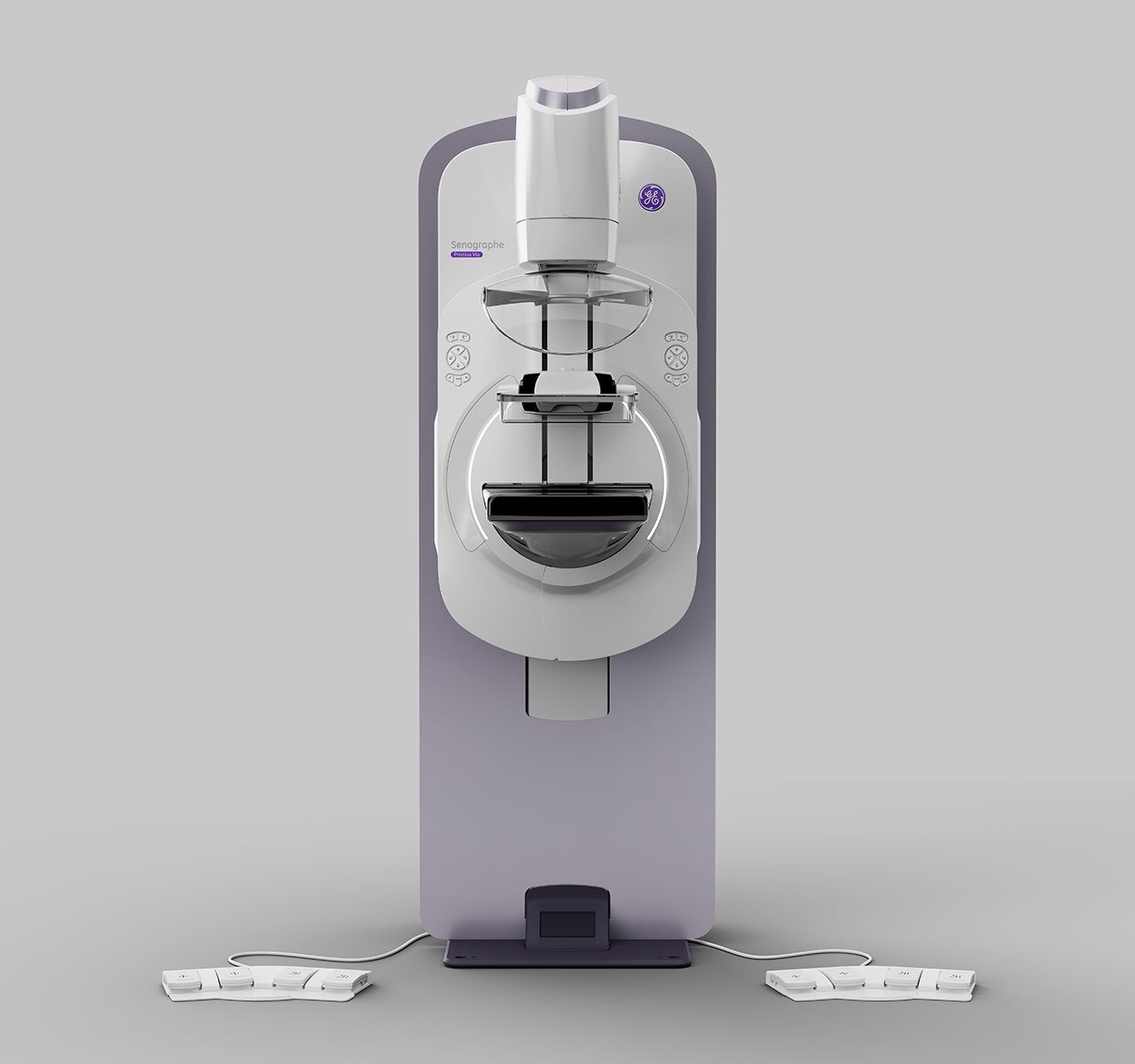
For example, GE HealthCare’s Pristina Via™ is one of the latest advancements in mammography systems and is setting a new standard in breast imaging.

null

Designed to improve patient experience, The Senographe Pristina platform features breast supports with rounded angles, comfortable arm rests and patient-assisted compression, giving women a sense of control during the exam. When asked about their mammogram, 83% of patients reported a more positive experience on the Senographe Pristina Platform compared to previous exams.1

The Pristina Via also eliminates repetitive steps, clicks and wait-time between exposures, which can help minimize the time under compression and prioritizes patient comfort. By streamlining workflow for technicians, you’ll get in and out of the exam quicker.

“Mammograms are an indispensable preventative procedure,” said Jyoti Gupta, Ph.D., president and chief executive officer for Women’s Health and X-ray at GE HealthCare. “That’s why we focus on pushing technology forward to improve not only the experience of healthcare professionals but also to enhance the patient experience. The Pristina Via is designed by women for women with the goal of minimizing the time it takes technologists to perform a mammogram and make mammograms more approachable to those who need it most.”

To learn more about this technology, visit the GE HealthCare website.

Myth 4: Mammograms are time-consuming

Fact: Mammograms aren’t time-intensive. The whole appointment tends to take 20-30 minutes or less, and the actual procedure only lasts a few minutes. Also, new technology like GE HealthCare’s Pristina Via 3D mammogram streamlines the mammogram process so you can get screened faster. Recent analysis found that it can acquire an image in as little as 2 minutes.2

Myth 5: 3D mammograms are the same as traditional ones

Fact: Traditional 2D mammograms compress breast tissue and use low-dose X-rays to capture flat images from above and from the side of each breast. A 3D mammogram, on the other hand, takes several low-dose X-rays (the same as a simple 2D mammogram) in a small arch around your breasts. A computer then combines these images, allowing your doctor to see the breast tissue more clearly in three dimensions, as the name suggests.

3D mammograms increase clinical accuracy, compared to 2D alone, for all types of breasts including dense breasts3, and lower your chance of being called back for a follow-up screening. Another tool for dense breast diagnosis is contrast-enhanced mammography (CEM) which uses an injected dye to examine breast tissue and flag abnormalities with high levels of sensitivity and specificity.

Don’t wait. Now that you know the truth about mammograms, you can confidently schedule an appointment so you can invest in your health and wellness.

Sources

1. Ipsos Patient Satisfaction Study sponsored by GE Healthcare, conducted with 315 patients across 2 sites in Europe, February 2017.

2. Pristina Workflow analysis. Aggregated data from +2k exams and 78 systems worldwide. Data on File. GE Healthcare 2024

3. GE Healthcare’s DBT delivers superior diagnostic accuracy compared to 2D alone for all types of breast densities, including dense breasts. (ref: Superior diagnostic accuracy demonstrated in a reader study comparing the ROC AUC of GE screening protocol (V-Preview + 3D CC/MLO with 3D in STD mode) to that of 2D FFDM alone. FDA PMA P130020)

Disclaimer: Pristina Via is a commercial offering of Senographe Pristina™.

5 ways to help make more affordable (and sustainable) choices at the pharmacy

2025-07-08T06:01:00

(BPT) – Health care essentials like over-the-counter (OTC) products can quickly add up and eat into your budget. Whether you’re buying pain medication to manage headaches or antibiotic ointment for cuts and scrapes, stocking your medicine cabinet can be expensive.

Making affordable choices at the pharmacy is especially daunting when trying to manage your environmental impact. Navigating the pharmacy aisle in search of eco-friendly product options during your busy day can feel like an overwhelming task.

If you regularly use OTC medications and want to save more and waste less, you can do so with just a few easy tips. Foster & Thrive, a private-label OTC health and wellness brand, offers five simple ways to make more affordable and sustainable choices when purchasing health care essentials.

1. Use your health insurance plan resources

Do you have a health savings account (HSA) or flexible spending account (FSA)? You can use your funds for more than just copays and medical expenses.

Many pharmacy products, from OTC medication to health and wellness essentials like bandages, are HSA- or FSA-eligible items. Alternatively, your health plan may cover a yearly OTC credit. Check your health insurance plan to see what resources it offers and discover eligible items.

2. Choose private-label items

Smiling woman in a drug store reading the back of an OTC product while holding her phone.

One of the easiest ways to help save on your OTC expenses is to choose private-label brands. Private-label drugs tend to cost less than brand names while still delivering the same effectiveness.

Foster & Thrive OTC products, for example, provide consumers with reliable care at an affordable price. With over 500 products for acute care, preventive care, everyday care and diagnostic care, you’re likely to find whatever health and wellness OTC products you need.

Private-label goods generally always meet or exceed Food and Drug Administration (FDA) quality, and are tested and compliant with industry-leading quality standards, so you can rest easy knowing you’re using safe and effective products.

3. Chat with your pharmacist

Woman in a drug store talking with a pharmacist

Pharmacists can provide personalized advice to guide your healthcare purchases. Before you select an antacid for a stomachache or acid reflux, check with a pharmacist to ensure you’re choosing the best OTC product for your needs.

A pharmacist can spot potential interactions between an OTC drug and any prescription medications you’re taking. They can also help you pick the right medication and dosage that can help alleviate multiple symptoms so you can avoid buying unnecessary products, saving you money and helping reduce drug waste.

4. Look for sustainable packaging

You can do your part to help the environment by choosing OTC products that come in eco-friendly packaging. Consider buying medications like those from Foster & Thrive’s eco-friendly aluminum product line, which is made with 70% less plastic than traditional bottles. The bottles are designed for recyclability,* and are made primarily of aluminum — one of the most commonly recycled materials in the U.S.1

5. Check out your local, small business pharmacy

There are plenty of chain pharmacies, but if there is a locally owned pharmacy in your area, consider shopping for your OTC products there. Mom-and-pop shops often carry the same private-label and prescription products you can find at larger pharmacies, but with a more personalized focus. Community pharmacists often get to know their patients personally and can deliver more individualized care. They may even offer deals or reward programs that can help defray your health care costs.

OTC expenses don’t have to be expensive. Using these five tips, you can help save on your essential health care expenses so you can focus on investing in your health and wellness. To find a Foster and Thrive retailer near you, visit FosterAndThrive.com/Where-To-Buy.

*Availability of recycling programs and facilities may vary by location.

1. U.S. Environmental Protection Agency. National Overview: Facts and Figures on Materials, Wastes and Recycling.

Oral Corticosteroids: Relief, Risks, and Preventing Overuse

2025-07-07T10:01:00

(BPT) – Asthma, allergies and eczema are more common than you may think. More than 28.2 million people in the U.S. have asthma. About one in three adults and one in four children live with allergies. And almost 6% of adults and more than 10% of children have eczema. These conditions can significantly impact daily activities and quality of life.

When symptoms get worse, doctors may prescribe oral corticosteroids (OCS). If you’re prescribed OCS to treat severe flare-ups of these or related conditions, make sure to have an open conversation with your doctor about these medications. Learn how OCS can get symptoms under control. Ask about the risk of potential side effects.

1. What are OCS?

Oral corticosteroids are human-made steroid medications modeled after cortisol, a natural hormone produced by the adrenal glands. These pills or liquid medications are used to quickly reduce inflammation. Examples of OCS include:

  • prednisone
  • prednisolone
  • methylprednisolone
  • dexamethasone

OCS are inexpensive, fast-acting drugs. They are typically prescribed in a short course, or burst, of three to five days. That is often all it takes for OCS to provide relief from symptoms.

OCS differ from inhaled corticosteroids (ICS) and topical corticosteroids. ICS, delivered through an inhaler or nebulizer, act directly on the lungs and airways as a daily controller medication for asthma. Topical corticosteroids, on the other hand, are applied to the skin to treat localized inflammation from eczema.

OCS are also different from anabolic steroids, which are related to the male hormone testosterone and sometimes used for muscle building.

2. What are OCS prescribed for?

OCS are powerful anti-inflammatory medications used to treat a wide range of medical conditions. They are mostly prescribed to manage flare-ups of respiratory and allergic conditions, such as asthma, chronic obstructive pulmonary disease (COPD), allergic rhinitis, nasal polyps and sinusitis. They are sometimes used to treat severe flare-ups of skin conditions such as eczema, chronic hives or psoriasis.

In addition, OCS are used to treat autoimmune diseases like arthritis, lupus and inflammatory bowel disease.

3. What are the benefits of OCS?

OCS can quickly reduce inflammation and swelling in various body systems, including the airways and skin. They can provide relief and effectively stop symptoms from worsening.

This is why OCS are prescribed for severe asthma symptoms, nasal inflammation, and eczema flares, among other conditions. They are not usually prescribed for long-term daily management or control of symptoms.

4. What are the potential side effects of short-term OCS use?

OCS can quickly treat flare-ups, but they can cause serious side effects. That’s why doctors prescribe them in short courses of three to five days – to minimize the risk and impact of side effects.

Some short-term side effects include:

  • Weight gain, particularly in the abdomen, face or neck
  • Eye problems
  • Muscle weakness
  • Insomnia and sleep problems
  • High blood pressure
  • Elevated blood sugar levels
  • Swelling in lower legs
  • Gastrointestinal issues (heartburn, nausea)
  • Mood changes and irritability
  • Depression and anxiety

5. What are the potential side effects of long-term OCS use?

In rare cases, doctors prescribe OCS for long-term use when inflammation is severe, and the benefits outweigh the risks and side effects.

Long-term use can lead to the following side effects:

  • Skin thinning and easy bruising
  • Osteoporosis and bone loss or weakness
  • High blood pressure and cardiovascular risks
  • Diabetes onset
  • Slow growth in children
  • Immune system suppression and increased infection risk
  • Adrenal gland suppression and hormonal imbalance
  • Glaucoma and cataracts

6. What is OCS overuse?

Oral corticosteroids have a high rate of success in treating flare-ups. As a result, some people may develop a reliance on them for treatment. They may want to continue taking OCS to keep their condition under control.

OCS overuse is defined as when you take the medication at a dose or duration that increases the risk of adverse effects without a clear benefit.

The overuse may occur when you:

  • take more than 2 courses or bursts of OCS per year, especially for asthma symptoms;
  • take OCS daily or regularly for more than 3 months, particularly at high doses.

How much is too much? This is a conversation you should have with your doctor to decide what’s best for your medical condition.

7. How to prevent OCS overuse?

If you are prescribed two or more courses of oral corticosteroids per year, this is a sign that your condition is not well-controlled. You may need to adjust your treatment plan instead of continuing to rely on OCS.

Talk with your doctor – preferably a specialist such as an allergist or dermatologist – to discuss treatment options. Ask about advanced treatments such as biologics to help keep your symptoms in check.

Learn more about OCS and OCS overuse at AllergyAsthmaNetwork.org.

Beta cells 101: Explaining the role of beta cells in type 1 diabetes with Professor Beta T1D

2025-06-30T07:01:01

(BPT) – Sponsored by Sanofi

It’s an unfortunate reality that myths and misconceptions about type 1 diabetes (T1D) are widespread today, leading to significant awareness gaps that ultimately make it harder for people to understand their own risk of developing the disease. Consider this: While many believe that T1D is a juvenile disease, it can impact anyone at any age. Others think it begins only when symptoms appear, when in fact, the disease progresses gradually in stages over time.

These misconceptions extend to a root cause of the disease. T1D is not simply caused by a lack of insulin; it’s a result of the autoimmune response in which the body mistakenly attacks its own healthy beta cells. The destruction of beta cells is central to the development of Stage 3 T1D, which is why understanding beta-cell function is foundational to understanding the progression of T1D. Below, explore why beta cells are such a critical piece of the T1D progression puzzle.

The role of beta cells

Located in the pancreas, beta cells are responsible for insulin production, insulin storage, and the regulated release of insulin. Beta cells work to create glucose homeostasis (i.e., keeping blood glucose levels within a healthy range) and precisely respond to changes in the body’s metabolic status due to food intake and other factors. In T1D, an autoimmune-mediated response – likely initiated by a complex interplay of genetic susceptibility and environmental triggers – targets and destroys these insulin-producing beta cells.

Ongoing, underlying beta-cell destruction is a critical marker of progressive autoimmune T1D. This progression is what defines the stages of T1D. Beta cell destruction can begin as early as four to six years before clinical symptoms appear. In Stage 2 T1D, more damaged beta cells release autoantigens which causes T1D autoantibodies to develop in the blood in response to the autoimmune attack. T1D screening through a blood test can detect these autoantibodies early, potentially identifying T1D in its early stages – before symptoms even emerge.

As we continue to learn more about the unique role of beta cells in T1D, education around beta-cell function becomes critical. That’s where “Professor Beta T1D” comes in.

Meet Professor Beta T1D

To help demystify the science behind T1D and build a better understanding of beta-cell function, Sanofi created Professor Beta T1D – an animated, educational digital avatar dedicated to making beta-cell science more accessible and digestible. Professor Beta T1D’s goal is to highlight the unique impact of beta cells in T1D.

Professor Beta T1D is bringing his expertise to HCPs through social channels like X, Instagram, and LinkedIn. Professor Beta T1D is a healthy beta cell living his best life, seeking to keep calm and carry on in the face of T1D.

multi professor betas grouped together.

As an ambassador for the clusters of other beta cells, Professor Beta T1D is highly knowledgeable, but also frustrated, fighting to be heard before it’s too late. As a strong believer that there’s a “beta way to look at T1D,” there are two things Professor Beta T1D wants others to know about beta-cell function:

  1. Beta-cell function determines disease progression and an individual’s T1D journey. As measured by C-peptide, beta-cell function can indicate patients’ level of remaining beta-cell activity and help determine the extent of autoimmune T1D progression.
  2. Beta cells define clinical outcomes, because some functional beta cells are better than none! It has been observed that in T1D even low beta cell function can produce adequate endogenous insulin to maintain glycemic control.

Insights into how beta cells influence T1D are key to understanding disease progression and may help inform the development of novel disease management approaches. Learn more about beta-cell function on www.betawayt1d.com.

Sanofi does not provide medical advice, diagnosis, or treatment – information is provided for educational purposes only. Patients are directed to their doctor if they have any questions about their health or disease management.

When Graves’ disease affects your eyes: Why early action matters

2025-06-30T06:01:01

(BPT) – Did you know that up to 40% of people with Graves’ disease may also develop Thyroid Eye Disease (TED)? Although related, TED and Graves’ disease are different conditions that require different treatments. Failing to recognize and treat TED can lead to serious eye complications — including double vision, eye bulging (proptosis), chronic pain and even vision impairment.

TED can progress rapidly, and without timely intervention, inflammation (redness and swelling) and scar tissue can form around the eyes causing damage. The longer TED goes untreated, the more likely serious damage can occur.

Because TED can progress independently of thyroid hormone levels, managing Graves’ disease alone may not be enough to prevent or treat eye symptoms. That’s why it’s essential for people living with Graves’ disease to stay alert to any eye changes, seek care from a TED Specialist at the first sign of symptoms, and advocate for a proper diagnosis and care. TED Specialists are often select ophthalmologists and endocrinologists, as well as oculoplastic surgeons and neuro-ophthalmologists, with experience treating TED.

Signs and Symptoms of TED

Some common signs and symptoms of TED are:

  • Bulging eyes
  • Double vision
  • Dry, gritty eyes
  • Red, swollen eyes and eyelids
  • Watery, teary eyes
  • Eye pain and eye pressure
  • Sensitivity to light
  • Retracted eyelids (your eyelids can’t close properly)

The Impact of TED

TED can impact people beyond physical symptoms. Changes in appearance — such as eye bulging — can affect a person’s emotional well-being. Christine Gustafson, who lives with TED and is the CEO of the TED Community Organization, shared, “Even if it was only just the physical appearance, it was enough to really disrupt my life.” She described how strangers would stare and people would whisper in public, leaving her feeling alienated. “You make a choice — either you go on with your life or you withdraw. And many people withdraw,” she said, but finding support from others in the autoimmune community and understanding how to self-advocate can make a difference.

The Importance of Self-Advocacy

The road to a TED diagnosis is not always straightforward. Many people spend months — or even years — seeking answers as they navigate a range of eye symptoms often confused with allergies, dry eye or even aging, leading to delays in receiving the appropriate diagnosis and care.

LaQuilla Harris, who lives with Graves’ disease and TED, met with four doctors before finding a team that understood her needs. Now, LaQuilla advocates for others to understand their risk. “I have struggled to manage my TED symptoms because they were undetected for so long. That’s why I want to ensure that others living with a thyroid condition such as Graves’ disease understand their risk and get the proper care they need.”

Tips to Be “TEDucated”

If you or a loved one lives with Graves’ disease, knowledge about TED is power.

  1. Know the signs and symptoms – Symptoms like eye bulging, double vision, grittiness or redness may be early indicators of TED. Be sure to observe and track your symptoms often and if you notice any changes, let your doctor know right away.
  2. Understand the connection – Graves’ disease and TED are related but separate autoimmune conditions. Even if your thyroid levels are stable, TED can progress independently, so it’s important to monitor your eye health continuously.
  3. Find the right care team – Unlike other eye doctors, TED Specialists have the right experience to provide the right care. TED Specialists are often select ophthalmologists, endocrinologists, oculoplastic surgeons and neuro-ophthalmologists with experience treating TED. It is important to work with a TED Specialist early on so you can build the best treatment plan for your eyes and avoid further damage to them.
  4. Advocate for yourself – If you’ve been diagnosed with Graves’ disease and notice any eye symptoms, ask your provider directly about TED and request a referral to a TED Specialist.
  5. Build your community – Getting TEDucated also means connecting with the wider autoimmune community for support and resources. If you have TED and/or a thyroid condition, like Graves’ disease, you aren’t alone. Educate your friends and family about your conditions and seek support groups online or in your community.

Visit ThyroidEyes.com to learn more about TED.

USA-632-80765 06/25

5 expert tips for incorporating protein into your diet from celebrity chef & health advocate, Robert Irvine

2025-06-24T08:01:01

(BPT) – How much protein do you eat? Protein is key to keeping your muscles in tip-top shape and your body functioning at its best.

If you’re on a GLP-1 medication, ensuring you have enough protein in your diet is especially critical. A study found that up to 40% of the weight loss with GLP-1 medications is from lean mass, which includes muscle*. In just 12-18 months, the lost muscle can be equivalent to a decade of age-related natural muscle loss**.

To help maintain your lean muscle mass while on a health journey or while taking a GLP-1 medication, celebrity chef, Royal Navy veteran, entrepreneur and host of Food Network’s “Restaurant: Impossible,” Robert Irvine has teamed up with OPTAVIA® to create a special protein-rich recipe and offer professional insights on the impact of eating more protein. OPTAVIA is a holistic, coach-guided approach to weight loss that is designed for real life with clinically proven plans, guidance from a personalized coach and a blueprint for creating lifelong healthy habits.

“High-protein meals are essential for muscle growth and repair, as well as keeping hunger at bay,” said Irvine. “The ingredients you choose have an impact beyond the individual meal and can help manage cravings and stay on track in your day-to-day lifestyle. OPTAVIA’s recipes are simple, designed to fuel your body, keep you satisfied, and make sticking to a plan easy and delicious.”

Check out Chef Irvine’s five simple ways to incorporate more protein into your diet so you can keep your muscles fit and fuel your health journey.

1. Choose lean proteins

Not all protein is created equal. The next time you head to the store, opt for lean proteins such as chicken, fish and plant-based options like beans and lentils. These foods provide high-quality protein without excessive fat to keep you powered throughout your busiest days.

2. Include protein in every meal

Protein shouldn’t be reserved for a larger meal like dinner. Make sure to include a source of protein in every meal.

Whether it’s eggs for breakfast, a protein shake as a snack or lunch or grilled chicken for dinner, adding protein in every meal will help you feel satiated and support your health.

3. Eat small, protein-rich meals throughout the day

By having protein-rich snacks and meals on hand and eating small meals every two to three hours, you can help maintain your energy levels throughout the day, whether at home or on the go. Stock your cabinet and fridge with convenient, protein-rich snack choices like nuts, Greek yogurt or protein bars and shakes.

4. Get the right support

Every OPTAVIA client also receives a personalized coach to lead them through making healthy choices and encourage them throughout their health journey.

“I love that OPTAVIA offers every client a supportive coach to motivate and encourage people throughout their health journey,” said Irvine. “As someone who has worked with celebrities and military personnel, I understand the importance of support and quality ingredients in achieving health goals.”

5. Balance your diet & experiment with recipes

Protein is important, but be sure to pair it with healthy fats, the right carbohydrates and a variety of vegetables to create a healthy, balanced diet which can help you maintain your muscle mass and overall health.

Changing how or what you eat is a great opportunity to try new things in the kitchen. Look for new recipes that incorporate protein in creative ways.

For example, Chef Irvine’s Lean & Green+ Seared Sea Scallops with White Bean Sofrito recipe — created in collaboration with OPTAVIA — is a great example of how to craft delicious, nutritionally balanced, protein-rich meals. Scallops are rich in flavor, tender and high in protein. See below for the full recipe!

OPTAVIA’s Lean & Green and Lean & Green+ recipes are healthy, balanced meals made with nourishing whole foods — designed to fuel your body, keep you satisfied, and fit easily into your on-the-go lifestyle.

Using Irvine’s five expert tips along with OPTAVIA’s comprehensive approach to nutrition, you can more easily incorporate protein into your daily meals to help you preserve muscle and start your journey toward a healthier, more balanced life. To learn more, visit OPTAVIA.com.

Lean and green meal featuring scallops.

OPTAVIA Lean & Green+ Seared Sea Scallops with White Bean Sofrito

Total Time: 30 minutes

Prep Time: 10 minutes

Serves: 4

Pea Puree (1/2 cup per serving)

  • 2 cups English sweet peas, blanched
  • 1/2 cup low-sodium chicken broth, cold
  • 1 tsp honey
  • 1/2 tsp salt
  • 1/4 tsp black pepper

Scallops (4 ounces per serving)

  • 5 tsp olive or grapeseed oil
  • 16 ounces scallops
  • 1/4 tsp salt
  • 1/4 tsp black pepper

Sofrito (1 cup per serving)

  • 1 tbsp olive oil
  • 1 shallot minced
  • 1 medium red bell pepper, diced
  • 1 medium yellow bell pepper, diced
  • 1 cup celery, diced small
  • 1/2 cup white wine
  • 1, (151/2-oz.) can white beans
  • 2 tsp fresh squeezed lemon juice
  • 1/4 cup low-sodium chicken broth
  • 1/4 tsp salt
  • 1/4 tsp black pepper

Directions

1.To make the pea puree, place the peas in a high-performance blender and blend slowly adding the chicken broth and honey.

2. Add salt and pepper, then blend faster until smooth. Set aside.

3. To make the Sofrito, place a large sauté pan over medium heat and sweat the shallots in olive oil, then add the red and yellow bell peppers and celery.

4. Cook for 3 to 4 minutes, then deglaze with white wine.

5. Add the white beans, lemon juice, and chicken broth to the pan. Stir, cooking for 1 to 2 minutes. Season with salt and pepper.

6. To make the scallops, place a large sauté pan over medium-high heat and add the olive oil (substitute grapeseed oil if desired).

7. Season the scallops with salt and pepper.

8. Once oil is hot in the pan, add scallops and cook for 2 to 3 minutes on each side until golden brown.

9. Plating: Place 1/2 cup of pea puree on a plate, then add 1 cup sofrito in the center of pea puree. Top sofrito with 4 ounces scallops.

Share a photo of your plate by tagging and following @OPTAVIA on Instagram.

*Wilding JPH, Batterham RL, Calanna S, Davies M, Van Gaal LF, Lingvay I, McGowan BM, Rosenstock J, Tran MTD, Wadden TA, Wharton S, Yokote K, Zeuthen N, Kushner RF; STEP 1 Study Group. Once-Weekly Semaglutide in Adults with Overweight or Obesity. N Engl J Med. 2021 Mar 18;384(11):989-1002. doi: 10.1056/NEJMoa2032183.

**Grosicki GJ, Dhurandhar NV, Unick JL, Arent SM, Thomas JG, Lofton H, Shepherd MC, Kiel J, Coleman C, Jonnalagadda SS. Sculpting Success: The Importance of Diet and Physical Activity to Support Skeletal Muscle Health during Weight Loss with New Generation Anti-Obesity Medications. Curr Dev Nutr. 2024 Oct 18;8(11):104486. doi: 10.1016/j.cdnut.2024.104486.

Stem cell transplants: A potential new start for people with blood cancers

2025-06-23T08:01:00

(BPT) – “New blood” can revitalize a struggling business, whether it’s a sports team on the wrong side of the wins and losses column or a retailer wondering where the customers went.

For some cancer patients, new blood is a literal lifesaver. Blood and bone marrow transplants, sometimes called stem cell transplants, offer a precious second chance to people with different types of blood cancers as well as sickle cell anemia and aplastic anemia, known as bone marrow failure.

Michelle Hudspeth, M.D., director of both the adult and pediatric Blood and Marrow Transplant (BMT) and Cellular Therapy program at the Medical University of South Carolina, said these transplants are occurring at a quickening pace at MUSC Health, demonstrating the expansion of treatment options that may benefit many.

“Our accelerated growth occurred despite the COVID pandemic, which created not only an extraordinary challenge to care for the most immune-compromised patients but also the most difficult time to access the international network for stem cell donors,” Hudspeth said. “Our growth and outcomes are a true testament to the committed expertise and collaboration of our team.”

A new start for patients

For patient Kennedy Golden, 23, the transplant is a new start.

Golden was working as a nurse at a hospital in Columbia, South Carolina, when she started having what she called “a year of tummy trouble.” Doctors couldn’t figure out the cause of her symptoms, until one day in October of 2023, she could barely walk.

She was admitted to the hospital, where she learned her bowel had ruptured. Doctors performed a biopsy, and she learned that she had intestinal T-cell lymphoma, a rare type of non-Hodgkin lymphoma, which prompted her oncologist in Columbia to refer her to Hollings Cancer Center at MUSC.

Hope at Hollings Cancer Center

At Hollings, Golden met with an experienced health care team who put her worries at ease. She had six rounds of chemotherapy in Columbia, from that November through March of 2024, as her treatment plan progressed toward the stem cell transplant. Through most of it, she continued to work.

Golden’s transplant was autologous, meaning that it used her own stem cells instead of a donor’s. To prepare for the transplant, healthy stem cells are removed from the patient. This can be done in the operating room by removing the cells directly from the bone marrow. However, today, the majority of transplants use peripheral blood stem cell retrieval instead.

In this procedure, the patient gets injections of a protein that prompts the stem cells to start moving out of the bone marrow into the bloodstream. From there, they can be retrieved in a process called apheresis. Blood is removed from a vein and run through a machine that separates the stem cells from everything else. The remaining blood is returned to the body.

The patient then undergoes high-dose chemotherapy that kills off any remaining cancer cells as well as the bone marrow. The peripheral blood stem cells are then infused into the patient, where they will take root, or engraft, and start producing new blood cells.

Outcomes to be proud of

Golden’s treatment was successful, and she’s grateful to the many teams that provided her expert care. She is just one of many who receive life-preserving cancer care at Hollings every year. In fact, the 2023 annual quality report published by the MUSC BMT and Cellular Therapy team shows that the program has grown in the past few years while maintaining survival rates above the national average. In 2023, 144 adults received stem cell transplants, compared with 95 in 2018.

And in keeping with MUSC’s mission to bring high-quality care to all South Carolinians, the BMT team transplanted almost twice the percentage of underserved patients as the national composite, which Hudspeth said speaks to their mission of providing access and breaking down barriers.

Forging ahead with new cellular therapies

Every cancer patient is unique, so it follows that every treatment plan must be unique. Hollings has been a leader in BMT for decades – even making history in 1996 by performing the first outpatient matched unrelated transplant. Now at Hollings, half of autologous transplants are performed on an outpatient basis. Today, a large outpatient bone marrow transplant clinic is dedicated to these life-changing treatments.

Of course, not all patients can use their own stem cells, and Hollings is future-focused by offering options for those patients as well. MUSC was part of the original multi-center trial that changed the trajectory of transplants, making it possible for almost every patient to have a donor for transplant because an exact match was no longer necessary.

Hollings now routinely performs successful haploidentical stem cell transplants, also known as half-matched transplants. This transplant uses a donor’s tissue, but rather than a full match to the patient’s tissue type, it only requires a match at half of the HLA, or human leukocyte antigen, protein markers. This means more opportunities for matches, transplants and lives saved.

This is particularly meaningful for pediatric patients.

“In pediatrics, patients typically need more intensive chemotherapy and radiation for the best chance of cure. I helped to write the Pediatric Transplantation and Cellular Therapy Consortium multi-center pediatric trial using full-dose chemotherapy and radiation for pediatric patients with leukemia with half-matched family donors. This was nicknamed the ‘maxi-haplo’ trial,” Hudspeth said. “This has also revolutionized the field and made it possible for almost all patients to have a donor for transplant and still be able to receive the highest levels of chemotherapy and radiation safely.”

Positive performance and results

Results continue to be positive. A new report from the Center for International Blood and Marrow Transplant Research examining transplant centers that perform allogeneic transplants lists MUSC as one of 12 out of 172 that had outcomes better than expected during the evaluation years of 2020 through 2022. Even more impressive: The results were during the height of COVID, a time of logistical challenges as well as health challenges for this immunocompromised patient group.

Hollings is one of 73 National Cancer Institute-designated cancer centers in the nation and the only one in South Carolina. To learn more, visit HollingsCancerCenter.MUSC.edu.

New clinical trial aims to prevent relapse in patients with DLBCL

2025-06-22T23:01:00

(BPT) – For many patients diagnosed with diffuse large B-cell lymphoma (DLBCL), the first step in treatment is a standard regimen of chemotherapy. This approach cures most patients, but research shows that one in three will see their cancer return — typically within a year following completion of their initial treatment.[1] Today, the current standard of care following initial chemotherapy is to “watch and wait,” an approach that monitors the patient for signs of relapse.

But what if there were a way to identify patients at risk of relapse earlier and treat them before the cancer has a chance to come back? That’s the goal of the ALPHA3 clinical trial, a groundbreaking study investigating whether early intervention with an investigational CAR T cell product (cemacabtagene ansegedleucel or cema-cel, pronounced “SEM-a-sell”) can help prevent relapse in DLBCL patients. CAR T therapy is a revolutionary approach to treating cancer that has shown promising results and high remission rates, particularly when used in blood cancers[2].

A New Approach May Predict and Prevent Relapse

The ALPHA3 trial uses an investigational blood test designed to find signs of cancer earlier, often well before it shows up on scans. The test looks for minimal residual disease, known as MRD, or traces of cancer left in the blood after chemotherapy that are too small to be seen on scans. Being MRD positive can indicate whether or not a patient is at high risk of their cancer coming back, also known as relapse.[3]

If MRD is detected, patients may be eligible to join the ALPHA3 trial, where they will be randomly assigned to one of two groups. One group would undergo more thorough observation, and the other group would undergo treatment with cema-cel. Unlike traditional treatments given after relapse occurs, cema-cel is administered as a one-time infusion shortly after MRD is detected and is designed to target and eliminate the remaining cancer cells in the body, potentially preventing relapse before it happens.

Why Early Intervention Matters

Research suggests that treating cancer when it is still microscopic — before it grows large enough to appear on scans — may improve outcomes.[4] Think of it like putting out a fire as soon as you see the first puff of smoke rather than waiting until the flames spread. By intervening early, the ALPHA3 trial aims to improve cure rates for DLBCL patients who are at high risk of relapse.

What Makes the ALPHA3 Trial Different?

Older woman talking with doctor in an exam room

Most clinical trials test new treatments only after cancer has relapsed and grown large enough to be detected on scans. The ALPHA3 trial takes a different approach by focusing on prevention. It combines cutting-edge MRD testing technology with a novel CAR T cell therapy to address cancer at its earliest stages.

This innovative approach could transform the treatment landscape for DLBCL patients, offering hope to those who might otherwise face relapse and more intensive treatments down the road.

For more information to share with your patients about the ALPHA3 trial, visit DLBCL.ClinicalEnrollment.com.


[1] Tilly H., et al: Polatuzumab Vedotin in Previously Untreated Diffuse Large B-Cell Lymphoma. New England Journal of Medicine. 2021

[2] Estimation of eligibility for and response to CAR-T therapy in the United States. Haslam, A. Blood Adv (2024) 8 (4): 1032–1036.https://doi.org/10.1182/bloodadvances.2023011184

[3] Foresight Diagnostics. Foresight Diagnostics Presents Independent Validation of its CLARITY Minimal Residual Disease Assay in Multi-center Study of Frontline DLBCL at the 2025 ASCO Annual Meeting. LINK

[4] ALPHA/ALPHA2 Phase 1 data, Locke FL, et al. J Clin Oncol. 2025

When Heroes Wear Scrubs: Nurses Go Above and Beyond with Compassionate Care

2025-06-19T13:05:01

(BPT) – Nurses are experts at their craft, delivering patient care with a unique blend of expertise, empathy and dedication — 24 hours a day, 365 days a year. Recognizing the profound role nurses play in caring for people enables healthcare organizations, patients and family members to express gratitude for the difference they make.

DaVita, a comprehensive kidney care provider, employs thousands of nephrology nurses who specialize in caring for people living with chronic kidney disease across the nation.

Nephrology nurses skillfully care for patients throughout every stage of their kidney care journey — from early interventions to slow the disease’s progression to supporting transplantation, from acute hospital care to dialysis at home. Because dialysis patients typically need multiple treatments each week, they often develop deep relationships with their care teams.

DaVita recently honored 56 of its nephrology nurses with the DAISY Award® for Extraordinary Nurses. The DAISY Award is a special honor given through the DAISY Foundation to recognize extraordinary nurses for the compassionate contributions they make every day.

“The empathy and compassion that nurses bring to their interactions with patients and their loved ones is a foundational part of healthcare,” said Tina Livaudais, chief nursing officer for DaVita. “Nurses are at the heart of the care we provide at DaVita, and our DAISY recipients lead with these qualities, helping to deliver on DaVita’s mission as a provider of choice through their unwavering dedication to clinical excellence.”

DaVita’s 2025 DAISY Award recipients were nominated by fellow employees (teammates) and patients for helping to deliver outstanding clinical outcomes and consistently demonstrating caring behaviors. Their stories are a powerful reminder that nursing is more than a profession; it’s a calling. Here are just a few.

Nicole Morales

Nicole Morales embodies what it means to be a nurse. For DaVita patients across greater Milwaukee, Nicole provides steadfast dedication, compassion and selflessness. As a home dialysis nurse, she is committed to teaching patients how to safely and effectively perform the treatment. She also goes the extra mile to support her patients’ needs inside and out of the dialysis center. Earlier this year, a patient in her care was experiencing deteriorating vision but could not afford glasses. Upon learning this, Nicole scoured the community to find low-cost eye care options. She shared her findings with the patient, who was then fitted with a new pair of glasses and given back the gift of sight.

Cindy Johnson

In Eastern Kentucky, Cindy Johnson is known for managing difficult situations tactfully and gracefully. She devotes her days to caring for DaVita patients who, without her support, may otherwise not have the opportunity to receive dialysis at home. By leading with compassion, Cindy meets patients where they are. No barrier is too great. In caring for a patient who struggled to read, she took time to teach him to perform dialysis at home on his own. Cindy never makes her patients feel inadequate. Instead, her solutions-oriented mindset uplifts and empowers them.

Irene Banks

Irene Banks is a nurse in Little Rock, Arkansas, at a high acuity center, where the patients she cares for receive specialized attention due to the medical complexity of their care needs. Irene is creative and compassionate in the way she cares for her patients. For one patient who experiences cognitive delays, she has offered activities, such as math worksheets and crossword puzzles, during treatment to help support an improved care experience. Irene continually goes above and beyond to help patients in her care feel comfortable and welcome.

No matter the treatment environment, DaVita nurses create special connections with their patients. DaVita is honored to present the DAISY Award to nurses across the nation. Visit davitaforward.com/difference for more inspiring DaVita care stories, and see below for more of this year’s honorees:

  • Cindy J. – Jenkins, KY
  • Crystal R. – Victoria, TX
  • Nicole M. – Wauwatosa, WI
  • Kelly H. – Elmira, NY
  • Debra L. – Champaign, IL
  • Raquel Murua-S – Fort Wayne, IN
  • Jeremy B. – Atwater, CA
  • Irene B. – Little Rock, AR
  • Caressa H. – Weaverville, NC
  • Irene V. – Renton, WA
  • Kaye A. – Eatontown, NJ
  • Shoua L. – Marysville, CA
  • Victoria C. – Jacksonville, NC
  • Paul F. – Hainesport, NJ
  • Angely O. – Ruskin, FL
  • Gurloveleen S. – Fresno, CA
  • Briana B. – Lewiston, PA
  • Raheem J. – Clinton, SC
  • Clyde W. – Metairie, LA
  • Ryan D. – Nashua, NH
  • Kristi B. – Chicago Ridge, IL
  • Conswelo S. – Boaz, AL
  • Connie C. – Tempe, AZ
  • Lindsay G. – Palm Beach Gardens, FL
  • Keri W. – Omaha, NE
  • Angie U. – Riverside, CA
  • Katie B. – Manassas, VA
  • Diane B. – Brighton, MI
  • Jeffrey S. – Troy, OH
  • Linda S. – Farmington, NM
  • Abigail H. – Salem, OR
  • Stephanie A. – Milford, CT
  • Kyung Mo K. – Los Angeles, CA
  • Michael S. – Coppell, TX
  • Vanessa C. – Harrisonburg, VA
  • Rachiratou T. – O’Fallon, IL
  • Edgardo Y. – Orlando, FL
  • Elizabeth H. – Athens, OH
  • Marianne M. – Alpena, MI
  • Sarah H. – St. Louis, MO
  • Tina C. – Milton, FL
  • Susan H. – Fairfield, OH
  • Laressa B. – Dilworth, MN
  • Bryan J. – Orlando, FL
  • Maria R. – Midland, TX
  • Tami V. – Hastings, NE
  • Demijohn B. – Houston, TX
  • Samantha R. – Dumas, TX
  • Lucy L. – Jamaica, NY
  • Fancynelle J. – Shreveport, LA
  • Shelby B. – Greensboro, GA
  • Angel N. – Santa Maria, CA
  • Amy M. – Ripley, TN
  • Nicole W. – San Diego, CA
  • Khristine D. – Las Vegas, NV
  • Hiyasmin H. – Easton, MD