Tank versus tankless: Your top 7 water heater questions answered by an expert

2023-08-29T05:01:00

(BPT) – Whether you’re taking a shower, cleaning the dishes or simply washing your hands, access to hot water is considered an essential in American homes. When you have to wait too long for that soothing warm flow, you may start to wonder if it’s time to upgrade your water heater. And worse, if access to hot water suddenly disappears, you may be forced to replace it quickly — and deal with chilly bathing in the interim.

A new water heater provides a fast fix to your problems, but it’s important not to make a decision in haste that impacts your comfort and operating costs for years to come. By educating yourself now about the difference between two main types of modern water heaters — tank and tankless — you’ll be prepared to make the best decision for you and your home whenever the time comes.

Jason Fleming, Executive Vice President at Noritz America, is an expert on water heaters and understands this can be a difficult decision. He answers homeowners’ top questions about tank and tankless options.

Do tank or tankless water heaters cost more?

The cost advantages depend on whether you want a quick fix or a long-term investment. Tank heaters cost less up front but are expensive to run and wear out sooner. Tankless heaters cost more up front, but save you substantially on your monthly bills. Comparing a standard 50-gallon tank heater with an equivalent tankless (condensed gas-fired unit), the tankless unit can reduce energy costs by 60% or more. Plus, tankless lasts up to two times longer.

Key takeaway: Tankless saves more long-term.

Which option is most efficient?

Energy efficiency is one of the biggest perks homeowners want from a new water heater. A tank heater operates continuously. That means it’s running even when you’re asleep, heating water that sits in a holding tank, which is not energy efficient. Tankless heaters are designed to save energy because they only heat water on demand. It’s a smaller, compact system that flash-heats water when you need it and turns off as soon as you turn off the faucet. That equates to less energy use and lower utility bills.

Key takeaway: Heating unused water is like dumping money down the drain.

Which is the greener option?

Homeowners have a growing interest in a green home that is eco-friendly. Tankless water heaters work to reduce carbon emissions. They do this by using less energy to heat the water since it’s heated on demand rather than maintaining a full tank of heated water. Additionally, tankless models last longer, equating to a decrease in landfill waste.

Key takeaway: Tankless options are ideal for eco-friendly homes.

Which is harder to install?

Both types of water heaters should be installed by a qualified, licensed contractor. Traditional tank water heaters are large and may require multiple service technicians to move and navigate in a utility room. Tankless units are compact and ideal for small spaces, great for opening up an existing space and making it easier for professional installers to navigate. In fact, tankless water heaters are about the size of a carry-on suitcase.

Key takeaway: Tankless are small but mighty.

Which is more expensive to install?

Tank water heaters may cost slightly less to install, but recently installation costs on tankless heaters have come down. In particular, the EZ Series of high-efficiency, condensing tankless water heaters from Noritz America is designed to cut installation time and cost when replacing larger, storage tank-type units. And because they are far more energy-efficient, you can further save on installation costs through federal and state rebates.

Key takeaway: Smaller units can make installation easier and less costly.

Are there leak concerns with tank or tankless?

It’s an unhappy scenario familiar to many homeowners: coming home to water everywhere, leaking from a busted water heater. With a tank water heater, that can be 40, 50, even 60 or 100 gallons pooled up, causing significant damage to the property. With a tankless water heater, you no longer need to stress about this because the system does not store any water. Even if the heat exchanger should become damaged (a rare occurrence), the leaks would be measured in dribbles and drops — far from the massive headaches too often caused by a leaking tank heater.

Key takeaway: No holding tank means no catastrophic leaks — ever.

Do tank or tankless heaters provide more hot water?

Tank heaters pre-heat a limited amount of water in their tank. If you use up all the hot water in the tank, you run out until it refills and reheats. Tankless heaters heat up water as it’s needed — whenever you turn on the faucet or shower. They can bring a steady flow of water up to soothing temperatures in a matter of seconds and provide it indefinitely. Water pressure may be a concern with tankless heaters if multiple sources are pulling hot water at once, but proper sizing and recent technology have made this much less an issue than in the past.

Key takeaway: Modern tankless technology helps ensure an endless flow of hot water.

Everyone wants to be comfortable in their home and that includes reliable access to hot water. These guidelines help you make the right water heater decision whether you’re replacing a dated unit proactively or are faced with a last-minute replacement decision.

Revitalize your home and garden: 3 tips to create a stunning makeover

2023-08-25T10:49:00

(BPT) – Are you thinking of revamping your home and garden? Well-maintained indoor and outdoor spaces can greatly enhance your home’s appeal and create a relaxing environment for you and your guests.

You don’t need to break the bank or give your home a total makeover to add charm and a relaxing ambiance to your indoor and outdoor spaces. Check out these three simple ways you can breathe new life into your home and garden.

1. Add a splash of color

Vibrant colors are a simple yet effective way to spruce up your home and garden. Paint your front door an inviting color like yellow. Add some bright blue throw pillows and blankets to your living room. Trade your old patio furniture cushions for a vivid orange, or pick a few colorful flowerpots to adorn your patio. You can even plant colorful flowers and plants in different shades to add a pop of color to your garden. Whatever you do, adding color can instantly make your spaces eye-catching and exciting.

2. Create outdoor living areas

Reimagine your backyard as an extension of your living room! You can create an outdoor living area by adding comfortable outdoor furniture to make the space cozy and functional for relaxing and entertaining guests. Make sure to install outdoor lighting fixtures so you can use your outdoor living room well into the evening. These dedicated outdoor areas will encourage outdoor activities and make the most of your garden.

3. Bring the outdoors indoors

Bringing nature into your home can create a soothing and harmonious environment. Introduce house plants to add a touch of green to your living areas. Make sure to choose low-maintenance plants that thrive indoors, like snake plants and pothos. Best of all, houseplants purify the air so you can quite literally breathe easier. Also, consider using bamboo, rattan, reclaimed wood and other natural materials for furniture, flooring and decorations to add warm and organic accents to your home.

The key to revamping your indoor and outdoor spaces is to create an ambiance that truly feels like home. Using these three tips, you can easily transform your home and garden into spaces that inspire and delight you and your guests.

Finishes as fashion for the home

2023-08-25T07:01:00

(BPT) – The home is the ultimate place for creative expression. Each room acts as a canvas that can be crafted to reflect one’s unique sense of style and personality. From the color on the walls to the material of the furniture, every detail is important. When designing a room, consider how materials, colors and shapes play off each other and blend together, as the home is not just meant to be a place of function — it is also a space for fashion, creativity and style.

Matte sophistication

Color within the home can evoke many feelings, from using muted tones to create a sense of serenity to selecting a strong tone to make a bold statement. It is an important piece of the puzzle when bringing together a space and should be a thoughtful choice when considering every accessory, fixture and element within a room. When choosing fixtures, especially in the kitchen and bath spaces, carefully consider the finish. Whether you use a matte finish to create a timeless and classic look, or a polished finish to create a glamorous look, there’s an option to suit every aesthetic. The Jason Wu for Brizo™ Kitchen Collection features its signature Matte White finish and Brilliance® Polished Nickel handle, which captures both a modern yet elegant feel that takes its inspiration straight from the runway. A room does not require vibrant color to make a statement; sometimes the boldest statement in the room is one that is strikingly simple.

Intriguing details

Customization is a true marker of luxury. While one may be drawn to a particular faucet shape and style, the finish is a chance to really make it feel personal. Select a polished or brilliant detail with a shine, like the Brilliance® Polished Nickel finish available in the Invari® Bath Collection, to make the faucet the jewelry of the room. The tone itself is a juxtaposition of cool and warm, which adds a captivating touch to any space. A dark, moody hue conveys a modern sleekness that can quickly make an outdated space feel fashionable. For a dramatic look, select the Levoir® Bath Collection in the daring shade of Brilliance® Black Onyx. The onyx brings a sense of allure to the bath and intrigues the eye with its dark, luxe lacquer. Mixing and matching tones or using split finishes can add a unique perspective and creates an aesthetic that artfully blends materials. Look at finishes as a way to make a statement in a space. They should not be overlooked in the design process, as they are the very detailed element that brings a room — and the home — together.

Before replacing an AC unit, check the attic

2023-08-24T08:01:00

(BPT) – When a home’s interior is uncomfortably hot or the condenser starts cycling on more frequently to maintain the thermostat setting, most homeowners are quick to blame the air conditioner. While installing a larger “box” or condenser might seem like the obvious solution, the home’s cooling equipment may actually be in optimal condition.

You’ve probably heard that a system is only as good as its weakest link, and that applies to the comfort systems that contribute to a home’s energy efficiency and comfort. Comfortable air inside a home is a result of a system of components that work together with the home’s infrastructure. The air conditioner doesn’t do the cooling job on its own: It works in conjunction with ductwork, attic insulation and air return registers to keep indoor air comfortable.

Even the most energy-efficient HVAC equipment will not deliver its full potential if problems in the home put additional stress on the equipment. An air conditioning unit that must work harder to keep a home cool will consume more energy, leading to higher energy bills. This can potentially reduce the returns a customer should be enjoying from their investment in energy-efficient equipment.

Problems in attic spaces

What problems inside a home can cause its HVAC system to work harder? The attic area presents a number of challenges. Over time, attic ductwork that transports conditioned air throughout a home can become dented, crushed or loosened. Damage can result from activities in the attic, accidental contact or pests. Ducts can weaken and connections can come loose. Ductwork joints and seams may degrade as a home ages. Any of these issues can contribute to air leaking from ducts. Air leaks allow conditioned air to escape into the attic while letting contaminants from the attic infiltrate into ducts, where they’re distributed back into the home. An increase in dust levels is a common sign of compromised attic ductwork.

Climate conditions, including moisture and heat, present other concerns in attic spaces. If an attic has insufficient levels of insulation or is poorly ventilated, metal ductwork can be susceptible to corrosion. Prolonged exposure to extensive heat and moisture, such as the high temperatures, humidity and rainfall seen in many parts of the U.S. this summer, can cause ductwork to deteriorate.

A proactive approach to mitigating attic issues

All of the problems described above can result in a system working harder than it needs to in order to maintain temperature. By taking a proactive approach to address issues in the attic, homeowners can minimize stress on HVAC equipment and help reduce unnecessarily high heating and cooling bills.

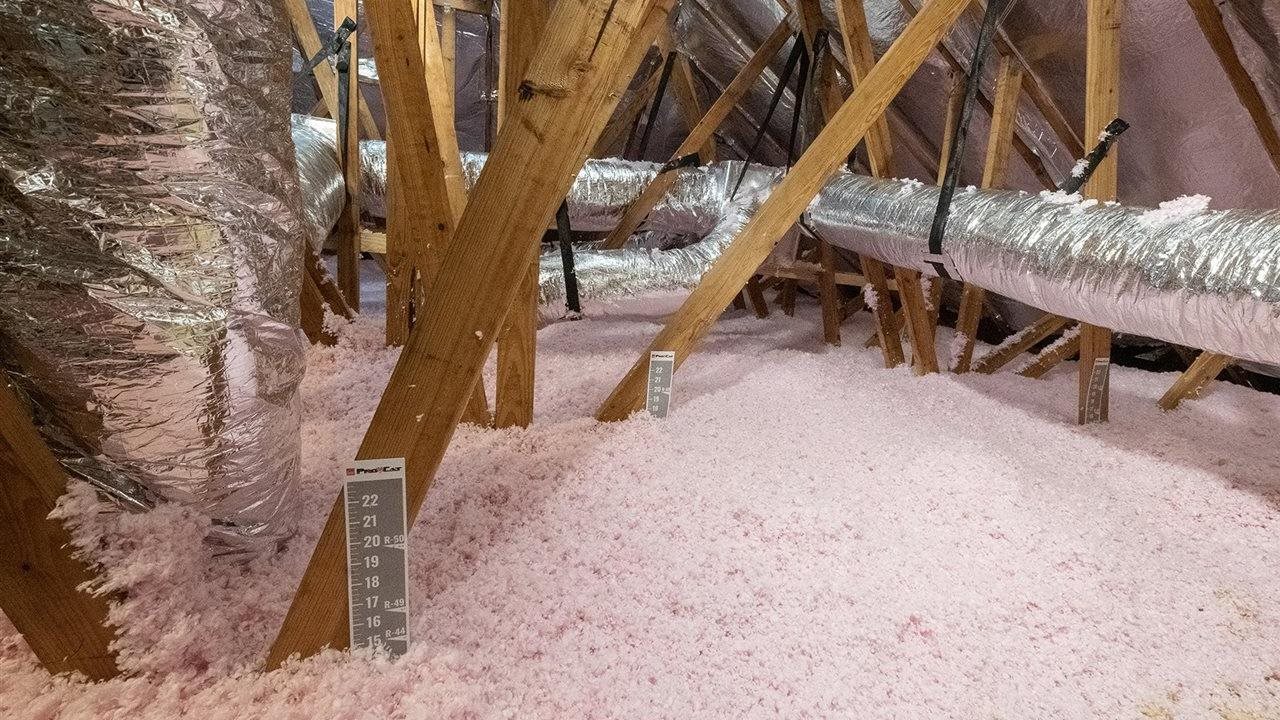
Attic insulation prevents heat from escaping the home during colder months and infiltrating the home during warmer seasons. Mitigating these thermal challenges can reduce the load on a home’s heating and cooling systems. The payoff for customers can be reduced energy consumption and lower heating and cooling bills, as well as potentially extending the equipment’s service life.

Not every contractor is an expert when it comes to caring for a home’s indoor air. Owens Corning certifies contractors that specialize in caring for homes’ indoor air. Owens Corning equips Certified AirCare® Professionals with tools to evaluate attics and make home-specific recommendations to support comfort and usage throughout the whole home. HVAC technicians certified as AirCare® Professionals are trained to spot conditions that could be reducing a home’s energy efficiency and compromising occupant comfort. During a thorough inspection of the attic, a Certified AirCare® Professional will evaluate ductwork, looking for holes, loose connections or signs of degradation. This inspection will help inform suggestions for repairing or replacing ductwork to support improved comfort and energy efficiency.

Beyond inspecting ductwork, the Certified AirCare® Professional will measure attic insulation levels and suggest the optimal level to achieve improved energy efficiency and comfort. Proper levels of attic insulation also help maintain a more consistent indoor temperature, supporting a comfortable indoor environment in all seasons. Additionally, adequate attic insulation can help lighten the load on HVAC equipment, potentially extending its lifespan and reducing the need for repairs.

Attic insulation can deliver non-thermal benefits as well. For example, sufficient levels of insulation can help reduce external noise entering the space and less energy usage may reduce a home’s carbon footprint.

Homeowners have long relied on HVAC technicians to regularly service and maintain heating and cooling equipment. Having a home’s attic inspected by a technician certified by Owens Corning as an AirCare® Professional takes that diligence to a new level by caring for the home’s air as an intrinsic part of whole home comfort and value.

©Owens Corning 2023. All rights reserved.

Hidden dirt: 5 places in your home you aren’t cleaning but should

2023-08-24T04:01:00

(BPT) – How clean is your home? Even if you have a daily, weekly or monthly cleaning routine, you might miss some nooks and crannies that often go unnoticed and uncleaned. These hidden areas can easily collect dust, dirt, grime and allergens that are unsightly and can compromise your overall home hygiene.

If you want to have a truly spotless house, make sure to regularly clean these five commonly overlooked places in your home.

1. Ceiling fans and light fixtures

When was the last time you cleaned your ceiling fans and light fixtures? Because they’re situated up high, it’s easy to overlook them during your regular cleaning routine. Over time, fan blades and light covers collect dust and cobwebs, which are released as the fan rotates and lights are turned on, polluting indoor air.

Use a tool like the Casabella Multi Angle Extendable Microfiber Duster to easily reach and properly clean fans and lights. The extendable handle and pivoting head allow you to clean hard-to-reach areas at any angle. The duster’s microfiber head attracts and holds dirt, dust, cobwebs, pet hair and other allergens. Best of all, the plush dusting head is completely removable, so it can be machine washed and used again anytime. Regularly you should also wipe down these fan blades with a damp cloth to prevent the buildup of allergens and keep your home’s air quality in check.

2. Air vents

Cleaning air vents is necessary to maintain good indoor air quality. Over time, dust, pet hair and other airborne particles can clog vents. Not only does this decrease your air quality, but it can also impact the efficiency of your air circulation system.

As part of your weekly cleaning routine, regularly vacuum, dust and wipe down air vents to help promote better air circulation. Cleaning air vents can also help reduce allergen levels in your home, so you can breathe easier.

3. Behind large appliances

Do you move large appliances when cleaning? If you don’t, you’re in for a nasty surprise when you do. The areas behind and underneath refrigerators, ovens and washing machines quickly collect food crumbs, dust and pet hair. Once a month or more, unplug and move these appliances and thoroughly clean these hidden spots as well as the surrounding areas.

To ensure these areas are truly clean, you’ll need essential tools like the Casabella Power Core Broom and Dustpan. Designed with an angled, extra-large broom head, you can quickly and comfortably sweep at any angle. The dustpan’s rubber lip makes for fast one-pass pickup and built-in teeth allow you to clean the broom bristles after each use. When you’re done, simply clip the dustpan onto the pole for easy storage.

Now that you’ve thoroughly swept, it’s time to mop! The Casabella Clean Water Spin Mop spins away dirt, grime and excess water and separates clean and dirty water into a dual bucket system, removing 99% of bacteria. The reusable mop head is machine washable and features an anti-scratch scraper to tackle even the most stubborn, stuck particles.

4. Baseboards, crown molding and trim

Baseboards, crown molding and trim add a touch of elegance to your home but are often ignored during cleaning routines. If it’s been a while since you’ve cleaned these decorative elements of your home, don’t feel bad. Because they’re down low and up high, they’re easy to miss.

It’s important to regularly clean these three architectural elements, as dust and pet dander settle on these surfaces, detracting from the beauty of your home. Using your extendable duster, you can easily reach high crown molding and trim as well as low baseboards. Aim to do this once a week to prevent allergen accumulation and so they continue to look good.

5. Laundry room appliances

Because you’re already cleaning your clothes in there, you may forget to clean the laundry room appliances. Just like in the kitchen, unplug and move large appliances like your washer and dryer so you can clean behind and underneath.

While your dryer is out, clean the access vent so your dryer runs efficiently and lasts longer. Once it is back in place, open your dryer and wipe down the drum. Run an empty wash cycle to clean the washer’s drum.

To finish off your laundry room cleaning routine, wipe down the outside of the washer and dryer, paying close attention to any knobs, handles and buttons. Aim to clean the laundry room and appliances once a month.

Maintaining a clean and healthy living space doesn’t have to be difficult. Keep these five hidden spaces in mind when planning your cleaning routine, so you can relax with the knowledge that your home is truly spotless.

4 easy steps to add texture to your walls or ceilings for a professional finish

2023-08-22T12:01:01

(BPT) – As the world of interior design continues to evolve, homeowners and decorators alike continue to explore innovative ways to elevate their living spaces. The past few years have welcomed a wave of fresh wall and ceiling trends that aim to transform home décor, including the most recent revival of textured walls and ceilings.

“Homeowners are always looking for fresh and simple ways to incorporate eye-catching elements into their home,” said Raquel Beckett, senior product manager at DAP. “While texture is not a new concept, it is a novel way to effortlessly add a sense of depth and dimension to any room. We are seeing it in everything from accent walls to full covered ceilings.”

One of the simplest and most cost-effective ways to add texture to walls and ceilings is with aerosol products. Here’s how to achieve this sought-after look with spray texture:

Select a texture.

Choosing the right texture for your walls and ceilings can significantly impact the overall atmosphere of your living spaces. Texture can help hide wall imperfections. Some of the most popular spray texture options are Knockdown, Orange Peel and Popcorn. Knockdown offers a more subtle and understated approach with a textured surface that features flattened peaks. It’s an excellent option if you desire a textured look without an overpowering visual effect. Orange Peel is a classic and versatile choice with a texture that mimics the surface of an orange peel. It’s subtle, yet visually appealing, and suits a wide range of home decors. Popcorn is perfect for those seeking a textured look with a vintage touch. It creates a bumpy, stippled appearance that adds depth and character to ceilings. Homeowners can easily achieve any of these compositions through aerosol spray texture applications available from local home improvement stores.

Prep the area.

Before getting started, take time to properly prep the wall or ceiling area. Use a drop cloth or sheet to cover the floor or any furniture, then clean the surface area and allow it to dry completely. If there is existing texture on the area, be sure to remove it prior to applying the new texture. Lastly, practice the application before jumping in to ensure you are comfortable with the spray applicator to achieve the best results.

Apply texture.

Use a spray texture product that is easy to apply and will give you a consistent level of texture throughout the area you are covering. DAP’s line of 2in1 Wall and Ceiling Spray Texture is an ideal choice for both pros and DIYers tackling texture. The aerosol cans feature Aim Tech technology that offers a patent pending 60-degree adjustable nozzle to easily cover vertical, overhead and hard-to-reach areas. The nozzle also allows you to select a fine, medium or heavy level of texture when sprayed. Hold the can approximately 12 to 18 inches away from the surface using intermittent bursts, sweeping across the area in a quick, continuous motion.

Sand and paint.

Finish your project by sanding or painting the textured area. DAP Spray Texture only needs 30 minutes of dry time for water-based formulas and five minutes for oil-based, before you can sand or paint. Be sure to follow your paint manufacturer’s instructions on best results for applying paint to textured surfaces. If you are applying the texture on the exterior of the home, you’ll need to use an exterior grade paint.

With the new Spray Texture line from DAP, anyone looking to repair their textured areas or spruce up their living spaces can do so easily. For more tips and products to help create your wall or ceiling texture, visit DAP.com/spray-texture.

Use your senses: 4 easy ways you can make your space your own

2023-08-17T15:07:00

(BPT) – If you’re a millennial and a renter, you’re not alone — millennials are consistently the dominant renter generation, making up 17.2 million of all renter households. And as a renter, you may be looking for ways to make your home truly feel like your own. Renters usually have limitations on what they can do to their living space, so it helps to get creative when adding your personal touch. Even if you own your home, budget and time considerations may also limit how you can customize your space. However, there’s a lot you can do that won’t break the bank.

To get started, consider using your senses to help you transform your space.

1. Envision the possibilities

When you imagine home design, you naturally think of what you see. To personalize your space, start with lighting. More floor or table lamps help to brighten your surroundings, and lighter window treatments let in more natural light. Experiment with cool and warm lightbulbs to see how each impacts a room as you may be surprised at the change.

It’s also important to consider color. Choose a focal piece that’s meaningful to you, like artwork or a memento, then draw a color from that piece to unify the room. For your design palette, stick with warm colors like reds, oranges and yellows or cool colors like greens and blues. Provide contrast with neutrals (whites or light grays) or black accents. Make sure to stick to 1-2 colors as the focus for each room, or the look can get too busy. You can also add color accents by hanging art or making changes that are easily reversible, like swapping out cabinet hardware or applying stick-on tiles. If the effect is pleasing, you’re on the right track. When in doubt, remove a few accessories to simplify the decor.

2. The power of scent

When you think of your childhood home, what scent comes to mind? The aroma of something cooking in the kitchen, flowers a family member loved or fresh-cut grass? Because scent is so evocative, you can use it to speak volumes about your personality.

It’s easier than ever to customize your home’s scent using Glade PlugIns® Scented Oil warmer with new patented MaxControl technology. Glade’s new warmer provides 33% greater adjustability than any other PlugIn, giving you the ultimate control to customize the fragrance experience and scent intensity in each of your spaces. You can choose from dozens of always welcoming scents and vibes from the fragrance experts at Glade — whether you want your laundry room smelling fresh (think Clean Linen), your kitchen smelling fruity (like Apple Cinnamon), your bathroom smelling floral (such as Aqua Waves) or your living room smelling warm (Cashmere Woods). The easy-to-use control dial lets you adjust the fragrance level to fit any room size (up to 550 square feet), or to suit your personal preference for fragrance strength. The convenient plug-in design takes up less space than traditional aromatherapy or essential oil diffusers, making it the ideal air freshener for every area. Choose scents that make you feel calm, happy, upbeat — or evoke a place or season.

3. More than a feeling

Don’t forget the sense of touch as you customize your space. Providing contrasting textures that offer visual interest and feel great to your touch can turn a drab apartment into a cozy sanctuary. Consider soft rugs to sink bare feet into, fluffy throw rugs and pillows or wall hangings that invite you to touch them. Contrast soft and comfy features with hard surfaces like metal, glass, stone or wood for lamps, table bases and book ends for a sensory-rich space that gives you all the feels — literally.

4. The soundtrack to your life

Do you prefer quiet? Or do you like music, or enjoy hearing the hustle and bustle of the busy street (or cheerful birdsong) outside? Consider simple ways to make the sound of your space reflect your character. With a wireless speaker, bring your favorite music (or nature sounds) into any room (of course considering volume if you live close to others). You might also choose soothing ocean sounds or white noise to calm down and relax. Just like sight, smell and touch, you can use sound to customize your space to your liking.

Creating your personal space goes beyond arranging furniture — it’s about developing an experience that speaks to you — and about you — so you can share your tastes and preferences with friends and family. If you use your senses, you’ll find that your home will start to become a genuine expression of you.

Use your senses: 4 easy ways you can make your space your own

2023-08-17T15:07:00

(BPT) – If you’re a millennial and a renter, you’re not alone — millennials are consistently the dominant renter generation, making up 17.2 million of all renter households. And as a renter, you may be looking for ways to make your home truly feel like your own. Renters usually have limitations on what they can do to their living space, so it helps to get creative when adding your personal touch. Even if you own your home, budget and time considerations may also limit how you can customize your space. However, there’s a lot you can do that won’t break the bank.

To get started, consider using your senses to help you transform your space.

1. Envision the possibilities

When you imagine home design, you naturally think of what you see. To personalize your space, start with lighting. More floor or table lamps help to brighten your surroundings, and lighter window treatments let in more natural light. Experiment with cool and warm lightbulbs to see how each impacts a room as you may be surprised at the change.

It’s also important to consider color. Choose a focal piece that’s meaningful to you, like artwork or a memento, then draw a color from that piece to unify the room. For your design palette, stick with warm colors like reds, oranges and yellows or cool colors like greens and blues. Provide contrast with neutrals (whites or light grays) or black accents. Make sure to stick to 1-2 colors as the focus for each room, or the look can get too busy. You can also add color accents by hanging art or making changes that are easily reversible, like swapping out cabinet hardware or applying stick-on tiles. If the effect is pleasing, you’re on the right track. When in doubt, remove a few accessories to simplify the decor.

2. The power of scent

When you think of your childhood home, what scent comes to mind? The aroma of something cooking in the kitchen, flowers a family member loved or fresh-cut grass? Because scent is so evocative, you can use it to speak volumes about your personality.

It’s easier than ever to customize your home’s scent using Glade PlugIns® Scented Oil warmer with new patented MaxControl technology. Glade’s new warmer provides 33% greater adjustability than any other PlugIn, giving you the ultimate control to customize the fragrance experience and scent intensity in each of your spaces. You can choose from dozens of always welcoming scents and vibes from the fragrance experts at Glade — whether you want your laundry room smelling fresh (think Clean Linen), your kitchen smelling fruity (like Apple Cinnamon), your bathroom smelling floral (such as Aqua Waves) or your living room smelling warm (Cashmere Woods). The easy-to-use control dial lets you adjust the fragrance level to fit any room size (up to 550 square feet), or to suit your personal preference for fragrance strength. The convenient plug-in design takes up less space than traditional aromatherapy or essential oil diffusers, making it the ideal air freshener for every area. Choose scents that make you feel calm, happy, upbeat — or evoke a place or season.

3. More than a feeling

Don’t forget the sense of touch as you customize your space. Providing contrasting textures that offer visual interest and feel great to your touch can turn a drab apartment into a cozy sanctuary. Consider soft rugs to sink bare feet into, fluffy throw rugs and pillows or wall hangings that invite you to touch them. Contrast soft and comfy features with hard surfaces like metal, glass, stone or wood for lamps, table bases and book ends for a sensory-rich space that gives you all the feels — literally.

4. The soundtrack to your life

Do you prefer quiet? Or do you like music, or enjoy hearing the hustle and bustle of the busy street (or cheerful birdsong) outside? Consider simple ways to make the sound of your space reflect your character. With a wireless speaker, bring your favorite music (or nature sounds) into any room (of course considering volume if you live close to others). You might also choose soothing ocean sounds or white noise to calm down and relax. Just like sight, smell and touch, you can use sound to customize your space to your liking.

Creating your personal space goes beyond arranging furniture — it’s about developing an experience that speaks to you — and about you — so you can share your tastes and preferences with friends and family. If you use your senses, you’ll find that your home will start to become a genuine expression of you.

Before lowering the thermostat, check the attic

2023-08-04T07:01:00

(BPT) – You’ve probably heard it said that what goes up, must come down. When it comes to the summer season, higher temperatures can prompt homeowners to turn down the setting on their home’s thermostat.

While lowering the thermostat may help take the heat off inside a home, this action may not get to the bottom of a comfort issue — especially if the problem resides in the attic. Issues in a home’s attic can lead to warmer temperatures in other parts of the home, potentially leading to another source of discomfort — higher energy bills.

Why insulation matters in the summer season

In both summer and winter, adequate levels of attic insulation are necessary to help regulate the temperature inside a home. As temperatures rise inside the attic, warm air will seek to escape into cooler air-conditioned parts of the home. Installing an adequate level of attic insulation can help defend against heat transferring from the attic into conditioned parts of the home. Attic insulation works to reduce heat transfer and helps keep the air-conditioned part of a home cool.

How much of a difference can attic insulation make when it comes to managing heat transfer? Every home is different and variables such as the size and design of the home and local energy rates will influence energy. The difference that attic insulation makes may be seen in lower energy bills and overall comfort throughout the home.

An attic inspection conducted by an Owens Corning AirCare® Certified Professional will measure a home’s insulation level and provide a recommendation on the appropriate amount of insulation to install. An AirCare® Certified Professional will take measurements and snap photos of insulation levels in the attic and then calculate the amount of insulation needed to achieve U.S. Department of Energy recommended insulation levels.

Ductwork’s influence on comfort and costs

Inadequate insulation is just one attic issue that can reduce comfort. The ducts inside the attic that transport air to each room of a home can also present problems. Holes and leaks in attic ductwork or poor connections can allow cooled air to escape into the attic before it ever reaches the intended room. When air exits ducts in the attic, the result is diminished comfort and wasted energy as the system works harder to replace the lost air. The additional workload can potentially shorten the life of the air conditioning equipment or result in service calls to inspect a properly operating cooling unit.

Inconsistent temperatures in different parts of the home may be a sign of a problem with leaky attic ducts. As the flow of air throughout a home is interrupted due to leaks or improperly sized ducts, the conditioned air may not travel to the air registers in each room. Thus, one room may consistently be chilly while another room feels too warm. An Owens Corning Certified AirCare® Professional can evaluate a home’s attic ductwork to uncover leaks and suggest strategies for properly sizing and sealing the ducts.

Dust levels and ductwork issues

Beyond reducing thermal comfort, improperly sized or faulty ductwork can also allow particulates in attic air to be blown into a home’s living space. “Any noticeable increase in dust levels may be a sign of a problem with attic ductwork,” says Tom Casey, Chief Visionary Officer of Griffin Service and an Owens Corning AirCare® Professional.

Of course, proper maintenance of a home’s HVAC equipment is essential to supporting its optimal performance and longevity. Air filters should be cleaned or changed regularly and equipment should be serviced as directed by the manufacturer.

As temperatures soar, utility bills can rise as well. Before simply turning down the thermostat and potentially increasing your energy bill, think about the “whole home” and how addressing issues in the attic can bring a more holistic approach to energy efficiency and comfort.

A crowd-pleasing recipe and 4 tips every host should know

2023-07-27T12:03:00

(BPT) – If you’re a home chef, you know how fun and fulfilling it is to host friends and family. However, entertaining a large group can also be challenging and a bit stressful.

To help you elevate your entertaining prowess, Nick Ritchie — Signature Kitchen Suite’s executive chef — has offered the following delicious recipe and four tips every home chef should know.

1. Prepare multipurpose batches of food

Chef Ritchie suggests cooking multipurpose batches of food like pesto, hummus ratatouille, caponata and baba ganoush, which pair well with grilled chicken, fish and meat. You can prepare and store a sizable batch of recipes up to a week ahead.

Check out this addicting parmesan dip recipe courtesy of Chef Ritchie that is sure to be a crowd-pleaser. You can serve it as a topping for fresh bread, crostini or bruschetta, toss it with pasta, spoon it over fresh sliced tomatoes, add to a salad, dollop it on steak or chicken breast, and use it as a pizza base. The possibilities are endless!

Chef Nick’s Parmesan Dip

Prep time: 10-15 minutes

Yield: 2.5 cups

Ingredients

  • 8 ounces Parmesan cheese, broken into 1-inch chunks
  • 8 ounces Asiago cheese, broken into 1-inch chunks
  • 1 tablespoon chopped garlic
  • 1 tablespoon freshly ground black pepper
  • 2 tablespoons chopped parsley
  • 2 tablespoons chopped basil
  • 2 tablespoons thinly sliced scallions
  • 1 tablespoon pepper flakes
  • 1-1/2 cups extra-virgin olive oil

Directions

1. Place the cheese chunks in the bowl of a food processor. Pulse for about 10 seconds to break the cheese into small granules. (Use a rubber spatula to scrape down and recombine between every couple of pulses.)

2. Add the remaining ingredients except olive oil and pulse briefly.

3. Using a spatula, remove all to a mixing bowl. Fold the olive oil into the blended ingredients and mix well by hand.

4. Transfer the dip to a sealed container and refrigerate for up to two weeks. Bring to room temperature before serving.

2. Sous vide to save time

Don’t let the fancy name fool you. The sous vide cooking method, which has been used by world-renowned chefs for years, is just as easy for home cooks. “Sous vide” (pronounced “sue-veed”) is French for “under vacuum,” and it’s an innovative cooking technique known for achieving the perfect temperature every time. Food is vacuum sealed, then submerged in water and slow-cooked at a constant precise temperature until it is perfectly cooked.

Sous vide has become the go-to method in the world’s best restaurants for years and for good reason. It brings food to the precise temperature chefs look for and delivers perfect doneness, edge-to-edge, every time with little effort.

Let’s say you’ve prepared a bone-in ribeye using the sous vide method. As you cut into your steak, you’ll notice something right away. The doneness you were hoping for goes all the way through your steak, without that gray-to-pink gradient and thin band of desired doneness that you get when simply grilling steaks.

Even better, you can use sous vide to do a “reverse sear.” Sous vide will ensure your steak is cooked to the desired temperature. Then, you can put it on the hot grill for that tasty, smoky char only outdoor cooking can give you.

Baby back ribs are another popular staple that can be prepared using the sous vide method. With the perfect fall-off-the-bone doneness from the sous vide, a nice smokey finish from the grill and a brush of barbecue sauce, you’ll have all-day ribs without the all-day work.

You can even make batches of sous vide cocktails and mocktails for a large group, so you don’t spend your whole event mixing drinks. Chef Ritchie recommends popular libations like limoncello, an old fashioned and cherry gin.

3. Embrace technology

Technology is your friend here, so use it! Cooking and kitchen appliances can help you save time, elevate your cooking and simplify preparing and storing dishes for entertaining and everyday cooking. To make recipes shine, Ritchie advises at-home chefs to upgrade the tools and equipment — especially appliances and other must-haves they use every day. He recommends today’s ultra-versatile appliances, like those from Signature Kitchen Suite, which feature multiple modalities — from steam and gas to induction and even industry-first sous vide built right into the cooktop — to deliver elevated creations and make your cooking experience easier and more successful, day after day.

Learn more about these and other options to enhance your home cooking at SignatureKitchenSuite.com.

4. Take it easy on yourself

Keep it simple. Serve your dishes buffet or family style on platters for an easier setup and cleanup.

If you plan to dine outdoors, pick up rustic or picnic-style butcher paper as a disposable tablecloth. Opt for eco-friendly, compostable plates and utensils that are attractive so you can skip washing dishes after your guests have gone home.

Impress your guests and enjoy your dinner party or get-together that those in attendance won’t soon forget. Using these four tips, you’ll be ready to host any event this season and beyond.