How to clean soot and ash from your pool after a wildfire

2023-05-18T07:01:00

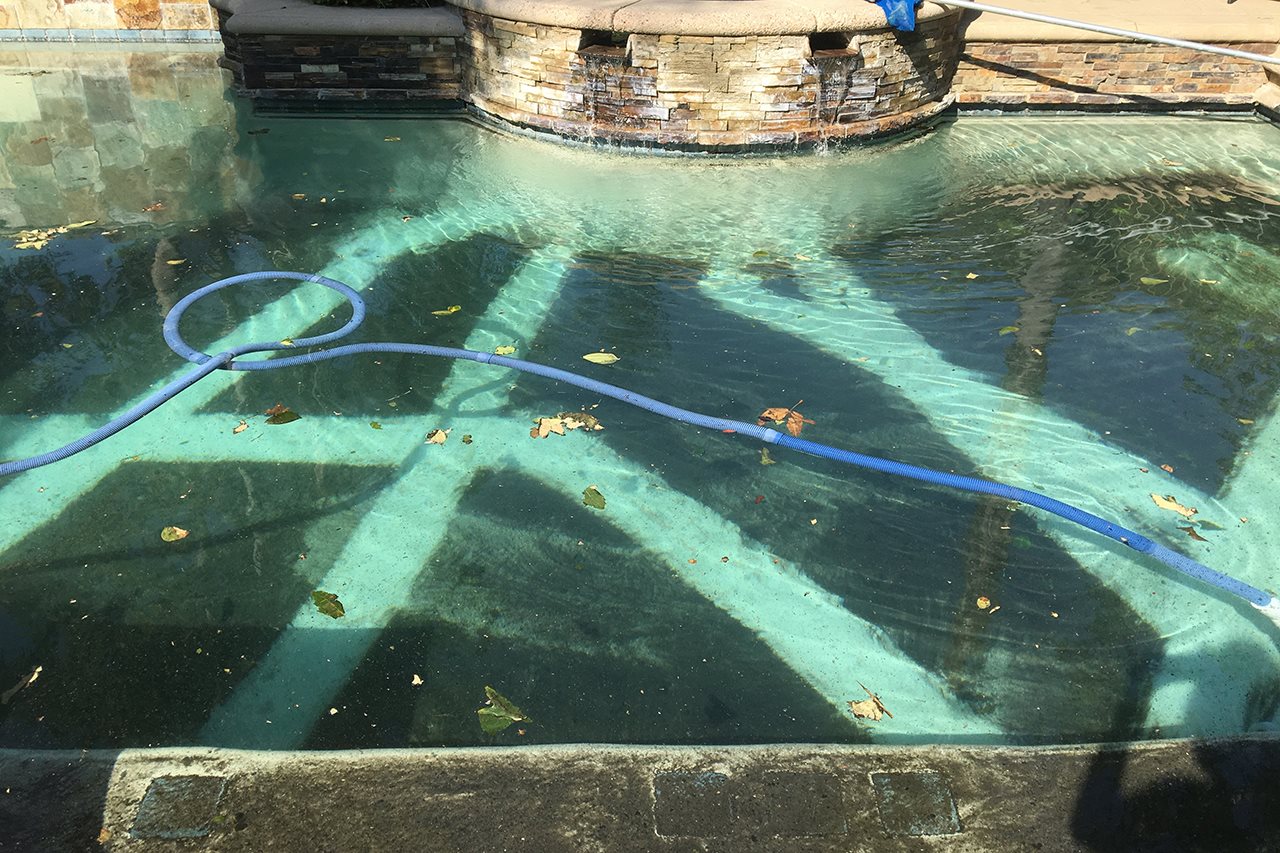
(BPT) – If your region faces the risk of wildfires during the hot, dry summer months, you may already have an emergency plan in place. But once the danger has passed, there is a list of things you need to do to help get your home and your daily routine back to normal. If you’re a pool owner, you’ll want to spend some time cleaning up your pool as soon as possible. This helps avoid the long-term issues caused by soot and ash in the pool.

Soot and ash can cause staining problems for your liner, as well as poor water quality in your pool. The faster you can remove it, the less chance you’ll have of dealing with permanent pool discoloration.

Leslie’s has some quick tips to help you restore your pool after a fire.

1. Clear out surface debris

First, use a skimmer net to remove as much ash and debris as possible while it’s still suspended at the water surface. Here’s a pro tip: cover the net with an old T-shirt, pillowcase or other cloth to help you trap finer particles in the net.

2. Circulate and filter the water

After you’ve removed as much surface debris as you can, you’ll want to get to work on cleaning the water. Make sure the water level is about halfway up the mouth of the skimmer before running your equipment. Clean out the pump strainer and skimmer baskets, then run the pump 24/7 until the water is clear again. During the process, clean or backwash your filter as needed according to manufacturer recommendations. For large amounts of soot and ash in the water, you may need to clean the filter more frequently. If you’re having issues getting the pool water to clear up, try adding a clarifier to help your filter work more effectively.

3. Remove settled debris

To help prevent staining, remove any debris that may have settled to the bottom of the pool. Vigorously brush the walls, steps and floor of the pool to loosen debris. Then, manually vacuum the pool or use an automatic pool cleaner to remove settled debris. For large amounts of settled ash, you may want to vacuum first, then brush, then vacuum again to avoid stirring up all the fine soot while brushing.

4. Restore your pool water balance

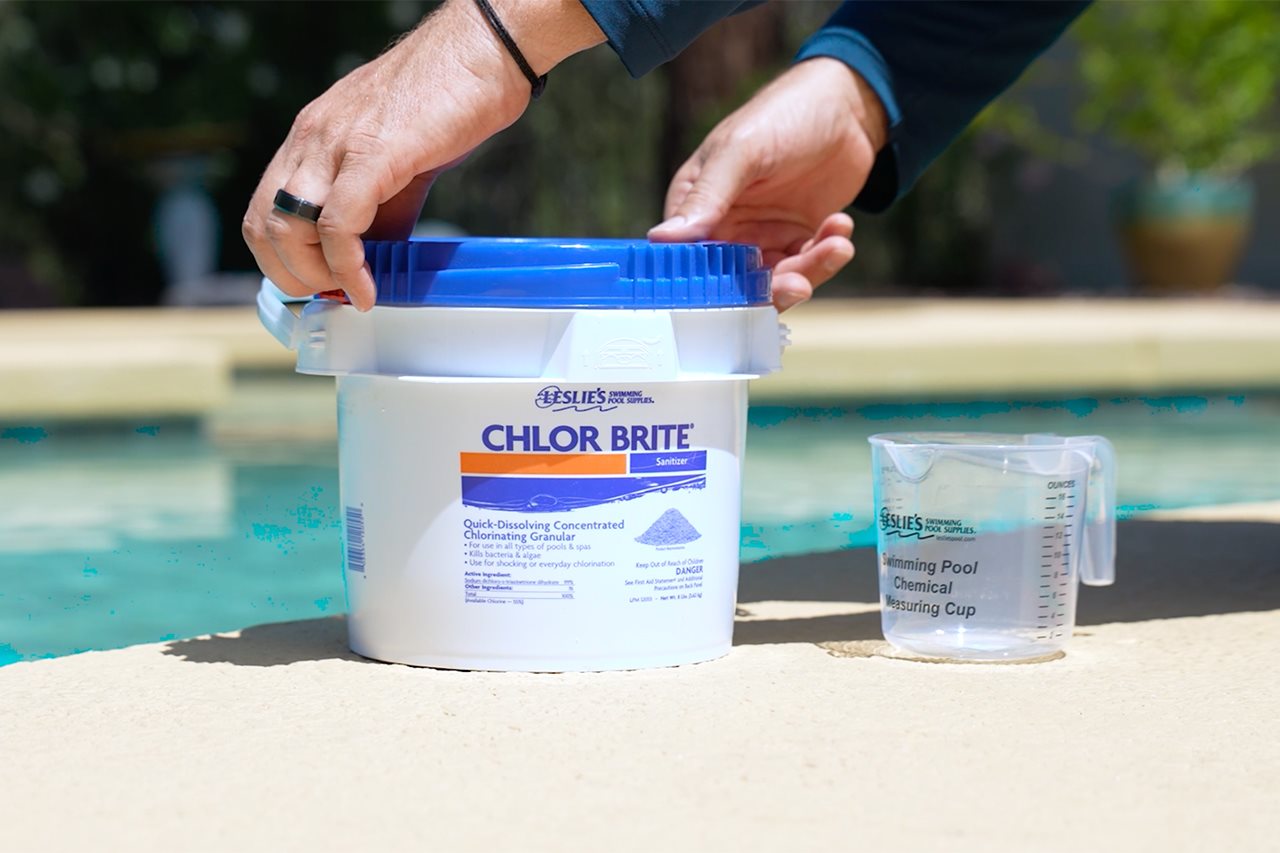
After your pool has been thoroughly cleaned, the next step is to balance your pool’s water. First, test the water to make sure it’s balanced. Soot and ash can have a major impact on water chemistry — especially the pH. To get the most accurate water test results, bring a water sample to your local pool store for professional testing. Leslie’s offers free in-store AccuBlue® water testing, which precisely measures 10 different aspects of water chemistry and provides detailed recommendations on how to get your water back on track. Shock the pool once the water is balanced, then check to make sure your chlorine dispenser is full.

5. Address staining

For any lingering stains and discoloration you may see on your pool walls or floor, try a chemical stain and scale remover or a stain eraser designed for your pool type. For extreme staining and damage, you may need to consider an acid wash for your plaster or concrete pool, or you may want to replace your pool’s vinyl liner.

What to do if you have no electricity

If you don’t yet have working electricity at your home to run your pump and filter, first remove as much debris as possible from the pool using manual cleaning tools like a skimmer net. Then, shock the pool and use a pool brush to agitate the water — this will help to distribute the chlorine throughout your pool. This will help keep the water sanitized until your electricity is back up and running. Avoid balancing the water until you’re able to use the pool pump to help circulate and distribute the chemicals.

Once the fire has passed and you’re ready to start restoring your pool, the experts at Leslie’s can help you get your pool clean, safe and swim-ready once again. For more tips and information on pool recovery, check out their resource center at LesliesPool.com.

5 reasons to turn your long-distance move into a national parks adventure

2023-05-17T08:01:00

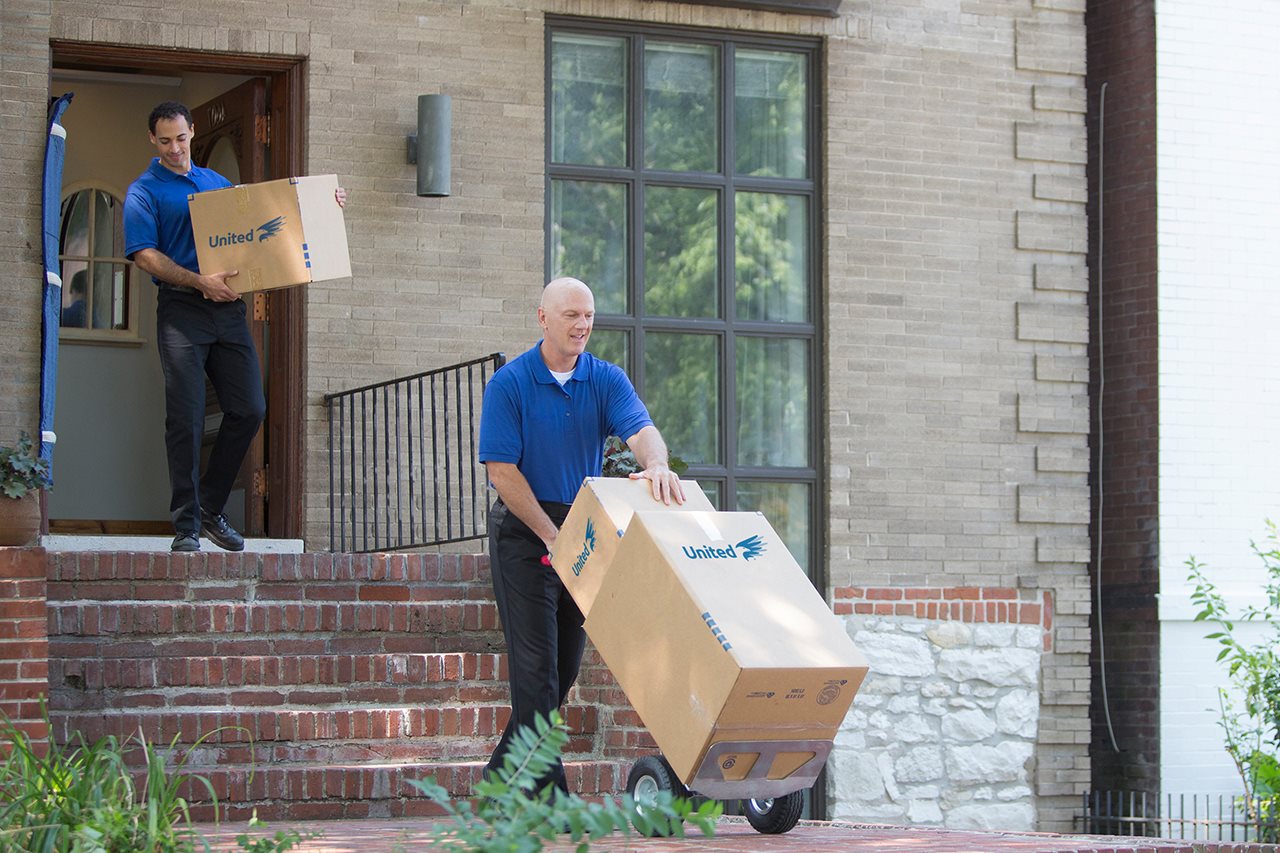
(BPT) – A lot goes into planning and preparing for a long-distance move. And while relief comes once your boxes are on the truck, you may have one final push to drive cross-country to your new address.

Because you may otherwise arrive before your belongings, why not embrace the time — and road ahead — by turning your relocation into a national parks adventure?

Sure, it’s tempting to put the pedal to the metal when you move cross-country — but don’t. You will not regret a few stops — or even a detour — along the way. It’s on the open road and amid the great outdoors where some of the best memories are made.

United Van Lines is here to share the amenities and natural resources available to help you settle into your new neighborhood with interactive, downloadable and shareable national park guides.

Still need convincing? Check out the top five reasons you should turn your long-distance move into a national parks adventure:

1. To prepare your body and mind

Granting access to some of the country’s most breathtaking, pristine and remote landscapes, national parks are remarkably beautiful places to reflect, get grounded and prepare your body and mind for the next chapter in life.

No matter where your move takes you, nature’s bounty can help you clear your head and be at peace.

2. To stretch your legs

Antsy kids? Antsy pets? Antsier, crabbier grownups? Truth be told, a long-distance road trip can be as fun as it is taxing. You know what helps? Keeping the “Are we there yet?” at bay.

With interpretive centers, miles upon miles of hiking trails, incredible wildlife sightings and so much more, walks, strolls and hikes through national parks are an ideal way to relax restless legs. And the breathtaking landscapes? They’re just icing on the cake.

3. As a backdrop for postcard-worthy picnics

Just like you need to stretch your legs, you also need to eat. Rather than pull over at drab rest stops, why not picnic at a national park? Whether it’s a scenic pull-off or a proper pavilion, national parks are filled with pitch-perfect mealtime panoramas. Just remember to pack snacks and sandwiches of your own since options within park boundaries are slim to none.

4. To explore America’s backyard

When you make a cross-country move, you travel through “America’s backyard.” You may find yourself meandering through villages, crisscrossing rivers and intersecting everything from mountain passes to dense forests and flower-stippled meadows where the jaw-dropping beauty of the United States unfolds.

Look at your long-distance move not only as an adventure, but also as a unique opportunity to explore new and tucked-away destinations of incalculable worth.

5. To help you settle in

Once the boxes are unpacked and your furniture is positioned just so, you may be ready to get out and explore your surroundings. If you live near any of these natural wonders, lucky you! Otherwise, they may afford a quick weekend trip or inspire a getaway down the line. Whatever the circumstance, United Van Lines’ national park guides are here to spark your imagination and sense of exploration.

Looking for more ways to streamline and simplify your long-distance move? Visit the United Van Lines blog for expert tips and tricks.

This budget-friendly innovation lets you add a bathroom anywhere

2023-05-16T08:01:00

(BPT) – After years of home improvement enthusiasm, homeowners are approaching renovations differently. Inflation means projects cost more, but rather than shelving their home improvement dreams, homeowners are being strategic by choosing renovations that are budget-friendly with a focus on functional spaces, like the bathroom.

Case in point: Nearly 28% of American homeowners plan to spend “significantly” less compared to last year, according to a survey by Today’s Homeowner. However, the vast majority of homeowners — 90% — said they were planning to tackle at least one home renovation project this year.

With budgets top of mind, many people may think a new bathroom is off the table. While traditional bathroom additions and remodels can be costly due to things like demolition and complex plumbing configurations, above-floor technology is making bathroom updates more accessible and affordable than ever.

Above-floor macerating systems

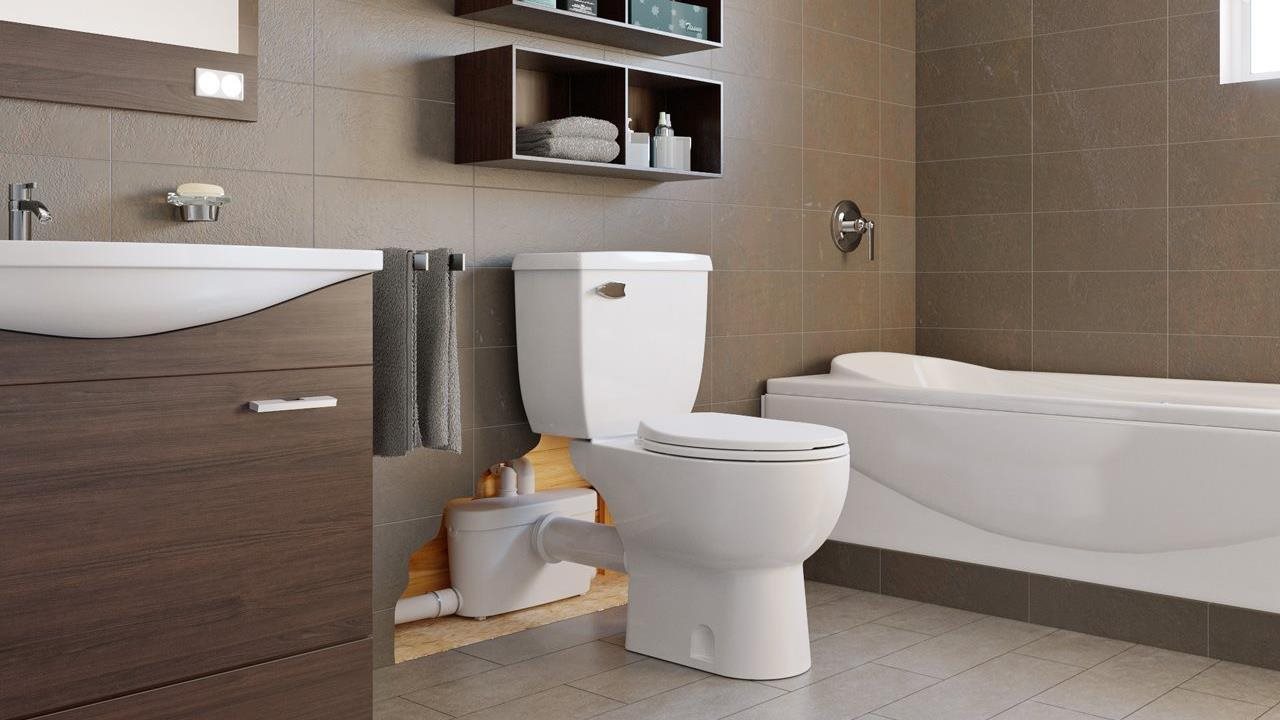
You can cut costs considerably by using an up-flushing, macerating system from Saniflo. This technology operates above the floor, so you can install a bathroom virtually anywhere. You are no longer limited to spaces with existing below-floor plumbing or having to rip up flooring or demo concrete to install new plumbing.

How does this work? Saniflo’s compact upflush systems efficiently process and pump waste away to the nearest drain line or sewer system. This is ideal for spaces that do not have below-floor plumbing or where someone has previously told you a bathroom addition would be impossible, including basements, attics, garages, storage closets, pool houses and much more.

Saniflo offers different options depending on your needs. For half baths — meaning a bathroom with a toilet and sink, no shower or tub — the Saniaccess 2 is ideal. For full baths with a toilet, shower and tub, the Saniaccess 3 is the best choice. Learn more at Saniflo.com.

Saniflo’s above-floor plumbing macerating pump systems are a great option when you want to add or update a bathroom but don’t want to spend a lot of money or do a lot of demolition. To save even more money, consider these three additional ways to keep your home bathroom project low-cost.

Improve versus expand: Want a bigger space? Knocking down walls is messy, intensive work. If you want to expand the space, consider replacing a hinged door with a pocket door. A recessed medicine cabinet and bowed shower curtain can improve functionality while making spaces feel larger.

Lighten and brighten: A fresh coat of paint in a new hue is one of the easiest and most affordable ways to update a space. To further update the look, consider cleaning or repairing any white elements, such as scrubbing grout, redoing caulk and painting the ceiling. Fresh white details make everything look new.

Fix rather than replace: Instead of buying new, consider how you can repair and update existing features. For example, new bathroom vanities are costly, so what if you resurfaced or painted your current one and then updated the hardware with modern handles and drawer pulls? Another option is to shop secondhand to save and refresh bathroom fixtures yourself.

No one likes inflation but it doesn’t mean you have to put home improvement projects on hold. By looking for creative solutions that save time and money, you’ll be surprised just how much you can do while staying on budget.

How to clean your pool after a major storm

2023-05-11T17:19:00

(BPT) – After any kind of severe storm, cleaning up your swimming pool may seem daunting. Between the tree branches and leaves, random debris, and generally dirty water in your pool after the stormy weather has passed, it’s hard to know where to start. Fortunately, the experts at Leslie’s have some easy-to-follow tips and advice to help you get your pool back in great shape, so your family can enjoy it once again.

1. Manage the water level

Your pool’s water needs to be about halfway up the skimmer. After a heavy rainfall, it’s likely that excess water has overfilled your pool. If necessary, you can lower the water level with the help of a submersible pump or by backwashing your sand or D.E. filter until the level is where it’s supposed to be.

2. Clean out the pool

Once your water level is back to normal, you can start tackling the clean-up process.

  • Remove leaves and large debris. Use the skimmer net and/or leaf rake to scoop out as much debris from the water as possible.
  • Clean out the pump strainer and skimmer baskets. Large debris can block water flow.
  • Brush and vacuum the pool walls and floor. You may need to do this a few times, depending on the condition of your pool. An automatic pool cleaner can help you get the job done more quickly.
  • Check the equipment to make sure there is no visible water damage or compromised parts before starting your pool equipment up again. Don’t use equipment that’s been submerged in flood waters; instead, consult a pool service professional first.
  • Run the circulation and filtration system. If you’re able to run the pump and filter system, make sure to run it continuously for at least 12–24 hours — or until the water turns clear again. If the water is especially dirty, you may need to clean the filter during the process, since it may fill quickly with debris.

3. Test, balance and shock your pool’s water

Healthy water starts with proper balance and sanitization. Remember to never mix chemicals, and always read and follow all product label instructions. Keep the pump running on high speed when adding any pool chemicals to your water.

  • Balance and shock the pool. As soon as you’re able to use the pump, add chlorine to the water to shock it and keep contaminants under control. Balancing the water first is ideal, but that may not be feasible for extremely soiled pools. In these cases, add the chlorine first, then balance the water later.
  • Use a phosphate remover to eliminate phosphates, which is a food source for algae. After a rainstorm, phosphates in your pool will likely be elevated. You can also use an algaecide to help protect your pool from algae growth once the storm is over.
  • Also use enzymes and clarifiers. Because severe storms can bring lots of microscopic debris into the water, your pool may appear cloudy at first. These chemicals will help your chlorine and filter work most efficiently, which will clear the water faster.

If you’re unsure how to test your pool, or if you’re looking for something more accurate than an at-home test kit, you can use Leslie’s free in-store AccuBlue® water testing service to help determine the next steps in recovering your clean and healthy pool.

Need help getting started? Visit your nearest Leslie’s to talk to an expert. If you suspect equipment damage, they can help with at-home services. You can also find the supplies and equipment you need at LesliesPool.com, along with helpful information and resources.

Access-Friendly Sliding Doors Create Pathways to Easier Living

2023-05-11T06:23:00

(BPT) – As aging in place and multi-generational households continue trending, integrating universal design into homes has become essential. Improvements, such as wider doorways for accessibility, can enrich life quality for people of all ages and abilities. Those desiring to live at home during their later years can benefit from easy-to-navigate doorways with sliding doors that accommodate mobility aids, including wheelchairs and walkers. Extended families can also enjoy wider doorways for smooth sailing of kids’ strollers, wheelchairs for elderly or disabled family members, and more.

Expertly engineered in the USA since 1958, Johnson Hardware’s sliding door hardware lets you maximize usable space where needed, from bathrooms to high foot-traffic areas. Compared to swinging doors, which present obstacles, sliding doors free up to 14 square feet of floor space for easier travel of mobility aids through doorways, more turnaround space, and extra areas for household items.

Wall-mounted sliding doors make it a breeze for everyone to navigate their home. 200WM Wall Mount Sliding Door Hardware frees up floor space and offers smooth-gliding door operation even with repeated use. The heavy-duty hardware set includes everything you need, including adjustable, detachable door hangers for easy door installation and removal (doors not included). An experienced handyman can complete the installation in about an hour.

Give existing nooks in your home new purpose by upgrading the kitchen with 200BP Bypass Pocket Door Hardware for added privacy. Whether the breakfast nook becomes your kids’ homework space or your home office, functional sliding doors let you easily close off the space when needed.

To ensure unobstructed floor surfaces, the company provides Trackless Door Guides for its sliding bypass and multi-pass pocket door series. Without floor tracks, people using mobility aids can pass through doorways without a hitch.

The 2610FBSC Soft-Close Wall Mount (Barn Door) Sliding Door Hardware (shown above) and 1500SC Series Soft-Close Pocket Door Frame Kit (shown below) make it simple to create handicapped accessible openings throughout home interiors. The universal design-inspired soft-close feature quietly slides doors open and shut with a fingertip touch. Door speed slows gradually, preventing pinching and slamming.

Pocket doors conveniently slide into the wall, while swinging doors require forward and backward movements alongside them, tricky with a wheelchair or walker.

The versatile, commercial-grade 2060SC Series Heavy-Duty Soft-Close Pocket Door Frame Kit (includes 2066 Series Soft-Close feature) is a good choice to install nearly any type of door weighing up to 330 lbs. in homes, condos, barndominiums and commercial applications.

Johnson’s durable pocket door hardware exceeds the Americans with Disabilities Act (ADA) accessibility standard for door width. The ADA requires a minimum clear width of 32” from door face to opposite stop, but Johnson’s hardware accommodates up to 60” for greater accessibility.

For more information, visit www.johnsonhardware.com, or call 574-293-5664. Follow the company on Twitter: @JohnsonHrdware, Instagram: johnsonhardware, Pinterest: https://www.pinterest.com/johnsonhardware/?etslf=11197&eq=johnson%20hardware, and Facebook: www.facebook.com/johnsonhardware1958.

Ready to get back to barbecue? Tips for choosing your next favorite grill

2023-05-11T06:05:00

(BPT) – There’s nothing like sunshine, a warm breeze and the smell of delicious food on the grill. If you’ve been anticipating getting back to grilling, wait no longer! According to the Hearth, Patio & Barbecue Association, May 27 is National Back to Barbecue Day — the perfect opportunity to celebrate everything you love about outdoor cooking. If you already have a grill, this is a great time to upgrade, so you can cook more dishes for bigger get-togethers, or to try a different kind of grill, letting you experiment with new techniques like using a smoker.

What kind of grill is best for you? It depends on your space, what you like to cook and how you like to prepare it. First, ask yourself the following questions:

How much time do you want to spend cooking? If you’ve got a busy schedule, you may prefer the convenience of gas or electric grills. However, if you love spending time perfecting the perfect outdoor meal, you may enjoy a charcoal grill, smoker or kamado grill.

How much space do you have? Do you host frequent large gatherings? Go big on your barbecue size to optimize these special occasions. For a big backyard, a larger grill with a kitchen island can create a focal point for entertaining. But a premium portable or compact grill is your best option if you live in a condo or apartment, or for a cabin or other vacation destination with limited space.

What do you love to cook? Many grills offer extra features for particular foods. Think rotisseries if you love roasted chicken, or side burners for soups and stews. Crave the ‘za? Consider a grill with ample space for pizza stones.

To help you discover your next favorite grill, here are the features of five major grill types to consider when making your choice.

Gas: If you want convenience and faster meal prep, a gas grill may be right for you. As with your kitchen stove, your food can be ready to cook in 10 minutes — and it’s easy to regulate cooking temperatures.

Charcoal: If you love being hands-on with the nuances of outdoor grilling, a charcoal grill may be the choice for you. Some say charcoal provides the best flavor experience. You can use your charcoal grill for classic low and slow cooking — and high heat searing.

Pellet: This a great option for people seeking optimal flavor. With available pellets in hickory, mesquite and oak, you can enjoy a truly flavorful cooking experience.

Electric: If simplicity appeals to you most, an electric grill may be your best bet. Designed to produce constant heat and operate without an open flame — without charcoal or propane — they’re especially suited for apartment or condo dwellers.

Kamado: For people who love cooking all styles and who keep grilling year-round, Kamado Grills’ excellent insulation works perfectly for both grilling and smoking. They’re very versatile, use wood and charcoal, and can also roast or bake.

Few products come in as wide an array of price ranges as grills, so almost anyone who wants a grill can find one that’s within their budget. But remember — a more premium grill offers many more features to enjoy and tends to last longer, providing a stronger return on your investment.

Ready to get out there and cook? Get back to barbecue with this delicious recipe for Grilled Chicken Fajitas from food writer Brad Prose, founder of Chiles and Smoke. All you need is two pounds of chicken wings, Mexican seasonings like chili powder, chipotle powder, ginger and limes for a tasty marinade (4-12 hours), then you can wow your friends and family by grilling or smoking these flavorful wings.

Explore recipes and plenty of grilling inspiration at WhyIGrill.org — or find your new grill by locating a retailer near you at HPBA.org/Resources/Store-Locator.

Go Natural with Home Decor

2023-05-09T13:53:00

(BPT) – Is it time to add style to your home’s décor? If you’re drawn to natural beauty and products that have a story, what can be better than pieces made by nature and crafted by hand? That’s why choosing items made from a Real American Hardwood® species like cypress is a meaningful way to add a personal touch. Here are five thoughtful ways to bring a slice of nature and history into your home.

The Center of Attention

Why would you not want to consider real wood décor items? That’s a question David O’Brien, owner of the Old Sinker Cypress Shop in Mandeville, Louisiana, asks often.

“People love to touch and hold wood, especially when it’s as gorgeous as cypress,” he explains. “It’s the real deal — it’s what so many manufacturers of wood-look products try to mimic.”

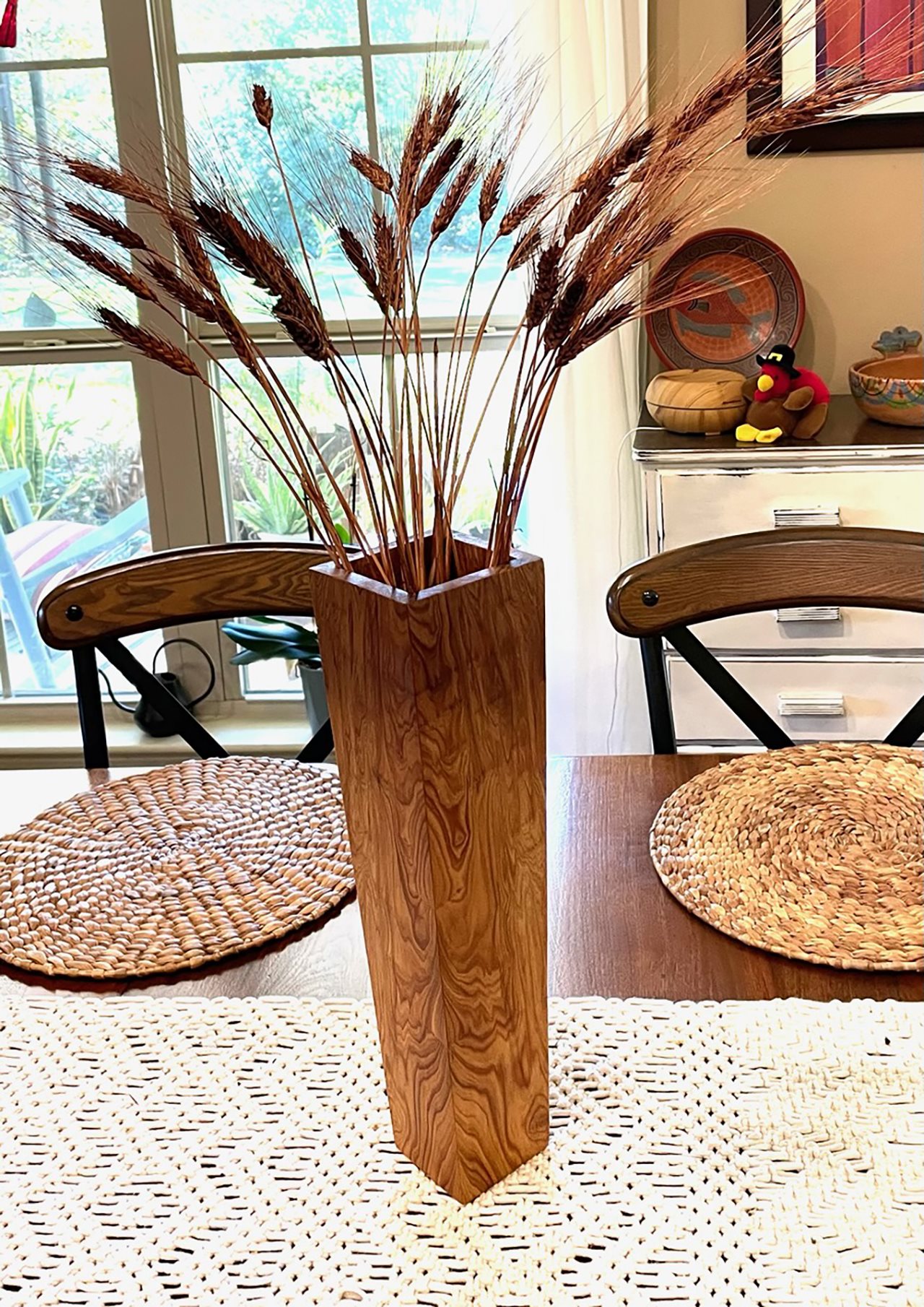
As the name implies, his shop specializes in creating a variety of items out of cypress. “We make display vases, charcuterie boards, curio boxes, incense holders, plate warmers, frames, framed prints, coffee tables, waterfall tables, benches, shelving, desks — anything you can imagine.”

Dine in Style

When it comes to investing in quality furniture, O’Brien says cypress is durable and can last forever when properly maintained.

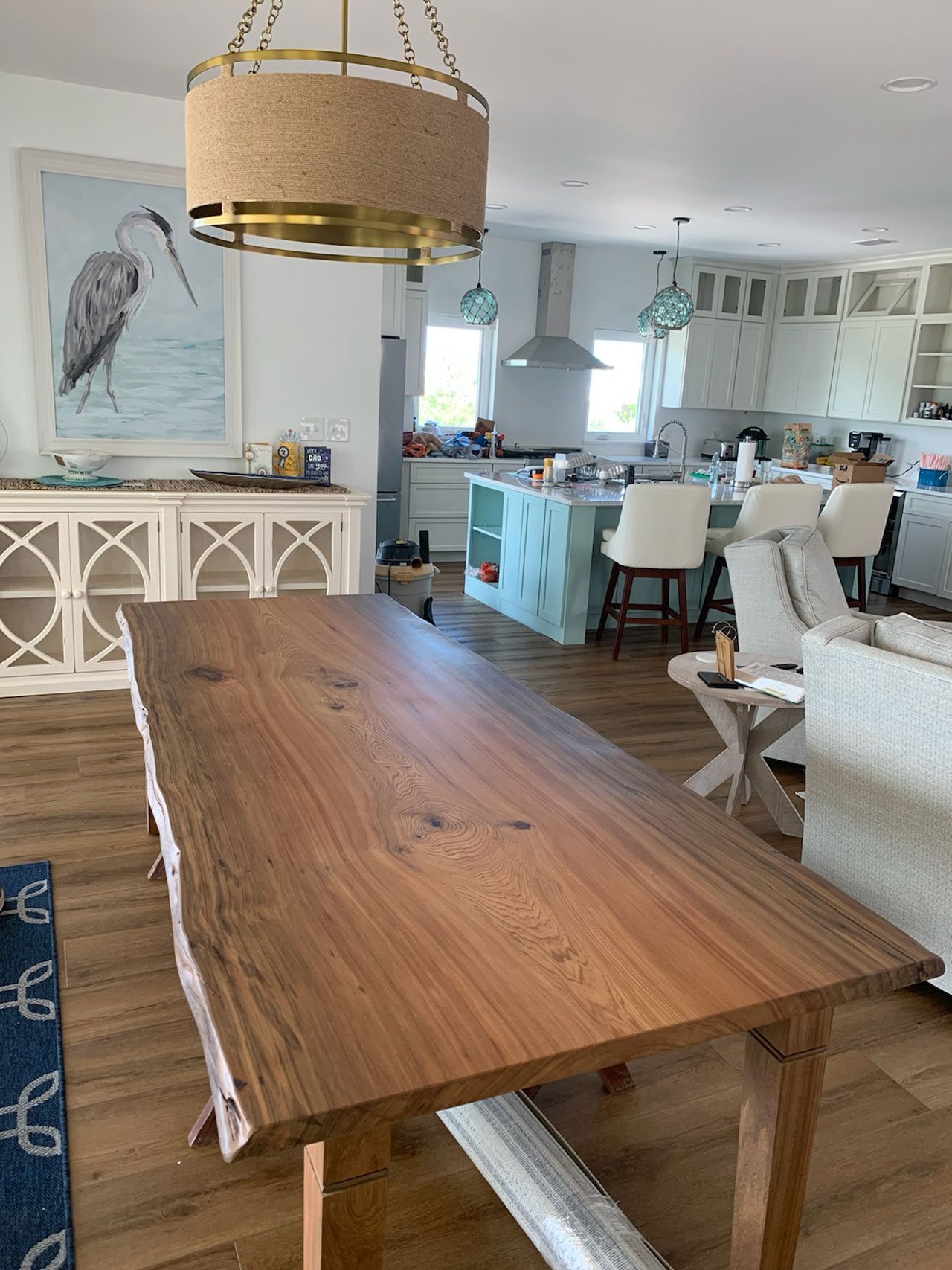
“We produce a lot of live-edge furniture from cypress logs that are 300–400 years old, and that probably spent another century under water. Every board offers unique texture and color. And every finished item combines art and history.”

As for his favorite piece? O’Brien says it’s an 8-foot-by-3.5-foot dining table crafted from a single live-edge cypress slab. “It’s absolutely stunning and would be a showpiece in any home.”

Now Serving

Woodworker Adam Doucet of Nonc’s Shop in Sunset, Louisiana, crafts small novelty items like bowls, utensils and other household items. While he works with a variety of wood, he says working with cypress is a dream.

“I particularly enjoy creating with sinker cypress,” he explains. “Cypress is the dinosaur of the swamps in our area — next to the alligators, I suppose. Many trees were felled by ancient hurricanes and the logs are still sitting there, and that makes creating something out of them extra special. You can see the grain and hundreds of years of growth. The wood’s beauty is unlike anything else, and you never know what you’re going to uncover until you start working. Dark gray, olive and maroon tones — it’s always a surprise and the finished products are breathtaking.

The Host with the Most

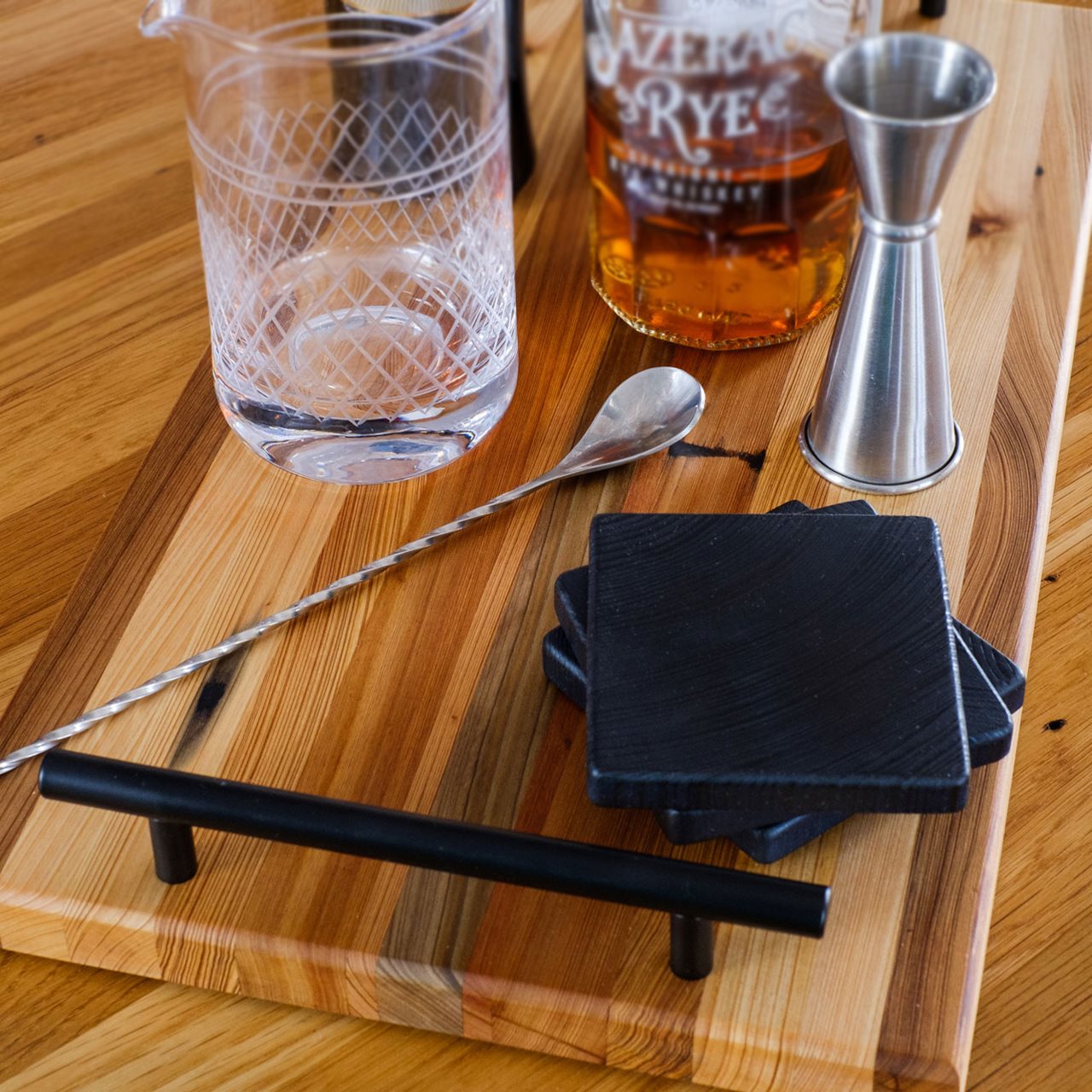
When it’s time to entertain family and friends, a serving tray comes in extra handy for transporting drinks and snacks. And for New Orleans–based creator Scott Myers of Myers and Son Atelier, a cypress tray doubles as a conversation starter.

“Cypress has a lot of variation in color and grain; it’s downright gorgeous. I use a lot of reclaimed wood, typically from old houses. It’d be a shame to let the material go to waste, so I repurpose it for things like serving trays and other functional items. It’s really special to look at old wood that found new life, and to share that history with guests. It makes for great conversation.”

Light it Up

While Myers makes a number of items—including tables, mantles, and display pieces to name a few—cypress lamps are his favorite. And it’s the handmade aspect of creating beautiful wooden lamps and highlighting intricate details that inspired him to get into woodworking.

“For me, connections to actual people are important,” he adds. “I have a table that my grandmother made and I love the fact that it’s a unique item that her hands literally shaped. I think there is satisfaction in knowing that an item was created by someone’s hands and mind, rather than mass produced by the thousands in a factory. It doesn’t get more personal than that.”

For more ways to add a slice of nature and history to your home’s décor, visit www.cypressinfo.org.

How to decide if a home remodel makes financial sense for you

2023-05-09T07:01:00

(BPT) – There comes a time when every homeowner looks around at their house and ponders a few upgrades. Sometimes, those ideas turn into full-on renovations as you reimagine your space to better meet your lifestyle. But before you start calling contractors, ask yourself: Does remodeling make financial sense?

Here are three tips to help you decide if a home renovation benefits your home and your finances.

Identify your wants vs. needs

How necessary are the improvements you want? Some home projects may end up costing you more than the value they provide. That doesn’t mean certain projects aren’t worthwhile.

“Home renovations come in all shapes and sizes. For some, it may be about the investment and increasing the home value, for a good few it might be about what looks the best, while others might not have a choice,” said Adam Fingerman, assistant vice president of equity lending at Navy Federal Credit Union. “Whatever the reason, it’s always a good idea to understand how a large renovation might impact your finances and the overall value of your home.”

Know your budget

Consider creating a chart with all of your cost estimates, and include columns for high-, medium- and low-cost options. Don’t forget supplies for do-it-yourself projects and always allocate a certain percentage for unexpected expenses.

Also be sure to get estimates from different contractors and compare them. Carefully check references and business licenses.

Explore financing options

Ideally, you’ve already established a home improvement savings plan. But if you’re planning to borrow, explore your financing options through your trusted bank or credit union.

“Think about the size of your project, whether or not you’ll have ongoing expenses, and your current finances,” said Fingerman.

For example, Navy Federal offers members various options for funding home improvement projects, such as home equity loans, home equity line of credit or personal expense loans. Members also have access to a wealth of information to help them make informed decisions about the right financing products for their home improvement goals.

Home renovations of any size — large or small — can be overwhelming. Consider these tips to help make it easier and more affordable in the long run.

Navy Federal Credit Union is federally insured by NCUA. Equal housing lender.

From grads to dads to newlyweds — this 5-in-1 tool makes the perfect gift for everyone

2023-05-05T06:01:00

(BPT) – Life is full of important moments and milestones worthy of celebration. If you have a loved one starting a new chapter, you can show you care with words of encouragement and a great gift. While the words may come easy, finding the right gift can be a little more difficult.

What if you could give a gift that helps them do a multitude of things, simplifies complex tasks and can be used again and again? Tools make incredible presents, and when you gift a tool like the Arrow 500 Series Staple and Nail Gun that can do many different things to help with a variety of tasks, your gift will be appreciated now and for years to come.

Why is this tool so innovative? Previous tools of this type only did one thing, but this new range is incredibly versatile, offering users five different functionalities in one slick tool. It’s a tool virtually everyone will use and appreciate! Here’s what you need to know about this must-have tool and the best occasions for gifting it:

Arrow Staple and Nail Gun

Small but mighty, the Arrow Staple and Nail Gun packs a punch. This multi-purpose tool is available in manual, corded and cordless options and is great for a variety of projects: use flat crown staples for fabric and crafting; round crown staples for installations like holiday lights; and brad nails for trim and carpentry projects. The compact, ergonomic design of this tool helps improve mobility and reduce fatigue, saving you time and effort on projects. Plus, it can also remove staples quickly and safely without damaging work surfaces.

Mother’s and Father’s Day

Caption here

Whether you have a handy dad or a DIY mom, tools make a great gift for Mother’s Day and Father’s Day. Both these celebrations occur during prime home improvement season, so the Arrow Staple and Nail Gun is the ideal gift to help them tackle their to-dos and inspire their designs. Plus, this tool does a lot without taking up much space, making it ideal for new parents who may be building their tool collection, or, older generations who may be downsizing and are looking for compact tools with a lot of capabilities.

Weddings and showers

A marriage is a momentous occasion when two people start their life together. Because that life likely includes making a house a home, the Arrow Staple and Nail Gun sets up the happy couple for success. Wrap it up as a wedding present or step out of the ordinary and gift it at a shower. With more women inspired to DIY, it’s an ideal shower gift for the gal in your life. Guys love it, too, and with the increase in popularity of groom showers — sometimes called bro-dal showers or man showers — this hardworking tool makes it easy to please.

Housewarming

When someone moves into a new home, it’s a time full of possibilities. When you gift the Arrow Staple and Nail Gun, you’re showing the sky is the limit when it comes to adding personal style to a home. Because it’s like having five different tools at your fingertips, this little workhorse will be by the new homeowner’s side for countless projects. From home repairs and improvements to design enhancements and customizations, it’s a gift that keeps on giving.

College and new rentals

A young person starting their life after high school is worthy of celebration and support. Whether they’re headed to a college dorm, renting a room or getting their own apartment, they will want to personalize their space but likely don’t have access to many tools. The manual version on the Arrow Staple and Nail Gun is ideal for people in these scenarios because powered tools may not be allowed. The tool can help them do many things and doesn’t take up much space when it needs to be stored, so they can make their spaces unique no matter what.

1 in 4 homeowners experience weather damage. 5 ways to protect your home.

2023-05-05T08:57:00

(BPT) – Spring brings many opportunities to shake off the winter chill and enjoy the warm weather ahead. However, spring can also mean the beginning of severe weather events. According to the Center for Disaster Philanthropy, there have been more than 450 confirmed tornadoes in the U.S. as of April 20, and the month of May is considered another active severe weather month.

After a tornado or other severe weather event has passed, homeowners are tasked with assessing and repairing the damage. According to a recent COUNTRY Financial Security Index (CFSI), one in four homeowners has experienced property damage due to severe weather or natural disasters, an increase from one in five last year. Also, three in four homeowners said they would like to take more steps to prepare for severe weather events or natural disasters.

“Severe weather can happen anytime, anywhere, and we have already seen its devastating effects in 2023,” said Kelvin Schill, senior vice president of property and casualty at COUNTRY Financial. “Spring severe weather is not yet behind us. And although we can’t control the weather, homeowners should be proactive and take steps to protect their homes and valuables from severe weather damage.”

Don’t be caught unaware during a tornado, storm or other natural disaster. Check out these five ways you can prepare your home for severe weather this spring.

1. Create an inventory

In the event of a disaster, it’s unlikely you’ll be able to remember all your possessions, making it difficult to accurately assess the damage and loss to your home. An up-to-date home inventory can help you settle insurance claims faster and restore your home.

While it may seem daunting to inventory all your possessions, it is a relatively simple process. According to the Insurance Information Institute, you should start by picking an easy spot — like your kitchen — and record your kitchen appliances. As you purchase new household items, get into the habit of recording them as you go and make sure to save your receipts.

2. Save for emergencies

Severe weather and natural disasters can happen at any time and can be costly, so it’s critical to have enough savings in your emergency funds. More than three in four homeowners (77%) say they have enough money to cover their home insurance deductible if they experience major home damage. However, many homeowners are not prepared for the cost of weather-related home damages.

According to the U.S. Department of Homeland Security, you should keep a small amount of cash in small bills at home in a safe place, such as a fire- and weather-proof safe. This will allow you to buy supplies, fuel and food in case a disaster makes using ATMs and credit cards impossible. Make sure to also review your home, health and life insurance policies, so you have enough to cover the deductibles.

3. Prioritize home maintenance

While you can’t stop a tornado or other extreme weather events, you can maintain your home to reduce the impact. According to the CFSI, 23% of homeowners plan to perform more regular home maintenance in case of severe weather.

Regular home maintenance can help prevent damage to your home and potential home insurance claims. For example, by removing loose siding, broken shingles and dead tree limbs from your yard, you can reduce the chance of damage to your home from flying debris.

4. Review your home insurance policy

Reviewing your home insurance policy is the best way to prepare for a weather-related emergency. Of the homeowners surveyed, 20% plan to review their home insurance policy and 12% want to increase their coverage to be better prepared for emergencies.

When reviewing your policy, check to see what it covers. It’s important to understand the type of coverage you have. For example, Actual Cash Value protection subtracts depreciation from the value of your home or belongings. However, Replacement Cost does not subtract for depreciation, so it’s based on today’s costs. In addition to your house, your insurance may cover sheds, fences, detached garages and other structures on your property, but you may need to add coverage for things like sump pump failure. This is also a time to inform your insurance agent of upgrades you have made to your home to make sure you’re covered.

5. Upgrade your home

Home improvement projects not only increase your home’s curb appeal, but they can also keep you safe in cases of severe weather. For example, you can replace your current windows with impact-resistant ones or install hurricane shutters.

During a storm, your roof is vulnerable to hail, water and debris damage. If you are replacing your roof, consider upgrading to a metal roofing system, which is known to be more durable and can sustain higher winds.

There may be cases of severe weather where you’ll need to shelter in place. The U.S. Department of Homeland Security recommends locking doors and windows, shutting air vents and turning off AC and heating systems. Head to the basement until the severe weather abates. If you don’t have a basement, head to an interior room, such as a bathroom, with few or no windows.

Learn more about what home insurance covers and find a home insurance agent near you at countryfinancial.com.