3 money-saving tips for creating an eco-friendly lawn & garden

2023-05-03T12:00:00

(BPT) – More and more Americans enjoy spending time outdoors and are looking for ways to achieve their backyarding goals without breaking the bank.

Licensed landscape contractor, author and TV personality Sara Bendrick offers these eco-friendly tips on how to create your ideal lawn and garden that are not only sustainable but can lead to big savings.


1. Create and maintain a climate-resilient eco-friendly yard.

Create a climate-friendly landscape design using native plants or climate-appropriate plants. Native plants are ideally suited to designing a landscape for water efficiency because they’ve adapted to their local soil and their roots are adjusted to the natural weather patterns.

  • Consider low-water-use landscape and planting trees or high-growing plants for shade, which will help conserve water. You can even create a rain barrel to collect water for plants and grasses. Benefits include cost savings on water bills, improved health for plants and reduced likelihood of flooding or erosion.
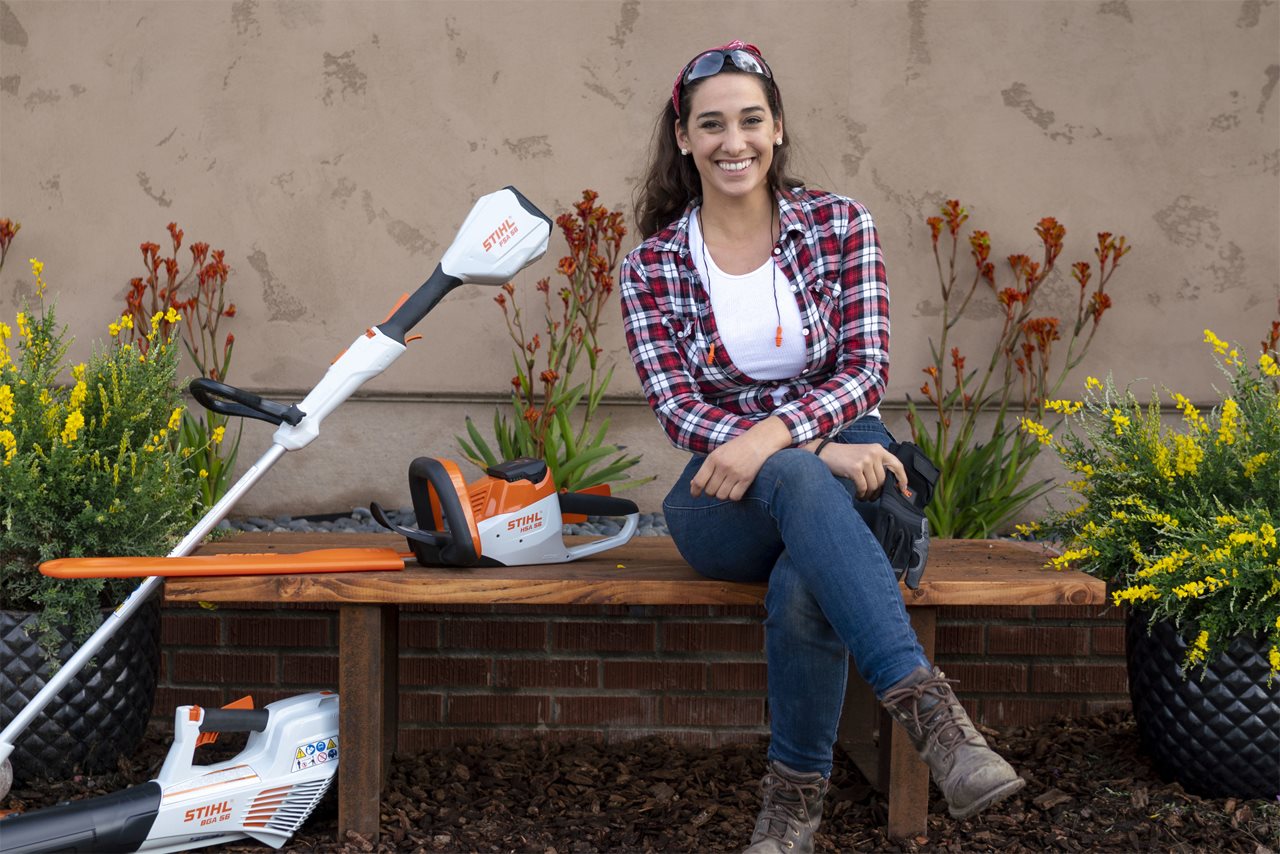
  • When cutting your grass, use a mulching mower, such as the STIHL battery-powered RMA 460 V that allows you to recycle key nutrients back to your lawn and reduce waste.
  • Utilize local nurseries, garden centers and landscape professionals to assist you in developing your plan.

Plant for pollinators—bees, butterflies, hummingbirds, moths, flies and beetles. Pollinators are critical to our food supply. You can plant flowers and shrubs that help encourage their survival in your own yard and the greater community at large.

  • Choose plants that flower in different seasons to enjoy blooms while also providing nectar and pollen year-round.
  • You can also plant flowers that bloom at night for evening foragers.
  • Pollinators are also attracted to different colors! Butterflies are drawn to red, orange and yellow; hummingbirds prefer red, fuchsia and purple.

2. Grow your groceries.

Not everyone has a ton of space to grow food, but even a small qarden can lead to major savings. Whether you have a large yard for a full garden, a small patio space or even just a windowsill, you can grow your own food. Do some research to find out what grows well in your area. Your local garden center is a great resource.

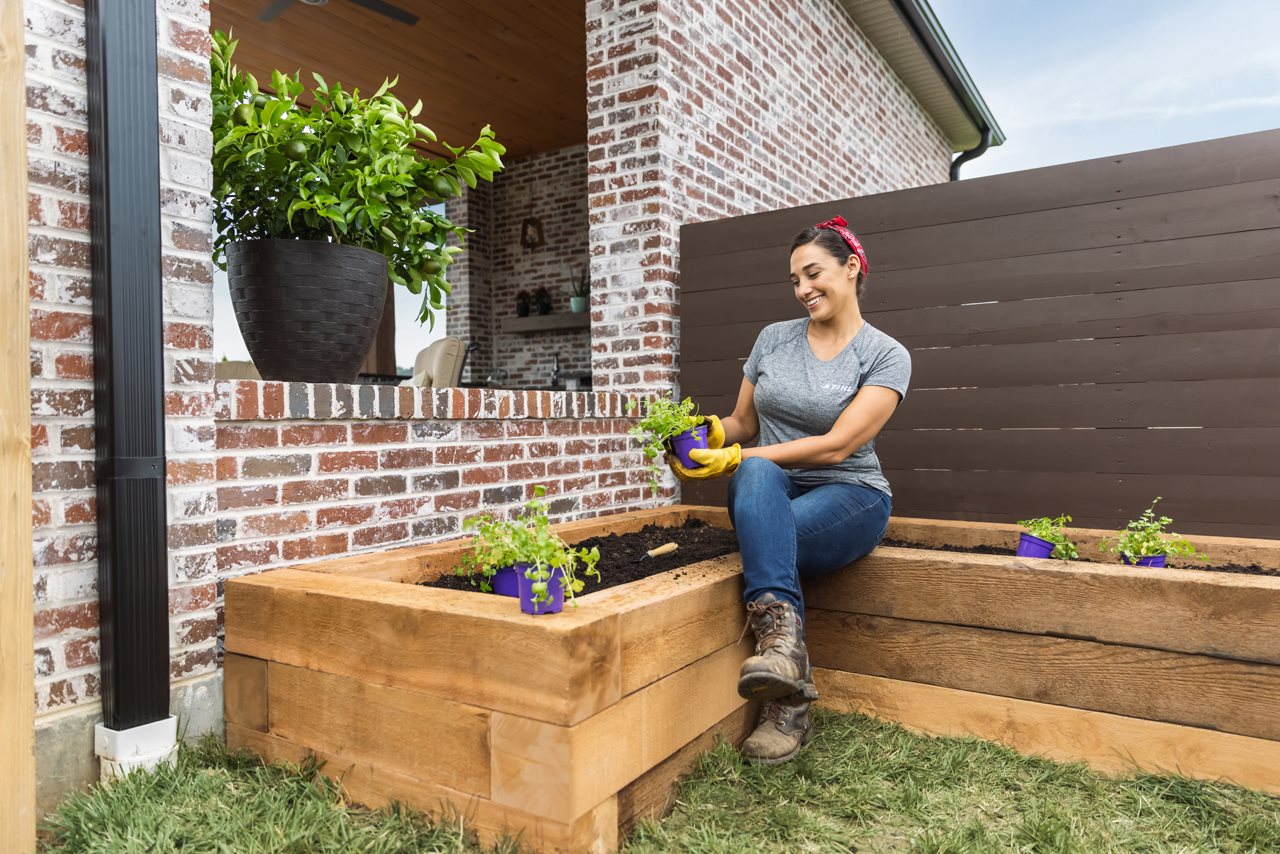
For large yards, one of my favorite projects is building a planter box that can also serve as a one-stop shop for a delicious side dish—salsa! For smaller yards, container gardens have many benefits:

  • Space-efficient
  • More protective against disease than growing plants directly in the ground
  • More protective against pests that would typically move from plant to plant in a traditional garden

The most cost-effective way to grow your own food is to start with seeds. And even save seeds from your harvest for next year. Be sure to use native and organic soils when planting.

3. Use battery-powered tools.

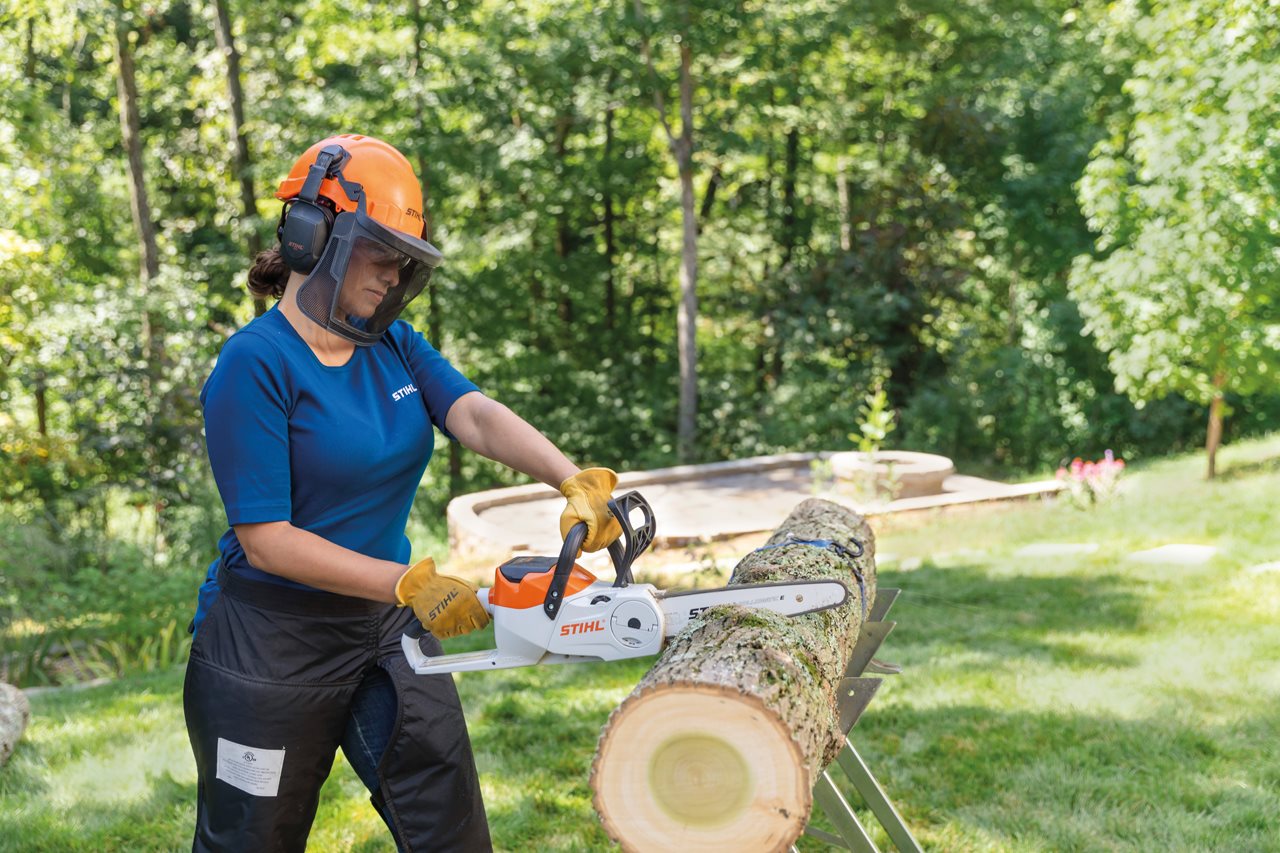
Battery-powered equipment is the biggest trend in the outdoor power equipment industry. Advanced battery technology from STIHL offers homeowners an option to reduce their impact on the environment while providing a powerful alternative to gasoline-powered equipment. These tools have a longer run time than ever before. For example, the STIHL RMA 460 V mower can mow the length of 12 football fields on a single charge.* Also, one battery can power multiple tools — including blowers, chain saws, hedge trimmers, mowers and trimmers — so you’ll have a high-performance battery tool for every project. The benefits of using battery-power equipment include the following:

  • No need for messy and smelly fuel, eliminating exhaust emissions concerns. This is especially important in parts of the country with emissions restrictions.
  • Battery products are quiet and can be used early morning or late afternoon without disrupting neighbors.
  • Lightweight and easy to use, so homeowners can tackle yard work with less fatigue.

*Usage claim tested and verified by an independent third-party test laboratory. Run-time per charge may vary depending on usage and application.

Sara Bendrick

Licensed landscape contractor, author and TV personality Sara Bendrick is best known for her work as the host of I Hate My Yard where she tackles the tough yards of homeowners and shows them the possibilities that exist for their exterior spaces. She is also the author of “Big Impact Landscaping: 28 DIY Projects You Can Do on a Budget to Beautify and Add Value to Your Home.”

Six ways homeowners can lower residential cooling bills this summer

2023-05-04T12:55:00

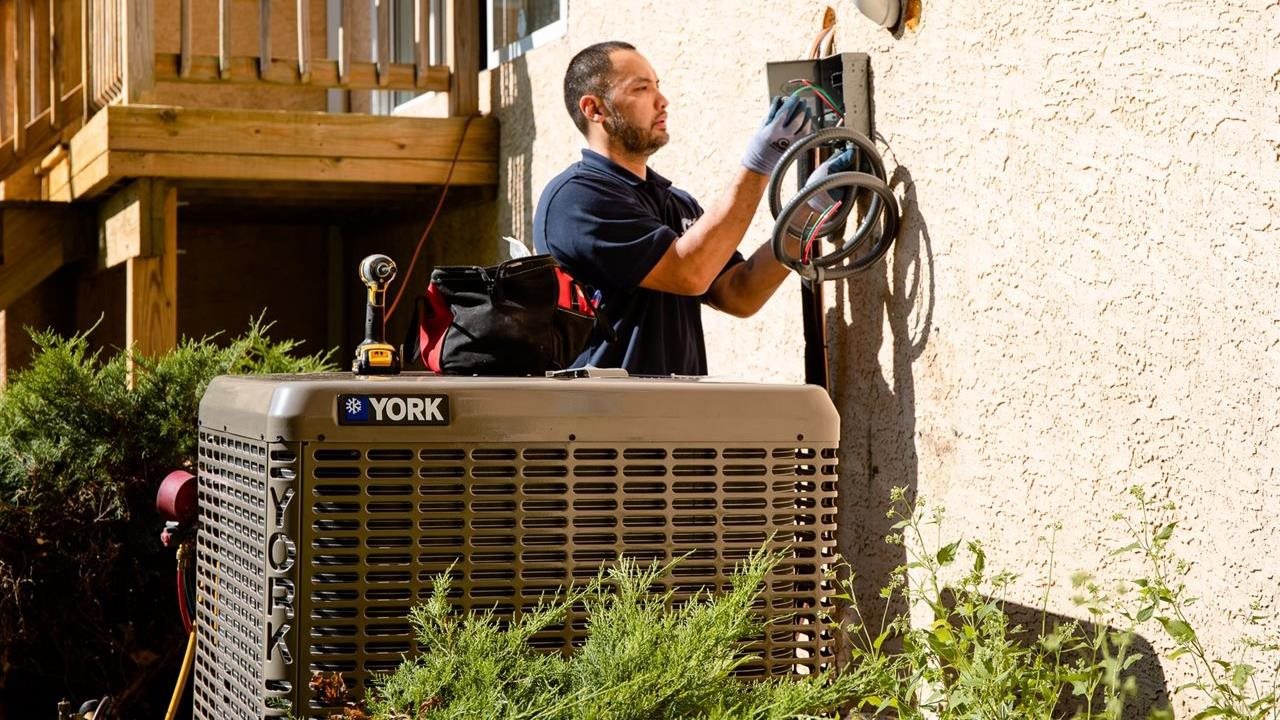
(BPT) – The YORK® brand of Johnson Controls, the global leader for smart, healthy and sustainable buildings, has compiled six proven tips to help homeowners reduce cooling bills this spring and summer as energy costs nationwide remain above pre-pandemic rates.

The Energy Information Administration (EIA) estimates that home cooling accounts for 12% of the average household’s monthly electric bills. As many homeowners experience higher-than-average utility costs, simple HVAC upgrades and routine maintenance can help reduce cooling expenditures by improving system efficiency. Before setting the thermostat to cool, homeowners should try these cost-saving tips:

  1. Replace filters and clean vents: HVAC filters help keep dust and debris from being recirculated throughout a home. However, when these filters become too full, they can limit airflow and cause the blower to work harder. Maintaining a filter replacement routine can help improve efficiency and extend the life of the HVAC system. For most systems, the recommendation is to replace the filter every one to three months, but homeowners should follow the frequency indicated by the HVAC system manufacturer. Routinely cleaning the grates of the air vents will also help to maintain efficient airflow.
  2. Schedule preventative maintenance: The Indoor Air Quality Association (IAQA) estimates that routine HVAC maintenance can reduce annual heating and cooling bills by as much as 30%. Routine maintenance involves cleaning and inspecting the evaporator coil, examining the drain pan and condensation line, evaluating blowers and fans, testing system controls and checking refrigerant levels. Establishing a routine of scheduled service prior to the hottest and coldest times of the year — when HVAC systems are used most — will ensure equipment is in peak working condition and can even help to reduce costly repairs over time.
  3. Cover windows: The Department of Energy (DOE) estimates that as much as 76% of the sunlight that hits a standard, double-pane window will transfer as heat into the home. Window coverings of nearly any nature will help to reduce solar heat gains, especially when installed in south-facing rooms or homes with little to no exterior shade. But for the greatest energy reduction, homeowners should opt for insulated cellular shades certified by the Attachments Energy Rating Council (AERC). These specially designed shades incorporate an interior layer of insulation and can reduce solar heat that enters through the windows by as much as 60%.
  4. Inspect and seal ductwork: EnergyStar estimates that as much as 20% of HVAC efficiency is lost to poorly connected or damaged ductwork. An HVAC technician can inspect the ductwork throughout a home and evaluate the system’s air supply and return balance. Airflow imbalances could be a sign of damage, loose seals or even that the ductwork isn’t sized correctly. Ductwork located within basements, attics or crawl spaces can also be a point of efficiency loss if the ductwork isn’t properly insulated.
  5. Update the thermostat: The U.S. Department of Energy (DOE) estimates that the average homeowner could reduce their annual heating and cooling bills by as much as 10% by using a programmable thermostat to reduce HVAC demands overnight or while away from the home. Some smart thermostats incorporate geo-fencing features to further reduce energy use by detecting homeowners’ proximity to the house and adjusting the temperature based on home and away settings. Some thermostats can even alert homeowners to potential system issues and provide the option to grant their HVAC contractor with remote service access.
  6. Utilize Inflation Reduction Act savings: With higher-efficiency HVAC equipment from YORK, homeowners can reduce their heating and cooling costs by as much as 50% compared to low-efficiency systems, helping homeowners see a reduction in their energy bills while lowering their environmental impact. The Inflation Reduction Act (IRA) has made the transition to high-efficiency systems, including heat pumps, even more affordable by offering tax rebates up to $2,000 dependent on household income. IRA incentives can also be combined with local and manufacturers rebates to further increase cost-savings. Since heat pumps are powered by electricity and operate by transferring heat rather than producing it, heat pumps can reduce site energy use by as much as two-thirds when compared to a conventional, fuel-powered heating systems.

For more information on rebates, visit YORK.com.

The fire dangers of mishandling lithium-ion batteries and how to avoid them

2023-05-04T09:47:00

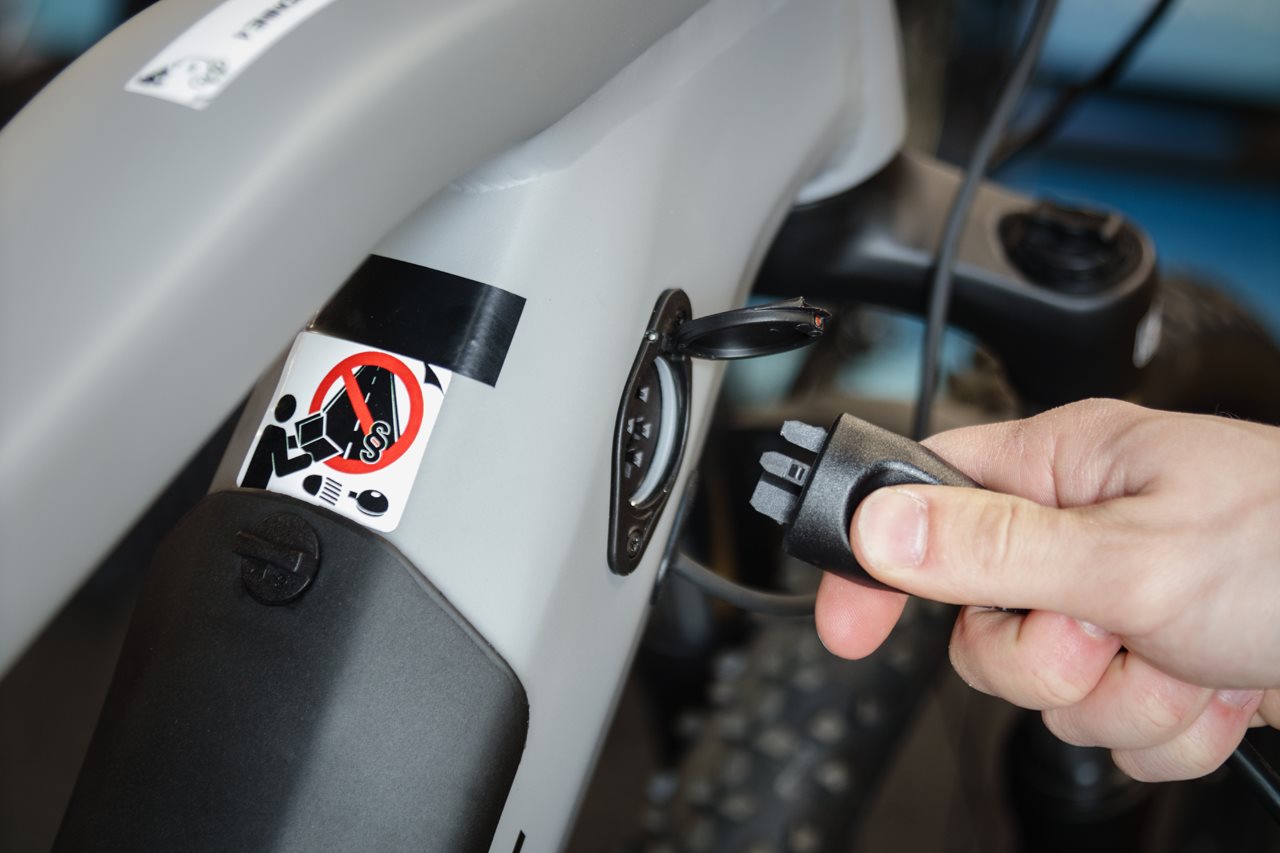
(BPT) – Electric bicycles (e-bikes) and scooters are more popular than ever with kids and adults alike. Whether for having fun around the neighborhood, running errands across town or even commuting to work, these are convenient, eco-friendly options to get around thanks to rechargeable lithium-ion (Li-ion) batteries.

These powerful batteries can be recharged and used over and over again; however, they also pose an often-overlooked danger: They can catch on fire. With the increase in Li-ion devices, it’s even more important to be aware of risks and take precautions to stay safe while preventing home fires that can lead to property damage, personal injury or worse.

In 2021, 880,000 e-bikes were imported into the U.S., and they can be conveniently stored in homes, apartments and public spaces, according to the Light Electric Vehicle Association. Li-ion powered devices are common in households and can include laptops, tablets and hoverboards.

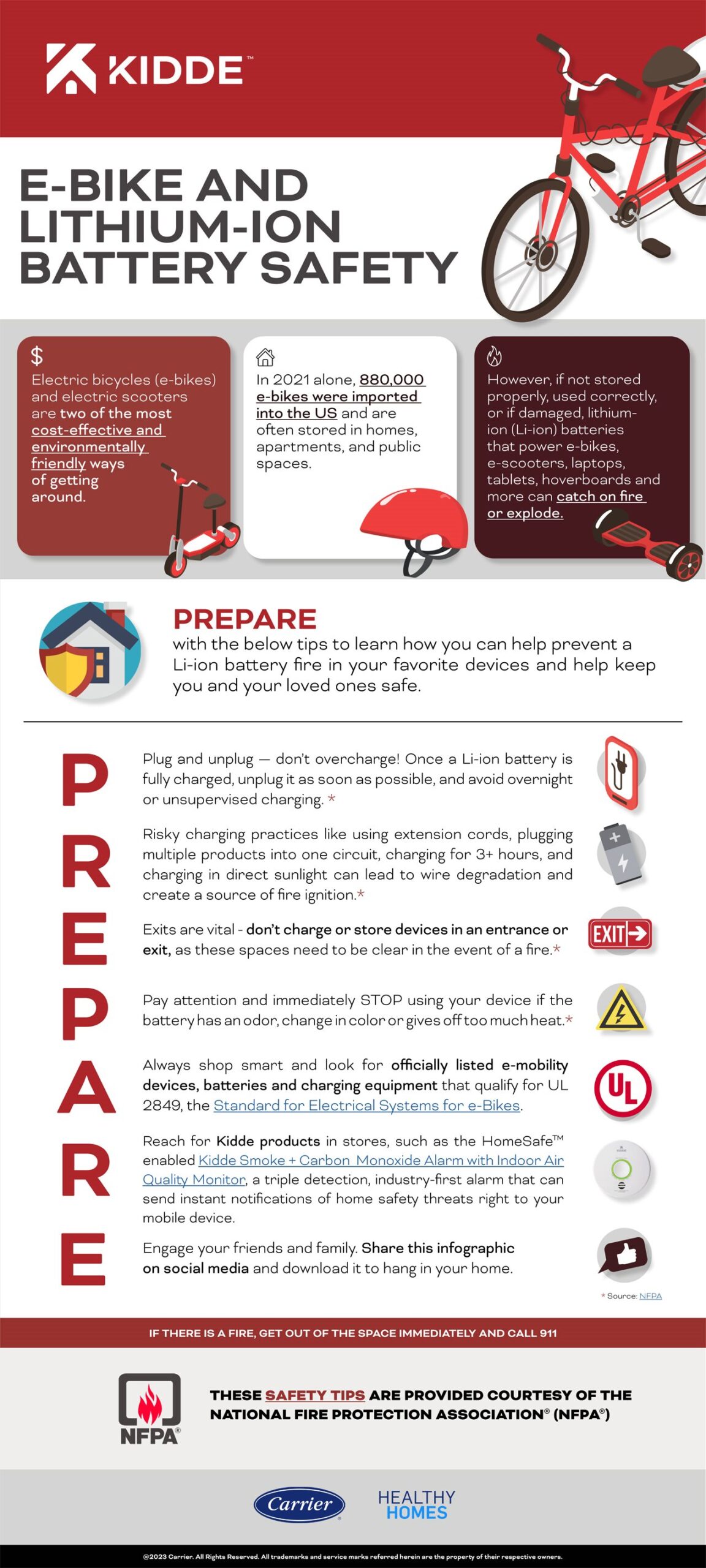
To help prevent fires and ensure the integrity and safety of your Li-ion batteries, follow the acronym PREPARE, and these steps provided by Kidde, North America’s #1 home fire safety brand1:

P: Plug and unplug — don’t overcharge! Once a Li-ion battery is fully charged, unplug it as soon as possible and avoid overnight or unsupervised charging.*

R: Risky charging practices like using extension cords, plugging multiple products into one circuit, charging for 3+ hours, and charging in direct sunlight can lead to wire degradation and create a source of fire ignition.*

E: Exits are vital — don’t charge or store devices in an entrance or exit, as these spaces need to be clear in the event of a fire.

P: Pay attention and immediately stop using your device if the battery has an odor, change in color or gives off too much heat.*

A: Always shop smart and look for officially listed e-mobility devices, batteries and charging equipment that qualify for UL 2849, the Standard for Electrical Systems for e-Bikes.

R: Reach for Kidde products in stores, such as the HomeSafe™ enabled Kidde Smoke + Carbon Monoxide Alarm with Indoor Air Quality Monitor, a triple detection, industry-first alarm that can send instant notifications of home safety threats right to your mobile device.

E: Engage your friends and family. Share this infographic on social media and download it to hang in your home.

Most importantly, if there is a fire, get out of the space immediately and call 911.

If you take inventory of the devices in your home that are powered by Li-ion batteries, there are probably more than you think. Remember these safety steps and invest in fire safety products to help protect your home and your family.

*Source: NFPA.org/ebikes

1. Based on total household installations as of December 2021

Don’t skip these 13 important homeowner to-dos for the spring months

2023-05-04T08:01:00

(BPT) – After a wild weather ride across the country, everyone is ready to welcome the beautiful summer months. Is your home and yard ready, too? If not, there’s no better time than the present to create a to-do list and get things done so you’re ready to enjoy your best life in your best home.

In honor of National Home Improvement Month, consider this top 13 list of important tasks for homeowners from the experts at Neighborly® — the world’s largest home services company with more than 30 brands and 5,000 franchises that collectively serve more than 12 million customers.

Clean your air conditioner: Start by looking over your outdoor condenser unit and clearing away external debris, such as leaves and dead branches. Special brushes and cloths are required to clean the coils on your air conditioner’s condenser unit to ensure safe and effective debris removal. Attempting to do this yourself could result in damage, so instead schedule a tune-up from a company like Aire Serv® so you know the job will be done right and you’ll be ready when the temperatures climb.

Repair garage door springs: Is your garage door getting noisier or something seems off? Garage door torsion springs are under tension and may require repair or replacement. While it can be tempting, doing this yourself can be dangerous to you and may damage your home. Contact a local Precision Door Service® professional who can inspect the situation, and if needed, use the correct tools and processes to fix any issues or replace the garage door.

Clean your dryer vents: Many homeowners don’t realize the importance of hiring someone to clean or repair dryer vents. Unkempt dryer vents can lead to fires or the buildup of toxins, mold and bacteria. You can protect your family and home by getting a professional inspection of your venting system and scheduling yearly cleanings from a company like Dryer Vent Wizard®.

Introduce a new shade of paint: A fresh hue can add a new look and feel to any space, indoors and out. Painting kitchen cabinets, interior walls or exterior trim are some examples. Some people enjoy painting and have the knowledge and time to do it themselves, but remember, painting the right way is a multistep process that requires expertise for things like picking the right paint, brushes, finish, coverage, primer and other details. If you’re unsure, call the painting professionals from Five Star Painting® for results you’re guaranteed to love.

Get creative with new storage solutions: Organization is an important part of spring cleaning that can make your home more streamlined. Creating highly organized spaces in your home is important, but to make them more useful you need to go beyond the basics. Consider working with professional designers from ShelfGenie® who can create custom solutions for every room in your house, leaving a lasting impact on the efficiency and value of your home.

Think green when you spring clean: Spring cleaning can be green and health-conscious with green tips from Molly Maid®. Creating your own all-purpose cleaner with essential oils, vinegar and baking soda can help reduce toxicity in your home. Being mindful of water use while doing laundry, scrubbing floors and doing dishes can also help keep water usage down. Microfiber dusting cloths can help you use less water and fewer paper towels — an earth-friendly win!

Revitalize lawn and update landscaping: Is your yard looking a bit drab? Consider completing tasks like trimming overgrowth, fertilizing grass and installing landscaping. Preventative measures are also important, such as adding weed barriers and treatments. Need assistance with any of these tasks? The Grounds Guys® can help make your yard the envy of the neighborhood.

Clean windows and your home’s exterior: Your home’s windows are your eyes to the outside world, but they can get dirty over time along with your home’s exterior. While cleaning the inside of your windows may be easily accessible, the outside of the windows can be more difficult, not to mention that cleaning different types of siding can be complex. Consider hiring Window Genie® to do the job for you and make your house shine.

Have your yard sprayed: No one wants their outdoor event to turn into a flurry of swatting or slapping away bugs. If you’re looking for an effective way to keep insects from ruining your outdoor fun, the experts at Mosquito Joe® will spray your yard in specific areas where mosquitoes like to hide and breed to help make your outdoor event more enjoyable.

Deck repairs and installation: Spring is the ideal time to inspect your deck for loose or rotting boards and other damage that can happen over time. You can opt to make repairs or perhaps you’ll decide to build a new deck. Either way, a deck is an important investment in a home’s value, and you want it to be attractive and safe, so it’s best to work with a professional. Mr. Handyman® is an expert at framing, decking, railing, staining and other areas of the project.

Make wiring upgrades: Want to add some new lighting to your deck or patio? Or, maybe you’ve noticed some existing wiring that’s frayed and in need of repair? Modifying or replacing electrical wiring can be extremely dangerous and lead to injury or fire damage. Stay safe and ask a qualifed electrician from Mr. Electric® to upgrade or replace your home’s wiring.

Repair your oven or stove: DIY oven or stove repairs can have serious consequences like gas leaks and fires. This is especially common with gas appliances, so if you have these units, it’s best to let expert service technicians provide an effective, long-lasting repair while keeping your home safe. Check out Mr. Appliance® for help with oven and stove repair.

Bonus tip for your vehicle: Many new vehicles have an Automatic Emergency Braking (AEB) system, a feature that reduces the likelihood of your vehicle running into the car in front of you. Be aware that even a minor crack can degrade the level of clarity the system needs to operate effectively to help prevent accidents. If your windshield is damaged or broken, trust the auto glass specialists at Glass Doctor® to repair your windshield and calibrate your systems.

Remember, everyone is different in their desire and abilities to do these tasks. That’s why expert help is available if you need it. Through Neighborly.com and the Neighborly mobile app, you can find trusted local service providers that meet rigorous franchisor standards so you can feel confident no matter which job you need to be completed.

7 expert tips to make sure your lawn is healthy and beautiful

2023-05-04T10:01:00

(BPT) – Believe it or not, mowing season is now upon us. And depending on where you live, you may have less time to prepare than you think. Making sure your lawn stays healthy, green and beautiful all season long is a great goal — and with the right approach, it’s not hard to achieve.

Here are tips from the lawn pros at John Deere to help you grow a healthy, attractive lawn, so you can enjoy it with your family all summer long.

1. Prep your mower

Whether your first mow is days or weeks away, now’s the time to get your mower ready. The most important things are to make sure your mower blade is sharp, clean and above all, properly installed. A dull blade won’t provide a clean cut, which can make your grass look ragged. Even worse, it injures the grass, causing vulnerability to insects and disease. Your blade must also be correctly installed, as an upside-down blade won’t cut.

A yearly tune-up is recommended that would include an oil change and replacing spark plugs and filters. John Deere offers both a Home Maintenance Kit that includes all you need to perform this tune-up or, if you want to save time, call your John Deere Dealer — they offer spring maintenance specials on all types of turf equipment.

2. Set a proper mowing height

Cutting too short can cause problems down the road, as the lower canopy of a shorter lawn allows more light to reach the soil, which can allow weeds to prosper. On the other hand, if you let grass grow too long and then cut it down dramatically, that can stress the turf. This may cause grass to pull nutrients from its root system, causing a thinning, unhealthy lawn.

The rule of thumb is to cut no more than one-third of the leaf — so to maintain a two-inch lawn, cut down by one inch when it reaches three inches. Some grasses flourish with longer or shorter cuts, so it can help to find out what species your lawn has and ask advice about ideal length from your local county extension.

3. Mow according to need

To help nurture a thriving lawn, mowing should occur when grass needs a trim, not just when it’s convenient (like on weekends). If your lawn is heavily fertilized and irrigated, or during active growing, you may need to mow twice a week. But if your grass has entered a dormant season or is suffering from drought, it may not need to be mowed at all. In early spring, your grass might not need cutting yet, but winter annual weeds that pop up before grass starts growing can be somewhat controlled by mowing until the weather warms up. Keep an eye on your lawn and watch the weather in your area to set a proper schedule for mowing, ensuring you trim only when needed.

4. Maximize clippings

Your lawn clippings are full of nitrogen-rich nutrients that help feed the soil, so it’s best to deposit them right back onto the lawn. If you mow regularly, you shouldn’t have big clumps of clippings, but just enough to provide good nutrients — reducing how much fertilizer you’ll need. Even leaves can be mulched, as long as there aren’t so many that the grass is smothered with them. Mulch mowing allows clippings to be cut finely enough so they can’t be seen when redistributed into the lawn. Using the John Deere MulchControl™ Kit with One-Touch Technology is an easy way to mulch while you mow.

5. Mow grass when dry

If it’s rained recently, or early in the morning when there’s still dew on the lawn, resist the temptation to mow until the grass is thoroughly dry. Wet conditions can cause grass clumping and excessive buildup on the mower deck underside, leaving you with a poor-quality cut. Cutting when your grass is dry will allow you to get the sharpest trim on your lawn to ensure it looks beautiful all summer long.

6. Plan your mowing paths

Wherever possible, be sure to mow your lawn in a straight line. It’s also recommended to overlap your mowing paths by about 2-4 inches, to avoid leaving unsightly strips of uncut grass. Altering your mowing path prevents compaction that occurs from mowing on the same path. This also can create a beautiful-looking mowing pattern, adding curb appeal.

7. Water in the morning

The experts all agree it’s best to water your grass in the morning. If you water in the evening, droplets can cling to the grass and promote fungus growth overnight. Watering in the morning allows for moisture to reach the roots of the grass, improving overall lawn health.

Following these tips, you can ensure that your lawn will stay as healthy as possible for you and your family to enjoy, all season long. Visit YourBackyardTips.Deere.com for more tips on how to keep your grass looking great this summer.

The top 5 benefits of laminate flooring: A must-read guide for homeowners

2023-04-20T10:15:00

(BPT) – The transition from winter to spring can be messy, putting your home’s flooring to the test. When temperatures rise and storms increase moisture across the country, laminate flooring tends to outperform other options, offering durability that can stand up to mud, puddles and more.

Laminate flooring has made a massive comeback in recent years as builders and interior designers have embraced the material with renewed enthusiasm. Laminate is more refined than ever, offering sophisticated style options and impressive durability without the excessive cost of other flooring materials.

Here’s what every homeowner should know about the benefits of laminate flooring so they can make the best choice for their home improvement projects:

1. Durability

Jennifer Meska, Director of Merchandising for LL Flooring, says, “Moist weather and rainy seasons, plus everyday spills that happen all year long, can cause serious damage to your floors. With waterproof laminate flooring you can have peace of mind and be worry-free for whatever weather or messy spills might come your way.”

2. Affordability

The cost of laminate flooring is highly appealing, especially as consumers are tightening their budgets and looking for more cost-effective home improvement solutions. Laminate flooring typically starts at around one dollar per square foot, making it an affordable option with many styles to choose from.

3. Style

A design chameleon of sorts, laminate is available in a huge variety of tones and textures so you can find the perfect style option for your home. Designed to closely replicate the natural look of real hardwood, stone and even mosaic patterns, laminate flooring offers the best of both worlds — impeccable style and practical function.

4. Wood-like options

If you want the look of wood without the maintenance concerns, laminate’s a go-to choice. With a core made from wood byproducts bonded with resins and a hard plastic surface protecting the printed design layer, laminate closely resembles hardwood in appearance, texture, and depth.

5. Easy maintenance

General cleaning on laminate floors is as easy as using a standard soft-bristle broom or dust mop on a weekly basis. If you vacuum, be sure to disengage the beater bar with hard bristles that can scratch or dull the surface. For periodic deep cleans (every two months is recommended), use a laminate-friendly product like the Bellawood Floor Cleaner applied to the mop — not directly to the floor — and avoid oil-based cleaning agents or anything containing wax or polish.

Not all laminate is created equal

A lot of laminate on the market isn’t reliably water-resistant, which is why it’s important to look for options tested and proven to stand up to the elements. One high-quality laminate option is the LL Flooring Dream Home Collection that is completely waterproof, making it a game-changer when it comes to selecting flooring for anywhere in your home. Plus, with a clear aluminum oxide top layer protecting the boards, this laminate is exceedingly durable and stain resistant.

If you’re thinking it’s time for new flooring, laminate is an excellent choice for its durability, easy maintenance, style, and cost. With so many benefits, it’s a go-to choice for bathrooms, kitchens, mudrooms, basements and beyond.

Secret keys to homeownership: 3 things you should know before buying a home

2023-04-19T09:01:00

(BPT) – Have you ever wished homeownership came with a user’s manual? There’s only so much you can prepare for, whether you’re buying your starter home, forever home — or something in between. It’s all too common to face unexpected expenses, including ongoing maintenance of your property with hidden added costs. In a new survey conducted in collaboration with OnePoll, TruGreen found that nearly half of homeowners (44%) invested more money in their home during the first year of homeownership than they expected.

To equip homeowners with more realistic expectations before purchasing a new home, TruGreen®, the nation’s leading lawn care provider, shares the top three lessons homeowners have learned.

1. Home maintenance is crucial — and will cost you

No matter what type of home you buy — from fixer-uppers to move-in ready — you should expect some repairs and replacements, plus routine maintenance. While this will vary depending on your home’s age, size and condition, rest assured that most homes require regular care to help prevent long-term (and potentially expensive) damage.

So, how much maintenance is required when you purchase a home? In the survey, homeowners’ top expenses during their first year as a homeowner were appliance replacements (56%), exterior repairs such as windows (53%) and major repairs like roofing (52%). Furthermore, when prioritizing maintenance, homeowners mainly focused on their home’s exterior, such as patios (42%) and their yard or lawn (39%).

Ensuring you have the means to handle unanticipated repairs and routine maintenance before you buy will help prevent financial stress down the road.

2. Investing in your property to create a home

When you first move into your new house, don’t get discouraged if you don’t initially feel like you’re really “home.” The homeowners surveyed spent an average of two and a half years upgrading their homes before they were pleased with it. Despite the time and money they invested in the property — or perhaps because of it — nearly 71% of homeowners said they now feel like they’ve found their forever home.

Your house is more than just a place to call home, it’s also an investment. And if it’s managed properly, your home can also provide a great return on investment.

3. There will always be surprises — so don’t be afraid to call a pro

Even the most prepared homebuyer will encounter surprise expenses after signing on the dotted line. According to the survey, the average homeowner has encountered about four surprises or unexpected costs within their first year of homeownership.

Beyond the surprise of unpredicted expenses, some of these tasks may be new and create challenges for homeowners to handle on their own. In fact, 62% would call a professional for a home improvement project, and nearly one-third of homeowners would hire a pro for home maintenance.

Handing maintenance or improvement projects to the pros can be a smart move to ensure the job will be done well. It can prevent future problems and save time you’d rather spend enjoying your home. For example, hiring a professional service to handle your lawn care can allow for more free time to actually enjoy your outdoor space, while giving you a sense of pride in how great it looks.

“Buying a new home is a tremendous milestone that brings much to celebrate, but the new responsibilities of homeownership can also be stressful,” said Brian Feldman, senior director of technical operations at TruGreen. “As a new homeowner, there’s no need to waste time figuring out the best ways to maintain your home. To help tackle what can seem like an ongoing to-do list, you should consider partnering with the professionals.”

If you’re like the 75% of homeowners surveyed who believe it’s important that their yard or home’s exterior looks impeccable, consider partnering with an outdoor expert such as TruGreen to make your lawn look great.

How one simple household choice can help make a big environmental impact

2023-04-18T14:19:00

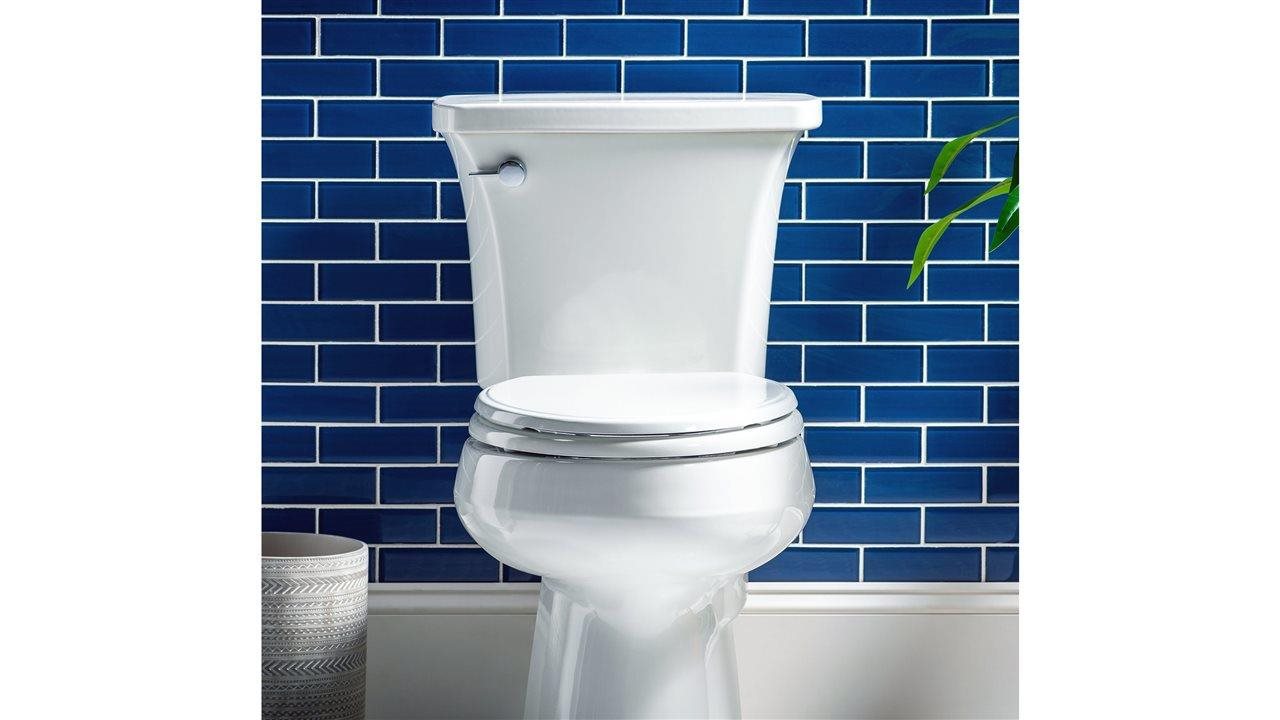
(BPT) – Consumers today are increasingly aware of the environmental impact of every single one of their purchasing decisions, causing more people to seek out products that better fit a green lifestyle. If you’re one of the many Americans who are actively choosing more eco-friendly options for your home these days, there could be one household essential you’re overlooking: your toilet seats.

In honor of Earth Day 2023’s theme, “Be a part of the green revolution,” now is the perfect opportunity to make better choices for many of your household furnishings, starting in your bathroom.

How can toilet seats be made more sustainably?

You may not have spent much time thinking about how toilet seats are made, but Bemis Manufacturing Company has given it a lot of thought. They start by sourcing wood scrap from Wisconsin manufacturers, then they blend that with scrap and dust from their own molding operations. The result? Using repurposed materials to make new products leaves a forest of trees standing.

From there, each toilet seat is painted with water-based paint to reduce volatile organic compounds (VOC) emissions, and is then packaged in recycled and recyclable cartons.

The respect for the environment doesn’t stop just at manufacturing and packaging. Bemis has streamlined their shipping methods to protect its products while also maximizing cube (storage space) and minimizing disposable waste, creating a full-circle process that is designed to be more environmentally friendly.

How much difference could this make?

Can you guess how much repurposed material is used to make their toilet seats? Each year, the company sources 70 million pounds of scrap wood from Wisconsin window and door manufacturers. They also collect 3 million pounds of scrap and 1.5 million pounds of airborne dust from their own molding operations. The scrap and dust is then ground and blended into the wood flour which is the main ingredient in their beautiful, enameled wood seats.

The benefits of using repurposed wood

Beyond the obvious environmental impact of making toilet seats more sustainably, these materials also add strength to each product, while enhancing the performance and appearance of the seats. Wood lends itself to a variety of cover designs that let you be creative with your decor.

Even better, they look great

You can choose from styles including Benton, Kendall and Weston, which all feature a variety of colors that can complement your bathroom decor. Decorative hinge options include the newest, on-trend materials to complete the room’s look: brushed gold and matte black, along with brushed nickel, chrome and plastic.

All of their toilet seats are designed with the innovative features Bemis is known for, including STAY-TITE for easy installation and a seat that will never loosen, precision fit adjustability during installation for a perfect fit, hinges that let you remove the seat for easy cleaning, plus a quiet close feature that eliminates slamming.

In the market for new toilet seats for your home? Consider a selection created with a process that respects the environment. Visit ToiletSeats.com to view all the available options to enhance your bathroom design.

Are you guilty of ‘wishcycling’?

2023-04-17T17:05:00

(BPT) – ‘Wishcycling’ is a buzzword for the act of putting items into a recycling bin and hoping they will be recycled. We’ve all done it. And while our intentions may be good, more often than not, we have no idea where our materials end up or whether our efforts are even worth it. But with a better understanding of how to properly recycle different types of items, we can all do our part to combat the mounting stress on our landfills and planet. Following are a few tips and tricks for making your recycling wishes come true.

Separate stretchy films from other plastics

You might be thinking plastic is plastic but, when it comes to recycling, there are actually six categories of plastics. To distinguish between these different types of plastic, look for the number within the recycling symbol on the product or packaging.

  • #1: PET or PETE is the most common plastic for single-use bottled beverages, mouthwash bottles, salad dressing and peanut butter containers.
  • #2: HDPE (high density polyethylene) is used in many packing items, including milk jugs, juice bottles, some trash and shopping bags and cereal box liners.
  • #3: PVC or V plastic can be found in blister packaging, wire jacketing, siding, windows and piping.
  • #4: LDPE (low density polyethylene) is a flexible plastic found in items like bread bags, packaging for frozen foods, newspaper sleeves, dry cleaning bags and grocery/retail shopping bags.
  • #5: PP plastic is found in yogurt containers, syrup and medicine bottles, caps and straws.
  • #6: PS includes items like disposable plates and cups, meat trays, egg cartons, carry-out containers and aspirin bottles.

Generally, the higher the number, the less recyclable the material is. Most recycling centers will accept #1 plastics without a problem, but other rigid plastics (#3, #5 and #7) can be tricky. Double-check what’s acceptable in your local area before contaminating collection bins.

Plastics marked as #2 or #4 are considered flexible plastics or films and must be handled differently from other types of plastic. Due to their stretchy nature, they cannot be recycled through standard curbside or single-stream recycling programs because they can jam machinery during the sorting process, causing mechanical issues, delays and contamination. These plastics need to be separated from other recyclables and processed through recycling programs dedicated specifically to HDPE and LDPE materials.

Know where your recyclables go

The best way to stop wishcycling is to focus on upcycling. This means knowing exactly where your recyclables are going and how they will be used. For instance, Trex® composite decking is sustainably made from 95% reclaimed materials, including a mix of industrial wood scrap and recycled polyethylene plastic film, nearly all of which comes from post-consumer sources. Through its nationwide NexTrex® recycling program, the company partners with more than 32,000 grocery store chains and major retailers along with thousands of schools and community groups to make it easy and convenient for eco-minded consumers to responsibly dispose of #2 and #4 flexible plastics and give them new life as beautiful, durable and eco-friendly composite decking. One of the largest recyclers of plastic film in North America, Trex has saved more than 5 billion pounds of HDPE and LDPE plastics from winding up in landfills over the past 30 years. A complete list of items that can be recycled by Trex along with a list of plastic film drop-off locations by state is available on the company’s website.

Make recycling part of your routine

Recycling doesn’t have to be a chore. It can easily be done as part of your daily routine. Most grocery stores have collection bins conveniently positioned at the front of the store. Many schools, churches and community centers also participate in recycling programs and serve as drop-off points for local residents. Check your municipality’s website to learn more about the programs your community has in place for recycling, or visit NexTrex.com to find a plastic film drop-off location near you.

Excited about warmer weather? Be ready to open your pool with these tips

2023-04-14T05:01:00

(BPT) – When spring arrives, it’s time to start thinking about summer fun. If you have a swimming pool, and you closed it for the winter, it’s important to plan ahead so you’re ready to open it back up for the season. Do you have all the supplies you need? Do you know what to do to get the water in top condition? When temperatures are consistently above 65ºF and there’s no longer a risk of freezing weather, you can consider opening your pool.

Here’s how to open your pool correctly, with tips from In The Swim to help you every step of the way.

1. Remove your pool cover

A cover that’s bogged down with water and debris will be difficult to remove. Use a submersible cover pump to remove as much water as possible from the top of your solid cover. Then use a pool brush or leaf net to remove leaves and large debris. This will help keep the pool a little cleaner as you peel back the cover. After uncovering your pool, clean and dry your pool cover so you can store it for use next fall.

2. Prep your pool equipment

First, you’ll have to reconnect the pump and filter if you disconnected them at closing time. Then you can reattach any other equipment to your pool plumbing, such as a tablet feeder or saltwater chlorine generator. Don’t forget to reinstall all the drain plugs in your equipment.

3. Remove winterizing plugs and accessories from the skimmer and return lines

Now it’s time to take out any remaining winterizing accessories, like pool plugs or a skimmer guard. Remember to reinstall any return fittings you removed at closing time. If you used pool antifreeze for the suction lines when you closed the pool, be sure to discharge it to waste/backwash once you start up the pump, or use a wet-dry vacuum to remove it from the plumbing.

4. Add water to the pool

A normal operating level for pool water is usually about halfway up the mouth of the skimmer.

5. Run the pump

Prime the filter pump, then set it to run continuously until the pool opening process is complete. This helps circulate the water, filter out debris and distribute your pool chemicals. Doing this ensures that your pool is well on its way to being safe for swimming once again.

6. Manually clean the pool

To get your pool clean and sparkling before you take the plunge, skim, brush and vacuum the entire pool. This will also help your chlorine work most efficiently. Enlist your whole family to help with the cleanup!

7. Treat the water

Rather than gathering a bunch of pool opening products individually, investing in an In The Swim Pool Start-Up Kit can help the process go a lot more smoothly. Start-Up Kits include a stain and scale preventative, pool shock, algaecide, clarifier, test strips and an oil-absorbing sponge to help keep your pool clean.

  • Add your stain prevention product first, then wait at least 4 hours.
  • Test the water and balance total alkalinity (80–120 ppm) and pH (7.4–7.6).
  • Add your pool shock to get free chlorine levels up to at least 1–4 ppm.
  • The next day, add the correct dose of algaecide, and wait for at least 2–4 more hours.
  • Using clarifier will help your filter clear up the water faster. Let the pump run for at least 4 more hours after application.
  • If needed, vacuum the pool again.

Check the filter pressure often throughout the process, and clean or backwash the filter as needed during startup. Let your filter pump continue to run until the water is clear.

8. Set up your regular pool maintenance routine

Test the water as you normally would, and balance any aspects that are out of range. It’s important to make any final water balance adjustments before swimmers get to jump in and enjoy the pool.

9. BONUS: Swim sooner with warmer water

Whether or not you have a heater or heat pump, solar pool covers are great for keeping heat in the pool. They greatly reduce heat loss to evaporation, and can even increase water temps up to 15ºF on their own, depending on the thickness of the cover.

In The Swim has all the supplies you need for opening and maintaining your pool, including algaecide, chlorine shock, water balancers and more. Once your pool is up and running, don’t forget to pick out a few cool, new pool floats and backyard games to maximize your outdoor fun this season. For more tips on the right way to get your pool ready for a summer full of swimming, check out the In The Swim Blog.