5 off-the-wall uses for retaining walls

2023-02-21T11:39:00

(BPT) – Segmental retaining wall (SRW) systems make attractive walls, but they also are used to build many beautiful and functional outdoor features for homeowners and professionals alike. As the most versatile resource in a professional landscaper’s tool box, SRWs can also be used by do-it-yourself landscapers with a little know-how. Whether you need to transition a slope, shore up soil or create beautiful hardscaped features, one retaining wall system — the VERSA-LOK retaining wall system — can do it all.

YouTube creator and construction pro Stanley “Dirt Monkey” Genadek calls VERSA-LOK the “gold standard” of retaining walls. “VERSA-LOK’s solid, pinned units are superior to hollow, lipped blocks that require fill and might trap water,” says Genadek, who owns a landscaping and excavating company in Mendota Heights, Minn. “It’s the one block that can do it all. VERSA-LOK is the gold standard in SRWs as far as I’m concerned.”

Says Scott Arnold, manager of Villa Landscapes, a design and install landscaping firm in St. Paul/Minneapolis: “Retaining walls are most often employed to address grade changes in the landscape and to retain soil. But as the ‘Legos’ of landscaping tools, retaining wall units can be used to create many beautiful and functional features such as outdoor kitchens, fireplaces and seating.”

Seating

From creating seat walls to stadium seats, retaining walls are for sitting. One popular application is a freestanding seat wall around a patio or fire pit. Retaining walls are perfect to set into hillsides such as amphitheater seating, where they retain soil while offering a place to sit. Other options include stadium seating, replacing cold, noisy and more expensive aluminum bleachers as well as a couch or bench designed with SRWs.

Functional features

Retaining wall units can make beautiful tiered gardens, raised garden beds, planters, tree rings plus fire and water features. One common application is a raised patio, where retaining wall units serve as a foundation for a paver patio surrounded by freestanding walls in place of a wood deck. Creative homeowners and installers have used retaining wall units for lighted column posts, waterfalls, hot tub platforms or mailbox columns.

Steps/stairs

Going up and down a slope is easier with solid stair foundations created from retaining wall units. From stairs out the back patio to steps for access within a hardscape design such as a multi-level patio, retaining wall units are a safe support for stair treads and pavers.

Fencing

Keep people moving the right way with freestanding walls used as fencing or partitions. A parapet wall is a back-to-back wall that serves as a barrier for vehicles and pedestrians. Stepped-down freestanding walls are used alongside ramps for easy access. Custom columns designed with lighting and fencing with timbers or rail posts can serve as a fence solution.

Signage

Both residential and commercial signage can be created with retaining wall units. Stately columns with house numbers at the end of a driveway, a hardscaped entrance sign to a community development or a mailbox pillar are features easily created with retaining wall units. Monument signs can be built as freestanding walls, with channel letters, a signboard or neon mounted on the surface.

The endless design options afforded by retaining wall systems are limited only by the imagination. With a variety of colors and textures, retaining walls can do it all, beautifully. If you can design it, you can build it with VERSA-LOK.


Winter Weather Ready checklist offers key homeowner tips

2023-01-17T08:05:00

(BPT) – Did you know? Snow is easiest to clear when it’s fresh. A creaking sound may be a sign of snow load damage to your home. A garage may not provide enough ventilation to run a generator.

As we near the coldest part of winter, the Insurance Institute for Business & Home Safety (IBHS) is providing a free, easy-to-follow Winter Weather Ready checklist to guide cold weather prep and help ensure important steps aren’t overlooked before and after a severe winter weather event.

“After years of persistent drought, many homes in California and the Pacific Northwest may not be prepared for the significant precipitation, whether it be heavy, wet snow or torrential rainfall, that could cause a cascade of damage,” said Dr. Ian Giammanco, lead research meteorologist at IBHS, a nonprofit scientific research organization. “Our Winter Weather Ready guidance provides information to not only assess your exposure, but also actionable steps to reduce your risk of damage that can be expensive and inconvenient to repair and disrupt life.”

While the specific threats facing a home vary regionally, no area is immune from potential weather hazards. These actions can help homeowners be Winter Weather Ready:

Before a winter weather event:

  • Clear debris from gutters and downspouts so water flows away from the home and reduces the risk of leaks.
  • Trim branches to avoid damage to the roof, siding, and windows.
  • Seal cracks and leaks around windows and doors.
  • Test smoke and carbon monoxide detectors.
  • Ensure you have plenty of fuel for generators and snow removal equipment.

Last-minute winter weather prep:

  • Purchase deicing products for front steps and walkways.
  • Shut off water and drain exterior sprinklers.
  • Stay informed with a reliable source for severe weather information such as the National Weather Service (NWS).
  • Follow guidance from local authorities and enable weather alerts on a mobile device.

After a storm:

  • Watch for signs of snow load damage, such as creaking sounds, a sagging roof, cracks in the ceiling or walls, water stains, and doors or windows that no longer open and close correctly.
  • Check water flow by turning on faucets; if pipes are frozen, shut off the water supply and contact a plumber.
  • Shovel or use a snowblower to clear steps, sidewalks, and driveways as soon as it is safe to do so, as fresh snow is easiest to remove.
  • Operate generators in well-ventilated areas and never leave them unattended.
  • If the home is damaged, document losses and keep receipts electronically so you can access them from anywhere using cloud storage.

“As we move into the core winter months, checklists can help homeowners prioritize actions and reduce severe weather impact,” added Giammanco. “The good news is many of these steps are affordable do-it-yourself projects.”

For more ways to prevent damage from winter weather, see IBHS’s full Winter Weather Ready guide and checklist for residential properties, available on DisasterSafety.org.

5 Home Fix-Ups that Can Be Tackled with Super Glue

2023-02-15T14:01:01

(BPT) – According to Hippo, more than half of homeowners (59%) had something go unexpectedly wrong in their home last year. While some repairs are larger or more serious that require contracting a professional, having the right tools on hand can help homeowners easily make smaller fixes on their own. Super glue is an often-overlooked tool that can affordably accomplish quick fixes to woodwork, furniture, décor, tools and more.

Here are five ways super glue can help tackle quick fixes needed both inside and outside your home.

Wood Repairs

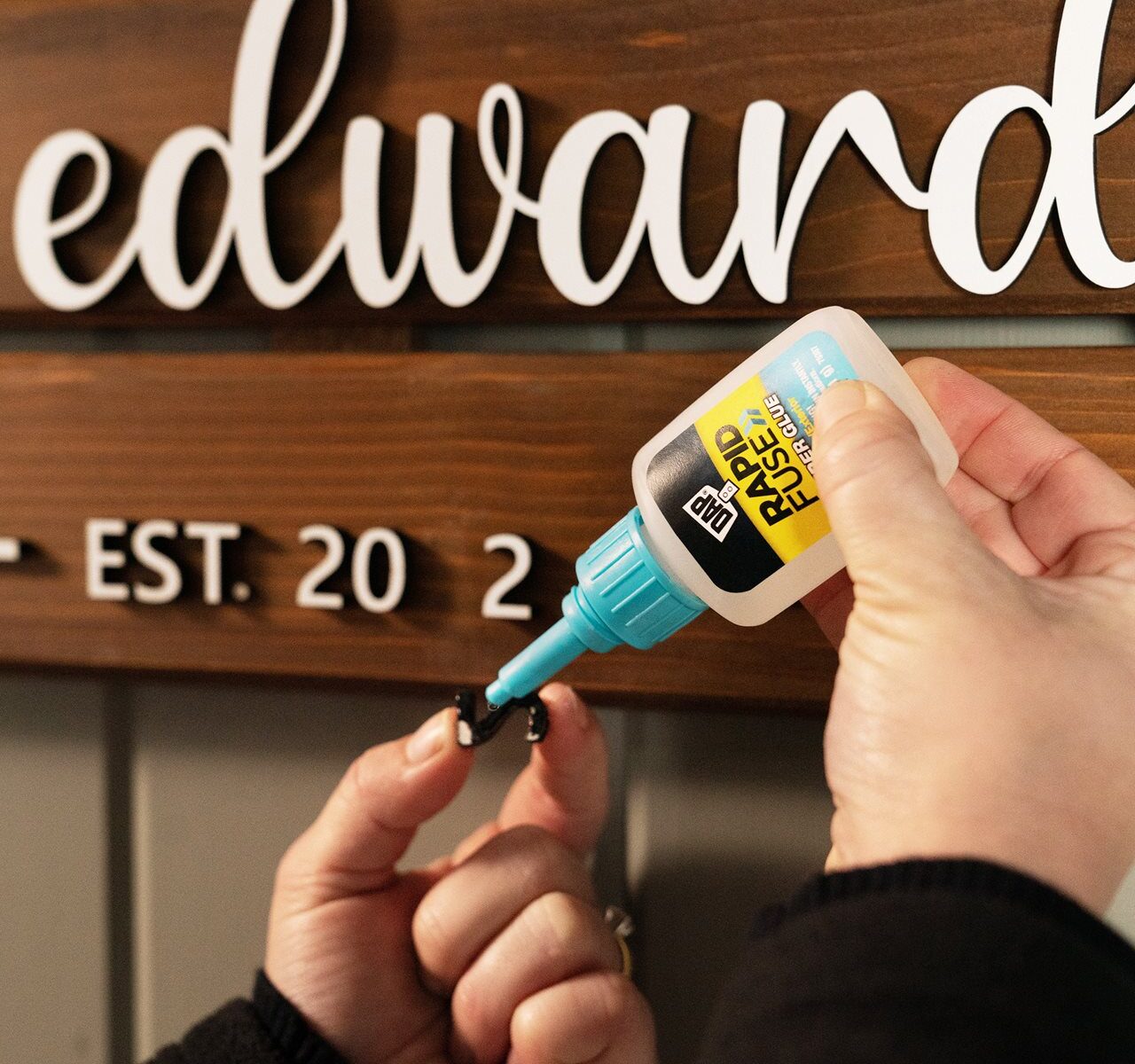
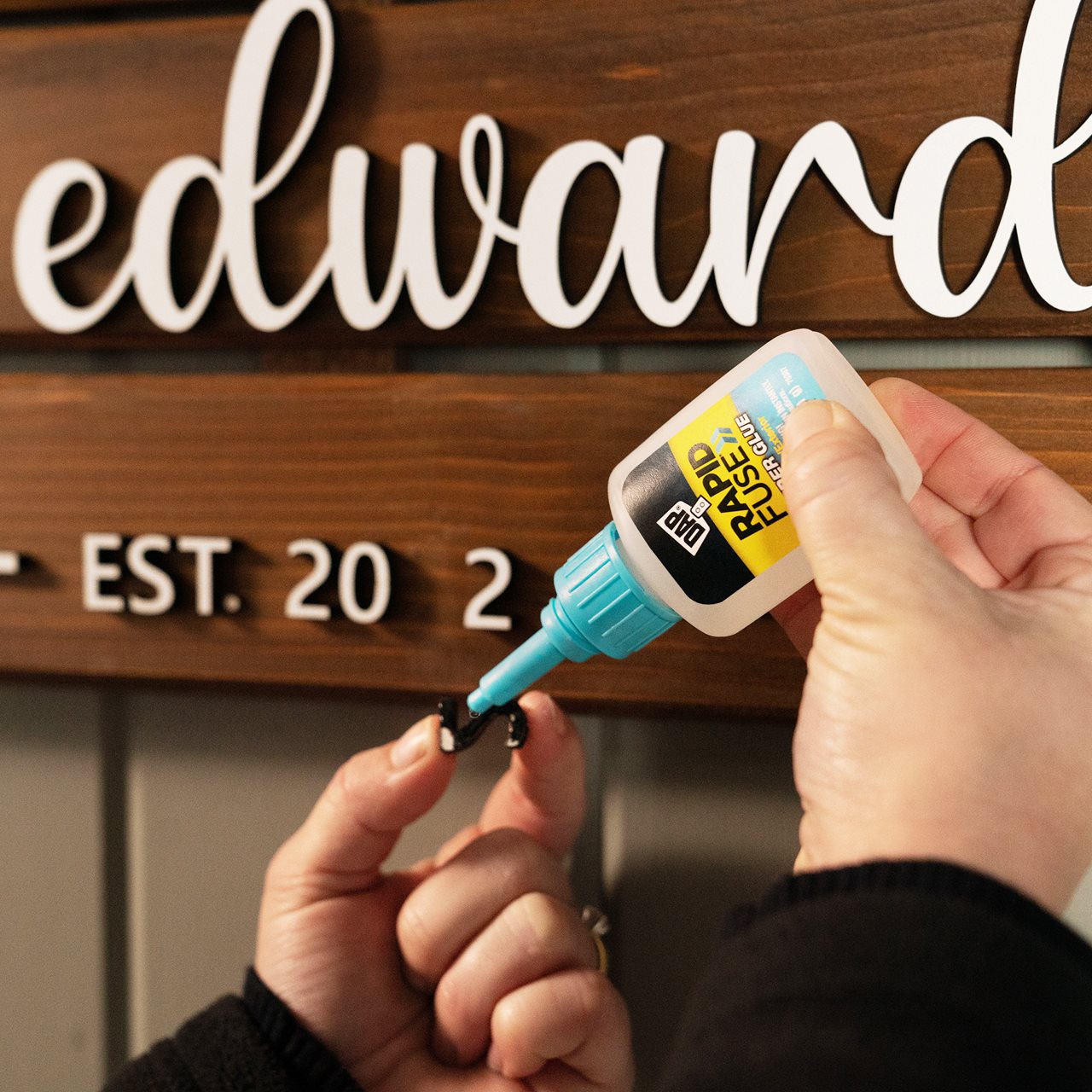
Over time the cabinets, doors and furniture we use every day can suffer wear and tear. Whether there’s a broken piece of molding on your kitchen cabinets, the spindles of your kitchen chair need to be reattached or the wood by your door frame is splintering, super glue provides a quick and affordable fix. With these high-use items, you’ll want to select a super glue that offers durability like DAP RapidFuse Super Glue. The adhesive creates a bond that won’t get brittle over time for two times better durability than regular adhesives, and it works on most common household materials, making it a great adhesive to have on hand for quick home fixes.

Décor Damage

Super glue can be the perfect remedy for damaged décor. Broken picture frames, vases and small decorations that get bumped off a countertop, table or wall can quickly be glued back together with just a drop or two of super glue, resulting in a second life for your broken décor. You can avoid messy repairs with a super glue that cures and bonds quickly. RapidFuse Super Glue has a fast-setting formula that sets in only 30 seconds and creates a cured bond in just 4 hours, with no expanding foam, no dripping glue and no mess.

Tool Tune-Ups

A broken handle on a hand tool often renders it useless. The next time your handle slides off or becomes loose, try using a bit of super glue to make the tool as good as new. For screwdrivers, trowels, brooms, yard rakes and sheers, place some glue around the end of the tool and slide the handle back in place. Use a fast-setting super glue and you’ll be back to your project in no time.

Top it Off

Protect wood floors and doors from scratches and nicks by super gluing felt pads to the bottom of kitchen chairs and adhering the rubber caps on door springs. These protective finishes are small but will help prevent wood damage and costly repairs. Super glue can also be used to top off stair banisters with wooden button plugs. This will provide a more polished and stylized look.

Backyard Fixes

Super glue can also be the perfect repair tool for many outdoor projects. For example, it’s useful for deck and lawn decorations that get damaged like fountains, flowerpots and lamps. It can also help mend outdoor furniture, doghouses and birdhouses that need sprucing up. Just be sure to select an adhesive that can withstand the elements. RapidFuse Super Glue is water resistant and can be used both indoors and outdoors.

For more products and tips to fix up your home, visit DAP.com.

3 things every homeowner should do at the start of spring

2023-02-13T14:01:00

(BPT) – Spring is the perfect season for home improvement as it presents many opportunities for first-time homebuyers and experienced homeowners to be more thorough when it comes to maintenance. As the weather warms up, you’ll find plenty of indoor and outdoor projects that can improve the functionality of your home and boost its curb appeal while also avoiding unpleasant surprises.

“Many homeowners perform spring cleaning tasks to freshen up and declutter their homes, but it’s also crucial to tackle important maintenance tasks,” said Viviane Essex, merchant at The Home Depot. “For most people, their home is their biggest investment. The Home Depot’s Home Services can help homeowners with routine repairs and installation projects that provide comfort, safety and most importantly, peace of mind.”

Don’t know where to start? The Home Depot’s Home Services has provided a helpful spring maintenance checklist. Here are three items you can check off your to-do list to make sure your home’s internal systems and external features run smoothly.

1. Schedule seasonal maintenance on your HVAC system

Your heating, ventilation and air conditioning (HVAC) system is crucial to keeping your home cozy in the winter and cool during the summer. Most systems have a lifetime of 10 to 20 years, and efficiency can drastically decrease as your equipment gets older.

If your HVAC system is working harder and not performing as well as it should, it may be time to replace it. Book a consultation with a certified professional who can inspect your existing system, make recommendations and give you an estimate for a new system. Not only will it help improve your home’s air quality, but it will also keep your family comfortable all season long.

2. Maintain, repair or replace your water heater

Water is used throughout your entire home, from showering and bathing to cooking and watering your lawn. To ensure you are using quality water, you’ll need to inspect, replace and repair your water heater.

Make sure to check “inspecting your water heater” off your spring cleaning list. Keep an eye out for any water buildup around your water heater, water-quality issues or small plastic pieces from your fixtures that can affect your water supply.

Also, look out for changes in water temperature or temperature duration, a broken pilot light, noise in your unit or pipes, or the smell of gas around your water heater. If you notice any of these signs, your water heater may be failing and need to be repaired or replaced.

3. Spruce up the outside of your home

The exterior of your home is just as important to inspect and repair as the interior. Your windows are an especially visible part of your home that need careful attention.

During winter, you may feel drafts or frequently see condensation on your windows. As the seasons change, you may notice cracking or peeling around window exteriors. These are signs that it may be time to replace your windows.

This spring, book a window replacement. Windows should be inspected by a licensed professional every 20-25 years to see if they need to be replaced. No matter what windows you choose, a new high-quality window with thick, insulated glass is more energy efficient than older single-pane windows. Best of all, new windows can also improve your home’s appearance.

Another external item to inspect this spring is your garage door. You may not think your garage door needs regular maintenance, but just like a car, it needs regular tune-ups. Small issues can quickly turn expensive down the line. Also, some garage door problems can pose a safety hazard and cause serious injury.

Depending on the age and condition of your garage door, it may be time to replace it. Replacing your garage door can improve the look of your home and increase its market value.

Finally, consider installing a new fence around your property. Fences provide privacy and security. They can help keep children and pets safe inside your yard, while also keeping out unwanted animals and trespassers. This decorative element also provides protection around an outdoor space, like a pool or garden.

For all your indoor and outdoor spring-cleaning projects, you can find help at The Home Depot’s Home Services. Their installers can help you choose the material and style that best fits your property and needs.

All certified service providers are local, licensed, insured and background checked. To learn more and book appointments to spruce up your home this spring, visit HomeDepot.com/Services.

Why landscaping stone is your best choice for sustainability, low maintenance and beauty

2023-02-11T05:15:00

(BPT) – If you’ve ever struggled to maintain a beautiful garden or wondered if there were better alternatives to standard mulch options, it may be time to consider upgrading your yard by using landscaping stone instead. There are many options available, and landscaping stone provides a very low maintenance, highly sustainable, and attractive alternative to help you create your ideal garden.

Here are some of the ways landscaping stone can enhance and improve your yard.

Make maintenance easier

Most traditional types of mulch will only last three months to a year, as they may either blow or wash away (creating a mess in your yard), and then quickly decay, degrade or decompose — so you have to replenish the supply of mulch time and time again to keep weeds under control. It’s also difficult to keep mulched garden beds free from dead leaves and debris throughout the year, while using landscaping stone allows you to simply blow unwanted leaves or debris away with a leaf blower.

While requiring a bit of an increased investment up front, Pavestone Pea, Pond or River Pebbles are more cost effective over time because they are much longer lasting than typical varieties of mulch, making them ideal for gardens, pathways, ponds and many other applications around your yard. They’re also an easy option wherever you need ground cover to help keep weeds at bay, providing an attractive bed to showcase — and protect — your most treasured decorative plants, flowers, and shrubs. You also avoid the concern of importing termites into your yard when compared to options like untreated wood-based ground coverings. Finally, in drier climate conditions, rocks are also an ideal choice as they’re not flammable.

Discover the sustainability benefits

Especially if your lawn or garden experiences drainage issues, landscaping stones of different sizes can help control water flow and facilitate water runoff. For example, you can mix and match three different sizes — such as Pavestone’s Pea, Pond or River Pebbles — as an effective mulch alternative. They are the perfect solution to help control and maintain your landscaping grading.

In addition, Pavestone’s landscaping rocks require far less transport, as they are locally sourced from regional rivers and lakes. They are easy to spread wherever you need them, helping to control soil erosion and retain moisture.

Enjoy the beauty of landscaping stone

While clearly practical, landscaping stone provides unique beauty for any project. You’ll see a wide variety of earth tones in landscaping stone from Pavestone that will add nuanced color to your garden beds. They come in a variety of shades of tan, brown and gray, depending on the area of the country where they were derived. Alternatively, another option to consider is Pavestone’s Premium White Marble Chips. These beautifully shiny white stones provide high color contrast for maximum visual effect in your garden beds, or they can be used solely as a top layer on a bed Pebbles to create your desired look.

Whatever colors you choose, you can be assured that Pavestone landscaping stones will be resistant to fading, and that they will beautify and provide definition to enhance the appearance of your landscaping beds as the perfect backdrop for your yard for years to come.

You can find Pavestone Pea, Pond and River Pebbles and Marble Chips at your favorite home improvement store, or visit Pavestone to learn more.

5 tips to make working from home more comfortable

2023-02-08T12:09:00

(BPT) – As many Americans have traded their work commute for a home office, interest has focused on creating more comfortable remote workspaces. Ergonomic furniture, acoustic soundboards and high-speed broadband technology are a few investments designed to make working at home more comfortable. But an overlooked opportunity for improving comfort exists in every room: a home’s air.

Temperature, humidity and particulates in indoor air can all threaten comfort. And given that the average person spends 90% of their life indoors, the quality of a home’s air isn’t regulated to working hours. Following are five ways to support a higher level of comfort in every season.

1. Get your ducts in order. While today’s HVAC systems are highly efficient, even the most advanced heating or cooling technology will not deliver its full value if attic ductwork is compromised. EnergyStar reports that an average home loses up to 30% of the air that moves through its duct system due to leaks, holes and poorly connected ducts.1 Tom Casey, chief visionary officer with Griffin Service and a frequent presenter at HVAC industry events, says ductwork can be the ultimate indoor air quality accessory. “You won’t address the weakest link in a home’s HVAC system if particles from attic ductwork are simply filtered and blown out from the attic ducts through the registers again,” he says. “You’ve got to tackle the root cause.”

2. Assure adequate attic insulation. More than 90% of homes are under-insulated, falling short of current DOE guidelines for energy efficiency.2 Attic insulation provides an effective resistance to the flow of heat from warm into cool parts of a home. Adequate levels of insulation can help keep hot attic air from infiltrating the conditioned area of a home in summer; and restrict heated air from entering the attic in winter.

3. Practice good HVAC hygiene. Change your furnace filter according to the manufacturer’s directions and visually inspect your filter monthly. If the furnace filter is covered with dust, changing the filter is a good idea even if it has not reached the end of its anticipated lifespan. Not only will this support home comfort, changing the furnace filter regularly will result in less wear and tear on HVAC equipment.

4. Look for warning signs. Debris around a register or increased dust in the home can indicate an HVAC problem. Similarly, higher energy bills are a sign that air may be escaping due to holes in a home’s ductwork. Mentioning these issues during routine service visits can help trouble-shoot issues that threaten comfort and energy efficiency.

5. Go “whole house.” The Owens Corning Air Care™ Contractor program supports a “whole house” approach that goes beyond equipment to support a high-performing indoor environment. Owens Corning® Air Care™ contractors are equipped with the training and tools to evaluate an attic duct system’s integrity and the overall efficiency of the duct system.

References

1 Source: EnergyStar. www.energystar.gov/campaign/heating_cooling/duct_sealing

2 U.S. Environmental Protection Agency (2018, July 16) Indoor Air Quality. Retrieved February 21, 2019 from www.epa.gov/report-environment/indoor-air-quality.

© 2022 Owens Corning. All Rights Reserved.

Dreaming of spring? Check out National Garden Bureau’s 2023 Green Thumb Award Winners

2023-01-09T07:01:00

(BPT) – Do the cold winter months have you dreaming of flowers blooming and digging in warm soil? Get ready for spring with National Garden Bureau’s (NGB) newest Green Thumb Award Winners for your garden. NGB, the 102-year-old nonprofit organization that promotes and inspires gardeners, recognizes the most innovative plants and helpful gardening products to assist and encourage gardeners everywhere.

Here are this year’s Green Thumb Award winners in six different categories:

1. Flowering shrub

Rose Eau De Parfum™ Bubbly: This rose delivers big fragrant blooms with a high petal count, offering the classic rose look with disease resistance provided by modern breeding. Bubbly features champagne-colored blooms that form lovely buds which slowly unfurl to their full glory. Their lush foliage makes these excellent shrubs to grace any garden with blooms from early spring until the first frost. This rose is hardy to USDA Zone 5 and grows 3-4 feet tall.

2. Perennial

Astilbe Dark Side of the Moon: A new instant classic for any landscape, Dark Side of the Moon is the only dark-leafed astilbe with purple flowers available for your garden. Its rich, deep chocolate burgundy leaves form an incredibly attractive 18- to 24-inch mound of foliage. Emerging leaves are yellow, with a dark margin and glossy sheen that becomes completely dark as they age. Dark stems hold raspberry buds that burst forth with rosy, purple flowers. The pollinator-friendly astilbe can be grown in beds or containers, and is hardy in USDA Zones 4-9.

3. Annual (a tie resulted in two winners for this category)

Elephant Ear (Colocasia esculenta) Royal Hawaiian® Waikiki: Veteran plant pros and new gardeners alike are talking about the exciting new colors on this colocasia. Royal Hawaiian® Waikiki offers glossy green foliage with flamboyant white and flamingo pink veining, and is bred to be happy in full sun. Disease resistant and compact, its clumping habit — 3 feet tall and wide — is ideal for patio containers, poolside plantings and color-packed garden beds. Waikiki is also a 2023 All-America Selections National Winner, making it a dual award winner!

Starflower Paper Moon: The novelty of this annual is what makes it a 2023 Green Thumb Award winner. Small, pale blue blossoms on wiry stems transform into highly decorative, bronze-colored geometric and globe-shaped seed heads. These plants are grown primarily for their papery seed pods, which are useful for both fresh and dried bouquets. These plants grow 2-3 feet tall and attract many beneficial insects.

4. Edible

Tomato Sun Dipper: Sun Dipper’s unique elongated fruit can easily be held between your fingers for easy use with dips and sauces. No more accidental finger-dips in the ranch sauce! Its orange fleshed fruit looks great on a vegetable platter and tastes even better. They grow well in a sunny area with the support of a trellis or cage, and have great resistance to in-ground diseases, so you’ll harvest trusses of 2-3″ long Sun Dipper tomatoes until the first frost.

5. Houseplant

Tradescantia Pistachio White: A breeding breakthrough allows this all-new Tradescantia to maintain heavy white variegation while still supporting vigorous growth. An excellent selection for small pots as well as hanging baskets, Pistachio White also makes an eye-popping item for combination plantings. You can bring them indoors for fantastic performance as a houseplant in winter months, and it grows to only 12” tall, but can get up to 18-24” wide. For warmer climates, this plant is hardy to Zone 8a when left outdoors.

6. Garden products (a tie resulted in two winners)

TruDrop Flex: This self-watering planter from Crescent Garden provides phenomenal results, helping make successful gardening accessible to everyone. The innovative insert has a 10-year warranty and can be easily removed so you can change the design, change out plants and/or easily maintain your plants. The outer shell serves as a great water reservoir that allows it to go weeks without watering, delivering phenomenal results by watering through the roots, while at the same time saving water and fertilizer usage for a truly sustainable container garden. TruDrop Flex can be used indoors or out.

Dibby XL Dual-Purpose Gardening Tool: No more sowing seeds with pencils, sticks, spoons or chopsticks! The Dibby XL from Spoken Garden helps all gardeners, of any skill level, consistently plant vegetable and flower seeds at the correct depth for germination. This means more plants with less time and less effort. It also makes thinning and transplanting seedlings easier. While other tools are hard to maneuver around tender seedlings, this new tool helps easily transplant and thin seedlings, giving them more room to develop. Made in the USA.

Excited to explore some of these award-winners? Ask about all of these plants and products at your favorite garden retailer or on the NGB website.

Interested in buying your first home? Here are steps you can take

2023-01-09T09:01:01

(BPT) – Buying your first home is a major milestone which can seem overwhelming — especially financially. Whether you’re tired of renting, growing your family or just want a place that feels like your own, you can take simple steps to prepare for becoming a homeowner. Take time to get your financial ducks in a row before you start visiting open houses, so you’ll be ready when it’s time to make an offer.

Here’s how you can help the home-buying process go smoothly.

Start by looking at your financial picture

Take an honest look at your finances — including your income, expenses, debt and credit score. If someone is buying the home with you, have a candid conversation together about your finances to ensure your household is ready for a mortgage.

If you don’t currently use a budget, this is the ideal time to start. Use this helpful interactive budget worksheet from Vanderbilt Mortgage and Finance, Inc. to assess your current financial situation.

How to know how much you can afford when homebuying

Many experts recommend your mortgage payment be below 36% of your household’s monthly income. Remember, you may also need to pay for maintenance and home repairs you didn’t worry about as a renter. To allow for unanticipated expenses, you may want to estimate your ideal mortgage payment at 28% of your income instead. You can use this monthly mortgage payment calculator to help estimate what you can afford and your projected monthly payment.

Next, you’ll need to start saving for a down payment. Choose a goal amount that correlates with your budget for a new home. This can range from 3.5% to 20%, although some areas offer programs with 0% down. Start by saving a small, specific amount every month, as it’s much easier to build a down payment over time. Consider using automatic deposit to put a portion of each paycheck into a savings account for this purpose. Finally, calculate your current debt-to-income (DTI) ratio, which estimates how much of your gross monthly income (money coming in before taxes) goes toward your monthly debt (money going out to debt payments). Your DTI ratio is one of the factors considered by lenders to determine the loan amount you qualify for. You can figure it out by totaling your monthly debt payments and dividing that by your gross monthly income (GMI). The lower your DTI, the less risky you will appear to lenders.

Get familiar with your credit score

When you’re borrowing for a major purchase, it’s helpful to review your credit score. You can view your full credit report online for free annually. The better your credit score, the better your loan terms and interest rate may be. Factors that affect credit scores include:

  • Payment history
  • Amounts owed
  • Length of credit history
  • New credit
  • Types of credit used

If your credit score is less than perfect or if you don’t have a credit score, you’ll need to give yourself enough time to work on improving it. For building on an already established score, focus on building credit by taking actions like:

  • Paying credit bills on time each month
  • Staying well below your credit limits
  • Pulling your credit report and checking for errors

You’ll see positive change over time if you work on reducing late payments and/or resolving accounts in collection that appear on your credit report. Most people have debt, but your track record needs to show lenders you are timely with repayments and handle debt responsibly.

Consider off-site built housing when searching for your home

While today’s housing market can make homeownership seem challenging, there are new homes available at an attainable price point. For example, off-site built homes have an average price point of around $100,000. Better yet, off-site built homes can appreciate just as well as a site-built home.

Off-site built homes are also constructed with sustainable practices, which translates to lower build costs.

Vanderbilt Mortgage and Finance can walk you through the process of financing a home, or both land and a home. Visit VMF.com to apply.

Cold weather doesn’t have to put a stop to home concrete projects

2023-01-07T05:05:00

(BPT) – Is winter weather putting a damper on your home improvement ambitions? Many people who plan to use concrete as part of their projects believe they need to pause when temperatures dip. The truth: In many cases, this isn’t necessary.

How? Some specialty concrete mixes are formulated for quick curing that allows you to complete projects even during cold months. You just need to do a little research and plan ahead to ensure project success.

The importance of curing

Curing means ensuring the concrete retains adequate moisture, which allows it to gain strength to enhance durability of the finished project. There are three types of curing options:

  • Water – spraying a mist over the slab to keep it damp
  • Cover – using a plastic film or burlap to keep the moisture from evaporating
  • Chemical – using a curing compound on the concrete after its initial set

Concrete options for cold weather

In cold weather climates, concrete projects are still possible. One option the pros reach for time and time again is Quikrete 5000 High Early Strength Concrete Mix. With a faster cure time, it can be used in cooler climates. This allows you to complete your projects before spring arrives.

What you need to know:

Quikrete 5000 is suitable for any concrete use requiring high early strength and rapid strength gains. Because it cures quickly and gains strength faster, it is ideal for colder weather applications. It has a walk-on time of 10 to 12 hours.

Quikrete 5000 can be used for any application requiring concrete in a minimum thickness of 2 inches, such as slabs, posts, footings, steps, columns, walls and patios.

Even though Quikrete 5000 can be used in cooler temperatures, it’s important to plan ahead and avoid freezing temperatures. You should take precautions to protect concrete from freezing during the first 48 hours. Plastic sheeting and insulation blankets should be used if temperatures are expected to fall below 32 degrees Fahrenheit.

Learn more at Quikrete.com.

Tips for success:

  • Air temperature is different than ground temperature. You may need to heat the ground or surface to get it above freezing.
  • Keep materials in a dry and warm location.
  • Use products designed to set quickly.
  • Monitor the temperature often throughout the pouring and setting periods.

Things to avoid:

  • Never pour concrete on frozen ground or substrate.
  • Never pour concrete if freezing temperatures are expected within 48 hours and you can’t take proper precautions.
  • Never use cold or freezing materials and tools.
  • Don’t remove any framework before the concrete reaches the appropriate strength.

Cold weather months can be the ideal time to get concrete projects done before the more temperate seasons arrive. While others will be working in spring and beyond on their home improvement projects, you’ll already be done with yours and have time to sit back and live life to the fullest.