Plumbing solutions for tiny houses and nontraditional spaces

2023-01-04T14:23:03

(BPT) – Ignited by the pandemic in 2020 and 2021, alternative housing options continue to trend upward — even while the overall housing market has cooled. Remote work has opened possibilities for living almost anywhere, even working while traveling, which has led to increased interest in options like tiny houses.

A recent survey by Fidelity National Financial subsidiary IPX1031 found that over half (56%) of survey respondents would consider living in a tiny house. Even more surprising, 86% of people who were not homeowners said they would consider a tiny house as their first home purchase, and 84% said a tiny home was an option they would consider for retirement. Other alternatives like modular homes, trailers and converted vans have emerged as potential options for anyone alarmed by exorbitant home prices, rising mortgage rates and soaring utility costs — and for those seeking a greener lifestyle.

Nontraditional homes offer benefits including economy, mobility (tiny houses with wheels or vans, for example), simplicity and sustainability. But they also present challenges. Beyond learning to de-clutter and simplify, you also have to learn how to meet essential needs, including most importantly: plumbing. Any living situation requiring above-floor plumbing solutions demands extra thought, so whatever space you call home is livable, practical — and comfortable.

Fortunately, implementing plumbing in a nontraditional home or even a portable setting is easier than ever, thanks to the development of user-friendly products that make workable bathrooms, kitchens and laundries possible for almost any setting.

Innovative bathroom solutions

For tiny homes, modular homes or other kinds of nontraditional housing, today’s effective above-floor plumbing technology can also improve water conservation. For example, macerators, grinders and drain pumps specifically designed for small spaces allow you to install efficient plumbing systems virtually anywhere, even for portable bathrooms.

Having to connect to a septic system 100 feet away, which was too far for conventional drainage, tiny home builders Mario and Ciarra Soto chose an option that offered the convenience of a traditional flushing toilet. Because tiny homes like theirs aren’t usually connected to a municipal sewer system, the Sotos had to figure out how to connect to their nearby property’s septic tank. The solution? The Saniaccess 2 macerating toilet system fit right behind their toilet, taking up little space. Meanwhile, its half-horsepower pump and macerator blades rotating at 3,600 RPM handled their drainage needs efficiently and quietly — and they even installed it themselves.

Kitchen options for tiny houses, food trucks or basements

In settings ranging from tiny houses to food trucks or even modular homes, optimizing limited space is key to a successful kitchen setup. Ideally, you’ll want to install a drain pump unit that not only handles drainage of gray water (water used for purposes other than sewage) from your sink and dishwasher, but also fits inside a kitchen cabinet.

One choice is the Sanivite, about one-third the size of a standard drain pump, which can discharge gray water away from a variety of fixtures up to 16 feet vertically and/or 150 feet horizontally to the drain line. The Sanivite offers quiet performance by emitting less noise and vibration. This solution was ideal for Dane Perkins, project manager and co-owner of GMH Construction. His clients wanted to add a basement bar to their lakefront home — which would have involved breaking through their basement’s concrete floor. Instead, this new unit could drain water easily to meet their clients’ needs for far less cost.

Laundry solutions for smaller spaces

While the ability to do laundry is crucial to daily living, adding laundry facilities often seems impossible in modular settings. With a more compact profile than other drain pumps, the Saniswift Pro is a heavy-duty drain pump made for hard-to-reach, tight spaces common in modular settings — such as beneath a bathroom or kitchen sink. This unit can handle gray water from up to three fixtures (such as a shower, dishwasher and/or washing machine) and doesn’t store waste, but uses a short-cycle motor to begin draining immediately. The result? More efficient, effective drainage with no unpleasant odors.

If you’re considering a nontraditional housing option or need solutions to above-ground plumbing problems, visit saniflo.com to explore a variety of products that can make a difference, no matter what kind of housing you choose.

How to improve your basement and other spaces by leveling uneven floors

2022-12-30T05:11:00

(BPT) – Colder weather does not mean you have to stop tackling all your important home DIY projects. If you’ve been putting off tiling your basement or carpeting the spare bedroom because the surface is unlevel, there’s an easy solution. You can use Quikrete Fast-Setting Self-Leveling Floor Resurfacer to help you make the most of basement rooms or other spaces that may have sloping, uneven or cracked floors.

With this product, you can resurface most floors with a single application, creating a smooth surface for the installation of ceramic tile, carpet, resilient flooring or other finishes. The product can be installed from 5/8-inch deep to a feather edge, and can even be used outdoors with precautions (such as temperature or eliminating a slope necessary for proper drainage) for areas like patios if the temperature is not below freezing.

You can improve your basement or other floor over a weekend, with the right preparation. Your resurfaced floor will be ready for applying tile or carpet — or leaving just as it is, for lightly trafficked areas.

Before using the resurfacer, you’ll need to assess the current floor’s surface and do some preparation.

Temperature considerations

Quikrete’s Fast-Setting Self-Leveling Floor Resurfacer can be used at any temperature above freezing, but for best results, the temperature should be at least 45 degrees Fahrenheit. Colder temps will slow the setting time for the product, although it will still set faster than typical resurfacing products.

Check for damage and amount of slope

First, examine the floor for large cracks, holes or damage that may need repair before applying Quickrete’s Floor Resurfacer. If you have deep cracks (more than 5/8″ deep) or large chunks of floor to repair, use a fast-set repair mortar and cure such as Quikrete Commercial Grade FastSet Repair Mortar before resurfacing. Small hairline cracks will be easily filled by the floor resurfacer.

Then, use a level to determine how much slope you have. You can apply up to 5/8 of an inch of lift but not more than that in a single application, so if your floor has a bigger slope, you’ll want to use more than one application to level the area.

Gather your materials

All you’ll need is the Quikrete Fast-Setting Self-Leveling Floor Resurfacer, a heavy-duty drill with a paddle mixer, water, a 5-pound bucket, impervious gloves and Quikrete Concrete Bonding Adhesive (No. 9902). The resurfacing product is self-leveling, so no trowel is required. Make sure to follow safety precautions and wear impervious gloves such as nitrile when using products.

Clean and prime your floor

It’s essential that all surfaces are clean and free of foreign substances including dirt, dust, oil, grease and paint. After cleaning, you’ll need to prime the clean, dry floor surface with diluted QUIKRETE Concrete Bonding Adhesive (No. 9902). Follow the product’s instructions for use and allow time to dry. The bonding adhesive should be dry to the touch (drying takes about 1-2 hours, depending on conditions) before using the resurfacer.

Apply the resurfacer

Mix the resurfacer with water according to the product instructions. Starting in the center of the space, pour the material directly from the mixing container in continuous strips of about 1 foot (30 cm) wide across the narrow section of the application area. Placing should be done as one continuous operation, with no screeding or troweling necessary. The mixed material will remain fluid for approximately 20 minutes, and will level itself to a smooth surface. Pour the next strip adjacent to the edge of the previously placed material. The adjacent strips should be poured within 15-20 minutes to ensure a smooth, continuous surface. Continue to work without breaks until the entire application area is covered.

Allow the resurfacer to cure

Curing time will vary depending on area conditions. During the first 24 hours, keep the area covered or damp to prevent excessive loss of water, which can cause cracking. You can also use Quikrete Acrylic Concrete Cure & Seal, plastic sheeting or the application of a very fine fog spray of water to help prevent shrinkage cracking.

Following these steps can help you maximize your home’s underused basement or other spaces, providing rooms with smooth, level floors. Visit Quikrete.com for information about this and other home DIY products.

Top 5 outdoor design trends for 2023

2022-12-30T01:01:00

(BPT) – 2023 will reveal a few new outdoor design trends, but two of them — mixed materials and bringing the indoors out — are maintaining their previous popularity into the new year. New trends landscape designers are anticipating include more interest in sustainability, expanding the use of outdoor spaces and maximizing cutting-edge technology.

Growing from the pandemic, interest in outdoor living is now at an all-time high — and the top 2023 trends in outdoor design reflect that continued interest, according to Joe Raboine, director of Residential Hardscapes at Belgard.

Supporting sustainability

Caring for the environment is an increasing priority for homeowners, especially those who love the outdoors and want to ensure the environment is preserved for future generations to enjoy.

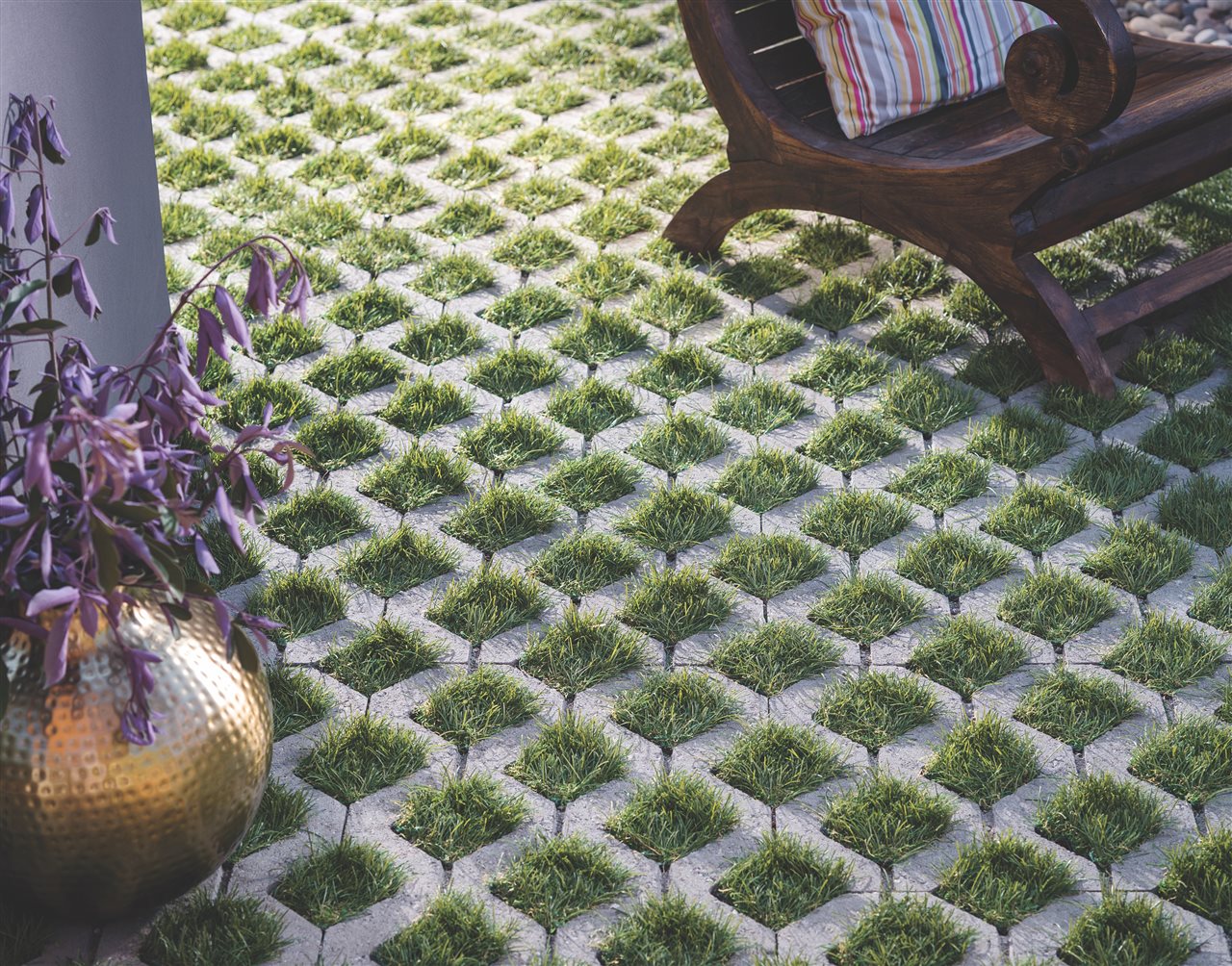
“Homeowners are asking designers to create spaces inspired by nature that also help conserve it,” said Raboine. “This can mean choosing long-lasting materials for hardscaping, finding products made from recycled materials and/or using permeable pavers to help reduce water runoff.”

Extending indoor spaces

Bringing the indoors out is hardly new, but as more homeowners view outdoor spaces as extensions of their home, the trend is definitely here to stay. Creating outdoor spaces that reflect your lifestyle and design aesthetic is not only a goal for larger homes and lots, but also for smaller lots needing more privacy. Shade structures like pergolas, shade sails and screen panels offer seclusion as well as protection from the heat, helping outdoor spaces become more private and livable, no matter the size.

Today’s homeowners are also equipping spaces with fully operational kitchens, quality outdoor furniture, firepits and games to upgrade their outdoor living experience. The backyard is becoming the go-to spot for fun, with outdoor games including life-size chess, billiards, mini-golf and more.

Exploring color and texture

As outdoor spaces become extensions of the home, designers and homeowners see these spaces as more than just a place to host barbecues. Mixing natural materials including wood, stone and plants (as in living walls) with man-made materials like glass and metal creates interesting variety in texture and color that transforms any space into a more attractive environment. Textured pavers are also becoming more popular, such as those that mimic natural stone or textile finishes.

“Homeowners are becoming more adventurous with color and texture,” noted Raboine. “While shades of gray are still dominant, warmer tones like browns and tans together with greens are adding depth and dimension.”

Patterns can also be created using modular designs, textured pavers and hardscaping features to make any outdoor space both calming and energizing. Outdoor lighting provides more visual interest to your space while extending its usable hours — with color-changing lights turning any patio into party central.

Creating multi-purpose spaces

Today’s backyards fulfill multiple purposes, with Zen gardens or labyrinths extending off traditional patios for additional relaxation or meditation areas. Gardening is also resurging, as homeowners are growing herbs, vegetables, fruits and flowers using raised and vertical gardens, small greenhouses or hot boxes.

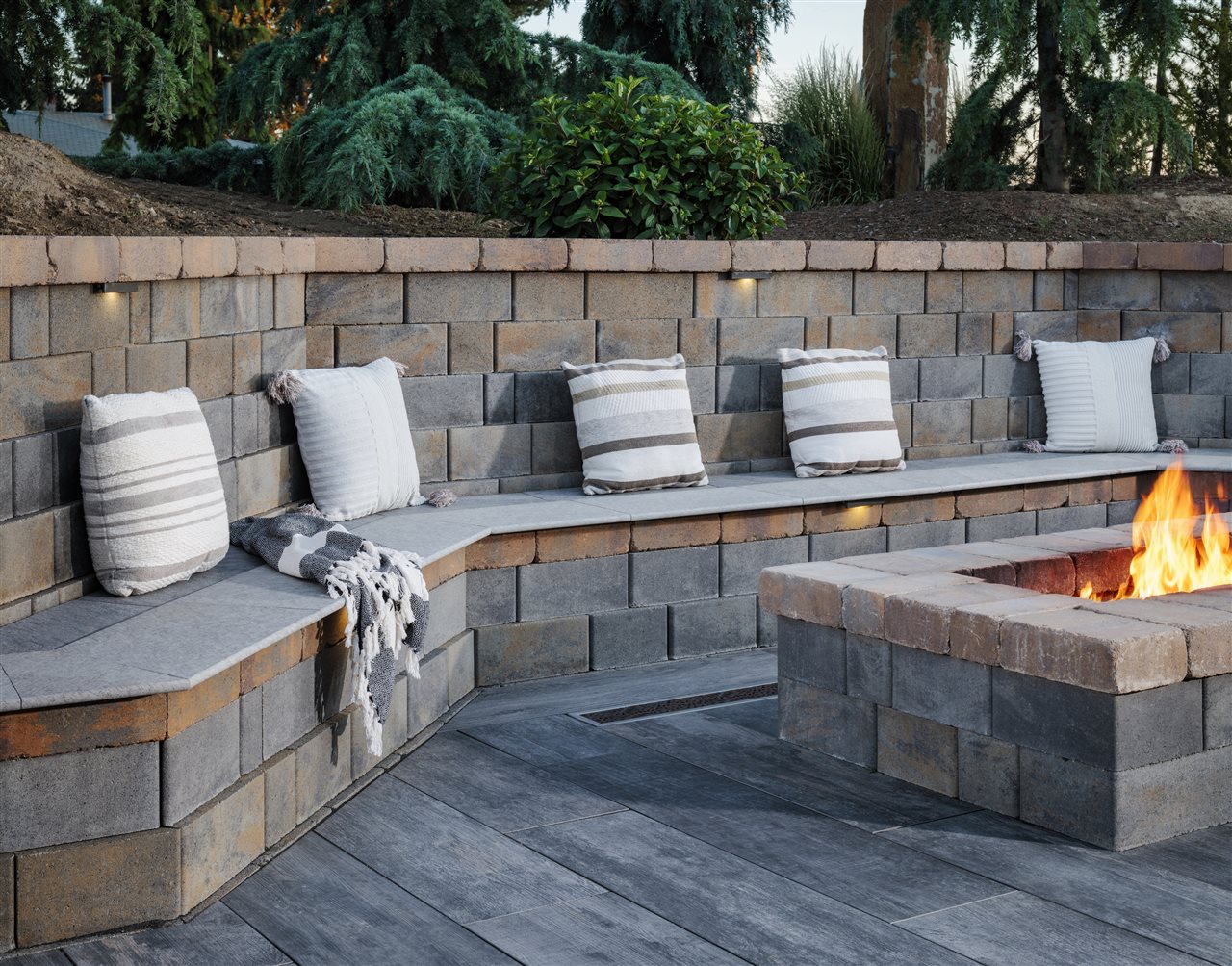
“You can add built-in seating and benches to create a firepit area or mini theater,” Raboine added. “These can be beautiful spots for resting or entertaining, plus a practical dining area for your family.”

Optimizing technology

With mixed-use spaces becoming more complex, using augmented reality (AR) can streamline the design process for homeowners and contractors alike. AR technology allows homeowners to see small details in design down to plants, shadows and even animations. Today’s technology helps manage the growing popularity of outdoor living, with AR and mixed reality letting designers and homeowners visualize and communicate their plans.

Belgard Rooms’ newest feature uses AR so homeowners and contractors can view a templated outdoor design plan in their backyard, offering a better visual representation of how their yard can look. Homeowners select their AR plans and drop them into their outdoor space to view, walk through and scale the templated outdoor rooms, bringing the plan to life in their own backyards. Homeowners can test various rooms, features and styles, helping them bring their vision to life. Currently, 32 AR Rooms can be viewed on any device.

“AR Rooms help turn dreams into reality through a seamless design process,” explained Raboine. “Homeowners and landscape professionals have adopted the technology quickly, helping homeowners envision different outdoor living plans — and simplifying the design process for any project.”

Ready to reimagine your outdoor space? Visit Rooms.Belgard.com/ar-rooms.

3 tips for choosing — and using — the best grout for your tiling project

2022-12-24T05:15:00

(BPT) – Just because winter’s here doesn’t mean you have to put household DIY projects requiring grout on hold. As long as you take precautions, indoor projects like setting tile can go smoothly and easily. And whether you’re a novice DIYer, seasoned home decorator or hiring a professional contractor, your decisions don’t stop at what kind of tile to use — selecting the best grout also makes a huge difference for the look and wear of your space, as well as how easy it is to apply.

1. Consider design goals when selecting grout color

While tile gets most of the attention when people plan their kitchen, bathroom or other space, the grout you choose can make or break the look you want. Choosing the best color option for grout depends on what you’re looking for with your overall design. Want to make the tile appear seamless, enlarging the feel of your space? Or do you want to highlight the graphic element of the tile pattern itself? In other words, do you want the grout to fade into the background so it’s mostly the tile we see, or use grout to enhance the look?

When you want seamless tile to be the star of the show and the space to appear larger, you’re better off with a neutral grout color that’s lighter than the tile — which is why many choose white or off-white shades for grout. However, if you’re looking to make the tile pattern pop, grout colors like shades of gray that are darker than your tile will stand out, becoming part of the design. Given the many grout colors available today, some designers even choose grout matching a color used elsewhere in the room, such as in wall paint or another design element.

2. Be choosy about your grout

To ensure you’re using the best possible product for virtually any tiling product, consider a top choice of construction pros: Prism Ultimate Performance Grout, the uniquely formulated high-performance cement grout from Custom Building Products. Known for its incredible color consistency in an array of 40 color choices, this product is also long-lasting and highly stain resistant, requiring no sealing — even for challenging applications like a kitchen backsplash or high-traffic floor. Its exclusive calcium aluminate formula controls hydration to ensure color consistency without shading or mottling, regardless of the conditions of the space. You won’t see any efflorescence, either — that unsightly whitish crusty deposit that can sometimes appear on the surface of the grout joint. Beyond being very easy to work with, Prism creates super dense grout joints that resist stains better than any other cement grout.

Prism Grout is ideal for grout joints from 1/16” up to 1/2”, and you can use it in any sanded grout application or in place of non-sanded grout in narrow joints like plank tile assemblies. This grout also performs exceptionally well in the extra wide and deep joints found with pebble or irregular tile and can be used for challenging applications such as wet areas, exteriors or submerged tile. Unlike some grouts, Prism sets up quickly and can be walkable in as little as four hours.

3. Use grout correctly

As with any product you use in your home, make sure to follow the product instructions exactly. For example, be sure you’re using the precise amount of water recommended for mixing your grout so it will bond correctly.

Because a cold environment can negatively impact the grout setting correctly, be careful that your grout powder is both stored and used in rooms with temperatures between 50-80 degrees Fahrenheit. The water you use to mix your grout should also be in this temperature range. After applying, make sure the room temperature stays between 50-80 degrees for at least 72 hours while the grout is setting. In addition, avoid foot traffic on floor tile until you are sure the grout is fully set and dry.

With the right grout product and using these tips, you can update the look of any space using tile, even during colder months. To learn more about Prism Ultimate Performance Grout and to see a video highlighting its uses, visit CustomBuildingProducts.com. The product is available at Home Depot and other leading home improvement stores.

Kitchen and home design trends poised for popularity in 2023

2022-12-22T23:01:00

(BPT) – House Beautiful’s Whole Home is back for its fifth year, loaded with modern conveniences and timeless charm. Located in the Buckhead neighborhood of Atlanta, this home marks the first time the project has featured renovating an existing property.

If you’re planning to build or renovate in 2023, you can find inspiration from this elevated modern Tudor that focuses on living better at home. Keeping that in mind, two of the most important spaces in a home for ease of modern living are the kitchen and the owner’s suite.

Kitchen: English vibes and upscale appliances

Indianapolis-based designer Whitney Parkinson took a traditional approach to the kitchen remodel, adding English flair with the high-end chef in mind. The space features warm woods, quartz countertops and antiqued mirror tile that make this brand new kitchen feel like it’s been there forever.

Featuring a number of award-winning Signature Kitchen Suite appliances, the kitchen and entertaining spaces are filled with technology and smart organization. The oversized eat-in kitchen features the first-of-its-kind 48-inch built-in French Door Refrigerator with a unique combination of precise preservation technology and features, including a dual compressor system with exceptional capacity and functionality in a sleek, innovative design.

Offering several unique design features, the refrigerator can elevate the overall aesthetic of any kitchen and is available in stainless steel and panel-ready options. Its purposeful design offers one of the most versatile and larger width interiors in the industry with a total capacity of 26 cubic feet, Lift and Go drawers, fully adjustable door bins and LED lighting that is hidden away and focused on the food. The WiFi-connected unit includes a Dual Ice Maker with slow-melting, spherical Craft Ice to elevate beverages of all kinds.

Parkinson also selected the Signature Kitchen Suite 48-inch Dual-Fuel Pro Range, the first range on the market with built-in sous vide functionality — in addition to induction and gas, all on the same cooking surface, along with two ovens below. Adjacent to the kitchen is a walk-in scullery and pantry, featuring the ultimate chef’s tool — the wall oven with Speed Cook, steam-combi, microwave, convection, sous vide and broil — and the advanced PowerSteam ENERGY STAR certified dishwasher, marrying high efficiency, high performance and high style.

Owner’s suite: Walk-in closets and laundry care

One of the primary suite’s walk-in closets features the stylish, unique LG STUDIO Styler clothing care system that refreshes, deodorizes and sanitizes clothing with the gentle power of steam. This appliance takes fabric care to the next level with increased capacity for up to five hangers along with a pants press in the door, and an exclusive black tinted mirror for a full-length reflection.

Also featured in the primary suite and upstairs laundry room is the ENERGY STAR certified LG STUDIO WashTower, a single-unit vertical laundry solution that takes up half the floor space without sacrificing capacity. The smart design features an industry-first Center Controlpanel that offers convenient access to controls (no step stool needed). Plus, its built-in intelligence takes out the guesswork thanks to AI technology that selects optimal washing and drying settings for each load to deliver the best in fabric care.

To explore these rooms and learn more about the appliances and other features, visit HouseBeautiful.com.

8 tips to prevent frozen pipes and ice dams this winter

2022-12-19T23:01:00

(BPT) – Before winter sets in, you should prepare your home for winter to avoid expensive repairs down the road. Frozen pipes and ice dams are the most common problems that can lead to costly repairs. According to State Farm, this year alone, burst pipes and ice dams cost $181 million in claims, averaging $20,000 per claim.

Even if you live in a warmer state, don’t skimp on preparing your home for the cooler months. It may be hard to believe, but in 2021 and 2022, Texas was the No. 1 state with losses because of pipes and dams. This year, total claims in Texas cost $64 million.

If you want to protect your home from winter damage, check out these eight tips to help prevent frozen or burst pipes and ice dams.

1. Secure outdoor hoses, valves and faucets

Before winter hits, take a walk around your front and back yard and disconnect your garden hose. If possible, use an indoor valve to shut off and drain water from pipes leading to outside faucets. These simple measures can reduce the chance of freezing in the short span of pipe just inside the house.

2. Let water drip and open cabinet doors

Most of the time, frozen pipes are preventable by simply leaving cabinet doors open and letting your faucets drip. Keeping cabinet doors open keeps the pipes warm by allowing airflow from the room, while letting the faucet drip keeps warmer water flowing through the pipes, making it more difficult to freeze. Also, an open faucet acts as a release that can help prevent pressure from building up inside the pipe and bursting.

3. Watch your thermostat

During the winter, keep your thermostat set at the same temperature day and night to reduce the risk of frozen pipes. This can also help reduce the strain on your furnace during extremely cold weather.

If you have a vacation home, set your thermostat to at least 55 degrees Fahrenheit or higher. Also, make sure before you leave for a while that you replace the battery in your thermostat.

4. Insulate pipes and keep them warm

Exposed pipes are most susceptible to freezing. Even if you live in a climate where freezing is uncommon, you’re best off insulating the pipes in your home’s crawl spaces and attic. You can also use heat tape or thermostatically controlled heat cables that wrap around your pipes and keeps them warm even in freezing conditions.

5. Insulate your attic

While you’re insulating your pipes, check your attic’s insulation. Ask a contractor to check the space to ensure the insulation in your attic space is adequate for the climate.

If you don’t have insulation, consider installing some before winter sets in. Adding insulation to your attic can help prevent your home’s warm air from escaping into unheated attic spaces, keep your pipes warm, and prevent ice dams from forming.

6. Seal leaks

Leaks in your home can make it easier for pipes to freeze and ice dams to form. Look for air leaks around electrical wiring, dryer vents and pipes and use caulk or insulation to keep the cold out. Verify all penetrations, access panels and electrical fixtures are properly sealed and insulated to prevent heat and moisture from entering the attic space.

7. Clean gutters

Before winter weather hits your area, clean your gutters of leaves and other debris. While this may not prevent ice dams, clean gutters can drain ice melt during a thaw.

8. Check the soffits

Verify that soffits (the exposed siding underneath your roof’s overhang) and roof or ridge venting exist along your home’s roof planes. Also, make sure that soffit vents aren’t blocked by attic insulation or covered by newly installed maintenance-free finishes outside the home.

What to do if your pipes freeze and dams are damaged?

If you turn your faucet on and nothing comes out, it’s probably because your pipes are frozen. The first step is to turn off the water to the home. If your pipes have burst, you won’t know until it thaws. A 1/8-inch crack can spray more than 250 gallons of water a day, ruining floors, carpets, furniture and irreplaceable personal belongings. Next, open all your faucets and call a plumber. Look for cracks in your pipes and if one is identified, place a bucket below to reduce damage once the pipe thaws.

There are some short-term remedies for ice dams, but it’s best to determine and fix the cause. Make sure to consult a trusted and competent professional who can get to the root of the problem, fix it and hopefully prevent it from happening again.

Using these tips, you can prepare your home for the winter and reduce your risk of burst pipes and ice dams. If your home suffers damage this winter, contact your local State Farm agent to see if it’s covered under your homeowners policy. You can also check out more winter home maintenance at StateFarm.com/Simple-Insights.

Maximalism reinvented

2022-12-15T07:01:00

(BPT) – The kitchen is a space that fosters creativity — from the design choices to the art of cooking, it is the heart of the home; a place for people to come together to celebrate and share in abundance. To create a meaningful kitchen, incorporate characteristics of maximalism, such as personal items that showcase individual style and purposeful accent pieces.

Complementing contrasts

Maximalism has existed throughout time, but personalization and avant-garde touches can take it to the next level. Take a cue from previous eras to inspire home design, and do not be afraid to select and pair seemingly contrasting elements, patterns or mediums within a space. Select fixtures with tone-on-tone split finishes to create a grand statement that elevates the traditional home. Create breathtaking variations by combining artistic flair with eclectic features, such as selecting faucets with unique fluting details. These aesthetic choices bring beauty into a space while enhancing the sensory experience.

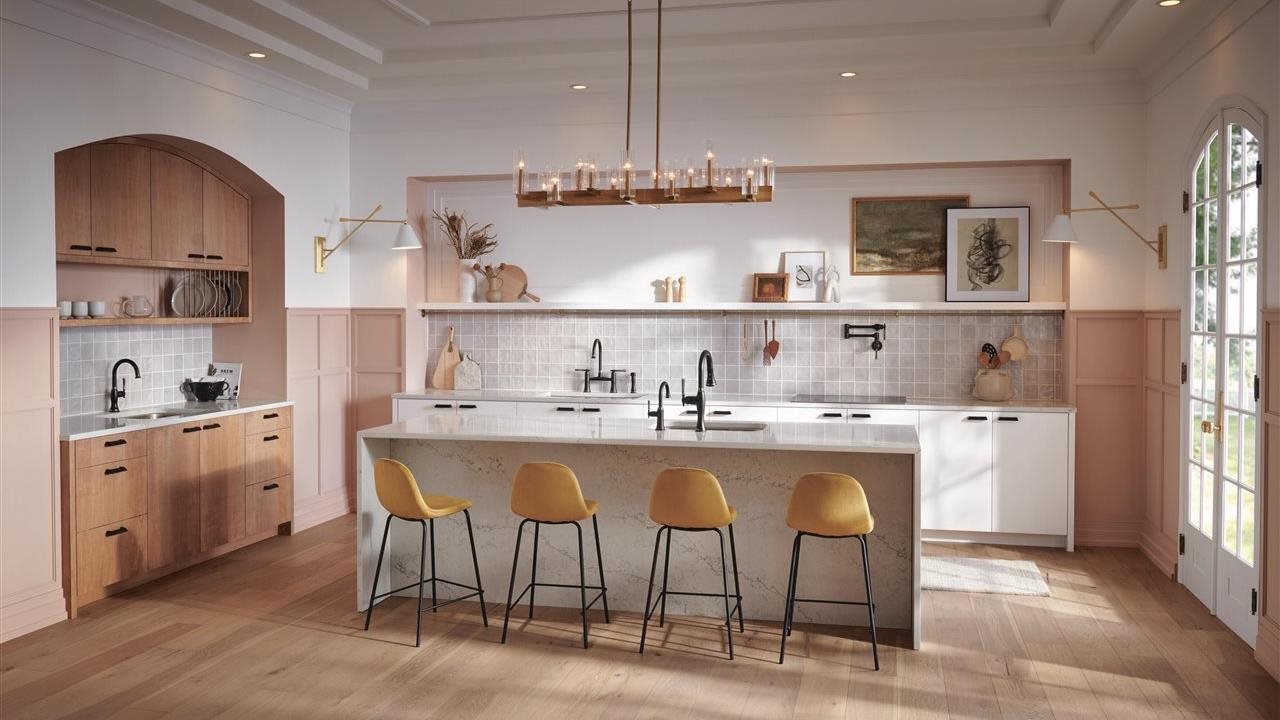
The Tulham™ Kitchen Collection by Brizo® reimagines every detail by combining elegant contours with art deco motifs for an inventive blend of traditional and avant-garde, making it a great addition to a maximalist-inspired kitchen. When paired with other elements in the space, such as a vintage light fixture or a modern barstool, these distinct attributes can create an intriguing and layered design that makes the space feel and look unlike any other.

The grandeur of technology

The integration of technology is a great way to elevate the kitchen even further; it can be both functional and innovative. Whether it is used to make the room easier to clean or makes cooking more efficient, technology opens up a world of culinary possibilities. The Tulham™ Pull-Down Kitchen Faucet has both a Touch-Clean® nozzle, to make wiping away mineral deposits simple, and a two-function wand with spray and stream elements to make the faucet as practical as it is lavishly beautiful. Optional SmartTouch® Technology on the Pull-Down and Pull-Down Prep Faucets activates water flow with just a tap, making both clean up and cooking functional without sacrificing style. The Tulham™ Instant Hot Faucet easily coordinates with any aesthetic and can deliver near boiling water, ready at a moment’s notice. From brewing French press coffee to steeping tea, the faucet’s innovative technology elevates even the most ordinary kitchen tasks. With its creative technology and beautiful, artistic details, the Tulham™ Kitchen Collection enhances the art of cooking and brings maximalism to the heart of the home.

How well do you know your home’s HVAC system?

2022-12-14T05:01:00

(BPT) – How well do you know your heating, ventilation, and air conditioning, or HVAC, system? Like any product, you want to keep it in working order, and being HVAC savvy will help you keep this vital equipment working more efficiently regardless of the temperatures outside.

Here are some important aspects of your HVAC system you should know:

The Average Lifespan of HVAC

Generally, with proper maintenance most residential HVAC systems have a typical lifespan between 10 to 20 years. For instance, an increase in dust on surfaces in your home could be a signal to replace the furnace filter, which should be done monthly for optimal performance. Loud noises from the HVAC or inconsistent room temperature can also indicate the need for maintenance or an upgrade.

Although an HVAC may continue to provide comfort during this timeframe, the average homeowner may still seek to replace an HVAC system during this period for a variety of reasons, such as rising energy bills which could also be a signal that the HVAC is not operating as efficiently as newer models.

State-of-the-art HVAC Technology

While most people are familiar with central HVAC systems, some homeowners might not know about “mini-split” systems. A “mini-split” system, typically ductless, both heats and cools. There is an indoor and outdoor unit; the outdoor unit does most of the work while the indoor unit distributes the heating or cooling.

Mini-Split HVAC units with inverter technology, like those from LG Electronics, provide zoned heating or cooling where you need it, all while providing you with an opportunity to reduce your reliance on fossil fuel. This ductless system allows you to select comfort settings for each zone or room in your home and then control the temperature, volume, and direction of airflow, all according to your preference. ENERGY STAR® certified models are available and, in addition to being more eco-friendly than a traditional HVAC system, can help cut your cooling costs by up to 30 percent.

Know the SEER Rating

The Seasonal Energy Efficiency Ratio (SEER) rating of your air conditioner is a measurement of the product’s cooling output in comparison to the total electric energy input. The SEER rating, which can range from 13 to over 30, represents the heat pump cooling and air conditioning efficiency.

You’ll want to know the rating to help you understand the efficiency of your unit when it works at its maximum potential. In general, the higher the rating, the better. For example, your air conditioner should have a SEER rating of at least 14.5 to qualify as an ENERGY STAR product.

Benefits of ENERGY STAR

The gold standard for energy efficiency is ENERGY STAR, a U.S. government-backed program that helps consumers and businesses easily identify products designed and built to meet above-average efficiency standards. Home products, including HVAC systems, which achieve a certain degree of energy efficiency while also meeting usability and convenience requirements, earn the rating. In fact, heating and cooling costs could be cut by up to 20 percent versus traditional HVAC products by using ENERGY STAR certified models.

Keeping your heating, ventilation, and HVAC equipment well-maintained can have a significant effect on your utility bills and will help you catch small issues before they snowball into financial burdens. Replace the air filter regularly, have a maintenance expert evaluate your system twice a year in the spring and fall, and report any concerns to your HVAC provider between planned visits. Ready to make the switch? Consider an LG HVAC unit by contacting a contractor to learn more about upgrading your system or installing a new unit.

5 tips to protect your swimming pool from severe winter weather

2022-12-09T06:01:00

(BPT) – If you have a swimming pool, it may be the last thing on your mind during winter. However, snowy, icy weather or severe temperature drops can bring risks to your pool.

The good news is, you can help protect your pool from winter storms and freezing temperatures with these tips from the experts at Leslie’s.

1. Keep excess snow from weighing down your pool cover

Occasional light snow is nothing to be worried about, but heavy snow can weigh down a cover. Especially when blizzard conditions dump a foot or more of snow at once, it’s cause for concern. Light, fluffy snow can be blown away with a leaf blower. But for wet and heavy snow, try using a soft broom or skimmer net to remove as much extra weight as possible. While removing snow, be careful to never step onto your pool cover — even if you think the water beneath is frozen.

2. Make sure your pool boundaries are well marked

To help avoid accidents and prevent anyone from stepping onto the pool cover, make it easy to spot the boundaries of your pool after a heavy snowfall. Don’t set heavy objects like patio furniture on the deck near the cover, because those items could damage the cover if they fall onto it. Setting lightweight objects, such as rubber or plastic cones or empty buckets, near the corners can help you see where your pool’s boundaries are located.

3. Check for fallen tree limbs after a storm

Fallen tree limbs are common after a heavy snowfall or ice storm. If they land on the pool, remove them as quickly as possible and check for cover damage. A rip or tear in the cover can allow debris to fall through or water to come out, and may even cause the cover to fail under strain. Multiple rips, or damage larger than a dollar bill, should prompt you to get a new cover, though smaller tears can usually be patched.

4. Make sure your cover is secured

In addition to causing fallen limbs, high winds can also damage your pool cover. Keep the cover well secured to prevent wind whip, and be sure that your deck and yard area is free of large, unsecured items, such as patio furniture, which may blow onto the cover.

5. Safeguard against a deep freeze

Unexpected freezing temperatures can happen anytime, anywhere. If you haven’t winterized your pool when frigid weather strikes, be prepared with a backup plan. Water expands as it freezes, which can cause damage to plumbing and pool equipment that’s still filled with water. DO NOT use any type of portable heater, heat lamp or electric blankets to protect the pump and filter — this can damage equipment or even start a fire. For pools with equipment that’s still connected, run the pump on high speed until the danger of freezing temperatures has passed. If your power goes out during freezing temps, you’ll need to act quickly to avoid damage.

Steps for emergency winterization:

  • Turn off the circuit breaker (so equipment doesn’t turn back on when power is restored) and remove all drain plugs from your equipment. Open the air relief valve on the pool filter, too.
  • Remove the top from any valves with water in them and set your multiport valve to “winter” or between any two settings.
  • Protect your tile line against ice expansion by placing air pillows, inflatable pool floats or empty, lightly weighted plastic jugs in your pool. A weighted 5-gallon bucket can also be set on the steps, as long as it breaks the water surface.
  • Avoid skimmer damage by placing an empty, lightly weighted plastic drink bottle (or skimmer guard, if available) into the skimmer.
  • Wrap a towel around the vacuum breaker of your auto-fill mechanism (if applicable) for insulation.

Need help? Leslie’s can provide assistance and resources to help you safely recover your pool after winter weather events, including at-home equipment inspections, winter pool maintenance, repair services and free in-store water testing or troubleshooting. Find your nearest Leslie’s location or visit LesliesPool.com for helpful tips and information.

Home renovation trends for the new year

2022-12-07T11:01:00

(BPT) – In previous years, home remodeling projects were often done with the goal of increasing resale value. Recently, however, homeowners have been staying in their properties longer and are making these projects a priority of functionality as well as a reflection of personal style.

Before homeowners begin thinking about the changes they’d like to make, they need to think about how a renovation may affect their home insurance policy. Their policy may need to be remodeled too.

“A common oversight when redesigning a home is the impact a new kitchen or bathroom remodel might have on their homeowners insurance,” said Bonnie Lee, Mercury Insurance Vice President of Property Claims. “If a renovation project leaves a gap in your existing coverage and is later damaged or destroyed, your insurance policy might not protect the upgrades you’ve made. You need to contact your insurance agent to discuss any renovations you’re considering.”

Two of the most highly used areas of the home are the kitchen and bath, places many people start considering when it comes to renovations. According to BluPeak Credit Union, the average loan for a kitchen remodel is $50,000 while the average loan for a bathroom remodel can cost up to $25,000. Most loans to fund the cost of remodeling the kitchen and bathroom area, including flooring, can total up to $100,000. Home improvement experts are seeing the following as an integration of personal style with form and functionality to these busy areas.

Opening up space – Open concepts throughout the home are still popular when it comes to remodeling the kitchen and bathroom. Giving a room an open feel can be as simple as installing mirrors or additional lighting to removing a non-weight-bearing wall or installing skylights. The idea is to create an environment that allows for a sense of space even though the square footage hasn’t changed.

“I consider the concept of an open kitchen as not only one of functionality, but also as a reflection of the homeowner’s lifestyle,” said interior designer Joy Cho. “When cooking you don’t want to feel isolated, you want to be a part of the interactions happening in your home. Think of the kitchen as more than another room, it’s the home’s heart where everyone gathers.”

According to the National Kitchen and Bath Association (NKBA), homeowners are also looking to open up areas in bathrooms by incorporating more lighting in mirrors, vanities and showers, as well as accent lighting for ambiance. Larger showers or bathing areas with integrated seating are trending with homeowners. These spa-like upgrades can meet future needs as more people consider aging in their home.

Smart home technology – Another trend is in the area of smart home technology. Smart lighting and appliances offer ease and convenience but may also offer homeowners savings in the form or lower utility bills due to the use of energy-efficient technology. And while smart tech is synonymous with clean design and large screens, the look doesn’t always have to be futuristic. Many modern appliances incorporating digital technology still have a standard look and feel. Smart ovens that can be preheated from the touch of an app and give homeowners the ease of meal prep may easily integrate with a current kitchen design.

Sustainable materials and organic design – Today more homeowners are thinking about the impact their remodel or renovation can have to both the outer environment and the one within their home. Many are incorporating natural colors, designs and textures into their renovations by using more organic materials and paints that are practical and functional while sourcing them locally to reduce the carbon footprint created by transport.

Before trying to decide between granite or marble tile, however, consider the things that are behind the wall. Pipes and electrical wiring, for example, may need more attention and upgrading before other installations can begin.

“Make note of the items that need to be updated and that are relied upon on a daily basis before beginning any renovation,” said Lee. “A safety precaution to take when upgrading these areas first is having any wiring or plumbing projects installed by a professional. Secure any necessary permits if required by your community or municipality. A permitted home renovation project may qualify you for a homeowners insurance discount.”