Finding quality surgical care is easier than ever with the ACS Find a Hospital search tool

2025-09-29T10:01:00

(BPT) – By Patricia L. Turner, MD, MBA, FACS, Executive Director & CEO, American College of Surgeons

Your doctor has informed you that you need surgery — like 15 million other patients in the United States every year. Naturally, you and your family may want to research your hospital options to have confidence that you are getting the best care.

The American College of Surgeons (ACS) has created a new Find a Hospital search tool to help you find hospitals that meet the rigorous quality standards we set for surgical care.

The ACS has been defining quality care in surgery since our founding more than 112 years ago, and now we make it easier than ever for patients and their families to find ACS Surgical Quality Partner hospitals in their local communities and to access information to prepare for surgery.

What is Find a Hospital?

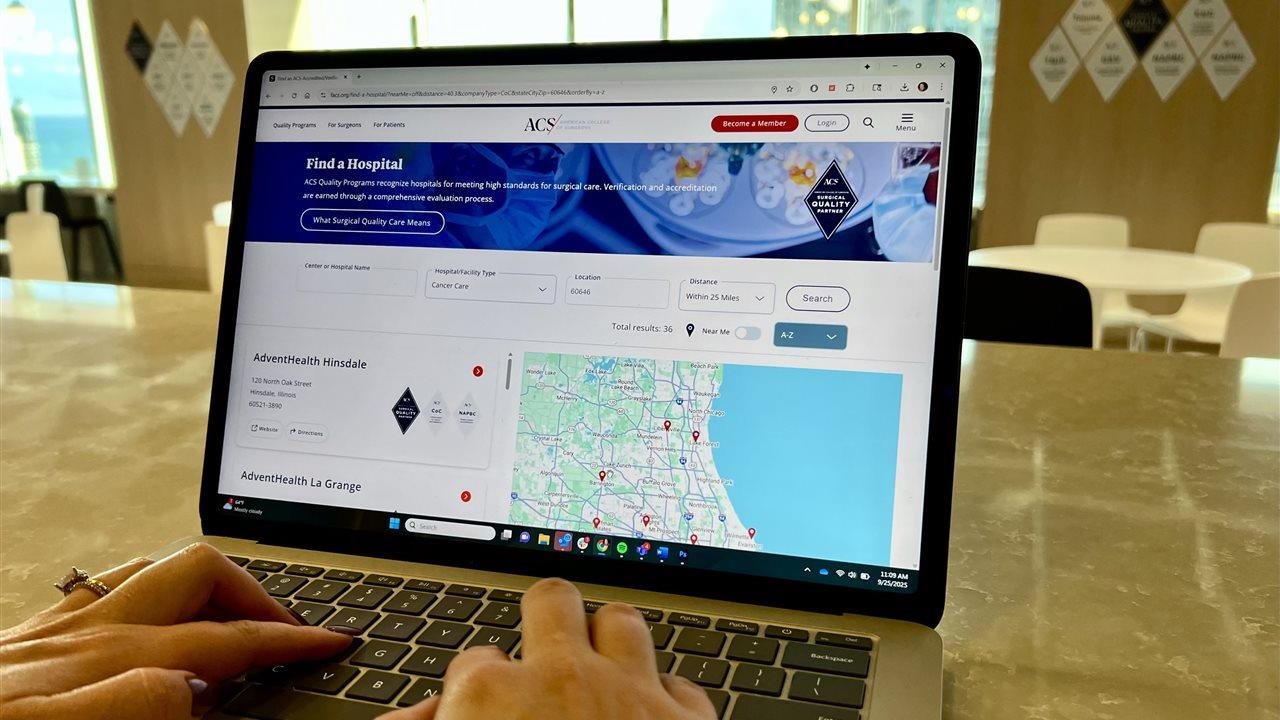
Find a Hospital is a convenient, user-friendly search tool that helps you locate hospitals that have undergone rigorous accreditation and verification from the ACS to demonstrate their capability to deliver the highest quality surgical care. Based on your individual needs, you can find care that excels in areas across surgical specialties including cancer, geriatric surgery, emergency general surgery, children’s surgery, vascular surgery, trauma care and more.

Receiving accreditation or verification from the ACS involves a rigorous process, including a detailed site visit. These steps ensure that facilities meet and uphold the highest standards of surgical care and ethics. Importantly, ACS accreditation and verification is not something that can just be purchased by a hospital, it must be earned.

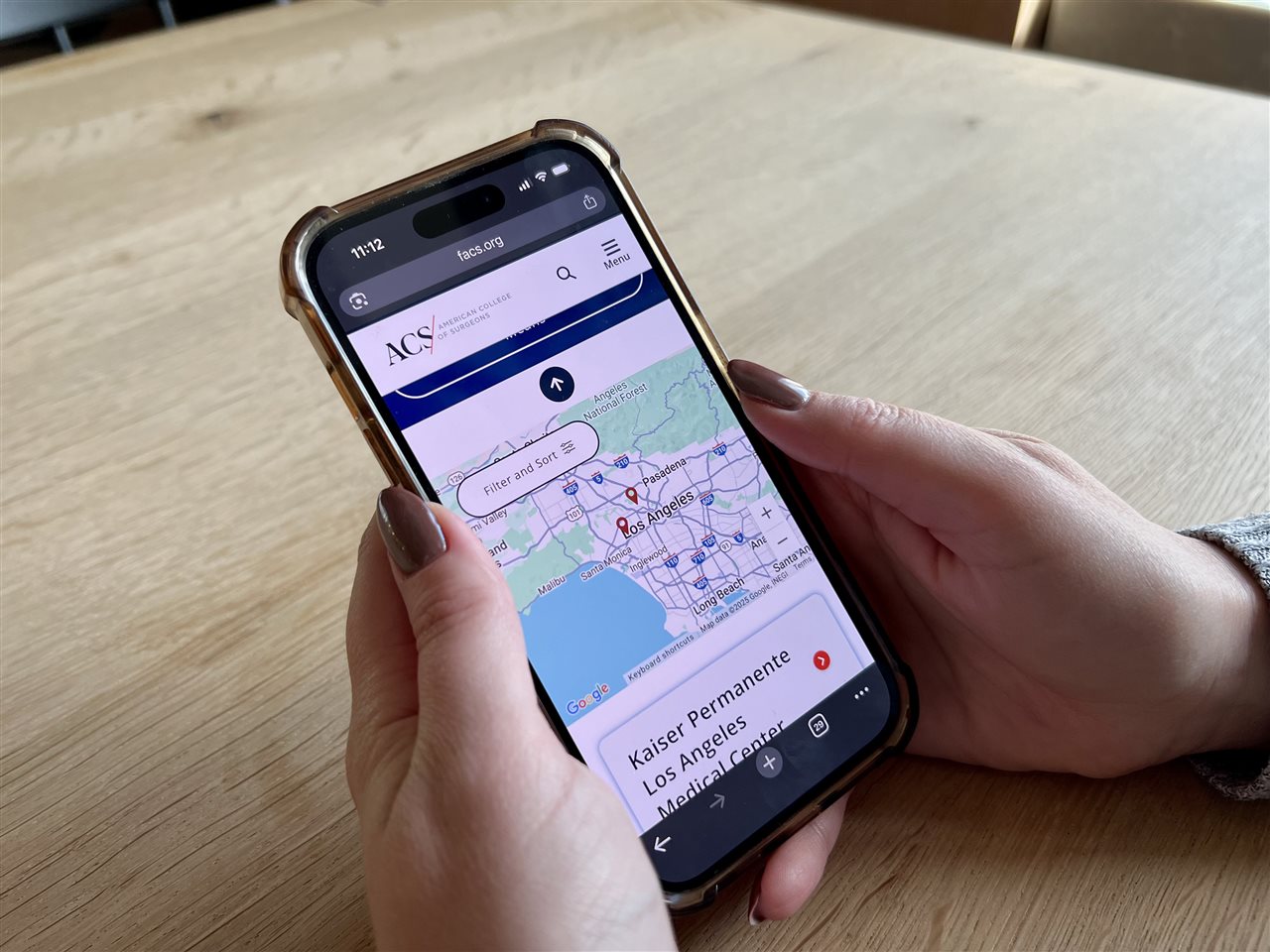
Find a Hospital features map-based results for a quick and easy visual location of hospitals and a map function to easily navigate to the hospital. You also can learn more about the list of ACS Quality Programs in which a hospital participates. ACS Quality Programs are grounded in rigorous standards and evidence that define what optimal surgical care should include. These standards provide the roadmap for hospitals to develop their processes and capabilities to deliver high-quality care.

Person using the ACS app on their phone to find a hopital.


How can I prepare for surgery?

Whether you need a routinely encountered procedure or have a complex, high-risk case, the Find a Hospital tool can help you find the right hospital. Additionally, the ACS Find a Surgeon search tool can help you find surgeons who are Fellows of the ACS (FACS). Fellows are board-certified surgeons whose education, training, professional qualifications, surgical competence and ethical conduct are reviewed and consistent with the high standards of the ACS.

The ACS also offers a range of resources to help you prepare for surgery, including questions to ask your surgeon, nutrition guides and a specialized checklist for older adult surgical patients. For more common procedures, our guides walk patients through the day of surgery and optimizing recovery.

The ACS is your trusted source when you have questions about surgery. Our patient education resources and our Find a Hospital search tool are designed to help you prepare for an operation and to find the best care possible.

The next time you or a loved one need surgical care, make sure to visit www.facs.org.

Patricia L. Turner is the Executive Director & CEO of the American College of Surgeons, the largest professional association of surgeons in the world, founded in 1913.

Making movement accessible: Expanding ‘Outdoors for Everyone’

2025-09-29T08:01:00

(BPT) – Spending time outdoors benefits everyone’s mental and physical health, offering a chance to recharge and cope with life’s challenges. Research continues to confirm these benefits, showing just how important outdoor recreation can be — especially for people living with paralysis, for whom every opportunity to be active and engaged can be life-changing.

This is the motivation behind the Christopher & Dana Reeve Foundation’s “Outdoors for Everyone” initiative, launched in 2023 to ensure outdoor spaces are accessible for those living with paralysis and other disabilities, their families and caregivers. The Reeve Foundation is committed to curing spinal cord injury by funding innovative research and improving quality of life for individuals and families affected by paralysis.

“Outdoors for Everyone” provides community and outdoor organizations with the knowledge, solutions and resources to ensure that the great outdoors can be enjoyed by everyone. The initiative is part of the Christopher & Dana Reeve Foundation’s National Paralysis Resource Center (NPRC), which provides free and comprehensive information and support to navigate challenges of living an independent and fulfilling life with paralysis.

Focus on fitness

The pilot “Outdoors for Everyone” program initially focused on ensuring that walking, hiking and other outdoor trails are accessible for wheelchair users and others living with disabilities. Last year, the program focused on water-based activities, from accessible kayaking and adaptive water sports to accessible beach equipment and more.

“Adaptive fitness is my lifeline to feeling somewhat normal,” said Mason Branstrator, disability advocate and partner of the Christopher & Dana Reeve Foundation. “Yoga, stretching and cardio on my hand-cycle, ski erg or swimming help me stay focused mentally, sleep better, and take care of my body. Moving in new ways is everything.”

Through the lens of exercise and movement, the Reeve Foundation this year aims to help connect the paralysis and disability communities to a variety of programs and opportunities across the U.S. that share a commitment to quality of life, with the goal of making fitness available to everyone.

Person racing in Christopher & Dana Reeve Foundation marathon

“Sharing my journey with the Christopher & Dana Reeve Foundation has been incredible, showing others that adaptive sports can be safe, enjoyable and empowering,” said Mason. “People with disabilities need to hear this message: Community, exercise and freedom are possible, and resources exist to help you get there.”

“The ‘Outdoors for Everyone’ initiative is opening doors to the health and well-being benefits of outdoor activity,” said Dan McNeal, director of the Quality of Life Grants Program at the Reeve Foundation. “Adaptive exercise and recreation for all abilities doesn’t just improve physical fitness — they build confidence, nurture mental health and create vital social connections.”

How the program works

The Foundation’s highly trained Information Specialist team helps identify accessible exercise programs, adaptive sports opportunities and specialized movement classes. It also assists community members in planning safe and adaptive fitness experiences.

Programs are easy for individuals, family members and caregivers to find via the Foundation’s digital, ZIP code-based tool, “Resources in Your Area.”

Community partners this year include:

  • The Kelly Brush Foundation — Encourages and assists people with spinal cord injuries to lead active, connected lives by providing inspiration and grants for adaptive equipment.
  • Wisconsin Adaptive Sports Association — Improves access to adaptive sports and comprehensive programs for people with physical and visual disabilities.
  • Catalyst Sports — Provides access to adventure for people with physical disabilities in a supportive community.

Community partners are recipients of the Quality of Life Grants Program supported by the Foundation’s NPRC, the only federally funded program of its kind that directly serves individuals living with spinal cord injury, MS, ALS, stroke, spina bifida, cerebral palsy and all other forms of paralysis.

“The Reeve Foundation is proud to champion programs that give people living with paralysis and their caregivers the chance to stay active, grow stronger and rediscover the joy of movement,” McNeal said.

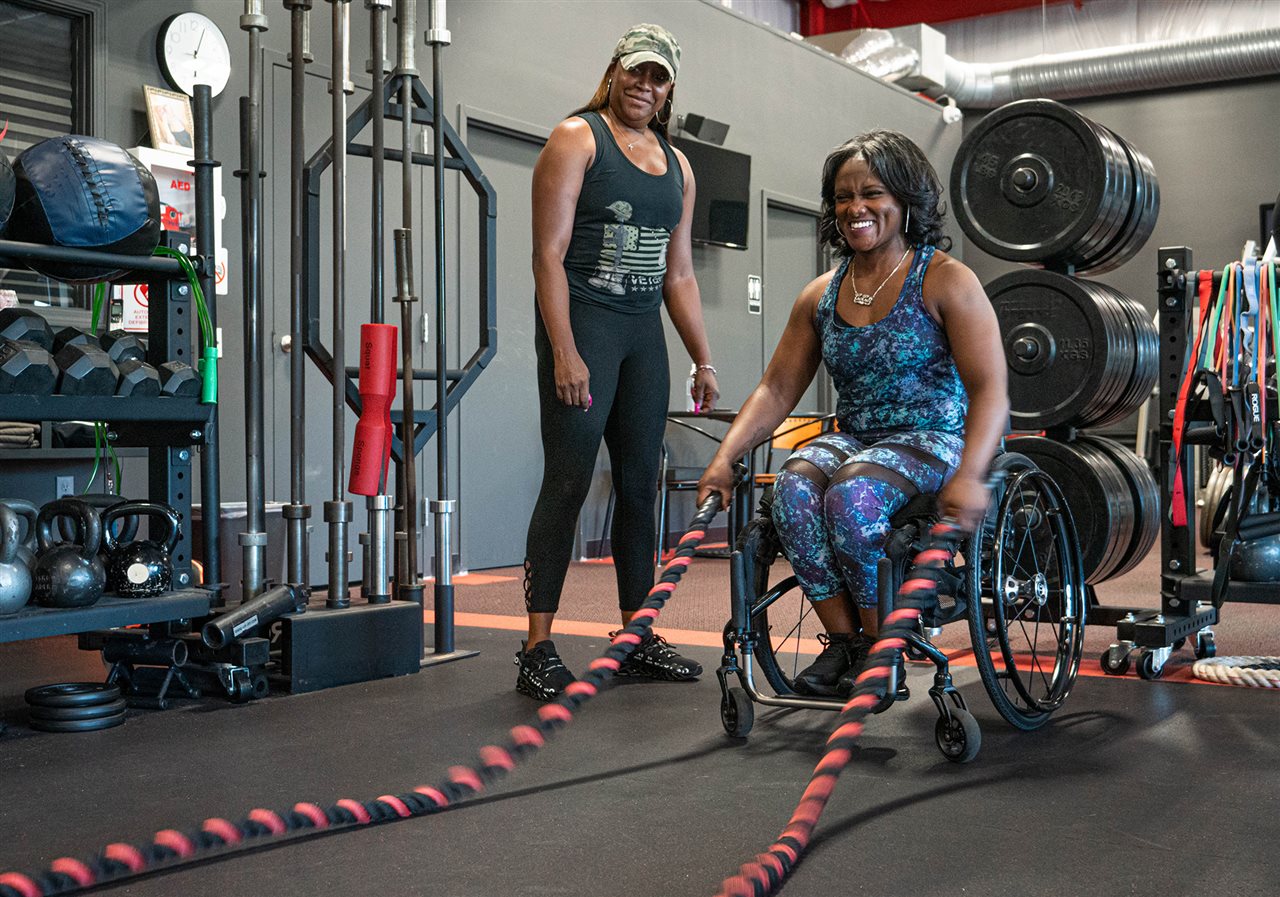
Ce-ce and Tiffany using battle ropes to build strength

Learn more by using the digital ZIP code-based tool Resources in Your Area, visit ChristopherReeve.org or call their Information Specialists at 1-800-539-7309. Information specialists are available Monday through Friday, 7 a.m. to 8 p.m. ET. Live agents are available to chat via the Reeve Foundation website, and you can also leave a message if you are calling after hours.

This project is supported by the Administration for Community Living (ACL), U.S. Department of Health and Human Services (HHS), as part of a financial assistance award totaling $10 million, with 100% funding by ACL/HHS. The content is those of the author(s) and does not necessarily represent the official views of, nor an endorsement by, ACL/HHS or the U.S. government.

In a Tough Job Market, This Top Employer Is Offering Rewarding Careers and Competitive Benefits

2025-09-26T11:01:00

(BPT) – For many Gen Z workers, launching a meaningful career can feel overwhelming in today’s challenging job market, with recent reports showing that the nation’s current unemployment rate rose to 4.3% in August — the highest level since 2021. This trend also disproportionately impacts young adults entering the workforce, as many organizations reduce their entry-level positions in favor of new technology.

For those who have found employment, dwindling benefits packages often leave them wanting more, with Gen Z placing the greatest value on benefits like health care (70%), time off (72%), learning and development (29%), and student loan repayment (22%).

But even in this turbulent market, one organization that stands out from the pack is the U.S. Army. For qualified individuals, the Army offers not only a rewarding career but also comprehensive benefits and stability for years to come.

The only problem? Many are unaware of the multitude of opportunities that come with an Army career. Read on to discover some of the many benefits that lay the foundation for lifelong success.

250+ careers in every field and on-the-job training

With more than 250 jobs to choose from — including roles in infantry, aviation, medical, engineering, music and more — Soldiers are encouraged to pursue their interests and find meaningful purpose in their careers.

Soldiers also have the flexibility to select from full-time or part-time options to better align with their goals and lifestyle. Soldiers of the U.S. Army Reserve and the Army National Guard have the opportunity to serve part-time close to home, while maintaining full-time civilian careers or pursuing higher education.

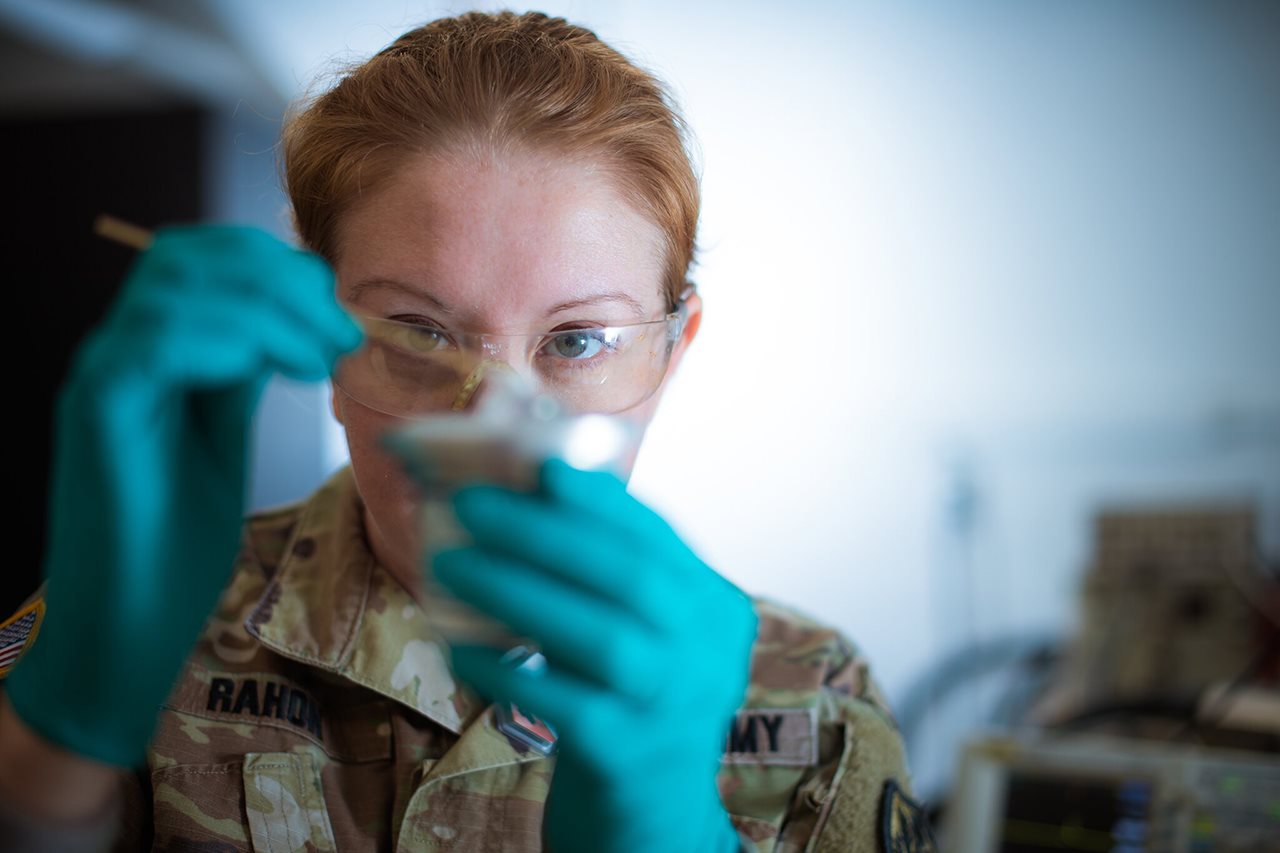
Soldier of the U.S. Army Reserve conducting a scientic experient

Throughout their careers, Soldiers have access to practical, hands-on training to build valuable skills that will serve them both in uniform and civilian life. This includes Advanced Individual Training (AIT), where enlisted Soldiers learn the technical skills required for their specific Army job to ensure they are confident in their abilities.

For those seeking to further specialize or advance their careers, the Army offers a variety of specialized schools, including Special Operations, Army Medical, Army Cyber & Technology and Army Aviation. Soldiers can also earn civilian credentials and on-the-job training for high-demand trade jobs through the United Services Military Apprenticeship Program (USMAP), setting them up for success long after their service is complete.

Higher education benefits and training opportunities

The Army helps pay for education, student loans and certifications so Soldiers are set up for success both in the Army and in their careers after service.

Soldiers of the U.S. Army Reserve and the Army National Guard studying in a classroom,

Programs like the GI Bill help current and former Soldiers who have served at least three years pursue college, graduate school or certifications, without the burden of overwhelming education costs. Meanwhile, college students interested in an Army career can earn a scholarship and join the Reserve Officers’ Training Corps (ROTC). This leadership program provides Army-specific training, mentorship and camaraderie while covering up to the full cost of tuition. After earning a degree and completing ROTC, Cadets commission as Officers and immediately step into leadership roles within the Army.

The Army also offers loan repayment programs that can offset the cost of outstanding student loan debt.

Comprehensive total compensation packages

Soldiers earn more than just a paycheck with a full suite of comprehensive benefits and can receive up to $50,000 in total bonuses when they enlist in the Army based on factors like job selection, skills, training and ship date. There are also opportunities for re-enlistment bonuses for Soldiers who choose to continue their Army career.

Finding affordable housing is a growing challenge for many young adults, but eligible active-duty Soldiers have access to a range of housing options — including on-base houses, apartments and barracks — that offer financial savings and convenience. Army housing provides a sense of community with easy access to dining facilities, low-priced shopping, recreation and entertainment, day care centers and places of worship. For those interested in homeownership, the Veterans Affairs (VA) Home Loan is a federal program that helps Soldiers and Veterans secure better terms and benefits when purchasing or refinancing a property.

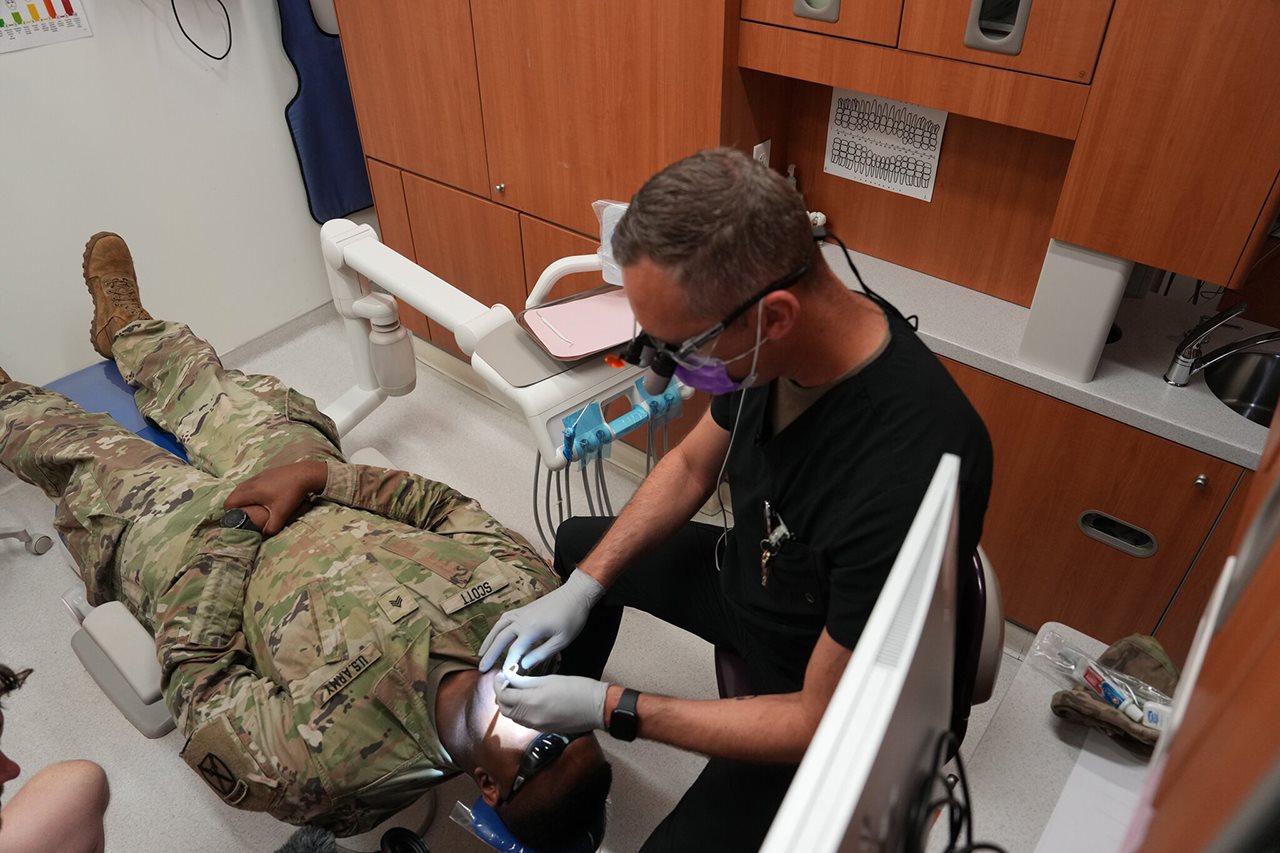
Soldier of the U.S. Army Reserve practicing dentistry

Soldiers and their families also have access to the health insurance program, TRICARE, which offers medical, dental and vision plans, as well as life insurance and prescription options at little to no cost.

Planning for the future begins right away in the Army, thanks to a range of retirement savings options. Soldiers are automatically enrolled in a retirement savings account with government match contributions and will receive a pension and full retirement benefits after 20 years of service.

Opportunities to experience the world

Soldiers can pursue adventure, explore different cultures and develop their strengths while serving in locations like Italy, Germany, Japan and South Korea, as well as the 50 active-duty bases across the U.S., including Hawaii and Alaska. The Army also offers generous vacation time and 11 paid national holidays off each year, so Soldiers can take the time to explore and enjoy their surroundings.

Soldiers of the U.S. Army Reserve and the Army National Guard white water rafting

Soldiers and their families can also participate in the Army Morale, Welfare and Recreation (MWR) program, which is designed to support a high quality of life through resources like gyms, golf courses, bowling alleys, recreational lodging, child care, entertainment and travel opportunities.

Wellness programs that support mind and body

The Army’s Holistic Health and Fitness (H2F) system focuses on every aspect of health and wellness, including physical, mental, nutritional, sleep and spiritual health. Whether recovering from an injury, pursuing a goal or maintaining a training regimen, the H2F system provides Soldiers with experts and resources to ensure they are supported across every domain of their physical and non-physical health.
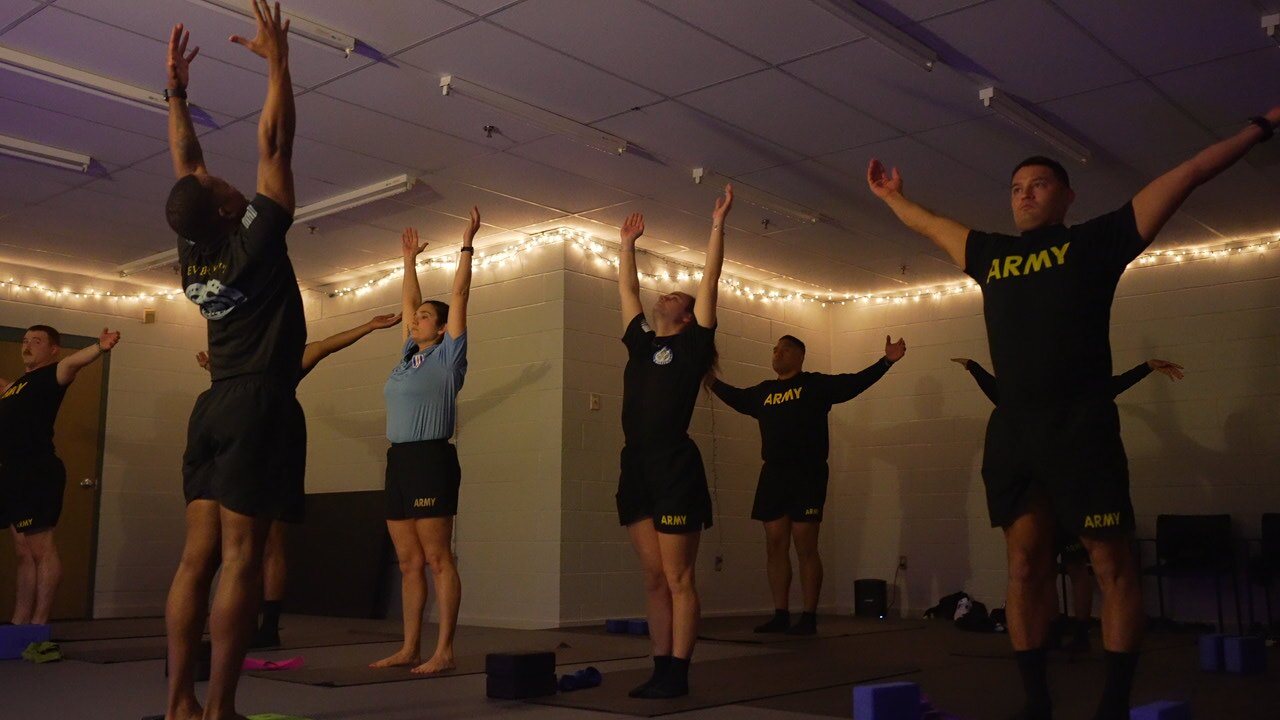
Soldiers of the U.S. Army exercising in a gym.

For some, the Army’s benefits start well before they even join the force, thanks to the Future Soldier Prep Course (FSPC), which helps aspiring Soldiers overcome the academic and physical fitness barriers to enlistment by providing specialized training via two tracks. The academic track helps improve recruits’ Armed Services Vocational Aptitude Battery (ASVAB) scores, qualifying them for a wider range of Army jobs, while the fitness track helps recruits meet the Army’s physical standards and learn the basics of holistic health and wellness. With a course graduation rate of roughly 95%, the FSPC has equipped more than 37,000 trainees with the skills needed to achieve their goals as a Soldier.

Are you ready to take the next step toward a rewarding future? Explore how the Army can help you achieve your goals at GoArmy.com.


How to protect yourself from respiratory illness this season

2025-09-24T06:01:00

(BPT) – Each year during the fall and winter, respiratory illnesses like flu, COVID-19 and RSV circulate, and people 65 years and older and people with underlying health conditions are at higher risk of developing serious complications if they get sick. The good news? There are now more tools than ever to help protect you and those you care for from severe respiratory illnesses.

Respiratory illnesses pose a higher risk for older adults and people living with underlying health conditions

The risk of serious outcomes from respiratory illnesses, like hospitalization or even death, increases sharply with age, particularly age 65 years or older, as the immune system weakens over time. If you’re an older adult, you may be more likely to have underlying health conditions, such as heart disease, diabetes or lung disease, which can make it harder for your body to fight off infections.

However, even healthy older adults can still get very sick. Data show that during the 2023-2024 flu season, about 2.6 million adults 65 years and older got sick with flu, 1.5 million needed medical care, nearly 240,000 required hospitalization, and more than 19,000 older adults died from flu-related complications. Additionally, adults 65 and older were 10 times more likely to be hospitalized by flu, COVID-19, or RSV than adults younger than 50.

Everyday actions can help you stay healthy

There are actions you can take to help protect yourself from health risks caused by respiratory illnesses. These actions include staying up to date on vaccinations, practicing good hygiene, taking steps for cleaner air, and using precautions to prevent the spread of illness if you do get sick.

For older adults, or people with an underlying health condition, health is often top of mind — while getting vaccinated against respiratory viruses may be farther down the list. But getting vaccinated can mean the difference between staying healthy and active and being hospitalized, or worse. Even if you do get sick, being vaccinated can lessen your symptoms and severity of your illness.

You may be eligible for flu, COVID-19, and RSV vaccines, and can even get multiple vaccines at the same visit. Talk to your healthcare provider about what recommended vaccines may be right for you.

If you do get sick, act fast

If you feel symptoms like cough, fever, body aches or fatigue, don’t wait to take care of yourself. Treatment may be available, but it works best when started early, ideally within a few days of when symptoms start. Testing can help confirm what illness you have so you can access the right care. At-home tests are available for both COVID-19 and flu, making it easier to get answers quickly.

Stay home and away from other people until you have been fever-free for 24 hours and your other symptoms have improved. Then, take extra precautions, like practicing good hygiene and taking steps for cleaner air, for the next five days to avoid spreading illness to others.

Protect yourself and your peace of mind

Getting vaccinated and taking everyday actions can help keep you and your loved ones healthy. Talk to your healthcare provider about which vaccines are recommended for you.

You have spent a lifetime caring for others. Now is the time to prioritize your own health. Visit the CDC’s website or talk to your healthcare provider today to learn more about how to protect your health this season.

The ranching life: Stewards of the land, animals and community

2025-09-24T09:01:00

(BPT) – When you picture a cattle rancher you might imagine someone wearing a cowboy hat and riding a horse, not a conservationist. But that’s what most ranchers are.

“Ranchers and farmers were the first environmentalists, and we take that very seriously,” said Darrick Whipple, Land & Government Affairs Manager at Deseret Ranch.

Caring for cattle is also an opportunity to care for the land, and farmers and ranchers work hard to protect the land they are entrusted to manage, and that we all depend on. Not only is this the right thing to do, but it’s also critical for ranching families who take pride in passing the way of life down to future generations.

While farming and ranching looks different across the country, one thing remains the same: when it comes to raising cattle, it all starts with healthy soil and plant life. Without that, the cattle would have nowhere to graze, and the farm or ranch could not be sustainable — environmentally or for the future. This is why for farmers and ranchers, sustainability means so much. More than 90% of U.S. farms and ranches are family-owned and 78% of ranchers plan to invest in their community by continuing to preserve open space and passing their farm or ranch on to future generations. It is this family pride that drives farmers and ranchers to carefully manage the land and leave it better generation after generation.

The “Cattle Calling” series by the National Cattlemen’s Beef Association, a contractor to the Beef Checkoff, offers glimpses into the real lives of ranching families across the country. From families who have been ranching for more than 100 years, to those who just got their start, each video reveals how farmers and ranchers tackle everything from environmental challenges and extreme weather events to family obligations and community building.

Thriving in harsh environments

The founders of Deseret Ranch acquired 200,000 acres of untamed land in central Florida 75 years ago. Today, 45,000 cows and close to 100 full-time employees call this challenging environment home, enduring high temperatures, humidity and very sandy soil as they raise cattle and carry on a lesser-known way of life with deep roots in the Sunshine State.

Over the years Central Florida has become less known for its marshes and wildlife and more for theme parks and rapid growth. A state known for its tourism, many visitors to Florida have no idea that just miles off the beaten path, tucked between the attractions and the beaches, one of the world’s largest ranches has been able to preserve Florida’s natural landscape and wildlife habitat.

“The cattle and wildlife have to have a symbiotic relationship,” explained Eric Batey, Area Manager. “Our responsibility as stewards of the land is to keep the native populations of animals thriving,” added Jase Taylor, Wildlife Manager.

While the gators, otters and vibrantly colored birds co-existing with thousands of head of cattle is unique to Central Florida, this is one example of how grazing lands and ranches across the country provide a range of ecosystem services like water regulation and purification, carbon sequestration, wildfire suppression and wildlife habitat. Ranchers know the decisions they make today have an impact for future generations, so they work to manage natural resources in a way that benefits the environment, because that environment is what pays them back.

Putting land and animals first

In the much drier climate of southeastern Colorado is May Ranch. At first glance the landscape appears harsh and less than ideal for wildlife, but what can’t be seen is the colony of endangered black-footed ferrets that live underground and call the ranch home. The May family has long been known for their conservation efforts, which is exactly why their ranch was chosen by Colorado Parks and Wildlife for the releasing of North America’s rarest mammal into the wild.

Just two years later, both the effort to save the endangered species and the family livelihood were tested when a wildfire tore across the ranch. In all, more than 9,000 acres burned, threatening cattle and wildlife and destroying more than 50 miles of fence. Undeterred, the family worked to rebuild stronger with an increased focus on conserving the land’s diverse ecosystem.

“We care so deeply for all of our animals. We take care of them before we take care of ourselves,” said Debbie Davis. “We make sure they have everything that they need.”

The May family is committed to educating the next generation about the importance of biodiversity and is well aware of the importance of grasslands for carbon sequestration.

“It’s unbelievable when you start studying how much carbon can truly be stored here underneath our feet,” said Riley May. “This ranch would not have been kept in its native state if it had been plowed up and farmed; it would have had a huge release of carbon,” added Dallas May.

Supporting the community

In the middle of Tennessee, first-generation cattle farmers Ben and Lauren Neale are supporting their community from the ground up. While raising four busy children, one of whom has special needs, the Neales still find time to manage their growing farm and serve their local community by opening a local processing facility and store — a true farm-to-table family story.

Through Light Hill Meats, the Neales support the entire community with access to local meat processing and high-quality food products, and by providing jobs to those in need. Their retail store allows them to work with a sober living program and they often employ people who are transitioning to life after prison and recovering from substance abuse.

“Ben appreciates the work being done at home so he can go out and grow this business and branch it out to where he is bringing it into the community,” said Lauren Neale. “He’s bringing in people who have a great skillset, giving them a livelihood. I’m proud and glad to help him on that journey of helping other people.”

The role of cattle in sustainability

When well-managed, beef cattle provide important ecosystem services like converting human-inedible plant fiber into protein, cycling organic nutrients into the soil, maintaining wildlife habitats and producing food from land that could not otherwise be used for crops. These ranchers help to keep these pristine places intact, while providing a much-needed resource for society.

Visit BeefItsWhatsForDinner.com to learn more. To watch the Cattle Calling videos, visit CattleCalling.org.

References:

USDA-NASS. 2017. Census of Agriculture. Farm Typology. https://www.nass.usda.gov/Publications/AgCensus/2017/Online_Resources/Typology/typology.pdf

National Cattlemen’s Beef Association (NCBA). 2017. 2017 Cattlemen’s Stewardship Review. Found on https://www.beefboard.org/2018/05/14/2017-cattlemens-stewardship-review/.

Is a top load washer right for you? Expert tips to keep in mind

2025-09-23T09:51:00

(BPT) – With so many options available for household appliances today, it’s easy to feel overwhelmed. But when it comes to an everyday workhorse like your washing machine, you’ll want to consider how its design most benefits you and your family, how you do your chores and what you need most when it comes to performance, ease of use, convenience and capacity, among other features. The model you select can make all the difference.

Here are the five top things to consider when choosing your next washer.

1. Don’t fear heavy-duty loads

Does the washer deliver powerful cleaning that’s both effective and efficient? With the WT8600CW 5.5 cu. ft. Mega Capacity Top Load Washer with TurboWash™ Washer with Steam, ezDispense®, Wi-Fi Connectivity from LG Electronics, for example, you’ll experience powerful cleaning performance combined with user-friendly features.

Whether they’re handling everyday laundry or heavy-duty loads, LG’s top loading washers offer efficient cleaning with TurboWash3D™ technology, which uses a powerful jet spray plus a tub and motor that rotate independently and in opposite directions, creating a powerful water flow that causes garments to rub against each other throughout the cycle for enhanced washing performance. This feature is ideal for busy households seeking efficiency without compromising on cleanliness.

LG top  load washer and dryer in laundry room.

2. No sock left behind

Have you ever struggled to reach items at the bottom of the tub? Struggle no more. LG’s Mega Capacity Top Load Washer is designed to put everything within easy reach, without sacrificing capacity. Its EasyUnload™ angled washer front offers more comfortable, ergonomic reach that lets you lean in and grab every last sock, without sacrificing capacity. There’s also no need to dig out detergent and fabric softener when the ezDispense® Automatic Dispenser cleans up to 25 loads with 1 easy fill.

Even better, this model has a convenient SlamProof™ Glass Lid that automatically (and gently) closes every time, and can even firmly hold itself at certain angles, thanks to a smooth-operating hydraulic hinge. You’ll also love its flat front design and sleek controls with LED or LCD display that make it easy to get laundry day dialed in, along with a modern design that elevates any laundry space.

3. Wash smarter, not harder

Having a washer with built-in intelligence means taking the guesswork out of every laundry load. Intuitive electronic controls and built-in intelligence make it easy to customize your wash, or let AI Wash do it for you.

Equipped with LG ThinQ® technology, washers like the LG Mega Capacity Top Load Washer let you control and monitor your laundry remotely via your smartphone or using voice commands with Alexa and Google voice assistants. You can receive notifications, start or stop cycles and download specialized wash programs to enhance your laundry experience.

ThinQ UP™ appliances evolve with you through continual software updates for new downloadable features and enhancements sent wirelessly to the appliance, and ThinQ Care™ helps keep your appliance running smoothly by sending proactive usage, maintenance and diagnostic alerts to your smartphone.

4. No sink? No worries

Don’t let stains put you on the spot. If you need to treat stains quickly, don’t panic if you don’t have a sink right there. The LG Mega Capacity Top Load Washer model offers a convenient Water Faucet option you’ll wonder how you lived without. Just press the Faucet pad to turn on water in the tub while you treat and scrub. When you’re done, simply close the lid or press Faucet again, and the water will automatically drain.

5. Save time with fewer loads

Face it: Busy families need more capacity for washing. LG’s top-load washers can handle large loads, with capacities up to 5.5 cubic feet. Bigger loads mean reducing the number of cycles needed to be done, saving time for what matters most. This is perfect for busy families, or anyone looking to avoid being glued to the washer on laundry days.

Ready to find your next washer? You’ll feel confident knowing that LG has been ranked America’s Most Reliable and #1 Appliance Brand by OpenBrand MindShare. Visit LG.com to learn more.

Intelligent operations: How everyone benefits from improved workflows

2025-09-22T07:01:00

(BPT) – When’s the last time you took a close look at your company’s frontline workflows? If you review your processes, chances are you’ll find that what was once routine is too complex for manual processes to keep up. With work quickly changing across virtually all industries, improving workflows cannot wait.

“The call to modernize operations has never been more urgent,” said Joe White, chief product and solutions officer, Zebra Technologies, a global leader in digitizing and automating frontline workflows. “That’s why leading organizations are reimagining their workflows and building intelligent operations which integrate advanced technologies like AI, automation and data with human expertise to optimize business processes.”

A woman with a tablet briefs warehouse workers


The value of intelligent operations by the numbers

The importance of workflows cannot be overstated. Workflows are where speed, visibility and precision drive growth. By investing in the latest technologies to automate workflows, businesses can elevate frontline productivity and improve the customer experience.

This isn’t just talk. According to a research study titled, “Impact of Intelligent Operations” from Zebra Technologies and Oxford Economics, the digitization of workflows drives a 20% productivity increase to boost frontline performance.

The gains of intelligent operations are hard to ignore. For example, retailers reported a 21% improvement in customer satisfaction, manufacturers cited a 19% increase in employee productivity, and transportation and logistics (T&L) leaders reported a 21% increase in productivity with better workflows.

The retailers, manufacturers and T&L firms that participated in the study reported that the integration of AI, automation and data significantly increased revenue and profitability. The study indicates:

  • Retailers achieved up to 1.8-percentage-point increases in revenue growth and profitability through improvements in their prioritized workflow of inventory management.
  • Manufacturers optimizing their top workflow of quality control and assurance saw revenue growth uplift by 2.4 percentage points and profitability improvements of 1.4 percentage points.
  • T&L firms optimizing key delivery and inventory workflows experienced a revenue growth increase of up to 3.4 percentage points with a similar increase in profitability.

Based on this research, Oxford Economics estimates that if the top 20 organizations from the Forbes Global 2000 list in each of these industries — retail, manufacturing and T&L — achieved meaningful improvements in their frontline workflows, each company could potentially earn an average of $3 billion in higher revenue and an average of $120 million in added profit.

A man holding a mobile device stands in front of an industrial facility while wearing goggles and a helmet.


A dedication to better business every day

Modernizing your workflows may seem daunting, but there are tools that can make the transformation easier. As an industry leader, Zebra Technologies is a strategic, trusted advisor to organizations of all sizes, helping them continuously drive better processes and adapt to changing conditions.

From the warehouse floor, production line, and retail aisle to the patient bedside, Zebra provides solutions that help organizations navigate persistent challenges such as labor shortages and shifting consumer expectations.

Zebra’s new brand platform, “Better Every Day,” reinforces the company’s commitment to deliver intelligent, connected solutions and services that continuously enhance frontline performance, agility and responsiveness across critical workflows.

Through deep industry expertise and a global ecosystem of partners, Zebra harnesses the power of these advanced technologies in a portfolio of products and solutions that enable organizations to:

  • Capture and act on real-time data to inform faster, smarter decisions.
  • Streamline repetitive tasks, reduce manual errors and improve consistency.
  • Redesign workflows for simplicity, speed and increased productivity.
  • Leverage AI for the frontline to continuously drive innovation at the point of work.

Transform workflows to boost your business at every level

Don’t get left behind. By digitizing and automating your workflows, your organization can accelerate processes as well as improve productivity and customer experience, sowing the seeds for significant payoffs.

“Intelligent operations simplify complexity by augmenting the frontline with advanced technologies,” said White. “This enables organizations to adapt to rapid change and thrive in competitive markets.”

To learn more about how your business can benefit from connected frontline, asset visibility and automation solutions that support modern workflows, visit this landing page.

Stay connected when it matters most: 7 simple disaster preparedness tips

2025-09-19T11:19:01

(BPT) – Are you prepared in case of a local emergency? From severe storms to wildfires and floods, it’s critical that you and your loved ones have the knowledge and resources to weather these and other disasters. This National Preparedness Month, take small steps to prepare your family for big emergencies.

Don’t know where to start? T-Mobile knows how important it is for families to stay in touch with each other and reach emergency services. Over the past few years, the mobile provider has added resilience tools like AI-driven network automation, satellite-powered emergency messaging and priority service for first responders. In addition to these investments in technology and resources to support community connectivity during disasters, T-Mobile offers a few simple steps you can take now to prepare your family for a future emergency.

1. Save local emergency numbers

In a crisis, it’s vital that you’re able to reach your family and emergency services as quickly as possible. Look up and save important local emergency numbers including police and fire, poison control and state highway patrol in your contacts.

2. Enable Wireless Emergency Alerts

Wireless Emergency Alerts (WEA) are public safety messages sent by local, state, tribal and federal Alert Originators to provide critical information and help keep you safe and aware of dangerous weather and other emergencies in the area. Check that alerts are enabled on your phone under the notification settings.

If your phone supports satellite texting, consider adding T-Satellite with Starlink. It lets you send and receive texts (including to 911) and enables location sharing when towers are down almost anywhere in the U.S. if you can see the sky. And anyone with a compatible phone, even if you’re not a T-Satellite subscriber, can still receive WEAs.

3. Conserve phone battery with low-power mode

If the power goes out during a disaster or weather event, it can be hours to days until it’s restored. Turn on Low Power/Battery Saver mode, dim your screen, and limit use to essential calls and texts to stretch your charge.

4. Turn on Wi-Fi Calling

If a cell tower goes down, Wi-Fi Calling lets you place calls and texts over any available Wi-Fi, including home internet and public hotspots. Most providers support it. Look in Settings > Phone (or Connections) > Wi-Fi Calling.

5. Prepare a go-bag

During an evacuation, don’t risk forgetting essentials. Stay prepared by packing a go bag with prescriptions and over-the-counter medications, first-aid supplies, a flashlight and batteries, a radio, chargers, printed maps, a jacket and sneakers, copies of key documents, water and nonperishable food.

6. Make a family emergency plan

Your family may not all be together when disaster strikes. To be prepared, make a family emergency plan and go over it together. Include a designated meeting point, a list of emergency contacts, a household communication plan and evacuation routes. Keep a printed copy in a sealed bag.

7. Know your community resources

During a disaster, connection and community are critical. Make sure you know where you can find support and check with your city and county for emergency response services.

It takes teamwork to hold communities together during a disaster. That’s why T-Mobile deploys community support vehicles with robust Wi-Fi and high-capacity charging to neighborhoods during emergency events. Whether you’re a customer or not, you can rely on this service to keep your community connected when it matters most.

Stay connected, stay safe

This month, take these seven small steps that can make a big difference during a disaster. To find more emergency tips and learn about what T-Mobile is doing in communities like yours, visit T-Mobile.com/News/Emergency-Response.

Half of Americans say protein has become a ‘premium’ ingredient and it’s worth the higher price tag: New study

2025-09-19T09:01:00

(BPT) – The protein is extra — and new Empower research reveals that 43% of Americans say protein-enhanced versions of everyday items like bagels, chips, and drinks are worth the higher price, rising to 54% for younger generations. Over 1 in 2 Americans (55%) report protein and protein-added items cost more due to inflation and tariffs, and 52% say the rise of protein products has noticeably increased their grocery spending (60% younger generations). Half (49%) think protein has become a “premium” ingredient and they expect to pay more for foods labeled high-protein (57% younger generations).

Younger consumers are driving the protein trend, with 56% of Gen Z and Millennials willing to spend more (versus 34% older generations; 44% overall) — adding up to 3x as much money on protein items than Boomers ($71 per week vs. $27, respectively).

As fast-casual counters and beverages deliver options, shoppers are opting in: 48% of people (and 60% of younger generations) often choose grain or salad bowls with added protein, and 42% upgrade meals by adding a “double protein” option (e.g., double chicken, extra tofu, additional steak), rising to 57% for younger generations. Some 39% say they add a boost to smoothies for an upcharge (53% younger generations; 17% Boomers). Four in 10 (41%) people would reduce spending on other grocery categories (e.g., snacks, produce) to afford more protein-based items (53% Millennials).

Protein price tag

Americans spend an average of $50 a week on protein products, with younger generations spending the most:

  • Gen Z – $75
  • Millennials – $67
  • Gen X – $48
  • Boomers – $27

Make it a double

More than half of people (55%) say they adjust their diet daily to make sure they get enough protein (62% younger generations) and 46% say they buy dedicated “high-protein” products such as shakes, powders, and bars (60% Millennials; 55% Gen Z; 27% Boomers). Compared to the regular version of a product, 72% would be willing to pay more for added protein or a protein-enhanced version. Though 65% of people think most protein-added products are overpriced, half (49%) will spend between $1-$5 more on them, with 23% open to paying between $1-$2 more. Just 28% would not pay any more money.

When it comes to categories where consumers are most willing to pay a premium for protein, traditional sources like meat (57%), eggs (40%), and dairy (32%) top the list, though the trend is expanding to newer categories like pasta (23%) and coffee products (17%).

In which categories are Americans most willing to pay a premium for protein?

  • Meat – 57%
  • Eggs – 40%
  • Breakfast foods (e.g., cereals, yogurt, oatmeal) – 32%
  • Dairy – 32%
  • Poultry – 32%
  • Snacks (e.g., bars, chips, cookies) – 29%
  • Beverages (e.g., protein shakes, smoothies, enhanced waters) – 28%
  • Prepared meals/bowls – 25%
  • Frozen foods – 24%
  • Pasta – 23%
  • Coffee products – 17%

Americans are split on their preferred meals: 47% say they are more likely to pay a premium for protein in their lunch or dinner items (58% Millennials), while 44% prefer breakfast items (59% Gen Z).

Check the label

Half (50%) of shoppers say protein content is one of the first things they check on nutrition labels (vs. 37% of Boomers). When shopping for groceries, 45% actively look for items that have added protein versions (54% younger generations).

  • 49% say when they see “added protein”‘ on a product label, it makes it more appealing (58% Millennials).
  • 46% prefer snacks specifically labeled as “high-protein” (56% younger generations).
  • 47% would rather pay extra for protein than for other health-focused add-ons (e.g., fiber, probiotics, vitamins), dipping to 33% of Boomers.
  • 43% say even if it costs more, they would switch to a different brand if it offered more protein, rising to 55% for younger generations.

Methodology:

Empower’s “The Protein is Extra” study is based on online survey responses from 2,200 Americans ages 18+ from September 6-7, 2025. The survey is weighted to be nationally representative of U.S. adults.

RO4814147-0925