44% of Americans say pumpkin spice now costs more — but they’re still buying: New study

2025-08-18T10:39:00

(BPT) – Pumpkin season is here and some are asking for a price check: 44% of Americans say tariffs and inflation are making pumpkin-flavored items cost more and the “pumpkin spice tax” or the premium price on seasonal items is real (39%), according to new Empower research. Still, more than half (54%) say they look forward to purchasing these specialties every season (62% younger generations). Millennials spend the most, averaging around $64 per month on pumpkin spice-flavored products during the fall, more than five times what Boomers spend at $12.

Pumpkin spice prices are on the rise

A third of Americans admit they’re willing to pay more for pumpkin spice-flavored versions of everyday products, and the appetite is even bigger among younger generations: 41% of Millennials and 39% of Gen Z say the seasonal spin is worth the splurge. In fact, nearly half of consumers say pumpkin spice gives products a more premium or exclusive vibe.

While Americans say they spend $32 per month on pumpkin spice-flavored items during the fall, the spending habits vary by generation:

  • Gen Z: $45
  • Millennials: $64
  • Gen X: $29
  • Boomers: $12

Why pumpkin spice is still brewing big

For some, pumpkin spice goes beyond flavor: 54% of Americans say buying these products is something they look forward to every fall. Close to half (47%) actively purchase pumpkin spice goods during the season, and among younger consumers, that jumps to 53%.

The excitement kicks off earlier and earlier, as 1 in 3 Americans (34%) say they start buying as soon as pumpkin spice products hit the shelves, often before the official end of the summer season. For Gen Z and Millennials, that number spikes to 45%. The pumpkin effect can be a differentiator: more than a third (35%) say they’re loyal to certain brands specifically because of their pumpkin spice offerings.

Still, not everyone is paying extra for pumpkin: 56% say they avoid seasonal markups, and 58% stick to a budget to avoid spending extra on seasonal flavors. Yet 48% of Gen Z admit they spend more on food and drinks in the fall because of pumpkin spice promotions (34% overall).

What’s getting the pumpkin treatment?

Americans are purchasing pumpkin products across a wide range of categories:

  • Baked goods – 40%
  • Coffee/beverages – 39%
  • Candies/snacks – 26%
  • Ice cream/dairy products – 24%
  • Accessories/decor – 23%
  • Breakfast foods – 22%
  • Personal care items – 16%

Younger generations in particular can’t get enough of their seasonal coffee: 51% of Gen Z and 47% of Millennials are sipping on pumpkin spice-flavored coffee. When it comes to motivation, 37% of Americans say they simply love the taste. Another 24% say the limited-time nature of pumpkin spice makes them more likely to buy.

Visit The Currency™ to read Empower’s full research report, “The Pumpkin Premium.”

Methodology:

Empower’s “The Pumpkin Premium” study is based on online survey responses from 2,200 Americans ages 18+ from Aug. 9-11, 2025. The survey is weighted to be nationally representative of U.S. adults.

Entering kindergarten with confidence is just as important as knowing the ABCs

2025-08-18T08:01:00

(BPT) – In today’s fast-paced, technology-driven world, it’s more important than ever for children to build durable skills — creativity, social skills and emotional skills, for example — starting from an early age. In fact, new research from the Modern Family Index (MFI), commissioned by Bright Horizons and conducted by The Harris Poll, revealed that 73% of parents feel the rise of AI has made durable skills just as important as traditional academic skills like reading, writing and math.

Similarly, experts are recognizing this trend and increasingly advocating for play-based preschool experiences that focus on supporting the whole child and emphasize social and emotional development alongside academics. This means that the skills children need to be successful in kindergarten look a bit different than they have in the past.

What does school readiness look like today?

“School readiness” isn’t about memorizing facts from worksheets or apps. Among other skills, being prepared for success in school means children…

  • Adapt, learn from mistakes and keep trying after a setback
  • Are curious and creative problem-solvers
  • Recognize many letters, shapes and numbers
  • Engage and have fun with peers and friends
  • Use tools like scissors appropriately
  • With support, understand and manage emotions and behaviors
  • Understand and follow simple directions
  • Have a healthy self-concept and are developing confidence

The MFI also found that 71% of parents worry about properly preparing their children for kindergarten, while 80% wish they had resources and support to better understand how to support their children’s development.

“Parents today are navigating a rapidly changing world and want to do everything they can to set their children up for success,” said Rachel Robertson, Chief Academic Officer at Bright Horizons. “This research makes it clear that parents are looking to preschools not just for academics, but for support in building a variety of both social and emotional skills. High-quality early education that fosters curiosity, builds confidence and nurtures the whole child is what truly lays the foundation for kindergarten and beyond.”

What can parents do at home to foster these skills?

Robertson recommends the following tips for parents to help foster durable skills at home.

  • Provide plenty of opportunities to enjoy books — go to the library, read and invent stories together.
  • Allow time, space and encouragement for creative and imaginative play.
  • Ask ‘thinking’ questions: What do you think? How do you think that works? What are you planning?
  • Apply skills authentically: Look for shapes on a walk, practice counting when setting the table, find letters in the grocery store, label household items and problem-solve real issues like taking turns, sharing or cleaning up.
  • Encourage healthy risk-taking, even if that means making mistakes and trying again.
  • Play simple games that require concentrating, adapting in the moment and using working memory (e.g., Chutes and Ladders™, card and matching games, Simon Says).
  • Model and practice managing emotions, self-calming, taking others’ perspectives and empathy.
  • Allow their inquiries and interests to guide their learning. If they want to talk dinosaurs, help them research what they eat, find items that are the same length as their feet, explore their habitat and build a mini-replica, and provide materials that inspire dinosaur imaginary play.
  • Offer rich, diverse, meaningful and authentic opportunities to explore and discover the world, while recognizing that each child develops at their own pace.

Learn more

Visit www.brighthorizons.com for more information and resources to support healthy early childhood development.

Discover Michigan’s innovative investments in aerospace and defense

2025-08-18T06:01:00

(BPT) – The U.S. aerospace and defense industries are showing strong growth and staying power. According to a market report by Mordor Intelligence, the aerospace and defense market has a current estimated value of over $525 billion in 2025. It’s expected to continue growing at a compound annual rate of 5.76% through 2030, reaching almost $695 billion.

While many regions in the U.S. are contributing to market growth, one state stands out as an industry leader in the aerospace and defense space: Michigan, driven by its Office of Defense and Aerospace Innovation (ODAI). ODAI supports a defense industry that contributes $30 billion in economic activity for the state, with more than 166,000 jobs and nearly 5,000 Michigan businesses serving the defense, defense aerospace and homeland security industries.

How The Great Lakes State leads the way

Michigan has emerged as a national leader in aerospace and defense, leveraging its industrial legacy and innovation ecosystem. To accelerate this momentum, the state launched the ODAI in 2024, building on the foundation of the Michigan Defense Center. ODAI’s mission is to catalyze growth within the state’s defense and aerospace sectors while advancing innovation and research opportunities that benefit Michigan.

The state is home to over 900 aerospace-related companies and seven Federal Aviation Administration UAS Test Sites. Combined, the aerospace and defense industries contribute a staggering $30 billion to Michigan’s economy and provide more than 166,000 jobs in defense, aerospace and homeland security.

In the early years of World War II, President Franklin D. Roosevelt called on Americans to step up as the “arsenal of democracy” in support of the Allied powers, and Detroit answered the call. Since then, Michigan has built on its WWII legacy and reimagined the Arsenal of Democracy as the Arsenal of Innovation, the place where history is made and records are broken. For example, Selfridge Air National Guard Base will be home to one of the newest aircraft in the U.S. Air Force, the F-15EX. This and other advances in defense make Michigan uniquely positioned to help the U.S. remain at the forefront of innovation and defense.

The state plans to further bolster its economic and technological presence in these industries through the Michigan Advanced Air Mobility (AAM) Initiative. This strategic approach to AAM includes the development of an integrated manufacturing and innovative ecosystem. Thanks to the initiative’s AAM Activation Fund, four new projects will receive over $4.1 million in total funding to scale Michigan’s AAM research and infrastructure.

A robust foundation and state-funded initiatives have helped Michigan draw the attention of several aerospace and defense companies, making key industry investments across the state. For example, AJG Aerospace — a local Michigan startup — is investing over $33 million to produce aerospace Invar bond tools, aluminum vacuum fixtures, carbon fiber bond tools, carbon fiber flight parts, aluminum flight parts and carbon fiber structural parts.

Great Lakes Sound & Vibration, another Michigan-based company, is combining the strengths of both industries. The company announced an $8.5 million expansion at its airpark facility. This key investment aims to support additional growth for projects with the U.S. Army, U.S. Navy, U.S. Marine Corps and U.S. Air Force in addition to contractors that build tanks, trucks, ships and aircraft for the U.S. Department of Defense.

An innovative competition takes to the skies

This year, the inaugural Uncrewed Triple Challenge took place across Michigan’s Alpena Harbor, Thunder Bay and ended at Camp Grayling. This first-of-its-kind competition showcased autonomous innovation across land, air and water and brought together uncrewed ground vehicles (UGVs), aerial drones (UAVs) and maritime systems for a live demonstration of next-gen mobility and defense applications.

Participants — which included Mythos AI, SiFly and DataSpeed — were challenged to transport packages across Michigan using unmanned systems without any human intervention. Not only did this event show promising industry innovations, but one company broke a world record.

SiFly’s electric Q12 drone more than doubled the world record for the longest continuous drone payload flight. The multirotor drone carried a 10-pound payload along the 26-mile flight segment without battery swaps or connection loss, even while navigating wind gusts up to 32 mph.

Become part of the future of Michigan’s aerospace and defense sectors

These are just a few examples of why Michigan is at the forefront of the aerospace and defense industries. To learn more about Michigan’s ecosystem and what it has to offer, visit MichiganBusiness.org/Industries/Defense.

An innovative way to make connections: Create a unique song

2025-08-15T11:29:01

(BPT) – In this era of instant communication and hyperconnected social media, you might think everyone feels connected to everyone else. Unfortunately, that’s not the case. According to a new global study from LG on social connection, 68% of people find it harder to make real friends, and 1/3 reported having one or fewer meaningful connections in the past month — with 8% experiencing none at all. In the survey, 9 in 10 respondents also believe meaningful connections lead to a more optimistic outlook on life.

It would appear that all that posting, scrolling and “liking” has little to do with real human connection. And human connection is vital to everyone’s happiness and well-being.

“One of the most reliable predictors of happiness is having deep and meaningful relationships. Yet today, many people are spending more time online and less time connecting in person,” said Jean M. Twenge, professor of Psychology at San Diego State University. “Social media in particular tends to create shallow relationships rather than the deep connections people need. It’s common for people to have hundreds of followers but no one to talk to in real life if they need support. We need to build more meaningful connections with those around us. That might turn around the pronounced decline in happiness that’s occurred over the last decade.”

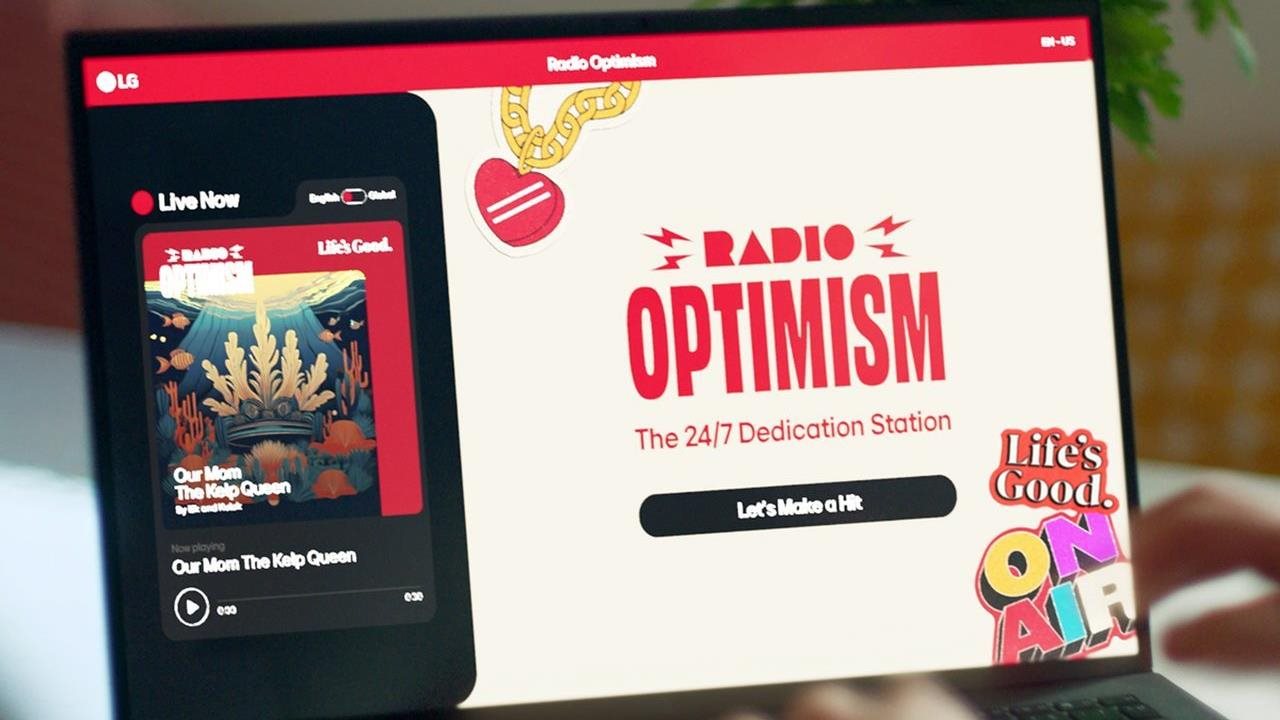
With the goal of building more meaningful connections, LG Electronics is leaning further into its “Life’s Good” philosophy with a new “Radio Optimism” campaign designed to help people everywhere foster deeper connections. Using technology with a creative, playful and positive spin, Radio Optimism uses the universal language of music to help people express friendship and love with the people they care about.

How Radio Optimism works

Inspired by traditional radio’s unique way of connecting people through music and storytelling, the Radio Optimism platform is an interactive platform where anyone can create and send personalized songs to loved ones — no musical background or songwriting experience required!

All it takes is a few taps. You step into Radio Optimism at RadioOptimism.LG.com, then tap “Let’s Make a Song” to join and begin your story. Choose your preferred language, then enter who the song is for and write a brief prompt about what you want to express to them. Next, you select a style for your song, ranging from R&B to punk and everything in between, followed by a “vibe,” be it romantic, moody, melodic or energetic. The Radio Optimism tool does the rest, writing a unique song in just minutes that you can share with your friend or loved one to bring a smile to their face and make a genuine connection with them.

Once generated, your songs can be sent to recipients to deepen your connection — and can even be made available for others to discover worldwide. This way of expressing feelings can help people enrich their lives, while spreading optimism in their own unique style. The website is free and currently available in English, Spanish, German, French, Korean and Portuguese, with plans to support additional languages in coming months to enable broader participation.

“As technology advances, meaningful human connections become increasingly vital to enrich our lives,” said Hyoeun Kim, head of LG’s Brand Management Division. “LG continues its commitment to bringing optimism into customers’ daily lives, staying true to our enduring brand promise of ‘Life’s Good.'”

Start creating your own meaningful songs for friends and family today at RadioOptimism.LG.com, and learn more about the campaign on LG.com/lifesgood.

How to create a healthier, more comfortable home

2025-08-14T14:43:00

(BPT) – If you or someone in your household deals with allergies or asthma, you’re probably already aware that allergy seasons have grown longer and more intense. While you have no control over the weather and climate issues that may be contributing to your worsening allergy symptoms, there is one area where you can help alleviate your symptoms: your home.

Even a few minor household habits can make a difference. And if you are planning home improvements, there are upgrades that can have a lasting impact on indoor air quality and overall comfort.

“Improving the air quality within your home is one of the most effective steps you can take to manage allergy and asthma triggers. Small changes, such as using effective bedding encasings, certified HVAC filters and reducing moisture, can make a noticeable difference,” said Dr. John McKeon, CEO of Allergy Standards Ltd. “For longer-term benefits, Certified Asthma & Allergy Friendly® building products, such as insulation, help support healthier indoor air for those impacted by asthma and allergies, as well as for the whole family.”

Here are a range of steps to take — from small adjustments to whole-home improvements — that add up to a healthier living environment for you and your family.

Easy swaps and revamped routines

To help keep pollen and other allergens at a minimum right away, enlist your whole family in following these straightforward tips.

Banish pollen: Especially on high pollen count days and during the worst times of day for pollen (typically midday through early afternoon), keep pollen outside by closing windows and taking off shoes before coming inside.

Reduce dust and dander: Amp up your cleaning routines to keep dust and dander at a minimum. Cleaning floors, surfaces and ceiling fans with a damp cloth regularly is a good start. Vacuum soft furniture like sofas, as well as beneath furniture. Use a vacuum cleaner with a high-efficiency particulate air (HEPA) filter to minimize allergens.

Another easy step is using scientifically validated dust mite-proof encasings for pillows, duvets and mattresses, and keeping pets out of the bedroom to avoid collecting dander on bedding.

It’s also recommended to use independently certified filters with a high MERV rating (between 11-13) for your HVAC system, and change filters frequently during allergy season — every three months or as per manufacturer’s instructions.

Lower moisture: Mold and mildew that can grow in high-moisture environments are common allergy triggers. Easy ways to reduce moisture including running the exhaust fan in your bathroom for 15-20 minutes after showering, and checking your shower, tub, sinks and toilets for mold or mildew. Frequently change shower curtains and wash bath mats and fabric shower curtains in hot water.

Running your kitchen’s exhaust fan while cooking and checking for plumbing leaks in kitchens and bathrooms can also help reduce moisture.

Consider using a dehumidifier to help keep humidity levels down overall, as needed.

Tamp down toxins: You’ll also want to be sure you’re not using cleaning agents and other substances that can make your home’s air less healthy. For example, choose fragrance-free, low volatile organic compound (VOC) cleaners, avoid aerosols and remove strongly scented items like traditional candles and harsh cleaners.

Home renovations that make a larger impact

For more involved steps that will have a long-term effect on creating a healthier home environment, consider these actions — especially when you’re ready to tackle a home improvement project, or if you’re already planning renovations.

Choose healthier materials: The building materials used in your home can impact indoor air quality. Choosing Certified Asthma & Allergy Friendly® products for your home — including all of your home’s insulation materials — can help ensure that you have a healthier indoor environment.

If you’re planning a renovation or home maintenance project requiring insulation for walls, attics, ceilings, ducts, floors or piping, use (or ask your contractor to use) Knauf’s Performance+® portfolio of fiberglass insulation products, which are Asthma & Allergy Friendly® and Verified Healthier Air™, which means the products went through extensive testing and meet strict standards for indoor air quality.

Learn how insulation impacts your home’s indoor air quality and reduces allergens for a healthier, more comfortable living space at Knauf Performance+.

Revamp your flooring: When you’re ready for a home renovation that can vastly improve the look and feel of your overall living space, consider swapping out carpeted areas for hard surfaces like wood, tile or vinyl, which will be much easier to clean and won’t trap dust, pollen and dander the way carpet can.

Whole-home actions: Other options to help create a healthier overall home environment include having your ducts cleaned regularly, and installing a whole-home air cleaner in the ductwork of your HVAC system.

As you add some of these recommended proactive steps to the top of your to-do list, you can feel better about your home’s indoor air quality, during allergy season and all year long.

Back to school: Essential tech for every student

2025-08-13T07:01:00

(BPT) – From laptops to artificial intelligence, students in grade school through college rely on the latest technology every step of the way. For educators as well as their students, AI has rapidly become part of today’s classroom experience.

In fact, 93% of U.S. K–12 educators now use AI tools, according to a new study by Carnegie Learning. With teachers leading the way, students need devices that can keep pace with today’s rapidly evolving tech demands.

To help students of all ages with back-to-school prep, HP’s latest tech lineup is designed to meet the moment with solutions that are AI-ready and built for real-world learning. As you plow through your back-to-school shopping lists and assess current study needs, consider what HP offers today’s students and families: affordable options to high-performance gear, as well as student-friendly accessories that deliver top-of-the-class technology for grade school through college — and beyond.

Here are just three of the latest tech options that should top your list.

A laptop that meets the moment

HP OMNIBOOK 5 against a white background.

For students juggling lectures, labs and life, the HP OmniBook 5 Series with Snapdragon® packs incredible AI performance into a lightweight, backpack-friendly frame. You can count on up to 34 hours of unplugged learning with an integrated HP AI Companion to summarize notes, draft essay outlines, and multitask with ease — no extra apps required.

Engineered with built-in collaboration features like a 1080p IR camera and HP Audio Boost 2.0, these ultra-thin PCs provide advanced Copilot+ PC experiences to help students stay organized and efficient while on the move. And when it’s time to recharge between classes, HP Fast Charge can sprint up to 50% battery in about 30 minutes.

Crafted with recycled aluminum and EPEAT® Gold certification, the latest OmniBook 5 Series proves that sustainability and speed can coexist, supporting better work and a better world.

Print smarter, not harder

null

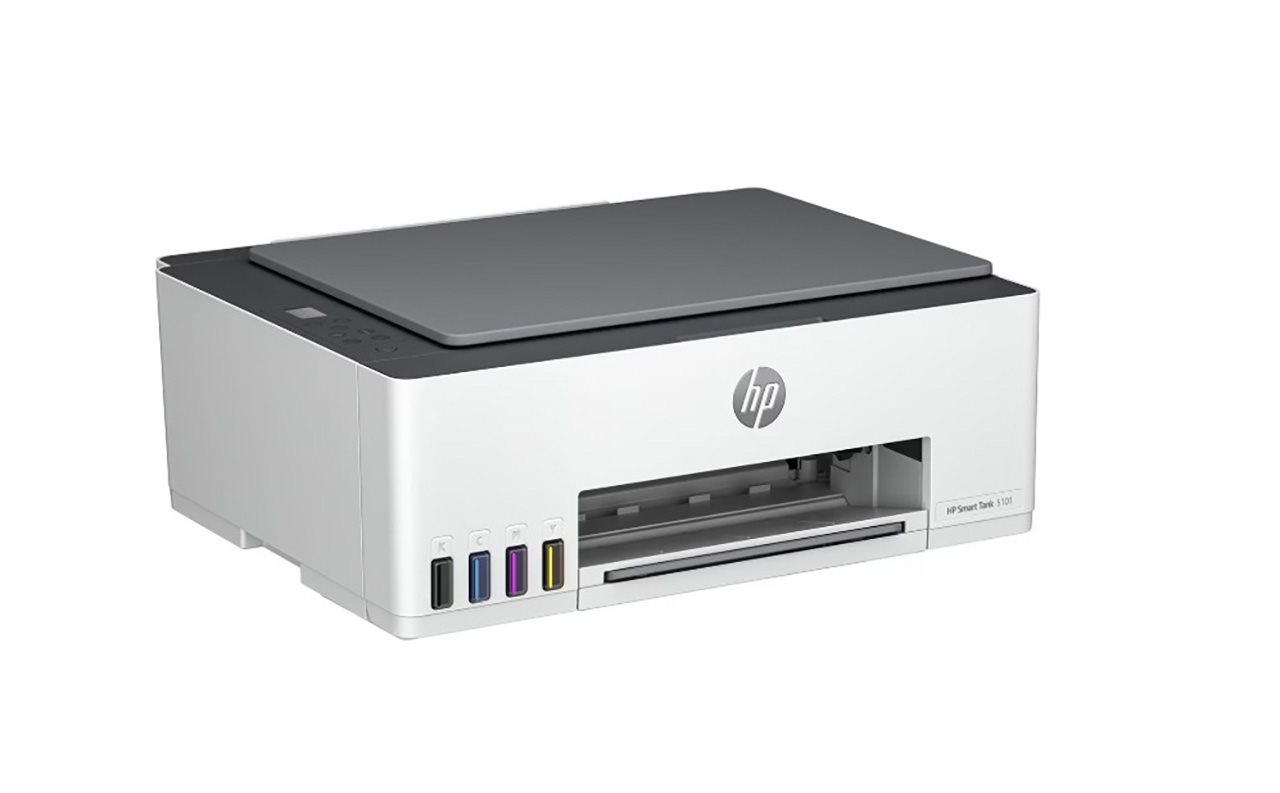
Say goodbye to last-minute ink runs. The HP Smart Tank 5101 All-in-One Printer comes with up to two years of ink included, making it a smart choice for families with nonstop print needs. Whether you’re printing school projects, permission slips or colorful crafts, this refillable all-in-one printer keeps up without breaking your budget. Setup is easy with the HP Smart App, and reliable Wi-Fi ensures a smooth connection every time.

null

Designed for everyday use, this is the perfect home printer for busy students and parents alike, delivering low-cost, high-volume printing. Plus, you now can print out HP’s new Bite Sized Lessons, a learning tool that makes learning not feel like work. Created in partnership with Highlights for Children and Dr. Elizabeth Bonawitz, these science-backed, kid-friendly printable placemats invite creative thought and discovery around the table.

Listen in comfort

Poly Voyager Free 20 on white background

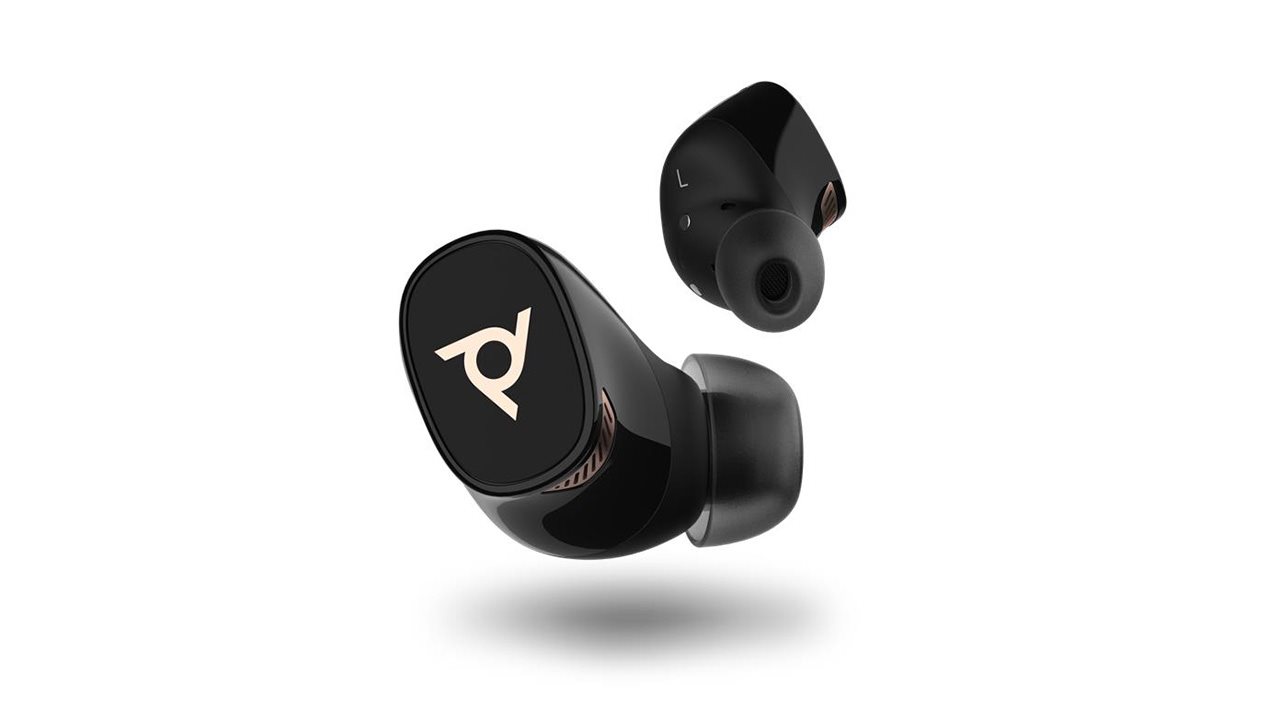
Whether you’re commuting to campus, heading to practice or jumping on a study group call, the Poly Voyager Free 20 wireless earbuds deliver immersive sound and all-day comfort. Adaptive ANC adjusts in real time to block out distractions, while powerful 10 mm speakers provide crisp, balanced audio. Best yet, its triple-mic array with AI noise reduction ensures you’re heard clearly, even on noisy sidewalks or in crowded study halls. With Bluetooth® multipoint connectivity, you can seamlessly connect to your laptop and phone.

Lightweight, low-profile and sustainably packaged, the Poly Voyager Free 20 wireless earbuds are built for students and multi-taskers who need reliable audio wherever the day takes them. The Poly Lens app helps you to personalize the fit with four different ear tip sizes, providing all-day comfort for studying, listening to music or taking calls.

With these latest tech tools on hand, students can make the most of the new school year, and be more than ready for whatever challenges arise as they learn and grow.

Visit HP.com to find these and more technology solutions for work, school and play.

Policies to reduce plastic waste must be done collaboratively

2025-08-12T11:01:01

(BPT) – By Ned Monroe

As the world looks to improve on all three pillars of sustainable development — economic, social and environmental — as the global population increases, countries work together to forge agreements that are meant to help end poverty, reduce waste, bridge social inequities and more. One of those efforts is a framework targeting plastic waste. These goals are extremely important; however, they also could create obstacles or do more harm than good if not developed using consensus- and systems-based approaches.

What are global policies tackling?

The United Nations Environment Programme (UNEP) is working to develop an international legally binding instrument on plastic pollution, including in the marine environment.

At the Vinyl Institute, we also recognize that waste is a real problem, and we are participating as one of many UNEP-accredited Observer delegations in the International Negotiating Committee process in Geneva, Switzerland, to inform governments as they work together to address the issue. An effective treaty would be most beneficial if it recognizes and accommodates the critical roles that many plastic products play in modern society. These treaty discussions must move forward in a way that is collaborative and backed by science.

Gloved hands of a lab technician hold a bloodbag.

The role of the U.S. PVC industry

Because of its durability and versatility, PVC is relied on in a broad array of industries, from infrastructure to healthcare. This includes medical bags that store blood, pipes that safely and reliably deliver water, energy-efficient windows, wire and cable insulation, environmental protection liners, automobile components and much more.

In the U.S. alone, the PVC value chain adds $55 billion to the economy each year and supports more than 350,000 jobs.

The sustainability of PVC

Like the larger public, the vinyl industry has long recognized that waste is an issue, and value chain members have responded through investments in manufacturing waste reduction and recycling infrastructure over the past few decades. Through these responsible manufacturing practices, there is a strong market that enables the reuse of vinyl materials to make new, durable products. A survey of PVC recyclers in the U.S. and Canada has shown that 1.1 billion pounds of PVC is being recycled in these regions annually.[1] Vinyl recyclers are making significant investments to increase recycling collection streams and ease takeback efforts so that even more end-of-life vinyl material can be diverted from landfills and become valuable in new ways.

These investments, including those funded through the VIABILITY recycling grant funding program, represent a shift from a traditional linear model — make, use, dispose — to a circular economy that prioritizes reuse and recycling. Vinyl Institute members are committed to circular sustainability through sustainable design, responsible resource use, innovative vinyl recycling solutions, and recovering value from materials once seen as waste.

Two people hold together PVC pipes in the dirt.

Concerns and recommendations about plastic regulations

As UNEP and member states develop an international legally binding instrument on plastic waste, it’s important that frameworks use science-based, systems-thinking and common-ground approaches that contribute to the overall goals of reducing waste while not sacrificing plastic’s important role in the modern economy. By contrast, approaches that include broad bans on products, chemicals or materials may lead to unintended consequences that are counterproductive to other sustainability goals. And they could force consumers to use products with lower performance properties or higher costs for common everyday needs.

In fact, plastic is often part of the solution to critical global challenges. Consider drinking water shortages, for example. PVC pipes can offer long-lasting, cost-effective and sustainable solutions for water delivery, including in developing areas of the world where reliably accessing safe drinking water may be difficult. The use of PVC pipe in these communities represents economic opportunity and gender equity, is the low-carbon option[2] for safely managed water, and helps communities achieve several of the UN Sustainable Development Goals. We think we can work together to reduce plastic pollution while building capacity for other UN Sustainable Development Goals like #6 Clean Water and #3 Good Health and Well Being.

Proposed measures also must consider that needs and goals vary greatly depending on local geographies, economies, existing laws and more. Instead of outright global bans, there must be allowances to tailor goals by governing bodies and entities, accommodating the vastly different realities and needs of participating countries.

An implementable agreement would support decision-making at a national level, taking into account national circumstances, using regulatory frameworks like those used in the United States, and encouraging new ideas and investments in waste management, recycling, reuse and circular economy strategies that protect vulnerable ecosystems.

Effective, fair policy relies on engagement across all stakeholders, including government bodies, environmental groups, chemists, ecosystem scientists, public health experts, polymer scientists, manufacturers and others.

Sustainability to benefit everyone

At the Vinyl Institute, we support efforts to increase sustainability to protect both the environment and the people who inhabit it. We believe that UNEP’s mission to address the rising levels of plastic pollution is an important one that can be accomplished with a more fair and effective agreement that doesn’t rely on outright bans or restrictions on polymers and products.

Good policy requires a thoughtful process. By creating an instrument that respects different needs across geography and industry, governing bodies can not only drive greater support and adoption, but ensure that the benefits of more durable plastics like PVC remain accessible and available for critical applications. In this way we can continue to serve a growing population in a healthy and sustainable way for generations to come.

To learn more about the critical roles vinyl plays in our day-to-day lives and the industry’s ongoing sustainability efforts, visit www.vinylinfo.org.

Ned Monroe is CEO of the Vinyl Institute.


[1] Nasr, Nabil, ed. Technology innovation for the circular economy: Recycling, remanufacturing, design, system analysis and logistics. John Wiley & Sons, 2024.


Never settle: How Jimmy’s story with GPP inspires greater action and support

2025-08-12T11:01:01

(BPT) – Jimmy Castillo has always welcomed new adventures. The Southern California native enjoys traveling and exploring new corners of the world. But after decades of global exploration, his most unexpected journey began close to home — in his doctor’s office.

At age 39, Castillo started noticing patches of painful, pus-filled blisters across his body, including his hands and lower back. Though he had been diagnosed with plaque psoriasis decades earlier at age 15, he knew immediately that this was something different.

“It was different than what I was used to as a teenager,” he recalls. “I knew something wasn’t right.”

Unbeknownst to Castillo, he was grappling with generalized pustular psoriasis (GPP) — a potentially dangerous and distinct form of psoriasis. GPP occurs when there is an imbalance in one of the pathways that manages inflammation in your body — the interleukin-36, or IL-36 pathway.

GPP is characterized by the sudden appearance of multiple small blisters filled with pus (called pustules) on large areas of the skin of the body, arms, and legs, that also become red and painful. Intense symptoms can include fever, chills and loss of appetite. GPP can cause underlying inflammation, plus unpredictable flares which can occur several times a year and can become life-threatening. GPP is rare, impacting approximately 1 in 10,000 people in the United States.

Jimmy leans against a barrier at a boardwalk.

While GPP can develop at any age, most people are diagnosed in their 50s, and it is more common in women. The physical and emotional toll can be substantial — impacting daily activities, triggering anxiety, and leaving many in fear of their next flare.

“It was in very noticeable areas,” Castillo shares. “Having it on my hands and using my hands to pay or to eat — I felt like everybody noticed. I became very shy, and I didn’t want to go out, I used to wear gloves with fingertips cut out just to feel a little more comfortable.”

Refusing to settle, he fought for a diagnosis and began learning more about his GPP. While flare-ups still occur, he now feels empowered with the knowledge and tools to navigate them.

A turning point came when he connected with others in the GPP community. “With GPP, you live in fear every day,” Castillo says. “Talking to peers, participating in events, and learning from others with GPP has made a world of difference. I realized I wasn’t alone.”

Jimmy poses in the center of a wooden bridge in the woods.

“Jimmy’s experience highlights the critical need for increased awareness of generalized pustular psoriasis (GPP), a chronic and rare disease that can leave individuals feeling isolated and misunderstood. By equipping those impacted by GPP with education and a sense of community, we can work to overcome diagnostic delays and alleviate daily challenges, creating a future where no one faces GPP alone,” said Vicky Brown, Senior Vice President, U.S. Therapeutic Head for Immunology, Oncology & Eye Health, Boehringer Ingelheim Pharmaceuticals, Inc.

For too long, patients with GPP have felt resigned to managing symptoms alone, but that landscape is changing. Jimmy’s story is a powerful reminder that patients deserve more than “good enough” care — they deserve to live openly without fear.

Boehringer Ingelheim is proud to sponsor the National Psoriasis Foundation’s first-ever GPP Awareness Day on August 13, reinforcing its commitment to raising awareness and supporting the GPP community through education, advocacy, and connection.

GPP and plaque psoriasis are different, so it’s important to speak with your dermatologist or other health care provider to get an accurate diagnosis and to help ensure the best care.

To learn more about GPP and to hear from others in the community, visit GPPandMe.com.

Back to school: Best practices for cleaning professionals and administrators

2025-08-12T09:01:00

(BPT) – As students, teachers and administrators return to school, creating clean learning environments is critical. Schools are heavily trafficked, densely occupied spaces with lots of potential for pathogens to spread on classroom surfaces from desks to doorknobs, leading to shared germs and missed school days. In fact, germs from bacteria and viruses lead to 189 million missed school days every year.

But it’s possible to prevent germs from spreading quickly, so students and staff can focus on what matters most — learning.

“Back to school doesn’t have to mean back to sniffles,” said Kirsten Hochberg, Ph.D., Senior Clinical and Scientific Affairs Specialist at CloroxPro. “Simple steps can make a world of difference towards helping keep kids healthy and in school.”

Every effort cleaning professionals make is an investment in student and staff well-being and success. Clean schools do more than reduce absences and support overall wellness — they also enable students to focus better and feel less stress. Here are some best practices to help schools stay clean and keep students thriving.

Clean as a team

It’s impossible for cleaning professionals to be everywhere at once. Train teachers on correct cleaning and disinfecting protocols to foster a teamwork approach. Surfaces, classrooms, lunch areas and other common areas are perfect places for germs to spread. Disinfect frequently touched surfaces like desks, door handles, light switches and water fountain push bars regularly. Ready-to-use wipes help teachers quickly and efficiently clean and disinfect high-touch surfaces, especially after a sneeze or cough. Clorox® Disinfecting Wipes and Clorox® EcoClean Disinfecting Wipes kill 99.9% of bacteria and viruses, helping create a clean and healthy learning environment.

In eating areas, it’s best to clean before snack time and lunch. For detailed guidance, consult CloroxPro’s K-12 Facilities Cleaning and Disinfection Protocol Guide.

Consider eco-conscious products

Children have different behaviors and needs than adults, which is why it’s important to tailor cleaning practices for schools. For example, children can be more sensitive to certain fragrances or chemical smells — making eco-conscious products a great option for learning environments.

Eco-conscious products are comfortable to use, don’t require gloves or other PPE, and are just as effective as traditional products. For example, disinfectant active ingredients like citric acid and lactic acid kill bacteria and viruses as effectively as traditional disinfecting products.

In addition to being a good option for use in schools, 61% of cleaning professionals feel that eco-conscious cleaners offer a more comfortable cleaning experience for themselves and others in the facility. The Eco-Conscious Cleaning in Schools Toolkit is a great resource to ensure effective cleaning and disinfection without tradeoffs.

Look for certifications when choosing eco-conscious products

Regulations in 15 states require Environmentally Preferable Purchasing (EPP) policies in K-12 schools and facilities. These EPP policies range from recommended to mandatory and affect 27% of elementary and secondary public schools.

When searching for eco-conscious products, look for products that are EPA Safer Choice or EPA Design for the Environment certified. Both certifications indicate the product is audited annually and meets specific criteria for efficacy, human health and environmental safety. Products with these certifications also satisfy EPP requirements.

Keep schools clean with CloroxPro

By remaining vigilant and following best practices, cleaning staff, teachers and administrators can create safer classrooms, reduce the risk of illness, and help ensure that students have the best possible opportunity to learn and thrive throughout the school year. Cleaning professionals know better than anyone how important it is to keep kids’ learning environments clean and healthy, and it all starts with tried-and-true cleaning and disinfecting protocols and products, like Clorox Disinfecting Wipes and Clorox EcoClean Disinfecting Wipes. Two wipes, one mission: cleaner, healthier schools. Start the year strong with the trusted tools that help protect students, staff and peace of mind.

Check out CloroxPro’s School Wellness Toolkit for best practices for keeping schools clean. For product recommendations and resources, go to CloroxPro.com.

[Executive Corner] webOS: Powering Our Next Growth Chapter

2025-08-11T09:55:00

(BPT) – By Chris Jo, head of the webOS Platform Business Center at the LG Media Entertainment Solution Company at LG Electronics

At LG Electronics, we are accelerating our drive for qualitative growth by focusing on B2B, non-hardware and direct-to-consumer (D2C) business models. This transformation is about more than just moving beyond the sale of physical products — it’s about building continuous customer engagement and diversifying revenue through long-term partnerships.

One of the most compelling examples of this shift is the evolution of our webOS platform business.

From Smart TV OS to Scalable Media Platform

Originally launched as a smart TV operating system, webOS has grown into a robust, multi-service platform that now includes AI-powered content recommendations, cloud gaming, home IoT connectivity and B2B display solutions. Its open and flexible architecture enables seamless integration with global device manufacturers and content providers — a key driver behind its global scalability and adaptability.

webOS Hub 3.0: Powering Display Innovation

Recently launched webOS Hub 3.0 is gaining rapid traction as a scalable Platform-as-a-Service (PaaS) for display makers around the world. Supporting features like AI voice recommendations, cloud gaming integration and smart home control, it is built to operate across a wide range of display products — not just LG’s.

As of 2025, over 600 global brands have adopted webOS Hub, solidifying our leadership in the OS market for display manufacturers.

What sets webOS Hub apart is the delivery of multifaceted services into a single, integrated platform — from global streaming apps to FAST (Free Ad-supported Streaming TV) via LG Channels or cloud gaming. This creates meaningful value for both manufacturers and end users alike.

Beyond the home, webOS is also expanding into commercial venues, hotels and public institutions, evolving into a smart platform solution that improves operational efficiency and enables targeted content delivery. This expansion supports long-term, contract-based business models with enterprise clients.

LG Channels: Elevating Content Discovery

Our owned-and-operated service, LG Channels, now delivers free, ad-supported streaming in 33 countries, with over 4,000 channels available. Exclusively curated content featured on LG Showcase (North America), LG 1 and LG 1 Spotlight (Europe), along with regionally customized programming and a growing network of partners including national and local broadcasters and news organizations, have helped LG Channels become a distinct competitive advantage in the smart TV content space.

As a recognition of its contribution to regional content delivery, LG Channels was honored with the ITVT/TVOT 2025 Award for Achievement in Local Broadcasting. Our original series The Rivalries — a documentary spotlighting college sports rivalries in the U.S. — also received a Webby Award for Best Sports Video last year.

webOS for Mobility: Living Space on Wheels

webOS is also extending its reach into the automotive sector through our Automotive Content Platform, redefining the in-vehicle experience and transforming the car into a “living space on wheels.”

Built on the proven success of webOS in smart TVs, the vehicle-optimized version delivers services like LG Channels in a seamless, entertainment-focused UX. This approach enriches life on the move by connecting vehicles to our broader content ecosystem.

From Cornerstone to Momentum: Accelerating LG’s Platform-Centric Business

The momentum behind webOS is undeniable. With an average annual growth rate of 40 percent over the past three years, our platform business surpassed KRW 1 trillion in revenue in 2024.

In emerging markets such as India, the Middle East and Latin America, webOS is experiencing accelerated adoption — driven by rising demand for streaming services, expanding digital infrastructure, and growing public and commercial display needs.

webOS is more than just a solution — it’s a cornerstone of LG’s platform-centric future, playing a vital role in enhancing profitability and business resilience. By transforming user experiences and enabling new business models, webOS is unlocking new value across industries.