Updated Treatment Recommendations for Restless Legs Syndrome (RLS)

2024-11-05T07:01:00

(BPT) – Jim, an 81-year-old former lawyer who lives in Sarasota, Florida, was in Aruba on vacation in the late 1970s when he first experienced an uncomfortable feeling in his legs, almost like shocks.

“It was an alarming sensation, and I had no clue what it was at the time,” Jim said.

It took decades for Jim to be diagnosed with Restless Legs Syndrome (RLS), a sleep-related movement disorder characterized by an urge to move one or both legs, which may be relieved by movement and is most prominent at night.i

RLS can cause an irresistible urge to move one’s legs, a feeling of anticipation and often disrupts the ability to get a good night’s sleep. Clinically significant RLS impacts 2-3 percent of adults in the United States.ii

“From my experience treating patients diagnosed with RLS, their complaints are severe sleep disturbance, daytime fatigue, and mood changes, which can dramatically impair quality of life,” states John Winkelman, M.D., Ph.D., chief of the Sleep Disorders Clinical Research Program in the Department of Psychiatry at Massachusetts General Hospital.

Thirty years after his initial symptoms, following countless visits to the doctor’s office, and trying different medications that didn’t work but instead caused bothersome side effects, Jim was diagnosed with RLS by a sleep medicine physician.

Jim tried several treatment regimens before he was prescribed one which included Horizant® (gabapentin enacarbil) that made his symptoms better.* His constant need to get up and move and stretch throughout the night is now behind him.** Gabapentin enacarbil (Horizant®) extended-release tablets are indicated for the treatment of moderate-to-severe primary RLS in adults. Horizant is not recommended for patients who are required to sleep during the daytime and remain awake at night.iii

American Academy of Sleep Medicine (AASM) updates its Clinical Practice Guidelines for RLS

For the first time since 2012, the American Academy of Sleep Medicine (AASM) issued an update to its Clinical Practice Guidelines for the treatment of RLS, which provide physicians with recommended treatment options based on a review of the latest clinical research. Dopamine agonists (DAs) have been widely used for the treatment of RLS for 20 years. AASM Clinical Practice Guidelines now suggest against the standard use of DAs due to the risk of augmentation (a gradual worsening of RLS symptom intensity and duration) of RLS symptoms.iv

“Increasing clinical research has demonstrated that dopamine agonists are often associated with a long-term overall worsening of RLS symptoms and are no longer recommended,” Winkelman said. “Gabapentin, gabapentin enacarbil, pregabalin and iron treatment are strongly recommended for the treatment of RLS and it’s important that everyone — physicians and patients — are aware of these changes.”

Gabapentin enacarbil (Horizant®) is the only strongly recommended FDA-approved RLS treatment providing clinically significant improvement in all three of these key domains: RLS disease severity, sleep quality, and quality of life.iv

The importance of talking to a physician about treatment options

It’s important for doctors and people diagnosed suffering from RLS to be aware of these updated guidelines for this widely used class of drugs. Those taking dopamine agonists should speak with their doctor about their current treatment plan.

Visit horizant.com to learn more.**

Jim can now sleep soundly without the need to get up and stretch thanks to his current treatment regimen. Those with RLS who are not finding relief from their current regimen should speak with their doctor to discuss their treatment plan.

* The most common adverse reactions for patients with RLS (incidence >10% and at least 2 times the rate of placebo) were somnolence/sedation and dizziness.

**Strong recommendation, moderate certainty of evidence; based on 8 randomized controlled trials and 3 observational studies.

Important Safety Information for HORIZANT® (gabapentin enacarbil) Extended-Release Tablets

INDICATIONS

HORIZANT® (gabapentin enacarbil) is a prescription medicine used to:

  • treat adults with moderate to severe primary Restless Legs Syndrome (RLS). HORIZANT is not for people who need to sleep during the daytime and stay awake at night.
  • manage pain from damaged nerves (postherpetic neuralgia) that follows healing of shingles (a painful rash that comes after a herpes zoster infection) in adults.

IMPORTANT SAFETY INFORMATION

  • Do not drive after taking your dose of HORIZANT until you know how it affects you, including the morning after you take it. Do not operate heavy machinery or do other dangerous activities until you know how HORIZANT affects you. HORIZANT can cause sleepiness, dizziness, slow thinking, and can affect your coordination. Ask your healthcare provider when it is okay to do these activities.
  • Do not take other medicines that make you sleepy or dizzy while taking HORIZANT without talking to your healthcare provider. Taking HORIZANT with these other medicines may make your sleepiness or dizziness worse.
  • HORIZANT may cause suicidal thoughts or actions in a very small number of people (about 1 in 500). Pay attention to any changes, especially sudden changes, in mood, behaviors, thoughts, or feelings. Call your healthcare provider right away if you have any of these symptoms, especially if they are new, worse, or worry you:
    • thoughts or actions about suicide, self-harm, or dying; attempt to commit suicide
    • new or worsening depression or anxiety; or feeling agitated
    • new or worse restlessness or panic attacks
    • new or worse trouble sleeping (insomnia); or irritability
    • acting aggressive, being angry, or violent; acting on dangerous impulses
    • an extreme increase in activity or talking (mania); other unusual changes in mood or behavior
  • Serious breathing problems. Serious breathing problems can occur when HORIZANT is taken with other medicines that can cause severe sleepiness or decreased awareness, or when it is taken by someone who already has breathing problems. Watch for increased sleepiness or decreased breathing when starting HORIZANT or when the dose is increased. Get help right away if breathing problems occur.
  • Do not stop taking HORIZANT without first talking to your healthcare provider. Suicidal thoughts or actions can be caused by things other than medicines. If you have these thoughts or actions, your healthcare provider may check for other causes.
  • HORIZANT may cause a serious or life-threatening allergic reaction that may affect your skin or other parts of your body such as your liver or blood cells. You may or may not have a rash with these types of reactions. Call a healthcare provider right away if you have any of the following symptoms: skin rash, hives, fever, swollen glands that do not go away, swelling of your lips or tongue, yellowing of your skin or eyes, unusual bruising or bleeding, severe fatigue or weakness, unexpected severe muscle pain, or frequent infections. These symptoms may be the first signs of a serious reaction. A healthcare provider should examine you to decide if you should continue taking HORIZANT.
  • HORIZANT is not the same medicine as gabapentin [for example, NEURONTIN® (gabapentin) and GRALISE® (gabapentin)]. HORIZANT should not be used in their place. Do not take these or other gabapentin products while taking HORIZANT.
  • Before taking HORIZANT, tell your healthcare provider if you:
    • have or have had kidney problems or are on hemodialysis
    • have or have had depression, mood problems, or suicidal thoughts or behavior
    • have or have had seizures
    • have a history of drug abuse
    • have any other medical conditions
    • are pregnant or plan to become pregnant. It is not known if HORIZANT will harm your unborn baby. Talk to your healthcare provider if you are pregnant or plan to become pregnant while taking HORIZANT. You and your healthcare provider will decide if you should take HORIZANT while you are pregnant
    • are breastfeeding or plan to breastfeed. Your body turns HORIZANT into another drug (gabapentin) that passes into your milk. It is not known if this can harm your baby. You and your healthcare provider should decide if you will take HORIZANT or breastfeed
    • drink alcohol
  • Do not drink alcohol while taking HORIZANT because it may increase the risk of side effects.
  • Tell your healthcare provider about all the medicines you take, including prescription and non-prescription medicines, vitamins, and herbal supplements. Taking HORIZANT with certain other medicines can cause side effects or affect how well they work. Do not start or stop other medicines without talking to your healthcare provider.
  • Do not stop taking HORIZANT without talking to your healthcare provider first. If you stop taking HORIZANT suddenly, you may develop side effects.
  • The most common side effects of HORIZANT include dizziness, sleepiness, and headache. Tell your healthcare provider about any side effect that bothers you or does not go away. These are not all the possible side effects of HORIZANT. For more information, ask your healthcare provider or pharmacist.

You are encouraged to report side effects of prescription drugs by contacting Azurity Pharmaceuticals, Inc. at 1-800-461-7449, or FDA at 1-800-FDA-1088 or www.fda.gov/MedWatch.

For more information, ask your healthcare provider or pharmacist, or consult the full Prescribing Information [Horizant.com].


[i] Allen RP, Picchietti DL, Garcia-Borreguero D, et al. Restless legs syndrome/Willis-Ekbom disease diagnostic criteria: updated International Restless Legs Syndrome Study Group (IRLSSG) consensus criteria–history, rationale, description, and significance. Sleep Med. 2014;15(8):860-73.

[ii] Allen RP, Walters AS, Montplaisir J, et al. Restless Legs Syndrome Prevalence and Impact. Archives of Internal Medicine. 2005;165(11):1286.

[iii] Horizant [package insert] Woburn, MA: Azurity Pharmaceuticals, Inc.; 2022

[iv] Winkelman JW, Berkowski JA, DelRosso LM, et al. Treatment of restless legs syndrome and periodic limb movement disorder: an American Academy of Sleep Medicine clinical practice guideline. J Clin Sleep Med. Published online September 26, 2024. doi:10.5664/jcsm.11390

How this award-winning TV host is setting the stage to help protect her health

2024-11-05T06:01:00

(BPT) – Award-winning TV host, comedian, actress and author Sherri Shepherd is at increased risk for pneumococcal pneumonia and invasive pneumococcal disease (IPD) because she has diabetes. She doesn’t want to let it stop her from taking her shot on — or off — the stage. That’s why Sherri is partnering with Pfizer to share her diabetes story and help raise awareness about the importance of getting vaccinated.

Q: Sherri, there’s no doubt that you’re a superstar in more than one arena. What has helped contribute to your success over the years?

Sherri: I learned early on that you need to run toward the thing that scares you because that’s where you can really thrive. And let me tell you, starting out in comedy and TV can be scary. But I put in the time practicing jokes on the bus, spending time on the road, working late hours behind the scenes, and it all led me to where I was supposed to be. And now, I get to take my shot at doing what I love every day.

Q: I’m sure you faced some challenges to get where you are today. What was one of the biggest you’ve faced?

Sherri: I think the biggest one for me is more of a personal one. I have diabetes, so over the years I’ve had to learn how to keep my health in check. For me, I prioritize eating right, keeping active, talking with my doctor regularly, and getting vaccinated to help prevent pneumococcal pneumonia and IPD. It took a lot to get here so I don’t want to be held back from doing what I love.

Q: Tell me more about pneumococcal pneumonia and IPD. Are they serious?

Sherri: Absolutely. Pneumococcal pneumonia is a potentially serious bacterial lung disease that can disrupt your life for weeks. In more severe cases, it can put you in the hospital and even be life-threatening. The same bacteria that cause pneumococcal pneumonia can also cause invasive pneumococcal disease, or IPD, which includes blood infection and meningitis.

Q: That does sound serious. Who is at greater risk?

Sherri: People like me who are 19 or older with certain underlying medical conditions like diabetes, asthma or COPD. In fact, people 19-64 living with diabetes are at over 5x higher risk for pneumococcal pneumonia and up to 4.8x higher risk for IPD, compared with healthy adults the same age. People 65 or older are also at increased risk, even if they’re healthy.

Q: What advice would you give to people about protecting themselves against pneumococcal pneumonia and IPD?

Sherri: Getting vaccinated is one of the best ways to help protect yourself. And vaccination is available all year round, so I encourage everyone to talk to their doctor or pharmacist to see if a pneumococcal vaccination is right for them. They can also visit VaxAssist.com to book an appointment online today.

Q: Thanks, Sherri. Is there anything else people should know about pneumococcal pneumonia and IPD?

Sherri: People assume you can only get pneumococcal pneumonia and IPD during flu season or in the winter, but you can get it any time of year. And even if you’ve already been vaccinated against pneumococcal pneumonia before, your doctor may still recommend another vaccination for further protection. I love hosting my show and doing comedy, but I don’t joke around when it comes to pneumococcal pneumonia and IPD — and you shouldn’t either. Go talk to your doctor or pharmacist about getting vaccinated, so you can also keep taking your shot at whatever it is you love to do.

Brought to you by Pfizer.

Workplace Wellness: An RD’s Top Five Ways to Maintain Wellness at the Office this Cold and Flu Season

2024-11-04T08:17:00

(BPT) – As the chill of autumn settles in, it brings more with it than just crunchy, colorful leaves and seasonally-inspired drinks. The onset of cold and flu season has officially arrived. Coupled with widespread back-to-office mandates, cold and flu season poses a unique challenge for professionals in office spaces that can quickly become a hotbed for germs and illnesses.

To stay healthy and productive throughout the changing seasons, we spoke with Registered Dietitian Kelly Springer about her top five ways to turn your workspace into a wellness haven to protect yourself and contribute to a healthier, more resilient workplace for all this cold and flu season. To stay at your best, she suggests the following for a holistic approach to workplace wellness:

Wedderspoon  Manuka Honey and lemon and Manuka Honey drops on a kitchen counter top next to lemons and a honeycomb.

Stock Your Desk with Wedderspoon Manuka Honey Throat Drops: Your Secret Weapon

When it comes to maintaining wellness during the cold and flu season, Wedderspoon’s Manuka Honey Throat Drops are a game-changer. These natural lozenges offer soothing relief and are a powerful ally in your wellness routine. Not only do they taste good — coming in a wide variety of flavors including my personal favorite, lemon — but they also feature naturally-occurring wellness ingredients like organic Manuka honey, echinacea and bee propolis to really take it to another level. They provide immediate comfort for scratchy, irritated throats — which is often the first sign of an oncoming illness — while also bolstering your immune system to give you an extra edge against seasonal threats. Rich in antioxidants, they help combat oxidative stress and support overall health. Keeping these in your desk, briefcase or purse is the tastiest way to make sure you’re always prepared should you feel that first tickle in your throat.

Bowl of fruit and nuts including: Apricots, cashues, cranberries, pecan and walnuts.

Build an Immune-Boosting Snack Arsenal

Your immune system is your body’s first line of defense against seasonal illnesses. Fueling it with the right nutrients can make all the difference, which can be hard to do during long and busy work days. Keeping a personal stash of a variety of immune-boosting snacks can be a great way to combat this and also keep your defenses strong throughout the day. Reach for things like:

  • Mixed nuts, which are rich in vitamin E and healthy fats to provide sustained energy throughout the day.
  • Dried fruits, like cranberries, apricots and goji berries, that are packed with vitamin C and help combat free radicals in the body.
  • Pumpkin seeds, a fun, seasonal treat high in zinc for increased immune function.
  • Warm green tea, which is rich in antioxidants and provides comforting relief to irritated throats.
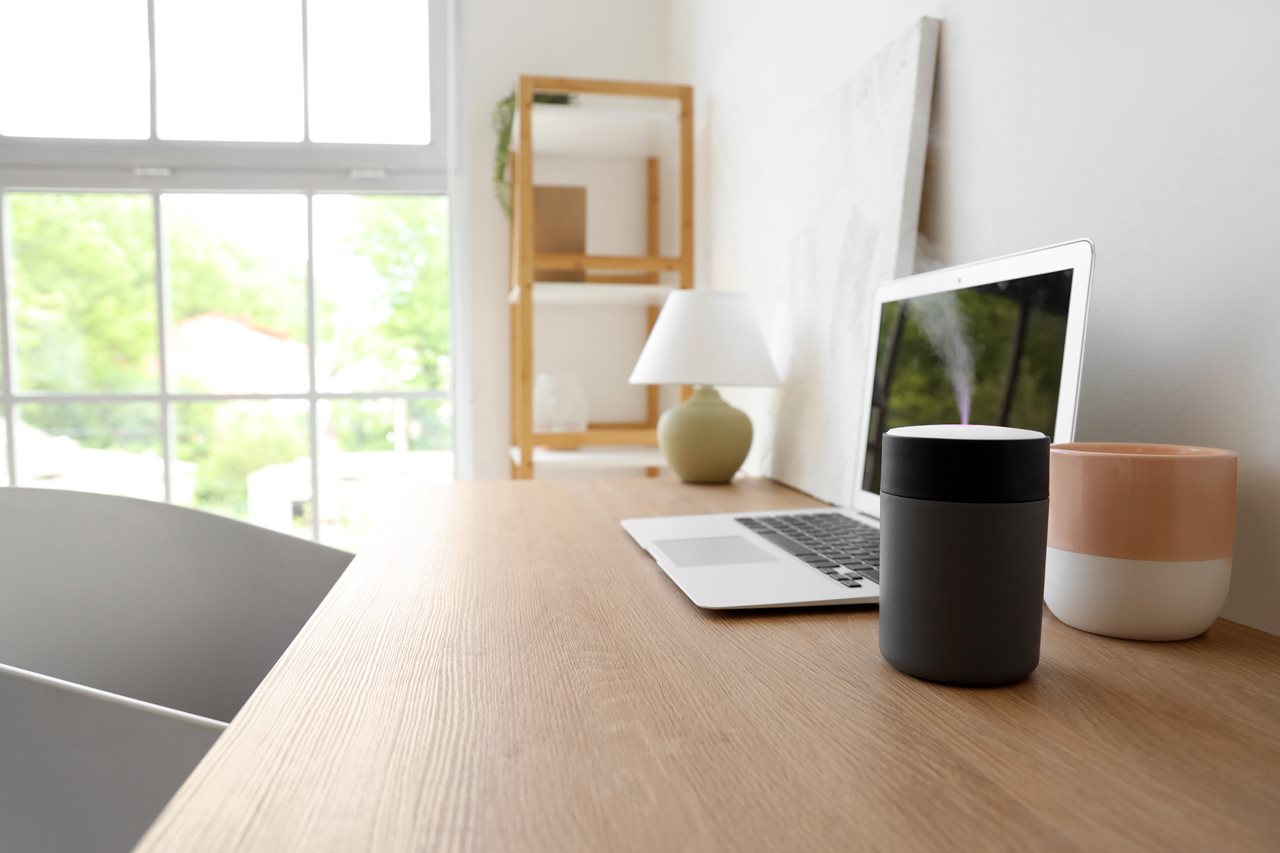
Mini humidifier sitting by a laptop on a desk at home.

Create a Happy Environment

When it comes to fortifying your workspace against cold weather and flu season, creating a clean, comfortable environment with air you can breathe easily is paramount. A must-have in your workplace wellness arsenal is a humidifier, which combats dry indoor air that can irritate your respiratory system, make you more susceptible to illness and lead to chapped, cracked skin. Today, there are so many portable options perfect for an office space to maintain your personal optimal humidity levels to show your lungs, sinuses and skin some love without being overwhelming.

It goes without saying, but regularly cleaning your workspace is essential for maintaining a germ-free environment. To prevent a buildup of germs that can compromise your immune system, make it a habit to sanitize high-touch surfaces in your office like your mouse, keyboard, phone and desktop with natural, non-toxic cleaning products that are powerful against seasonal threats but avoid harsh chemicals.

Together, these routines help create a healthier, happier space that supports your well-being throughout the winter months.

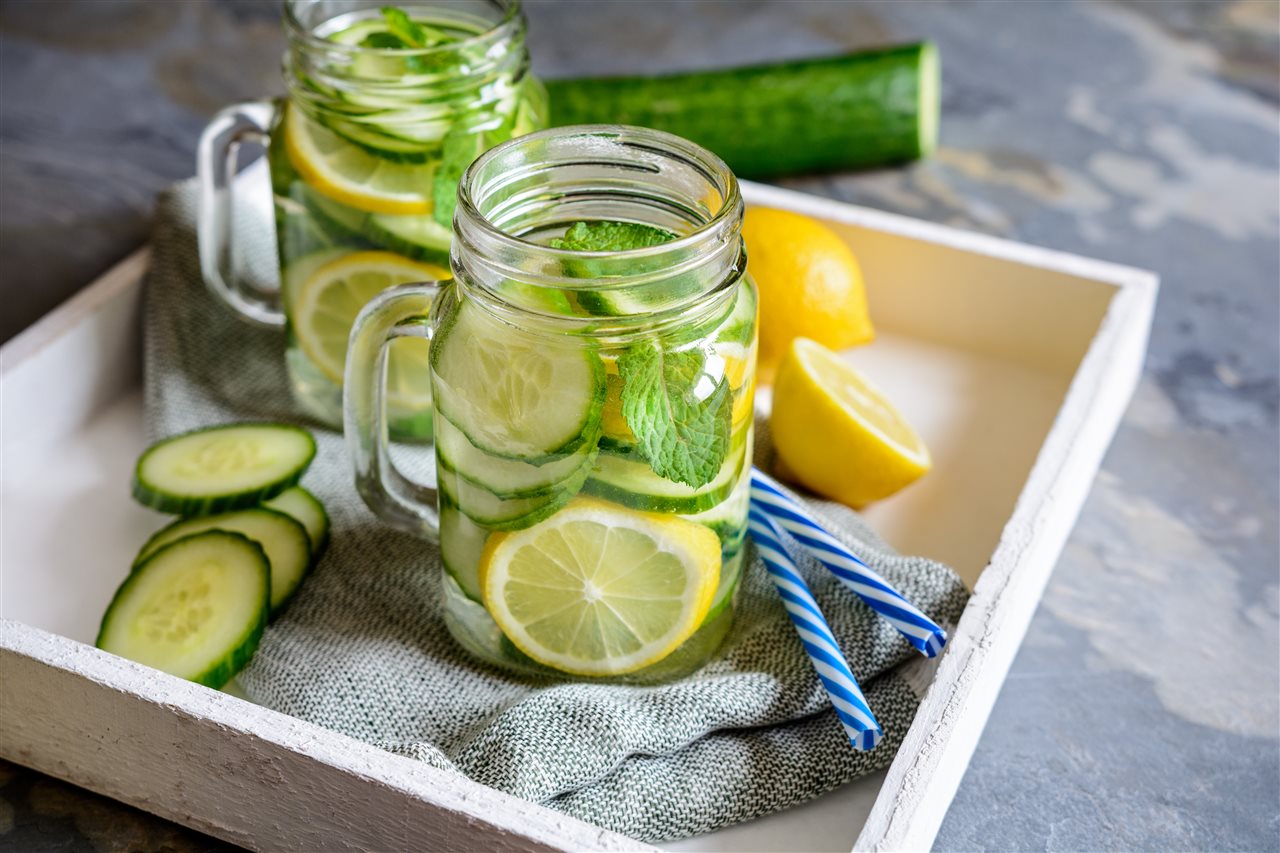
Jelly jar cups with cucumber and lemon water in a tray on a counter top.

Hydrate, Hydrate, Hydrate

Proper hydration is key to maintaining overall health, but is especially important during cold and flu season. When you’re well-hydrated, your body can efficiently flush out toxins and keep your immune system functioning optimally. To make sure you’re getting your ounces in during the day, turn your desk into a hydration station. I find that a large, reusable water bottle with time markers helps me turn my hydration into a game that encourages me to drink at least 64 ounces of water daily. If plain water is just not your jam, you can also take this a step further by having natural flavor enhancers on hand. Lemon or orange slices, cucumber rounds and fresh mint leaves are some of my favorite ways to make drinking water more enjoyable, and they each have their own added benefits and nutrients.

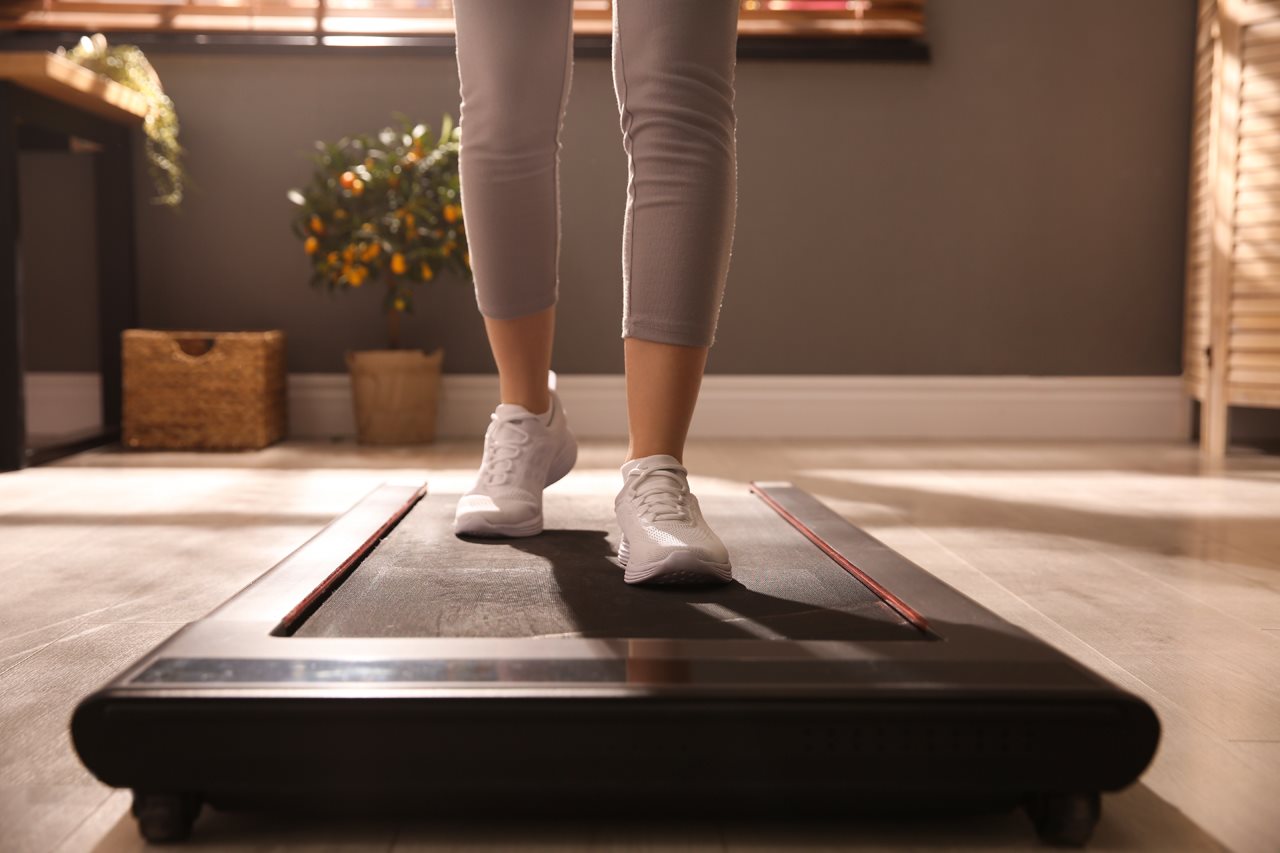
Woman in exercise clothes on a treadmill.

Get Creative About Getting In Your Daily Movement

Regular movement boosts circulation and supports overall health and immune function, but it can be hard to find the motivation to get outside for exercise after a long day at the office — especially as the days grow shorter. When it comes to maintaining your health and wellness during the colder months, a walking pad can be a real game-changer for your office setup. It combats the sedentary desk-work lifestyle, offers the flexibility to multitask throughout your day and helps you to stay active, ensuring you get those steps in without having to brave the early sunset or dreary weather.

By creating a daily office routine focused on these elements, you’ll be implementing a robust defense against cold and flu season. This year, if you look around and everyone seems to be coming down with something, try creating an office space that takes a holistic approach to maintaining your health and wellness.

Nationwide Epilepsy Clinical Trial Investigates Potential New Treatment

2024-11-04T04:01:00

(BPT) – There is a new study evaluating a promising potential new treatment for epilepsy called Rise. Clinics across the nation are currently seeking to enroll participants in this study between the ages of 18-75 who have been diagnosed with focal (partial) onset epilepsy and have experienced resistance to existing treatments.

Epilepsy is a chronic brain disorder that affects over 50 million people worldwide.1 It is characterized by recurrent, unprovoked seizures, which can vary in intensity and frequency.1 Despite numerous treatment options, about 40% of people with epilepsy do not achieve seizure control with current medications.2 During National Epilepsy Awareness Month this November, we are highlighting the urgent need for new effective treatments.

Challenges of Living with Epilepsy

Living with epilepsy can be incredibly challenging. The unpredictable nature of seizures can make daily activities, such as driving, working, or even socializing, difficult and stressful.3 For many, the fear of a sudden seizure looms, impacting their quality of life. In addition to physical challenges, epilepsy can also bring about emotional and psychological burdens, such as anxiety, depression, and social isolation.1

Hope on the Horizon

“Hearing about new clinical trials makes me feel hopeful. The epilepsy community needs a treatment option that helps control seizures with a favorable safety profile,” said Ilene Asuncion, who has been managing epilepsy for years. “A new treatment option would feel like a light at the end of a long tunnel, and I’m optimistic that this research could make a real difference in our lives.”

Enrollment Information

The clinical trial is currently enrolling patients at sites across the United States. If you or someone you know is struggling with epilepsy and is interested in participating in the trial, please visit epilepsyresearchstudy.com for more information. Eligibility criteria for participating in the trial include individuals who:

  • Are between the ages of 18 to 75
  • Have been diagnosed with focal (partial) onset epilepsy for at least one year
  • Have been unsuccessful with at least two anti-seizure medications (ASMs) and are currently on a stable dose of one to three ASMs
  • Have at least four or more observable focal seizures every 28 days

The Rise clinical trial represents a significant step forward in the search for more effective epilepsy treatments. By participating, patients not only have the potential to possibly benefit from a new investigational therapy but also contribute to crucial research that could improve the lives of countless others in the future.

References:

  1. World Health Organization. Epilepsy. Available at https://www.who.int/news-room/fact-sheets/detail/epilepsy. Accessed August 6, 2024.
  2. Ioannou P, Foster DL, Sander JW, et al. The burden of epilepsy and unmet need in people with focal seizures. Brain Behav. 2022;12(9):e2589. doi:10.1002/brb3.2589.
  3. Epilepsy Foundation. Social Concerns. Available https://www.epilepsy.com/complications-risks/social-concerns#:~:text=Having%20seizures%20may%20make%20it,problems%20for%20so%20many%20people!. Accessed August 6, 2024.

There’s a new healthy cooking oil taking over pantries

2024-11-04T12:01:00

(BPT) – Do you love cooking and baking? Are you always looking for tasty new additions to your kitchen toolkit? If so, you may want to know about a great ingredient for your pantry: almond oil. By cooking, baking or finishing dishes with almond oil, you’ll be introducing a boost of nutty, delicious flavor to your sweet and savory recipes, along with many potential health benefits.

The benefits of almond oil

With a low-to-medium smoke point of 425F, almond oil can be used to sauté, marinate, dress, bake or finish a wide variety of dishes. Its mild, nutty and toasty flavor adds a touch of sweetness — without overpowering the natural flavors of your favorite foods.

If you’re interested in trying this oil in your kitchen, consider SunnyGem Almond Oil, which is 100% virgin and cold-pressed, using only unrefined almonds from California, with no preservatives or other additives. SunnyGem Almond Oil is also non-GMO, vegan, kosher and gluten-free, as well as being lower in calories and saturated fats than other cooking oils. Because it’s derived from almonds, which are known as a “superfood,” you can feel good knowing this almond oil is naturally rich in antioxidants like vitamin E (great for supporting skin and hair health), Omega 6 fatty acids and heart-healthy monounsaturated fats.

Close up of California Almond Oil bottle on a counter top with almonds, lemons and sprig of rosemary.

How to use almond oil in your kitchen

In general, you can use almond oil just like you would use any other cooking oil in your pantry. However, you may find certain dishes benefit more from the unique flavor it provides. Here are a few recipes developed by the flavor experts at SunnyGem Almond Oil to get you started.

Almond Butter Cake
Celebrating the sweet and rich flavor of almonds, this cake would beautifully grace your table for any special occasion, family get-together, lunch or brunch. Feel free to decorate your cake with toasted sliced almonds and powdered sugar for an especially elegant presentation.

Ingredients
1 1/2 cups all-purpose flour
1 cup granulated sugar
1 teaspoon baking soda
1/2 teaspoon salt
1/3 cup SunnyGem Almond Oil
1/3 cup almond butter
1 cup water
1 teaspoon vanilla
1 tablespoon apple cider vinegar
1/2 cup chocolate chips

Directions
Preheat oven to 350°F.
Spray bottom and sides of round cake pan with vegetable spray. Use parchment paper on bottom of pan.
In mixing bowl, combine flour, sugar, baking soda and salt. Stir to combine.
In microwave-safe bowl, combine SunnyGem Almond Oil and almond butter. Heat in microwave in 30-second increments until almond butter is smooth enough to stir. Stir to combine.
Add water, vanilla and apple cider vinegar to almond butter mixture. Stir to combine.
Pour almond butter mixture in with flour. Add chocolate chips and stir to combine. Pour this batter into prepared cake pan. Bake 30-35 minutes until tester comes out clean.
Remove cake from oven and allow to cool completely.

Almond Oil Crinkle Cookies
Everyone in your family will love these irresistible, easy-to-make cookies. Best yet, you can store them in an airtight container to maintain their chewy, fudgy texture for days!

Ingredients
1 cup SunnyGem Almond Oil
1 1/2 cups brown sugar
1/2 cup granulated sugar
2 eggs
1 1/2 teaspoons vanilla
2 1/2 cups all-purpose flour
2 tablespoons cornstarch
1 teaspoon baking powder
1 teaspoon baking soda
1 1/2 teaspoons fine sea salt

Directions
Preheat oven to 350°F and line baking sheet with parchment paper.
In mixing bowl, whisk together almond oil, brown sugar, granulated sugar, eggs and vanilla.
In separate bowl, mix together flour, cornstarch, baking soda, baking powder and salt.
Slowly add dry ingredients to the wet and mix with spatula until soft dough forms.
Using scoop (such as a 2-inch ice cream scoop) place dough balls onto the prepared baking sheet, spacing about 2 inches apart.
Bake 10-12 minutes, or until cookies have cracked and edges are golden brown and set.
Allow cookies to cool on baking sheet a few minutes, then transfer to wire rack to cool completely. Makes 20-24 cookies.

Almond Oil Salad Dressing
This quick and easy salad dressing will tantalize your taste buds with its sweet, tangy flavor. You can use it immediately or store in a sealed jar in the refrigerator for up to one week.

Ingredients
1 small shallot, diced
1/3 cup SunnyGem Almond Oil
1/4 cup apple cider vinegar
2 teaspoons Dijon mustard
2 teaspoons honey
1/2 teaspoon salt
1/4 teaspoon freshly ground pepper

Directions
Puree shallot, almond oil, vinegar, mustard, honey, salt and pepper in blender or mini prep, or with an immersion blender in a large cup until smooth, about 30 seconds.

Two bottles of California Almond Oil and a spinich salar with berries on a plate.

Excited to give almond oil a try? Discover more recipe inspiration at SunnyGemOil.com, on Instagram and TikTok. You can find your new pantry staple on the SunnyGem website, on Amazon, at Publix and HyVee stores nationwide, and regional retailers including Save Mart and Nugget Markets.

Navigating my “new normal” after an unexpected type 1 diabetes diagnosis

2024-11-04T08:01:00

(BPT) – Sponsored by Sanofi

A sudden type 1 diabetes diagnosis can turn someone’s world completely upside down. As individuals and their loved ones grapple with this new reality, many will face a mix of emotions: fear, uncertainty for the future, or regret about not learning sooner about their potential risk factors of developing the disease.

Christel Oerum has experienced these feelings firsthand. Just six months before a long-awaited trip to India, she was diagnosed unexpectedly with type 1 diabetes after her aunt noticed something wasn’t quite right; Oerum kept falling asleep at family gatherings and her aunt encouraged Oerum to go to the doctor who diagnosed her with the disease. Following her diagnosis, one of Oerum’s first questions to her healthcare provider was, “Can I still travel?” This reflects a common concern among newly diagnosed individuals about how type 1 diabetes may impact not only future plans — like traveling — but also seemingly “simple” aspects of life that one may not think twice about without a chronic autoimmune disease.

After her diagnosis, Oerum worked with her healthcare team to learn everything she could about how to live with type 1 diabetes, including how to measure blood sugar levels and manage daily insulin injections. “While I was initially worried about how type 1 diabetes might impact my trip, it quickly became clear to me that I had so much to learn. I really was starting at zero and had little to no knowledge about type 1 diabetes, let alone how to manage it myself. I had to adjust to a ‘new normal’ that would be my reality for the rest of my life because there is no cure for type 1 diabetes.”

Oerum’s story serves as a powerful reminder of why type 1 diabetes awareness and early detection is so critical. Knowing in advance through screening — before symptoms arise and insulin dependence — can give people more time to prepare for how the disease may impact their lives and develop the skills needed to manage type 1 diabetes. The1Pledge.com has useful information about how to start a conversation with your doctor about screening for type 1 diabetes.

“Eventually I realized that I can still live a full life and do the things I want to do with the right planning. I’m so grateful for the support I received from my healthcare team and that I was able to make my trip to India,” Oerum shares. “That said, managing my type 1 diabetes is something I work hard on every day. I wish I had been screened in advance, as knowing sooner, in an earlier stage of type 1 diabetes, may have mitigated some of the initial trauma that I experienced.”

While inevitably adjustments to a “new normal” will need to be made no matter when someone might be diagnosed with type 1 diabetes, through early detection and screening, a diagnosis may be less of a shock. With advanced information about a type 1 diabetes diagnosis and subsequent monitoring, people like Oerum can continue to pursue their dreams — whether it’s exploring India or conquering other personal goals. Talk to your doctor about screening for type 1 diabetes.

Sanofi does not provide medical advice, diagnosis, or treatment — information is provided for educational purposes only. Your doctor is the best source of health information. Talk to your doctor if you have any questions about your health or treatment.

Christel Oerum is a paid spokesperson for Sanofi.

A Balancing Act: The Unseen Realities of Life with T1D

2024-11-04T08:01:00

(BPT) – People living with type 1 diabetes live with an invisible burden. Between nonstop checking and balancing blood glucose levels, anxiety about every meal or snack, plus juggling everyday obligations — it’s a lot like constantly trying to keep a balloon in the air, all day, every day.

Kris Leeper knows exactly what that’s like. As an avid traveler, foodie, and golfer, he had a busy, active life at age 26, and considered himself healthy. However, after an unexpected onset of extreme exhaustion, his wife Tierra urged him to seek medical attention. What started as a visit to urgent care quickly escalated to an ER trip, where he was diagnosed with type 1 diabetes. Suddenly, Kris was navigating his everyday life with a new reality — the constant balancing act of managing diabetes.

Every November, the Medtronic Blue Balloon Challenge aims to shine a light on what living with type 1 diabetes is really like for people like Kris. While many people have heard of type 1 diabetes, not everyone truly understands the daily challenges and relentless balancing act required to manage this complex condition around the clock.

What is type 1 diabetes?

Type 1 diabetes is a chronic condition that occurs when the pancreas doesn’t produce insulin, preventing glucose from entering cells and functioning properly. Without proper management, high or low blood glucose can be deadly.

Coping with type 1 diabetes

Because Kris didn’t know anything about type 1 diabetes when he was diagnosed, he had a lot of information to absorb and process.

“It was total sensory overload,” Kris recalled. “This was 2013, and the doctors’ best advice at the time was to ‘eat less, carry around a bottle of insulin and needles, and give myself shots six to seven times a day.’ I was in disbelief.”

Managing all the components of daily treatment along with his busy job and active social life seemed overwhelming. Kris learned the hard way that the need to monitor his blood glucose constantly, plan every meal, and cope with the anxiety that came with it created a significant burden.

“Managing my diabetes is like having two full-time jobs,” added Kris. “The Blue Balloon Challenge is a very accurate representation of what it feels like day in and day out.”

The mental health burden of type 1 diabetes

Managing type 1 diabetes treatment is a constant balancing act that’s invisible to the outside world. In fact, according to the CDC, people with diabetes are 2-3 times more likely to have depression than people without diabetes. These feelings can increase stress levels, which can negatively impact blood glucose and lead to more stress, creating a vicious cycle.

Kris says he’s learned a lot over the years about how to keep that balloon in the air — monitoring all those daily details about his health, while handling the stress and anxiety that comes with it. He has also learned that he can lean on friends, family — especially his wife Tierra — for support.

“Watching my husband navigate the emotional burden of type 1 diabetes, I feel the weight of his struggles deeply. I strive to be his safe haven, reminding him it’s OK to feel overwhelmed,” said Tierra. “Together, we share this journey, finding strength in our love and hope in the smallest victories.”

Support from the type 1 diabetes community

One of the main challenges for people like Kris is that type 1 diabetes is largely an invisible illness, making it hard for others to understand its seriousness. Joining the #BlueBalloonChallenge connects you with a supportive community and highlights the hidden struggles of living with diabetes. For further support, join the Medtronic Champion community — a global network dedicated to helping people navigate the ups and downs of life with diabetes.

Diabetes Awareness Month in November and World Diabetes Day on November 14 provide opportunities to learn about this disease and to highlight champions like Kris who strive to thrive with diabetes every day, and the loved ones in their lives who support them.

Help make the invisible, visible by filming your own challenge and sharing it on social media with the hashtag #BlueBalloonChallenge.

Learn more at MedtronicDiabetes.com/blue-balloon-challenge.

Holiday prep and cleaning: How to reduce your stress

2024-11-04T09:01:00

(BPT) – If you love everything about the holidays except prepping your home for entertaining, you’re not alone. Unfortunately, getting and keeping your house in good shape for festive gatherings, special celebrations, and impromptu hangouts can take some of the jolly out of an otherwise fun season. The good news is that a combination of tried-and-true tactics and significant new tech will help make your holiday prep more manageable than ever.

Here are tips and a great new tool to transform your pre-entertaining cleaning.

Start a quick pick-up routine

While you may have to deep clean rooms you plan to use for entertaining, you can keep your entire home in better shape (for impromptu get-togethers) by setting up regular and quick decluttering sessions.

At the same time each day, perhaps before heading to work, right after dinner, or before bedtime, take 5-10 minutes to walk through the main rooms of your home and tidy up. This will help prevent minor clutter from becoming a major hassle. Enlist everyone in the family to help out, perhaps playing a favorite upbeat song during each session.

Set up an item relocation system

Is your household clutter caused by items creeping out of rooms when they should be stored somewhere else? Set up a bin or basket near the doorway for each room where everyone can put items that belong in another room. Then when you’re cleaning, you can instantly tote those items out of the room to put them away.

Check “clean the floor” off your to-do list, forever

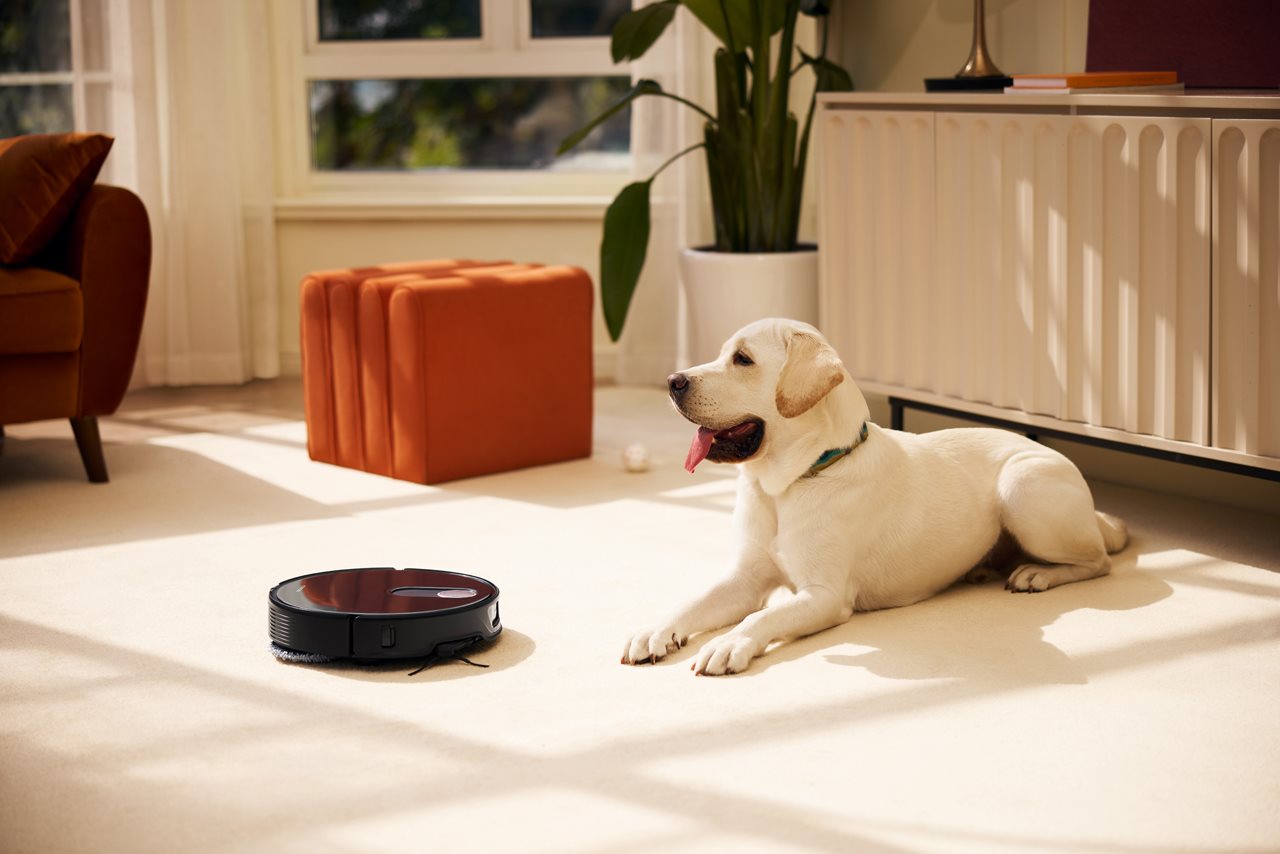
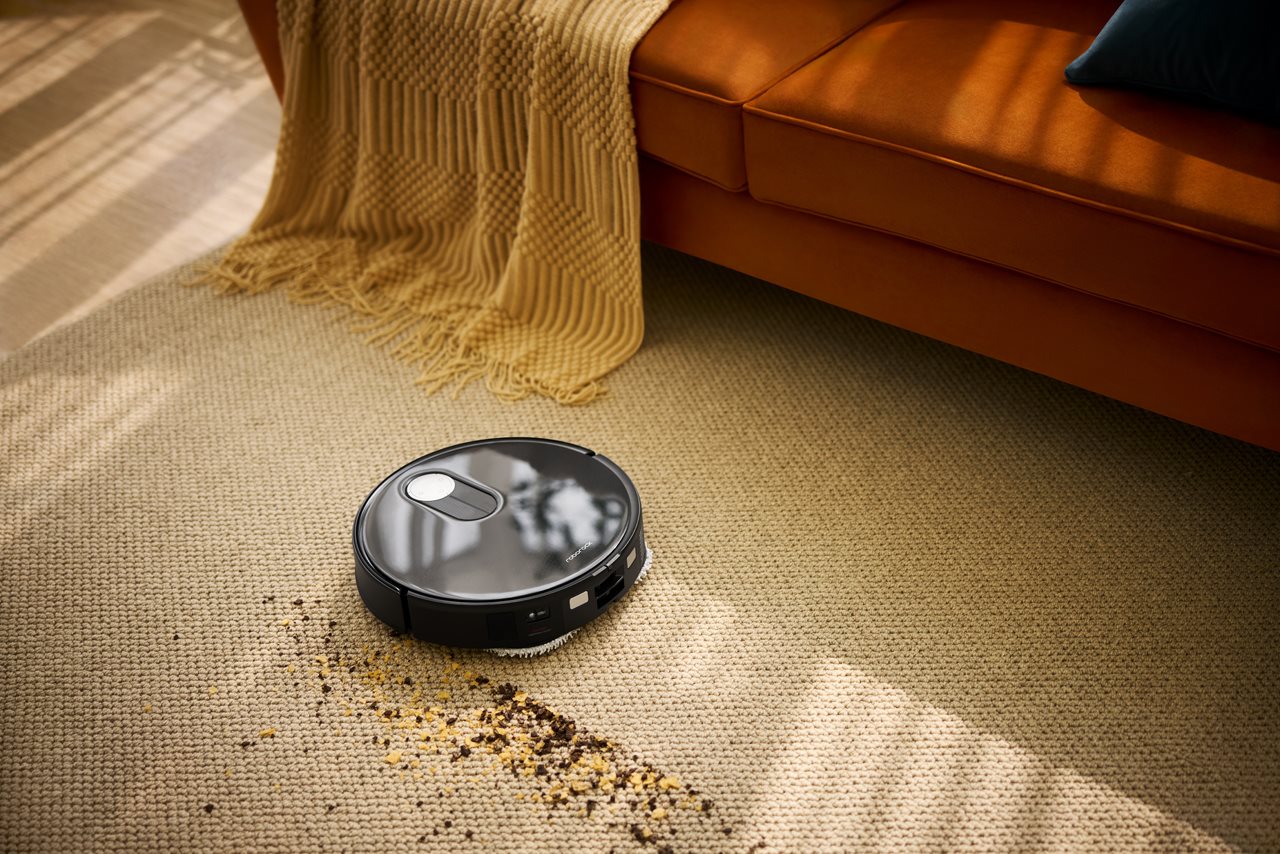
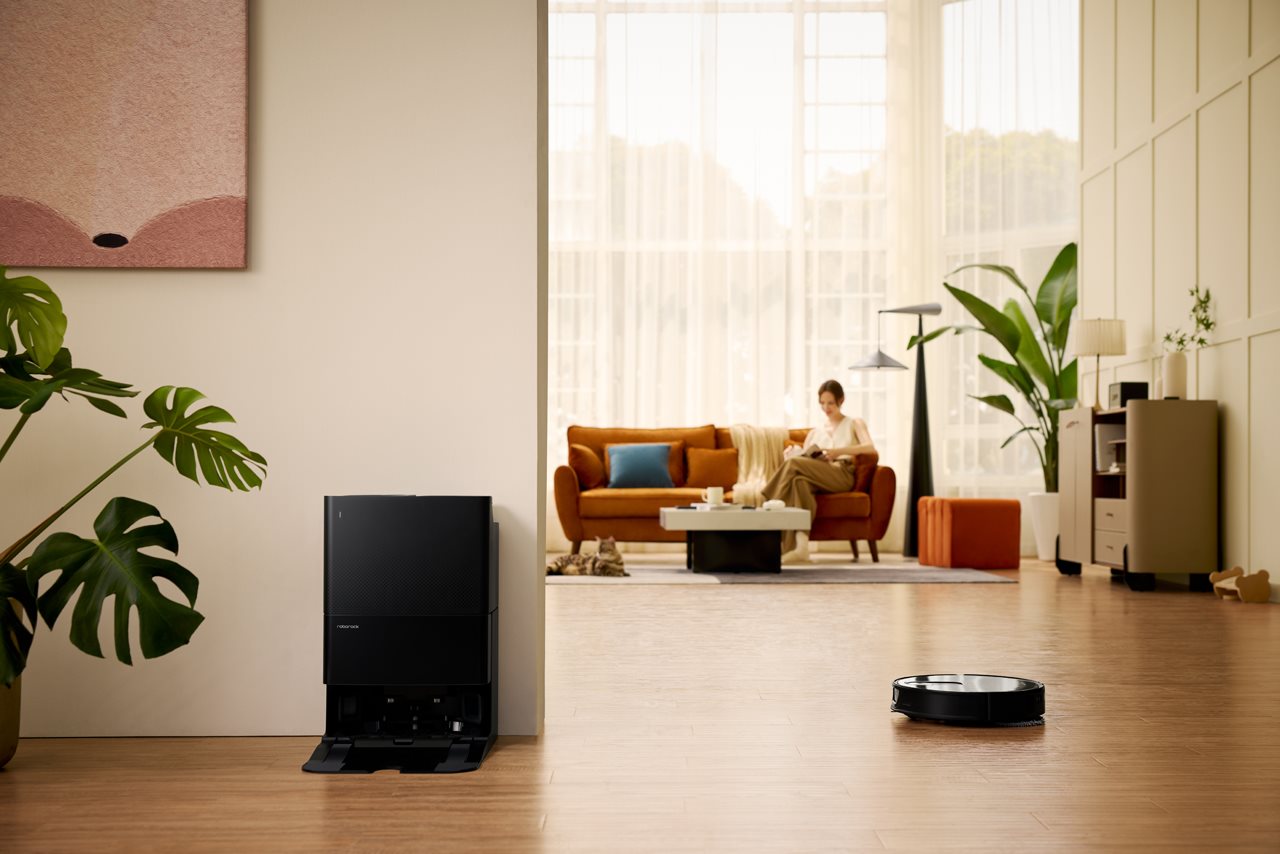
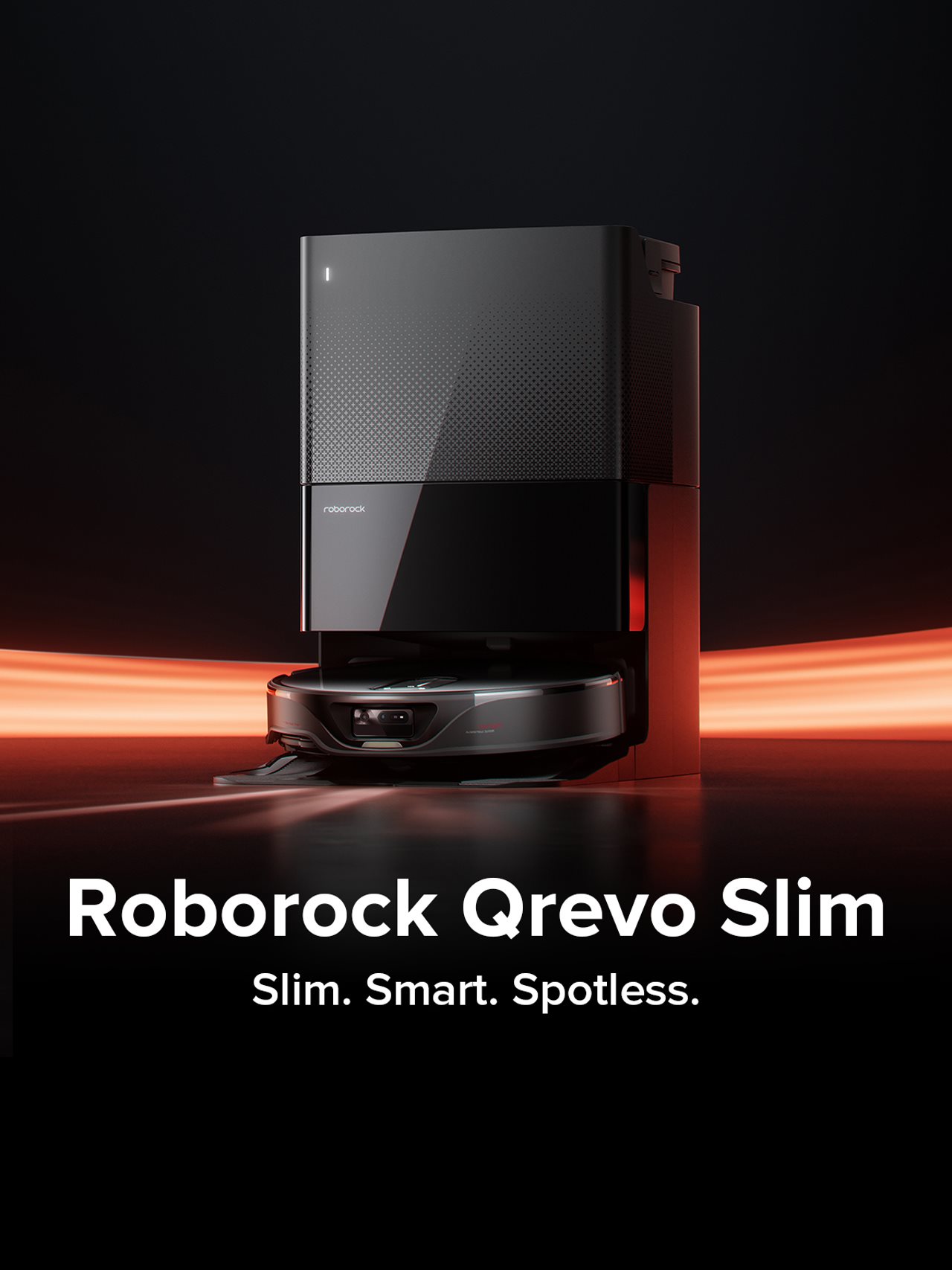
Nothing improves a room’s appearance faster than a clean floor. Want to make this job easier than ever? Check out the new Roborock Qrevo Slim mopping robot vacuum, which provides a lot of power in an incredibly thin form — the slimmest on the market. Its ultra-thin 8.2-centimeter design is low enough to offer flawless cleaning under low furniture and in other hard-to-reach areas.

null

Even better, the Roborock Qrevo Slim’s StarSight™ Autonomous System uses the industry-first dual-light 3D ToF (time-of-flight) technology to measure the distance between the sensor and an object precisely. Beyond navigating obstacles in your home more effectively, it slides easily under furniture, uses an RGB camera to identify dirt, and can even recognize floor types — enhancing suction power when needed and stopping mopping when it hits soft surfaces. The Qrevo Slim battery can last up to 180 minutes, providing plenty of juice to make it through a routine cleaning.

null

The Roborock Qrevo Slim features a FlexiArm Side Brush and Mop for reaching corners and around furniture legs, a powerful DuoRoller Riser Brush and 11,000Pa suction to perform a thorough cleaning. Paired with the upgraded Multifunctional Dock 3.0, which has enhanced mop washing and self-cleaning capabilities, the entire system offers a hands-free cleaning experience with improved power and intelligence, elevating your home cleaning to a whole new level.

null

Best of all, the Qrevo Slim is really easy to use. Its built-in voice assistant (“Rocky”) allows you to issue commands without using the mobile app. For example, just by saying “Hello Rocky,” you can ask the Qrevo Slim to clean a specific room (once mapped) or adjust the suction level, thanks to a host of preset commands.

null

The Qrevo Slim is now available. Check out Roborock.com or the Amazon Roborock store to discover the Qrevo Slim along with Roborock’s other highly rated vacuums, ensuring your floors and carpets are pristine for the upcoming holiday season.

null

Optimize your calendar

Just as you make sure to put all your holiday events on your favorite calendar app, you can use that same helpful method to give yourself enough time to prep. For any occasion you’re hosting at home, add a calendar event the day before to block out the time you’ll need for cleaning and food prep.

Pro tip: Always overestimate the time you need by at least an hour. If you’re done early, use that time to kick up your feet and chill for a while.

Using these tips and tools, you can stay on top of your pre-entertaining prep and cleaning all season long. Then, you can spend more time doing what you love, like enjoying more relaxing and joyful holidays with your family and friends.

Touchdown! 5 tips for a successful football watch party

2024-11-04T08:05:00

(BPT) – College football season is here, and it’s time to rally your friends and family with a game day watch party! Hosting watch parties is a great way to spend time with fellow football lovers and cheer on your favorite teams — and creating a party that’s memorable is all about the details.

Here are five essential tips to ensure you and your guests have the ultimate game plan for college football watch parties all season long.

1. Don’t just clean … sanitize!

The first step to impressing your guests is having a space that’s both clean and sanitized. Be sure to disinfect all surfaces before setting up your game day décor throughout the home, including the living room, kitchen and bathroom.

A home isn’t ready for hosting until it’s been sanitized — and an essential way to sanitize the air before kick-off and after the final whistle is with Lysol® Air Sanitizer.

Scent can’t sanitize, but Lysol® Air Sanitizer can. While traditional air fresheners add a scent, Lysol® Air Sanitizer kills 99.9% of viruses and bacteria in the air while eliminating odors* in the air. It also helps reduce the spread of illness-causing pathogens like cold, influenza and coronavirus in the air — so you can keep the air in your home sanitized during peak cold and flu season.

Stock up on any of these six Lysol® Air Sanitizer fragrances to keep your home sanitized before your guests arrive and after they leave: White Linen, Simple Fresh, Light Breeze, Tropical Breeze, Lavender Sky and Cotton Blossom.

A sign that says

2. Prepare your space

Accommodate your guests and ensure everyone has prime seating to watch the game day action by tidying up and organizing your space. Whether you’re planning to host in your living room, rec room or basement, clear out clutter and rearrange furniture to create a comfortable viewing experience for you and your guests.

3. Plan your menu

The secret ingredient for a watch party touchdown? A well-curated menu! Keep hosting stress to a minimum by selecting crowd-pleasing, game day classics like wings, sliders and chips & dip. And don’t miss a minute of the game day action going to and from the fridge for drinks — keep you and your guests hydrated as you cheer your favorite team to victory with a chilled ice bucket stocked with water and sports drinks.

4. Stock up on supplies

Avoid last-minute grocery runs by stocking up on party essentials a few days before you party. Pick up plates, cups, utensils, napkins and trash bags in advance to ensure your day of hosting runs smoothly. And of course, double-check that you have enough snacks, drinks and ice to keep everyone satiated during the game day action!

Group of cheering football fan friends having snacks and beverages while watching the game on TV at home.

5. Set the mood

Create a festive atmosphere for your party to pump up the excitement for the game. Decorate your space with your favorite team’s colors, hang up football-themed banners and play your ultimate pregame jams playlist.

And once the décor is hung, don’t forget to sanitize your space with Lysol® Air Sanitizer after your guests leave to kill 99.9% of airborne viruses and bacteria and eliminate odors* in the air. Once the final whistle blows, the best way to end a watch party is with a sanitized environment that’s ready for next week’s game!

Take your party to the next level.

Lysol® wants to help you upgrade your college football watch party experience with the Germ Zone Essentials Pack. The pack includes cups, plates and a serving dish for your game day eats, plus a foam finger, football and watch party essential, Lysol® Air Sanitizer! To learn more, visit lysolgermzonesweeps.prod.fooji.com and follow Lysol on Instagram (@lysol).

Kills 99.9% of Staphylococcus aureus and Klebsiella pneumoniae in the air, in 4 minutes. Kills 99.9% of airborne viruses (Tested on MS2 surrogate for enveloped airborne viruses such as Influenza viruses, Coronaviruses, and Pneumoviruses) in the air, in 12 minutes.

*Eliminates odors by killing odor-causing bacteria in the air.

3 reasons multi-country olive oil blends can be a great choice

2024-11-04T07:19:00

(BPT) – Olive oil is a star ingredient for good reason. Nutritious and delicious, olive oil provides a wide range of benefits, from promoting heart health to protecting your brain.

With a variety of olive oil options to choose from, people are often searching for ways to find the “best” product. As a result, some may attach certain values or preferences to “single origin” versus multi-country olive oil blends, even going so far as to claim (incorrectly) that blended olive oils are inferior or even fake.

But what denotes real quality, and what’s just misinformation?

Multi-country vs. single-origin olive oils

The difference between multi-country and single-origin olive oils comes down to sourcing. Multi-country blends combine olive oils from different countries, and clear disclosures are required.

On the other hand, there are no regulations around what the term “single origin” means for olive oil. It could refer to olives grown from a single estate, region or country.

More importantly, “single origin” doesn’t tell you anything about an olive oil’s quality. Quality results from the hard work and skill of the farmers who cultivated and harvested the olives, the miller who extracted the oil and, in some cases, the bottler who masterfully crafts a blend with different olive oils.

So, what should you know about multi-country olive oil blends, and why are they worth considering?

1. Olive oil – like wine – can often achieve great, consistent flavor with “coupage” or blended combinations.

Winemakers often blend wines of different origins and varieties in a process known as “coupage.” In fact, some famous appellations like Chianti and Rioja are required by law to blend different regional wines.

Like with grapes, olives from different harvests can have different flavor profiles due to a variety of factors. To account for this, winemakers and olive oil makers can use coupage to balance flavor and achieve consistency year after year.

Similar to wines, a coupage of olive oils from different origins can be high quality. In fact, it’s not uncommon to find such olive oil blends among the winners of consumer taste tests.

2. Multi-country blends make quality olive oil accessible when and where you want it.

When we go to the store, we expect our favorite olive oil to be there. The practice of blending olive oils from different regions helps make sure our preferred products are on the shelf, and they taste the way we expect them to — even if certain growing regions have a difficult season due to weather, which can negatively impact both the availability and quality of olive oil.

3. Olive oil blends are transparent about their countries of origin.

For many people, olive oil quality is associated with traceability (i.e., where did this olive oil come from?). However, traceability doesn’t depend on the olive oil having a “single origin.”

Olive oil blends are required by law to disclose their olive oils’ countries of origin, and that’s what producers do. What’s more, some producers even use blockchain data and QR codes to help provide additional transparency.

Any suggestion that an olive oil listing more than one country on the label is “fake” is disingenuous. If anything, the level of transparency olive oil blends provide should give you confidence in the authenticity of the product you’re buying.

Whether you prefer single-origin or blended olive oil, the trustworthiness of the producer is the most important factor.

At the end of the day, neither single-origin nor multi-country olive oil blends are inherently better than the other.

Both small-estate producers and larger companies with positive brand recognition can be trusted to take all steps needed to assure the quality of the oil in their bottles, regardless of where the oil comes from. You can also look for seals like NAOOA Certified and Extra Virgin Alliance.

Whether you choose a single-origin olive oil or a multi-country blend, what truly matters is the level of transparency provided on the label and the care and craftsmanship that goes into the bottle.