How AI is advancing hearing aids, in real time

2024-10-31T15:21:00

(BPT) – Hearing loss is often called a “silent epidemic” because it can develop slowly and go unnoticed for years. According to the National Council on Aging, more than 60 million Americans over the age of 12 experience some degree of hearing loss, and nearly one in three of them is 65 or older. In reality, this number is higher — these are just the ones we know about. There’s a silent legion of people who struggle to hear the TV and understand conversations in background noise yet don’t take the next step of getting their hearing checked. If you’re one of these people, you’re putting yourself at increased risk for depression, social withdrawal, and worse.

The good news? A recent breakthrough in hearing aid technology, specifically the inclusion of artificial intelligence (AI) to intelligently separate human speech from background noise, is making it easier than ever to hear the world around you and get back to enjoying life.

Dr. Brandy Pouliot, Director of Audiology and Education at Phonak, a global leader in hearing solutions, explains why good hearing is so critical to a person’s health and well-being, and how AI is pumping up the volume on this technology.

Q: Why is hearing intervention — hearing aids, in other words — so critical?

A: You’ve probably seen some headlines talking about the potential link between hearing loss and dementia. A landmark new study ACHIEVE (Aging and Cognitive Health Evaluation in Elders), led by researchers from the Johns Hopkins Bloomberg School of Public Health, looked at the effect hearing intervention had on brain health in older adults. They found that hearing intervention (hearing aids) slowed down loss of thinking and memory abilities in a subset of older adults by 48%. That’s a huge number! It means hearing may be tied to brain function in ways we hadn’t completely understood. While hearing aids cannot cure dementia, they play an important role in helping to preserve and enhance people’s cognitive functions, especially in their golden years.

Q: How do hearing aids improve our social well-being?

A: Not being able to hear and understand what’s going on around you — whether conversations at work, on the phone or out at dinner — creates feelings of frustration, anger and even embarrassment. This causes a person to withdraw. Think of that older relative at Thanksgiving dinner who remains quiet and confused while others freely converse. When people understand speech clearly, their muscles relax and their minds perk up because they can now take part in the conversation. We are social beings, and there is so much evidence showing individuals with strong social ties not only live longer, but also enjoy better health and well-being.

Q: What can people expect at an exam with a hearing care professional?

A: We begin by asking patients where and what they want to hear better. It’s no surprise that most individuals want to hear other people better, and that’s where a full audiological exam come into play. In a typical hearing screening, the ear is examined, and hearing thresholds are obtained to determine a patient’s ability to hear speech sounds. If hearing aids are recommended, your HCP is there to support you on your journey to better hearing.

Q: How is artificial intelligence advancing hearing aid technology?

A: Understanding speech in noise has always been the key need for those with hearing challenges, even when wearing hearing aids. Until now, hearing aids have relied on directional microphones and noise cleaning features to help highlight speech. These advancements have and will continue to be helpful for patients. However, just recently Phonak introduced Audéo Sphere Infinio — the world’s first hearing aid that uses a dedicated artificial intelligence (AI) chip to actively separate a person’s voice from background noise. And it does it in real time. This is something truly revolutionary and the market has been waiting a long time for it.

Q: What do you mean by “real-time” AI?

A: Hearing in noise is exhausting even with normal hearing. After a strenuous day, understanding speech above the background noise takes a lot of mental effort. Real-time AI refers to the signal processing that Audéo Sphere Infinio does in real time. This means instant speech from noise separation for easier speech understanding and reduced listening effort. This not only makes for a much more enjoyable meal conversation, but it also helps people think clearer by freeing up those cognitive resources our brains use when we strain to hear.

Q: It sounds pretty cool to be a hearing care professional at this time.

A: Absolutely! This is such an exciting time for hearing care professionals (HCPs) because they finally have a hearing solution that directly addresses the top complaint of existing hearing aid wearers — the ability to hear well in background noise. HCPs play many different roles, but among their most important is helping people connect with others. Along with the right patient counseling and technical skills, AI hearing aids like Audéo Sphere Infinio may help HCPs more easily facilitate these connections.

Q: For people who believe they have hearing loss, what should they do now?

A: Getting your hearing checked is the best way to find out for sure. One easy way to get started is with an online hearing screener, like the one Phonak provides. Then, talk with your primary doctor and check your insurance for coverage of audiology services and hearing aids. Many plans include it. Armed with that information, your next step is to find a local hearing care professional and make that appointment.

Hearing loss is about more than just your ears. It can affect your emotional, physical and cognitive well-being. For more information visit Phonak.com or click here to find a hearing care provider near you.

How older adults can best prepare for surgery

2024-10-31T14:01:00

(BPT) – By Patricia L. Turner, MD, MBA, FACS, Executive Director & CEO, American College of Surgeons

For people of all ages, the mere thought of surgery can spur anxious thoughts and concerns: How long will the surgery take? What will my recovery look like? How risky is the procedure?

Worries and questions about surgery are especially common for patients 65 years and older, who account for more than 40% of all in-patient operations and can be at risk for increased complications as a result of other co-existing medical conditions.

At the American College of Surgeons (ACS), the largest professional association of surgeons in the world, we understand that preparing for surgery can be an overwhelming experience. We believe that asking the right questions before surgery can foster open communication between the patient and the care team, make preparing for an operation less daunting, and lead to better outcomes.

To help older patients navigate the complexities of preparing for surgery, the ACS, through our Geriatric Surgery Verification (GSV) Program, created a patient checklist for older surgical patients, families and caregivers. The checklist, which is free for anyone to download, equips patients with practical tips in an easy-to-use format and can be filled out online with a computer or printed out and brought to an appointment. Developed in collaboration with surgical experts, the checklist and our robust patient-education materials (www.facs.org/for-patients/) are designed to help patients and their families ask the right questions at the right time to help ensure they receive high-quality surgical care.

Encouraging open communication

Open communication between the patient and the care team is paramount to any successful surgery. The checklist outlines several questions to foster honest discussions with your care team, including a section to list any special considerations such as cognition (thinking) and delirium (confusion) risk, and a section to list all your current medications and allergies in one place to help facilitate a smoother office visit.

Putting your care goals front and center

Your goals and quality of life are as important as many other details related to your surgery. The checklist includes a section to capture thoughts about your overall health, treatment goals and how surgery might affect your daily life. Often referred to as patient-reported outcome (PRO) measures, this information is important for detailing what matters to you most. Having discussions about your priorities in advance can help your surgical team develop a specific care plan that relies on the best possible research and aligns with your personal goals.

Helping you keep track of your questions

In the days and weeks before surgery, it can be difficult to think of all the questions you want to ask your surgeon and care team beforehand. The checklist includes several suggested questions to ask your care team. It also offers tips on having effective conversations with your care team to help you and your caregivers more fully understand all aspects of the operation and your recovery.

Download the Geriatric Surgery Patient Checklist (www.facs.org/gsvpatient/) and learn more about how the ACS GSV program (www.facs.org/gsv/) helps hospitals optimize surgical care for older patients through comprehensive, evidence-based standards. The ACS assists hospitals in improving surgical care in a variety of areas. We recognize hospitals that meet our high-quality verification standards with an ACS Surgical Quality Partner Diamond. Our hospital finder (www.facs.org/hospital-and-facilities/) provides patients with information on more than 2,500 hospitals nationwide that have earned the distinguished ACS Surgical Quality Partner Diamond by participating in one or more of our programs.

Patricia L. Turner, MD, MBA, FACS, is Executive Director & CEO of the American College of Surgeons, the largest professional association of surgeons in the world, founded in 1913.

Insight Relations: Paving the Way for LG’s Future Vision

2024-10-30T11:31:00

(BPT) – By Park Won-jae, vice president and head of IR Division at LG Electronics

“While IR is traditionally understood as Investor Relations, I view it as Insight Relations.” LG CEO William Cho has often expressed this sentiment, and I wholeheartedly share his point of view. Over the last 25 years, I have dedicated considerable time to understanding the intricacies of the world’s capital markets, including a stint as an analyst in the IT and tech industry. My experiences have shown me that the active exchange of information and knowledge between companies and investors is essential for mutual success. Today, I take great joy and satisfaction in seeing our company make a significant impact in the market and among investors by presenting our latest business strategies. Being part of this new leap forward is truly gratifying.

Last year, we announced a major business transformation, unveiling our vision to become a “Smart Life Solution Company” that connects customer experiences across home, commercial spaces, mobility and even the metaverse. To achieve this, we have set ourselves the “Triple Seven” target: seeking to reach seven percent average growth rate, seven percent operating profit and an enterprise multiple (EV/EBITDA) of seven, all by 2030. We also plan to invest over KRW 50 trillion for qualitative growth by the beginning of the next decade.

Naturally, the attention of Korean and global investors and analysts began to focus on our enterprise value. Numerous questions were raised regarding the foundation and substance of our “Smart Life Solutions,” our growth potential and whether the announced changes were valuable enough to warrant the long-term investment of assets. As an analyst who has witnessed LG’s various transformations and efforts over the years, the initial market reaction was entirely understandable.

Building on “responsibility” and “authentic communication,” which have been upheld as core values of investor relations (IR) for decades, we have expanded the involvement and role of top management, thereby enhancing trust in our corporate activities. We have also significantly improved policies aimed at increasing shareholder value. In addition, we are expanding efforts to contribute to the healthy development of capital markets from a macro perspective.

Communication Leadership

As the shift in business direction marks a critical turning point with regard to the company’s future blueprint, it was only natural for those leading the changes to step forward and take on the role of “communicators.” Accordingly, starting with the announcement of the “Future Vision 2030” in July last year, our CEO, CFO and other top executives have engaged in open and candid communications at key IR events, such as the general shareholders’ meeting, corporate briefings for global investors and investor forums. Beginning this year, the regular earnings conference calls, which were previously led by IR and business unit management, are now overseen directly by the CFO.

Active Policy Changes to Improve Shareholder Value

In addition, we announced a new three-year dividend policy (covering fiscal years 2024 to 2026) earlier this year aimed at enhancing shareholder value. This policy includes changes such as adjusting the dividend record date, changing the dividend cycle, setting a minimum base dividend and increasing the dividend payout ratio.

In August, we became the first among the affiliates of Korea’s top 10 conglomerates to announce a value-up participation disclosure aimed at enhancing corporate value. On October 22, we announced our “Corporate Value-Up Program,” a master plan to boost shareholder value and normalize the company’s valuation. To enhance predictability for investors, we will continue with the base (minimum) dividend of KRW 1,000 per share and semi-annual dividends, which both began this year, while also considering quarterly dividends in the future.

Growth with the Market

Most people reading this article are likely well aware that companies, investors and the market are interconnected in an organic relationship. LG Electronics aims for healthy, mutual growth with the capital market. To this end, we have developed an IR Activity Management System that quantitatively analyzes IR activities for publicly listed companies and are sharing our operational know-how both internally and externally. Additionally, we have been collaborating with the Korea Investor Relations Service (KIRS) for several years, giving lectures on the direction of IR activities related to ESG (environmental, social and governance) and consistently contributing to the development of the capital market.

Personally, as an analyst, I take great pride in sharing the knowledge and expertise I have accumulated from working at various companies and, through this, contributing to the positive cycle of market development alongside my colleagues.

Earlier this month, we were honored with the Financial Services Commission Chairman’s Award (Grand Prize), the highest award in the corporate category, at the 2024 Korea IR Awards hosted by the KIRS.* The award holds great significance as it acknowledges our contributions to maintaining systematic and sincere communications with the market, as well as our efforts to secure a stable investment base as recognized by capital market authorities and various experts.

Going forward, we will continue our commitment to proactive and genuine communication across all business activities to further build investor trust. I, too, will continue to strive to establish LG as an “Insight Leader” that drives healthy, mutual growth for the market, companies and investors alike.

* Hosted by KIRS under the Korea Exchange since 2001, the Korea IR Awards are presented annually to companies and individuals who have contributed to the healthy development of capital markets through effective IR activities. Companies and individuals recommended by analysts and institutional investors are selected through a rigorous evaluation process conducted by a professional review panel and a selection committee.

Baby on the way? 5 ways to prepare first-time siblings

2024-10-30T11:23:00

(BPT) – Welcoming a baby to the family can be an exciting time, but it also impacts the existing family dynamic and lifestyle. First-time siblings may be overwhelmed and confused by these sudden changes that come with a new baby.

However, parents can help soon-to-be siblings get ready for the changes ahead. Check out these five tips that can help children prepare for becoming first-time siblings.

1. Set expectations

Communication is key to setting first-time siblings at ease. Begin by explaining the care newborns need. Make sure to emphasize that just because the baby needs more time and attention doesn’t mean that an older child is being replaced.

Also, discuss what it means to be an older sibling and how they can help take care of the baby. By setting these expectations, your older child will be better prepared for the adjustments and responsibilities that come with the arrival of a younger sibling.

2. Practice gentle touch

It’s important to teach young children how fragile newborns are, especially if your older child is around a year old. Practice gentle touch with your child so they know how to handle their sibling with care.

A great way to practice gentle touch is with interactive play with a baby doll like BABY born My First Baby. For over 30 years, parents and grandparents have relied on these toys that foster compassion and nurturing play and teach developmental skills to young children.

This baby doll is the perfect first companion for your little one, with her soft body that is ideal for cuddles. Using this doll, you can safely teach your older child how to nurture and care for their future sibling.

3. Include them in the baby’s routine

A great way to help first-time siblings feel included is to involve them in the baby’s daily routine. How involved they can be will depend on their age, but even small tasks like singing a lullaby or picking out the baby’s clothes can create a bond between siblings.

Children around age 3 and older can practice with a BABY born My Real Baby. This lifelike doll is just like a real baby — she makes baby sounds, sucks on her bottle or pacifier with an actual moving mouth, goes potty, goes to sleep and even cries real tears.

Once the baby arrives, encourage your older child to take care of their doll while you take care of the baby. When your newborn needs a diaper change, your older child can change their baby doll’s diaper. By including them in these activities and routines, you can foster a sense of responsibility and love between siblings.

4. Encourage siblings to participate in the baby’s milestones

First smiles, first words and first steps are memories families cherish forever. As your younger child grows, encourage your older child to help their sibling reach important milestones.

For example, before the baby arrives and while they’re small, your older child can practice helping a baby learn to walk with the BABY born Learn To Walk doll. This doll really crawls on her own and walks with the help of your child! To crawl, simply set the doll down in a crawling position, and she’ll start moving across the floor, complete with adorable crawling sounds and motions. Sometimes, the doll will fall and cry, but she gets right back up to try again — just like a real baby. The doll can take her first steps when your child holds her hands, making it an interactive and delightful experience as they help her learn to walk. Make sure to tell them about the first time they achieved these milestones, too! It’s a fun and touching way to connect their experiences with their siblings.

5. Nurture sibling play

Sibling playtime is an important part of child development for older and younger siblings. By playing with their younger siblings, older children can help them develop social skills, communication abilities and emotional intelligence, as well as gain more of these skills, too.

Of course, some activities will be too advanced for newborns. Your child can practice playing with their siblings by including their baby doll in their solo playtime. The BABY born Tricycle accessory allows your older child to take any of their BABY born dolls out for a stroll. There’s even a handle for kids to push their doll around while they sit safely on the trike.

With some love, patience and forethought, you can easily prepare first-time siblings to welcome the newest addition to the family. To learn more about the power of nurture play, visit BABYborn.MGAE.com.

Avoiding the dentist? How technological advances are creating more positive dental experiences

2024-10-30T11:29:00

(BPT) – When was the last time you saw a dentist? If you’re cringing, you’re not alone. According to the American Dental Association, over 100 million Americans skip going to the dentist each year, let alone every six months. One of the top reasons people avoid it: being afraid of the dentist. They may also feel anxious about potential embarrassment, uncomfortable procedures and the possibility they’ll need major work. This anxiety around going to the dentist increases the longer you put off the appointment, too. Will they judge you for staying away so long or not flossing as often as you should?

Neglecting your teeth can lead to problems, from cavities and gum disease to more serious issues like infections — even impacting cardiac health. Despite these health concerns, you may remember the dentist of your childhood as a series of fitting uncomfortable molds in your mouth, the first iteration of X-ray technology, and just generally being picked at by sharp metal tools. Today, recent advances in dentistry take away much of what scares people about visiting the dentist. Aspen Dental’s 1,100+ offices nationwide offer cutting-edge technology and treatments to make your visit to the dentist as comfortable as possible. (And they won’t judge you for not flossing, either.)

Here are some advancements in dentistry that make a visit to the dentist’s office something to look forward to each year.

Digital X-rays. Remember how dental X-rays used to be? Having to hold perfectly still while the hygienist or dental assistant scurried out of the room? That’s over. Today, our offices use digital X-ray technology that’s much more comfortable for the patient and delivers images in a snap.

Intraoral digital scanners. Those uncomfortable wax bite trays are a thing of the past. Now, dentists use intraoral digital scanners to get clear, 3D images in seconds. The scanner is a hand-held tool that looks like an oversized electric toothbrush. You just say “ahhhh” and the dental team does the rest. These scanners are mainly used to get impressions for crowns, bridges, aligners and other work you may need done. When patients can see the state of their mouths and identify the problems, they are more likely to want to fix the issues. They’re also more invested in both understanding their oral health and taking steps to remedy any problems.

Set of teeth on a screen with a dentist pointing to an area of concern.
Example of a 3D impression using the Trios Digital Scanner, available at all Aspen Dental offices nationwide. Digital scanners can be used to get impressions for crowns, bridges, aligners and more.


Digital dentures.
Dentures provide a critical solution for millions of dental patients in the U.S. For so long, the process required extended visits to the dentist, including a wax try-in appointment, and fittings often continued until the right solution was found. The advent of digital dentures has enabled the ability to make models in real denture material, instead of wax, so you can try them on and smile, bite and talk normally to see how the dentures feel. Digital dentures can also be easily reproduced so you’re protected even if you lose your dentures.

Motto Clear Aligners. The introduction of clear aligners gave hope to many that the days of traditional braces were over, but high costs and durability issues often plagued traditional aligners. Aspen Dental created Motto Clear Aligners which allow teeth to move more comfortably and precisely. Further, Motto aligners address many historical issues with clear aligners, with anti-bacterial material that is both stain- and odor-resistant with two durable outer shells.

Air abrasion. If the main reason you avoid the dentist is the discomfort when the hygienist picks at your teeth during the cleaning — honestly, nobody likes that — you’ll be relieved to learn there’s a new option to the pick. It’s air abrasion, which is a procedure that uses air, water and abrasives to clean your teeth.

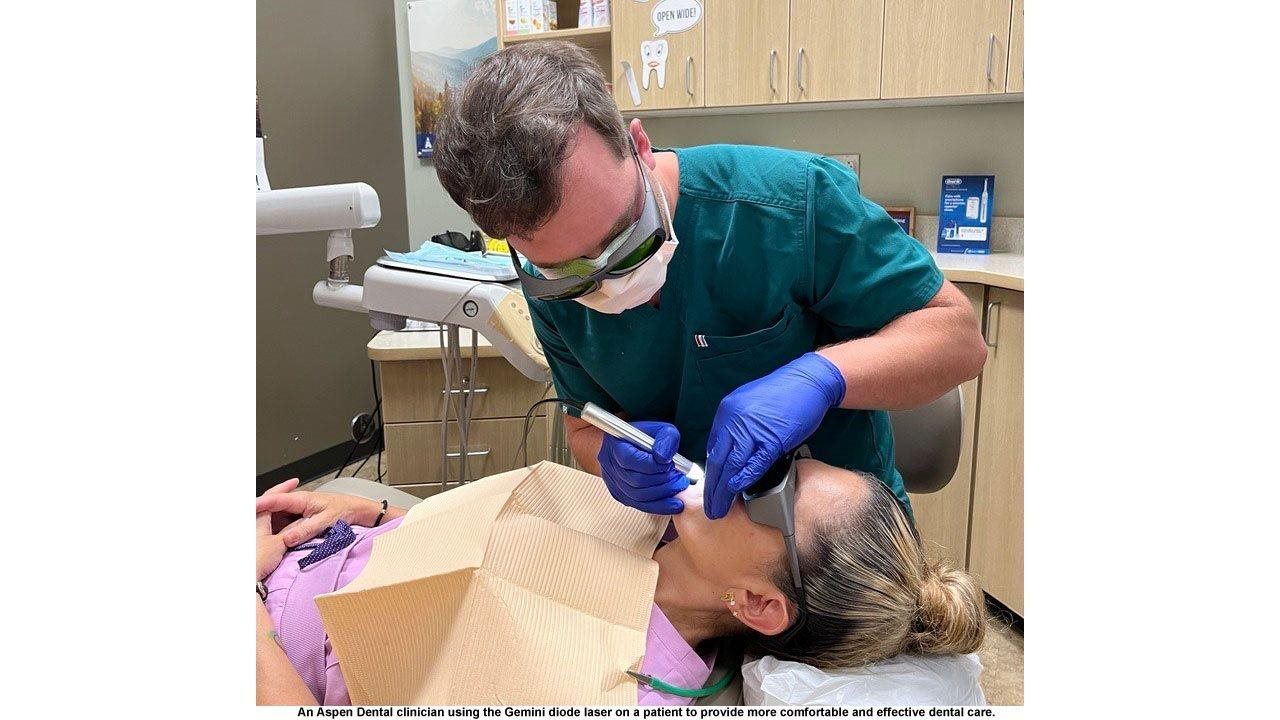
Laser therapy. Laser therapy at our dental offices offers the next level of dental care and can disinfect the tissues easily and efficiently. Laser therapy also promotes faster healing, so patients have less downtime after a procedure. Aspen Dental offices are beginning to roll out the first dual-wavelength soft tissue diode laser, making for faster, smoother and more efficient treatments.

Aspen Dental is committed to pioneering the latest advancements in dentistry to bring top-of-the-line dental services to patients. This is made possible through The Aspen Group University, a world-class learning and development center that equips Aspen Dental professionals with the latest skills and knowledge in dental technology.

“Digital dentistry is revolutionizing the patient experience, making dental care more accessible, efficient, comfortable and affordable than ever before,” said Dr. Sundeep Rawal, Senior Vice President of Implant Support Services at Aspen Dental. “Improvements in oral health technology offer Aspen Dental patients a thorough knowledge of their dental health, leading to more effective results, whatever their unique needs may be. These advancements are a game-changer in dentistry, and at Aspen Dental we are proud to be at the forefront of this technological evolution.”

For more information or to find a dentist near you, visit aspendental.com.

Best Cities After Service

2024-10-29T14:27:00

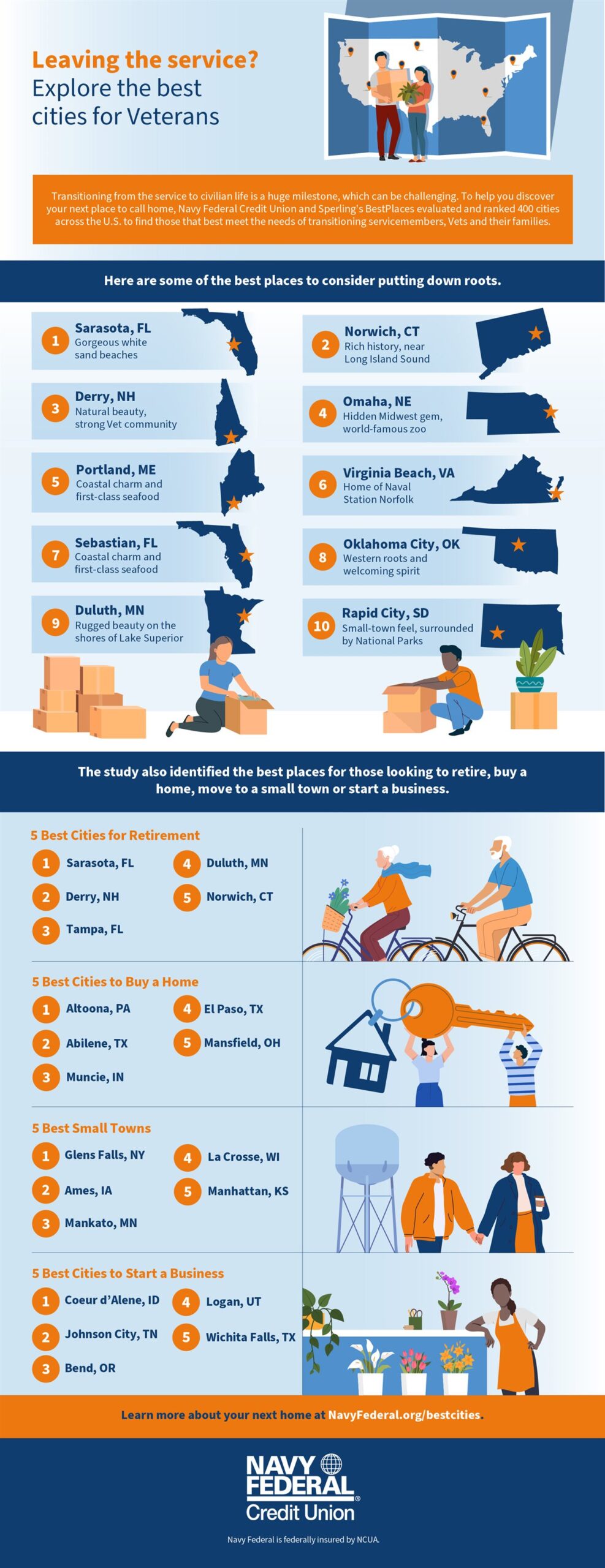
(BPT) – Navy Federal Credit Union and Sperling’s BestPlaces evaluated and ranked 400 cities across the United States based on quality-of-life metrics to determine the top cities that best meet the needs of transitioning servicemembers, Veterans and their families. They also identified the best cities for those who are looking to retire, buy a home, move to a small town or start a business.

Infographic

Can you mount a TV above a fireplace? Yes, and here’s how to do it right

2024-10-29T09:35:00

(BPT) – If you have a living room or family room with limited wall space, you may be challenged to find the best place for your TV. Fortunately, mounting a TV above a fireplace is not only a popular design choice that saves space and creates a single striking focal point, but thanks to recent advancements in fireplace technology it’s safer and more stylish than ever to pair these living room staples.

Innovative heat management

Modern fireplaces have revolutionized the way designers and families think about TV placement. The Heat & Glo Primo II gas fireplace, for example, showcases innovative technology that allows for unique design possibilities:

TV placement: You can safely mount your TV just one inch above the fireplace opening.

Finishing materials: Heat-sensitive materials like sheetrock or wood panels can be brought right up to the fireplace opening.

Year-round enjoyment: You can enjoy the cozy ambiance of a fire without the heat, thanks to advanced heat management.

Safe touch: A cooling system keeps the glass at a safe temperature without a protective screen, which is ideal for homes with children and pets.

“A fireplace traditionally puts out a lot of heat, which you may not always want,” said Kathy Rogers, hearth expert at Heat & Glo. “But instead of eliminating the fireplace altogether, you can choose a fireplace with a heat management component. This allows you to control the amount of heat being emitted, and also lets you safely put your TV above the fireplace.”

Couple enjoying a glass of wine on the couch in the livingroom with a tv mounted over the fireplace.
Creating the ultimate media wall? Stellar by Heat & Glo custom fireplaces let you position electronics just one inch from the fireplace opening.

How to match your fireplace to your TV

For a harmonious and balanced living room or family room, consider these five tips:

1. Size matters: Match the width of your fireplace to the width of your TV for a cohesive look. The most popular TV sizes are 43”, 50,” 55” and 65”. These pair perfectly with the width of our most popular fireplaces.

Fireplace width

TV width

Advertised TV Size

36″

37.5″

43″

42″

43.6″

50″

48″

48″

55″

60″

57″

65″

2. Mounting height: Ensure that the TV is at a comfortable viewing height, so you’re not craning your neck to see the screen. Heat & Glo fireplaces offer mounting as close as one inch from the fireplace opening, ensuring the location height of your TV isn’t hindered.

3. Design consistency: Choose complementary styles. If you have an ultra-modern TV, consider a sleek, contemporary fireplace design. A linear fireplace fits these needs perfectly.

4. Measure first: Before purchasing either one, be sure to measure both your TV and your desired fireplace to create visual balance. It’s recommended to take your ceiling height and size of the room into consideration.

5. Viewing comfort: Consider the distance of the TV from your seating area to avoid neck and eye strain, as well as optimal viewing. The best viewing distance depends on both the size of the screen and the resolution of your TV. Most TV manufacturers provide recommendations for optimal viewing distance, so it’s a good idea to look this up before mounting your TV and placing furniture.

With careful planning and the right technology, you can create a beautiful, functional living space that seamlessly incorporates both your TV and your fireplace. Modern fireplace designs offer the flexibility to enhance your space without compromising on safety or aesthetics, so you can enjoy the best of both worlds — the warmth of a fireplace and the entertainment of a well-placed TV.

Learn more about this technology and find a fireplace that fits your style at HeatNGlo.com.

Are you recycling like it’s 1999?

2024-10-29T09:01:00

(BPT) – If you recycle at home or the office, that’s great! Mother Nature thanks you. But, when was the last time you thought about how and what you’re tossing into your bins? If you’re recycling like it’s 1999, or even 2019, you might be interested to learn that this practice has changed, evolved and expanded within the past few years. Here’s what you need to know.

Organic waste. Organic waste recycling is growing in the U.S., with many cities like Minneapolis, Seattle, Austin, Portland, Boulder, Denver, New York City, San Francisco and more offering curbside composting bins. The idea is to keep food out of landfills, and it works the same as recycling other items, except it’s the food scraps from your dinner plate, veggies that have gone bad in the back of your fridge, and any other food scraps you generate while cooking — peels, rinds, egg shells, meat scraps, you name it. Check with your local municipality to see if organic waste recycling is available where you live.

Plastic. Not all plastic is created equal. For example, resin codes — the chasing arrows triangle with a number inside the shape, helps recyclers sort plastics. But, just because an item has a resin code does not mean it is recyclable. The best rule of thumb in recycling plastic is to look for clear messaging about recycling on-pack or check your recycling hauler’s website. And about plastic bags: Many cities now offer separate collection facilities for plastic bags.

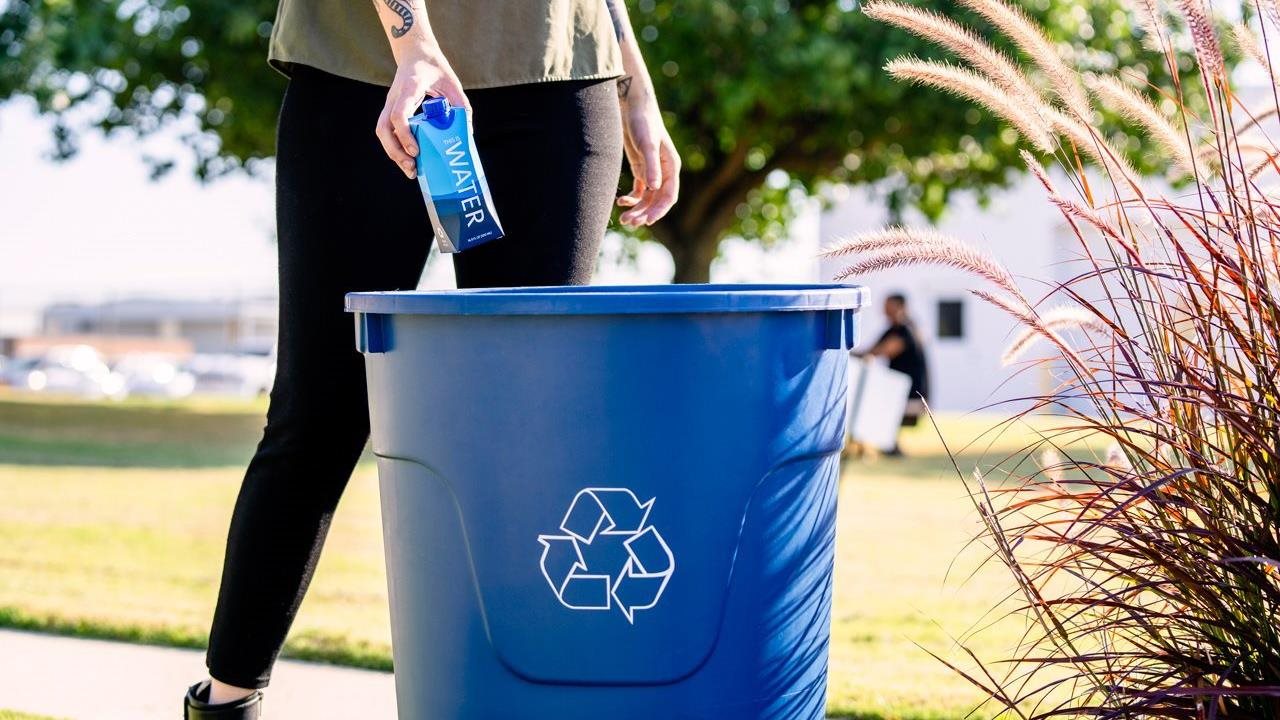
Cartons. The milk and juice cartons you buy in the refrigerated case and shelf-stable cartons, like those often used to package beverages, broths and soups that don’t need to be refrigerated — they’re recyclable.

Ten or 20 years ago, this wasn’t necessarily the case. It’s a big change, and one that didn’t just happen. In 2009, the Carton Council of North America formed with the goal of reducing the number of cartons sent to landfills. And they’ve been successful. Today, food and beverage cartons — like those from Tetra Pak — are accepted in the majority of household recycling programs and are recycled into paper products and green building materials.

Learn more about carton recycling access at any U.S. residential address using this recycling locator tool. Then, recycle your empty carton by tossing it into your recycling bin. It is suggested you keep the cap on or push the straw in to the carton to prevent litter.

Want to know more about how cartons are recycled? Visit Tetra Pak’s carton recycling page.

Single-stream vs. dual-stream. This may sound counterintuitive, but many communities are transitioning to single-stream recycling. That’s just tossing plastic, glass, paper, cartons, cardboard and other recyclables into the same bin. While this makes it convenient for people, and sorting technologies have advanced to streamline the sorting process, it also ups the risk of contamination. But, getting more people to recycle is a step in the right direction. Homeowners and renters who recycle can do their part to reduce contamination by learning what items their recycling collection facility accepts and only placing those items in the bin.

Electronics. In the past, it was difficult to know what to do when it was time to put that cell phone or television out to pasture. But now, new technologies like sorting robotics and new laws are making it easier to recycle your electronics. Check in your area or visit https://www.epa.gov/recycle/electronics-donation-and-recycling for more information.

Recycling is good for the planet and now, thanks to the good work of dedicated people and organizations like the Carton Council of North America, recycling continues to evolve and improve.

How to maintain and improve your plumbing this fall and winter

2024-10-29T16:09:00

(BPT) – Along with shorter days and dropping temperatures, fall brings a sense of urgency to get your home in shape before winter arrives. This is especially true for plumbing, as frigid temps can wreak havoc on pipes and outdoor faucets. Along with maintenance, homeowners can use the season to make simple plumbing repairs or upgrades so essential household functions run more smoothly throughout the colder months.

To help you tackle these tasks, plumbing experts at Mr. Rooter Plumbing, a Neighborly company, offer tips for jobs you can do yourself, and those that might be better left to the pros.

Freeze-proof your pipes

Be proactive to safeguard against freezing weather. Start by ensuring any exposed pipes are insulated to prevent freezing, especially in unheated areas like basements, crawl spaces, and garages. This is also the time to disconnect and drain outdoor garden hoses and shut off water to any exterior faucets to avoid burst pipes.

In the winter, your water heater may need to work harder, so make sure to have the tank inspected, cleaned and flushed if needed. If you have a sump pump that experiences extreme weather conditions, ensure that it’s properly cleaned and insulated.

Need help preparing your plumbing for winter? Contact the pros at Mr. Rooter Plumbing.

Prevent laundry hazards

The laundry room is one of the most used but often overlooked spaces in your home. To keep appliances in top shape, focus on the plumbing. Key tasks to ensure your washing machine will continue working problem-free include inspecting hoses, pipes, and valves around your washer and laundry sink for leaks. You could consider replacing rubber hoses with durable, braided stainless steel hoses.

Check that the trap seal, the pipe that prevents sewer gases and odors from backing up into the laundry room, is full of water. Occasionally pour a bucket of water down the drain to flush the line and keep the trap fresh and sealed.

Pro tip: Secure exposed pipes or hoses with zip ties to keep the washer’s movement from shaking them loose.

Keep toilets problem-free

While you’re checking areas needing repair, toilets should top your list. Fortunately, some common problems are easy DIY fixes. For example, you can often resolve a running toilet on your own. It may be caused by a flapper or ball float that’s not working correctly.

Troubleshoot by first turning off the water. Turn the small knob on the wall, usually near the toilet’s right side, clockwise (to the right). Take off the toilet tank’s ceramic lid and place it on a towel to prevent breakage. Then look inside to check if the flapper’s working. Over time, rubber or silicone flappers deteriorate, collect dirt, or become brittle, so they no longer work as a seal.

You can find replacement flappers at hardware and home improvement stores. Installation instructions are typically included when you buy toilet replacement parts. Other fixes for running toilets include chain link adjustment, trimming the toilet fill tube, adjusting the ball float arm, or replacing a broken ball float. If repairs seem too challenging, consult a plumbing professional.

Pro tip: Take pictures of parts that need replacing before heading to the store.

Upgrades to consider

Some household issues may be improved by making plumbing upgrades.

Soften your water: If you find your skin and hair experiencing soap buildup and dryness or you see soap buildup on your shower and tub surround, you may have hard water. The high mineral content in hard water can be detrimental to your plumbing as well as your personal care.

Installing a water softener can make a big difference in terms of your skin and hair, and for your home’s pipes. Contact your plumbing professional if you’re interested in a water softener for your home.

Upgrade your faucet: Today’s kitchen faucets use cutting-edge technology to offer convenience and cleanliness in two new ways: You can choose a faucet requiring a simple touch (even from a wrist or elbow), or that you only need to wave your hand under to turn on. Either option helps keep your faucet and sink cleaner — and is easier to use for children, older adults and with messy or full hands.

Consider a bidet: Choosing a bidet can enhance your bathroom and improve personal hygiene. While getting a full bidet needs professional installation, a simple bidet toilet seat is something that’s easy to install yourself. Most of these products include instructions and require minimal tools for installation.

For all your plumbing maintenance, repair and upgrading needs, you can find a trained, licensed plumbing professional at MrRooter.com/fallmaintenance.

Expert nutrition tips to help fuel your pickleball play

2024-10-29T05:01:00

(BPT) – Sponsored by The Quaker Oats Company

Do you have pickleball fever? This popular sport has been making waves across the country. Not only is it great exercise, but pickleball is also a great way to meet new friends or spend time with old ones.

Like any other sport, nutrition plays a role in supporting your pickleball play. Sports dietitian Amy Goodson, MS, RD, CSSD, LD, has developed the following pro tips and recipes to help your pickleball game!

1. Eat small, frequent meals and snacks

Consistent fueling is important, especially to support physical activity. Goodson recommends eating smaller, more frequent meals and snacks throughout the day when pickleball is in your plans. Doing so can help keep your blood sugar and your energy levels stable.

2. Enjoy balanced meals and snacks

When choosing your meals and snacks, focus on eating balanced, nutrient-rich meals with a good mix of carbohydrates, protein and healthy fats. Lay the foundation with whole grains like oats, protein sources like lean meat and low or nonfat dairy and colorful produce.

3. Let intensity guide your food choices

The amount of nutrition and hydration needed for pickleball depends on how intensely you play. For more intense sessions or a full-day tournament, Goodson suggests increasing your intake of complex carbohydrates — like oats and fruit — beforehand to help provide energy.

Oat snack recipes for pickleball fans

If you’re looking for a nutritious, delicious and versatile ingredient, look no further than 100% whole grain oats. They’re a useful pantry staple for meals and snacks that pickleball players of any skill level can enjoy. Best of all, oats are quick to prepare, making them a convenient option any time of day and ideal for on-the-go snacks before or after your pickleball matches.

“No matter your pickleball prowess, whole grain oats deliver nutrition benefits and complex carbohydrates to help fuel you on and off the court,” said Goodson.

When choosing a complex carbohydrate, Goodson recommends Quaker Oats, which provide a good source of fiber (including heart-healthy* soluble fiber), vitamin B-1 (thiamin), phosphorous and magnesium.

*3 grams of soluble fiber from oatmeal daily in a diet low in saturated fat and cholesterol may help reduce the risk of heart disease. One serving of Quaker Old-Fashioned Oats provides about 2 grams of soluble fiber.

Pickleball pre-game snacks

Before you grab your paddle, eat nutritious snacks with protein that can help you play with confidence and energy.

  • Oat Energy Bites: Combine rolled oats, peanut butter, honey and protein powder. Form the mixture into small balls for a quick, pick-me-up snack.
  • Overnight Oats with Banana and Almond Butter: Mix oats with milk, sliced banana and a spoonful of almond butter. Let the mixture sit overnight for a quick and nutritious pre-game snack.
  • Oatmeal with Berries and Honey: Cook oats with one cup of milk and top with fresh berries and a drizzle of honey for a good balance of complex carbohydrates.

Pickleball post-game snacks

When you’re done on the court, nourish your body with meals and snacks that contain both carbs and protein to help you recover after a rousing game.

  • Oat and Yogurt Parfait: Layer cooked oats with Greek yogurt, a handful of nuts and a drizzle of maple syrup or honey.
  • Protein Oatmeal: Prepare oats with milk, then stir in a scoop of protein powder and top with fruit. Try a ready-made version with Quaker Oats Instant Oatmeal Protein.
  • Oat Smoothie: Blend oats with Greek yogurt, milk, a banana and frozen berries for a nutritious smoothie.

Visit QuakerOats.com to check out the recipe products, and use the product locator tool to find the wide variety of offerings in a store near you.