Expert tips to help you prepare for storm season

2024-10-17T06:01:00

(BPT) – If you think this year has been especially severe for hurricanes, you’re not wrong. Back in August, the National Oceanic and Atmospheric Administration (NOAA) upgraded the 2024 hurricane season forecast to predict 17-24 named storms this year, which could make it one of the busiest on record. Unfortunately, this prediction is coming true, with the Atlantic Basin already seeing more frequent and much more intense storms.

While severe weather can cause conditions that are nearly impossible to fully prepare for, you can take some steps to help safeguard your family and property ahead of time.

“It’s best to assume a storm will hit your area at some point, so you can be proactive instead of just reactive,” said Craig Fugate, former administrator for the Federal Emergency Management Agency (FEMA). “There’s no substitute for advance planning and preparation.”

Here are recommended actions to help you be more prepared for stormy weather.

1. Create or update your emergency kit

If you don’t have a household emergency kit, or you haven’t updated yours in a while, take time to stock up on items your household may need in case of a severe storm in your area. A great resource for packing your kit is Ready.gov/kit. Recommended items include bottled water, non-perishable food, a battery-powered radio, flashlights and batteries, plus first aid supplies.

It’s also a good idea to have a “go bag” for each family member, packed with essential items in case you need to evacuate your home.

2. Maintain your property

Another crucial way to help weather-proof your house to some extent is to make sure your home and property are in good repair. If your home’s roof, siding and windows are in top condition, they may be better able to withstand at least some of the elements. Regularly inspecting your home to look for damage is recommended before, during and after storm season.

Another key component to help prevent one source of storm damage is ensuring that trees are not growing too near your home, and that they are in good health. Having your trees trimmed by a professional arborist can help ensure you’ll have fewer dead or damaged limbs that could fall on your home, car or power lines.

3. Protect your access to power

One of the toughest things to get through during and after severe weather events is the loss of power. Without electricity, food will spoil, and you can’t cook, access the internet or use other vital home electronics.

To help you power through the aftermath of a storm, Jackery offers an innovative new solar generator, the E2000v2, that’s capable of powering an extensive range of high-power appliances including refrigerators, microwaves, coffee makers, high pressure washers and more. It also features multiple outlets so you can power smaller devices such as routers, and is equipped with 18W USB-A and 100W USB-C ports to support smaller electronic needs. The generator also offers powerful, quick and convenient charging in as little as two hours.

Best yet, the E2000v2 is small and light, offering 30W uninterruptible power supply (UPS) for instantaneous emergency backup power in less than .02 seconds, making it a reliable solution for backing up vital electronics.

Unlike traditional gas generators that require further costs for fuel and maintenance, the E2000v2 can be combined with solar panels to harness power from the sun to serve as a renewable energy source, producing clean and free power with no ongoing expenses. Gas generators also create toxic and potentially deadly emissions, but the clean power provided by E2000v2 is coupled with silent operation — making it safe and convenient to use indoors.

Because of its small size and portability, you can use the E2000v2 for many other purposes, including tailgating, RVing, overlanding, camping and more. Its UL-listed safety, shock and fire resistance also make the E2000v2 ideal for working outdoors with tools that require a steady power supply.

Visit Jackery.com to learn more.

4. Be prepared to evacuate

Most importantly, make sure you’re ready to evacuate if needed. Having your go bags in an easily accessible spot, knowing how to turn off the electricity and gas to your home before you leave (to help prevent fires) and planning for a place to go with your family are all important steps to help you feel confident that you can leave quickly when necessary.

“Your local government officials are the best source when it comes to the conditions on the ground where you live,” added Fugate. “So it’s always important to tune in to what they’re recommending for residents in your area before a storm.”

Taking steps like these now can help you feel more prepared and secure, no matter what nature throws your way.


Innovative Treatment Potentially Spares Kidneys in Adult Patients with Low-Grade Upper Tract Urothelial Cancer

2024-10-16T11:01:01

(BPT) – Kathy was only in her sixties when she was diagnosed with low-grade upper tract urothelial cancer (LG-UTUC). It came as a complete surprise given she was young, exercised every day, ate right, and did everything else she could to keep herself healthy.

Cancer came calling anyway, and a rare form at that. Most patients who are diagnosed with urothelial cancers develop tumors in the lower tract, with only 5% to 10% having tumors in the upper tract,1 like Kathy’s. And none of the existing treatment options for LG-UTUC were appealing to Kathy or her family.

Treatment meant either removing her kidney and ureter, the tube connecting the kidney to the bladder, or having a cystoscopy to remove the tumors, along with ongoing tests and scans after the procedure to monitor for a recurrence. After discussing it with her husband, Kathy chose to keep her kidney and endure those procedures. But it wasn’t a durable solution.

“We agreed to keep going back in to check for recurrences,” said Stephen Bennett, MD, the Urology Group in Cincinnati, Ohio, Kathy’s doctor. “The next six or seven times we went back in after a procedure, there was a recurrence. Every single time.”

The cycle of removing the tumors, recurrence, followed by another painful procedure to remove those tumors, went on for years. But Dr. Bennett knew JELMYTO® (mitomycin) for pyelocalyceal solution, a drug not yet approved by the FDA at that time, could potentially be another treatment option for low-grade upper tract urothelial cancer that could benefit Kathy. He encouraged Kathy to continue her current treatment plan and wait a little longer before removing the kidney, in hopes the drug’s approval would come soon. And it did!

JELMYTO: A breakthrough in LG-UTUC treatment

That day came. In 2020 JELMYTO became the first FDA-approved therapy treatment for LG-UTUC in adult patients.2 JELMYTO is instilled in a procedure that spares the kidney.

“After JELMYTO was approved, we signed her up,” Dr. Bennett said.

“I didn’t even have to think about it,” Kathy said. “I was going to do it.”

JELMYTO combines mitomycin (chemo) with sterile hydrogel, a proprietary reverse-thermal technology (RTGel®) that allows the medicine to transform from a chilled liquid at instillation into a gel at body temperature. It is injected directly into the kidney via a catheter or a small port, and delivers treatment exactly where it is needed, not where it isn’t. This completes the primary treatment regimen for patients with low-grade UTUC, even those with endoscopically unreachable tumors, because it delivers chemoblative therapy directly to the upper tract.

JELMYTO stays in a kidney for four to six hours, fighting the tumors. Then, it slowly starts to liquify and naturally leaves your body when you urinate.

A clinical study called OLYMPUS followed adults who were in different stages of their journey with low-grade UTUC. Some were newly diagnosed, and over half had been treated for low-grade UTUC in the past. Some had very hard-to-reach tumors that could not be removed with endoscopic management. The findings showed that three months following initiation of treatment, 58% of participants had their tumors disappear after a once-a-week for six weeks treatment plan with JELMYTO.3 The most common side effects observed in OLYMPUS included urinary tract infection, blood in your urine, side pain, nausea, trouble with urination, kidney problems, vomiting, tiredness, stomach (abdomen) pain.

She received JELYMTO once a week for six weeks in an outpatient procedure. The results surprised even her doctor.

“After Kathy’s six rounds of treatment we waited six to eight weeks and we did the same cystoscopy and ureteroscopy that we had done many times before,” said Dr. Bennett. Fortunately, in Kathy’s case, Dr. Bennett saw no evidence of recurrence.

Six months later, Kathy went back to Dr. Bennett for a follow-up. No recurrence. Six months after that, still clear.

“It has changed my life as far as doing more things with the family,” Kathy said. “I’m looking forward to seeing my grandchildren grow up, enjoying life. It is a weight off of everybody’s mind. So that was the best part.” This treatment option had a positive impact on her life. To see more of Kathy’s story, visit: https://www.jelmyto.com/hcp/resources/video-library/.

Others with similar stories of frequent recurrence who do not wish to remove their kidney should consult their doctor about all their treatment options, including JELMYTO. For more information about JELMYTO, including access to a dedicated team of support throughout the coordination process, visit https://www.jelmyto.com/patient/ and talk to your doctor.

APPROVED USE FOR JELMYTO

JELMYTO® is a prescription medicine used to treat adults with a type of cancer of the lining of the upper urinary tract including the kidney called low-grade Upper Tract Urothelial Cancer (LG-UTUC).

IMPORTANT SAFETY INFORMATION

You should not receive JELMYTO if you have a hole or tear (perforation) of your bladder or upper urinary tract.

Before receiving JELMYTO, tell your healthcare provider about all your medical conditions, including if you:

  • are pregnant or plan to become pregnant. JELMYTO can harm your unborn baby. You should not become pregnant during treatment with JELMYTO. Tell your healthcare provider right away if you become pregnant or think you may be pregnant during treatment with JELMYTO. Females who are able to become pregnant: You should use effective birth control (contraception) during treatment with JELMYTO and for 6 months after the last dose. Males being treated with JELMYTO: If you have a female partner who is able to become pregnant, you should use effective birth control (contraception) during treatment with JELMYTO and for 3 months after the last dose.
  • are breastfeeding or plan to breastfeed. It is not known if JELMYTO passes into your breast milk. Do not breastfeed during treatment with JELMYTO and for 1 week after the last dose.
  • Tell your healthcare provider if you take water pills (diuretic).

How will I receive JELMYTO?

  • Your healthcare provider will tell you to take a medicine called sodium bicarbonate before each JELMYTO treatment.
  • You will receive your JELMYTO dose from your healthcare provider 1 time a week for 6 weeks. It is important that you receive all 6 doses of JELMYTO according to your healthcare provider’s instructions. If you miss any appointments, call your healthcare provider as soon as possible to reschedule your appointment. Your healthcare provider may recommend up to an additional 11 monthly doses.
  • JELMYTO is given to your kidney through a tube called a catheter.
  • During treatment with JELMYTO, your healthcare provider may tell you to take additional medicines or change how you take your current medicines.

After receiving JELMYTO:

  • JELMYTO may cause your urine color to change to a violet to blue color. Avoid contact between your skin and urine for at least 6 hours.
  • To urinate, males and females should sit on a toilet and flush the toilet several times after you use it. After going to the bathroom, wash your hands, your inner thighs, and genital area well with soap and water.
  • Clothing that comes in contact with urine should be washed right away and washed separately from other clothing.

JELMYTO may cause serious side effects, including:

  • Swelling and narrowing of the tube that carries urine from the kidney to the bladder (ureteric obstruction). If you develop swelling and narrowing, and to protect your kidney from damage, your healthcare provider may recommend the placement of a small plastic tube (stent) in the ureter to help the kidney drain. Tell your healthcare provider right away if you develop side pain or fever during treatment with JELMYTO.
  • Bone marrow problems. JELMYTO can affect your bone marrow and can cause a decrease in your white blood cell, red blood cell, and platelet counts. Your healthcare provider will do blood tests prior to each treatment to check your blood cell counts during treatment with JELMYTO. Your healthcare provider may need to temporarily or permanently stop JELMYTO if you develop bone marrow problems during treatment with JELMYTO.
  • The most common side effects of JELMYTO include: urinary tract infection, blood in your urine, side pain, nausea, trouble with urination, kidney problems, vomiting, tiredness, stomach (abdomen) pain.

You are encouraged to report negative side effects of prescription drugs to the FDA. Visit www.fda.gov/medwatch or call 1-800-FDA-1088. You may also report side effects to UroGen Pharma at 1-855-987-6436.

Please visit www.jelmyto.com and see JELMYTO Full Prescribing Information, including the Patient Information, for additional information.


1 Evmorfopoulos K, Mitrakas L, Karathanasis A, Zachos I, Tzortzis V, Vlachostergios PJ. Upper Tract Urothelial Carcinoma: A Rare Malignancy with Distinct Immuno-Genomic Features in the Era of Precision-Based Therapies. Biomedicines. 2023 Jun 21;11(7):1775.

2 Commissioner, Office of the. “FDA Approves First Therapy for Treatment of Low-Grade Upper Tract Urothelial Cancer.” U.S. Food and Drug Administration, 14 Apr. 2020, www.fda.gov/news-events/press-announcements/fda-approves-first-therapy-treatment-low-grade-upper-tract-urothelial-cancer.

3 JELMYTO [package insert]. Princeton, NJ: UroGen Pharma, Inc.; 2022.

US-JEL-00927 09/24

Worried about your home’s indoor air quality? Here are common causes and how to troubleshoot

2024-10-16T17:55:00

(BPT) – Whether or not you wonder about the air quality in your home, everyone can benefit from breathing better air inside — this is especially true for those with allergies, asthma or other respiratory health concerns. So, if you’re someone who experiences any of these issues or it seems like your indoor air is too dry, humid or dusty, you may want to take action to improve your indoor environment.

Air quality is often overlooked because it’s largely an invisible problem. Particulate matter (PM) in the 2.5-micron range are smaller than the diameter of human hair, yet some of these pose the greatest risk. They can infiltrate air passageways, causing respiratory issues and asthma attacks, which is why it’s crucial to ensure you and your family can breathe easy when you’re spending time indoors.

In honor of National Indoor Air Quality (IAQ) Awareness Month, here are recommendations from the residential HVAC pros at Trane® for assessing your home’s air, identifying the common culprits for air quality problems, and taking steps to improve your indoor environment.

Test your indoor air quality

An indoor air quality monitoring device measures the air quality for pervasive issues like pollen or other allergens. You’ll want to find one that monitors temperature, humidity, CO2, fine particulate matter (PM2.5) and volatile organic compounds (VOCs).

Alternatively, you could have an HVAC specialist run tests in your home to identify contaminants. Your trusted local HVAC dealer, such as a Trane Comfort Specialist™, can provide a whole-home indoor air quality assessment to identify contaminants and find solutions based on your family’s unique needs and concerns.

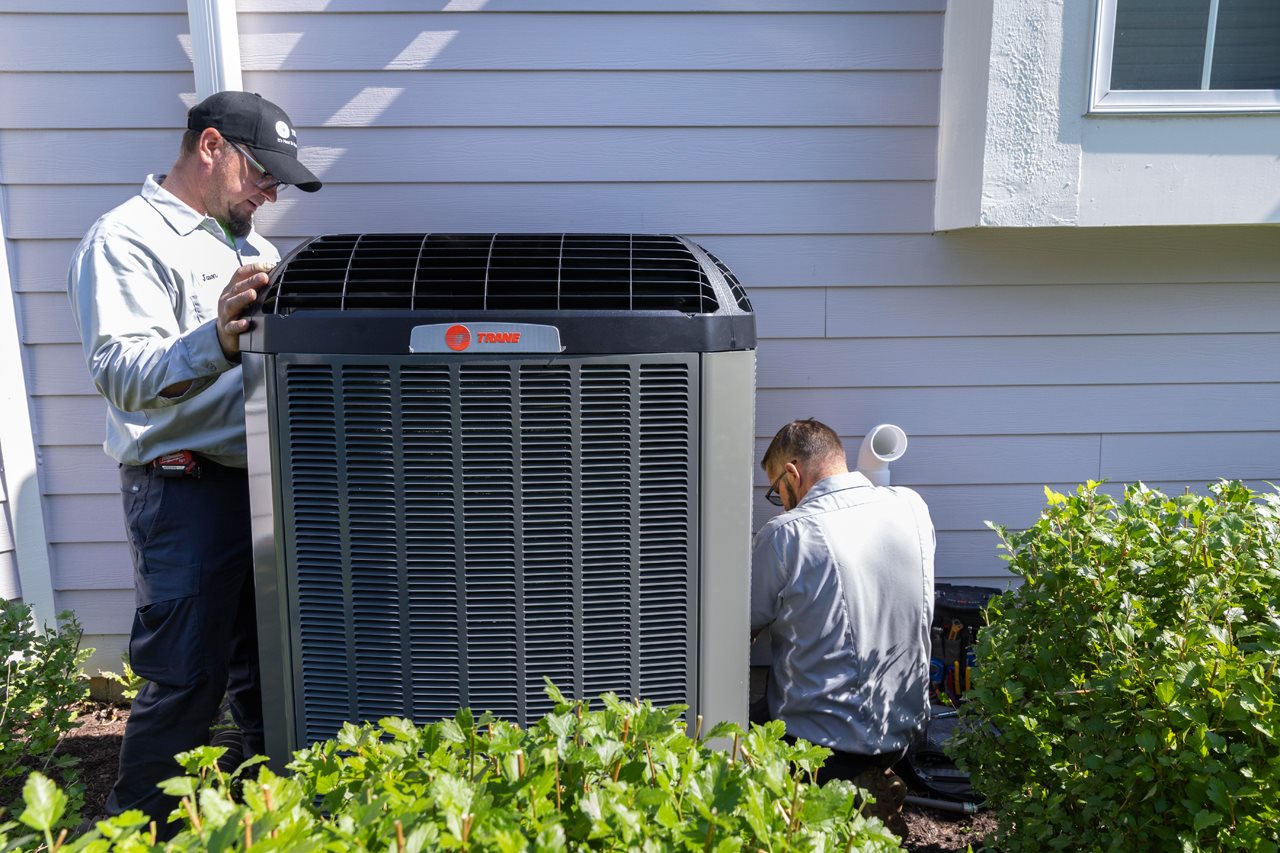
Two people installing a Trane HVAC system on th eoutside of a home.

Humidity imbalance in your home

Depending on the season and where you live, indoor humidity levels can vary a great deal. Maintaining humidity levels between 35%-60% in your home is key to resolving many indoor air quality problems, because mold, dust mites and other air pollutants tend to thrive outside that range. Air that’s too humid can also cause issues such as warping or cracking of wood furnishings and floors, and air that’s too dry can lead to irritated skin or respiratory issues.

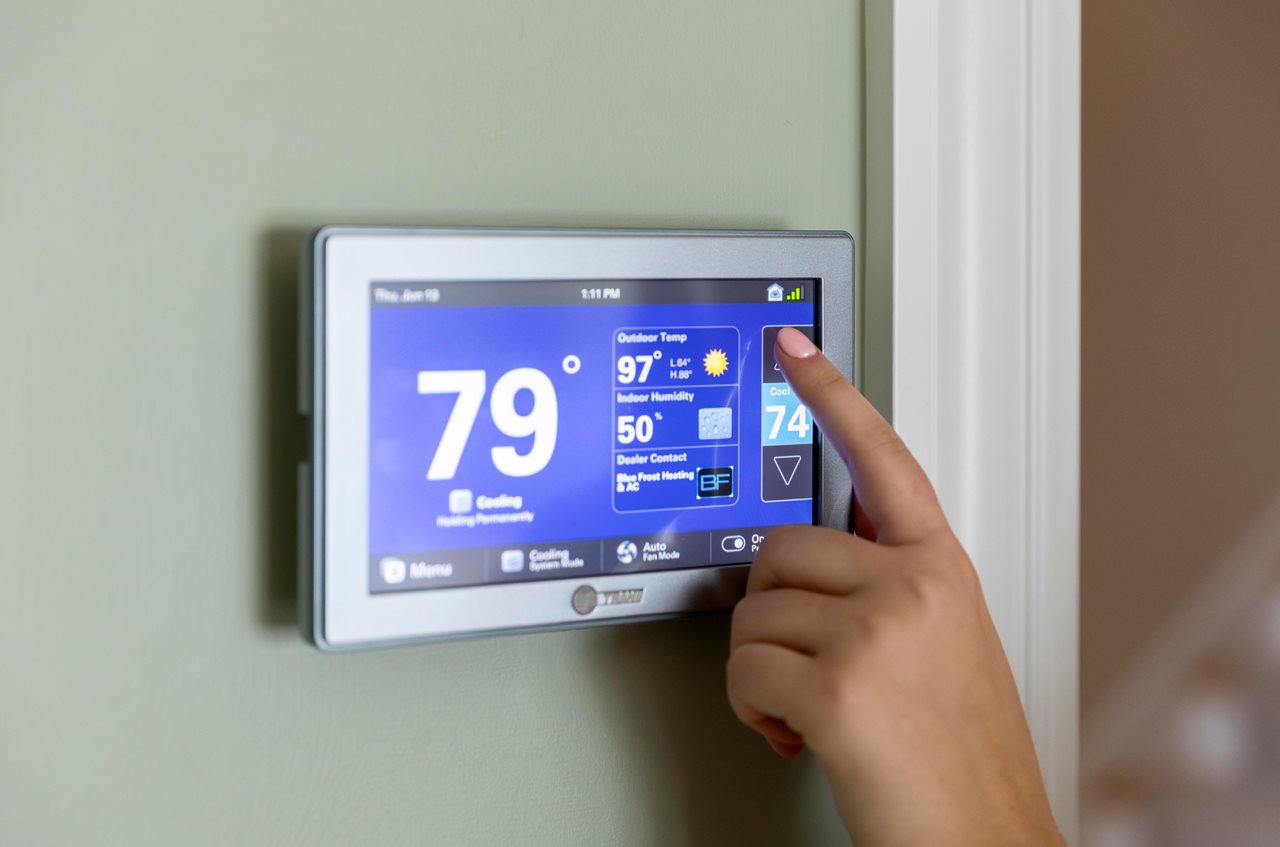
The best way to control humidity in your home is by monitoring levels using a reliable HVAC thermostat, then managing humidity with a whole-home dehumidifier and/or humidifier.

Homeowner adjusting thermastat for a HVAC.

Indoor pollutants

Air pollutant sources inside your home can include pet dander, mold, mildew, tobacco, wood burning fireplaces, gas stoves, cleaning products, household paints and more. Pollutants can also enter from outside (like pollen, smog and smoke). When contaminant levels in your home are high, you may experience eye, nose or throat irritation, headaches, dizziness and fatigue.

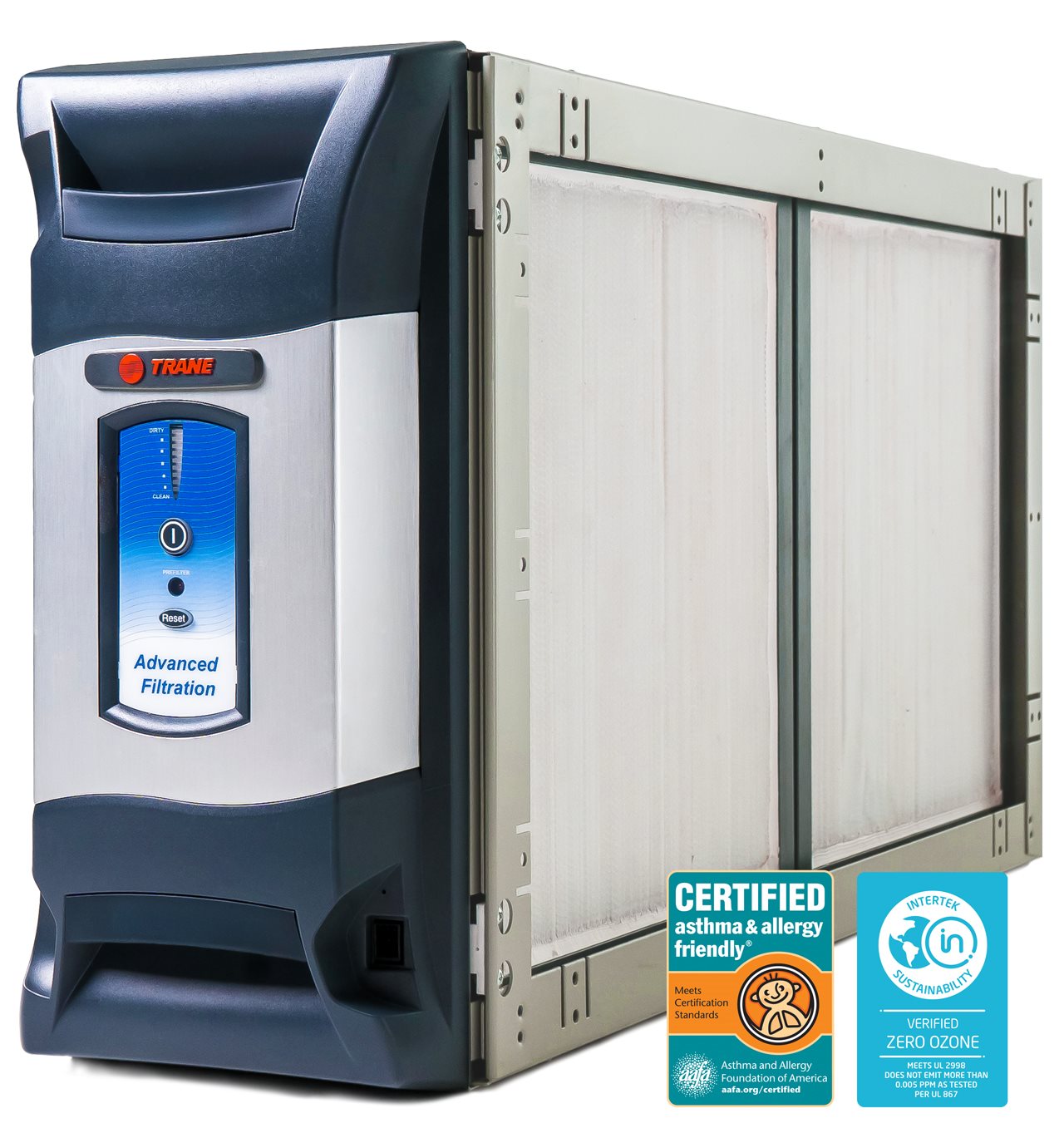
Eliminating some indoor air pollutants may help alleviate your symptoms, like removing carpeting and rugs to reduce dust and pet dander buildup or making sure to ventilate your home well (consider wearing an N95 mask while doing so!) while vacuuming, cleaning or painting. You can also consider a whole home air filter or electronic air cleaner for additional protection from indoor air pollutants. For example, the Trane CleanEffects® Whole Home Air Cleaner helps remove dust, pollen, pet hair and dander, dust mites and mildew, while also reducing airborne pollutants and certain bacteria and viruses. It’s also certified Asthma and Allergy Friendly® by the Asthma and Allergy Foundation of America.

Close up of Trane HVAC filtration system.

Inadequate ventilation

Because it’s difficult to remove all indoor air pollutants, it’s recommended to supply clean, fresh air to your indoor environment while exhausting stale and polluted air back outside — but that’s not as simple as just opening a few windows (especially when the temperatures outside are frigid). Opening windows allows for air exchange but doesn’t block outdoor allergens or asthma triggers, like pollen, from entering your home.

The best way to ensure that fresh air is being adequately supplied into your home is by using a filtered mechanical ventilator to bring fresh air in and expel stale and polluted air back outside. Newer homes, built with energy efficiency in mind, may not “breathe” as well as older homes. With the help of mechanical ventilation products, your indoor air will stay fresh all year long.

Brick duplex in a neighborhood.

Malfunctioning HVAC system

Do you have an older HVAC system that hasn’t been consistently maintained or cleaned over the years? Has it been a while since your HVAC filter was replaced? An HVAC system clogged with contaminants, or that’s not working well, can increase indoor air quality problems.

As the seasons change, schedule maintenance for your HVAC system to ensure it’s functioning at its best, and consider upgrading your unit if your air quality is consistently poor.

If your system is in good condition, make sure to change filters regularly by setting reminders and writing the date on your filter whenever you replace it. High-quality filters like the ones from Trane help filter out common allergens, make your home’s air fresher, and allow your HVAC system to run more efficiently. You can also opt for a reusable filter — but in that case, make sure you set reminders for cleaning it every 1-3 months, according to manufacturer recommendations. Whichever filter type you use, consider cleaning or replacing it more frequently than what’s recommended if someone in your household has allergies or asthma.

HVAC service person working on heating/air system.

To learn more about products to help improve your indoor air quality, visit Trane.com.

How to help high schoolers prep for college-level math

2024-10-16T10:47:00

(BPT) – College-bound students already have some avenues for advancing their studies of crucial subjects, such as pursuing college-level courses while in high school. Students with demonstrated interest in STEM subjects need a solid foundation to reach their full potential. Advanced mathematics is required for these students to be able to understand the natural world, analyze data, perform systematic observation and modeling — all crucial skills for their future studies and careers in fields including the natural sciences, engineering, computer science and more.

To attain an advanced foundation in mathematics, students can pursue vigorous courses while they’re still in high school. Stanford University-Level Online Immersive (ULO-I) offers challenging online mathematics courses to students worldwide.

“ULO-I classes are designed to provide resources for advanced high school students to proceed well beyond what their schools can offer,” said Dr. Rafe Mazzeo, Cassius Lamb Kirk Professor of Mathematics at Stanford University and Faculty Director of Stanford Online High School.

What is Stanford Pre-Collegiate University-Level Online Immersive?

ULO-I courses offer university-level mathematics to high school students anywhere in the world via two different intensive, semester-long courses. The course format is partially synchronous, with students listening to two to three recorded Stanford faculty lectures per week. They will also attend two synchronous online sessions, during which the course instructor will expand on material and facilitate group discussion and work. Students should expect five hours of live online class time and up to four hours of homework per week.

Just as with any advanced coursework, successful participation in this program can help students present themselves as strong candidates to any college, but it does not guarantee admission to or transfer credit at any university.

Multivariable Calculus and Linear Algebra

Launched last year, this course is based on recently developed curriculum for first-year Stanford students that can help prepare students who are already well-prepared in single variable calculus for further studies in engineering, computer science, data science, natural sciences and theoretical mathematics. The Multivariable Calculus and Linear Algebra course was the first offering in the ULO-I program.

“For Multivariable Calculus and Linear Algebra, we use a high-level curriculum that was developed in the Stanford University Mathematics department to prepare Stanford undergraduate students for math, data science, AI, engineering and all other quantitative disciplines,” said Mazzeo. “Linear algebra and the optimization techniques introduced in this course are fundamental for almost every application of math, particularly in data science and AI. This course is also a prerequisite for many Stanford computer science and engineering courses.”

Students who have completed the course will be well prepared to take classes in ordinary differential equations and more advanced linear algebra.

Discrete Mathematics

This course conveys the fundamental theory, structures and techniques of discrete mathematics. Discrete mathematics is an extremely broad and diverse subject, with a variety of connections to other branches of mathematics (including number theory, abstract algebra and others), and applications to fields outside of mathematics (including computer science, optimization, operations research and engineering).

This challenging course provides an ideal environment for students to improve and deepen their abilities to observe patterns, engage in mathematical reasoning, formulate conjectures and construct rigorous mathematical proofs.

Discrete Mathematics will teach students how to prove results and solve problems that may be somewhat different from those they have experienced prior to this course. Students will develop the foundations and mathematical maturity necessary to be broadly successful in higher-level mathematics (and other fields).

Students taking one of these courses will earn five units of Stanford University Continuing Studies credit. Schools, universities and districts have different policies regarding transfer of credits issued by Continuing Studies Programs. Credits for University-Level Online courses are most commonly used to place out of required courses (at the discretion of the receiving program). Prospective students should inquire with their institutions regarding their credit policies.

How to apply

High school students can apply to these courses now through January 6, 2025 for the spring semester, which begins Monday, January 27, 2025 and runs until May 16, 2025. Applicants are required to submit a transcript and other documents, depending on the chosen course. They must also submit a recommendation letter from a math instructor.

To learn more about these courses and to apply, visit ULO-I.Stanford.edu.

24% of Americans say the winner of the 2024 Presidential election helps determine whether ‘I’m rich’

2024-10-16T09:31:00

(BPT) – Beyond the U.S. economy, one in two Americans believe the outcome of the 2024 Presidential election will directly impact their own personal finances, according to new research from Empower, a leader in financial planning, investing, and advice. In fact, a quarter (24%) say that the winner of the election helps determine “whether I’m rich or not” — a belief more firmly held by the Middle Class — reaching 27% for those with an income $50k-$100k, compared to 22% for those making under $50k; and 23% for people with incomes greater than $100k.

Americans can count the ways they’re invested in this year’s election, with 42% saying the amount of money they have will be tangibly more or less depending on who wins. One third (33%) say their “Wallet Power” — or their overall ability to spend, save, and invest — will either shrink (33%) or increase (31%). More than a third (34%) believe the Presidential election is a major predictor of their retirement timeline and financial security, with 30% saying the winner will impact those plans, causing them to work longer, or have a shorter retirement (40% Gen Z, 39% Millennials).

The adage is that ‘all politics is local’ — and when it comes to money, it hits very close to home, with many Americans seeing a direct link between their own prosperity and the highest office in the land,” says Rebecca Rickert, head of communications at Empower. “From their retirement timeline to their account balances, people feel there is a lot riding on the outcome of the election in terms of their own financial happiness.”

Chief among the issues at stake, many Americans (42%) believe the winner of the Presidential election will get inflation and prices under control, making things more affordable (47% men, 38% women) at a time when many Americans say they’re feeling “The Big Shrink.” One third (33%) say the winner of the Presidential election will make it easier to reach their personal financial goals, such as the 33% who say the victor will make it more affordable to buy a home (42% Millennials).

The money moves on the ballot

People say they’ll make concrete money moves based on who wins: 41% will add more money to their emergency savings, save more cash (41% overall, 48% Millennials), and be more frugal with their spending (45%).

More Americans say they are closely following the 2024 Presidential race than the stock market (67% vs. 33%), and half (53%) agree that uncertainty about the outcome of the Presidential election impacts the markets. One in four (23%) will invest more in the stock market based on the outcome of the Presidential election (32% Millennials) or change their asset allocation (34% Millennials). Nearly 1 in 5 (18%) plan to take more drastic measures, and say they will withdraw their money/liquidate their investments (27% Millennials).

More findings:

  • It’s a tie for the economy: People are split on which direction the economy will turn based on the outcome of the election: 30% predict an economic recession, while 32% say it will cause an economic boom. Still, a majority (67%) are worried about the state of the economy depending on who wins the Presidential election.
  • The jobs report: 57% say the job market will be affected by the winner of the Presidential election, though 29% say they are worried about job security regardless of the outcome.
  • Who wants to talk politics…at work?: 33% feel more comfortable asking for a raise at work than talking politics with their coworkers. Still, in general, people would rather talk politics (53%) than about their own personal finances (35%).
  • Bonus round: 31% say the winner of the Presidential election will affect their employer’s/company’s financial performance, and 22% think the winner of the Presidential election will affect their work bonus (33% of Millennials).
  • Clocking in: Nearly 1 in 5 (19%) admit they’ll be less productive at work during the Presidential election (29% Gen Z, 27% Millennials). A third will take time off from work on Election Day to vote (41% Millennials) and will spend a large amount of time watching the Presidential election proceedings at work (34% overall, 42% Millennials).
  • Retirement ready or not: Inflation and rising prices (45%), the state of the economy (37%), and access to a retirement plan (23%) are top factors people say influence their ability to retire on time and securely, which is one reason they remain core issues in the election. Still, voters are mixed about how the 2024 Presidential election will affect their retirement: 26% say they will never be able to retire; 29% overall say they’ll have more money in retirement (35% men, 24% women; 38% Millennials). Thinking about the 2024 election results, many remain optimistic about the future: 31% overall say they’ll likely be more financially secure in retirement.

Visit The Currency™ to read Empower’s full research report, “The Ticket: Money and Politics.”

*ABOUT THE STUDY

Empower’s “The Ticket: Money and Politics” study is based on online survey responses from 2,200 Americans ages 18+ fielded by Morning Consult between July 22-24, 2024. The survey is weighted to be nationally representative of U.S. adults (aged 18+).

RO3861493-0924

Confused about nutrition? Here are 6 expert tips to help you eat healthier

2024-10-16T08:01:00

(BPT) – Nutrition can be confusing. Every day seems to bring a new headline declaring what’s healthy and what’s not, whether it’s the Mediterranean Diet, low fat, low carb, DASH, vegan or high protein. With all this diet-of-the-minute hype, it’s hard to know what we should be eating. On World Food Day, let’s cut through the noise, go back to basics and focus on nutrients.

Nutrient density is the right place to start when trying to understand good nutrition and achieve a healthy, balanced diet. This concept refers to how much nutrition you get from food compared to its calories, with the goal being to maximize health benefits. Think leafy greens, broccoli, berries, nuts, seeds and quality protein shakes for nutrient-dense choices. A doughnut? Not so much.

“It’s important to remember that fresh, natural foods play a key role in our diet, but they aren’t always accessible to everyone,” says Luigi Gratton, Vice President of the Office of Health and Wellness at Herbalife. “By taking a holistic approach to healthy eating, we can complement fresh meals with food supplements and other nutrient-dense options to help achieve a balanced intake of macro- and micro-nutrients.”

Here are six tips to get more nutrient bang for your calorie buck.

Think color

Try this easy nutrition hack: Load your plate with a variety of colorful vegetables and fruits. Why? A diverse range of colors ensures you’re getting a wide array of vitamins, minerals and antioxidants.

Go for whole grains and lean proteins

Choose whole grains like brown rice and whole-grain bread. They’re packed with fiber and nutrients. For protein, opt for lean sources like chicken, fish, beans and tofu — great for your body without too much saturated fat.

Drink smart

Staying hydrated is key to feeling your best — physically and mentally! Water helps your body make the most of the nutrients in your food and flushes out what it doesn’t need. Just be careful: many drinks are loaded with hidden sugars and empty calories. Aim for about eight cups of water a day, but feel free to adjust based on your activity level and personal needs. And remember, unsweetened drinks like tea or infused water count toward your hydration too!

Always check the label

Make it a habit to read food labels — they’re key to understanding nutrition! Just because something looks healthy, like yogurt, doesn’t mean it is. Check for added sugars and watch the sodium levels in diet meals. Aim for lower fat and salt, and higher protein, fiber, vitamins, and minerals. This will help you make smarter choices about what you eat!

Processed doesn’t mean unhealthy

Processed doesn’t mean unhealthy. The term ‘processed food’ often gets a bad rap, but not all processed foods are bad for you. In fact, many staples like pasta, bread and yogurt are processed in some way. While some processed and ultra-processed foods can be high in saturated fat, sugar and salt, many are actually nutritious. For example, Herbalife’s meal replacement shakes are processed to meet regulatory standards and deliver essential nutrients. The key is to choose your processed foods wisely — look for options that provide health benefits and fit into your balanced diet!

A quality meal replacement shake can help fill gaps in your diet

We’d all love to get all our nutrients from fresh, healthy food every day, but let’s be honest — life gets busy! Whether you’re rushing the kids to soccer practice or staying late at work, it can be tough to get all the nutrients you need. That’s where a quality meal replacement shake comes in. These handy shakes can help you stay on track with your nutrition, making it easier to maintain a balanced diet even when you’re short on time.

So, take a holistic approach. Combining healthy, fresh food with nutrient-dense meal supplements will ensure you get the nutrients that will help you power through the day. To learn more about how to maintain a healthy and active lifestyle, visit Herbalife.com.

5 tips for healthy hearing. Hint: Pickleball can help

2024-10-16T05:01:00

(BPT) – Pickleball is the fastest-growing sport in the country, with many seniors roaring onto pickleball courts nationwide. But whether it’s a friendly game or an intramural matchup, all senses must be engaged for the best play — especially our hearing.

Think about the last time you had your hearing tested. Was it recently? If it wasn’t and you find yourself turning up the television or straining to hear conversations in crowded rooms, it’s time to have an audiologist or hearing instrument specialist check your hearing.

According to the National Council on Aging (NCOA), hearing loss affects more than 60 million Americans ages 12 and older. By the time people reach age 65, more than 30% experience hearing loss, and that percentage only goes up as people age. The NCOA also reports nearly 30 million Americans could significantly benefit from wearing a hearing aid.

HearingLife + USA Pickleball

That’s why HearingLife, a global leader in hearing care, has become USA Pickleball’s official hearing care partner to raise awareness about the importance of hearing health and the dangers of hearing loss. HearingLife knows that participating in an active lifestyle — like a pickleball match — encourages an all-around healthy routine, including hearing care.

At select USA Pickleball events throughout the year, HearingLife is offering complimentary hearing assessments to attendees and players.

“Hearing loss can prevent people from doing activities they love, like pickleball,” said Dr. Leslie Soiles, HearingLife’s chief audiologist. “And it’s ironic because these types of activities and exercises can actually help slow hearing loss. That’s why getting your hearing checked is so important. It’s a gateway to a more active, fulfilling life.”

In addition to offering on-site services such as free screenings, HearingLife’s presence will include educational resources on how hearing loss can impact not only athletic performance, but also overall quality of life. Visitors can also learn about the latest advancements in hearing aid technology, including devices that are designed to enhance clarity in noisy environments — perfect for sporting activities like pickleball.

The risk of untreated hearing loss

Many people brush off hearing loss and don’t think about hearing as essential to health and longevity. Untreated hearing loss can lead to social isolation, loneliness, social withdrawal and even problems at work if you miss instructions or don’t understand coworkers. Worse, it can cause cognitive decline, memory problems and even increased risk of falls.

Caring for your hearing

You care for your teeth by brushing twice each day and for your body by eating right and exercising. What about your ears? Here are some ways to care for your hearing, from the pros at HearingLife.

1. Mind your exposure to loud noises. Loved those packed concerts in your youth? We did, too. For the reunion tour, it’s wise to wear earplugs. That also goes for exposure to construction sites or loud machinery.

2. Monitor how long you wear headphones or earbuds. Turn down the volume of your favorite podcast or playlist, and don’t wear the ear devices for an extended period of time.

3. Get regular checkups. Visit your hearing care professional on a regular basis, especially if you notice worsening hearing loss or other symptoms such as ringing in your ears.

4. Manage chronic conditions. High blood pressure, diabetes and smoking can contribute to hearing loss. Managing those conditions and quitting smoking helps keep your ears healthy.

5. Keep active. The improved blood flow you get from exercise is great for your ears. Walking, cycling, canoeing, working out at the gym, all contribute to good hearing health. Why not take up pickleball?

HearingLife is making it easy to get started. The company is sponsoring a giveaway to the USA Pickleball National Championships! One lucky winner and a plus-one can enter for a chance to win a three-night trip to Mesa, AZ, for the USA Pickleball tournament taking place Nov. 9-17. It’s free and easy to enter: just visit https://www.hearinglife.com/pickleball-sweepstakes and submit your email. The winner will be notified on Oct. 23.

Preparing for eating, traveling and socializing during the holidays

2024-10-14T08:01:00

(BPT) – The holiday season is a joyful but sometimes challenging time, especially for people living with diabetes who may be watching their sugar intake. Between treat-filled parties and meals and travel that could get in the way of healthy eating, it can be tough to manage glucose levels during this time of year.

To help you make the most of the holiday festivities, here are tips to help you feel your best and enjoy your time without compromising your health.

Smart food strategies

When hosting, you have control over the menu, so you can select foods that help you feel your best. For example, the Centers for Disease Control and Prevention advises people living with diabetes to choose whole foods over highly processed foods, plus non-starchy veggies like spinach, broccoli and green beans. They also recommend limiting added sugars and refined grains (pasta, white bread and rice). Combining certain foods can help maintain glucose levels as well.

“Combining carbs in meals with protein, fat or fiber can help keep your glucose steady,” said Sara Thomas, a registered dietitian and research scientist with a Ph.D. in nutrition science and expertise in diabetes and obesity. “For example, you can serve whole grains, like brown rice, alongside lean protein, a salad and/or roasted veggies to help balance your glucose.”

When you’re not the host, it can be stressful being unsure what food and drinks will be served. If you’re attending a party, offer to bring a dish that works well with your glucose management, like:

Find more meal ideas to help keep you on track on the American Diabetes Association website.

Snacks, the key to instant happiness — and balanced glucose!

Just like not showing up empty-handed to a holiday party or family gathering, you shouldn’t show up hungry, either. Having a snack prior to the get-together can help with minimizing glucose highs or lows.

“You might think waiting until a party to eat means you’re saving up calories, but if you show up hungry you might overeat and make not-as-healthy choices,” added Thomas. “Have a healthy snack first that pairs carbs with fats or proteins, like an apple with peanut butter.”

Additionally, if you choose to drink alcohol, remember alcohol affects people in different ways. It’s best not to drink on an empty stomach, and it’s recommended to stick to one serving of alcohol for women and two servings for men. It’s also a good idea to drink water before and after drinking alcohol.

When you’re living with diabetes, utilizing a continuous glucose monitor like Abbott’s FreeStyle Libre 3 Plus sensor can show you your glucose numbers in real-time and help you easily see glucose patterns, empowering you to make more informed decisions*,1 around what to eat and drink during the holidays, without the need for fingersticks^.

Navigating social interactions

If you’re living with diabetes or shared with your family and friends that you’re monitoring your glucose, they may comment on what you’re eating or drinking when you’re at a gathering. While most likely well-intentioned, these comments can add additional stress beyond just watching what you’re eating, which can also negatively impact your glucose levels.

One way to manage this is to respond with something like, “I appreciate your questions and concerns. This is what works best for me.” If you feel comfortable, you could show them insights from your continuous glucose monitor and explain how it has helped with improving your glucose control.

Explore more, worry less: Savvy traveling tips

In addition to thinking through what you’re eating and drinking during the holidays, travel can add even more stress that can impact your glucose levels. Like preparing for holiday gatherings, you can prepare for travel, too. For example, you can pre-package balanced snacks to pack alongside your medicines and diabetes supplies if you’re living with diabetes. Here are additional ideas to reduce holiday travel stress:

  • Pack snacks like nuts, dried fruits, cheese and high-protein/high-fiber bars.
  • Allow extra time to get through security to reduce stress.
  • Choose flights with at least one-hour layovers (for connected flights) to prevent rush and worry.
  • Pack diabetes medications and extra supplies in carry-on bags, not checked luggage (which could be lost or delayed).

You’ll enjoy the holidays a lot more if you plan ahead, so you can better cope with potential stressors that impact your mental and physical health. A little preparation makes festive meals, socializing and travel less likely to disrupt your glucose levels.

For more tips to help you live with diabetes and to see if you qualify for a free sensor, visit MyFreeStyle.com.

* Study was performed with the outside US version of the FreeStyle Libre 14 day system. Data is applicable to the FreeStyle Libre 2 system and FreeStyle Libre 3 system, as feature sets are similar as FreeStyle Libre 14 day system, excluding alarms.

^ Fingersticks are required if your glucose alarms and readings do not match symptoms or when you see Check Blood Glucose symbol during the first twelve hours.

1. Fokkert, Marion, et al. “Improved Well-Being and Decreased Disease Burden After 1-Year Use of Flash Glucose Monitoring (FLARE-NL4).” BMJ Open Diabetes Research & Care 7, no. 1 (2019): e000809. https://doi.org/10.1136/bmjdrc-2019-000809.

The FreeStyle Libre 3 app is only compatible with certain mobile devices and operating systems. Please check our compatibility guide for more information about device compatibility before using the app.

Important Safety Information:
FreeStyle Libre 3 Plus is prescription only, for important safety information, please visit https://www.freestyle.abbott/us-en/safety-information.html.

The holiday season is a joyful but sometimes challenging time, especially for people living with diabetes who may be watching their sugar intake. Between treat-filled parties and meals and travel that could get in the way of healthy eating, it can be tough to manage glucose levels during this time of year.

Fall in Love With Myrtle Beach This Autumn

2024-10-15T16:15:00

(BPT) – Fall is here, and it’s the perfect season to experience a warm coastal autumn in Myrtle Beach, South Carolina. All along the Grand Strand, you’ll find seasonal celebrations, outdoor activities and incredible events for the whole family to enjoy.

While the area is renowned for its summer activities, the off season means fewer crowds, blue skies and sunshine well into late fall — all at a great value.

Here are some of the many incredible adventures you can have this fall at The Beach.

Outdoor recreation

As the weather cools down, South Carolina offers plenty of outdoor activities to enjoy. Take a trip to Myrtle Beach State Park, which stretches across the Grand Strand coastline. In this oceanfront maritime forest, you can watch the sunrise over the ocean, kayak on open waters and even learn how to crab fish! For birdwatchers, the South Carolina state parks along the Grand Strand are a hotbed for a variety of flocks. No matter what type of outdoor adventurer you are, you can find an unforgettable nature experience.

Food and drink

One of the best parts of a trip is tasting the local cuisine. With over 2,000 restaurants, Myrtle Beach offers everything from fresh-caught seafood to fusion fare and traditional dishes.

Head to the Myrtle Beach Convention Center for Taste of the Town on Oct. 22, featuring many of the Grand Strand’s Finest Restaurants, culinary awards, live entertainment, and silent auction. Then get ready to be served the freshest seafood around at I Love Seafood Fest on Oct. 26, where you can sample lobster, crab, crawfish, shrimp, and much more. Live entertainment and cooking demos are also planned for this fun fest at Burroughs and Chapin Pavilion Place.

Beer enthusiasts can explore The Beach’s best breweries with the Myrtle Beach Beer Trail. The digital passport allows participants to “check-in” at the area’s 10 best beer destinations, explore The Grand Strand and earn fun prizes along the way.

Festivals and events

October is the best time to explore Myrtle Beach’s festivals and local events!

The city of Conway embraces its official “City of Halloween” title with various activities throughout October, including a Halloween Golf Cart Parade, a home-decorating contest and more, ensuring there’s something for everyone to enjoy the fall spirit.

The Murrells Inlet MarshWalk Halloween celebration is one you won’t want to miss. Taking place on Oct. 31, the Marsh Walk will host costume contests for kids and adults and trick-or-treating beginning at 5 p.m. Enjoy food and drinks at all eight MarshWalk restaurants throughout the evening!

Live entertainment

Myrtle Beach is the place to be for live entertainment this fall. Every Thursday through Oct. 24, visit Nance Plaza in downtown Myrtle Beach for Nights at Nance Fall Concert Series. These al fresco events feature live music from popular area artists as well as local food and beverage vendors.

For shows, concerts, comedy and acrobatics, get your tickets for a night at the Alabama Theatre. The Beach’s premier entertainment venue hosts exciting productions that are sure to be the highlight of your family fall getaway.

If you’re strapped for time, don’t miss the award-winning two-hour show at the Carolina Opry, which blends high-energy music, comedy and dance. The venue itself is something to behold, so at every show, you can enjoy state-of-the-art lighting, sound and special effects in a luxurious theater.

Get ready for fall at The Beach

Fall in Myrtle Beach means great deals on hotels, with packages offering up to 25% off or free nights, making an unforgettable vacation more affordable than ever.

Don’t miss out on Myrtle Beach’s temperate autumn climate, outdoor adventures, culinary experiences, festivals and entertainment. Start planning your fabulous fall trip to The Beach at VisitMyrtleBeach.com.

6 Questions You May Have if Your Dog Is Peeing Indoors

2024-10-15T08:01:00

(BPT) – When you find a puddle of pee on your dog’s favorite snooze spot, it’s easy to jump to worry. You might even be asking yourself if she did it to be spiteful. While it’s not uncommon for dogs to urinate inside because of a behavioral problem, it is unlikely she’s misbehaving.1,2 In fact, she could have a medical condition called canine urinary incontinence (UI) due to urethral sphincter hypotonus. Here are some questions you might have, answers to help you narrow down why your dog is having indoor accidents, and what steps you can take next.

1. “What makes this type of incontinence different from other urinary conditions?”

Yellow lab tilting he's head to the side while sitting on the gray couch in the living room.

When a female dog has weak urethral sphincter muscles, this can lead to a lack of bladder control that causes her to involuntarily leak urine. If your dog is suffering from this type of canine UI, finding pee puddles inside would feel out-of-the-blue.

2. “Are some dogs more likely to leak?”

Two adorable labs sitting on the floor in the living room.

Any dog can experience urinary incontinence, but it’s most common in spayed middle-aged female dogs. In fact, up to 20% of spayed female dogs may develop urinary incontinence.3 Midsized and large breeds are also predisposed to it; the most commonly affected are Old English sheepdogs, Doberman pinschers, boxers, German shepherds and Weimeraners.4

3. “How can I be sure this isn’t just my dog acting out?”

Smiling labrador laying on the hardwood floor in the livingroom.

While dogs with behavioral issues may pee when greeting a new person or becoming overexcited, a dog experiencing incontinence is usually well-behaved and housetrained. Often dogs suffering from this type of incontinence don’t even realize they voided their urine and are just as confused as you are.

4. “Are there any signs I should look out for?”

Cute lab catching some z's while napping on his bed in the sun.

Dogs with incontinence drip or leak urine when they sleep, so finding wet spots in their favorite places to relax is a telltale sign. Also, because of the way the urine leaks, you might notice red, irritated skin around the genitals and excessive licking of that area.

5. “This sounds like something I’m dealing with. What should I do?”

Older yellow labrador getting an exam by a vet.

The best rule of thumb is if something seems off with your dog, call and schedule an appointment with your veterinarian right away. They will be able to start the process of accurately diagnosing your dog and help you figure out the next steps.

6. “I don’t want my dog to suffer from this. Can incontinence be treated?”

Adorable older yellow labrador getting pet by his family.

Don’t worry. Your dog’s condition is treatable. If your dog is diagnosed with urinary incontinence due to urethral sphincter hypotonus, your veterinarian may prescribe PROIN ER™ (phenylpropanolamine hydrochloride extended-release tablets). This flavored, once-a-day tablet can help your dog have better weeks without the leaks. For more information, visit proin-er.com.

No matter the reason, your dog unexpectedly peeing inside is cause for concern. If you’re noticing this unusual behavior, consult your veterinarian and ask if PROIN ER™ is right for your dog.

1 Holt PE. Urinary incontinence in the [female dog] due to sphincter mechanism incompetence: prevalence in referred dogs and retrospective analysis of sixty cases. Journal of Small Animal Practice 1985;26:181–190.

2 Holt PE, Thrusfield MV. Association in [female dogs] between breed, size, neutering and docking, and acquired urinary incontinence due to incompetence of the urethral sphincter mechanism. Vet Rec 1993;133:177–180.

3 Von Goethem B. Schaefers-Okkens A, Kirpensteijn J. Making a rational choice between ovariectomy and ovariohysterectomy in the dog: a discussion of the benefits of either technique. Vet Surg 2006; 35:136-143.

4 Thrusfield MV, Holt PE, Muirhead RH. Acquired urinary incontinence in [female dogs]: its incidence and relationship to neutering practices. J Small Anim Pract. 1998;39:559-566.

IMPORTANT SAFETY INFORMATION: For oral use in dogs only. Not for human use. Keep out of reach of children. If accidentally ingested by humans, contact a physician immediately.

The most commonly reported side effects were vomiting, loss of appetite, diarrhea, excessive salivation, agitation, tiredness, vocalization, confusion, increased water consumption, weight loss, weakness, fever, panting, and reversible changes in skin color (flushing or bright pink). Abnormal gait, seizures or tremors, as well as liver enzyme elevations, kidney failure, blood in urine and urine retention have been reported. In some cases death, including euthanasia has been reported. Sudden death was sometimes preceded by vocalization or collapse.

Instances of dogs chewing through closed vials of PROIN and eating the vial contents have been reported, in some cases resulting in overdose. Keep the product in a secured storage area out of the reach of pets in order to prevent accidental ingestion or overdose, as dogs may willingly consume more than the recommended dosage of PROIN Chewable Tablets or PROIN ER™ tablets. Contact your veterinarian immediately if the dog ingests more tablets than prescribed or if other pets ingest PROIN Chewable Tablets or PROIN ER™ tablets.

PROIN and PROIN ER™ may cause elevated blood pressure and should be used with caution in dogs with pre-existing heart disease, high blood pressure, liver disease, kidney insufficiency, diabetes, glaucoma, and other conditions associated with high blood pressure. Dogs may transition from PROIN Chewable Tablets to PROIN ER™ without a break in administration. However, do not alternate PROIN ER™ with PROIN Chewable Tablets because the effectiveness and safety of interchangeable use have not been evaluated.

The safe use of PROIN and PROIN ER™ in dogs used for breeding purposes, during pregnancy or in lactating female dogs, has not been evaluated. Contact your veterinarian if you notice restlessness or irritability, loss of appetite, the incontinence persists or worsens, or any other unusual signs. See prescribing information for complete details regarding adverse events, warning and precautions or visit prnpharmacal.com.