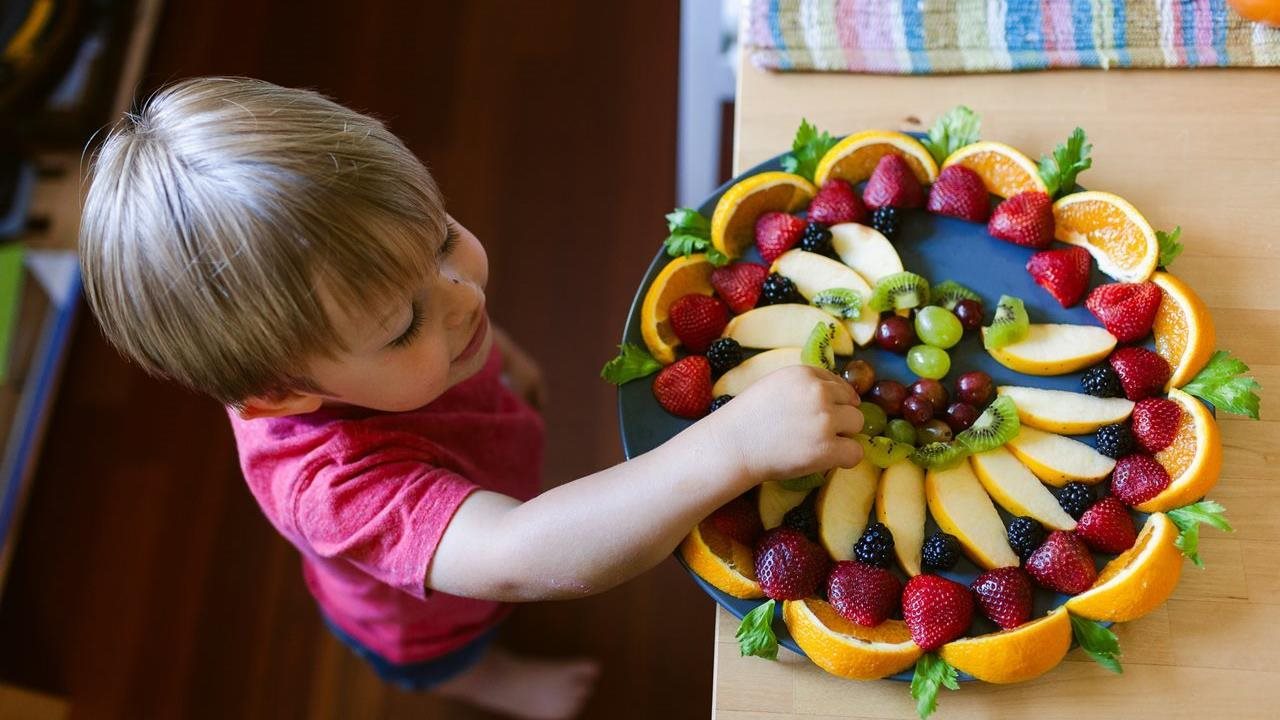
Athletes of all ages benefit from playing sports on natural turfgrass fields

2024-09-04T08:01:00

(BPT) – Natural green spaces provide a vital space for recreation, relaxation and social interaction, according to the National Association of Landscape Professionals. In urban cities especially, they serve as a critical outlet for kids to get outside and play. Organized youth sports programs ensure that kids are taking advantage of the physiological and psychological benefits provided by natural green spaces.

But, many children from lower-income areas don’t always have easy access to green spaces or the extra household funds to join a sports team or organized outdoor activity.

That’s why Scotts has kicked off a multi-year partnership with Every Kid Sports, a national nonprofit organization, to financially support income-restricted families by funding youth sports registration fees through The Every Kid Sports Pass, with the goal to provide expanded access to natural green spaces. Scotts has already funded registration fees for more than 400 youths this year alone.

“Here at Scotts we understand the immense power of natural green spaces and the role they play in helping kids and their families to play, thrive, learn and grow,” said John Sass, Vice President, Chief Creative Officer of ScottsMiracle-Gro. “This has been a passion of ours for the past decade and something that we think about within our own families, so we’re proud to be partnering with Every Kid Sports to help more kids enjoy youth sports and reap all of the benefits of natural green spaces at the same time.”

To further this mission, Scotts is leveraging scientific research and qualified experts to educate and inform the public about the variety of benefits that natural green spaces, especially natural turfgrass sports fields, offer to kids, families, communities and professional athletes alike.

Is natural turfgrass safer than artificial turf?

There’s ongoing debate over natural turfgrass versus artificial turf, specifically for playgrounds and sports fields. As a leader in lawn care, Scotts is an advocate for healthy and safe green spaces as they offer numerous physical, mental and environmental benefits.

A study from the Journal of Environmental Quality states that natural green spaces can improve mental health, increase productivity and lead to an overall better quality of life, especially in densely populated urban areas. Furthermore, environmental benefits of natural turfgrass include the removal of carbon dioxide, dirt and dust from the atmosphere as well as natural heat dissipation, according to the Department of Local Government, Sports and Cultural Industries.

Despite these benefits, the National Recreation and Park Association states that there are approximately 13,000 synthetic turf sports fields in the U.S. alone with around 1,500 new installations each year. For many, the argument is that artificial turf is easier to upkeep and longer-lasting, but the use of artificial turf presents many risks.

Artificial turf can contain harmful chemical substances perfluoroalkyl and polyfluoroalkyl, known as PFAS, and spread microplastic pollution. Brigham Young University research explains crumb rubber infill amongst synthetic “grass” blades is a microplastic that migrates beyond sports fields, polluting surrounding environments. Artificial turf has also been shown to exacerbate heat problems and many athletes can attest to feeling the intense heat in their cleats when playing on artificial turf.

Artificial turf is also not as physically safe for athletes, no matter their age or skill level. According to the American Journal of Sports Medicine, artificial turf fields can significantly increase the likelihood of non-contact injuries. Play tends to be faster on artificial turf, leading to harder falls due to its less absorbent nature. The NFL Players Association agrees on its preference for natural grass fields, urging the league to swap all fields to grass.

As the debate around natural turfgrass versus artificial turf continues, evidence supporting the benefits of natural turfgrass grows clearer. These spaces are not just areas for play; they are vital components of our communities that offer safe environments for children and adults alike.

Through its partnership with Every Kid Sports, Scotts is making a concerted effort to ensure that more children, especially those from underserved communities, have access to the benefits of natural green spaces. The commitment to green spaces is not just about maintaining lawns — it’s about cultivating healthier, happier and more resilient communities.

New study: 52% of Americans say ‘cash is king’

2024-09-04T08:31:00

(BPT) – As digital wallets and contactless payments become more popular, 52% of Americans say cash is king, and nearly a third carry it every day (27%), according to new Empower research.

Key takeaways

  • 49% of Americans feel safer holding cash versus other investments.
  • 42% of people say market uncertainty and the threat of a recession is the top reason for holding money in cash.
  • Gen Z is the generation most likely to use cryptocurrency instead of cash (34%).
  • 2 in 5 Americans say they never pay with a check.
  • 41% of Gen Zers use digital payment platforms more often than cash, compared to 27% overall.
  • Nearly a third of Americans (29%) are cashing in on using rewards program points every month as a form of payment.

Cash in the balance

According to more than half of Americans (52%), “cash is king” — a significant increase from the 17% who reported the same last year. Another 27% carry cash with them every day. This trend is particularly strong among older generations, with Baby Boomers (42%) and Gen Xers (31%) more likely than Millennials (23%) and Gen Zers (24%) to carry cash daily. Nearly a third of Americans (32%) generally keep at least $100 in cash on hand.

Half of Americans (49%) also feel safer holding cash versus other investments. Gen Xers (57%) are the most likely to feel this way, compared with 41% of Gen Zers. Market uncertainty and the threat of a recession are the top reasons people stash money in cash, as noted by 44% of Gen Xers, 42% of Millennials, and 39% of both Gen Zers and Baby Boomers.

About a third of Americans (31%) say cash will reign supreme indefinitely vs. other forms of payment, though not everyone has the same idea of what “cash” means. People define it in the following ways:

  • Bills and coins (98%)
  • Traditional savings accounts (24%)
  • High-yield cash accounts (18%)
  • Checks (13%)
  • Money market accounts (13%)

Cashing in

In addition to market volatility or fear of a recession, nearly a third cited regional bank failures as a key motivator for keeping more cash on hand, while over a quarter noted cybersecurity concerns (26%).

According to Empower Personal Dashboard™ data as of July 2024, here are the average cash allocations for financial portfolios by decade:

Age

Cash Allocation

Median Cash Balance

20s

30.3%

$43,504

30s

26.9%

$62,357

40s

25.3%

$82,853

50s

25.4%

$104,207

60s

28.6%

$117,084

70s

35.3%

$128,353

The median cash balance for users of the Empower Personal Dashboard™ as of July 2024 is $71,255, making up more than 27% of users’ overall portfolio allocation. That’s an increase of 15% in cash holdings over the same time period last year ($65,563 in 2023). While 48% of respondents prefer to invest in the stock market, 29% say they prefer to keep all their money in cash.

New money moves

Most generations are exploring other payment, savings and investment vehicles. Gen Z, in particular, stands out in its adoption of cryptocurrencies, with 34% using them (the highest among all age groups).

While traditional payment methods like debit and credit cards are the most common, digital payment platforms are gaining traction. Overall, 1 in 4 Americans (26%) say they are using digital payments weekly. The method is particularly popular among younger users: 41% of Gen Zers use digital payment platforms more often than cash, compared to 27% overall.

Nearly a third of Americans (29%) are cashing in on using rewards program points every month and a quarter swipe their credit card daily to pay for something (24%).

High-yield savings accounts, stocks, and bonds are top savings vehicles across all age groups. When selecting a savings account, Americans prioritize the following features:

  • Low or no fees (72%)
  • Interest rate (62%)
  • Ease of online and mobile access (56%)
  • Account security (52%)

Visit The Currency™ to read Empower’s full research report, “Counting on cash.

Methodology: Empower commissioned a survey of 1,009 American adults on July 3, 2024.

RO3758173-0824

How to create the perfect backyard oasis

2024-09-04T01:01:00

(BPT) – There are no two ways about it, this summer has been a hot one for the entire country. Everyone is experiencing record high temperatures. But that doesn’t mean you need to retreat inside and spend the summer cooped up to beat the heat. You can still enjoy the outdoors by making a few changes to your backyard space so you can enjoy it no matter the temperature.

Here are some tips for creating your perfect backyard oasis, from the experts at Belgard.

Cool off with shading. Is your back patio in the direct sun and your table umbrella not quite cutting it? It’s time for a pergola. These beautiful, decorative features come in many styles, from simple wooden frames to more elaborate metal elements. Pergolas don’t typically have roofs so how do they block the sun? The secret is installing linen or muslin curtains. They block the sun and add a breezy, Mediterranean flair.

Privacy pergola provides shade for outdoor living room on patio in backyard.

Create functional outdoor living spaces. Think of your backyard as an outdoor room. Now, imagine how and when you will use it. Designate specific areas for dining, lounging and entertaining. Think about where the sun hits your backyard at certain times of the day. Shady in one part of the yard around dinner time? That’s where to put your grill and patio table. Sunny spot in the afternoons? Arrange your furniture there under your pergola. Get creative and be thoughtful of your space to increase its functionality. Take inspiration from Belgard Rooms to explore pre-designed outdoor spaces or get an expert’s opinion.

Outdoor livingroom diningroom with pergola and fire feature

Install an outdoor kitchen. Do you have a grillmaster in your life who loves making meals outdoors? Go beyond the grill and create a complete outdoor kitchen. Belgard’s Elements line of outdoor essentials has everything you need for a truly functional, convenient outdoor cooking space — no more running inside for items you forgot to haul from your indoor kitchen. The line features grills, side burners, ovens, storage, a compact fridge (yes, you can!), bars and sinks, and every grilling accessory you need to whip up your culinary masterpieces al fresco.

Lush backyard with outdoor kitchen and shaded seating area.

Enhance with water features. Nothing says “oasis” like flowing, bubbling water. It adds an element of peace and tranquility to your outdoor experience. Incorporate a water feature like a fountain, pond or waterfall to soothe, cool and calm. Imagine sitting in a comfy outdoor armchair next to a bubbling fountain with a good book on a lazy summer afternoon. You can just feel the stress of the day melt away.

Beautiful water feature with river rock in backyard

Incorporate greenery and landscaping. Trees, shrubs, flowers and plants add a lush sense of beauty to your backyard oasis, but they also provide natural cooling. A beautiful way to do this is by using a retaining wall like Belgard’s Melville Wall, which is designed to incorporate shrubs and plants. Or try Artforms, a modular panel system that can quickly and efficiently construct raised beds to include native plants and shrubs.

Lush shrubs and other plantings in a Belgard raise garden.

Think about biophilic design. What’s that? Biophilic design is the notion that humans have an inherent need to connect with nature, so permanent design elements like walls and patios should weave in elements of nature. It’s good for your mental and physical health.

By creating a perfect outdoor living space, you can enjoy your backyard all year round.

5 easy ways to create family moments of joy this fall

2024-09-04T08:15:00

(BPT) – There’s something special about fall: The refreshing coolness in the air, changing colors and cozy nights with your family all create wonderful opportunities to share moments of carefree joy together. Whether it’s a beautiful day to get outside or a chilly day you’d rather spend indoors, you can find plenty of ways to enjoy the season with your family.

Here are some tips to get you started on your fall adventures and experiences this year.

1. Warm up the evening

Now’s the perfect time to get your fireplace ready for those chilly nights ahead so you can all sit around the fire enjoying hot cocoa or catching up on the day. A homey fire adds warmth and a special touch to family evenings, turning ordinary nights into memorable moments.

Enhance the warmth of these cozy nights by the fire with delicious treats the whole family will enjoy. Try warming up a few soft and fluffy Hostess® Meltamors cakes that feature a melting center of chocolate or caramel that flows like ‘lava’ after just a few seconds in the microwave. Inspired by warm restaurant desserts, these snacks help create unforgettable special moments with your family.

2. Embrace family game night

Shorter days with more time spent indoors offer the perfect opportunity to start a game night tradition or restore a previous tradition that may have fallen by the wayside over the summer. You can include board games, card games or jigsaw puzzles in the mix. Rotate which family member chooses the activity each week, so everyone gets a say in what you play, and choose a night that doesn’t conflict with kids’ sports or other activities.

3. Find kid-friendly fall experiences near you

Wherever you live, explore local family-friendly events and venues like apple orchards where you can pick your own apples, select fall pumpkins at a pumpkin patch, navigate a corn maze or go on a hayride. The season goes by in a flash, so make sure to put at least one of these fun activities on your calendar right away for a memorable experience together.

Bring along some individually wrapped Hostess Meltamors chocolate cakes to make your autumn adventure even more special. Visit HostessCakes.com/where-to-buy to find out where to buy Meltamors and other Hostess snacks near you.

4. Turn nature walks into crafting opportunities

Go on nature walks with your kids to look for beautiful leaves, bringing along bags to collect them. You can get a flower press to dry and flatten the leaves or place them inside a large book between sheets of wax paper (and pile on more books to help them flatten better).

After a couple of days, get out the art supplies and let your kids get creative, using the leaves to make pictures and decorations. Kids can glue or paste leaves to tissue paper or wax paper in a pattern to hang in the window, trace or create rubbings or prints using paints, chalk or crayons, or glue them on paper and draw a scene around them — let their imaginations go wild!

Tip: To dry out leaves quickly without a flower press, put them between paper towels and microwave for 30 seconds. Check the leaves and heat again if they aren’t as dry as you’d like.

4. Get creative with pumpkin decorating

Trade in the carving knives for paintbrushes and try decorating your pumpkins with paint, glitter or other fun craft supplies. This is a great family activity and is a lot less messy than carving. Display your decorated pumpkins on the porch or around the house to add some seasonal joy to your home.

5. Make the most of outdoor play

Fall isn’t fall until you’ve raked up a giant pile of leaves in the yard. Let your kids help out, and make sure they have a chance to jump in the pile and/or build a “fort” with the leaves.

After the leaves are cleared, you’ll have open space on the lawn so you can all play a game of flag football, tag — or whatever yard games they enjoy most.

With these ideas as inspiration, you can create your own special family memories by doing things you love this fall. Remember, the most important thing is the time you spend together as a family.

Join the ‘Five for Five’ campaign this Gynecologic Awareness Month

2024-09-03T08:31:01

(BPT) – Sponsored by GSK

Every five minutes, someone’s life changes with a gynecologic cancer diagnosis[i],[ii]. This Gynecologic and Ovarian Cancer Awareness month, GSK is encouraging spending five minutes to learn more about the risks, symptoms and importance of spreading awareness of gynecologic cancers.

By reading and having conversations around the below five facts around gynecologic cancers, you can help yourself and others to feel more empowered in making important health decisions.

1. What are the main gynecologic cancer types?

Gynecologic cancers affect female reproductive organs. The five main types of gynecologic cancer are: cervical, ovarian, uterine, vaginal, and vulvar. (A sixth type of gynecologic cancer is the rare fallopian tube cancer.)[iii]

The two most common types of gynecologic cancer are uterine[iv] (endometrial being the most common type of uterine cancer)[v] and ovarian.[vi]

2. What symptoms are associated with endometrial and ovarian cancers?

Because early diagnosis is key, and because there are no standard screenings for ovarian or endometrial cancers, it is important to recognize the signs of gynecologic cancer. This can be difficult because some of these symptoms are similar to other common health conditions. Therefore, it is always important to listen to your body and note any persistent irregularities that may arise.

The most common endometrial cancer symptoms include[vii]:

  • Abnormal bleeding from the vagina (bleeding between periods, bleeding after menopause or abnormal vaginal discharge). While non-cancer problems can also cause abnormal bleeding, about 90% of those with endometrial cancer have abnormal bleeding from the vagina.
  • Non-bloody vaginal discharge
  • Pain in the pelvis
  • Feeling a mass (tumor) in the pelvic area
  • Sudden weight loss

The most common ovarian cancer symptoms include[viii]:

  • Bloating
  • Pelvic/abdominal pain or pressure
  • Trouble eating or feeling full quickly
  • Urinary symptoms (urgency or frequency)

It is important for anyone who experiences these or other unexplained symptoms to talk to their doctor.

3. Who is most at risk for developing endometrial and ovarian cancers?

While anyone with female reproductive organs is at risk of developing gynecologic cancer, endometrial cancer is more prevalent among Black women[ix], while ovarian cancer is more common among White women[x]. There are certain risk factors that increase or decrease the likelihood that a person will develop gynecologic cancer.

Factors that increase risk of endometrial cancer include[xi]:

  • Obesity and lack of physical activity
  • The use of postmenopausal estrogen alone (without progestin)
  • Premature or early start of menstrual cycle/late menopause
  • A history of a disorder called polycystic ovary syndrome (PCOS)
  • A history of a disorder called endometrial hyperplasia (an abnormal thickening of the uterus lining)
  • Use of tamoxifen, a drug used to treat/prevent breast cancer
  • An inherited condition called Lynch Syndrome
  • Type 2 diabetes
  • Family history of endometrial cancer in a first-degree relative (mother, sister, or daughter)

Factors that increase risk of ovarian cancer include[xii]:

  • Family history of ovarian cancer in immediate family members
  • Family or personal history of ovarian cancer or breast cancer with either a BRCA1 or BRCA2 mutation
  • Lynch syndrome
  • Peutz-Jeghers syndrome
  • Use of estrogen and hormone therapy
  • Use of fertility drug(s)
  • Advanced age (entering and post menopause)
  • Obesity (a body mass index ≥30)

4. What are biomarkers and how do they help determine risk/treatment?

Genetic characteristics, also known as biomarkers, can help you understand how your body’s cells, or genes, are programmed and your risk for certain diseases, such as gynecologic cancer.[xiii] Genetic testing and Genomic testing can be used to assess the potential risk of developing cancers, and for those already diagnosed, may help determine eligible treatment options. Talk to your doctor to see if genetic or genomic testing is right for you.

5. Knowing that biomarkers can help doctors be more targeted in their gynecologic treatment plans, what are some related questions one can ask?

  • What are my treatment options?
  • Are there tests that may determine a different treatment course for me (i.e. genetic testing)?
  • How can biomarkers play a role in determining what treatment option might be best for me?
  • What biomarkers should I be aware of?

Looking for more information on gynecologic cancers? Learn more, here: us.gsk.com/5for5.

Trademarks are owned by or licensed to the GSK group of companies.

Intended for US audiences only

©2024 GSK or licensor.

September 2024

Produced in USA


[i] Learn the Facts. Join the Movement. Foundation for Women’s Cancer. https://foundationforwomenscancer.org/get-involved/move-the-message/. Accessed July 2024.

[ii] Weiss C. Women’s Wellness: 3 tips for gynecologic cancer awareness. Mayo Clinic. https://newsnetwork.mayoclinic.org/discussion/womens-wellness-3-tips-for-gynecologic-cancer-awareness/. Published September 3, 2020. Accessed July 2024.

[iii] Gynecologic Cancer Basics. CDC. https://www.cdc.gov/gynecologic-cancer/about/?CDC_AAref_Val=https://www.cdc.gov/cancer/gynecologic/basic_info/index.htm. Last Updated December 6, 2023. Accessed July 2024

[iv] Uterine Cancer Statistics. CDC https://www.cdc.gov/uterine-cancer/statistics/?CDC_AAref_Val=https://www.cdc.gov/cancer/uterine/statistics/index.htm. Last Updated June 13, 2024. Accessed July 2024.

[v] Uterine Cancer and Endometrial Cancer. Penn Medicine Abramson Cancer Center. https://www.pennmedicine.org/cancer/types-of-cancer/uterine-cancer-and-endometrial-cancer. Accessed July 2024

[vi] Ovarian Cancer Statistics. CDC. https://www.cdc.gov/ovarian-cancer/statistics/?CDC_AAref_Val=https://www.cdc.gov/cancer/ovarian/statistics/index.htm. Last Updated June 13, 2024. Accessed July 2024.

[vii] Signs and Symptoms of Endometrial Cancer. American Cancer Society. https://www.cancer.org/cancer/types/endometrial-cancer/detection-diagnosis-staging/signs-and-symptoms.html. Last updated March 17, 2019. Accessed July 2024.

[viii] Referenced with permission from the NCCN Guidelines® For Patients: Ovarian Cancer. V.1.2021. © National Comprehensive Cancer Network, Inc. 2021. All rights reserved. Accessed July 2024. To view the most recent and complete version of the guideline, go online to NCCN.org. NCCN makes no warranties of any kind whatsoever regarding their content, use or application and disclaims any responsibility for their application or use in any way.

[ix] Key Statistics for Endometrial Cancer. American Cancer Society. https://www.cancer.org/cancer/types/endometrial-cancer/about/key-statistics.html. Last Revised January 17, 2024. Accessed July 2024.

[x] Key Statistics for Ovarian Cancer. American Cancer Society. https://www.cancer.org/cancer/types/ovarian-cancer/about/key-statistics.html. Last Revised January 19, 2024. Accessed July 2024.

[xi] Endometrial Cancer Risk Factors. American Cancer Society. https://www.cancer.org/cancer/endometrial-cancer/causes-risks-prevention/risk-factors.html. Last updated March 27, 2019. Accessed July 2024.

[xii] Ovarian Cancer Risk Factors. American Cancer Society. https://www.cancer.org/cancer/ovarian-cancer/causes-risks-prevention/risk-factors.html. Last Updated January 26, 2021. Accessed July 2024.

©2024 GSK or licensor.

September 2024

Produced in USA

Experts offer tips that focus on the joy of caring for a loved one with Alzheimer’s

2024-09-02T23:01:00

(BPT) – When you have a loved one with Alzheimer’s or dementia, it’s normal to worry about their well-being. However, adults with these conditions can continue living positive, fulfilling lives, especially in the familiar environment of their own homes. Research suggests living at home as long as possible is associated with a better quality of life for anyone with dementia or Alzheimer’s.

According to the Alzheimer’s Association, nearly 7 million Americans live with Alzheimer’s, and it’s estimated nearly 13 million will be diagnosed with the condition over the next 25-30 years. For families of those affected, that can mean many years of caring for their loved one. While caregiving can be challenging, there are also silver linings.

“Caring for a person with Alzheimer’s at home often falls to adult children, spouses and other family members,” said Sherri Snelling, gerontologist and spokesperson for Comfort Keepers. “Because Alzheimer’s is a progressive neurodegenerative disease with memory loss, behavioral changes, physical and communication issues, caregiving can be challenging and sometimes exhausting. Family members need resources and professional help to meet their loved one’s changing needs, so they can focus more on quality time and creating joyful moments with their loved one.”

Here are tips from Snelling to help you make the most of time with your loved one — and to bring more joy into your lives.

1. Consider safety first

To help improve safety and reduce your worry, these steps can make their home environment safer.

Keep the home well-lit: Hallways, stairs, bathrooms, kitchens and bedrooms benefit from nightlights for seniors who are more active at night.

Identify tripping hazards: Excess furniture, throw rugs and other tripping hazards should be removed.

Lock outer doors/secure hazardous materials: Areas of the home containing anything hazardous should be kept locked, and locks on exterior doors can help prevent nighttime wandering.

Provide handrails: Bathrooms, showers, hallways and stairs are safer with rails or grab bars at an appropriate height.

2. Offer opportunities for joyful connections

Alzheimer’s adults can continue to live happy, fulfilling lives. Maximize your time together by engaging their senses and exploring memories from their amazing lives.

For example, provide visual reminders of beloved people and places through framed pictures, photo albums, videos and artwork, listen to favorite music, explore comforting textures through hobbies like crafting, and enjoy tastes and smells they love through home-cooked meals and baked goods.

Focusing social interactions around these sensory activities with family members, friends, neighbors and empathetic caregivers also helps boost the joy in your daily lives.

3. Encourage reliable routines

Maintaining a schedule is crucial. It reassures your loved one that days are predictable rather than confusing, helps you know what to expect on a daily basis so you can be there when needed, and also assists others, including professional caregivers, to know when their help is needed or anticipated.

4. Don’t be afraid to ask for help

Many people in your family and social circle may want to help, but may not know how. Ask for specific assistance with well-defined limits. For example, ask a neighbor to pick up certain grocery items, or call a family member to visit for an hour at a given time.

You can also benefit from well-trained, empathetic and experienced assistance from Comfort Keepers caregivers, who understand the struggles you may face caring for a loved one with Alzheimer’s disease or dementia at home. Their caregivers engage seniors in intellectual, physical and emotional interactions complementing their medical treatment and improving their quality of life.

The caregivers at Comfort Keepers believe everyone should experience connection, purpose and uplifting moments, no matter their age or level of care they need. The support families receive from Comfort Keepers includes:

  • Specially trained caregivers
  • Family education to better understand dementia and Alzheimer’s
  • Tasks geared to your loved one’s interests to engage them physically, mentally and emotionally
  • In-home services including personal care, companionship, medication reminders and family respite care
  • In-home safety technologies including medical alert systems and motion detectors

“We know you’d rather spend time as your loved one’s spouse, daughter, son or other family member,” said Chief Happiness Officer at Comfort Keepers Saudia Gajadhar. “We create individualized care plans focusing on your loved one’s physical and mental needs and goals, elevating the human spirit by supporting their happiness, dignity and purpose with positivity.”

In honor of World Alzheimer’s Month this September, visit ComfortKeepers.com to learn how you can be supported in the joyful care of the senior who means so much to you.

5 Ways to Add More Fruits & Veggies to Everyday Meals & Snacks

2024-08-30T12:01:00

(BPT) – Looking to add more fruits and vegetables to your day, but not sure how? The key to success might be simpler than you think. Building on your current eating habits and finding easy ways to incorporate fruits and veggies into your routine can make all the difference.

A recent report, Hacks To Habits: A Behavioral Research Study To Bolster Fruit & Vegetable Consumption, showed that piggybacking off moments in time when people are already eating or enjoying other foods they love can present an opportunity to increase fruit and vegetable consumption. The report found 40% of high-medium vegetable consumers add fruits and vegetables to favorite dishes, meals and snacks. For example, 43% said they add vegetables to sandwiches and burgers — an easy, tasty and healthy addition.

Fruits and vegetables are not only packed with nutrients that contribute to better health, but they also bring a burst of flavor to every eating occasion. In honor of National Fruits & Veggies Month, adopt the “Every Time You Eat, Have A Plant®” mindset and make it easier and more fun to enjoy fruits and veggies throughout the day. Here are five ways you and your family can do so:

Incorporate Into Beloved Meals

A plate of Zuchini tots with a side of ketchup.

One of the easiest ways to up your produce intake is by adding fruits and vegetables to dishes you already love! Top a frozen pizza with your favorite veggies like bell peppers, mushrooms and spinach for a quick, satisfying dinner that’s loaded with nutrients. If your kiddos love tater tots, put a spin on them by making them with zucchini. This simple swap adds more veggies to the plate without sacrificing taste. Check out this zucchini tots recipe from the digital creator behind Charlie & Crew Dad, Danny Scott.

Create Fun Snack-tivities

Celery stick, peanut butter, black olives and strawberries combine to make adorable animal critters.

Turn fruit and veggie prep into a fun activity for the whole family. Encourage independence by letting kids prepare their own snack pairings like apples with walnuts, grapes with string cheese or carrot sticks with hummus. As vlogger and mom to two Caitlyn Neier says, “Make snack time a creative endeavor by cutting fruits and veggies into fun shapes or creating colorful kebabs. It’s a great way to get kids excited about eating more fresh produce.”

Have A Plant® With Family

Plate of baked carrot fries and a side of dip.

Family meals are more than just an opportunity to eat together — they’re a chance to bond, share stories and create lasting memories. Pair fruits and vegetables with family favorites to elevate the meal. For example, add roasted vegetables to go-to pasta dishes or let your kids explore different veggie options prepared like familiar favorites.

Seasoned To Taste food blogger Carita Fambro suggests pairing carrot fries and a zesty dipping sauce with burger night. They might just discover a new love for veggies!

Have A Plant® At School

small containers with nuts, berries, crackers and cheese.

Packing filling and delicious lunchboxes that children enjoy can be challenging. Try the “One Veggie Five Ways” approach. Each day, prepare the same vegetable in a different way for your child’s lunch. For example, serve broccoli raw, roasted, stir-fried, cut into sticks or pureed into a hummus or ranch dip with whole-grain crackers. The repetition and variety in serving is a great way to increase exposure and help build healthy habits at an early age.

Have A Plant® On The Go

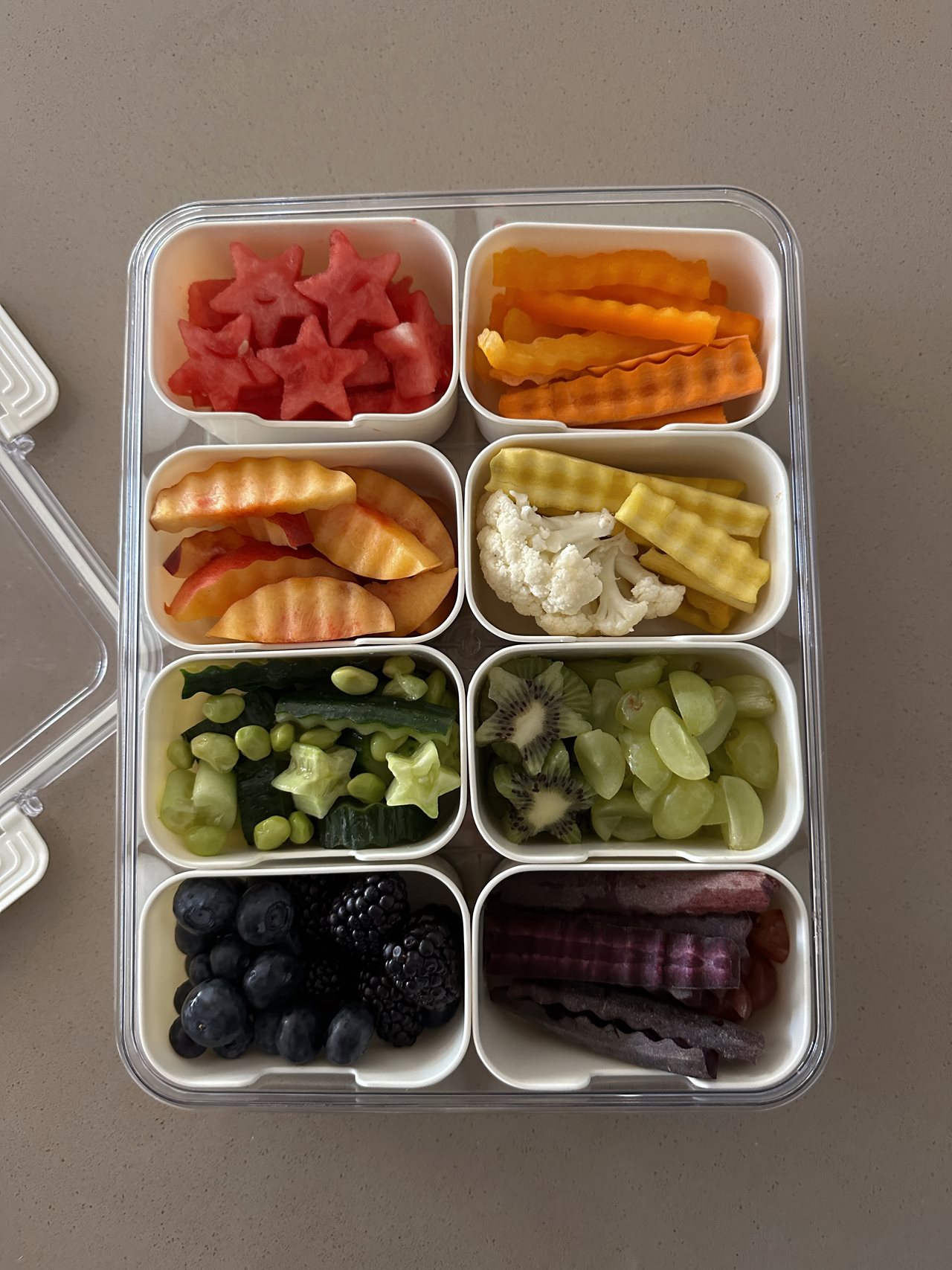
Crinkle cut veggies and star shaped mellons in cute containers.

Faced with a hectic afterschool routine? “Keep a tray of fruits and veggies cut up and ready to go in your fridge for easy grab-and-go opportunities for the whole family. Having healthy options within reach makes it easier for everyone in the family to make better choices,” shares Caitlyn Neier. A tasty way to grab a snack on the go and keep your commitment to eating more fruits and veggies.

Incorporating more fruits and vegetables into your daily routine doesn’t have to be a daunting task. By making these small changes, you can enjoy more flavorful meals while adding a boost of nutrition. We all need to enjoy more produce every time we eat, so whether you’re shopping, dining out, enjoying a meal with family, at school or on-the-go, Have A Plant® for better health and happiness.

Follow along on Instagram and Facebook and let’s build the #haveaplant hype! For recipes, tips, inspo and more, visit fruitsandveggies.org.

Optimizing protein and fiber throughout the day

2024-08-30T12:01:00

(BPT) – By Kristin Kirkpatrick, MS, RD, former lead dietitian and Cleveland Clinic Integrative Medicine and Quest partner

Consumers are becoming more savvy about getting the most bang for their nutritional buck. Protein and fiber remain at the forefront of food and wellness trends. Though the explosion in use of GLP-agonist medications for weight loss has most likely contributed to this, it’s important to note that protein and fiber play a crucial role in improving health span. Understanding the nutritional benefits of adequate protein and fiber can guide you toward making healthier dietary choices. Here are some ways to optimize both throughout the day.

1. Start the day off with protein. A quick review of the standard American breakfast reveals choices that are not always aligned with optimal fueling. Swapping the daily doughnut or sugary breakfast cereal can make a big difference in how you feel and your energy throughout the day. It may also help with weight management and brain power as well. A 2024 study showed that protein at breakfast, for example, increased satiety and concentration. When looking for more protein, consider scrambled eggs with veggies and cheese, yogurt with berries, a protein smoothie, or steel-cut oats with chopped nuts and hemp seeds. If you’re craving something sweet (like a breakfast muffin), consider Quest’s new protein-packed muffins as an alternative. They provide 10g of protein and fiber with only 2g of sugar — a perfect nutritional profile to fuel your best day.

2. When choosing carbohydrate-rich sources, make sure the source has fiber attached. The body recognizes food as either easy to digest (think candy and stripped grains) or hard to digest (think whole grains and vegetables). Easy-to-digest foods may put the body on a roller coaster of blood sugar and insulin, leading to the inevitable sugar crash and zapped energy. However, hard-to-digest foods take the body time and energy to break down. Fiber is the ultimate hard-to-digest food since the body can’t digest it, and studies show that it helps slow the reaction of sugar metabolism in the body. Fiber may also help prevent the onset of type 2 diabetes as well, leading to better metabolic health. Get more fiber in your day by snacking on nuts and seeds, adding beans and lentils as a plant-based source of protein, or focusing on cruciferous vegetables and leafy greens at mealtimes.

3. Optimize protein and fiber in drinks. Consuming fiber- and/or protein-rich drinks can be a great way to “sneak” both into your day. You can obtain this by consuming protein shakes with added fruit, vegetables and nuts to get that added fiber or by consuming milk or bone broth for protein without the fiber. I recommend Quest Iced Coffee to my patients. Their iced coffee is non-perishable (great on the go) and packs a big punch of protein (10 grams) without the sugar that many iced coffee varieties often contain. With 200 mg of caffeine, they are also a great way to energize any time of the day.

4. Don’t forget about plant-based options in your efforts to optimize protein and fiber. Variety is key when it comes to protein options. A 2022 study found that eating a variety of protein sources may help enhance health by reducing cardiovascular risk factors such as high blood pressure. Plant-based proteins fit in well with vegetarian lifestyles and pack fiber in addition to protein. Examples include beans and lentils, quinoa, soy, and nuts and seeds. Some vegetables, such as broccoli and spinach, also contain protein.

5. Consume protein before other macronutrients. Studies show that consuming protein before other macronutrients (alongside nutrients such as fiber) may help improve overall satiety and blood sugar control. To do this, consider having a few bites of protein before diving into the rest of the meal. For breakfast, this may mean having a few bites of yogurt or eggs before consuming whole-grain toast; for lunches and dinners, consider a few bites of chicken or tuna before consuming grains. You can also do this by focusing on protein-rich snacks you may drink a few hours before meals. I always carry Quest protein bars when I am on the go. They are a delicious way to get high-quality protein and fiber throughout the day.

6. Add protein and fiber as a garnish. Don’t limit protein and fiber to meals, snacks and drinks. Consider adding these nutrients as garnishes to food. The best way to do this is to add nutrient-rich nuts and seeds to foods. Add nuts to salads to boost protein and healthy fats, add seeds such as hemp seeds to yogurt, try roasted chickpeas or toasted quinoa on top of veggie bowls, or add nutritional yeast to pasta dishes.

7. Time your protein intake with your exercise regimen. Protein and exercise go hand in hand. Timing of protein intake is essential to maximize benefits based on the type of exercise. For resistance training, studies show that protein after exercise is the ideal way to maximize muscle growth. Whey protein (found in dairy products such as milk and cheese) and supplemental protein sources (such as Quest ready-to-drink protein drinks) may offer a supportive means to better muscle growth. Some studies have suggested that protein before resistance training may assist as well. Therefore, if you’re more likely to consume protein before rather than after a workout, you may still see benefits. Finally, studies show that consuming protein after workouts may also enhance calorie burning in addition to muscle growth.

8. End the day with protein. Studies show that consuming protein throughout the day helps optimize muscle maintenance, especially in older individuals. Why limit protein to just meals and snacks? That dessert you crave at the end of the day can also pack a protein punch! Quest bake shop brownies are a perfect way to end the day, providing 10g of protein with only 1g of sugar! As an added benefit, protein at night before sleep has been found in studies to help enhance muscle mass as well.

Protein and fiber are essential components (alongside healthy fats) of a healthy, longevity-based diet. With so much variety, finding delicious options that work for you and your health goals is easy!

A champion gymnast’s wellness routine … for her dog

2024-08-29T09:31:00

(BPT) – Establishing and maintaining a solid wellness routine is a big part of living your best life. From nutritious meals to regular exercise and self-care practices, every little thing you do can positively affect your overall well-being. Having a dog can enhance your well-being significantly, so it’s crucial to prioritize your pet’s health too. Aly Raisman, a gold medal winning gymnast, understands the importance of prioritizing her dog Mylo’s health, just as she would her own wellbeing.

“Incorporating wellness into my daily routine is a priority — not just for me — but also for my dog, Mylo,” said Raisman. “Mylo loves to mirror everything I do, even down to taking his daily supplements.”

When choosing supplements for Mylo, Raisman opts for EverRoot Dog Supplements powered by Purina. Developed by Ph.D. animal nutritionists, EverRoot’s ingredient-focused supplements come in a variety of tasty, soft and chewy forms that you can use to help your dog live their best life.

“Whether it’s Mylo’s digestion, joint mobility, or immune system, EverRoot soft chews are thoughtfully crafted with specific ingredients to support Mylo’s overall health,” said Raisman. “Mylo loves the taste of his daily EverRoot Digestion soft chews, which are made of pumpkin and probiotics. I love that they help him maintain a healthy intestinal tract.”

All-around winning supplement

EverRoot believes that every dog deserves to feel their best, that’s why they offer a range of supplements that dog owners can use to meet their dog’s unique health needs.

“The EverRoot Multi-Benefit soft chew supplement supports the gut, which is key to good health and the immune system,” said Dr. RuthAnn Lobos, lead veterinarian at Purina. “Made with pumpkin, it’s a fantastic source of prebiotic fiber and supports digestion. It also contains Spirulina, which promotes a healthy immune response and is a natural, nutrient-dense ingredient.”

Additionally, if you have a nervous dog, they may benefit from EverRoot’s Calming soft chew supplement. For instance, you may notice your dog displaying anxious behaviors — especially when you’re about to leave the house. Made with organic chamomile, this supplement can help them stay relaxed and ease your mind when you leave them home.

EverRoot also goes beyond just helping with nervousness. Whether old or young, protecting your dogs’ joints should also be a top priority. “To help ensure that our dogs join us on outdoor adventures for years to come, we have EverRoot Hip & Joint,” shared Lobos. “This soft chew supplement is made with wild-caught Alaskan salmon and cod oil to ease joint stiffness due to normal daily exercise and activity so you can help them approach aging with vibrance!”

One small addition for a happy, healthy life

Combining supplements with your dog’s nutritious diet can help your pup stay happy and healthy throughout their life. And when your dog is happy and healthy, you can enjoy every minute with them.

“I love spending time with Mylo, and it brings me joy to see how much fun he has when we play fetch or play outside together,” said Raisman. “Mylo always gets so excited when he hears the EverRoot Dog Supplements packaging open — it’s great he enjoys them, but even better that they’re good for his health.” You can purchase EverRoot Dog Supplements on Amazon.

Understanding the toll on adults diagnosed with type 1 diabetes; new survey findings

2024-08-29T07:01:00

(BPT) – Sponsored by Sanofi

Every year, tens of thousands of Americans are newly diagnosed with type 1 diabetes, an autoimmune disease characterized by the immune system attacking insulin-producing cells in the pancreas.

For many, that diagnosis comes unexpectedly — and even more so because research has shown approximately 90% of people diagnosed do not have type 1 diabetes in their family history. Suddenly, routines are permanently altered as individuals and families rush to learn how to best manage the condition — all while coping with the underlying impacts a type 1 diabetes diagnosis has on emotional, social, and financial health and well-being.

Survey findings from Beyond Type 1 — a leading organization dedicated to changing what it means to live with diabetes — and commissioned by Sanofi, titled “The Cost of Not Knowing,” highlight the costs of a diagnosis among adults with type 1 diabetes and caregivers of children under the age of 18 with type 1 diabetes. Here’s a look at “The Cost of Not Knowing,” told through the eyes of adults who live with this condition. Their perspectives underscore the importance and urgency of early screening for type 1 diabetes.

Not knowing has “costs”

The impact of a type 1 diabetes diagnosis can extend far beyond just physical health. Indeed, the survey findings illustrate that not knowing your risk for developing type 1 diabetes carries significant emotional, social, and financial burdens. Consider:

  • Emotional: 64% of adults with type 1 diabetes said their emotional health declined when they first learned about their diagnosis, as they struggled with feeling sad (39%), afraid (38%), angry (30%), and uncertain for the future (25%).
  • Social: 71% of adults with type 1 diabetes gave up some of their interests or future plans when they learned of their diagnosis.
  • Financial: Half (50%) of adults with T1D spent at least $5,000 on emergency care for their T1D symptoms before or during their diagnosis, with nearly 1 in 4 (24%) spending at least $10,000.

These findings quantify the very real impacts — some of them intangible — of a type 1 diabetes diagnosis, and how it can carry potentially life-changing implications for adults as they learn how to cope with a disease that has no known cure and ultimately requires lifelong dependence on insulin replacement injections for survival. Now, imagine if you had more time to brace yourself for a potential new reality.

Knowing sooner can have an impact

Early knowledge about a potential type 1 diabetes diagnosis, which is possible through an autoantibody test, can provide people with time to learn about the condition and prepare for constant, 24/7 disease management. Advanced information can be particularly valuable, considering that 79% of adults with type 1 diabetes changed how they lived their life when they first learned of their diagnosis, specifically because they felt overwhelmed and underprepared.

A diagnosis can be a life-altering event, but early detection can help people feel more in control of their health, avoid the stress that comes with not knowing, and, importantly, potentially reduce the risk of serious health complications at the time of diagnosis. With these benefits in mind, it’s not surprising that the majority of adults (85%) with type 1 diabetes who became aware of their diagnosis after symptoms began wished they had known about their risk of developing the disease before their diagnosis. The1Pledge.com has a useful screening guide on how to talk to your doctor about getting screened early for type 1 diabetes and what to do before, during, and after screening.

Adults with type 1 diabetes recommend early screening

Although the benefits of early detection are clear, autoantibody screening is still uncommon today, largely due to a lack of awareness. Just consider that only 14% of adults with type 1 diabetes say they were screened with an autoantibody test prior to their diagnosis to see if they were at risk of developing the disease — and among those who did not screen, 72% of adults with type 1 diabetes said they were not even aware that an autoantibody test was available, demonstrating an awareness gap that must be closed.

What’s more, among those who were not screened, 68% regret not taking an autoantibody test to better understand their risk of developing type 1 diabetes — and nearly all adults with type 1 diabetes (92%) today would recommend friends and family members get an early autoantibody test for type 1 diabetes. There’s no need to wait to get screened and start to prepare for the future. “The Cost of Not Knowing” sends a message that it’s time to take charge of your health and talk to your doctor about your screening options. This research was conducted by Wakefield Research via two survey instruments — one among 1,000 US adults with type 1 diabetes and a second among 1,000 US caregivers to those under the age of 18 years with type 1 diabetes. Learn more about the survey findings and methodology at https://beyondtype1.org/unexpected-type-1-diabetes-diagnoses/.

Sanofi does not provide medical advice, diagnosis, or treatment — information is provided for educational purposes only. Your doctor is the best source of health information. Talk to your doctor if you have any questions about your health or treatment.