New study: Over 1 in 4 Americans hit their limit on the prices of household staples

2024-08-19T08:31:00

(BPT) – “The Big Shrink” is here: Pricing pressures have caused Americans to pull back, with over 6 in 10 (62%) saying their ‘purchasing power’ and income in relation to prices is decreasing — and their money doesn’t go as far as it used to (82%). A majority (79%) note household goods like cereal and chips dwindling in serving sizes, according to new research from Empower, a leader in financial planning, investing, and advice.

Some 78% are using more of their budget on essential items, and 27% have hit a pricing limit, and aren’t willing to pay anything more for many grocery staples, or will cut the items from their shopping lists. Prices are 20% more expensive than February 2020 according to CPI data1 — so consumers would need to pay $1,218 now for their dollars to have the same purchasing power as $1,000 in 2020.2 Consumers say they’ll quit buying goods including:

  • Coffee: Over a third of people aren’t willing to pay even $1 more for a cup of joe.
  • Bread: 1 in 5 Gen X will stop buying loaves of bread if the price increases by more than a buck.
  • Fresh produce: 1 in 5 Gen Z will chop fresh fruits and vegetables from their shopping lists if the price increases by $1.
  • Snacks: 20% of Millennials are not willing to pay one dollar more for snack foods like bags of chips or chocolate bars.

Quality and quantity

Almost half (45%) of people notice a change in quality of items they’ve been buying for years — 79% say there are less chips in the bag, and 54% say that chocolate costs more, but doesn’t taste as good. Price increases can influence loyalty, too: around 75% of Americans say it turns them off from a brand, and many are switching over to generic/store-owned brands (77%). Three in four believe the higher prices go, the less they’re getting in return.

Price check

Sizes aren’t the only thing getting smaller: Americans believe Time is Money, and 29% say their amount of free time is shrinking, feeling priced out of enjoying it (58%) as costs have risen. Nearly half of Americans feel priced out of retiring at the age they want (49%), along with financial goals like home ownership (48%), leaving an inheritance (50%) and paying for a college degree (41%). The sentiment extends to starting a business (38%) or buying a piece of one, through investing in the stock market (40%).

Still, optimism remains: 28% of Americans think prices will keep dropping before the end of this year. A third feel they have the opportunity to grow financially by paying down debt (33%) and investing (17%).

More findings:

  • Inflation generation: 87% say they’re “fed up” with rising prices. Baby Boomers are the least willing to pay more than products’ current prices.
  • The long and short on goals: 47% of Americans say they have less disposable income. But inflation is taking a slice out of larger money goals, too: 35% have less in emergency savings, 24% say their net worth is shrinking and 17% worry they’ll have to work longer to retire.
  • Tipflation and fees: 45% say they are being asked to tip more in places where they didn’t tip 10 years ago. Nearly three-quarters (73%) say extra fees are being added where they haven’t had to pay in the past.
  • Stocking up: In the last year to save money, 53% switched to a generic brand, 34% downloaded a store’s app for rewards/coupons and 21% purchased a store membership to get benefits like free shipping.
  • Getting smaller: 68% say new houses are getting smaller, but not cheaper. More than half (57%) say streaming services have increased prices, but there is less content.
  • Dreaming it: Close to a third (30%) would sacrifice their vacation time in order to achieve their financial goals; 1 in 5 would give up their dream home (22%).
  • Up and down: 37% like the concept of dynamic pricing, even at a grocery store. Two in 5 plan to split more prices with family and friends to make ends meet.

Visit The Currency™ to read Empower’s full research report, The Big Shrink.

Methodology: The Empower “The Big Shrink” study is based on online survey responses from 2,203 Americans ages 18+ fielded by Morning Consult between March 22nd–24th, 2024. The survey is weighted to be nationally representative of U.S. adults (aged 18+).

1 U.S. Bureau of Labor Statistics. The Consumer Price Index, June 2024 compared to February 2020.

2 U.S. Bureau of Labor Statistics. CPI Inflation Calculator. June 2024 price change of $1,000, as compared to June 2020.

RO3765386-0824

Practical tips for families planning a fall off-road weekend

2024-08-19T07:07:00

(BPT) – Summer’s setting and fall’s around the corner, meaning colder weather, rain and snow are on the way. For families across the land, fall’s still a great time to go off-roading on the weekends. From California to Connecticut — and everywhere in between — there are scenic off-road trails of all varieties to explore, featuring rocks, sand, dirt, water, mud and yes, even snow!

Preparing for Fall Off-Roading

For folks heading out on a fun, off-road fall weekend, this is the ideal time to stop scrolling on the phone, grab some supplies, engage the 4×4 system and see where the adventure takes you. Off-roading is not only an extremely enjoyable way to appreciate the great outdoors, but it also offers a chance to strengthen family bonds and make memories that will last a lifetime. Best of all, off-roading is ageless — it’s a great time for all ages, old and young.

Supplies Checklist

Depending on the terrain, you can go off-roading in your daily driver — almost any four-wheel-drive or all-wheel-drive SUV, crossover or light truck can handle it. You’ll be out in the wilderness for several hours, so here are 5 basic tips:

  1. Bring plenty of food and water.
  2. Pack extra clothes as temperatures get extra chilly as the sun goes down.
  3. Take along a flashlight (with new batteries) and a basic safety kit with Band-Aids, sunscreen, gloves, etc.
  4. Research the area/trails you’ll be off-roading at. You’ll most likely be out of cell phone/GPS range, so it’s always good to know where you’ll be driving and what the road will be like.
  5. Make sure your vehicle is in tip-top shape, especially the all-terrain tires or off-road tires.
Large gray truck driving on a rock road in the woods.

“Off- or on-road, tires are super important,” says Kevin Nguyen, manager of product planning for Yokohama Tire Corporation, manufacturer of a variety of on-road or off-road tires for SUVs, pick-up trucks and passenger cars. “They play a vital role in braking, steering, comfort and handling. Doesn’t matter if you’re in a Jeep, electric SUV or family wagon, the wrong tires can result in a disappointment with the handling, ride and treadwear.”

Choosing the Right Tires for Fall Off-Roading

For off-roading in the fall and winter months, Nguyen says you’ll need something extremely durable with great traction. “It all depends on what you drive and what you plan to do, but a good choice is top-notch all-terrain (A/T) tire, which is very versatile and can be used for off-roading as well as daily driving. A great example is our new, rugged GEOLANDAR A/T4. Because of its outstanding off-road resilience and dependable all-weather traction, the ultra-versatile A/T4 is specifically designed to handle any surface — on- or off-road — and in any weather condition — snow included. It’s a ‘go anywhere’ tire.”

To learn more about off-road tires, Nguyen says to check tire company websites like https://www.yokohamatire.com/geolandar-tires or your tire retailer’s website for more help.

Maintaining your daily driver tires for everyday use is essential, too, says Nguyen. This includes taking 5 minutes a month to check your tire pressure. “A tire that’s underinflated will affect your drive and the vehicle’s fuel efficiency. Keeping them properly inflated will give you a better ride and save you some at the gas pump,” he says.

The U.S. Tire Manufacturers Association (USTMA) recommends checking the tires when they are cold — at least four hours since the vehicle was last driven. Nguyen says to always use an accurate tire gauge and make sure the valve is free of debris and water. The correct tire pressure is specified by the manufacturer of the vehicle, not the tire manufacturer. The proper inflation levels can be found on a placard on the inside of the car door and/or in the owner’s manual.

Nguyen offers more tire tips that will help you throughout the year:

  1. Check your tread depth by placing a penny upside down into a tread groove. If you can see all of Lincoln’s head, your tire’s tread has worn down to the legal limit and you need to buy new tires.
  2. Tires must be replaced when the tread is worn down to 2/32 of an inch (the lowest legal limit). It’s best to replace them before they reach 2/32 depending on your drive (geographically and based on the type of streets).
  3. Rotating your tires regularly promotes even wear of the tread. Tires should be rotated every 5,000 to 8,000 miles.
  4. Check your alignment at least once a year or sooner, especially if the vehicle is pulling to one side. This will help avoid uneven wear on tire tread. Tire balance should also be monitored.

For more tire care and safety tips, visit www.yokohamatire.com/tires-101 or www.USTires.org.

Ultimate guide to back-to-school lunches and snacks for busy parents

2024-08-19T08:01:00

(BPT) – As summer winds down, parents everywhere are prepping for the return to school routines by seeking ways to make shopping quicker, more convenient — and easier on the wallet. To help navigate the busy season and give families time back in their day to enjoy the last bit of summer vacation, Shipt, the trusted shopping solution that offers same-day delivery, is providing parents and caregivers valuable deals, helpful tips to make school lunch and snack time planning a breeze — even for those with picky eaters — and delicious data on what grocery items are favorites for packing.

Savings 101 is in session

According to a recent Deloitte survey, back-to-school shopping is the second-largest expenditure of the year for families, falling right behind the holidays. To lighten the load for parents, Shipt is offering a series of deals available on Shipt.com or the Shipt app, including, but not limited to:

  • 8/1-8/31: $10 off orders with promo code BACKTOSCHOOL for all Shipt customers
  • 8/4-8/17: $10 off orders of $35 or more at select at Target, Meijer and other retailers in the Southeast, Southwest, Florida & Georgia, Indianapolis regions***
  • 8/11-8/17: $10 off orders of $75 or more at select retailers for Target Circle 360 members***
  • 8/18-8/31: $10 off orders of $35 or more at select at Target, Meijer and other retailers in the Charlotte, Midwest, West, Mountain, South Atlantic regions***

Helpful tips for back-to-school grocery shopping from the trusted shopping solution

To help tackle school grocery shopping, the trusted shopping solution, Shipt, provides time-saving tips, lunch and snack recommendations and deals throughout the month and beyond.

Tasty tips include:

  • Plan ahead and use your resources: To get ahead of building your Shipt shopping cart, you can create a weekly menu for lunches. That way, when it comes time to check out you know what’s on the menu and in the cart! Shipt’s Auto-Add to Cart can help busy parents seamlessly restock essentials that are regularly on weekly lunch menus by choosing the items and frequency of their choosing so they automatically appear in their carts.
  • Opt for pre-packaged healthy options: Look for healthier pre-packaged options like individual servings of yogurt, cheese sticks, baby carrots and whole grain crackers. Shipt offers grocery delivery from a wide array of retailers, which means there’s no shortage of options to find the best variety of healthy snacks (at the best price) to shop for same-day delivery!
  • Go with what you know: If it isn’t broken, don’t fix it! Parents of picky eaters know what snacks their kids like, so keep a Shipt List handy at all times to make ordering family favorites a little easier. Lists allow customers to create a personalized collection of must-have items to add to their carts with a single click.
  • Get your kids involved: Have your kids browse the Shipt app with you to pick out their favorite fruits, veggies and snacks, then allow them to get creative while packing their lunches in the morning.

Delicious data on what Americans love for school lunches and snacks

Data on what purchases are being made through Shipt reveal some regional favorites, a couple of surprises, plus a number of tried-and-true classics that are sure to belong on your household’s shopping list.

  • PB&J remains a favorite: This all-American favorite was a top choice in many states, including Alabama, Indiana and Oklahoma.
  • Turkey is tops: If you’re looking for the best sandwich fillings, turkey showed up as the number one deli meat selection in Arizona and Georgia.
  • Veggify your lunch boxes: Looking to include more veggies in those lunchboxes? The Washington, D.C., area is your role model, being the leading purchasers of vegetables in the nation. Michigan also shows up as a veggie lover, and North Carolina reveals its love for tomatoes — the most-shopped vegetable (or is it a fruit?) in the state.
  • A berry easy lunchtime choice: While you might expect Floridians to prefer tropical fruits, here’s the surprise: Berries are the leading fruit pick in the Sunshine State.
  • Say cheese: While Minnesotans opt for string cheese, Tennessee residents choose mac and cheese as their lunchtime favorite.
  • Enjoy the crunch: In another surprise, Texans prefer potato chips over tortilla chips for a satisfying snack.
Inforgraphic that says

Providing reliable same-day delivery of a wide selection of fresh groceries straight to your doorstep, Shipt is here to support your family with the tools and resources you need to transform the weekly grocery routine and get kids excited about their meals.

Learn more about how you can streamline your family’s back-to-school lunch and snack shopping at Shipt.com/lp/back-to-school-2024.

**Member must place order of $10 or more by 8/31/24 at 11:59 p.m. HT to qualify for $10 off, which will automatically apply to qualifying order at checkout. Limit 1 credit per member. These terms do not apply to store-level promotions. Offer is subject to Shipt Promotional Terms and Conditions.

***Meijer, Publix, H-E-B, Kroger, Winn-Dixie, Dierbergs, Harris Teeter, Hy-Vee, Cub, Bashas, Stop and Shop, Weis, SaveMart, Lucky California, or FoodMaxx order of $100 or more must be placed by 8/31/24 at 11:59 p.m. HT to qualify for $15 off, which will automatically apply to qualifying order at checkout. Limit 1 per member. Offer is subject to Shipt Promotional Terms and Conditions.

How to cut down on your family’s back-to-school tech costs

2024-08-19T07:05:00

(BPT) – Back-to-school season is upon us, and let’s face it, getting your kids geared up and equipped with the necessary tools for success can get expensive. The cost of school supplies, new clothing, and especially technology can add up fast. However, by adopting smarter shopping strategies, you can reduce these costs and help keep expenses more manageable.

Here are some tips to help slash your family’s back-to-school tech expenses without compromising on quality or functionality.

Research your state’s tax holidays

Many items are given a “tax holiday” — certain days or weeks when sales taxes aren’t charged — which can boost your savings. Tax holidays vary by state and can include a wide range of products such as school supplies, clothing and even electronics. To find out when your state offers these tax-free periods and which items are included, visit TaxAdmin.org/2024-sales-tax-holidays. Keeping these dates in mind can help save money while ensuring your kids have what they need for the school year.

Comparison shop to find the best deals

AI is a quick and efficient new way to comparison shop for your kids’ back-to-school needs, whether it’s a new phone, graphing calculator, tablet or laptop. Many AI-powered tools can automatically compare prices and models of different gadgets saving you time and money. Additionally, browser extensions can help you find and apply coupons or offer cashback for online purchases, alert you about sales and price drops and more, ensuring you get the best value for your money.

Choose a lower-cost phone service provider

Have you checked your monthly phone bill lately? This is one cost you can definitely cut down. Consider switching to a more affordable provider like Straight Talk Wireless, which is now offering their best deal all year: one line for $25 per month when you bring your own phone. This means real unlimited data, talk and text for only $25/month for one line running on Verizon’s award-winning 5G network.

Straight Talk Family Plans can save you even more money, because the more lines you add, the more you save, making it a great option for the whole family. Straight Talk Wireless is available exclusively at Walmart, Walmart.com and Straighttalk.com. Visit StraightTalk.com/straightsavings to learn more.

Consider refurbished, secondhand and trade-ins

Opting for refurbished or secondhand electronic devices is another savvy way to cut tech expenses. Major retailers often accept your old gadgets as trade-ins, offering you store credit or discounts on new purchases. Straight Talk Wireless, for example, provides a $200 phone credit toward a new device after just 12 months of service as part of their StraightSAVINGS! deal.

It’s also a good idea to ask friends and family members if they have tech items they can pass down when they’re ready to upgrade before you spend a ton on new items.

Look into student discounts

Take advantage of student discounts offered by many major retailers to significantly cut down on your tech expenses. It’s worth exploring their websites and memberships or asking in-store about these discounts, as they can lead to substantial savings, especially on big-ticket items. Don’t forget to verify your student status with a valid .edu email or proof of enrollment through services like SheerID or UNiDAYS to unlock these offers.

Making sure your children have all the tech items they need doesn’t have to break your household budget. Using at least a few of these tips, you should be able to help cut down your family’s technology costs this year.

Fact or Fiction: Debunking Top Myths About Erectile Dysfunction

2024-08-15T23:01:00

(BPT) – Sponsored by Boston Scientific

Erectile dysfunction (ED) can be frustrating and confusing for both a man and his partner. ED, or the inability to achieve or maintain an erection that is firm enough for intercourse, is common, and it’s estimated that by 2025 almost 322 million men worldwide will be affected by ED.1,2 ED happens when blood flow to the penis is limited or when nerves are damaged.3 As men age, ED becomes more common due to various health conditions like diabetes, kidney disease, hormones or cardiovascular disease.2

While ED may begin in the bedroom, it can have a profound effect on a man, his self-esteem and his relationships beyond romance.4 Unfortunately, there are many misconceptions about ED that continue to push a stigma and may prevent men from seeking information about available treatment options. Keep reading to learn some common myths about ED and ways it can be treated beyond medication.

Myth 1: ED only affects much older men.

ED affects approximately 1 in 5 men, aged 20 and older, in the United States.5 And even though it’s more common among older men, it doesn’t mean it’s something you have to accept and live with.

Myth 2: ED means there is something wrong with the penis.

To produce an erection, a man needs a healthy brain, penis, blood vessels, nerves and adequate amounts of testosterone. Changes to any of these functions could contribute to ED.6 A complete examination with a health care professional can help determine the cause of ED and identify appropriate treatment options.

Myth 3: If a man has trouble getting an erection, it’s because they’re not attracted to their partner.

Many things cause erection problems, including serious health conditions. Although lack of sexual attraction to a partner might be one of them, it’s far more likely to be something else, such as:6

  • Heart problems, including high blood pressure and clogged blood vessels
  • Diabetes
  • Certain prescription medications
  • Nerve disorders, like Parkinson’s disease and multiple sclerosis
  • Low testosterone
  • Mood disorders such as stress, anxiety and depression
  • Smoking and drinking alcohol
  • Certain surgeries or injuries that affect the pelvic area, such as prostate surgery

Myth 4: Medications are the only way to treat ED.

Medications are a successful way to treat ED in some men, but there are other options available for those who don’t respond well to medications or don’t want to take a pill every day. These options include injections, hormone therapy, vacuum pumps or penile implants.

A penile implant is a long-term treatment option that allows direct control of both the timing and duration of an erection. One type of penile implant is the AMS 700™ Inflatable Penile Prosthesis, which is designed to closely mimic a natural erection, providing rigidity when inflated and a natural, flaccid appearance when deflated. Once manually activated, an erection can be maintained for as long as desired and can be deflated with just one touch of a button. The penile implant procedure is usually done on an outpatient basis and is performed under anesthesia. A small incision is made either in the scrotum, above the pubic bone, or on the penis, and a surgeon inserts all components through this opening.

If you think a penile implant might be an option for you or to learn more, ask your doctor about the AMS 700 penile implant. To hear more from men who have the AMS 700 penile implant, visit edcure.com.

Important Risk Information: As with any medical procedure, complications can occur. Side effects include but are not limited to no longer being able to achieve natural or spontaneous erections, infection (in which case the implant may have to be removed), pain (typically associated with the healing process), mechanical failure of the implant, penile curvature or scarring, loss of tissue, device migration and unintended inflation can also occur. Once implanted with AMS 700, other ED treatment options will no longer be available. Find a link to additional patient safety information at EDCure.com.

Caution: U.S. Federal law restricts this device to sale by or on the order of a physician. This material is for informational purposes only and not meant for medical diagnosis. This information does not constitute medical or legal advice, and Boston Scientific makes no representation regarding the medical benefits included in this information. Boston Scientific strongly recommends that you consult with your physician on all matters pertaining to your health.

References

  1. Erectile dysfunction. NIH: National Institute of Diabetes and Digestive and Kidney Diseases. https://medlineplus.gov/erectiledysfunction.html. Accessed July 2024.
  2. Aytac IA, McKinlay JB, Krane RJ. The likely worldwide increase in erectile dysfunction between 1995 and 2025 and some possible policy consequences. BJU Int. 1999; 84:50–56.
  3. “Erectile Dysfunction (Ed).” Erectile Dysfunction (ED): Symptoms, Diagnosis & Treatment – Urology Care Foundation, www.urologyhealth.org/urology-a-z/e/erectile-dysfunction-(ed)#Treatment. Accessed July 2024.
  4. DiMeo PJ. Psychosocial and relationship issues in men with erectile dysfunction. Urol Nurs. 2006 Dec;26(6):442–6.
  5. Selvin E, Burnett AL, Platz EA. Prevalence and risk factors for erectile dysfunction in the US. Am J Med. 2007 Feb;120(2):151-7. doi: 10.1016/j.amjmed.2006.06.010. PMID: 17275456.
  6. Erectile Dysfunction. Mayo Clinic, Mayo Foundation for Medical Education and Research, 29 Mar. 2022, www.mayoclinic.org/diseases-conditions/erectile-dysfunction/symptoms-causes/syc-20355776. Accessed July 2024.

Protecting Vision Together

2024-08-15T14:01:00

(BPT) – When Skippy Reeves’ mother lost her eyesight to wet age-related macular degeneration (wet AMD), treatments didn’t exist.

After experiencing symptoms himself years later, Skippy went to his eye doctor immediately and was diagnosed with wet AMD. Unlike his mother, he had options available to help keep his vision thanks to the help of treatment.

“Getting started with Vabysmo as soon as I was diagnosed has allowed me to keep my vision as I continue doing the things I love with clarity and joy – fishing, golfing, and watching my grandsons play sports,” Skippy said.

According to a survey of 56 retina specialists – eye doctors who treat wet AMD and other retinal conditions – 95% of them would use a treatment called Vabysmo to care for their own loved ones to treat vision loss caused by wet AMD.* Vabysmo is a prescription medicine given by injection into the eye[1], and is the first and only FDA-approved treatment thought to block two causes of wet AMD[2]. Patients should not use Vabysmo if they have an infection in or around their eye, have active swelling around their eye that may include pain and redness, or are allergic to Vabysmo or any of the ingredients in Vabysmo.

Skippy is also passionate about advocating for the best care not only for himself, but for his family and friends as well. “Making my loved ones aware of this condition and the value of treatment is very important to me,” Skippy added.

Esther L. Kim, MD, a retina specialist at Orange County Retina in California, sees patients with wet AMD regularly, and has prescribed Vabysmo for many of them.

“If you or someone you care for is diagnosed with wet AMD, it’s crucial to have a conversation with a provider about the different medicines available, and explore the possibility of switching treatments,” Dr. Kim, who has already had many patients make the switch, said.

illustraion from a video that shows an older lady and her son, the eye doctor, in his office.

Skippy’s journey with Vabysmo – and the positive impact it’s had on his life – is an experience many patients share. Jane Burdette, a wet AMD patient from Thomaston, Georgia, was prescribed Vabysmo when she became interested in the chance to go up to four months between treatments.*

“I feel truly blessed that my healthcare provider prescribed Vabysmo,” Jane said. “I used to have to get injections every month, but now I can go four months between visits. This has made a huge difference.”

In the U.S., 1.5 million people are living with wet AMD. The risk for developing the condition increases with age and is higher for women and those who smoke, are overweight, or have a family history of the disease.

James (Van) Van-Eimeirem, a patient from Huntington Beach, CA, was receiving treatment for 17 years before switching to Vabysmo.

“I tell all of my family and friends about the success I’ve had with Vabysmo and encourage them to talk to their provider if they are experiencing vision changes,” Van said.

For those who are at risk of or already experiencing vision loss, it is crucial to advocate for a diagnosis and the best care, and enlist help from a support system along the way. Some of the ways people can show up for their loved ones experiencing vision loss include:

  • accompanying them to doctor appointments
  • guiding them in researching the most effective treatment options
  • helping discuss these options with their eye doctor
  • being there for them emotionally

With any treatment, there can be side effects. Injections like the one for Vabysmo can cause an eye infection; separation of layers of the retina; a temporary increase in pressure in the eye, and problems related to blood clots, such as heart attacks or strokes.

They can also cause swelling inside the eye that in rare circumstances can cause blockage or narrowing of the blood vessels that carry blood to and from the retina. The most common adverse reactions reported in patients receiving Vabysmo were cataract, which was reported in 15% of patients, and blood on the white of the eye, also called conjunctival hemorrhage, which was reported in 8% of patients. These are not all possible side effects. For more information, talk to your eye doctor and visit Vabysmo.com for the full Prescribing Information.

When vision is at risk due to wet AMD, how we care for ourselves and our loved ones can change everything. Take ownership of your eye health by being proactive about routine eye exams and exploring treatment options such as Vabysmo, and encouraging your loved ones to do the same. Learn more at https://Vabysmo.com.

About Vabysmo® (faricimab-svoa)

Vabysmo is the first bispecific antibody approved for the eye. It targets and inhibits two signaling pathways linked to a number of vision-threatening retinal conditions by neutralizing angiopoietin-2 (Ang-2) and vascular endothelial growth factor-A (VEGF-A). While research is underway to better understand the role of the Ang-2 pathway in retinal disease, Ang-2 and VEGF-A are thought to contribute to vision loss by destabilizing blood vessels, which may cause new leaky blood vessels to form and increase inflammation. By blocking pathways involving Ang-2 and VEGF-A, Vabysmo is designed to stabilize blood vessels.

Vabysmo U.S. Indications

Vabysmo (faricimab-svoa) is a prescription medicine given by injection into the eye, used to treat adults with neovascular (wet) age-related macular degeneration (AMD), diabetic macular edema (DME) and macular edema following retinal vein occlusion (RVO).

Important Safety Information

Contraindications

Vabysmo is contraindicated in patients who have an infection in or around their eye, have active swelling around their eye that may include pain and redness, or are allergic to Vabysmo or any of the ingredients in Vabysmo.

Warnings and Precautions

  • Injections like the one for Vabysmo can cause an eye infection (endophthalmitis) or separation of layers of the retina (retinal detachment). Patients should seek medical care if they experience increasing eye pain, vision loss, sensitivity to light, or redness in the white of the eye.
  • Vabysmo may cause a temporary increase in pressure in the eye (intraocular pressure), which occurs 60 minutes after the injection.
  • Although not common, Vabysmo patients have had serious, sometimes fatal, problems related to blood clots, such as heart attacks or strokes (thromboembolic events). In clinical studies for wet AMD during the first year, 7 out of 664 patients treated with Vabysmo reported such an event. In DME studies from baseline to week 100, 64 out of 1,262 patients treated with Vabysmo reported such an event. In clinical studies for RVO during 6 months, 7 out of 641 patients treated with Vabysmo reported such an event.
  • Retinal vasculitis and/or retinal vascular occlusion, typically in the presence of intraocular inflammation, have been reported with the use of Vabysmo. Healthcare providers should discontinue treatment with Vabysmo in patients who develop these events. Patients should be instructed to report any change in vision without delay.

Adverse Reactions

The most common adverse reactions (≥5%) reported in patients receiving Vabysmo were cataract (15%) and blood on the white of the eye (conjunctival hemorrhage, 8%). These are not all the possible side effects of Vabysmo.

Pregnancy, Lactation, Females and Males of Reproductive Potential

  • Based on how Vabysmo interacts with your body, there may be a potential risk to an unborn baby. Patients should use birth control before their first injection, during their treatment with Vabysmo, and for 3 months after their last dose of Vabysmo.
  • It is not known if Vabysmo passes into breast milk. Patients should talk to their healthcare provider about the best way to feed their baby if they receive Vabysmo.

Patients may report side effects to the FDA at (800) FDA-1088 or

http://www.fda.gov/medwatch. Patients may also report side effects to Genentech at (888) 835-2555.

Please see additional Important Safety Information in the full Vabysmo Prescribing Information or visit https://www.Vabysmo.com.


[1] Clinical studies showed people on Vabysmo gained vision on an eye chart (6 letters on average), similar to those on aflibercept 2 mg through year 1.

[2] Vabysmo is thought to block VEGF and Ang-2 proteins.The benefit of blocking Ang-2 has not been fully established.

*For wet age-related macular degeneration (AMD); in a survey of 56 retina specialists.

*The recommended dose for Vabysmo is 6 mg (0.05 mL of 120 mg/mL solution) administered by intravitreal injection every 4 weeks (approximately every 28 ± 7 days, monthly) for the first 4 doses, followed by optical coherence tomography and visual acuity evaluations 8 and 12 weeks later to inform whether to give a 6 mg dose via intravitreal injection on one of the following three regimens: 1) Weeks 28 and 44; 2) Weeks 24, 36 and 48; or 3) Weeks 20, 28, 36 and 44. Although additional efficacy was not demonstrated in most patients when Vabysmo was dosed every 4 weeks compared to every 8 weeks, some patients may need every 4 week (monthly) dosing after the first 4 doses. Patients should be assessed regularly.

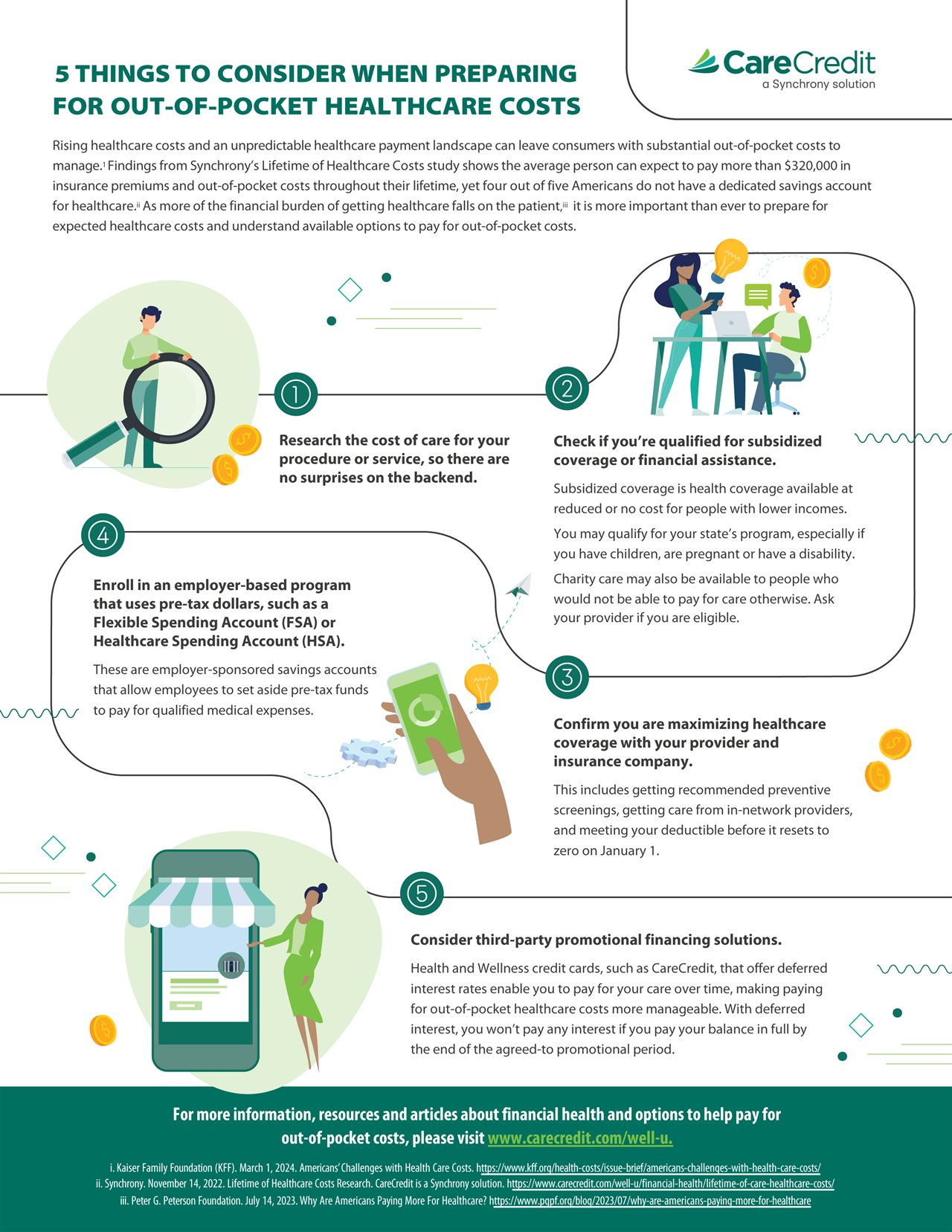
5 ways to prepare for out-of-pocket health and wellness costs

2024-08-15T10:01:00

(BPT) – According to McKinsey & Co., 82% of U.S. consumers consider wellness a top priority, with more than half saying they prioritize it more than they did a year ago.[i] However, rising healthcare costs pose significant challenges to consumers, and an unpredictable healthcare payment landscape can leave them with substantial out-of-pocket expenses.

These expenses can force people to forgo the care they want or need, leading to poorer health outcomes.[ii]

Given these realities, it’s important to consider the following steps to inform financial decisions about potential out-of-pocket health and wellness costs.

1. Research the cost of your procedures or services in advance. Many websites provide estimated costs of various procedures by region or provider. You can also get estimates by calling your insurance company or the provider directly in advance of your appointment.

2. Check if you qualify for subsidized coverage or financial assistance. People with incomes below certain levels may be eligible for health coverage at reduced or no cost. Hospitals may offer free or discounted care, known as charity care, to people not able to pay.

3. Confirm with your provider and insurance company that you are maximizing health plan coverage. Take advantage of your annual benefits, including getting recommended preventive screenings and visiting in-network providers that usually cost less than those who are out-of-network.

4. Enroll in an employer-based program that uses pre-tax dollars. Flexible Spending Accounts (FSA) and Healthcare Spending Accounts (HSA) allow employees to set aside money from their pay for qualified medical expenses.

5. Consider promotional financing options. Health and wellness credit cards, such as CareCredit, that offer deferred interest financing, enable you to pay for care over time with the opportunity to avoid interest charges, making out-of-pocket costs more manageable. Here are a few things about deferred interest financing to consider:

    • Deferred interest: No interest is assessed if the balance is paid in full by the end of the promotional period.
      1. How deferred interest promotional financing works. Deferred interest financing allows consumers to avoid interest charges on larger expenses if they are paid off before the promotional period ends. If you don’t pay off the full balance before the promotional period ends, you will have to pay interest that has accrued as of the transaction date.[iii]
      2. The required minimum monthly payments. Understand the required minimum monthly payments and if those payments will pay the balance off in time. Online calculators, such as CareCredit’s payment calculator, are a valuable resource to estimate possible monthly payments needed to pay off the balance within a given promotional period. Those payments may be more than the lender’s monthly minimum payment requirement.
      3. Mark your calendar for when the promotional period ends. It is important to track and pay the balance of the purchase before the end of the promotional period to avoid paying the deferred interest that has accrued on the purchase.

In the end, it’s important that people have access to health and wellness care for themselves, their family and pets. As healthcare costs continue to rise, it is critical consumers be aware of the various benefit programs and payment options to plan for health and wellness costs. Financial literacy is key!

Infographic called


[i] McKinsey & Company. January 16, 2024. The trends defining the $1.8 trillion global wellness market in 2024. https://www.mckinsey.com/industries/consumer-packaged-goods/our-insights/the-trends-defining-the-1-point-8-trillion-dollar-global-wellness-market-in-2024

[ii] Kaiser Family Foundation (KFF). March 1, 2024. Americans’ Challenges with Health Care Costs. https://www.kff.org/health-costs/issue-brief/americans-challenges-with-health-care-costs/

[iii] LaToya, Irby. December 30, 2021. How Do Zero Interest Promotional Rates Work.” The Balance. https://www.thebalance.com/how-credit-card-promotional-rates-work-960226

Mix Business and Leisure with These Travel Tips

2024-08-15T16:45:00

(BPT) – Ever take a business trip and spend the evenings scrolling through the takeout options? It’s time to inject some excitement into work travel.

With some thoughtful planning, your next business trip can open the door to new travel experiences. By combining business and leisure trips into one, you’ll not only explore new cultures and places, but you’ll also relieve stress from the grind with activities that make the obligatory business trip something you’ll look forward to.

Read on for some helpful tips to elevate your next business trip:

Plan Your Post-Work Activities

Every successful trip starts with a plan. Your calendar may be stacked with work-related activities but take advantage of your limited downtime to maximize your visit in a new destination and enjoy an escape. Gather recommendations from colleagues and decide early on what your must-see attractions are and how you can work them into your schedule. You’ll be more likely to take advantage of downtime if you’re armed with an itinerary in advance.

Extend to Explore

Add a few extra days on either end of your trip to give yourself time to explore once you slam your laptop shut. Whether staying a couple extra nights to explore a new city or relax at the spa after a day of meetings, the World of Hyatt Business Credit Card is a great travel companion that can turn business trips into free night stays, allowing you to earn up to 9 total points per $1 spent at Hyatt hotels. Plus, cardmembers earn complimentary World of Hyatt Discoverist status for you and up to five employees for more elevated business and leisure stays.

From now until September 26, new World of Hyatt Business Credit cardmembers can earn a welcome bonus of up to 75,000 World of Hyatt Bonus Points. Cardmembers can turn the 75,000 points they’ve earned on business travel into a luxurious leisure getaway, like a 2-night escape at Alila Napa Valley, or 4 nights at Thompson Atlanta Buckhead.

Close up of Business Visa credit card

Stay in the Heart of the City

Free time can be limited on work trips. From meetings and presentations to corporate dinners, make the most of it by choosing a centrally located hotel and planning out where your workday will take you. Whether it’s trying a new restaurant or strolling through a local museum or park, use your lunch breaks or time between meetings for a quick jaunt into the heart of the city to efficiently explore during off hours. If you have the flexibility, block pockets of time ahead of your trip to prioritize time away to check out the local sights or explore World of Hyatt FIND Experiences, where cardmembers can earn up to 14 points per $1 when booking exclusive experiences, private tours and excursions.

Follow the Food

Even if you can’t see it all, there’s always time to eat. Whether it’s a hidden gem or a new chef’s menu, trying the local cuisine gives you a taste of that destination. Research restaurants you’re interested in or ask locals for their favorites and be sure to put your per diem on the World of Hyatt Business Credit Card to earn 2 Bonus Points per $1 spent on dining!

Even better, the World of Hyatt Business Credit Card has a unique adaptive accelerator benefit that allows cardmembers to earn 2 Bonus Points per $1 spent for their top three of eight eligible spend categories* each calendar quarter with no cap. Spend categories like dining, airline tickets and car rental agencies to search engine advertising, shipping and more make it easier than ever for cardmembers to be rewarded where they spend the most on business purchases without having to pick the categories. With each business trip there are more possibilities — and points — to unlock when you use a rewards credit card that works for you.

All work and no play make business travel a bore. So, make your next trip more fulfilling by squeezing in time for new travel experiences with a rewards credit card that can help take you there. Learn more here.

*Categories include dining; airline tickets purchased directly with the airline; car rental agencies; local transit and commuting; gas stations; internet, cable and phone services; social media and search engine advertising; and shipping.

What you should know about heart valve disease

2024-08-15T08:01:00

(BPT) – Heart valve disease affects more than 5 million people in the United States. Despite this, 3 out of 4 U.S. adults know little to nothing about it.

The Centers for Disease Control and Prevention (CDC) is raising awareness about heart valve disease by launching a series of toolkits focused on providing information, resources and personal stories.

“CDC wants to help everyone get to know their heart,” said Janet S. Wright, MD, FACC, director of CDC’s Division for Heart Disease and Stroke Prevention. “We know early detection is only possible when patients and health care teams work together. Ongoing conversations about heart valve disease risk factors can help identify when referrals may be needed and ensure connection to additional care or treatment.”

Knowing your heart includes learning how it should function. The heart works by pumping blood throughout the body; with each heartbeat, your heart valves open and close to keep blood moving in the right direction. Heart valve disease occurs when your heart valves don’t work like they should, which makes the heart strain and work harder.

Heart valve disease can be congenital — something you are born with — or it can develop over time due to aging, certain infections, radiation for cancer treatment, or other underlying health conditions. Signs of a congenital heart valve condition may be present during prenatal care or can be detected through newborn screening or later pediatric check-ups.

Early diagnosis of heart valve disease is critical. Research has shown that diagnosis and treatment among Black, Hispanic/Latino and Asian populations are lagging. Women are also more likely than men to be diagnosed later and to experience worse health outcomes from this condition.

Joy Spencer Smith learned about her family history of heart valve disease and paid close attention to a murmur that was detected in her 40s. Although diagnosis of a form of heart valve disease called aortic stenosis came in her 70s, she and her primary care physician had been closely monitoring the murmur. Joy credits being aware of her risks and her overall health for helping her recognize that the abnormal burning sensations in her chest were a warning sign.

“Once you’re told you have any kind of heart condition, as the heart is the soul and the life of the body, you should learn about it,” Joy said. “You should get involved. You should ask questions.”

Learning about your family medical history and individual risk — along with getting screened and recognizing potential symptoms — can help you take steps to protect your heart and the hearts of your loved ones.

You know your body best. Don’t ignore anything that feels “off.” Your health care team can listen to your concerns and, with a stethoscope, listen to your heart. Based on what that exam reveals, you may be referred for an echocardiogram, an ultrasound of the heart, or other testing.

Visit cdc.gov/KnowYourHeart for heart valve disease resources and information.

Unleash the future: A pioneering journey in pet care innovation

2024-08-14T08:37:00

(BPT) – The pet care world has seen many dynamic changes over the past few years, such as the growth of the pet supplement category, new pet food niches and high-tech pet-related products. Pets’ lives are better because of it, and in turn, that makes humans’ lives better, too.

One company leading the charge in pet care innovation is Purina. You probably know this brand for their high-quality pet food, but they also invest ample time and significant funding into numerous programs that pave the way for a bright future for people and their pets.

“At Purina, we ask ourselves on a daily basis ‘what’s next?’ when it comes to finding ways we can improve the relationships between pets and their families, and one of the many ways we pursue the ‘next’ is through our corporate venturing division, 9 Square Ventures,” said David Narkiewicz, chief legal officer for Nestle Purina PetCare North America.

9 Square Ventures brings together the deep expertise that Purina has been developing for more than a century and pairs their resources with emerging pet care businesses to support startups in several ways ranging from mentorship to investment. Here are a few ways they work together to invest in the future of pet care:

Investing capital in startups

Since 9 Square Ventures was founded in 2015, the organization has made capital investments in a portfolio of startups that featured both smart and skilled entrepreneurs and highly relevant innovations in the pet care category.

One of the first investments was in a pet tech company that commercialized a smart cat litter device protected by patents. After several rounds of investments, Purina acquired the entire business and has recently updated and re-launched its technology as Petivity Smart Litter Monitor.

Another notable investment is Bar K, which was driven by Purina’s desire to support the successful launch of a truly incredible destination for dogs and their people. Bar K features a fully staffed and thoughtfully designed dog park, modern bar, restaurant and event space all centered around the human-dog bond.

“One of Bar K’s three locations can be found right in our backyard in St. Louis, Missouri, and it is a favorite destination for my family and so many members of the Purina family. In fact, USA Today recently named Bar K as the best dog park in America,” said Narkiewicz.

Offering mentorship and category expertise

In 2016, Purina created the Pet Care Innovation Prize (PCIP) program to formally engage with pet industry startups. Over the past eight funding cycles, the program has been the catalyst for 40 early-stage start-ups by providing no-strings-attached funding and offering a platform for growth.

Every year, startups from across the U.S. and around the world enter their business to be part of the program and five winners are selected and awarded a cash prize and mentorship from Purina’s in-house experts including areas like R&D, marketing, procurement, logistics and operations.

Finalists also come to Purina’s HQ campus in St. Louis for a weeklong bootcamp to network, meet with pet industry experts and receive coaching support to prepare for a final pitch to win a grand prize at Global Pet Expo, the pet industry’s largest trade show.

Since the program started, several PCIP businesses have been featured on the reality show “Shark Tank” and some have achieved remarkable investments and acquisitions. Purina’s commitment to emerging talent is a testament to the company’s dedication to nurturing innovation.

Connecting startups to learn, grow and win together

Recognizing the value and importance of connections, Purina also established the Pet Care Innovation Network in 2019. Made up of more than 50 pet care startup companies, this extraordinary community provides a platform for startups to network, share insights and foster collaborations as they work to grow their businesses.

The Pet Care Innovation Network helps like-minded innovators build relationships, think bigger and provide support to each other. Quarterly networking events across the country and a yearly meetup at Purina’s St. Louis headquarters enable members to connect with potential investors and each other, amplifying the ripple effect of innovation across the pet care landscape.

Inside-Out Innovation

In addition to inspiring and supporting external initiatives, Purina also has a robust internal R&D program and countless workstreams to drive innovation within the company.

“Our commitment to innovation is not just about creating products; it’s about cultivating an ecosystem where creativity and curiosity thrive inside and outside of our walls. Whether it’s through driving internal innovation or investing in startups through 9 Square Ventures, we are deeply committed to shaping the future of pet care. It’s one of the reasons that my dog, June, and I love coming to work every day,” said Narkiewicz.