6 tips to fuel the back-to-school season

2024-08-01T08:01:00

(BPT) – As summer winds down and the busy back-to-school season approaches, maintaining healthy habits is essential for a smooth transition into the classroom. To help parents feel more prepared to take on the school year ahead, Registered Dietitian and Nutritionist Dawn Jackson Blatner shares a few valuable tips.

1. Take study breaks

Getting the kids to spend time on homework can be tough to enforce, but you can make it easier by planning short breaks to recharge. Encourage the kids to step away from homework for a quick brain rest or an exercise break to get the body moving for 10-15 minutes. Integrating breaks into homework time can also prevent burnout and keep the atmosphere positive and productive, ensuring they come back refreshed and ready to crush that next assignment.

2. Pack in the protein

Ensure lunchboxes and after-school snacks are packed with healthy protein options such as cheese or meat sticks, yogurt, milk, hard-boiled eggs or nuts. These nutritional powerhouses will keep kids feeling satisfied throughout the day, supporting their energy levels and concentration. Incorporating a variety of protein-rich foods also helps promote overall growth and development.

3. Walk for better focus

Whether in the morning before school or right after dinner, a quick walk around the block with the kids can help boost energy levels and improve focus. Simple yet effective, a quick walk allows them to release any pent-up energy and clears their minds, ultimately benefiting both their physical and mental health.

4. Enjoy after-school activities

Enrolling kids in after-school sports, music lessons or arts clubs can help kids stay active and burn off energy, while also providing fantastic opportunities for fun and socializing. These activities not only promote physical, mental and emotional wellness, but also teach important life skills that can transfer into the classroom including teamwork, discipline and time management.

5. Get back into hygiene habits

The return to school and after-school activities raises the potential exposure to viruses, so it’s important to maintain regular hygiene habits. Encourage thorough handwashing when getting home from school, before and after meals and post-outdoor activities. Additionally, reminding kids to cover their mouths when coughing or sneezing can further reduce the spread of germs.

6. Explore new recipes as a family

After a long day of school, homework and other activities, getting together as a family to test out new recipes can be a great way to unwind. This is also the perfect way to incorporate nutritious foods into everyone’s diets, like Eggland’s Best eggs, which contain more than double the Vitamin B12 and 6 times more Vitamin D compared to ordinary eggs, to keep you energized and satisfied throughout the day and boost your body’s immunity to fight off harmful bacteria.

Try these delicious Anytime Trail Mix Cookies from Eggland’s Best. They are packed with nutritious ingredients like Eggland’s Best eggs, rolled oats, nuts and seeds, making them a wholesome snack throughout the day!

Eggland’s Best Anytime Trail Mix Cookies

Prep time: 10 minutes
Cook time: 12 minutes
Yield: 24 cookies

Ingredients:

2 Eggland’s Best Eggs, large
1 cup rolled oats
1 ripe banana
2 tablespoons honey
1 cup mixed nuts/seeds, coarsely chopped
2 tablespoons mini chocolate chips
Cooking spray

Preparation:

1. Preheat oven to 350 degrees F.
2. Pulse oats in blender a few times, until mostly a flour texture. Set aside.
3. In a bowl, mash banana with a fork or potato masher (it’ll be about 1/2 cup).
4. Stir in Eggland’s Best Eggs and honey, until smooth.
5. Stir in oat flour, nuts and chocolate chips.
6. Mist baking pan with cooking spray. With a cookie scoop or spoon, place batter into 24 cookies (about 1 tablespoon each). With clean fingers, lightly pat down each one to look like a cookie shape, because the batter won’t spread when baked.
7. Bake approximately 12 minutes, until bottoms are golden.

Additional Notes:

1. Store covered at room temperature for up to 5 days, or up to 10 days in the fridge.
2. Can be made dairy and gluten free with dairy-free chocolate chips and gluten-free oats.

Americans Support Sustainable Tech, Seek More Training

2024-07-31T08:05:00

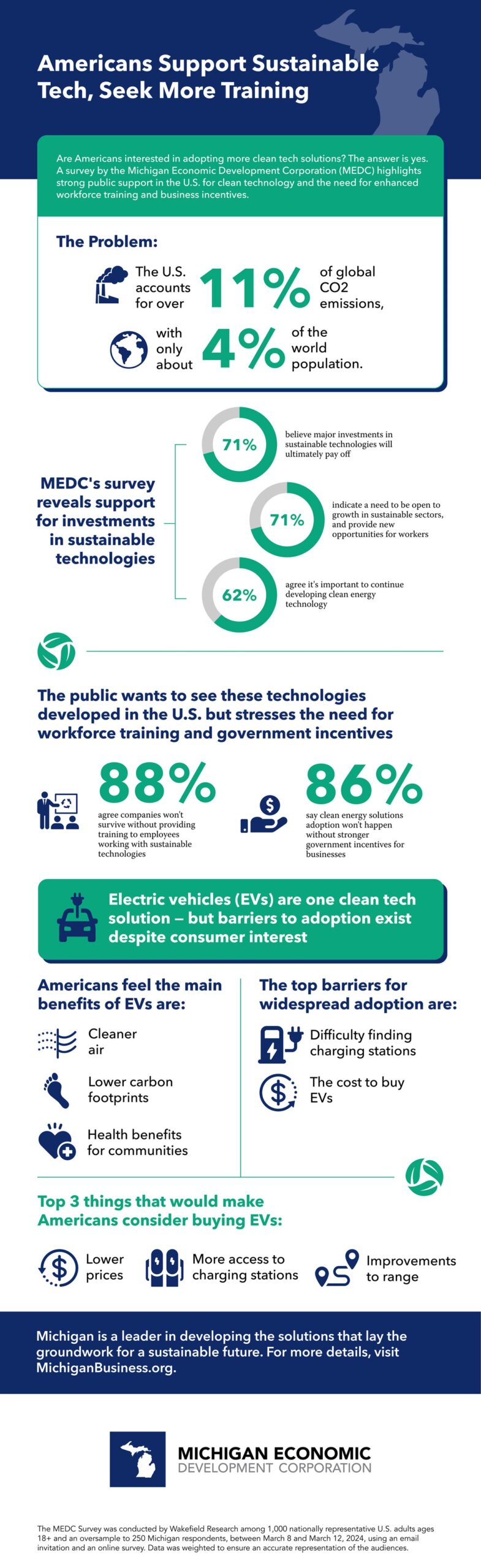
(BPT) – A survey by the Michigan Economic Development Corporation (MEDC) highlights strong public support for clean technology and the need for enhanced workforce training and business incentives. Read on for more information about support for sustainable technologies, including electric vehicles. For a more detailed look at Michigan’s sustainability impact, visit https://www.michiganbusiness.org/industries/clean-energy/.

Infographic

Is your thinking outdated? 4 common carton recycling myths debunked

2024-07-31T08:01:00

(BPT) – No one wants to feel like their thinking is outdated, but some misconceptions persist longer than many people realize. For instance, if you believe food and beverage cartons have a wax layer, you’re holding onto an idea that hasn’t been true since John F. Kennedy was in office.

Food and beverage cartons are used for safely storing a variety of popular foods and drinks. Head to any convenience or grocery store and you’ll find many products are packaged in cartons, including milk, juice, beans, soups, water and wine. These cartons are lightweight, efficient and made primarily from paper, a valuable renewable resource.

Given their widespread use, it’s important to stay informed about the truth of recycling food and beverage cartons. The Carton Council debunks these four carton recycling myths, so you can learn how to properly recycle cartons and share the truth with others.

1. Myth: Cartons can’t be recycled

Fact: According to a 2024 national survey, 71% of consumers believe cartons are definitely or probably recyclable. So, what about the remaining 29% that don’t know cartons are recyclable? It might stem from a common misconception that all cartons are made with wax, which can’t be recycled.

It’s true that at one point some food and beverage cartons were made with wax to make them sturdier for transportation and shelving. However, cartons have not contained any wax since the early 1960s!

Modern cartons contain no wax and are primarily made of paper, with small amounts of plastic and sometimes aluminum, in the case of shelf-stable cartons. These layers protect contents and keep light and oxygen out, allowing them to remain safe without the need for preservatives or refrigeration. Despite no longer containing wax, cartons remain strong enough to store liquids and other foods, whether they are the type found in refrigerators or the shelf-stable kind that store products for long periods at room temperature.

2. Myth: Recycling doesn’t matter

Fact: Every recycled item helps create a more sustainable future! When you recycle a carton, you’re helping keep them out of the landfill, reducing waste, conserving resources and protecting the environment.

Recycled cartons can have a second life as new paper products — such as tissue or toilet paper — or be made into sustainable building materials. As protecting the earth’s natural resources and the climate becomes increasingly important, recycling is one easy way everyone can help.

3. Myth: Recycling cartons is difficult

Fact: Recycling cartons at home can be as easy as 1-2-3! When you finish a food or beverage carton:

1. Empty any remaining liquid.

2. Replace the cap or push the straw back into the carton.

3. Toss the carton into the recycling bin.

In three simple steps, you can help preserve natural resources, reduce climate impact and actively help to reduce litter.

4. Myth: My area doesn’t recycle cartons, so I should toss them

Fact: According to the Carton Council, 62% of U.S. households can recycle food and beverage cartons through local programs. If you are unsure if they are accepted where you live, check the Carton Council’s address locator at RecycleCartons.com.

If your area doesn’t recycle cartons, you still have options. You can mail cartons to facilities in the Carton Council’s network that can recycle them for you. You can also sign a petition to inform your local recycling program that recycling cartons is important. By adding your name to the list, you can help grow the number of facilities that recycle cartons across the nation.

Now that you know the truth about carton recycling, share this information with others! By helping debunk these myths and properly recycle food and beverage cartons, you’re doing your part to promote sustainable practices and contributing to a greener, cleaner planet.

5 tips for traveling safely with your jewelry

2024-07-31T08:01:00

(BPT) – Planning a getaway? It’s a great time to relax, unwind and enjoy! But, you may be wondering whether to wear your jewelry, like your engagement ring or other valuable pieces, or leave them behind at home.

For an active, sporty vacation, like hiking in the Rockies, you may prefer to leave your precious jewelry safe and sound at home. But, if you’re attending a destination wedding or jetting off to New York, you’ll want to wear the jewelry you love, right? The question then becomes, how do you travel safely with it? Whether you’re wearing your jewelry or buying it while you’re there, your pieces need to be protected.

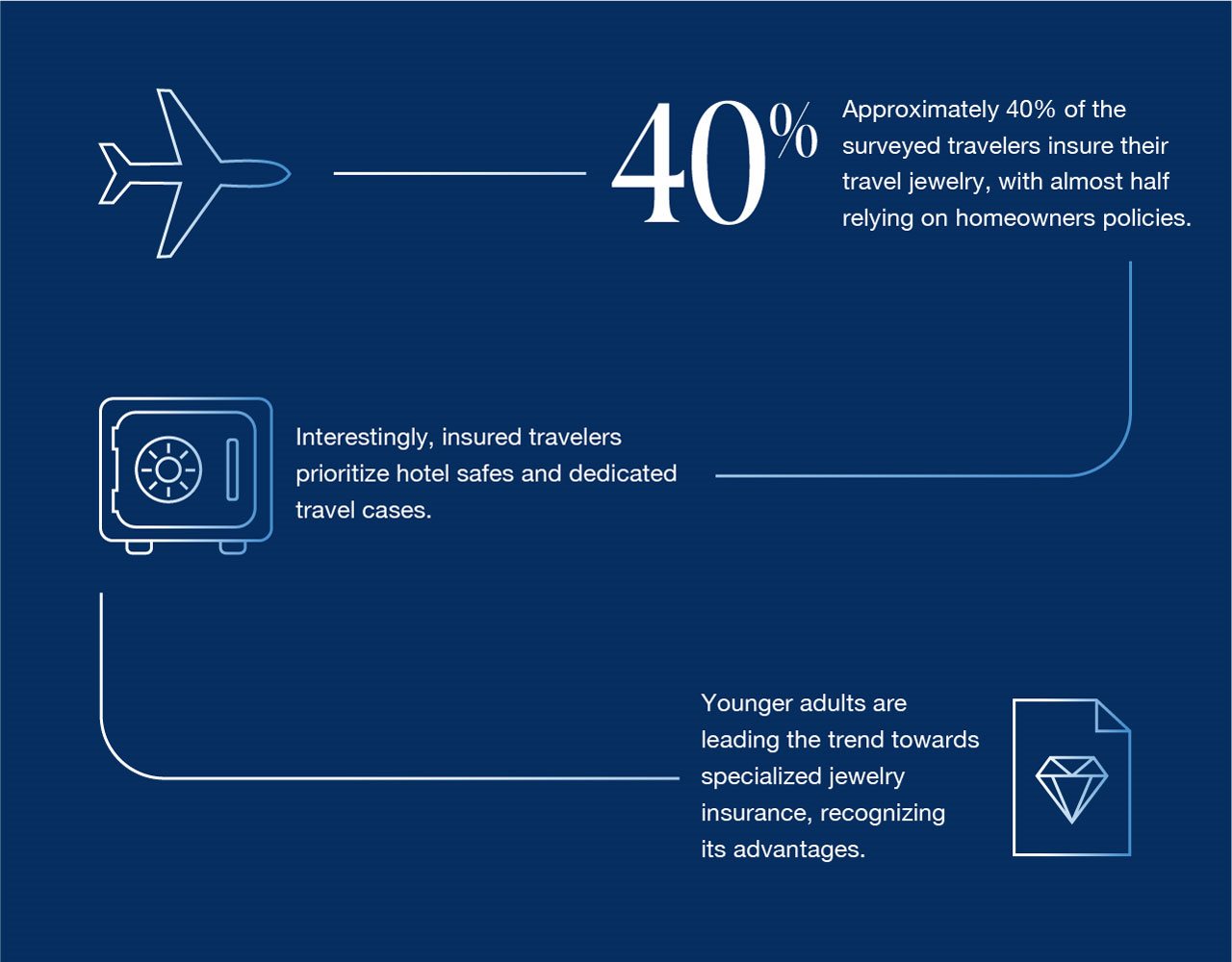
Insurance is a big part of the answer. A recent study by Jewelers Mutual found that only 40% of travelers insure their jewelry, and almost half of those rely on their homeowners’ policies to get the job done. Does your homeowner policy cover your jewelry when you’re on vacation? Some don’t. Make sure to find out if yours does, before you go. The last thing you want, after losing your engagement ring on the beach in Cozumel, is to find that loss is not covered.

“Your jewelry is more than metal and stone. It’s your story,” said Howard Stone, Vice President of Global Risk Services and Analytics at Jewelers Mutual. “It’s part of you. Wear and enjoy your treasured pieces while you’re on vacation. But doing it safely is the key.”

Infographic that talks about travels and jewelry insurance

Here are five tips for traveling safely with your jewelry.

Get jewelry insurance. This needs to be your first step. Jewelers Mutual, the only insurer with more than a century of expertise dedicated to protecting jewelry, gives you confidence that, if your jewelry is lost, stolen or damaged, they’ll work with your jeweler of choice to get it repaired or replaced. It’s your peace of mind when wearing the beautiful pieces you love.

Document your jewelry before you go. Make a visual and written inventory of all the jewelry you’re taking with you. If it is lost or stolen, this kind of proof of ownership is key. (You should do this anyway, even if you’re not traveling.)

Don’t wear it on the beach or in the pool. Any water activities with your engagement ring or other precious jewelry should be avoided. Water, and even applying suntan lotion, can make it easier for your ring to slip off. It can also loosen prongs or clasps, which can cause your stones or pieces to fall off.

Keep your jewelry safe in your hotel room. Storing your valuables in the hotel safe is a much better choice than leaving them on the bedside table. Other choices include locking jewelry in your luggage or asking the hotel if they have a safe behind the desk for patrons to use. Whatever you do, document it all with photos on your smartphone.

Conceal, don’t reveal. If you’re walking through an area of town you’re not familiar with or could be dangerous, don’t flash your ring or otherwise advertise it. It’s also important to minimize advertising the presence of expensive jewelry on your vacation by limiting what you post on social media.

By following these simple tips, you can travel in confidence with the pieces that mean the most to you.

How to stay in the driver’s seat of your finances this road trip season

2024-07-31T07:01:00

(BPT) – Are you planning to hit the road for a memorable family adventure this summer? While road trips can inspire excitement and spontaneity, they also require planning — especially when it comes to finances. And finances can add unexpected bumps to your otherwise smooth road.

A recent Experian survey found that nearly 3 in 4 consumers (71%) feel inflation has impacted their road trip budgets this year. Consumers are concerned about the cost associated with trips, with nearly half (42%) approaching summer road trips with frugality in mind. The majority believe gas, accommodations and food will be their biggest expenses.

Whether you’re planning your own road trip this summer or looking ahead for a future excursion, taking steps now can pay dividends down the road.

“Road trips are a quintessential summer experience, but costs add up quickly,” said Rod Griffin, senior director of Public Education and Advocacy for Experian. “By taking proactive steps, you can save money and stay within your budget so you don’t come home to a financial headache.”

Before packing up the car for your next vacation, here are things you can do to safeguard your finances.

Expect the unexpected

No matter how much planning you do, you might hit a bump in the road during your vacation. Whether you encounter car trouble, miss a reservation or experience a weather delay, unexpected expenses may occur. Make sure you create a budget and account for surprises so they don’t sideline your finances.

Shop around for a new auto insurance policy

Man holding a tablet which displays an Experian app.

One major car expense is your insurance premium. If you’re unsure whether you have a good rate for your current policy, there’s an easy way to find out. With a free Experian membership, you can access Experian’s free insurance marketplace to comparison shop and potentially find a better rate on your auto insurance policy — and save on average over $800 per year.*

This Experian service delivers multiple tailored rates from up to 40 top providers, so you can quickly find and purchase the auto insurance coverage plan that meets your needs, while helping you save money in time for your next trip.

Road trips are a quintessential summer experience, but costs add up quickly. Proactive steps can help you save money so you don’t come home to a financial headache.

Get more bang for your buck with the right credit card

Whether you’re filling your gas tank or grabbing a bite to eat, every pit stop is likely to cost you, and those purchases add up fast. Having the right credit card can help you earn rewards like cashback or travel points, which can cut down on expenses or help fund your next vacay.

Unsure where to look? A free Experian membership also gives you access to Experian’s free credit card marketplace, which can help you narrow your options and find the right fit for you.

Fuel your credit score to keep it healthy

When you think “road trip,” you might not be thinking about your credit, but a healthy credit score can save you money in many ways. Your credit could affect the price of your auto insurance, what kind of credit cards you qualify for and the terms and rates of loans, to name a few. Keep your credit score healthy by paying bills on time — in full when possible — and avoid taking on too much debt.

Map out your travel budget

It’s no fun to hit a financial pothole with overspending. Researching costs before you go and setting a realistic trip budget in advance can help ensure your money lasts the entire vacation. A little planning will keep you on track so you can come home invigorated — plus mentally and financially ready to plan your next adventure.

“There are many expenses to consider when planning a vacation, and every penny counts,” said Griffin. “Using free financial tools from Experian can help consumers achieve their financial goals whether that’s managing debt, increasing their credit score or saving money for that dream vacation.”

While you’re fueling up the car, choosing your route and setting your itinerary, remember: Financial preparation is key to ensuring a smooth journey. Using free financial tools can help you stay on the right path and find additional savings now and in the future.

Visit Experian.com to become a member and compare auto insurance rates, explore the best credit card options, check your credit score and more.

* Results will vary and some may not see savings. Average savings of $828 per year for customers who switched and saved with Experian from Jan. 1, 2022 to Mar. 31, 2024. Savings based on customers’ self-reported prior premium. Experian offers insurance from a network of top-rated insurance companies through its licensed subsidiary, Gabi Personal Insurance Agency, Inc.

How to choose a water heater: Finding the best fit

2024-07-30T16:31:00

(BPT) – American homeowners may not realize that their water heater accounts for roughly 13% of annual residential energy use. Recently, the Department of Energy (DOE) passed new water heater efficiency standards that will help save approximately $7.6 billion and reduce more than 332 million metric tons of carbon emissions.

The federal-level Inflation Reduction Act passed in 2022, along with a variety of state and municipal programs, which can be found through tools such as Rheem®’s Rebate Finder website, offers rebates and tax incentives to make it easier to upgrade to more energy-efficient models.

Whether you are looking for a heat pump water heater or a more conventional option, here are steps to help identify the ideal water heater for any home.

Assess your hot water needs

Keep in mind the number of people in the home and estimate hot water usage (in gallons) for activities like showering, dishwashing, laundry and cooking. Identify peak usage periods such as mornings and evenings when the demand for hot water likely increases and consider available energy sources.

Choose the right type of water heater

Each category of water heater has its own set of unique advantages. Selecting the right one depends on each household’s specific needs, budget and space availability. Rheem® offers a full line of heat pump, tank and tankless water heaters, each designed to meet the demands of diverse homes and occupants while providing long-term savings.

With three primary types of water heaters, here’s what each style has to offer.

Heat pump water heaters (HPWH): These units use electricity to move heat from the air to heat the water, making them significantly more energy-efficient than conventional electric water heaters. Benefits include lower environmental impact due to their high efficiency. These units also provide savings on energy bills. In fact, by upgrading to a more efficient heat pump water heater, the average homeowner savings could reach $1,800 over the appliance’s lifetime, with more advantages for renters and low-income households. All of these features make HPWH’s a cost-effective option for the long-term.

Conventional storage tanks: Available in electric, propane and natural gas options, these units can store a large volume of hot water in a tank that is ready for use at any time and maintain it at a set temperature until needed. Features include a lower initial install cost and the ability to provide hot water during power outages (for gas models). Keep in mind that tank-type options require more floor space than a tankless water heater and use energy to replace heat losses from the tank.

Tankless water heaters: Also known as “instantaneous” or “on-demand” water heaters, tankless models are available in natural gas, propane and electric — and heat water only when it is needed. Tankless technology does not store hot water, rather it heats the water as it passes through the unit, providing a continuous supply of hot water. These units are much smaller than conventional tanks, which helps to save space. Homeowners will see long-term benefits while saving on energy bills, as energy isn’t wasted on maintaining hot water. Heating water instantaneously requires high energy consumption for a short period of time, so a review of the home’s existing electrical or gas systems to ensure they are compatible with the chosen model is recommended.

Consider energy efficiency and technology features

Energy efficiency and decarbonization: Energy-efficient models employ advanced technologies to minimize energy waste. This provides homeowners with substantial savings on monthly energy bills while also lowering greenhouse gas emissions. Additionally, a number of environmentally- and budget-friendly options exist, with many water heaters being ENERGY STAR® certified, including several options from Rheem®.

Regulatory changes: The DOE’s new energy efficiency standards for water heaters, effective in 2029, aim to save consumers billions in energy costs. Electric water heaters will shift to heat-pump technology, using less than half the electricity of older models, while gas-burning heaters must also meet higher standards. To maximize savings and ensure compliance with the latest standards, it’s essential to select models that comply with the new regulations. Be sure to check the updated standards and guidelines to make an informed decision.

Technology and innovations in water heating: Innovations such as smart home integration and Wi-Fi connectivity provide greater control over the water heating system and contribute to increased energy efficiency and cost savings. For instance, many Rheem water heaters include features such as EcoNet, hot water availability indicator, vacation mode for energy savings, easy energy usage tracking, and proactive leak detection and prevention.

With a sharp focus on decreasing carbon emissions and reducing energy costs for homeowners, manufacturers such as Rheem are changing the global water heating industry. Homeowners focused on these regulatory and manufacturing changes, as well as the ongoing rebates and incentives being offered, can leverage these trends to increase their comfort with new energy-efficient water heaters. When selecting the ideal water heater, remember to start by fully assessing the home’s hot water needs, then prioritize factors such as comfort and maximizing energy savings. And, finally, research the model’s warranty details to ensure the unit will serve the home for many years to come.

3 surprising reasons to have milk in your fridge year-round

2024-07-30T17:23:00

(BPT) – Whether it’s summer, fall, winter or spring, milk is always a great choice for families to drink, for plenty of reasons. Having milk on-hand for your favorite cereal in the morning or for dunking a warm chocolate chip cookie may be reason enough to keep a carton in your fridge, but here are some perks that may surprise you — and a few ways to think outside the carton.

1. Milk is a nutritional powerhouse

When you pour yourself a glass of milk, nutrition may not be the first thing that comes to mind. But, an important benefit of drinking dairy milk is that you’ll get essential nutrients that are important for overall health and wellbeing, including protein, vitamins A, B12 and D, calcium, potassium, riboflavin, niacin and zinc.

Want even more nutrition from your milk? Look for options that have been fortified with fatty acids — such as Organic® Valley Family First™ Milk with DHA Omega 3. Fatty acids support brain health, as well as providing energy to the body and keeping your heart, blood vessels, lungs, immune system and hormones functioning as they should. However, most Americans don’t usually meet their needs for this nutrient, according to the U.S. Dietary Guidelines for Americans. So, look for milk options with added DHA Omega 3 and your brain and body will thank you!

2. Milk is a tasty way to hydrate

It’s estimated that 75% of Americans are chronically dehydrated. But, dairy milk may not be top-of-mind when it comes to looking for a hydration solution. Research published by the National Institutes of Health has shown that milk hydrates better than water, as it replaces some of the electrolytes that are lost while sweating and hydrates even better than sports drinks because it contains much-needed calcium. So, keep this in mind next time you’re packing up drinks to bring to kids’ sports practice, outdoor events and playdates, especially during the hot summer months.

3. Milk helps everyone get their ZZZ’s

To help everyone in your family enjoy better sleep, try adding milk to your bedtime routine. According to registered dietitian Caitlin Beale, M.S., R.D.N., using milk as a bedtime snack can help the body relax in preparation for sleep. In her article on mother.ly, Beale explains how milk can promote better sleep — and overall well-being.

  • Creates a soothing ritual: Bedtime routines like story time and sipping warm milk act as signals to the brain that it’s time to wind down.
  • Helps balance blood sugar: Protein in milk helps steady blood sugar levels, to support better rest.
  • Promotes growth and development: Milk is a good source of protein, healthy fats, calcium, B vitamins and vitamin D — all needed for healthy development. Organic Valley Family First Milk also contains DHA omega-3s to support brain health.
  • Supports healthy metabolism: A glass of milk before bed can aid muscle recovery and support a normal metabolic rate while you sleep (meaning, how many calories your body burns overnight).
  • Contains tryptophan: Like sleep-inducing turkey dinners, tryptophan helps make neurotransmitters and hormones that control your sleep and wake cycles.

With these reasons in mind, the next time you think about milk, think Organic Valley — a cooperative of small family farms that never use antibiotics, synthetic hormones, toxic pesticides or GMO anything. And because Organic Valley farmers use sustainable farming methods, you can feel good knowing you’re not just nourishing your body, but also supporting the health of the planet. You can find Organic Valley® Family First Milk™ and other products near you at OrganicValley.coop/store-locator.

Get ready to celebrate! How to throw a small business shower

2024-07-30T15:01:00

(BPT) – Starting a small business is no small feat. It requires vision, passion, dedication and an appreciation that your business is a vital part of local, national and global communities. Small and medium-sized businesses (SMBs) are the backbone of economies globally. According to the World Economic Forum, SMBs make up 90% of all companies and create nearly 70% of jobs and gross domestic products worldwide.

Considering the importance and impact of SMBs and the grit and determination it takes to establish your own, small business owners deserve to be celebrated. One fun way many founders are commemorating this accomplishment is by throwing a “small business shower.”

What is a small business shower?

Small business showers are celebrations that recognize the biggest milestone in an entrepreneur’s career — starting or scaling a business. A shower brings together friends, family, colleagues and the broader community to help support and cheer on those embarking on a new career journey, whether they are an experienced business owner entering a new market or a “solopreneur” starting their first business. By offering encouragement, business connections or resources and perhaps even financial support, throwing a small business shower is a fun way to celebrate your accomplishments while preparing to propel your business forward.

Why should I throw a shower?

You may feel a little shy about throwing a small business shower. However, we throw celebrations for so many life events, from birthdays to weddings to baby showers. Why not recognize the hard work that goes into starting or expanding a business?

If you’re still unsure, consider how small business showers can create an impact beyond the business owner alone. By bringing together a community of friends, family and like-minded local business owners who can offer advice and encouragement, a network of powerful, collaborative, and supportive individuals is formed. These gatherings are a great reminder of how important it is to invest in each other’s success and growth — and what can be accomplished when we do.

How do I throw one?

There’s no right or wrong way to throw a small business shower. The event can be virtual, in-person or both. You can host the event at home, in your business space or at your favorite restaurant.

However you choose to throw your shower, have fun putting it together. Consider creating eye-catching invites, incorporating thoughtful decorations, making or catering food and setting up engaging games for your guests. Then, enjoy! And who knows? Maybe it will inspire someone you know to start their own business.

Take Nana Agyemang — CEO of EveryStylishGirl and contributing social editor at NY Mag and The Cut. She recently threw a small business shower for herself when she knew she needed a serious tech partner to bring her vision to life. By collaborating with HP, she was able to not only execute the perfect small business shower but also demonstrate the power of identifying the right partners to support throughout your business journey.

Finding the right partner to jumpstart your business

As you reflect on your business, it is important to think about how you’re preparing for success and future growth. One of the most critical elements to ensure your success is finding the right partners from the beginning, especially when it comes to technology.

The right tech partner will understand the unique challenges and opportunities entrepreneurs face throughout their business journey, creating an environment where leaders can navigate any challenge and drive their business to success. In doing so, they can also empower SMB owners to celebrate their successes while providing premium, reliable and quality technology.

For instance, Agyemang was able to simplify the preparations for her shower with tech that made her vision come to life with the help of HP. She easily designed and printed high-quality invitations, vision board materials and decorations using her HP OfficeJet Pro 8135e printer and HP Spectre x360 14 laptop.

In the same way that SMBs need a community to support them, they also need the right business partners who believe in their potential. “It is so important to have a partner that will grow with you as your business expands,” says Nana. “It’s been great seeing brands like HP get involved in supporting small businesses and encouraging them to celebrate their wins.”

Your accomplishments deserve recognition. Let these tips inspire you to commemorate these moments and bring your own small business shower to life.

To learn about how HP is supporting and celebrating small businesses, visit https://www.hp.com/us-en/smb/small-and-medium-business-solutions.html.

A 6-step plan to reduce your child’s allergies and asthma symptoms

2024-07-30T07:01:00

(BPT) – If you’re the parent of children with allergies or asthma that tends to flare up in the fall, now is the time you typically should start preparing for them to go back to school. But one thing might make this year’s fall allergy season a bit more severe than others: The recent wild weather much of the country has been experiencing over the spring and summer.

Deluges of rain, unprecedented heatwaves and heavy storms have been the norm for most of us, and all of that can contribute to the severity of allergy symptoms, including hay fever and pollen allergies.

“Molds grow quickly in heat and high humidity, and a rainy spring can also promote rapid plant growth and lead to an increase in molds, causing symptoms to last well into the fall,” said allergist Gailen Marshall, MD, PhD, president of the American College of Allergy, Asthma and Immunology (ACAAI). “Because allergies and asthma can impact a child’s school day, and even their overall academic performance, it’s important for parents to prepare for the triggers that can cause allergic reactions.”

The ACAAI offers these six tips for parents to get a handle on allergies and asthma so their children can start off the school year healthy and ready to learn.

Know your child’s triggers. What is causing those itchy eyes and runny noses? Knowing what you’re up against is the first step in treating it. Be especially mindful of allergens that can be found in a classroom, including dust, molds and pet dander on other kids’ clothes and backpacks. If you don’t know the triggers, it’s time to see an allergist.

Make an allergist appointment before school starts. Board-certified allergists are uniquely trained and qualified to treat allergies and asthma. Your allergist will work with you to create a plan to minimize the impact of your child’s allergies. Make sure your child’s prescriptions are up to date and adjusted (if necessary), if they’ve had a growth spurt or their weight has changed over the summer. And have their prescription paperwork in order if your child needs to carry medication with them to school.

Educate your child on food allergies. School cafeterias are a high-risk zone for children with food allergies and a big worry for parents. Make sure your child knows what they’re allergic to, the foods to avoid, the symptoms to watch out for, and what they need to do if they feel those symptoms coming on. If your child needs an epinephrine auto injector, make sure they have two in their backpack at all times. Your allergist is your ally in this important, lifesaving step.

Create an asthma plan. Childhood asthma affects some six million children in the U.S. If your child is one of them, make sure he or she carries their inhaler and is knowledgeable about what might trigger an attack. School personnel should also have a copy of your child’s asthma plan.

Loop in school personnel. Talk with your child’s teachers, school nurses and even cafeteria workers. They can be important allies, especially if your child has food allergies and asthma. A conversation before the school year is in full swing can make them aware that your child has an allergy or asthma, and whether they may need to take medication or use an epinephrine auto injector or an inhaler.

Consider immunotherapy. Managing symptoms is one thing, but treating the underlying allergy itself may be a more permanent solution. Immunotherapy is extremely effective for treating some allergies and can help control asthma. Many allergies can be treated with allergy immunotherapy in the form of shots or tablets, and your child could reap the benefits by seeing their symptoms decrease.

If your child’s allergy and asthma symptoms are getting in the way of them living their best life, especially at school, use the ACAAI allergist locator to find an allergist in your area.

Your Voice Matters: Taking Control of My Life with GVHD

2024-07-30T08:01:00

(BPT) – Hello, my name is Amanda and I’m a 36-year-old mom who loves playing the piano and crafting.

My son Isaac is my world, and while I am his biggest supporter while he plays Peewee football, he’s my biggest cheerleader as well. I live with graft-versus-host disease (GVHD) and some days are harder than others, but Isaac is by my side, inspiring me every step of the way.

Rewinding to 2017, I was diagnosed with leukemia and underwent an allogeneic bone marrow transplant the following year. Although the transplant successfully treated my cancer, just a few months later, I was hit with a series of alarming symptoms.

My abdomen swelled like I was nine months pregnant. My skin became incredibly dry and hypersensitive to sunlight. Even the mildest spices, like a dash of ketchup, caused my tongue to swell, making even the simplest meal a challenge.

Tests revealed that I had developed GVHD, a common complication following an allogeneic bone marrow transplant, which occurs when donor cells (the graft) attack the recipient’s organs and tissues (the host). While some experience mild symptoms that can go away, mine were debilitating.

I knew about GVHD before my transplant, but nothing prepared me for the reality.

As someone who has always been an open and outgoing person and had blogged regularly about my cancer journey, GVHD left me feeling isolated. I didn’t know how to talk about what I was going through. And this was very unfamiliar to me.

My experience with GVHD has been an absolute rollercoaster, from feelings of fear to feelings of helplessness — never knowing what symptoms I may experience day to day. On a bad day, I could be covered in sores from too much sunlight after walking the dog or laid up in bed, sick with excruciating body pain, intense nausea, and diarrhea. However, the most painful part of this experience has been that my son is a rambunctious little boy — a little boy who wants to play and run and go to the park and play baseball — and I can’t always keep up with him on the tougher days.

But I don’t let that stop me.

I’m determined to improve my condition and I’ve vowed to do everything I can to advocate for myself so I can get better for my son.

After feeling alone for some time, I started doing research — reading everything I could get my hands on, even reaching out to doctors and professors directly to discover new strategies to help manage my GVHD through exercise and nutrition.

But most importantly, I joined online support groups and connected with other people in the GVHD community. My family has always been an amazing source of support; however, talking with people who could directly understand my experience with the condition was a game-changer and a turning point for me mentally. The opportunity to get things off my chest — instead of just holding everything in — has been a great source of therapy.

Today, when I’m not helping others struggling with GVHD, I balance my time between freelance writing for newspapers and magazines, working on my Board Certification in Patient Advocacy, and being a mother to my son. And when I experience flare-ups from my GVHD, I’ve learned how to manage and speak openly about them.

For anyone facing GVHD, remember that being open to the community and building a reliable support system are key to taking control of your health. Everybody is different, and you know your body the best.

For anyone who is looking to make a connection, please visit the GVHD Alliance for resources and support for your GVHD journey.

The health information contained herein is provided for general educational purposes only. Your healthcare professional is the best source of information regarding your health. Please consult your healthcare professional if you have any questions about your health or treatment.