5 Things Previvors Should Know

2024-05-31T05:01:00

(BPT) – 1. “Previvor” means a “survivor of a predisposition to cancer.”

Previvors are people who have an elevated risk, but who have never been diagnosed with cancer.

The term includes people with an inherited mutation that increases their cancer risk, a family history of cancer or some other factor that increases risk. Like cancer survivors, previvors must navigate many medical decisions. They benefit from support and resources to help them stay as healthy as possible.

The nonprofit hereditary cancer organization Facing Our Risk of Cancer Empowered (FORCE) coined the term in 2000 in response to a challenge by a FORCE member who posted, “I need a label!”

2. Genetic testing can help people understand their cancer risk.

Lab tech looking at a vial of blood containing genetic material.

The most well-known genes linked to cancer are BRCA1 and BRCA2. Mutations in these genes increase the risk for breast, fallopian tube, ovarian, pancreatic and prostate cancer. People of any race or ethnicity can have one of these inherited mutations. About one out of every 400 people has a BRCA1 or BRCA2 mutation. These mutations are more prevalent in certain groups. For example, about one in 40 people of Eastern European (Ashkenazi) Jewish ancestry has a mutation.

Dozens of other genes are linked to an increased risk for cancer. Lynch syndrome, although less well known than BRCA1 and BRCA2, is more common. About one out of every 280 people has a Lynch syndrome mutation. Lynch syndrome is caused by a mutation in one of five genes (EPCAM, MLH1, MSH2, MSH6, PMS2). People with Lynch syndrome have an increased risk for colorectal, endometrial, ovarian and other cancers. Inherited mutations in ATM, BRIP1, CDH1, CHEK2, PALB2, RAD51C, RAD51D and other genes are also associated with increased cancer risk.

A single genetic test of blood or saliva can look for mutations in the genes mentioned above and more. Today, testing is quick, easy and often covered by insurance. But testing isn’t always straightforward. It’s important to speak with an expert, known as a genetic counselor, before you are tested.

3. Being aware of your risk could save your life.

Previvors have medical options to manage their cancer risks, including:

  • enhanced screening (getting screened sooner or more often) to find cancer early, at its most treatable stage.
  • medications and lifestyle changes to lower cancer risk.
  • risk-reducing surgery.
  • research studies that are testing new ways to manage risk.

Research shows that people with inherited mutations who take preventive actions live longer. The first step to protecting yourself is knowing your risk for cancer. Guidelines for risk management are different for each gene, so it’s important to see a genetic counselor to understand your options.

4. Up to 90% of previvors do not know they have inherited a mutation that increases their cancer risk.

Most people are unaware of their risk for cancer. People who know about their inherited mutation before a cancer diagnosis can take steps to reduce their risk or increase their chance of catching cancer at an early, more treatable stage. This is why it is important for people to know their family medical history and to share their health information with relatives.

  • FORCE’s brochure, The Genes Between Us, is a comprehensive guide to talking with relatives about inherited cancer risk.
  • Susan G. Komen has great information and a tool for collecting your family history of cancer.
  • The Centers for Disease Control and Prevention (CDC) has a page with tips and stories to help you have a conversation with your relatives about cancer in the family.

5. Previvors don’t have to go it alone.

Support for previvors is just a click away. Facing Our Risk of Cancer Empowered (FORCE) is an advocacy organization with dedicated resources for previvors. The Bring Your Brave campaign from the CDC shares uplifting stories and resources for previvors.

Stroke Prevention: TCAR Procedure Offers New Hope for Carotid Artery Disease Patients

2024-05-30T08:01:00

(BPT) – Did you know carotid artery disease (CAD) is responsible for up to one-third of all strokes? Early detection and treatment of CAD can significantly reduce your risk of having a stroke, and Judy’s story is a testament to this.

After witnessing her grandmother suffer a major stroke, Judy was determined to stay healthy and visited her doctor regularly to get check-ups on her carotid arteries. These vital blood vessels, located on both sides of the neck, deliver oxygen-rich blood to the brain. When they become blocked or narrowed, CAD can develop and lead to a stroke.

With a family history of heart and vascular issues, Judy knew she was at risk. While many people like Judy show no symptoms in the early stages of CAD, patients with one or more of the following risk factors should still pursue screening as early as possible:

  • Diabetes
  • Family history of stroke
  • High cholesterol
  • High blood pressure
  • Older age, especially for men
  • Smoking, or using alcohol or recreational drugs
  • Trauma to the neck

During one of her visits, Judy’s doctor discovered her left carotid artery was blocked. After getting referred to surgery, she underwent carotid endarterectomy, the traditional surgical procedure for CAD. Although the blockage was resolved, she experienced severe pain, facial numbing, and a long recovery period.

Two years later, when her right carotid artery also became blocked, Judy sought a different solution. Dissatisfied with her previous experience, she discovered Transcarotid Artery Revascularization (TCAR), a patient-friendly procedure with several advantages over the traditional surgery:

  • Exceptional stroke prevention, even for high-risk surgical patients
  • Minimally invasive
  • Reduced risk of nerve injury and post-procedure heart attack
  • Shorter procedure time
  • Faster recovery and shorter hospital stays

After undergoing TCAR, Judy stayed one night in the hospital and was able to go home the next morning. She said she felt great after the surgery and quickly returned to her daily activities.

“I look forward to every day,” Judy says. “Without this technology, I would be disabled. I would not have my mental capacity, and that would be a tragedy to me and my family. I have my life because of all the things that people did to make it possible for me to be here. The best thing I can do is just say thank you.”

To learn more about CAD detection and treatment options, please visit Silk Road Medical’s patient education resource: https://protectionfromstroke.com/.

Adopting a pet? Here’s how to make a perfect match

2024-05-30T13:01:00

(BPT) – Spring is a great time to consider adding a furry friend to your household! Bringing a pet into your home is one of the best decisions you can make to enrich your life, with three quarters of pet parents reporting mental health improvements from pet ownership. With more than six million animals currently in rescue agencies or shelters in the U.S., adopting a pet will open your home to an animal in need and bring you untold amounts of joy and well-being. It’s easy to fall in love with an adorable dog or cat, especially if they have backstories that pull at your heart strings. But as tempting as it is to take home the first sweet face you see, it’s not a decision to make lightly.

According to a study by the National Institutes of Health, 40% of adopted pets are returned to shelters within the first year. That’s why some careful forethought can help your home be a permanent one for your new best friend. Here are six things to consider to help you find a companion that is the perfect match:

Compatibility with your Lifestyle: Before you choose a pet, think about your lifestyle and choose a pet with a temperament and personality that fits. Are you looking for a cuddle buddy for movie nights or a running partner? Do you work from home or are you in the office five days a week? Do you have young children or teenagers? A young, active husky might not be the best choice for someone who is away most of the day, while an older cat might enjoy quiet and solitude. A rambunctious dog might be too much for young kids, while teens might love to play with them in the backyard.

Preparing for Expenses: Budgeting for pet care is the best way to make sure you’re not surprised by the expenses necessary to keep your new family member healthy and happy. Think about vet visits, yearly vaccinations, food, day care, dental cleanings, grooming and more. There’s also a chance pet parents could face surprise costs like treatment for an injury or surgery. These costs can add up over time, Synchrony’s Pet Lifetime of Care Study shows it can be as much as $55,000 during a pet’s lifetime. But there are ways to be ready for these costs.

Many pet parents have a credit card specifically for pet expenses, such as Synchrony’s CareCredit. CareCredit is a health and wellness credit card that empowers families to pay over time for pet care with flexible, budget-friendly financing options. CareCredit can be for all types of veterinary and pet care from routine exams and vaccinations to illness and injuries, nutrition and prescriptions and even microchipping, boarding, training and other expenses. Having a solution to manage costs can give your financial peace of mind through every stage of your pet’s life.

Puppy or Kitten vs. Adult Pet: If you work outside of the home most of the time, a puppy or kitten can be challenging but not impossible. Young animals need a lot of supervision, training and attention as they discover the world — and get to know you and your household. It takes time and attention to help them grow into well-mannered adults. If you don’t have those, consider adopting an adult pet that’s already house trained, crate trained, leash ready or can manage being alone. Be sure to ask these types of questions when you are at your chosen place of adoption.

Allergies in Your Household: If someone in your home is allergic to dogs or cats, careful consideration should be made. The last thing you want is to fall in love with a furry friend only to discover you or a child is constantly sneezing. However, there are certain breeds that are hypoallergenic that might be the ideal fit.

Living Situation: Do you live in an apartment? What floor is it on? Is there easy access to outdoor spaces or a dog park? Does your home have a fenced-in yard to keep them safe? What are the rules for pets if you’re renting? It’s important to keep all of these things in consideration when adding a pet to your life and living space. It’s not always the size of the pet that matters most, it’s the size of your commitment to making to work for you and the animals.

Considering all the elements of pet ownership before you bring your furry friend home will help ensure it’s a perfect match from the start — and for a lifetime.

To learn more about how CareCredit can help you be financially prepared to care for your new family member, and to find a vet near you that accepts CareCredit, visit their website www.carecredit.com.

Gen Z rising: Where the next generation is celebrating Pride in 2024

2024-05-30T11:01:00

(BPT) – Over the past five years, we have seen a 300% surge in nights booked by Gen Z guests globally, indicating a broadening of the travel market as more destinations, both traditional and new, attract young travelers1.

As we head into Pride Month, new Airbnb data reveals a fresh wave of travelers are shaping the landscape of global Pride celebrations. From spectators to trailblazers, Gen Z travelers are exploring new spaces for the LGBTQ+ community to come together.

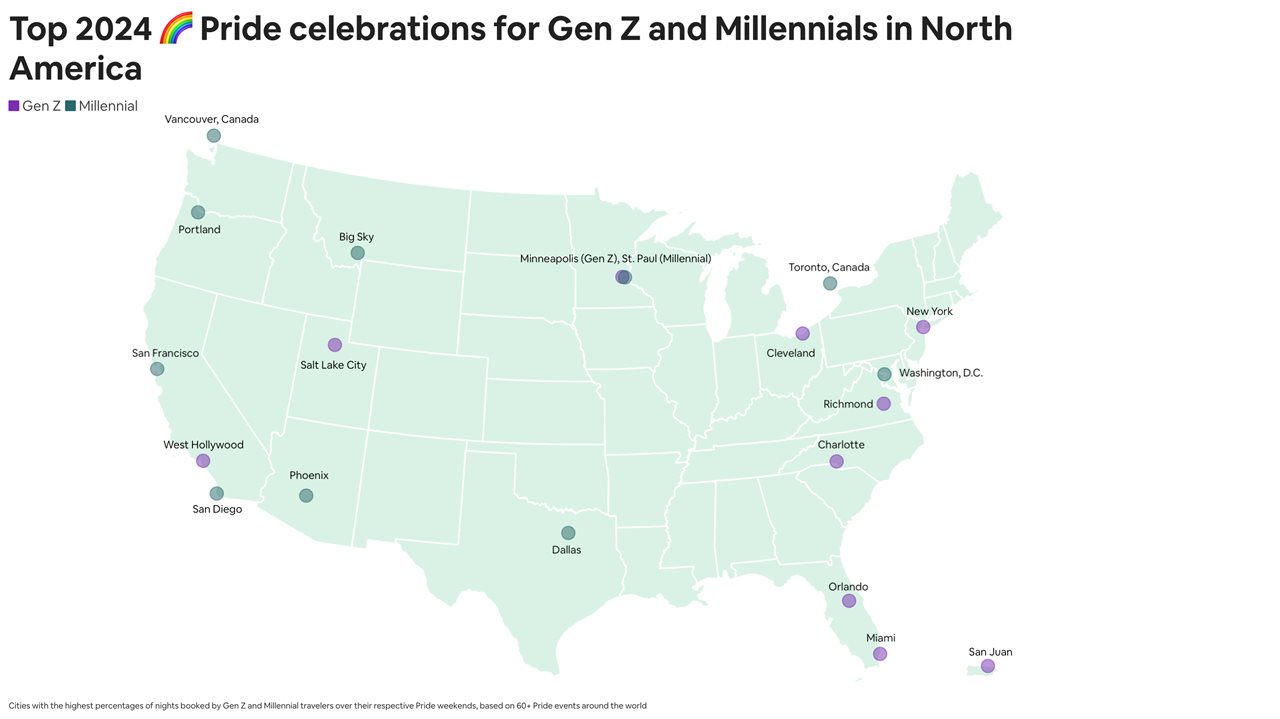
A generational comparison: the top booked Prides this summer

null

From the capital seat of Utah, to the scenic charms of Taipei, and the historical sites of Athens, Gen Z’s impact is global. Emerging hotspots like Cleveland and Charlotte, where Gen Z interest is notably strong, are becoming central locales in the Pride circuit, pointing toward a broader trend of inclusivity and new celebrations across different regions.

This year, the most popular Pride destinations among Gen Z travelers showcase their unique preferences and adventurous spirit. Below is a list of cities that have seen the highest percentage of nights booked by Gen Z and Millennials during Pride celebration weekends2:

Gen Z’s Top Booked International Pride Celebrations

  • San Jose, Costa Rica
  • Lima, Peru
  • Prague, Czech Republic
  • Bogota, Colombia
  • Madrid, Spain
  • London, United Kingdom
  • Manchester, United Kingdom
  • Cologne, Germany
  • Berlin, Germany
  • Thessaloniki, Greece

Millennials’ Top Booked International Pride Celebrations

  • Taipei, Taiwan
  • Rio de Janeiro, Brazil
  • Bogota, Colombia
  • Hong Kong
  • Berlin, Germany
  • Oslo, Norway
  • Montreal, Canada
  • Naples, Italy
  • Athens, Greece
  • Santiago, Chile

Millennials continue to lead bookings to traditional Pride celebration destinations, maintaining their strong presence and celebrating in familiar spaces, while Gen Z is exploring both the newer Pride celebrations and traditional ones.

Top-rated LGBTQ-friendly cities by guest reviews

Creating safe and welcoming spaces is not just a current trend, but a growing movement. Following the top booked destinations for Pride, we are shining a rainbow-colored spotlight on cities that are celebrated for their LGBTQ-friendly environments by the number of mentions in guest reviews3:

  • Puerto Vallarta, Mexico
  • Madrid, Spain
  • New York City, NY
  • Paris, France
  • San Diego, CA
  • Chicago, IL
  • Wilton Manors, FL
  • Toronto, Canada
  • Seattle, WA
  • London, United Kingdom

These cities are not only home to some of the most spectacular Pride events, but their hosts also foster environments where LGBTQ+ travelers can feel welcome year-round.

Hosts are embracing and celebrating the spirit of Pride Month

From vibrant, color-filled homes to unique, Pride-centric experiences, these listings encapsulate the spirit of Pride Month and provide a warm, inviting atmosphere for everyone. Below is a collection of homes showcasing their pride in some of the most colorful ways:

Inclusive language fosters acceptance

We want Airbnb to be a place where people of all identities, backgrounds and cultures feel welcome.

Last year we released new data which showed the number of Hosts around the world using LGBTQ+-inclusive language surged by nearly 90% since 2017, signifying a shift toward an even more welcoming and inclusive community on the platform. According to findings from Morning Consult Brand Intelligence, 41% of LGBTQ+ respondents who travel identify as Airbnb users – 8% higher compared to the overall percentage of U.S. leisure travelers.

Inclusive language helps foster a sense of belonging and safety, which is crucial for members of the Airbnb community, no matter how they identify.

  1. Nights booked by Gen Z in Q1 2019 vs Q1 2024.
  2. Cities with the highest percentages of nights booked by Gen Z and Millennial travelers over their respective Pride weekends, based on 60+ Pride events around the world.
  3. Cities with the most mentions of LGBTQ + “gay friendly” in their reviews in the past 10 years.

The future of home water heating: How heat pump technology is changing the game

2024-05-29T15:31:00

(BPT) – The Department of Energy (DOE) recently released higher energy-efficiency standards for water heaters that will go into effect in 2029. Focusing on decarbonization, the new standards emphasize how highly efficient water heaters, especially heat pump water heaters, will result in lower energy consumption and in turn, potentially save Americans billions in household energy costs.

Ultimately, the new regulation aims to improve performance and increase energy efficiency in the home, while decreasing overall household emissions.

Since Rheem®, a leading manufacturer of water heaters, launched its first heat pump water heater in 2009, its technology and efficiency has continued to evolve. This cutting-edge technology relies on moving heat from outside the unit to warm the water within. In fact, some units can be up to four times more efficient than traditional models.

Installing a heat pump water heater can make a home more sustainable, while providing a high-performing, reliable hot water solution.

Tax incentives for energy-efficient home upgrades

Growing in popularity, it is estimated that by 2029, the majority of electric water heaters installed in the U.S. will be heat pump water heaters.

To help encourage adoption of the heat pump water heaters, tax programs such as the Inflation Reduction Act (IRA) include incentives for homeowners to upgrade and install environmentally friendly equipment and appliances throughout the home. Since going into effect in 2023, the IRA set aside $8.8 billion for consumer rebates on high-efficiency products to cover the cost of the appliance and the associated installation costs.

By taking advantage of the tax credit, homeowners can reduce their tax bill between $2,000 and $3,200, offsetting some of the upfront costs of making energy-efficient home improvements. Specifically, the tax credit for a heat pump water heater is 30% of the unit cost, plus installation up to $2,000. Additional tax credits are available if electric panel upgrades are necessary.

There are also long-term savings to consider. Designed to heat water in a more efficient manner, heat pump water heaters reduce energy usage, which can save consumers hundreds of dollars annually on their utility bills. In the end, these savings add up and can potentially help cover the cost for a heat pump water heater within less than two years of a unit’s installation.

Advancing convenience: Smart features and innovations

Heat pump water heaters address a major consumer ask: the ability to have control of home equipment from anywhere. As heat pump technology continues to evolve, manufacturers are integrating smart technology into heat pump water heater systems.

It’s now common to include temperature control via a wireless mobile app, leak detection tools, automatic water shut-off and more, making heat pump water heaters among the most intelligent and controllable pieces of technology in a home.

Energy efficiency is a key driver for heat pump technology. The Rheem ProTerra® Hybrid heat pump water heater allows homeowners to benefit from energy efficiency and participate in available demand response programs. Benefits include monitoring energy usage of the water heater and additional utility savings.

Rheem continues to find ways to innovate on this technology, recently adding to the ProTerra line with a 120V Plug-in model, making it simple for homeowners to replace a gas unit with a heat pump water heater. The plug-in units are easy to install with little to no electrical work, no venting or gas line requirements and Wi-Fi capabilities.

Installing a heat pump water heater can make a home more sustainable and energy efficient, while also providing a customizable and controllable hot water solution.

Are you a mosquito magnet? Here are 4 reasons why and how to protect yourself

2024-05-29T09:03:00

(BPT) – There’s nothing quite like the lure of the outdoors when the sun is shining, temperatures are heating up and the world is in bloom. Unfortunately, while you and your family are enjoying all that the warmer months have to offer, mosquitoes are too.

To help improve your experience as you spend more time outdoors this season, TruGreen, the nation’s leading lawn care treatment provider, shares four reasons you may be attracting mosquitoes without even knowing it — and preventive measures you can take to help keep them at bay.

1. Donning flowery perfume

Before you opt for floral scents throughout the summer months, consider that you may be unintentionally enticing mosquitoes. The reaction from the floral scent on your skin’s surface attracts mosquitoes.

Before heading outside, you may want to avoid floral perfumes, lotions and sunscreens — or think twice before going outside soon after applying.

2. Enjoying a cold brew

While many people like to drink beer at friends and family outdoor gatherings, beer — or any alcohol — expands your capillaries which sends more blood to your skin’s surface. As a result, your body temperature increases, making you produce more sweat and carbon dioxide — a perfect concoction to intrigue mosquitoes.

The best advice? Save IPAs for your indoor gatherings and choose non-alcoholic, sugar-free beverages while you’re having fun in the sun.

3. Attractive — but stagnant — bodies of water

Decor such as bird baths, flower pots, or ponds can provide great flora and fauna for your outdoor space, but be aware that stagnant bodies of water are a mosquito-favorite breeding ground. Any kind of outdoor decor or container holding water is an appealing place for mosquitoes to meet, mate and lay eggs.

To help prevent mosquitoes from intruding on your outdoor get-togethers, scout your property frequently to empty and dry standing bodies of water.

4. Wearing dark-colored and tight clothing

Mosquitoes have limited eyesight (their sense of smell is much better!), but their small eyes can easily see bold, dark colors including navy blue, black, gray and red. They can also bite through clothes, which gets right to your skin when wearing form-fitting clothing.

You can make yourself less of a target by opting for loose-fitting clothing with paler colors that are less likely to get their attention — like white or yellow. Best yet, wearing lighter, looser clothing can also help you feel cooler when the temps heat up.

“We can all agree that the presence of mosquitoes is less than thrilling,” said Dr. Roger May, TruGreen’s director of technical operations. “If mosquitoes continue to be a problem in homeowners’ backyards, I recommend they consider TruGreen’s Mosquito Defense treatment, which can help target these pests and create a more comfortable outdoor environment to enjoy all season long!”

3 tips for sticking to a healthy lifestyle plan

2024-05-29T08:01:00

(BPT) – As the seasons change, a familiar moment of truth happens in many households. When you’re turning over your closets — putting away your sweaters until next year, and bringing out the t-shirts, shorts and sundresses — you begin wondering how your summer clothes mysteriously got one size smaller over the winter. And then the realization hits: your New Year’s resolution to exercise more and eat right has fallen by the wayside. It’s all too common. According to recent research out of The Ohio State University, only 9% of Americans who make resolutions stick to them. Some 23% quit in the first week and 43% quit by the end of January.

It’s not the resolutions themselves that are the problem. Exercising more is an excellent goal! It’s the motivation factor. How can you make healthy lifestyle changes that will stick? Dana Ryan, Ph.D., MA, MBA, director of sports performance, nutrition and education and Chair of the Herbalife Fitness Advisory Board at Herbalife, says it’s all about enjoyment, community and confidence.

“In my opinion, the magic ingredient that helps boost the motivation is making friends and becoming part of a community,” Ryan says. “The added accountability that friendships or fitness mates can provide can help to create long-lasting healthy active habits.”

The Ohio State research study found the same thing. Accountability is a key factor in sticking with positive changes. But, it’s about more than dutifully reporting in. Much more. Here are Ryan’s top three tips for making healthy changes in your lifestyle that stick, supported by research from the National Library of Medicine.

Choose an activity you enjoy while you’re doing it. It’s crucial to pick an activity you enjoy and that feels good to your body. This is a huge predictor of success, and it’s a typical area that people get wrong. When embarking on a fitness journey, many people focus on how they feel after the workout is over. A sense of accomplishment, that buzz of electricity, a rush of endorphins. But if you’re slogging through a workout — running on a treadmill as you watch the distance tick off, ever so slowly — to feel good after it’s over, it’s likely you won’t stick to it for long. Burnout will kick in quickly and you’ll be making excuses to skip the gym. Instead, find an activity that makes you feel good while you’re doing it.

Not sure what that is? Try different things. Take a yoga class, experiment with Pilates, book a few sessions with a personal trainer at the gym, join the rowing club on a nearby lake or river, rent a kayak for a few hours. Dust off your bike and get it tuned up, and take it for a spin. Find a pickleball club near you. Get those 10,000 steps in with a neighbor each morning. You’ll find something you like to do, guaranteed.

Stick with it past the learning curve. This is key. Give it a shot. It’s especially true if you’re trying a new activity. Didn’t realize how hard it is to hold the downward dog pose in yoga? Feel clumsy in a rowing shell? Can’t lift as much weight as you thought you could? Don’t sweat it. You don’t have to be perfect right away. Most people aren’t Serena Williams the first time they pick up a tennis racket. The secret is to give it a little time for your body to get used to those new movements. You’ll get better at it. Yoga will get easier, you’ll be able to bike farther, Pilates will feel more natural. It is at that point you’ll start to feel body confidence. And then you’re hooked.

Find a community where you feel recognized and supported. Here’s where accountability comes into play. But remember, it’s not about dutifully reporting in. It’s about finding a community to support your fitness goals. It could be a yoga class that you take at the same time each week, or a fitness club you frequent every day after work. It could be a workout buddy you meet up with at the park, a group of neighbors who walk together, a wellness coach who motivates you through your nutrition and fitness routine, or even your dog, who waits at the door each morning with his leash. Numerous studies show how finding community, even if it’s a community of just one other person, helps people achieve their fitness goals.

Each of these tips builds on and supports the others. If you pick an activity that you enjoy, you’ll experience a heightened emotional response and a greater release of the exercise-induced happy hormones dopamine and serotonin. This induced feeling of joy may encourage you to keep at it. If you keep at it beyond the learning curve, you’ll master body movement and feel confident, and that will keep you coming back for more. And if you do it with a buddy, it will elevate your social connections and encourage you further.

Even if those resolutions fell by the wayside, it’s not too late to pick them up! And watch how those summer clothes will magically become the right size again, just in time for the warmer weather.

Enhance your summertime eats with walnuts – 3 easy recipes to try this season

2024-05-29T08:01:00

(BPT) – Days are getting longer, weather is getting warmer and the anticipation of fun, freedom and frivolity grows. Just like there are 99 days from Memorial Day to Labor Day, there are at least 99 ways to elevate your summer dishes with walnuts. Whether it’s cookouts, picnics, festive celebrations or on-the-go, walnuts can add to just about any dish or treat with their subtle nuttiness, gentle crunch and buttery texture.

From ice cream toppings, smoothies, parfaits, trail mix, avocado toast and much more, the possibilities are endless. Not only do California walnuts provide great flavor and texture, but they also deliver a plant-based nutritional punch. They provide protein (4g/oz), fiber (2g/oz) and are a good source of magnesium (10% DV).* Walnuts are also the only nut with an excellent source of the essential plant-based omega-3 ALA (2.5g/oz).*

Here are a few ideas and tasty recipes to inspire more ways to enjoy:

Sweet additions

Keep a bag of California walnuts in your fridge to top all of your favorite desserts — like ice cream sundaes and yogurt parfaits, muffins and cakes. You can also add them to breakfast favorites like pancakes, waffles and smoothies.

Savory enhancements

Use walnuts to develop extra flavor and texture in a wide variety of meals and snacks. From fresh summer salads and avocado toast, to using them to create turmeric-spiced walnuts or kid-friendly trail mix, the choices are many for how to enjoy.

Boost walnut flavor and texture

California walnuts are perfect to eat just as they are, but you can boost their distinctive nuttiness and level up their crunch factor by giving them a quick toast on your stovetop or in the oven.

  • Stovetop: Heat a large frying pan, with no oil or butter added, at medium high. Add walnuts only in a single layer in the dry pan, stirring frequently as they start to brown, for approximately 5 minutes.
  • Oven: Preheat your oven to 350 degrees Fahrenheit. Walnuts should be arranged on a baking sheet in a single layer and toasted for about 8 minutes, until lightly browned.

Make sure to let the walnuts cool before using them in your favorite recipe or just enjoying them as a snack.

Must-try summer recipes featuring walnuts

If you’re looking for new recipes to experience these tasty nuts, you’re in luck. Here are three easy ways to add more walnuts into dishes your friends and family will love.

Air Fryer Buffalo Cauliflower with Walnuts

Who wouldn’t love a quick and easy starter you can cook up without heating up the house during hot summer days? This spicy, plant-based app is made in the air fryer and is perfect to serve for family get-togethers, festive gatherings or outdoor movie nights.

Three Bean Salad with Walnut Chimichurri

Three bean salad with walnut chimichurri

This tasty, crowd-pleasing side dish is the perfect contribution to any summer barbecue, picnic or potluck.

Strawberry Walnut Shortcake Trifle

Strawberry Walnut Shortcake.

For a dessert that’s as pretty to look at as it is yummy to eat, this easy recipe combines everything you love about summer desserts — fresh fruit, hints of sweetness and fluffy cake — heightened with the satisfying crunch of California walnuts.

To ensure your California walnuts keep their great taste and freshness longer, store them in an air-tight container in the fridge — not the pantry. For more recipe inspiration and ideas to help you just add walnuts visit Walnuts.org.

Resources:

* U.S. Department of Agriculture, Agricultural Research Service. FoodData Central, 2019. fdc.nal.usda.gov.

Update your window coverings to increase your safety, style and savings

2024-05-29T05:01:00

(BPT) – It’s time to welcome the freshness of the warmer months into our homes and embrace the new season. For many of us, this time of year is a chance to renew and re-organize. Spring and summer cleaning isn’t just about dusting and decluttering; it’s also an opportunity to modernize and improve your living spaces.

This includes updating your window coverings, especially if you have infants or young children. Let’s explore the reasons why switching to cordless window coverings can enhance both the aesthetics and safety of your home.

Hazards of Corded Window Coverings

Traditional corded window coverings may seem harmless, but they pose significant risks, especially in homes with young children. The dangling cords can become entangled, leading to accidents such as strangulation. According to the U.S. Consumer Product Safety Commission (CPSC), corded window coverings are one of the top hidden hazards in the home. Find out more from the Window Covering Safety Council.

Style Benefits

Cordless options not only eliminate the risk of entanglement but also offer a sleek, modern aesthetic. Opt for durable materials that can withstand daily wear and tear and choose colors and patterns that complement your existing decor. With cordless window coverings, you can achieve a clean and clutter-free look while ensuring the safety of your loved ones.

Save Money with Cordless Window Coverings

Did you know using the right window coverings can help you SAVE money? When selecting cordless window coverings for your home, consider energy-efficient window coverings, which can help you save on energy bills as window attachments help regulate the amount of sunlight and heat that enters and exits a home. With today’s high inflation costs, this is a no-brainer. Find out how you can increase your energy savings and comfort with AERC certified products.

7 tips for summer health and safety

2024-05-29T05:01:00

(BPT) – Summer is just around the corner. After the crazy weather we’ve had nationwide, most everyone is excited to have fun in the sun. As you prepare for lazy days at the beach, traveling with family and backyard barbecues with friends, it’s important to keep your health and safety in mind. Here are some tips to keep you healthy and happy as you and your family enjoy the warmer weather.

1. Be sun safe. Sunscreen is a must! The American Academy of Dermatologists Association recommends using a broad-spectrum sunscreen with SPF 30 or higher, and reapply every two hours, more often if you’re swimming. Make sure you hit places people often miss — your ears, neck and the top of your head. Sun protective clothing is also a great ally, especially if you’re outside hiking, picnicking or watching the kids play softball. A wide-brimmed hat can protect your face and it’s a fashion statement! Good sunglasses round out your ensemble so you’re styling and protected from the sun.

2. Get a summer checkup. If you plan to travel, see your primary care provider before you go to make sure your vaccinations, prescriptions and other healthcare needs are up to date. And don’t forget about your vision! Summer is a great time to schedule an eye exam. Many employee health plans do not include vision, so people can put off this important appointment. But making sure your eyes are in great shape is vital. You can save on your next eye exam with a vision insurance plan, like the one from VSP Individual Vision Plans. Their plans start at as little as $13 per month, and can save you a bundle while you keep your eyes healthy. VSP has the largest doctor network out there and offers 20% savings on additional glasses or prescription sunglasses, including lens enhancements, from a VSP network doctor within 12 months of your last exam. VSP doesn’t have open enrollment periods, so you can start the process anytime, and compare plans to meet your individual needs.

3. Beat the heat. Remember, the sun’s rays are the strongest between 10 a.m. and 4 p.m. If possible, plan outdoor activities before or after this window, or find shady spots for your family to relax and enjoy the day without those harsh rays.

4. Drink plenty of water. Even mild dehydration can make you feel tired, and heat stroke is a dangerous situation. Stay hydrated by carrying water or other non-sugary drinks, and sip often! Watch for signs of heat stroke such as headaches, dizziness, nausea or vomiting. Bottom line, if you notice you’re feeling dragged out and tired in the heat, get inside, drink some water and cool off before it becomes more serious.

5. Plan for bugs. Nobody wants their day outside to be ruined by the irritating creepy-crawlies. Remember to put bug spray or repellent devices in your bag.

6. Travel with a first aid kit. Whether it’s a kids’ soccer game or a family road trip, you should keep a first aid kit in the car. Stock it with antiseptic wipes or spray, bandages of various sizes, gauze and tape, tweezers to remove splinters or ticks, scissors, lotion to soothe sunburn or insect bites, antibiotic ointment like Neosporin, and pain relievers.

7. Practice food safety. Summer is the time for picnics, backyard barbecues and meals on sunny porches. Enjoy eating al fresco, but make sure you think about food safety. In warm temperatures, bacteria can multiply quickly. Remember the two-hour rule: Perishable foods like deli salads and meats should not sit out at room temperature for more than two hours. But, if you’re outside in the heat, that rule goes out the window. Keep hot foods hot, like those burgers you’ve cooked on the grill, and cold foods cold, with ice bowls or freezer packs.

Follow these tips and have a happy, healthy summer! Make the most of the balmy weather with family and friends, find a soothing, shady spot to read a good book, and enjoy!