Stay ahead of allergies with these 7 expert tips

2024-02-06T07:01:00

(BPT) – Winter may not be over, but now is the time to prepare for spring allergies. As temperatures rise, pollen and other allergens will fill the air, leaving you sneezing and wheezing instead of enjoying sunnier days.

“To prepare for spring allergies, consider starting your medication at least two weeks before symptoms start,” says allergist Gailen Marshall, M.D., Ph.D., president of the American College of Allergy, Asthma and Immunology (ACAAI). “For many people, mid-February, around Valentine’s Day, is the ideal time to start your allergy medication routine.”

The member allergists of ACAAI want to help you stay ahead of allergy symptoms this spring. Check out the organization’s top seven tips to help you protect yourself from allergens and reduce allergy symptoms.

1. Close your windows

Although your house may feel a bit stuffy after being closed up all winter, resist the urge to throw open your windows for a breath of fresh air. Leaving your windows open invites allergens like pollen into your home. Instead, keep them closed and run air conditioning to improve airflow and generate a little breeze.

2. Use filters

Even if you’re careful to keep windows and doors closed, allergens can still sneak into your home. Invest in High-Efficiency Particulate Air (HEPA) filters for an air cleaner for a single room. Check to see that the filter has a CADR (clean air delivery rate) that matches the size of the room where it will be used. If your home has a central heating, ventilation and air conditioning (HVAC) system, you can turn it into a “whole house” filtration system by installing a better permanent or disposable air filter. Remember to check and change filters regularly so you can continue breathing easily at home.

3. Change your clothes

Changing into comfortable clothes when you get home can be relaxing and help you manage your allergies. Pollen and other allergens can stick to your clothing, shoes, hats and other accessories. As soon as you get home, ditch your outside clothes for a clean, pollen-free outfit. Also, make it a habit to set these clothes in the laundry room to wash as soon as possible.

4. Add a shower to your evening routine

If you don’t shower at night, it may be time to consider a switch. Rinsing off before bed can wash away allergens that cling to your hair, face and body throughout the day. It will also prevent you transferring pollen to your pillow. Best of all, a warm shower before bed can be incredibly relaxing. So, add a shower to your evening routine and wake up refreshed and ready to take on the day.

5. Know your allergy triggers

Do you know your allergy triggers? The causes of your specific allergies can vary. Whether you have pollen allergies or suffer from pet allergens or dust mites, it’s a good idea to get tested by a board-certified allergist. They can help take the guesswork out of allergy management so you can better avoid allergy triggers. Also, be aware of when allergy season starts in your region. In southern climates, spring allergy season often begins as early as mid-February and can be in full swing before the first of March. It may be mid- to late March before pollen season starts in colder climates. Check the internet for the specifics of pollen levels near you.

6. Find the right medication

Is your medication effective in managing your allergy symptoms? If not, you might not have found the right match. For example, if antihistamines aren’t working, it may be time to give nasal sprays a chance. You may even consider allergen immunotherapy, also known as allergy shots, which can be extremely effective for treating grass and pollen allergies and can help control asthma.

7. Talk to a professional

While there are many steps you can take on your own to keep allergy symptoms at bay, it’s always a good idea to talk to an expert. Allergists are the best-trained medical professionals to treat allergies and asthma. They can help you manage allergy challenges, so you’re better equipped to deal with them and feel better this spring and beyond.

Using these seven simple tips, you can get ahead and stay ahead of allergies. To learn more about allergies, find an allergist and find more tips to manage your allergies at ACAAI.org.

3 Ways to Prioritize Financial Wellness — Without Cutting Out the Fun Stuff — in 2024

2024-02-06T16:46:40

(BPT) – By Mary Hines Droesch, Head of Consumer, Small Business & Wealth Management Banking and Lending Products

If you’ve been grocery shopping lately, you’ve probably cursed inflation under your breath. With rising food prices, it’s no wonder why Bank of America’s recent publication, Bank of America Spend Scape: Decoding 2023’s Consumer Credit and Debit Card Spending Frontiers and the Road Ahead, shows that groceries were Americans’ biggest expenditure last year. But rising prices on necessities didn’t stop consumers from seeking experiences to enjoy.

As consumers continued to be resilient in 2023, they made time for fun. From vacations across Europe to catching iconic pop stars on stage to going all-out in pink to see their favorite childhood toy come to life on the big screen, travel and entertainment spending increased by 7% year-over-year (YoY). Travel and entertainment weren’t the only experiences consumers prioritized last year: restaurants (2%) and fitness and grooming services (3%) spending also increased YoY.

Compared to 2022, spending on many material goods dropped — consumers spent less on electronics, furnishings and appliances (-9%) and sporting and fitness goods (-4%). Last year’s spending patterns clearly showed that consumers prioritized making memories over splurging on nonessential items — but what will 2024 bring?

This year, consumers may pull back slightly on experiential spending to pursue stronger financial stability. In a recent survey, Bank of America asked Americans to share their financial resolutions for 2024. Many respondents plan to continue seeking out travel (29% have resolutions to take vacations), but maintaining financial wellness is a top goal as well (45% want to increase their savings, and 30% want to pay off credit cards).

If these resolutions sound familiar, and you’re hoping to spend responsibly without compromising on fun, you’re in luck. We’ve got some tips for how you may be able to stretch your money further — so you can spend with intention, practice self-care and make memories to last a lifetime.

1. Don’t leave fun out of your budget. The new year is the perfect time to refresh your budget. Start by evaluating how much money you expect to come in and go out each month. Then make a list of all the things you plan to regularly spend on. For example, some Americans plan to prioritize their spending on groceries (51%) and personal wellness (35%) this year. Next, make a list of all of your anticipated “wants” — whether it’s a beach vacation or a new pair of shoes. Getting your needs and wants on paper can help you identify areas you may need to cut back on to afford your basics, and if you’re like 42% of Americans, you may deprioritize dining out and ordering takeout this year. Lastly, with your needs and wants in mind, utilize the 50/30/20 rule. Take 50% of your after-tax income to cover your needs, 30% to cover your wants and take 20% to put toward your savings. Just like how prices of basic needs fluctuate, your budget will, too — so make sure you take a look at it monthly and adjust as needed.

2. Keep an eye out for deals. Make extra room in your budget by utilizing deals not only for your wants, but also for your needs. Make sure you sign up for newsletters and rewards programs at all of your favorite places like grocery stores, airlines, movie theaters and more. Finding deals for basic goods and activities you already have carved out in your budget will allow you to save more in the long run. Even check to see what perks your bank may offer you such as loyalty and cash back programs as well as free activities to take advantage of around your city.

3. Use a rewards card to make your money work for you. As you spend throughout 2024, consider using a flexible rewards credit card like the Bank of America® Customized Cash Rewards card, which allows cardholders to earn 3% cash back in one of six spending categories of their choice each month, 2% cash back at grocery stores and wholesale clubs (on the first $2,500 in combined choice category/grocery store/wholesale club purchases each quarter), and 1% cash back on all other purchases. With this card in your wallet, you can easily adapt to shifts in your lifestyle and routine so that no matter what you’re prioritizing this year, you can still maximize rewards earnings — all without needing to change cards. Whether your category of choice is online shopping, travel or simply purchases at drug stores, you can choose to use your redeemed cash back to offset future purchases — like expenses during a trip or treating yourself at your favorite coffee shop. In 2023, Customized Cash Rewards cardholders earned an average of $250 cash back per account!

If you’re looking to get a solid financial footing in 2024 but don’t want to miss out on memory-making, the tips above and some careful planning can help you get the best of both worlds.

Recharge your routine with new snacks

2024-02-06T08:01:00

(BPT) – Are you looking for options that can help you choose more wholesome, better-for-you snacks for you and your family to enjoy as you begin the new year?

This can be a busy time for everyone, with school and work back in full swing, in addition to new sports, events and extracurricular activities starting up. You may also still be playing catch-up on tasks and errands long after the holiday season has been in the rear-view mirror. Overloaded schedules during this season can make it even harder to come up with new ideas for lunch time and snack time.

When life is hectic and it seems like everyone is on the go every day of the week, you often need to find options that are convenient and delicious, yet made from ingredients that you can feel good about — like whole grains and real fruit.

Challenges with snacks for families

Planning, shopping for and prepping a variety of wholesome snacks and lunch items for your families every day can be time-consuming and inconvenient — and it can be even more frustrating when you find that many of the foods you have packed for your kids are going bad in their lunchboxes or backpacks.

One option many families are turning to these days is the bento-box approach, which lets you fill a reusable box that has multiple compartments with various items of your choice, helping to keep them both separate and fresh for kids. The hardest part is still choosing items with ingredients you can get behind and that your kids will actually eat and enjoy.

Try new lunch and snacktime solutions

You can increase the likelihood your children will eat more of their lunches and snacks by involving them in the process. Offer them a few choices that you approve ahead of time, and let them pack their own snack bags and lunchboxes once you feel they are old enough to participate. Being involved in the decision-making process may make kids feel more empowered — and they can even have fun at the same time.

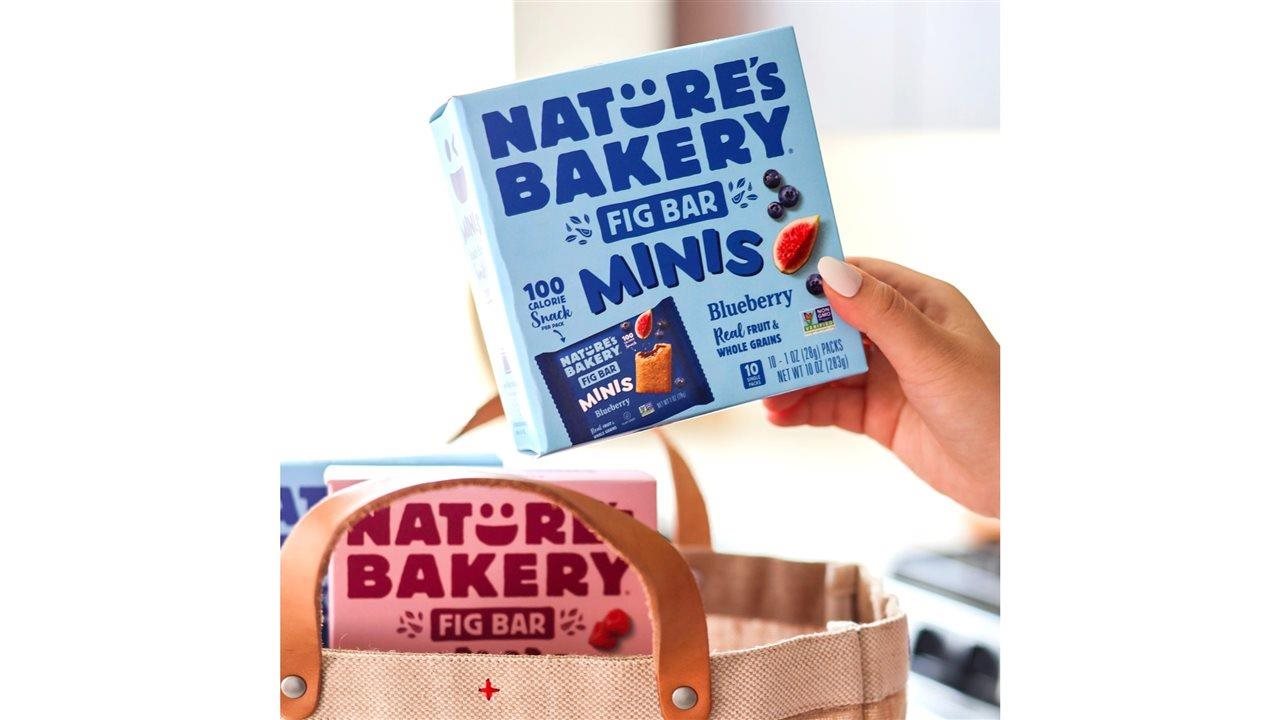
Another way to revamp your snacking routine this time of year is by trying new products created with busy families in mind. Nature’s Bakery recently launched their new Fig Bar Minis — a 100-calorie single-pack version of their family favorite twin-pack snacks in tasty Raspberry and Blueberry flavors that everyone in your household is bound to love.

Made with delicious real fruit and hearty whole grains, Fig Bar Minis are perfectly portioned and convenient for all those moments when adults and kids alike need a quick pick-me-up for every commute, lunch break and coffee break.

Fig Bar Minis are also plant-based, nut-free and Non-GMO certified, making them a great choice for your family’s school or activity snacks.

With convenient new options from Nature’s Bakery, you’ll stress less when it comes to snacking in the new year. Find Fig Bar Minis and many more delicious snack-time essentials at NaturesBakery.com.

Cultivating Global Citizens: How a Global Curriculum Shapes Future Leaders

2024-02-05T09:31:00

(BPT) – In today’s interconnected world, the importance of fostering global awareness in young minds cannot be overstated. Experts, like Donna Whittaker, Vice President of Curriculum and Education at Big Blue Marble Academy, shed light on the transformative power of a global curriculum in shaping compassionate, open-minded, and inclusive future leaders.

“The goal behind global awareness is to create caring citizens of the world who are sensitive to and accepting of those from different countries and cultures,” emphasizes Whittaker. As the educator charged with curriculum development for 69 Big Blue Marble Academy locations serving over 10,000 children, Whittaker points out that early childhood education is an opportunity to open students’ eyes to how their simple everyday actions, interactions, and intentions can have a profound effect on people from all walks of life.

Helping children develop a sense of global awareness goes beyond cultural exposure — it enhances critical thinking and problem-solving skills. When children are introduced to different cultures, they learn to be more accepting, thoughtful, and creative in their problem-solving approaches. This early exposure to diversity lays the foundation for a mindset that extends far beyond the confines of their local communities.

The character traits associated with global awareness, such as open-mindedness, inclusivity, acceptance, and respect for differences, are not just buzzwords in educational jargon. They are actively witnessed in classrooms, playgrounds, and various extracurricular activities.

Children who demonstrate these character traits in their formative years tend to grow into leaders in classrooms and boardrooms. Whittaker emphasizes that these qualities are not just academic achievements; they are life skills that shape individuals into compassionate and empathetic leaders who can navigate an increasingly interconnected and diverse world.

To reinforce the global learning approach at home, Whittaker suggests a variety of engaging activities:

  • Field Trip to a World Market or Ethnic Grocery Store: Explore diverse cultures by visiting a world market or ethnic grocery store. Discuss items and compare them to those in local stores. Encourage your child to find a food item from the store that they would like to try. If they are reluctant, grab something sweet and position it as a special treat.
  • Language Exploration: Listen for people speaking other languages and discuss how people worldwide express similar sentiments differently. Explore common phrases such as hello, goodbye, and I love you in various languages.
  • Family Traditions and Celebrations: Talk with your children about your family’s traditions and celebrations while emphasizing that families worldwide have diverse customs. Teach your child that these differences are not only acceptable but enriching.
  • Music Appreciation: Listen to music from other countries and ask your child questions such as: Do they think they would like to listen to that type of music on a regular basis? Are any of the instruments used in the new music also used in the music your family typically listens to? Invite your child to clap or dance to the rhythm in the music and remind them that music is listened to by people all over the world.

To stimulate creativity, Whittaker suggests activities like drawing homes from other countries and building replicas using household items or blocks. Alternatively, make green and blue homemade playdough and invite your child to roll the two colors of playdough together to form a sphere shape to represent the earth and foster a tangible connection to global unity.

In conclusion, by incorporating these activities and fostering a global curriculum, parents and educators can play a pivotal role in shaping future leaders who embody the qualities of global citizenship. As Whittaker passionately asserts, “The effects of a global perspective are not just seen in the classroom but resonate in the way our children lead and contribute to the world.”

Have you had these 6 important financial talks with your teen before college?

2024-02-05T08:03:00

(BPT) – Financial skills are some of the most important lessons you can teach your children. It’s especially critical to talk with teens and young adults in college who are starting to make decisions that can impact their financial wellness for the rest of their life. And teens want to have this conversation — according to a recent College Ave survey of college students, parents rank as the number one resource where students get their personal finance information.

By teaching your kids good money habits and helping them with key steps like building good credit, you can give them a solid foundation for future financial success. If you haven’t already, have these six financial talks and take action to help your child thrive financially now and as an adult.

Budgeting

According to the College Ave survey, only around half of college students (49%) understand how to budget. Even if teens don’t have any real expenses, teaching them how to manage money is essential. Start by helping them create a simple budget, even if it’s just for their allowance. Because teens love technology, consider budgeting online through an app or via a shared document. Teach kids that making a plan for their money is a priority and soon they’ll understand how empowering a budget can be.

Saving

Saving money regularly is a fundamental habit and helps teach them about compound interest and having your money work for you. Consider encouraging your teen to do automatic saving deposits with their paychecks, so it becomes part of their regular financial habits. Savings is also a valuable tool to teach delayed gratification when they save for something they really want over time and then pay for it themselves.

Emergency fund

As your young adult takes on more responsibility, there’s bound to be unexpected expenses. To ensure those don’t derail their finances, discuss the importance of having an emergency fund. This is money that sits untouched unless there is an urgent expense. Having an emergency fund can reduce stress and helps your child avoid going into debt when things like car repairs, medical bills and other sudden expenses occur.

Building credit history

Building good credit is significant because it sets the stage for future financial success for things like apartment leases, car loans and more. Make sure young adults understand what it means to have good credit and help them get started. One easy way to build credit history is to get the Ambition Card by College Ave. This secured credit card helps college students build their credit history safely and easily without worry about overspending or going into debt. Plus, there’s no credit check, interest charges or late fees.

Secured credit cards

How does a secured credit card like the Ambition Card work? Unlike traditional unsecured credit cards, which rely solely on your creditworthiness, secured credit cards require a cash deposit by the parent or child. For example, if you deposit $500, your credit limit would be $500. Use the card to make on-time payments that are reported to the three credit bureaus, which helps build good credit.

Interest

At some point in your child’s life, they will have to take out a loan. Having good credit will help them get better terms for interest and repayment, which ultimately will help them save money. Help your kid understand that interest is the cost of borrowing money. Consider sharing your car payment or mortgage statement to show them how the costs break down.

As a parent or caregiver, you want the best for your child. By teaching them about financial wellness, you’ll help them succeed throughout life by giving them the confidence to make smart money choices.

Note the Ambition Card is designed to help you build your credit history; however, a variety of factors impact your credit including payment history, utilization, derogatory marks, account age, total number of accounts, and inquiries—not all factors are equally weighted. 0% APR.

Account is subject to a monthly account fee of $2, account fee is waived for the initial six-monthly billing cycles.

College Ave is not a bank. Banking services provided by, and the College Ave Mastercard Charge Card is issued by Evolve Bank & Trust, Member FDIC pursuant to a license from Mastercard International Incorporated.

The Eyes are a Window Into the Brain

2024-02-05T16:01:00

(BPT) – A recent study found that in those who had aging-related cognitive issues, levels of several key micronutrients were nearly half compared with those who did not. Micronutrients are important minerals and vitamins that nourish the brain for critical cognitive and body functions.

Dr. C. Kathleen Dorey, lead researcher and author of the study, has been researching micronutrients and their impact on brain health for two decades. In 2004, she and Neal E. Craft, of Craft Technologies, reported that zeaxanthin (zee-uh-zan-thin) and lutein (two important micronutrients highlighted in the study) selectively accumulate naturally in the brain. Since that time, global research has revealed that those with higher levels of zeaxanthin and lutein in their macular pigment demonstrated better cognition over time.

On a parallel path in the early 2000s, EyePromise began pioneering eye health supplementation to replenish those same protective carotenoids but in the retina in the back of the eye. Zeaxanthin and lutein are particularly important because they are antioxidants — molecules that fight other harmful molecules called free radicals that contribute to oxidative stress, which contributes to the aging process.

In 22 years of researching eye nutrition, EyePromise also learned a lot about brain nutrition. “The eyes are a window into the brain because the eyes are an extension of the brain, which is why we developed BrainPromise™ by EyePromise®,” said Chairman and Co-Founder, Dennis Gierhart, PhD. “We also learned that a biomarker we have been measuring for years in eye health, Macular Pigment Optical Density (MPOD), is also a biomarker for brain health.”

As an extension of the brain, Healthy MPOD protects the back of the eye against harmful blue rays, can improve visual performance, and safeguard against age-related vision issues. Similarly, healthy MPOD supports general brain health, acts as a safeguard against oxidative stress, and potentially improves cognitive performance.

As a result of their research, the industry-leading brand recently introduced BrainPromise by EyePromise, a supplement featuring a robust formula of natural ingredients specifically for age-related brain health. Highlighting the formula are significant amounts of the antioxidants, zeaxanthin and lutein, which are not found in meaningful quantities in the average daily diet along with other essential vitamins and minerals.

Dr. Gierhart adds, “The brain accounts for 20% of the body’s energy consumption and 20% of its oxygen. As a result, the brain has a high metabolic rate and is susceptible to oxidative stress, which can lead to cell and tissue damage. Nourishing the brain just makes sense as it controls all of our cognitive and physical functions.”

The MPOD biomarker can be measured through devices like EyePromise’s Zx Pro and QuantifEye, which enable doctors to measure patients’ levels of zeaxanthin and lutein (MPOD) demonstrating the effectiveness of supplementation and a healthy diet.

In a press release about the recent study on aging-related cognitive issues, Dr. Dorey concluded, “This study, for the first time, demonstrates deficits in important dietary antioxidants in [aging] brains. We believe eating carotenoid-rich diets will help keep brains in top condition at all ages,” she added.

For more information on brain nutrition, MPOD and BrainPromise by EyePromise, visit www.brainpromise.com.

COVID-19 On the Rise: Why You Should Get Vaccinated

2024-02-05T15:49:00

(BPT) – The holiday season has passed, but the threat of COVID-19 has not.1 As of January 2024, the Centers for Disease Control and Prevention’s (CDC) National Wastewater Surveillance System showed that 35 states are experiencing “very high” viral activity, including Texas, New York, California, Illinois and Georgia.2

In addition to the case surge, 2024 also has a new dominant variant, JN.1, which now accounts for approximately 62% of all currently circulating SARS-CoV-2 variants.1

While many people think COVID and other respiratory viruses die down in December, you can still be infected into the spring.3

It’s not too late to get vaccinated against COVID-19.4 Here are three reasons why experts are urging Americans to get their COVID-19 shot if they haven’t already.

1. Vaccination is one of the best defenses against Long COVID and other long-term symptoms5

The WHO defines Long COVID as the continuation or development of new symptoms three months after an initial COVID-19 infection, with symptoms including brain fog, fatigue, cough, and shortness of breath persisting for two months or longer.6,7 A 2023 study found that those with the condition were 23% more likely to be unemployed and 16% less likely to work full-time.8

While Long COVID might seem rare, the statistics tell a different story. The National Center for Health Statistics’ Household Pulse Survey began collecting data on Long COVID in December 2022. The most recent data, from the week of October 18-30, 2023, showed that 14.3% of U.S. adults had experienced “symptoms of COVID that lasted three months or longer.” Interestingly, people aged 40-49 (16.9%) were most likely to report having Long COVID, followed by those aged 30-39 (16.6%), and 18-29 (15.6%). Only around 8% of study participants over age 80 reported Long COVID symptoms.9

In another study, approximately 1 in 4 children/adolescents with documented COVID-19 experienced persistent symptoms for 4-12 weeks post-infection.10

“Long COVID symptoms overlap with many different conditions making it difficult to diagnose, but we continue to hear stories from patients who went from healthy to severely impaired following a COVID infection,” explains Francesca Ceddia, Chief Medical Affairs Officer at Moderna. “As members of the medical community, we have an obligation to educate adults — even healthy, younger individuals — on the potential risks of Long COVID, so they can take appropriate measures to protect their health.”

There is currently no approved treatment for Long COVID, but research has proven that staying up to date with your COVID-19 vaccine can help protect you and others against the long-term effects from Long COVID.11 Research additionally suggests there is a strong association between receiving the COVID-19 primary vaccination series and a reduced risk of receiving a diagnosis of Long COVID, even if one subsequently develops SARS-CoV-2 infection.12

Learn more about the burden of Long COVID and how to best protect yourself and others.

2. COVID-19 vaccines can help prevent severe outcomes of COVID-1913

While severe COVID-19 outcomes are less frequent in children, they are still a possibility, particularly if they have another health condition that puts them at risk.14

“Parents often ask me about mRNA vaccine safety and if it’s worth getting their child vaccinated since they have a lower risk,” says Jessica Peck, DNP, APRN, CPNP-PC, CNE, CNL, FAANP, FAAN, Past President, National Association of Pediatric Nurse Practitioners and Clinical Professor of Nursing, Baylor University. “The answer is always ‘yes.’ There is a considerable amount of data reinforcing that mRNA vaccines are important tools for protecting children’s health.”

In addition to protecting health, vaccination is also important for keeping children in the classroom and preventing them from falling behind in school.15 This can also help prevent parents from missing work and taking valuable sick days while their children recuperate.

Ultimately Nurse Jessica encourages parents to talk to their pediatrician if they have questions about the vaccine. “With so much information online, it can be challenging to sift through the noise. Your pediatrician can best address any questions you have on mRNA and COVID-19 vaccines.”

3. If you have a chronic health condition, COVID-19 can make it worse

Many people think “at-risk” only applies to older or immunocompromised adults, but people living with chronic health conditions, such as heart disease, obesity, lung disease, and diabetes, are also susceptible to serious outcomes.16 In fact, contracting COVID-19 can make chronic illness worse.17

While it is still possible to contract COVID-19 after your vaccination, getting vaccinated can help prevent the most serious outcomes from the virus, regardless of your prior health or risk status.4

COVID-19 doesn’t care what time of year it is. Protect yourself by getting your updated COVID-19 vaccine. The latest COVID-19 vaccine is widely available at retail pharmacies across the country and can be given at the same time as your annual flu shot.18

Unsure where to go? Visit Vaccines.gov to find a COVID-19 vaccination site near you.

References:

1. Centers for Disease Control. “COVID-19 Activity Increases as Prevalence of JN.1 Variant Continues to Rise.” Updated January 5, 2024. Accessed January 24, 2024. https://www.cdc.gov/respiratory-viruses/whats-new/JN.1-update-2024-01-05.html

2. Centers for Disease Control. “COVID-19 Current Wastewater Viral Activity Levels Map.” Updated December 7, 2023. Accessed January 24, 2024. https://www.cdc.gov/nwss/rv/COVID19-currentlevels.html

3. According to the CDC, while flu activity often peaks between December and February, it can continue as late as May. While the CDC provides general information about flu season, the behavior of COVID-19 and other respiratory viruses can vary and is subject to change based on emerging data.

Centers for Disease Control. “Flu Season.” Updated September 20, 2022. Accessed January 24, 2024. https://www.cdc.gov/flu/about/season/index.html

4. Centers for Disease Control. “COVID-19 Vaccine Uptake and CDC’s Commitment to Vaccine Equity.” Updated November 22, 2023. Accessed January 24, 2024. https://www.cdc.gov/respiratory-viruses/whats-new/vaccine-equity.html

5. National Institutes of Health, “Long COVID.” Accessed January 20, 2024. https://covid19.nih.gov/covid-19-topics/long-covid

6. The World Health Organization. “Post COVID-19 condition (Long COVID).” Updated December 7, 2022. Accessed January 24, 2024. https://www.who.int/europe/news-room/fact-sheets/item/post-covid-19-condition

7. Centers for Disease Control, “Long COVID or Post-COVID Conditions.” Updated July 20, 2023. Accessed January 30, 2024. https://www.cdc.gov/coronavirus/2019-ncov/long-term-effects/index.html

8. Percentages were calculated from the adjusted odds ratios from a study conducted with 15,308 U.S. adults from February 2021 to March 2022. The study findings are based on self-reported data.

Perlis, R. et al., (2023) “Association of Post–COVID-19 Condition Symptoms and Employment Status.” JAMA Network Open. 6(2). https://jamanetwork.com/journals/jamanetworkopen/fullarticle/2801458

9. National Center for Health Statistics. “Household Pulse Survey.” Updated November 8, 2023. Accessed January 24, 2024. https://www.cdc.gov/nchs/covid19/pulse/long-covid.htm

10. Lai, C. C., et al. (2023). “Long COVID: An inevitable sequela of SARS-CoV-2 infection.” Journal of Microbiology, Immunology and Infection. 56(1), 1-9. https://www.ncbi.nlm.nih.gov/pmc/articles/PMC9576029/

11. National Institutes of Health. “Long COVID.” Accessed January 24, 2024. https://covid19.nih.gov/covid-19-topics/long-covid

12. Based on a large-scale Swedish observational cohort study conducted between December 2020 and February 2022 involving 589,722 adults, COVID-19 vaccination prior to infection demonstrated a 58% effectiveness in reducing the risk of Long COVID (referred to as Post-COVID-19 Condition, or PCC), with increased protection observed with each additional vaccine dose.

Lundberg-Morris, L., et al. (2023). “COVID-19 Vaccine Effectiveness Against Post-COVID-19 Condition Among 589 722 Individuals in Sweden: Population-Based Cohort Study.” British Medical Journal. 383. https://www.bmj.com/content/383/bmj-2023-076990.long

13. Centers for Disease Control, “5 Things You Should Know about COVID-19 Vaccines.” Updated October 13, 2023. Accessed February 1, 2024. https://www.cdc.gov/respiratory-viruses/whats-new/5-things-you-should-know.html

14. Ho, M., et al. (2023). “Incidence and Risk Factors for Severe Outcomes in Pediatric Patients With COVID-19.” Hospital Pediatrics. 13 (5): 450–462. https://publications.aap.org/hospitalpediatrics/article/13/5/450/191042/Incidence-and-Risk-Factors-for-Severe-Outcomes-in

15. Centers for Disease Control. “6 Things to Know about COVID-19 Vaccination for Children.” Updated August 6, 2023. Accessed January 24, 2024. https://www.cdc.gov/vaccines/covid-19/planning/children/6-things-to-know.html

16. Centers for Disease Control. “People with Certain Medical Conditions.” Updated May 22, 2023. Accessed January 24. 2024. https://www.cdc.gov/coronavirus/2019-ncov/need-extra-precautions/people-with-medical-conditions.html

17. Fekadu, G. et al. (2021) “Impact of COVID-19 Pandemic on Chronic Diseases Care Follow-Up and Current Perspectives in Low Resource Settings: A Narrative Review.” International journal of Physiology, Pathophysiology and Pharmacology. 13(3). 86-93. https://www.ncbi.nlm.nih.gov/pmc/articles/PMC8310882/

18. Centers for Disease Control, “Getting a Flu Vaccine and other Recommended Vaccines at the Same Time,” Updated December 8, 2023. Accessed January 30, 2024. https://www.cdc.gov/flu/prevent/coadministration.htm


US-COV-2400011 02/2024

California Walnuts: Your perfect partner for American Heart Month

2024-02-05T10:21:00

(BPT) – February is American Heart Month, which is an excellent time to make sure you’re supporting your heart health by incorporating walnuts into your everyday meals or snacks. Heart disease continues to be one of the leading causes of death in the U.S.1 However, leading health experts associated with the Dietary Guidelines for Americans note that following a healthy dietary pattern, which includes nuts like walnuts, can help people achieve and maintain well-being and reduce the risk of chronic diseases, including heart disease.2

Three decades of studies have demonstrated that walnuts can support cardiovascular health. Their nutritional profile makes them a delicious and convenient option for supporting heart health. The U.S. Food and Drug Administration approved walnuts as one of the first qualified health claims for a whole food 20 years ago and the world-renowned Mayo Clinic also supports walnuts as a heart health-supporting food, confirming that eating nuts, particularly walnuts, is beneficial for your heart.3 Research suggests that regularly eating a healthy diet that includes nuts may reduce the risk of early death due to heart disease.

Why are walnuts good for your heart, and how should you incorporate them into your diet? Here are some fast walnut facts from California Walnuts, including more reasons to eat a handful of walnuts every day and ways to make it easier to do so.

  • Since 1993, published research has been investigating how eating walnuts affects various heart health markers such as LDL (“bad”) and HDL (“good”) cholesterol, blood pressure, inflammation and plaque formation.
  • The American Heart Association certifies California Walnuts with their Heart-Check mark4 — a distinction that easily identifies foods that meet the nutritional standards set by the American Heart Association.
  • One ounce of walnuts includes important nutrients for optimal health including 4 grams of protein, 2 grams of fiber, 18g of total fat, 2.5g of monounsaturated fat and 13g of polyunsaturated fat including 2.5g of alpha-linolenic acid. Walnuts are the only nut with an excellent source of the plant-based omega-3 ALA, an essential fatty acid that may play a role in heart health.5,6
  • Walnuts are versatile, making a great grab-and-go snack or delicious addition to a meal.
  • Here’s an easy way to estimate how much is the right daily serving of walnuts: Grab a handful (~1 oz.) and you’ve got it right.
  • Keep walnuts in the fridge to keep them fresh. A great home for them is in a sealed container in your deli drawer.

To inspire you to include walnuts in your next meal, here’s a delicious side dish that has earned the American Heart Association’s Heart-Check mark for meeting their criteria for a heart-healthy recipe. It’s a perfect example of how walnuts can elevate the taste and nutritional value of your meals.

Roasted Vegetables with Walnuts, Basil and Balsamic Vinaigrette

Brighten up your dinner table and help your heart with this colorful dish!

Ingredients

  • 1/2 small red bell pepper, cut into 1-inch cubes
  • 1/2 small orange bell pepper, cut into 1-inch cubes
  • 1/4 medium red onion, cut into 1-inch cubes, separated
  • 4 ounces baby Portobello mushrooms, halved
  • 1 tablespoon extra-virgin olive oil
  • 1/4 teaspoon sea salt
  • 3/4 cup sugar snap peas
  • 1 small zucchini, sliced into 1/4-inch thick slices
  • 1 small yellow summer squash, sliced into 1/4-inch thick slices
  • 2 garlic cloves, minced
  • 2 teaspoons balsamic vinegar
  • 2 tablespoons fresh basil, snipped (may substitute 1 teaspoon dried basil, added with olive oil)
  • 1/2 cup California walnuts, coarsely chopped

Preparation

  1. Preheat oven to 400°F. Place peppers, onion and mushrooms in a large bowl and toss with olive oil and salt (and dried basil, if using). Place in a single layer on a large baking sheet, making sure not to crowd the vegetables. Bake for 10 minutes.
  2. Add snap peas, zucchini, yellow squash and garlic, stir slightly. Top with walnuts and cook for 5 to 10 minutes more or until all vegetables are crisp-tender and walnuts are toasted.
  3. Drizzle with balsamic and toss well. Sprinkle with fresh basil and serve!

For more information, or to find more delicious recipes, visit walnuts.org/american-heart-month.

References:

1. Tsao, C. et al. Heart Disease and Stroke Statistics—2023 Update: A Report From the American Heart Association. Circulation. 2023;147:e93–e621. https://doi.org/10.1161/CIR.0000000000001123

2. U.S. Department of Agriculture and U.S. Department of Health and Human Services. Dietary Guidelines for Americans, 2020-2025. 9th Edition. December 2020. Available at DietaryGuidelines.gov.

3. One ounce of walnuts provides 18g of total fat, 2.5g of monounsaturated fat, 13 g of polyunsaturated fat, including 2.5 grams of alpha linolenic acid, the plant based omega-3; 2g of fiber; 4g of protein. Supportive but not conclusive research shows that eating 1.5 ounces per day of walnuts, as part of a low saturated fat and low cholesterol diet and not resulting in increased caloric intake, may reduce the risk of coronary heart disease.

4. California walnuts are certified by the American Heart Association per one ounce serving. Heart-Check Certification does not apply to scientific research by an organization other than the American Heart Association, unless expressly stated.

5. U.S. Department of Agriculture, Agricultural Research Service. FoodData Central, 2019. Fdc.nal.usda.gov.

6. Sala-Vila A, Fleming J, Kris-Etherton P, Ros E. Impact of α-Linolenic Acid, the Vegetable ω-3 Fatty Acid, on Cardiovascular Disease and Cognition. Adv Nutr. 2022 Oct 2;13(5):1584-1602. doi: 10.1093/advances/nmac016. PMID: 35170723; PMCID: PMC9526859.

3 new ways to dress up your Valentine’s Day brunch or dinner at home

2024-02-05T09:11:00

(BPT) – If you’re looking for a fun way to dine in with your sweetheart, friends or family this Valentine’s Day, how about adding a flavorful twist to brunch favorites that are easy to make at home? You can mix up your favorite cocktail or mocktail to complement a variety of tasty, restaurant-quality offerings from SeaPak. Better yet, anything you choose from SeaPak can be prepared in a conventional oven or air fryer — from freezer to table in just minutes.

To help light the Valentine’s Day spark this year, try one of these sweet and savory shrimp entrees or mouth-watering recipes that are sure to impress your sweetheart.

Jumbo Coconut Shrimp

This seafood classic provides hand-breaded shrimp with a crisp coconut-flake coating — along with a delicious marmalade dipping sauce — for a simple, tasty addition to your favorite brunch or dinner recipes. Swap this item in for a fun spin on Chicken & Waffles, a new take on a classic dish.

Hot Honey Coconut Shrimp and Waffles

Prep time: 10 minutes; Cook time: 18 minutes; 4 servings

Enjoy this Southern favorite that’s made even more flavorful with sweet coconut shrimp and hot honey lime sauce.

Ingredients

1 (10-ounce) package SeaPak Jumbo Coconut Shrimp
1 (12.3-ounce/10-count) package breakfast homestyle frozen waffles
1/4 cup honey
1/2 teaspoon ground chipotle chili powder (more if you like it hotter)
4 tablespoons butter
1 lime, zested and cut into wedges

Directions

Heat oven to 425 F. Place SeaPak Jumbo Coconut Shrimp on half of a large foil-lined baking sheet and bake 12 minutes. In last 6 minutes of baking, place 4-8 waffles on the other side of the baking sheet.
While shrimp and waffles are baking, make hot honey sauce. In a small saucepan, stir together honey, chili powder, butter and half the lime zest.
Serve crispy waffles topped with shrimp and drizzled with the hot honey sauce. Garnish with the remaining lime zest, and serve lime wedges alongside.

Shrimp Scampi

America’s No. 1 frozen shrimp scampi never disappoints! You and your date (or your family) will love this whole tail-off shrimp scampi, perfectly seasoned in a delicious garlic butter sauce with a hint of red bell pepper and herbs for extra flavor. Try this new and unique way to serve shrimp scampi for lunch or brunch on Valentine’s Day — or any day!

Mini Shrimp Scampi and Spinach Quiches

Prep time: 12 minutes; Cook time: 13 minutes; 12-15 servings (30 mini quiches)

Infused with traditional scampi flavors of lemon and garlic, these mini quiches are a welcome addition to any brunch table.

Ingredients

1 (12-ounce) package SeaPak Shrimp Scampi
2 (1.9-ounce) packages frozen mini phyllo cups
1/2 (5-ounce) package fresh baby spinach, chopped
2 large eggs
1/2 cup whipping cream
1/4 teaspoon salt
1/4 teaspoon freshly ground pepper

Directions

Heat oven to 375 F. Arrange phyllo cups in mini muffin tins coated with cooking spray. Set aside.
Heat a large skillet over medium-high heat. Add SeaPak Shrimp Scampi and cook 5 minutes. Add spinach and cook just until it wilts, about 1 minute. Set aside a few whole shrimp to garnish the top; keep warm. Cut remaining shrimp into smaller pieces. Use a slotted spoon to divide shrimp mixture evenly among phyllo shells.
Whisk together eggs, cream, salt and pepper in a medium bowl. Pour egg mixture carefully into shells. Bake 12-15 minutes or until eggs are set.
Garnish the top of a few of the mini quiches with reserved shrimp. Drizzle quiches with additional pan sauce before serving, if desired.

Dynamite Shrimp

SeaPak’s newest offering brings you the popcorn shrimp you know and love, with a kick, tossed in a creamy chili sauce. This restaurant-inspired popcorn shrimp with a bite taps into the growing popularity of Asian-style snacks and foods — and is bound to be on every spicy food lover’s grocery list.

After cooking shrimp in a conventional oven or air fryer, you can use the separately packed chili sauce to “sauce and toss” the shrimp in a bowl, or to dip individual shrimp directly in the sauce, depending on how much flavor and spice you prefer.

Stock up your freezer with all these appetizing seafood options so you’ll be ready to celebrate Valentine’s Day, to observe Lent — or just enjoy a quick and easy way to add flavor to any weeknight meal, any time of year.

Find more recipe inspiration and products at SeaPak.com.

Don’t have health insurance coverage for an updated COVID-19 vaccine? Here’s how to get one for free

2024-02-02T14:01:00

(BPT) – While COVID-19 activity is still below the levels seen last year at this time, COVID-19 hospitalizations are rising quickly. There is still time to get yourself and your loved ones vaccinated. Getting an updated COVID-19 vaccine is the best way to stay protected against serious illness from COVID-19. The Centers for Disease Control and Prevention (CDC) recommends that everyone 6 months and older stay up to date with COVID-19 vaccination. Vaccination also lowers your risk of getting long COVID — a wide range of health problems that can last weeks, months or even years after COVID-19 infection.

Most adults can get a free updated COVID-19 vaccine through their private health insurance, Medicare or Medicaid plans. However, some health insurance plans don’t fully cover the cost of a COVID-19 vaccine, and an estimated 25-30 million people living in the U.S. don’t have health insurance. To address this concern, CDC’s Bridge Access Program is offering adults who are uninsured or whose insurance doesn’t fully cover COVID-19 vaccination a free, updated COVID-19 vaccine. This program will end by Dec. 31, 2024. To date, more than a million COVID-19 vaccine doses have been provided through the program.

Bridge Access Program

There is no enrollment process or application to qualify, and you don’t need to provide identification or proof of insurance to get a vaccine through the Bridge Access Program. If you are 18 years or older and don’t have health insurance, or your plan doesn’t fully cover an updated COVID-19 vaccine, the Bridge Access Program can provide one for free at participating CVS, Walgreens and eTrueNorth-partnering pharmacies, local health centers and health providers.

How to find a vaccine through the Bridge Access Program

Follow these steps to find pharmacies and health care providers participating in the Bridge Access Program near you:

  1. Visit Vaccines.gov.
  2. Select “Find COVID-19 Vaccines.”
  3. Enter your 5-digit ZIP code in the search bar and select which vaccine option(s) you’re interested in finding.
  4. Select “Search for COVID-19 Vaccines.”
  5. Select the option “Bridge Access Program Participant” to show participating providers and pharmacies.

When you find a convenient location, call ahead to confirm that they can provide you with a free updated COVID-19 vaccine through the Bridge Access Program. If you can’t find a participating pharmacy or provider near you, check back later because new locations are still being added.

Why get vaccinated now?

Viruses constantly change through mutation and sometimes these mutations result in a new strain (or variant) of the virus. It’s important to know that the updated COVID-19 vaccines offer protection against the variants spreading throughout our communities right now.

The cold winter months are a time when people spend more time in crowded indoor settings, where respiratory viruses, including COVID-19, may be more readily transmitted. Getting an updated COVID-19 vaccine will help protect you from serious illness.

Don’t let cost stop you from getting an updated COVID-19 vaccine this year. Free COVID-19 vaccines are still available. If you are uninsured or your plan won’t fully cover it, visit Vaccines.gov today to find a Bridge Access Program provider near you.