3 planning ideas to fund your retirement

2024-01-31T23:01:00

(BPT) – If only there was a way to predict the future. It would be helpful for quite a few things, especially retirement planning.

Figuring out how much money you’ll need to live the life you want — for the entirety of your retirement — is one of adulthood’s biggest challenges. And managing the possibility that you won’t outlive your savings has a name: longevity risk. No matter what, proactive financial planning is necessary to give you the greatest chance for success.

As you plan and set goals for the year ahead, now is a good time to think about longevity risk and develop strategies to ensure your retirement funds last as long as you do. After all, what good is a nest egg if it runs out early? And on the flip side, what good are hard-earned savings if you don’t spend them out of fear of running out?

Better planning for better outcomes

Over the past few decades, there has been a shift from traditional pension plans, where you get a defined monetary benefit in retirement, to 401(k)s and other defined contribution retirement plans, which puts more responsibility and stress on the shoulders of individuals to contribute a large portion toward their retirement savings. Fortunately, you don’t need an MBA to know that better planning leads to better outcomes; so here are three ideas to build a retirement plan that you feel confident in and have the resiliency to follow.

Planning idea No. 1: Lifestyle is important. So is keeping options open.

If you’re like most people, you have ideas about what you want to do in retirement, like owning a second home, traveling or volunteering in your community. Your plan should have the flexibility to balance your desired lifestyle with what you can afford. To do this, trade-offs such as delaying retirement, part-time work or waiting to collect social security all may need to be on the table as you’re planning.

Planning idea No. 2: Knowledge is power

A lack of preparedness can lead to undesirable spending cuts, but you can guard against this by getting educated about available solutions.

One of the biggest steps you can take to increase your income and ensure that it will last your lifetime is waiting to claim social security. Simply delaying your claim from age 67 to 70 results in a nearly 25% increase in payments, and that larger payment will grow with cost-of-living adjustments.

Another is insured products. For many, protected savings and lifetime income options limit risk and insulate assets from the effects of market volatility — all while generating predictable income streams for fixed expenses in retirement. Such products are available from Prudential and can help improve retirement security for a lifetime. But they’re not for every person or every situation, so discuss the possibilities with a financial advisor. Which leads us to the final planning idea…

Planning idea No. 3: Don’t go it alone

If you are open to getting help, but don’t know where to start, there are many tools and resources to help you plan, with a trusted financial advisor being at the top of the list. Advisors will likely start the conversation by asking about your current financial situation and desired outcomes. If you’re clear on those outcomes, it will be easier to make choices from the range of options and strategies.

And if you’re not quite ready to meet in person with an advisor, there are online tools to help. The web-based Prudential Stages for Retirement will unlock your personalized Retirement Confidence Score and generate custom projections of your retirement income and spending over time. When you’re ready to kick things up a notch, you can connect virtually or in person with a financial advisor to help you define, refine and realize your financial goals.

Remember: There is no time like the present

As we dive into a new year, now is the ideal time to think about building a plan to reach your goals. Every day counts, so get started today and good luck on your financial planning journey — you’ve got this!

This material is being provided for informational or educational purposes only and does not take into account the investment objectives or financial situation of any client or prospective clients.

The information is not intended as investment advice and is not a recommendation about managing or investing your retirement savings. If you would like information about your particular investment needs, please contact a financial professional.

Annuities are issued by The Prudential Insurance Company of America, Newark, NJ, and its affiliates.

Prudential Stages is an umbrella marketing name for Pruco Securities LLC (sometimes referred to as “Pruco”) under the marketing name Prudential Financial Planning Services (PFPS), pursuant to a separate agreement. Investment advisory products and services are made available through Pruco, a registered investment advisor.

1077355-00001-00

How one company is making a big difference for kids in need

2024-01-31T16:15:00

(BPT) – Running a business of any size is complex. Logistics, finances, employee management and more are always top of mind. But a business is more than just processes and spreadsheets — organizations can also be a positive force in their communities and for people in need.

Giving back is a Core Value at ABC Supply Co., Inc., the largest wholesale distributor of roofing and other select exterior and interior building products in North America. That’s why they have recommitted to creating life-changing wishes for children with critical illnesses with another $3 million pledge to Make-A-Wish America. Since becoming a national partner in 2020, ABC Supply has helped grant the wishes of more than 400 children nationwide.

Helping children with critical illness

Every 20 minutes a child is diagnosed with a critical illness — and every day Make-A-Wish grants more than 15 wishes to these amazing children. This would not be possible without a generous network of donors, partners and volunteers, such as ABC Supply.

“Giving back is at the heart of our business and culture,” said Mike Jost, chief operating officer of ABC Supply. “Make-A-Wish is an extraordinary organization, and we’re so happy to continue supporting their mission and efforts to grant wishes and deliver hope to many more deserving children.”

ABC Supply shared some of the important efforts the company has made to support Make-A-Wish:

Sky Carp Make-A-Wish event

ABC Supply and the Beloit Sky Carp Minor League Baseball in Wisconsin partnered to host a fun and meaningful Make-A-Wish Night at ABC Supply Stadium in August 2023. With a raffle, prizes and sports memorabilia, there was something to entice everyone. The Sky Carp players even wore special jerseys that were auctioned off following the game. Make-A-Wish kids in attendance were given the star treatment and were guests of honor at the event.

Eden’s she-shed

Eden is a 7-year-old sickle cell warrior. While much of her day-to-day routine is filled with doctors’ appointments and medications, she still finds ways to be joyful and creative amidst the chaos. After taking some time to think through what her wish might be, she shared that she wanted a space of her own to craft, read, play chess, cross-stitch and make jewelry with her friends. ABC Supply helped make this girl’s vision come to life with a she-shed space that is as unique and special as she is.

Belle’s dragon

Wish kid Belle is a 14-year-old with bone cancer who has always wanted her own “pet robotic dragon.” Earlier this year, her wish and imagination came to life when she was surprised with her 15-pound pet dragon at a massive 15th-century-style castle. The castle experience took place via virtual reality (VR) and transported Belle to a fantastical place far, far away, where she saw her dragon for the first time. When she removed the VR headset, her pet dragon was there by her side.

Blaize’s play structure

At only eight months old, Blaize was diagnosed with infant leukemia. For more than a year and a half, he was in and out of treatment. His cancer reoccurred at 14 months and he had to undergo a risky bone marrow transplant surgery. Blaize’s surgery was successful, and at 18 months old, he was finally able to return to the comfort of home. His family worked closely with Make-A-Wish, and with the help of ABC Supply, created a backyard play space just right for him.

Whether volunteering or raising funds for nonprofit organizations such as Make-A-Wish, ABC Supply’s associates are making a difference in communities across the country. To read more inspiring stories and to learn how you or your business can support Make-A-Wish, visit Wish.org.

Don’t know how to use your front and side yards? Hardscape features can make you love your whole outdoor space

2024-01-31T10:01:00

(BPT) – Do you spend most of your time and energy focusing on your backyard for outdoor living? Most homeowners do, leaving the untapped potential of front and side yards unnoticed. What if you could bring the serenity and functionality of your favorite backyard features to the front or sides, creating even more inviting spaces that truly enhance your living experience?

Here are five ways you can use Pavestone products to help you transform your home’s underutilized front and side yards, turning them into cozy retreats with enhanced privacy and functionality.

1. Embrace front yard retreats

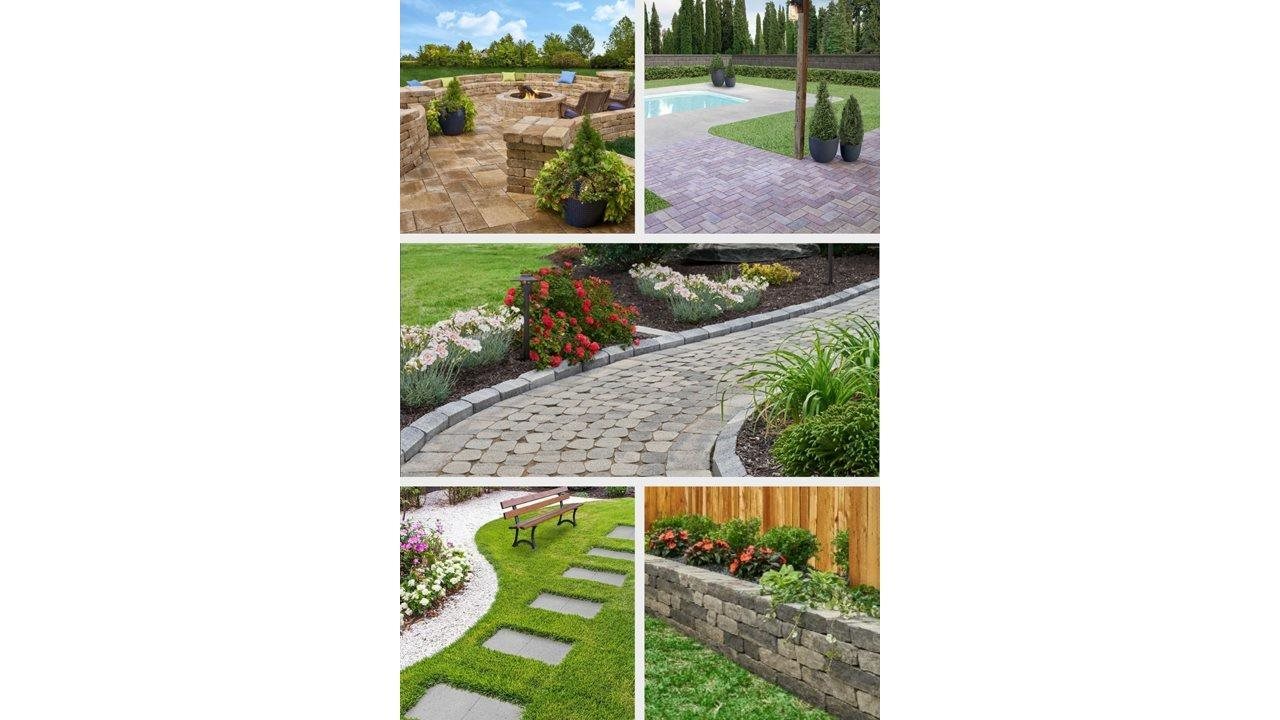
Functional elegance: Elevate your front yard with Pavestone retaining walls that not only level uneven terrain, but also add a touch of elegance. These walls can create intimate spaces for relaxation or gardening, effectively bringing the charm of backyard terraces to the front of your home.

Privacy walls and hedges: Retaining walls work well as a base for privacy hedges, which can create secluded areas that are shielded from street view. Alternatively, you can build gravity walls (that do not support the weight of ground retention) as a purely visual block from outside eyes. Both additions bring a sense of tranquility to your front yard, making it a private oasis.

2. Create welcoming walkways

Curb appeal redefined: Swap out conventional concrete with Pavestone pavers to redefine your front or side walkways. Choose warm tones and intricate patterns to enhance the visual appeal, welcoming guests with a stylish entrance that mimics the coziness of backyard pathways. Pavestone’s Luna™ pavers make this a quick and easy project, as many designs don’t require cuts.

Create secluded nooks: Use pavers and well-placed landscaping to create small, secluded nooks in your front yard, providing private spaces for reading, contemplation — or simply enjoying the fresh air.

3. Enjoy outdoor living out front

Fire pit elegance: Installing a Pavestone fire pit kit made of Ladera® wall block in your front yard will bring the warmth and charm of backyard gatherings to the front of your home. This not only adds a new focal point, but also makes your front yard a welcoming space for family and friends.

Grill islands for al fresco cooking: Integrate Pavestone RumbleStone® grill surrounds to craft a designated outdoor cooking area in your front yard. This practical addition not only enhances functionality, but also adds an extra touch of luxury to your outdoor space.

4. Sit and talk — or relax — a while

Privacy-enhancing seat walls: Consider using Pavestone’s RumbleStone to create secluded seating areas along the sides of your home. These walls not only provide comfortable seating, but also act as privacy screens, transforming your side yards into more intimate spaces.

Bench kits for cozy corners: You can incorporate Pavestone RumbleStone bench kits in corners or against walls to create cozy nooks for relaxation or conversation. These benches can easily turn any area of your yard into a private retreat.

5. Let water wash your cares away

Front yard fountains: Introducing water features like fountains or water walls will bring a feeling of peace and tranquility to your front yard. The gentle sound of flowing water and visual appeal of these features can transform the space into a serene oasis, all while enhancing privacy.

Using these hardscape projects, you can expand the allure of backyard living to your front and side yards, adding more value, usefulness and aesthetic appeal to your entire outdoor space.

Whether through retaining walls, pavers, fire pits or grill surrounds, these elements not only add functionality but also create private sanctuaries that redefine the notion of front or side yard space. Embrace the opportunity to turn any area of your yard into a welcoming haven, showcasing the potential for beauty and privacy in every corner of your home — inside and out.

Meredith Clements, Senior Wish Manager for Make-A-Wish NorthTexas. “Topgolf pulled out all the stops to shower Kennedy with love from themoment they walked through the front door to the time they left.”

The Natural State leads the way with Arkansas’ agritourism offering

2024-01-31T06:01:00

(BPT) – Agriculture is Arkansas’ top economic driver. Tourism is second. Combining these two industries to develop a meaningful visitor experience has led to a thriving agritourism sector in Arkansas.

Arkansas is known as The Natural State for its scenic beauty and abundance of natural resources that provide year-round outdoor recreation opportunities. But that description also refers to the fertile soil and advantageous climate for agriculture.

As such, Arkansas is a destination for producers of wine and spirits because they can locate breweries and distilleries near the crops used in making the product. Chefs also regularly use Arkansas-grown produce and meats to treat customers to a complete farm-to-table meal.

Napa Valley of Sake

Origami Sake in Hot Springs is putting the state on the map making Arkansas the “Napa Valley of Sake.”

The company uses a special variety of Arkansas-grown rice from the Isbell Farm in Lonoke County, Arkansas, which is located less than 100 miles from the company’s facility. The water for the sake comes directly from the underground springs of Hot Springs National Park.

In March, the company is hosting the 2024 American Craft Sake Festival in Hot Springs for the first time ever. Last year, Origami co-founder Ben Bell was named one of Wine Enthusiast’s 2023 Future Tastemakers for paving the way for sake production in North America.

The brewery is open to tourists for taste-testing and for gaining a greater appreciation for the farm-to-bottle process.

Vodka originating from the Delta dirt

When Harvey Williams committed to invest his life savings into building Delta Dirt Distillery in his hometown of Helena, Arkansas, it was truly a personal decision.

Harvey’s family has farmed in the Arkansas Delta since the 19th century when his great-grandfather was a sharecropper on the land. The main crop is sweet potatoes.

Harvey and his family went about perfecting a recipe for sweet potato-based vodka and gin. Truckloads of sweet potatoes are brought in from the Williams family farm to the distillery, then processed and bottled.

The story behind the distillery’s success is just as interesting as the making of the vodka and gin, and Harvey himself is at the distillery on most days to take you through the experience.

Microbreweries

Arkansas is the number one rice producer in the United States, with products being sent to feed people all over the world.

Lost 40 Brewing is a craft microbrewery located in the heart of downtown Little Rock and uses rice grown by Arkansas farmers to make its year-round and seasonal menu of beers. Its beers are highly decorated, having won major national and international awards from the Great American Beer Festival and the World Beer Cup competition.

Arkansas entrepreneurs are growing a thriving craft beer culture with microbreweries located throughout the state.

Arkansas’ 150-year-old wine industry

While the production of sake and vodka are new to Arkansas, wine is not.

Wine grapes have been growing in the Arkansas river valley since the 1870s, when Europeans settled there. The regional climate proved to be ideal for growing a variety of grapes including Niagara, Enchantment and Muscadine.

Some of the families that started the industry in Arkansas 150 years ago are still making wine generations later.

Farm-to-table

While our distilleries and wineries are using homegrown crops in making products, so, too, are Arkansas’ chefs. They are sourcing meat, produce and grains that are grown in The Natural State to feed their patrons.

In many Arkansas-owned restaurants all over the state, chefs are using locally sourced eggs to make breakfast, farm-fresh vegetables for the salad at lunch, and Arkansas ranch-raised beef and poultry for the evening full-course meal.

Arkansas feeds the world with our abundant crop production featuring rice, soybeans, and corn, and satisfies the discriminating taste buds of wine and spirits connoisseurs.

Come to Arkansas to see, swirl, smell, sip and savor our state’s unique products and enjoy our thriving agritourism industry.

To plan your next agritourism trip, visit https://www.arkansas.com/articles/9-farm-table-experiences-arkansas.

How one ‘wish kid’ got the backyard she always wanted

2024-01-31T04:01:00

(BPT) – During the pandemic, little Kennedy and her family practically lived in their backyard all day, every day. Together with her three brothers and her parents, Kennedy loved to engage in active play outdoors, like jumping on their trampoline — even putting up with the nuisance of pervasive sticker burrs throughout the lawn so she could stay outside.

Being at home meant even more to Kennedy and her family since she was diagnosed with leukemia at the age of 3. While her medications and treatment sometimes prevent her from enjoying the active play she loves so much, now 6-year-old Kennedy expressed her heartfelt wish to Make-A-Wish — a total backyard makeover.

“Kennedy is obsessed with unicorns, princesses, rainbows and butterflies,” said her mother, Kendra. “She loves to play outside, jump on the trampoline, and she loves gymnastics and cheerleading!”

Make-A-Wish creates life-changing wishes for children like Kennedy with critical illnesses in the U.S. and nearly 50 countries worldwide. Together with generous donors, supporters, staff and more than 20,000 volunteers nationwide, the organization delivers hope and joy to children and families when they need it most.

To see Kennedy’s wish granted, Make-A-Wish partnered with Topgolf, a sports entertainment complex that features an inclusive, high-tech golf game that everyone can enjoy. Topgolf has been a national corporate partner with Make-A-Wish since 2016, helping raise more than $4 million to help grant wishes just like Kennedy’s. Year-round, Topgolf donates $1 to Make-A-Wish from the sale of each order of their injectable donut holes, and also hosts an annual fundraising campaign every April. The company also hosts wish celebrations, send-off parties, wish reveals and welcome home parties for wish kids.

Wishes do come true

The plan for Kennedy focused first on a new in-ground trampoline with a turf perimeter and twinkle lights, together with all new sod to replace the lawn full of the pesky stickers that often made outdoor playtime a challenge.

To add extra fun for Kennedy, Topgolf referred Make-A-Wish to SynLawn, which graciously donated one of their Greenmaker putting greens to the project. Make-A-Wish staff helped the Topgolf crew piece together the Greenmaker putting green (and a new set of just-her-size golf clubs from Topgolf) to help set up the backyard space for the amazing wish reveal day.

Because the wish took a while to grant due to distance and vendor availability, Topgolf invited Kennedy and her family for a day of play at Topgolf in The Colony, Texas, while they were waiting for the big day to arrive. The Topgolf team was very eager to help Kennedy and her brothers play hard and have fun.

“Topgolf pulled out all the stops to shower Kennedy with love from the moment they walked through the front door to the time they left,” said Meredith Clements, senior wish manager for Make-A-Wish North Texas.

The big day

To help Kennedy celebrate her big wish reveal day, her parents, her aunt, her cousin, both sets of grandparents and of course Kennedy’s three brothers were there, waiting for Kennedy to get home from school.

As she walked into the backyard, all the people she loves held up the letters of her name and cheered as they took in the sight of the totally transformed play space. She first cut through the Make-A-Wish banner at the entrance to the yard, then gleefully jumped on the new trampoline with her brothers and practiced her putting with her dad, Gunter.

“Finding out your child has cancer is one of the hardest things you could ever hear,” said Gunter. “When I wondered, ‘Why did she wish for a backyard makeover?’ I realized that Kennedy put a lot of thought into her wish. I feel like it’s going to be making up time for what was lost — the times she couldn’t go outside — and now she can do that anytime she wants. She can enjoy walking out of her back door to play golf, jump on the trampoline and do the things she loves.”

If you’d like to help make wishes come true for kids just like Kennedy all over the U.S., visit Wish.org — or you can plan a fun trip to a Topgolf location today to buy an order of donut holes or make a donation. Find a venue near you at Topgolf.com.

How to prepare for power outages and stay safe this winter: Life-saving tips from CPSC

2024-01-31T07:01:00

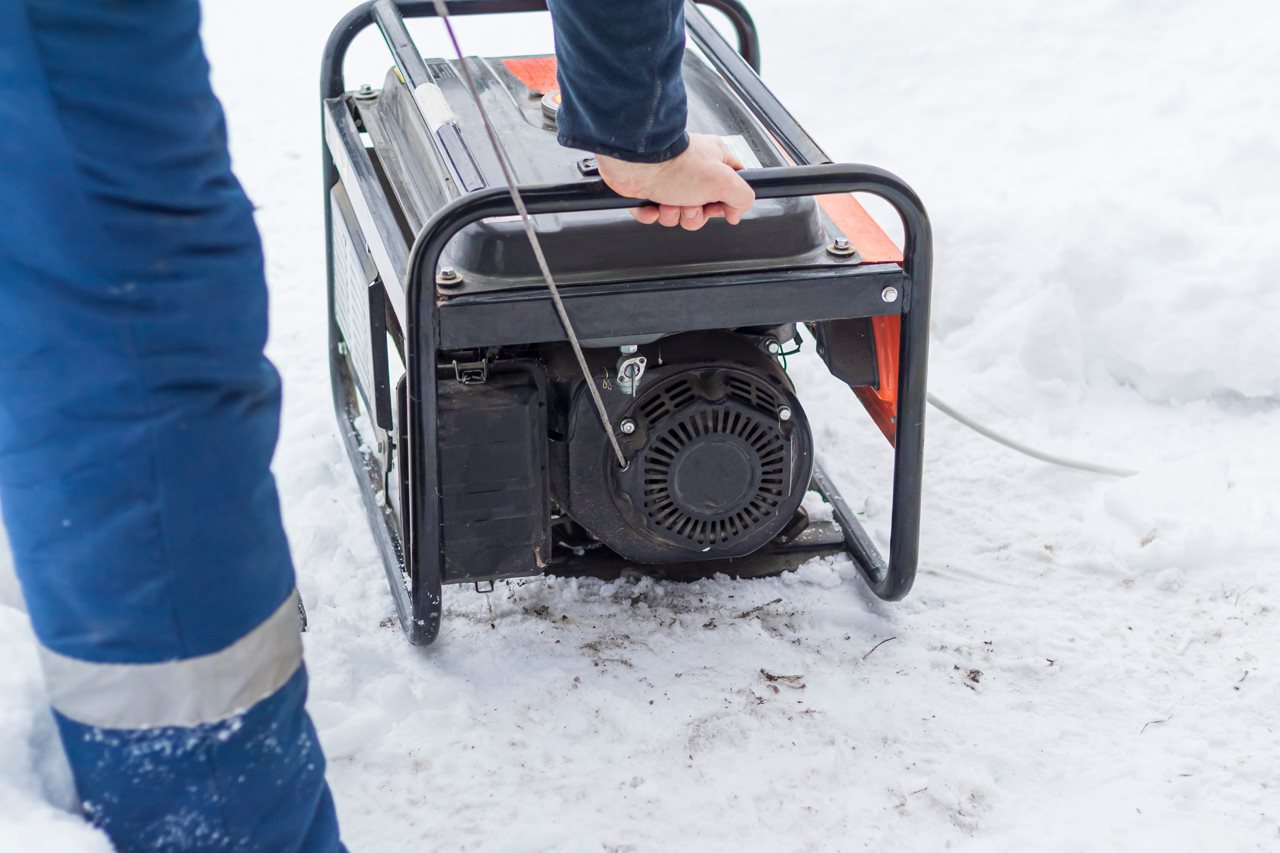
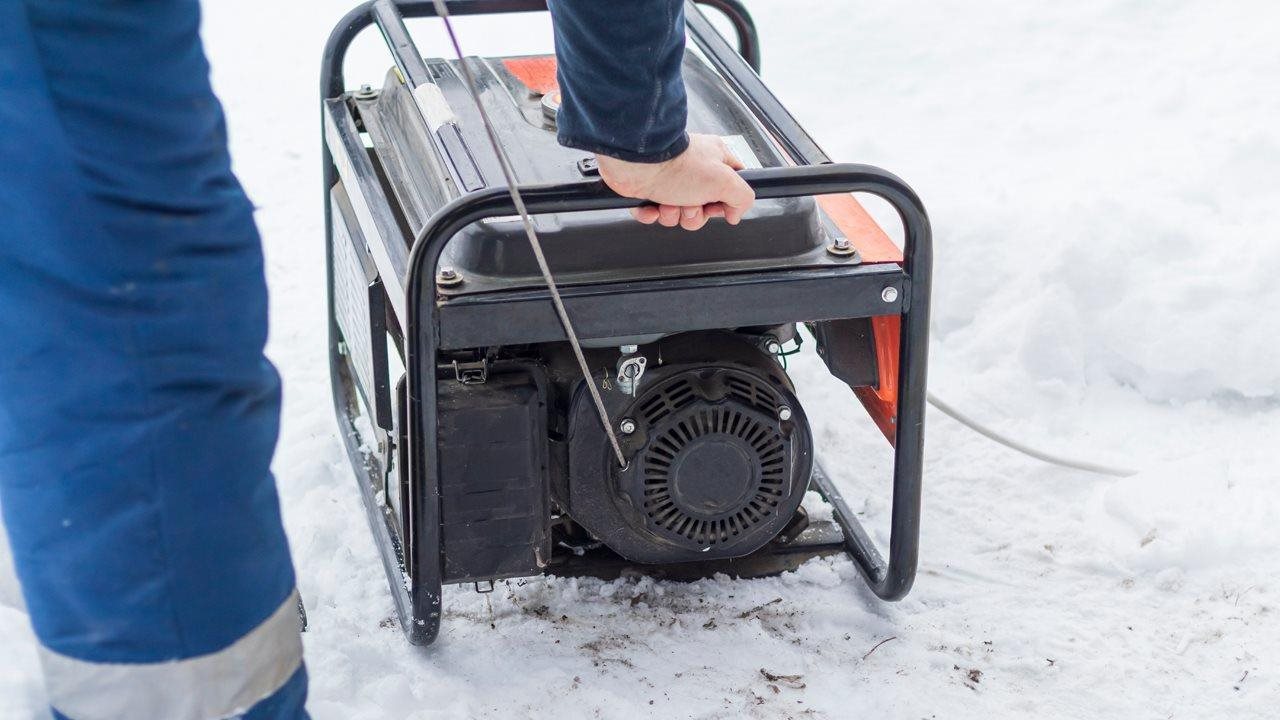
(BPT) – When a severe weather event like a winter storm hits your town, a portable generator can power your necessary appliances, electronic devices and medical equipment. The U.S. Consumer Product Safety Commission (CPSC) is encouraging consumers who use portable generators to learn how to operate them safely to prevent carbon monoxide (CO) poisoning.

CO is known as the invisible killer because it’s colorless and odorless. Often, people don’t realize they have CO poisoning until it’s too late. According to a recent report from the U.S. Consumer Product Safety Commission, Non-Fire Carbon Monoxide Deaths Associated with the Use of Consumer Products, an estimated 250 consumer product-related non-fire CO deaths occurred in the U.S. in 2019. Most of these deaths occurred in colder months, with more than half occurring November through February.

Since 2009, portable generators have been associated with 40% of all non-fire CO deaths related to consumer products under CPSC’s jurisdiction.

This winter, CPSC has six life-saving tips to protect your family from CO poisoning.

1. Never operate a portable generator indoors

Never operate a portable generator inside a home, garage, basement, crawlspace, shed or other enclosed spaces. Opening doors or windows won’t provide enough ventilation to prevent the buildup of lethal CO levels.

2. Don’t operate a portable generator close to your home

Ensure that portable generators are operated at least 20 feet from your house. Don’t operate a generator on a porch or in a carport. It may be convenient, but it’s too close to home and puts your family at risk of CO poisoning. Direct the generator’s exhaust away from your home and other buildings where someone can enter. Close windows and seal off vent openings that are near the generator or in the path of its exhaust.

3. Don’t skip maintenance

Regularly check and maintain your portable generator to ensure it will work properly when needed. Read and follow all labels, instructions and warnings on the generator and in the owner’s manual.

4. Purchase a portable generator with safety features

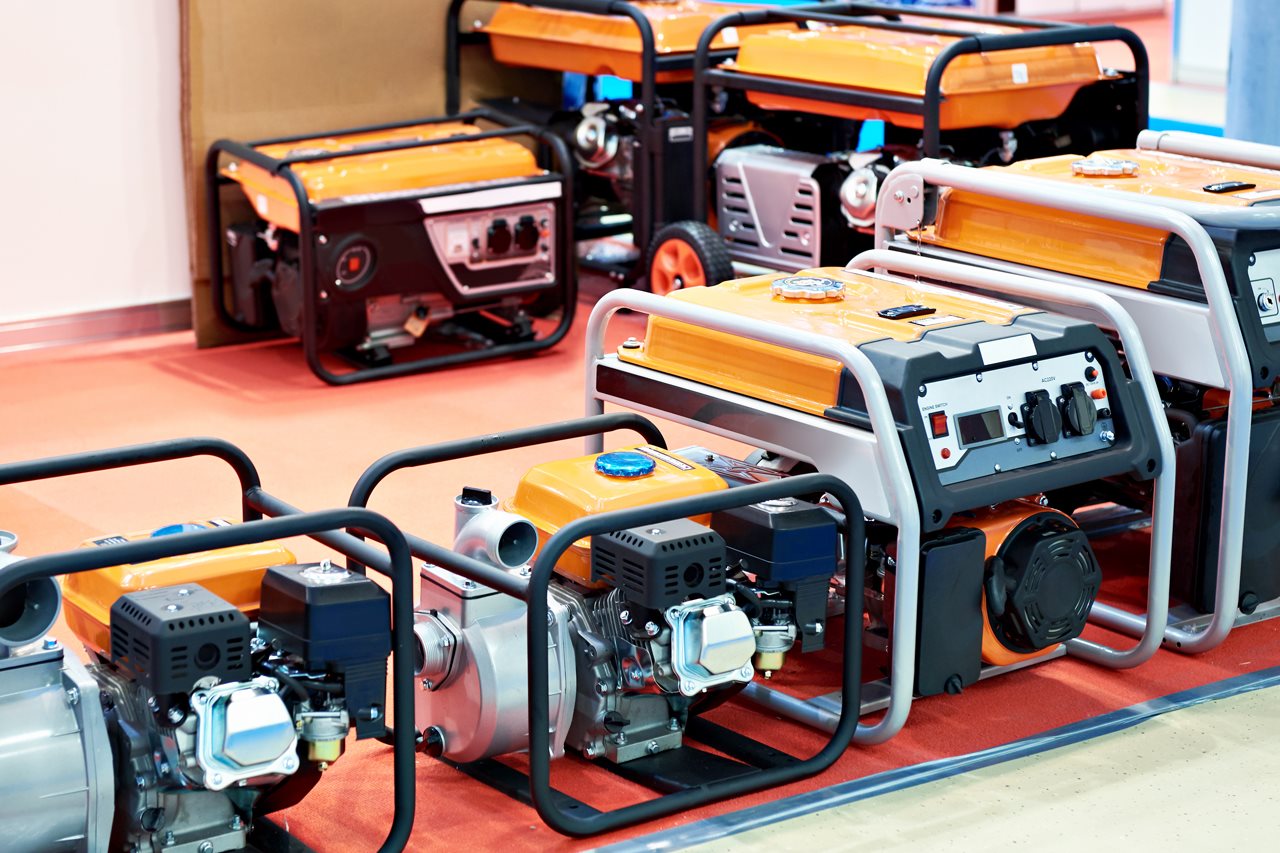
When searching for a portable generator, look for models with a CO shut-off. This safety feature automatically shuts off the generator when high levels of CO are present around the generator. Models that are certified to the latest PGMA G300-2018 and UL 2201 safety standards are estimated by CPSC to reduce deaths from CO poisoning by 87% and 100%, respectively.

5. Install CO alarms

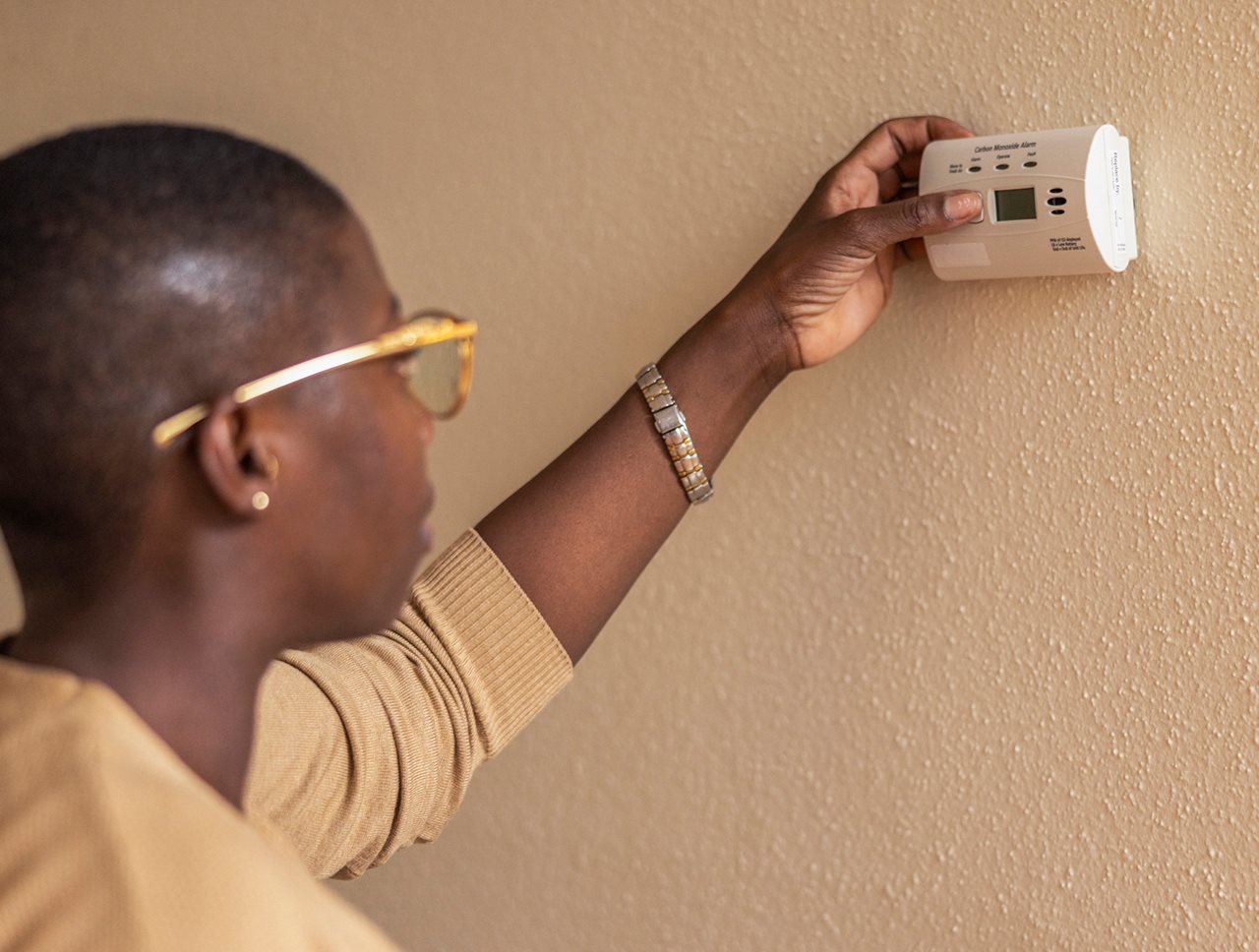
A CO alarm is the last line of defense and can save lives! Install battery-operated CO alarms or CO alarms with battery backup on every level of the home and outside sleeping areas. Interconnected CO alarms are best because when one sounds, they all sound. Test CO alarms monthly and replace batteries as needed. Never ignore an alarm when it sounds. Get outside immediately, then call 911.

6. Keep outside vents clear

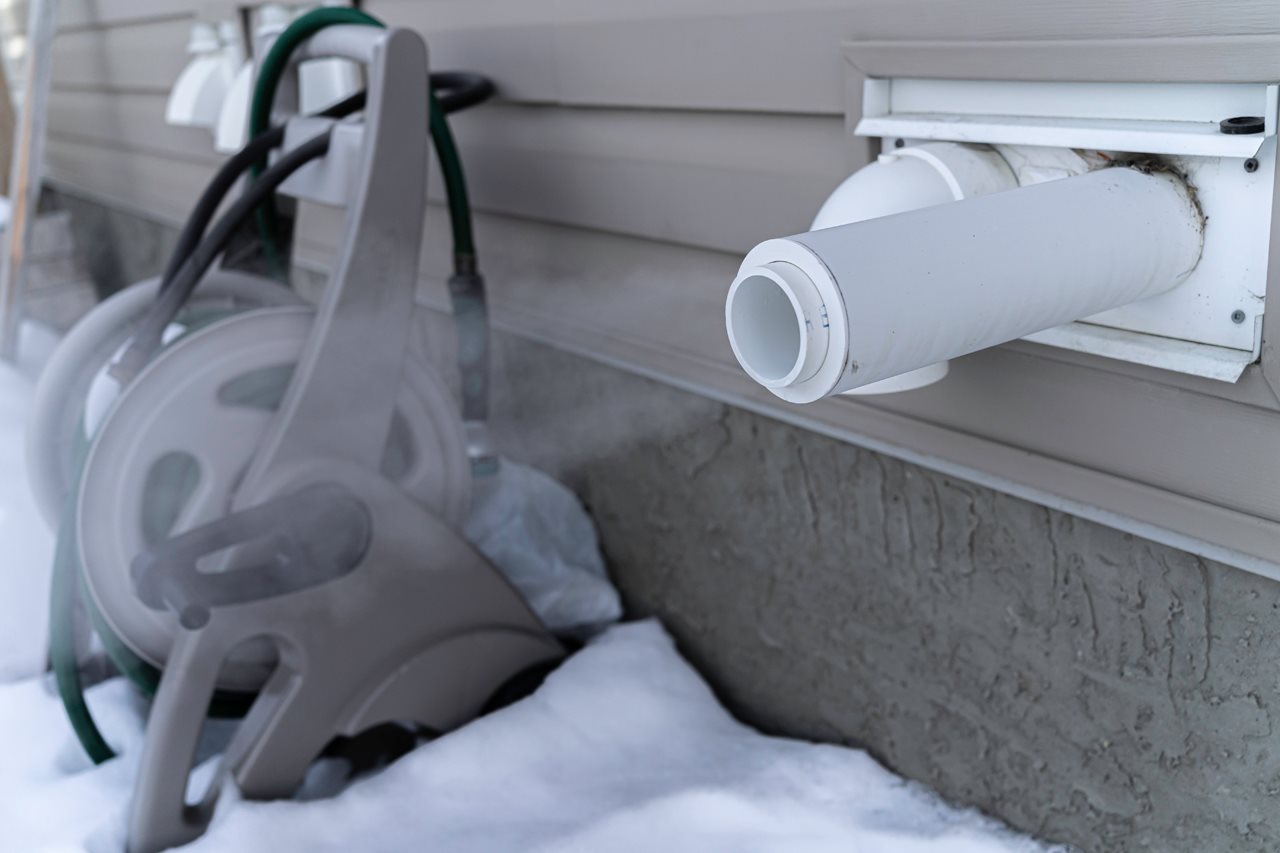
Clear snow away from the outside vents for fuel-burning appliances, such as furnaces, so that dangerous carbon monoxide does not build up inside the house.

Keep your family safe this winter by using these six tips. To learn more about the dangers of CO and how to protect yourself during a power outage, visit CPSC.gov/Safety-Education.

SOURCE: U.S. Consumer Product Safety Commission (CPSC)

Improve home value and safety by leveling uneven floors

2024-01-31T06:01:00

(BPT) – Do you have a basement or other room with unlevel flooring? This can make the space difficult to use, plus detracts from your home’s overall value. Change this problem into opportunity by exploring how you can fix the surface and prepare it for tile, carpet or another finished flooring.

Some might think it will be necessary to demolish the existing concrete slab and pour a new slab. Not only is this very costly, it’s time-consuming. One of the simplest solutions pros and DIYers alike use to correct sloping, uneven or cracked floors is Quikrete Fast-Setting Self-Leveling Floor Resurfacer. With this product, you can resurface most floors with a single application, creating a smooth surface for the installation of ceramic tile, carpet, resilient flooring or other finishes.

With the right preparation, you can improve your basement or other floor over a weekend. Your resurfaced floor will be ready for applying tile or carpet — or leave just as it is, for lightly trafficked areas. It can even be used for areas like patios if the temperature is not below freezing. This has big impact, making your property more livable and boosting its value.

Before you start, it’s important to assess the current floor’s surface and do some preparation.

Temperature considerations

Quikrete’s Fast-Setting Self-Leveling Floor Resurfacer can be used at any temperature above freezing, but for best results, the temperature should be at least 45 degrees Fahrenheit. Colder temps will slow the setting time for the product, although it will still set faster than typical resurfacing products.

Check for damage and amount of slope

First, examine the floor for large cracks, holes or damage that may need repair before applying Quickrete’s Floor Resurfacer. If you have deep cracks (more than 5/8″ deep) or large chunks of floor to repair, use a fast-set repair mortar and cure such as Quikrete Commercial Grade FastSet Repair Mortar before resurfacing. Small hairline cracks will be easily filled by the floor resurfacer.

Then, use a level to determine how much slope you have. You can apply up to 5/8 of an inch of lift but not more than that in a single application, so if your floor has a bigger slope, you’ll want to use more than one application to level the area.

Gather your materials

All you’ll need is the Quikrete Fast-Setting Self-Leveling Floor Resurfacer, a heavy-duty drill with a paddle mixer, water, a 5-gallon bucket, impervious gloves, safety glasses and Quikrete Concrete Bonding Adhesive (No. 9902). The resurfacing product is self-leveling, so no trowel is required. Make sure to follow safety precautions and wear impervious gloves such as nitrile when using products.

Clean and prime your floor

It’s essential that all surfaces are clean and free of foreign substances including dirt, dust, oil, grease and paint. After cleaning, you’ll need to prime the clean, dry floor surface with diluted QUIKRETE Concrete Bonding Adhesive (No. 9902). Follow the product’s instructions for use and allow time to dry. The bonding adhesive should be dry to the touch (drying takes about 1-2 hours, depending on conditions) before using the resurfacer.

Apply the resurfacer

Mix the resurfacer with water according to the product instructions. Starting in the center of the space, pour the material directly from the mixing container in continuous strips of about 1 foot (30 cm) wide across the narrow section of the application area. Placing should be done as one continuous operation, with no screeding or troweling necessary. The mixed material will remain fluid for approximately 20 minutes, and will level itself to a smooth surface.

Pour the next strip adjacent to the edge of the previously placed material. The adjacent strips should be poured within 15-20 minutes to ensure a smooth, continuous surface. Continue to work without breaks until the entire application area is covered.

Allow the resurfacer to cure

Curing time will vary depending on area conditions. During the first 24 hours, keep the area covered or damp to prevent excessive loss of water, which can cause cracking. You can also use Quikrete Acrylic Concrete Cure & Seal, plastic sheeting or the application of a very fine fog spray of water to help prevent shrinkage cracking.

Following these steps can help you maximize your home’s underused basement or other spaces, providing rooms with smooth, level floors. Visit Quikrete.com for information about this and other home DIY products.

How to create an age-friendly outdoor space you’ll love for years to come

2024-01-31T04:01:00

(BPT) – If you or a loved one are planning on making improvements to your home to help you age in place comfortably and safely, you’re probably focusing your attention on areas inside the home. But have you also thought about how outdoor spaces can affect your ability to enjoy your home as you get older? Creating accessible, low-maintenance environments that can extend your living space to include the outdoors is an effective way to increase the value of your home, while making the most of the home you’ve grown to love.

Here are five home paver projects to consider that can enhance the quality of life for anyone with the desire to age in place.

1. Accessible pathways

Creating smooth and easily navigable pathways throughout your outdoor space is crucial for age-in-place living. Installing pavers that have a non-slip surface ensures stability, while minimizing steps or elevation changes will increase safety and comfort for anyone with mobility challenges. In addition, using edgers like Pavestone’s RumbleStone® edgers outlines and draws attention to these paths while incorporating visual elements from the spaces they connect.

A well-designed pathway helps to connect various areas of the property, promoting independence and providing a sense of freedom.

2. Patio expansion

Expanding or renovating your patio with large-scale step stones or traditional pavers (and edging or wall block) can significantly enhance your outdoor living spaces.

It’s best to choose slip-resistant pavers to reduce the risk of accidents, and consider incorporating seat walls or built-in benches for convenient resting spots. A well-designed patio made with Pavestone RumbleStone, for example, encourages outdoor activities, socializing and relaxation while maintaining the comfort and safety needed for older adults.

3. Raised garden beds

If you enjoy gardening, raised garden beds constructed with wall blocks, like Pavestone’s Ladera® wall block, can keep the joy of growing plants and flowers as part of your life without the physical strain. Elevating the planting area reduces the need for bending or kneeling, making it more accessible for anyone with limited mobility.

Wall blocks provide a stable and durable border, making the raised garden beds not only functional, but also aesthetically pleasing.

4. Threshold ramps

Eliminating barriers between indoor and outdoor spaces or between separated outdoor areas is essential for age-in-place living. Installing threshold ramps made of pavers like Pavestone’s Holland stone ensures a smooth transition between different floor levels such as from the house to the patio. These ramps are not only practical, but also add a seamless design element to the overall aesthetic of the property.

5. Low-maintenance, multi-functional outdoor spaces

You can create outdoor spaces to serve multiple purposes to accommodate changing needs as you or a loved one grows older. Paver projects that incorporate sitting areas, shade structures and even low-maintenance green spaces offer a range of possibilities without requiring extensive upkeep.

For example, previously sodded spaces can be quickly covered with larger-scale step stones and landscape rock. This versatility allows for the easy adaptation of the outdoor environment to varying mobility levels and preferences over time.

Using these top five home outdoor paver projects, you or your family members can age in place with confidence, surrounded by spaces that promote independence, well-being and a high quality of life. Investing now in outdoor paver projects tailored for age-in-place living is a thoughtful and proactive approach to maintaining a comfortable and safe home environment for years to come. These projects not only enhance accessibility for anyone living in or visiting your home, but also contribute to the overall aesthetic and functionality of your property.

Visit Pavestone.com for more design inspiration and ideas to improve your home at any life stage.

Anesthesiologists alert Americans to VA proposal that could impact veterans’ health care and safety

2024-01-30T08:01:01

(BPT) – The nation’s Veterans deserve the highest-quality health care and 91% of them expect the same quality of care the public receives at the top-rated civilian hospitals. However, a proposal by the U.S. Department of Veterans Affairs (VA) could potentially affect Veterans’ safety during surgery by replacing physician anesthesiologists with nurse anesthetists.

VA’s proposal would change how anesthesia is delivered in VA facilities from the current proven physician-led, team-based model of anesthesia care — where anesthesiologists supervise nurse anesthetists — to a nurse-only model. Physician anesthesiologists provide expert care in surgery, especially for Veterans who tend to be older, sicker and have conditions associated with military service like Agent Orange and burn pit exposure, which put them at greater risk for complications during surgery.

“Surgery is inherently dangerous, and Veterans in VA hospitals deserve the best care. The physician-nurse anesthesia model of care is used in the nation’s top civilian hospitals, and should remain as the model in VA hospitals,” said ASA President Ronald L. Harter, MD, FASA. “VA’s existing policy provides that care. There is no reason to change it.”

During Physician Anesthesiologists Week, the American Society of Anesthesiologists (ASA) is asking Americans to help protect Safe VA Care.

Veterans expect the highest-quality health care

In addition to overwhelmingly expecting the same quality of health care as provided at the top-rated civilian hospitals, a recent national survey by the American Legion found a majority of Veterans prefer a physician over a nurse to provide anesthesia care during their surgery. According to the survey, 71% believe VA will have a lower standard of care if nurse anesthetists replace physician anesthesiologists and 52% of them would seek care outside of VA if their only choice was to have a nurse administer their anesthesia.

Physician supervision of anesthesia care is not only required by the nation’s top hospitals, but also the laws in 45 states, to ensure the safety and best outcomes for patients.

VA has successfully relied upon the proven team-based model of anesthesia care for decades and reaffirmed this standard of care in 2017 after a multiyear review, which collected a record-breaking number of public comments — more than 200,000, including 25,000 comments from Veterans and their families — to the Federal Register to keep the physician-led anesthesia model in VA hospitals.

VA’s current anesthesia policy is one of the most thoroughly researched, studied and reviewed policies existing in VA,” said Dr. Harter. “There is no need to make changes especially since eliminating physician-led care does not improve access to care or save medical costs and the current anesthesiology workforce in VA is adequate to assure Veterans receive timely access to anesthesia care. The national nursing shortage also makes the VA proposal for a nurse-only model impractical and unworkable.”

Physicians ensure safety with education and training to make a difference

VA’s Quality Enhancement Research Initiative (QUERI) raised questions about the safety of replacing physician anesthesiologists with nurses, noting it could not discern “whether more complex surgeries can be safely managed by certified registered nurse anesthetists, particularly in small or isolated VA hospitals where preoperative and postoperative health system factors may be less than optimal.”

Nurse anesthetists are qualified members of the Anesthesia Team Model, but anesthesiologists have twice the education and five times the hours of clinical training of nurses. They receive 12 to 14 years of education, including medical school and residency, and 12,000 to 16,000 hours of clinical training to specialize in anesthesia care and pain control, with the necessary knowledge to understand and treat the medical issues that arise during surgery.

Protect Safe VA Care

Veterans deserve the same high-quality care available to American civilians. Share your opinion on protecting Veterans’ health and safety today.

How to prioritize your child’s hearing in 2024

2024-01-30T06:01:00

(BPT) – How is your child’s hearing? If you’re not quite sure, you’re not alone. While parents routinely take their children to the pediatrician for annual checkups and vaccines, those appointments don’t typically include hearing tests. And although elementary schools do hearing screenings, the American Speech-Language-Hearing Association (ASHA) tells us the requirements vary from state to state, as does the frequency of the tests. Some are conducted every year, some every two or three years.

All of that ambiguity, along with other factors, leads the Centers for Disease Control and Prevention (CDC) to conclude we simply don’t know how many children are living with hearing loss in the U.S. The CDC estimates the number of children who have some degree of hearing loss to be between one and five children per 1,000.

If your child is one of them, it is likely affecting their performance in the classroom academically and socially. After all, good hearing is about much more than just paying attention.

The importance of hearing in the classroom

Your child’s hearing is a vital part of learning and their overall success in school. Here are some ways hearing affects their learning.

Language acquisition. Good hearing is vital for children to develop proper speech and language skills. Vocabulary building, grammar skills and the ability to distinguish one word from another all depend on keen hearing.

Comprehension. Kids needs to hear instructions, lectures, classroom discussions and more to understand what, exactly, they’re expected to do. If they miss a key element such as if their teacher turns to the whiteboard instead of facing the class while explaining an assignment, their grade can reflect that.

Social development. Children with hearing loss can experience social isolation due to fear of interacting with peers or participating in class. If a child is acting out, frustration around undiagnosed hearing loss may be a cause.

Fortunately, there are more resources and interventions than ever before to help your child’s hearing.

Ways your child can hear better in the classroom

If you suspect your child may have a hearing loss, the first step is to talk to your pediatrician about a referral to a pediatric audiologist. A pediatric audiologist will test your child’s hearing, discuss results, and determine whether hearing aids are recommended.

Pediatric hearing aids. Children’s hearing aids have evolved into an art form in recent years. For example, Phonak’s new Sky Lumity hearing aids have a sleek, tamperproof design and are powered by AutoSense Sky OS, an AI-based operating system developed specifically for children. According to Phonak, the hearing aids prioritize speech understanding at a rate of 700 scans per second. They instantly adjust to optimize a child’s listening experience in every environment — from bedtime stories to the classroom party.

Sky hearing aids have universal Bluetooth connectivity to a multitude of smart devices, increasing a child’s access to sound. The newest lineup encourages kids to express their creative side with 14 colors to choose from including Electric Green, Caribbean Pirate and Precious Pink.

Roger for Education microphones. The Americans with Disabilities Act (ADA) requires public entities, like schools, to make educational opportunities, including extracurriculars, accessible to all students. One way to do that is with a high-tech remote microphone technology, like Roger. Designed to interface with or without hearing aids, Roger microphones can be worn around the neck of a teacher, whose voice is then transmitted directly to a child’s hearing device or through portable classroom speakers.

Why is this extra step needed? Hearing aids can only do so much in noisy classrooms, especially over distance. Roger gives their hearing a boost, automatically adjusting the volume based on the noise level. Because of the ADA, remote microphone technology like Roger can be among the accommodations defined in the child’s Individualized Education Plan (IEP). As such, there is no cost to parents for a device like this to be purchased by the school.

Simple classroom changes. Small changes that can have a profound impact on a child’s comprehension are seating the child in the front row, teachers not turning their backs to the class while speaking, allowing extra time for kids to process assignments, providing written instructions on all assignments and other low-tech tactics to make sure kids get the full picture.