5 Simple Ways to Start Your Flexitarian Journey from a Dietitian

2023-12-20T07:01:00

(BPT) – If you’ve heard the buzz about eating “plant-based” diets or being a “flexitarian,” you’re not alone. According to a OnePoll survey, 47% of Americans (ages 24-49) identify as flexitarian, meaning they eat mostly plant foods including vegetables, legumes, and fruit but are not strictly vegetarian or vegan.

Why try a flexitarian diet?

A flexitarian diet could mean better health for yourself and the planet, without entirely omitting animal foods. Higher in antioxidants, fiber, and phytochemicals from plant foods, vegetarian diets (which closely resemble flexitarian eating) may help lower risk of heart disease, type 2 diabetes, and certain cancers, and may aid in weight management. As for the planet, in a review of 14 varied plant-based diets, research showed that a flexitarian eating style may help lower greenhouse gas emissions.

Keep in mind that not all earth-friendly foods are better for your health and that reading ingredient labels is important. A company serving up flexitarian options that are both better for the planet and your health is GOOD PLANeT Foods. Their newest product, Olive Oil Cheese, is the only dairy-free cheese made with superfood olive oil to support heart health. CEO of GOOD PLANeT Foods, Bart Adlam, explains, “We created the first ever Olive Oil Cheese to make it easier for flexitarians who are aiming to eat more plant-based foods while still enjoying the goodness of cheese. Our Olive Oil Cheeses are dairy-free, and full of all the deliciousness, joy, and have the same melt of your favorite cheeses.”

How should you start your flexitarian journey?

Below, registered dietitian Bianca Tamburello, RDN, shares five tips for starting a flexitarian way of eating to incorporate more plant foods into your diet.

1. Start with whole plant proteins including beans, lentils, legumes, and tofu.

Eating more plant proteins is the cornerstone to adopting a flexitarian way of life. Cut back on animal-based foods slowly by eating meals with half meat and half plant proteins. For example, make taco meat with half ground beef and half beans. Later, transition to multiple meat-free meals per week where your main protein is plant-based, like beans, lentils, and legumes. Try these wholesome proteins in stews, stir fries, pasta dishes, crockpot recipes, sandwiches, and burgers.

2. Choose plant-based alternatives with health benefits!

Tamburello recommends looking for plant-based foods with health-promoting ingredients, like GOOD PLANeT’s Olive Oil Cheese. The Olive Oil Cheese is the only dairy-free cheese made with heart-healthy olive oil (most vegan cheeses are made with coconut oil). She explains, “The swap to olive oil in vegan cheese makes it higher in healthy unsaturated fats and lower in saturated fat. Research shows that olive oil is linked to numerous health benefits including less inflammation and better heart health.” GOOD PLANeT’s Olive Oil Cheese melts perfectly for pizzas, pastas, burgers, paninis, and quesadillas.

3. Look for convenient vegetables and fruits for easy meals.

High in fiber, vitamins, minerals, and phytonutrients, eating more vegetables and fruit is an important part of a plant-based diet. In fact, the Dietary Guidelines for Americans recommends that you aim to fill half your plate with veggies or fruit at meals. Cut back on cooking and prep time by choosing convenient produce like frozen, pre-cut, and steam-in-bag. These options are just as nutritious as fresh and can help you effectively boost your fruit and veggie intake. Keep frozen cauliflower rice and stir fry medleys in your freezer for a delicious veggie base in minutes and frozen fruit for snacking, smoothies, and bowls.

4. Don’t forget nuts and seeds.

Tamburello shares, “Nuts and seeds are small but mighty, offering up healthy unsaturated fats, fiber, plant protein, and important vitamins and minerals.” Being nutrient-dense, these important plant foods pack high levels of nutrients per serving. Enjoy one to two ounces of nuts and seeds per day in trail mixes or sprinkle as a topper on oatmeal, smoothie bowls, yogurt, and salads.

5. Prioritize plant foods high in vitamin B12 and iron.

Iron and vitamin B12 are two nutrients that are important for regular body functions. Vitamin B12 and iron are more abundant in animal products, which puts strict vegans or vegetarians at risk of being low in these important nutrients. Prioritize plant foods high in iron (legumes, beans, nuts, and leafy greens) and vitamin B12 (fortified cereals and nutritional yeast) and enjoy them regularly to keep vitamin B12 and iron levels high.

For recipes and more information for GOOD PLANeT Foods Olive Oil Cheese, see here.

4 Money Lessons to Teach Kids During the Holidays

2023-12-19T15:01:00

(BPT) – While it’s the most wonderful time of the year, holidays often come with a hefty price tag. Many find themselves preparing for an increase in spending during the holiday season, whether they’re creating a budget or setting aside funds throughout the year.

Managing finances during this time of year presents an opportunity to educate kids on the importance of understanding “wants” versus “needs” and how to manage their spending. By involving them in the budgeting and planning process, you can equip them with tools that can help pave the way for future financial success.

To help you get started, Chase rounded up their top tips for teaching your kids money lessons during the holidays.

1. Create a holiday budget

By the time you have a teenager, they likely have a list of people in their life they want to purchase gifts for. But even the smallest presents can add up, leaving little extra cash for fun activities with friends. Encourage your child to sit down and make a list of people they want to buy for, then set a spending limit for each person.

2. Monitor where their money goes

Another way to track spending is to set up a checking account with a debit card just for kids. Bank accounts like Chase First Banking, which is parent-owned and available for kids 6-18, offer parents and kids a shared journey toward financial understanding. Kids best learn money basics firsthand, and accounts like Chase First Banking allow parents to monitor their kid’s spending, set limits, track progress, receive alerts and more, all through the Chase Mobile app®.

While your kids may have a long list of gift requests this year, encourage them to break up their list into wants and needs, and really think about what they’re asking for. Is it something they can use for a long time? Is it something that will bring them closer to achieving a goal? Try to curb the idea that “more is better.” You can also take some time to research and compare prices, teaching them how to get the most bang for their buck.

3. Gift good money habits

Whether it be what or where they’re spending, their gifting budget, how much they’re earning or their savings goal, the holidays are full of opportunities to discuss good money habits. Opening a bank account is a great way to lay the financial groundwork by promoting saving and tracking their spending.

For your older ones, accounts like Chase High School CheckingSM is co-owned by the parent and designed for kids 13-17, and Chase College CheckingSM, for students 17-24, are great tools for your child to get a clearer picture of their financial life. They can track their finances with the Chase Mobile app, learn to save with automatic transfers to their Chase savings using Autosave, and handle splitting a gift or paying back family and friends with Zelle®.

4. Save what you don’t spend

Setting up a bank account can also help your kids learn the importance of saving for the future. While this season can be all about spending, it’s important to make sure you talk about saving. Autosave automates your savings by allowing you to choose when and how often you want to transfer money from your Chase checking account to your Chase savings. Even if your child is spending a little more during the holidays, make sure they still fit some savings into their budget.

While the holidays can be hectic, it’s one of the most opportune times to educate kids on crucial financial lessons. Using these four tips, you can help your child experience all the holiday magic without them breaking the bank. For more information and tips for setting up your child for financial success, visit chase.com/studentbanking.

Chase Mobile® app is available for select mobile devices. Message and data rates may apply.

Bank deposit accounts, such as checking and savings, are subject to approval.

Deposit products provided by JPMorgan Chase Bank, N.A. Member FDIC.

How to add functionality to the kitchen without sacrificing style

2023-12-20T05:01:00

(BPT) – As the heart of the home, you want your kitchen to reflect your style but also help you get the job done — whether that’s cooking, cleaning, entertaining or numerous other tasks. If your current kitchen is slowing you down, you may want to consider functionality upgrades.

Keep in mind, functionality does not equate to lackluster style. Expert designers look for upgrades that enhance the kitchen’s usability and appearance. This blend of fashion and function will help you create a kitchen that will truly stand out.

Even if you can’t completely renovate the space, you can make strategic changes that make a big impact to your lifestyle. How do you decide where to invest time and money improving the function and style of the kitchen?

“Invest in products that are going to be the focus of the space or things you are using every day,” said Alex Yacavone, Kohler Design Studio manager.

For example, the sink is large and can be a focal point within the kitchen. By upgrading to a sink with a beautiful finish and thoughtful material, you’ll enhance style and function while elevating the overall aesthetic.

Yacavone recommends farmhouse kitchen sinks, like the Whitehaven sink in the color Truffle. This apron-front kitchen sink features a versatile farmhouse style that complements any decor. A large single basin accommodates large pots and pans, while the sloped bottom helps with draining and cleanup. Crafted from enameled cast iron, this sink resists chipping, cracking or burning for years of beauty and reliability.

Whether it’s a sink, faucet, lighting or appliance, once you decide which features to focus on, it’s time to research. With so many options available, this can feel overwhelming. Remember, you do not have to sacrifice style for functionality.

Yacavone’s advice: “The kitchen is a place where people gather, so it needs to be functional. The best way to not sacrifice style for function is to pick timeless styles and finishes to ground the space. Then you can add personal touches that showcase your unique style,” she said.

Finishes like chrome and polished nickel can feel elevated, but also complement a lot of different styles and colors. This allows you to play with tile and paint colors, while knowing your metal finishes won’t clash.

For example, the Crue Touchless faucet in chrome blends function with classic styling. The silhouette — a simple arched spout and single lever handle — offers a straightforward style that adapts to nearly any kitchen design.

Another noteworthy finish with staying power is French gold. The Purist faucet in Vibrant French Gold is a stunning faucet with a strong architectural form and simple-to-use features. The high-arch swing spout maneuvers easily around large cookware, while the side lever handle controls temperature and flow.

Yacavone said warm colors like this have a connection with nature and are currently gaining popularity. These can make the kitchen feel calm and soft, evoking positive emotion in the space.

For personal touches that inject your own unique style, consider investing in a backsplash in graphic tiles or a favorite color. This showcases your personality and can make the room one of a kind.

When it comes to style and functionality in the kitchen, you don’t have to choose. With this expert insight and some strategic planning, you can update your kitchen and enjoy it for many years to come.

How one patient with multiple myeloma and his caregiver navigated stem cell transplant

2023-12-20T06:01:00

(BPT) – Article is sponsored and developed by BioLineRx USA, Inc.

Mike led an active life. For years, he had attended outdoor exercise classes, played pickleball, biked, hiked and went on daily walks with his wife and caregiver, Jan. However, he began to notice that staying active was getting harder and harder.

His symptoms came to a head in December 2020 when he attended a blood drive donation. He was too anemic to donate and was advised by staff to see a hematologist. Mike couldn’t have guessed that this event would lead to a multiple myeloma diagnosis the following year.

What is multiple myeloma?

You may not be familiar with the disease, but multiple myeloma is a cancer of the plasma cells and is the second most common hematologic malignancy.1 The American Cancer Society estimates that more than 35,000 people in the U.S. will be diagnosed with multiple myeloma in 2023.2

While some multiple myeloma patients are asymptomatic, many may experience abnormal blood cell counts and other symptoms, including bone problems, high levels of calcium, nervous system and kidney issues and infections.3 Early detection often allows patients more treatment options.

How is it treated?

Part of the standard of care treatment protocol for multiple myeloma is autologous stem cell transplantation (ASCT), ­which consists of collecting, freezing and storing a patient’s blood or bone marrow so they can undergo chemo. Afterward, the stem cells are thawed and transplanted back into the patient.4

An ASCT has been shown to prolong survival for patients with this cancer type.5 As many as 8,000 ASCTs are performed each year in patients with multiple myeloma.6 After taking time to weigh his options, Mike chose to undergo ASCT.

“Someone close to me had undergone a stem cell transplant, so I was familiar with the process. Still, having watched, it’s a hard process to go through, and it was difficult to come to terms with the fact that the procedure was the best option for me to move forward,” said Mike, a patient living with multiple myeloma.

Challenges for patient and caregiver

A challenge many patients face when coordinating apheresis, the process of harvesting their stem cells, is coordinating the collection procedure. For example, Mike and Jan had to temporarily relocate near the hospital where he would undergo apheresis. The hospital was located about three hours from their home, requiring them to rent an apartment in town.

While some patients can collect enough stem cells in one apheresis session, for others it can take several days and sessions to mobilize the target number of stem cells needed for ASCT.7,8

“On my first day of apheresis, they were only able to collect 1.5 million stem cells. They needed to collect 6 million, enough for two transplants,” said Mike. “After a week, we successfully got 6 million stem cells.”

Because mobilization can be unpredictable, it can be difficult for patients who don’t live near an apheresis clinic to arrange accommodation. Mike and Jan had to extend their stay multiple times in order to complete the apheresis sessions needed for Mike’s transplant.

Beyond the physical and logistical challenges, the uncertainty related to mobilization and apheresis treatment may contribute to the overall burden for patients and caregivers.9 Mike was discouraged when he found out the day after his first apheresis treatment that he’d have to go back again due to not collecting enough stem cells.

“He was very frustrated about not being able to get them all collected at one time,” said Jan. “He had very high expectations that it would be done in one session. However, we were able to stay hopeful and focus on what was going well instead of what was not.”

Life after treatment

Luckily, after a few apheresis sessions, the clinic was able to get enough stem cells from Mike and he received ASCT. “I’m six months past the stem cell transplant,” said Mike. “I do have less energy than I used to. I can’t go quite as hard, but I play pickleball three afternoons a week. I ride bikes Saturday mornings, and my wife and I are still walking and hiking.”

Understanding your treatment options

Stem cell collection can be difficult for patients like Mike undergoing apheresis for ASCT.

However, there have been new approaches in the treatment of multiple myeloma, including in induction regimens and stem cell mobilization, and it is important for patients to understand their options.

If you or someone you love has been diagnosed with multiple myeloma, talk with your doctor about current treatment options and which may be best for you. For more information about multiple myeloma and ASCT, visit the American Cancer Society at cancer.org, the HealthTree Foundation at healthtree.org/myeloma or the International Myeloma Foundation at myeloma.org. To learn more about the company sponsoring this article, visit: biolinerx.com.

Mike and Jan have been compensated by BioLineRx for sharing their story. Mike’s story is personal and does not represent all people living with multiple myeloma. This is not a substitute for professional medical advice. Always talk to your healthcare providers.

+++

  1. Kazandjian D. Semin Oncol. 2016 Dec;43(6):676-681.
  2. American Cancer Society. Key Statistics About Multiple Myeloma. Atlanta, GA. American Cancer Society; 2023.
  3. American Cancer Society. Signs and Symptoms of Multiple Myeloma. Atlanta, GA. American Cancer Society; 2018.
  4. American Cancer Society. Types of Stem Cell and Bone Marrow Transplants. Atlanta, GA. American Cancer Society; 2023.
  5. Kumar SK, et al. Blood. 2008;111(5):2516-2520.
  6. Auletta JJ, et al. Current use and outcome of hematopoietic stem cell transplantation: CIBMTR US summary slides. 2021.
  7. Edmisson J, et al. Poster presented at: 64th American Society of Hematology Annual Meeting and Exposition; December 10-13, 2022; New Orleans, LA.
  8. DiPersio JF, et al. Blood. 2009;113(23):5720-6.
  9. Shaughnessy P, et al. Biol Blood Marrow Transplant. 2013; 19(9):1301-1309.
©BioLineRx USA, Inc. 2023. All rights reserved.

US-CORP-2300039 (V2.0) 12/2023

Military families’ financial challenges are unique. Here are tips to help.

2023-12-20T05:01:00

(BPT) – Any family can experience financial hurdles, but military families may face unique challenges that set them apart from their civilian counterparts. From being remotely stationed with limited access to good paying jobs and childcare, to frequent moves that can make establishing consistent savings habits hard, military families’ everyday realities can make financial security difficult in both the near and long-term.

Veteran Jeff Felton, a former Air Force Officer and Investment Advisory Representative at Prudential Financial, understands personally the financial hurdles military families can face. When he was exiting military service and deciding on a civilian career, Felton says he saw becoming a financial advisor as an opportunity to help himself and others gain financial confidence.

To help military families build financial habits today that will aid in securing their future, Felton offers the following tips.

1. Develop a savings habit, no matter how much

A common piece of financial advice is to save 10%-30% of your paycheck, but for families on a tight or single-earner budget, that may not be feasible. Felton says that shouldn’t be discouraging and suggests developing a simple savings habit. After ensuring family necessities are covered, set aside as much as you can each paycheck to begin building an emergency fund. The bigger the fund, the better (3 to 6 months’ worth of expenses is ideal), but any amount can serve as a buffer against borrowing or going into debt when unplanned events, such as an emergency car repair or appliance replacement, happen.

2. Start saving for retirement today and be flexible

“If you haven’t already, it’s critical that you start saving now,” says Felton. Working military spouses can have funds moved to a retirement account via payroll deduction and check to see if their employer offers a matching contribution benefit. Aim to have 10% of your salary allocated to your retirement savings account. If that’s not immediately possible for your family, start small and increase your contribution as you receive pay raises.

After 20 years of service, members of the military may be able to switch to a more self-directed savings plan, such as a Thrift Savings Plan (TSP), a retirement savings and investment account for federal employees and uniformed service members. The plan offers a mutual fund option that allows participants greater investment flexibility.

3. Develop post-service skills

Plan for a future after the military by developing post-service skills for jobs with higher salaries. “The military provides many transferable skills to help you join the civilian workforce, and you can hone those skills and develop new ones by taking advantage of military educational resources such as Community College of the Air Force or American Military University,” says Felton.

To assist in covering the costs of higher education, GI Bill benefits can help military members pay for college, graduate school and training programs. Military spouses and children may also qualify for credits that can help offset training or higher education costs.

A resource for military families

Families can tap into programs for financial education and other money-smart resources. For example, Prudential Financial has partnered with Twelve Million Plus, a digital community from the company Instant Teams Marketplace, which provides a host of curated and local resources for the more than 12 million spouses of active and retired U.S. military members.

Through the partnership, Twelve Million Plus members have access to a range of resources to aid in improving their financial well-being, including the ability to connect online with an advisor and access to Prudential Stages for Retirement, the company’s online planning platform that helps people navigate more confidently through pivotal life stages.

Launched in January 2023, Prudential Stages for Retirement is a free tool that helps individuals benchmark their retirement readiness using a personalized retirement confidence score and provides access to tools that track how certain actions, like changing goals or their target retirement date, can affect their score. Twelve Million Plus members will also have access to Prudential’s financial education through online articles and videos as well as live seminars on different topics.

“Today, there are a lot more ways for military families to connect to financial tools and professional advice,” says Felton. “This partnership offers those resources in a supportive online community with people who understand each other’s challenges.”

Down, the Material that’s 97% More Eco-Friendly

2023-12-19T15:57:00

(BPT) – Down fill material has been around for hundreds of years, providing us warmth and comfort. It is the gold standard for premium insulation among many outdoor enthusiasts and outerwear shoppers.

Now, there’s more reason than ever for down to hold this top position. According to a Life Cycle Assessment (LCA), down material is up to 97% more eco-friendly than polyester fill. Three new videos released by the International Down and Feather Bureau (IDFB) based on the LCA, highlight the key elements of down’s environmental superiority.

Understanding the life cycle of a product

To understand the vast differences of environmental impact between polyester fill and down, it’s necessary to look at the origins of each material.

Long Trail Sustainability, an independent third-party firm specializing in LCAs and sustainability reports, was commissioned by IDFB to conduct this research to systematically study the potential environmental impacts of both products. They assessed the raw materials and manufacturing processes required by each, and the results were unequivocal — down fill material has an 85%–97% lower impact on the environment across five categories: human health, ecosystems, resources, cumulative energy demand and climate change.

Why is down environmentally superior?

Down is a natural byproduct from the food and agriculture industry. Polyester fill, on the other hand, starts with the extraction of crude oil, proceeds to refinement, then polymerization and finally extrusion. This involved process means polyester burns through far more energy and resources during its production, leading to a climate change impact that’s 18 times higher than down.

Then there’s biodegradability to consider. Polyester, as an oil-based plastic, simply doesn’t break down like natural fibers. It remains in landfills for decades or even centuries, frequently leeching harmful substances into the groundwater. As a result, polyester leaves an immeasurable scar on the planet. Meanwhile, down is about as biodegradable as a material gets. It can decompose in just a few months under the right composting conditions. Better still, because down is composed entirely of the protein keratin, it doesn’t release harmful byproducts during the decomposition process.

Down feels good, is good

Let’s take a down jacket, for example. Its warmth, lightness and compressibility have made it a tried-and-true companion for cold-weather adventurers for generations. It’s kept countless outdoor enthusiasts safe and warm while they explore the most amazing sights this world has to offer.

With the newly released videos and additional resources that can be found here, down’s eco-friendly qualities are taking center stage along with the comfort, durability and warmth which remain among the top reasons consumers choose down products.

Now, in a stroke of poetic symmetry, down’s relationship with people and the environment is coming full circle. By choosing down over polyester, consumers can feel good knowing that what is keeping them warm is also helping to sustain the natural beauty of this world for generations to come. That’s a whole new level of comfort to get wrapped up in.

How to wow with festive walnut delights this holiday season

2023-12-19T13:31:00

(BPT) – Do you have favorite recipes or family traditions that you enjoy during the holiday season? Whether it’s toasting warm drinks, savoring satisfying sweet breads or baking delicious desserts, there’s a good chance some of those traditions feature California walnuts.

A powerhouse of important nutrients and highly versatile, walnuts are the perfect ingredient to add an extra touch of holiday cheer to your culinary creations — from appetizers to main courses, and everything in between. Walnuts are an appealing and adaptable ingredient, and their versatility can make them the unsung holiday hero of the kitchen.

Walnuts are well known for their buttery richness and pleasing texture, elevating many traditional dishes and baked goods that you enjoy during the holiday season. Add a bag of walnuts to your holiday shopping list and unlock endless possibilities to incorporate them into seasonal dishes, allowing you to experiment with a variety of scrumptious flavors.

Festive walnut recipe inspiration

Looking for something new to try that features some classic cool-season flavors? In partnership with California Walnuts, this recipe from Ambitious Kitchen features walnuts, warm spices and sweet butternut squash in a loaf that is ideal for the chillier months. Topped with a decadent walnut streusel, this treat will become a favorite for all ages. Enjoy it for brunch, as a snack, or while entertaining guests throughout the holiday season.

Maple Walnut Butternut Squash Bread with Cinnamon Walnut Streusel

Ingredients

For the butternut squash:

1 small to medium butternut squash
1 tablespoon extra-virgin olive oil or melted butter
1 tablespoon packed brown sugar or coconut sugar
1/2 teaspoon cinnamon

Wet ingredients:

1/2 cup salted butter
1/2 cup pure maple syrup
2 large eggs, at room temperature
1/4 cup whole milk or plain Greek yogurt
2 teaspoons vanilla extract

Dry ingredients:

1 cup all purpose flour or white whole wheat flour
3/4 cup oat flour
1 teaspoon baking powder
1/2 teaspoon baking soda
2 teaspoons cinnamon
1/2 teaspoon nutmeg
1/2 teaspoon ground ginger
1/2 teaspoon allspice
1/2 teaspoon kosher salt

Mix-ins:

1/3 cup chopped walnuts

For the streusel:

1/2 cup all purpose flour
1/4 cup chopped walnut pieces
1/4 cup packed dark brown sugar
1/2 teaspoon cinnamon
1/8 teaspoon kosher salt
3 tablespoons salted butter, melted

Instructions

Step 1. Preheat the oven to 400 F. Line a large baking sheet with parchment paper and set aside.

Step 2. Prep the butternut squash: Use a sharp knife to cut both ends off the butternut squash. You’ll cut about 1/2 inch off each end so that there is no stem or root. You’ll be left with butternut squash that is flat on both sides so that it’s easier to prop up. Next, place the butternut squash upright or vertically with the larger side down on a wooden cutting board that’s very secured to your counter. Cut the butternut squash vertically down the middle with a sharp chef’s knife. Then use a spoon to scoop out the seed of the cut butternut squash. Set aside to roast for later or discard them.

Step 3. Roast the squash: Place the squash on the prepared baking sheet. Drizzle with olive oil then sprinkle with cinnamon and brown sugar and rub into the squash. Flip the squash over so that it’s skin side up and roast for 45 minutes to 1 hour until squash is very fork tender. Allow squash to cool for at least 10 minutes before handling.

Step 4. Reduce temperature in the oven to 350 F. Line an 8-1/2 by 4-1/2 inch loaf pan with parchment paper and grease with nonstick cooking spray. Set aside.

Step 5. Make your streusel topping while squash cooks or while it is cooling: In a medium bowl, mix together the flour, walnuts, brown sugar, cinnamon and salt. Add in the melted butter and stir together with a fork until it begins to form into crumbles and resembles clumps of wet sand. You may need to use your hands/fingers to form into nice thick crumbs. Cover the bowl with plastic wrap and place in the fridge until ready to use.

Step 6. Brown your butter: Place a medium pan over medium heat and add in 1/2 cup butter. The butter will begin to melt, crackle and then eventually foam. Make sure you stir constantly during this process. After about 5 minutes, the butter will begin to brown and turn a nice golden amber color on the bottom of the saucepan; this usually happens right when it foams. Continue to whisk and remove from heat as soon as the butter begins to brown and give off a nutty aroma. Set aside until cool enough to touch, about 5 to 10 minutes.

Step 7. Mix wet ingredients: Scoop about half of the cooled roasted butternut squash out onto a plate or into a large bowl and mash it with a fork (reserve the other half of squash for enjoying or freeze in an ice cream tray and mix into smoothies later). This should measure about 1 heaping cup mashed butternut squash. In the same bowl with the mashed butternut squash, add the pure maple syrup, eggs, yogurt and vanilla extract. Whisk together until smooth and well combined.

Step 8. Add in the dry ingredients to the wet ingredients: flour, oat flour, baking powder, baking soda, cinnamon, nutmeg, ginger, allspice and salt. Mix until just combined, then add in the cooled brown butter and stir again until butter is well-incorporated into the batter. Finally, gently fold the walnuts into the batter.

Step 9. Pour batter into the prepared loaf pan and smooth the top. Sprinkle the streusel evenly over the top of the batter.

Step 10. Bake the bread for 50-65 minutes or until the tester comes out clean. Allow bread to cool for at least an hour before removing from the pan and slicing into. Consider serving with honey butter or butter and sea salt.

Have leftover walnuts?

For optimal freshness, keep California walnuts in an air-tight container in the fridge or freezer instead of the pantry. The deli drawer right next to your cheese is a great option. Then they are fresh and ready for your next snack, charcuterie board or recipe.

For even more holiday inspiration with California walnuts, visit Walnuts.org. You can easily sort by course, dietary consideration, main ingredient, cooking method and more to find the right recipe to tantalize your taste buds. Enjoy all the flavors of the season using your favorite ingredients!

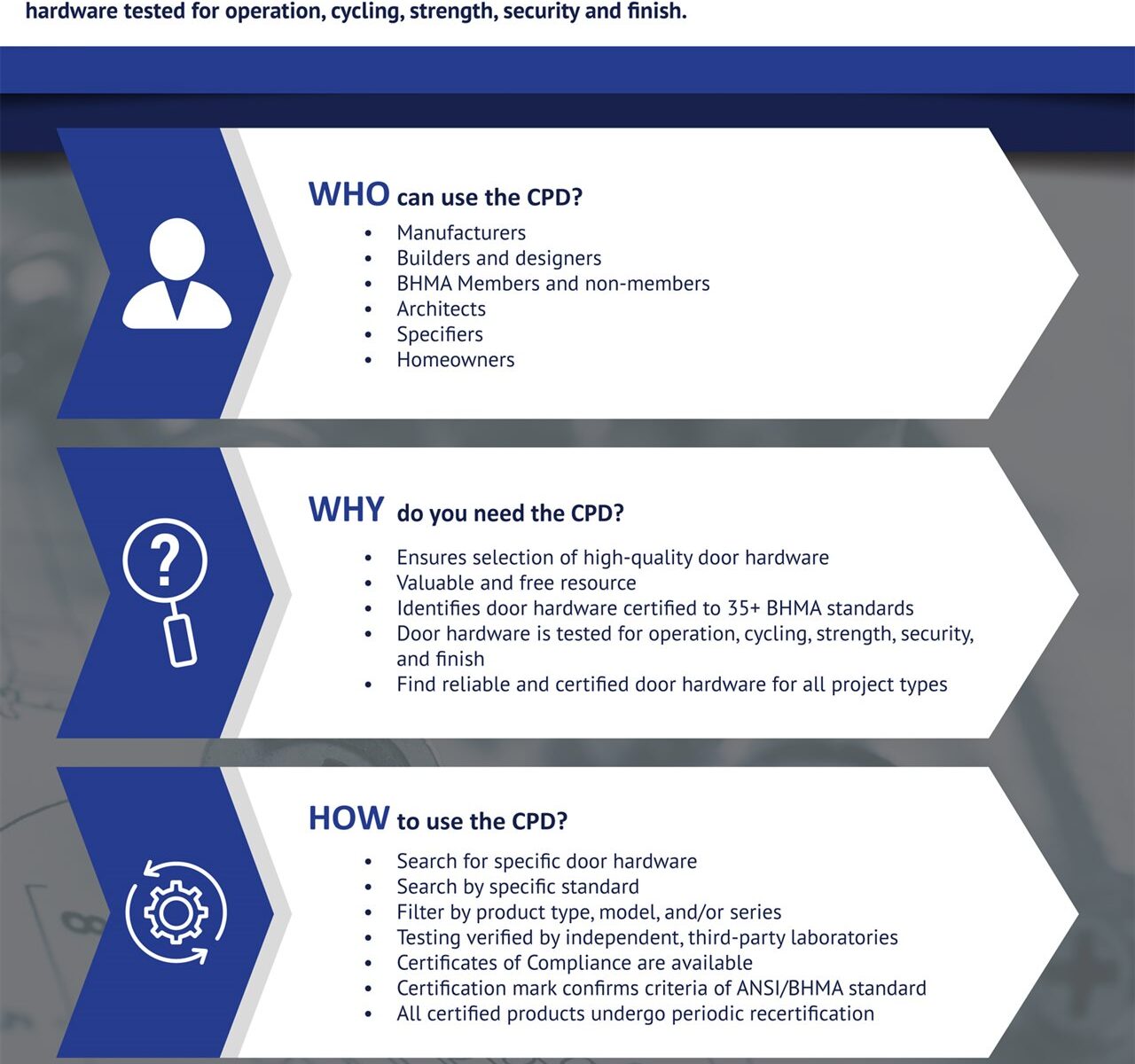
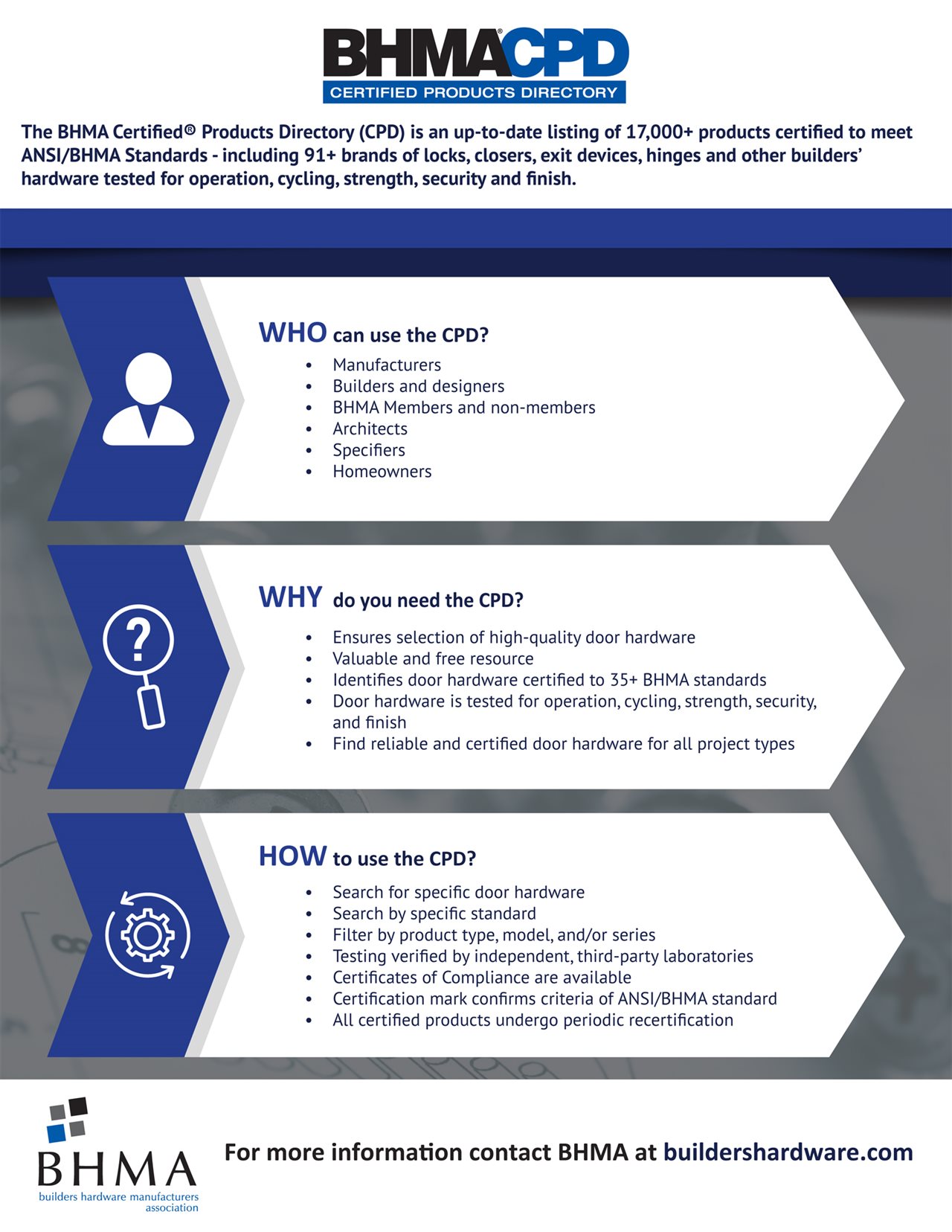
BHMA Certified Products Directory (CPD)

2023-12-19T08:01:00

(BPT) – A free, up-to-date listing of 17,000+ products certified to meet ANSI/BHMA Standards, the BHMA Certified® Products Directory (CPD) is a resource for anyone from manufacturers to homeowners who need to make decisions on hardware. Read on to learn more about this valuable tool.

5 tips to create a spa-inspired shower

2023-12-19T09:01:01

(BPT) – Today’s homeowner wants their bathroom to be a sanctuary for relaxation and self-care, so it’s no wonder that the bathroom redo has become one of the most popular renovation projects. A recent survey from Houzz showed that one in five homeowners (22%) enlarge the primary or en suite bathroom during a renovation. And with the extra space, more than three in five homeowners (61%) increase the size of their shower. Transforming your bathroom into a spa-inspired retreat will not only impact your overall well-being and comfort but can also boost the value of your home.

The design team at Wilsonart, an industry leader in engineered surfaces, offers these five tips to consider when expanding and enhancing your shower space:

1. Set a realistic budget

Enlarging the size of your shower space is an investment. Prior to getting started, set a realistic budget that includes not only the construction costs but also the cost of materials such as the shower surround surface, fixtures, floor tiles and other design elements. It’s also smart to have a contingency fund ready for unforeseen expenses that are sure to pop up along the way. And don’t underestimate the power of DIY when it comes to cost-efficiency. If you are handy with tools and willing to learn, there may be certain aspects of a bathroom renovation that you can tackle yourself. Taking on tasks like painting or even assembling fixtures can significantly reduce labor expenses.

2. Choose the right materials

Selecting the right materials is key for both functionality and style. For shower surrounds, select a surface with style that will stand the test of time and fit your lifestyle needs. An on-trend option like the Wetwall™ Waterproof Wall Panel System makes it easy to transform bathrooms and create spa-worthy retreats that deliver high-end designs without disruptive demolitions. Ideal for shower walls, bath surrounds, accent walls and cladding, the easy-to-clean, grout-free system features tongue-and-groove panels that can be installed in as little as 2.5 hours and do not require special tools. The system is simple to maintain and features a patented, waterproof core that offers antimicrobial protection that inhibits the growth of stain- and odor-causing mold and mildew. Inspired by the beauty of nature, the two latest designs to join the collection, Tuscany Marble and Darlington Cherry, can add a high-impact, bold statement to any bathroom, without breaking your budget.

3. Invest in quality fixtures and features

Give your new shower space the quality fixtures and features it deserves. Adding simple luxuries like a rainfall shower head or built-in shower seat will help turn any bathroom into a sanctuary. Today’s on-trend fixture finishes include matte black, aged bronze and brass, all of which are sure to add a touch of elegance while perfectly complementing your surface selections. While investing in high-quality bathroom accessories may add to your renovation’s bottom line, it can actually save you money in the long run since cheaper fixtures tend to be more prone to breaking or wearing out.

4. Maximize natural light

Incorporating natural light into the bathroom can help enhance the room’s overall aesthetic and make the space feel larger. Consider adding a window or a skylight strategically placed to maintain privacy, while allowing natural light to enter the room. This extra light can enhance your mood while also saving money on electricity bills.

5. Incorporate smart storage solutions

Having an organized shower can help streamline your morning routine while maintaining the visual appeal of the bathroom. Incorporating built-in storage niches helps create an elevated design aesthetic and optimizes convenience. The Wilsonart® Bath and Shower Accessories Niche collection is compatible with the Wetwall system and features sleek and functional recessed shelving for holding shampoo, soap and other shower accessories. Not only do these built-in bathroom storage ideas maximize square footage, but they also make a strong design statement.

Transforming your shower can take your entire bathroom to the next level and create a tranquil place to start and end your day.

For more bath inspiration and information, visit https://www.wetwall.com/.

90% of People with Chronic Kidney Disease Don’t Know They Have It. Do You Know the Risk Factors?

2023-12-19T12:35:00

(BPT) – Chronic kidney disease, or CKD, is a serious condition that impacts more than 35 million adults in the U.S. – that’s more than one in seven adults. But 90% are unaware that they have it, as most people with kidney disease do not have symptoms until their disease is advanced, at which point irreversible kidney damage may have occurred.

“The reality is that one in three adults in the U.S. is at risk for CKD – making early testing, diagnosis and treatment important to long-term kidney health,” said Dr. Katherine Tuttle, M.D., Executive Director for Research, Providence Inland Northwest Health, Regional Principal investigator for the Institute of Translational Health Sciences and Professor of Medicine at the University of Washington. “With treatment, it’s possible to slow CKD progression and help reduce the risk of complications.”

For those who could be at risk for CKD, Dr. Tuttle shares the following quick facts and tips about the disease, the importance of testing and treatment.

CKD can have a serious impact that reaches far beyond the kidneys.

“CKD is one of a group of diseases that affect the heart, kidneys and pancreas. When one organ is affected, it can negatively impact the others,” says Dr. Tuttle. “The kidneys play a crucial role in the body and contribute to the function of other vital organs and systems. When someone has CKD, their risk for serious complications, like heart failure, increases significantly.”

There are two tests that – when used together – can help detect kidney disease.

Your doctor may perform two tests, a blood test and a urine test:

  • eGFR (Estimated Glomerular Filtration Rate): Measures how well the kidneys are filtering blood.
  • UACR (Urine Albumin-to-Creatinine Ratio): Determines whether there is too much albumin (a type of protein found in the blood) in the urine. Increased albumin in the urine, known as albuminuria, is a marker of kidney damage that increases the risk of kidney disease progression.

Both the eGFR and UACR tests are used to determine the stage of kidney disease and monitor kidney disease progression.

“CKD remains a widely underrecognized public health problem. Knowing the risk factors and talking to your healthcare provider about testing can help,” says Dr. Tuttle. “We have tools to diagnose and treat CKD in people with and without diabetes, so taking action to get tested and start treatment if needed is important for kidney health.”

In September 2023, the U.S. Food and Drug Administration approved Jardiance® (empagliflozin) 10 mg tablets to reduce the risk of further worsening of kidney disease, end-stage kidney disease (ESKD), death due to cardiovascular disease and hospitalization in adults with CKD. To learn more about Jardiance as a treatment option for CKD, visit Jardiance.com.

What is JARDIANCE?

JARDIANCE is a prescription medicine used to:

  • reduce the risk of cardiovascular death and hospitalization for heart failure in adults with heart failure, when the heart cannot pump enough blood to the rest of your body
  • reduce the risk of further worsening of kidney disease, end-stage kidney disease (ESKD), death due to cardiovascular disease, and hospitalization in adults with chronic kidney disease
  • reduce the risk of cardiovascular death in adults with type 2 diabetes who also have known cardiovascular disease
  • lower blood sugar along with diet and exercise in adults and children who are 10 years of age and older with type 2 diabetes

JARDIANCE is not for use to lower blood sugar in people with type 1 diabetes. It may increase their risk of diabetic ketoacidosis (increased ketones in the blood or urine).

JARDIANCE is not for use to lower blood sugar in people with type 2 diabetes who have severe kidney problems, because it may not work.

JARDIANCE is not for people with polycystic kidney disease, or who are taking or have recently received certain types of immunosuppressive therapy to treat kidney disease. JARDIANCE is not expected to work if you have these conditions.

IMPORTANT SAFETY INFORMATION
Do not take JARDIANCE if you are allergic to empagliflozin or any of the ingredients in JARDIANCE.
Symptoms of a serious allergic reaction may include:

  • rash
  • raised, red areas on your skin (hives)
  • swelling of your face, lips, mouth, and throat that may cause difficulty in breathing or swallowing

If you have any of these symptoms, stop taking JARDIANCE and call your healthcare provider right away or go to the nearest hospital emergency room.

JARDIANCE can cause serious side effects, including:

  • Diabetic ketoacidosis (increased ketones in your blood or urine) in people with type 1 and other ketoacidosis. JARDIANCE can cause ketoacidosis that can be life-threatening and may lead to death. Ketoacidosis is a serious condition which needs to be treated in a hospital. People with type 1 diabetes have a high risk of getting ketoacidosis. People with type 2 diabetes or pancreas problems also have an increased risk of getting ketoacidosis. Ketoacidosis can also happen in people who are sick, cannot eat or drink as usual, skip meals, and are on a diet high in fat and low in carbohydrates (ketogenic diet), take less than the usual amount of insulin or miss insulin doses, drink too much alcohol, have a loss of too much fluid from the body (volume depletion), or who have surgery. Ketoacidosis can happen even if your blood sugar is less than 250 mg/dL. Your healthcare provider may ask you to periodically check ketones in your urine or blood. Stop taking JARDIANCE and call your healthcare provider or get medical help right away if you get any of the following. If possible, check for ketones in your urine or blood, even if your blood sugar is less than 250 mg/dL:
    • nausea
    • vomiting
    • stomach-area (abdominal) pain
    • tiredness
    • trouble breathing
    • ketones in your urine or blood
  • Dehydration. JARDIANCE can cause some people to become dehydrated (the loss of body water and salt). Dehydration may cause you to feel dizzy, faint, light-headed, or weak, especially when you stand up. Sudden worsening of kidney function has happened in people who are taking JARDIANCE.

    You may be at a higher risk of dehydration if you:

    • take medicines to lower your blood pressure, including water pills (diuretics)
    • are on a low salt diet
    • have kidney problems
    • are 65 years of age or older

    Talk to your healthcare provider about what you can do to prevent dehydration, including how much fluid you should drink on a daily basis. Call your healthcare provider right away if you reduce the amount of food or liquid you drink, if you are sick or cannot eat, or start to lose liquids from your body from vomiting, diarrhea, or being in the sun too long.

  • Vaginal yeast infection. Talk to your healthcare provider if you have vaginal odor, white or yellowish vaginal discharge (discharge may be lumpy or look like cottage cheese), and/or vaginal itching.
  • Yeast infection of the skin around the penis. Swelling of an uncircumcised penis may develop that makes it difficult to pull back the skin around the tip of the penis. Talk to your healthcare provider if you have redness, itching or swelling of the penis, rash of the penis, foul smelling discharge from the penis, and/or pain in the skin around the penis.

    Talk to your healthcare provider about what to do if you get symptoms of a yeast infection of the vagina or penis. Your healthcare provider may suggest you use an over-the-counter antifungal medicine. Talk to your healthcare provider right away if you use an over-the-counter antifungal medication and your symptoms do not go away.

  • Serious urinary tract infections. Serious urinary tract infections can occur in people taking JARDIANCE and may lead to hospitalization. Tell your healthcare provider if you have symptoms of a urinary tract infection, such as a burning feeling when passing urine, a need to urinate often or right away, pain in the lower part of your stomach or pelvis, or blood in the urine. Sometimes people also may have a fever, back pain, nausea, or vomiting.
  • Low blood sugar (hypoglycemia): In adults, if you take JARDIANCE with another medicine that can cause low blood sugar, such as sulfonylurea or insulin, your risk of low blood sugar is higher. In children 10 years of age and older, the risk for low blood sugar is higher with JARDIANCE regardless of use with another medicine that can also lower blood sugar. The dose of your sulfonylurea or insulin may need to be lowered. Symptoms of low blood sugar may include:
    • headache
    • irritability
    • drowsiness
    • hunger
    • weakness
    • fast heartbeat
    • dizziness
    • sweating
    • confusion
    • shaking or feeling jittery
  • Necrotizing fasciitis. A rare but serious bacterial infection that causes damage to the tissue under the skin in the area between and around your anus and genitals (perineum). This bacterial infection has happened in people who take JARDIANCE, and may lead to hospitalization, multiple surgeries, and death. Seek medical attention immediately if you have a fever or are feeling very weak, tired or uncomfortable (malaise), and you develop any of the following symptoms in the area between and around your anus and genitals: pain or tenderness, swelling, and redness of skin (erythema).
  • Amputations. SGLT2 inhibitors may increase your risk of lower limb amputations. You may be at a higher risk of lower limb amputation if you:
    • have a history of amputation
    • have had blocked or narrowed blood vessels, usually in your leg
    • have had diabetic foot infection, ulcers or sores
  • Call your healthcare provider right away if you have new pain or tenderness, any sores, ulcers, or infections in your leg or foot. Talk to your healthcare provider about proper foot care.
  • Serious allergic reactions. If you have any symptoms of a serious allergic reaction, stop taking JARDIANCE and call your healthcare provider right away or go to the nearest hospital emergency room.

The most common side effects of JARDIANCE include urinary tract infections and yeast infections in females.

These are not all the possible side effects of JARDIANCE. For more information, ask your healthcare provider or pharmacist.

Before taking JARDIANCE, tell your healthcare provider about all of your medical conditions, including
if you:

  • have type 1 diabetes or have had diabetic ketoacidosis
  • have a decrease in your insulin dose
  • have a serious infection
  • have a history of infection of the vagina or penis
  • have a history of amputation
  • have kidney problems
  • have liver problems
  • have a history of urinary tract infections or problems with urination
  • are on a low sodium (salt) diet. Your healthcare provider may change your diet or dose
  • are going to have surgery. Your healthcare provider may stop JARDIANCE before you have surgery. Talk to your healthcare provider if you are having surgery about when to stop taking JARDIANCE and when to start it again
  • are eating less or there is a change in your diet
  • are dehydrated
  • have or have had problems with your pancreas, including pancreatitis or surgery on your pancreas
  • drink alcohol very often, or drink a lot of alcohol in the short term (“binge” drinking)
  • have ever had an allergic reaction to JARDIANCE
  • are pregnant or plan to become pregnant. JARDIANCE may harm your unborn baby. Tell your healthcare provider right away if you become pregnant during treatment with JARDIANCE
  • are breastfeeding or are planning to breastfeed. JARDIANCE may pass into your breast milk and may harm your baby. Do not breastfeed while taking JARDIANCE

Tell your healthcare provider about all the medicines you take, including prescription and over-the-counter medicines, vitamins, and herbal supplements.

You are encouraged to report negative side effects of prescription drugs to the FDA. Visit www.fda.gov/medwatch or call 1-800-FDA-1088.

For more information, please see Prescribing Information and Medication Guide.

CL-JAR-100168 09.21.2023

MPR-US-102610