Gifts to upgrade your kitchen this holiday season

2023-12-08T14:01:00

(BPT) – The holiday season can be hectic, from hosting family gatherings to cooking and gift shopping. Whether you’re a first-time host or your loved ones regularly gather at your home to celebrate the season, you’ll need some help in the kitchen. Make hosting easier this season and beyond with help from stylish and powerful kitchen appliances.

KitchenAid is your go-to partner for all your gifting and hosting needs. This season, check out the KitchenAid Go Cordless System of countertop appliances. The innovative ecosystem eliminates countertop chaos in the kitchen. Every KitchenAid Go appliance is powered by one interchangeable and rechargeable battery for cord-free, powerful making.

These cordless small appliances cater to all lifestyles, unlocking the freedom to make wherever, whatever and however makers choose this holiday season and beyond. Best of all, they double as gift ideas to make even the hardest-to-shop-for loved ones smile.

1. Hand Mixer

With a hand mixer, you can whip up wonderful creations. Compact, lightweight and versatile, a hand mixer can help you easily make smooth cookie batter, perfect whipped cream, tasty icing and decadent chocolate mousse. Its usefulness isn’t limited to baking. Use your hand mixer to whisk eggs, beat potatoes and mix dressings for holiday dinners and everyday meals.

2. Hand Blender

Hand blenders allow you to easily puree and blend without the cumbersome process of transferring ingredients from pot to blender and back. Simply submerge the blending arm into your ingredients to blend and you’ll have creamy soups, smoothies, milkshakes and more!

3. Food Chopper

Chopping can be time-consuming and dull, especially if you make numerous main and side dishes for a holiday get-together. A food chopper allows you to precisely chop, dice and mince ingredients, shortening prep time so you can get on with other cooking tasks. It’s especially useful when chopping onions. With your food chopper, you can say farewell to onion-induced tears and tedious chopping marathons.

4. Personal Blender

Are you always on the move and need quick meals? Can’t start your day without your morning smoothie? A personal blender is exactly what you need. Blend your favorite fruits and veggies directly in the portable cup and go! Your personal blender will quickly become your new best friend and is a great gift for health-conscious family members who value convenience and ease.

5. Coffee Grinder

Pre-ground coffee gets the job done, but freshly ground coffee can elevate your morning routine with a more flavorful cup of joe. Wake up to the fragrance of freshly ground beans this holiday season with a coffee grinder. This game-changing appliance offers one-touch control that quickly grinds whole coffee beans and will delight any coffee connoisseur, who will be happy to make it part of their morning coffee ritual.

6. Kitchen Vacuum

Cleaning as you go is an indispensable kitchen habit, but it can be challenging. Make cooking and hosting easier on yourself with a kitchen vacuum. With this powerful kitchen vacuum, you can easily take care of crumbs, flour and other dry meal prep messes so you can focus on the finishing touches to your holiday meal.

Bonus!

The brand’s iconic Stand Mixer is the champion of the kitchen and a popular perennial gift and kitchen necessity. While hand mixers are great for small to medium-size kitchen projects, a stand mixer is what you’ll need for mixing, kneading and beating when cooking for a crowd. A stand mixer isn’t just an appliance. It’s your trusty sidekick for all your large dinner gatherings.

If you regularly host dinner parties for loved ones during the holidays and year-round, gift yourself the KitchenAid 7 Quart Bowl-Lift Stand Mixer. With 11 distinct speeds, this Stand Mixer gives you the power and control from high to low and everything in between. It even has a half speed to gently fold fragile ingredients like egg whites for festive meringue cookies.

If you still need a present for a cook or baker in your family, check out the KitchenAid Artisan Series 5 Quart Tilt-Head Stand Mixer in Juniper. Like basking in the lush shade of a towering Juniper tree, this color is the perfect blend of rich green with a touch of balancing blue, finished off with a crisp sparkle, like fresh morning dew.

Any (and all) of these kitchen appliances will make entertaining friends and family a breeze. Whether you gift them to yourself or others, there’s no way you can lose this holiday season with these seven little helpers. To learn more, visit KitchenAid.com.

The Holiday Table’s Most Versatile Ingredient: Eight Ways to Leverage Raisins and Other Dried Fruits at Every Course

2023-12-08T11:45:00

(BPT) – The holidays are nothing without spending time with friends and family — and, of course, decadent treats! Whether you and your loved ones prefer a sweet or savory dessert, there is something we can all agree on this holiday season: versatility is key when it comes to pleasing all taste buds and palates!

Raisins are an incredibly versatile dried fruit and can be used in the sweetest or most savory of dishes. They perfectly complement the flavors of beloved holiday desserts, adding depth, complexity and delicious taste. From cookies and cakes to puddings and donuts, raisins infuse a delicious burst of rich flavor that will elevate this year’s holiday dessert table.

To demonstrate the imaginative possibilities when cooking or baking with raisins, Sun-Maid teamed up with celebrity pastry chef, TV host and recipe matchmaker, Duff Goldman, to create exciting new recipes that put a fresh spin on festive favorites.

“Raisins are a tasty addition to any breakfast, entrée or dessert as they bring a natural sweetness and chewy texture to any dish,” said Goldman. “If your family and loved ones are anything like mine, there will always be opinions on what to include in the seasonal spreads. Using raisins in my favorite dishes and sides this year has been a huge hit, and truly elevated my dinner and dessert tables. This versatile ingredient will not only broaden taste bud horizons but also give holiday classics the burst of flavor they need.”

Must-try holiday menu items from Sun-Maid and Chef Duff include:

  • Forget Fruitcake Cookies: The perfect fusion of apricots and golden raisins with a scrumptious jam filling sandwiched between layers! This indulgent and flavorful alternative is a colorful addition to any cookie tray.
  • Bacon Raisin Cornbread Chicken: If you’re looking for a tasty main dish, look no further than this mouthwatering blend of savory and sweet that will effortlessly become the star of any dinner party.
  • Peanut Butter and Raisin Halvah: This Middle Eastern confection gets an appetizing upgrade with peanut butter, peanuts, milk chocolate and raisins. Each bite-size piece will leave you grinning from ear to ear.
  • Pinwheel Cookies: With a fun swirl design perfect for holiday festivities, pinwheel cookies are an enjoyment for the eyes and the taste buds when they feature your favorite dried fruit — raisins!
  • Sweet and Savory Golden Lamb: Whether it’s a brunch, luncheon or multi-course meal, this recipe featuring ground lamb, dried fruit and a delightful blend of flavors will be the highlight of any gathering.
  • Truce Cookies: Are you a chocolate chip cookie kind of person or do you prefer oatmeal raisin? With this dish, you don’t have to choose. Each cookie features half of each, so you can enjoy every bite to the fullest.
  • Crown Challah: Whether you make it solo or with family, this traditional bread has long been part of holiday gatherings across the world. This version is a subtly sweet take on a classic, thanks to ingredients like raisins, honey and cinnamon.
  • Holiday Biscotti: No matter if you prefer tea, coffee or hot chocolate, these biscotti made with dried apricots are the perfect complement to a hot beverage and meaningful conversation with friends and family.

“Whether it’s a tasty treat or a hearty main dish, let these ideas inspire you in the kitchen throughout the holiday season!” Duff adds.

For full recipes and more innovative ideas, visit www.sunmaid.com.

Gifts that Deliver Joy and Benefit Kids with Critical Illness

2023-12-08T08:18:00

(BPT) – When Stella, age 7, completed her cancer treatments, she wanted to celebrate. This called for more than just cake — she wanted a “Stella-bration” with her friends, family and the incredible nurses and doctors that helped her during her cancer treatments.

Make-A-Wish® brought Stella’s vision to life, creating a truly memorable celebration after months of grueling treatments. She wanted a carnival-themed party with games, pony rides and a competition where she would finally get to race her dad — a special family tradition that her dad told her could happen once she finished her initial round of treatments.

Life-changing wishes

This incredible celebration lived up to Stella’s vision and then some — and she even won the race against her dad. This one-of-a-kind event was deeply meaningful for Stella and her family. After months of worry while navigating a difficult health diagnosis, they got to enjoy time together while their little girl’s personality shined brightly for all to see.

Make-A-Wish is a nonprofit that creates life-changing wishes for children with critical illnesses like Stella. Headquartered in Phoenix, Arizona, Make-A-Wish is the world’s leading children’s wish-granting organization, operating in every community in the United States and in nearly 50 countries worldwide.

Together with generous donors, supporters, staff and more than 24,000 volunteers across the U.S., Make-A-Wish delivers hope and joy to children and their families when they need it most. Make-A-Wish aims to bring the power of wishing to every child with a critical illness because wish experiences can help improve emotional and physical health. Since 1980, Make-A-Wish has granted more than 550,000 wishes worldwide; more than 350,000 wishes in the U.S. and its territories alone.

If you’re planning your holiday gift-giving, you can embrace the spirit of the season by selecting gifts that provide the opportunity to give back. This sentiment is important in your personal holiday gift-giving but can be equally meaningful for corporate gifts.

A sweet opportunity

For thoughtful corporate gifts, consider Sugarwish, a Denver-based, women-owned and certified gifting company. Sugarwish provides a fun gift experience that allows the recipient to choose the gift they receive including a wide offering from treats to beverages, flowers, plants and more! It’s a delightful experience, combined with a robust Corporate Gifting Platform that makes it the perfect go-to gift for individuals and businesses alike.

Sugarwish is a proud partner of Make-A-Wish, helping make sweet wishes come true. Sugarwish gift recipients can elect to donate their gifts to Make-A-Wish, which can be converted to cash to help grant wishes or used to help enhance life-changing wish experiences for kids like Stella. Through the partnership, Sugarwish has raised $1 million for Make-A-Wish and has helped enhance thousands of wish kid experiences across the U.S.

Available now, Sugarwish has created a give-back link that will benefit Make-A-Wish at Sugarwish.com/us/Make-A-Wish. When new corporate accounts are created through the Make-A-Wish give-back link, the first Sugarwish will be free to send for the new company/account. After that, Make-A-Wish will receive a donation from Sugarwish equal to 10% of the funds loaded into the new corporate Sugarwish account.

You can make a difference for kids with critical illnesses like Stella. When you opt for holiday gifts that support nonprofits like Make-A-Wish, everyone can feel good and enjoy an even happier holiday season.

Water-saving tips for tenants and contractors

2023-12-08T07:01:00

(BPT) – Water conservation is a topic oftentimes disregarded. If not prioritized by contractors and tenants equally, the ramifications can be costly. As the U.S. population grows so does the need for water, and according to UNICEF, half of the world’s population could be living in areas facing water scarcity by as early as 2025.

Whether you’re a self-made developer, working contractor, or simply interested in getting into the business, the suggestions below can help counsel and ensure multifamily units are suitable for adequate living.

Water-saving tips

The average American family spends more than $1,000 per year on water costs. That translates to about an $83 monthly water bill, according to the EPA. Fortunately, there are simple tweaks one can implement to help cut down on consumption and reduce that monthly spend.

Install a new showerhead

The average family could save 2,700 gallons per year by installing WaterSense® labeled showerheads. These types of showerheads can also help alleviate water heater demands and save on energy consumption. Luckily, many of Peerless Faucet’s bath fixtures are proudly WaterSense labeled which denotes the fixtures use at least 20% less water than the industry standard without compromising performance. A great option is the brand’s 5-Function Showerhead with POWERush technology. This showerhead uses larger water drops in a unique wave pattern for a more drenching sensation. With this technology, contractors can promise tenants a rejuvenating experience without increasing overall water usage.

Monitor for potential leaks

Whenever faucets drip, it could be more than just water going down the drain. Faucet leaks waste environmental resources and cost tenants money, which in turn could be requested as a credit from property management. Experts estimate that even a small drip, once every 10 – 15 seconds, can waste almost 15 gallons a month, or nearly half a gallon in a day. You can easily check for leaks by observing the plumbing. It’s important to keep eyes peeled and physically feel exposed pipes to check for any running water. Condensation around pipes can also be a sign of leakage. For toilets, a simple dye test can even verify if the flapper is sealing properly and help prevent silent leaks.

For contractors specifically, ensure all fixtures are installed properly — from the back-of-the-wall pipes to the product itself, each step should be followed with care to avoid future leaks. Most brands will provide an install guide within the packaging, but if that gets lost or misplaced, the brand’s website can also be a handy resource to find these materials.

Change your bathroom habits

Daily routines that are often overlooked can also have a significant impact on your water bill. For example, many may not realize that each time one leaves the water running while they brush their teeth, four gallons of water goes down the drain. Simply turning off the water while brushing is a simple way to save. Other easy solutions for conserving water are turning off the shower while lathering or the kitchen faucet while scrubbing dishes.

Both contractors and tenants should prioritize water conservation best practices. Water is universal, and an element shared by all, so making sure it’s preserved and filtered adequately can ensure a better quality of life and monthly savings.

3 Important Things to Think About During Open Enrollment Season — and Beyond

2023-12-07T15:01:00

(BPT) – It’s that time of year again — time to assess some important life maintenance duties to prepare for the year ahead, starting with your annual health care benefits review for both you and your family. Whether you have an employer-sponsored plan or individual coverage for medical, dental and vision, the end of one year and the beginning of another is a great time to evaluate your health care options and assess your insurance needs. And while you’re at it, it’s also the perfect time to set an annual reminder to check a few other life duties off your busy to-do list.

1. Take time to fully take stock

Consider dedicating a day to take stock of your family’s health and financial situation, then make a list of any tasks you may need to complete to accommodate these changes. Getting your ideas on paper can be immensely helpful for tackling and prioritizing to-do lists while avoiding feeling overwhelmed.

For starters, as you review your employer’s health insurance plans (or Medicare plans, if you’re now eligible), it’s important to ensure that your current health care plans cover your needs in terms of level of coverage, prescriptions, wellness visits, etc. — all at a cost that’s affordable for you and your family.

Next, consider what other crucial life administration tasks can contribute to your overall security and peace of mind. For example, when was the last time you reviewed your homeowners or auto insurance? If you’ve had changes to your circumstances over the past few years, it’s recommended that you review your needs, benefits and costs to make sure your current plans make sense, and that you’re sufficiently covered in case of emergencies or unforeseen events.

This is also the perfect time of year to think about estate planning or review whether you have other important documents in place, such as a will. Families and situations change over time, so it’s important to be sure your estate plan is up to date.

2. Make time for your eye health

While eye care is critical to your overall well-being, it is often overlooked when considering health insurance coverage. It’s important to know that a VSP® Individual Vision Plan can supplement your health care coverage to fill in gaps that may exist in other plans. And best yet, you can purchase a VSP Individual Vision Plan any time — not just during open enrollment season.

VSP plans start as low as $13 per month and can help you save up to $300 per year, while also giving you access to the largest independent eye doctor network. Plans include 30% savings on lens enhancements, like progressives from the VSP network of eye doctors, plus members get access to benefits like 20% savings on additional glasses or sunglasses within 12 months of your last exam.

Because you can enroll in a VSP Individual Vision Plan at any time, you’re even covered if you miss the open enrollment period. You can sign up for new vision care coverage 24/7/365, with coverage starting the same day you apply. Find out which vision plan is best for you at VSPDirect.com.

3. Schedule annual appointments and household maintenance

The end of the year is a great time to prioritize vital tasks such as getting your routine health care appointments completed (especially if you haven’t utilized your benefits for the year); winterizing your car; and completing (or hiring experts for) household maintenance jobs like gutter cleaning, pest control/inspections, energy audits and routine HVAC servicing.

Many also put reminders on their calendars for this time of year to tackle annual or semi-annual tasks such as swapping out batteries in household smoke and carbon monoxide detectors. The colder weather and the holiday season also provide a great excuse to clean out your closets, then donate old clothes and other items in good condition to local charities.

By taking care of these essential matters on a regular annual schedule, you can rest assured that your household tasks and health care plans are in place as the new year gets underway.

Searching for Answers: One Woman’s Bladder Cancer Treatment Journey

2023-12-07T10:03:00

(BPT) – In August 2017, Sarah and her family had plans to join relatives in Arizona for a fun-filled few days of off-roading and watching the solar eclipse. The Monday before she left, Sarah woke up in the middle of the night with nearly uncontrollable rigors (also known as shaking chills) and was barely able to walk. She felt better – although fatigued – the next day, but after two more similar episodes, Sarah went to urgent care, hoping for answers to what was going on. Sarah was diagnosed with a urinary tract infection, and, after receiving an ultrasound and a prescription for antibiotics, Sarah and her family drove to Arizona for their vacation, completely unaware that there may be a more serious problem with her health.

“The doctor started calling just as we crossed over the border into Arizona, leaving messages and repeatedly calling back,” Sarah recalled. “When we got to our destination, we called with my entire family in the room. The doctor said I needed to get to the hospital immediately. We asked if we could go after we saw the eclipse, and the doctor said, ‘No – she won’t live that long.’”

Rushing back to the hospital, the doctor told Sarah that her ureter, the duct connecting the bladder and kidneys, had collapsed, she had sepsis (an infection of the bloodstream that may occur as a complication of an infection) and she needed emergency surgery to have a stent put in immediately. Sarah underwent surgery and over the next several months, she continued to receive antibiotics. That December, Sarah met with the head of the hospital’s urology department and an oncologist who informed her that she had transitional cell carcinoma, also known as urothelial cancer – the most common type of bladder cancer.

ABOUT BLADDER CANCER

Bladder cancer primarily affects older people. In fact, approximately nine out of 10 people with this type of cancer are over the age of 55, and the average age of diagnosis is 73 years.[1] In 2023, there were approximately 82,290 new cases of bladder cancer and approximately 16,710 deaths estimated to be reported in the U.S.[2] It is the fourth most common cancer among men in the U.S. and for men, the likelihood for developing bladder cancer during their life is about 1 in 27.[1] For women, the probability of developing bladder cancer during their life is lower at about 1 in 89.[1] Urothelial cancer, or cancer that occurs within the urothelial cells, which line the urethra, bladder, ureters, and renal pelvis, accounts for about 90% of bladder cancers.[3] In addition to its cell type, bladder cancer may be described as non-muscle-invasive or muscle-invasive.[3] If bladder cancer has spread to surrounding organs or tissues, it is called locally advanced disease. If the cancer has spread to other parts of the body, it is called metastatic disease.[3]

BLADDER CANCER SYMPTOMS

Bladder cancer is a disease in which cells within the bladder begin to grow out of control, form a tumor and, with time, may spread to other parts of the body.[4] It is often associated with urinary symptoms and other symptoms that can negatively impact a person’s quality of life.[5] Oftentimes, bladder cancer can be diagnosed early because symptoms like blood in the urine, changes in bladder habits or symptoms of irritation may prompt a person to consult their healthcare provider.[5] In some cases though, the symptoms may mirror other conditions – such as the urinary tract infection Sarah was originally diagnosed with – which can delay a bladder cancer diagnosis.[5]

Many people living with bladder cancer experience symptoms that include:[5]

  • blood in the urine
  • changes in bladder habits, such as having to urinate more often than usual
  • pain or burning during urination
  • feeling as if you need to urinate right away, even when your bladder isn’t full
  • having trouble urinating or having a weak urine stream
  • or having to get up to urinate many times during the night

Other people experience symptoms such as pain, tiredness, loss of appetite or weight loss.[5]

SARAH’S TREATMENT JOURNEY

Sarah was initially treated with chemotherapy. By June 2018, the cancer had spread, and surgeons eventually needed to remove her ureter, one kidney and 17 lymph nodes.

“After the surgery, I thought I was doing great. I really thought I was getting a lot better, but I started noticing that I was a little short of breath and still had some fatigue,” Sarah noted.

Through routine follow up, her doctors discovered that Sarah had a small nodule on her lung. A biopsy revealed that the nodule was malignant and that the cancer had continued to spread.

Leaning on her husband, a minister, and her faith, as well as adopting “Fight On!” – the official fight song of her favorite football team, the University of Southern California Trojans – as her mantra, Sarah decided that she “was going to choose life, and I was going to fight on.”

Following her doctor’s recommendation, Sarah joined a clinical study investigating the safety and effectiveness of a treatment called PADCEV® (enfortumab vedotin-ejfv) in combination with an immunotherapy drug. PADCEV is a medication known as an antibody-drug conjugate or ADC that works by delivering cell-killing medicine directly to certain cancer cells.[6] PADCEV may be used with pembrolizumab (Keytruda®) for adults with advanced bladder cancer who are not able to receive a chemotherapy that contains the medicine cisplatin. PADCEV with pembrolizumab was FDA approved based on a clinical study that measured how many people had a tumor response. There is another study of PADCEV with pembrolizumab to confirm this clinical benefit. PADCEV may also be used as monotherapy for adults with advanced bladder cancer who have received an immunotherapy medicine and chemotherapy that contains platinum, or who are not able to receive a chemotherapy that contains the medicine cisplatin and have received one or more prior therapies.[7]

PADCEV may cause serious side effects including skin reactions. Severe skin reactions have happened in people treated with PADCEV, and in some cases, severe skin reactions have caused death. Most severe skin reactions occurred during the first cycle of treatment but may happen later. People who are treated with PADCEV will be monitored during treatment by their healthcare providers who may stop their treatment with PADCEV completely or for a period of time (temporarily), or may change their dose, or prescribe medicines if they get skin reactions. Please see Important Safety Information below and read the Patient Information for more information, including risk of Serious Side Effects.

After Sarah enrolled in the clinical trial and began treatment with PADCEV and pembrolizumab, she was often fatigued and developed a severe rash, particularly on her legs and feet. She was on the treatment for a total of 14 months.

In a clinical trial of 121 adults treated with PADCEV in combination with pembrolizumab, who were previously untreated and could not receive cisplatin-containing chemotherapy, 55% of patients had a partial response, meaning that their tumors shrank, and 12% of patients had a complete response, meaning their tumors disappeared.[7] Individual results may vary.

Now, more than a year after completing treatment with PADCEV in combination with pembrolizumab, Sarah’s cancer is in remission. Her fatigue has resolved, however, she still deals with skin issues, and experiences weakness, numbness, pain and muscle loss in her hands and feet. Despite it all, Sarah remains grateful for the support of her church, her family and her entire community who have rallied around her during this difficult time.

“My message to other people going through a similar experience is ‘don’t let cancer define you, and don’t be afraid of it,’” Sarah says. “I really believe you can face cancer – don’t see yourself as a victim. All you have is today. I want to end each day saying, I have no regrets for this day that I’ve lived today.”

Cancer has impacted Sarah’s life in many ways, including limiting her ability to participate in some activities she previously enjoyed. She still loves to go off-roading, but these days she and her husband opt for the gentler roads. Sarah recalls, “Before I had cancer, our kids told us that I was more active than they were. After the cancer, I’m happy to say that I don’t think I’ve slowed down a whole lot.”

Sarah was compensated by Astellas and Seagen to share her story. This was her experience at the time of publication. Please see Important Safety Information below and read the Patient Information for more information, including risk of Serious Side Effects.

If you or someone you love has bladder cancer, visit https://padcev.com/ for more information, resources and support.

IMPORTANT SAFETY INFORMATION

What is the most important information I should know about PADCEV?

PADCEV may cause serious side effects, including:

Skin reactions. Skin reactions including severe skin reactions have happened in people treated with PADCEV and may be more common when PADCEV is given with pembrolizumab. In some cases, these severe skin reactions have caused death. Most severe skin reactions occurred during the first cycle of treatment but may happen later. Your healthcare provider will monitor you, may stop your treatment with PADCEV completely or for a period of time (temporarily), may change your dose, and may prescribe medicines if you get skin reactions. Tell your healthcare provider right away if you develop any of these signs of a new or worsening skin reaction:

  • target lesions (skin reactions that look like rings)
  • rash or itching that continues to get worse
  • blistering or peeling of the skin
  • painful sores or ulcers in mouth or nose, throat, or genital area
  • fever or flu-like symptoms
  • swollen lymph nodes

See “What are the possible side effects of PADCEV?” for more information about side effects.

Before receiving PADCEV, tell your healthcare provider about all of your medical conditions, including if you:

  • are currently experiencing numbness or tingling in your hands or feet.
  • have a history of high blood sugar or diabetes.
  • have liver problems.
  • are pregnant or plan to become pregnant. PADCEV can harm your unborn baby. Tell your healthcare provider right away if you become pregnant or think you may be pregnant during treatment with PADCEV.
  • are breastfeeding or plan to breastfeed. It is not known if PADCEV passes into your breast milk. Do not breastfeed during treatment and for at least 3 weeks after the last dose of PADCEV.

Females who are able to become pregnant:

  • Your healthcare provider should do a pregnancy test before you start treatment with PADCEV.
  • You should use an effective method of birth control during your treatment and for at least 2 months after the last dose of PADCEV.

Males with a female sexual partner who is able to become pregnant:

  • If your female partner is pregnant, PADCEV can harm the unborn baby.
  • You should use an effective method of birth control during your treatment and for at least 4 months after the last dose of PADCEV.

Tell your healthcare provider about all the medicines you take, including prescription and over-the-counter medicines, vitamins, and herbal supplements. Taking PADCEV with certain other medicines may cause side effects.

What are the possible side effects of PADCEV?

PADCEV may cause serious side effects, including:

  • Skin Reactions. See “What is the most important information I should know about PADCEV?”
  • High blood sugar (hyperglycemia). An increase in blood sugar is common during treatment with PADCEV. Severe high blood sugar, a serious condition called diabetic ketoacidosis (DKA), and death have happened in people with and without diabetes treated with PADCEV. Tell your healthcare provider right away if you have any symptoms of high blood sugar, including: frequent urination, increased thirst, blurred vision, confusion, it becomes harder to control your blood sugar, drowsiness, loss of appetite, fruity smell on your breath, nausea, vomiting, or stomach pain.
  • Lung problems. PADCEV may cause severe or life-threatening inflammation of the lungs that can lead to death. These severe problems may happen more often when PADCEV is given in combination with pembrolizumab. Tell your healthcare provider right away if you get new or worsening symptoms, including trouble breathing, shortness of breath, or cough.
  • Nerve problems. Nerve problems called peripheral neuropathy are common during treatment with PADCEV and can sometimes be severe. Nerve problems may happen more often when PADCEV is given in combination with pembrolizumab. Tell your healthcare provider right away if you get new or worsening numbness or tingling in your hands or feet or muscle weakness.
  • Eye problems. Certain eye problems are common during treatment with PADCEV. Tell your healthcare provider right away if you have dry eyes, increased tearing, blurred vision, or any vision changes. You may use artificial tear substitutes to help prevent or treat dry eyes.
  • Leakage of PADCEV out of your vein into the tissues around your infusion site (extravasation). If PADCEV leaks from the injection site or the vein into the nearby skin and tissues, it could cause an infusion site reaction. These reactions can happen right after you receive an infusion, but sometimes may happen days after your infusion. Tell your healthcare provider or get medical help right away if you notice any redness, swelling, itching, blister, peeling skin or discomfort at the infusion site.

Your healthcare provider may decrease your dose of PADCEV, or temporarily or completely stop your treatment with PADCEV if you have severe side effects.

The most common side effects of PADCEV when used alone include:

  • rash. See “What is the most important information I should know about PADCEV?”
  • changes in liver and kidney function tests
  • increased sugar (glucose) in the blood. See “High blood sugar (hyperglycemia)”
  • tiredness
  • decreased white blood cell, red blood cell, and platelet counts
  • hair loss
  • decreased appetite
  • diarrhea
  • decreased sodium, phosphate and protein (albumin) in the blood
  • nausea
  • itching
  • change in sense of taste
  • increased uric acid in the blood
  • increased lipase (a blood test done to check your pancreas)
  • decreased weight
  • dry skin

If your healthcare provider prescribes PADCEV in combination with pembrolizumab for you, also read the Medication Guide that comes with pembrolizumab for important information about pembrolizumab.

The most common side effects of PADCEV when used in combination with pembrolizumab include:

  • increased sugar (glucose) in the blood. See “High blood sugar (hyperglycemia)”
  • changes in liver function and kidney function tests
  • rash. See “What is the most important information I should know about PADCEV?”
  • decreased red blood cell and white blood cell counts
  • tiredness
  • decreased sodium, phosphate and protein (albumin) in the blood
  • increased lipase (a test done to check your pancreas)
  • hair loss
  • decreased weight
  • diarrhea
  • itching
  • decreased appetite
  • nausea
  • change in sense of taste
  • urinary tract infection
  • constipation
  • increased or decreased potassium
  • increased calcium in the blood
  • swelling of the arms, hands, legs and feet
  • dry eye. See “Eye problems”
  • dizziness
  • joint aches
  • dry skin

PADCEV may cause fertility problems in females and males, which may affect the ability to have children. Talk to your healthcare provider if you have concerns about fertility.

These are not all the possible side effects of PADCEV.

Call your doctor for medical advice about side effects. You may report side effects to the FDA at 1-800-FDA-1088 or www.fda.gov/medwatch.

WHAT IS PADCEV®?

PADCEV is a prescription medicine used to treat adults with bladder cancer and cancers of the urinary tract (renal pelvis, ureter or urethra) that has spread or cannot be removed by surgery. PADCEV may be used alone if you:

  • have received an immunotherapy medicine and chemotherapy that contains platinum, or
  • are not able to receive a chemotherapy that contains the medicine cisplatin and you have received 1 or more prior therapy.

PADCEV may be used with pembrolizumab (also known as Keytruda®) if you:

  • are not able to receive a chemotherapy that contains the medicine cisplatin.

PADCEV with pembrolizumab was FDA-approved based on a clinical study that measured how many people had a tumor response. There is another study of PADCEV with pembrolizumab ongoing to confirm the clinical benefit.

It is not known if PADCEV is safe and effective in children.

© 2023 Astellas Pharma US, Inc. and Seagen Inc. All rights reserved. 081-2074-PM 11/23

PADCEV and the PADCEV device are registered trademarks jointly owned by Agensys, Inc., and Seagen Inc.

Keytruda® is a registered trademark of Merck Sharp & Dohme Corp., a subsidiary of Merck & Co., Inc., Rahway, NJ, USA.

  1. American Cancer Society. Key Statistics for Bladder Cancer (01-13-2023). https://www.cancer.org/cancer/types/bladder-cancer/about/key-statistics.html. Accessed 6-27-2023.
  2. Siegel RL, Miller KD, Wagle NS, Jemal A. Cancer statistics, 2023. CA Cancer J Clin 2023;73(1):17-48
  3. American Society of Clinical Oncology. Bladder Cancer: Introduction (12-21). https://www.cancer.net/cancer types/bladdercancer/introduction. Accessed 7-14-2023.
  4. American Cancer Society. What Is Bladder Cancer? (12-19-2019). https://www.cancer.org/cancer/bladder cancer/about/whatisbladdercancer.html. Accessed 9-27-2023.
  5. American Cancer Society. Bladder Cancer Signs and Symptoms (01-30-2019). https://www.cancer.org/cancer/types/bladder-cancer/detection-diagnosis-staging/signs-and-symptoms.html Accessed 10-20-2022.
  6. National Cancer Institute. NCI dictionary of cancer terms: antibody-drug conjugate. https://www.cancer.gov/publications/dictionaries/cancer-terms/def/antibody-drug-conjugate. Accessed 6-27-2023.
  7. PADCEV [package insert]. Northbrook, IL: Astellas Pharma US, Inc.
Living with migraine: One woman’s journey to create space for a powerful mind/body connection

2023-12-07T07:01:00

(BPT) – Stephanie, 38, was on the phone with her grandmother as she sat in traffic making her way from her day job as an administrative assistant to her evening waitressing shift. Suddenly, she felt the urge to drive to the side of the highway and throw up all over the road. She was experiencing symptoms of yet another migraine attack — symptoms she has suffered with since the age of 7.

Her grandmother, still on the phone, begged Stephanie to turn her car around and go home to rest, but Stephanie couldn’t afford to miss work.

Migraine is a disabling neurological disease that affects more than 39 million Americans and can cause debilitating symptoms including throbbing and pulsating pain, blurred vision, sensitivity to light and sound, as well as nausea and vomiting.

“There was a time when my migraine attacks were so bad that I vomited constantly because of the excruciating pain. I had a grayish hue to my skin and a grayish hue to my life,” said Stephanie. “But I work two jobs to help support my family, so I had to push through it as best I could.”

She also often missed family events, going out with friends and was no longer able to attend her yoga classes because of her migraine attacks.

Life got remarkably better for Stephanie once she had more certainty about what she was dealing with — migraine. Diagnosis in hand, she partnered with her neurologist to find a treatment and lifestyle program that has helped her experience more migraine-free days.

“Once I received my diagnosis, I realized how essential it was for me to take care of my body and relieve the stress and anxiety I felt because of migraine,” said Stephanie. “But first, I needed to find a treatment that would work for me.”

After not feeling satisfied in her treatment journey, Stephanie decided to look for a new option to help manage her migraine disease more effectively. She asked her neurologist about VYEPTI® (eptinezumab-jjmr), a prescription medicine used for the preventive treatment of migraine in adults.

“My neurologist was very supportive and had seen success with other patients trying it,” said Stephanie.

Since her first infusion with VYEPTI, Stephanie has had a decrease in monthly migraine days. In patients with 4 or more migraine days a month, VYEPTI has been proven to reduce monthly migraine days over months 1-3 compared to placebo. Individual results may vary.

Do not receive VYEPTI if you are allergic to eptinezumab-jjmr or any of the ingredients in VYEPTI. See additional Important Safety Information for VYEPTI below.

With more migraine-free days, Stephanie has reconnected with her love of yoga and exercise. With her doctor’s approval, she now practices yoga more regularly. This consistent practice has allowed her to ease back into her other favorite workouts in a sustainable way, despite the unpredictability of migraine. She also has learned what poses tend to help when she feels the onset of a migraine attack. For her, poses like the tree pose have been invaluable tools she can use to reconnect her body and mind to help navigate the pain. Please note, individual experiences may vary. Consult with your healthcare provider before starting any new exercise routine.

These days, Stephanie is enjoying her physical and mental strength through her traditional and aerial yoga practice and participation in a friend’s dance class. “There was a time when I wouldn’t have been able to take her class. With more migraine-free days, I can be more active, which has made it easier for me to navigate the tough days and enjoy the good days.”

For more VYEPTI patient stories and to watch expert-led mind and body practices for people with migraine, including yoga, sound bath and supportive self-care, visit VYEPTI.com.

APPROVED USE
VYEPTI is a prescription medicine used for the preventive treatment of migraine in adults.

IMPORTANT SAFETY INFORMATION

Do not receive VYEPTI if you have a known allergy to eptinezumab-jjmr or its ingredients.

VYEPTI may cause allergic reactions. Call your healthcare provider or get emergency medical help right away if you have any symptoms of an allergic reaction: rash; swelling of your face, lips, tongue, or throat; if you have trouble breathing; hives; or redness in your face.

Before starting VYEPTI, tell your healthcare provider about all your medical conditions, including if you are pregnant or plan to become pregnant, or you are breastfeeding or plan to breastfeed.

Tell your healthcare provider about all the medicines you take, including any prescription and over-the-counter medicines, vitamins, or herbal supplements.

The most common side effects of VYEPTI include stuffy nose and scratchy throat, and allergic reactions.

These are not all the possible side effects of VYEPTI. Tell your healthcare provider if you have any side effect that bothers you or that does not go away.

You are encouraged to report negative side effects of prescription drugs to the FDA. Visit www.fda.gov/medwatch or call 1-800-FDA-1088.

For more information, please see the Prescribing Information and Patient Information or go to vyepti.com.

Are you a money whisperer? New study reveals 6 in 10 Americans don’t talk about money

2023-12-07T08:39:00

(BPT) – America, it’s time to have the money talk. According to research by Empower, a financial services company, 62% of people don’t talk about money. Mum’s the word with their family (63%), friends (75%) and even with their spouse/partner (46%), though millennials and Gen Z are twice as likely to say they’re an “open book” compared to older generations (28% versus 13%). Many people would rather discuss politics (43%) and death (32%) than their finances (24%).

It may be costing them their dreams. A majority of people believe more candid “money talks” have the power to change the world: 66% remark that open conversations can help people build generational wealth, improve the gender wage gap (62%) and over half say that money conversations could improve workplace transparency (56%).

Carol Waddell, president of Empower Personal Wealth, says, “Conversation is a currency on the pathway to financial security, and open discussions about money can have a truly transformative effect on society. Our study shows people believe that clarity about their financial picture, talking to an advisor and financial education are key to achieving financial success.”

1. Growing up without money conversations

Don’t talk about money: that’s the message half (52%) of Americans hear, learning it’s impolite to talk about finances (26%), and certainly not what you earn (35%). The taboo prevails for nearly two-thirds (60%) of people who don’t feel comfortable on the topic.

Americans recall stowing away coins in a piggy bank (41%) but say many practical financial lessons weren’t discussed — like the importance of having an emergency fund (31%), building good credit (30%), and managing debt (27%) — as kids or adults. This might explain why Americans tend to clam up when the conversation turns to money. While many received an allowance (36%), the majority (68%) were never taught how to manage a budget. Nearly a quarter of Gen Zers (23%) grew up in a household with a swear jar teaching about money and manners — yet 79% of all people say they never spoke about how much is “needed” to be financially secure.

One in 5 (18%) Americans surveyed say they were raised with a YOLO money motto: “You only live once, so don’t worry too much about finances.” Despite the saying, more than a third (37%) say they regularly worry. That’s even higher for Gen Z and millennials (51% and 49%) and women, who are considerably more stressed about their personal finances than men (42% versus 33%).

2. Talking about money at work

Figuring out personal finance is intimidating and overwhelming for half of Americans (48%), and when it comes to managing their money, 39% say they don’t know where to start, including 41% of women and 37% of men. Compare that with sky-high confidence managing money at work: 73% feel at ease overseeing company budgets and the majority say they clearly understand their employer’s finances and performance (70%).

Reassuringly, people have a strong grasp on employer benefits like the availability of their company’s 401(k) plan (80%) and say they know how their pay raises work (77%). Advocating for themselves is where it gets tricky. One-third (33%) of people don’t feel comfortable asking for an increase. Men feel more comfortable asking for a pay raise than women (74% versus 59%). Better market data on compensation could potentially boost negotiation confidence and nearly half (49%) of survey respondents (and a majority of millennials, 69%, and Gen Z, 71%) believe discussing salaries can lead to better career opportunities.

Americans say they avoid uncomfortable money talk at work (68%), and more than half (56%) wish discussing salaries wasn’t taboo. Do you know how much your co-workers make? Just 19% of respondents say they’ve asked. But the workplace isn’t the only area Americans are staying quiet. People haven’t asked their friends (68%) or family (60%) either. Women are less comfortable talking about money with co-workers than men (36% women versus 50% men).

That said, people may not be as shy as expected: 58% of millennials and 53% of Gen Z (and 34% of Americans overall), would share their salary information on their LinkedIn.

What’s it amount to? According to 62% of respondents, open money conversations could solve the gender wage gap. Americans say greater wage transparency would motivate employees to work harder (50%) and help avoid miscommunications (60%).

3. Speak with an expert.

More than three-quarters (77%) of Americans want to see society take on more “money talks” about ways to save for the future (41%), money mistakes they’ve made (36%) and basic financial literacy (34%). A quarter want more discussions about how to negotiate (26%) and pay for big expenses (24%). Even more open dialogue about the emotional aspects of money would be helpful for 20% of respondents.

Ultimately, people believe more open conversations about money can have a truly transformative effect on society: 66% think it can help more people achieve financial freedom.

So, how does America get there? Respondents agree that clarity about their financial picture (40%), talking to an advisor (36%), and financial education (34%) are key to achieving financial success.

“In these challenging times, staying tight-lipped about money is something people can no longer afford. As part of our mission to advance financial freedom for all, we’re here to help people speak up and take the next step for a brighter financial future,” says Waddell.

If conversation is a currency on the pathway to financial security, it’s time to start speaking up.

How to Have a Happy & Gut-Healthy Holiday Season

2023-12-07T10:01:00

(BPT) – The holiday season is filled with sugar and spice and everything nice — like parties, beloved traditions, festive foods and time with loved ones. And while all of these are things to be enjoyed, they can also lead to gut health woes as your eating habits and routines are thrown a bit out of whack.

“Bloating and digestive discomfort are incredibly common, even outside of the holiday season,” says gut health expert and registered dietitian Kristie Leigh, Director of Health and Scientific Affairs at Danone North America. “In fact, about 50% of the Western population experiences issues like bloating, gas, rumbling or discomfort on a regular basis. With the uptick in indulgent foods, traveling and socializing that we see around the holidays, these issues can be exacerbated — which is the last thing you want when you’re trying to enjoy this happy time of year.”

Luckily, there are some simple things you can do to help keep your gut healthy and happy amid the festivities and beyond. Here are Leigh’s top five tips to help you enjoy the holiday season to its fullest, without letting uncomfortable bloating or gut issues put a damper on your celebrations:

1. Consume fermented foods. These include foods like yogurt, kombuchas, sauerkraut and home-pickled vegetables. Consuming these regularly as part of an overall gut-healthy eating pattern may help with the minor digestive issues that come with heavy holiday foods because they help support your gut health overall and on an ongoing basis. Not only has research linked fermented foods with an increase in the diversity of bacteria in your gut (an indication of good gut health), they’re also associated with benefits such as better blood pressure and blood sugar levels and lower levels of inflammation.

2. Consider probiotics that target bloating and digestive discomfort. While it’s a common misconception that all live and active cultures, like those you find in fermented foods, are probiotics, that isn’t necessarily the case. “To be considered a probiotic, a bacterial strain must be clinically studied and shown to have a specific benefit,” Leigh explains. “So, if your goal is to help manage bloating and minor digestive discomfort, you’ll want to look for probiotic products studied to provide that benefit.” One example is Activia probiotic yogurt, which contains billions of the probiotic strain Bifidobacterium animalis lactis DN-173 010/CNCM I-2494. Leigh typically recommends getting probiotics through food versus supplements because they give you an array of other valuable nutrients along with the beneficial bacteria and because they can help buffer stomach acids, increasing the chance that probiotics will survive to the intestine where they need to go.

3. Eat plenty of fiber-rich foods, like fruits, vegetables and whole grains. Fiber helps move things through your digestive tract, and a type of fiber called prebiotic fiber actually acts as food for the good bacteria in your gut. Prebiotic fiber is found naturally in foods like artichokes, asparagus, leeks, onions, garlic, chicory, bananas, berries, soybeans, legumes, oats, barley and wheat and is used in concentrated form to fortify some foods and beverages. Just note that, with any type of fiber, you’ll want to introduce it slowly over time if your digestive system isn’t used to it. Adding too much too quickly could lead to some abdominal discomfort, and as it stands, most Americans aren’t currently getting enough. Simple swaps and small additions to your diet can help reach your fiber goals, such as adding sliced banana and berries to your morning oatmeal or yogurt, swapping regular pasta for whole wheat or adding a side of edamame to your lunch or dinner.

4. Stay hydrated. Dehydration is one of the main contributors to constipation, something that’s all too common when we’re traveling, staying with family and friends or otherwise shifting our habits or routines. To make sure you’re drinking enough water every day, find little tricks that help you reach your hydration goals — like starting your day with a big glass of water before you do anything else, finding a reusable water bottle that you love and making sure you have it filled and with you throughout the day or getting a little fancy with some fruit infusions. “I like infusing my water with cranberries and mint or orange and rosemary around the holidays for some refreshing, festive flavor and a little extra fun,” says Leigh.

5. Prioritize self-care. This includes getting enough sleep, moving your body in ways you enjoy and taking some time for yourself to de-stress, all of which can help promote a healthier, happier gut. That’s because exercise helps keep your digestive system moving and has been linked to a more diverse gut microbiome, while stress and anxiety often worsen symptoms like bloating and digestive discomfort. “It’s easy to get so busy during the holiday season that we let a lot of our self-care go out the window,” says Leigh. “But to fully lean into the festivities and bring our best selves, it’s important to prioritize ourselves and our overall wellness.”

And when it comes to gut health, Leigh emphasizes, the key is to build these tips into your everyday life. “There isn’t a magic bullet for gut health or one food that will magically make bloating and digestive discomfort disappear,” she says. “It’s more about supporting your gut on a regular basis so that it’s better able to handle the occasional indulgence or shift in habits.”

So, as you’re gearing up for this year’s celebrations, remember the adage “an ounce of prevention is worth a pound of cure” and consider implementing these simple tips now to help promote a healthy gut and a happy holiday season!

You Can Work from Home, You Can See a Doctor from Home…and Now You Can Participate in a Clinical Trial from Home

2023-12-05T23:01:00

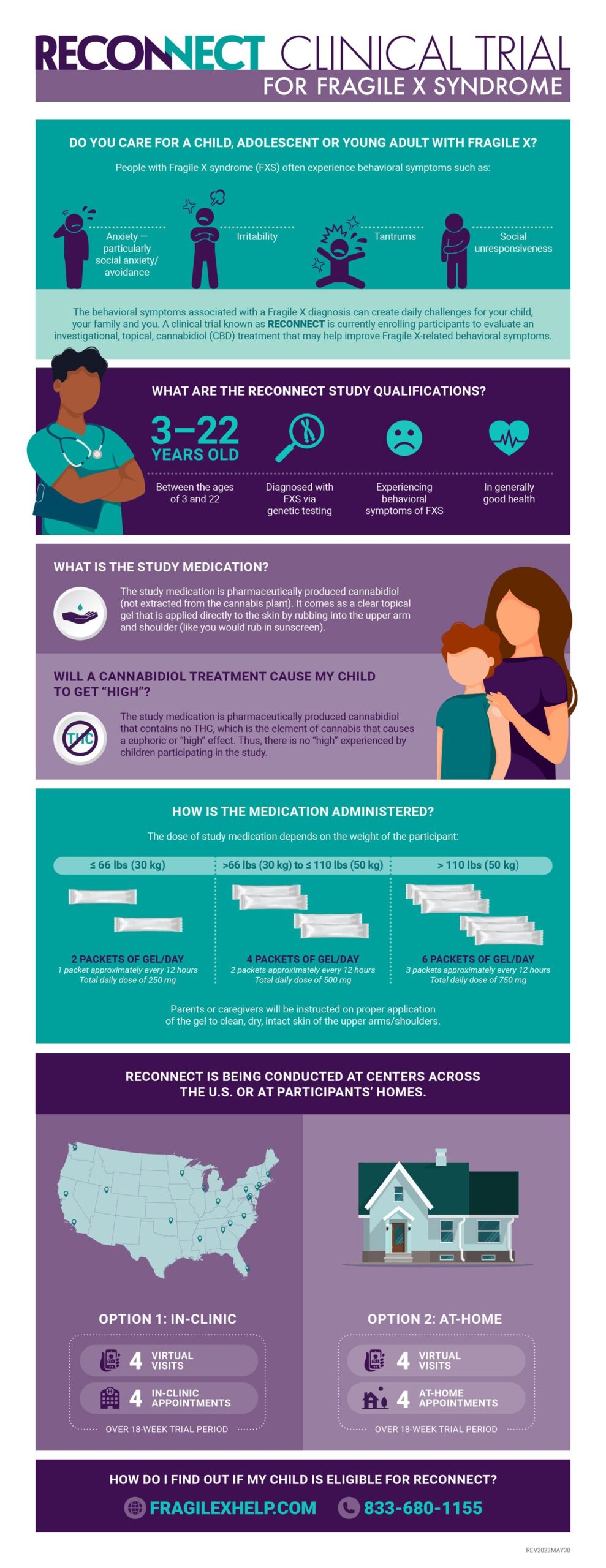
(BPT) – Former U.S. Congressman Gregg Harper’s son, Livingston, has Fragile X Syndrome (FXS), a rare neurological disease often misdiagnosed as autism or attention deficit/hyperactivity disorder (ADHD). FXS affects 1 in 4,000 boys and 1 in 8,000 girls worldwide1 and is the most common inherited cause of autism and intellectual disability. At 34 years old, Livingston continues to wait for an FDA-approved therapy to treat his FXS symptoms.

Gregg laments the lack of clinical research when Livingston was first diagnosed at just four years old, “Thirty years ago, I don’t think many pediatricians knew what Fragile X Syndrome was, let alone how to test for it and diagnosis it. There were no clinical trials to even consider.”

He continues, “Today, pediatricians can conduct a simple genetic test for FXS and there are multiple clinical trials underway in hopes of introducing new, effective treatments for this genetic disorder. It’s so important for families to participate in these trials because they may open doors that help our entire FXS community.”

Gregg is also realistic about potential barriers to participation in clinical research for FXS families. Many people with FXS have behavioral symptoms and anxiety that can make trial visits challenging for their caregivers and the individual.

Gregg shares that when his son was young, his wife would take Livingston to speech and occupational therapy and other medical appointments, with his younger sister in tow. “The numerous doctors’ appointments and tests can disrupt the whole family.”

When Gregg learned about a new approach to clinical trials that has emerged allowing for at-home participation, he noted, “that would have been a game changer for our family!”

Science 37, a company that supports at-home clinical trials, keeps the patient at the center of its work by bringing clinical trials directly to them no matter where they live. This helps increase the diversity of trial participants and promotes inclusivity – so important to advancing scientific discovery.

Dr. David Kudrow is the medical director of neurology for the company. “With the Science 37 approach, we can reach patients across the US and not be limited in any way by geographic constraints,” he said. “With our model, you don’t need to sit in the same room as the patient. If an investigator is licensed in the state where the patient lives, we can conduct a study visit.”

Once a patient is screened and enrolled for a clinical trial using telemedicine – appointments by computer, tablet or smartphone – patients and families continue to participate via “virtual” visits.” Additionally, mobile nurses, who are trained and employed by Science 37, visit patients to check vital signs, collect bloodwork and perform other medical evaluations and tests, such as electrocardiograms (ECGs).

As Dr. Kudrow explains, “Children and young adults with FXS don’t have to live near a trial center and caregivers don’t have to miss work or travel with their child to various appointments. On top of that, they still have their entire care team outside of the clinical trial, whom they continue to see for regularly scheduled check-ups. The Science 37 team keeps their care team informed of the trial involvement and progress.”

Dr. Kudrow noted, “With Science 37’s approach and at-home clinical trials like the RECONNECT study, which is currently enrolling, we can reach into any community, support diversity, and go beyond geographic, conventional boundaries to deliver reliable data.”

He concluded: “This is a very special population – not just the kids, but the families. Some families have multiple children with FXS and would otherwise have to travel to a clinical trial site. With respect to convenience, what Science 37 has been able to provide is invaluable. We can go where the patients are.”

Added Gregg: “People should avail themselves of this unique opportunity. I’m excited about it and hope that families who are dealing with FXS realize that we must have participants in these trials to discover new treatments. I urge families to take this opportunity. It’s free, it’s easy and, at the end of the road, it may change lives.”

To learn more about FXS and the ongoing RECONNECT clinical trial of an investigational treatment, visit FragileXHelp.com for more information.

Content sponsored and provided by Harmony Biosciences/Zynerba Pharmaceuticals, Inc. Gregg Harper has partnered with Zynerba to increase awareness of FXS and highlight the vital role of clinical trials in discovering and studying new investigational treatments for rare diseases.

+++

  1. https://fragilex.org/understanding-fragile-x/fragile-x-101/