Overcoming childhood cancer and celebrating in the sweetest way possible

2023-12-01T09:01:00

(BPT) – When Pierce was in the hospital battling childhood leukemia, he would often watch candy-making videos to distract him during the chemo treatments. When his cancer went into remission, he knew exactly how he wanted to celebrate: with a super sweet wish.

Make-A-Wish® helped Pierce celebrate overcoming cancer by granting him a two-day candy maker and shopping spree extravaganza. The first day, he became a candy maker at Las Olas Confections Factory in Orlando, Florida, creating sweet treats of all kinds with his three older brothers.

“We came home with boxes of all the things that Pierce and the boys made, and they were snacking on them throughout the night,” said Pierce’s mom, Becky. “I was like ‘Oh my goodness’ but they all crashed really well at night.”

Rest was important because the second day of his wish was equally as exciting. Pierce spent hours at IT’SUGAR, filling numerous bags with colorful treats and he couldn’t pass up a massive red 5-pound gummy bear. IT’SUGAR creates an environment that fosters happiness and humor, making it the ideal location for Pierce to celebrate and fulfill his sweet wish.

“When you’re going through those hard times, all you’re doing is focusing on him living. To get to this point now, he is just enjoying everything. What Make-A-Wish has been able to do is really just bring out this life that he is living. He is alive again,” said Becky.

How wishes happen

Together with generous donors, supporters, staff and more than 24,000 volunteers across the U.S., Make-A-Wish delivers hope and joy to children and their families when they need it most. Make-A-Wish aims to bring the power of wishing to every child with a critical illness because wish experiences can help improve emotional and physical health. Since 1980, Make-A-Wish has granted more than 550,000 wishes worldwide.

IT’SUGAR is a proud partner of Make-A-Wish. Through their charity lollipop program, people can purchase a special rainbow Wish Pop candy that helps raise money to fund future wishes for kids like Pierce with critical illnesses. So far, the program has raised over $1 million to fund wishes and help create lasting memories for wish kids and their families.

IT’SUGAR is one of the largest specialty candy retailers in the world, with over 100 locations in the U.S. and Canada. Known for its absurd sugar innovations that celebrate lighthearted rebellion, IT’SUGAR aspires to a future where everyone has access to the pure joy that comes from indulging in favorite treats. For more information, please visit ITSUGAR.com.

Top tech gifts to keep you connected this holiday season and beyond

2023-12-01T08:01:00

(BPT) – Holidays are all about gathering together with family and friends. But when you can’t be physically together, it’s even more important to stay connected, no matter where you are. Fortunately, today’s technology makes it easier than ever to stay connected to your loved ones.

T-Mobile understands the importance of keeping you connected wherever life may take you. To ensure you and your family stay connected this holiday season and beyond, the Un-carrier is offering the season’s best deals on top tech to ensure you can reach whoever you want, whenever you want, on the nation’s largest, fastest and most awarded 5G network. And customers on Go5G Next and Go5G Plus can take advantage of great benefits year-round, including Netflix on Us, Apple TV+ on Us, SiriusXM Streaming Platinum on Us, MLB.TV, MLS Season Pass, T-Mobile Tuesdays and more just for being a T-Mobile customer.

When planning your holiday shopping, consider this list of gifts that use technology at its best — making it easier to spend time together, wherever your travels take you this season.

Please all the tech lovers in your family

If you’re looking for gifts to suit just about any taste, you can snag the ultimate tech bundle at T-Mobile this holiday season! Get a free smartphone, smartwatch and earbuds bundle across leading brands from Samsung to Google and more when you stack qualifying holiday promotions, all via 24 monthly bill credits, plus tax. Whether you’re shopping for your family or yourself, you’ll be able to check off a few items on your list with this ultimate bundle.

Treat a family member, loved one or bestie with a new 5G phone

Looking for an extra special gift to help you stay close to an extra special someone? A new phone is just the right gift to keep you feeling close. Get $1,000 off the season’s hottest Android devices from Samsung, Google and Motorola when trading in an eligible device or adding a line on Go5G Next or Go5G Plus, via 24 monthly bill credits, plus tax. That’s $1,000 off the Samsung Galaxy S23, Google Pixel 8, motorola razr+ and more! Or you can get the new REVVL 6x PRO 5G or REVVL 6x 5G on T-Mobile when you add a line on most plans — or the REVVL 6x 5G on T-Mobile (or 6x PRO for $50) with any trade-in on most plans.

Stay connected to your kids almost anywhere, anytime

To ensure your kids stay safe at school, soccer practice and beyond, consider gifting them a smartwatch this holiday season. You can score a free SyncUP KIDS Watch via 24 monthly credits, plus tax, when you activate a new watch line at T-Mobile to ensure your kids stay connected and safe. Plus, T-Mobile is currently offering a free 3-pack of watch bands when picking up a SyncUP KIDS Watch in a T-Mobile store, while supplies last. And as an added bonus, video-calling is now available on the SyncUP KIDS Watch. Now you can video call your kids practically anywhere they are, whenever you want!

Bluetooth speakers for an epic family dance party

Does your idea of the perfect family gathering involve a lot less small talk, and a lot more grooving to your favorite tunes? You’ll be ready to rock the house together when you get the Harman Kardon Onyx Studio 8 for your fam for just $179.99 — a T-Mobile exclusive. The Un-carrier is also offering up to $150 off select JBL products so you can choose the device best suited for you and your family.

Best tech stocking stuffers

Want the season’s best accessories to keep the whole family charged up and protected? T-Mobile is offering deals on a variety of tech accessories, including back-up chargers, wireless charging devices, cell phone grips, screen protectors, cases and more for excellent — and much appreciated — stocking stuffers for the whole family.

Keep it all in the family

Need a great phone plan to help everyone in your family keep in touch? T-Mobile has brought back one of its most popular deals this holiday! Get four voice lines for only $100 per month on Essentials. T-Mobile customers can save $480/year compared to AT&T and $240/year compared to Verizon on similar plans with four lines!

Get your holiday shopping done early and enjoy gifting the latest and greatest devices while stacking up on savings. Plus, you’ve been good this year — why not snag a gift or two for yourself while you’re at it? Visit T-MobileDeals.com to check out all the latest deals.

Tips to keep your cat happy and healthy this holiday season and beyond

2023-11-30T17:01:00

(BPT) – In the company of loved ones, the holidays transform into a meaningful celebration marked by decadent foods, delightful presents and joyous gatherings. As a pet parent, you want to share in this joy with your feline family members. This means enjoying the holiday season with your pets but also keeping them safe and comfortable so all can be merry.

Extra house guests, new foods and even innocent-looking ribbons decorating presents can be tempting to cats. The best way to keep your feline happy and healthy this holiday season is to take a proactive approach and follow these tips.

1. Understand litterbox habits

Your cat’s litterbox habits provide important insight into their overall wellness, including if they got into some holiday fun they shouldn’t have. However, inspecting a litterbox is not a cheery chore. Fortunately, this is the golden age of pet tech, and keeping an eye on your cat’s litterbox habits is now as simple as opening an app.

Solutions like the Petivity™ Smart Litterbox System help pet parents better understand their cat’s health by monitoring litterbox habits. Developed by a team of Purina behaviorists, veterinarians and data scientists, the system’s artificial intelligence is able to learn each cat’s unique litterbox patterns and identify subtle changes that can have big implications. Even small fluctuations in weight, frequency in litterbox visits and the types of elimination can be early signs of health concerns.

Like with all good, smart tech, setup is simple. Monitors are placed under a litterbox to track each cat’s data and habits. Then, if anything requires the owner’s attention, an alert is sent automatically to their phone. It’s a slick process, good to have all year round, and provides excellent insights during the hectic winter holidays.

2. Be mindful while being merry

The holidays are a prime time to pique a cat’s curiosity. From decadent scents and festive foods to sparkling ribbons and jingling bells — there’s a lot to attract their attention. While sharing the holidays with your feline is fun, it’s important to be cautious.

Some potential toxic temptations, like chocolate, are already well known. But some sneakier ones also pop up this time of year. For example, lilies, amaryllis and poinsettias are popular cut flowers in festive decor, but they are toxic to cats who can be tempted to chew on them.

When possible, keep food and plants up high or away where cats can’t reach them. If a cat does eat something and you don’t see it, the litterbox monitoring system can help detect any changes and alert them to you. Then you can determine next steps to keep your feline feeling well and have important information to share if a call to the veterinarian is in order.

Another healthy step pet parents can take during the holidays is to monitor stress. If you’re hosting a holiday event, consider a quiet room where cats can always retreat away from guests. This gives them a safe space to use as needed so they can rest, relax and recharge.

Keep in mind, stress alone from holiday gatherings can potentially cause digestive issues for cats. If the duration and frequency of litterbox visits change, it’s a solid sign that kitty could use some calm. In addition to quiet spaces, some love from their favorite human — you — is often welcome during the hectic holiday season.

3. Gift proactive cat health

Remember, the best holiday gift you can give your cat or the cat lover in your life is the chance to be proactive about their health. Leverage smart tech, like the Petivity™ Smart Litterbox System, to monitor your cat’s litterbox habits. Also, make sure to schedule your annual checkup for the new year to keep your veterinarian in the loop about your pet’s health.

A Lot of Compassion, A Bit of Realism: Living With an Adult Son Who Has Schizophrenia

2023-11-30T14:39:00

(BPT) – Sponsored by Alkermes, Inc.

By Pam, mother of a 31-year-old son living with schizophrenia

This sponsored story you are about to read may not be representative of all people living with schizophrenia. The opinions expressed here are those of Pam, a mother of a person living with schizophrenia, and are not a substitute for medical advice or judgement. Individual results may vary. Always talk to your doctor.

November is Caregiver Awareness Month and I’ve been reflecting on my role as a caregiver to my adult son. Of course, most mothers are caregivers; even when our children reach adulthood, we still care, we still want the best for them, and we still offer guidance when we can. In that way, my role is no different than that of millions of mothers around the world.

However, my caregiver role evolved when my son, now 31, was diagnosed with schizophrenia in 2013. I think most parents expect challenges—rebellious teenage years, disagreements about schoolwork, curfews, and dating. But few expect a diagnosis of schizophrenia, a chronic brain disorder that affects about 1.1% of the US population with symptoms that may include, but are not limited to, delusions, hallucinations, disorganized speech, trouble with thinking, and lack of motivation.1,2

Like everything else about parenthood, helping a child with schizophrenia came with a learning curve, and we’ve had easier days and hard days. So, I wanted to share some of the lessons, tools, and realizations that have helped our family along the way.

5 Lessons I’ve Learned in My Role as a Caregiver

1) It’s not personal. My son has a diagnosis, which is different than saying he is his diagnosis. I had to learn that the things he says and does are a result of his mental health condition, not who he is. Sometimes, he’s just having a bad day or a bad moment. Realizing that his behaviors are not aimed at me and that I don’t need to take them personally helps me choose compassion over frustration.

2) Take care of your own needs. I seek support regularly. I make time for things I enjoy, such as a massage, a manicure, or shopping for a cute pair of shoes. I go for a walk every day. I also find it important to set boundaries—with my job, my family, and myself. You give more or less of yourself to the parts of your life that need you and serve you, day by day.

3) Seek out information. Do research to help support loved ones through the journey. Meet other caregivers. It seems like when families face diagnoses in other disease states, we know what to do next. However, sometimes with a mental health diagnosis, we may not know how to proceed or where to turn for help. I believe as caregivers we may consider approaching mental and physical illnesses similarly, by asking questions, learning as much as possible, and taking action in partnership with healthcare providers.

4) Caregiving is a team sport. My son, his doctors, nurses, and I are in this together. I go to learning sessions from the National Alliance of Mental Illness. I write down everything at doctor visits. I can look back at notes from when he was first diagnosed and see some of the details I noted through our journey. I talk to his nurses about what symptoms I’m observing and what our treatment goals are, because they may see him during visits, but I’m with him all the time.

5) Find what works for you and your family. My son and I have learned together what works for us. From me helping with his meal prep, to him taking responsibility for chores around the house, to working through the good and bad days together. Every family is going to be different. It’s all a continual learning process.

And we’ve worked closely with his healthcare providers to find a treatment that’s working to help reduce his symptoms. For him, it is ARISTADA® (aripiprazole lauroxil), a prescription medicine given by injection into the muscle (intramuscular) by a healthcare professional and used to treat schizophrenia in adults.3 It is not known if ARISTADA is safe and effective in children under 18 years of age.3 This medication is available in five dosing regimens, including monthly (441 mg, 662 mg, 882 mg), every 6 weeks (882 mg), and every 2 months (1064 mg).3

Here is some important safety information about ARISTADA: ARISTADA may cause serious side effects, including an increased risk of death in elderly people with dementia-related psychosis.3 ARISTADA increases the risk of death in elderly people who have lost touch with reality (psychosis) due to confusion and memory loss (dementia).3 ARISTADA is not for the treatment of people with dementia-related psychosis.3 The most common side effects of ARISTADA include restlessness or feeling like you need to move (akathisia). These are not all of the side effects associated with ARISTADA.3 For additional Important Safety Information, please continue reading below.

Overall, I’ve learned to approach each moment with compassion and support. Schizophrenia is not something my son or I can control. As caregivers, we can help, but we can’t “fix” it. Through all the hills and valleys, I’ve learned not to give my energy to everything; I devote my energy to myself, my family, and my son.

This is intended as informational only and not a substitute for professional medical advice, diagnosis, or treatment. Always seek the advice of your physician or other qualified health provider with any questions you may have regarding a medical and/or mental health condition.

Please read the Important Safety Information for ARISTADA INITIO® (aripiprazole lauroxil) and ARISTADA below.

INDICATION and IMPORTANT SAFETY INFORMATION for ARISTADA INITIO® (aripiprazole lauroxil) and ARISTADA® (aripiprazole lauroxil) extended-release injectable suspension, for intramuscular use

INDICATION

ARISTADA INITIO is a prescription medicine given as a one-time injection and is used in combination with oral aripiprazole to start ARISTADA treatment, or re-start ARISTADA treatment after a missed dose, when ARISTADA is used for the treatment of schizophrenia in adults.

ARISTADA is a prescription medicine given by injection by a healthcare professional and used to treat schizophrenia in adults.

It is not known if ARISTADA INITIO and/or ARISTADA are safe and effective in children under 18 years of age.

IMPORTANT SAFETY INFORMATION

Elderly people with dementia-related psychosis are at increased risk of death when treated with antipsychotic medicines including ARISTADA INITIO and ARISTADA. ARISTADA INITIO and ARISTADA are not for the treatment of people who have lost touch with reality (psychosis) due to confusion and memory loss (dementia).

Contraindication: Do not receive ARISTADA INITIO or ARISTADA if you are allergic to aripiprazole or any of the ingredients in ARISTADA. Allergic reactions to aripiprazole have ranged from rash, hives and itching to anaphylaxis, which may include difficulty breathing, tightness in the chest, and swelling of the mouth, face, lips, or tongue.

ARISTADA INITIO and/or ARISTADA may cause serious side effects including:

  • Cerebrovascular problems (including stroke) in elderly people with dementia-related psychosis that can lead to death.
  • Neuroleptic malignant syndrome (NMS), a serious condition that can lead to death. Call your healthcare provider or go to the nearest hospital emergency room right away if you have some or all of the following signs and symptoms of NMS:
    • high fever
    • stiff muscles
    • confusion
    • sweating
    • changes in pulse, heart rate, and blood pressure
  • Uncontrolled body movements (tardive dyskinesia). ARISTADA INITIO and ARISTADA may cause movements that you cannot control in your face, tongue, or other body parts. Tardive dyskinesia may not go away, even if you stop receiving ARISTADA. Tardive dyskinesia may also start after you stop receiving ARISTADA.
  • Problems with your metabolism such as:
    • High blood sugar (hyperglycemia). Increases in blood sugar can happen in some people who receive ARISTADA INITIO and/or ARISTADA. Extremely high blood sugar can lead to coma or death. If you have diabetes or risk factors for diabetes (such as being overweight or a family history of diabetes), your healthcare provider should check your blood sugar before you receive ARISTADA INITIO and/or ARISTADA and during your treatment with ARISTADA.
      • Call your healthcare provider if you have any of these symptoms of high blood sugar:
        • feel very thirsty
        • need to urinate more than usual
        • feel very hungry
        • feel weak or tired
        • feel sick to your stomach
        • feel confused, or your breath smells fruity
    • Increased fat levels (cholesterol and triglycerides) in your blood
    • Weight gain. You and your healthcare provider should check your weight regularly.
  • Unusual and uncontrollable (compulsive) urges. Some people taking aripiprazole have had strong unusual urges such as gambling that cannot be controlled (compulsive gambling). Other compulsive urges include sexual urges, shopping, and eating or binge eating. If you or your family members notice that you are having unusual strong urges, talk to your healthcare provider.
  • Decreased blood pressure (orthostatic hypotension). You may feel lightheaded or faint when you rise too quickly from a sitting or lying position.
  • Falls. ARISTADA INITIO and ARISTADA may make you sleepy or dizzy when standing which may make you at risk for falls and related injuries
  • Low white blood cell count
  • Seizures (convulsions)
  • Problems controlling your body temperature. Avoid becoming too hot or dehydrated. Do not exercise too much. In hot weather, stay inside in a cool place if possible. Stay out of the sun. Do not wear too much clothing or heavy clothing. Drink plenty of water.
  • Difficulty swallowing

The most common side effects of ARISTADA INITIO and ARISTADA include restlessness or feeling like you need to move (akathisia). These are not all the possible side effects of ARISTADA INITIO and ARISTADA. You should tell your HCP about any side-effects you have.

Do not drive, operate hazardous machinery, or do other dangerous activities until you know how ARISTADA INITIO and ARISTADA affect you. ARISTADA INITIO and ARISTADA may affect your judgment, thinking or motor skills.

Before receiving ARISTADA INITIO and ARISTADA tell your healthcare provider about all of your medical conditions, including if you:

  • have not taken Abilify®, Abilify Maintena®, or any aripiprazole product before
  • have or had heart problems or a stroke
  • have diabetes or high blood sugar or a family history of diabetes or high blood sugar. Your healthcare provider should check your blood sugar before you receive ARISTADA INITIO and/or ARISTADA or during your treatment with ARISTADA
  • have or had low or high blood pressure
  • have or had seizures (convulsions)
  • have or had a low white blood cell count
  • have problems that may affect you receiving an injection in your buttocks or your arm
  • are pregnant or plan to become pregnant. It is not known if ARISTADA INITIO and/or ARISTADA will harm your unborn baby. If you become pregnant while taking ARISTADA INITIO and/or ARISTADA, talk to your healthcare provider about registering with the National Pregnancy Registry for Atypical Antipsychotics. You can register by calling 1-866-961-2388, or visit http://womensmentalhealth.org/clinical-and-research-programs/pregnancyregistry/
  • are breastfeeding or plan to breastfeed. ARISTADA INITIO and/or ARISTADA can pass into your breast milk. It is not known if it may harm your baby. Talk to your healthcare provider about the best way to feed your baby if you receive ARISTADA INITIO and/or ARISTADA.

Tell your healthcare provider about all the medicines you take, including prescription and over-the-counter medicines, vitamins, and herbal supplements. ARISTADA INITIO and ARISTADA and other medicines may affect each other causing possible serious side effects. Do not start or stop any medicines after you receive ARISTADA INITIO and ARISTADA without talking to your healthcare provider first.

If you have any questions about your health or medicines, talk to your healthcare provider. You are encouraged to report all side effects of prescription drugs to the FDA. Visit www.fda.gov/medwatch, or call 1-800-FDA-1088.

Please see full Prescribing Information for ARISTADA INITIO and ARISTADA, including Boxed Warning, and Medication Guides for ARISTADA INITIO and ARISTADA.

References:

1 Cloutier M, Aigbogun MS, Guerin A, et al. The economic burden of schizophrenia in the United States in 2013. J Clin Psychiatry. 2016;77(6):764-771.

2 What is schizophrenia? American Psychiatric Association. Accessed October 1, 2023. https://www.psychiatry.org/patients-families/schizophrenia/what-is-schizophrenia

3 ARISTADA. Prescribing Information. Alkermes, Inc.; 2021.

ALKERMES® is a registered trademark of Alkermes, Inc. and ARISTADA® and ARISTADA INITIO® are registered trademarks of Alkermes Pharma Ireland Limited, used by Alkermes, Inc., under license.

Abilify® and Abilify Maintena® are registered trademarks of Otsuka Pharmaceutical Co. Ltd.

©2023. Alkermes, Inc. All rights reserved. ARI-005129

New survey found majority of U.S. adults aged 45+ wanted a range of COVID vaccine options

2023-11-29T13:01:00

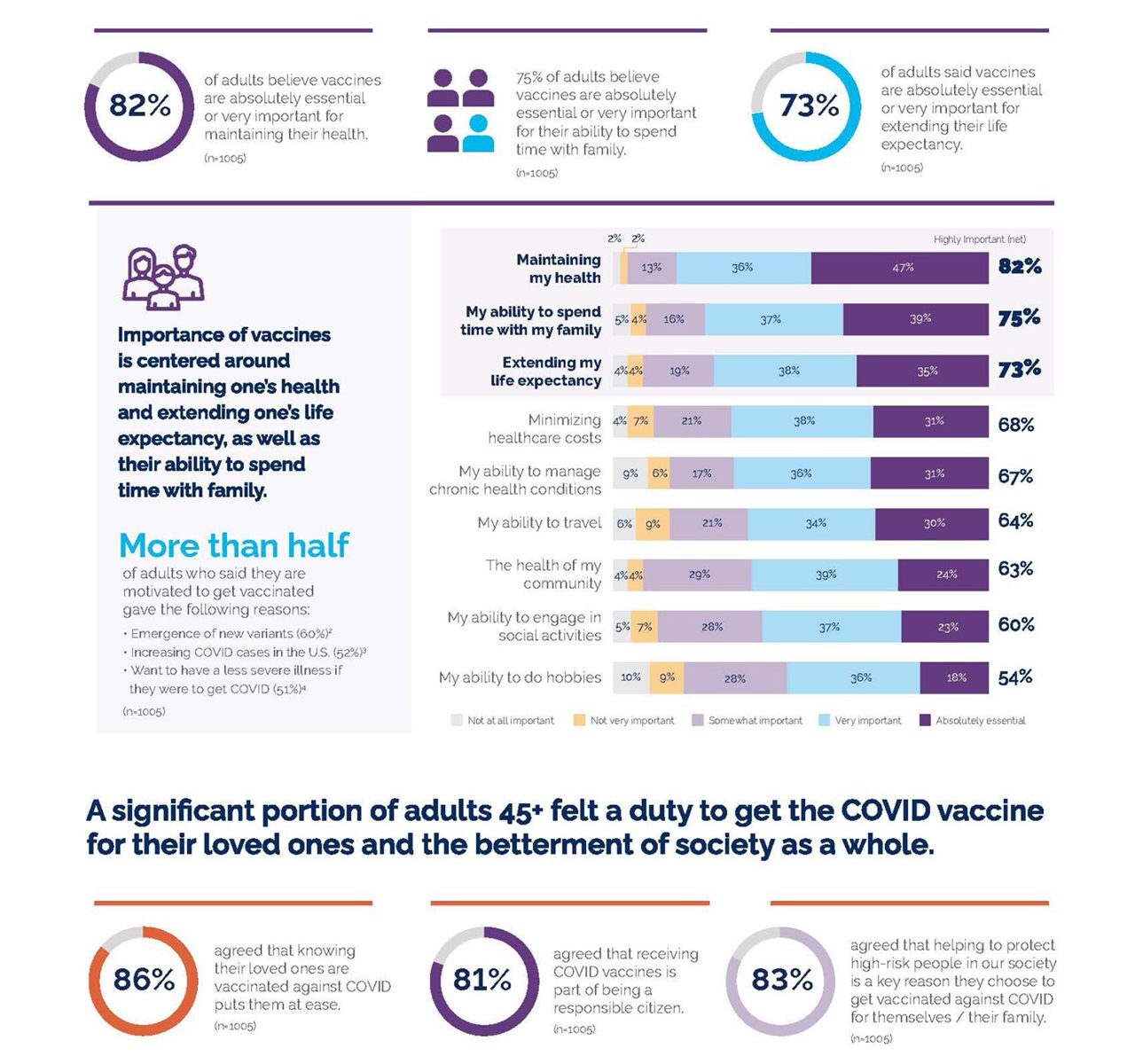
(BPT) – Novavax, a global company advancing vaccines with its Matrix-M™ adjuvant, joined forces with HealthyWomen and actor, mother and business owner Nicole Ari Parker to launch Choose to Protect™, a campaign to educate the public about the importance of COVID vaccination and the different types of COVID vaccines.

Novavax, in partnership with HealthyWomen, commissioned a survey, conducted by The Harris Poll, among 1,005 vaccinated U.S. adults aged 45+ who play a key role in household healthcare decisions to better understand perceptions about and attitudes toward COVID vaccines. While COVID vaccine fatigue has been widely reported1, surveyed adults aged 45+ still recognized the value of vaccines.2 In addition, 85% of respondents said it’s important to have a range of options for themselves and their family for COVID vaccines.2

For more information, visit www.ChoosetoProtect.com.


1 Stamm TA, Partheymüller J, Mosor E, et al. Determinants of COVID-19 vaccine fatigue. Nat Med. 2023;29(5):1164-1171. doi:10.1038/s41591-023-02282-y.

2 Novavax and The Harris Poll Survey Findings. Initial Survey Highlights. Field Period: September 7-14, 2023.

4 expert tips to maximize your processing facility’s performance

2023-11-30T15:01:00

(BPT) – Manufacturers face numerous challenges, from meeting regulations to handling equipment breakdowns and more. There’s no shortage of variables that cause logistical nightmares — losing companies money for every minute of downtime. According to a recent industry report by Deloitte, unplanned downtime alone can cost manufacturers an estimated $50 billion each year.

“Uptime is the name of the game in all types of production, including food and beverage manufacturing,” said Vic Stockman, vice president of Services, Tetra Pak U.S. and Canada, a world leading food processing and packaging company. “So it’s vital to prevent unwanted breakdowns, before unplanned downtime affects your bottom line.”

In today’s strained labor market, Stockman stressed two elements for operations to run as efficiently and sustainably as possible: providing the right training and knowing when you need outside support.

Here are his tips for boosting any operation’s performance, uptime and profits.

1. Manage maintenance

Although preventive maintenance is key to avoiding equipment failure, it’s challenging to stick to recommended maintenance intervals while following demanding production schedules. For that reason, he advises using experienced technicians so maintenance is done right the first time — reducing unwanted downtime.

“Plants can also consider World Class Manufacturing (WCM) approaches to optimize maintenance intervals, and explore other areas of improvement,” added Stockman. “At Tetra Pak, we used what we’ve learned from decades of experience in our WCM packaging material factories and share those insights with our food and beverage customers.”

Predictive maintenance is another great tool to maximize your processing equipment: Condition monitors report how the equipment is running to predict failures before they occur, so plants aren’t performing maintenance until it’s needed.

2. Optimize internal staff

Another vital aspect to efficient production is operator training, which ensures equipment is used properly. This is especially important during high staff turnover. If someone doesn’t have the right skills or training, it’s easier for them to replace many working components instead of properly diagnosing the root cause to a specific broken part or component — leading to additional downtime and increased need for parts that did not have to be replaced.

Having an on-site engineer can alleviate this issue. “Our on-site engineers tell us customers experience about a 25% reduction in unnecessary consumption of spare parts,” said Stockman. “Plant operators also have the opportunity to learn from on-site engineers, which ensures consistency during staffing changes.”

3. Improve procedures

Plants can also re-assess operating procedures to minimize downtime. Using the correct steps for maintenance, spare parts, cleaning intervals and more is crucial for consistent operations.

An outside consultant can evaluate how existing procedures are being executed and identify areas for improvement. For example, if a plant is experiencing a high rate of shrinkage, they may suggest more training in a certain area, pinpoint where a new sensor may improve outcomes — or another custom solution based on their observations.

Even the performance of a brand-new line can be enhanced with superior expertise and training. “One Tetra Pak customer with several brand-new lines increased uptime by 20% with better operator training,” Stockman said. “We made sure our customer’s operational team was well trained and understood how to react to different scenarios — and how to properly plan and sequence operations. For example, they staggered activities so peak utilities usage didn’t negatively impact multiple pieces of equipment.”

4. Tap outside expertise

To improve processes, consider remote support for your on-site team from an outside expert (who could be virtually anywhere) to discover the best solutions, with minimal downtime.

On-site employees can consult with experts who may better understand the problem and suggest next steps, which alleviates downtime in two ways: First, since the remote support engineer needs no travel time, they can “be there” quickly. Second, the remote expert can use their expertise, assess the problem with fresh eyes and suggest efficient solutions.

“With Tetra Pak’s remote support customers, about 90% of the issues we’re diagnosing are related to run settings and not the components, while less experienced staff may replace the many components instead of adjusting an incorrect setting,” explained Stockman. “It really pays to have this expertise at your fingertips.”

While these tips help your facility get the most value by producing as much as possible, they also make your plant run more sustainably. Minimizing lost product means less waste, running more efficiently means using fewer utilities to achieve the same goal, and cleaning less means saving chemicals and reducing water use.

“You can increase uptime and output with the right resources and mindset,” Stockman said. “By ensuring your employees are well trained, have the right tools — and can consult outside resources when needed — you’ll have the best expertise available to solve current issues and prevent unplanned downtime.”

To learn more about optimizing manufacturing operations, visit tetrapak.com/solutions/services.

Tragic loss of 3-year-old daughter drives family to advocate for flu vaccination

2023-11-30T10:27:00

(BPT) – “Influenza took our child Emily from us.”

Joe Lastinger and his wife had no idea how serious flu could be. When their 3-year-old daughter Emily got sick, they took her to the doctor right away where a test confirmed she had influenza (flu). They brought her home and kept her hydrated and ensured she was rested, but it got progressively worse over the weekend. Within three days of her diagnosis, Emily passed away.

“Her absence is a constant in our lives,” Joe said. “Every milestone — whether hers or those of our other children — is missing something. While we experience the joy of such occasions, there is almost always a time when I catch my wife’s eye and know that we both are thinking of Emily.”

Flu can impact anyone of any age, race and gender.1 While some people may be at higher risk for serious complications — such as young children, pregnant women, people 65 and older and people of any age with certain chronic medical conditions such as asthma, diabetes or heart disease — anyone can become seriously ill due to flu.2,3

For this reason, pharmacist and GSK vaccines educator Dr. Leah Smith encourages vaccination of those six months of age and older as soon as possible, especially with the holidays in full swing and people gathering with loved ones.

“While most flu activity in the U.S. occurs from October through May, the peak is usually between December and February,4 so it is not too late to get your flu vaccination.”

“And, reminder — it takes about two weeks after flu vaccination for antibodies that protect against flu to develop in the body. Holiday travelers visiting family and friends should take this timing into consideration when making a plan to get vaccinated. However, even if you’re less than two weeks out from your trip, it’s still worth getting vaccinated, as some protection is better than none,” said Dr. Smith.5

Joe wants to spread his message so that other parents may avoid experiencing this painful loss.

“While we could never undo our failure to help protect our daughter through vaccination, we can at least help other parents. My hope is that every time I share Emily’s story, it will motivate people to take action to speak to their doctor or pharmacist about flu vaccination to help protect themselves and their loved ones from flu.”

How families can help protect themselves

“Seasonal flu is a very contagious respiratory virus that infects the nose, throat and lungs, and it should be taken seriously5,” explained Dr. Smith. According to the Centers for Disease Control and Prevention (CDC), flu can cause mild to severe illness. People may experience some or all of these symptoms, which usually come on suddenly, and can include5:

  • fever
  • cough
  • sore throat
  • runny/stuffy nose
  • muscle/body aches
  • headaches
  • fatigue (tiredness)
  • vomiting and diarrhea (more common in children)

In addition to vaccination, Dr. Smith also recommends healthy habits such as frequent handwashing, plus staying away from anyone who is sick — and staying home from work or school when you are ill to help prevent spreading flu to others.6

Where you can receive flu vaccination

If you’re the “Chief Health Officer” of your family, you probably want to help protect your family from the flu, especially during peak flu season. Fortunately, flu vaccinations are usually quick and accessible. You and your family can get vaccinated at most doctor’s offices and clinics, and you can also receive flu vaccination in pharmacies, urgent care clinics, college health centers and even some schools or workplaces. Some pharmacies even have walk-in vaccinations.7

Flu vaccinations are usually free for people with medical insurance, including those with Medicaid, Medicare, ACA plans and private plans.8 For those without insurance or a primary care physician, speak with your local pharmacist or health department about your options for flu vaccination.

“The singular bright spot to our story with Emily, is that we have had the opportunity to connect with other families who are on the same journey and can work together to reach other parents with our message,” explained Joe, who is a founding member of Families Fighting Flu — a nonprofit group dedicated to sharing education and awareness of the seriousness of influenza.

You can make a plan to help protect yourself and your family from flu today. Learn more about the importance of yearly flu vaccination at FluIsAFamilyAffair.com.

References:

  1. Centers for Disease Control and Prevention. Prevention and Control of Seasonal Influenza with Vaccines: Recommendations of the Advisory Committee on Immunization Practices — United States, 2023–24 Influenza Season. Available at: https://www.cdc.gov/mmwr/volumes/72/rr/pdfs/rr7202a1-H.pdf. Accessed August 29, 2023.
  2. Centers for Disease Control and Prevention. Key Facts About Influenza (Flu). Available at: https://www.cdc.gov/flu/about/keyfacts.htm. Accessed July 25, 2023.
  3. Centers for Disease Control and Prevention. People at Higher Risk of Flu Complications. Available at: https://www.cdc.gov/flu/highrisk/index.htm. Accessed July 25, 2023.
  4. Centers for Disease Control and Prevention. The Flu Season. Available at: https://www.cdc.gov/flu/about/season/index.html. Accessed July 25, 2023.
  5. Centers for Disease Control and Prevention. Flu Symptoms & Complications. Available at: https://www.cdc.gov/flu/symptoms/symptoms.htm. Accessed July 25, 2023.
  6. Centers for Disease Control and Prevention. Preventive Steps. Available at: https://www.cdc.gov/flu/prevent/prevention.htm. Accessed September 27, 2023.
  7. Centers for Disease Control and Prevention. Summary: ‘Prevention and Control of Seasonal Influenza with Vaccines: Recommendations of the Advisory Committee on Immunization Practices (ACIP)—United States, 2023-24’. https://www.cdc.gov/flu/professionals/acip/summary/summary-recommendations.htm#timing. Accessed November 16, 2023.
  8. U.S. Department of Health and Human Services. How to Pay. Available at: https://www.hhs.gov/immunization/get-vaccinated/pay/index.html. Accessed August 1, 2023.

Simple eye care: 5 ways to reduce blue light

2023-11-30T10:01:00

(BPT) – As we head into winter, the days are growing shorter and nightfall comes earlier. Given the weather and lack of sunlight, you’ll likely spend more time indoors during the colder months. While this can bode well for spending quality time indoors with friends and family, especially during the holidays, it also means that you’ll spend a lot of time staring at screens.

While mobile devices can simplify life, too much screen time can harm your health. Screen time and blue light exposure have been raised as a growing health concern, and doctors, educators, employers and parents agree that there are potential risks from overexposure.

Blue light is part of our natural world, but high energy visible (HEV) blue light from digital devices can also affect your sleep, resulting in trouble sleeping, waking up during the night, or reduced alertness the next day.

According to Harvard Health, blue light — especially at night — can suppress your body’s release of melatonin, an important hormone that promotes feelings of sleepiness. Additionally, a survey by The Vision Council found that many American adults experience eyestrain, dry eyes, headaches, blurred vision, and neck and shoulder pain after extended screen time and blue light exposure.

While you can’t and shouldn’t completely get rid of blue light, you can take steps to reduce your exposure. ZAGG, known for its device cases and screen protectors, cares about protecting users from high energy light exposure and has offered five tips to help you protect your eyes from blue light this winter and beyond.

1. Reduce screen time

The easiest way to protect your eyes from blue light is to reduce screen time. According to estimates by Eyesafe, the average screen time for U.S. adults has increased to over 13 hours a day. Children ages 8-12 and teens spend an average of 4-6 hours and up to nine hours, respectively, watching or using screens.

You don’t have to stop using your devices altogether. Find other hobbies and activities you can do on your own or with company to give your eyes a break.

2. Put away your devices before bedtime

For the sake of your sleep, it’s critical that you put away devices before going to bed. According to an article published in the Proceedings of the National Academy of Sciences (PNAS), too much blue light exposure from viewing screens at night may impact our circadian rhythms and cause trouble sleeping, waking during the night and reduced alertness the next day.

Aim to put away your electronic devices at least an hour before bedtime so you can increase your chances of getting a good night’s sleep.

3. Install blue light filtering screen protectors

Thanks to modern technology, there are now products on the market that can help reduce your exposure to blue light.

For example, ZAGG’s InvisibleShield Glass XTR3 is the world’s first screen protector with Eyesafe RPF60 technology that filters blue light which can disrupt sleep. This new-to-world Eyesafe technology filters intense blue light between 435-440 nanometers, which is the portion of the spectrum most concerning to eye doctors. Best of all, ZAGG screen protectors won’t change the color on your screen, meaning no yellow tint.

4. Wear blue light-blocking glasses

When using computers and tablets or watching TV, make it a habit to wear blue light–blocking glasses. There are many options for prescription and non-prescription eyeglasses with blue light filtration. They also come in several styles and colors so you can protect your eyes in style.

5. Use device software

Many devices now have software installed that can help reduce a user’s exposure to blue light. For example, you can set your device to night mode and adjust the screen display to a warmer temperature to reduce blue light output. The downside is your screen will have a yellow or amber tint. Alternatively, if you use a ZAGG screen protector or wear blue light-blocking glasses, you’ll receive the same filtering benefits without changing the colors on your screen.

This winter, make your eyes a priority. Using these five tips, you’ll be well on your way to reducing your exposure to blue light so you can decrease digital eyestrain and hopefully get a better night’s sleep. To learn more about blue light, visit ZAGG.com/Blue-Light-Filtering.

Many devices now have software installed that can help reduce a user’s exposure to blue light. For example, you can set your device to night mode and adjust the screen display to a warmer temperature to reduce blue light output. The downside is your screen will have a yellow or amber tint. Alternatively, if you use a ZAGG screen protector or wear blue light-blocking glasses, you’ll receive the same filtering benefits without changing the colors on your screen.

Getting to the ‘top’ of energy and comfort issues

2023-11-30T07:01:00

(BPT) – While rising energy prices can lead to higher heating and cooling costs, any spike in energy bills should invite further investigation. If your home’s heating and cooling bills are higher than normal, checking with your neighbors to see if they’ve noticed similar cost increases is a good first step. If owners of similar sized homes in your area are not noticing higher utility bills, it may be time to take a closer look at specific aspects of your home’s heating and cooling system.

The individual components in a home’s HVAC system work together to help keep your home warm in the winter and cool in the summer. The furnace, air conditioner and thermostat are typically the most obvious parts of a system. However, other less visible elements, such as attic ductwork and insulation, also contribute to the HVAC system’s overall performance and energy efficiency.

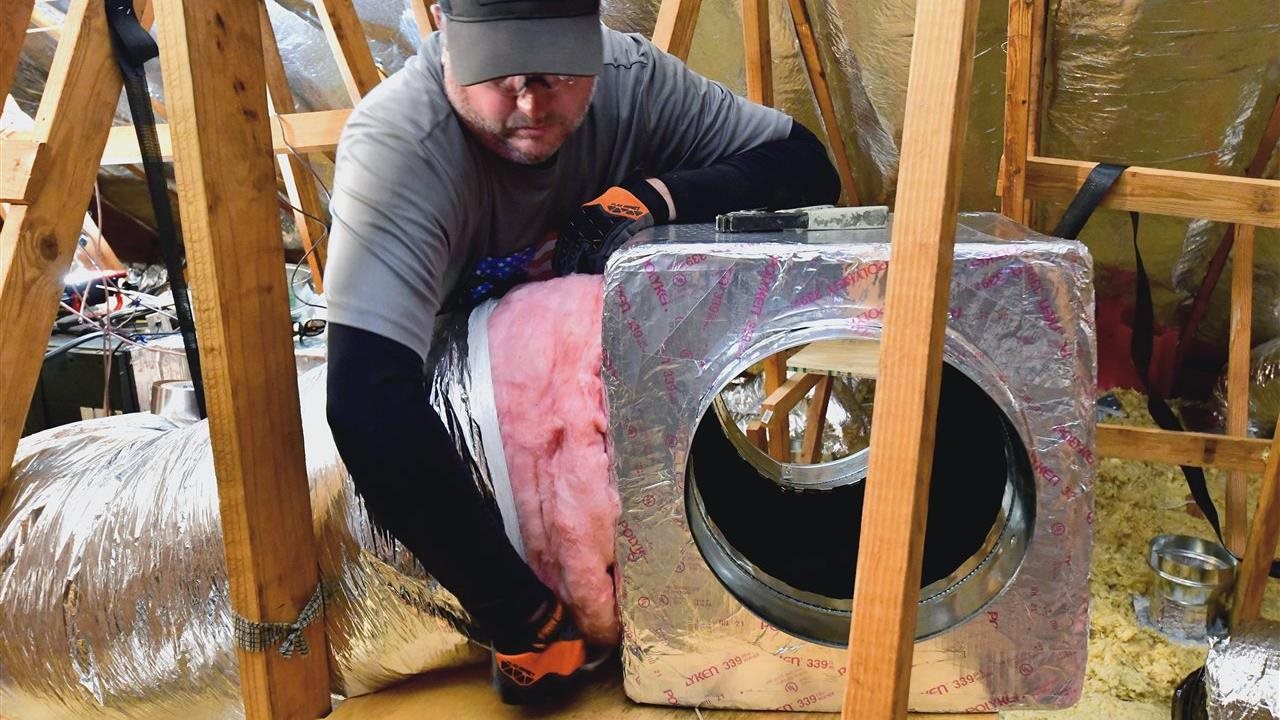
The ductwork in a home’s attic distributes conditioned air to rooms throughout the home. Leaks in ductwork, loose joints or poor connections between ductwork components can allow conditioned air to escape into the attic before it reaches the intended part of the home. The amount of insulation in an attic also plays a role in comfort and energy efficiency. According to EnergyStar.gov, 9 out of 10 American homes are under-insulated.1 Sufficient levels of insulation help reduce heat transfer between the attic and living spaces in the home.

Warning signs of issues in the attic

What are some warning signs that a problem may be lurking in the attic? One tell-tale indicator that your home may have “attic issues” can be observed by simply looking at your home’s roof on a cold morning. If frost or a dusting of snow appears on the roofs of neighboring homes while your home’s roof is frost/snow free, this may be an indicator that your attic is under-insulated or that heated air is escaping attic ductwork and “heating” the roof deck so that frost/snow melts away.

Other signs of a problem with ductwork may be noticeable inside the home. Rooms that are consistently too warm or too cold, or that have a musty odor, may indicate compromised attic ductwork. An increased level of dust inside the home is another sign that ductwork may need attention. Leaks in attic ductwork can allow dust and various particulates inside the attic to enter ducts. Distributed throughout the home, these particulates can negatively affect air quality.

Detecting issues can inform solutions

While a frost-free roof on a frigid morning or torn ductwork is an obvious sign of a problem, attic ductwork issues are often hard to see by simply looking around the space. A contractor trained to inspect ductwork and assess insulation levels in the attic can identify issues that may reduce your comfort and lead to higher energy bills.

Training and tools play a crucial role in identifying problems in the attic. For example, Owens Corning equips Certified AirCare® Professionals with training and tools to assess attic insulation and ductwork. The information gathered through a thorough inspection can inform recommendations to support comfort and energy efficiency. An HVAC technician should include an attic inspection as part of routine maintenance visits as well as service calls. During the inspection, a technician should check ductwork for leaks and may use special thermal technology that visually shows where air is escaping from the ductwork.

A Certified AirCare® Professional also will measure attic insulation and advise you on the energy savings that could potentially be achieved by adding insulation to bring your home up to the levels recommended by energy codes for your home’s climate zone.* Today’s energy codes specify higher levels of insulation compared to homes built even a few decades ago.

It is important to remember that a higher energy bill does not necessarily indicate a problem with equipment. An inspection by a heating and cooling contractor who brings a system perspective to caring for a home’s air and the attic infrastructure that supports it can help improve a home’s comfort and energy efficiency season after season. To find a Certified AirCare Professional in your area, visit https://www.owenscorning.com/en-us/insulation/find-hvac-contractor.

*Energy savings may vary.

2023. Owens Corning. All rights reserved.

1 EnergyStar.gov – Why Seal and Insulate? https://www.energystar.gov/saveathome/seal_insulate/why_seal_and_insulate

Shopping for video games this holiday season? What you need to know

2023-11-29T16:35:00

(BPT) – Are video games at the top of your kids’ wish lists this year? Chances are good that they are. In a recent survey of U.S. adults and children aged 10 through 17 by the Entertainment Software Association (ESA), kids were most likely to ask parents for video game–related presents (72%). It’s not surprising, as there’s a video game out there for every player, and video games are a fun activity that can also engage friends and family in interactive play.

In the survey, a majority of both girls (59%) and boys (86%) say they plan to ask for video game gifts, with the top five requests being for game subscriptions (39%), game consoles (38%), game gear/accessories (32%), in-game currency (29%) and physical video games (22%). And they’re not just for kids — about 1 in 3 (32%) adults say they plan to buy video game gifts for themselves or others for the holidays, with that number jumping to 57% for parents.

“More than 212 million Americans play video games regularly, so it comes as no surprise that games are at the top of this year’s wish lists,” said Stan Pierre-Louis, president and CEO, ESA. “Whether a family is getting a new console, updating their controllers and headsets or adding to their library with new games and expansion packs, we know video games are a great tool for families to play together and connect during the holiday season and beyond.”

Before you head online or to a store to do your shopping, it’s important to take steps to ensure the games you choose for your kids are appropriate for their ages, and that you’re comfortable with their content.

If you’re a parent or caregiver — or other relative looking for games for the kids in your life — the ESA encourages taking these three steps before purchasing and gifting video game items for kids, so you can relax and let them have fun playing games they love.

1. Check the age and content rating information

The Entertainment Software Rating Board (ESRB) assigns age and content ratings to video games and mobile apps to help parents and caregivers decide which are appropriate for kids. Parents should look out for the ESRB’s three-part rating system:

Rating Categories suggest age appropriateness. Ratings include E for Everyone, E10+ for ages 10 and older, T for Teen, M for Mature for ages 17 and older or AO for Adults Only.

Content Descriptors highlight content leading to the assigned age rating. ESRB has over 30 Content Descriptors to let parents know when a video game contains language, humor, violence and more.

Interactive Elements provide upfront notice about interactive features that may be important to parents. For example, the “In-Game Purchases” label lets parents know when a game offers the ability to spend money for additional in-game content, and the “Users Interact” label lets parents know when a game allows user-to-user communication.

You can find ESRB rating information on the front and back of all video game boxes, and on product detail pages on digital storefronts.

2. Make use of parental controls

Tools exist on virtually all game devices to help parents and caregivers manage gameplay experiences for their family. Parental controls can include:

  • Filtering games by ESRB age rating
  • Managing time spent playing games
  • Controlling — or preventing — spending
  • Limiting — or blocking — communication with other players
  • PIN and password settings to prevent unwanted changes
  • Regular playtime reports

3. Have family conversations about responsible online behavior

Video games are a positive and meaningful outlet for billions of players worldwide. To help your family enjoy their games, it’s important to communicate clear household rules around limits (such as time of day and duration of play), the types of games allowed and when it’s appropriate to spend money — then set up parental controls around these rules.

In addition, games increasingly allow interaction with others online. You’ll want to consider whether family members should be able to interact with other players and if so, with whom. You can decide to activate parental controls to block online communications. In some cases, parents can curate their kids’ friends list to only allow communications with people they know in real life.

If children are allowed to interact with others online, remember to discuss appropriate behavior, including treating other players kindly and respectfully. It’s also key to have conversations with children about interacting with strangers online. If they’re allowed to talk to strangers, make sure children understand what to do if they encounter another player behaving inappropriately. Remember: Kids can always mute, block and report players, and if they’re unsure what to do, let them know they can always ask you or another trusted adult for advice.

Learn more about nurturing ongoing conversations around video games in your home by checking out ESRB’s Family Gaming Guide and tools for parents, and following the ESRB blog. Steps the video game industry is taking to help protect everyone in the player community can be found on TheESA.com.