A Larger Piece of the Pie: The Impact of Women-Owned Businesses in the U.S.

2023-11-09T09:27:00

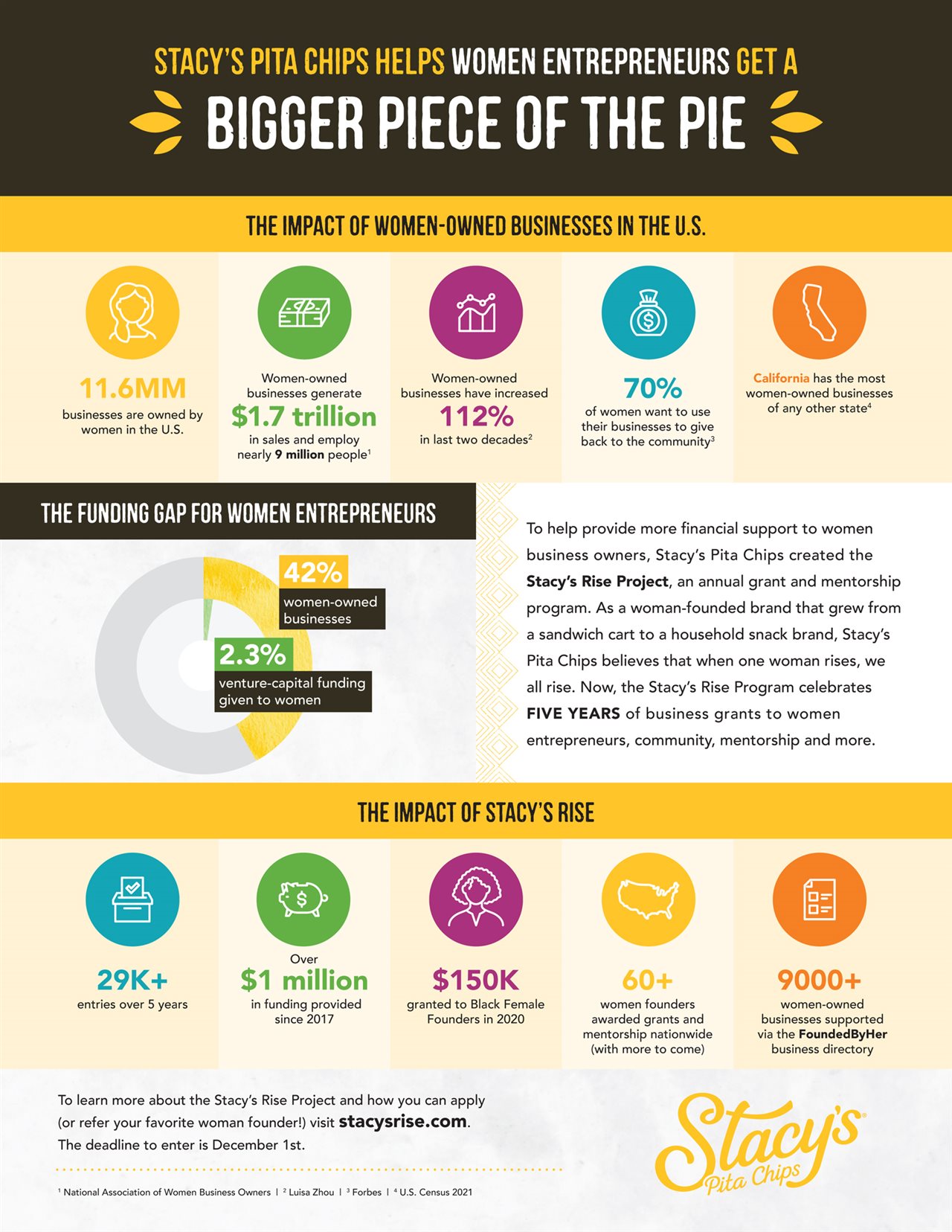
(BPT) – Women own nearly 50% of all U.S. businesses, yet they only receive 2% of venture capital (VC) funding, a tiny piece of the pie. Stacy’s® Pita Chips, a brand committed to the financial empowerment of women business owners, is proud to champion these entrepreneurs to get a bigger piece of the funding pie through the launch of the 2024 Stacy’s Rise Project. In addition to awarding 15 deserving founders a $25,000 grant, mentorship and community resources, this year the brand brings attention to this statistic with Stacy’s Rise Pies, available for purchase now on StacysRise.com.

Millennial and Gen Z Adults Still See The American Dream Within Reach Despite Challenges

2023-11-08T15:01:00

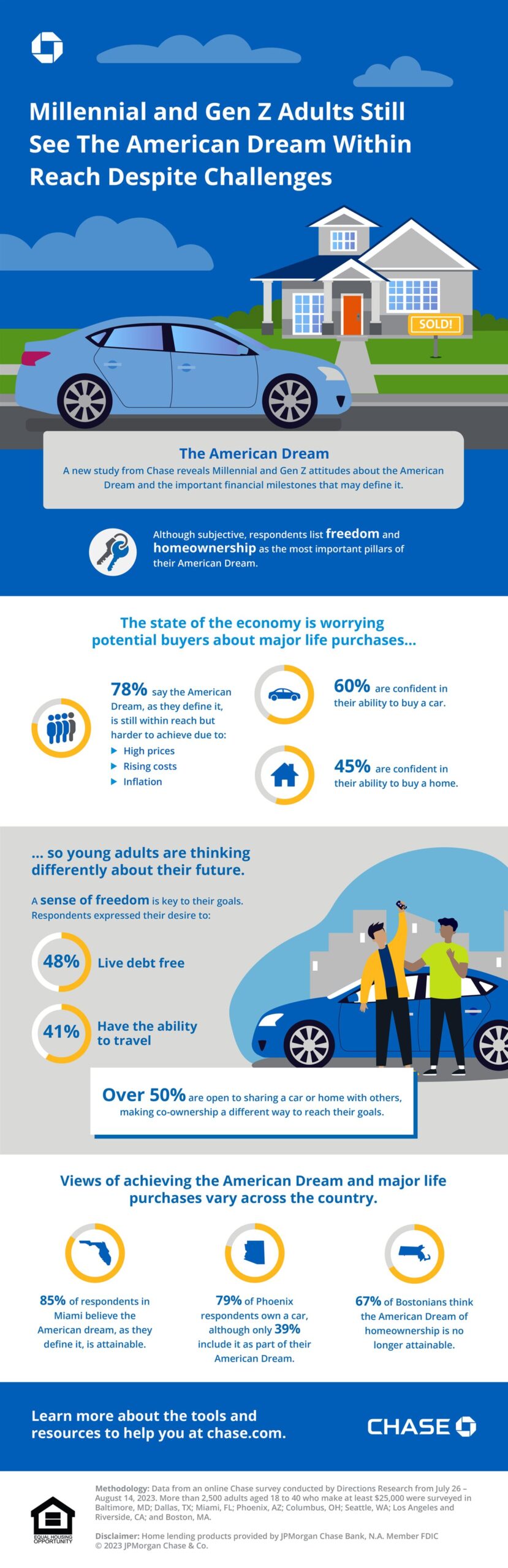
(BPT) – While the definition of the “American Dream” is subjective, a new Chase survey of more than 2,500 Millennial and Gen Z adults shows that they believe freedom and homeownership are its most important pillars. The vast majority of respondents (78%) say that their goals are within reach, even as they recognize several factors making it more difficult today, such as housing affordability, inflation and the rising cost of living. The study’s findings also underscore the need for accessible financial education, particularly as young adults prepare for major life purchases.

How a Breast Cancer Survivor Turned her Journey into an Empowering Platform

2023-11-08T08:01:00

(BPT) – Diagnosed with breast cancer nearly four years ago at the age of 41, Krisdee Clark*, like many women, was completely taken aback. What laid ahead for her was an inspiring journey of personal growth and recovery. Not only would she harness her own resilience and grace to thrive after treatment, but she would also channel her experience and strength to inspire change. In doing so, she’d create a meaningful platform to support other women who were going through similar struggles.

Facing a diagnosis with numerous hurdles

After feeling a lump and some minor discomfort while in the shower, Krisdee quickly made an appointment with her gynecologist who advised her to have a mammogram and diagnostic ultrasound. A week later, doctors scheduled a biopsy and shared the news of her diagnosis: invasive lobular carcinoma, a form of breast cancer that begins in the milk ducts.

To make a difficult situation even harder, the diagnosis arrived during her husband’s deployment overseas and coincided with the onset of COVID-19.

“The moment I was diagnosed, I knew I had to handle it with grace,” explained Krisdee, a mother of two young children plus three “bonus children.” “I had to show my daughter that we could get through this. I had to show my son what it was like to be a woman and go through something like this, in case he ever has someone in his life who ends up in a similar situation. That was very important to me.”

In addition to the weight of coping with her diagnosis, Krisdee struggled to find the right surgeon who could not only assure the successful removal of cancer but also instill confidence in the reconstruction of her breasts afterward.

Her grace was tested when the initial surgical oncologist she saw commented on her bringing an entourage to her appointment, which included having her husband join via FaceTime since he was deployed. Following this incident, Krisdee’s desire for a double mastectomy was met with resistance, and the plastic surgeon she consulted with offered little reassurance, telling her that while she would never look the same post-reconstruction, the cancer would be removed, and she should be happy with that.

Krisdee left the appointment in tears, knowing there had to be other options. “I struggled because a lot of people had the view that once the cancer’s gone you should be happy,” she said. “Removing the cancer was number one, but at 41 years old, I wasn’t ready to just accept that this is what I’d look like. It was very disheartening, and I knew there had to be more options.”

Moving forward with grace

Throughout her very trying journey, Krisdee drew strength from within and the support of her loved ones to continue searching for a doctor that she knew would be the best fit for her.

This is when Krisdee’s husband, an employee of Johnson & Johnson, sought advice from a colleague at Mentor Worldwide LLC, the #1 global brand in breast aesthetics, and another company within J&J. What Krisdee learned was invaluable: find a plastic surgeon who also specializes in reconstruction because they will work in partnership with some of the best surgical oncologists. Through this contact, Krisdee found surgeons Dr. Garrett Harper and Dr. Peter Turk, who actively involved her in every step of her treatment and reconstruction journey and gave her hope.

At the time of her diagnosis, Krisdee was initially informed of a 2 mm mass in her breast. However, a subsequent MRI showed the mass was closer to 5 mm and near her lymph nodes. In March 2020, just over a month after her diagnosis, and with the support of family, friends, and her doctors, Krisdee underwent a bilateral mastectomy (double mastectomy) and the mass was discovered to be significantly larger, measuring at 7.7cm. During her surgery, she had MENTOR® Breast Tissue Expanders placed to increase the amount of breast tissue needed prior to her having breast reconstruction with MENTOR® Breast Implants.

Turning struggle into strength

Like many women facing a breast cancer diagnosis, Krisdee was searching for answers, not just from a medical perspective, but from the shared experiences of women going through similar challenges. Frustrated by the absence of information, she decided to create The Blonde Bombshell, a blog that evolved into a much larger platform for Krisdee — offering a vital online community for women seeking resources, connections, and inspiration.

“I’ve spoken to many women who were talked out of reconstruction or dismissed by doctors. I’m thankful I found doctors that listened to me,” Krisdee said. “I use my blog and platform to educate others about what to expect — and things I wish I knew before I was diagnosed. I want to be a resource for others because I wanted resources so badly.”

Surprised by the global traction her blog was getting, Krisdee considered additional platforms to broaden her impact on raising awareness. Her aim was to ensure that women no longer felt isolated during their breast cancer journeys.

It had been years since she was a teenager in a state beauty pageant, but Krisdee recalled its potential for driving awareness and change. Motivated by this memory, Krisdee re-entered the pageant world, first winning the title of Mrs. Capital City in South Carolina only 8 months post-reconstruction. Shortly after, in April 2022, Krisdee was crowned Mrs. South Carolina American. Her journey continued on the national stage, where, just three months later, she took home the crown and national title of Mrs. American 2022.

Winning Mrs. American presented Krisdee with opportunities for public speaking, connecting with fellow survivors, and discovering a deeper meaning in her cancer journey. She’s since joined Susan G. Komen for the Cure, serving as the Keynote Speaker for their Advocacy Day in Washington, DC, and recently shared her story on the Real Pink Podcast. During her reign, Krisdee also visited women cancer warriors at Walter Reed Medical Center.

Through her journey, Krisdee wants women to have answers to their questions and assurance that they are not walking this path alone. Her platform is clear: Women can thrive and still feel beautiful after breast cancer.

“It was important to me that I didn’t let cancer define me,” Krisdee said. “I really believe that was my mindset from the beginning. It was very important to always have the outlook that I was bigger than cancer, and I would defeat this.”

Learn more about Mentor and breast reconstruction at BreastImplantsByMentor.com

To learn more about Krisdee’s journey, visit www.KrisdeeClark.com.

*Krisdee Clark is being compensated by Mentor for her time and participation in sharing her story.

WARNING:

  • Breast implants are not considered lifetime devices. The longer people have them, the greater the chances are that they will develop complications, some of which will require more surgery.
  • Breast implants have been associated with the development of a cancer of the immune system called breast implant-associated anaplastic large cell lymphoma (BIA-ALCL). This cancer occurs more commonly in patients with textured breast implants than smooth Implants, although rates are not well defined. Some patients have died from BIA-ALCL.
  • Patients receiving breast implants have reported a variety of systematic symptoms such as joint pain, muscle aches, confusion, chronic fatigue, autoimmune diseases and others. Individual patient risk for developing these symptoms has not been well established. Some patients report complete resolution of symptoms when the implants are removed without replacement.

The sale and distribution of Mentor Breast Implant Devices are restricted to users and/or user facilities that provide information to patients about the risks and benefits of the device prior to its use in the form and manner specified in approved labeling to be provided by Mentor Worldwide LLC.

Important information: Prior to use, refer to the instructions for use supplied with this device for indications, contraindications, side effects, warnings and precautions.

Caution: US law restricts this device to sale by or on the order of a physician.

Important Safety Information:

The MENTOR® Collection of Breast Implants are indicated for breast reconstruction.

Breast implant surgery should not be performed in women:

  • With active infection anywhere in their body
  • With existing cancer or pre-cancer of their breasts who have not received adequate treatment for those conditions
  • Who are currently pregnant or nursing

Safety and effectiveness have not been established in patients with autoimmune diseases (for example lupus and scleroderma), a weakened immune system, conditions that interfere with wound healing and blood clotting, or reduced blood supply to breast tissue. Patients with a diagnosis of depression, or other mental health disorders, should wait until resolution or stabilization of these conditions prior to undergoing breast implantation surgery.

There are risks associated with breast implant surgery. You should be aware that breast implants are not lifetime devices and breast implantation may not be a one-time surgery. The chance of developing complications increases over time. You may need additional unplanned surgeries on your breasts because of complications or unacceptable cosmetic outcomes. Many of the changes to your breast following implantation are irreversible (cannot be undone) and breast implants may affect your ability to breastfeed, either by reducing or eliminating milk production.

Breast implants are not lifetime devices and breast implantation may not be a one-time surgery. The most common complications for breast reconstruction with MENTOR® MemoryGel® Breast Implants include any reoperation, implant removal with or without replacement, and capsular contracture. The most common complications with MENTOR® MemoryShape® Breast Implants for breast reconstruction include reoperation for any reason, implant removal with or without replacement, and capsular contracture. A lower risk of complication is rupture. The health consequences of a ruptured silicone gel breast implant have not been fully established. MRI screenings are recommended three years after initial implant surgery and then every two years after to detect silent rupture. Breast implants are also associated with the risk of breast implant-associated anaplastic large cell lymphoma (BIA-ALCL), an uncommon type of lymphoma. An individual’s risk of developing BIA-ALCL with MENTOR® Breast Implants is low based on the incidence of worldwide cases. The most common complications for breast reconstruction with MENTOR® Saline-filled Breast Implants include re-operation, implant removal, capsular contracture, breast pain, and implant deflation.

Detailed information regarding the risks and benefits associated with MENTOR® Breast Implants is provided in several educational brochures. For MemoryGel® Implants: Important Information for Reconstruction Patients about MENTOR® MemoryGel® Breast Implants. For MemoryShape® Implants: Patient Educational Brochure – Breast Reconstruction with MENTOR® MemoryShape® Breast Implants and Quick Facts about Breast Augmentation & Reconstruction with MENTOR® MemoryShape® Breast Implants. For MENTOR® Saline-filled Implants: Saline-Filled Breast Implants: Making an Informed Decision. These brochures are available from your surgeon or visit www.mentorwwllc.com. It is important that you read and understand these brochures when considering MENTOR® Breast Implants.

ARTOURA® Breast Tissue Expanders and CONTOUR PROFILE® Breast Tissue Expanders are used for breast reconstruction after mastectomy, correction of an underdeveloped breast, scar revision, and tissue defect procedures. The expander is intended for temporary subcutaneous or submuscular implantation and is not intended for use beyond six months. ARTOURA® Breast Tissue Expanders and CONTOUR PROFILE® Tissue Expanders contain a magnet within the internal injection domes and are NOT MRI compatible. The device could be moved by the MRI causing pain or displacement, potentially resulting in a revision surgery. DO NOT use the ARTOURA® Breast Tissue Expander and CONTOUR PROFILE® Tissue Expander in patients that have a previously implanted device such as pacemakers, drug infusion devices, artificial sensing devices, etc. that could be affected by a magnetic field. Mentor has not tested the effects of radiation therapy with ARTOURA® Breast Tissue Expanders and CONTOUR PROFILE® Expander devices. The incidence of extrusion of the expander has been shown to increase when the expander has been placed in injured areas: scarred, heavily irradiated or burned tissue, crushed bone areas, where severe surgical reduction of the area has previously been performed; and where steroids are used in the surgical pocket. Detailed information about indications, contraindications, warnings, and precautions associated with the use of ARTOURA® Breast Tissue Expanders CONTOUR PROFILE® Expanders are provided in the Instructions for Use (IFU) available online at www.mentorwwllc.com

259827-231010

© Mentor Worldwide LLC 2023

Santa Bass shares 10 holiday gift ideas for those who love fishing

2023-11-08T08:01:00

(BPT) – Has your favorite angler been naughty or nice this past year? Santa Bass knows all, so you better be good! For the coming holiday season, Santa Bass offers 10 incredible gift ideas and stocking stuffers that will surely bring a smile to your favorite angler.

1. Clean a mess of fish fast – Every now and then, some anglers like to keep their catch for a nice shore lunch or dinner. It sounds fun, until you face the messy job of cleaning fish. Not anymore! High-quality, heavy-duty lithium electric fillet knives make fast work of fish cleaning, and they’re great for other meats, too.

2. Protection from the sun – If your favorite angler spends a lot of time in the sun — on a boat, in a kayak, or fishing from a pier or shore, they need to be covered up to protect their skin from the harmful effects of UV rays. Hooded shirts designed for anglers of all ages are great looking, provide moisture-wicking performance, and offer UPF 50+ UV sun protection along with moisture-wicking performance.

3. Warm and dry – If you put your time in on the water fishing, eventually, you’re going to get wet. It’s not a matter of if, it’s just a matter of when. Having a reliable rain jacket and bibs designed for extreme conditions by the nation’s top anglers is essential if you’re going to spend time on the water.

4. Fish like a pro bass angler – For anglers who want to fish what the pros fish, consider a fishing lure actually created by one of the top bass fishing pros in the nation, Bassmaster Classic champion Ott DeFoe. Designed in DeFoe’s garage, the Rapala OG Rocco is a buoyant, round balsa bait with a square circuit board lip that has been proven in the nation’s top bass tournaments.

5. No more fish “tales” – No doubt, you’ve heard the stories about “the big one.” And each year, the big one gets a little bigger. Keep your favorite angler honest with a 50 lb. Touch Screen Fish Scale designed for anglers. It’s easy to use to weigh and track one’s catch.

6. Keep your angler warm – A lot of anglers like to get up early to start fishing. Keep your angler warm and cozy with a thick, soft hoodie that’s perfect for those crisp, cool mornings.

7. Get organized – Is your angler kind of disorganized? Lures and tools all over the boat, in the garage, or in the ice fishing house? The SmartHub system by Rapala helps anglers get more organized, which means more time fishing.

8. Tools to get the job done rightPliers, scissors, forceps, knife sharpener, clippers, hook sharpener, lantern. For anglers to stay on top of their game, they need some essential, high-quality tools to keep their gear in tip-top shape, as well as tools that can stand up to the elements, in freshwater or saltwater.

9. Stocking stuffers – Looking for some less expensive (under $25) gift ideas to stuff into your favorite angler’s stocking? How about a speaker to listen to some tunes? A fish counter? A deck of cards or a stocking cap? Or, the world’s all-time best-selling fishing lure?

10. Ice trolling – And lastly, if you live in the Ice Belt of the country and enjoy ice fishing, here’s a seriously good gift idea that will save you lots of time and is good for the environment. Serious ice anglers drill lots of holes, and to accomplish that, they need a proven, electric ice auger and drill that gets the job done fast. It’s called ice trolling. Santa Bass recommends the StrikeMaster Lithium 40V auger and Lite-Flite Lazer™ Drill Unit to get to walleye, crappie, bluegill, and pike during hardwater season.

How to recognize loneliness in seniors & what to do about it

2023-11-08T09:01:00

(BPT) – Loneliness is a public health epidemic.

It’s a condition that doesn’t show up on medical tests, yet it can be just as deadly as daily smoking. The growing crisis has an outsized impact on older Americans. According to a recent study from the U.S. Department of Health and Human Services, more than one-third of adults aged 45 and older feel lonely, and nearly one-fourth of adults aged 65 and older are considered socially isolated.

Social isolation and loneliness take a toll on physical and mental health, leading to chronic disease and higher healthcare costs.[i] Older adults are at especially high risk of social isolation and loneliness due to changes in social connections that can naturally come with aging, as well as hearing, vision, and memory loss, disability, trouble getting around, and/or the loss of family and friends.

A startling number of seniors are lonely and isolated, and it’s taking a real toll on their mental and physical health,” said Robin Caruso, Chief Togetherness Officer at Elevance Health. “We need to pay attention to this growing crisis so that we can help preserve health and well-being in old age.”

Health Impacts of Loneliness

Risk factors for loneliness include living alone, the death of friends and family, mobility issues, discrimination, and poverty — especially among seniors. And the health effects of loneliness can be quite serious.

Older adults grappling with loneliness are more likely to experience symptoms of depression and cognitive decline. They’re also more likely to be admitted to a nursing home.

Loneliness can also lead to cardiovascular problems, including heart disease and stroke. According to a two-decades-long study, social isolation is a better predictor of whether someone will develop high blood pressure in old age than well-known physical risk factors like diabetes. Social isolation also increases the risk of dementia by about 50%, which was comparable to the effects of physical inactivity, low education level, and depression.

“Loneliness is a vicious cycle,” said Caruso. “Many of its causes and effects overlap, which can compound the problem over time.”

Spotting the Signs of Loneliness

As we move into the holiday season, family, friends, neighbors and acquaintances have the opportunity to check in on the older adults in their lives and help offer solutions to social isolation.

Signs to spot loneliness in seniors include:

  • Changes in appetite, including eating less
  • Anger, which could manifest in being more argumentative or becoming disengaged in conversation
  • Withdrawal from social events
  • Less regimented personal hygiene
  • Bringing up people in their past who are not currently involved in their lives
  • Changes in their living situation, including friends or long-time neighbors moving away
  • New or worsening mobility issues
  • Differences in how often they are calling or emailing
  • Friends passing away

“Our bodies and minds are inextricably linked,” said Caruso. “Spotting signs of loneliness can help family and friends to rally around their loved ones and provide support for those who are suffering.”

Strategies to Combat Loneliness

Whether you are suffering from loneliness yourself or supporting a loved one, there are many resources and tools to help cope.

Elevance Health has a clinical initiative that addresses the social challenges that older adults face daily. Its goal is to improve physical, psychological, and social well-being by encouraging participants to re-engage in healthcare, connect with community-based organizations, and increase physical activity.

Called Member Connect, offered through Elevance Health-affiliated Medicare Advantage plans, the program engages an Elevance Health community health worker and an Elevance Health employee volunteer, or phone pal, that together build connections with individuals. By establishing these personal connections, the approach aims to empower people to make behavior changes that reduce isolation and loneliness.

Since its inception in 2017, the Member Connect program team has facilitated over 216,833 phone calls. Telephone surveys found that 87% of program participants had more meaningful connections with people since joining the program, and more importantly, 79% of participants agreed that they had an increase in activities that bring them joy and purpose.

“When dealing with loneliness and isolation ‘going it alone’ is not a viable solution,” said Caruso. “Sometimes it just takes a phone call from someone who cares to serve as a catalyst to make meaningful lifestyle changes.”

Some additional strategies that older adults can use to cope with loneliness include:

  • Creating a regular schedule
  • Adopting a pet
  • Volunteering
  • Picking up a new hobby
  • Getting outdoors
  • Addressing transportation needs
  • Consulting with a mental health professional
  • Staying on top of hearing issues
  • Considering a senior-specific living environment

“By empowering older adults to acknowledge and find ways to treat loneliness and isolation, we can all be a part of the solution to the loneliness epidemic,” said Caruso.


[i] United States Department of Health and Human Services. (2020, April). Loneliness and Social Isolation Linked to Serious Health Conditions. Retrieved 1/24/2023 https://www.cdc.gov/aging/publications/features/lonely-older-adults.html.

Holiday hosting made easy: 5 fun tips for a festive celebration

2023-11-08T09:01:00

(BPT) – You may love hosting your friends and family over the holidays, but the cleaning, food prep and post-party cleanup? Not so much. Gathering together with your loved ones to enjoy the cheer and fun of the season is great, but don’t you wish there were ways to make it easier and less stressful to put on a festive celebration? Luckily, there are. You can have a blast hosting family and friends — and even enjoy the prep and cleanup — by following a few easy principles.

Here are ideas for keeping your next holiday party merry and bright from start to finish.

1. Create the kind of party you’d want to attend

There’s no need to make this year’s party identical to those you’ve held in the past or that your family has always had. Start by asking yourself what makes a party a success. Love getting dressed up and sitting down at a fancy table for a formal dinner? If so, that’s the kind of holiday party you should host.

If not, think about what you’ve enjoyed at memorable celebrations from your past. What made it a hit? Was it a low-key, dress-as-you-are party with cheerful music, kids’ crafts and informal games? Was the food simple but still tasty and comforting? Maybe there were party favors and gifts that were low-cost but silly and fun.

Make a quick list of the high points from different shindigs you’ve attended and see if you can include some of them in your party plan. The preparation will go much smoother and will be a whole lot more enjoyable when you’re entertaining in a way that you love.

2. Keep it simple — and delicious

You can reduce the stress and time it takes to prepare tasty food and handle post-party cleanup by getting some help from Bob Evans® dinner sides, like their beloved mashed potatoes and macaroni & cheese. Their high-quality, farm-fresh, quick to table sides provide a delicious way to “hack” holiday spreads with ready-to-heat refrigerated options that act as stand-alone dishes or as a convenient ingredient to level up any recipe. Bob Evans does all the washing, peeling, seasoning and cooking so you don’t have to.

Hosting family over the holidays? Make breakfast time easy and special by stocking up on Bob Evans breakfast products, including their signature sausage, bacon and liquid egg whites.

Find Bob Evans dinner sides and breakfast products at grocery stores nationwide and visit BobEvansGrocery.com to discover holiday-inspired recipe ideas.

3. Make it a family affair

Get the whole family involved in party preparations by assigning tasks to kids that are appropriate according to their age level, such as making and putting up decorations, helping to create the perfect holiday playlist or decorating cookies.

If you have friends who feel just like family, see if they’re willing to come early to help with the setup — and make sure to get them an extra-special holiday goody bag to thank them!

4. Designate specific party rooms

Since it may not be possible to make every room in your home 100% clean for the party, make sure the central rooms are in good shape, then mark some rooms “off limits” for partygoers, using festive garlands or funny signs, asking people not to enter.

If your front closet has no room for extra coats and bags, designate a guest room or office as a coat room so guests will know where to put their things when they arrive.

5. Add festive decorations

Create an immersive holiday atmosphere by decorating your entertaining space. Cover the room in festive décor, such as a decorated fireplace mantel, a special wall decked out in holiday lights, children’s artwork or a doorway framed in holiday greenery. The goal is to create a cheerful ambiance that delights your guests at every turn.

Hosting during the holidays doesn’t have to be stressful or overwhelming. Use these tips to help you relax and enjoy the cheer and fun of the season.

You’re in the Driver’s Seat: Tips for Healthy Sleep and to Prevent Drowsy Driving

2023-11-08T08:01:00

(BPT) – We all find ourselves sometimes staying up late on a school or work night, leaving us feeling tired behind the wheel the next morning if we didn’t get enough good sleep. But do we ever think about the risks of drowsy driving while we’re buckling up?

Drowsy driving is impaired driving — just like drunk, drugged, and distracted driving — and it’s a real public health issue. Drowsy driving is behind thousands of vehicle crashes each year, killing an estimated 6,400 people in the U.S. alone. In fact, the AAA Foundation estimates that 300,000 police-reported crashes each year are caused primarily by drowsy driving. What’s really shocking is that while a majority of us say drowsy driving is highly risky, most of us do it anyway.

Getting enough sleep before we get behind the wheel is one of the best ways to prevent drowsy driving. So, as part of its commitment to educating the public about the importance of sleep for health and well-being, the National Sleep Foundation (NSF) produces Drowsy Driving Prevention Week® (DDPW) every year to encourage everyone to Sleep First. Drive Alert™.

Taking the Right Lane to Safer Driving

Most people say drowsy driving is highly risky, but don’t think it is as dangerous as other forms of impaired driving. New NSF data show that over 95% of teen and adult drivers both said drowsy driving is risky, but both ranked other forms of impaired driving — like drunk, drugged or distracted — as riskier. In fact, driving with as little as 4-5 hours of sleep is like you were driving with a blood alcohol level of .05%. That would be drunk driving!

Planning Your Route? Make Sleep Your First Stop

No matter where you’re headed, create a sleep game plan before you hit the road and get the recommended amount of sleep the night before your trip. NSF recommends 7-9 hours of sleep per night for adults and 8-10 hours for teens. Plan long trips with a companion who can not only look for early warning signs of fatigue but also help drive when needed. And, when on a long trip, schedule regular stops every 100 miles or two hours.

Caution: Warning Signs for Drowsy Driving

Be on the lookout for signs of drowsy driving when behind the wheel, like yawning repeatedly, rubbing your eyes, and finding it hard to focus on the road. Drifting from your lane or having trouble remembering the last few miles driven? Those are definitely red flags. If you notice these warning signs, pull over to a safe place and take a quick nap, stretch, or drink a caffeinated beverage. Only continue driving when you feel alert and refreshed.

New Driver? New Hazards

Motor vehicle crashes are the second leading cause of death among teenagers. Teens are relatively new to driving, which means they have less experience and fewer driving skills to rely on during emergencies. Teens are also chronically sleep deprived and early school hours don’t always sync up with their internal body clock, also called a circadian rhythm.

Plus, teens are busy. With school, jobs and extracurricular activities, they might choose to sacrifice sleep. In fact, NSF found that, within their first 2 years of driving, 1 in 6 teens said they have already driven while drowsy, citing school or work activities as the top things that keep them from getting enough of the sleep they need.

Avoid Wrong Turns and Stay on Route to Being Your Best Slept Self®

The good thing is NSF has science-backed recommendations to help anyone and everyone be their Best Slept Self®. Just three small steps during the day and three small steps at night can make a big difference.

During the day, things like spending time in bright, natural light, getting regular exercise and eating meals at consistent times can help your body prepare for sleep. At night, NSF recommends avoiding things like heavy meals, caffeine, and alcohol, and putting your devices away an hour before bed.

All drivers and passengers should be on the lookout for drowsy driving. Before you get behind the wheel, take a moment to check your alertness and if you’re ready to drive. If you are not getting enough quality sleep to be your Best Slept Self®, you may not be fit to operate a motor vehicle.

For more sleep health information, visit www.theNSF.org.

The National Sleep Foundation’s Drowsy Driving Prevention Week® encourages everyone to prioritize sleep and drive when they are alert and refreshed. Our goal is to help people get the sleep they need and reduce the number of drivers who choose to drive while sleep-deprived.

How to help protect against COVID-19 this season

2023-11-07T14:01:00

(BPT) – Many people feel the need to shield their loved ones from harm’s way and preserve and protect what’s most precious — whether it’s a life partner, children, or elderly parents, and that includes protection from infectious diseases like COVID.

Although COVID is no longer considered a public health emergency, it remains an ongoing health concern for Americans.[1] However, COVID vaccine fatigue remains a major obstacle in maintaining immunity and keeping vaccination rates high.[2]

Choosing a COVID vaccine to help protect what matters

COVID vaccines play an important role in helping to protect people from getting seriously ill, being hospitalized, and even dying from COVID.[3] Vaccines are especially important for populations like the elderly and those with weakened immune systems who are at an increased risk for severe outcomes from COVID.[4]

“The good news is that we have COVID vaccine options available. As of September 2023, public health officials stated they anticipate the updated COVID vaccines will be better at fighting currently circulating variants,[3]” said Dr. Jehan “Gigi” El-Bayoumi, MD, FACP, Founding Director, Rodham Institute and Adjunct Professor, Georgetown University School of Medicine. “I recommend that people discuss COVID vaccine options with their healthcare provider or pharmacist to determine the best option for them, including if you’re eligible to get other vaccines, like the flu shot, at the same time.”

This season, updated COVID vaccine options are available, including protein-based and mRNA options.[3] It’s important to know that people who received one type of COVID vaccine previously do not have to receive the same kind again.[3]

What you can do to help Choose to Protect

  • Learn more about vaccine options by visiting www.ChooseToProtect.com.
  • Download the discussion guide to talk with your doctor or pharmacist about how to stay up-to-date with COVID vaccination.
  • Share with your family and friends so they can also Choose to Protect.
Talk to your healthcare provider about the COVID vaccine option that’s right for you


Understanding perceptions and education gaps around COVID vaccines*

Novavax, in partnership with HealthyWomen and with support from Harris Poll, conducted a survey among 1,005 vaccinated U.S. adults aged 45+ who play a key role in household healthcare decisions to better understand perceptions about and attitudes toward COVID vaccination as well as potential motivations to take action on education gaps concerning COVID vaccines.

The top survey results to know include:

  1. 82% of adults surveyed said they believe vaccines are absolutely essential or very important for maintaining their health, and three out of four said they believe vaccines are absolutely essential or very important for their ability to spend time with family.[5]
  2. The top three reasons people are motivated to get vaccinated are because of new variants,[6] increasing COVID cases[7] or from wanting to have a less severe illness if they get COVID.[5],[8]
  3. Nine out of 10 surveyed adults agreed it is important to have a range of COVID vaccine options for themselves and their family.[5]

“For many people who serve as key healthcare decision-makers for their families, COVID made it that much more important and that much more difficult to protect ourselves and our families,” said Beth Battaglino, RN-C, Chief Executive Officer, HealthyWomen. “What made it easier was having access to safe and effective vaccines that have been well tested, a fact supported by 86% of survey respondents who agreed that knowing their loved ones are vaccinated against COVID puts them at ease.[5] Our choices matter — learn more about your options and get vaccinated against COVID today.”

* Survey findings are results from the Choose to Protect™ survey, conducted by The Harris Poll and co-commissioned by Novavax and HealthyWomen.

[1] Centers for Disease Control and Prevention. COVID-19 Surveillance After Expiration of the Public Health Emergency Declaration — United States, May 11, 2023. Accessed October 20, 2023. https://www.cdc.gov/mmwr/volumes/72/wr/mm7219e1.htm?s_mm7219e1_w

[2] Stamm, T.A., Partheymüller, J., Mosor, E. et al. Determinants of COVID-19 vaccine fatigue. Nat Med 29, 1164–1171 (2023). https://doi.org/10.1038/s41591-023-02282-y

[3] Centers for Disease Control and Prevention. Stay Up to Date with COVID-19 Vaccines. Accessed October 20, 2023. https://www.cdc.gov/coronavirus/2019-ncov/ vaccines/stay-up-to-date.html

[4] Centers for Disease Control and Prevention. COVID-19: People with Certain Medical Conditions. Accessed October 20, 2023. https://www.cdc.gov/ coronavirus/2019-ncov/need-extra-precautions/people-with-medical-conditions.html

[5] Novavax and The Harris Poll Survey Findings. Initial Survey Highlights. Field Period: September 7-14, 2023.

[6] Centers for Disease Control and Prevention. COVID-19: Variants of the Virus. Accessed October 23, 2023. https://www.cdc.gov/coronavirus/2019-ncov/variants/index.html

[7] Centers for Disease Control and Prevention. COVID Data Tracker. Accessed October 23, 2023. https://covid.cdc.gov/covid-data-tracker/#trends_weeklyhospitaladmissions_select_00

[8] Centers for Disease Control and Prevention. 5 Things You Should Know about COVID-19 Vaccines. Accessed October 27, 2023. https://www.cdc.gov/respiratory-viruses/whats-new/5-things-you-should-know.html

Discover the hidden culprit of aging and how to turn back time

2023-11-07T08:01:00

(BPT) – Aging is a natural part of life, and you can see it in the lines on your face and gray hairs on your head. However, while you may focus on the external signs of aging, the truth is that humans age from the inside out, starting in our cells.

As your cells age, you age. While you can’t stop it from happening, you can slow it down. The key is to limit or mitigate the attacks on your cells that cause them to age.

Cells are remarkable powerhouses that endure 500 trillion attacks every minute. From environmental toxins to the food you eat, there are several sources of cell damage.

“Although you may not immediately see or feel this damage, as it accumulates, it sets off this potentially harmful chain reaction,” said Erin Barrett, Ph.D., Nutritional Biochemistry, Senior Director of Product Innovation and Scientific Affairs at Shaklee, “with damaged cells releasing more free radicals, causing more oxidative stress and more cellular damage.”

You can unfurrow your brows because there is good news. Several factors are in your control to reduce these attacks and the damage they can cause.

1. Lifestyle

It’s common knowledge that diet, exercise and avoiding toxic habits are crucial to healthy living. However, they can also have a huge impact on how you age. Why? Good lifestyle habits that increase oxygen delivery to your cells help them function at their best to neutralize free radicals and prevent oxidative stress. So what can you do?

Avoid smoking and drinking as both result in oxidative stress, a main culprit of cellular damage and aging. When the free radicals (unstable atoms that damage cells) and antioxidants in your body are imbalanced, it causes oxidative stress. The key to preventing oxidative stress, and ultimately slowing aging, is to make lifestyle choices that neutralize free radicals.

Of course, offsetting free radicals is easier said than done. Free radicals form through essential functions of daily life, like breathing and digesting food. That said, you can make lifestyle changes that can counterbalance or even reduce the production of free radicals.

In addition to toxic habits like smoking and drinking, a poor diet can also create free radicals. Take stock of what you eat and drink, and see where you can incorporate healthier eating habits. Also, consider adding antioxidant foods and supplements to your diet to neutralize free radicals.

Sleep is another powerful way to defend against oxidative stress. In fact, according to a study from Columbia University, sleep may have antioxidant effects! So, make it a goal to fall asleep and get up at the same time most days. You’ll feel better and fight against oxidative stress.

2. Environment

Environmental factors — such as climate and water, air and soil quality — greatly impact how you age, too. Environmental toxins are especially worrisome. Throughout your life, you’ve unknowingly been exposed to pollutants, pesticides and other toxins that cause oxidative stress, forming free radicals.

While you can’t control your environment, you can protect yourself from oxidative stress and free radicals. As mentioned above, daily antioxidants are powerful tools to neutralize free radicals and reduce oxidative stress.

When choosing an antioxidant, make sure to choose a high-quality supplement that is scientifically proven to slow cellular aging and has key ingredients shown to neutralize free radicals*, protect against oxidative stress*, and protect your cells from damage.

3. Inflammation

Alongside oxidative stress, inflammation also plays a significant role in the process of cellular aging. Inflammation is a natural reaction in our bodies, but here’s the catch: it has the potential to fuel oxidative stress, which in turn can damage our cells and accelerate the aging process. Shaklee’s Vivix effectively addresses this cause of cellular damage.†

Vivix has a whopping 27 global patents across its product family, and is scientifically shown to protect DNA damage. Cells treated with Vivix ingredients have a remarkable 2/3 less DNA damage than cells that didn’t get Vivix1.

One of the key components of Vivix’s efficacy is its polyphenols. Polyphenols are important plant-based nutrients that help your body manage inflammation and oxidative stress. Common sources of polyphenols include coffee, red wine, black and green tea, blueberries, raspberries, almonds and walnuts.

What sets Vivix apart? The complex mixture of polyphenols it contains is 13 times more powerful than resveratrol alone, according to a study published in The Federation of American Societies for Experimental Biology Journal. The blend brings together the powerful antioxidant properties of several polyphenols, including red wine extract, purple carrot extract, black currant extract, pomegranate extract and chebulic myrobalan. To learn more, visit US.Shaklee.com.

Your youth and longevity are in your hands. By controlling or mitigating these three aging factors, you can keep your cells happy and healthy, so you are, too.

* These statements have not been evaluated by the Food and Drug Administration. This product is not intended to diagnose, treat, cure or prevent any disease.

† Shown in a clinical study to blunt the inflammatory response in healthy people to a high-fat, high-carbohydrate meal.

1. Fisher, L., T. Ianiro, F. Lau, H. Wang and B. Daggy: Synergistic effects of phenolic mixtures in human cell models of aging. Experimental Biology 2015, Boston, Massachusetts, March 28-April 1, 2015. FASEB Journal 29:608.36, 2015.

Role reversal: Two nurses share their experiences as patients after their ovarian cancer diagnoses

2023-11-07T08:01:00

(BPT) – Sponsored by GSK.

Nurses use their knowledge, training and compassion to help patients cope with the most difficult times in their lives. Retired nurses, Peg and Debbie, share their stories of how they adjusted from nurse to patient after being diagnosed with advanced ovarian cancer, along with their advice for anyone impacted by the disease.

These are the stories of Peg and Debbie and how they managed their disease.

Peg and Debbie are spokespeople for GSK. This is their experience and others’ may be different.

From nurse to patient

While both nurses recognized symptoms that seemed abnormal, they also had to face the reality that it can take time to reach a correct diagnosis.

Peg

After testing positive for COVID during the pandemic, Peg’s abdominal pain was assumed by her health care providers to be caused by COVID-related colitis. She had a number of abdominal CT scans due to her abdominal discomfort for several months that were inconclusive until an ovarian cyst and potential bowel infection were shown. Peg’s experience as a nurse told her she shouldn’t be developing cysts at age 65, so she immediately contacted her gynecologist. After undergoing laparoscopic surgery to address these issues, Peg was told in the recovery room that she had ovarian cancer. There are currently no recommended screening tests for ovarian cancer, and PAP smears do not detect the disease.1

Upon her diagnosis, she met with her gynecologic oncologist within two days and underwent a total hysterectomy along with partial colectomy (removal of uterus and cervix, and part of the bowel) days later.

Although Peg found the transition to becoming a patient challenging, she also gained clarity about her role. “I told every healthcare professional I interacted with that I did not want to be spoken to like a nurse,” Peg explained. “I wanted to be treated like a patient — someone with a serious condition who needed a treatment plan that could help prolong my life.”

Debbie

Debbie’s diagnosis was especially shocking to her as a former obstetrics and gynecology nurse. Though she routinely “reinforced the importance of regular PAP smears, breast self-exams, and mammograms” to her patients at the clinic, “symptoms of ovarian cancer were never a priority in patient education.” Debbie’s situation is not uncommon, as the signs and symptoms of ovarian cancer can be similar to common health conditions.2

After Debbie mentioned irregular brown spotting she was experiencing at a check-up, an ultrasound discovered a thickened uterine lining and abnormal bilateral ovaries. The gynecologist explained that her ovaries showed cysts and lesions.

Debbie’s ovarian cancer wasn’t discovered until after she had surgery to remove a polyp, the thick uterine lining, and her tubes and ovaries. She was surprised by the diagnosis, as she had experienced none of the symptoms — such as pelvic pain — that the gynecologist had asked her about. Debbie’s experience is not abnormal, as ovarian cancer often produces symptoms caused by less serious conditions and can even cause no symptoms at all.1

Debbie’s diagnosis disrupted plans to enjoy retirement at the beach with her husband. “I’ve always been a planner. In junior high, when I was asked what I wanted to be when I grew up, I said I planned to be a nurse,” said Debbie. “But I never planned to have cancer.”

Ovarian cancer facts

About 20,000 people will receive a new diagnosis of ovarian cancer in the U.S. this year, according to current estimates from the American Cancer Society — and about 13,000 will die from ovarian cancer.3 In fact, ovarian cancer ranks fifth in cancer deaths for women.3 The American Cancer Society reports that ovarian cancer often develops in older women, with about one-half of those diagnosed being 63 or older.3

First-line treatment for advanced ovarian cancer

For both women, their initial treatment involved at least one surgery, followed by chemotherapy. Another vital aspect of their treatment plans was the pursuit of maintenance therapy, a treatment approach that may extend the time before cancer comes back. Maintenance therapy can be an important approach to ovarian cancer treatment as about 85% of people with ovarian cancer experience recurrence after their initial treatment.4

In Peg’s case, she was eligible to receive a type of maintenance therapy, a poly (ADP-ribose) polymerase (PARP) inhibitor, that might be beneficial for her long-term care. These inhibitors work to prevent cells from repairing their damaged DNA, which may help slow the return of progression of cancer.5 “When discussing options with my oncologist, she recommended ZEJULA (niraparib) as a first-line maintenance treatment as my best course to help prolong remission,” Peg explained. Maintenance therapy options, like ZEJULA, may help delay certain types of advanced ovarian cancer from coming back.6

APPROVED USES
ZEJULA tablet is a prescription medicine used for the:

• maintenance treatment of adults with advanced ovarian cancer, fallopian tube cancer, or primary peritoneal cancer. ZEJULA is used after the cancer has responded (complete or partial response) to treatment with platinum-based chemotherapy

It is not known if ZEJULA is safe and effective in children.

Peg’s doctor discussed the most serious potential side effects of ZEJULA with her, such as bone marrow problems called MDS (myelodysplatic syndrome) or a type of blood cancer called AML (acute myeloid Leukemia) which may lead to death. Routine monitoring of high blood pressure, heart rate and monitoring of blood counts will be required during treatment. ZEJULA has also been associated with PRES (posterior reversible encephalopathy syndrome) which may cause headaches, vision changes, confusion or seizures.

Peg experienced elevated blood pressure and headaches with her initial dose of ZEJULA. This was Peg’s experience, yours may be different. “It’s important to keep your doctor informed of any side effects you may be experiencing,” Peg added. Some of the more common side effects for ZEJULA are nausea, tiredness, constipation, and pain in the muscles or back. These are not all the potential side effects of ZEJULA; please review the Important Safety Information below, as well as the full Prescribing Information.

ZEJULA should be taken at the same time every day. Peg takes her treatment every night at bedtime and although the routine works for her, she strongly recommends other patients work with their doctor to find a regimen that works best for them.

“Today, my bloodwork is monitored monthly, and I still actively see my oncologist. It’s important to work with your physician to follow the monitoring schedule,” Peg said. “I had to put a lot of trust and faith in letting the professionals do what they knew how to do in helping me find the right treatment. I’m grateful to have found a maintenance treatment for advanced ovarian cancer that works for me.”

In Debbie’s case, she was also able to get through chemotherapy with manageable side effects. “After the third round of chemo, my doctor brought up the idea of using a PARP inhibitor as a maintenance treatment for advanced ovarian cancer,” said Debbie.

Debbie underwent genetic testing to discover that she was negative for the BRCA (BReast CAncer) gene. However, her tumor was positive for the homologous recombination deficiency (HRD) biomarker. Because of her HRD mutation, Debbie explained, “my doctor recommended ZEJULA which may help delay any potential recurrence.”

BRCA genes produce proteins that repair damaged DNA, and mutations in these genes can carry increased risks of certain types of cancers, such as ovarian cancer.7 HRD means that the body’s cell repair system no longer works properly, and therefore is unable to repair damaged DNA in the body’s cells.8 When a cancerous tumor tests positive for HRD, this means that its cancer cells have a harder time repairing themselves.8

Debbie experienced side effects including nausea, feeling winded with any exertion and dropping blood counts. This was Debbie’s experience, yours may be different. After adjusting the dose of ZEJULA and addressing her side effects, Debbie’s doctor was able to find the right amount of medicine that worked for her.

Everyone’s reaction to medication may be different, so both women stressed the importance of frequent communication with your healthcare team.

“I encourage others to listen to their bodies and not ignore subtle symptoms. Find a doctor who is willing to listen to you and educate you on your disease,” Debbie noted. “I’m now planning on living my life the best way that I can! Advanced ovarian cancer has changed a lot of things in my life, but one thing will never change: I’ll always be a planner.”

APPROVED USES
ZEJULA (niraparib, tablets 100 mg/200 mg/300 mg) tablet is a prescription medicine used for the:

• maintenance treatment of adults with advanced ovarian cancer, fallopian tube cancer, or primary peritoneal cancer. ZEJULA is used after the cancer has responded (complete or partial response) to treatment with platinum-based chemotherapy

It is not known if ZEJULA is safe and effective in children.

Important Safety Information

ZEJULA (niraparib, tablets 100 mg/200 mg/ 300 mg) may cause serious side effects, including:

Bone marrow problems called Myelodysplastic Syndrome (MDS) or a type of blood cancer called Acute Myeloid Leukemia (AML). Some people who have ovarian cancer and who have received previous treatment with chemotherapy or certain other medicines for their cancer have developed MDS or AML during treatment with ZEJULA. MDS or AML may lead to death.

Symptoms of low blood cell counts (low red blood cells, low white blood cells, and low platelets) are common during treatment with ZEJULA. They can be a sign of serious bone marrow problems, including MDS or AML. These symptoms may include the following:

  • Weakness
  • Frequent infections
  • Blood in urine or stool
  • Feeling tired
  • Fever
  • Bruising or bleeding more easily
  • Weight loss
  • Shortness of breath

Your doctor will do blood tests to check your blood cell counts before treatment with ZEJULA. You will be tested weekly for the first month of treatment with ZEJULA, monthly for the next 11 months of treatment, and from time to time afterward.

High blood pressure is common during treatment with ZEJULA, and it can become serious. Your doctor will check your blood pressure and heart rate at least weekly for the first two months, then monthly for the first year, and as needed thereafter during your treatment with ZEJULA.

Posterior reversible encephalopathy syndrome (PRES) is a condition that affects the brain and may happen during treatment with ZEJULA. If you have headache, vision changes, confusion, or seizure, with or without high blood pressure, please contact your doctor.

Before starting to take ZEJULA, tell your doctor about all of your medical conditions, including if you:

  • Have heart problems
  • Have liver problems
  • Have high blood pressure
  • Are pregnant or plan to become pregnant. ZEJULA may harm an unborn baby and may cause loss of pregnancy (miscarriage)
    • If you are able to become pregnant, you should use effective birth control (contraception) during treatment with ZEJULA and for 6 months after taking the last dose of ZEJULA
    • If you are able to become pregnant, your doctor may perform a pregnancy test before you start treatment with ZEJULA
    • You should tell your doctor right away if you become pregnant
  • Are breastfeeding or plan to breastfeed
    • ZEJULA may harm your baby. You should not breastfeed your baby during treatment with ZEJULA and for 1 month after taking the last dose of ZEJULA

Tell your doctor about all the medicines you take, including prescription and over-the-counter medicines, vitamins, and herbal supplements.

The most common side effects of ZEJULA include the following:

  • Nausea
  • Tiredness
  • Constipation
  • Pain in your muscles and back
  • Pain in the stomach area
  • Vomiting
  • Loss of appetite
  • Trouble sleeping
  • Headache
  • Shortness of breath
  • Rash
  • Diarrhea
  • Cough
  • Dizziness
  • Changes in the amount or color of your urine
  • Urinary tract infection
  • Low levels of magnesium in the blood

If you have certain side effects, then your doctor may change your dose of ZEJULA, temporarily stop, or permanently stop treatment with ZEJULA.

These are not all the possible side effects of ZEJULA. For more information, ask your doctor or pharmacist. Call your doctor for medical advice about side effects. You are encouraged to report side effects of prescription drugs to the FDA. Visit www.fda.gov/medwatch, or call 1-800-FDA-1088.

Please see full Prescribing Information.

To learn more about this treatment option, visit ZEJULA.com.

Trademarks are owned by or licensed to the GSK group of companies.

©2023 GSK or licensor.

NRPCOCO230010 October 2023

Produced in USA.

References

  1. American Cancer Society. Can Ovarian Cancer Be Found Early? https://www.cancer.org/cancer/ovarian-cancer/detection-diagnosis-staging/detection. Last Updated July 24, 2020. Accessed October 2023.
  2. American Cancer Society. Signs and Symptoms of Ovarian Cancer. https://www.cancer.org/cancer/types/ovarian-cancer/detection-diagnosis-staging/signs-and-symptoms.html. Last Updated April 11, 2018. Accessed October 2023.
  3. American Cancer Society. Key Statistics for Ovarian Cancer. https://www.cancer.org/cancer/ovarian-cancer/detection-diagnosis-staging/detection.html. Last Updated January 12, 2022. Accessed October 2023.

  4. Lorusso D, Mancini M, Di Rocco R, et al. The role of secondary surgery in recurrent ovarian cancer [published online August 5, 2012]. Int J Surg Oncol. 2012;2012:613980. doi:10.1155/2012/613980. Accessed October 2023.
  5. NCI Dictionary of Cancer Terms: PARP inhibitor. National Cancer Institute website. https://www.cancer.gov/publications/dictionaries/cancer-terms/def/parp-inhibitor. Accessed October 2023.
  6. ZEJULA Tablet PI. GSK 2023. Accessed October 2023.
  7. National Cancer Institute. BRCA Mutations: Cancer Risk and Genetic Testing. https://www.cancer.gov/about-cancer/causes-prevention/genetics/brca-fact-sheet. Last Updated November 19, 2020. Accessed October 2023.
  8. Target Ovarian Cancer. Homologous recombination deficiency. https://targetovariancancer.org.uk/about-ovarian-cancer/hereditary-ovarian-cancer/homologous-recombination-deficiency. Accessed October 2023.