4 Tips To Set Yourself Up For Financial Success In 2024

2023-11-07T08:01:00

(BPT) – The new year is just around the corner, bringing with it the tradition of New Year’s resolutions. Whether you’re looking to achieve major milestones in 2024, like buying a car, or just looking to improve your money habits, here are a few simple tips to follow to start making progress toward your financial resolutions now.

1. Open a checking account

One of the most important steps you can take toward reaching your financial goals is to open a checking account. Chase Secure BankingSM is a great account to start with because there is no minimum deposit to get started and there are no overdraft fees, helping to ensure you spend only what you have. Secure Banking also offers early direct deposit to help you get your money sooner — up to two days in advance. Additionally, the Chase Mobile® app allows you to manage your money, deposit checks and pay bills or pay people virtually from anywhere. You’ll also have access to Chase Credit Journey, a credit monitoring tool that is free for everyone — not just Chase customers — and allows you to build, manage and protect your credit and identity without impacting your credit score.

2. Create a budget

Creating a budget is another great step to improve your financial health. Understanding how much money you have after you pay your expenses like bills, food and rent will help you better manage your money. Setting a monthly budget with tools like a Budget Worksheet makes the process simple. Enter your recurring income and expenses to see where your money goes each month. Before you get started, make sure you have your latest bank statements, recurring bills — e.g., rent/mortgage, insurance, mobile devices, utilities, credit cards, etc. — and the average amount you spend on variable expenses like groceries. By doing so, you’ll be better prepared to make informed decisions and help set yourself up for financial success in the new year.

The 50/30/20 rule is another great budgeting technique to help categorize your monthly income.

Each month, consider setting aside 50% of your income toward recurring bills. Then, reserve 30% for ‘wants’ or discretionary spending like dining out, shopping or traveling. Lastly, think about using the remaining 20% of your monthly income to build your savings or pay down debt.

3. Build savings

Whether you’re preparing for a big purchase or building an emergency fund, planning is key. Your savings aren’t just for a big-ticket item but are there for when you need money most — e.g., unexpected expenses, etc. Plus, having reserves ensures you don’t have to worry about certain transactions impacting your budget.

Start saving early and set a clear weekly or monthly savings goal. Don’t be afraid to start small! Even $1 a day can go a long way. This is great practice and one you can carry into the new year.

Creating a rainy-day or emergency fund is an important savings practice at any age. They can provide peace of mind and help with life’s unexpected surprises. By saving regularly, no matter the frequency or amount, you’ll have the financial flexibility to take on your goals. Some savings goals may require more time (and money), but you can get there with the right plan.

4. Build, improve and monitor your credit score
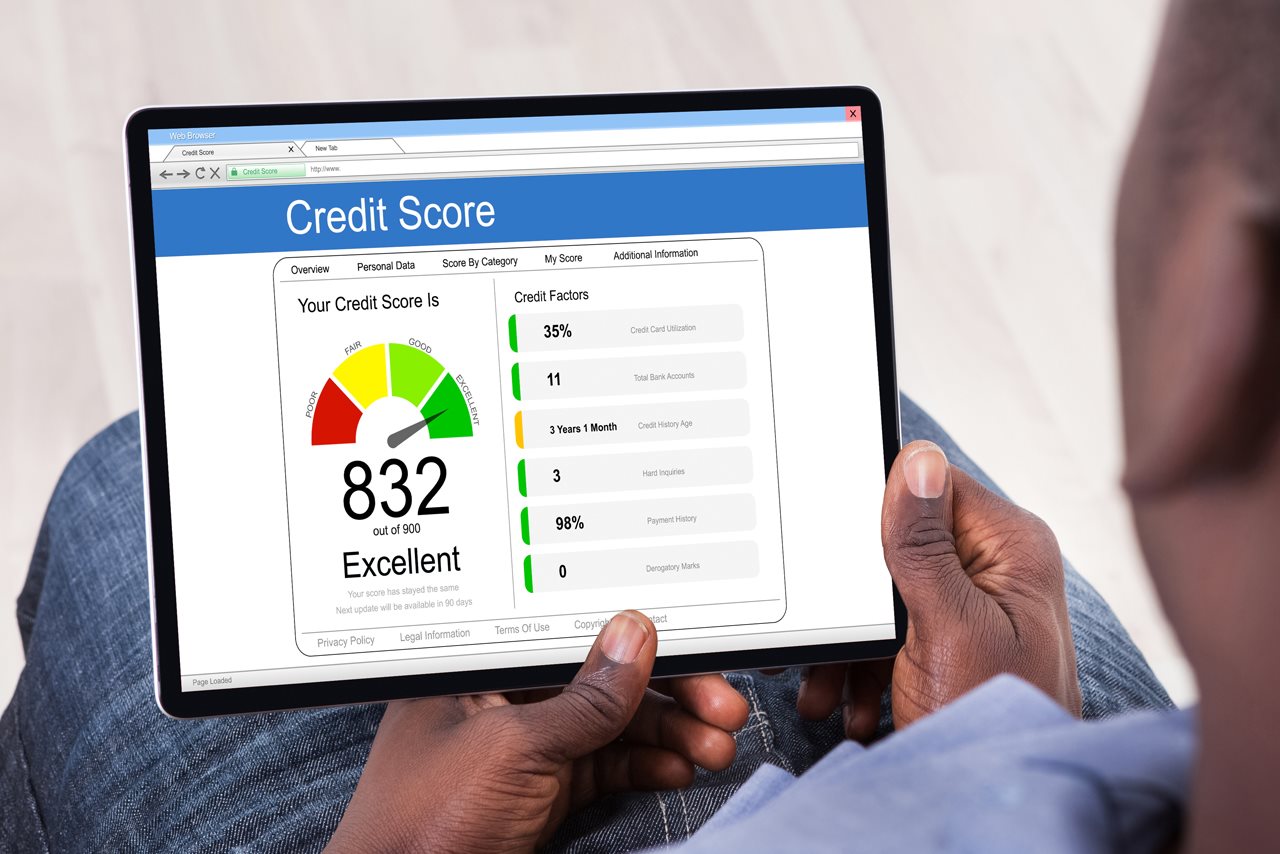
A credit score is a snapshot of your credit history that helps lenders see your financial habits. If you’re looking to make a big purchase in the new year, like a car, or planning out your path to homeownership, your credit score will be a major factor.

Having good credit is important for many reasons. It can help you get better interest rates on credit cards and car or mortgage loans. Building good credit is about making payments on time, paying off your balances, etc. Repairing is about making a plan to pay down the debt and rebuild your credit. For example, know your score, monitor your account, pay your pending bills, etc.

Think about how you can build consistent habits and improve your credit score. It’s important to set realistic goals to help yourself build a long credit history and practice healthy financial habits. Consider the following:

  • Pay your bills on time, every time, and avoid making late payments. This is the golden rule of credit. Unfortunately, one late payment can impact your score.
  • Build a credit history and avoid applying for too much new credit along the way. For instance, avoid applying for multiple credit cards; and when you pay off your credit cards, keep the lines of credit open.
  • Pay down your debts and avoid carrying high balances in your credit accounts from month to month. This will help you practice managing your spending every month.

As you build your credit, stay vigilant and keep track of your score. You can use credit monitoring tools like Chase Credit Journey to help monitor and understand your credit, as well as get notified if your data is breached or exposed on the dark web. It also helps you educate yourself on your credit using knowledge-based articles and videos to guide you through today’s financial landscape.

As you make progress on your financial health journey, keep an eye out for potential fraud and scam risks. Avoid sharing personal information on the phone, even with someone claiming to be a bank representative. Think before you click on any links via email, text message or on social media. Remember, a bank won’t ask you to provide personal information when they call you but may need you to verify your identity if you call them.

For more easy tips to help set yourself up for financial success in 2024 and setting financial goals for yourself, check out chase.com/financialgoals.

Bank deposit accounts, such as checking and savings, are subject to approval. Chase Mobile® app is available for select mobile devices. Message and data rates may apply. Deposit products provided by JPMorgan Chase Bank, N.A. Member FDIC.


Combatting the Tech-Induced Decline in Children’s Hand Strength

2023-11-07T08:01:00

(BPT) – In today’s digital age, children are growing up surrounded by screens and technology, from smartphones to tablets, and gaming consoles. While these devices offer numerous educational benefits and entertainment, they also bring about concerns regarding the impact on children’s physical development, including the decline in children’s hand strength, which can have far-reaching consequences. Donna Whittaker, Vice President of Curriculum and Education at Big Blue Marble Academy, a leading childcare provider with a global-based curriculum that champions hands-on learning, sheds light on this issue and offers valuable insights into how we can help our children build the hand strength they need for a healthy future.

Tech-Induced Hand Strength Decline

Children’s hand strength has experienced a noticeable decline in recent years, and experts are attributing this decline to the widespread use of technology. With a significant portion of children’s activities shifting from hands-on play to screen-based experiences, their hand muscles are not receiving the exercise required to develop properly, and the consequences of this decline go beyond just the physical impact.

Children’s hand and finger strength plays a fundamental role in their fine and gross motor skills, coordination and dexterity. Insufficient hand strength can affect a child’s ability to perform essential tasks such as holding a pencil, cutting with scissors and tying shoelaces. Moreover, it can have a lasting impact on cognitive and emotional development.

According to Donna Whittaker, “Hand strength is an often overlooked but vital aspect of a child’s development. It lays the foundation for various skills they will need throughout their life. We must take steps to counter the effects of technology and ensure our children develop robust hand muscles.”

Building Hand Strength

To combat the tech-induced decline in children’s hand strength, it’s crucial for parents and caregivers to integrate activities that promote fine motor development. Here are some practical suggestions to get started:

1. Cooking and Baking: Encourage children to stir, scoop and pour ingredients. These activities require grip strength, fine motor skills and coordination. Measuring and mixing are not only fun but also excellent exercises for little hands.

2. Reading: Turning the pages of a book is an excellent way to exercise hand muscles. Opt for physical books rather than e-readers, as the tactile experience provides more resistance for little hands.

3. Art and Drawing: While art supplies like markers are common in classrooms and preschools, consider using crayons. Crayons require more force than markers to create vibrant colors, which helps in building hand strength.

4. Play Dough and Clay: Playing with play dough or clay is a fantastic way to develop hand strength. Squishing, rolling, and shaping the material engages hand muscles while stimulating creativity.

5. Rubber Band Fun: Wrap toys or objects in rubber bands and have children unwrap them. This simple yet effective activity helps improve hand dexterity and strength.

The Bottom Line

As technology continues to play a significant role in our children’s lives, it’s essential to counterbalance its impact by fostering hand strength through hands-on activities. Donna Whittaker emphasizes the importance of being proactive in this regard: “It’s our responsibility as parents, daycare providers, and educators to ensure that children have the physical foundation they need to succeed in all aspects of life. By incorporating these activities into their routine, we can mitigate the negative effects of excessive screen time and set our children up for a healthy, well-rounded development.”

By prioritizing hand strength, we can empower our children to thrive, not just in the digital world, but also in the physical one, where strong hands open the door to endless possibilities.

Brighten up the holidays: 5 easy tips for decorating your home’s exterior

2023-11-07T06:01:00

(BPT) – Is making your house shine with the glow of the holidays at the top of your to-do list this season? Whether it’s your first time decorating your home or you’d like to try something new to make your house stand out, here are some ideas and tips to help you bring an abundance of holiday cheer to your block this year.

1. Get the big picture

Before you grab the ladder and bring out the lights, it’s advisable to create a master plan. Whether you make a sketch of the front of your house or take a picture with your phone, use that image to help you decide what your overall effect will be.

Do you want to simply outline the major features of your home like the roofline, large windows and doorway? Could you create new fun shapes with your lights, or call attention to special parts of your home, like a bay window, front gable or posts? Consider twining your holiday lights with garlands so your doorway or porch will look extra fun and festive. Once your game plan is set, measure everywhere you want to illuminate to ensure that you have enough lights.

2. Safety first

When you’re ready to set up your lights, make sure you have safety measures in place, like a sturdy ladder, protective goggles and gloves, plus an eager assistant or two. Pick a day to work on your lights when the weather is on your side — not too cold or icy — and start early enough so you’ll have plenty of daylight to get the job done. Be sure that any outdoor extension cords you use are heavy-duty, weatherproof and long enough to run from your outlets to the lights.

Before installing your lights, make sure to look for bulbs that aren’t working. It’s a lot easier to replace them when they’re on the ground.

3. Gather your supplies

Make your light installation job even easier with the right tools. For example, the Arrow T25X WireMate Wire Stapler is a handy, ergonomic cable tacker with a compact design and precise control that makes it comfortable and easy to use — especially if you have medium or smaller hands. Its simple loading mechanism and release make loading staples as easy as pushing a button. You can use it for stapling your holiday lights and/or garlands into hard surfaces like fiber cement siding materials and hardwood trim.

The T25X works exclusively with genuine Arrow T25 staples, and can be used to fasten wires up to 1/4-inch in diameter. You may also want to have an Arrow SL24D Staple Lifter on hand, in case you need to reposition any lights — and of course to use after the season is over.

4. Expand your decorating areas

Want to take your holiday lighting to the next level? Consider new areas to brighten up this year. How about the trees and bushes in your yard? Net lighting makes it easy to bring holiday cheer to your shrubbery. If you’re feeling ambitious, why not decorate the sides and back of your home, plus the backyard, too?

If you have a deck, patio, fences or shed, these can be fun areas to light up, especially if you enjoy playing outside in the evening or gathering around a fire pit to roast marshmallows with friends and family. Even when you’re indoors, your whole yard will look pretty as you gaze out the windows from inside your cozy living room or family room on a cold winter night.

5. Switch it up, then switch them on!

Today’s holiday lighting options come in a much wider variety than ever before — including many different bulb shapes, sizes and colors. Consider layering or varying the kinds of lighting you use from one section of your house to another for visual contrast. You can also try the latest smart lighting that’s programmable to change color, blink in different patterns or even in response to holiday music. Switch up your usual options for something new, stand back and see how it looks! Have fun with it, and your home will be the talk of the neighborhood!

Learn more about setting up your holiday lights at ArrowFastener.com.

Your Winter Travel Guide: Top 10 Destinations and Hosting to Fund Your Getaway

2023-11-06T13:01:00

(BPT) – If you’re dreaming of a special winter getaway this year, you’re not alone. Just in time for the busy holiday travel season[1], Airbnb is sharing its annual winter travel trends, revealing the hottest trending destinations and most popular categories travelers are searching for and booking this upcoming season.

This winter, travelers are seeking memorable stays in every corner of the globe, looking for unique locations and experiences, while avoiding some of the most popular tourist spots in favor of lesser-known gems. To make exploring easier for travelers, Airbnb continues to disperse travel across the U.S. and globally, opening up more horizons for exploration beyond standard urban centers and famous venues. The diverse representation of trending destinations shows it’s possible to find something for every type of traveler on Airbnb, offering space and privacy to switch off and celebrate this extra special holiday season.

Trending global destinations

If international travel is on your wishlist this winter, here are the top trending[2] spots to consider, based on Airbnb searches between Jan. 1 through Sept. 15, 2023:

  • Osaka, Japan
  • Hong Kong
  • Quebec City, Canada
  • Taipei, Taiwan
  • Rio de Janeiro, Brazil
  • Hanover, Germany
  • Wanaka, New Zealand
  • Sao Paulo, Brazil
  • Muang Pattaya, Thailand
  • Tokyo, Japan

Cities on this list include a variety of fascinating destinations on almost every continent. For example, while tourists commonly flock to Japan’s exciting capital city of Tokyo, the less famous Osaka, known for vibrant nightlife, street food and historic sites, is quickly gaining attention. Other Asian highlights include Taipei, Taiwan, and Hong Kong — both boasting a fascinating mix of old and new architecture, enticing cuisine, bustling night markets and countless cultural attractions, as well as Muang Pattaya, Thailand — attracting visitors with its beautiful beaches and lively nightlife.

Other attractions on the list of trending destinations include the celebrated parks and gardens of Hanover, Germany, and the strikingly European style of Quebec City, Canada — with its cobblestone streets and historic architecture. Those attracted to the dynamic music, arts and culture of Brazil will find plenty of excitement in Sao Paulo and Rio de Janeiro. And for visitors drawn to natural beauty, hiking and skiing, travel around the globe to Wanaka, New Zealand, will not disappoint.

If you dream of spending your vacation lounging around the pool, riding the surf or playing endless rounds of golf on a top-notch course, Airbnb Categories allows travelers to discover millions of unique places around the world, with homes in over 60 different categories based on style, location and other sought-after factors.

Based on the bookings between Jan. 1 through Sept. 15, 2023, here are some of the top booked Airbnb categories for U.S. guests:

  • Amazing pools
  • Beach
  • Tropical
  • National parks
  • Iconic cities
  • Amazing views
  • Golfing
  • Cabins
  • Countryside
  • Surfing

Hosting also brings benefits

The upcoming holiday season is not only a time for a relaxing trip away, it’s also the perfect time to consider hosting. According to Airbnb, during the 2022 holiday season, U.S. hosts collectively earned over $300 million, with hosts typically earning nearly $3,500 between Nov. 1 and Dec. 31, 2022[3]*.

This year, the opportunity to earn from hosting extends from coast to coast — with the following destinations confirmed as being the top trending cities travelers are searching this winter:

  • State College, Pennsylvania
  • Greensboro, North Carolina
  • Lihue, Hawaii
  • Hanalei, Hawaii
  • Eugene, Oregon
  • Washington, D.C.
  • Knoxville, Tennessee
  • Gainesville, Florida
  • Universal City, California
  • Ann Arbor, Michigan

Households that have extra space can learn more about hosting at Airbnb.com/host to make the most of the upcoming holiday season.


[1] Winter and holiday time period defined as November 1 – December 31.

[2] Calculated by growth in global searches in 2023 thru Sept. 15, for checkin between Nov. 1 – Dec. 31, 2023, compared to the same period in 2022

[3] The typical Host earnings amount represents the median amount of earnings for Hosts between Nov. 1 and Dec. 31, 2022. Earnings will depend on several factors, including your availability, price, and the demand in your area.

How to Pick the Perfect Artificial Christmas Tree

2023-11-06T10:31:00

(BPT) – Your Christmas tree is much more than a place to gather around on Christmas morning and exchange gifts. It’s family tradition. It’s priceless memories. It’s the centerpiece of every holiday season, where you can reminisce on past special moments and let new ones unfold. It only makes sense then, that you invest some time in selecting the perfect tree that will withstand the test of time and earn a spot in your annual lineup of décor. Today, that often means opting for a high quality, low maintenance artificial Christmas tree that offers unmatched durability.

Hand crafted trees, like the ones crafted by King of Christmas, can even be used for up to five or more years when properly cared for. That means years of easy set-up, zero mess, and painless take-down, all while enjoying a Christmas tree that cannot even be distinguished from the real thing to the naked eye. Artificial trees also come in just about any style imaginable, from perfect replicas of fresh-cut specimens to fun, show-stopping pieces in vibrant colors. This ease and versatility helps explain why 12.9 million artificial trees will be purchased by U.S. households this holiday season, according to the American Christmas Tree Association.

With so many options, finding the right artificial tree can take some time. Fortunately, following these five tips will help make the process quick and easy.

1. Go Big. Not Too Big.

Always measure before buying and keep ceiling height in mind. While an eight-foot tree might squeeze into a room with eight-foot ceilings, it doesn’t mean it’s the best choice. At a minimum, your tree should have six inches of clearance, though many experts recommend a full foot for a balanced look that leaves room for your topper.

2. Read the Room.

Width is often a personal preference. However, there are some general guidelines to consider. If the tree is meant to be an eye-catching centerpiece, a wider and fuller design will always help achieve this effect. If a room is small, choosing a slim version will keep things from getting overcrowded, but still pack a monumental presence when decorated right.

3. Foliage Matters.

The tips of an artificial Christmas tree can have a couple different looks. “Classic tips” are crafted from PVC and usually more affordable, but still do a great job of mimicking real foliage. For maximum quality, look for realistic tips made from polyethylene in 3D molds. These realistic tips are so genuine, you often can’t distinguish the difference just by sight.

4. Winter Wonderland. Inspired by nature.

Flocking, when applied to artificial trees, gives the highly coveted appearance of branches covered in a fresh coat of snow. Choosing a flocked tree offers that “Winter Wonderland” effect but isn’t for everyone, especially if you’re looking for a more traditional vibe. For something more natural, a traditional green tree that’s inspired by nature works best.

5. Light up the Night.

Finally, you’ll want to decide how the tree is going to be lit. A pre-lit tree comes with lights strategically built in for a faster setup and clean appearance. It takes the hassle out of untangling lights every year and attempting to space them out perfectly. This convenience usually comes with a higher price tag but is often offset by the time saved. Alternatively, an un-lit tree allows for maximum creativity with your own lighting and spacing, offering a traditional decorating experience that more closely resembles working with a fresh-cut tree.

Artificial trees have come a long way, and choosing the right one for your space is now easier than ever. The perfect artificial Christmas tree will transform any home into a memorable holiday oasis that sparks the best memories with your loved ones. Check out kingofchristmas.com to explore a vast assortment of Christmas tree designs, get exclusive holiday decorating advice, and so much more!

5 ways travel is changing: How to be a responsible traveler this holiday season

2023-11-06T10:01:00

(BPT) – There’s no sense in denying it: the holiday travel season is upon us.

For people, that means braving crowded highways or long security lines. For the planet, it means dealing with the tremendous carbon impact of all this travel. Thankfully, 2023 is already proving to be a transformative year for travel, with consumers shifting their behavior to prioritize sustainability. In fact, a recent report found that 80% of global travelers claim that traveling more sustainably is important to them.

Read on for a roundup of the ways travel is changing, and how you can be a responsible traveler this holiday season.

1. Travelers are making conscious choices to support local business

Supporting local businesses is one way to leave a lighter footprint on the planet when traveling this holiday season.

Many travelers are making a conscious decision to shop local. No matter where your holiday travel plans may take you, supporting local businesses over those big box stores and retailers isn’t just good for the local economy, but the planet too.

2. Eco-friendly accommodations are on the rise

Always look for accommodations that prioritize eco-friendly practices when booking your holiday stay.

Green hotels and lodging are popping up around the world, and for good reason — accommodations add to the carbon footprint of your travel plans. If you aren’t staying with a loved one this holiday season, find accommodations that advertise eco-friendly practices. Look for things like the use of energy-efficient appliances, a smart thermostat, biodegradable soap, and listings with recommendations for local public transit.

3. Travelers are opting for sustainable modes of transportation

Speaking of public transit, recent reports show that ridership in the U.S. is up 13% over last year. This is a great option for travelers who are heading out to visit family or explore a new destination this holiday season. Opt for walking or biking whenever you can, but public transit is your next best option.

4. There are simple ways travelers can reduce the impact of air travel

Keep in mind these simple tips when hitting the skies to keep your carbon impact down: fly coach, pack lightly, and choose airlines that invest in renewable jet fuels.

Experts say that air travel, which is responsible for around 2.5% of global GHG emissions today, is projected to triple by 2050. If you must fly this holiday season, there are some simple actions you can take to reduce your impact. Choose economy seats which have a smaller carbon footprint, pack smart and light because the heavier the aircraft, the more fuel it consumes, take public transit to and from the airport, refill a reusable water bottle after you get through security, opt for compostable packaging when possible to reduce food waste, and be sure to select airlines that invest in renewable jet fuels.

5. More consumers are willing to invest in carbon credit programs

In addition to verifiably reducing emissions, the funds generated from the sale of carbon credits through nonprofit Cool Effect are also used to support communities in need around the globe, such as installing roadside pumps that provide clean drinking water to a local community in Sundarbans, India.

Statista reports that 59% of U.S. consumers are willing to participate in carbon crediting programs to compensate for their travel-related emissions. If you’re unsure how to purchase a carbon credit, nonprofit Cool Effect offers a handy tool on its website for calculating and offsetting the impact of an upcoming or completed trip. With this tool, anyone can easily calculate and offset the footprint of holiday air travel, road trips and cruises, or accommodations.

To learn more about your carbon footprint and join Cool Effect in the fight against climate change this holiday season, visit cooleffect.org.

Three Smart Saving Tips for the Holiday Season

2023-11-06T09:01:00

(BPT) – This year, consumers are estimated to spend $831, on average, or more than $184 billion on holiday gifts. It can be the most wonderful – but expensive – time of the year with all the travel, meal preparation and gift gifting occasions, but that doesn’t necessarily mean you need to go over your budget. There are many ways to save, and if you’re an AARP member, you have access to a range of deals on products and services to take advantage of as you dive into holiday preparations.

“There’s so much to look forward to from Thanksgiving through the New Year, from spending time with friends and family to eating homemade and traditional food, and shopping for friends and family,” said Trae Bodge, Smart Shopping Expert at truetrae.com. “Smart holiday shoppers make their list early, compare prices among retailers and take advantage of the best deals and discounts, including benefits available to AARP members, which can offer additional savings on travel, gifts, and gatherings that take place during the holiday season.”

Here are three smart saving tips to keep in mind as you plan, buy, and gather over the next few months:

1. Travel Smart. If your holiday gatherings require you to travel out of town, consider renting a larger vehicle from Budget to give you more space. This is helpful for carpooling and provides room if you have gifts to bring home. AARP members can save up to 30% off base rates or up to 35% when selecting Pay Now and receive a 3% credit to apply to rentals within 12 months. Members can also get an upgrade on compact through full-size car class bookings (based on availability), an additional driver at no cost and more. Plus, for a limited time, rent an SUV for as low as $59 per day. As you prepare to travel out of town, it’s a good idea to make sure your home is safe and secure – not just for uninvited guests, but in case of appliance or weather-related incidents. ADT™ Home Security can provide AARP members and their families peace of mind with its smart home security options while saving 5% on monthly monitoring that covers your smart home security systems including intrusion monitoring, connected smoke and carbon dioxide detection, and smart automation from video doorbells and security cameras to smart locks.

Before you hit the road, stop by an Exxon™ or Mobil™ station to fill up the tank and grab some snacks. Linking your ExxonMobil Rewards+™ account to your AARP membership means you earn extra points every day on things you already buy, like fuel, car washes and convenience store items, and two times the points on fuel on member days. AARP members who are new to the Exxon Mobil Rewards+™ program will also receive a 500-point bonus ($5 in savings) after their first fill-up to redeem towards fuel or convenience store items. Every 100 points you earn is the equivalent of $1 in savings on eligible purchases.

While staying with family and friends can be fun, it’s also nice to give yourself a holiday treat by having a private space to relax and unwind after a long day of festivities. Hilton has you covered with locations and price ranges around the world. AARP members can take advantage of their current limited time offer and get up to 17% off the Best Available Rate* when you book your next stay at least 7 days in advance. Members can also get late checkout until 2 p.m. when available. Hilton has 22 brands including Embassy Suites by Hilton, Hampton by Hilton, and DoubleTree by Hilton.

2. Gift Thoughtfully. Even if gift giving is your love language, it can become a stressful task. A trend that has become popular both as a gift and a bonding experience is tracing the family roots. With Ancestry, AARP members can save 30% on the first year of an All Access or a World Explorer subscription and get access to records and online tools to search, save and share their family history. Plus, for a limited time, take advantage of 40% off the AncestryDNA® kit.

If staying local this holiday season, make sure you stay connected with those you care about. It’s important to keep in touch with loved ones who live far away, especially during this time of year. The holidays can be a tough time for some, and knowing a loved one is just a phone call away can help ease those holiday blues. Help stay connected with AT&T – now through November 30, AARP Members can get $100 in credits per line when you switch and purchase a smartphone. Plus save $10/mo./line on the AT&T Unlimited Premium® plan which includes unlimited talk, text and high-speed data.

3. Make Your Gathering Welcoming, Bright and Cheerful. One of the best parts of the gathering season is spending time with those who make us laugh and feel loved – while enjoying delicious food and drinks. If you’re hosting a gathering at your home, plan your menu early, and pro tip: order your charcuterie boards, chocolates, and table centerpieces from Flowers by FTD to make your shopping and setup easy. The bonus is that AARP members automatically save 25% sitewide on flowers and 30% on select items with promo code AARP30. No minimum purchase amount is required. Same-day delivery is available by local florists.

Planning, buying, and gathering for the festive season can take some time and prep work, but holiday memories can last a lifetime and it’s good to remember there are ways to find some silver linings in savings. Check out aarp.org/holiday to view more benefits available to AARP members.

AARP member benefits are provided by third parties. AARP receives a royalty fee for the use of its intellectual property. These fees are used for the general purposes of AARP. Provider offers are subject to change and may have restrictions.

Painting a real-time picture of patient health: A new monitoring approach

2023-11-06T07:01:00

(BPT) – If you or a loved one needs surgery, you may worry most about what happens during the surgery itself. But as healthcare providers are aware, the most vulnerable times for patient care are actually after surgery when patients are still in the hospital or recently discharged from the intensive care unit (ICU).

“We’ve made a lot of progress in patient care in the operating room. But we know the 30-day mortality rate for post-op patients represents the third-leading cause of death globally,”[i] said Randall M. Clark, M.D., FASA, past president of the American Society of Anesthesiologists and pediatric cardiac anesthesiologist.[ii] “So there’s still significant room for improvement on patient monitoring to provide the best possible care for post-op patients.”

During these critical recovery periods, continuous patient monitoring is crucial to help detect signs of patient deterioration, which can lead to hazardous — yet preventable — consequences.

Continuous monitoring is key

To make sure patients are recovering well post-surgery and not experiencing any complications, it’s essential for healthcare providers to closely monitor each patient’s vital signs, including their respiratory rate, pulse rate, oxygen saturation, and blood pressure. In particular, respiratory rate has been proven as one of the most sensitive signs for detecting early patient deterioration.[iii],[iv]

Typically, patients’ vital signs are measured by traditional “spot checks” every 4-6 hours and patients are often left unattended between rounds, which can sometimes result in missing early signs of patient deterioration.

“Evidence shows that many early signs of patient deterioration or instability have gone undetected with traditional spot checks,” noted Dr. Clark.

In fact, one study showed that nurses doing spot checks missed 90% of low blood oxygen signs, even when the condition persisted for an hour or more.[v] Even the smallest changes to a patient’s vital signs can indicate a bigger problem but may go unnoticed when spot checks are only done every few hours.

“Preventing post-operative adverse events is vital, and continuous monitoring and response helps us do that more effectively — which makes a difference for our patients,” said Dr. Clark. “It helps healthcare providers detect issues quickly and use that information to act immediately. That level of care can also impact a patient’s quality of life when they go home.”

The solution: Wireless technology that offers continuous monitoring.

To provide clinicians with a real-time view of a patient’s vital signs, GE HealthCare has introduced Portrait™ Mobile, a first-of-its-kind wireless and wearable monitoring solution that uses innovative measurement technology to continuously capture a patient’s respiratory rate, oxygen saturation and pulse rate. Continuously monitoring patients can help clinicians recognize any potential signs of deterioration earlier than traditional spot check methods and enables them to provide the right care at the right time.

Because of its small size and wireless technology, Portrait Mobile allows patients to move about and it easily goes wherever they do during recovery in the hospital. Getting mobile as soon as possible can also help improve a patient’s recovery and rehabilitation after undergoing surgery.

To learn more about how Portrait Mobile can support care that can flex with changing patient needs, visit GEHealthCare.com.


[i] The Lancet, The Global Burden of Post-operative Death, https://www.thelancet.com/journals/lancet/article/PIIS0140-6736(18)33139-8/fulltext#gr1, accessed July 24, 2023.

[ii] Freundlich RE, Maile MD, Sferra JJ, Jewell ES, Kheterpal S, Engoren M. Complications Associated With Mortality in the National Surgical Quality Improvement Program Database. Anesth Analg. 2018;127(1):55-62. Published July 1, 2019. doi:https://doi.org/10.1213/ane.0000000000002799 Accessed October 9, 2023 https://www.ncbi.nlm.nih.gov/pmc/articles/PMC6150605/

[iii] Churpek, M. M., Yuen, T. C., Huber, M. T., Park, S. Y., Hall, J. B., & Edelson, D. P. (2012). Predicting Cardiac Arrest on the Wards. Chest, 141(5), 1170-1176. https://doi.org/10.1378/chest.11-1301

[iv] Churpek, M. M., Yuen, T. C., Winslow, C., Meltzer, D. O., Kattan, M. W., & Edelson, D. P. (2016). Multicenter Comparison of Machine Learning Methods and Conventional Regression for Predicting Clinical Deterioration on the Wards. Critical Care Medicine, 44(2), 368-374. https://doi.org/10.1097/ccm.0000000000001571

[v] Sun Z, Sessler DI, Dalton JE, et al. Postoperative hypoxemia is common and persistent. Anesth Analg. 2015;121(3):709-715. doi:10.1213/ane.0000000000000836

4 menopause myths, debunked by new science

2023-11-05T17:03:00

(BPT) – Menopause is a natural transition every woman goes through. Yet, it remains misunderstood and often misidentified.

A groundbreaking study of more than 32,000 women may revolutionize this. The study, conducted by Phenology — a pioneering women’s health brand that provides non-hormonal menopause solutions — offers insights that debunk some of the most prevalent myths surrounding menopause. Knowing the facts can empower women to advocate for effective care from healthcare professionals.

Myth 1: Menopause usually happens after age 50.

According to Phenology’s study, the average age of menopause onset was 53, but women as young as 35 were observed in the early stage of perimenopause.

Ultimately, there’s no standard timeframe for the menopausal transition, which can last between 7 and 14 years. In the Phenology study, 50-year-old women were in the 25-75th percentile range across four different menopause stages: early perimenopause, late perimenopause, early postmenopause and late postmenopause. This means that at the age of 50, some women are just starting their journey in early perimenopause while others have already entered late postmenopause.

Myth 2: Postmenopause means it’s over.

Postmenopause is the last stage of menopause; but counterintuitively, it’s marked by an increase in symptom number and frequency. Phenology found that women experience an average of 11 symptoms during postmenopause, compared to 8 during perimenopause. Late postmenopause had the highest incidence of hot flashes (73%), night sweats (68%), brain fog (77%), and insomnia (70%). Sexual issues also intensified in this phase, with 62% of women reporting low libido and 52% noting vaginal dryness, which can lead to painful intercourse.

The label “post” in this case is somewhat deceiving, and doesn’t capture women’s actual experience.

Myth 3: Hot flashes are the main symptom worth treating.

Menopause is more than just hot flashes, with women experiencing an average of 9 symptoms simultaneously over the course of the transition. They range from physical — hot flashes, night sweats, insomnia and brain fog — to emotional — anxiety, mood swings, irritability and depression — to sexual, like low libido and vaginal dryness. These are frustrating at best, life-disrupting at worst, and plenty deserving of treatment.

Early perimenopause especially is marked by emotional symptoms that could be mistaken for mental health. Phenology’s study found that 72% of women in this stage reported mood swings, 70% felt anxiety, 67% experienced irritability and 60% indicated a depressed mood. Understanding that these emotional changes might be caused by hormonal shifts can help women get proper care.

Myth 4: Menopause is the same for everyone.

While all women will go through the menopausal transition, Phenology’s study found that the experience is remarkably different for each individual. Across 32,000 women, Phenology identified over 15,000 completely unique symptom combinations. Chances are, a woman and her closest friends will each experience different symptoms — making it near impossible to get accurate advice from peers.

With only 31% of OB-GYNs receiving formal menopause training, getting proper care from a doctor isn’t always easy, either. Private companies like Phenology are stepping in to fill this gap, leveraging technology to deliver the personalized, non-hormonal relief that 82% of women prefer. They’ve partnered with Vitamin Shoppe to make non-prescription menopause solutions more accessible. Women can now get personalized supplement advice at Vitamin Shoppe, paving the way for a transformed menopause experience.

3 ways to find more meaning at work

2023-11-03T11:01:00

(BPT) – Employees make career decisions for a variety of reasons, but an increasingly popular factor that many consider is whether their work will be meaningful — especially among younger generations.

According to Fidelity Investments, 86% of all workers say it’s important to them to work for an employer with values that align with their own and half of all employees are considering changing employers in the next year — with many searching for more meaningful work.[1]

As such, employers are realizing it’s more important than ever to connect with their employees on the things that matter most to them and to put their company’s values at the front and center.

With so many workers considering a career shift, employers are turning to workplace giving programs to demonstrate their authentic company values and attract and retain their workforce. In fact, Fidelity data shows nearly 8 in 10 employees at companies offering a workplace giving program say their company’s values align with their personal values — compared to only 56% of employees at companies without one. Workplace giving programs include any employee benefit that supports and encourages employees to volunteer or make donations to charities. Here are three ways employees use workplace giving benefits to find more meaning at work.

  • Setting up or attending organized group volunteer opportunities in their communities.
  • Receiving a matching donation from their employer when they donate to charity.
  • Working with local organizations in need and holding corporate giving drives around the holidays.

These programs not only boost engagement at work, but they also help employees find a deeper sense of connection to their company, and their jobs. Additionally, employees also feel more connected to their coworkers — many of whom are returning to in-office work for the first time in years.

For more information about workplace giving opportunities, visit Fidelity.com/giving.


[1] Fidelity Charitable Giving in the Workplace 2023