10 Ways to Thank a Caregiver

2023-11-01T00:01:00

(BPT) – Chances are you know a caregiver. It could be the teacher at your child’s school, balancing classroom duties and caring for an aging parent after the bell rings. Maybe it’s your coworker who also takes care of a chronically ill spouse at home. Or your friend who makes time to catch up despite their busy schedule assisting their disabled sibling with everyday tasks.

With caregivers playing such a vital role for loved ones — a spouse, child, parents or even a friend — it is important that caregivers be supported too. Becoming a fulltime caregiver is usually not a role anyone is prepared to take on and can often come with challenges and emotional hardships. However, creating connection and building support networks can provide a safety net for caregivers and give them somewhere to turn when navigating new or difficult situations.

National Family Caregivers Month this November is centered around connectedness — focusing on the importance of supportive communities and resources for caregivers. An easy first step in showing up for the caregivers in your own life is to express gratitude and establish yourself as a means of support and understanding.

Need help getting started? Consider these 10 ways to say thanks to a caregiver in your life:

1. Write a thank-you note.

Whether short and sweet or long and detailed, a simple letter expressing gratitude and recognizing everything caregivers do is an easy way to say thanks and create connection.

2. Send them a personal gift.

Gift cards and other small tokens of gratitude are a great way to express thanks and provide caregivers with something for themselves, encouraging self-care and prioritizing caregiver well-being.

3. The gift of time, so they can do self-care.

Another way to encourage self-care is by stepping in for a caregiver for a few hours, allowing them some free time to take care of themselves and do what they enjoy.

4. Make regular visits.

Caregiving can often be an isolating role, as many of the people receiving care may have limited mobility or spend most of their time at home. In this, it’s important to physically show up for the caregiver in your life and spend quality time with them.

5. Gift them a journal or planner.

An important role of caregivers is to keep track of appointments, medication schedules and more. Gifting a journal or planner to help them stay organized can be an easy way to support their everyday life.

6. Express your gratitude with food.

Not only does cooking a meal for a caregiver help alleviate some of their workload, but it also is an effective way to connect with those around you and spark meaningful conversations.

7. Exercise together.

Many studies suggest that exercising with a caregiver and the person receiving care can improve both mental and physical health, making it an easy way to show thanks and prioritize well-being.

8. Plan a movie night.

Express thanks by arranging a movie night, setting aside time to connect and bond over a favorite movie of theirs.

9. Have a portrait taken.

A powerful way to create connection and meaningful memories is by having a portrait taken of caregiver and care recipient, gifting an image that will always remind them of the vital role they play.

10. Create a team of support.

One of the best ways to support the caregiver in your life and express consistent gratitude for all they do is by surrounding them with a network of resources and creating a Caregiver Support Team.

Whether it’s by saying thanks, helping to establish a caregiver support network or simply spending quality time, showing up for the caregivers in your life can have an immense impact on their well-being, and in turn, can improve the quality of care they provide.

For additional resources and to learn more about how you can ensure the caregiver in your life feels supported at every turn, connect with Careforth.

The gift of giving: Use holiday spirit to instill meaningful values in children

2023-10-31T23:01:00

(BPT) – As Thanksgiving approaches, hearts are filled with warmth and the spirit of giving. It’s a time to cherish moments with loved ones and reflect on all of life’s positive aspects. While it’s common for families to focus on turkey feasts and football games this time of year, there’s a deeper layer that is often overlooked — the opportunity to instill meaningful values in children.

This holiday season is the perfect time to nurture your little one’s empathy, generosity, compassion and gratitude.

Here are four ways, suggested by Joy Turner, Kiddie Academy® Educational Child Care vice president of education, that parents can seize the holiday spirit and inspire it year round.

Discuss the reason for the season

Amid the hustle and bustle of holiday preparations, it’s easy to forget the true meaning behind celebrations like Thanksgiving. Take some time this year to discuss what really makes this season special — quality time with loved ones and meaningful traditions.

Consider holiday traditions you loved as a child and how you can share them with your own family. Maybe there’s a special recipe, craft or family outing that you always looked forward to. You can also use the occasion to create new traditions — this is a great opportunity to connect your children to their culture and family and foster a deeper sense of self.

Conversations and traditions can help children understand the historical, cultural and familial significance of holidays while creating cherished memories and an appreciation for the season.

Encourage acts of kindness

Encouraging children to perform acts of kindness is a great way to teach compassion and empathy.

Try striking up a family conversation about different ways you can show thoughtfulness to others, and invite your children to be active participants. After discussing, challenge them to put their ideas into action — it can be as simple as sharing their toys with siblings or friends or making homemade cards for a local nursing home. Including little ones in the planning process and acting on their ideas ignites a desire to help others and provides a great way to unite and make a difference as a family.

Alternately, reach out to organizations or charities that need extra help during this season and ask how your young child can support their cause. Family Promise and Meals on Wheels are two examples of national organizations to get involved with.

Fostering these practices of kindness builds children’s self-esteem and instills values that will last far beyond the holiday season.

Redefine gift giving

Inspire your children to actively participate in the gift-giving process — which doesn’t always have to include a physical object such as a toy or a gift.

Giving can also involve discovering methods to bring joy to others through acts of kindness. For example, teach your children that they can display generosity by helping someone build their block tower or soothing a friend who’s sad.

Inviting your child to participate in these types of kind gestures will instill empathy and emphasize the significance and impact that performing acts of kindness can have on others.

Practice gratitude

Conversations of gratitude are often put off until families are gathered around the Thanksgiving table. Instead, try to make it a daily activity. Use this Thanksgiving — and the entire holiday season — to kick off a family thankfulness practice. One simple way to do this is by making gratitude jars with your little ones:

  • Collect empty jars or containers around your home and decorate them with any craft items you can find: stickers, tissue paper, magazine clippings, popsicle sticks, buttons or even photos. Don’t forget to include a lid with an opening.
  • Next, cut paper slips that fold small enough to fit through the opening.
  • Once your container is complete, set your gratitude process — try keeping the jar on your children’s nightstands to develop an easy pre-bedtime activity.
  • Encourage your children to write down one thing they are thankful for each day and add it to their jar.

This custom helps children develop an attitude for gratitude and appreciation for all that they have in life. Over time, the practice will become a valuable habit that will continue to serve your children long after the holiday feasts have been eaten.

Do you have diabetes? Understand your risk for pneumococcal pneumonia.

2023-10-31T07:01:00

(BPT) – Each November, Diabetes Awareness Month serves as an opportunity to foster important conversations around diabetes and help educate those who may be at risk for developing it. If you’re currently living with diabetes, it’s also important to understand your risk for other health issues — like pneumococcal pneumonia — and how you can take action to help protect yourself today.

Did you know that if you have diabetes, you are at increased risk for pneumococcal pneumonia? It’s a potentially serious bacterial lung disease that can put you in the hospital and, in serious cases, even be life-threatening.

Adults 19 or older with certain underlying medical conditions, like asthma, chronic heart disease and COPD, are also at increased risk for pneumococcal pneumonia — as are adults 65 or older.

So, what can you do? Getting vaccinated against pneumococcal pneumonia can help protect you and help prevent this infection.

Pneumococcal pneumonia can strike in any season, not just in the winter or during flu season, and vaccination against pneumococcal pneumonia is available year-round. So don’t wait — Diabetes Awareness Month is a great time to prioritize your health and get vaccinated against pneumococcal pneumonia.

Even if you’ve already had a previous pneumococcal pneumonia vaccine, your healthcare provider may recommend another vaccination for additional protection.

If you have diabetes, help protect your health not just this month, but every day. It’s especially important to help protect yourself against pneumococcal pneumonia if you have diabetes, or other certain underlying medical conditions, so ask your doctor or pharmacist about pneumococcal pneumonia vaccination today. Visit knowpneumonia.com to learn more about your risk and how you can help protect yourself with vaccination.

Brought to you by Pfizer.

‘Homegating’ 101: 5 tips to create the perfect gameday get-together

2023-10-31T08:01:00

(BPT) – While ‘homegating’ offers the convenience of cheering on your favorite team from the comfort of home, hosting your family and friends for the game can be challenging. From setting up the perfect atmosphere to coordinating the food and drinks, here are five tips for putting together a winning game plan. With a little imagination and planning, you can turn any given Saturday, Sunday (or Monday, or Thursday …) into a truly memorable occasion that your friends and family will talk about long after the season is over.

1. Bring the stadium to you

To make the party atmosphere super fun and festive, go all out by decorating your home or tailgate venue with your favorite team’s colors for banners, streamers and/or garlands, plus colorful tablecloths and napkins. To get all your guests in the game day mood, encourage everyone to wear the jerseys of their favorite team or player.

2. Twist up your game day spread

Providing plenty of savory and sweet finger foods to please your whole crowd is a winning play. For example, Auntie Anne’s Snack Stadium is a great way to twist up your game day spread. This large, stadium-shaped holder displays your choice of Pretzel Nuggets that you can mix and match. Choose between two Pretzel Nugget Buckets of any variety — Original, Cinnamon Sugar, Mini Pretzel Dogs and, depending on the store location, Pepperoni — and pair them with up to six dips: Cheese, Hot Salsa, Honey Mustard, Caramel, Cream Cheese and Marinara. Each Snack Stadium is perfect for a group watch party and can feed between 5-7 people, so make sure you know your game day headcount!

3. Bring a game to accompany the game

Depending on your location, you’ll want to make sure to prepare some fun activities for all your friends and family to join as you’re gearing up for the game. You can organize some touch football out in the yard or set up an area for football throwing practice. Limited space? You could create a tabletop football game instead.

Provide a face-painting station for die-hard fans, plus some pompoms and a space for everyone to practice their best cheers. Then set up a football bingo game for everyone to play or create teams to compete in football trivia so your guests have a chance to show off their knowledge of players, teams and stats!

4. Streamline prep time with delivery

When it comes to hosting the perfect homegate, the last place you want to be is stuck in the kitchen. The good news is, you can take the hassle out of your prep and focus on the fun by harnessing the power of delivery. Score a touchdown with your guests and order delivery of game day–ready Snack Stadium(s) directly through the Auntie Anne’s app, online at AuntieAnnes.com, or through your favorite third-party delivery service like Uber Eats, Grubhub or Door Dash.

5. Stay in the game, stay hydrated

Just like the players, all of your partygoers need to stay hydrated, too — so make sure to fill up your coolers with lots of tasty beverage options for everyone to enjoy. For warm-weather games, Auntie Anne’s offers refreshing drinks by the gallon including delicious Original Lemonade. If you’re hosting on a chilly day, you’ll want to include a few thermoses of hot cider or cocoa to keep everyone feeling toasty from the inside out.

With the help of these tips and Auntie Anne’s, you’re sure to turn those ordinary game days into extraordinary memories. So, gear up, get ready, and let the festivities begin!

How one Hispanic- & Latino-owned company is creating impact one reusable bottle at a time

2023-10-31T08:01:00

(BPT) – More and more people are changing their everyday habits to be more mindful of the environment and take care of the planet. One major concern that’s top of mind for consumers and businesses alike is plastic waste.

A major culprit of plastic waste is one that you likely see every day: Disposable plastic water bottles. According to the Container Recycling Institute, 86% of disposable water bottles used in the U.S. become litter or garbage, adding 38 billion disposable water bottles to landfills.

Consumers concerned with their plastic consumption are changing their behaviors and making more eco­ conscious choices in their day-to-day lives, including purchasing reusable water bottles. CivicScience, a consumer analytic platform, found that 60% of U.S. adults own a reusable water bottle.

Of course, having a water bottle is only useful if people have a place to fill them. You can fill your stainless steel, glass or aluminum water bottle at home, but it likely won’t last you all day. There might be times when you have to buy a plastic water bottle because there’s no other option for drinkable water. Consumers can only make more conscious, sustainable decisions if clean water infrastructure is available to support these lifestyle changes — and that’s where Hispanic- and Latino-owned company HOPE Hydration is stepping up.

A smart way to hydrate

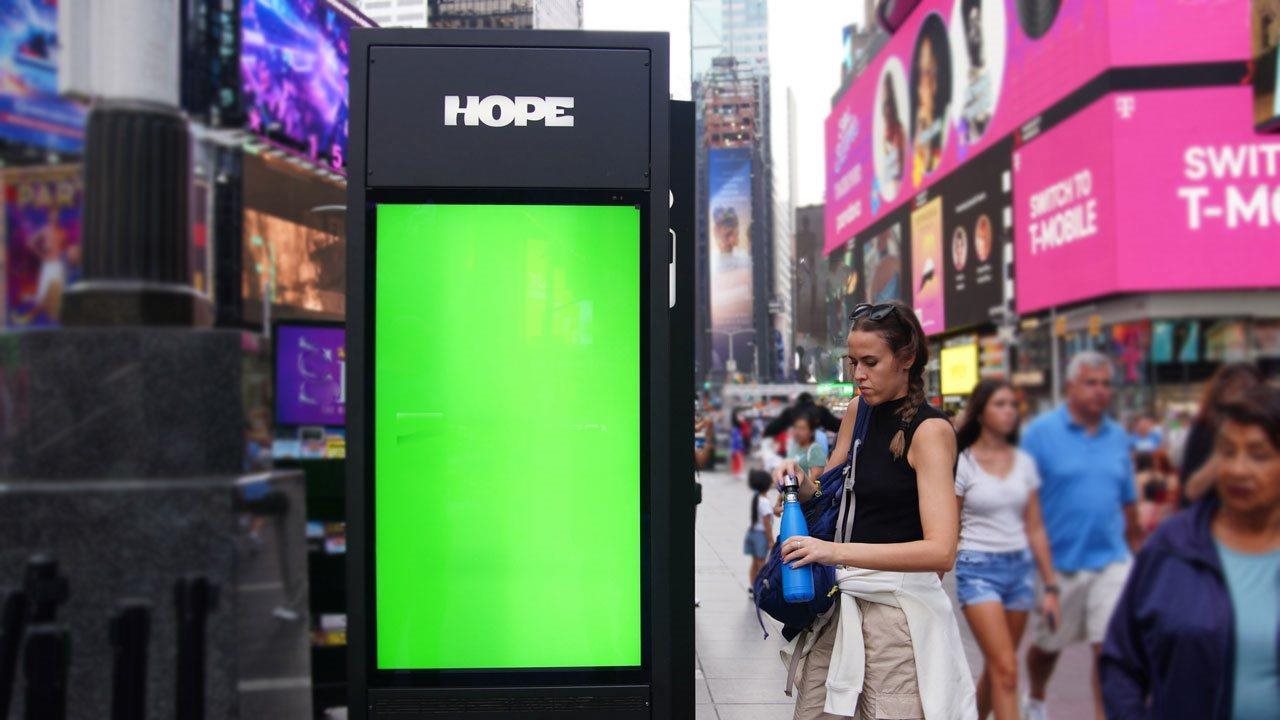
HOPE Hydration aims to increase sustainable, quality water access by giving people more opportunities to refill their reusable water bottles via HOPE’s ad-powered, smart-city water refill station — the HydroStation. Brought together by a desire for a more sustainable future, HOPE’s team of co­founders — Dave Tigue, Cristina Gnecco and Ryan Barretta — have used their expertise to create a technology solution to motivate new behaviors around water consumption, conservation and reducing the environmental impact of plastics pollution.

The HydroStation, connected to T-Mobile’s powerful 5G network, has the potential to divert single­-use plastic bottles from landfills and oceans while increasing sustainability and access to quality, free, clean and filtered water. “We’re all about leveraging our network, scale and resources to be a force for good in the world we live in,” said Callie Field, President, T-Mobile Business Group. “And it’s clear that HOPE shares that passion.”

Just this summer, the Times Square Alliance partnered with HOPE to introduce a HydroStation to the heart of New York City, providing filtered water to over 300,000 visitors per day. Sustainably accessing clean water is incredibly important for any place, but it’s of special concern for folks living in or visiting urban areas like Times Square.

HOPE’s partnership with the Times Square Alliance isn’t the only partnership the startup has forged. This year, the Cannes Lions International Festival of Creativity collaborated with HOPE to install HydroStations throughout the festival. HOPE also partnered with Wellington International’s Winter Equestrian Festival, marking the startup’s first installation at a worldwide equestrian venue and Ultra Music Festival, refilling 40,000 bottles in just three days.

Powering sustainability

The smart HydroStations wouldn’t be possible without internet connectivity and IoT solutions. The IoT technology, in particular, allows the company to keep near real­-time tabs on their filling stations. Thanks to T-Mobile’s partnership, the startup can ensure proper water temperature and filter quality, monitor usage, calculate the amount of plastic diverted and much more.

“HOPE Hydration is thrilled to work with T-Mobile as our connectivity and IoT provider,” said Jorge Richardson, Founder and CEO of HOPE Hydration. “We believe access to free, clean water is a human right. This collaboration allows us to bring HOPE, and our stations to the next level while building smart-­city solutions for a more sustainable future.”

“We’re incredibly proud to work with Hispanic and Latino business owners,” said Field. “By equipping them with cutting-edge technology solutions, we hope to see them succeed, grow and change the world for the better.”

To learn more about HOPE Hydration, visit hopehydration.com.

How Cutera’s truFlex Can Strengthen and Tone Your Body

2023-10-31T05:01:00

(BPT) – If you’re suffering from chronic pain, you’re not alone. According to the CDC, 58.9% of adults experienced some kind of pain in the past 3 months. 39% of adults had back pain, 36.5% had lower limb pain, and 30.7% had upper limb pain during that period.1 Studies have shown the effectiveness of electrical muscle stimulation to strengthen muscle and reduce pain in various populations, from healthy young adults to the elderly.2-4

truFlex is a fully customizable muscle stimulation device featuring multidirectional stimulation (MDS) technology to strengthen, tone, and define muscles on the abdomen, obliques, glutes and thighs. This award-winning muscle sculpting treatment can increase muscle mass up to 30%.5,6

A single truFlex treatment delivers the equivalent of 54,000 crunches per session, plus it can treat up to 8 areas simultaneously and simulate 5 different workouts in as little as 15 minutes. It’s safe for all body types, skin types, and fitness levels.5

Dr. Shay Pathare of Advanced Spine Care and Pain Management in Staten Island, NY, is an expert in functional medicine who takes a holistic approach to diagnosing and treating patients. He develops customized treatment plans and prioritizes non-invasive procedures that lead to faster recovery.

“All of the treatments I utilize are to improve function as well as provide other benefits such as reduced pain, improved sleep, and quality of life. We assess each patient’s concerns, and improving function is one of our main goals. For patients experiencing persistent lumbar pain, it can be difficult to do exercises to strengthen the core muscles, such as the abdominal muscles, obliques, lumbar muscles, and upper gluteal muscles. truFlex offers an innovative treatment option that can strengthen their thigh muscles, gluteal muscles, buttocks, abdominal muscles, and back muscles without having to do strenuous exercises that could lead to further injury,” says Dr. Pathare.

Dr. Tammy Chen of Central Park Laser Aesthetics in New York City uses truFlex to help strengthen the core for her patients. “Cutera’s truFlex is very versatile. I can use it to target our patients’ specific needs, placing the handpieces where their chief complaints are. Popular treatment areas include the abs, obliques, legs, and glutes. It can be used for all fitness levels,” she explains. “You can be a couch potato and jump-start your strength to start working out with truFlex, and even fit athletes still see an improvement. My husband was in the best shape of his life training for an Ironman where he qualified for world championships, but he only got abdominal definition after using truFlex. He finally had the six-pack abs he always wanted,” Dr. Chen adds.

She continues, “truFlex only takes 15 minutes and patients can feel the effects instantly. After doing 54,000 ‘crunches’ they feel like it’s easier to stand up taller and engage their core. I also use it post-injury as part of their physical therapy regimen to help speed recovery because it strengthens the muscles so they can get back to their activities faster and pain-free!”

“Women postpartum who have struggled to get their deeper core stronger can also benefit from truFlex, which stimulates muscles deeper than traditional exercises they can do on their own,” Dr. Chen adds. “It’s not about being a size zero but being stronger and preventing injury. If your core is strong, you’ll have better overall health.”

Learn more about how truFlex can strengthen and tone your body.

References:

  1. Lucas JW, Connor EM, Bose J. Back, lower limb, and upper limb pain among U.S. adults, 2019. NCHS Data Brief, no 415. Hyattsville, MD: National Center for Health Statistics. 2021. DOI: https://dx.doi.org/10.15620/cdc:107894external icon
  2. Matos F, Amaral J, Martinez E, et al. Changes in muscle thickness after 8 weeks of strength training, electromyostimulation, and both combined in healthy young adults. Int J Environ Res Public Health. 2022;19:3184.
  3. Wirtz N, Zinner C, Doermann U, et al.. Effects of loaded squat exercise with and without application of superimposed EMS on physical performance. J Sports Sci Med. 2016;15:26–33.
  4. Picorelli AMA, Pereira LS, Pereira DS, et al.. Adherence to exercise programs for older people is influenced by program characteristics and personal factors: a systematic review. J Physiother. 2014;60:151–6.
  5. truFlex Clinical Guidelines, Cutera, Inc.
  6. Ronan SJ. A Novel Bio-Electric Current Stimulation Device For Improvement Of Muscle Tone [white paper, Cutera Inc.]. 7/2019.

The Highs and Lows of Bipolar Disorder: One woman’s experience with an effective treatment for bipolar depression

2023-10-30T11:01:00

(BPT) – This is a promotional message sponsored by Intra-Cellular Therapies, Inc.

Starting in her early twenties, Lindsay noticed some extreme changes in her mood and behavior.

“I was making all kinds of impulsive decisions,” Lindsay remembered. “One day I would go on a huge shopping spree, not worrying about the money I didn’t have. The next day I felt so depressed I would end up in bed all day not doing anything. There was no happy medium.”

These highs and lows were unpredictable, making it hard for her to know what each day would look like, even after she became a mother. “Living with these symptoms was driving me crazy and I didn’t know what to do,” Lindsay said. “As a mother, it was becoming tougher to take care of my kids. I always worried that today would be the day they couldn’t count on me to be there for them.”

These concerns led Lindsay to seek help. Although she didn’t receive a diagnosis from her doctor, she was treated for the symptoms she was experiencing.

“The antidepressants I was taking helped a little, but nothing was working the way I needed it to,” Lindsay said. “A few years later, I found a new doctor that talked with me and diagnosed me right away with bipolar I depression.”

Difficulties with diagnoses

Lindsay’s story is not unusual, as uncovering the correct diagnosis for bipolar disorder can take time.

“Diagnosing bipolar I and II depression is sadly often a lengthy process — five years for bipolar I and ten for bipolar II, on average,” said Dr. Greg Mattingly. “In general, both bipolar I and II can be misdiagnosed as major depressive disorder up to 3/4 of the time.”1

Dr. Mattingly advises other providers to seek additional clues, beyond depressive episodes, to diagnose bipolar disorder. “Additional symptoms may include the 4 ‘A’s: anxiety, agitation, anger and attention problems,” explained Dr. Mattingly. “Also, inadequate response to multiple antidepressants can suggest bipolar depression, as was the case for Lindsay.”

What is bipolar disorder?

Bipolar disorder is a common mental health condition that causes extreme changes in mood and behavior. These changes, or mood episodes, can cause you to experience lows (depression) and highs (mania).3,4 Mood episodes can affect your sleep, energy, activity, judgment, behavior, and the ability to think clearly.2

The Lows

The lows of bipolar disorder, also known as bipolar depression or depressive episodes, can make people feel sad or hopeless. They may lose interest or pleasure in most activities, even those they once enjoyed. These depressive episodes may be present through their lives, and some episodes may even last several months.5

People with bipolar depression typically spend more time in the lows than in the highs of the illness. The lows can be the more debilitating state for some people and may have a greater impact than manic episodes on everyday function. About 90% of people report severe impairment due to depressive episodes.4,6

The Highs

The highs of bipolar disorder, known as manic or hypomanic episodes, can cause people to feel euphoric, impulsive, unusually irritable, or have an abnormal amount of increased energy. Symptoms during hypomanic episodes are milder than manic episodes.5

Manic symptoms are usually reported less frequently and can often be easily overlooked or seen as something positive rather than a sign of bipolar disorder. People with bipolar disorder are three times more likely to experience bipolar depression than mania.4

Effective treatment for bipolar disorder

Discovering the correct diagnosis is the first step toward finding effective treatment. If you’re experiencing symptoms of bipolar depression, it’s important to talk to a healthcare provider who specializes in mental health, and to have open conversations about all your symptoms to identify bipolar depression and the best treatment path.4

“When I was finally diagnosed with bipolar I depression, I worried about the stigma associated with it,” said Lindsay. “But my doctor told me that together, we could manage this! After a few years of trying different treatments, I had a doctor tell me about a medication called CAPLYTA.”

CAPLYTA® (lumateperone) is a once-daily pill that is proven to deliver significant relief across bipolar depression in adults and can be taken alone or with the medicines lithium or valproate.7

Studies have shown CAPLYTA is proven to provide significant relief from depressive symptoms of bipolar disorder and can reduce the overall severity of bipolar depression. Unlike some medications that can only treat bipolar I depression, CAPLYTA treats both bipolar I and bipolar II depression and can be taken alone or with lithium or valproate.

CAPLYTA has Boxed Warnings for increased risk of death in elderly people with dementia-related psychosis and increased risk of suicidal thoughts and behaviors in children and young adults. CAPLYTA is not approved for people under 18. See additional important safety information below.

“When I talked to my doctor about CAPLYTA, I liked hearing that CAPLYTA could make a difference when it comes to improving my bipolar depression symptoms,” said Lindsay. Getting her symptoms under control was important to Lindsay and her doctor.

At first, Lindsay was worried about weight gain with CAPLYTA. But her healthcare provider reassured her that most people who took CAPLYTA did not gain weight or have changes in their blood sugar or cholesterol in short- or long-term clinical trials. At 6 months, the average weight change for people on CAPLYTA was -0.02 lbs.

CAPLYTA may cause problems with your metabolism including high blood sugar, diabetes, increased fat (cholesterol and triglyceride) levels in your blood and weight gain. Most people in clinical studies did not have a change in their blood sugar, cholesterol, or weight. Your healthcare provider should check your blood sugar, fat levels, and weight before you start, or soon after you start CAPLYTA, and then periodically during treatment.

“I like that CAPLYTA is approved to treat both bipolar I and bipolar II depression,” said Dr. Mattingly. “The proven efficacy and well-established safety and tolerability profile, along with the convenient once-daily dosing, make CAPLYTA an excellent choice for a patient like Lindsay. But remember, every patient experience will be unique, so it’s important to monitor for potential side effects such as sudden mood changes, behaviors, or suicidal thoughts. It’s really important to talk to your healthcare provider about any concerns or questions you have. I encourage all of my patients to be proactive and to come to me with any questions they may have or side effects they may experience.”

“Since taking CAPLYTA I’ve noticed a real difference,” Lindsay noted. “I have fewer extreme highs and lows. I have some energy back and I get out of bed in the morning ready to face the day.”

The most common side effects experienced by people with bipolar depression taking CAPLYTA were sleepiness, dizziness, nausea, and dry mouth. CAPLYTA can cause sleepiness and difficulty thinking. Until a patient is aware of how CAPLYTA may affect them, they should not drive, operate heavy machinery, or do other dangerous activities. These are not all the possible side effects, please see the Important Safety Information, including Boxed Warnings, below.

If you or a loved one is struggling with bipolar depression, CAPLYTA may be able to help. Talk to your healthcare provider and ask if CAPLYTA is right for you. To learn more, visit CAPLYTA.com.

CAPLYTA® (lumateperone) is a prescription medication used in adults for the treatment of depressive episodes associated with bipolar I or bipolar II disorder (bipolar depression). CAPLYTA can be taken alone or with the medicines lithium or valproate for bipolar depression. It is not known if CAPLYTA is safe and effective in children.

Important Safety Information

Medicines like CAPLYTA can raise the risk of death in elderly people who have lost touch with reality (psychosis) due to confusion and memory loss (dementia). CAPLYTA is not approved for treating people with dementia-related psychosis.

CAPLYTA and antidepressant medicines may increase suicidal thoughts and actions in some children, adolescents, and young adults especially within the first few months of treatment or when the dose is changed. Depression and other serious mental illnesses are the most important causes of suicidal thoughts and actions. Patients and their families or caregivers should watch for new or worsening depression symptoms, especially sudden changes in mood, behaviors, thoughts, or feelings. This is very important when CAPLYTA or an antidepressant medicine is started or when the dose is changed. Report any change in these symptoms to your healthcare provider immediately.

Do not take CAPLYTA if you are allergic to any of its ingredients. Get emergency medical help if you are having an allergic reaction (e.g., rash, itching, hives, swelling of the tongue, lip, face, or throat).

CAPLYTA may cause serious side effects, including:

  • Stroke (cerebrovascular problems) in elderly people with dementia-related psychosis that can lead to death.
  • Neuroleptic malignant syndrome (NMS): high fever, confusion, changes in your breathing, heart rate, and blood pressure, stiff muscles, and increased sweating; these may be symptoms of a rare but potentially fatal condition. Contact your healthcare provider or go to the emergency room if you experience signs and symptoms of NMS.
  • Uncontrolled body movements (tardive dyskinesia, TD) in your face, tongue, or other body parts. TD may not go away, even if you stop taking CAPLYTA. It may also occur after you stop taking CAPLYTA.
  • Problems with your metabolism including high blood sugar, diabetes, increased fat (cholesterol and triglyceride) levels in your blood and weight gain. Your healthcare provider should check your blood sugar, fat levels and weight before you start and during your treatment with CAPLYTA. Extremely high blood sugar levels can lead to coma or death. Call your healthcare provider if you have any of the following symptoms of high blood sugar: feeling very thirsty, hungry, sick to your stomach, needing to urinate more than usual, weak/tired, or confused, or your breath smells fruity.
  • Low white blood cell count. Your healthcare provider may do blood tests during the first few months of treatment with CAPLYTA.
  • Decreased blood pressure (orthostatic hypotension). You may feel lightheaded, dizzy, or faint when you rise too quickly from a sitting or lying position.
  • Falls. CAPLYTA may make you sleepy or dizzy, may cause a decrease in your blood pressure when changing position (orthostatic hypotension), and can slow your thinking and motor skills which may lead to falls that can cause broken bones or other injuries.
  • Seizures (convulsions).
  • Sleepiness, drowsiness, feeling tired, difficulty thinking and doing normal activities. Until you know how CAPLYTA affects you, do not drive, operate heavy machinery, or do other dangerous activities.
  • Problems controlling your body temperature so that you feel too warm. Avoid getting overheated or dehydrated while taking CAPLYTA.
  • Difficulty swallowing that can cause food or liquid to get into the lungs.

The most common side effects of CAPLYTA include sleepiness, dizziness, nausea, and dry mouth.

These are not all the possible side effects of CAPLYTA. Tell your healthcare provider if you have or have had heart problems or a stroke, high or low blood pressure, diabetes, or high blood sugar, problems with cholesterol, have or have had seizures (convulsions), kidney or liver problems, or a low white blood cell count. CAPLYTA may cause fertility problems in females and males. You should notify your healthcare provider if you become pregnant or intend to become pregnant while taking CAPLYTA. CAPLYTA may cause abnormal involuntary movements and/or withdrawal symptoms in newborn babies exposed to CAPLYTA during the third trimester. Talk to your healthcare provider if you breastfeed or are planning to breastfeed as CAPLYTA passes into breast milk. Tell your healthcare provider about all the medicines you’re taking. CAPLYTA may affect the way other medicines work, and other medicines may affect how CAPLYTA works, causing possible serious side effects. Do not start or stop any medicines while taking CAPLYTA without talking to your healthcare provider. You are encouraged to report negative side effects of prescription drugs. Contact Intra-Cellular Therapies, Inc. at 1-888-611-4824 or FDA at 1-800-FDA-1088 or www.fda.gov/medwatch.

CAPLYTA is available in 10.5 mg, 21 mg, and 42 mg capsules.

Please see Medication Guide, including Boxed Warnings.

References:

  1. Frye MA, Calabrese JR, Reed ML, et al. Use of health care services among persons who screen positive for bipolar disorder. Psychiatr Serv. 2005;56(12):1529-1533.
  2. Bipolar disorder. Mayo Clinic. https://www.mayoclinic.org/diseases-conditions/bipolar-disorders/symptoms-causes/syc-20355955. February 16, 2021. Accessed April 20, 2023.
  3. National Institute of Mental Health. https://www.nimh.nih.gov/health/topics/bipolar-disorder. Accessed April 21, 2023.
  4. Miller S, Dell’Ossa B, Kettera TA. The prevalence and burden of bipolar depression. J Affect Disorder. 2014; 169(1): S3-S11. Accessed April 19, 2023.
  5. National Institute of Mental Health. https://www.nimh.nih.gov/health/statistics/bipolar-disorder. Accessed April 21, 2023.
  6. Merikangas KR, Akiskal HS, Angst J, et al. Lifetime and 12-month prevalence of bipolar spectrum disorder in the National Comorbidity Survey Replication. Arch Gen Psychiatry. 2007;64(5):543-522.
  7. CAPLYTA (lumateperone) [package insert]. New York, NY: Intra-Cellular Therapies, Inc.; 2023.

US-CAP-2300545 10/2023

Healthy Holiday Travel Must-Haves This Registered Dietitian Never Leaves Home Without

2023-10-30T08:15:00

(BPT) – The end of the year is such an exciting time. The leaves are crunchy, pumpkin spice abounds, cooler weather has made a reappearance and Thanksgiving and Christmas festivities are on the horizon. The end of the year also brings with it one of the busiest seasons for travel — with studies showing the majority of Americans (83%) plan to squeeze at least one more trip in before year’s end.

Unfortunately, cold and flu season falls at the same time as the holiday travel season, and experts are predicting it to be a rough one. From bustling airports to crowded tourism attractions keeping travelers in close quarters, immune systems are sure to be put to the test.

Whether traveling to get some vitamin sea or to visit grandma, the one thing travelers are keeping top of mind is how to stay healthy and well throughout their travels. We spoke with Registered Dietitian Kelly Springer about the healthy holiday travel must-haves she never leaves home without to keep herself and her family energized and feeling great all season long:

Boost Your Immunity On the Go with Wedderspoon’s Manuka Honey Drops

Manuka honey is chock full of nutritional elements that the human body needs — including trace amounts of enzymes, amino acids, B Vitamins, C Vitamins, minerals and antioxidants — that are beneficial to the immune system and empower everyday wellness. When you begin building your travel arsenal of immune boosting, therapeutic remedies, consider adding products that incorporate the natural goodness of this tasty superfood to help strengthen the body’s defenses and stave off sniffles or scratchy throats before they start.

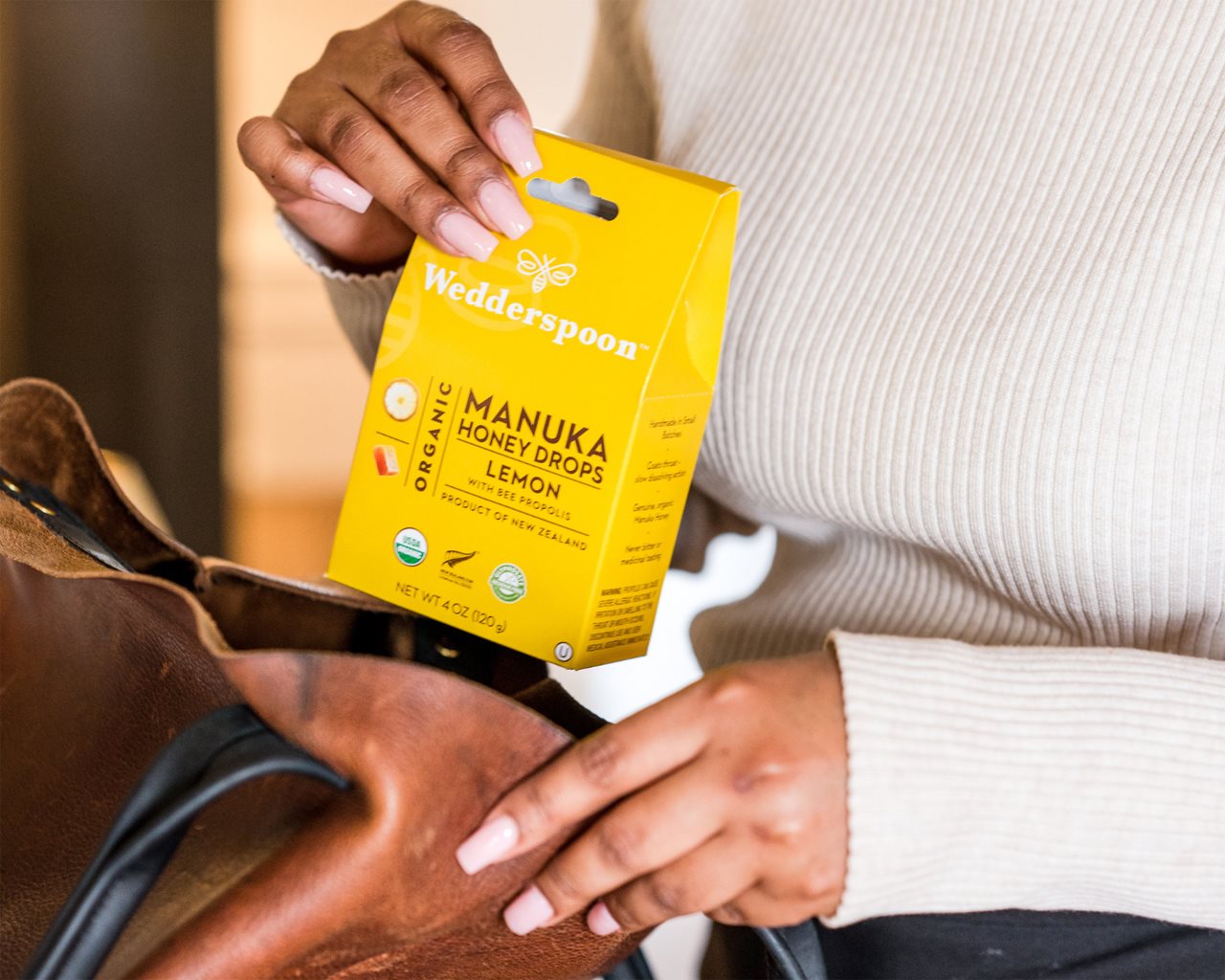
For myself and my family, I prefer a more holistic approach to our wellbeing. As such, I constantly find myself reaching for Wedderspoon’s Manuka Honey Drops for an on-the-go, healthy kickstart. These dual action drops are delicious and feature naturally-occurring wellness properties — like echinacea and bee propolis — to soothe your throat at the first sign of a tickle and provide a boost to the immune system. They’re an ideal remedy for pesky symptoms related to allergies or colds and flus and are easy to toss in your bag and go.

Harness the Power of Nature with Wedderspoon’s Propolis Sprays

Another of my favorite Manuka honey-based products I can’t live without during travel and cold and flu season is Wedderspoon’s Manuka Honey Propolis Spray. The star of the show here is bee propolis, which is rich in vitamins and antioxidants, including polyphenols and flavonoids, making it one of nature’s most potent defenders against germs and free radicals in the body.

These sprays combine the immune boosting prowess of Manuka honey and bee propolis with flaxseed glycerin, known for its omega-3, fatty acid and antioxidant properties, so it’s super gentle yet effective at soothing dry, scratchy throats. The best part? You can use it daily for a proactive approach to keep germs at bay. Wedderspoon has several flavors, but my favorite is the Chamomile Mint because it’s the perfect blend of refreshing and calming. Pro tip: stash one of these in your carry-on to relieve discomfort from dry cabin air during long flights and to proactively counter against your coughing seatmate.

Bolster a Happy Gut Biome with Probiotics

More than half the cells that create antibodies for fighting sickness are in the gut, but travel can disrupt the body’s natural rhythms and cause a decrease in the number of healthy microorganisms in the microbiome. To ensure you’re keeping your gut biome, and by proxy, your digestive and immune systems, resilient, consider supplementing your daily routine with a probiotic blend. These work to increase the amount of good bacteria in your gut, aid in digestion, improve nutrient absorption and can help fight cells that cause disease. The healthier your gut microbiome, the healthier you are, so no packing list is complete without them.

There are so many options on the market for consumers today, but my personal favorite is Just Thrive. They use a proprietary blend that works as an antioxidant and probiotic, and contains the most well-researched, DNA-verified strains with a 100 percent survivability rate, meaning it has the most impact when it reaches your gut.

Maintain Your Sleep Schedule with Melatonin

Getting quality sleep is so important for just about every function in the body, from blood pressure and cardiovascular health to managing stress, appetite and the immune system. The excitement of a vacation, early travel mornings, and jet lag from traveling to different time zones can all affect your circadian rhythm and sleep schedule.

To help with travel-related sleep disruption and ensure I have enough energy during the day to thoroughly enjoy my reason for travel — like spending quality time with loved ones over the holidays — I bring Olly’s Sleep Gummies. They’re a tasty and simple way to add melatonin to my bedtime ritual to give my body that natural little nudge it needs to help me fall asleep, stay asleep and wake up refreshed. I love the blackberry flavor and that they contain chamomile, passionfruit and lemon balm extracts — all of which promote relaxation and sleep. Combine this with a fresh silk pillowcase to stay cool and you have my recipe for a perfect night’s sleep while on the go.

Create a Comfortable, Irritant-Free Space with a Personal, Portable Air Purifier

Rounding out my healthy holiday travel must-haves list: a mini portable air purifier. Germs are, of course, everywhere, but with your own air purifier, you can filter out and clean the air of irritants like dust and pollen to help combat allergies, colds and other sinus problems.

The PureZone Mini from Pure Enrichment is a favorite because it’s compact, incredibly lightweight and rechargeable, meaning it goes wherever I do — in the car, on a plane, to a hotel. Its two-stage HEPA filtration system safely cleans the air immediately surrounding you, eliminating 99.97 percent of germs, and also helps to get rid of odors and harmful gasses. Bringing my own air purifier helps me to feel more at ease while traveling in more intimate, indoor settings.

Thanksgiving and Christmas are right around the corner and many people’s travel plans are in full swing. As you put your holiday travel packing list together, consider saving room for some of these items to prioritize your health and wellness, no matter where your travels take you, so you can come home feeling even better than when you left.

Four easy tips to optimize your home office

2023-10-30T15:01:00

(BPT) – Sponsored by Office Depot

A recent survey of 2,000 people who work mostly or entirely remotely found that 63% of respondents now work primarily from a dedicated home office. Furthermore, 55% of people who recently moved, did so, at least in part, because they needed a better workspace at home.

And workers are looking to customize their spaces now more than ever. In fact, 68% of respondents from the survey, conducted by OnePoll on behalf of Office Depot, claimed their home office still needed improvement.

Whether you’re a passionate small business owner or worker who’s adopted a fully remote or hybrid work schedule, consider these four tips when setting up a home office.

1. Find furniture that fits

Whether you’ve designated a room in your home as an office space or work from a tiny corner in your living room, it’s important to find furniture that fits your space. You can turn any area in your home into an efficient office space with a few key pieces of compact furniture and clever storage solutions. If you don’t need a large work surface, a small writing desk will provide you with just enough space to comfortably surf the web, review documents and complete day-to-day tasks.

Office Depot offers home office furniture collections in a variety of sizes and styles both online at officedepot.com and in furniture showrooms at Office Depot® and OfficeMax® stores nationwide.

Ergonomics and flexibility are also important considerations when choosing office furniture. Consider adding an ergonomic office chair to help promote better posture while providing support and comfort. For ease of recline, look for chairs with a tilt mechanism and tile lock and seat and back height adjustments for optimal positioning. Another great investment to consider is a standing desk or standing desk converter. This type of desk allows you to switch up your workday between sitting and standing, which can help you stay more engaged while you work.

2. Terrific tech

Layering in the right technology for your needs helps you not miss a beat while working from home. For example, some people prefer a laptop over a desktop, while still others like to have access to one or multiple monitors. Some additional tech items that may be worthwhile investments for a home office include:

  • Wireless or ergonomic mouse
  • Wireless or ergonomic keyboard
  • Printers
  • Memory sticks and data storage
  • Multiport hubs and docking stations
  • Headphones
  • Webcams
  • Microphones
  • Computer speakers

3. Organize and accessorize

Clutter can be a productivity killer and a major distraction. Prioritize organization and try organizers designed for each part of your office to help streamline work and keep spaces neat and tidy. Look for furniture essentials like bookcases and filing cabinets, plus storage carts, decorative bins and baskets, folders and more to help add order to your space.

Staying organized can also help you appear more prepared and professional when conducting video conference calls. You’ll have what you need right at your fingertips, without unsightly clutter. You’ll also have the space if you want to add proper lighting, thoughtful decor and desk accessories. An adjustable desk lamp, floor and ring light are additional options to consider.

4. Using color and light to achieve calm and success

Your environment has a huge impact on your emotions and setting up a home office can be the perfect opportunity to create a space that promotes motivation and a sense of calm, starting with something as simple as color.

Some wall colors that promote a sense of calm and tranquility include blue and green while clean, neutral tones like white, ivory or grey can give a lot of flexibility regarding textures, patterns and statement pieces. When choosing color accents or the right home office decor to contrast or complement the light color scheme, don’t be afraid to try daring wall hangings or a variety of bold colors for office chairs.

When it comes to home office ideas for lighting, it’s always good to go natural as natural light can help decrease eyestrain and headaches while promoting productivity, but regardless of how many windows your space has, a good lighting system can have a big effect on your mood, energy levels and ability to focus. You can choose a combination of task lighting for your work surfaces, general or ambient lighting for more uniform illumination in your workspace, and even accent lighting for something like wall art.

Whether fully remote or hybrid, working from home is here for the foreseeable future. By creating a home office with everything you need, you’ll set yourself up for success no matter what your professional goals.