Flavored Sweet Foam Adds Magic to Seasonal Coffee Specialties

2023-10-26T06:11:00

(BPT) – From pumpkin spice to cinnamon, hazelnut, maple and more, fall flavors can elevate coffee specialties to taste treats that celebrate the season. The new JURA J8 makes it easy with its exclusive Sweet Foam Function that flavors milk foam with a hint of syrup, with your choice of flavor, sweetness and intensity.

A new concept in coffee enjoyment, the J8 prepares the full range of classic coffee drinks — and goes above and beyond with even more specialties and flavor options. Brew a Sweet Latte at the touch of a button, enhanced with gingerbread, apple, brown sugar cinnamon or any syrup you desire. Personalize your beverage with a hint of classic caramel, salted caramel or bourbon caramel. The possibilities are endless.

The J8 offers 31 specialties, including cortado, espresso macchiato, caffé latte, cappuccino, flat white, latte macchiato, and more — with multiple flavor variations thanks to JURA’s Sweet Foam Function. A separate hot waterspout accommodates regular or green tea and Americanos.

The J8 is packed with technical innovations to create remarkable beverages for coffee lovers. A JURA innovation, the Coffee Eye, a smart cup sensor, detects the positioning of the cup and automatically adapts the selection of beverages on the display to show the available options. It couldn’t be easier to select and brew your beverage of choice from the touchscreen color display.

Each coffee beverage begins with whole coffee beans freshly ground to your specification with the P.A.G.2+ grinder, with aroma control to actively monitor the grind consistency. This cutting-edge technology combines with the eighth-generation brewing unit with 3D brewing process to achieve optimum results and maximum flavor every time.

The J8 is the complete package, with stunning design inside and out. The reinterpreted design reflects the machine’s quality, expertise, and superior engineering. Easy maintenance is built into the design. With the one-touch milk system cleaning function, the job is done in minutes.

Adding to the machine’s functionality is the integrated Wi-Fi Connect, which makes the J8 compatible with J.O.E. (JURA Operating Experience), and an exclusive free app for operating the machine from a smartphone or tablet. J.O.E. allows users to personalize their favorite beverages, initiate brewing, view maintenance instructions and videos, and more.

For more information, visit jura.com.

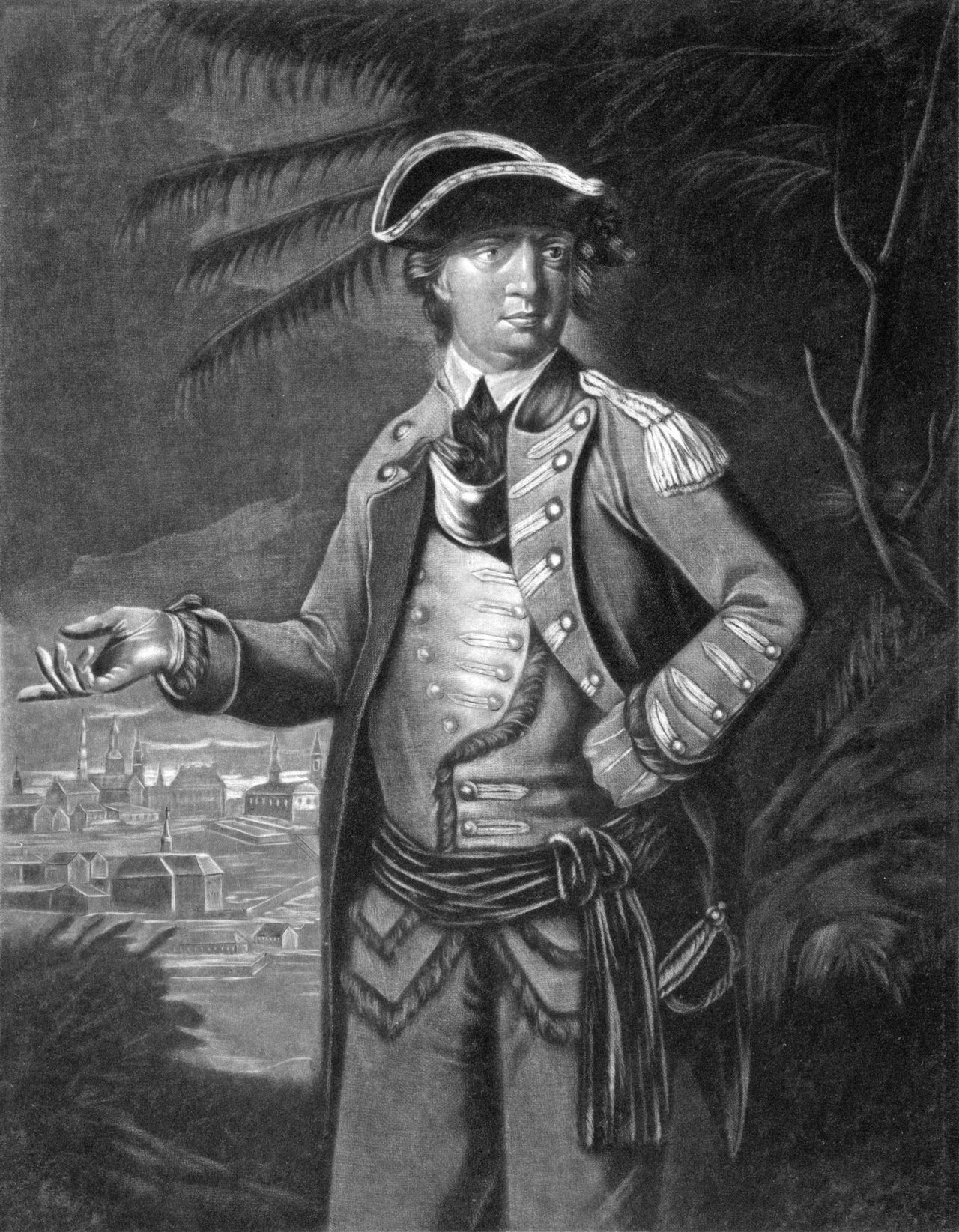
Was Benedict Arnold a traitor because he was surrounded by total jerks?

2023-10-27T08:57:00

(BPT) – Benedict Arnold is America’s most infamous traitor. His final plan was to turn West Point over to the British and assist them in capturing George Washington. If successful, it would have likely ended the Revolution and led to the death of Washington and others.

He was a bad guy and he did it for money. At the same time, he was treated badly by many of America’s leaders and that drove him into the arms of the British.

Stephen Yoch’s latest book, “Becoming Benedict Arnold,” shows how Arnold was pushed to treason. Yoch does not excuse Arnold, but shows how Arnold was attacked and betrayed by fellow revolutionaries who made him reconsider his devotion to the Cause and strike back against all those who had wronged him.

ARNOLD’S JERKS

Arnold was one of the first to embrace the Revolution. A member of the Sons of Liberty, he attended the first Continental Congress and recruited a regiment in Connecticut which he led to bolster the American forces surrounding Boston.

Yoch explains that almost immediately, he encountered individuals who were dishonest, cowardly or treacherous. Unfortunately, that pattern continued throughout the Revolution. Here, Yoch breaks down the key people who influenced Arnold’s actions to shed light on his experience:

Ethan Allen

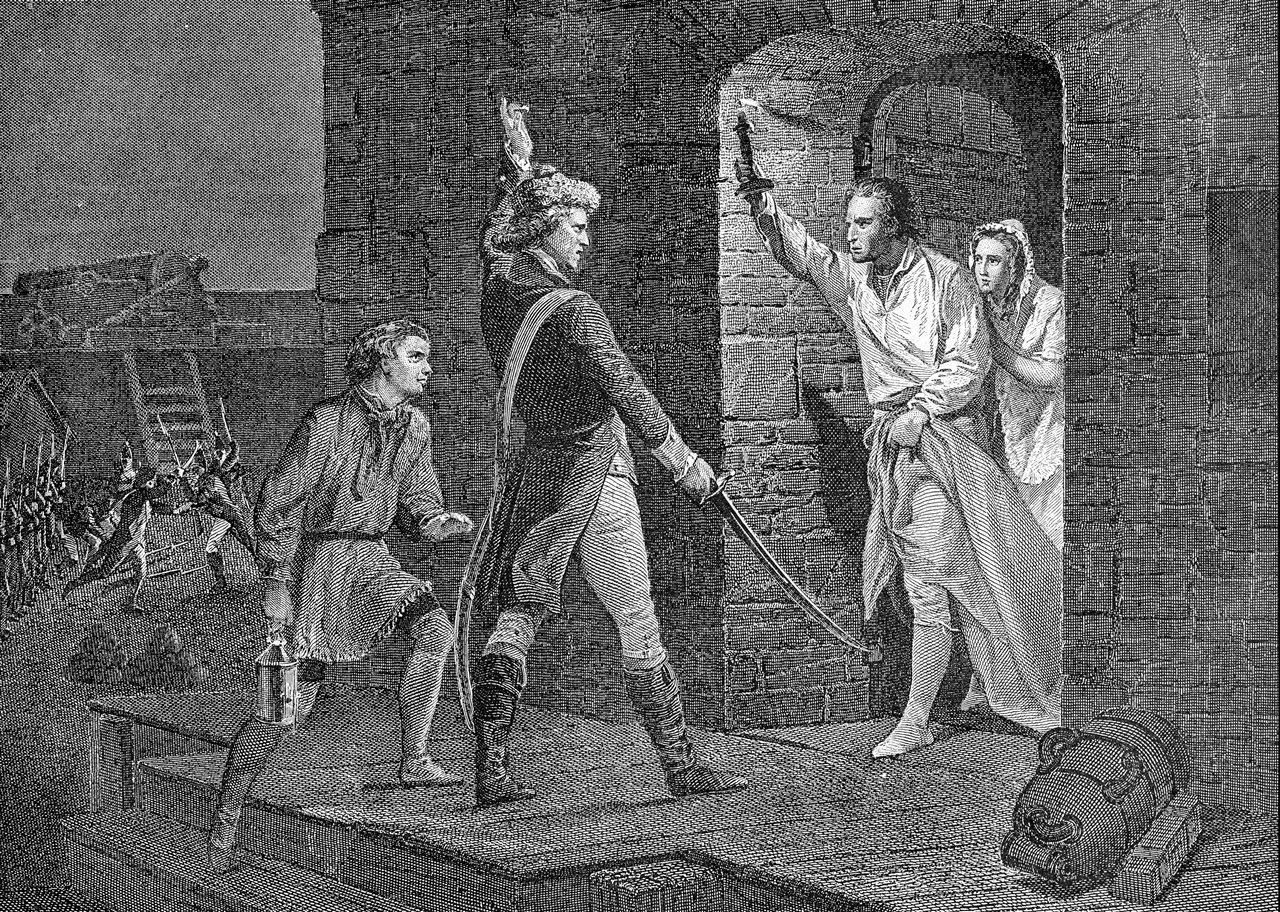
Allen and Arnold both had the same goal of taking Fort Ticonderoga at the beginning of the Revolution. However, after the battle, Allen engaged in a disinformation campaign asserting that he alone had attacked the fort. Allen discounted and lied about Arnold’s participation both in Congress and newspapers.

In contrast, Arnold truthfully recounted Allen’s participation, notwithstanding the misbehavior of Allen and his troops. Between 1780 and 1783, Allen and his brother participated in negotiations with the governor of Quebec with the goal of establishing Vermont as a separate British province. While he was never formally charged, these treasonous actions were consistent with the deceitful treatment of Arnold at Ticonderoga.

John Brown

Arnold met Brown as Arnold was heading north to assist in the taking of Fort Ticonderoga. Despite the success of the raid, Brown repeatedly challenged Arnold’s authority and even lied in pamphlets accusing Arnold of misusing funds later during Arnold’s Canadian campaign.

Roger Enos

Arnold led 1,000 men through the Maine wilderness to attack Quebec. One of his commanders, Enos, led the rear guard as they crossed the Maine mountains in terrible weather. Arnold ordered Enos to send a portion of the supplies so Arnold could continue the invasion. Instead, Enos disobeyed orders, kept all the supplies and returned to Boston, leaving Arnold and his men to suffer death and starvation.

Horatio Gates

Gates was on George Washington’s staff when Arnold met him. Arnold viewed Gates as a trusted confidant and mentor. However, as Arnold’s battlefield successes continued to mount, Gates became increasingly jealous and engaged in a whispering campaign, undermining Arnold’s standing in Congress and delaying his promotions.

By the tie of the Battle of Saratoga, Gates refused to acknowledge Arnold’s bravery at the Battle of Freeman’s Farm and even stripped him of command. Only after a petition supporting Arnold was submitted by most of the officers under Gates’ command was Gates forced to partially back down.

Nevertheless, when Arnold was severely wounded at the Battle of Bemis Heights, Gates downplayed Arnold’s heroism. Following the Battle of Saratoga, Gates was implicated in the Conway Cabal where he and others tried to replace Washington. In 1780, Gates took command of the southern forces, but was soundly defeated at the Battle of Camden and he permanently fell out of favor.

James Wilkinson

Wilkinson was a trusted aide de camp during Arnold’s brave march through the Maine wilderness to attack Quebec. Wilkinson later left Arnold’s service and became an aide to Gates. Wilkinson constantly undermined Arnold leading up to the Battle for Saratoga. Wilkinson played a major role in the Conway Cabal to replace George Washington. Wilkinson was forced to resign in March of 1778. The dishonorable Wilkinson later committed perjury at the trial of Aaron Burr.

Joseph Reed

After the Battle of Saratoga, Arnold was made Commander of American Forces in Philadelphia. Reed had returned to Philadelphia after serving as an aide de camp to Washington. Washington discovered that Reed had been conspiring with his political rival General Charles Lee by openly expressing doubts about Washington’s decision making. When Reed arrived in Philadelphia, he was elected President of the Supreme Executive Council of Pennsylvania.

An extreme puritan, Reed viewed Arnold’s use of the Penn Mansion and other facilities previously used by the British occupiers as Arnold’s tendency toward being a monarchist and supporting an eventual military take-over by Washington and his military elite. Reed and his cronies used every opportunity to attack Arnold and ultimately brought charges against him for his (albeit questionable) financial activities. As much as anyone, it was Reed and his actions that pushed Arnold toward treachery.

John Adams

While in Congress, Adams alternately supported and attacked Arnold. Early in the Revolution, it became clear that Arnold was one of the most able and brave generals entitled to be promoted to Major General. However, because of political intrigue which limited the number of major generals per state, Adams and others refused to allow Arnold to be promoted, notwithstanding Washington’s strenuous endorsements.

Adams viewed Washington’s desire to promote Arnold as a “strike against him” because Adams wanted to demonstrate the military’s subservience to the will of Congress. When Arnold complained, Adams and others said that Arnold’s “self-love was injured in a fanciful light which is incompatible with the general interest of the Union.”

Nevertheless, Adams would praise Arnold after his bravery at the Battles of Ridgefield and Saratoga and defend him against John Brown’s pamphlets, noting that Arnold had “been basely slandered and libeled.” Adams’ constantly shifting positions — in one instance supporting and in another condemning Arnold — were viewed as hypocritical to the inflexible and politically naïve Arnold.

George Washington

Washington was Arnold’s benefactor and mentor. From the outset of the Revolution, Washington guided Arnold and repeatedly sent him into the fray as Washington’s most active, brave and brilliant general. After Arnold was injured at Saratoga, Washington, in one of the most catastrophic blunders of the Revolution, sought to “reward” Arnold by sending him to Philadelphia as a military commander. Philadelphia had become a cesspool of political intrigue, pitting radical revolutionaries against anyone who failed to meet their rigorous standards.

Arnold was viewed as a protégé of Washington and was immediately attacked for his fairness to Loyalists and Quakers, as well as his use of former British occupied facilities — most notably the Penn Mansion. Arnold almost immediately recognized the assignment was a “terrible fit.” Rather than removing Arnold, Washington kept him in the position subjecting Arnold to continuous and vicious political attacks by Joseph Reed and his cronies.

Moreover, when Reed brought his charges against Arnold, Washington could have assisted Arnold, but he did not offer political protection of any kind. Following a trial engineered by Reed and others, Arnold was publicly admonished for his actions. Washington’s disastrous appointment of Arnold and his failure to defend him were the last straws for Arnold and one of the main reasons he went to the British. Put simply, the mentor and father figure that Arnold trusted most refused to stand beside him.

SHAPING OF ARNOLD’S CHARACTER

Yoch notes that we are all products of the people and events (good and bad) that shape our character. When the Revolution began, Arnold was a wealthy man and an enthusiastic supporter of the Cause. Unfortunately, he was connected throughout the Revolution with people who mistreated him, betrayed him or violated his trust.

Some people could have taken such maltreatment in stride, but Arnold lacked the temperament, upbringing and experience to view peoples’ actions toward him in a broader context. Instead, always a man of action, he joined the British in an attempt to lash out and seek vengeance against all those that had wronged him in the course of the Revolution.

“While his actions were ultimately reprehensible, and thankfully unsuccessful, he was driven to commit treason by a remarkable group of a**holes,” said Yoch.

For more information and to order “Becoming Benedict Arnold,” visit Amazon.com.
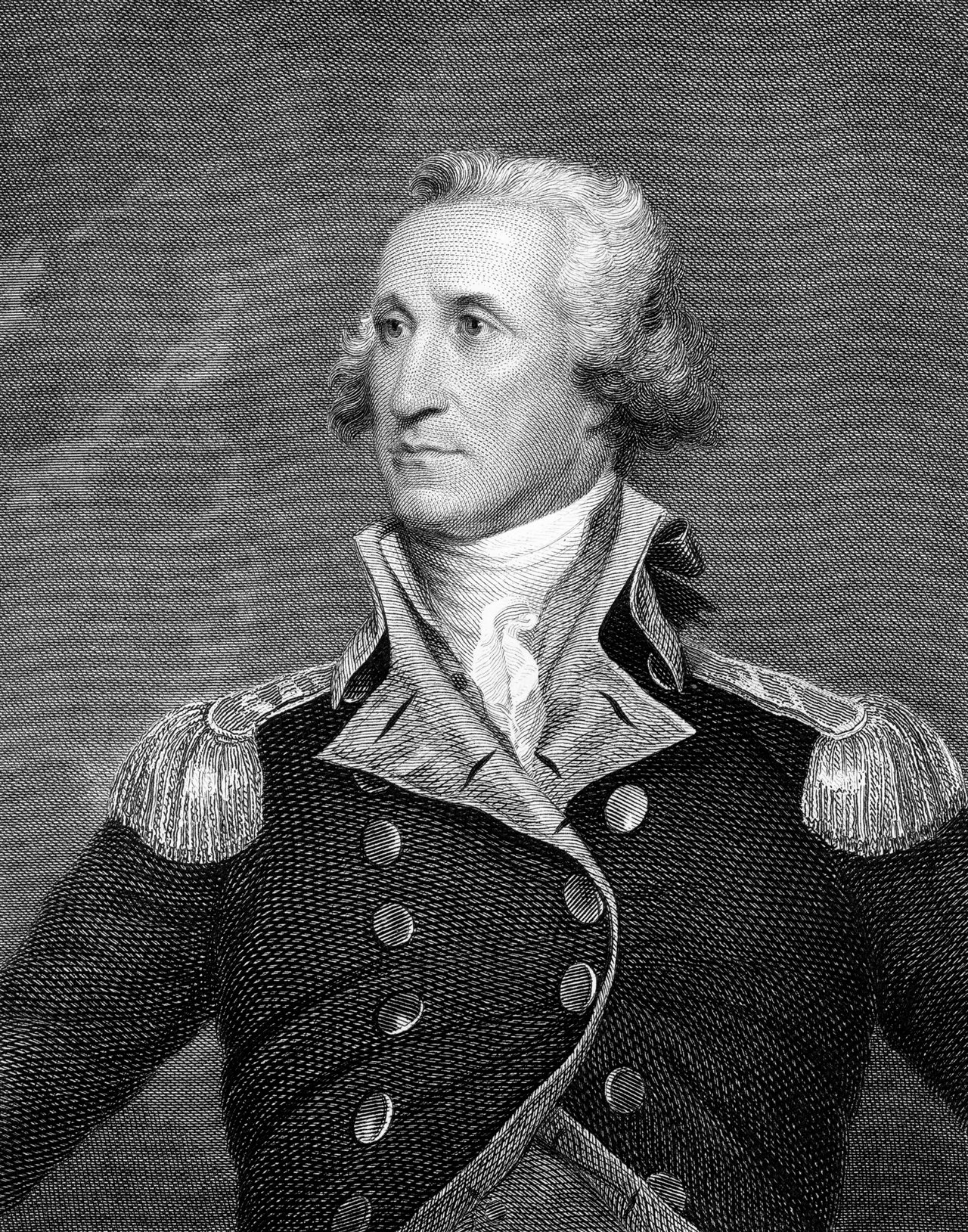
Uncovering the truth: Was this George Washington’s worst decision?

2023-10-27T08:57:00

(BPT) – George Washington was indispensable in the Revolution. Without him, the army may not have achieved victory. Moreover, his willingness to repeatedly give up power — including the return of his commission to Congress and later stepping down as President — makes him one of the most laudable figures in world history.

Yet, Washington made some catastrophic blunders:

  • His army was almost captured in New York at the beginning of the Revolution.
  • He alternately supported and then squandered opportunities to take Canada.
  • He allowed his southern army to be isolated and captured in Charleston.
  • He appointed Benedict Arnold as the commander of American forces in Philadelphia.

This last act, as much as any other, could have meant the failure of the Revolution and Washington’s death.

Benedict Arnold

Stephen Yoch’s new book, “Becoming Benedict Arnold,” describes the Revolution from Arnold’s point of view. One part of the book explores Arnold’s experience being severely wounded at the Battle of Saratoga, where his femur was crushed under a horse as he secured victory for the Americans.

Washington knew Arnold could not continue to serve as a battlefield commander because of his injuries, so he put him in a position providing administrative leadership as a respected member of the commanding general’s inner circle.

On June 18, 1778, after almost nine months of occupation, Sir Henry Clinton and 15,000 British troops evacuated Philadelphia. Washington saw the opportunity to reward Arnold for his service and provide stability to a divided city. Philadelphia had been brutalized by the British and its population was traumatized. Loyalists left behind after the British exodus were targets of their vengeful wrath.

Washington’s massive mistake

Yoch explains that the decision to put Arnold in charge of Philadelphia was one of Washington’s worst decisions. Arnold was given the impossible task of treating all sides fairly and preventing the radicals from exacting retribution.

Even an extremely experienced politician would have been stymied by this objective, but Arnold was especially ill-suited. He saw his tenure in Philadelphia as an opportunity to make money by engaging in questionable business activities while recuperating in comfort. Arnold also ignored the political implications of entertaining young women who had prior shown loyalist sympathies, or using fine carriages previously driven by the British oppressors.

Joseph Reed was a former aide of Washington’s who had betrayed him and was dismissed. Reed viewed Arnold as a Washington surrogate, a likely member of a junta that would follow Oliver Cromwell’s example of ruling America following the Revolution.

The fact that Arnold had been wounded multiple times serving the Cause did not dissuade Reed and his cronies from labeling Arnold a monarchist and a traitor to the Revolution. Reed and his men ultimately commenced a legal action against Arnold in which he was court-martialed and admonished.

Meanwhile in Philadelphia, Arnold fell in love with loyalist Peggy Shippen, who connected him with Major John André, the head of the British spy network. The abuse Arnold suffered at the hands of the Philadelphia radicals pushed him directly into the arms of the British.

Arnold and André hatched a plan to turn over West Point and engineer the capture of Washington and his senior staff. The Revolution was saved by sheer luck and Arnold’s plot was foiled.

Washington’s decision to appoint Arnold to Philadelphia led Arnold to his treason and could have meant the end of the Revolution. Once again Washington’s luck, or as he would say, “the hand of providence,” saved him from his worst mistake.

For more information and to order “Becoming Benedict Arnold,” visit Amazon.com.

Are we all just 3 steps away from being a traitor like Benedict Arnold?

2023-10-27T08:57:00

(BPT) – Would you ever betray your country? The answer is likely, no. Everyone thinks that under no circumstances they would betray the country they love.

However, Benedict Arnold — one of America’s most infamous traitors — at one point would have likely answered this question in the same way you did. Turns out, the question of loyalty isn’t as black and white as it may initially seem.

People who betray their home country are often labeled as evil, money hungry and morally corrupt. These simple explanations ignore the lessons of history and slide into the very complacency that led to traitors like Arnold.

The path from hero to treason

Benedict Arnold was indisputably brave and one of the greatest heroes in the American Revolution. Stephen Yoch’s recent book, “Becoming Benedict Arnold,” presents a first-person perspective on Arnold’s actions.

The book answers the question why Arnold become a traitor, including:

  1. He was politically naive and was repeatedly betrayed by those he trusted
  2. He was severely injured in service of his county while others gained credit for his victory
  3. The person he loved most encouraged him to follow his instincts and fight those who mistreated him

Yoch explains that Arnold was a successful businessman and an early member of the Sons of Liberty. He used his own personal fortune to support the Revolution and recruit a regiment to march to Boston to support the Cause. He was tactically brilliant and the men immediately under his command loved him.

Unfortunately, he did not understand the highly nuanced political reality of the American Revolution. Many Americans resented and feared the growing power of the Continental Army and George Washington in particular.

Arnold, as a protégé of Washington, became a natural target for political attacks and intrigue. Moreover, Generals like Horatio Gates and political figures like Joseph Reed, betrayed Arnold’s trust and openly attacked him, despite his demonstrated bravery.

Arnold was also severely wounded at the Battle of Saratoga where he secured the American victory. Arnold’s service was not fully recognized, while he endured a lifetime of pain.

Finally, having already endured physical pain and betrayal, he met his true love, Peggy Shippen. Peggy was a loyalist who had contacts in the British secret service that allowed Arnold a pathway to vent his frustration and betray his country.

Becoming America’s greatest traitor

According to Yoch, scholarship on traitors supports the proposition that for the most part people are not born traitors. Rather, treachery is the result of a series of actions where a person who, in normal circumstances, would never conceive of betraying their country.

Traitors become who they are because of events or actions that drive them to a previously inconceivable act. For someone to commit treason, it is usually not a single event, but a combination of wrongs, sufferings and opportunities that lead them to betray their country.

While we all hope we would not go down the path of treason in similar circumstances, it is difficult to say any of us would be immune in the face of the pain, betrayal and opportunities presented to America’s greatest traitor, Benedict Arnold.

To purchase Yoch’s newest book, “Becoming Benedict Arnold,” visit Amazon.com.
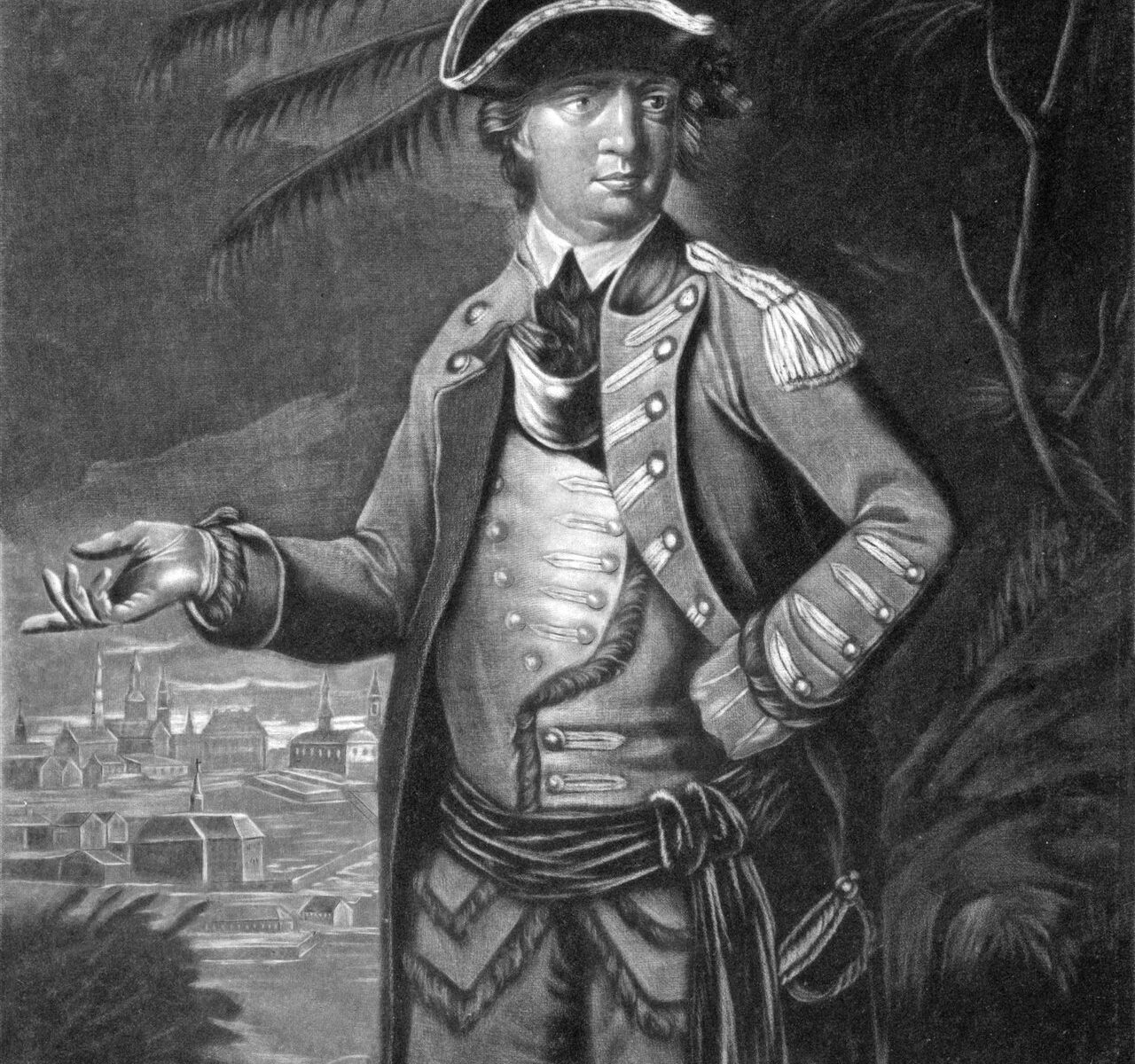
Benedict Arnold who? How America tries to forget its greatest traitor

2023-10-27T08:57:00

(BPT) – Once a loyal leader in the American Revolution, Benedict Arnold eventually flipped sides and became a traitor to the cause he once loved. In the aftermath of his unsuccessful attempt to betray the Revolution and secure victory for the British, Arnold was burned in effigy and reviled throughout the colonies. His failure was seen as the “hand of providence,” blessing the American cause and becoming the turning point for the Revolution.

Author Stephen Yoch, in his latest book “Becoming Benedict Arnold,” notes that following victory, the new American republic never forgave his betrayal. Yoch describes examples that showcase America’s lingering anger.

Boot Monument at Saratoga National Historical Park

At the Battle of Saratoga, Arnold played a pivotal role in defeating the British. Today at the Saratoga National Historical Park in Stillwater, New York, there is a Boot Monument paying tribute to his bravery, but not mentioning him by name. The boot is made to recognize the honorable part of his body that was severely injured in the battle. The inscription reads: “In memory of the most brilliant soldier of the Continental Army, who was desperately wounded on this spot, winning for his countrymen the decisive battle of the American Revolution, and for himself the rank of Major General.”

Saratoga Monument and the empty niche

The impressive victory obelisk, a landmark stone pillar with four niches at the Saratoga cemetery, contains sculptures. Gen. Horatio Gates, Col. Daniel Morgan and Gen. Philip Schuyler occupy three of the niches. The fourth niche is prominently empty to emphasize the place that Arnold would have occupied but for his treachery.

The nameless West Point plaque

The U.S. Military Academy at West Point commemorates all generals who served in the Revolution. There is one plaque which only states a rank and date: “For Major General born 1740” but no name. Again, identifying Arnold but excising his name from the narrative.

Plaque at Fort Ticonderoga

America’s anger toward Arnold did not lessen over time. Visitors today can see the plaque erected at Fort Ticonderoga in New York in 1967 which recounts the history of the fort and discusses the surprise attack on May 10, 1775, by Ethan Allen to secure the then-British-occupied fort, but fails to mention that attack was also led equally by Benedict Arnold.

Valcour Island battle memorial

Examples of America erasing the memory of Arnold continue into the 21st century. In 2011 in Peru, New York, a plaque commemorating the pivotal battle of Valcour Island on Oct. 11, 1776, states: “Across this strait a small colonial fleet fought the British to a standstill causing a 3 day running conflict that delayed the British advance to divide the 13 colonies. This action allowed the time for the Americans to rebuild their forces and win the Battle of Saratoga in 1777.” This plaque makes no mention of Arnold who organized the entire American defense and fought with indisputable bravery.

As Yoch explains, “Arnold’s treason was breathtaking and at a pivotal moment of American vulnerability. Had he succeeded, the entire course of American history would likely have been different. Perhaps it’s the scale of his treason and the fact that he died peacefully in his bed in England that continues to grate over two centuries later.”

For more information and to order “Becoming Benedict Arnold,” visit Amazon.com.

If Benedict Arnold’s treason succeeded, would we all be speaking German?

2023-10-27T08:51:00

(BPT) – Benedict Arnold is arguably the most successful and talented general in the Revolution. He was also America’s greatest traitor. However, if his treason had succeeded it could have changed the course of history forever.

In the new book, “Becoming Benedict Arnold,” author Stephen Yoch reveals how close Arnold came to turning West Point over to the British and cutting the American colonies in half. These efforts could have led to the capture of George Washington, Alexander Hamilton and the Marquis de Lafayette.

What if? An expert’s take

In a recent interview, Yoch discussed the impact on history if Arnold had succeeded. He explained there were peace overtures as the war continued to drag on in 1780. The Carlisle Commission sent by England was ready to offer the Americans virtually everything they had requested prior to the Revolution, except for complete independence from England.

If Arnold succeeded, the British would have divided the colonies by controlling the crucial Hudson River corridor all the way up to Canada. Meanwhile Washington would have been sentenced to death, and the war-weary colonies may have accepted the offered compromise.

America would have returned to the protection of the British fleet and been welcomed back into the Empire. As was generally the case for British colonies, the mother country would have sought to slow industrial development, therefore keeping factories humming in England while using the Commonwealth as sources for raw materials.

Over time, the inevitable fracture in America between slave and free states would have continued to grow. More likely than not, the British would have separated the South from the North, further slowing American growth.

While it may still have been America’s manifest destiny to expand to the West Coast, the British would have slowed that process. With the partition of North and South, industrial growth after the Civil War would not have occurred at the same rate. Texas may have remained independent. Similarly, the Transcontinental Railroad would not have been completed as early as May 29, 1869. The result would be a divided and weaker continent.

The Napoleonic Wars would still have occurred, but with increased support of Britain’s American colonies, the English may have defeated Napoleon earlier. In any event, the result would have been the same: English dominance until the rise of Germany as an industrial giant and dominant force on the European continent.

World War I would still have happened and Germany would have been defeated, perhaps earlier because of American involvement from the outset (as loyal members of the Commonwealth), albeit less industrially powerful and divided into two separate states, North and South.

Where history diverges

World War II is where history truly could have taken a separate path. Assuming the British and French would once again take a punitive approach following World War I, German resentment and economic distress would again lead to radical national fascism and the rise of Hitler or a similar figure.

Likewise, the lack of a powerful American fleet in the Pacific would allow the rise of Japanese nationalism and imperial ambitions to go unchecked in China and the South Pacific. While the Royal Navy would no doubt be larger, it may or may not have been in a position to thwart Japanese expansion.

The Second World War would inevitably begin in Europe and the South Pacific. However, this time, there would be no “arsenal of democracy” to support and defeat the Germans and Japanese. The Americans would supply troops and substantial material, but the lack of unequaled expansion of American industry between the beginning of the Civil War and World War II would have been limited by the British.

As a result, there would be no armadas of liberty ships bringing supplies to Europe. England would fall in an invasion (Operation Sea Lion). Germany, following the Schleiffen Plan, would control Western Europe and turn its armies to the East. This time, with its western border secure, Germany would defeat Russia and obtain “Lebensraum,” land for expansion and development. Germany would also move south and control the oil fields in Caucasus and the Middle East.

Caught between the Japanese in Asia and complete German control in Europe, the Americans would find themselves likely partitioned between the Japanese and German empires. Or, more likely, given the surrender of the British and the anglophile nature of the German aristocracy, the Americans would likely be incorporated into the Reich.

What if Arnold had succeeded and the American Revolution failed? Yoch concludes America would be weaker and unable to defeat the Japanese or support the British in their fight against the Nazis. World War II would have been won by the fascists and Americans would all be speaking German.

To order “Becoming Benedict Arnold,” or to explore Yoch’s earlier work, visit Amazon.com.

7 effective ways to improve the air quality in your home this fall

2023-10-27T07:01:00

Photo courtesy Trane Residential

(BPT) – If you’re concerned about your home’s air quality, especially if anyone in your household has asthma or allergies, now is the perfect time to consider cleaning up your indoor air quality. With fall allergy season in full swing and colder air on the way, the quality of the air in your home is more important than ever.

Here are tips to improve your indoor air quality.

Change air filters frequently

When filters aren’t replaced, dirt and debris buildup results in more particles remaining in the air and decreased airflow. This makes your HVAC system work harder, reducing efficiency and raising energy bills. It’s crucial to regularly replace disposable filters that can be found in furnaces, air conditioners, air handlers, humidifiers or cleaners. Be sure to clean any filters that are not disposable.

How often should you change filters? Start by checking the owner’s manual for specific recommendations. Trane Residential, a leading residential HVAC brand, recommends changing them every 30-90 days.

Need help remembering to replace air filters or getting the correct size? Get a subscription! TraneFilter powered by FilterTime is a subscription service that ensures you’ll have the right-sized filter at the right time. Consider signing up for a subscription using the Trane Home app or at TraneFilters.com. You can set up filter reminders in your Trane Home app, and you’ll receive free shipping of replacement filters directly to your door.

Photo courtesy Trane Residential

Eliminate sources of indoor pollutants

Common sources include gas stoves, some cleaning supplies, paints, tobacco products and wood-burning fireplaces. When contaminant levels are high, effects from exposure can show up immediately such as irritation of eyes, nose and throat, headaches, dizziness and/or fatigue.

Use controlled ventilation

When sources of indoor air pollutants can’t be eliminated, consider supplying clean, fresh air to your indoor environment. Opening windows may allow for air exchange but won’t filter the incoming air or block allergens or asthma triggers like pollen.

The best way to ensure adequate fresh air is supplied to your home is to keep windows and doors shut and use a filtered mechanical ventilator to bring fresh air in, filter it through your HVAC system and expel the stale and polluted air outside.

Add a whole-home air-cleaning device

Exceeding what standard HVAC filters can do, a whole-home air cleaning device removes harmful fine particulates, smells, allergens, mold, and viruses from the air. For example, a Trane CleanEffects® Whole Home Air Cleaner can remove up to 99.98% of unwanted airborne pollutants as small as .3 microns.

CleanEffects is certified asthma & allergy friendly® by the Asthma and Allergy Foundation of America. For the over 65 million Americans with asthma and allergies, this certification mark guides consumers in identifying products more suitable for people with asthma and allergies. The asthma & allergy friendly® Certification Mark is awarded only to products scientifically proven to reduce exposure to asthma and allergy triggers.

Make it easier to live with your four-legged friends

Air quality is even more important if you have fur babies in your home, as pet dander is a common allergen. A Trane Residential survey of 2,000 pet owners conducted by OnePoll found the average pet owner spends 832 hours each year cleaning after their pets, and 3 in 4 say they clean their homes constantly since getting their furry friend.

When it comes to allergies, 45% of pet owners said they were happy to put up with some sneezing. If this sounds familiar, using a whole-home air cleaning device can improve your comfort while enjoying your furry family members.

Balance humidity

Maintaining your home’s humidity level between 35-60% is another factor in improving indoor air quality. Mold, dust mites, and other air pollutants tend to thrive outside that humidity range. You can monitor humidity levels through a reliable HVAC thermostat and help manage it with a whole home dehumidifier and/or humidifier.

Set up an HVAC service check

It’s important to test your home’s indoor air quality to identify pervasive issues like pollen or allergen introduction that can negatively affect you or someone with asthma and/or allergies.

If you’re experiencing health symptoms that may be related to bad air or just want peace of mind, have a local Trane Comfort Specialist near you test your home’s air. They can help you find solutions to reduce air pollutants and improve your home’s overall air quality.

In honor of National Indoor Air Quality Awareness Month, learn more and act now to breathe easier at Trane.com.

The winning play: 3 ways airing live sports events can enhance your establishment

2023-10-26T08:01:00

(BPT) – According to Technomic Research, 49% of restaurant and bar operators who display sports reported that offering sports programming increases a customer’s length of stay, while 33% say it increases customer retention.

This proves that watching live sports is a community activity, and that fans have an even better experience when cheering on their favorite team with like-minded fans. For businesses like bars and restaurants, operators should take note and capitalize on the opportunity to increase customer loyalty and drive sales while becoming the go-to local spot on game day.

Joe Hand Promotions, the leading live sports content distributor in the U.S. for bars and restaurants, wants to help local establishments grow their loyal customer base and enhance their reputation through offering live sports and entertainment programming. Here are their three reasons why embracing live sports programming can help your business’ growth and reputation.

1. Increase foot traffic

Social sports fans want to find the best venue to catch the action. The same Technomic survey shows that high-profile sports events generate a 21% average increase in unit-level sales and a 15% average increase in traffic for restaurants and bars.

By hosting televised sporting events, operators can increase foot traffic by becoming the new “it” spot for game day. This, in turn, will capture a whole new base of patrons, from die-hard fans to casual viewers.

If you want the best variety of sports programming, you can partner with Joe Hand Promotions, an authorized sales agent for leading sports brands like ESPN to provide restaurants, bars and other venues with ESPN+ for Business, which showcases 120-200 live sporting events per month. Events include UFC Fight Nights, Top Rank Boxing, and major-conference college football and basketball, PGA TOUR LIVE, tennis, international soccer, and more, attracting fans from all sectors of the sports industry! You can find the full schedule here.

2. Drive sales and become the place to be on game day

Increased foot traffic isn’t just a boost for your bottom line on game day. Often, sports fans enjoy the space before and after a game for pregame rituals and postgame celebrations. Eventually, through word-of-mouth, your bar or restaurant can become well known for its live sports entertainment — in addition to food and drink — which will have patrons coming back for more even when a game isn’t on.

As patrons share their positive experiences with friends and family and on social media, your establishment will soon gain a reputation as the ultimate game day destination, providing a huge spike in sales.

3. Build community and customer loyalty

Hosting game day events can transform your establishment into more than just a place to eat or drink. Over time, it will foster a community of like-minded customers who share a passion for sports. Regular sports viewers will become familiar faces as they come back again and again to see you, their fellow fans and, of course, the game.

The collective excitement and camaraderie created by televised sports events enhances your establishment’s existing reputation and offerings. Soon, your name will become synonymous with thrilling sports moments and experiences.

How to become a sports entertainment hub

Are you ready to start broadcasting sports and other live events at your establishment? Not so fast. You may think you can use your personal live sports streaming or cable account at your bar or business, but doing so would violate federal piracy laws. Avoid the hassle and purchase commercial programming through a leading live sports provider such as Joe Hand Promotions.

To learn more about how you can show sports and other live events at your establishment with content like ESPN+ for Business, visit JoeHandPromotions.com.

Fur-tastic fabric care: Top 5 do’s and don’ts for pet-friendly homes

2023-10-26T11:01:00

(BPT) – Being a pet parent is a joy and privilege. Every day, you have a friendly, four-legged companion who’s just as happy to join you on walks and hikes as they are to relax with you on the couch. However, having a pet also comes with some unique challenges, especially when it comes to fabric care.

Pet stains, hair and odors can be tough on your clothing, bedding and furniture. However, with some preparation and tips, you can easily keep your fabrics clean and fresh, even if your furry family member has an accident. Check out these five do’s and don’ts of fabric care for pet owners.

1. Do rotate pet bedding and blankets

If you have pet bedding — like removable, machine-washable pet bed covers or designated pet blankets — or removable furniture covers, they can quickly get dirty with pet hair, oils and any soil your pet may track in from outside. Make sure to regularly wash and rotate these items to prevent odors and bacteria buildup. Ideally, you should do this once a week. Make it easier on yourself by having a couple sets of bedding and blankets so you can remove and launder one set while using another.

2. Don’t wait to wash

Pet parents know that accidents happen. While you can’t control unexpected pet messes, you can act right away. As soon as you notice dirty paw prints, urine or other accidents, treat and wash the fabric right away to prevent any stains and control odors. Make sure to invest in a pet-safe stain remover that’s gentle on fabrics.

3. Do use fabric conditioner designed for pet parents

Laundry detergent alone may not be enough to protect your fabrics in a pet-friendly home. Try using a liquid fabric conditioner like Suavitel® Shed Shield, specifically formulated for pet parents who want to win the fight against fur. It fights pet odors* and repels pet hair** while keeping the clothes you love irresistibly soft and fresh. Best of all, it lets you focus on your furry friends’ love and companionship and worry less about fur sticking to your clothing. To learn more, visit Suavitel.com.

*versus detergent alone, against wet dog and cat urine odors, tested on cotton and cotton-polyester fabrics

**versus detergent alone

4. Don’t wash with regular laundry

It may seem logical and convenient to simply throw pet-soiled fabrics in the wash with your other dirty items, but it’s not a good idea. Make sure to always wash your pet’s bedding and blankets, as well as any fabrics with pet stains and hair, separately from your regular laundry. Doing so prevents pet odor and bacteria from contaminating your regular laundry.

5. Do use lint rollers and fabric brushes

Lint rollers and fabric brushes are handy tools that quickly remove pet hair, lint and other debris from your upholstery. Consider buying a few and storing them throughout the house. For example, keep one in the living room, bedroom and foyer so you can remove pet hair as soon as you see it to keep your upholstery looking and feeling fresh.

You don’t have to choose between clean, fresh fabrics and a pet-friendly home. Using these five tips, you can easily care for and maintain your clothing and home fabrics for you and your fur babies.

5 tips to stay organized at school, on-the-go and at home with organizing expert Rachel Rosenthal

2023-10-26T09:31:00

(BPT) – With the school year in full swing and holidays just around the corner, parents are busier than ever. Staying on top of work, social gatherings, and activities can be challenging, but with the right tools and preparation, you can set your family up for success. Organizing expert Rachel Rosenthal shares her best tips on how she keeps her family and her clients organized all year round!

1. Create family donation bins

Every 3-4 months, do a purge to clear out clutter and old clothes. Instead of putting them in a garbage bag, keep an aesthetically pleasing bin or basket in a central area of the home for your family to easily drop in items they no longer use. Once full, take it to your local donation center or call directly for a free pickup service — many donation centers offer convenient pickup services to take donations off your hands. This will help declutter your space throughout the year as your kids outgrow clothing, shoes and toys, and also allows room for new items without the house feeling cluttered with stuff you no longer use.

Having donation bins around the house also keeps the entire family involved in the organizing process and shows your children the importance of keeping their own space clean while giving back to others.

2. Create a homework schedule

As a mom, it is important for me to make sure school comes first for my kids, and that includes time management! I like to help them track their time so they can get their schoolwork done without feeling overwhelmed.

On our family calendar, we use Post-it® Super Sticky Notes to categorize and color code homework and study time. The Summer Joy, Supernova Neons and Energy Boost collections offer plenty of color options so everyone can choose their favorite and get involved in the process. Sometimes we’ll even add rewards and activities so they can see that when they get their studies done, they have more time for fun!

3. Meal prep

Meal prepping may feel like a lot of work, but it saves time during the week and leaves more opportunities to connect as a family. As part of your weekly routine, set a day and time to plan your meals, make a shopping list, and prepare for the week ahead.

Avoid menu fatigue by getting the whole family involved. Everyone can help choose meals, shop for groceries, cook, and pack lunches and dinners. Each member of the family can pull weekly dinner recipes from their favorite cookbook and highlight or take notes directly inside any book with Post-it® Transparent Color Notes, removing the guesswork on prep day. Your kids will feel included by voicing their meal preferences all while learning how to organize, make healthy choices and cook.

4. Set up an organized homework cart

All kids can benefit from having a dedicated homework station, regardless of their age or grade. Having a rolling cart for homework organization is great as it can easily be moved from place to place and changed for different family needs throughout the year. Having a homework cart allows you to set up a specific area quickly and easily with all of the resources you need for studying, assignments and projects.

Make sure to stock up on school supplies like pens, pencils, notebooks, calculators, rulers and Post-it® products. Made with 100% recycled paper, Post-it® 100% Recycled Super Sticky Notes are especially helpful to have on hand.

Check out the dreamy Wanderlust Pastels and Oasis collections, which come in an array of colors so your kids can stay organized, have fun and know they’re doing their part to help the environment.

5. Schedule a weekly family meeting

Bring everyone together for a weekly family meeting so you can review the week and prepare for the next. A family meeting is a great opportunity to catch up, address any issues, plan events and make sure everyone is on the same page.

During the family meeting, you can revisit and adjust routines, plan meals, update the family calendar and discuss and delegate responsibilities. It also lets kids get involved in family routines and plans to help build organizational skills and habits early on.

Staying organized during the school year feels less like a chore when you set your family up for success. By using Rachel Rosenthal’s five practical tips, you can create systems to make sure your family is prepared for whatever their week has in store, reduce stress and nurture a positive and functional home environment. Find more tips and tools to help keep your family organized year-round at Post-it.com and follow @Postit on Instagram.