Be Prepared This Fall & Winter Virus Season

2023-10-20T08:01:00

(BPT) – Every season comes with its pros and cons. Fall and winter are no exception — with the cozy sweaters, trick-or-treating, and Sunday football, we also get clunky jackets, icy roads, and fall and winter viruses. And while there are many things about fall and winter that we love, one thing is for sure: we want to avoid severe illness from viruses like flu, COVID-19, and respiratory syncytial virus (RSV). CDC anticipates a rise in these viruses this fall and winter, which can put a strain on our healthcare system.

But there’s good news: This year we’re in our strongest position yet to protect ourselves from the most severe complications from flu, COVID-19, and RSV. Fortunately, there are safe and effective immunizations, proven treatments, and common-sense precautions we can take that will help protect ourselves and our loved ones.

While you might not be able to prevent your favorite football team from losing or your favorite sweaters from shrinking in the wash, you can protect yourself from catching a respiratory virus that will stop you from enjoying all the fall fun. Below are the top three steps you can take to protect yourself and others this fall and winter virus season.

  1. Vaccinate: Make sure you and your loved ones are up-to-date on recommended vaccines (flu vaccine, the updated COVID-19 vaccine, and RSV vaccine or immunization).
  2. Prevent: In addition to vaccination, you can take other CDC-recommended preventive actions like covering coughs and sneezes, frequent handwashing, and staying home when you are sick to help protect you and reduce the spread of respiratory viruses such as flu, COVID-19 and RSV. (Depending on your risk, you might consider wearing a high-quality well-fitting mask and opening windows to keep air moving when possible as part of these everyday preventive actions.)
  3. Treat: There are treatments for some respiratory illnesses including flu and COVID-19. If you are at higher risk of developing serious complications from flu, RSV, or COVID-19, talk to a healthcare provider about what to do if you get sick and follow their treatment advice.

Stay protected against viruses to make the most of this fall and winter season. Learn more about which vaccines are right for you and additional details on how to stay safe this season by visiting cdc.gov/respiratory-viruses.


Is your business prepared for a cyberattack?

2023-10-19T08:31:00

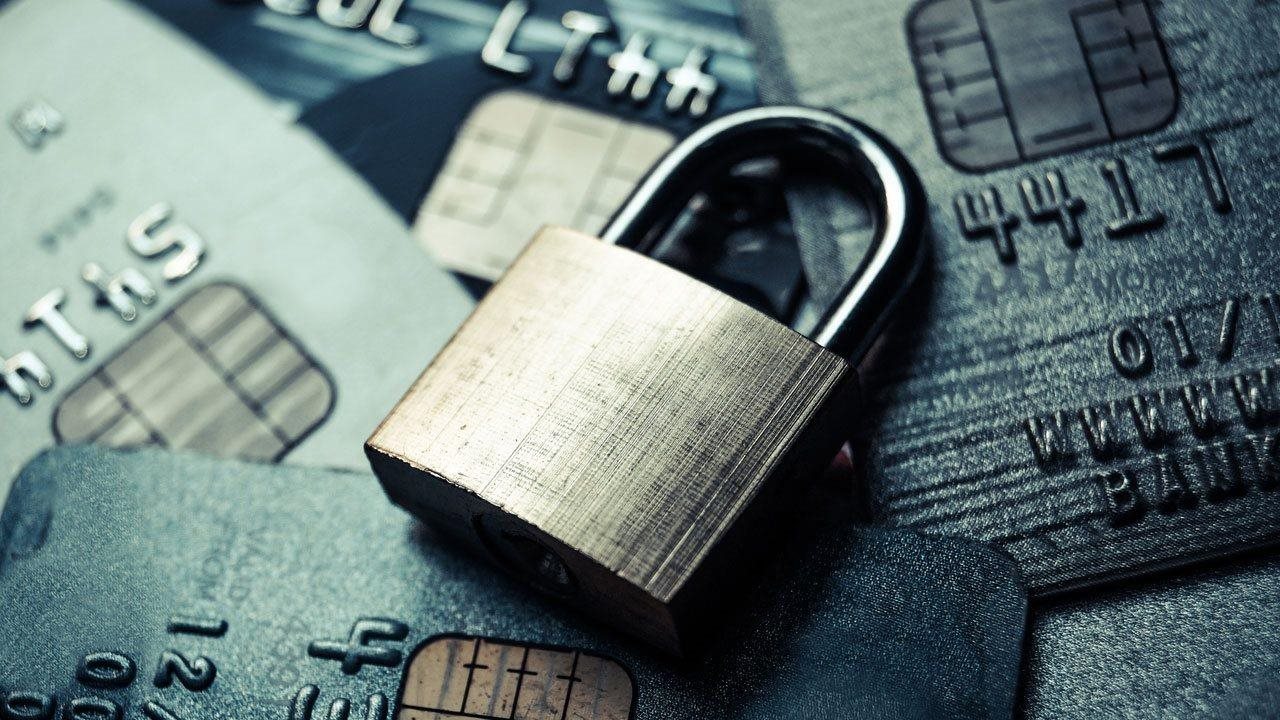
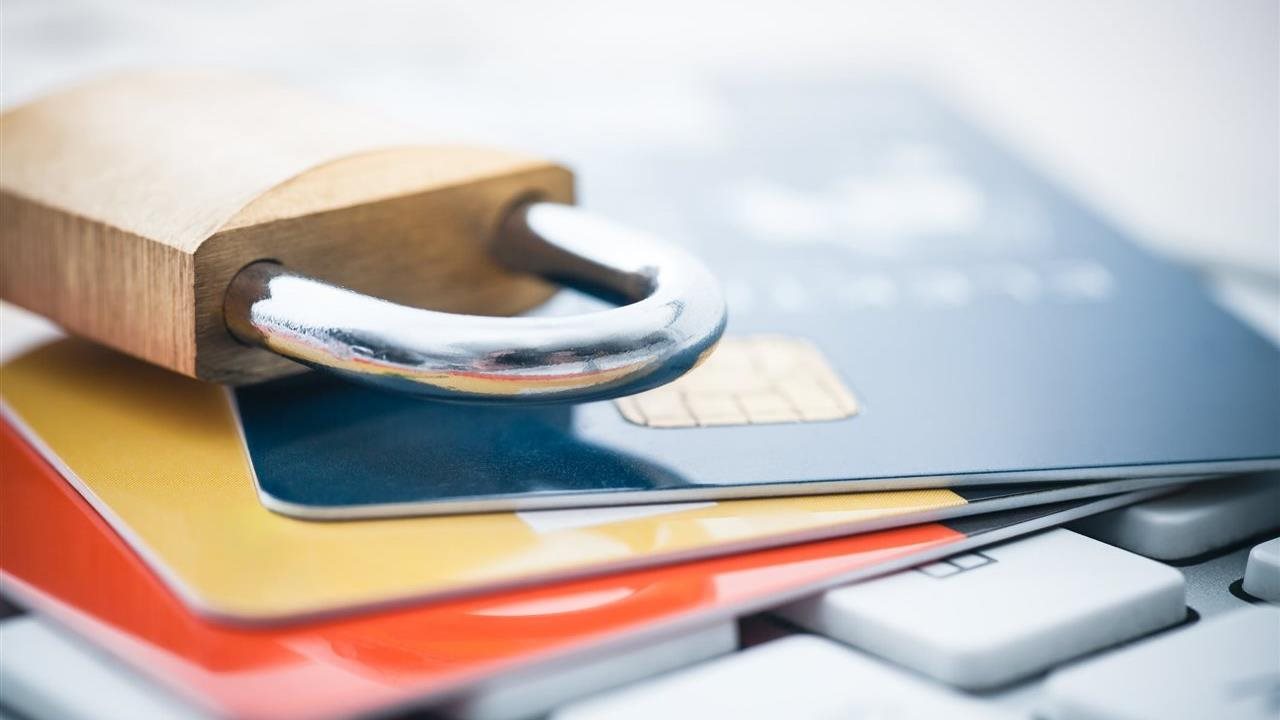
(BPT) – Cyber security risks are higher than ever before. The latest IBM Cost of a Data Breach Report1 shows that the global average cost of a data breach reached an all-time high in 2023, increasing 15% over the last three years.

No business is immune to this growing threat, and many business owners don’t know where to start to protect their business from cyberattacks.

Unfortunately, even when business owners do their due diligence to protect their assets and livelihood by choosing commercial business insurance, cyber coverage isn’t always part of the equation. “Numbers vary, but most sources agree that around a quarter or less of small businesses have cyber insurance.2,3 Considering cyberattacks are a risk to all business types and sizes, that’s a concerningly low percentage,” says Brittney Passini, director of Product Development at Acuity Insurance.

Serious impacts of cyberattacks

The truth is, most businesses aren’t proactively avoiding cyberattacks. According to Security Magazine, a cyberattack occurs every 39 seconds,4 and when they occur, they can have devastating consequences.

Business impacts include:

  • Unplanned expenses. Cleaning up a cyberattack requires a lot of people. Paying for IT, public relations and legal support can be costly. Companies often spend up to $100,000 to cover all costs associated with a data breach.5
  • Operational disruptions. Repairing cyberattacks can require temporary shutdowns and shifting resources — slowing progress in other areas of the business.
  • Reputational damage. Businesses may struggle to regain customer trust following a cyber incident.

Small businesses are not immune to the threat. In fact, according to a 2021 Verizon report, 46% of cyber breaches affected businesses with fewer than 1,000 employees. Even worse, of the small businesses hacked, 60% were out of business within a year of the event, according to the U.S. National Cybersecurity Alliance.2 Thankfully, there are a few things you can do today to prevent future damage to your business.

How to boost your business’s cyber security

  • Develop a cyber security strategy.

Your cyber security measures will be unique to your business, data and needs. There is no one-size-fits-all solution. To start, consider updating and patching your systems, always use secure passwords and set up multistep authentication, back up data outside of your network, and train your staff on cyber security best practices.

  • Get covered.

There’s no foolproof approach to cyber security. Even businesses with well-thought-out cyber security programs can fall victim. Cyber insurance, such as Acuity Cyber Suite, includes options for identity fraud, computer fraud and attacks. Having cyber coverage can be the difference between incurring huge losses — including the entire business — and getting back on your feet if a loss occurs.

Ultimately, Passini recommends business owners combine cyber security best practices with cyber insurance to prevent incidents from happening and for protection just in case.

“Businesses can manage growing cyber-risks by having effective technology controls, sound business practices and appropriate insurance coverage,” Passini says. “Work with an independent insurance agent who understands your business and can help ensure your business is protected, now and in the future.”

1 https://www.ibm.com/reports/data-breach

2 https://www.fundera.com/resources/small-business-cyber-security-statistics

3 https://www.strongdm.com/blog/small-business-cyber-security-statistics#:~:text=18.,it%20until%20after%20an%20attack

4 https://www.securitymagazine.com/articles/87787-hackers-attack-every-39-seconds

5 https://www.propertycasualty360.com/2019/02/28/is-your-data-in-the-cloud-its-still-at-risk-of-cyberattack/

Give yourself the gift of travel and convenience this holiday season

2023-10-19T11:47:00

(BPT) – The holiday season is quickly approaching and there’s much to do! Making memories your loved ones can cherish forever involves lots of time, energy and planning. According to a study published in the Journal of Consumer Research, gift-giving is an important factor in cultivating relationships. When researchers compared material and experiential gifts, experiences were the clear winner in improving relationships between the gifter and the giftee.

Now Walmart+ is making it simple to give your family an experience that can strengthen your bonds well beyond the season, with a new travel benefit. Walmart+ Travel allows you to book all the details of your trip in one convenient spot and get Walmart Cash. Members can use Walmart Cash toward future Walmart purchases or cash out in-store.

You can access the user-friendly travel hub, powered by Expedia, through WalmartPlusTravel.com to search travel options such as flights, hotels, vacation rentals, car rentals, packages and activities. Through Walmart+ Travel, you’ll have access to more than 900,000 properties, 500+ airlines, 100+ car rental companies and thousands of activities around the world. Once your booking is confirmed, the Walmart Cash you earn will be available to use or cash out 30 days after you’ve come back from your trip. That includes:

  • 5% Walmart Cash on all non-air travel like hotels, vacation rentals, car rentals and activities.
  • 2% Walmart Cash on air travel.
  • A blended rate for vacation packages that includes 2% for air travel and 5% for hotel, car rentals and activities.

To learn more, visit Walmart.com/Plus/Travel-Expedia.

When travel and convenience collide

Just in time for the holidays, Walmart+ members can book hotel stays through WalmartPlusTravel.com and receive double the Walmart Cash for a limited time. That’s 10% back in Walmart Cash on any hotel bookings you make between Oct. 19 and Nov. 3, for stays through the end of 2024!

Convenience and sales during the holidays and beyond

Remember, your Walmart+ membership isn’t just useful for holiday travel. During the holidays, you can use your membership to have groceries, decorations and presents delivered straight to your home or pick your items up on the way to Grandma’s house for a holiday get-together. Whether you have loved ones near or far, you can have their presents delivered to their doorstep without loading down your car or suitcase.

You can also enjoy unlimited free delivery from stores, free shipping on Walmart.com purchases, returns from home, member savings on fuel at more than 14,000 Exxon, Mobil, Walmart and Murphy stations across the U.S., use of mobile Scan & Go, a Paramount+ Essential subscription, select ad-free streaming with Pluto TV, early access to deals and other seasonal limited-time offers.

These membership benefits create moments of convenience and joy during the holidays and beyond. So, sit back, relax and enjoy the spirit of the season you’ve created.

How to outsmart criminals and protect yourself from fraud this winter holiday shopping season

2023-10-19T12:39:00

(BPT) – By Martha Weaver, Retail Gift Card Association Fraud Committee Chair

It’s unfortunate, but criminals are smart and getting more sophisticated every day. With so much technology and artificial intelligence (AI) readily available, they constantly find cunning ways to prey on honest, hard-working people. Criminals use different scams to steal money in clever ways, and many use methods that involve debit and credit cards, bank accounts and gift cards.

People love gift cards, which have been the top requested gift in the U.S. for nearly two decades according to the National Retail Federation. And this holiday shopping season, gift cards will be a go-to for millions of people with positive intentions. But just like everyday people love giving, receiving and using gift cards, unfortunately so do criminals.

I am a fraud expert with the Retail Gift Card Association (RGCA), a nonprofit trade organization that represents the gift card industry. We have more than 100 of the world’s top brands on our roster, and our mission is to promote positive gift card experiences among shoppers — which includes working with law enforcement to go after criminals and providing shoppers like you with tools that help you spot and avoid fraud, protect yourself and report the crimes.

Here are our top gift card safety tips:

  1. Gift cards can only be used at the company on the card. If you get asked to send money or pay for another service with a gift card, STOP and contact law enforcement, even if the fraudster tells you not to talk to anyone or a loved one is in trouble. No real government agency or business will ever reach out and ask you to pay them with gift cards — and you can’t pay taxes or bail money with gift cards.
  2. Check gift card packaging at the store and make sure the gift card hasn’t been tampered with. Look for things like ripped or torn packaging or missing scratch-off material over the top of the PIN number. If something doesn’t look right, pick another card and show the questionable card to a store associate.
  3. When you buy a gift card, keep your activation receipt as proof of your purchase. This will help make sure that, even if a criminal does get ahold of your card or card information, you can get your money back.
  4. Only buy gift cards from trusted sources. If you’re offered a deal that’s too good to be true, like a big discount on a gift card, it’s likely a scam or you’re getting a fraudulent card.
  5. Store your gift cards securely and don’t share gift card numbers or PINs with people you don’t know.

If you think you have been scammed or see fraud happening, contact your local law enforcement or the FTC at ftc.gov/complaint or via this toll-free number: 1-877-FTC-HELP. You can also report IRS impersonation scams to the Treasury Inspector General for Tax Administration, visit their website or call 800-366-4484.

More information about how to have amazing gift card experiences is available at GiftCardSafety.org. You can learn more about the gift card industry at www.thergca.org.

5 Keys to Estate Planning: What to Know if You’re Just Getting Started

2023-10-19T09:01:00

(BPT) – By John Clidas, Synovus Trust Company

How would things play out if something happened to you yesterday? With National Estate Planning Awareness Week upon us, it serves as a perfect reminder to ensure your affairs are in order to help you build, manage, protect and transfer wealth in the most tax-efficient way. This is especially important given the mass transfer of wealth that we are currently experiencing; according to some studies, between now and 2045, baby boomers and their parents will pass down $84.4 trillion in assets. Despite this, many Americans still need to catch up when it comes to preparing for their financial posterity. So, where to start?

Planning starts by asking yourself some of the more basic questions. For instance, if you have minor children, do you have a will in place with guardianship provisions outlined? Have you taken inventory of your assets — financial and otherwise? Who do you want to get what?

Estate planning is like airbags. By the time you find out if they work — it’s too late. To ensure control of how your affairs are handled, here are five things to consider:

  1. Don’t think it’s only an issue for the wealthy. Estate planning is for everyone. Each plan is specific to the individual. For some, it’s taking inventory and titling assets and using beneficiary designations consistent with one’s wishes (bank and investment accounts, residences and other real estate, retirement plans, life insurance policies and more). For higher net worth business owners, this can take form in liquidity concerns. Is there enough liquidity to pay estate taxes? Will beneficiaries need to sell assets to pay estate taxes? Estate plans are not one size fits all.
  2. Save DIYs for home projects, not estate planning. It’s important to leverage the right resources and assemble the best team to help develop your plan. As tempting as it is to grab the reins, with something this consequential it’s important to seek professional advice.
  3. Attack procrastination. As much as we all wish one existed, no crystal ball can tell us our future. Start planning now to set yourself and your loved ones up for a successful transition. You need to start somewhere. Why not today?
  4. Don’t let perfection get in the way of progress. It’s more important to have a well-executed plan than a perfect plan that was never established. When developing your plan, it’s important to build in flexibility so that it can still achieve your goals under changing laws. For example, in 2017 we saw the amount that each individual can transfer without negative tax consequences. This had dramatic effects on people’s estate plans. Be prepared, not perfect.
  5. Get comfortable with the uncomfortable. Planning for events that will transpire once you’re no longer present can be daunting. By taking action now, you will be empowered to shape the course of your affairs, ensuring that the path you lay out is the road taken.

There are 5 D’s (death, disability, divorce, disagreement, distress) in life that you can’t control. By proactively planning today, you assure yourself and your loved ones that your legacy and wishes will be upheld and honored as you intended.

John Clidas is a Senior Relationship Manager at Synovus Trust Company serving South Florida

Synovus cannot guarantee the information on third-party websites.

What’s inside your walls? Smart home technology predicts electrical fires

2023-10-18T23:01:00

(BPT) – Do you know what’s lurking inside the walls of your home? Much of your home’s wiring is located within the walls, and as long as it’s working well, you probably don’t think about it. Yet faulty wiring and electrical issues can be dangerous and occur in both new and older homes, which may leave you, your family and your property vulnerable to fires.

Enter a first-of-its-kind technology from Whisker Labs to add to your smart home — free for eligible State Farm® customers.

Electrical fire risks

Electrical failures or malfunctions were a leading cause of electrical home fires, according to a National Fire Protection Association report. These fires caused on average 430 deaths, 1,070 injuries and an estimated $1.5 billion in direct property damage per year, according to data from 2015-2019, the most recent analysis available. Arcing was the cause of 63% of home fires involving an electrical failure or malfunction.

Assessing hidden risks

Smart home technology has transformed daily life for many Americans. Video doorbells, smart speakers, intuitive appliances and more — there are many options that keep life comfortable and convenient. Now, a smart plug-in sensor can help predict and prevent electrical fires in the home to help keep you safe.

The Ting plug-in sensor by Whisker Labs monitors your entire home for electrical arcing — including bad wiring, damaged appliances or devices, and faulty light fixtures. It also monitors for dangerous power originating from your electric utility service. Ting alerts users of any risks through an app that is downloaded on a smartphone.

The main precursors to electrical fires, micro-arcs and sparks, happen in faulty wires, loose connections and faulty appliances or devices. These signs usually develop over weeks and months, so Ting is designed to provide you with advanced warnings to help address these hazards prior to the hazard starting an electrical fire.

Want Ting and monitoring for free?

State Farm is offering Ting and three years of service at no cost to eligible customers to help prevent fires before they occur. To be eligible you must have an active State Farm non-tenant homeowners policy, a smartphone and home Wi-Fi. Learn more at statefarm.com.

In addition to the sensor and monitoring, if Ting identifies a fire hazard, Whisker Labs provides up to $1,000 toward the labor repair costs to remediate the electrical fire hazard. This makes it that much easier to take action and help protect your family and property from electrical fire hazards.

You may not have superhuman power to see through walls, but you can help protect your family from hidden dangers when you have timely information from advanced smart home technology. Act today to help protect what matters most.

**The State Farm Ting program is currently unavailable in AK, DE, NC, SD and WY.

Cybersecurity On the Rise: 3 Reasons Your Data Could Be at Risk

2023-10-18T12:23:00

(BPT) – The rise in cyber-attacks in recent decades has reached unprecedented levels, significantly elevating concerns about the security of personal data. This fear stems from high-profile data breaches, such as the infamous Target breach in 2013, where cybercriminals stole millions of credit and debit card records and customer data by exploiting vulnerabilities in Target’s gateway server through a third-party vendor. In the aftermath, Target faced legal action from state attorneys general in forty-seven states and D.C., leading to enhanced data security measures to protect consumers.

Currently, 79% of U.S. consumers trust the security of credit card networks, making credit card payments their preferred method of payment. However, the escalating cyber security threat landscape merits a closer examination of potential risks to personal data.

The digital payments realm is booming. The COVID-19 pandemic accelerated the adoption of digital transactions, providing faster, more accessible, and sometimes contactless payment methods. Despite the added convenience digital payments offer consumers, they come with certain risks. As digital revenues have increased in popularity, cyber hackers have devised ways to gain access to your personal information associated with your card data. This jeopardizes your personal data, as cybercriminals can expose your information and steal your payment details to cash in on your dime.

Proposed credit card routing legislation could put your data security at risk. The proposed bill would shift routing decisions from banks and consumers over to merchants, decreasing network security and putting companies and consumers at risk of security threats.

Here are three key reasons why your personal data could be at risk:

  1. Merchants Would Fully Control Routing: Merchants potentially gaining control over transaction routing could redirect billions of dollars through less secure payment networks, straining American financial institutions. Unlike banks, which already have fraud prevention measures in place, merchants may opt for less secure payment networks, increasing data security risks.
  2. Consumers Could Lose Their Network Choice for Payments: Routing mandates could eliminate consumers’ ability to choose the network through which their payments are being routed. This could lead to banks issuing updated credit cards with additional payment networks, shifting routing control from secure banks to potentially less secure, merchant-driven networks, and compromising data security.
  3. Less Interchange Revenue Would Impact Fraud Protection Funding Levels: Simply put, less interchange means less money for consumer fraud protection. Capping interchange and network fees would reduce funding for data security and consumer fraud protection. These fees are vital for credit card payment infrastructure, supporting fraud prevention. By paying less to banks and card networks, merchants might opt for less secure networks, putting consumer data at risk.

To address these concerns, it is imperative to continually improve data security measures, emphasizing the need to uphold consumer protection.

5 Tips Consumers Should Know to Protect Their Data

2023-10-17T23:01:00

(BPT) – As cyber-attacks surge around the world, millions of consumers’ personal data is at risk of being hacked when they use their credit card. It’s crucial for consumers to take proactive steps to safeguard their financial data. Fortunately, many payment networks and banks provide a range of helpful tools and security measures for consumers and businesses to protect their data. It’s important for consumers to be aware of actions they can take to secure their data and protect themselves against cyber threats.

Below are five tips for protecting your data when making purchases with your credit cards.

1. Choose secure passwords and pins

When it comes to your online credit and banking, don’t use the same password you use for other accounts. To make it strong and unique, be sure to avoid numbers or letters in a row, aim for at least 15 characters, and mix it up with numbers, letters, and symbols. Also, be careful and never use personal information like your birthday or bits of your Social Security number for your secret PIN. Keep it safe and sound!

2. Pay using credit cards with EMV chip technology

Using a credit card with EMV chip technology is like having a little security superhero in your wallet. When you dip or insert your card at the payment terminal, it reads the unique and secret encrypted info from the chip on your card. This encrypted data changes every time you buy something, which makes it super tough for counterfeiters to work their tricks.

3. Utilize your bank app security features

Bank mobile apps offer great features to keep your account safe. Both two-factor authentication and account alerts are helpful tools to add an extra layer of protection against cyber-attacks. Using a two-factor authentication privacy setting creates a special passcode through text or email to make sure it’s really you trying to get into your account. Account alerts can be set up for any transaction and serve as your early warning system to spot anything suspicious and act fast. Many of them have different abilities, such as notifying of “card not present” transactions or an unusual balance. Remember, avoid using the same login info everywhere, especially for your credit card account.

4. Pay using virtual credit card numbers

Many payment networks and banking services offer “virtual account numbers” that are specific to your credit card accounts. You can use these to safely make purchases online without saving your credit card numbers. In addition, third-party digital wallets provide added protection since they don’t give your credit card information to the merchant. Instead, they serve up a one-time virtual account number for each purchase, a process called “tokenization.”

5. Avoid using a debit card or cash

Overall, credit cards often offer better fraud protection. Both debit cards and cash are easier to fall victim to robbery and cyber-attacks. With credit cards you can easily report the loss before the credit card is used. Meanwhile, a debit card could make you liable for many more unauthorized transactions.

Credit cards offer both protection and convenience. Enhanced security features like EMV chips, PINs, and transaction alerts ensure safe transactions, prioritizing the security needs of consumers and merchants.

Proposed credit card routing legislation may redirect consumer spending to less secure payment networks. It’s essential to preserve the security and advancements credit cards bring to everyday transactions.

Protect Yourself and Your Loved Ones with an Updated COVID-19 Vaccine. Here’s How.

2023-10-18T08:01:00

(BPT) – COVID-19 is still here, and sadly, we still see deaths due to the virus. CDC recommends everyone 6 months and older get an updated COVID-19 vaccine to protect against getting seriously sick from COVID-19 during the fall and winter virus season. The good news? Most people living in the U.S. can still get an updated COVID-19 vaccine for free even if they don’t have insurance or their insurance doesn’t cover all the costs.

Learn how to protect yourself and your loved ones from the worst outcomes of COVID-19:

  • Vaccination is still the best protection against COVID-19-related hospitalization and death. The virus that causes COVID-19 continues to change, and protection from COVID-19 vaccination declines over time. New COVID-19 variants continue to emerge, and with the possibility of another surge in cases this fall and winter, getting an updated vaccine is a safer way to build protection against future serious illness than getting sick with COVID-19.
  • People who are up to date on their COVID-19 vaccines have a lower risk of severe illness, hospitalization, and death from COVID-19 than people who are unvaccinated or have not completed the recommended doses. An updated COVID-19 vaccine can help restore protection that has likely decreased since previous vaccination and provide enhanced protection against the variants currently responsible for most infections and hospitalizations in the United States. If you’ve already had COVID-19, the vaccine can offer added protection and decrease your chance of hospitalization with a new infection.
  • Most people can still get a COVID-19 vaccine for free. Updated COVID-19 vaccines are available to most people living in the U.S. at no cost through their private health insurance, Medicare, and Medicaid plans. Check your insurance plan for coverage details and to find a provider in your network. Children eligible for the Vaccines for Children (VFC) program may also receive a vaccine from a provider enrolled in that program.
  • Even if you’re uninsured or your health plan doesn’t cover all the costs of a COVID-19 vaccine, adults can still get an updated COVID-19 vaccination at no cost through CDC’s Bridge Access Program. There is no enrollment process for eligible adults to get no-cost COVID-19 vaccines through Bridge Access. Providers participating in the Bridge Access Program will ask about your health insurance status during your vaccine appointment to confirm eligibility.

As with vaccines for other diseases, people are best protected when they stay up to date. The Bridge Access Program ensures adults without health insurance or whose insurance doesn’t cover COVID-19 vaccine costs have access to this important preventative measure.

No-cost COVID-19 vaccines through the Bridge Access Program are available in your community at the following locations:

  • Select local healthcare providers
  • Select HRSA-supported health centers
  • CVS, Walgreens, and eTrueNorth partner pharmacies

Visit vaccines.gov to find an updated COVID-19 vaccine and providers participating in the Bridge Access Program.

5 ways to preserve your family’s recipes and history

2023-10-18T08:01:00

(BPT) – Smell and flavor are powerful memory triggers. Just smelling a homecooked meal, especially one based on a family recipe, can conjure up fond memories. When you enjoy family recipes, you’re honoring your family’s history and culture.

Culinary historian and bestselling author Sarah Lohman believes in the importance of recipes handed down from generations. “Recipes rely on memory and feeling, instructions from an elder or a handwritten note. The history of your family’s food is a way to access and preserve your ancestors’ stories,” she said.

In fact, Americans take great pride in their family recipes. New research commissioned by Bob Evans in honor of the 75th anniversary of its founder’s signature sausage recipe found that two in three believe their family recipes are worthy of bestselling cookbooks. The research also found that family recipes bring a strong sense of connection for people, evoking feelings of joy (48%), love (46%), nostalgia (35%) and satisfaction (24%).

It’s a good idea to learn about your history and the recipes that tie it all together. Here are five ways to ensure your family recipes (and stories) are preserved for future generations.

1. Learn about your history

By learning about your heritage, you’ll gain insight into the recipes handed down within your family. You may even learn about your family’s immigration story and how they adapted recipes with the available ingredients in their new home.

“A great example of the link between history and food is sausage-making,” said Lohman. “There are various sausage-making traditions from around the world that were carried across land and water by migrants to the United States and recreated here.”

Sometimes these family recipes are even shared with the world. For example, Bob Evans sausage is made with premium cuts of pork and a signature seasoning recipe created by Bob Evans himself. To get inspiration for your own family recipes, visit www.bobevansgrocery.com.

2. Organize recipe gatherings

Hosting a family gathering is a great way to bond with relatives while preserving your family’s recipes. Encourage everyone to bring their favorite recipes and share their cooking techniques. You could even pick a dish to serve or to cook together once the recipes are documented.

Make sure to have recipe cards, a cookbook journal or some method of documenting the recipes digitally or online together. It’s also a good idea to write down the history and significance of each dish. Don’t forget to label recipes with the names of family members who contributed to them and the date the recipes were added.

3. Create recipe keepsakes

Once you’ve collected all the existing recipes, create a family cookbook. Consider adding photos, stories and anecdotes to each page. If using recipe cards, make sure to laminate them using sheet protectors to guard against spills and stains. Or consider digitizing the cookbook. You can easily find templates online, and once you’re happy with the design and layout, you can use an online service to print and bind copies. Recipes can also be printed on items like cutting boards and casserole dishes to gift to family members and hand down as cherished keepsakes.

4. Record a video demonstration

Technology has made it easier than ever to preserve recipes and cooking techniques. Choose a few recipes and record yourself demonstrating how to prepare and cook all the ingredients.

Not only is a recording a great way to pass down your heritage and culture to future generations, but it also helps preserve cooking techniques and nuances that may not be conveyed through written words alone. Make sure to save your recordings to a secure digital archive for future family members to access.

5. Create your own recipes

If you’re a home chef, chances are you’ve adapted or created your own recipes. Don’t be afraid to experiment.

If you dig into your heritage, you may find dishes that haven’t been passed down but that sound delicious. Try cooking them and make changes to suit your tastes.

Preserving family recipes isn’t just about food. Documenting and passing on your family’s history and traditions is a meaningful project for the whole family. Using these five tips, you’ll be well on your way to preserving your family’s heritage and memories.